In the United States, nearly 36 million households voluntarily pay some $8 a month for access to Netflix. Add in international subscribers and DVD-only subscribers, and that’s a grand total of 54 million paying subscribers.

In the United States, nearly 36 million households voluntarily pay some $8 a month for access to Netflix. Add in international subscribers and DVD-only subscribers, and that’s a grand total of 54 million paying subscribers.

The rumor mill has concluded that Apple will announce some sort of payments system at its big event tomorrow. Some believe it may actually work: Apple has some 800 million credit cards on file, it has the trust of its users (well, for the most part), and it has the cooperation of big payment processors including Visa, MasterCard and American Express.

Every Apple event needs a central rumor to build some buzz. This time last year, the speculation was about a “cheap” iPhone, which was meant to take on the Android-powered smartphones of the world. Ultimately a cheap phone did not materialize, though the iPhone 5c was at least cheaper than its fingerprint-reading counterpart, the iPhone 5s.

There’s just no beating Microsoft when it comes to getting business from business. Enterprise customers have been using Microsoft’s Windows-Intel machines for decades, and their computers are encrusted with custom-built software that works only on those systems. Besides, Microsoft will fight any newcomers tooth and nail. Some 85% of its business comes from this part of the market, says James Gautrey, a technology and telecom analyst at Schroders, a large asset manager.

This item has been corrected.

The back of the iPhone (and indeed most Apple products) displays this legend: “Designed by Apple in California. Assembled in China.” Those assembled phones are then shipped out of China to markets around the world. So, how big is the impact of iPhones on China’s exports? Big enough to add 1% to exports in the third quarter of this year, reckon analysts at Bank of America-Merrill Lynch (BAML) in a research note.

As you get older, your body will steadily decay. There is a natural urge, then, to document it in its prime—an urge to which, it now appears, many celebrities are also not immune. One or more malcontents have hacked a host of said celebrities’ Apple iCloud accounts, gaining access to some of the racy photos stored therein.

For years motorists have complained about surveillance from speed cameras and license-plate readers. The next frontier in keeping tabs on motorists will be tracking drivers’ eyes. GM will become the first major auto manufacturer to install eye-tracking capabilities in its cars, according to the Financial Times (paywall). Citing unnamed insiders, the paper says that GM will install around half a million cars with eye-tracking devices over the next three to five years.

Some 92% of India’s nearly 200 million internet users get online using a mobile device. Yet smartphone penetration in India remains stubbornly low, and only 17% of mobile subscribers have a data plan.

If you think phablets—those oversized smartphones such as the one Apple is rumored to be planning for next month—are gauche, get over it. In the second quarter of this year, device-makers shipped 13.8 million full-size tablets in the Asia-Pacific region (excluding Japan). One out of every four of those came with the ability to make voice calls, according to IDC, a research firm.

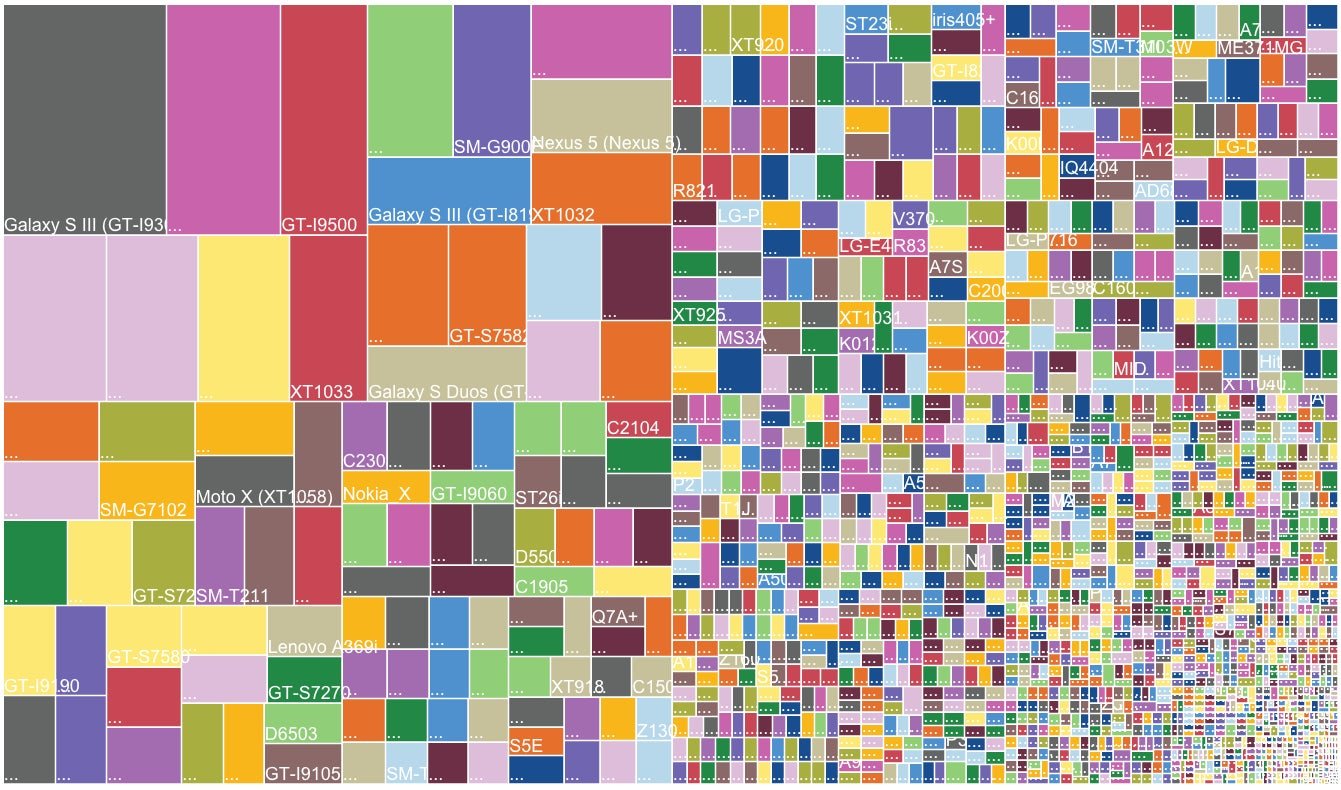
There are now nearly five times the number of phone models running Google’s Android operating systems in use in the world as there were in 2012.

Technology has a lot to answer for: killing old businesses, destroying the middle class, Buzzfeed. Technology in the form of the internet is especially villainous, having been accused of everything from making us dumber (paywall) to aiding dictatorships. But Michael Harris, riffing on the observations of Melvin Kranzberg, argues that “technology is neither good nor evil. The most we can say about it is this: It has come.”

Johannesburg is South Africa’s largest city. It is also one of the most crowded and densely populated. As a result, mobile phone signal often suffers from too many people trying to connect to one cell tower. The dense built-up environment doesn’t do phone reception any favors either.

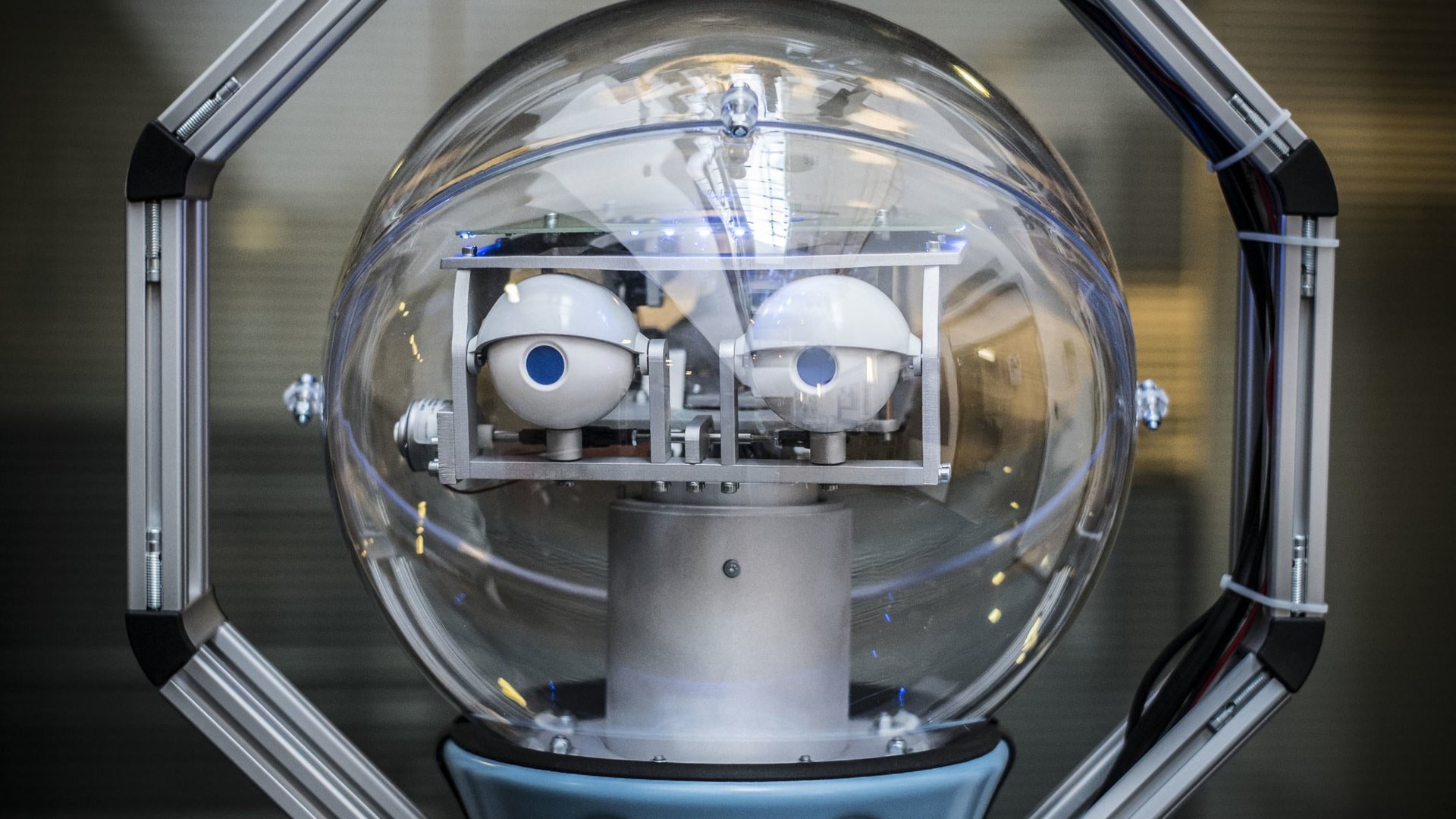
When Denise Hebesberger hired Henry as a temporary worker at the Haus der Barmherzigkeit, a home for elderly and chronically ill people in Vienna, she worried about prejudice. Given the advanced age of many of the residents, ”we assumed maybe there [would be] some fears about interacting with him,” she says, but “observational data and interviews showed people are really quite curious and open-minded.”

It seems like every new app you download these days practically begs you to turn on notifications, or the ability to send you alerts when the app isn’t running. Sometimes these alerts are useful, as in the case of apps that tell you when a taxi has arrived or a message has been received. But there are many more apps—music, travel, games—that simply want your attention for their own benefit.

Technology companies are known for their use of analytics. The most famous—or notorious—example was at Google, which once tested 41 shades of blue to decide what color to use on a toolbar. But tech companies are far from the only ones that interrogate data to make better-informed decisions. Indeed, according to a new report from PwC, a consultancy, traditional businesses use analytics slightly more often across business functions than tech firms.

Remember Excite? How about AltaVista? Maybe Lycos?

It’s been half a year since the web’s first new top-level domains (gTLDs) went live, a moment Quartz called “the biggest land rush in history.” The web is in the process of moving from fewer than two dozen TLDs (such as the .com in qz.com) to over a thousand. Nearly 200 have already gone live.

Just five years ago, mobile phone penetration in Myanmar stood at 1%. By 2013, it had already shot up to 13%. The government wants to drive that number north of 75%.

It is hard to feel much sympathy for estate agents. They insert themselves between seller and buyer, charging baffling fees and spouting disingenuous spiel. So the rise of online competition might sound like good news—disruption and all that.

The death of email has been foretold for at least the past decade. Spam had the opportunity; Instant messaging had a motive; email overload had the means. Yet email has stubbornly refused to die.

There will be more Indians on the internet by the end of this year than there are Americans, according to Rajan Anandan. He should know; Anandan heads up Google in India.

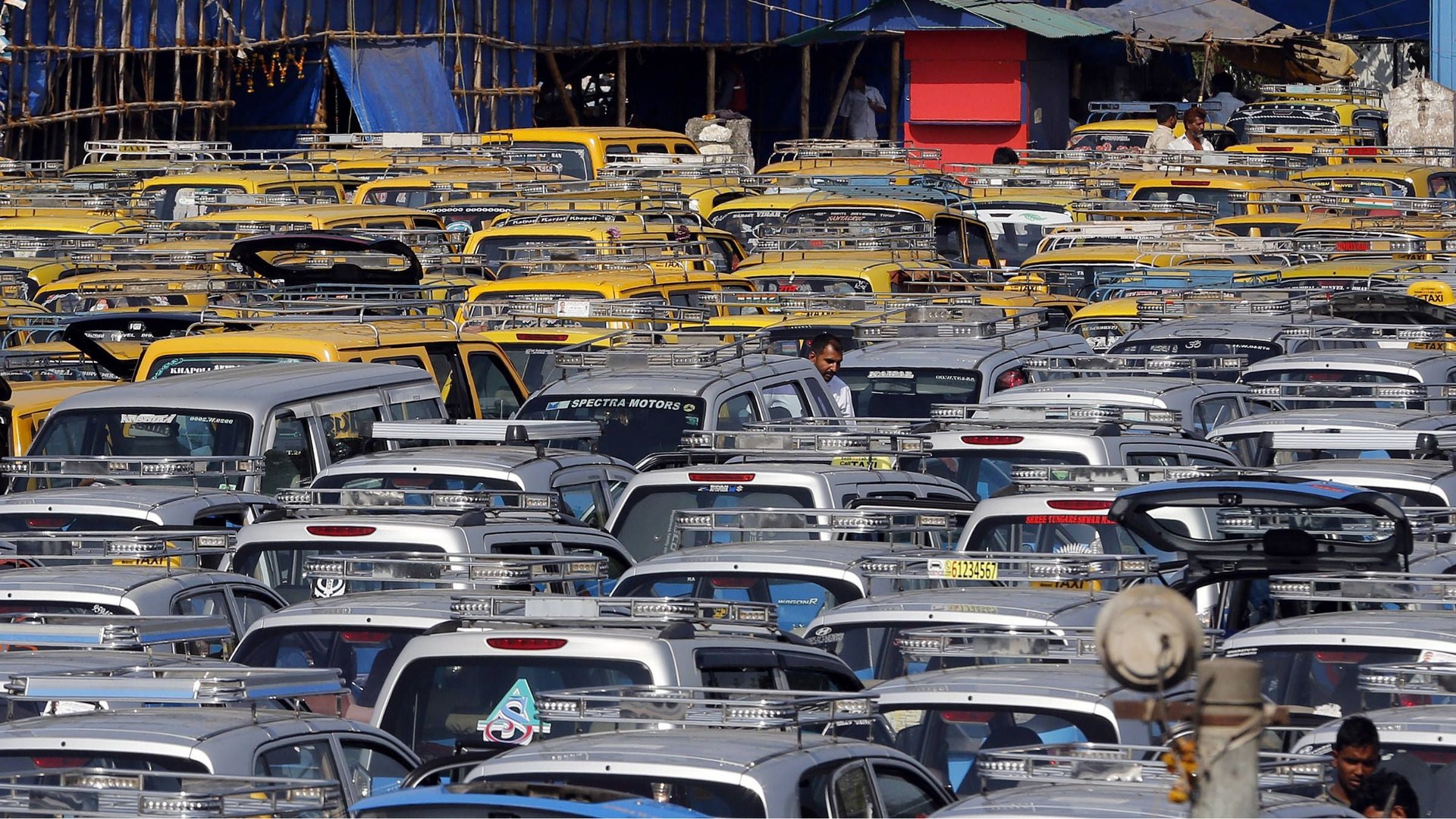
Cabbies around the world have protested the rise of Uber, an app that helps people find taxis, by staging noisy protests, blocking the streets and creating snarling traffic jams. Their counterparts in India—where the traffic is frequently gridlocked anyway—are deploying a much more powerful tool: legal nitty-gritty.

It was the smart cup that did it.