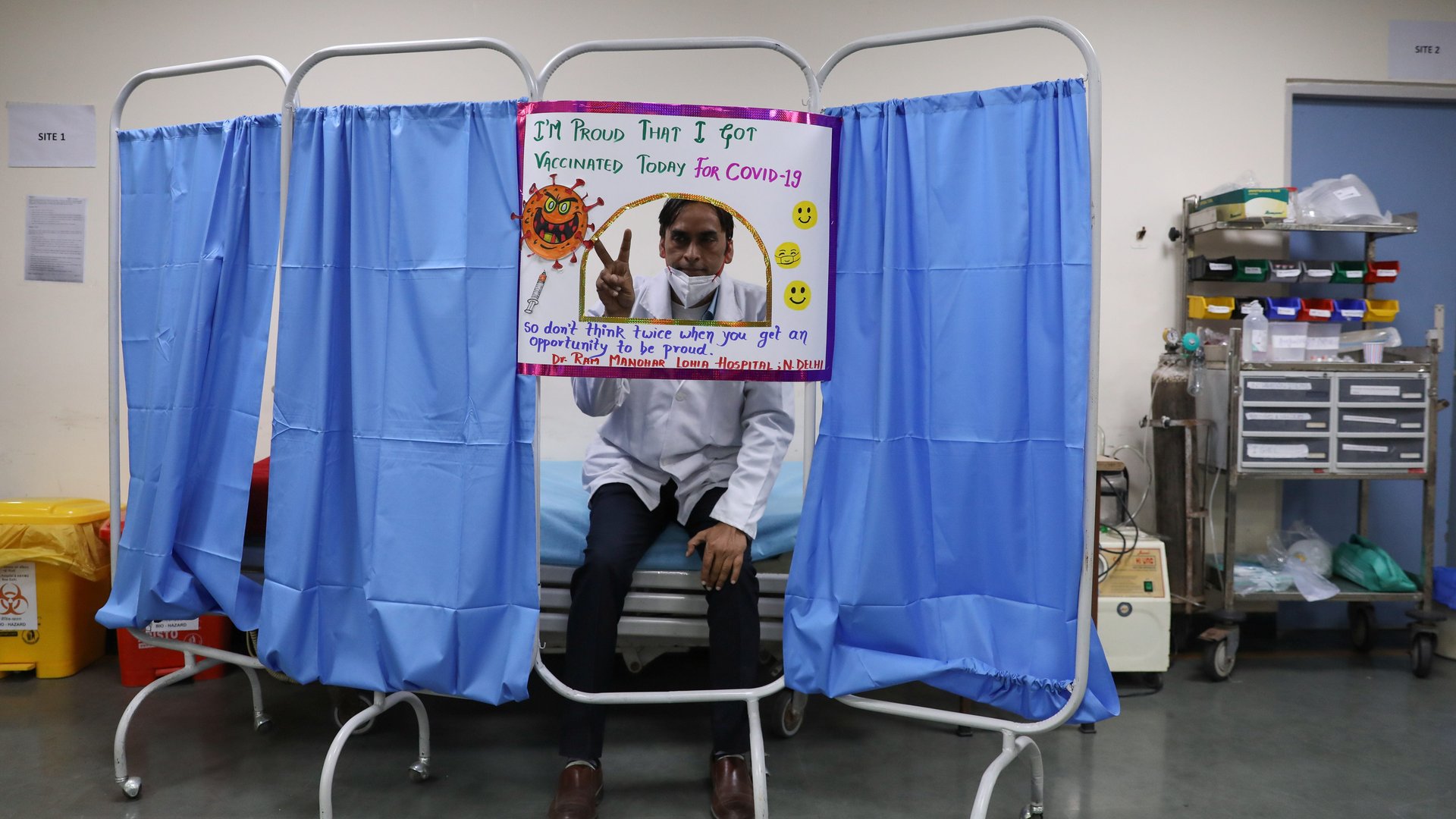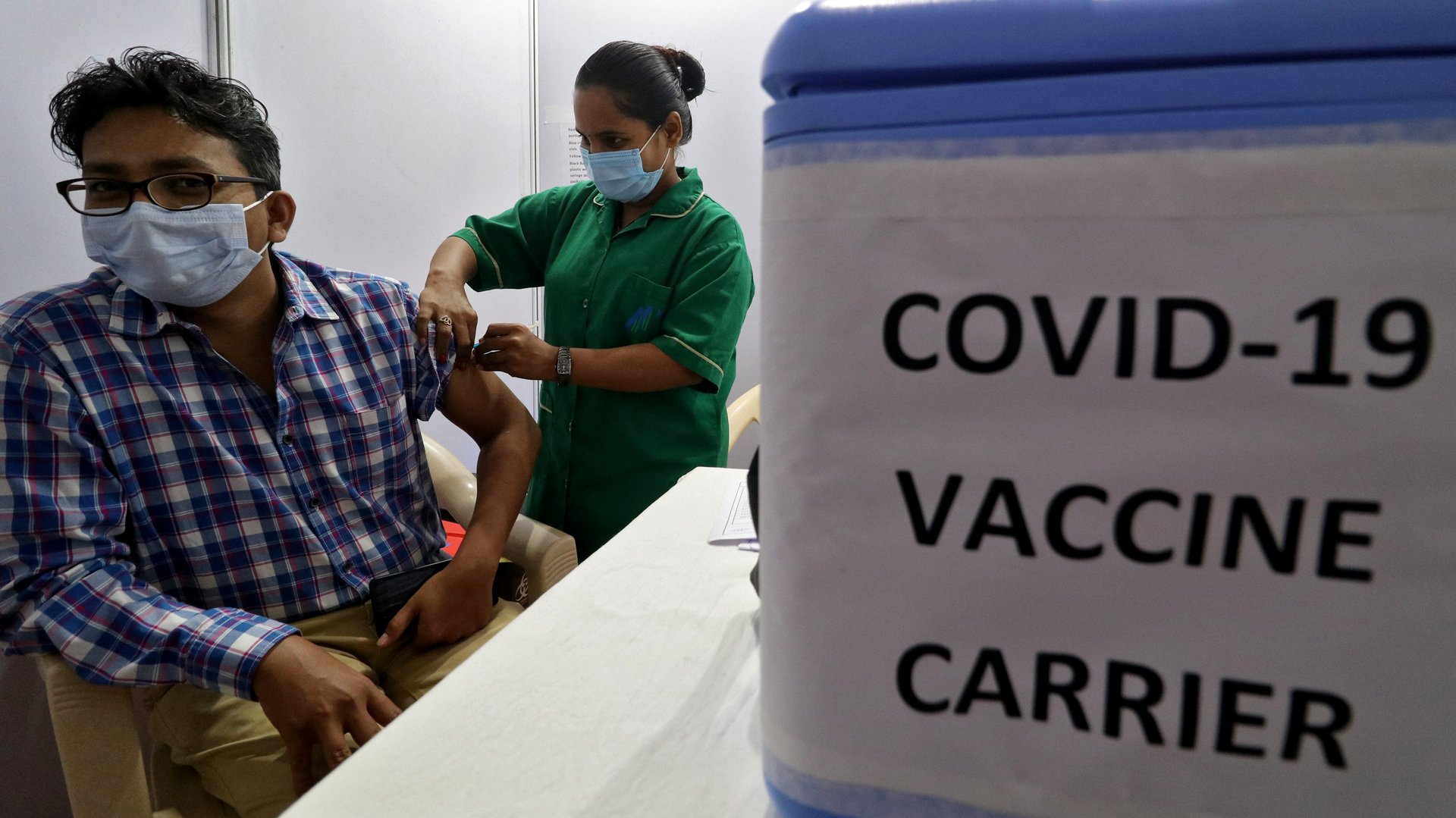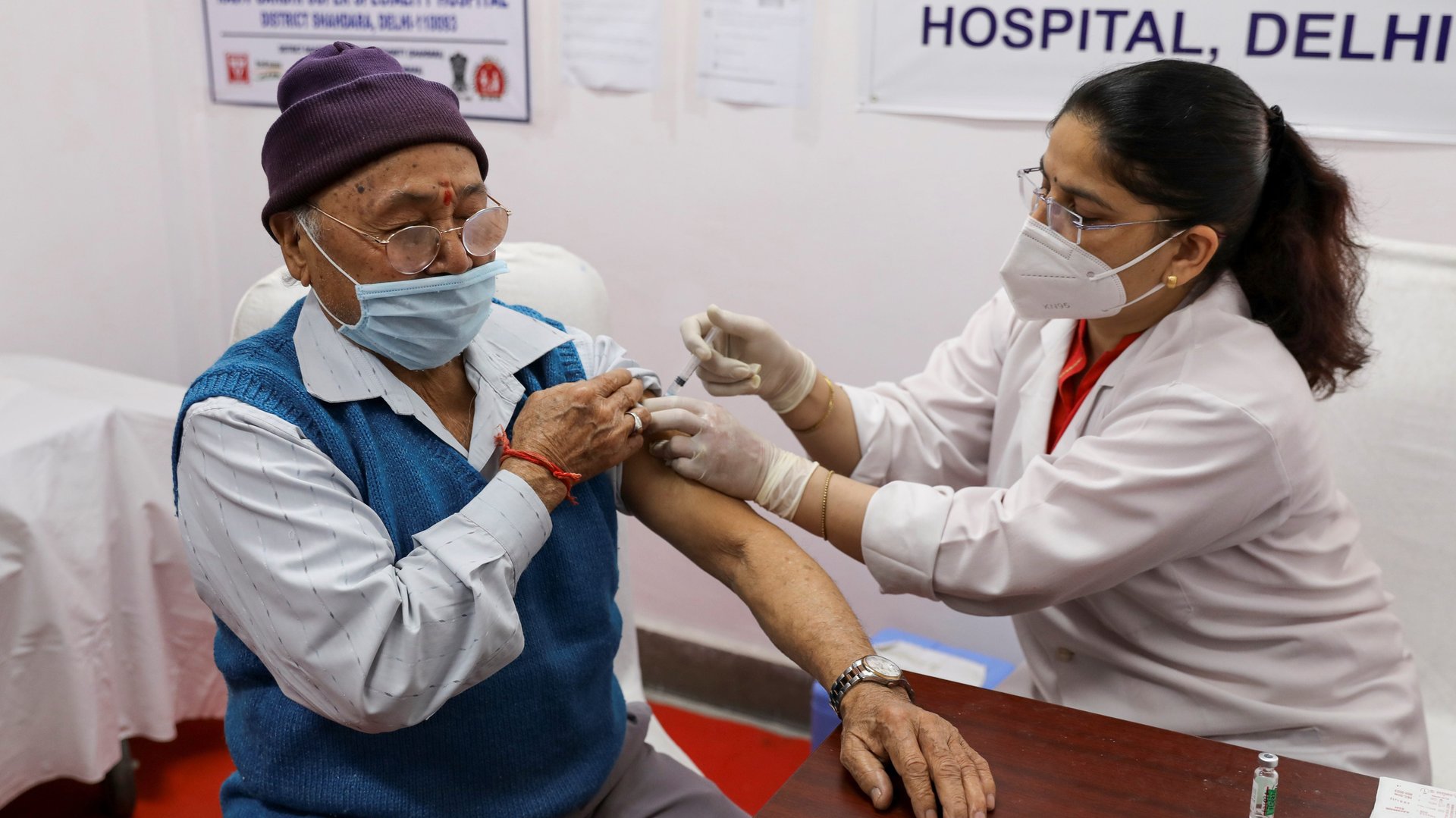
As Indians sit down to register their eligible family members for the Covid-19 vaccine, one question dominates the decision to take the shot: Should one wait for better, more efficacious vaccines?

As Indians sit down to register their eligible family members for the Covid-19 vaccine, one question dominates the decision to take the shot: Should one wait for better, more efficacious vaccines?

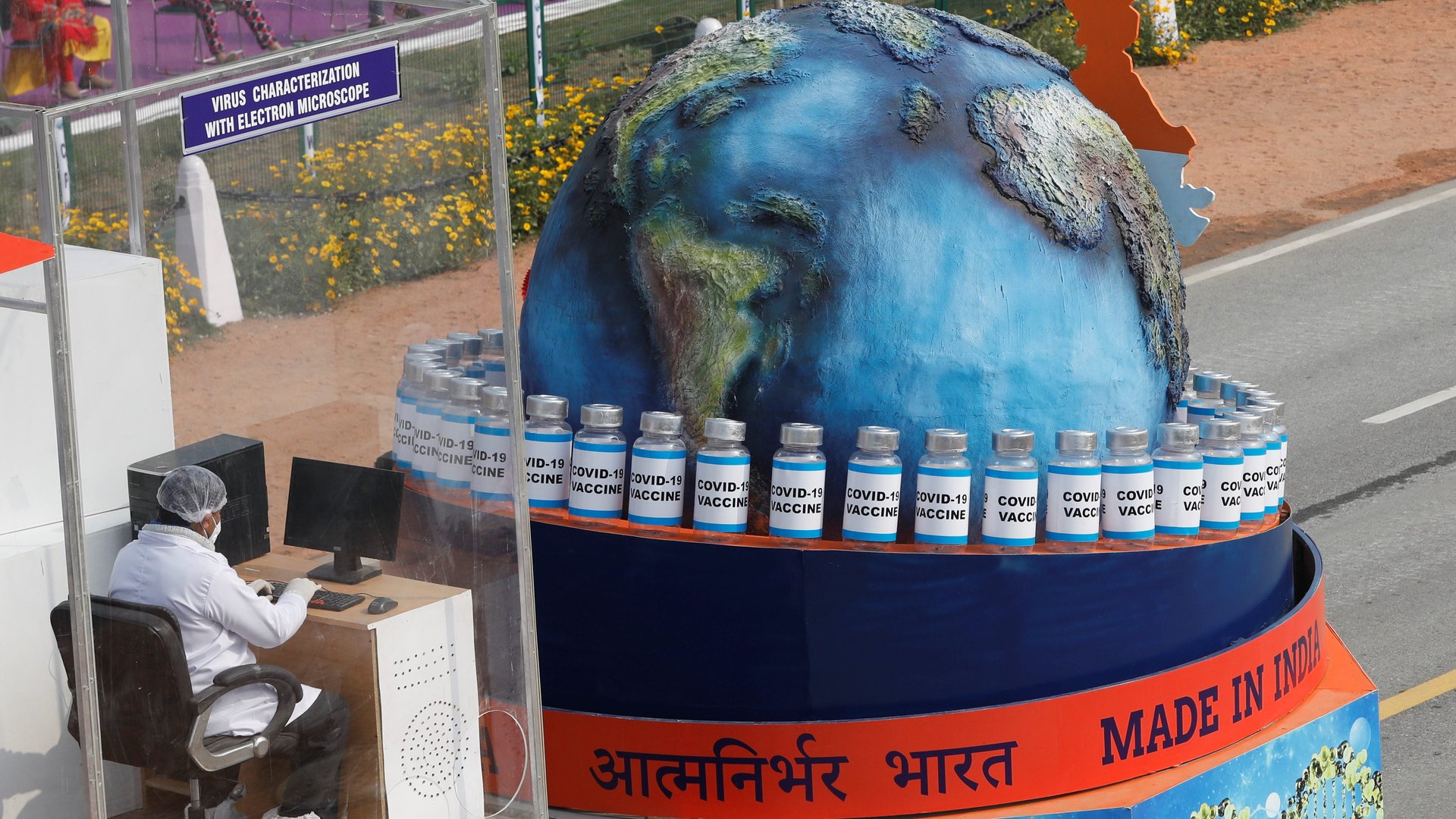
India has pushed the pedal on its Covid-19 vaccine drive.

India’s subject expert committee (SEC) on Covid-19 vaccines has been mercurial in its approval processes.

Indian incomes were on a downward slope—and then came the pandemic.

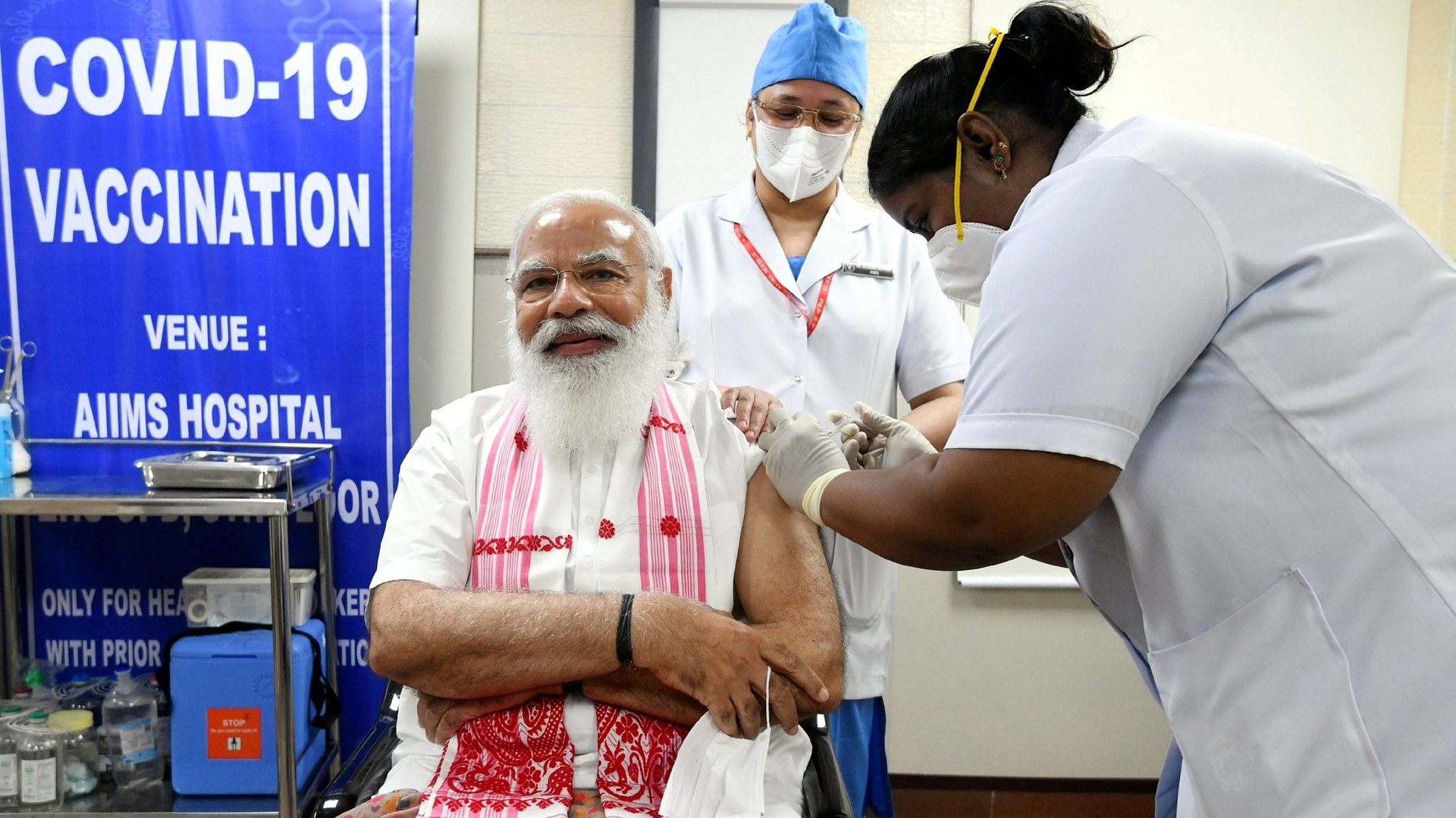
After six weeks of beginning its Covid-19 vaccination drive for healthcare and frontline workers, India is all set to expand it to include the general population.

A spike in the number of new Covid-19 infections threatens to overturn the progress India has made in containing the pandemic.

When India went into lockdown in March 2020, the fear of Covid-19 swiftly spreading through a densely populated country of 1.3 billion people was dangerously real.

There are two ways of getting married in India, depending on how conservative your family is: You can either let your parents arrange a match for you, or you can try to find a match yourself.

Joe Biden did it, Benjamin Netanyahu did it, even Mike Pence did it. But Narendra Modi has not—yet.

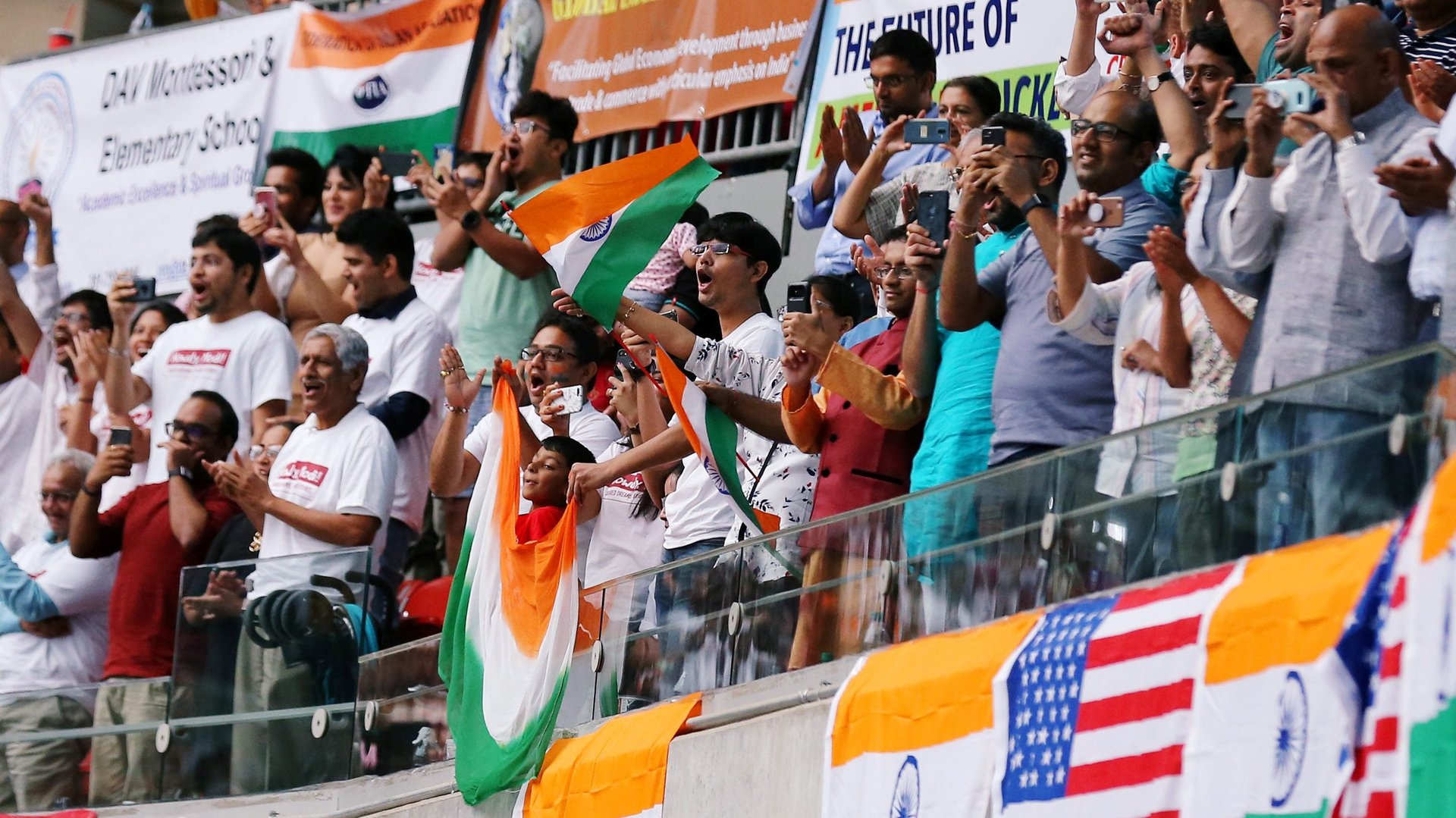
Indian Americans view prime minister Narendra Modi largely approvingly.

The Narendra Modi government, which kept a hawk-eye on spending over the past seven years, has said that the fiscal deficit for 2020-21 will stand at 9.5%. This would be the highest at least since India liberalised its economy in 1991.

During a pandemic year, mental health crises have received renewed focus across the world, including in India. And yet, the country has no data on the number of mental healthcare professionals.

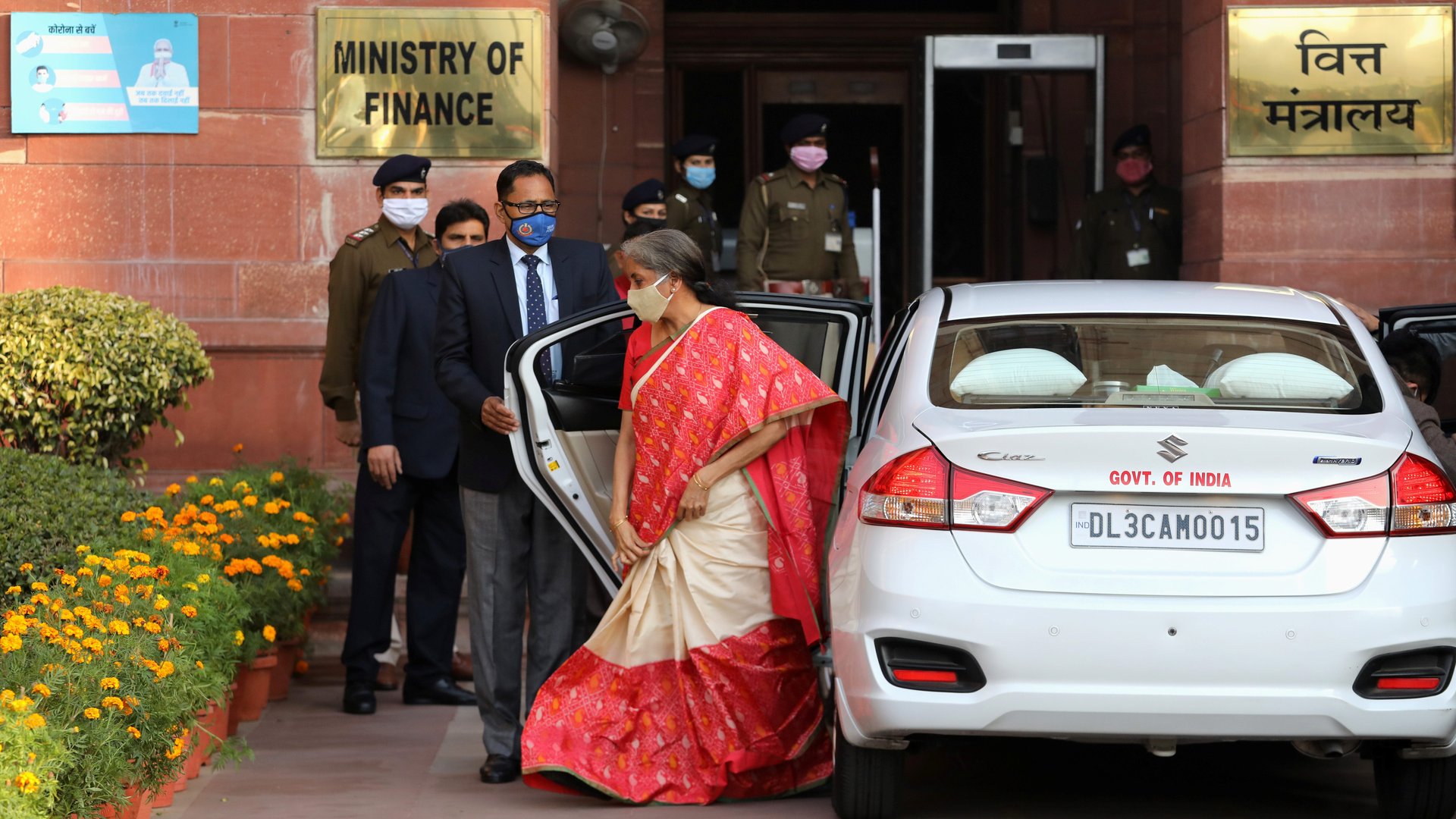
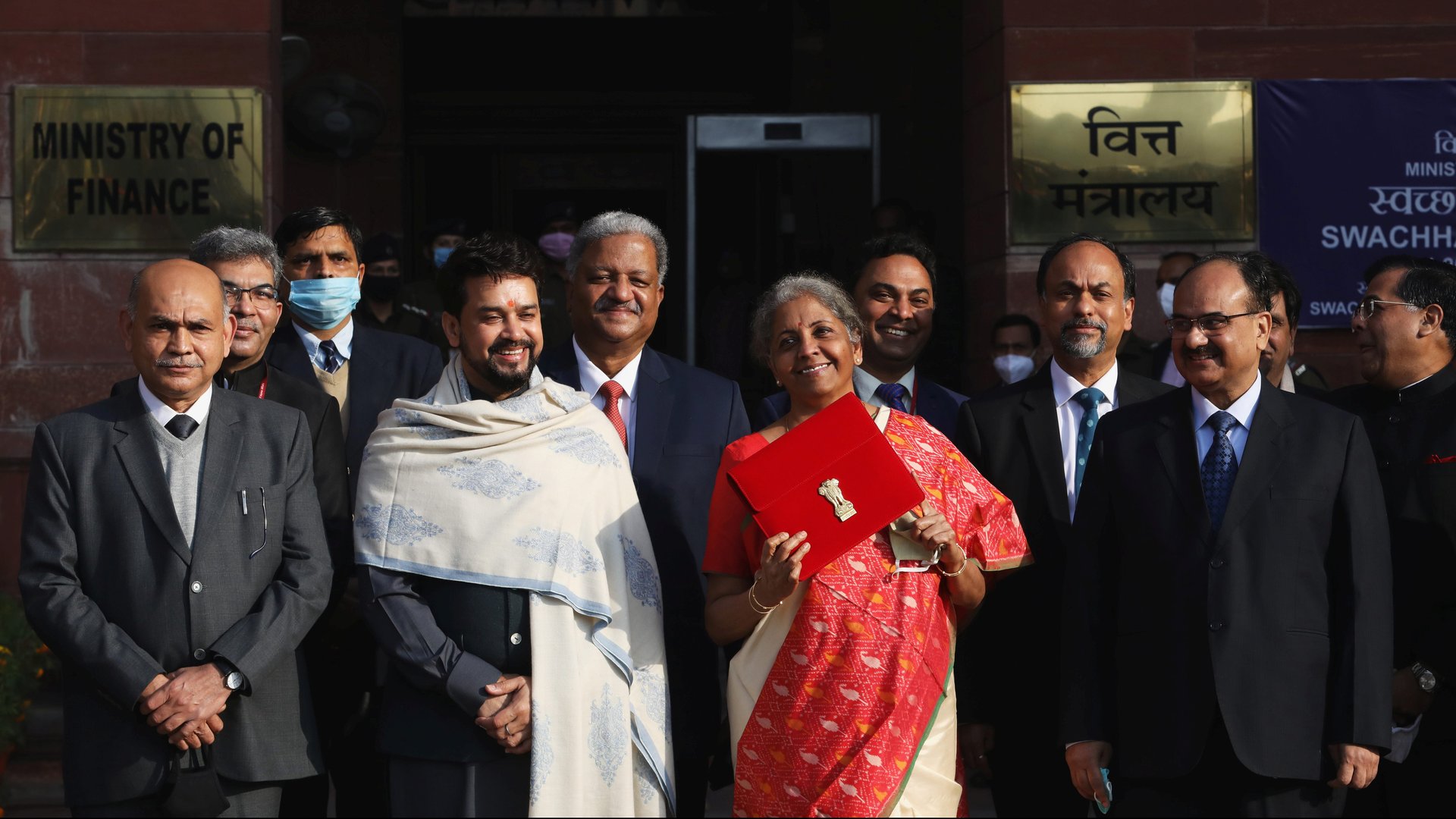
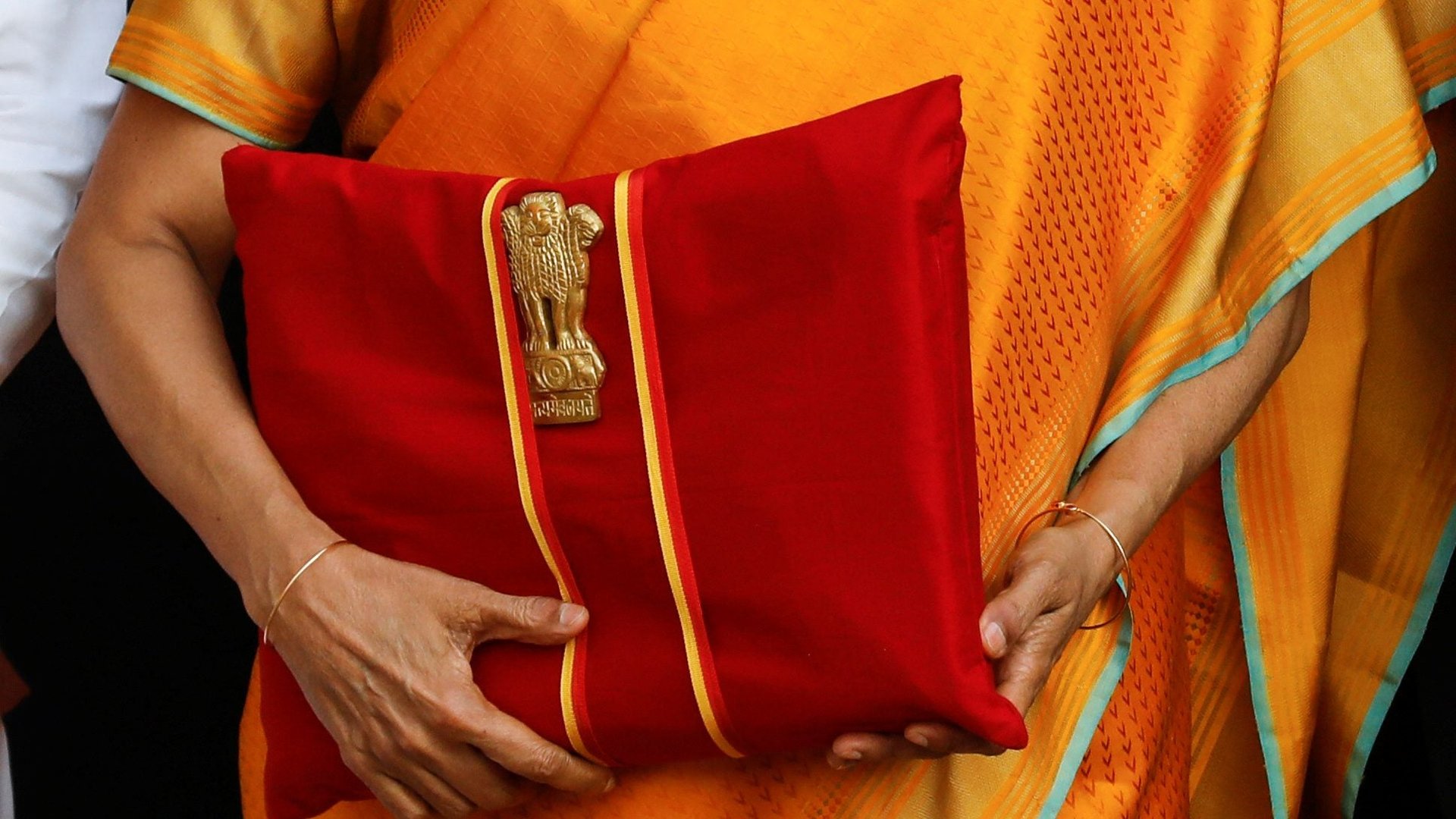
In an example of how Covid-19 has changed governance, finance minister Nirmala Sitharaman addressed healthcare as the first item on her union budget checklist.

India’s Covid-19 story is panning out in two directions currently. The number of active and daily new cases are trending downwards, and the vaccines administered are charting upwards.

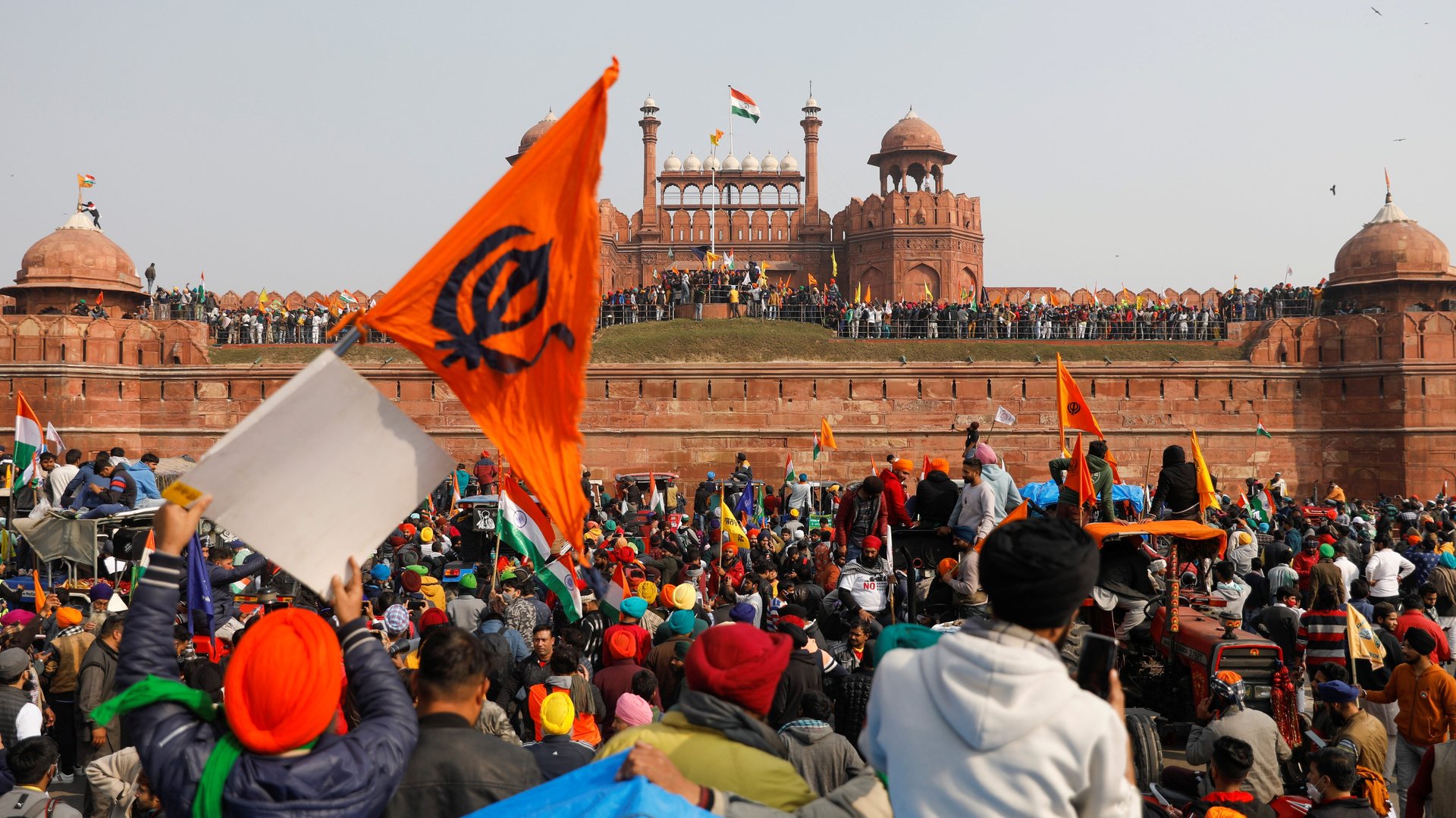
Fluttering in the chilly Delhi winter breeze, a triangular flag was hoisted on Jan. 26 on the ramparts of the Red Fort, a Mughal-era monument.

India’s union budget, which will be announced on Feb. 1, will need to account for the country’s vast and ambitious Covid-19 vaccination programme.

While finance minister Nirmala Sitharaman navigates the obstacle course between fiscal deficit and economic stimulus, her announcements for India’s healthcare sector will be closely watched.

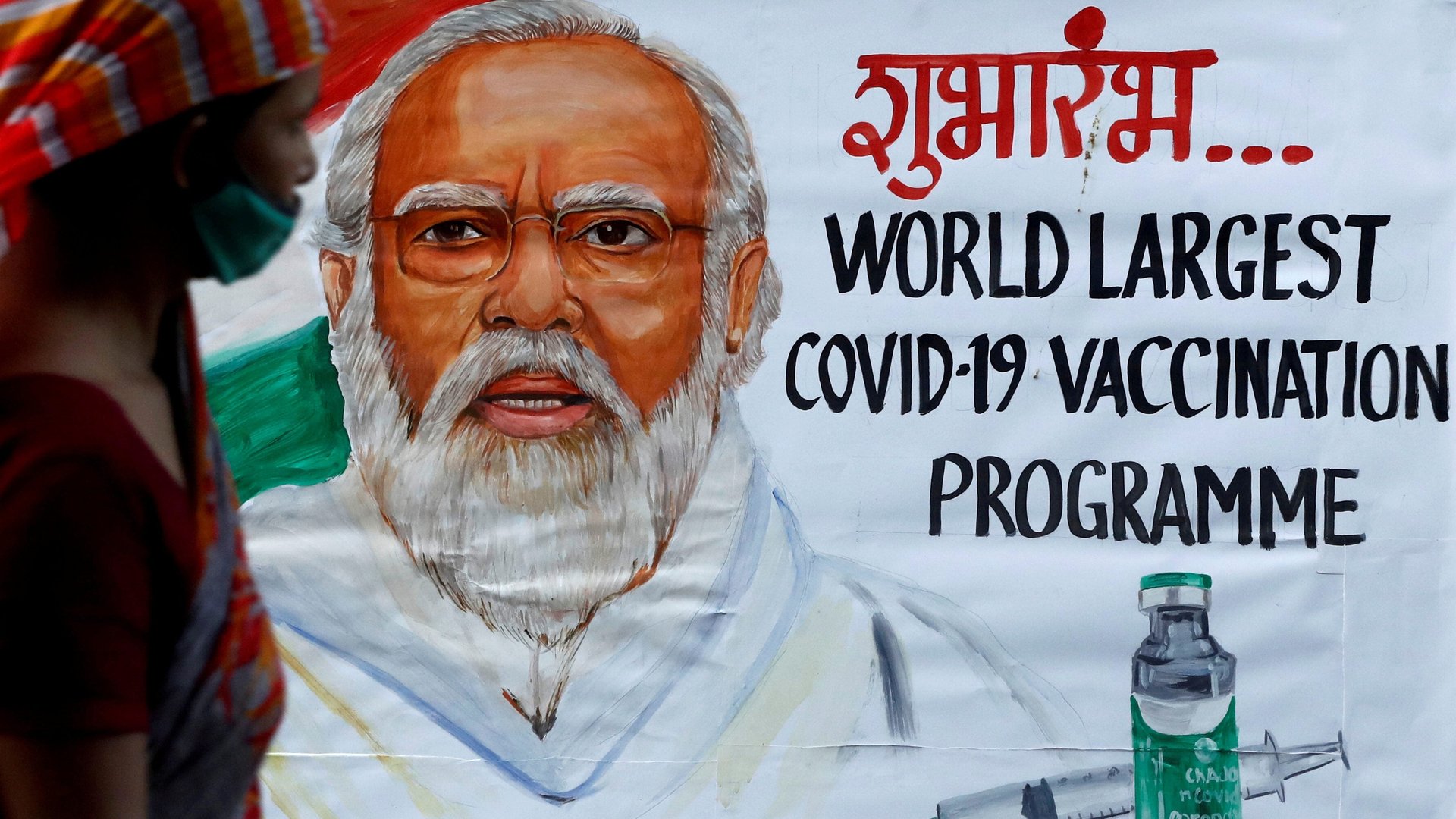
India has kicked off the world’s largest Covid-19 vaccination programme, but the shadow of rushed approvals persists.

One of the world’s top 10 richest men is Indian, but nearly a fourth of the world’s poorest people live in India. And Covid-19 only made this paradox worse.

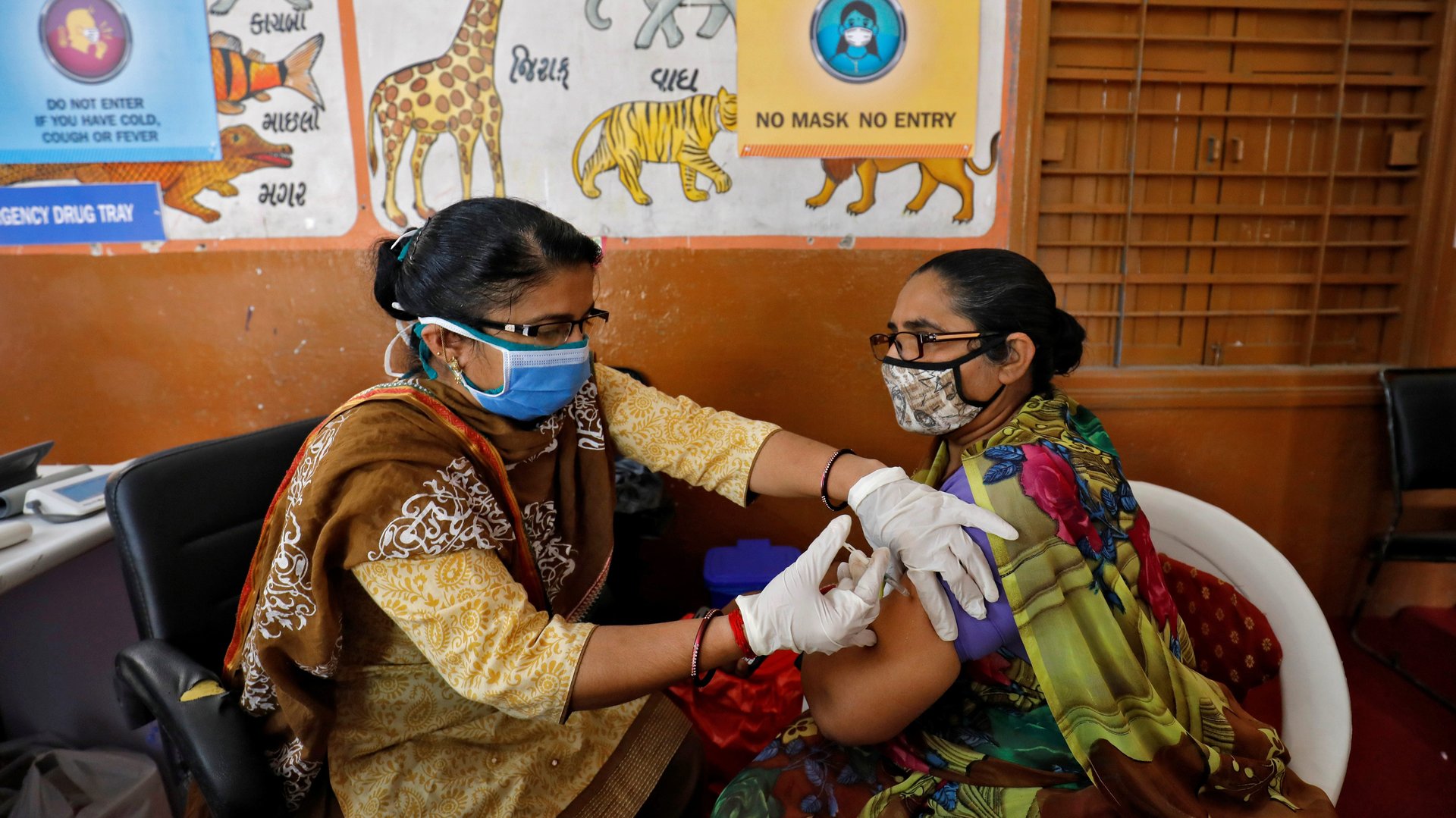
India’s mass immunisation plan for Covid-19 hinges on some of the lowest-paid workers in its healthcare system.

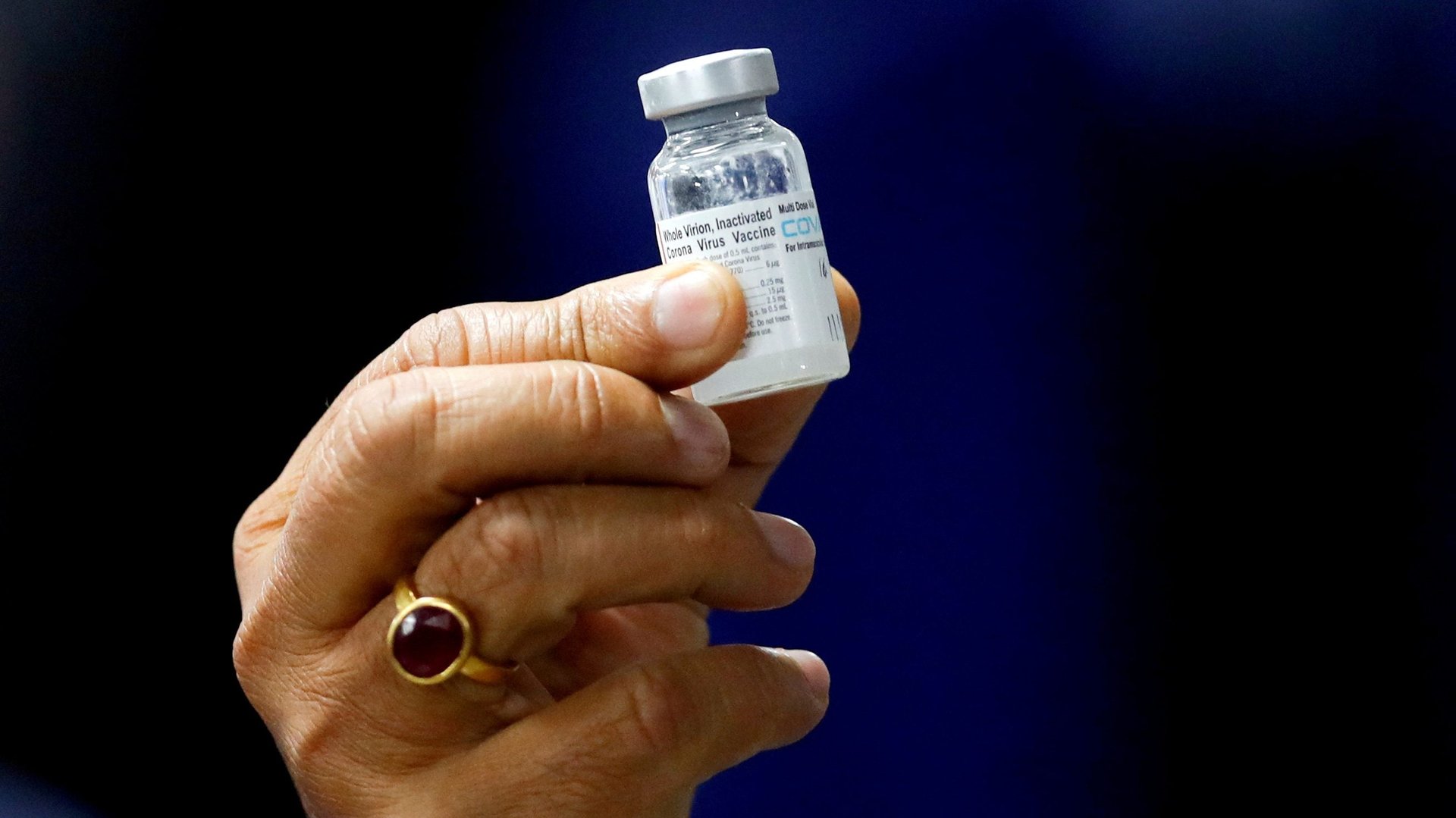
A shadow is lurking over the trial process of India’s homegrown Covid-19 vaccine.

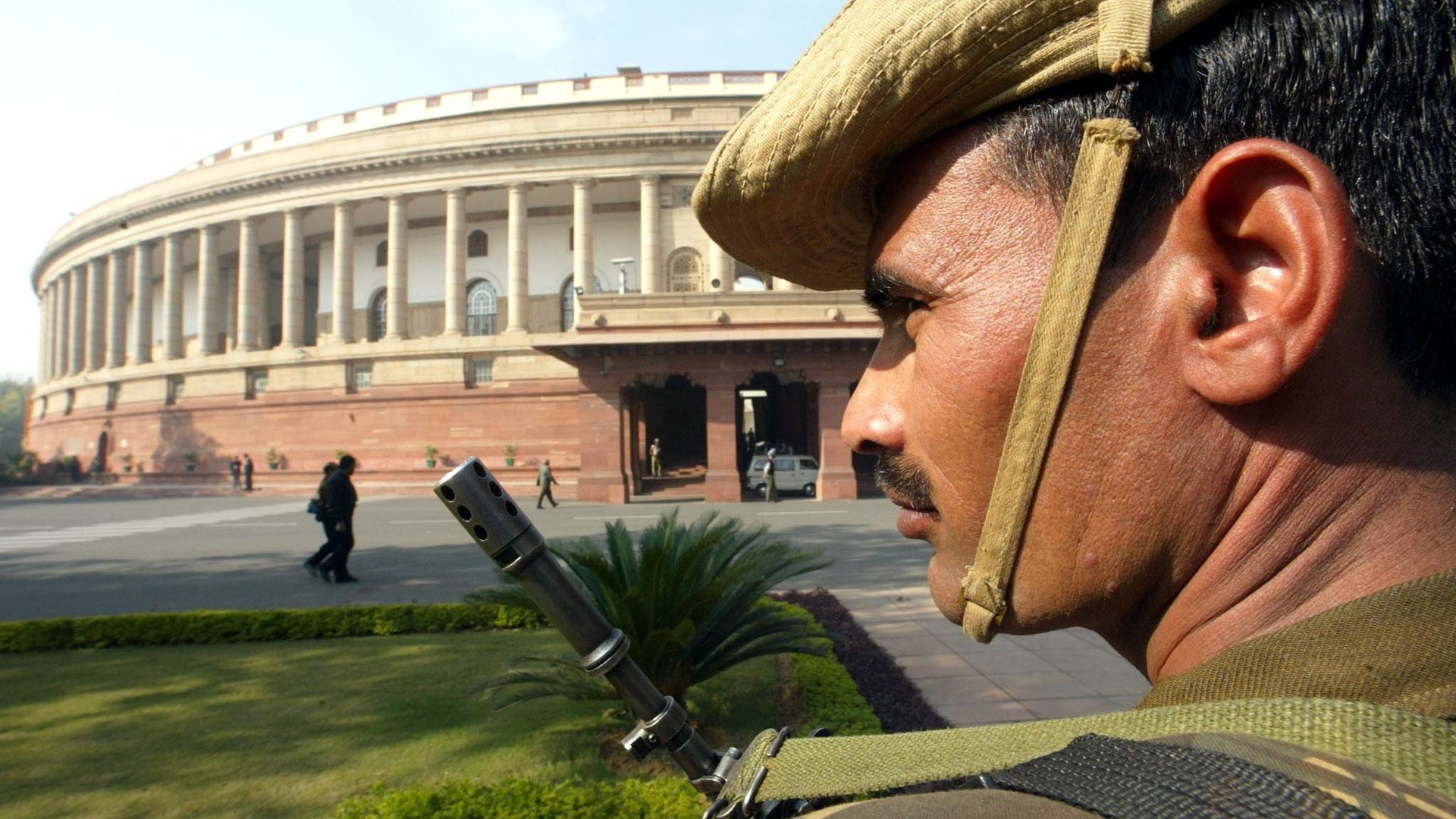
Indians waking up to the news of a violent mob attack on the US Capitol on Jan. 6 will likely remember a similar assault on India’s seat of democracy. Prime minister Narendra Modi expressed his disappointment at events in the US.

Coronavirus lockdowns over the last year have had an outsized impact on some of the world’s eating habits, including a desire to eat more healthily, and have a great connection to the source of our food.

India’s homegrown Covid-19 vaccine became more attractive to the government’s expert committee in just one day.