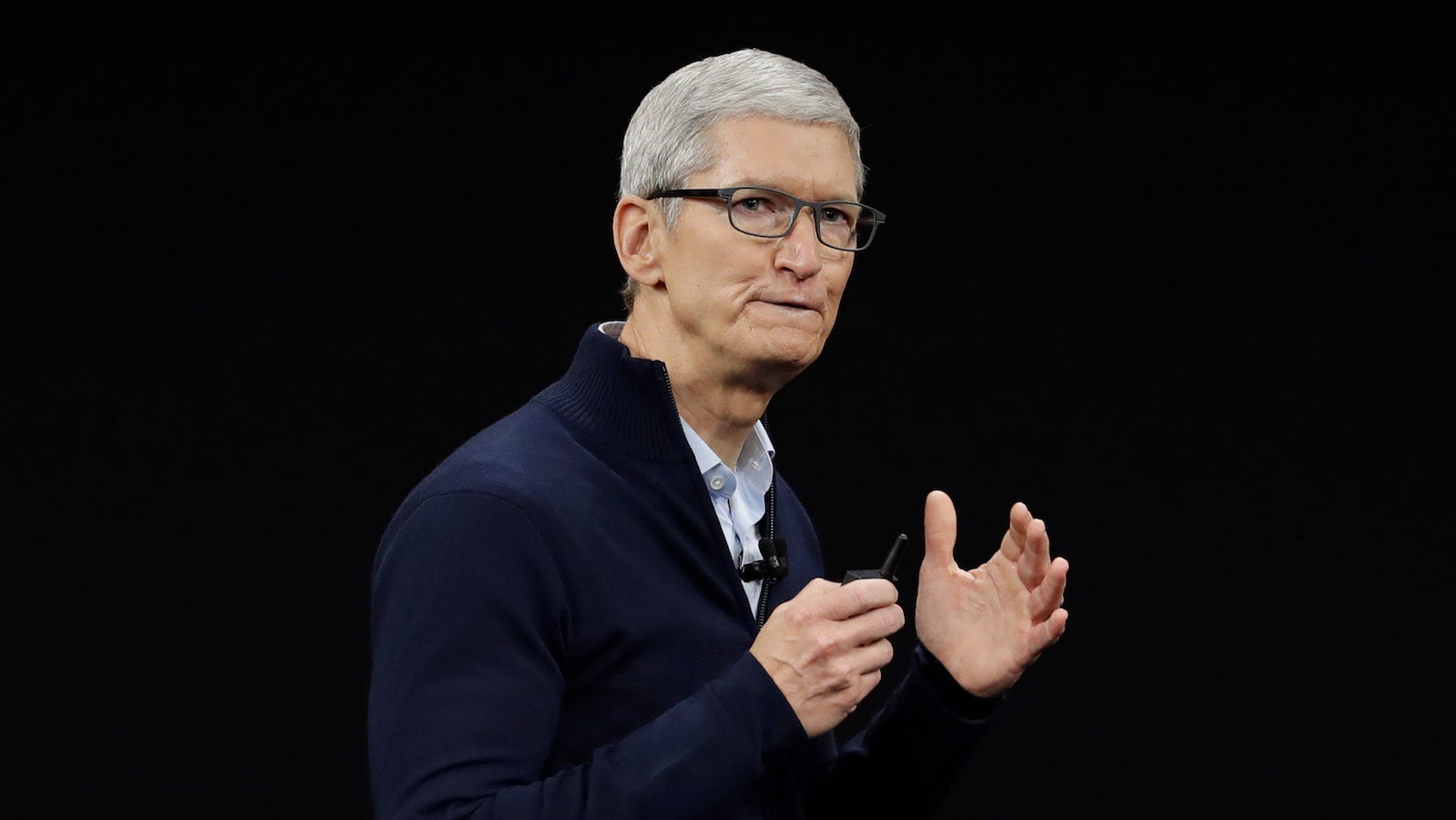
Apple CEO Tim Cook hasn’t been shy about his support for DACA, the federal program, now under threat by the Trump administration, to legalize immigrants who came to the US illegally as children.

Apple CEO Tim Cook hasn’t been shy about his support for DACA, the federal program, now under threat by the Trump administration, to legalize immigrants who came to the US illegally as children.

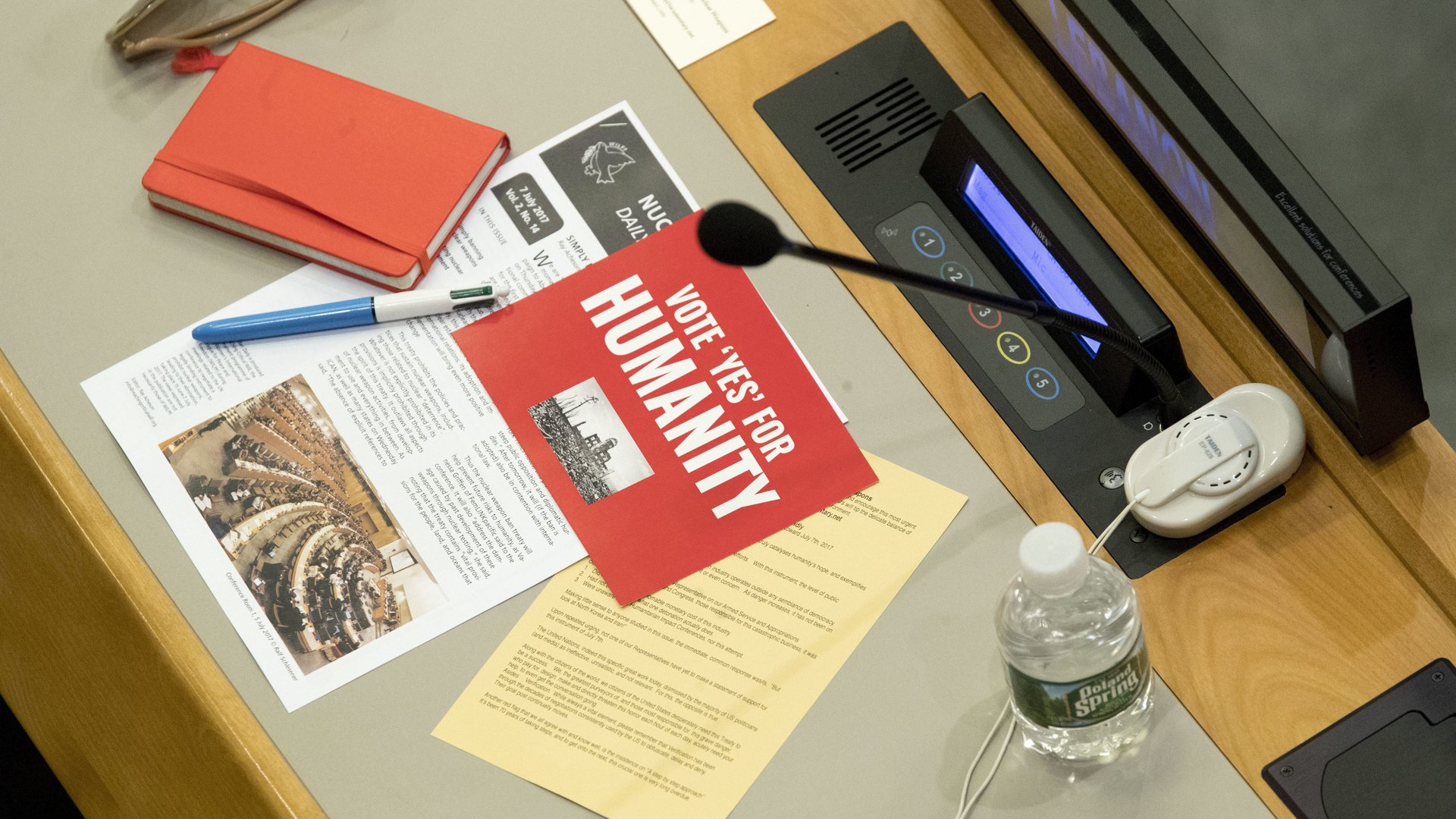
The Swedish Academy awarded the Nobel Peace Prize to the International Campaign Against Nuclear Weapons (ICAN) today, in what it said was an “encouragement” for countries to get behind the Treaty on the Prohibition of Nuclear Weapons being pushed at the United Nations.

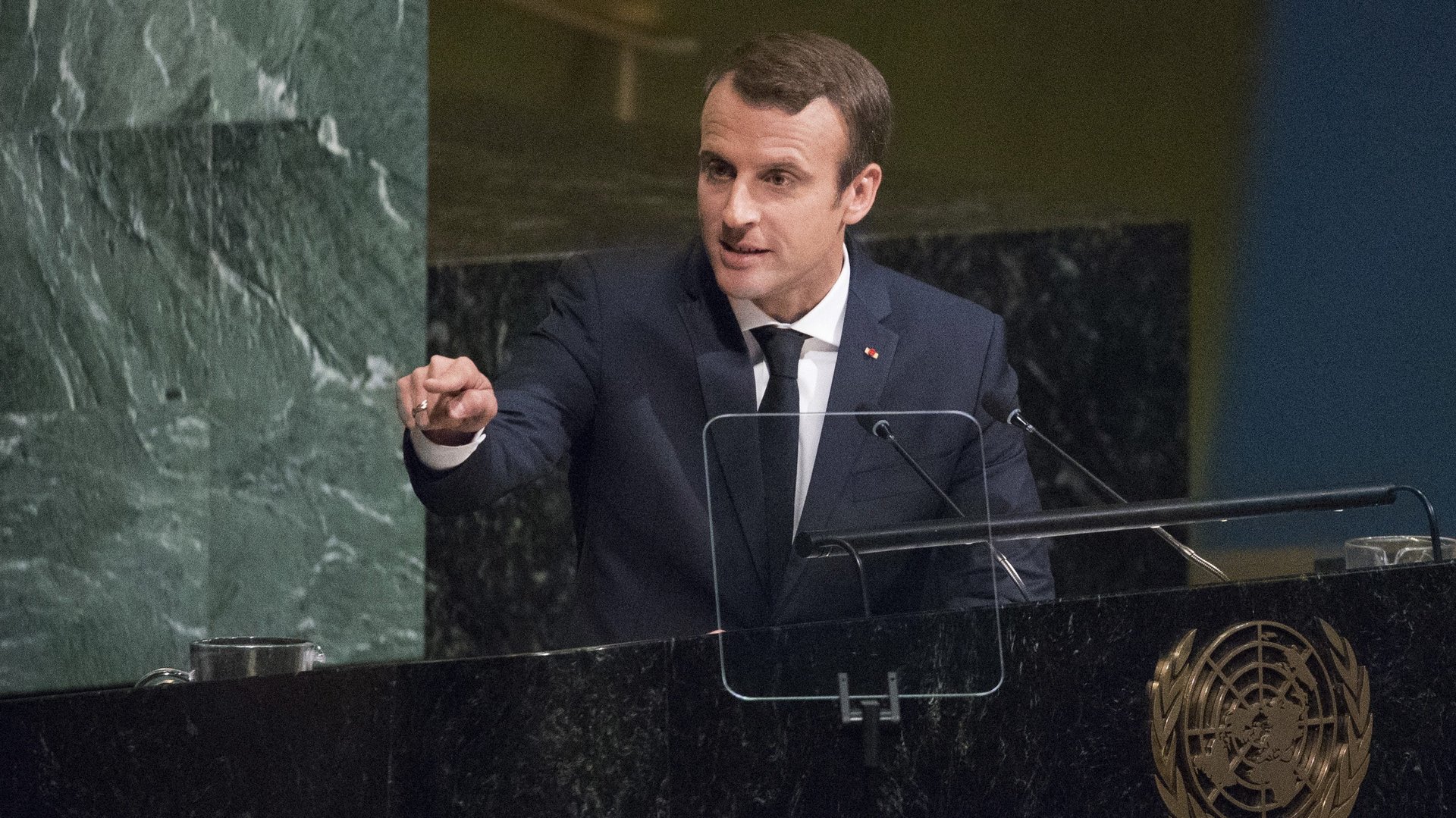
French president Emmanuel Macron may have buddied up with America’s Donald Trump for Bastille Day in July (paywall). But at the UN general assembly today, Macron took advantage of German chancellor Angela Merkel’s absence to stake out his position as the anti-Trump and his natural replacement as leader of the liberal world.

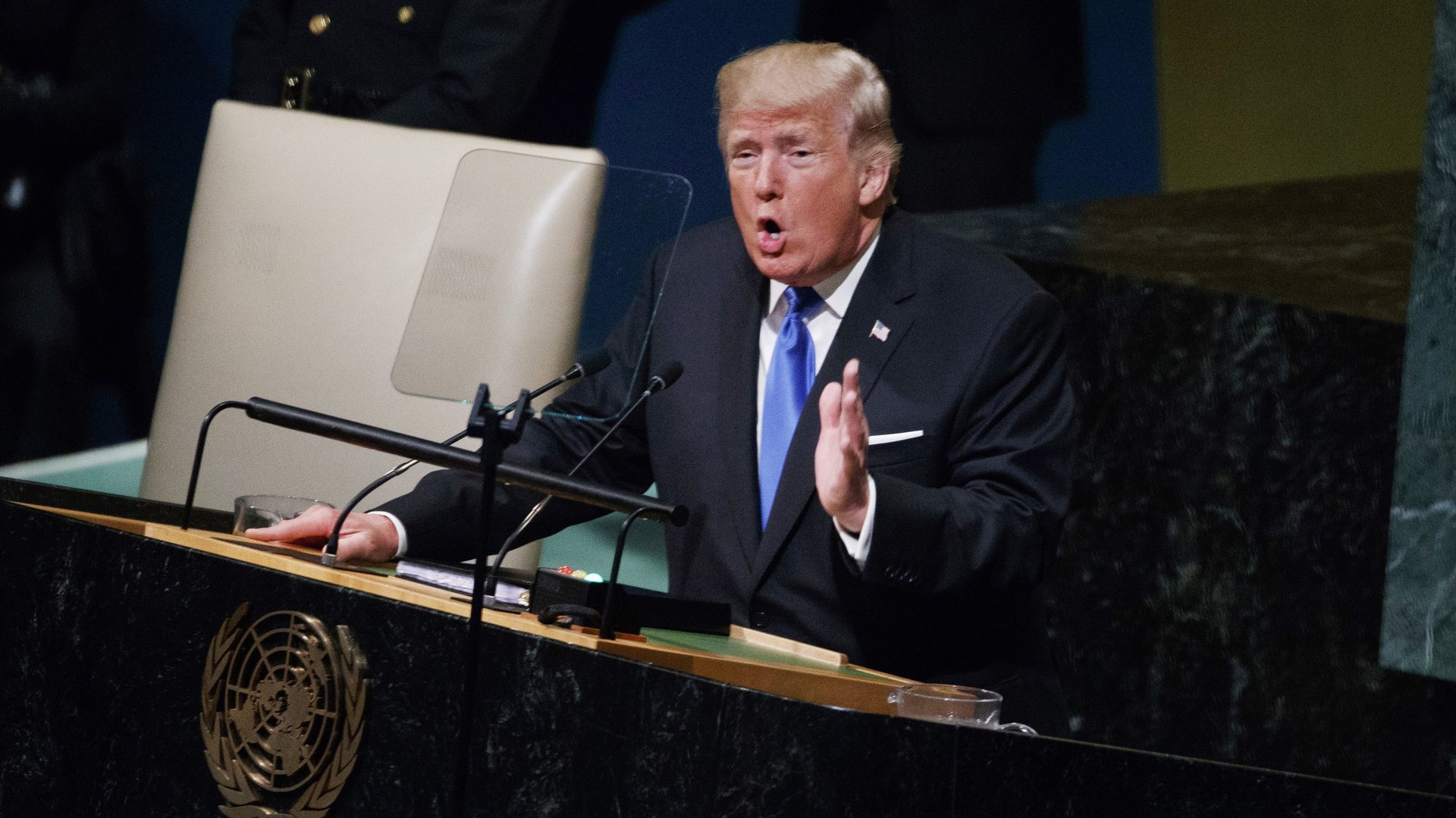
“Our success depends on a coalition of strong and independent nations that embrace their sovereignty, to promote security, prosperity, and peace, for themselves and for the world.”

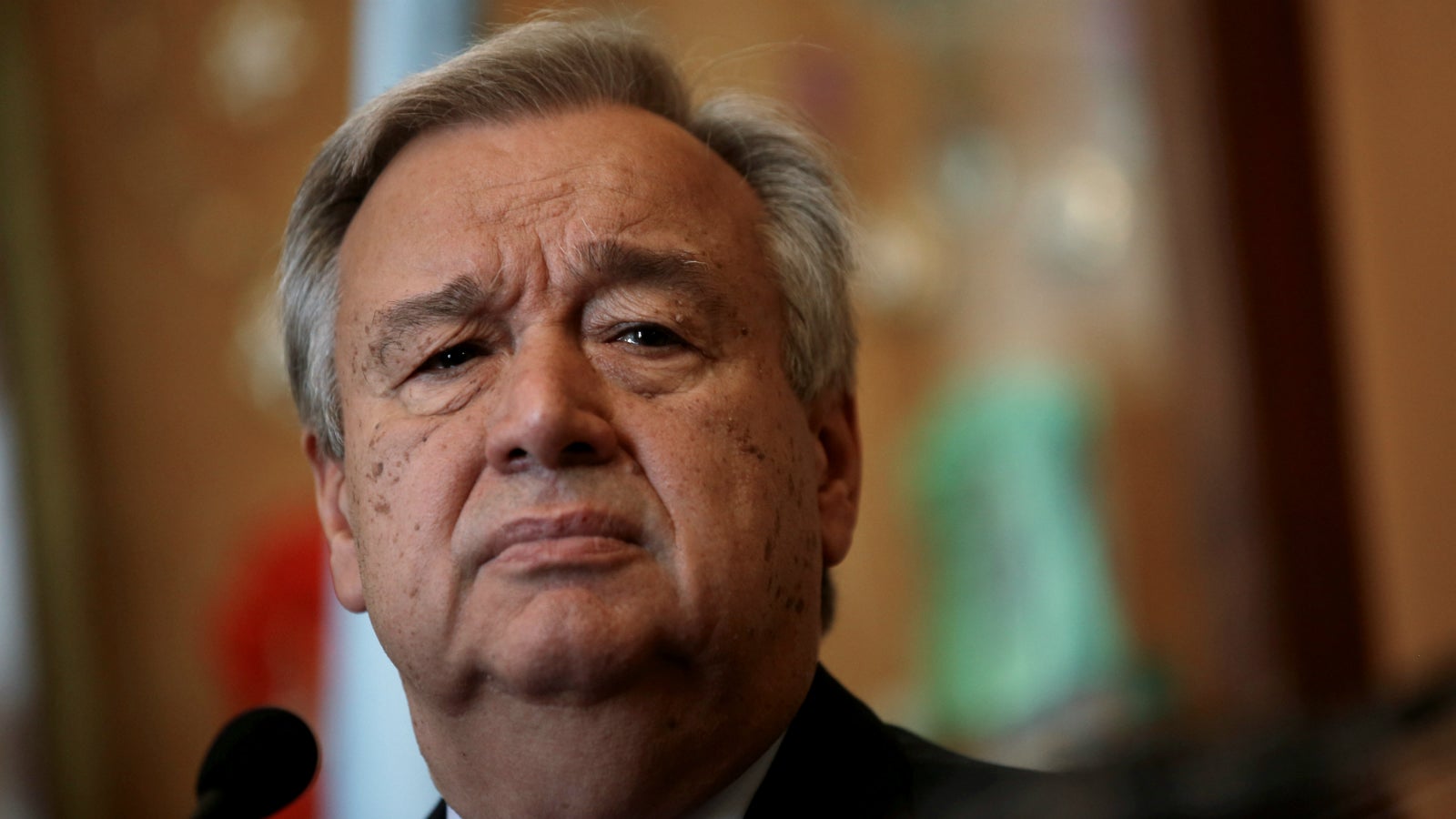
New UN secretary general António Guterres’ first General Assembly speech resembled some tentative steps in a dance with the event’s headline attendee, Donald Trump.

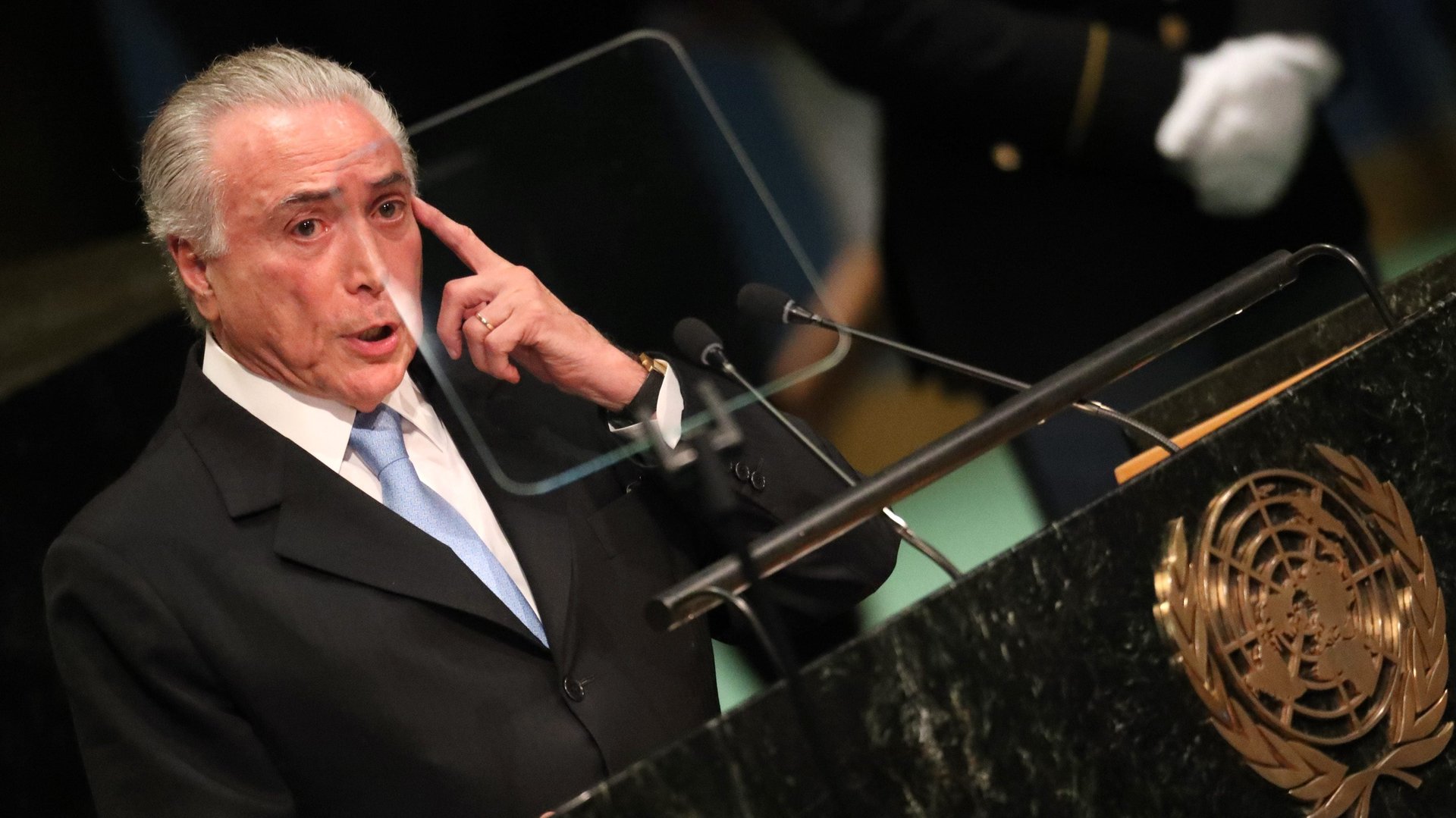
Brazil doesn’t seem the most logical country to open the five-day-long “general debate” at the United Nations General Assembly every year. It’s not a Security Council member; it doesn’t come first alphabetically; and it’s not the host nation. So why will Michel Temer, the country’s embattled president, be the first head of state to speak?

The United Nations’ collected diplomats and bureaucrats just breathed a sigh of relief.

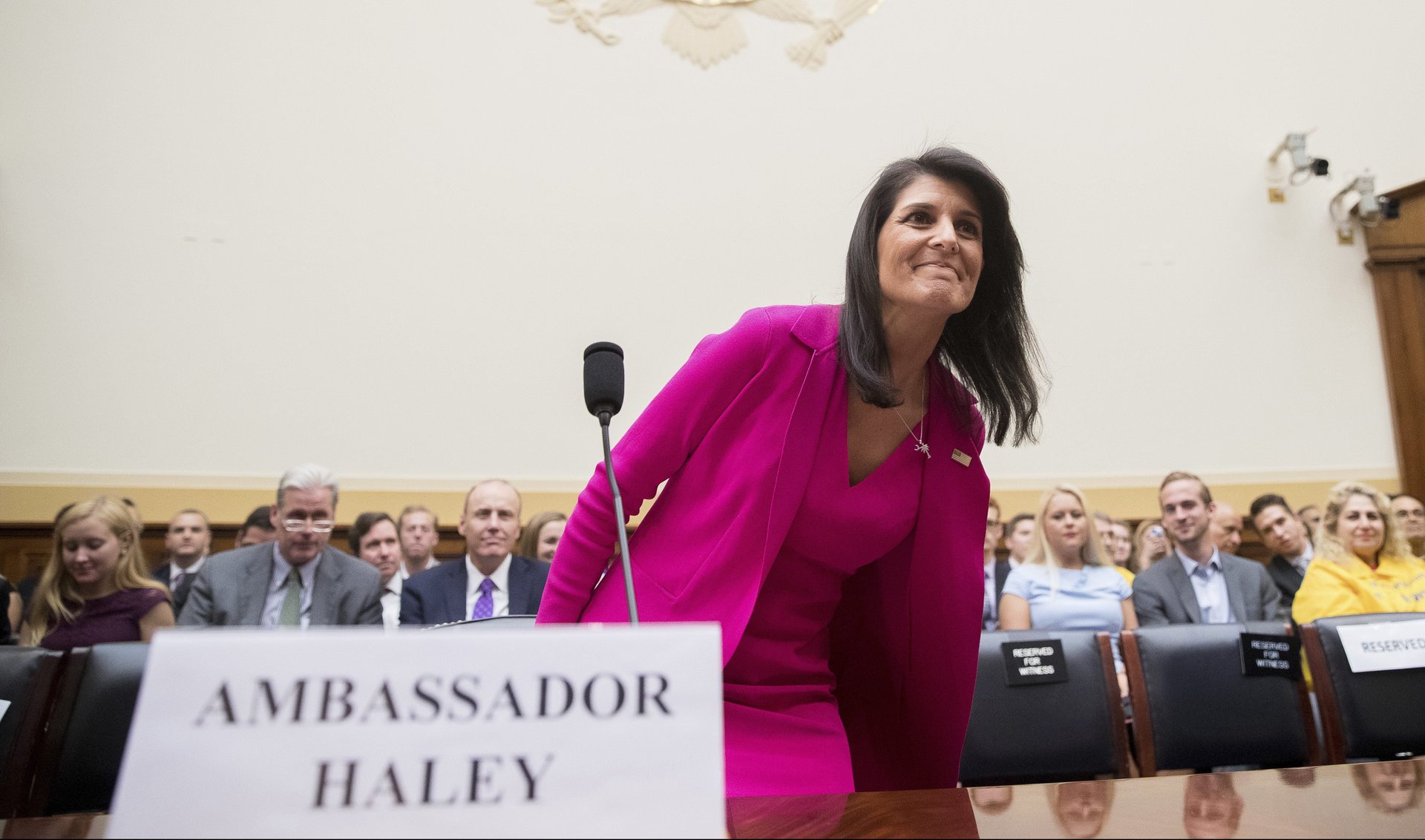
When asked last November to opine on rumors that then-South Carolina governor Nikki Haley was in line to be secretary of State, foreign policy sage David Rothkopf echoed the bewilderment of many in the international affairs community.

Tom MacArthur’s town-hall meeting should have been uneventful. It was May and MacArthur, a Republican congressman, had come home to New Jersey to talk to constituents, having won re-election with a hefty majority less than a year earlier. Normally, at such an event, he might have expected to field a couple of dozen idiosyncratic questions, trot out some polite replies, wrap up after an hour or so, and go home for an easy night’s sleep.

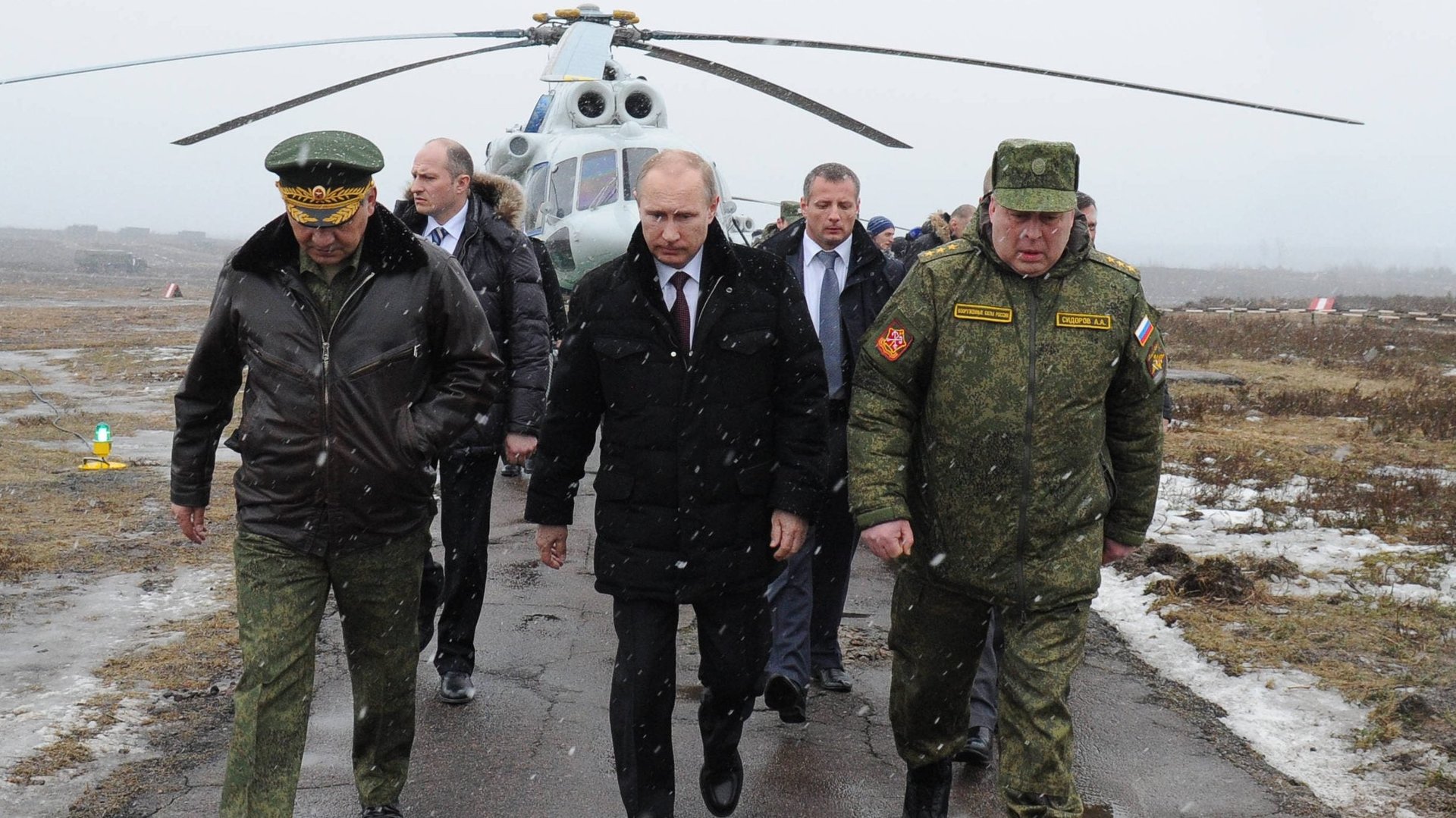
Today (Sept. 14), three new countries were born: Veishnoria, Vesbaria, and Lubenia. They will be short-lived, winking out of existence just six days later. They are three fictional states that Russia and Belarus will battle during a massive joint military exercise. They bear a striking resemblance to parts of Latvia, Lithuania, and Poland, the NATO members on Russia and Belarus’s borders.

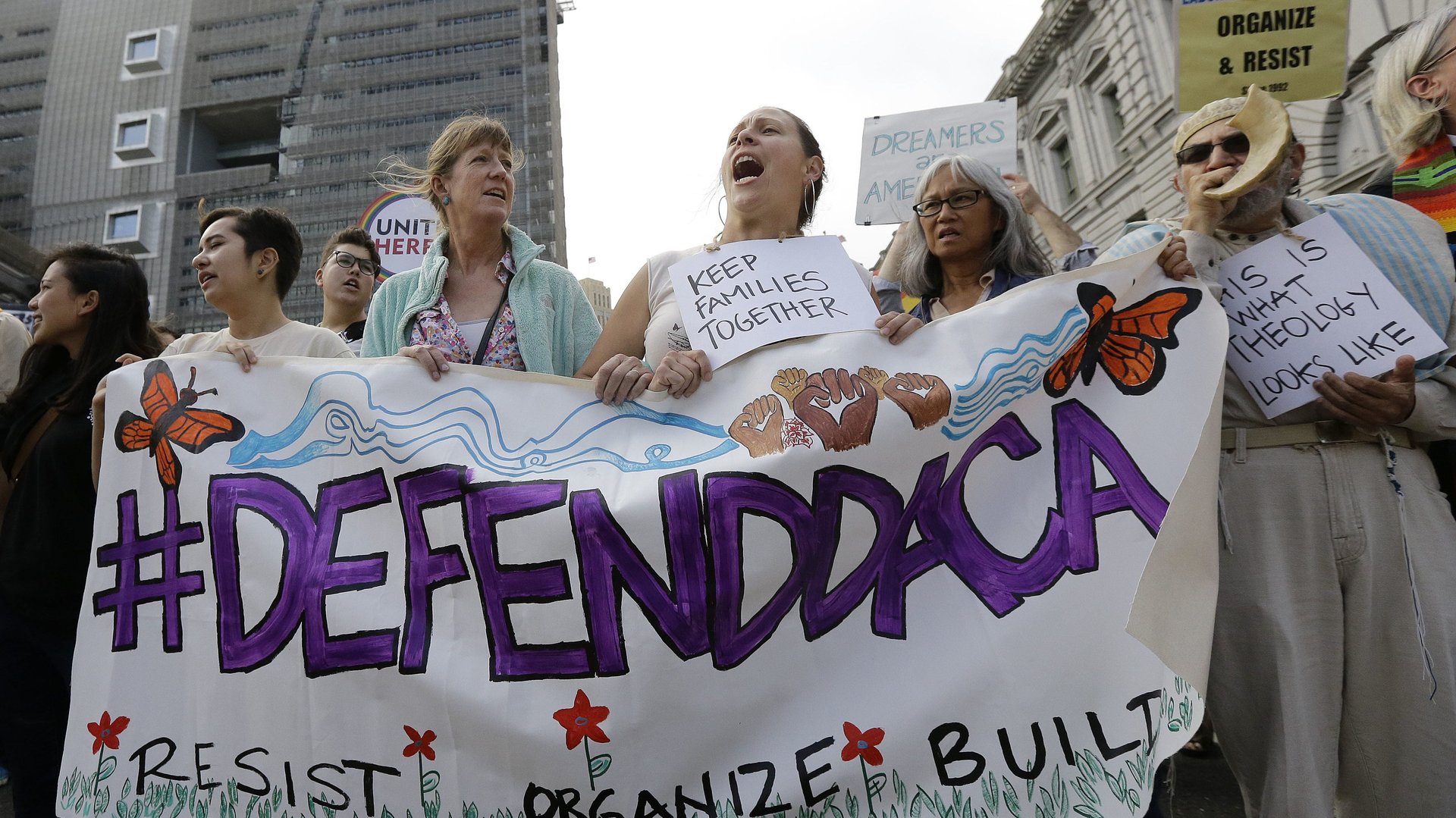
Having decided to rescind DACA—Barack Obama’s executive order that protects from deportation some 800,000 undocumented immigrants who were brought to the US as children—US president Donald Trump has given Congress six months to pass a law to replace it with.

Every presidential election cycle, the Kremlin goes through a long charade of finding an opposition candidate who seems plausible enough to make the election look at least a trifle genuine.

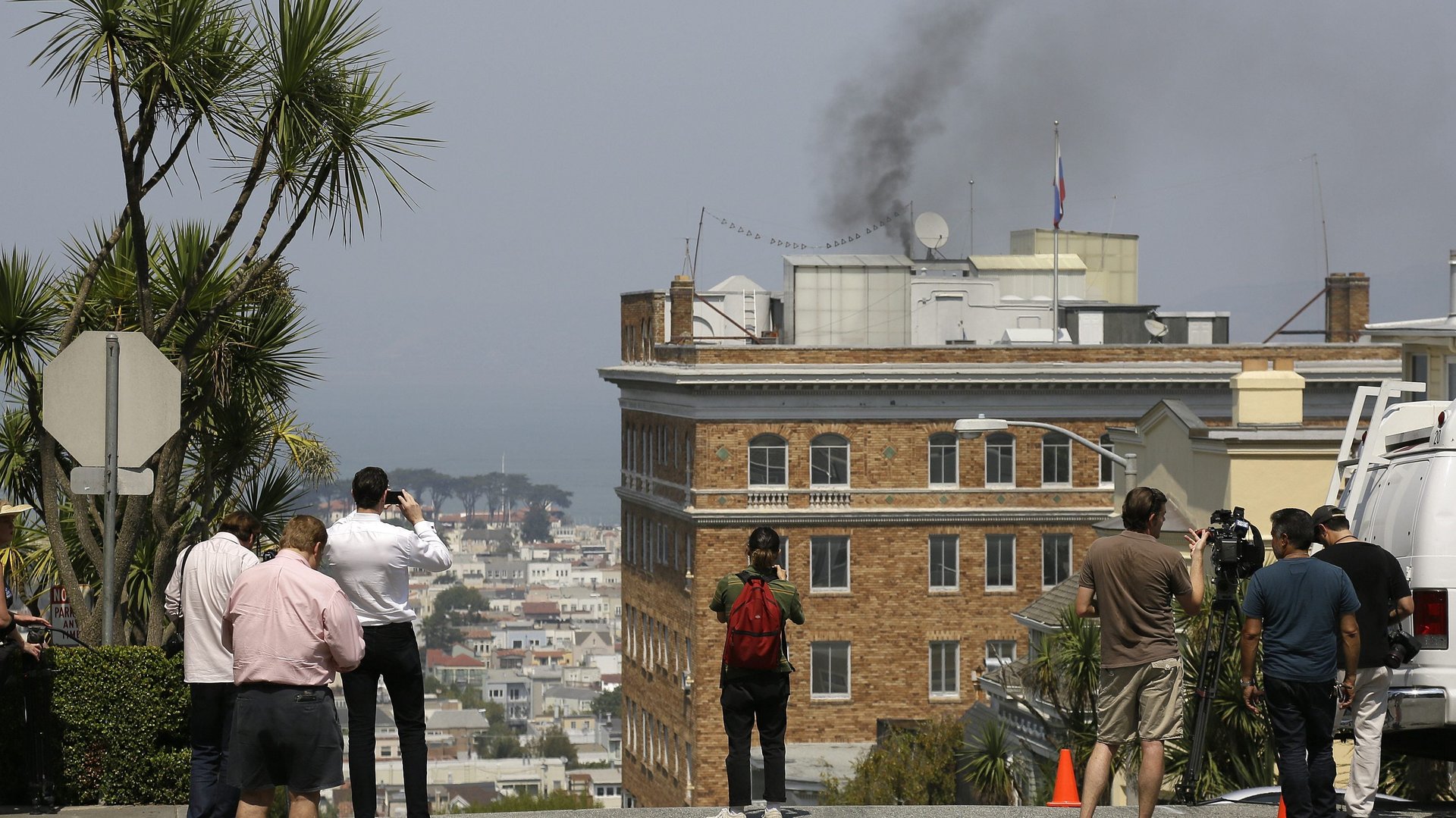
The US government is forcing Russia’s consulate in San Francisco to shut down on Saturday (Sept. 2) in the latest in a series of tit-for-tat punishments.

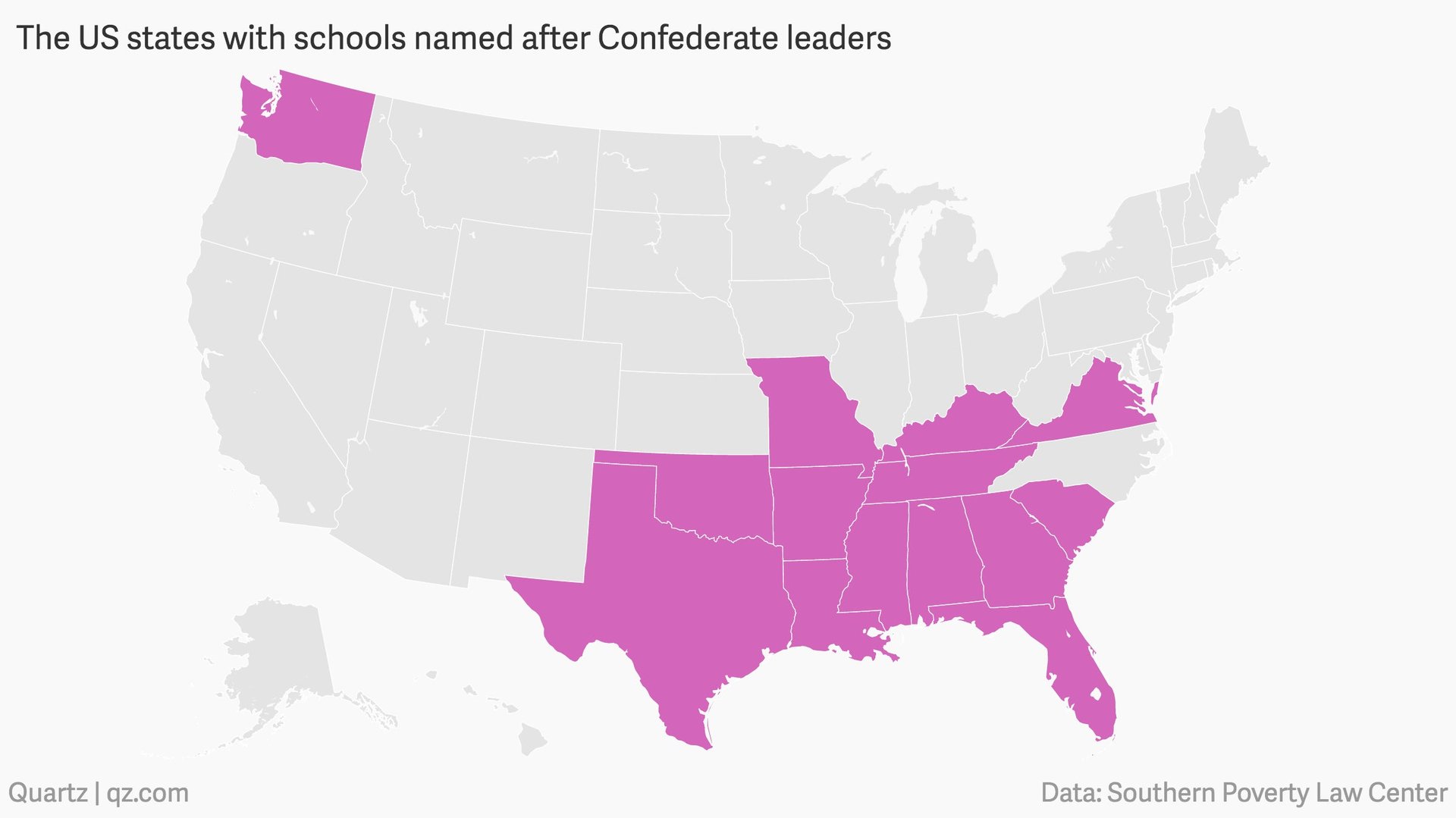
In the wake of the violent white supremacist rally in Charlottesville, Virginia, the US is grappling with the question of what to do about the statues, buildings, and monuments honoring the Confederacy. Among the memorials in question: public schools christened after Confederate leaders.

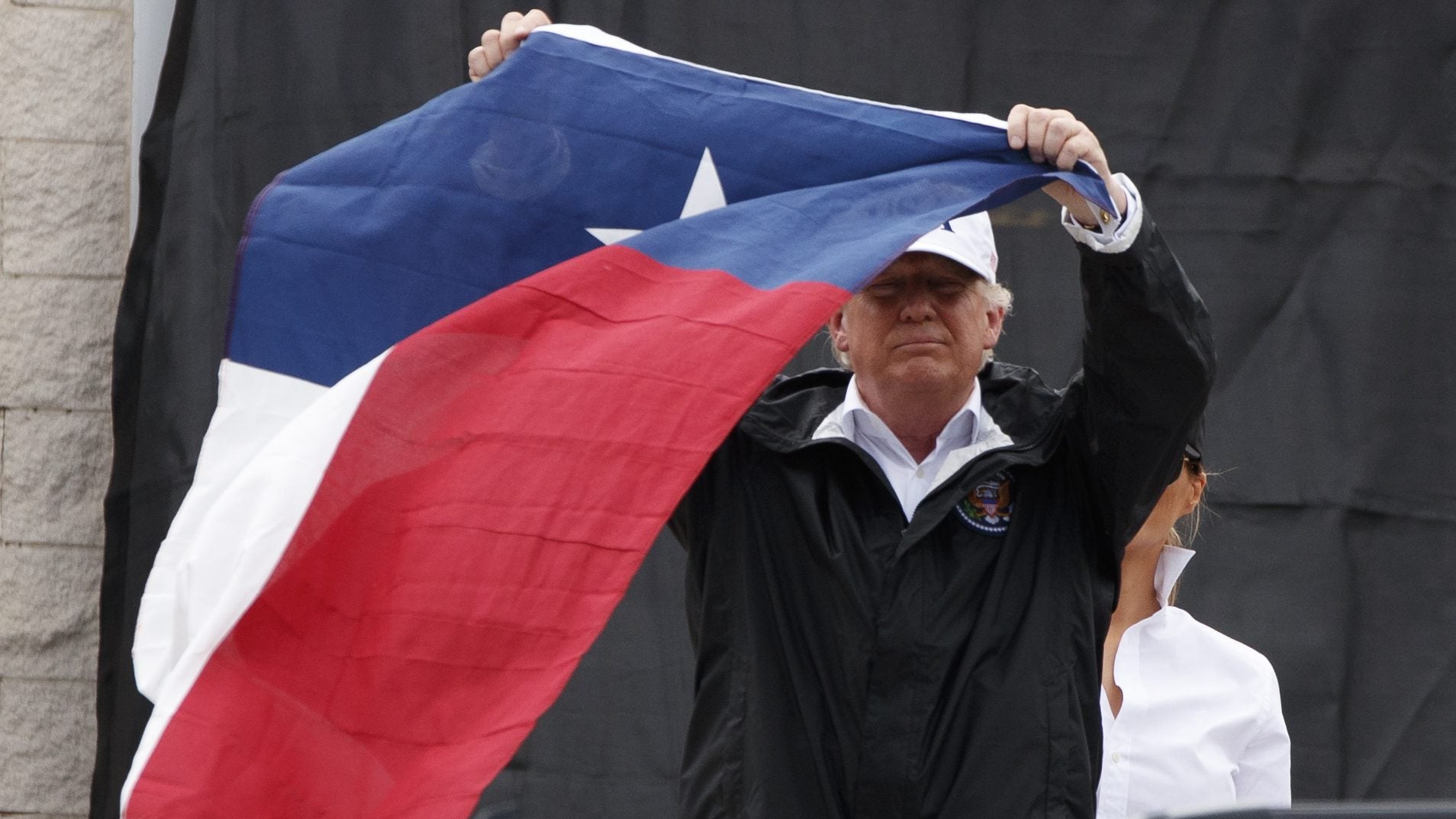
Donald Trump arrived in Texas, gave a briefing at a fire station, and told Texans, “This is a really special place and a special state.”

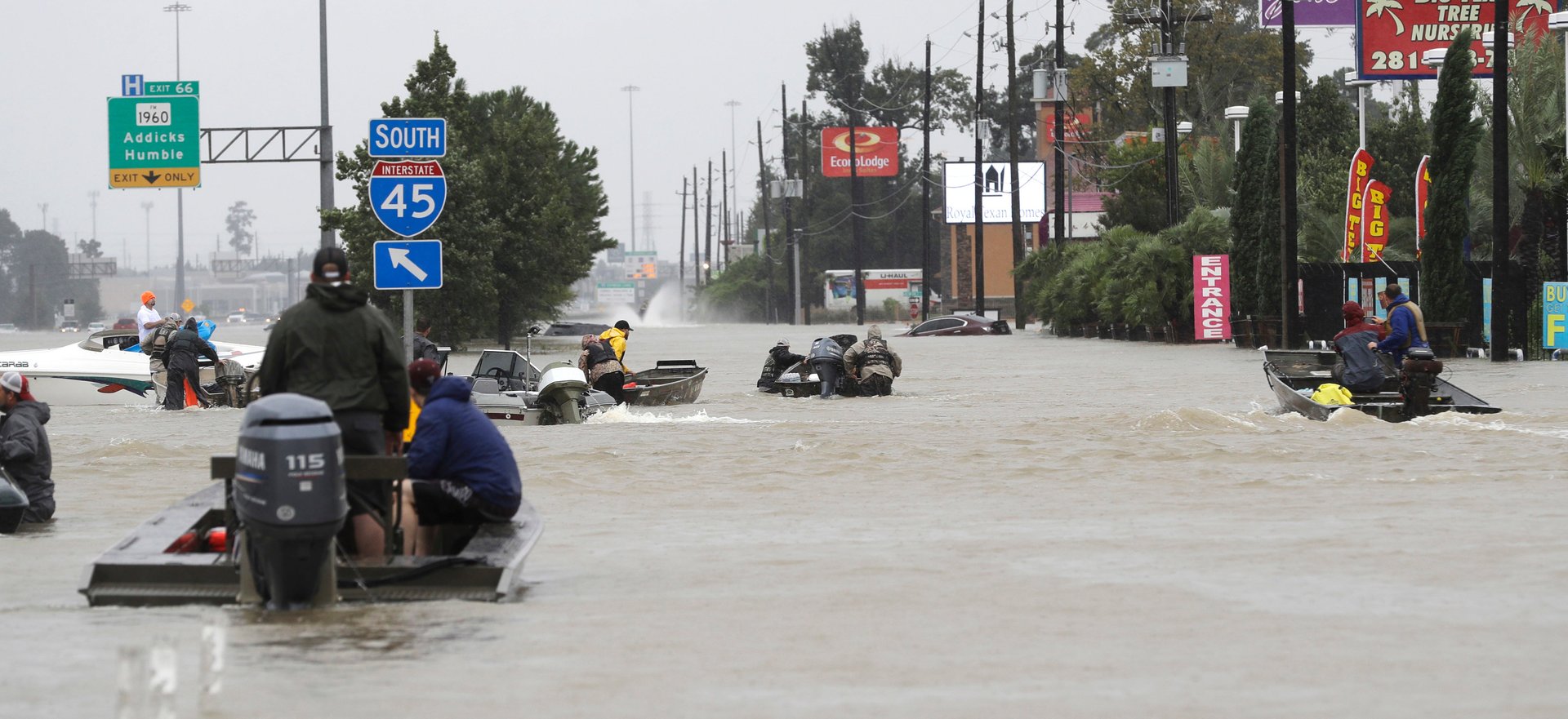
With around 30,000 people expected to need emergency shelter because of Hurricane Harvey, the US government has clear guidelines for those wanting to help on the ground.

Being a Russian diplomat seems to be bad for your health. When Migayas Shirinsky, ambassador to Sudan, was found dead (paywall) in his residency’s swimming pool in Khartoum on Aug. 23, he became the ninth Russian foreign official to surprisingly pass away since January 2016.

As a candidate, US president Donald Trump insisted he’d make Mexico pay for a wall on its border. As president, he’s trying to strong-arm lawmakers into funding it. “If we have to close down our government, we’re building that wall,” he said (paywall) at a rally in Phoenix on Aug. 22.

At one point in Woody Allen’s Manhattan (1979), the main character, Isaac, tells friends at a black-tie New York cocktail party about an upcoming Nazi rally in New Jersey:

The diplomatic stand-off between the Trump administration and the Kremlin has a new casualty: most of the Russians who want to visit the US.

After 16 years of stuttering war in Afghanistan, the Taliban has returned to its strongest level since 2001. This evening (Aug. 21), US president Donald Trump is announcing a new US approach to stabilizing the region.

US president Donald Trump’s war of words with Kim Jong-un’s North Korean regime shows no sign of abating. The Western world is feverish with speculation on whether Trump is employing the Richard Nixon “madman theory,” where to buy a house outside a nuclear blast zone, and how the hell to survive if an attack does come.

A survey in June of global citizens’ views on world leaders brought unhappy news to the White House: Only Russia and Israel preferred US president Donald Trump to Barack Obama. In the 37 countries polled, his approval rating was just 22%.

Momentum seems to be growing in the bipartisan push to tackle secretive US shell companies. Since bills were introduced in late June in both the House and the Senate, the legislative movement has gained its first national figure: 2016 Republican presidential candidate senator Marco Rubio.