US vice president Mike Pence and his Republican colleagues in Congress seem to be working in tandem to constrain president Donald Trump over Russia.

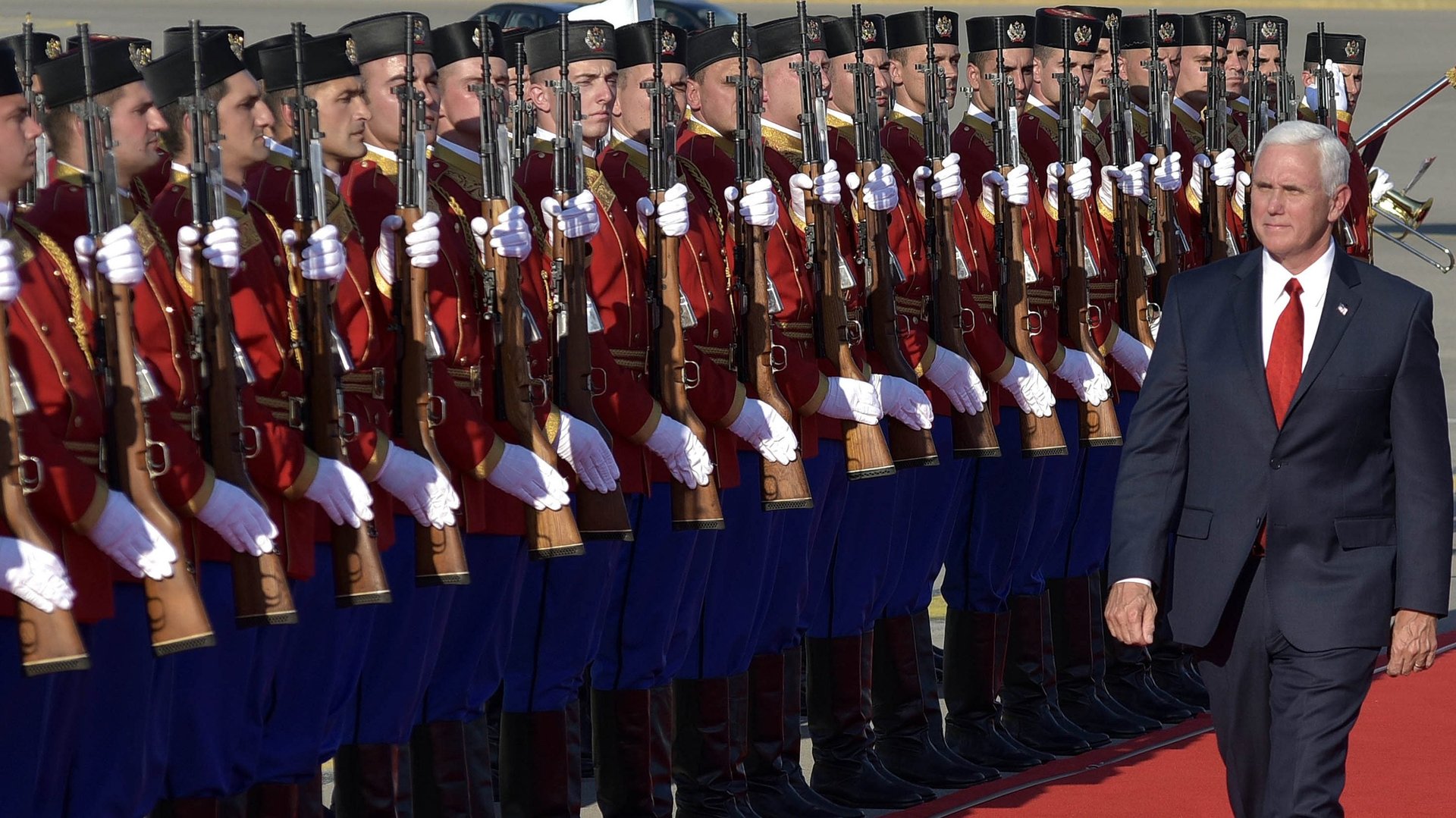
US vice president Mike Pence and his Republican colleagues in Congress seem to be working in tandem to constrain president Donald Trump over Russia.

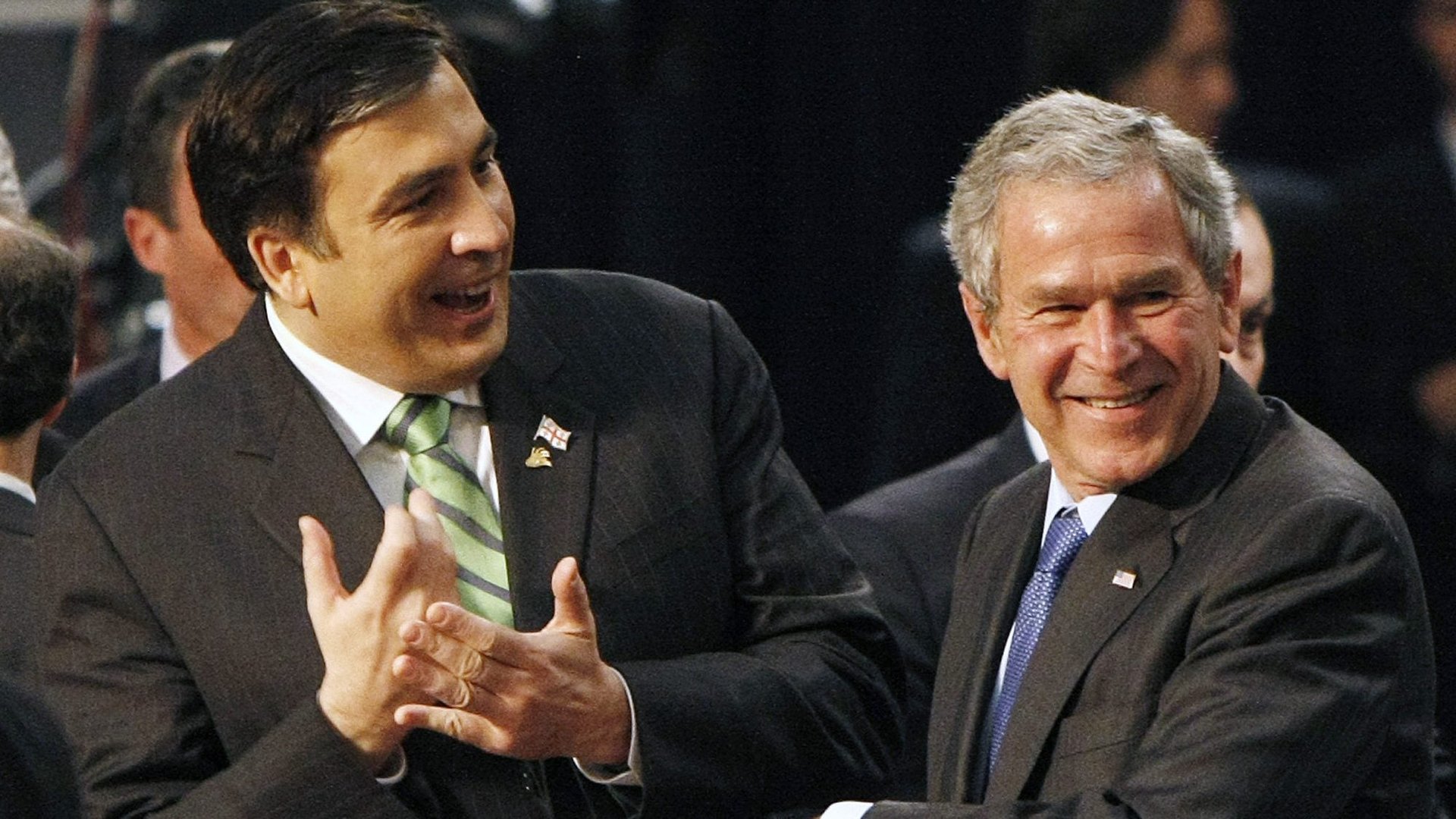
Mikheil Saakashvili has never shied away from confrontation. The brilliant, charming, irascible, unreliable former president of Georgia came to power after mass protests in 2003. Roses had become the symbol of the opposition, and Saakashvili stood up in parliament, waved just such a flower in the face of the country’s leader of 30 years, former Soviet foreign minister Eduard Shevardnadze, and shouted “Resign!” Months later, the charismatic, US-educated lawyer was president.

Republican lawmakers have mostly kept quiet as stories trickle out about meetings last year between well-connected Russians and members of US president Donald Trump’s inner circle. But that doesn’t mean they trust him.

US president Donald Trump cited “medical costs and disruption” as his reasons for banning transgender people from the military on July 26.

The journey of a member of the global super-rich often traverses three main stages, as he (these are pretty much all men) moves from a position of power at home to a life of wealth and luxury abroad. The stages were outlined by writer and journalist Oliver Bullough.

The sport of rugby has a good phrase to describe the job that new White House communications chief Anthony Scaramucci has just been handed: a hospital pass.

Trivia question: What do the actors Liz Hurley and Jean-Claude Van Damme and the violin prodigy Vanessa Mae have in common?

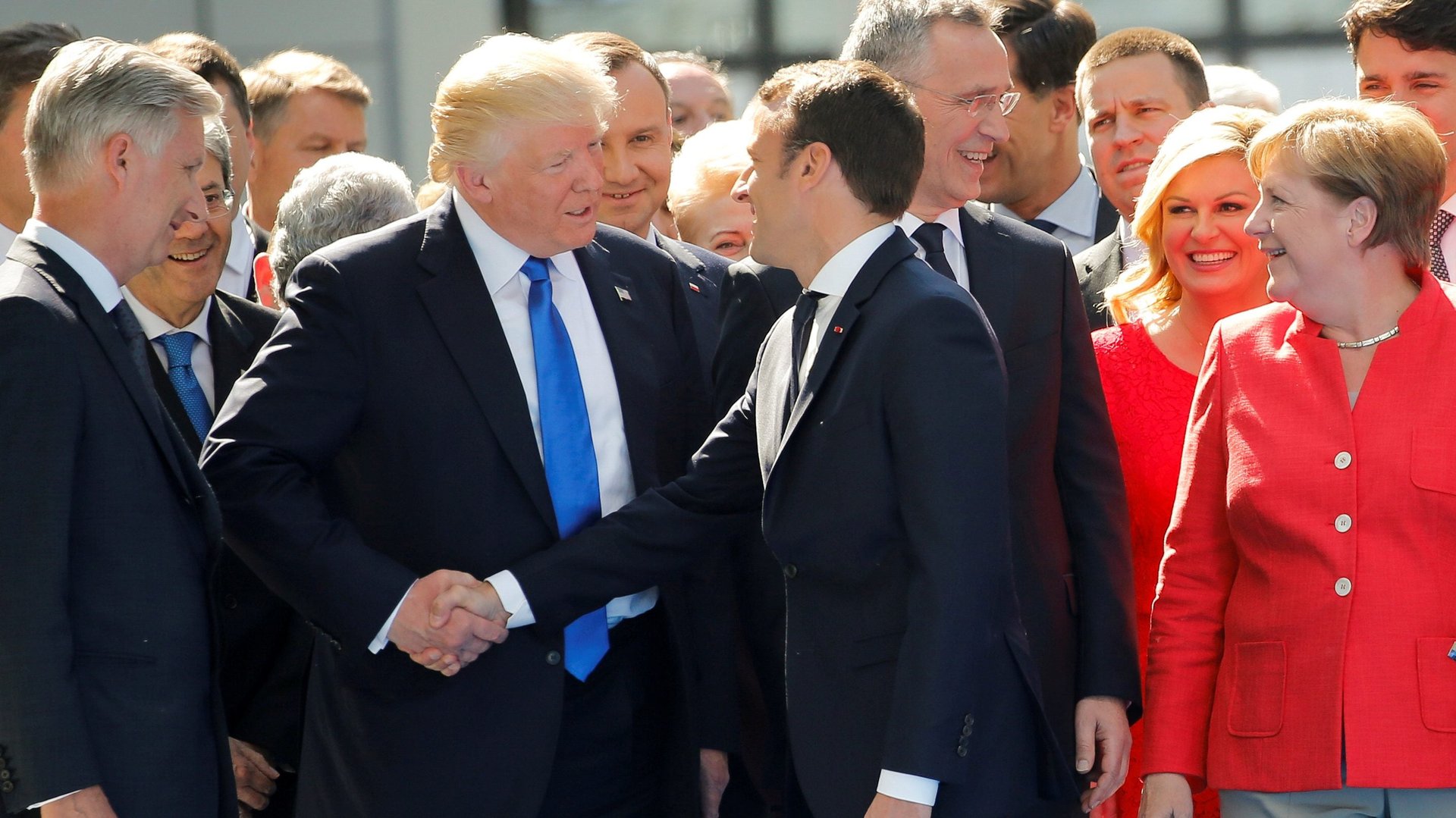
US president Donald Trump and French leader Emmanuel Macron don’t see eye-to-eye on much.

There are a fair few US legal experts out there who believe Donald Trump Jr. broke federal law by meeting a Russian lawyer with the hope of getting damning information, which he had been told (paywall) came from the Russian government, on Hillary Clinton, his father’s opponent in the 2016 US presidential race.

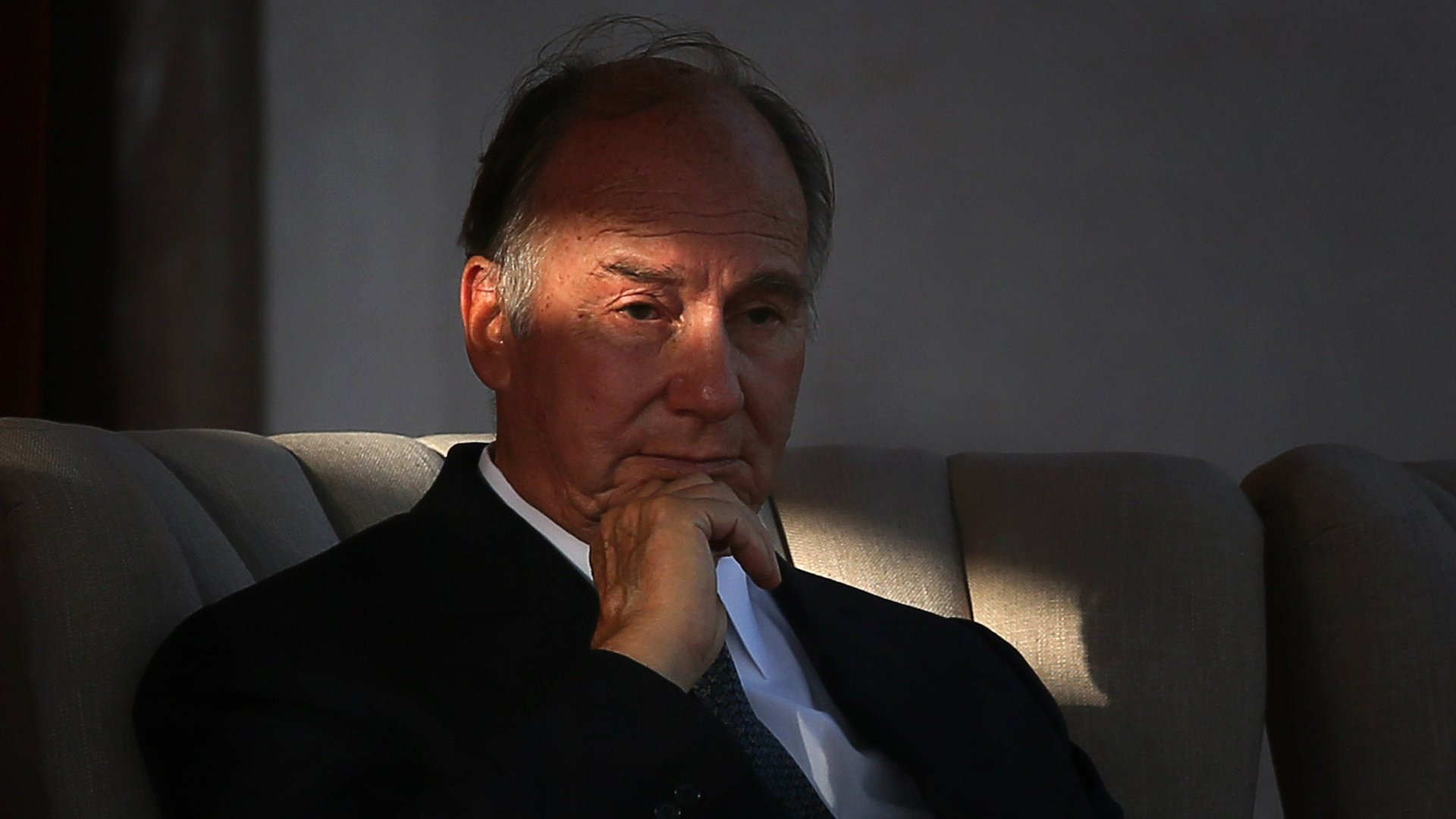
His Highness Prince Karim, the Aga Khan, is many things.

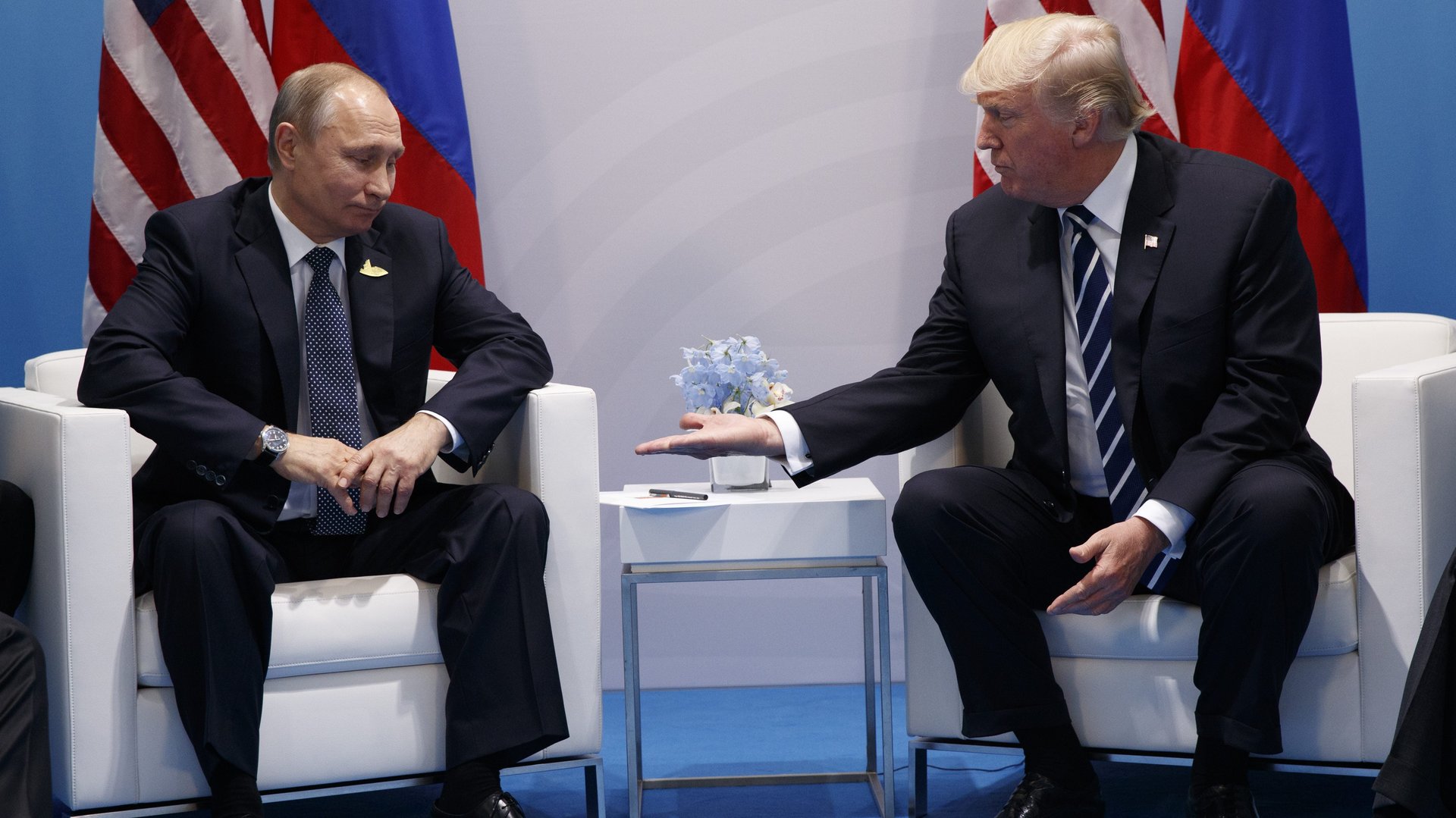
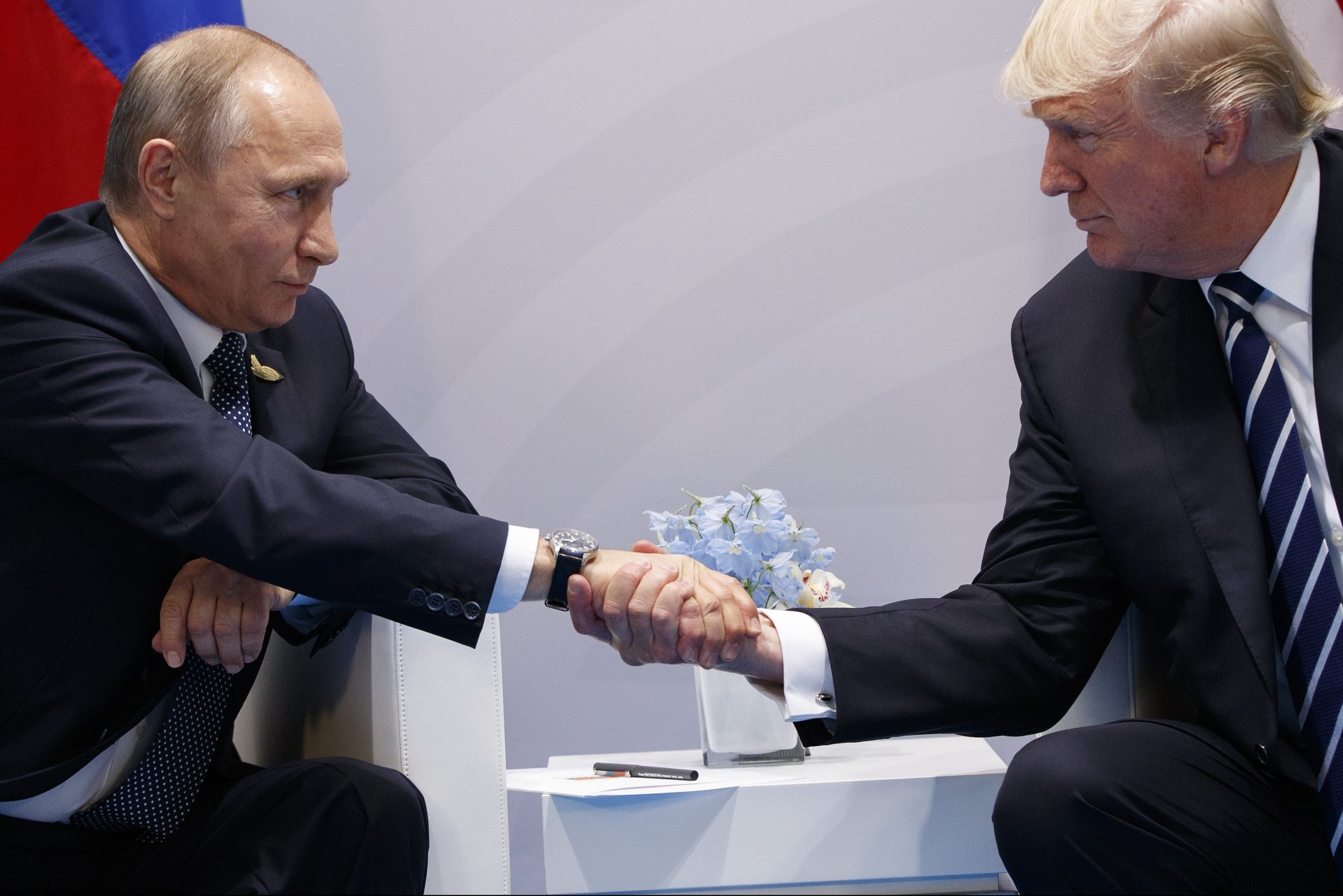
It was the biggest question hanging over Donald Trump’s meeting with Vladimir Putin: Would he scold his Russian counterpart over Moscow’s alleged meddling with the 2016 US presidential election?

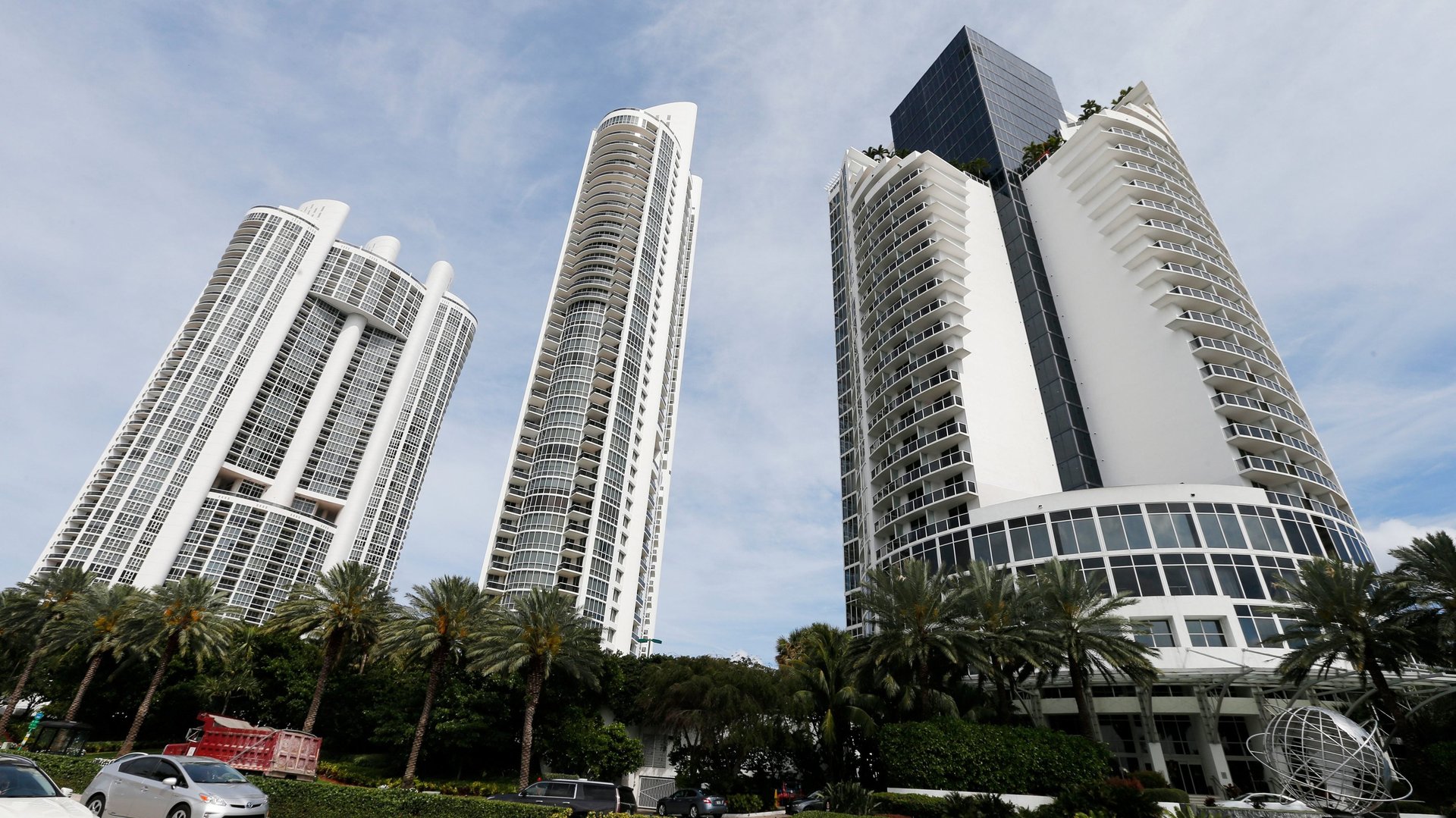
As US president Donald Trump whirled around Poland on July 6, a story in the Financial Times (paywall) turned up an interesting new development relating to his real-estate empire. Felix Sater, a Trump associate and a convicted criminal, is cooperating with an international probe into Kazakh money laundering, some of which allegedly went through a Trump property.

After months of flirting, fawning, and fighting, US president Donald Trump will finally meet Russian leader Vladimir Putin on the sidelines of the G20 summit in Hamburg on Friday (July 7th).

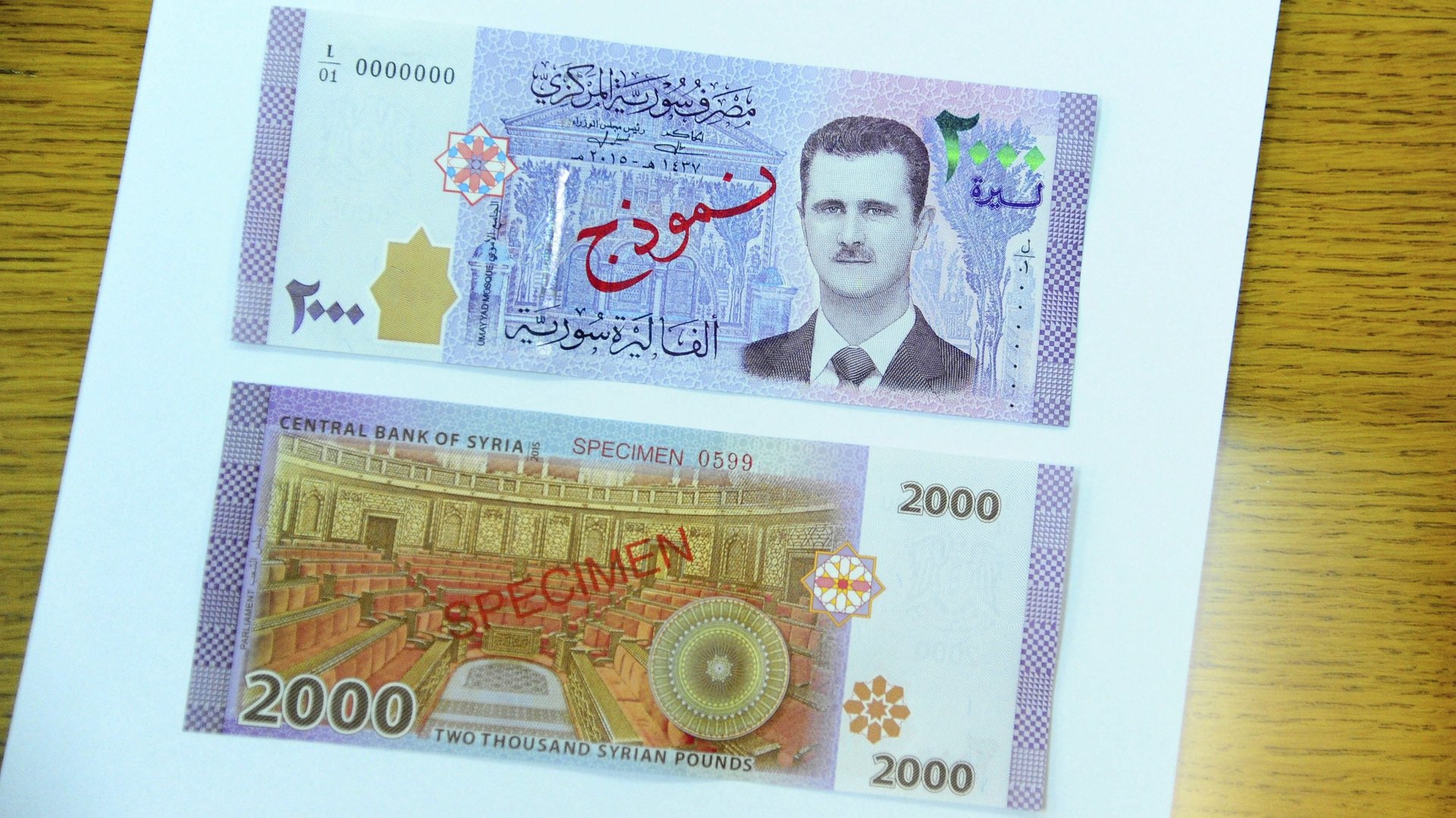
No matter what they think of Bashar al-Assad, Syrians are used to seeing his face—the country has been plastered with billboards of the embattled president since the 2000s, and that of his father for decades longer. Over a seven-year civil war, plenty of protestors have also taken the liberty of tearing down or defacing his likeness. But with a new Syrian banknote, they’ll find it hard to destroy him in effigy without also hitting themselves in the pocket.

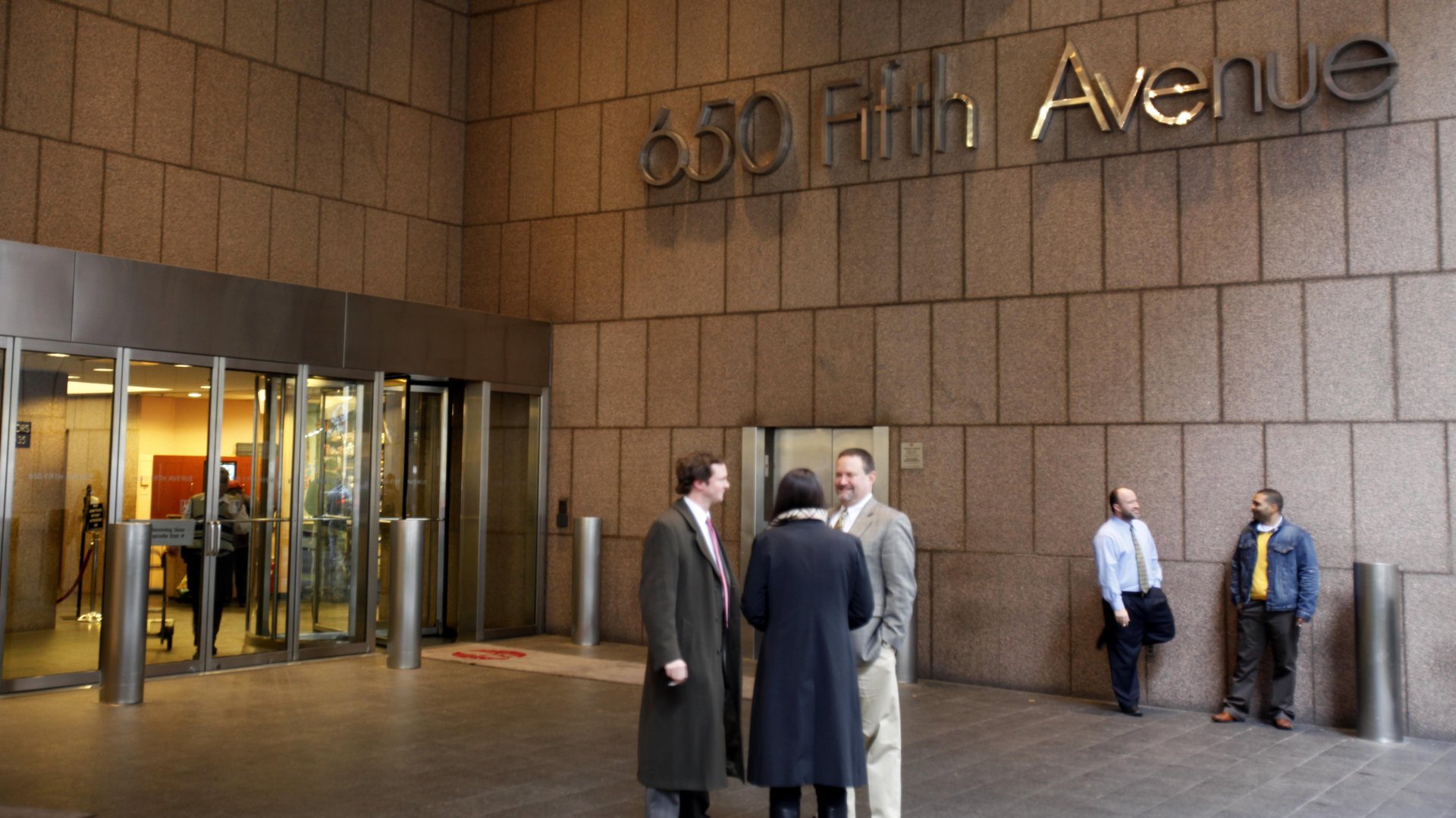
The skyscraper in the heart of Manhattan had been violating US sanctions since 1995. Its tenants—who have included Juicy Couture, Godiva Chocolate, and Starwood Hotels—have been paying millions of dollars a year to, ultimately, the Iranian government.

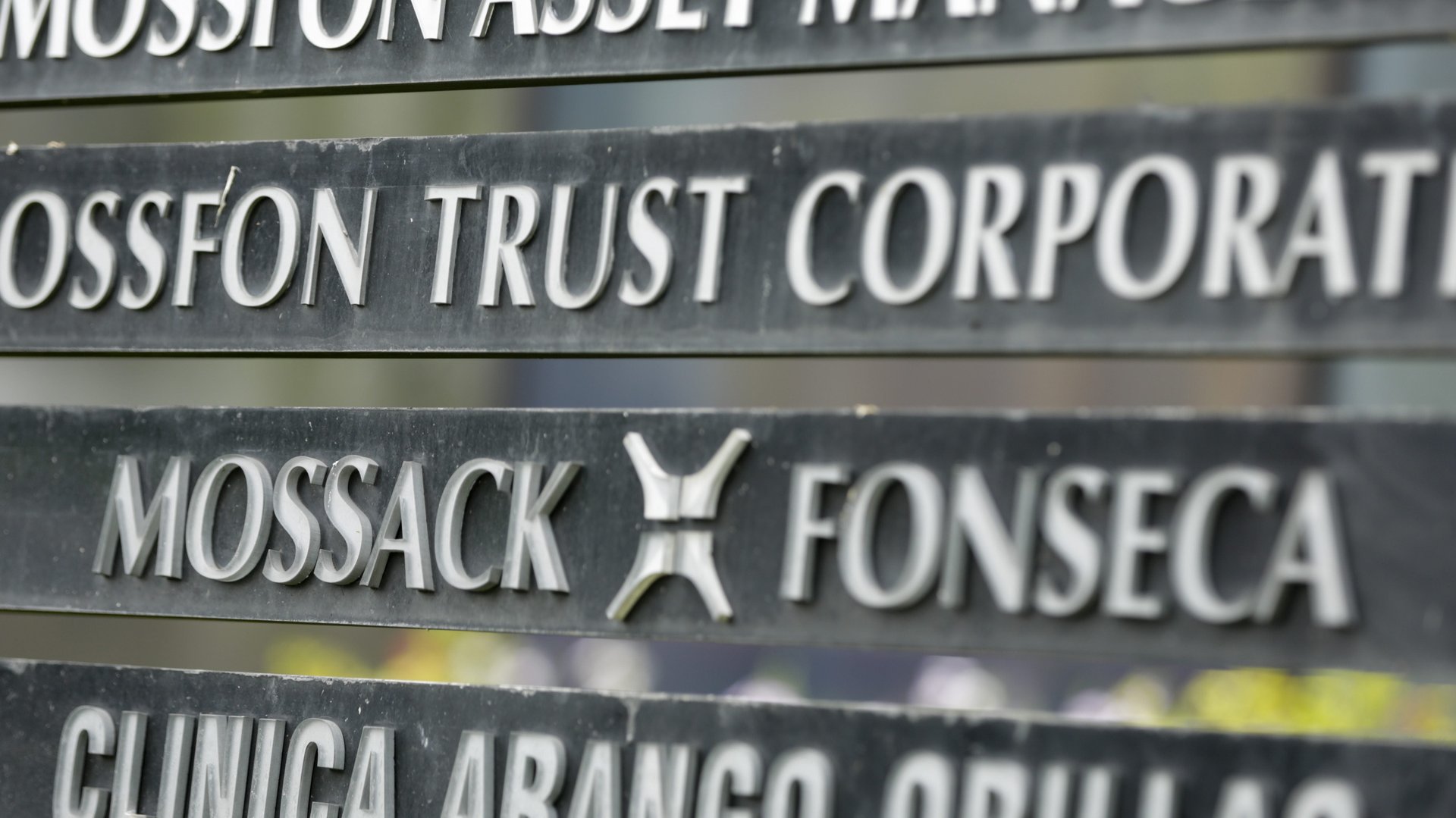
Today US lawmakers will try once more to bring their country in line with the rest of the Western world on an age-old problem: money-laundering. Five members of Congress from both parties will announce bills in the House and Senate that would force American firms to disclose who actually owns them. This, the theory goes, would give the authorities a much easier time tracking down the drug kingpins, terrorist financiers, and kleptocrats who love using anonymous shell companies to hide their illicit money.

In the final weeks of Barack Obama’s presidency, he admonished the 37% of Republican voters who said they approved of Russian president Vladimir Putin. “Ronald Reagan would roll over in his grave,” he said (paywall). Weeks later, a poll found—perhaps not surprisingly—that Putin was more popular with Donald Trump voters than Obama was.

Since 2012, Russian president Vladimir Putin’s domestic approval rating has climbed from the 60s to more than 80%, according to the Levada Center, Russia’s last major independent polling firm. His place among the most vaunted people in history—in Russians’ eyes—has similarly leapt.

If you thought the roughly 80,000-vote margin of Donald Trump’s victory over Hillary Clinton in the 2016 US election was small, make sure you’re sitting down.

On the surface, Washington and Moscow’s latest spat over Syrian airspace sounds worryingly like a precursor to war between the two nuclear powers. In reality, this was just the latest and loudest in a series of maneuvers, as the two Cold War adversaries posture over whether the Syrian government or the Kurds end up with most of the land left behind by a rapidly retreating Islamic State.

An oft-reviled world leader. An inexperienced political interviewer with no shortage of ego. Hours of screen time.

Much of the legal turmoil that has swept through Washington in recent months can be traced back to one major thing: Russia’s alleged hacking of the 2016 presidential election in US president Donald Trump’s favor.

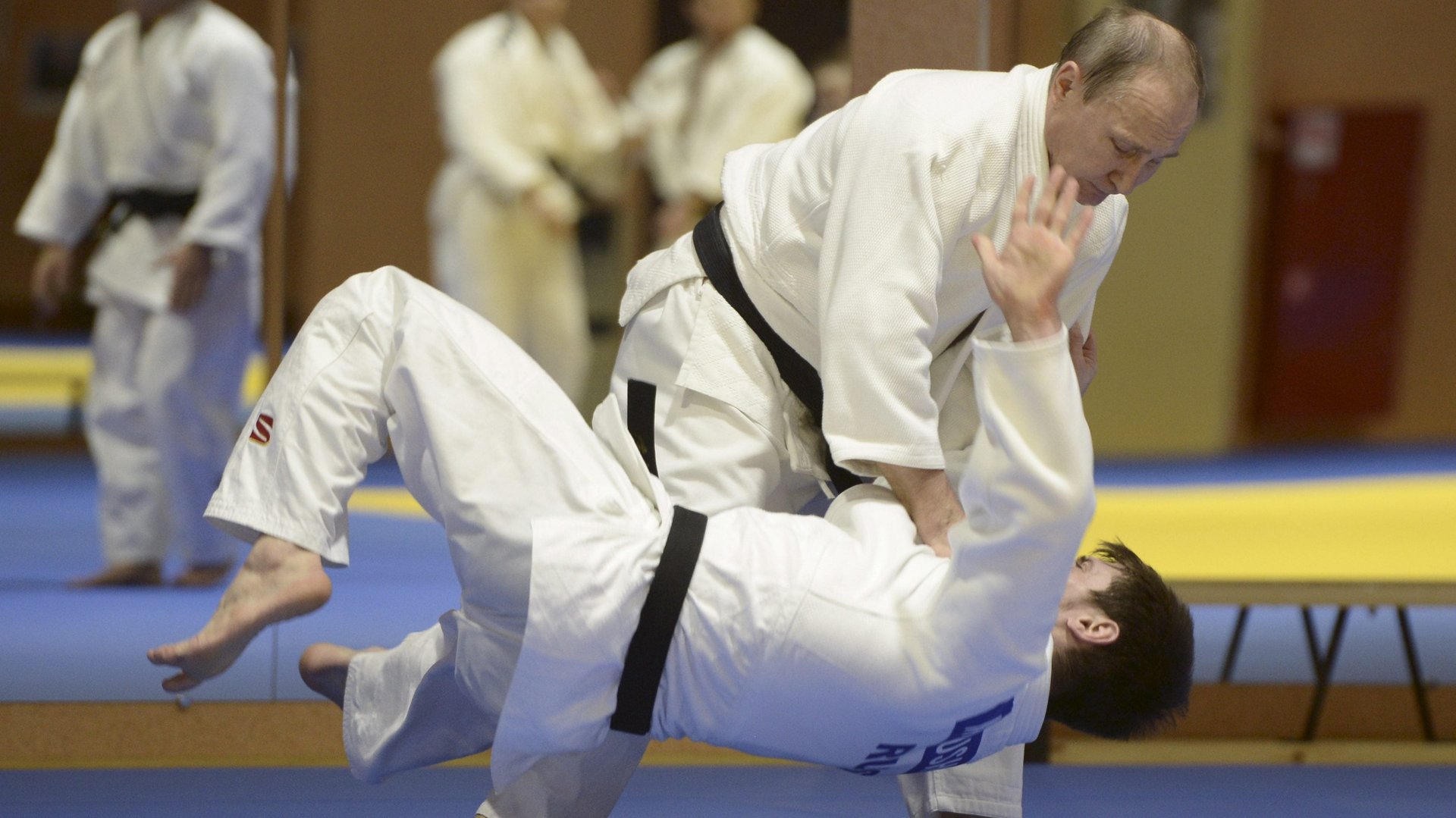
Russian president Vladimir Putin revels in his strongman image. Aside from messing around with neighboring countries’ borders, he shoots tigers, hugs polar bears, and, of course, rides horses without a shirt on.

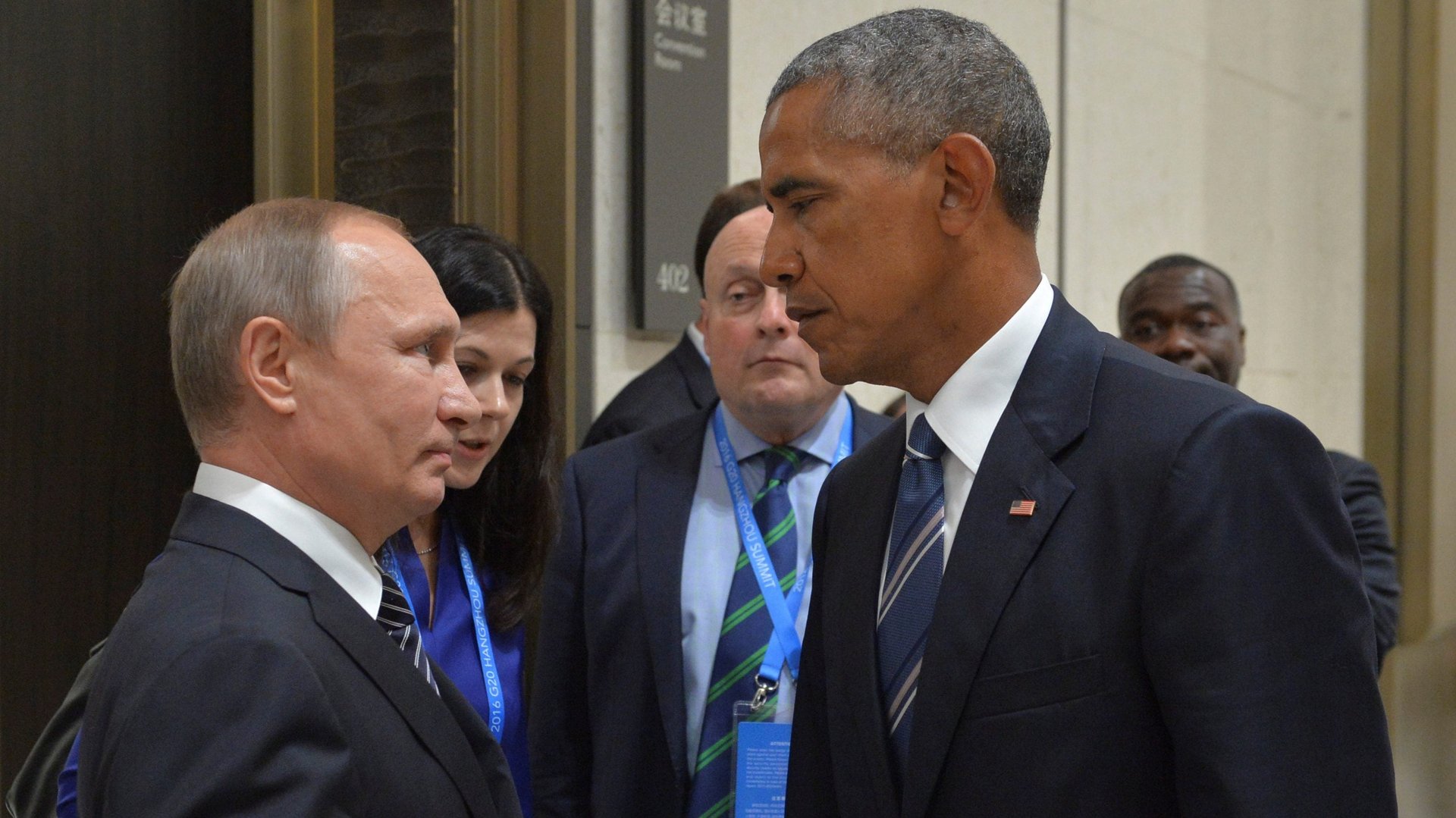
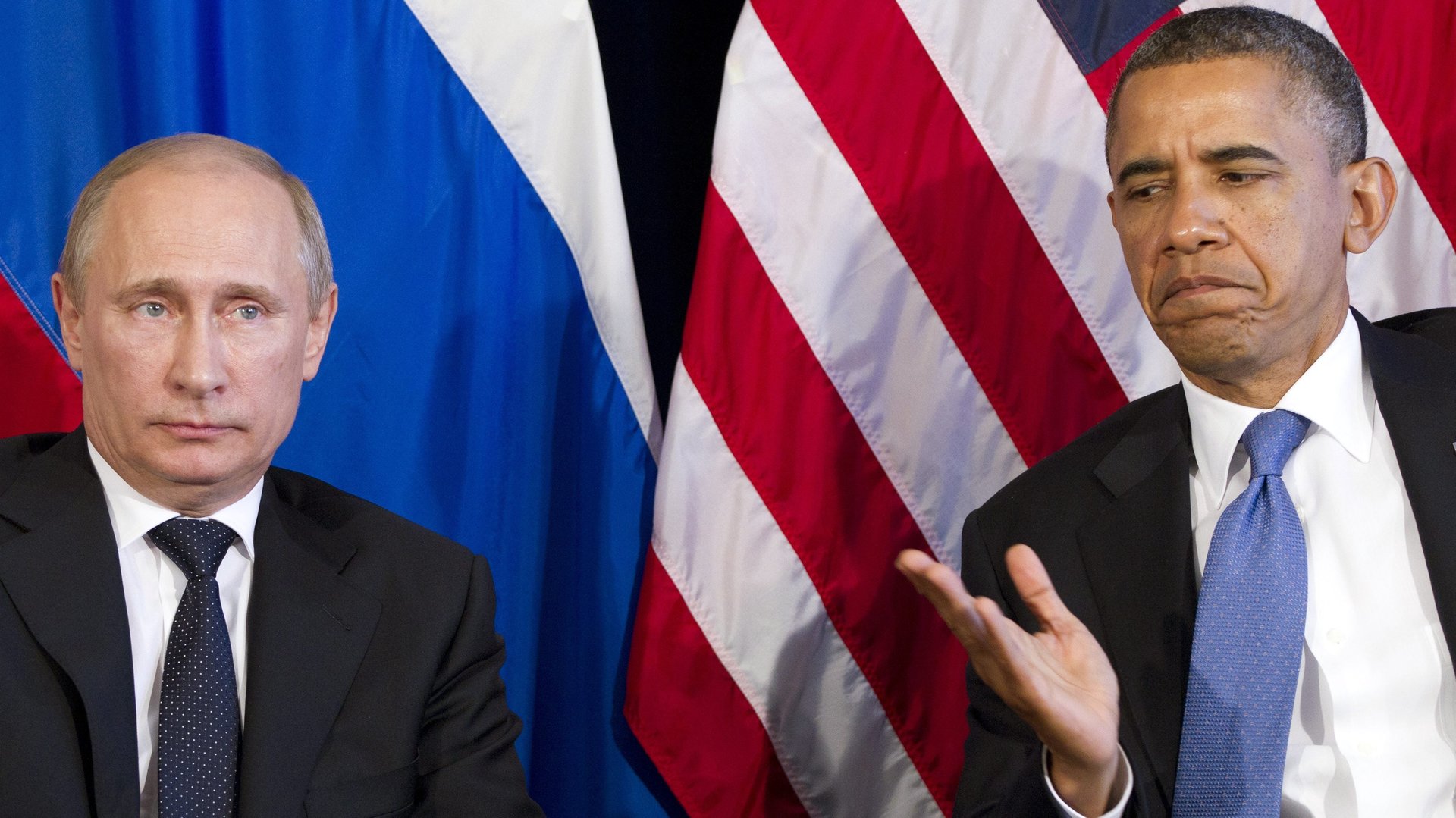
There’s no love lost between Vladimir Putin and Barack Obama. The former US president has said he doesn’t trust his Russian counterpart, that he has a “kind of slouch, looking like the bored kid in the back of the classroom.” Meanwhile, Putin has riled Obama with his backing of Syria’s Bashar al-Assad, his annexation of Crimea, and support for rebels in eastern Ukraine.