While startups like Uber and Snapchat have garnered giant valuations recently, another sector looks like it might be getting just as overheated.

While startups like Uber and Snapchat have garnered giant valuations recently, another sector looks like it might be getting just as overheated.

Figuring out which companies are likely to succeed is one of the toughest problems in business. But even very dry data from business registrations can tell you a great deal, according to a new NBER working paper from researchers at MIT. Even though the authors have come up with a robust way to predict growth, one of the biggest factors is still timing.

It’s a pretty tight labor market for tech talent, especially in Silicon Valley. According to a Brookings Institution analysis, it takes longer fill a computer science job there than almost anywhere else in the US, and it costs by far the most. The combination of talent scarcity and ample demand has creating something of a revolving door among companies.

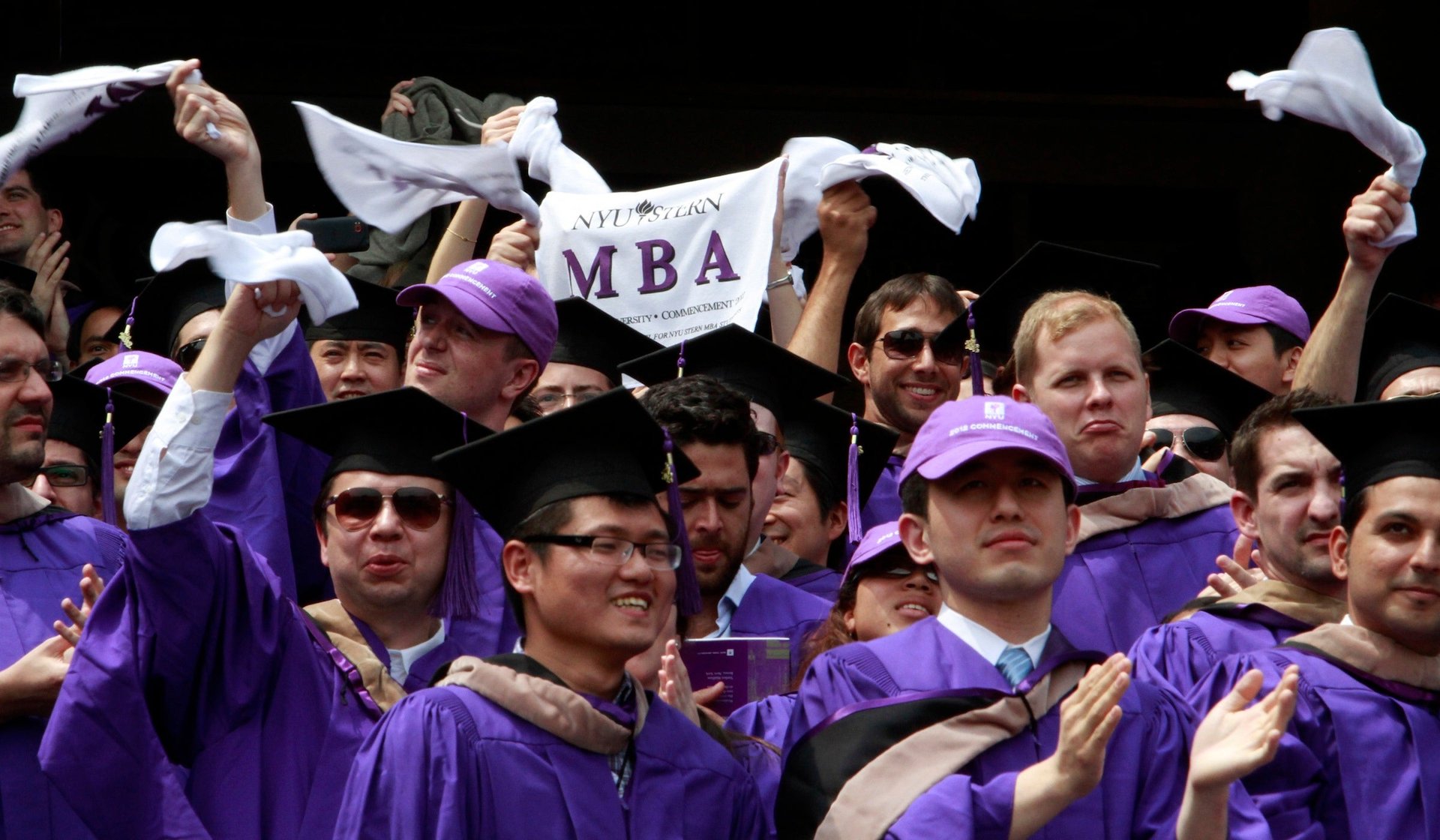
Harvard’s business school might be the most prestigious in the world, and it certainly has a daunting list of prominent alumni. Even so, it turns out some students aren’t completely happy with the experience and education they get there.

As anyone who has been on the job market knows, reading the flat, convoluted prose of corporate job listings can be an intimidating and demoralizing experience. Postings often don’t describe an organization’s actual needs, but rather a generically perfect candidate—one that companies don’t actually expect to find.

Scott Berkun started his career and spent nearly a decade at Microsoft. He rose to become a lead program manager, running a team that worked on Internet Explorer. But in 2010, he was offered a job at Automattic, the company behind the blogging platform WordPress.com. The job, he wrote in his book The Year Without Pants, represented a massive shift from the culture of a big corporation with stack ranking, where employees are rated on a scale and let go if they were at the bottom. At Automattic, most of the 304 employees are remote. Berkun was scared that his personal strengths as a manager wouldn’t translate.

When California based Gilead Sciences announced a breakthrough treatment in late 2013 that cures most kinds of Hepatitis C, people were outraged at the cost: $84,000 in total, or nearly $1,000 a pill.

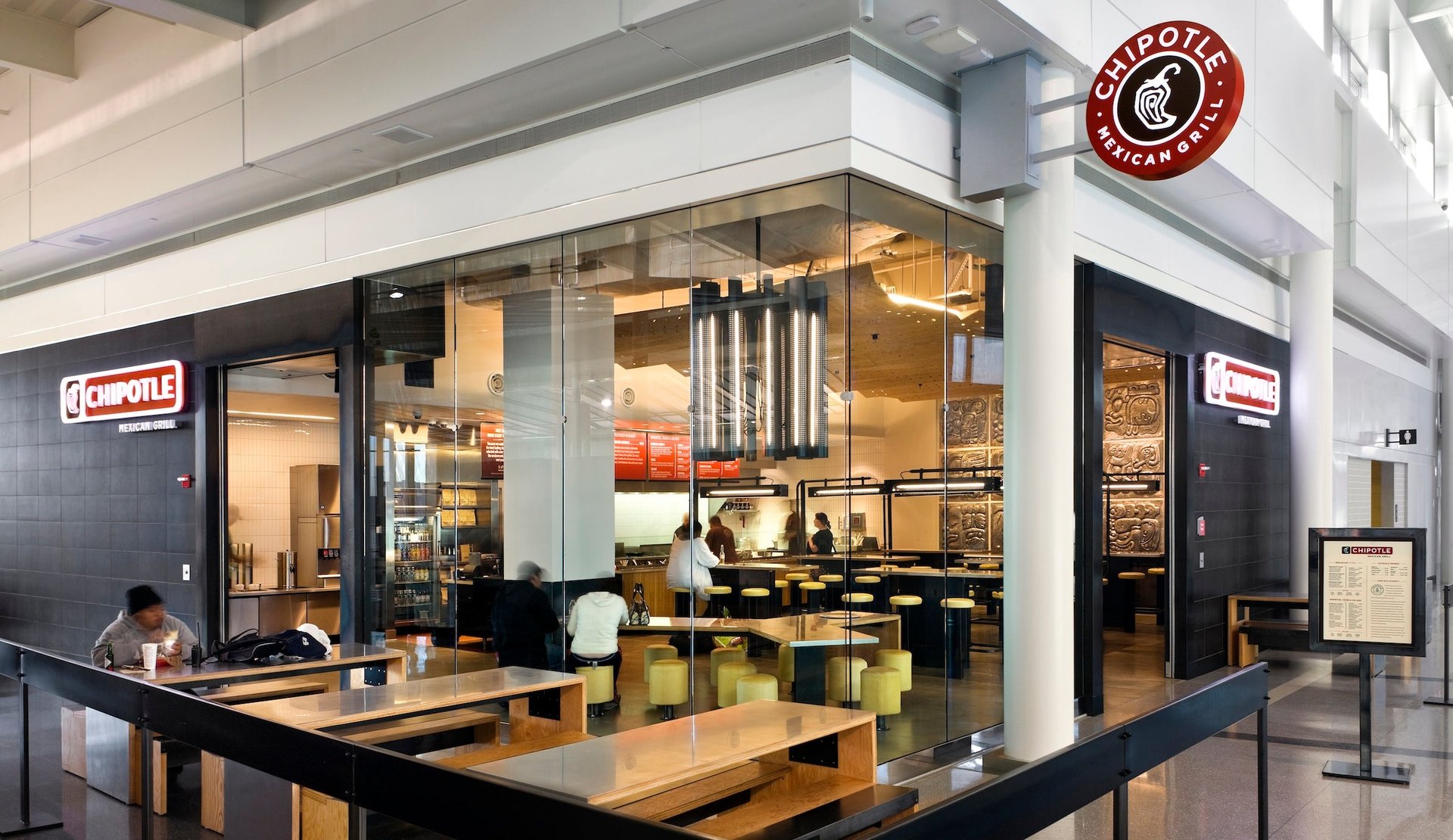
Chipotle is, by any measure, already a huge success. It has impressive sales and stock price growth, a unique management culture, a thriving sustainable-food brand, and industry-leading service speed. But despite having grown to 1,700 locations, the casual Mexican food chain hasn’t achieved anything close to the omnipresence of, say, its former owner.

Chipotle raised its prices last year for the first time in three years. Sales didn’t slow down a bit; the company just announced another excellent quarter, with comparable-store sales rising 16.1% from the same quarter a year earlier. Facing beef prices that continue to skyrocket, the casual Mexican-food chain may do another targeted price increase later this year on steak and barbacoa items.

Carson Block is a skeptical man. He has made a name (and a good deal of money) finding fraud. Muddy Waters, where he’s director of research, takes short positions in obscure Chinese companies, then publicly releases huge and meticulous research reports of accounting irregularities.

It’s been nearly a decade since McDonald’s sold off its investment in Chipotle, a move it has some cause to regret. The fast-food giant has stagnated while its former subsidiary has exploded in popularity. An exhaustive oral history of the casual Mexican food chain, published by Bloomberg, reveals some of the ways McDonald’s tried to change Chipotle during their eight-year partnership.

Whole Foods founder John Mackey is nearly as well known for making controversial statements about health care as he is for popularizing natural and health foods. He’s now putting his money where his mouth is, with an idea for a plan to improve the health of first his employees, then his customers, and then, well, how about all of America.

Let’s face it. In-person workplace communication is fading with the growth of chat programs and remote work environments. That means more and more of our efforts to influence our co-workers and bosses is done virtually.

For all the lip service paid toward the opportunities to network, learn the case method, and interact with great faculty, the main reason most people go to business school is for the big bump upward in salary and job title. Accordingly, those are some of the most important metrics in the Financial Times’ international business school rankings, released today.

The cushy private offices, complete with couch and bar, that Don Draper and his ilk enjoyed would be unthinkable in most companies today. The workplace has seen a years-long trend of shrinking personal space—driven, if you believe the companies doing it, by a desire for increased collaboration in an open office (and not at all by the cost-savings of packing more people into smaller spaces).

When asked in a research survey why they didn’t apply to a selective US college, one high-achieving, low-income student showed his misunderstanding of the commonly used term “liberal arts” (which refers to a college offering a broad range of arts and sciences):

It was hardly the first time.

Humans are inherently bad at predicting the future. It’s a defect all too apparent in the corporate world, and in the business of managing complex geopolitics.

It’s difficult to tell from an application or interview if somebody will succeed, so firms often default to referrals and direct industry experience. They want to reduce uncertainty any way they can, and the way it plays out in the job market places people switching industries at a big disadvantage, says a new study. Firms, particularly small and less prestigious ones, are just highly cautious.

One of the most consistent pieces of advice given to managers is an incredibly simple one. Provide good, frequent, feedback. It helps make sure a worker is constantly improving, feels cared about, and doesn’t feel disconnected. Yet insufficient or bad feedback is a common complaint of employees, often rated as one of the biggest reasons they’re unhappy, that’s not related to pay or promotion.

The Quidsi takeover is a defining story of Amazon’s capacity for ruthlessness.

It might irritate coffee snobs, but Keurig Green Mountain has become an enormous success on the back of its single-serve machines. Its stock outperformed the market, and it got legendary hedge fund manager David Einhorn to admit defeat after his years long bet on the company’s failure. Today, it announced an exclusive deal (paywall) with Dr. Pepper Snapple to sell versions of its products for its forthcoming “Keurig Cold” platform.

The notion that business school can be a launching pad for budding entrepreneurs becomes catchier with every dinky startup that becomes a multibillion-dollar business. So catchy, in fact, that MBA programs are falling over themselves to convince students that their campuses are basically souped-up startup camps. But in reality, launching your own company out of business school is rarer than you might think.

Marissa Mayer faces a tough technical challenge in turning around Yahoo as a business. But critics say some of her biggest mistakes have been on the management side. A main issue, according to an excerpt from journalist Nicholas Carlson’s upcoming book on her tenure, is her adoption of stacked or forced ranking.