

Tech & Innovation
These are the first images from Landsat 9The latest photos from space provide unparalleled views of how world’s surface is changing.
Updated July 20, 20222 min read
The latest photos from space provide unparalleled views of how world’s surface is changing.
As cinemas continue to struggle, AMC Entertainment wants to sell its popcorn outside the theaters.
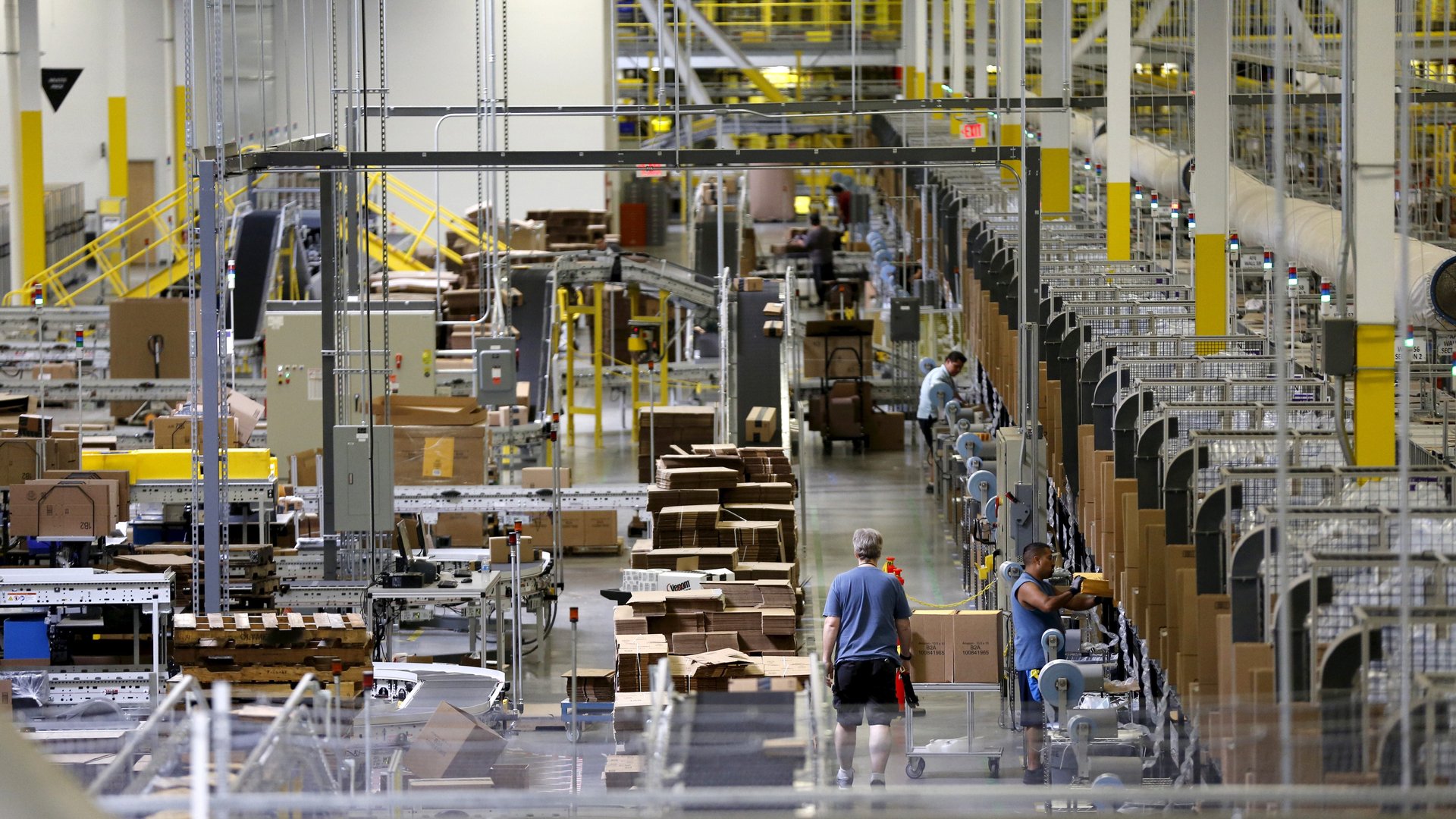
After centuries of being at the mercy of their employer’s schedule, low-wage workers finally have the bargaining power to demand a perk one reserved for white-collar workers: flexible work hours.
People are starting to go out again, but that doesn’t mean they are giving up on having their meals delivered.
Starbucks baristas in New York state are looking to unionize. If workers vote in favor of organizing, they would form the first Starbucks union in the US—and could encourage other efforts to unionize the food service industry.
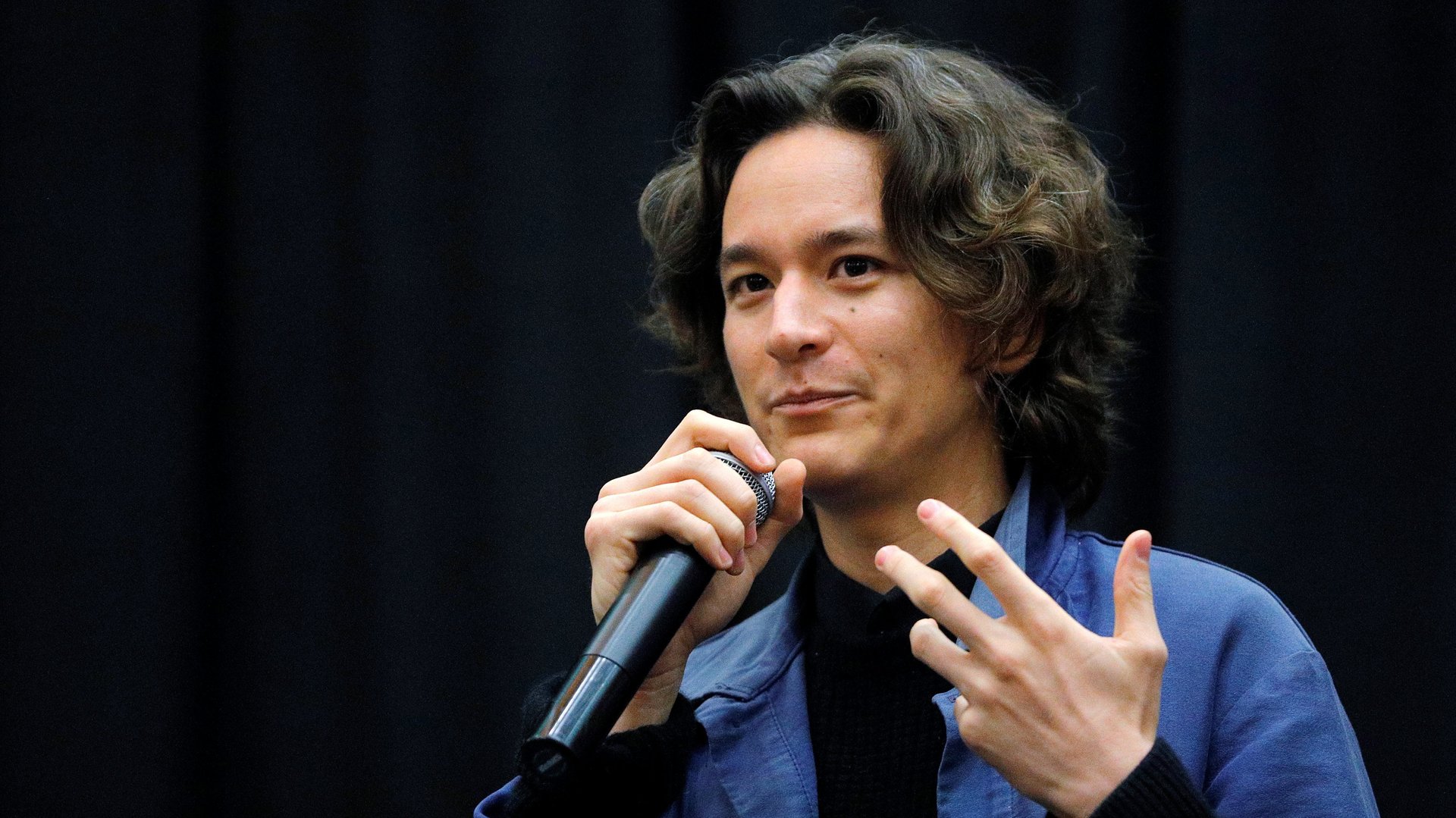
As white-collar workers ditch the office or flee to the suburbs, Sweetgreen’s filing to sell its shares to the public provides a window into how remote work could reshape office urban centers.
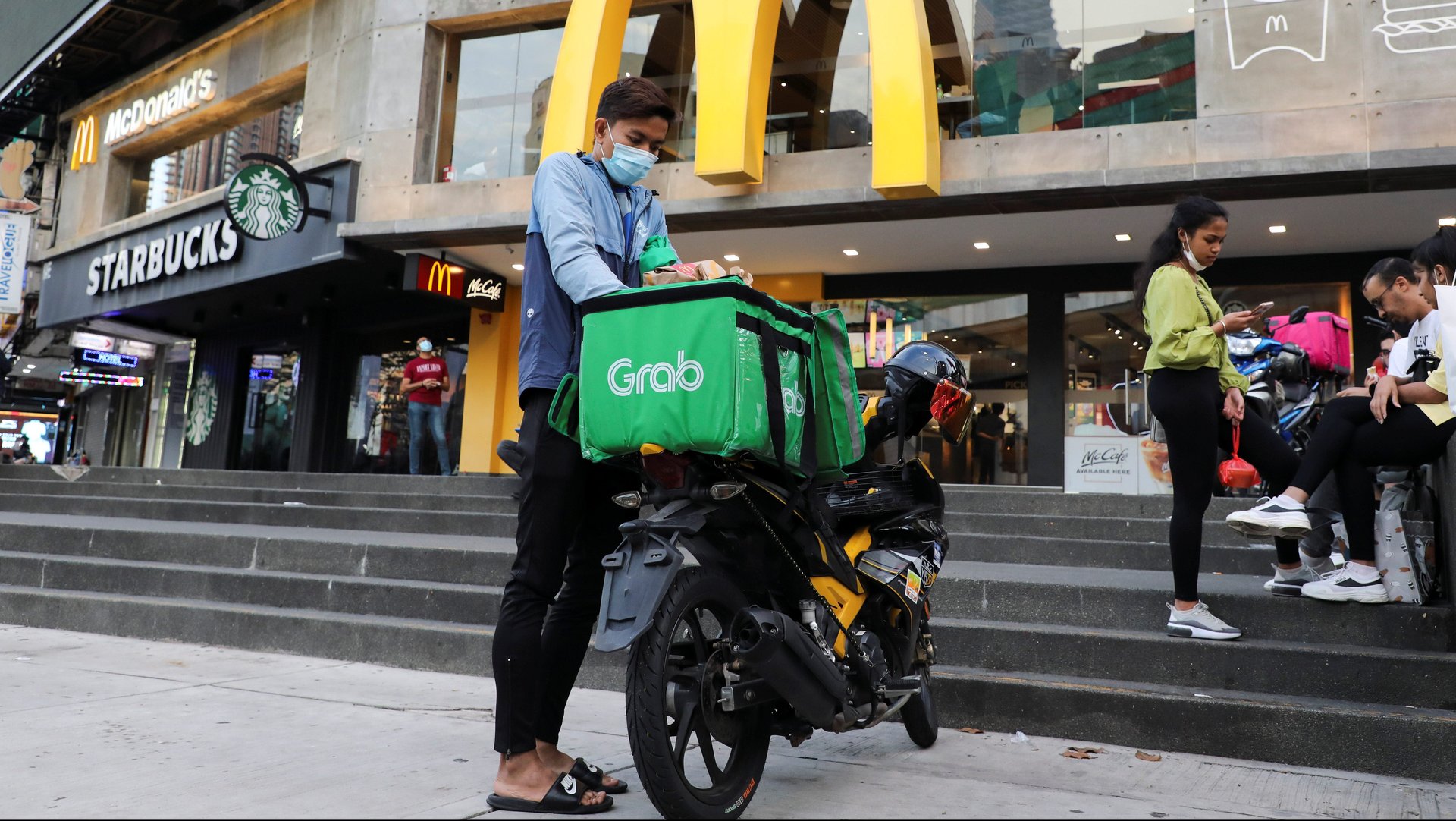
Even as dine-in restrictions lift at restaurants around the world, McDonald’s is betting Big Mac deliveries will remain in demand.
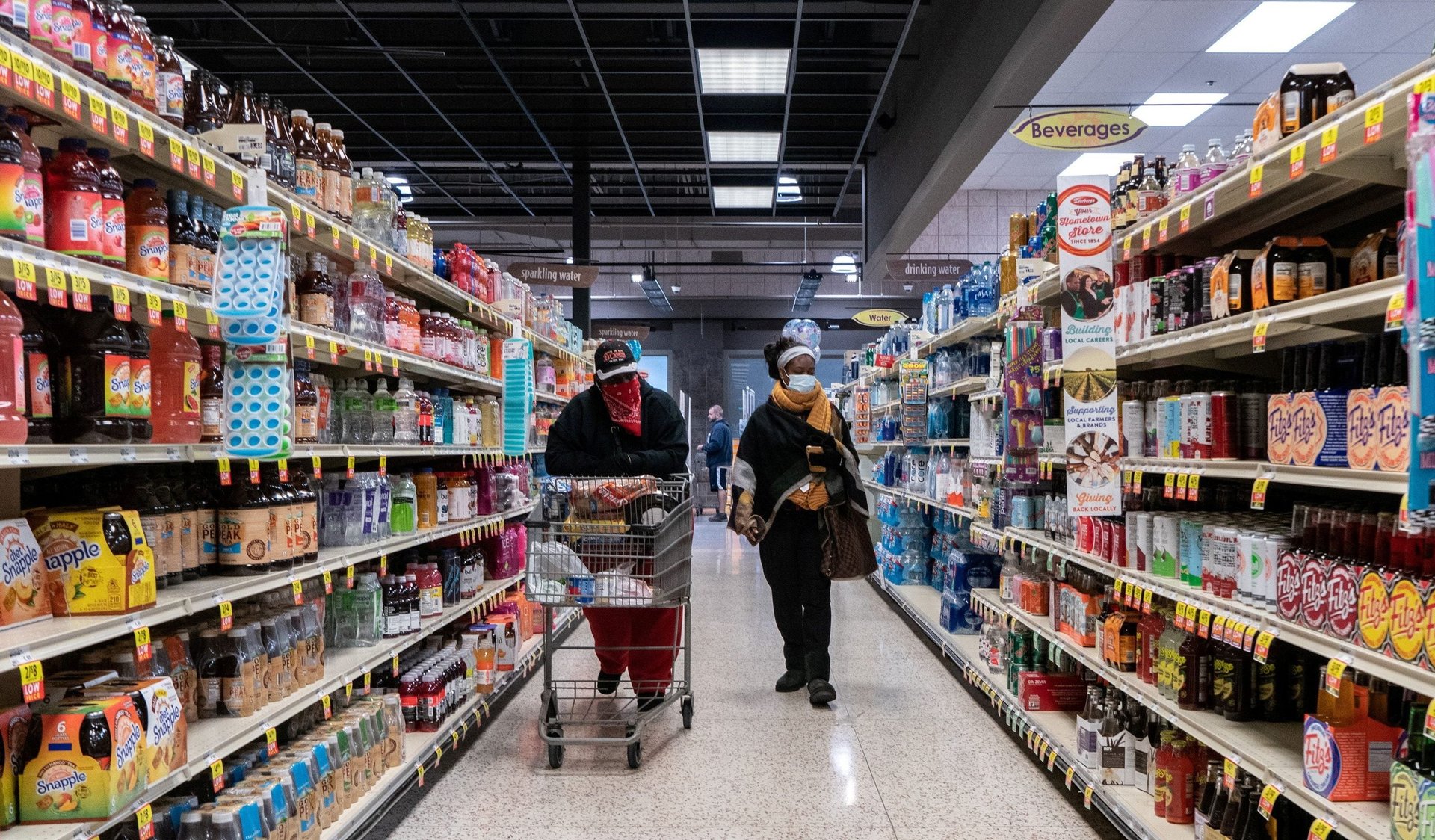
As the prices for food staples like milk and coffee continue to rise, Americans are spending more on their weekly grocery trips. In the US, food prices are up 4.5% from a year ago, according to the US Bureau of Labor Statistics.
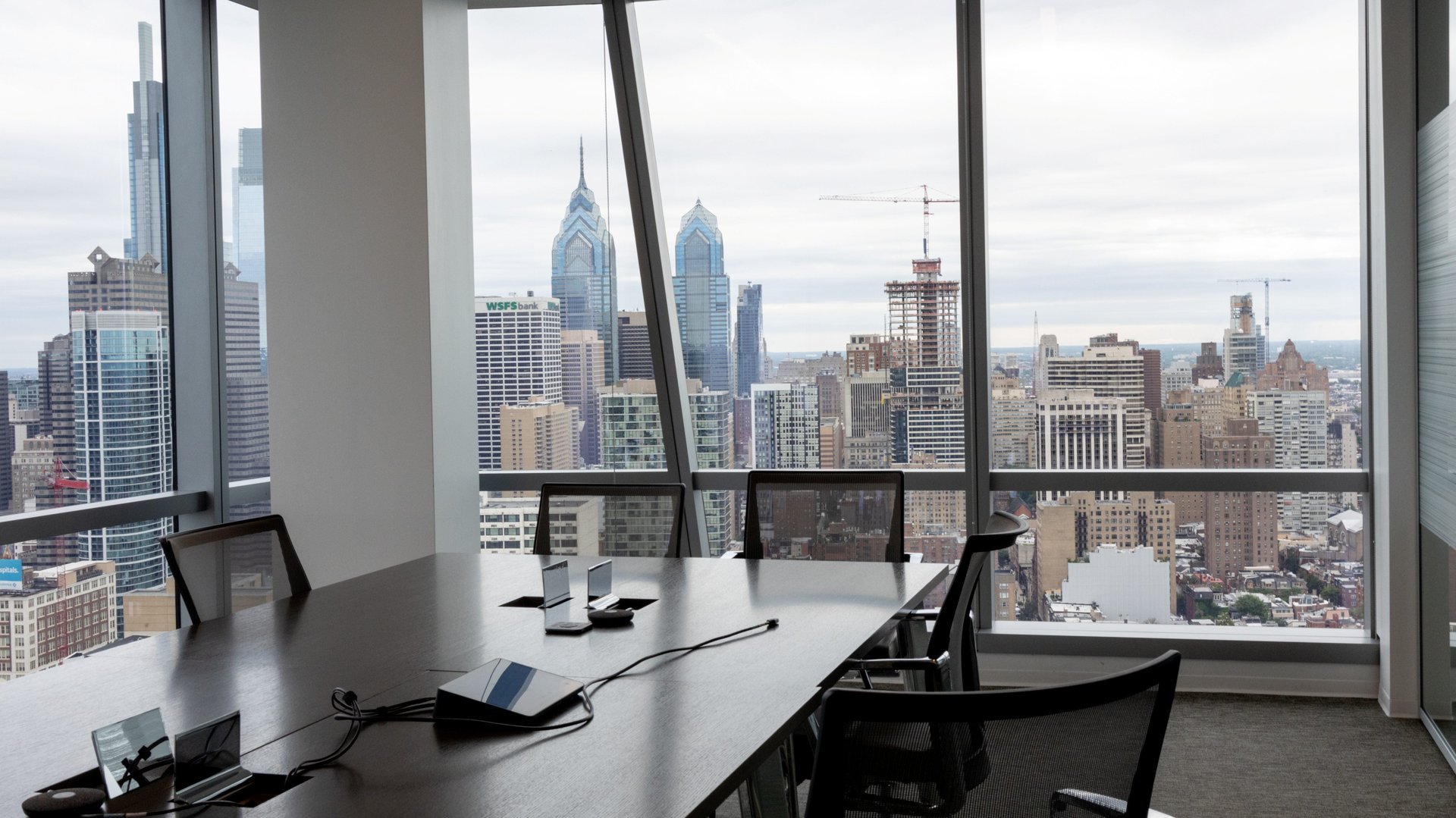
The mental health of workers is now part of the Fed’s assessment of the outlook of the US economy. A mention of employee mental health surfaced for the first time in the latest Beige Book from the US Federal Reserve.

A Thanksgiving meal is going to cost more this year.
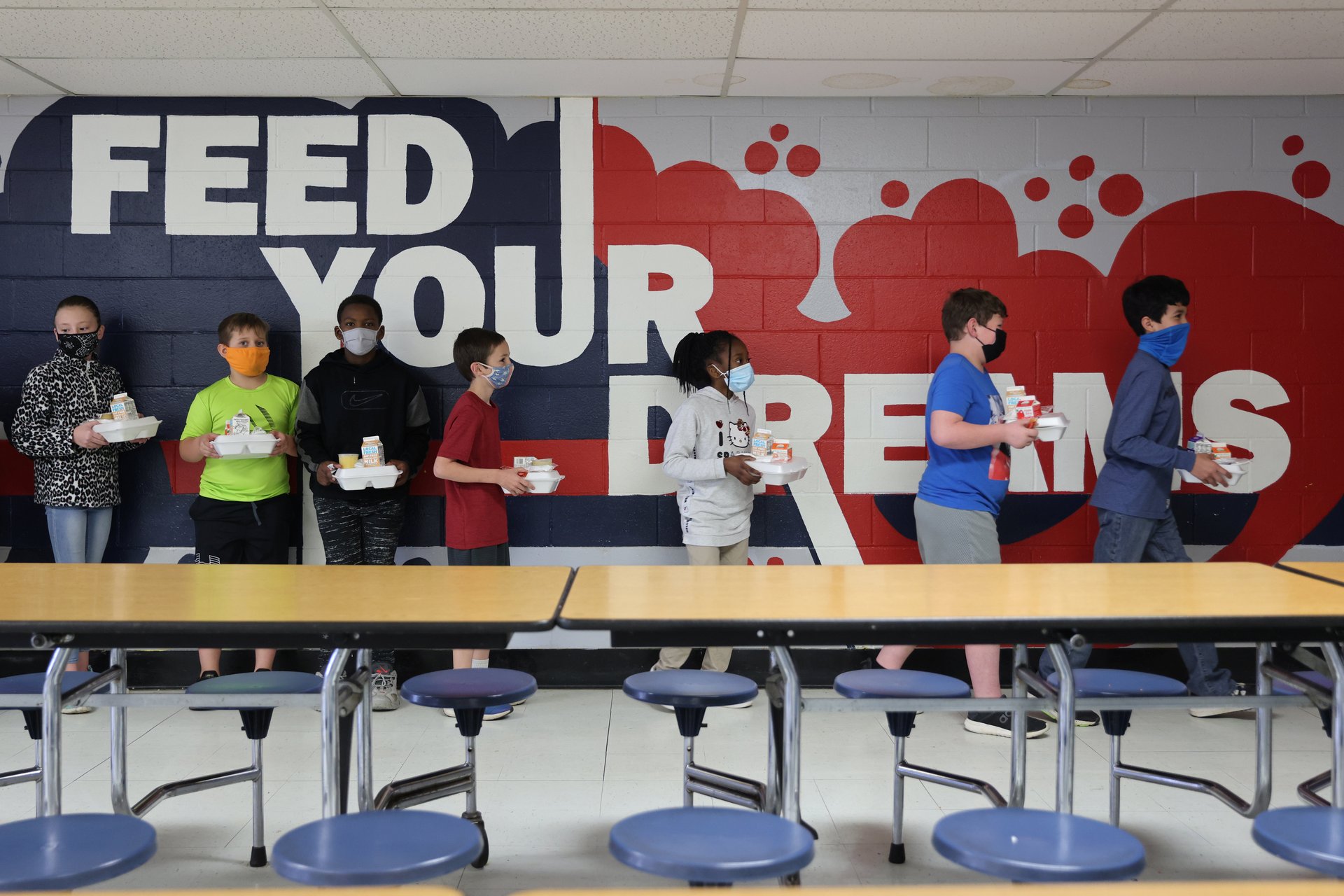
Millions of children each year in the US receive free or reduced-price meals through the National School Lunch Program (NSLP). Research has shown that food programs have numerous benefits, such as boosting test scores and lowering childhood obesity in some of the nation’s most vulnerable groups.
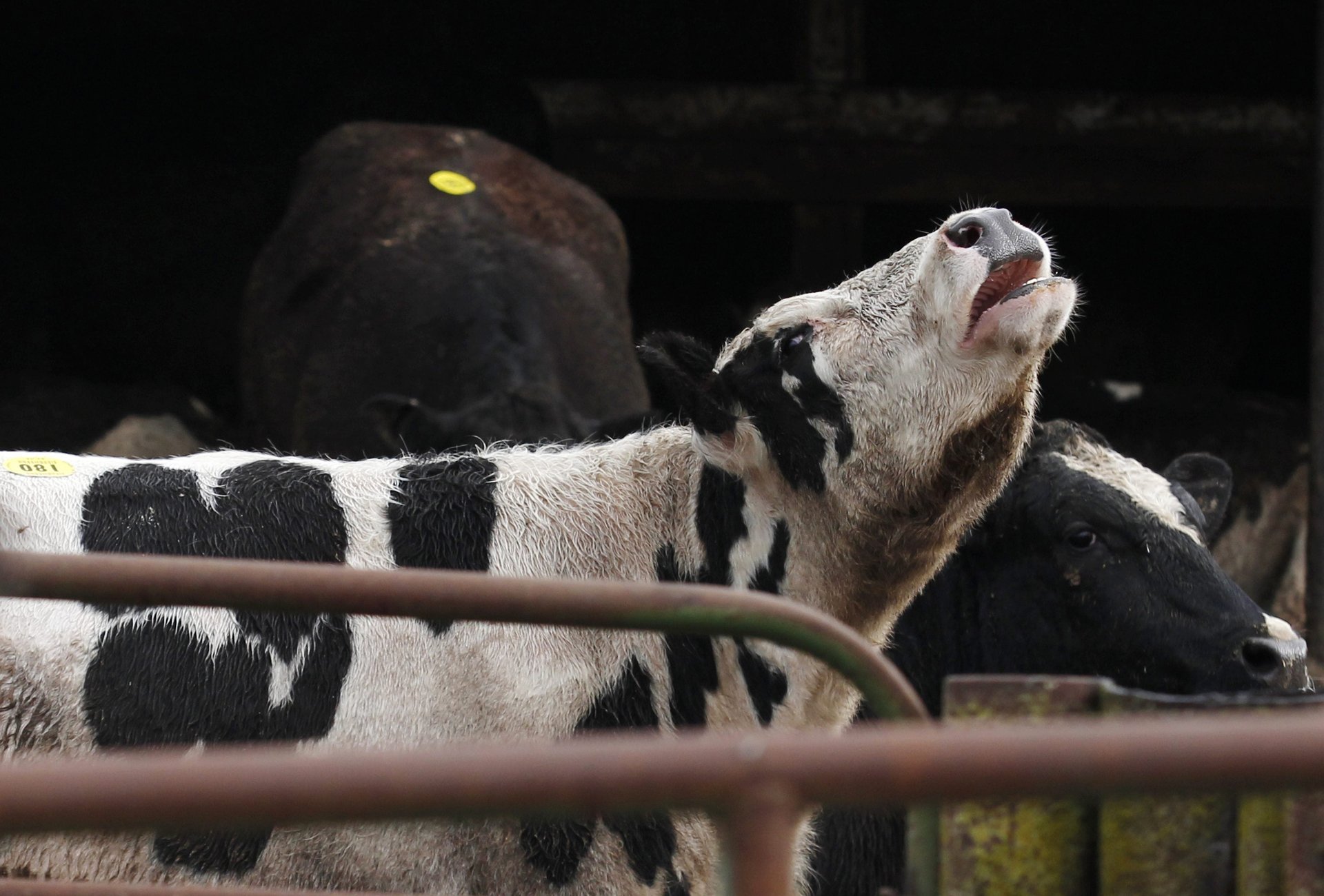
Food in the US is getting more expensive, and that’s largely being driven by rising beef prices. In the past year, the consumer price index for food rose 0.9%, while the index for beef rose 17.6%, according to the Bureau of Labor Statistics.
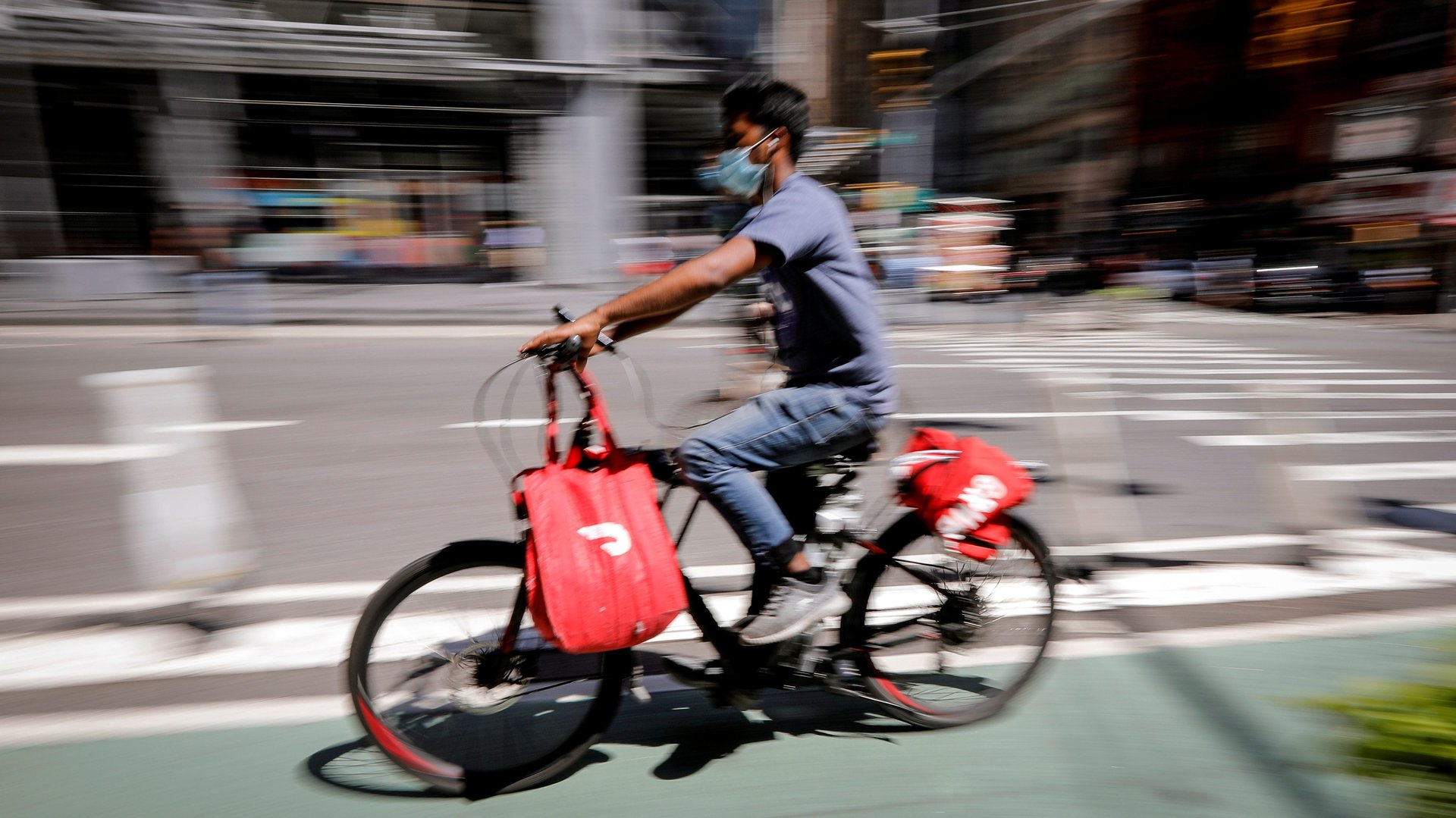
In the battle between food delivery apps and restaurants during the pandemic, the latter may now have the upper hand.
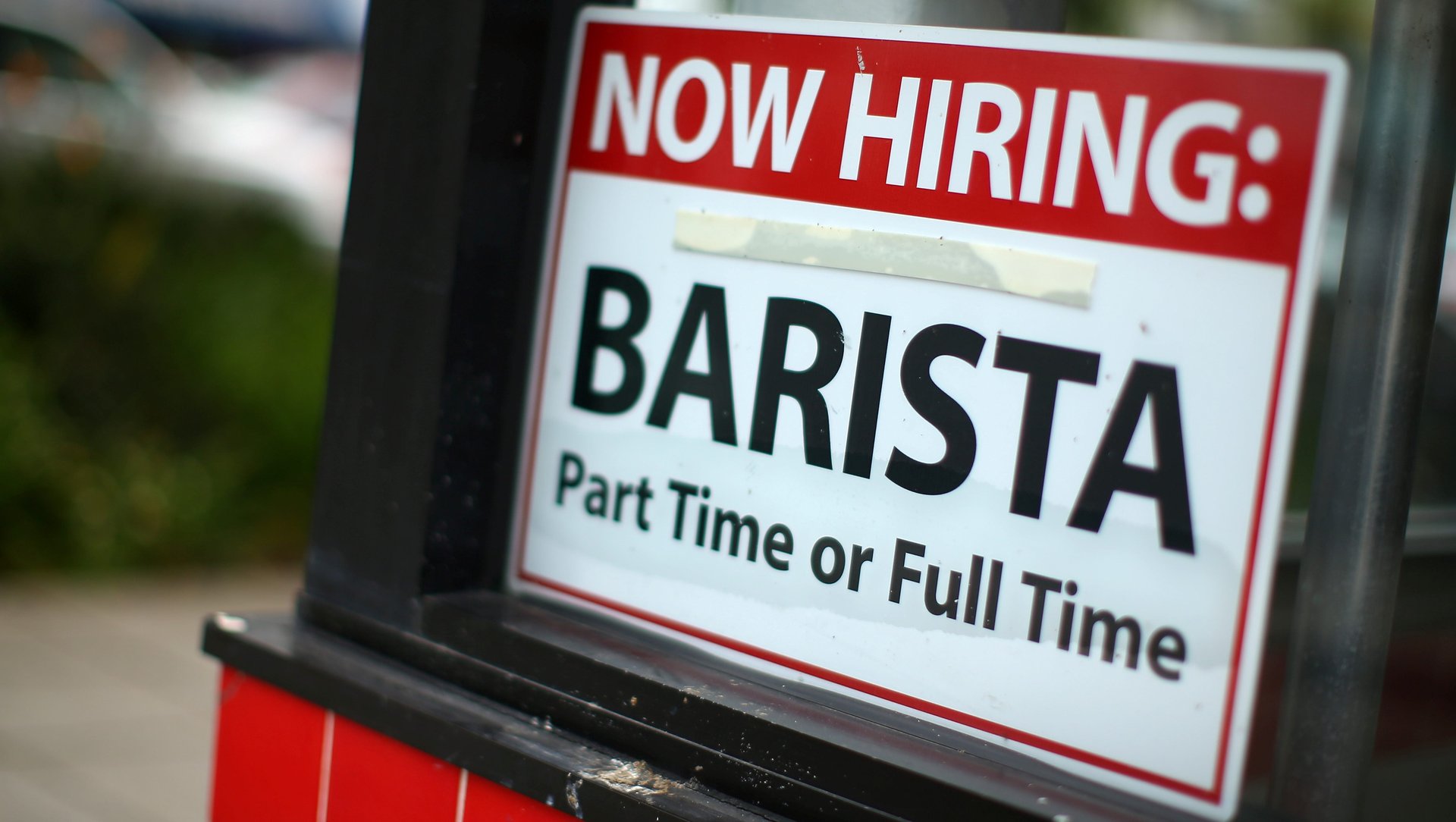
Restaurant workers have had it.
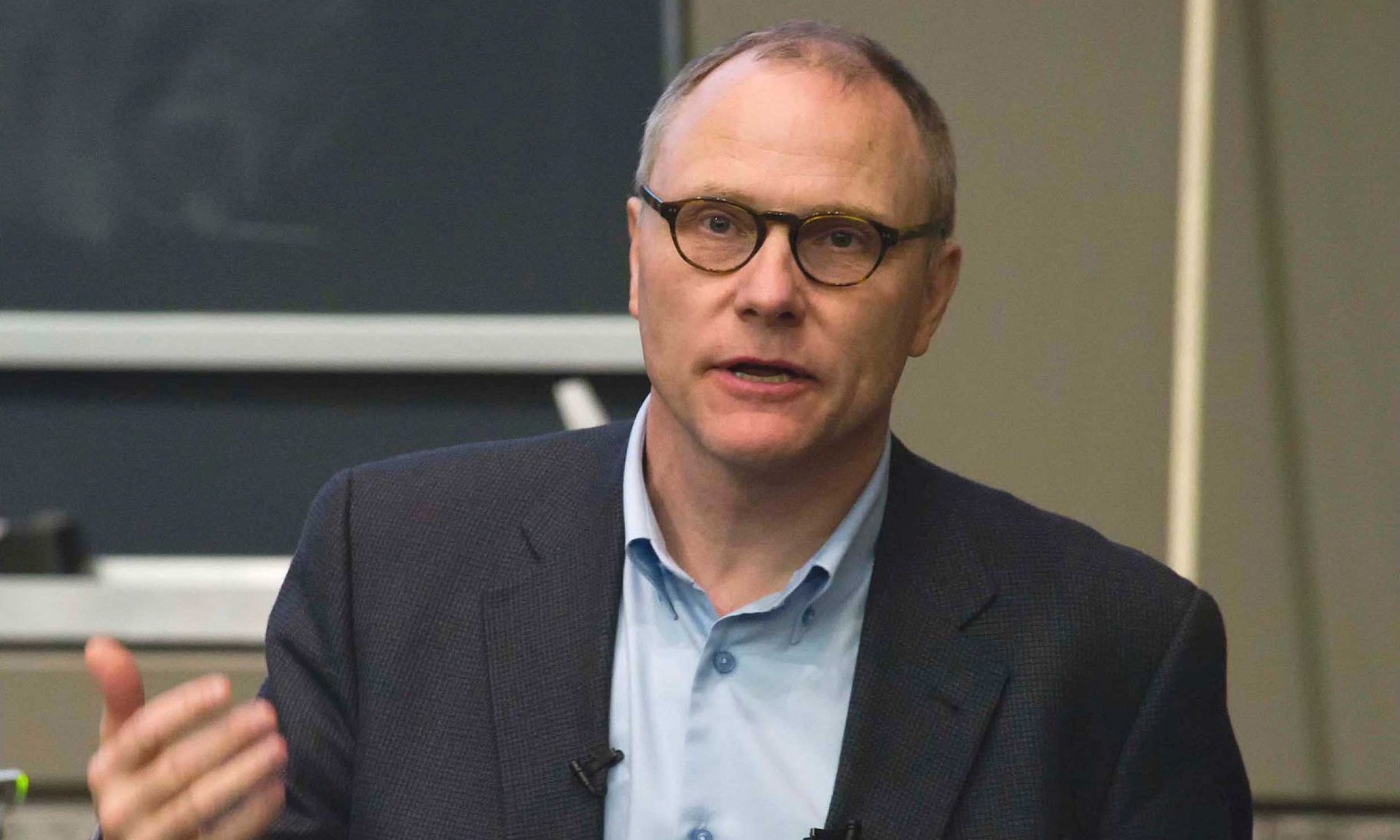
David Card, whose research on the minimum wages of fast-food workers deepened the understanding of how labor markets operate, was awarded the Nobel prize in economics today (Oct. 11).
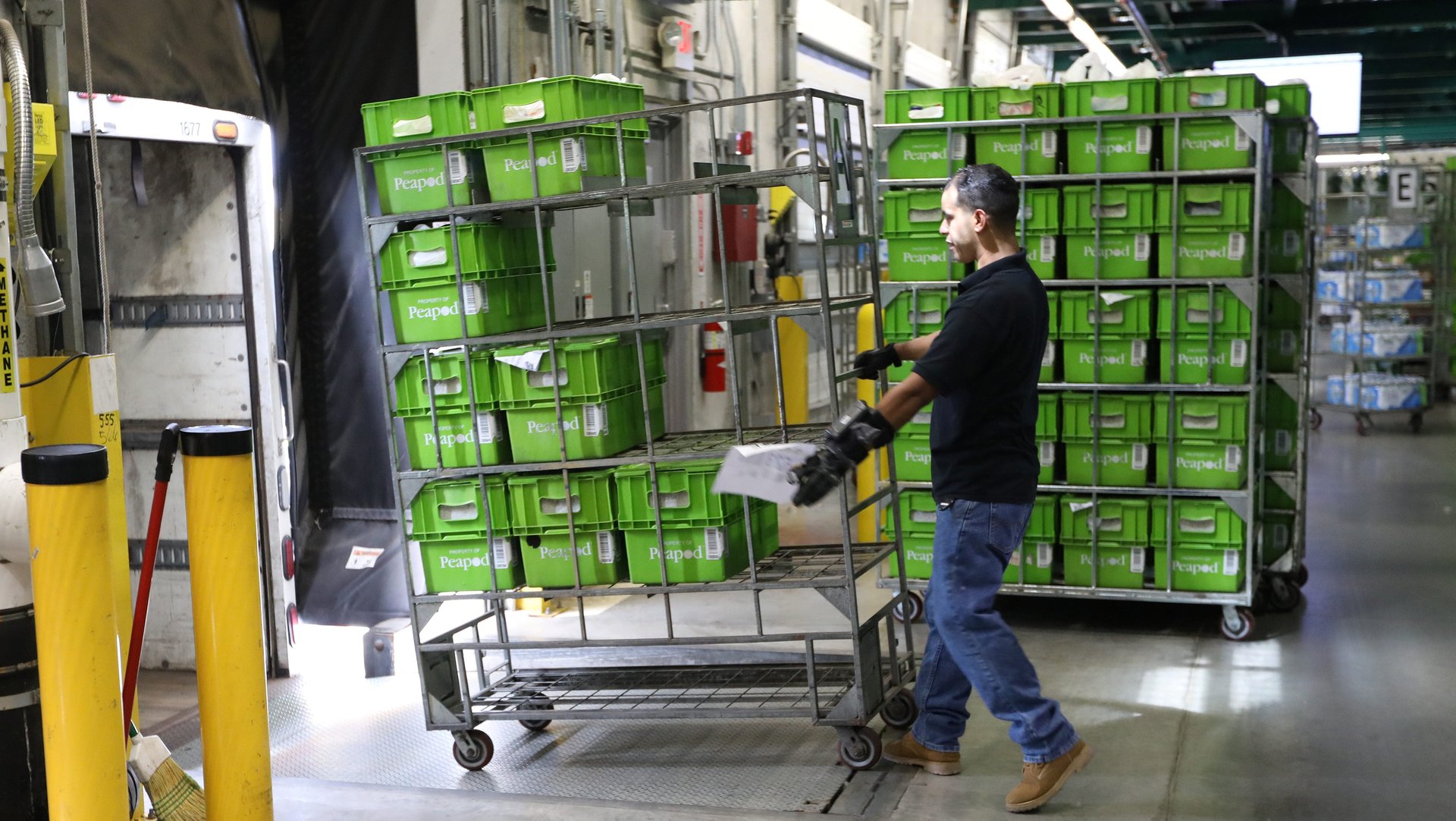
As the pandemic drives shoppers around the world to order groceries online, the cost of delivery is being sorted out.
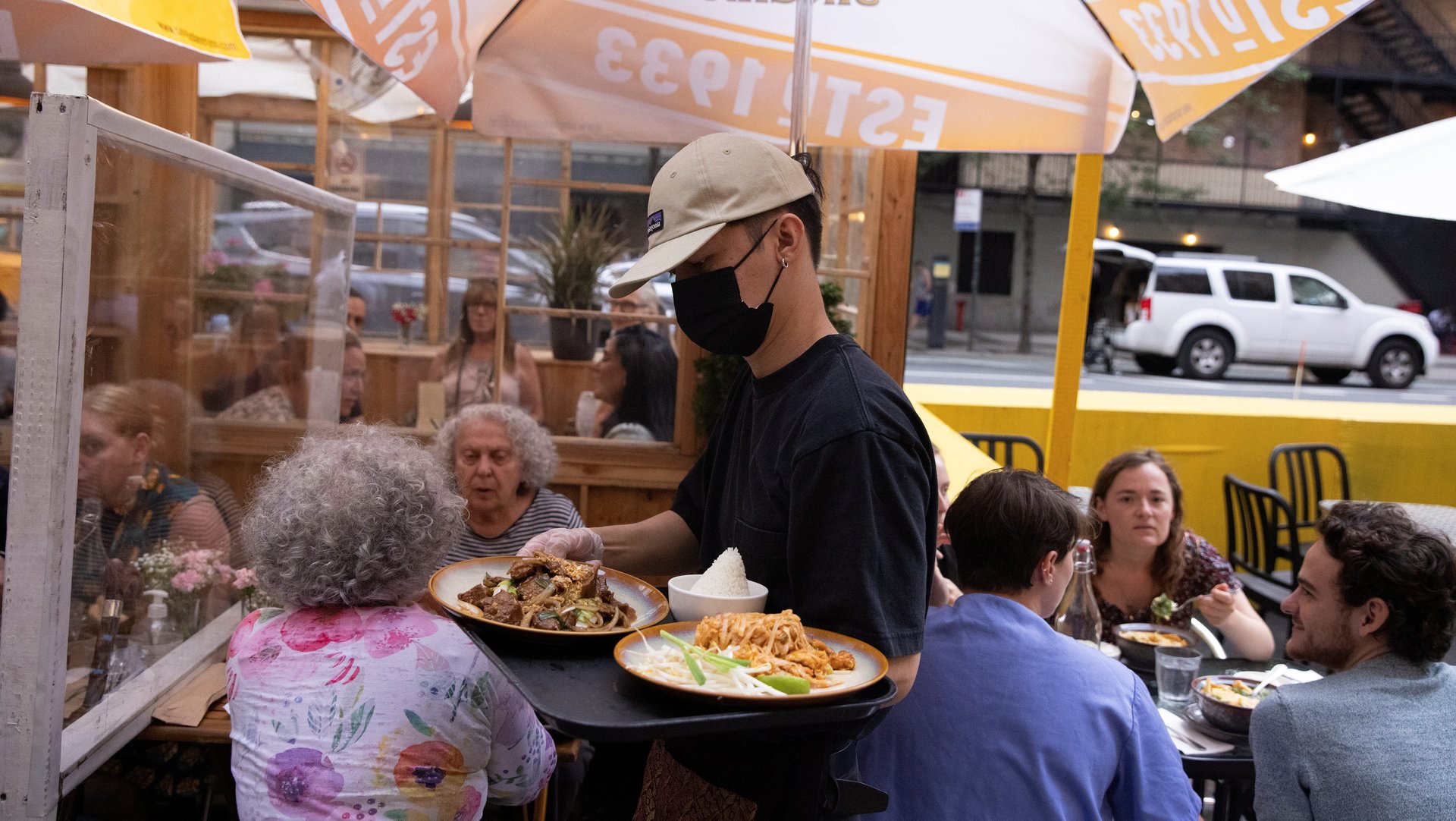
US restaurants are in the midst of an ingredient shortage.

Being in a newsroom teaches you how to be a reporter. But it takes a supportive and encouraging network of peers, colleagues, sponsors, and mentors to help you navigate the industry.
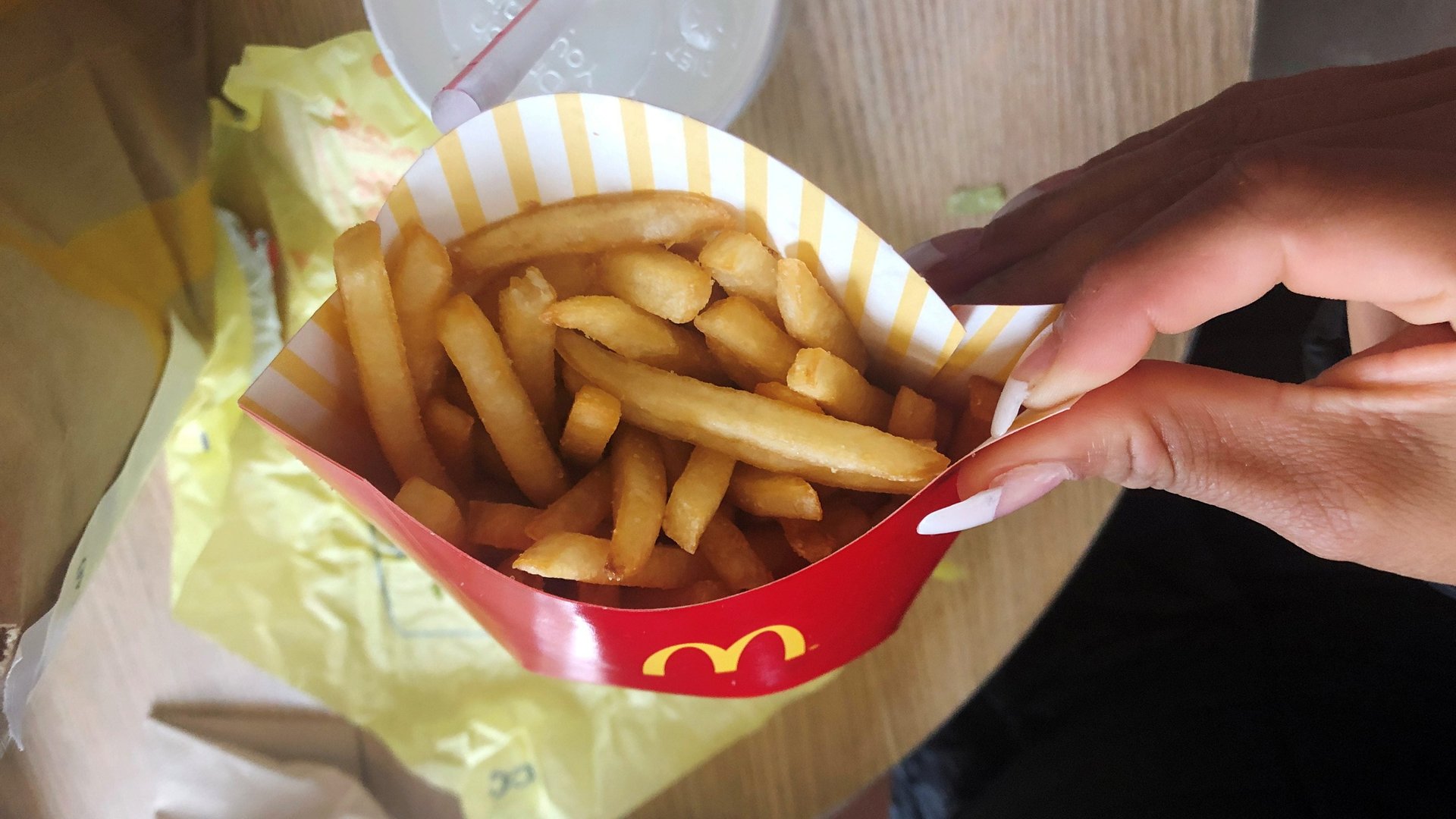
McDonald’s wants to achieve net zero emissions globally by 2050.
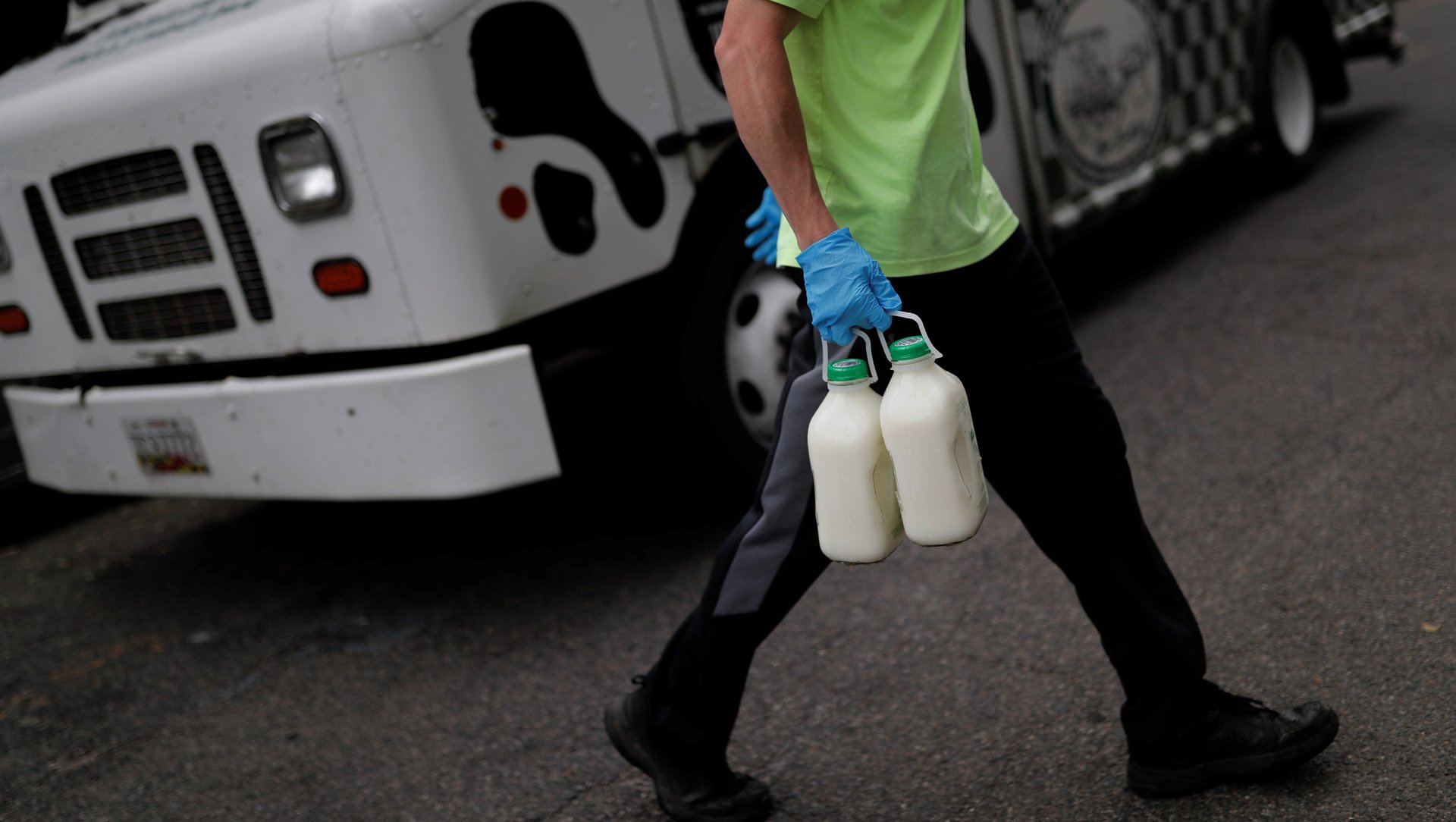
Instacart is betting customers want groceries delivered to their door in 30 minutes.
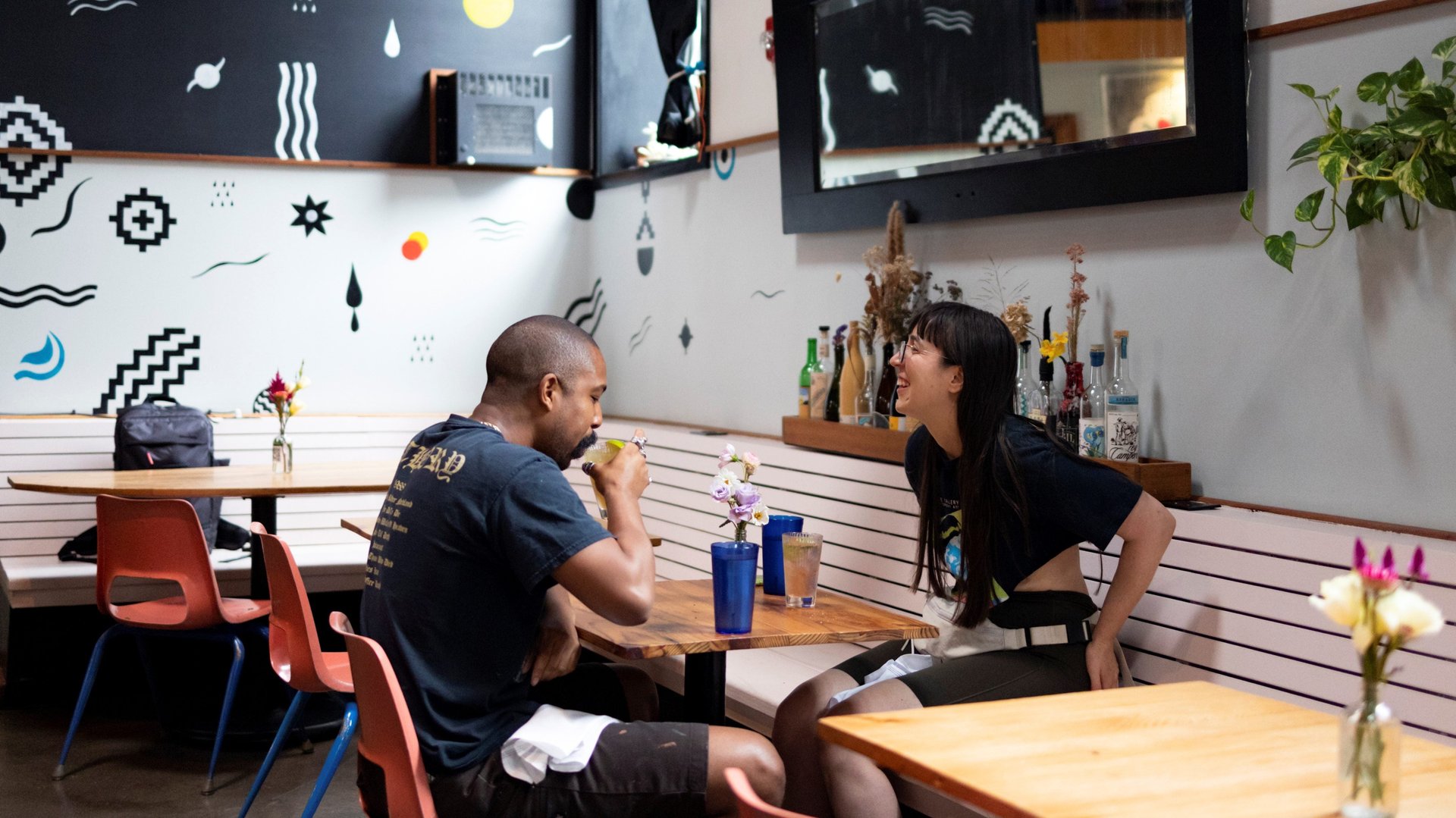
Sweetgreen, the fast casual salad chain popular with yuppie workaholics, is becoming less of a source for sad desk salads and more of a weekend outing during the pandemic.

The labor shortage in the UK is particularly apparent in its food industry. McDonald’s milkshakes, Nando’s chicken, and, potentially, Christmas turkeys are all among the items made scarce in Britain because of a lack of workers.
Hi Quartz members,
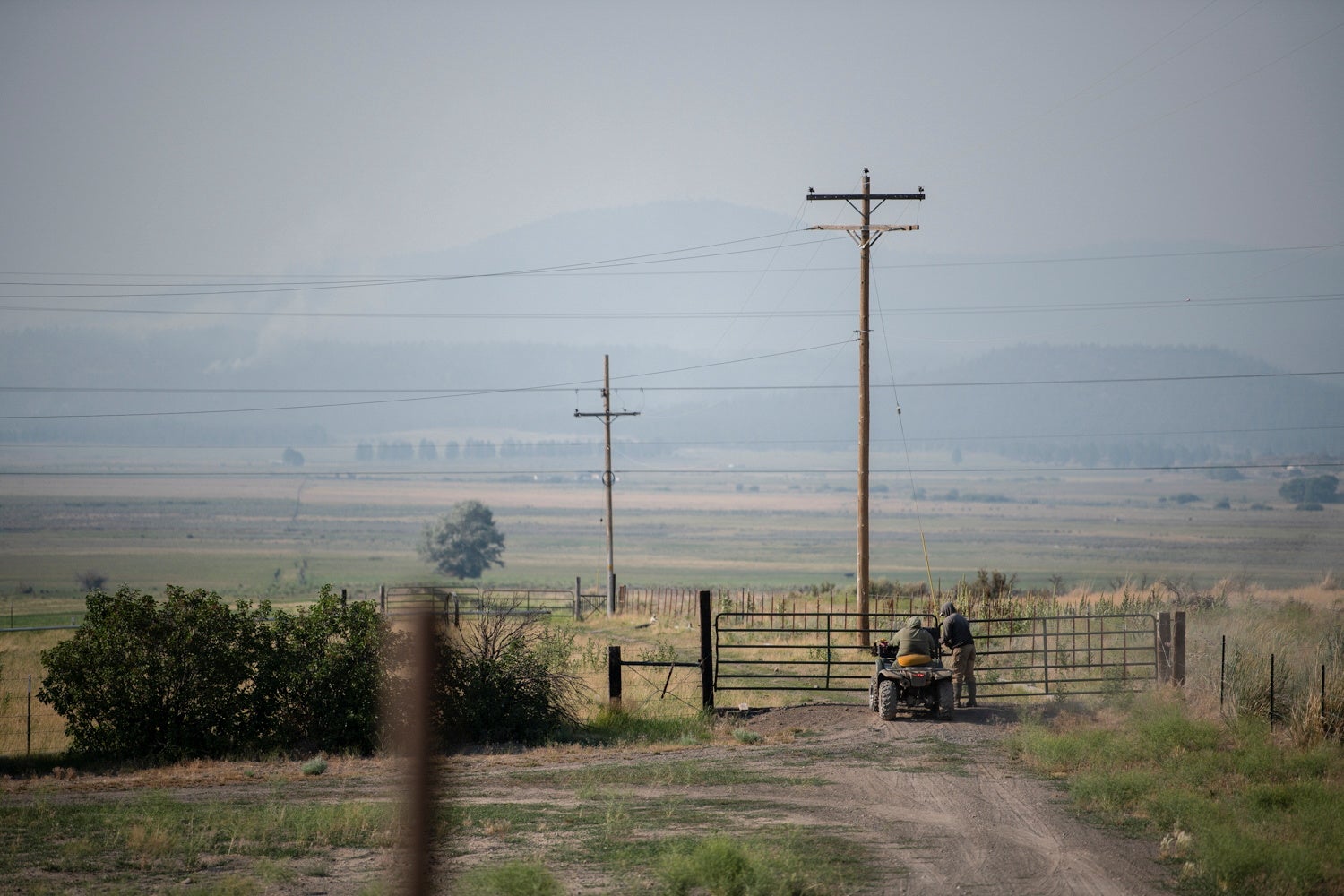
The US experienced a very hot summer, and the impact has had a tangible impact on labor from agriculture workers who were exposed to wildfires in the Pacific Northwest to gig workers delivering during floods on the East Coast.