
Tech & Innovation
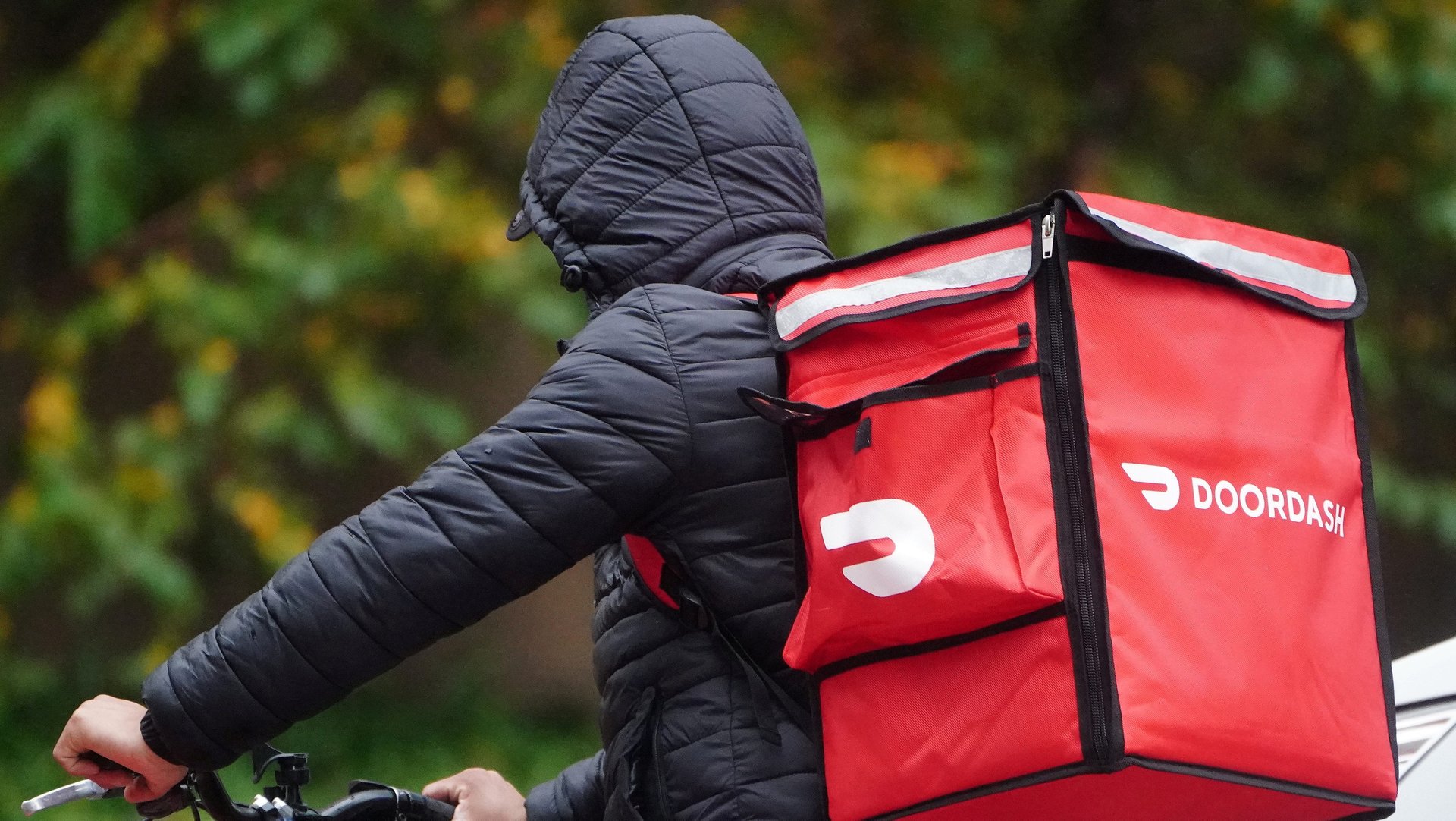
Delivery workers in New York City will be paid a minimum wageNew York City is giving a raise to food delivery workers.
Updated July 20, 20222 min read
New York City is giving a raise to food delivery workers.
Good morning, Quartz members!
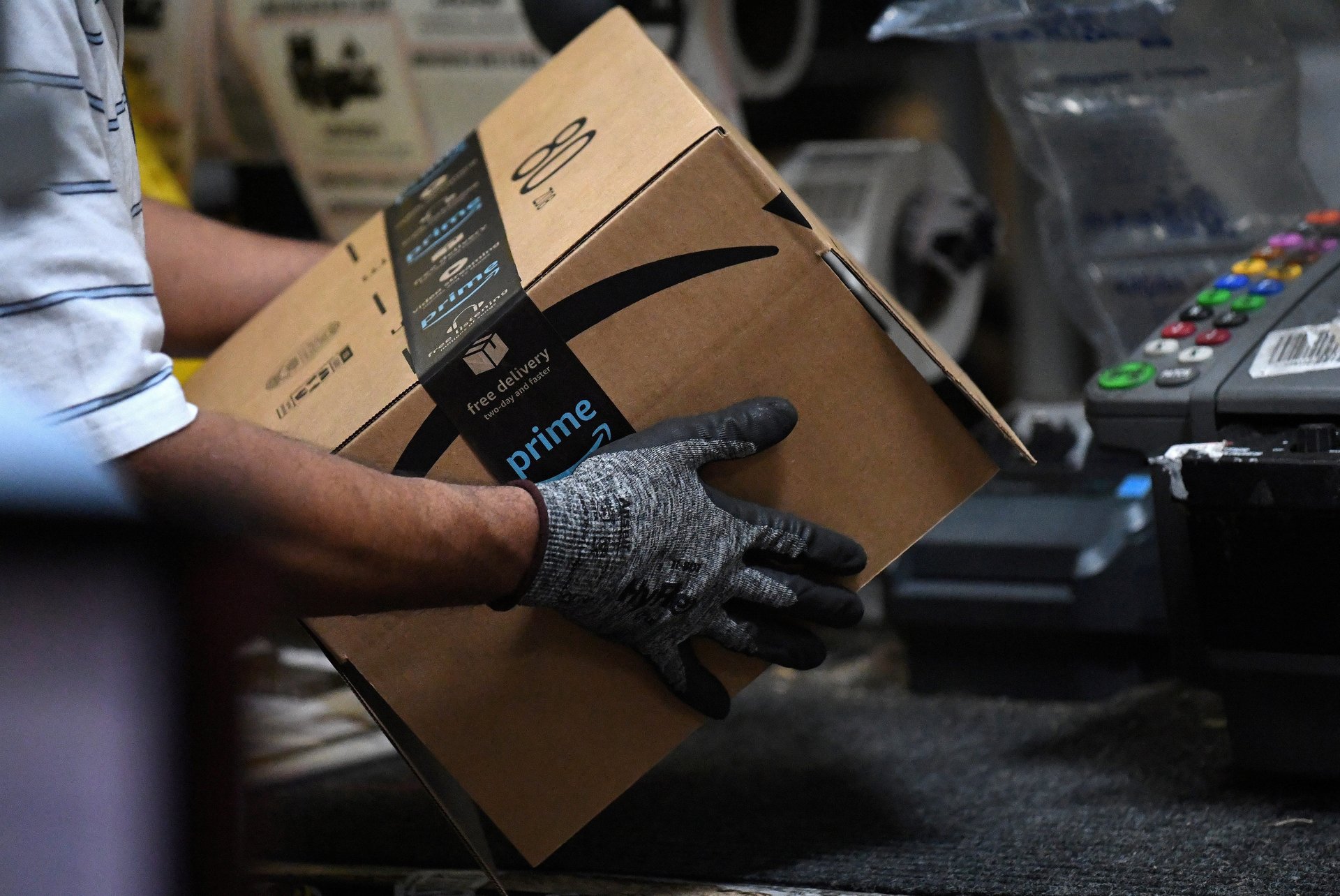
Amazon is raising its average hourly US wage to $18 an hour for warehouse workers, the company said this week, putting more pressure on other employers in a tight labor market. Just four years ago, the giant retailer increased its starting wage to $15 an hour.

Regulators are coming for the food delivery companies.
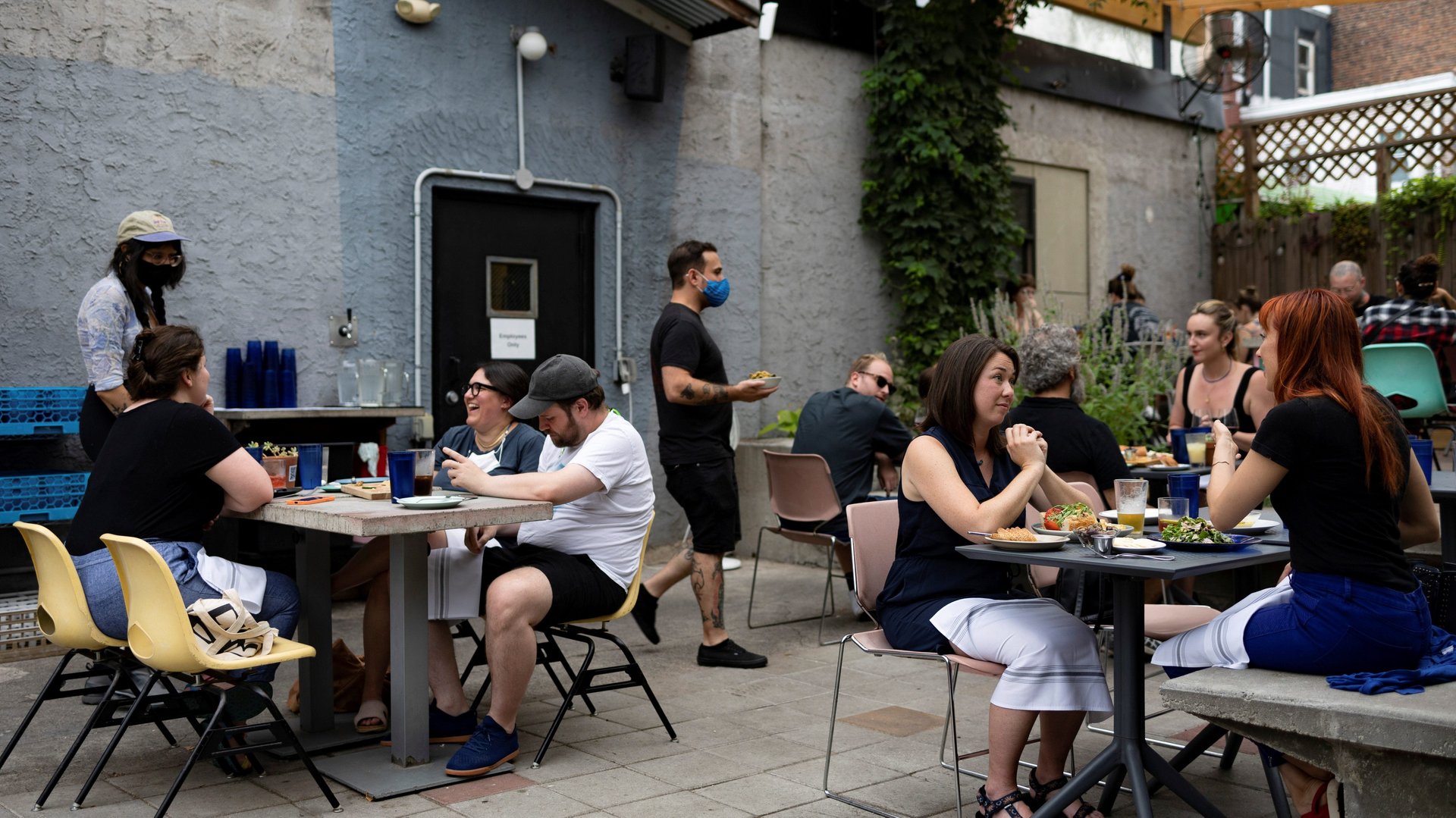
As Covid-19 restrictions eased this summer, US restaurants were starting to thrive. Sales were back to pre-pandemic levels, as diners were eager to go out and eat.
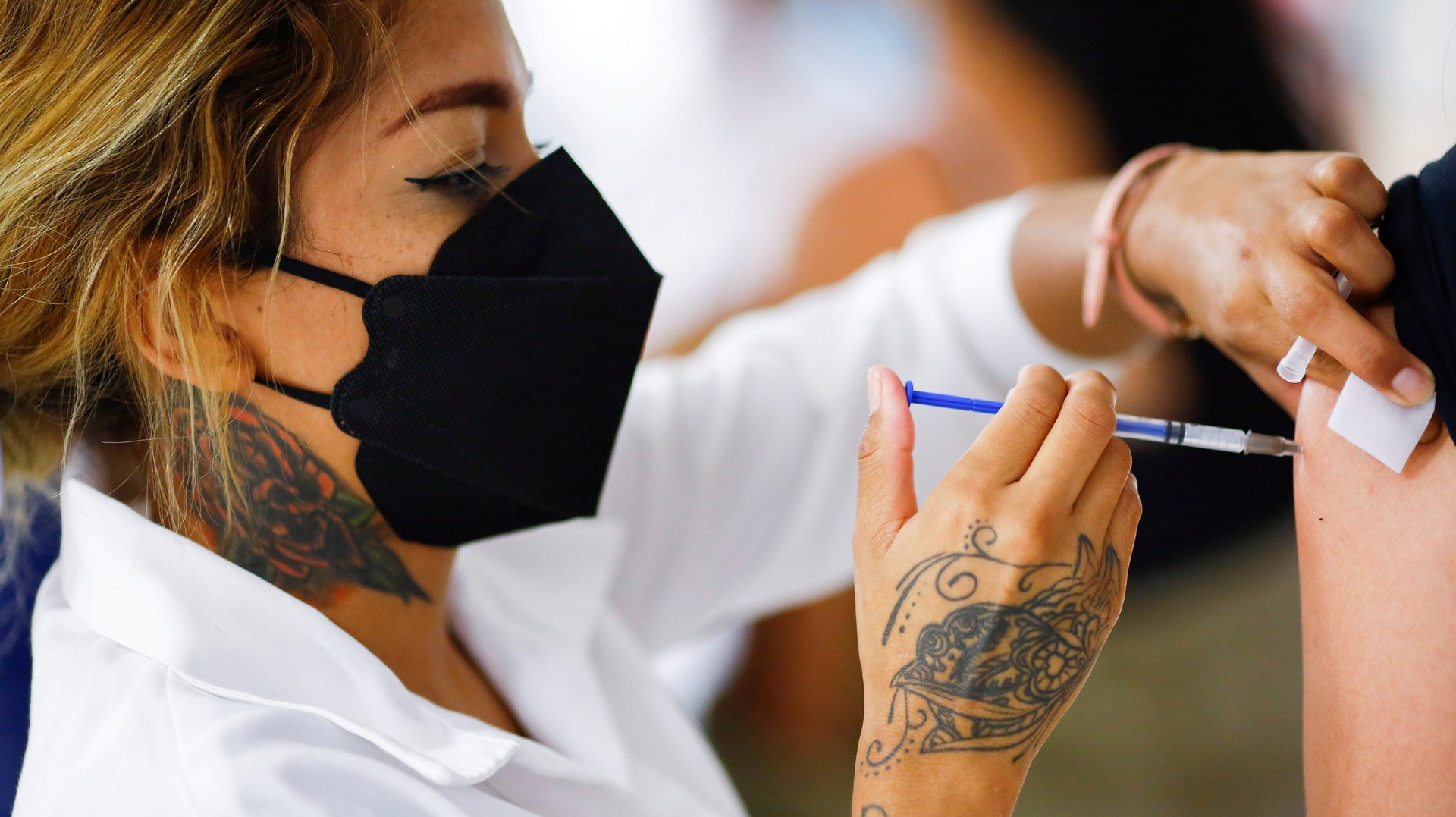
The nudge to get tens of millions of people vaccinated with free food and cash incentives has not worked out. Nearly 80 million Americans have yet to receive the Covid-19 vaccine, so US president Joe Biden is turning up the pressure by issuing mandates through corporate employers.
Food delivery companies DoorDash, Grubhub, and UberEats filed a lawsuit against New York City Aug. 9 over the city’s cap on how much the platforms can charge restaurants to use their services.
JPMorgan Chase said it is acquiring The Infatuation, a popular restaurant recommendation website, which includes the Zagat brand, a restaurant review platform. The move reflects the bank’s expansion into the dining business as it caters to its big-spending credit card customers.

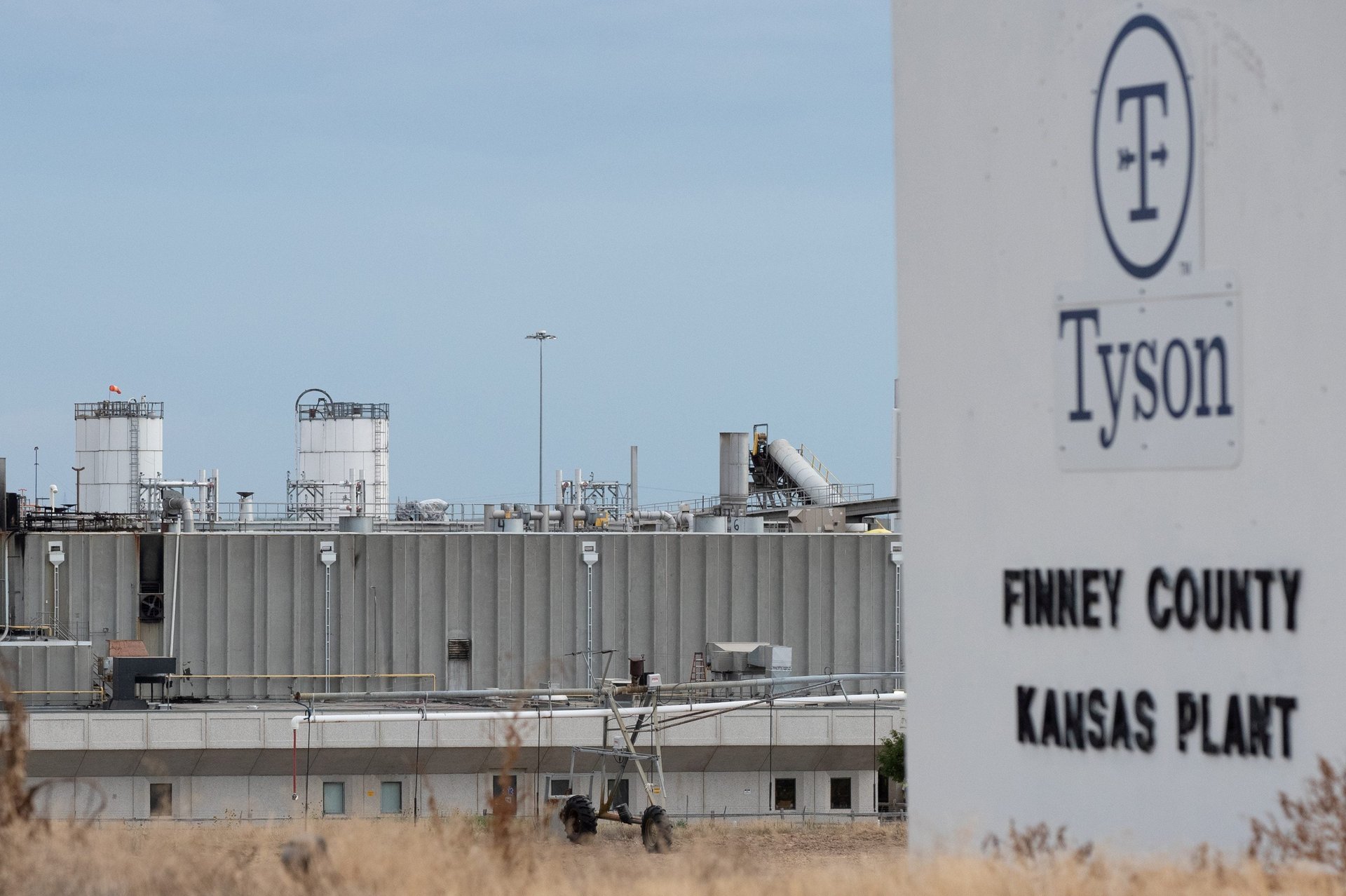
Tyson Foods, the first US meatpacking company to require Covid-19 vaccinations for its entire workforce, received a stamp of approval from labor unions last week to mandate all its workers be vaccinated by Nov. 1.
Ride-hailing giants Lyft and Uber said they will cover the legal fees of their drivers sued under the restrictive new abortion law that went into effect in Texas this week.
Walmart is expanding its grocery deliveries into New York City, again.

What is it like to be a foreign correspondent—and report with empathy and pragmatism?
Amid rising Delta variant cases of Covid-19 and continued worker shortages, some fast-food restaurants are closing their dining rooms. It may be some never reopen them.

Since Aug. 10, about 1,000 union workers across five states who make Ritz crackers and Oreo cookies for Nabisco have been on strike over contract disagreements.
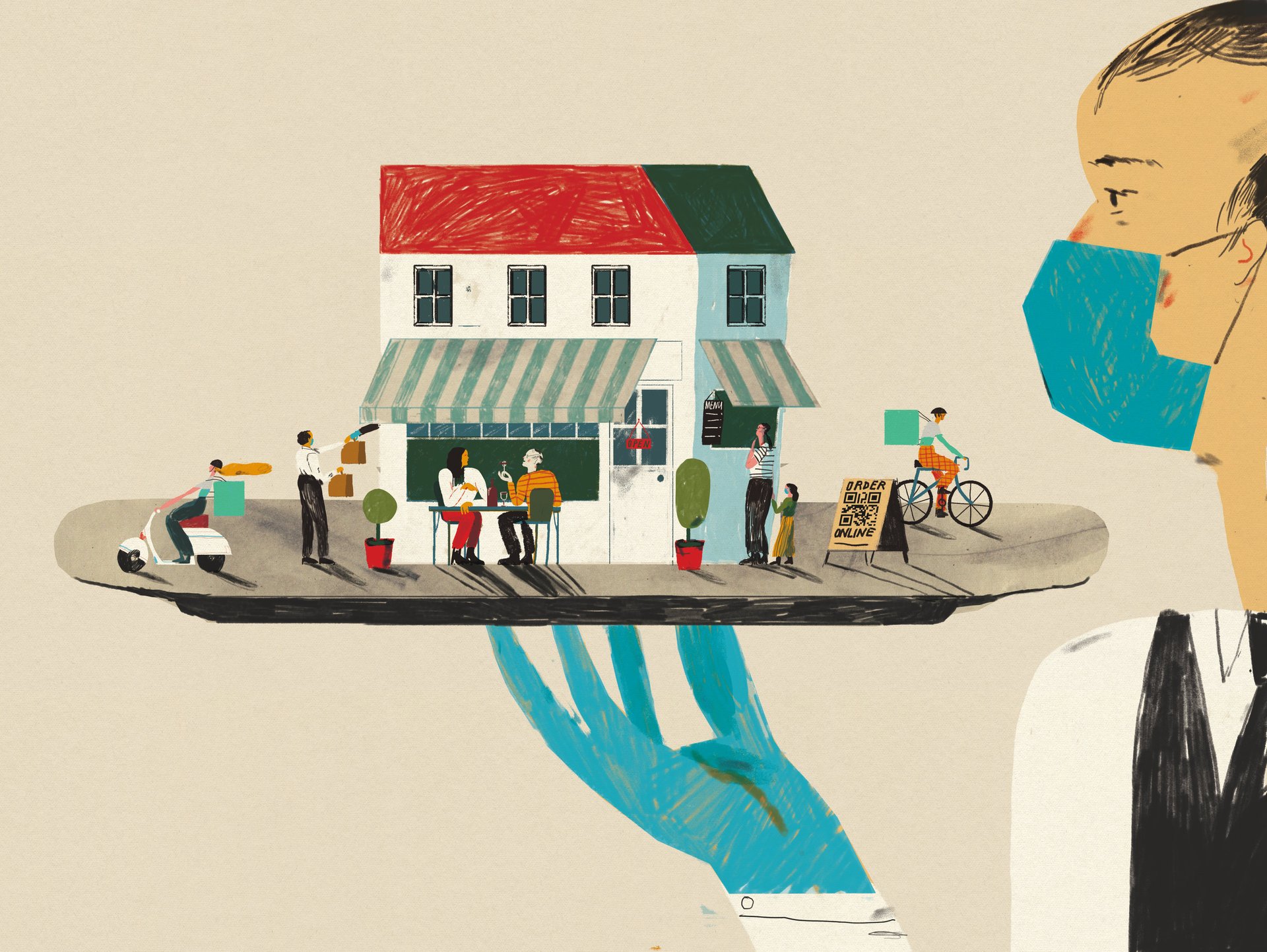
Before the pandemic, people loved going out to restaurants. Sixty four percent of adults reported eating out at least once per week, according to a Feb 2020 survey. Getting takeout usually meant pizza and Chinese food.
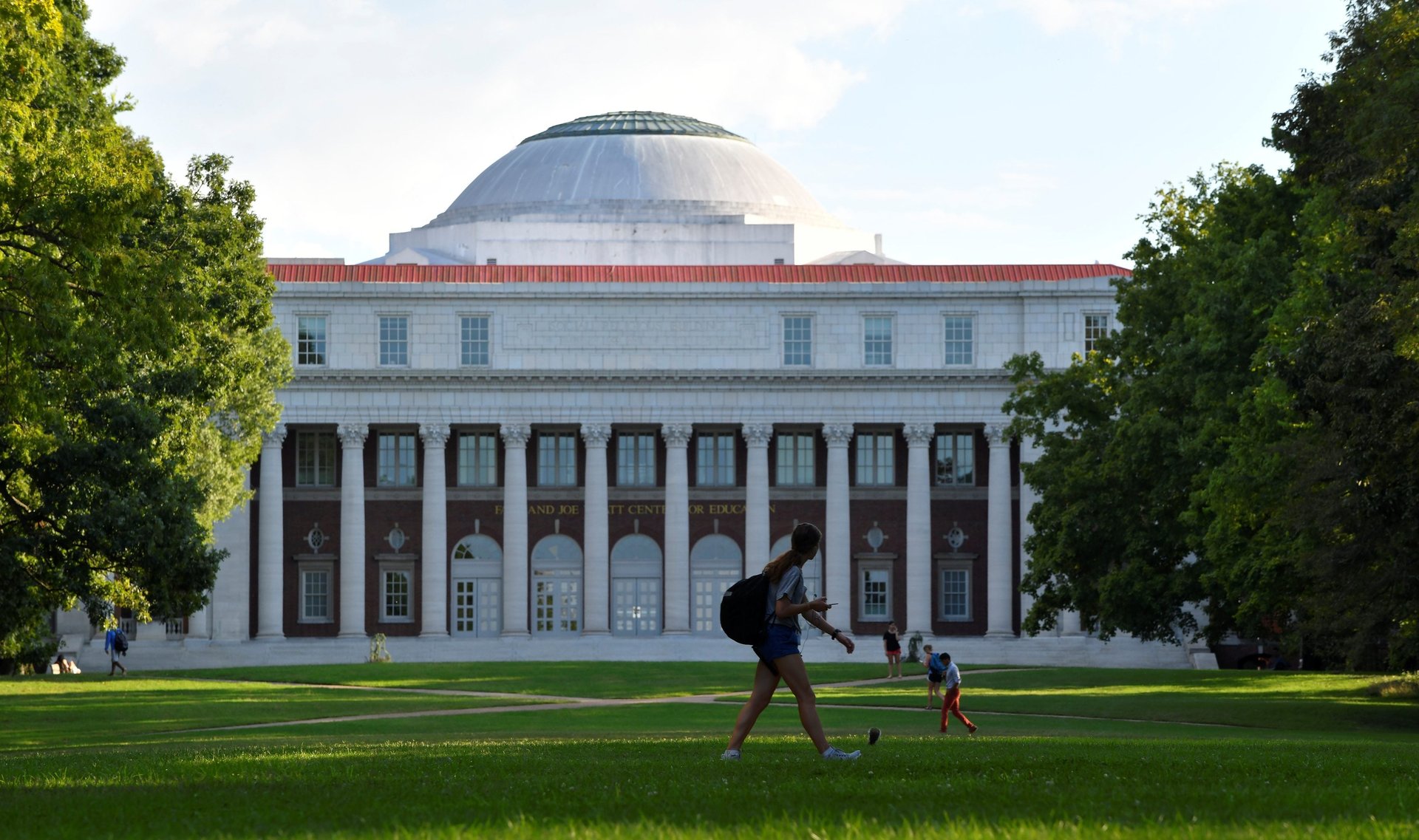
College tuition has been rising consistently in the US for decades, but the increase is slowing down, according to the latest data from the US Bureau of Labor Statistics. In July, the consumer price index for college tuition and fees increased 0.2% from a year ago, the smallest year-over-year increase since 1979, the earliest data on record.

Robinhood investors are loving crypto.
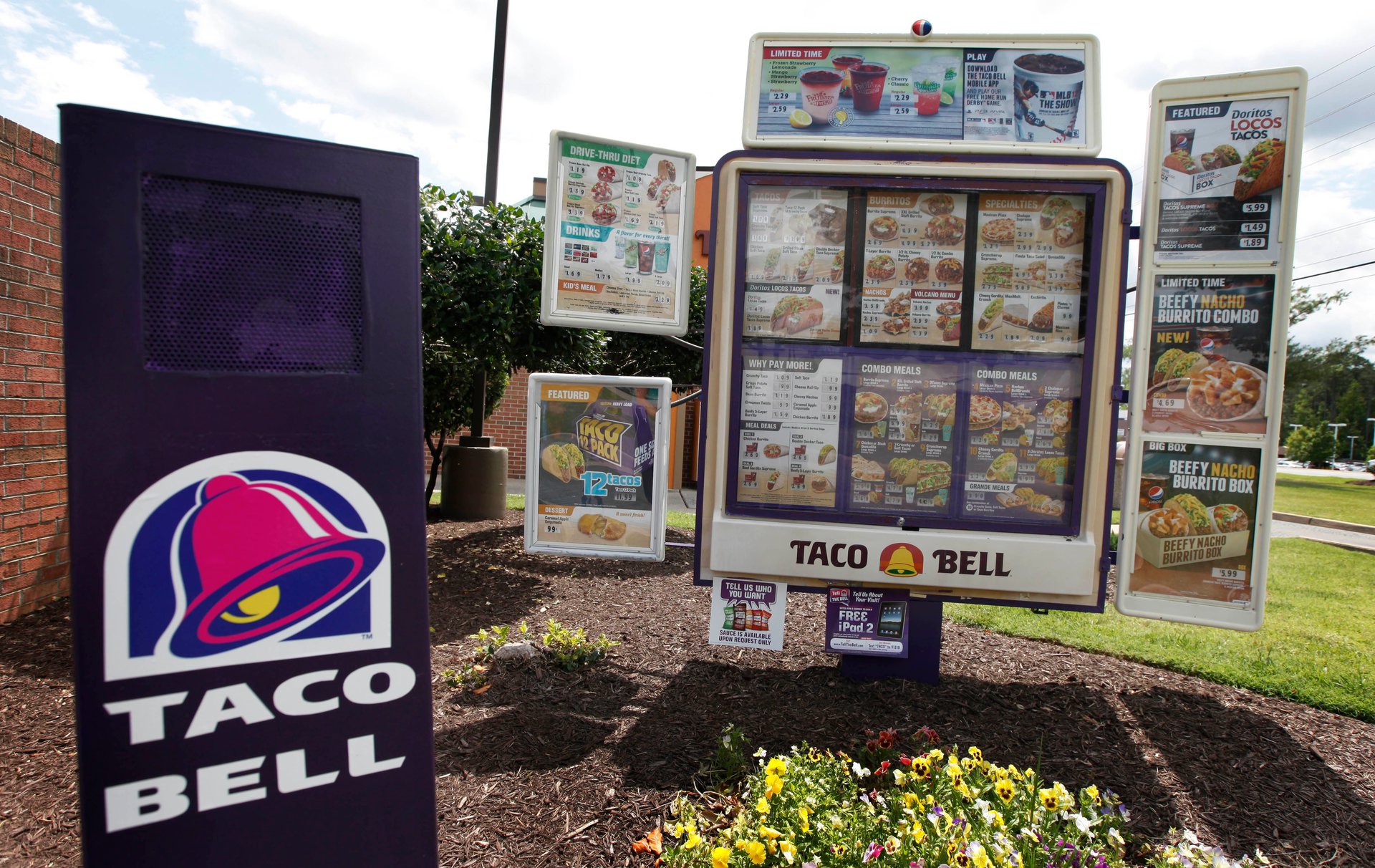
The drive-thru is getting a makeover.
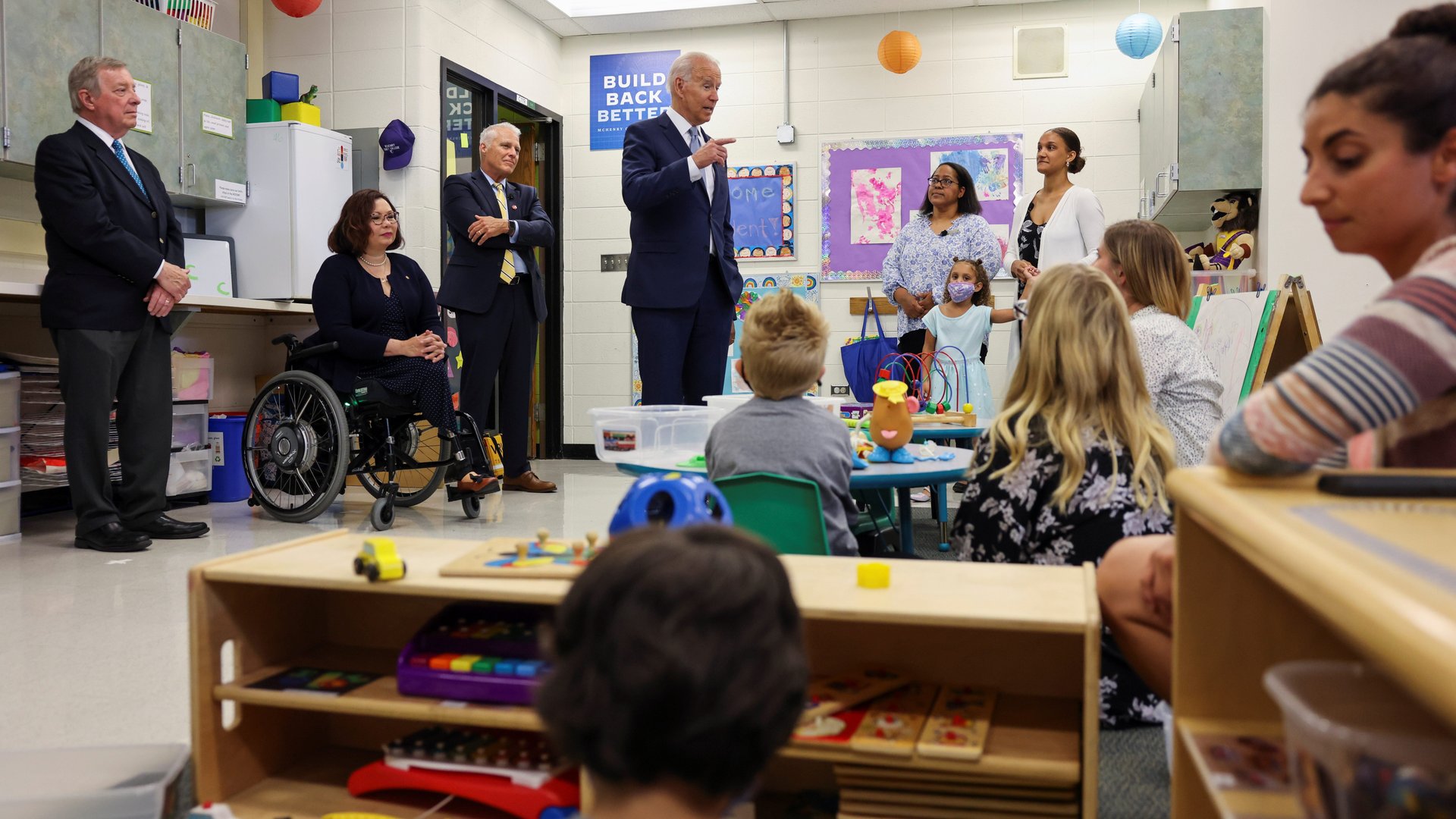
After the first payments of the US child tax credits were released, there was a drop in the number of families with children reporting they didn’t have enough to eat and trouble paying household expenses, according to a new Census Bureau Household Pulse survey.
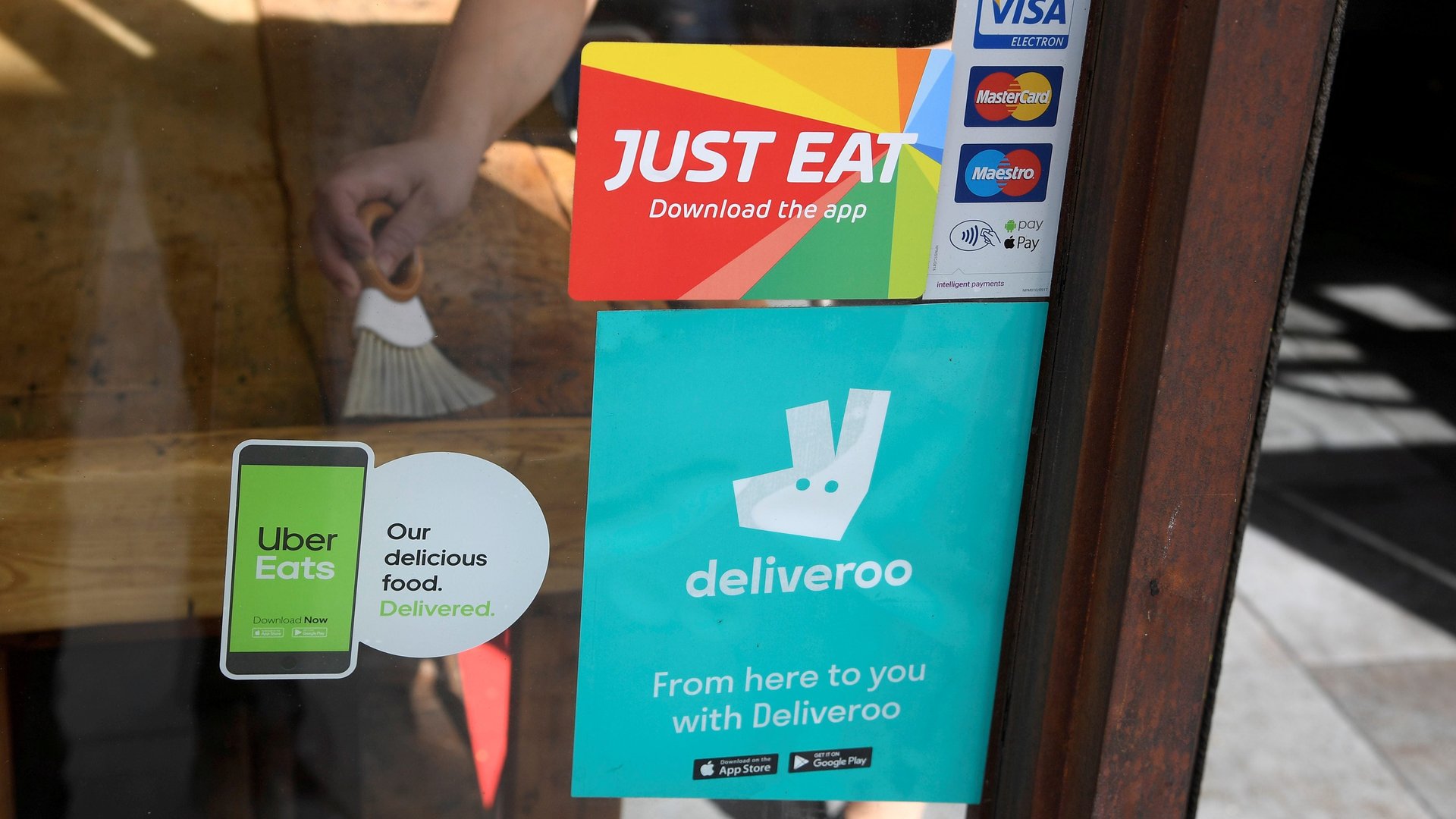
To bolster its food delivery business, Uber has been on a dealmaking spree, looking to purchase companies that would expand its offerings. In the past year, the company has made a series of food and drink delivery acquisitions including Cornershop, Drizly, and Postmates. It has also formed several partnerships, including one exclusively with ultra-fast convenience delivery service GoPuff, a company reportedly worth $15 billion, and with major grocery chain Albertsons, which will expand Uber’s delivery service in the US to 1,200 Albertsons stores.
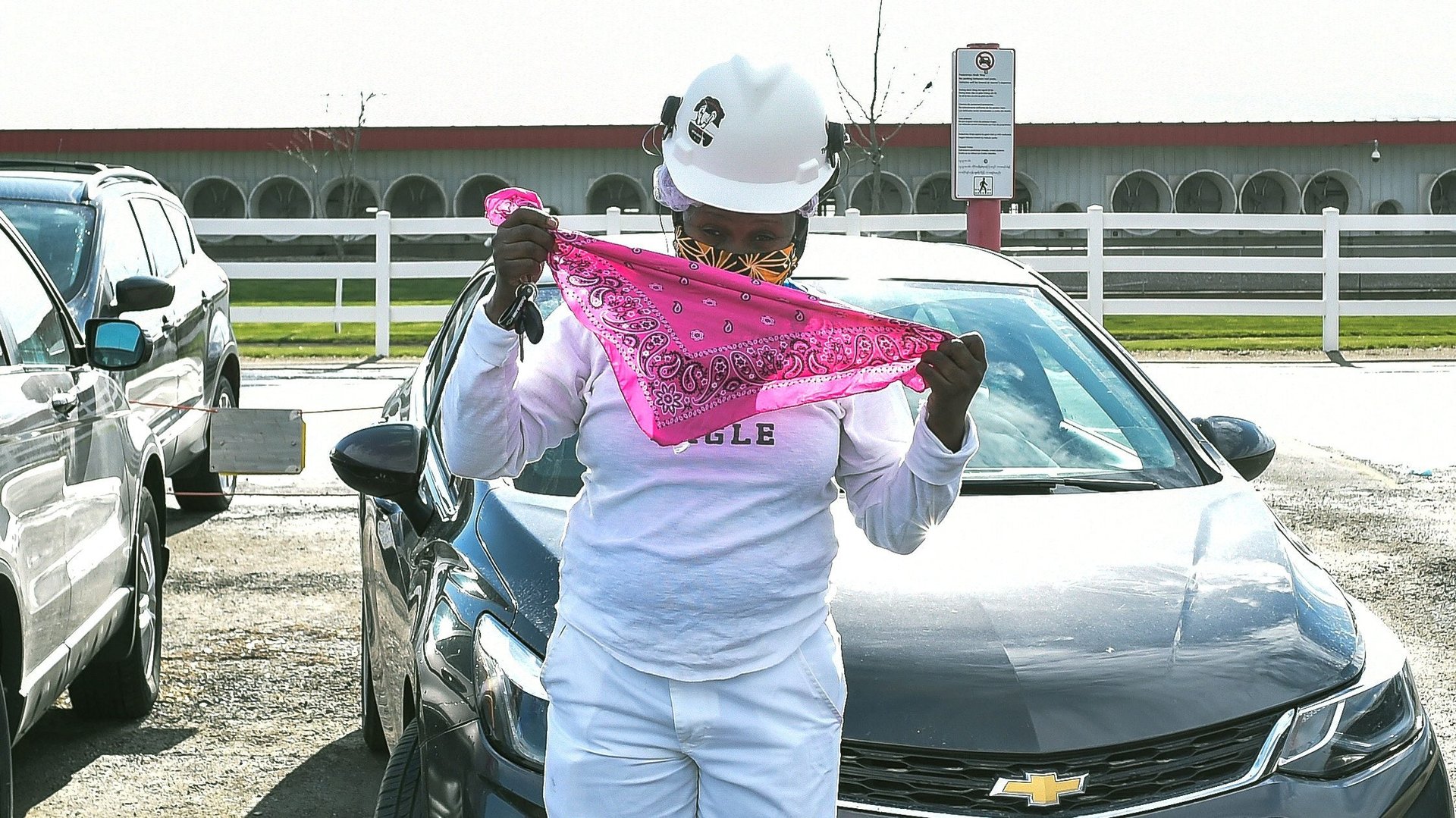
As the labor shortage continues to ripple through the food industry, Tyson Foods, one of the largest meatpacking companies in the US, is committing to improve workplace conditions to attract and retain workers—in an industry that has long been scrutinized over the treatment of its employees.
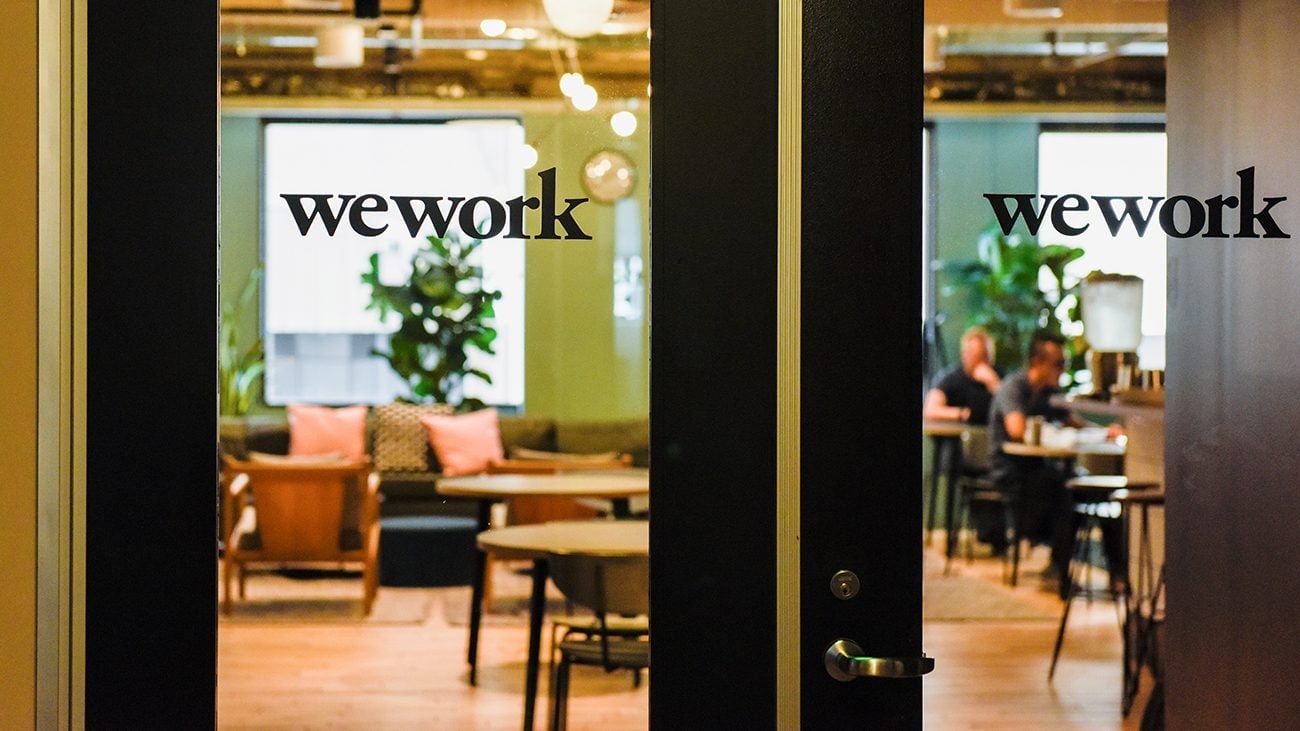
The pandemic has been an unexpected silver lining for WeWork.

When you think of Olympic sports, dancing doesn’t necessarily come to mind. Yet breakdancing will debut as an Olympic sport at the Paris Games in 2024, joining the small but growing number of events—including figure skating, rhythmic gymnastics, artistic swimming, and (briefly) ski dancing—that blur the distinction between performance art and sports. It raises age-old questions of where is the line drawn between art and sports, and why an activity like ballet remain in the wings?