Can selling supplements to the masses over the internet change the way we test medical supplements? We’re about to find out.

Can selling supplements to the masses over the internet change the way we test medical supplements? We’re about to find out.

E-commerce means more deliveries than ever will pour into the world’s cities. By 2020, e-commerce sales are expected to rise 85%, auguring a flood of packages. With urban congestion bad and getting worse, how will we get all those packages?

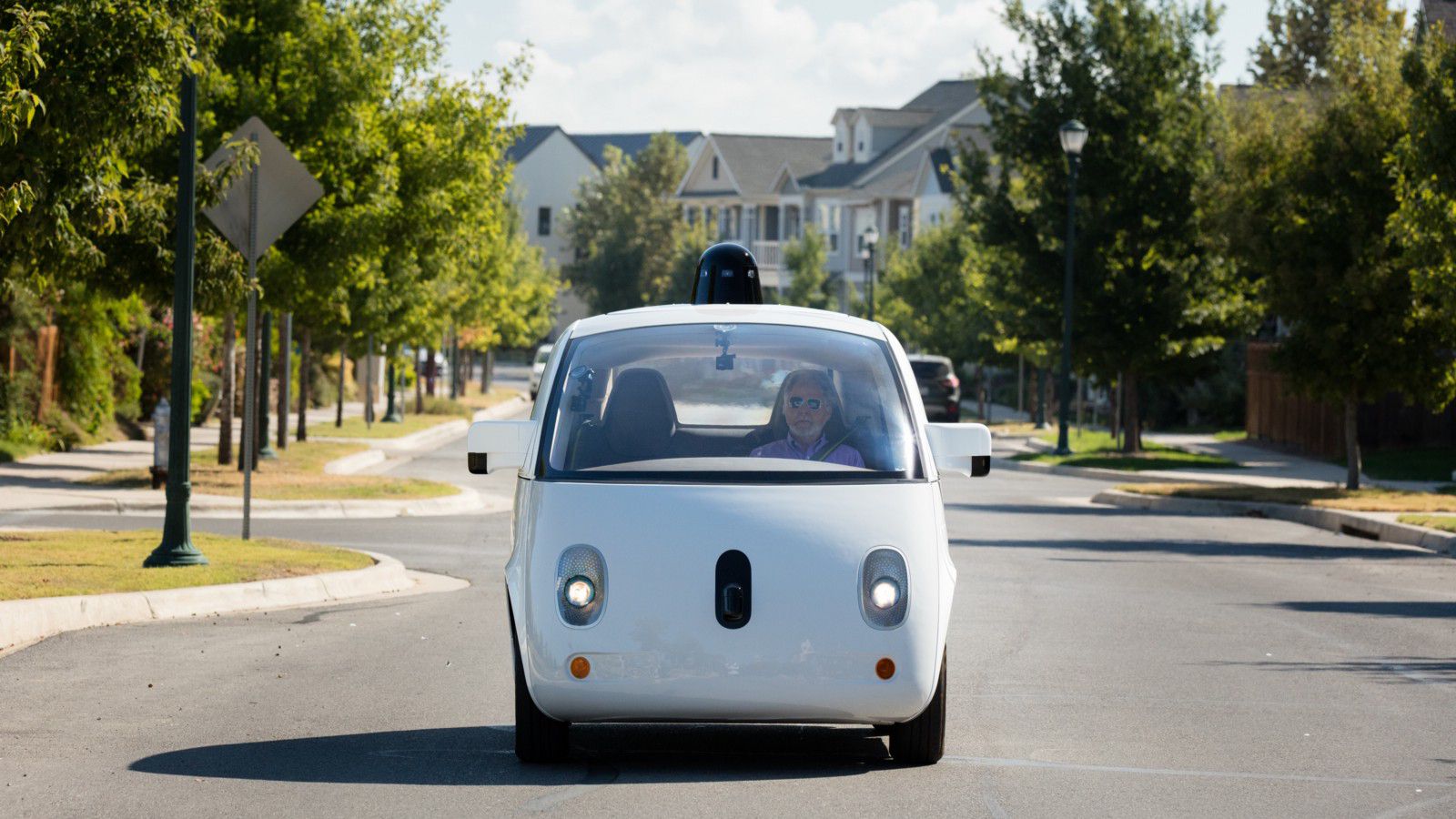
You’re not worrying about it yet, but tens of millions of conventional vehicles could one day be dumped in junkyards and weedy lots when self-driving, electric vehicles make them too expensive by comparison. That day is either close at hand, or a long ways off. It depends on who you ask (and whether they work in Silicon Valley or the sober consulting offices of Boston and New York).

The White House is bracing for a tax reform fight, with Democrats already on guard against any plan rewarding the rich (US president Trump now denies this will happen: “The rich will not be gaining at all with this plan,” he said on Sept. 13). On the other end of the spectrum (and the country), Silicon Valley congressional representative Ro Khanna is introducing his own plan: a $1.4 trillion tax credit that could move the US closer to something resembling a universal basic income (UBI).

Detroit is coming to Silicon Valley.

Driver error and an overreliance on vehicle automation were the probable cause of the fatal Tesla crash in Florida last year. But the US National Transportation Safety Board explicitly shared some of the blame with Tesla in its conclusion of the investigation on Sept. 12.

Slack see its future as the place we all go to work. Ultimately, it aims to provide the one virtual platform to launch projects, hire employees, deploy code, approve budgets, and link our conversations and work-related apps to run businesses.

It’s a bit of a mythical beast, like a unicorn: the Silicon Valley Libertarian. Sure, they exist. There is Peter Thiel, a dyed-in-the-wool believer. He holds that humanity’s hope lies in floating cities beyond the reach of needling bureaucrats and high marginal tax rates (see the Seasteading Institute). There are also groups such as the Bay Area-based Lincoln Network, a band of moderate libertarian techies that promotes market-driven solutions to issues from patents to job creation.

The number of Facebook monthly users has surpassed the followers of Islam, and is closing in on the most numerous religion, Christianity. The Pew Research Center reports that Christianity counts 2.3 billion people among its adherents, followed by Islam with about 1.8 billion. By comparison, Facebook reports it now has 1.32 billion daily active users and 2.01 billion monthly active users as of June 2017—all supported by a staff of just 20,658 people.

The grass is no longer quite as green in the tech pastures of California. While cash still flows freely and investors and late-stage startups are raising record sums, the number of new startups whose valuations have cracked at least $1 billion in the last year is slowing down.

SoftBank Group, with its $93 billion Vision Fund, announced it will invest $4.4 billion in WeWork, a New York-based startup providing shared offices and living spaces.

Y Combinator is following the money. In a shift from its origins, the storied Silicon Valley accelerator that backed Airbnb and Reddit is now funding more business-to-business (B2B) startups than consumer startups. They’re not alone. Enterprise investing, once a focus for specialized venture capitalists, has found its way into the portfolios of far more venture capitalists (VC).

The speed merchants at DragTimes wanted to see if they could set the world’s fastest SUV record. Thanks to the physics of electric motors, it look like they may have succeeded. At the Palm Beach International Raceway on Aug. 18, DragTimes staged a head-to-head race between a Tesla Model X SUV and a Lamborghini Aventador SV, one of the fastest cars in the Italian brand’s stable.

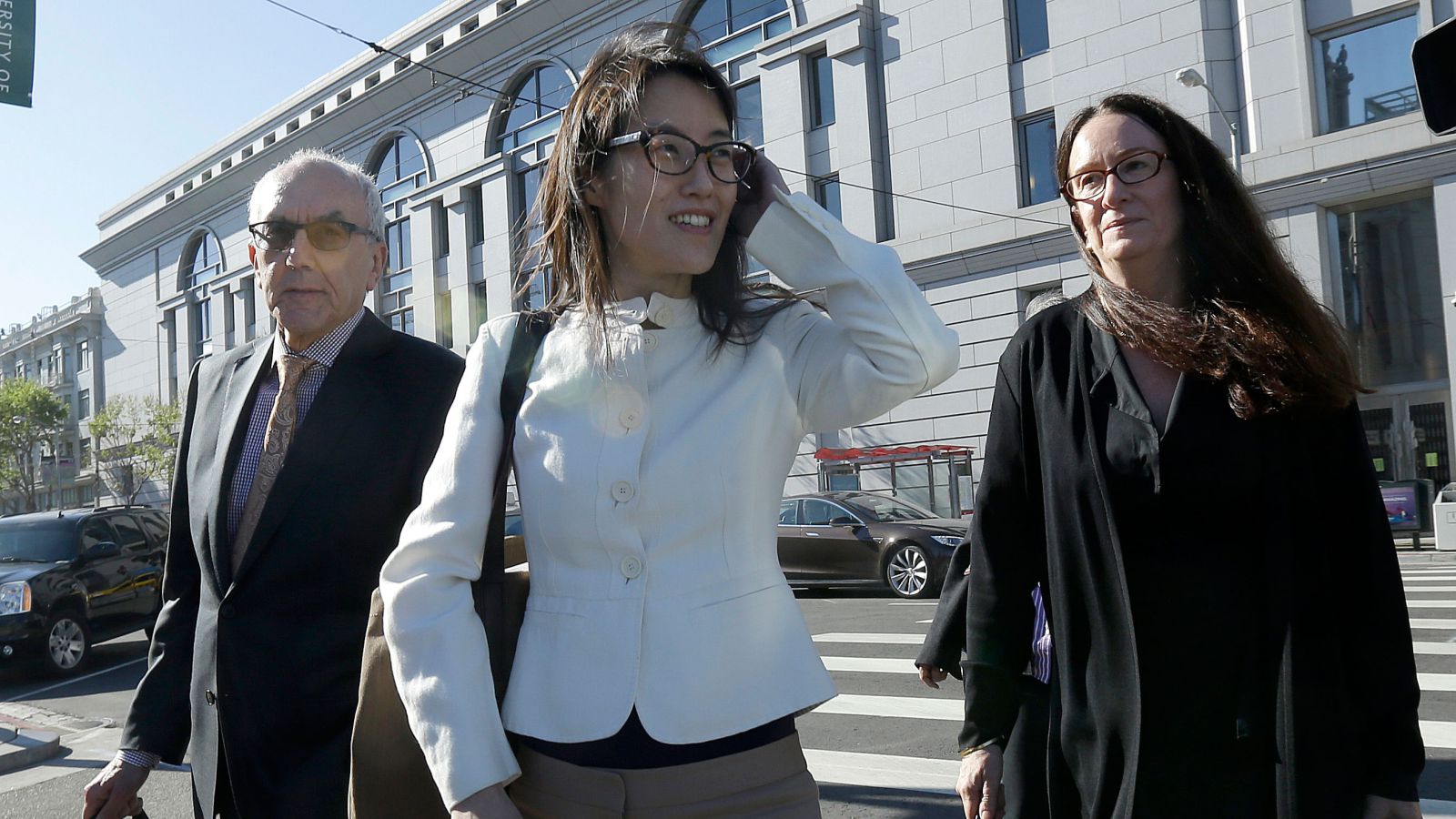
Ellen Pao, a former VC at one of Silicon Valley’s top firms, is telling her side of the story. After a losing legal battle against Kleiner Perkins Caufield & Byers for workplace discrimination and retaliation, and years as an advocate for women in tech, she’s written Reset, a book chronicling her experience as a woman in the rarified air of Silicon Valley.

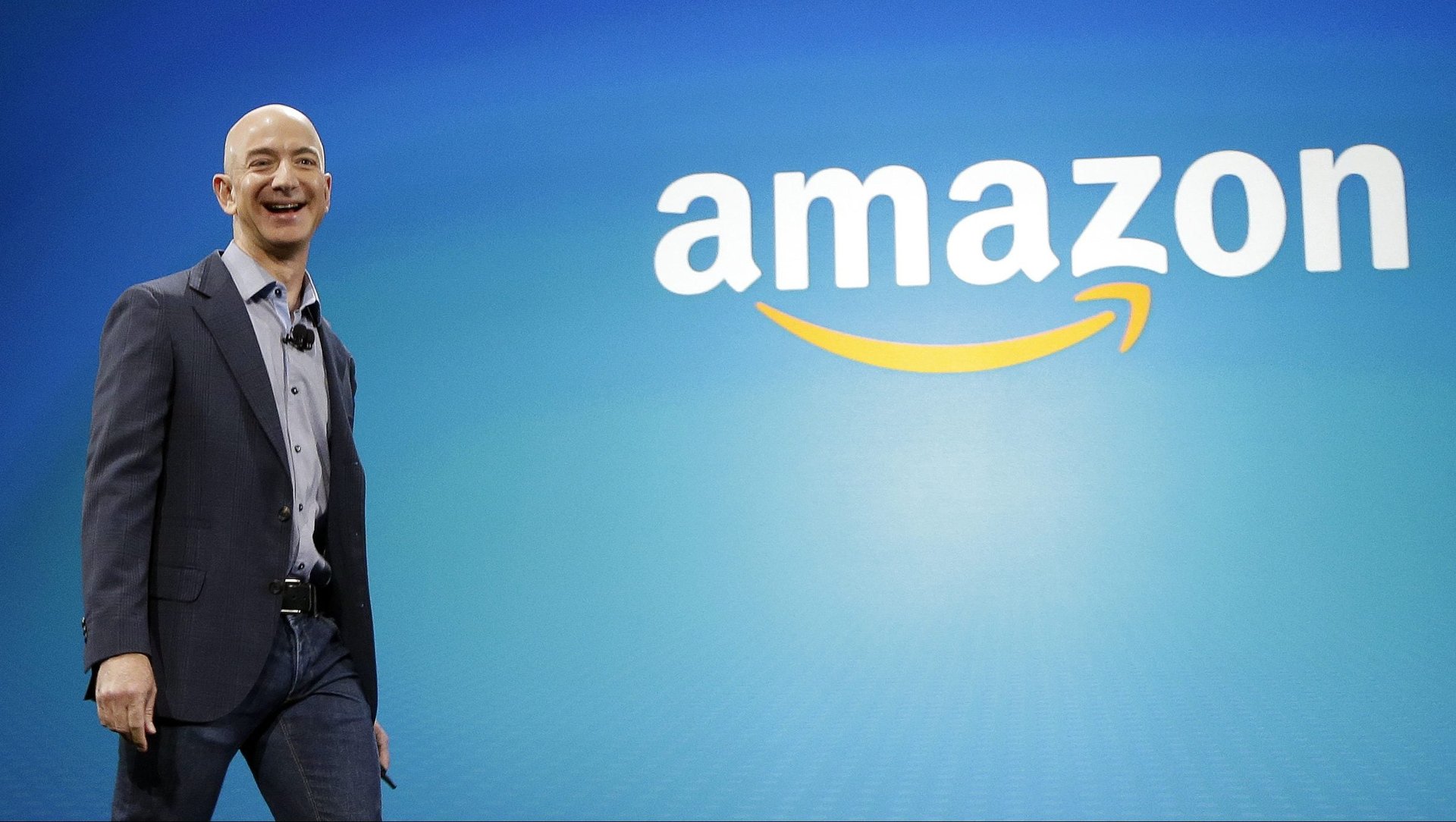
In the beginning, Amazon.com sold books.

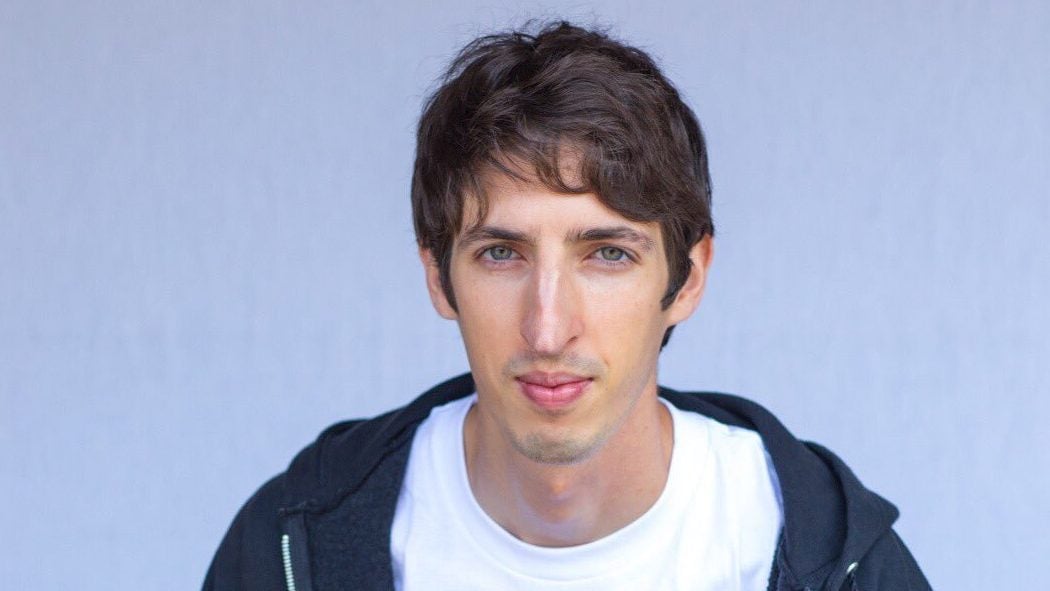
If the alt-right had drafted a figurehead to represent them in Silicon Valley, they could not have done much better than James Damore. The former Google engineer is calm, reasoned, and credentialed. He has a pedigree of dropping out of Harvard (despite falsely claiming a PhD). He quotes left-wing icon Noam Chomsky. He cites real scientific journals and is unabashedly socially awkward, even placing himself somewhere on the autism spectrum. Damore knows Silicon Valley’s language.

Early-stage startups have never been more valuable, at least on paper. Private-equity research firm Pitchbook reports that the value of venture-backed US startups has soared to new highs since their low point after the 2008 financial crisis. During the first half of 2017, the median seed-stage valuation, for companies raising their first round of financing, hit a new record of $6.2 million, nearly double what it was in 2010. Early-stage and late-stage startup valuations reached new highs as well—$20 million and $65 million respectively.

US president Donald Trump and the Republican party have made it a priority to scale back the H-1B and so-called “startup visa” programs in their push for an “America First” policy. Both programs have been put on notice for reform or effective elimination. On Aug. 2, Trump endorsed a proposal (paywall) to cut legal immigration in half within a decade and prevent American citizens and legal residents to bring family members into the country in favor of a merit-based system based on skills, education and language.

It seems we’re now inviting Donald Trump into the bedroom. In a normal election year, a spike of partisan polarization in people’s personal profiles tends to fade out over time. This was not a normal election year.

Tech CEOs making the weary (and increasingly wary) pilgrimages to Washington, DC at the behest of the White House may now be having second thoughts. Since winning the presidency last November, US President Donald Trump has convened at least three sets of meetings between Silicon Valley’s elite and his administration in Trump Tower and official Washington.

For decades, starting in the 1980s and up to the mid-2000s, medical bills rose and rose to become one of the largest causes of personal bankruptcy filings in the United States which increased right alongside it. But after hitting record levels in 2005 (paywall), personal bankruptcy filings are are now in their twelfth straight year of decline. US federal court records show a 50% drop since 2010 from 1.5 million to 766,00 last year with no signs of abating.

Tesla CEO Elon Musk said on an investor call Aug. 2 that the company had been concerned orders would decline in a flat market for luxury cars, and the Model 3 might cannibalize orders for its premium Model S an Model X. That’s not something it’s worried about any longer.

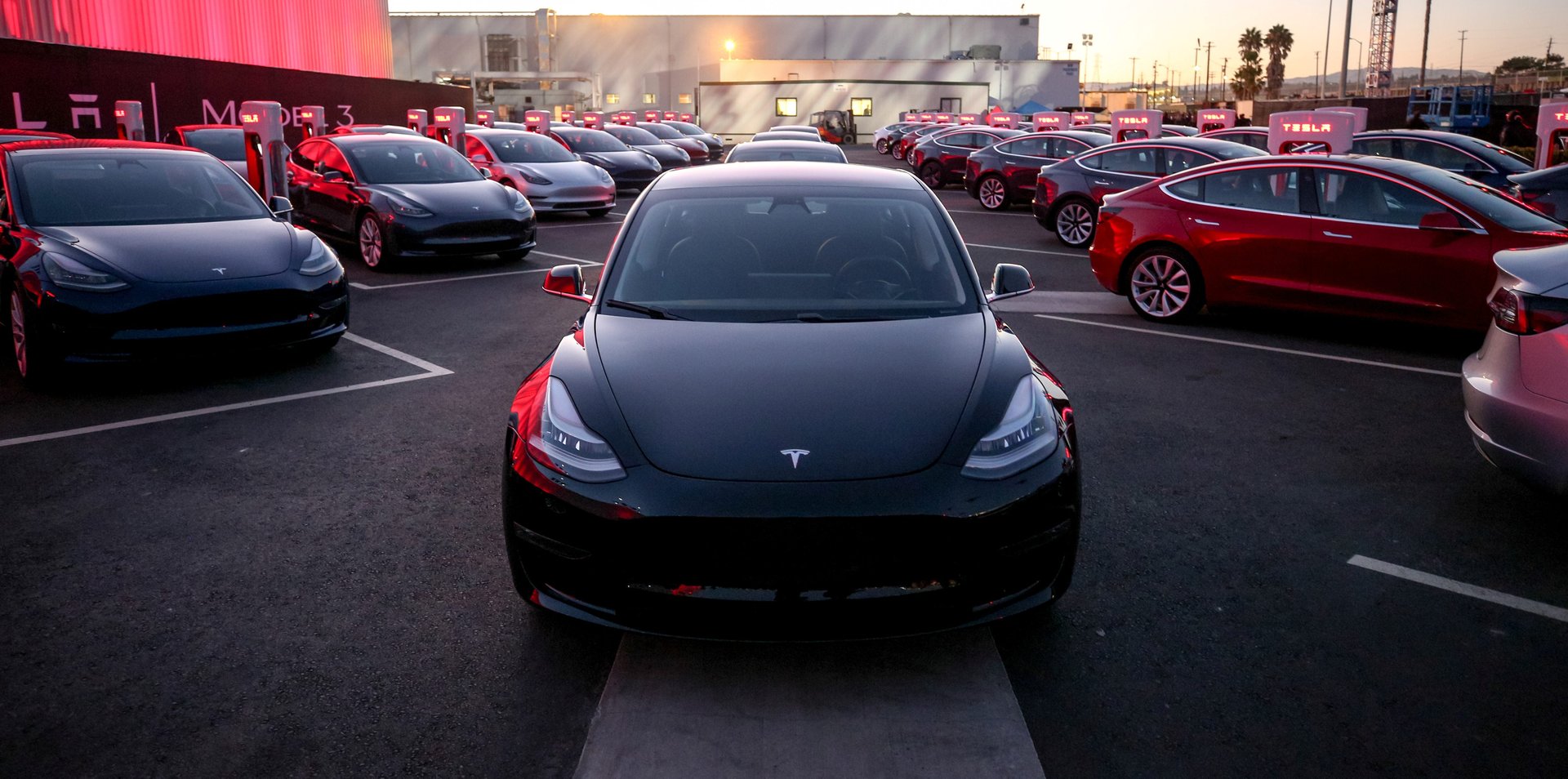
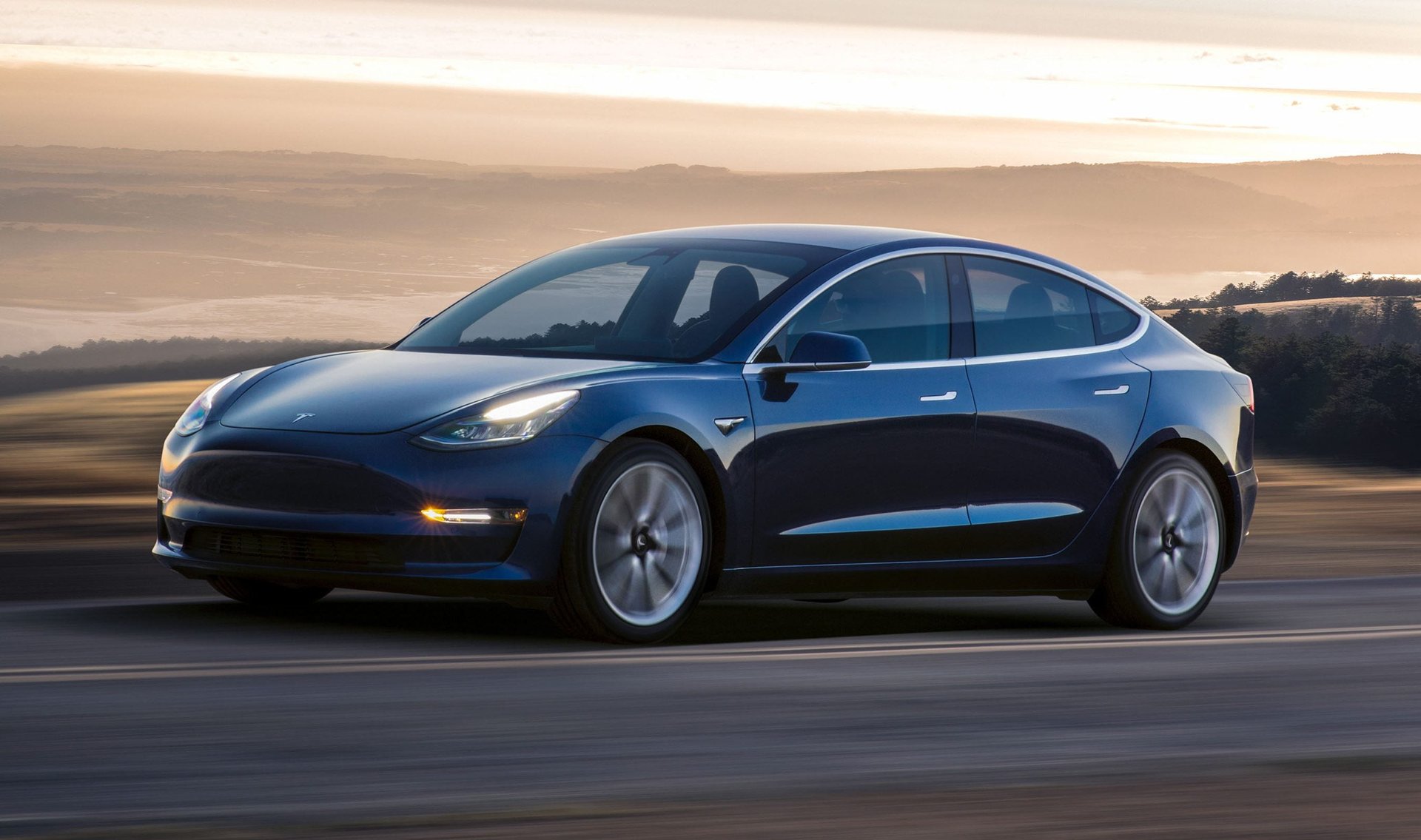
Tesla hopes to enter the hearts—and driveways—of millions of people around the world with the debut of its first mass-market electric vehicle, the Model 3. The company handed over the key (cards) to the first 30 owners of the much-anticipated car at a glitzy launch event on July 29.

Marketers and social theorists love to talk about digital natives. This group is supposedly a generation of early adopters under the age of about 35, uniquely adept at technology compared to their older counterparts. But according to a recent editorial in Nature, these digital natives are a figment of our collective imagination—about as easy to find as a “a yeti with a smartphone.“