
Tech & Innovation
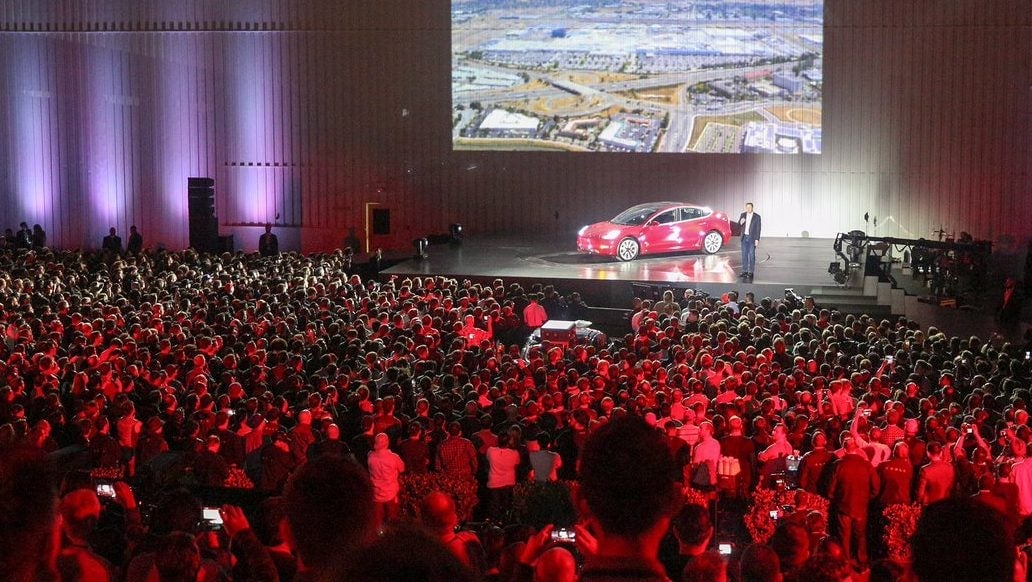
Elon Musk delivers the first Model 3—and says Tesla’s about to enter “production hell”The Model 3 is no longer just a car.
Updated July 20, 20224 min read
The Model 3 is no longer just a car.
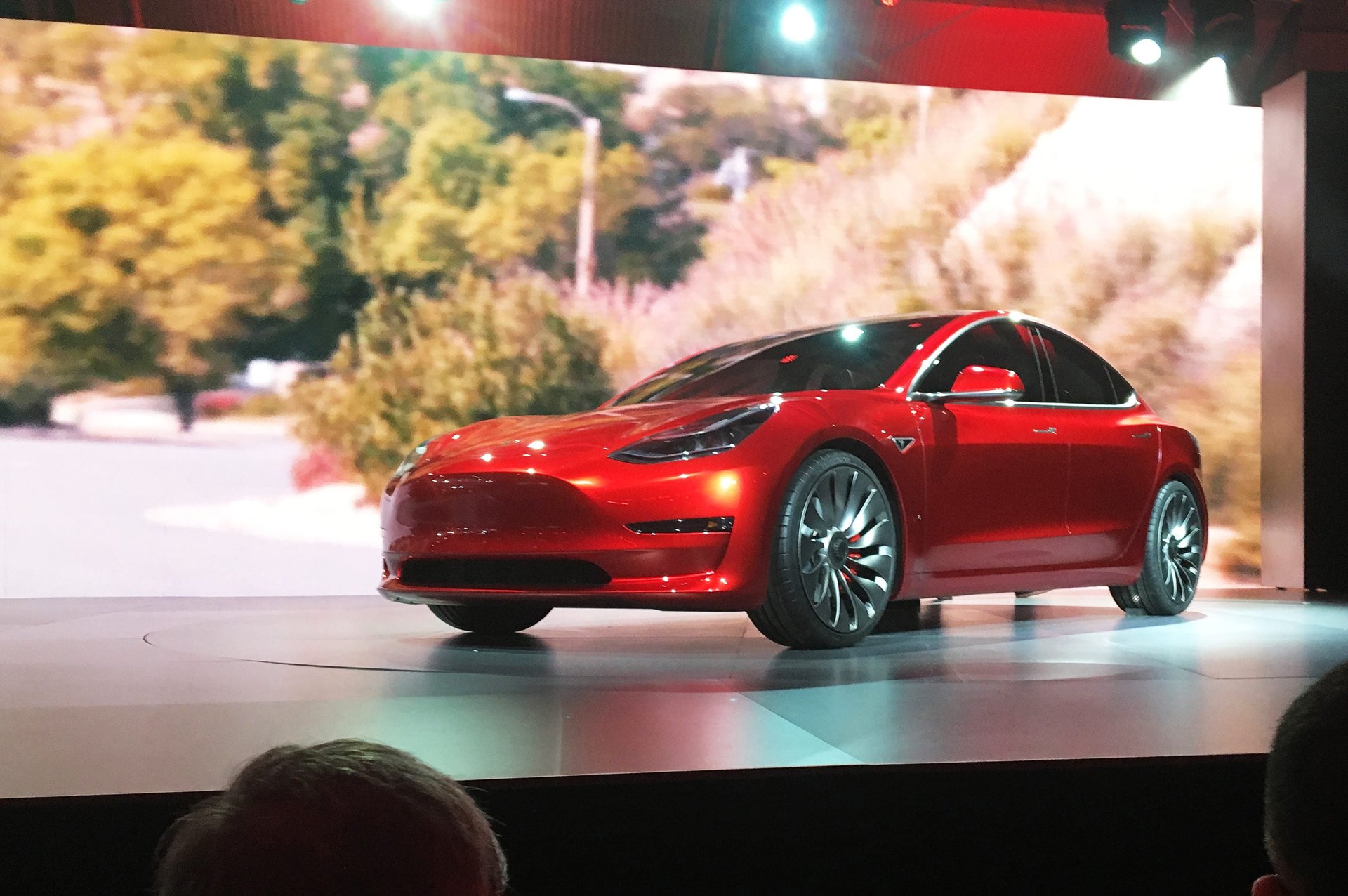
Tesla says more than 1 million people will be buying its electric cars annually by 2020, many of them the Model 3 arriving on July 28. Given today’s electric vehicle (EV) market, that destination is still a long way off.

If Apple’s Siri launched today, one wonders if it would still be designed as a slightly sassy, demure female assistant. Maybe not. While Amazon’s Alexa (2014), Siri (2011), and Microsoft’s Cortana (2013, named after a nude character in the video game Halo) staked out their identities years ago, the world is changing. New bot startups are steering away from deferential, mildly flirtatious females toward a more balanced mix of genders and, in many cases, casting off human genders altogether.

One American generation is struggling to find affordable housing. A second is sitting at home with a lots of empty bedrooms. Real estate site Trulia argues it’s a match made in housing-market heaven.
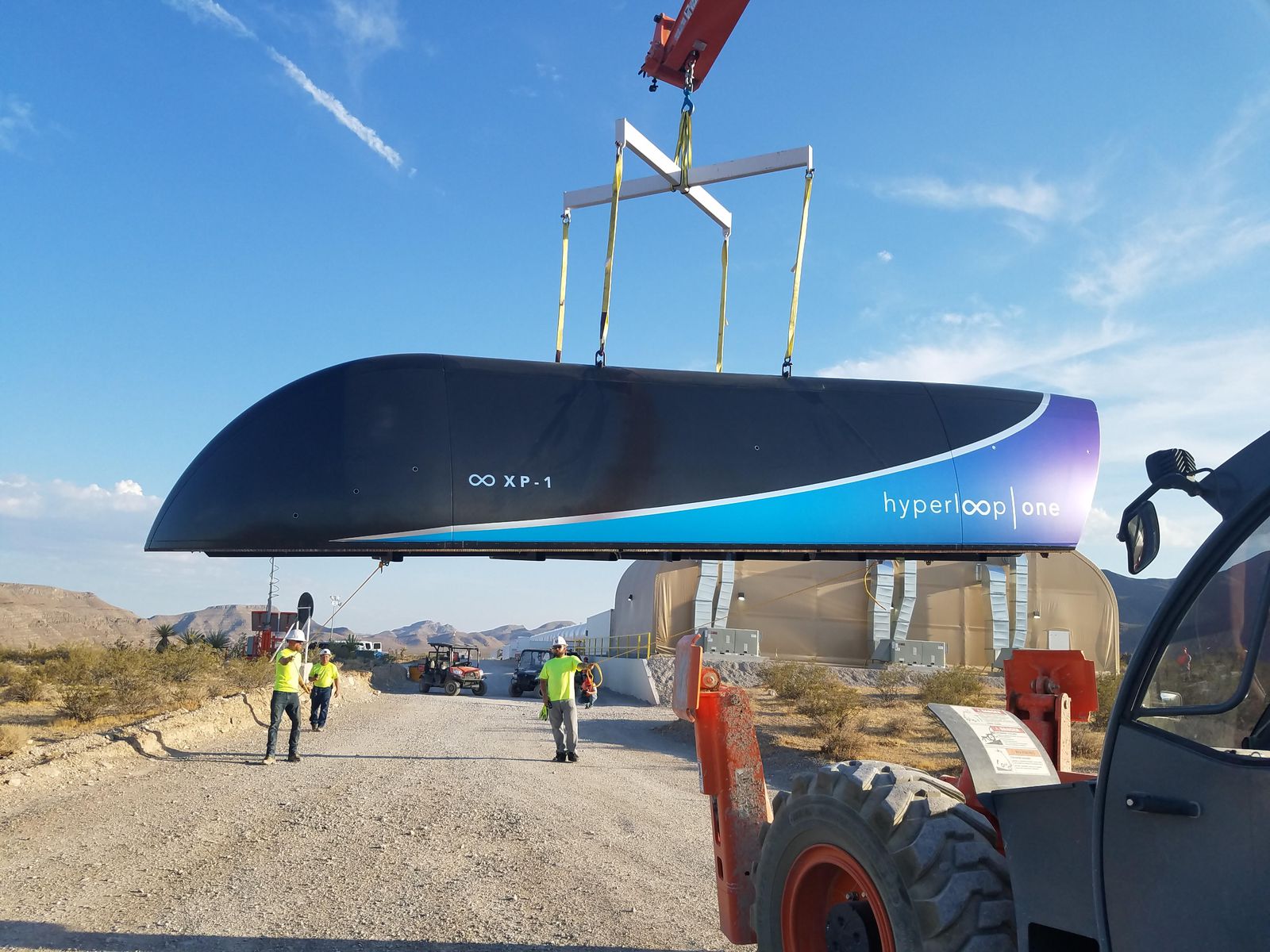
Elon Musk caused a stir by announcing the next great milestone in his bid to build a 500-mile underground transit link between major US cities on the east coast.
Tesla delivered just 76,230 cars last year, remains mired in debt, and profitability is a distant speck on the horizon. Yet Ford, which earned 22-times more revenue, billions in profits, and manufactured 6.6 million cars in 2016, is worth far less as valued by investors.

A whole generation of young workers are being priced out of renting (let alone, buying) in major cities. Parking deserves part of the blame, suggests a recent study. Since the 1940s, many US cities introduced minimum parking rules: for every new unit of housing, developers must also build a certain number of parking spaces. This has effectively tied housing prices to transport costs.

The US government has sent a clear message to potential immigrants over the past six months: no jobs here.
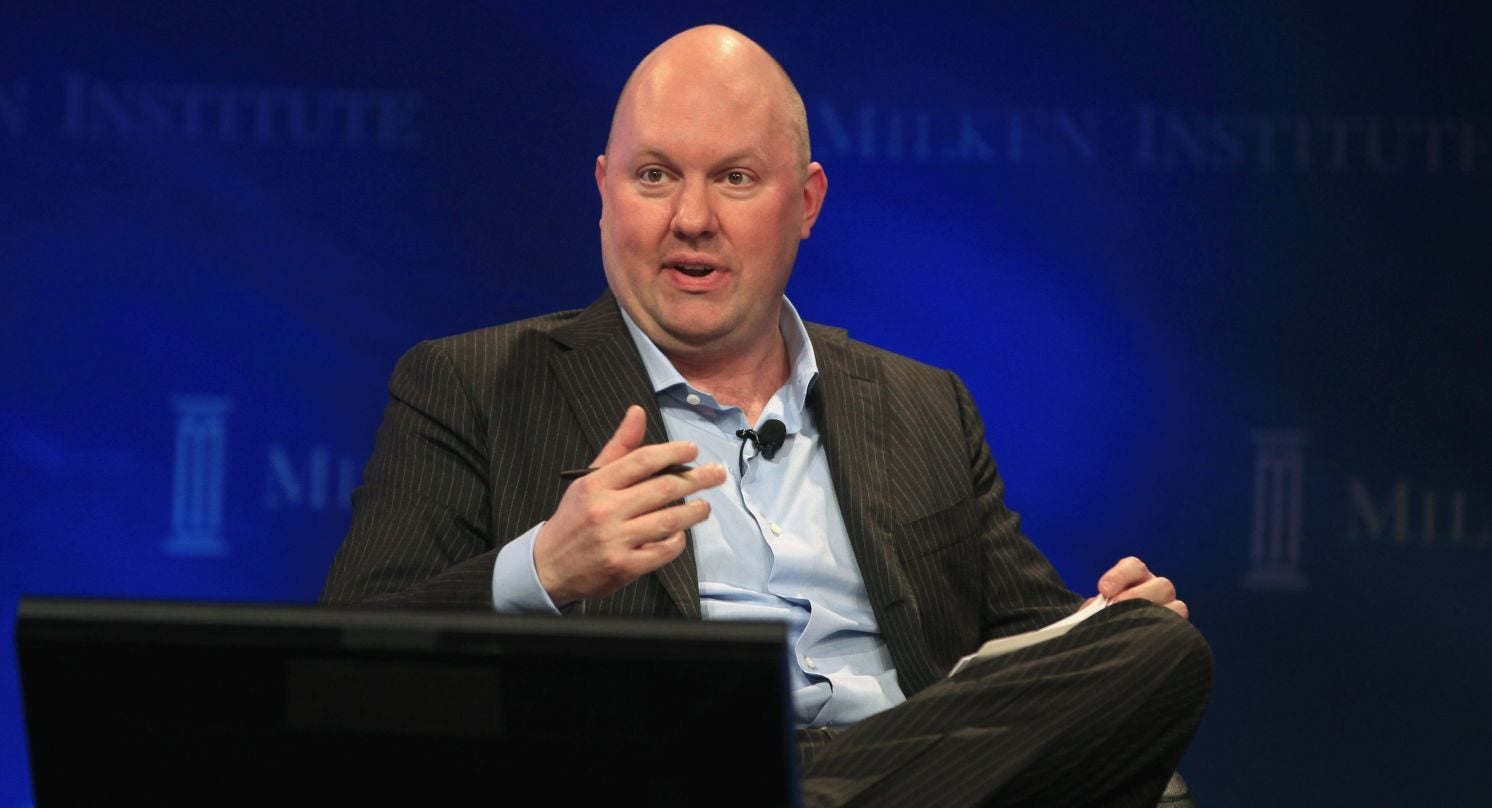
Marc Andreessen’s (now dormant) Twitter feed was like the Venture Capitalist’s Review of Books. He issued a steady stream of dozens of recommendations (more than 100), revealing a catholic diet of science fiction, economics, American history, political science, and deep dives into the American hippopotamus industry. They’re still coming.
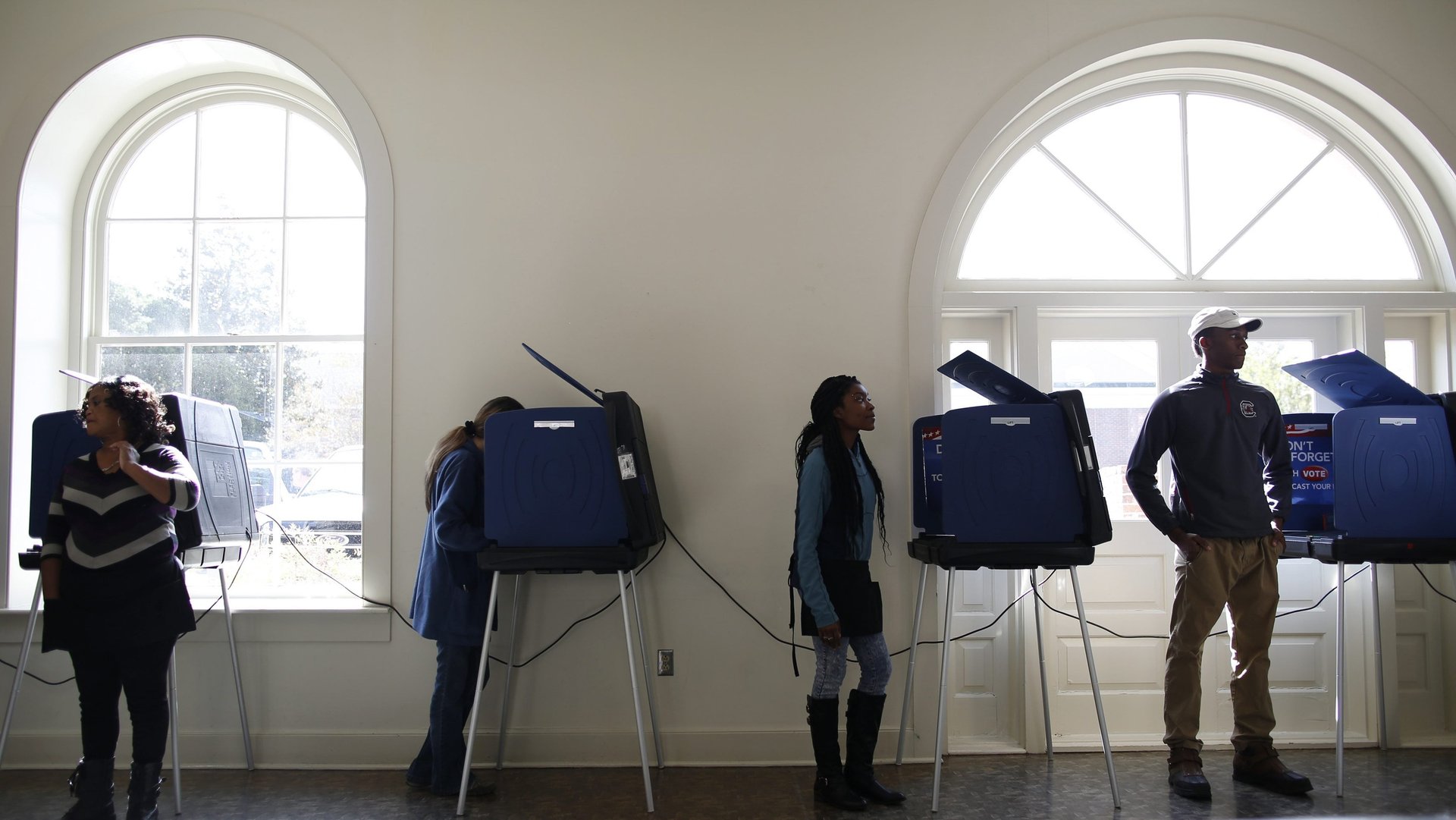
In the months before the 2000 US presidential election elevated George W. Bush to the White House, a batch of political startups emerged to rally Democratic voters (and their cash) through websites such as Vote.com.
Republican appointees to the US Federal Communications Commission are gearing up to scrap Obama-era regulations that force internet providers to treat all online content equally. In response, Amazon, Google, Twitter, Facebook, Dropbox, Ebay, and thousands of other companies joined in a day of action today (July 12) to defend the current rules.
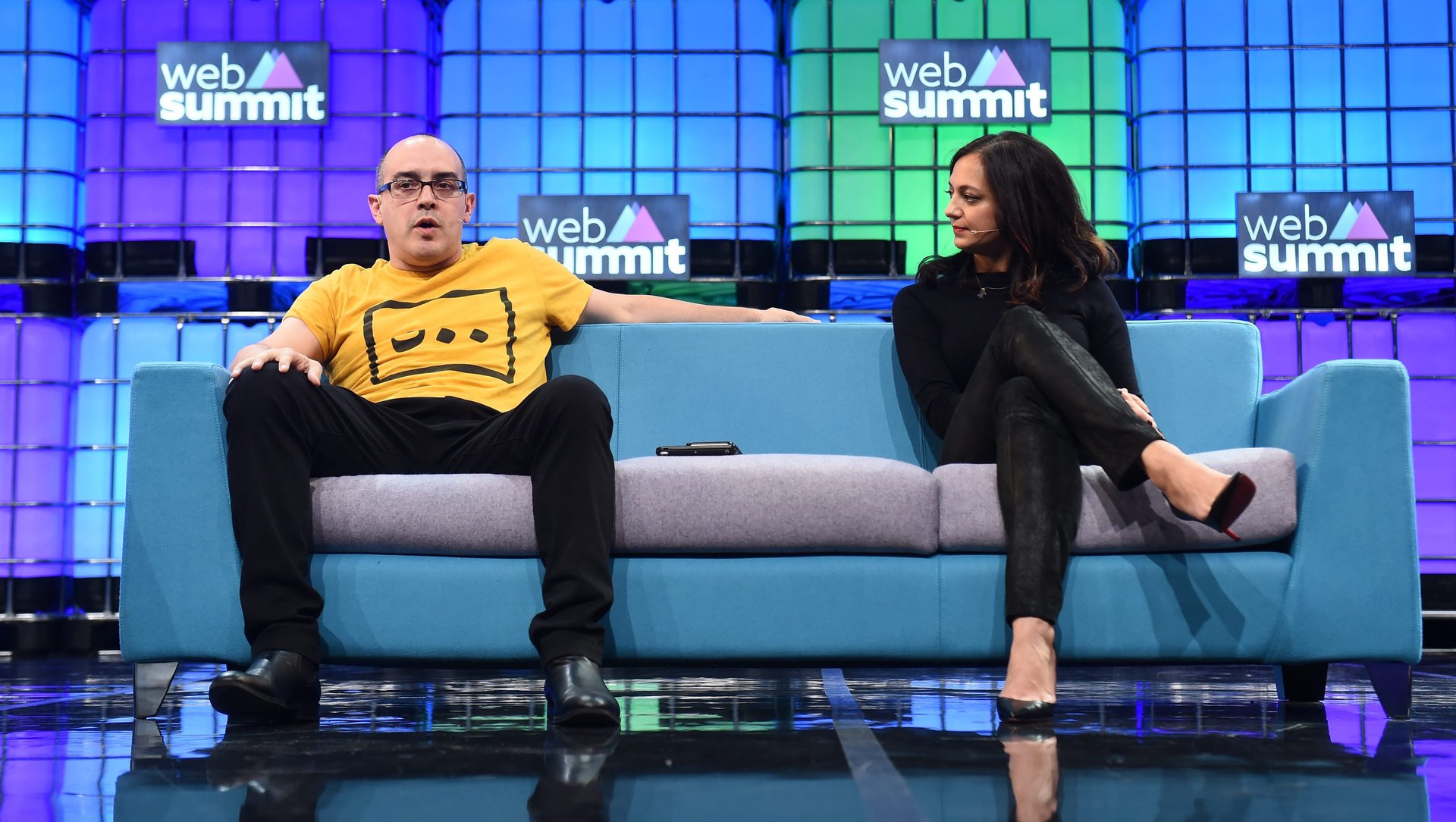
Binary Capital is now the cautionary tale.

Tesla likes to argue that its customers don’t need government subsidies to buy electric vehicles. “In fact, the incentives give us a relative disadvantage,” Tesla CEO Elon Musk said on a May 3 investor call. “Tesla has succeeded in spite of the incentives not because of them.”
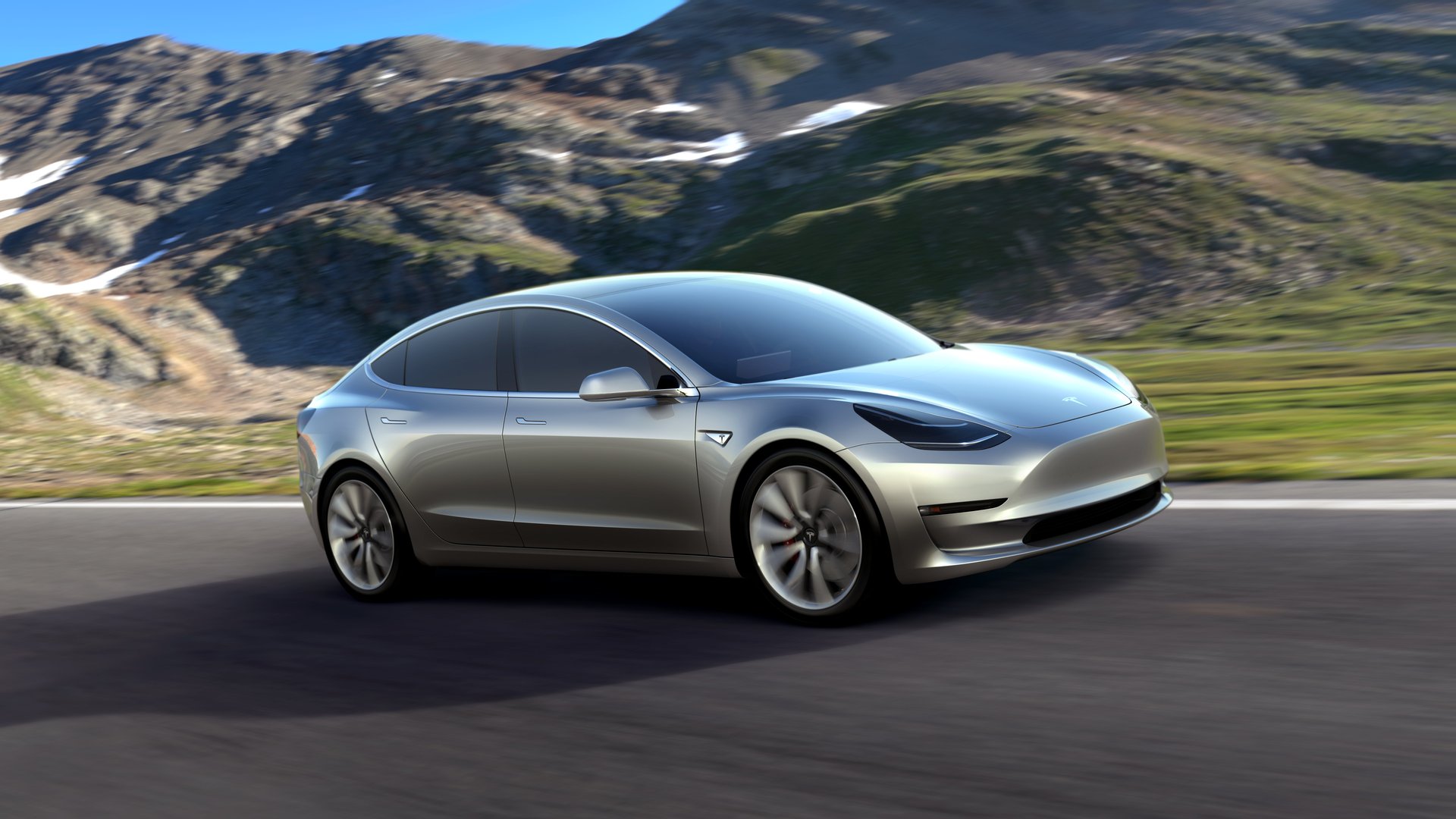
The $35,000 Model 3 due to roll off the assembly line today is the most inexpensive vehicle Tesla has ever made. But nothing has been more valuable to the electric car company.
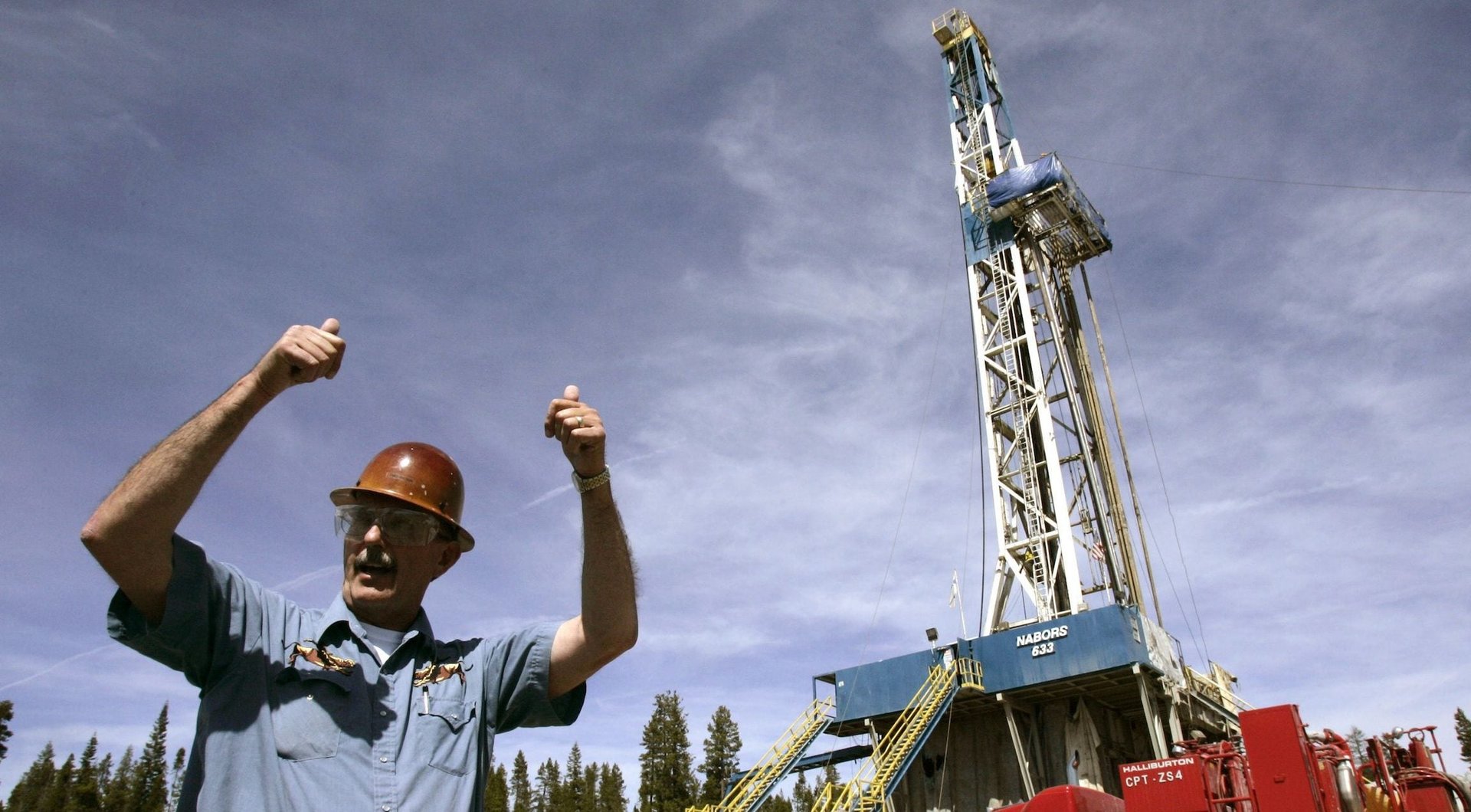
Alphabet’s X unit calls itself the “Moonshot Factory.” Its mission is to place risky bets with potentially big pay offs. Yet one of its wagers is decidedly more down to earth. Dandelion, a geothermal heating and cooling startup for homes, was spun out of X as an independent company on July 6.

Low taxes are good, but a basic income is better, at least in Alaska.
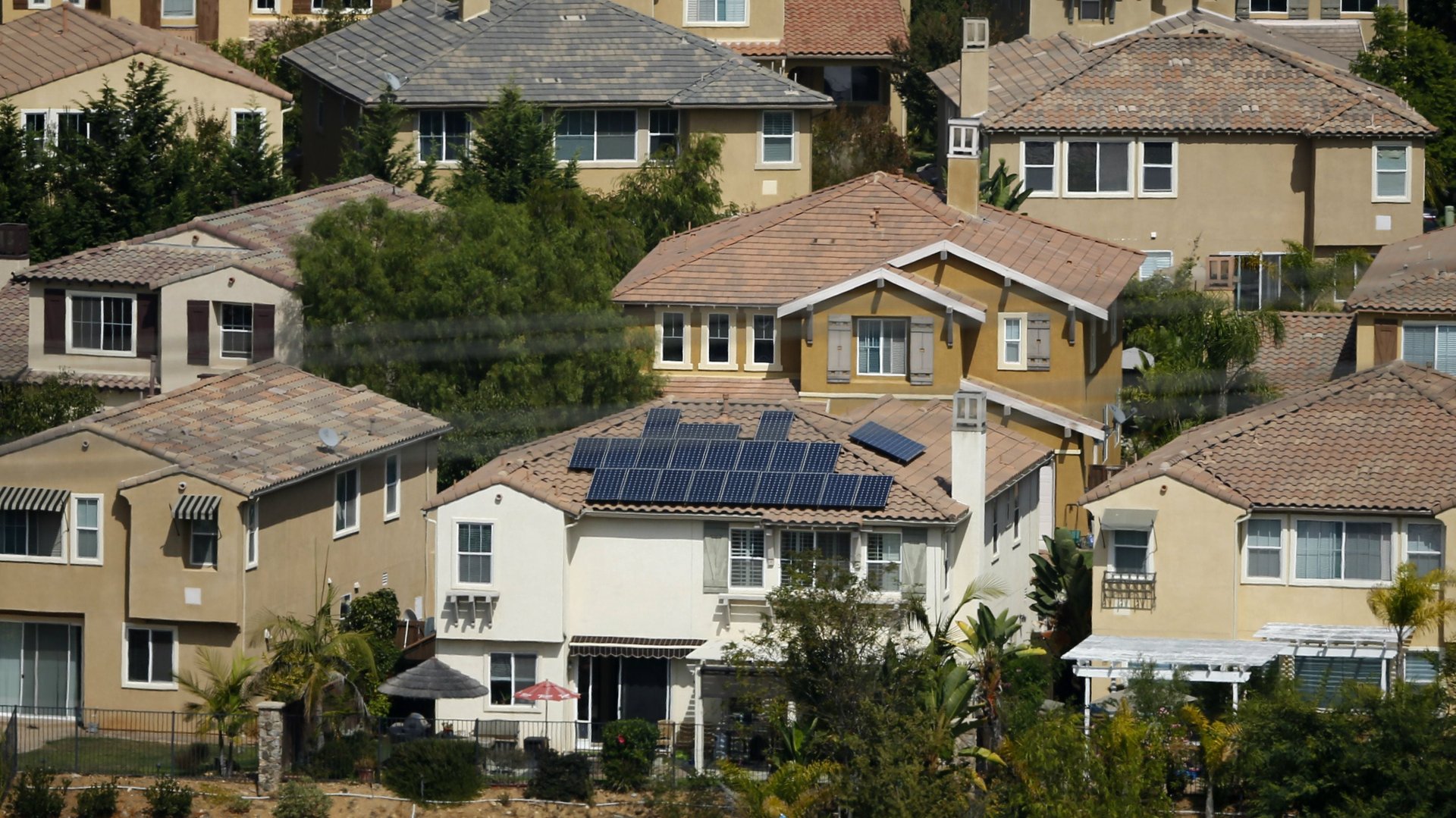
More than 1 million US homes have solar systems installed on their rooftops. Batteries are set to join many of them, giving homeowners the ability to not only generate but also store their electricity on-site. And once that happens, customers can drastically reduce their reliance on the grid.

Update (July 10): This story has been updated to reflect that the Trump administration has officially delayed the startup visa.
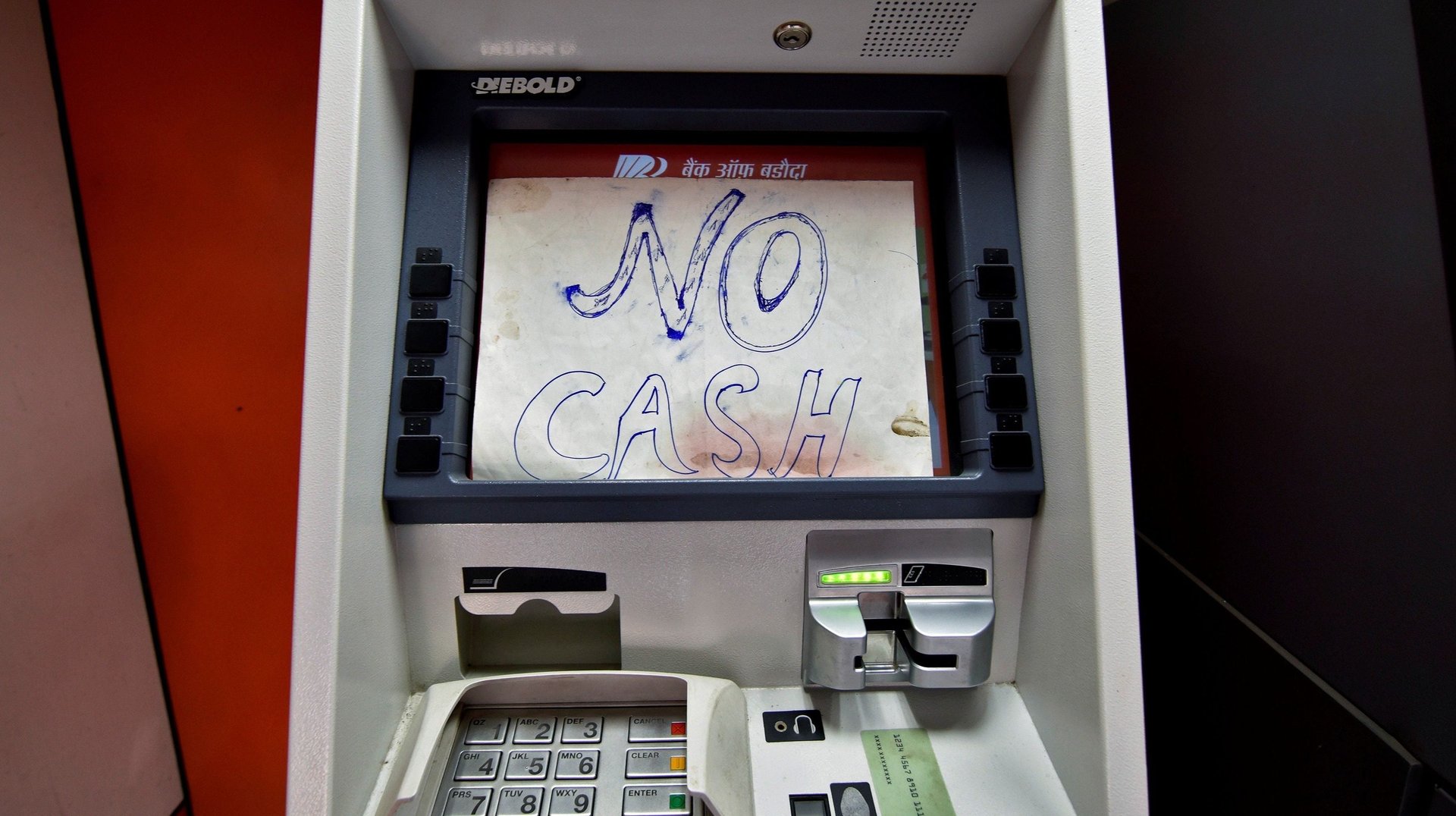
Raise a fund. Invest in hot startups. Cash out in 10 years with hefty profits (and fees) for your trouble. The model that has performed so well for venture capital over the last few years (and sometimes not so well) is stumbling.
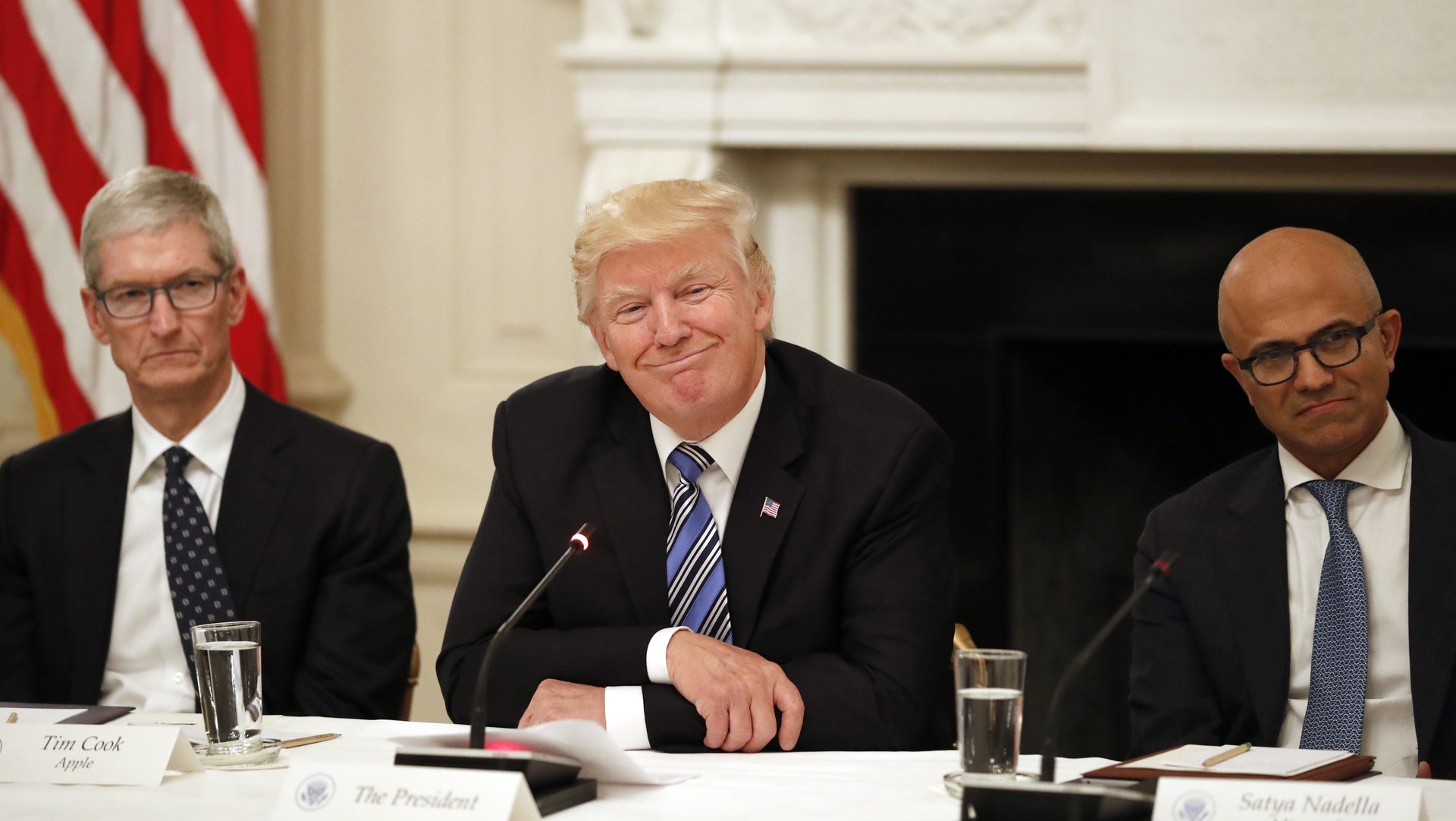
While Donald Trump has sought to expunge almost every trace of the Obama administration’s legacy from national policy, technological modernization of the government stands out as a great exception.
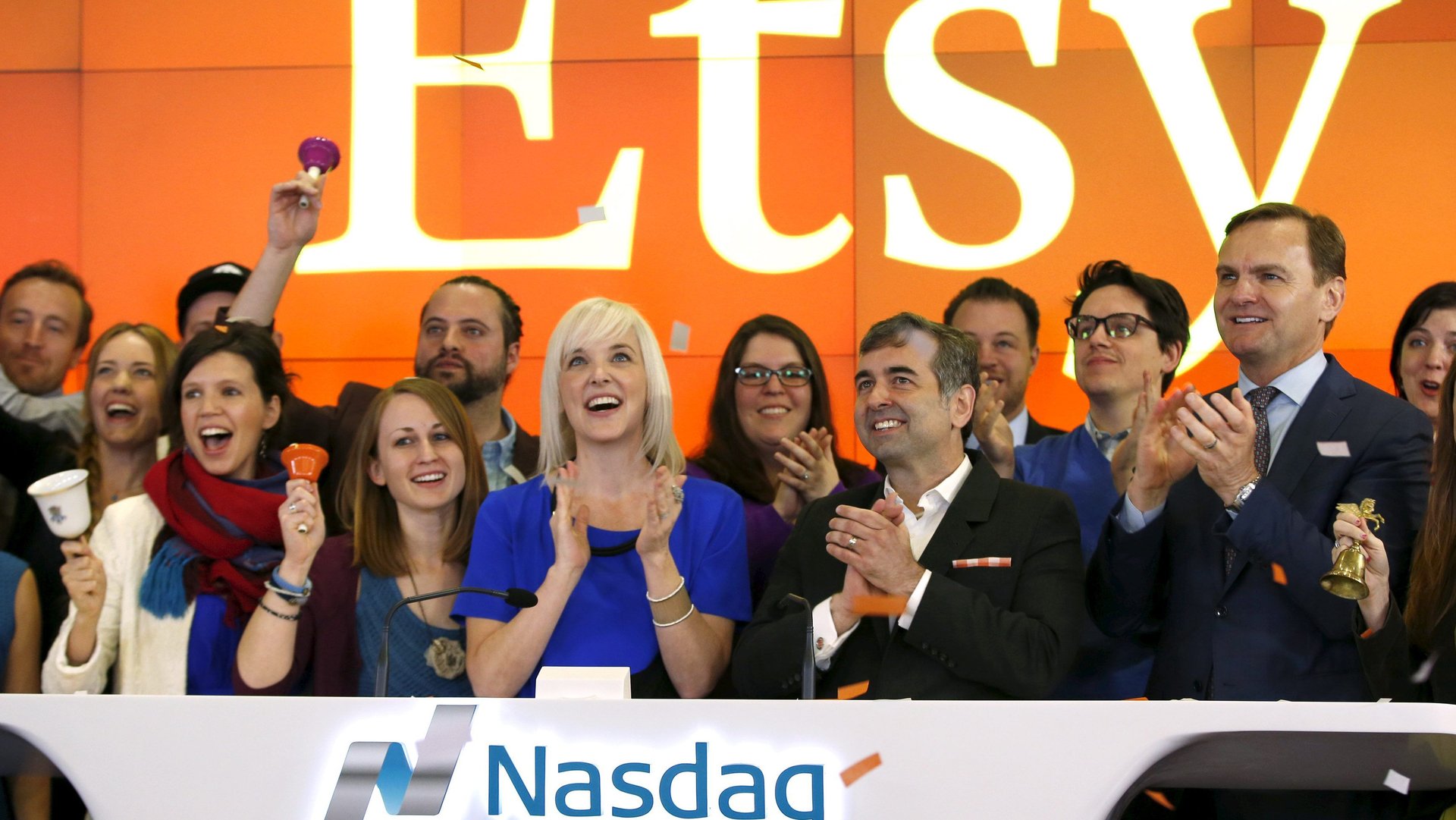
The number and value of late-stage private tech companies has soared in recent years, transforming the group into its own new asset class.
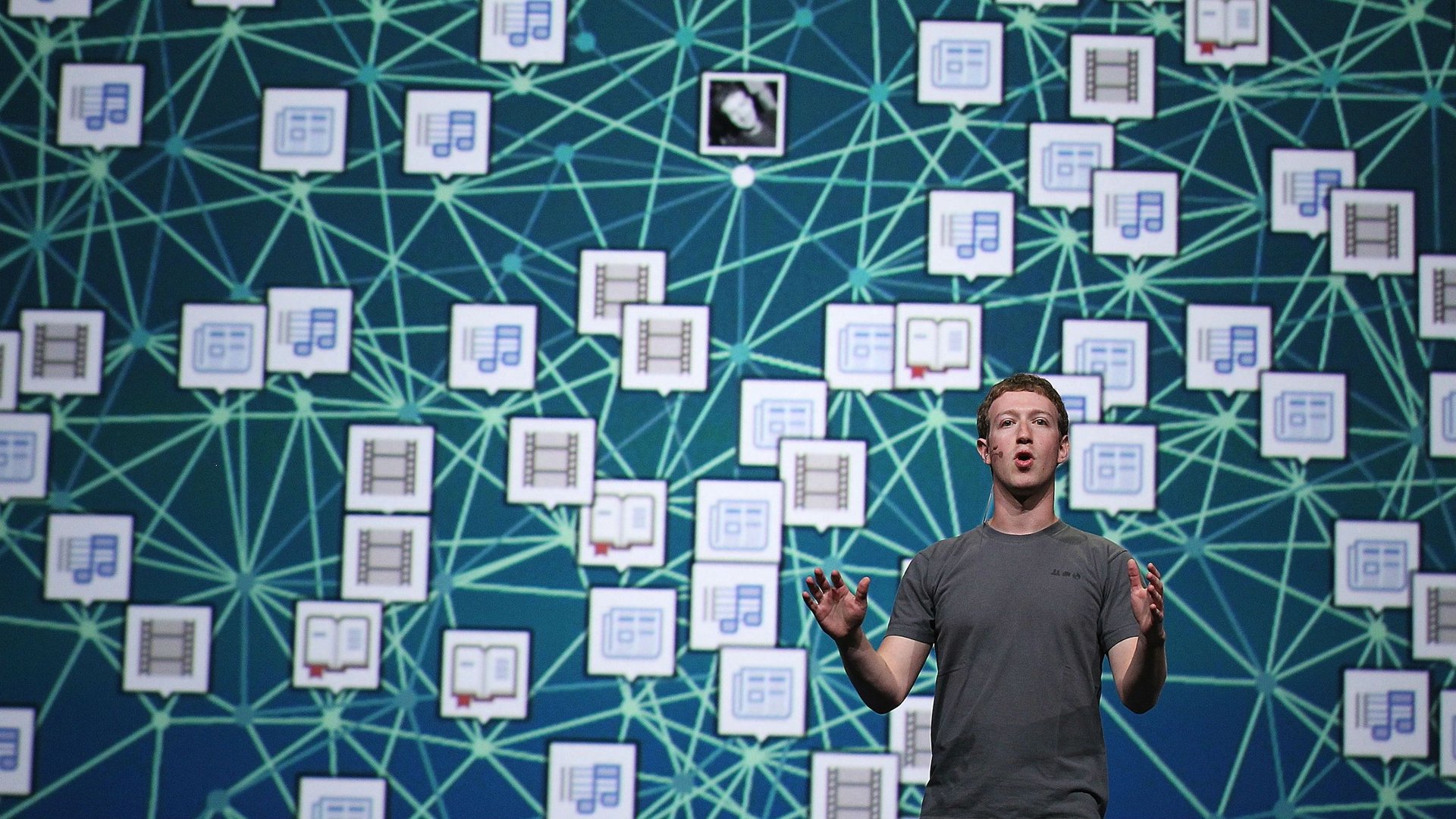
Facebook has a new purpose in life. ”Our new mission is to bring the world closer together,” Mark Zuckerberg told CNN Tech today (June 22) in his first in-depth television interview since 2012.
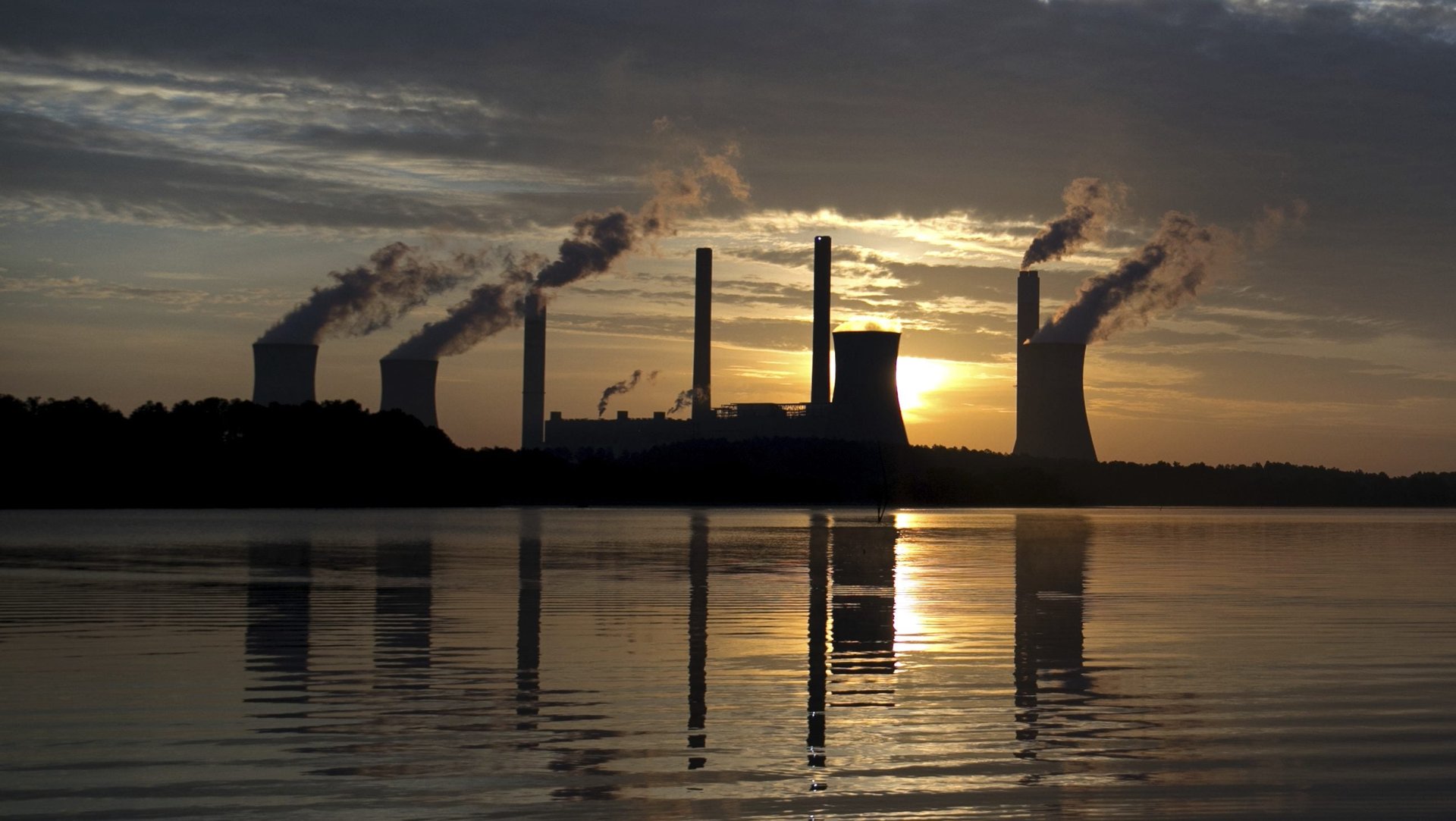
Utilities are not like most businesses. They place 30-year wagers on the way we will generate and consume electricity to ensure there’s a reliable supply far into the future. Multibillion-dollar investments build long-lived things like transmission lines, coal boilers, and nuclear reactors.
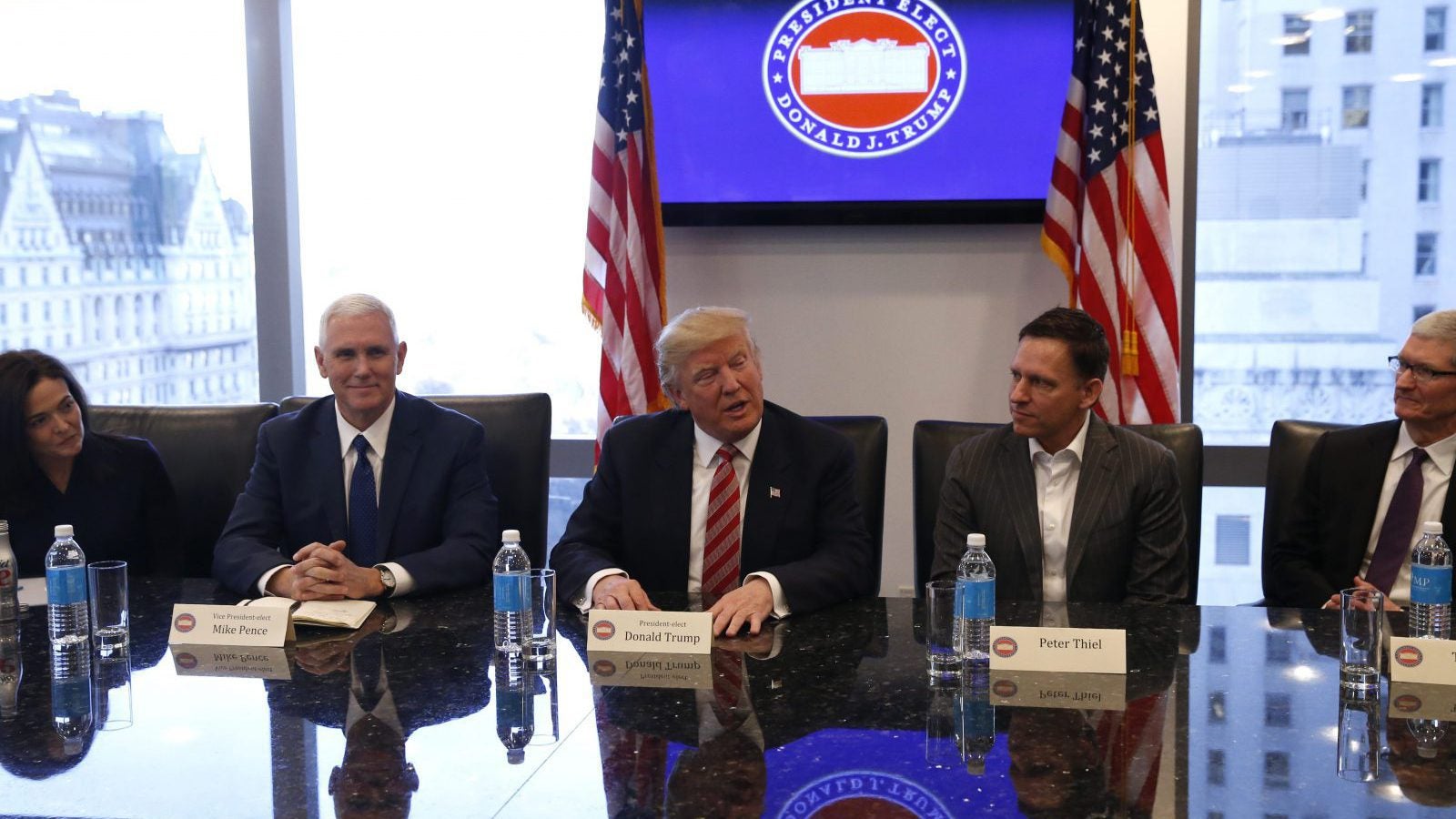
US president Donald Trump is keen to get cozy with Silicon Valley’s executives. The executives? Not so much. That’s in large part due to tech workers’ anger toward a president who has attacked US immigrants (often their colleagues), vowed to gut visa programs such as the H1-B (which are frequently used to employ foreign engineering talent in the US), reneged on US promises in the Paris Agreement to slow climate change (a priority issue to many in California), among other things.