On Sept. 5, 2006, Facebook transformed from a technology platform into a media company. That was the day the social media site replaced its chronological list of friends’ updates with its algorithmic news feed.

On Sept. 5, 2006, Facebook transformed from a technology platform into a media company. That was the day the social media site replaced its chronological list of friends’ updates with its algorithmic news feed.

AngelList’s acquisition of Product Hunt is being described as the two coolest kids joining the same team at Silicon Valley High. Startup founders already use AngelList to meet investors and raise money before launching their products on Product Hunt, the premier discovery site for the latest hotness (or sometimes in reverse order).

Twitter has been fighting hate speech for years. Now, it faces what may be the world’s most powerful troll: the president of the United States.

The first thing Jason Coleman did when he finally decided to start Yarden, the urban gardening business he had dreamt about, was to drive 40 hours per week for Lyft, shuttling passengers between Oakland, Berkeley, San Francisco, and Silicon Valley.

Fake news galvanized US president-elect Donald Trump’s supporters, and sullied his enemies. Now it may be Elon Musk’s turn.

The standard argument against affordable housing is pretty simple: It lowers a neighborhood’s home prices. Here’s the thing, though: The data doesn’t support it.

Fresh off an election day that increased the number of Americans who can get legally high to one in five, the business of weed is booming. There are now 727 companies companies dealing in cannabis, and combined, they’ve gotten $1.2 billion in total investment, reports analytics and data visualization firm Quid.

Tesla is now the proud owner of the solar company it always wanted. Shareholders voted on Nov. 17 to approve the $2.23-billion acquisition of a SolarCity, a leading player in the rooftop solar industry.

Silicon Valley is being forced to come to terms with the idea that it may bear some responsibility for the information passing through its servers.

Just one week ago, Silicon Valley presented a united front opposing Donald Trump, now the president-elect of the United States. Alphabet chairman Eric Schmidt was leading Hillary Clinton’s digital efforts. Technology workers had given 60 times more cash to Clinton compared to Trump, and 94% of venture capitalists surveyed on Nov. 9 were backing Clinton (so much for picking winners).

US markets aren’t the only ones being relatively sanguine about a Donald Trump presidency. Venture capitalists say they’re optimistic that funds will continue to flow to startups in Silicon Valley, even with the uncertainty unleashed by the 2016 election.

US president-elect Donald Trump says he is not a great believer in man-made climate change and has vowed to “cancel” the Paris climate agreement (which he calls “bad for US business“).

President-elect Donald Trump and his non-stop Twitter stream has ushered in the era of the social-media election, and there’s no going back. Every election from here on in will play by the rules that he—and candidates like him—have set.

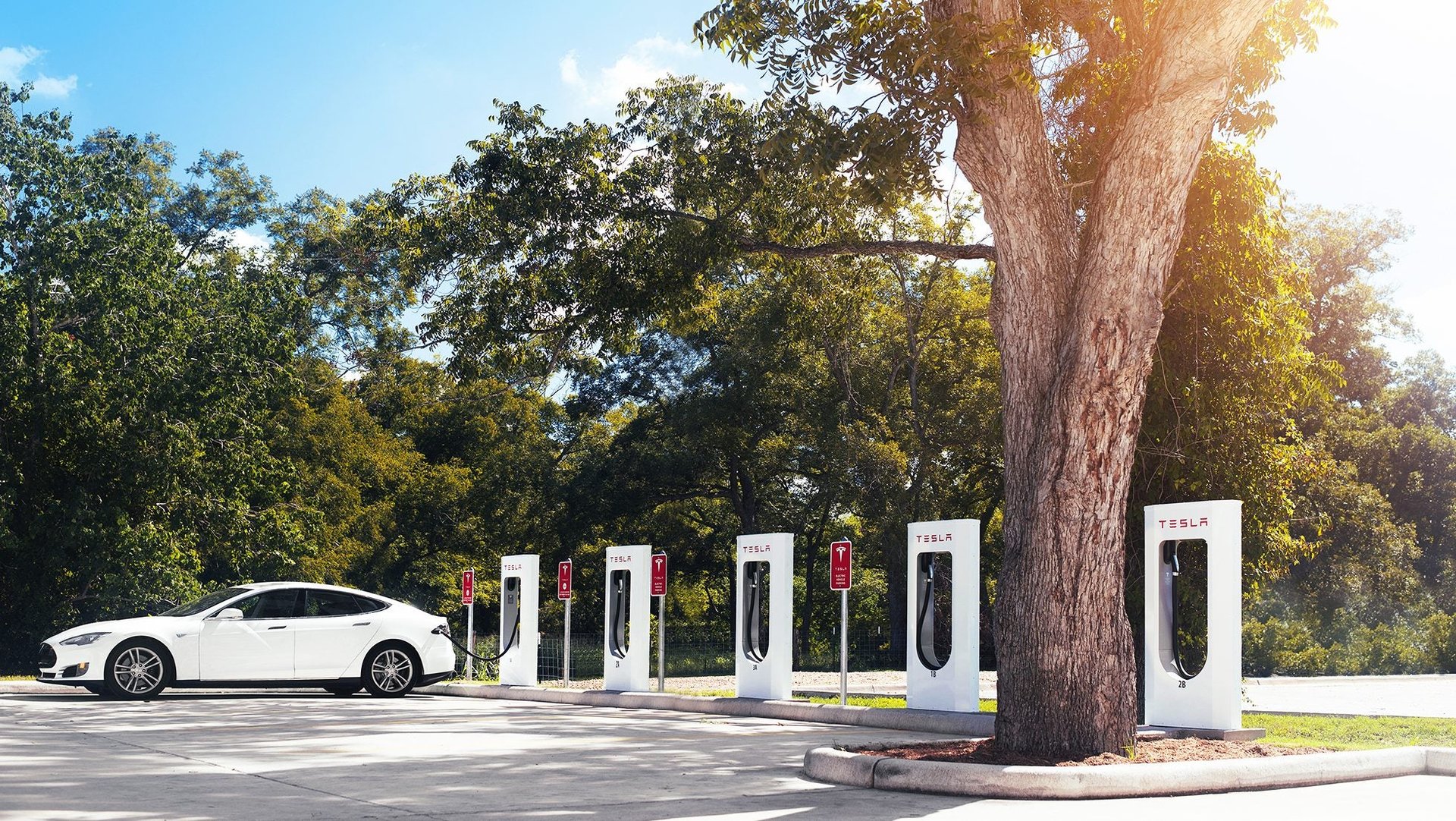
Tesla will no longer offer free lifetime electricity from its charging stations to new Tesla owners. The company announced on Nov. 7 that it plans to charge a small fee for new Tesla owners to recharge at Superchargers so the company can reinvest in its network, improve the Supercharging experience, and accelerate growth.

We text emojis. We chat them. We affix billions in our Snapchats and tweets. If we’re not making website addresses with them yet, we will be soon.

The biggest casualty in this dumpster fire of a US election: civil discourse. On our Twitter and Facebook accounts, usually polite friends and loving family members seem to morph into political trolls, creating a funhouse-mirror distortion of reality.

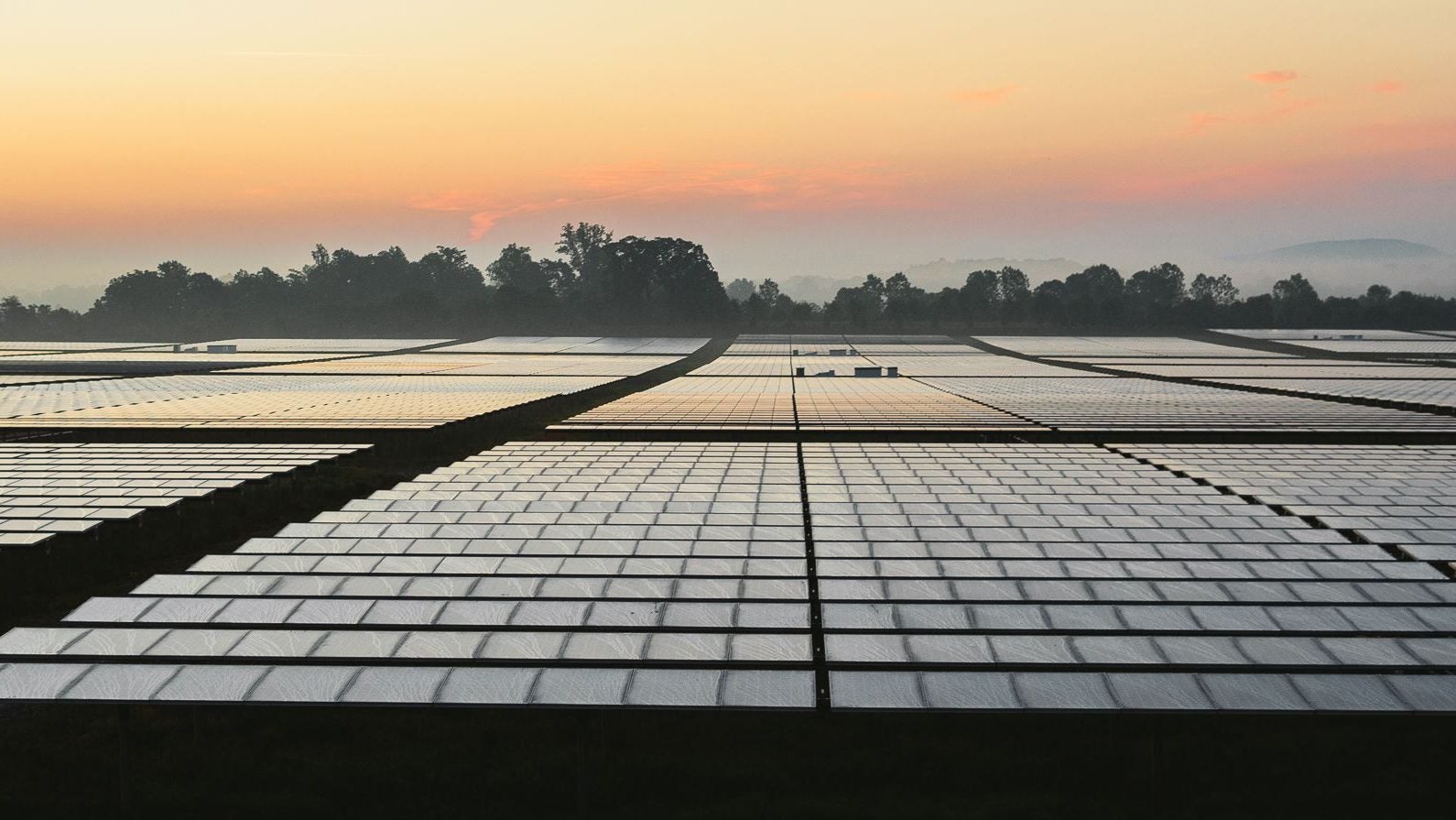
For Americans, solar power can now come without the panel.

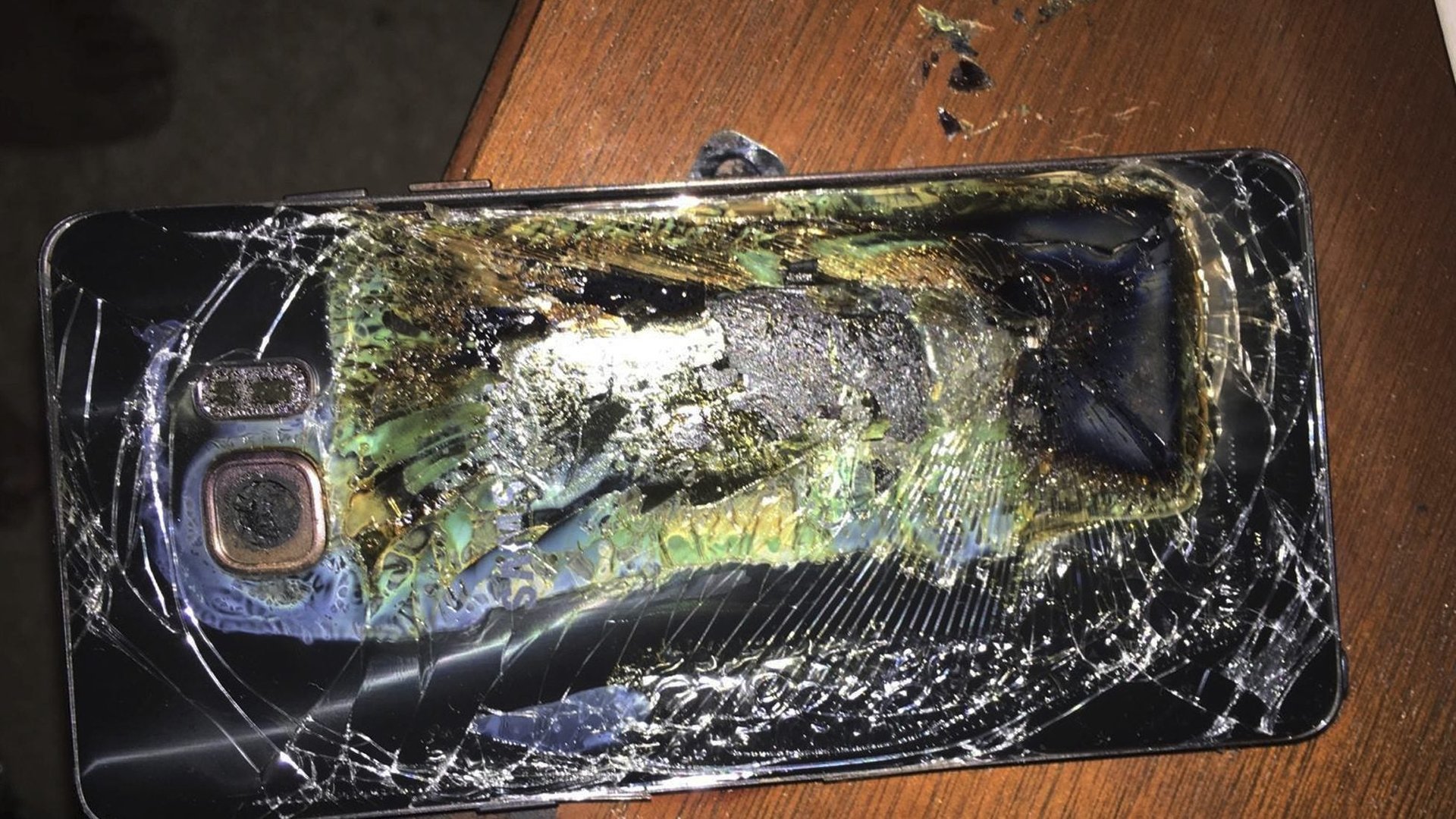
It’s not every day that a company has to dispose of 4.3 million phones. But that day has come for Samsung, after exploding batteries forced it to issue a worldwide recall (paywall) of its Galaxy Note 7 smartphones.

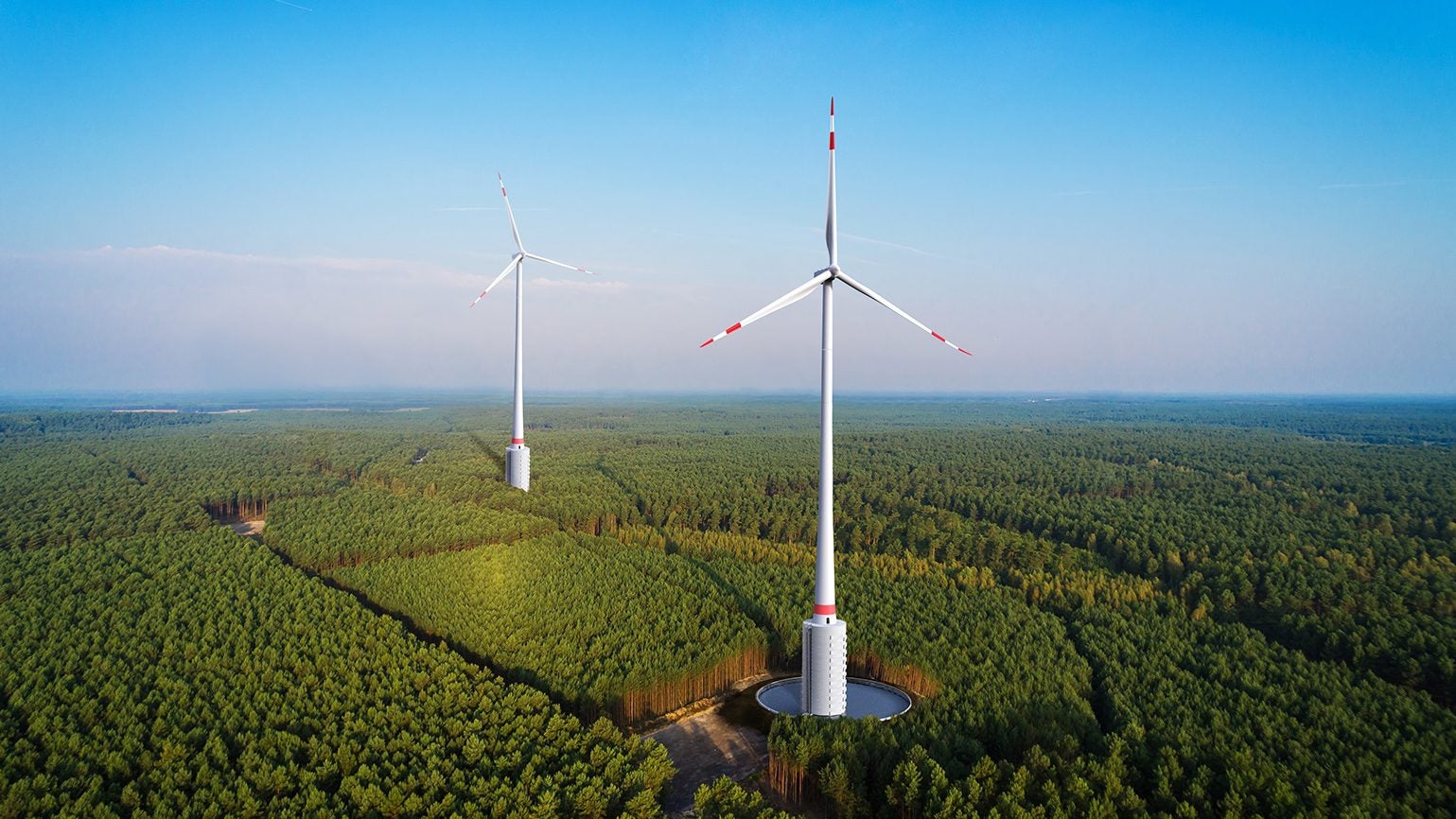
Wind blows. Water falls. But for the first time, one is now powering the other. Engineers in Germany are storing water for hydroelectricity inside wind turbines allowing the towers act like massive batteries once the wind stops blowing. It’s the first major example of the two technologies being physically integrated to supply reliable renewable energy.

Last year, Sean Gourley got an email from an acquaintance: Would he be interested in joining the board of a $30-billion oil and gas company? The 36-year-old had never sat on a public board before, and had no particular knowledge of the industry. He had just left his first company, the data analytics firm Quid, and his second was still taking shape. Still, the physics PhD flew from San Francisco to Houston to interview, and, in September 2015, took a seat on the board of Anadarko Petroleum.

SolarCity’s new solar roof is a miniature version of Elon Musk’s Master Plan for Tesla come to life.

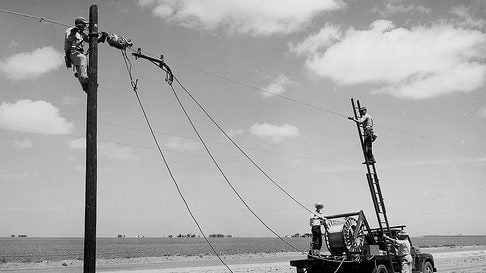
It’s too expensive. No one wants to buy it. Laying cables is unprofitable. The government is overreaching. Objections to high-speed fiber broadband today sound like those facing rural electrification during the 1900s. History suggests they’ll prove wrong today as well.

Tesla defied Wall Street expectations with its third quarter results, posting its first quarterly profit since 2013, and ending a streak of billion-dollar losses and manufacturing delays.

Bots are already scheduling meetings, ordering meals, and analyzing bank accounts. They’re now well on their way to becoming our full-time virtual assistants. That means they must now suffer the indignities unethical bosses inflict on their human assistants, especially sexual harassment.