The global PC market has been collapsing, and it is probably never coming back. Intel has finally admitted as much.

The global PC market has been collapsing, and it is probably never coming back. Intel has finally admitted as much.

Venture capitalists raised more money in the first three months of the year than during any quarter over the last decade, rivaling their haul during the infamous 2000 dotcom bubble, reports the National Venture Capital Association.

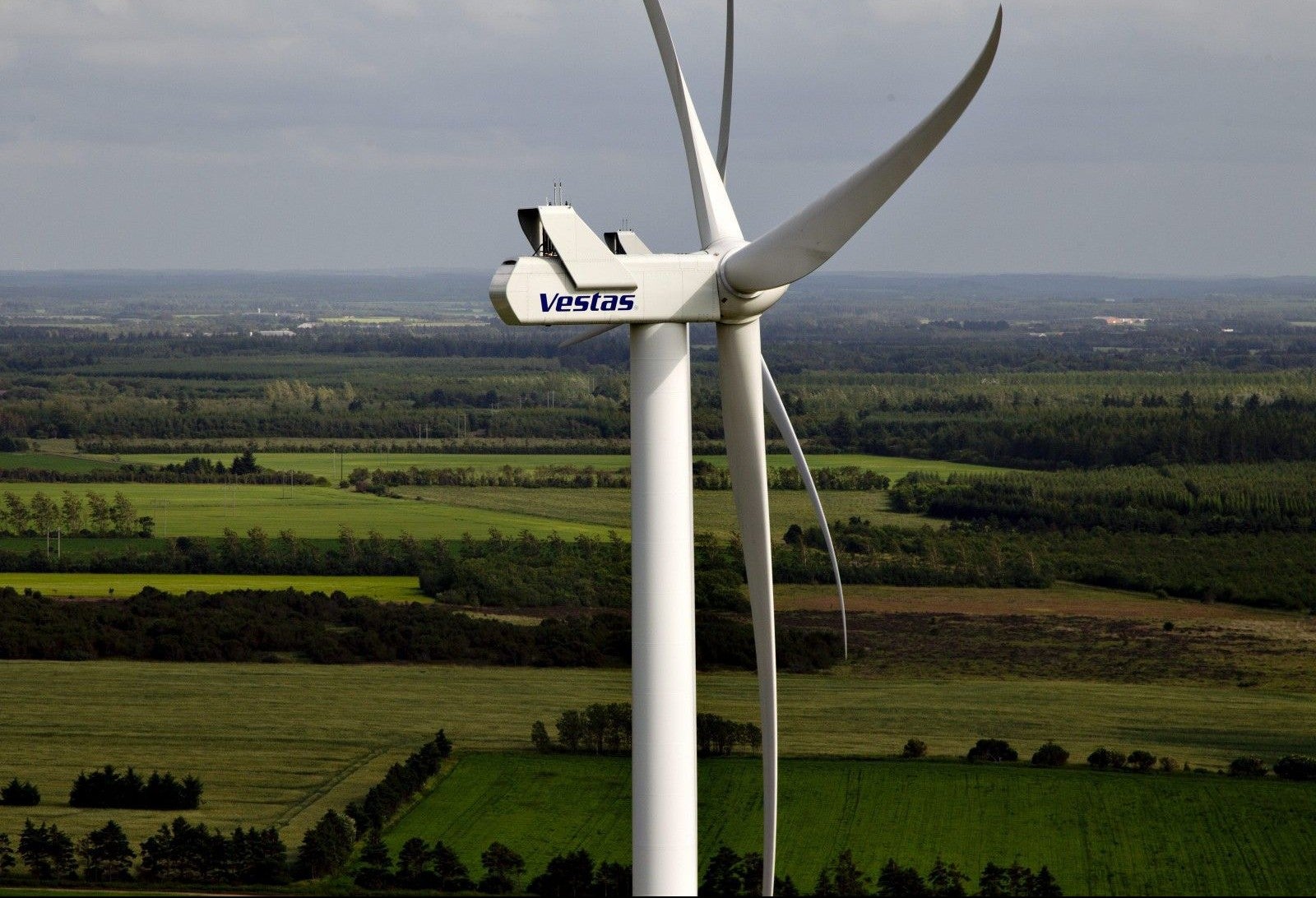
Corporations are no longer waiting to buy power from utilities: they’re going straight to the source. Increasingly, that means renewable power. For the first time, big companies and non-utilities bought up more than half of all wind-power capacity sold in 2015. That’s a big departure from years past when utilities were nearly the only buyers in town.

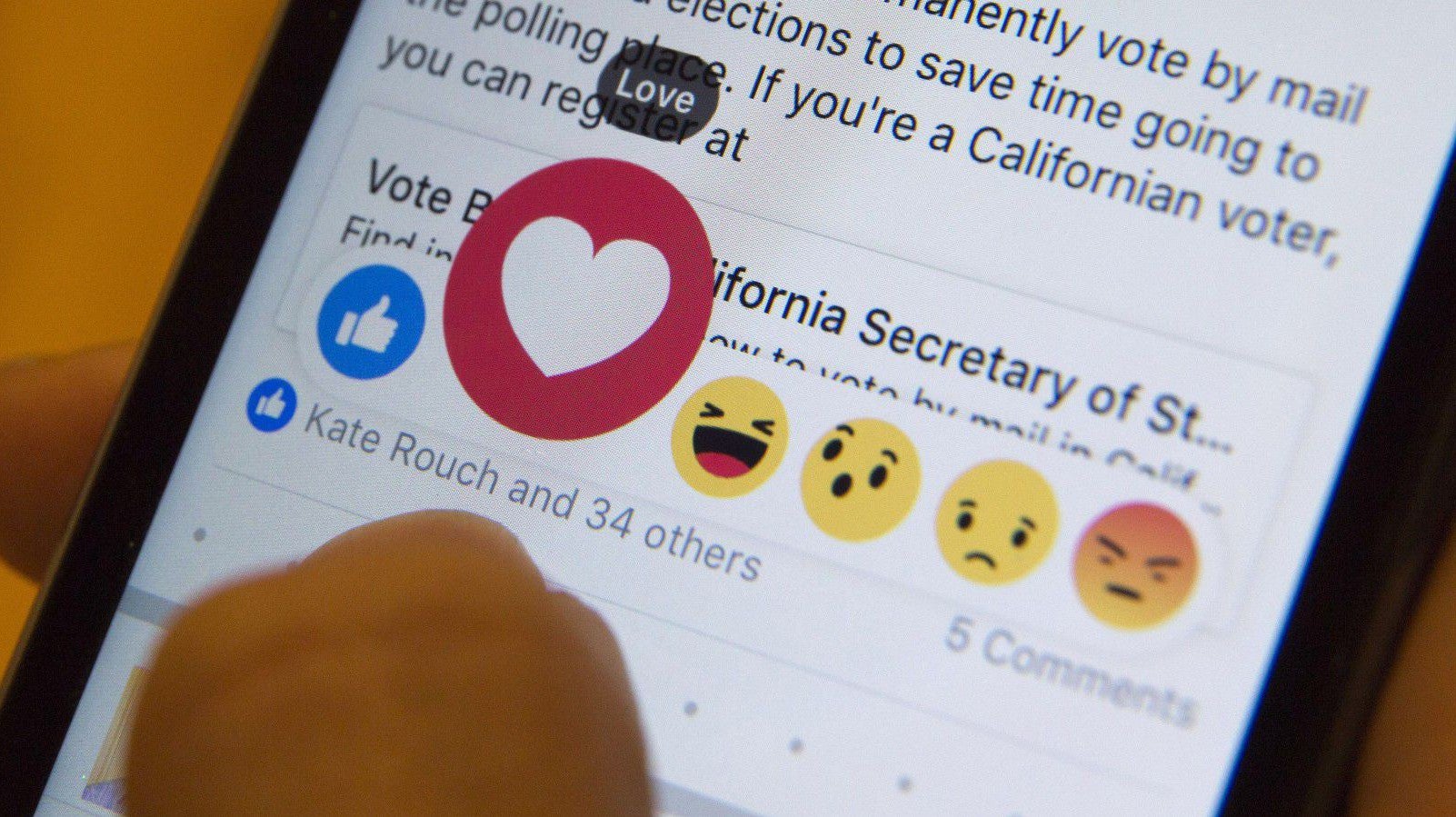
Emoji characters may seem trivial, but they are fast becoming a foundation for online communication. Ten billion were sent on Twitter alone last year, and roughly half of all Instagram posts include them.

For a long time, it felt like Silicon Valley was the only place to build a successful startup.

The winners of the Lemelson-MIT Student Prize competition were announced Tuesday (April 12), and the honorees confirm that we should expect some amazing things from our next generation of inventors.

Your CEO sends you an urgent email that the company is acquiring another firm and funds need to be wired that day. But don’t tell anyone: It’s secret due to regulatory disclosure rules. An email or phone call arrives from a VP of finance whom you know confirming the transaction. As an employee authorized to wire funds, you initiate a payment for a few thousand—or even a few million dollars—to the designated bank account in China or Hong Kong. By the time the scam is uncovered, the money is gone.

The Internet of Things (IoT) envisions a technological utopia of objects that link our homes, offices and factories, allowing them to talk to us and each other through embedded computers and telemetry. We’ve been promised a world of a trillion sensors.

Dell SecureWorks released its report examining the state of the underground hacker marketplace on Tuesday (April 5), and it contained some bad news: business is strong.

Creating physical urban spaces that run on data—in ways that resemble the connectivity of the internet itself—has been a dream of Larry Page’s since he publicly floated the idea of “Google 2.0” in 2014. The Google founder and Alphabet CEO’s idea is a guiding principle at Sidewalk Labs, spun off last summer.

As the wife of Steve Jobs, Laurene Powell Jobs had a front-row seat to the rise to Apple. Now she is turning her philanthropic efforts to what she says is one of the great design failures in modern America: high school.

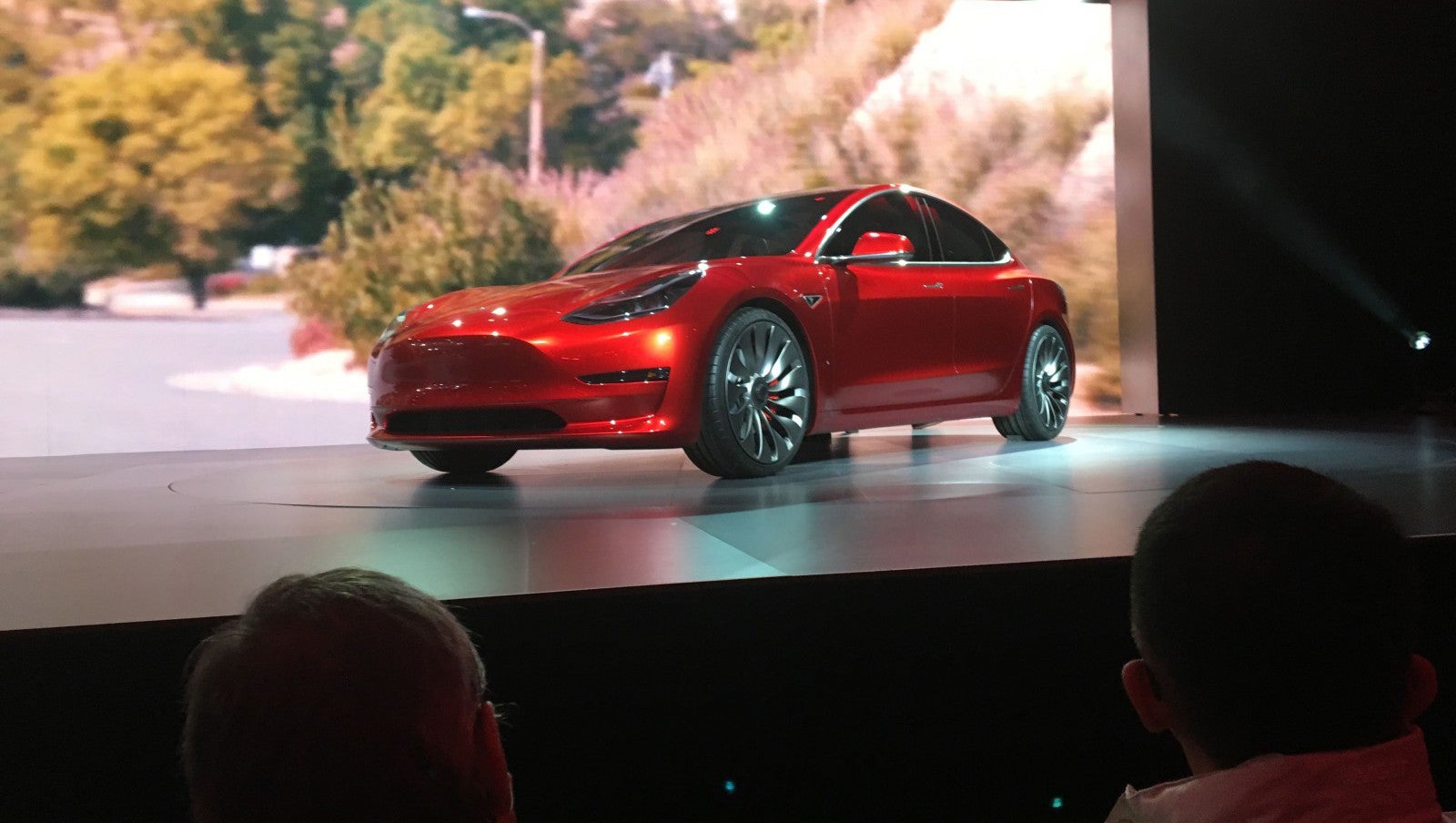
Orders for the newly launched Tesla Model 3 have blown the projections away. In fact, no one even came close.

Procrastinating on Facebook appeals equally to the young and old, but sending disappearing messages on SnapChat is truly for millennials.

The Deltas soccer team are San Francisco’s newest professional sports team. They’re a startup. They use virtual reality to train their athletes, and matching algorithms to pick your seat. They’re also a dating app and food truck ordering service.

The discussion site Stack Overflow has evolved into much more than a place for developers to ask and answer questions about their coding problems. “We are the world’s programmer community,” it declares on its Facebook page, and indeed, with the 4.7 million users it claims, it deserves that title.

Will unbreakable encryption keep us safer, or will it help terrorists carry out more attacks like the one this week in Brussels?

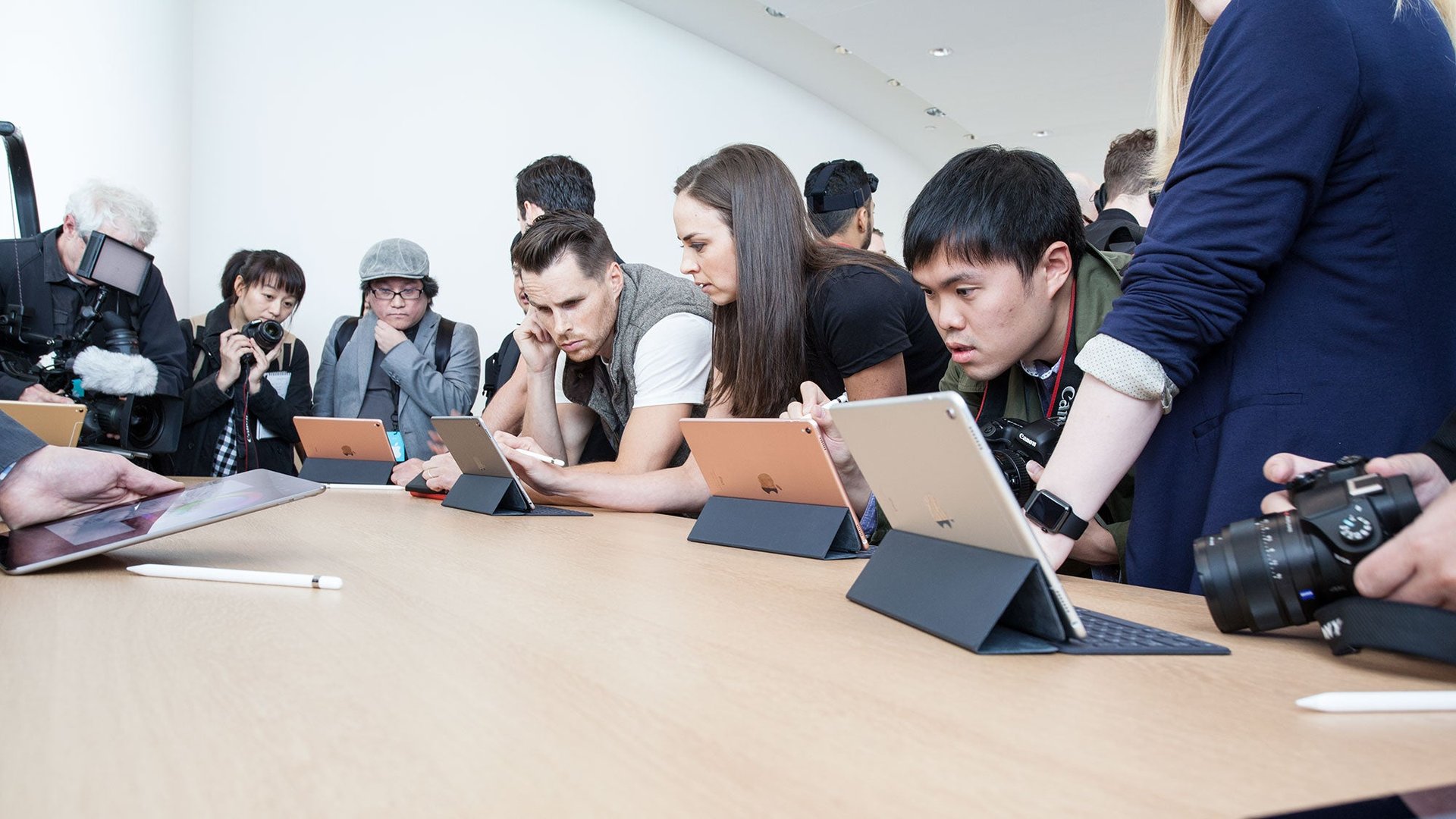
Apple has made no secret about its preference for the iPad as the platform for future. “This is the way we think that personal computing is going,” said Phil Schiller, senior VP of worldwide marketing, at the company’s product event in Cupertino, California, on Monday (March 21).