Did you hear the thing about the Florida woman who implanted a third breast in order to be “unattractive to men”? The one who is filming “her daily life in Tampa to show the struggles she faces because of her surgery”?

Did you hear the thing about the Florida woman who implanted a third breast in order to be “unattractive to men”? The one who is filming “her daily life in Tampa to show the struggles she faces because of her surgery”?

If you happen to find yourself strolling on the beach in Cornwall, you might find some man-made detritus along with the expected array of shells and seaweed and sand. You might find some diving flippers. Or a life preserver. Or a spear gun.

“The passion of Laughter,” Thomas Hobbes argued, “is nothyng else but a suddaine Glory arising from some suddaine Conception of some Eminency in our selves, by Comparison with the Infirmityes of others.”

It started with a self-portrait. Esther Honig sent a photograph of herself, lit simply and shot from the shoulders up, to a designer in Sri Lanka. She sent a simple request along with the photo: “Make me look beautiful.”

Okay, once and for all: Is it “gif” or “jif”?

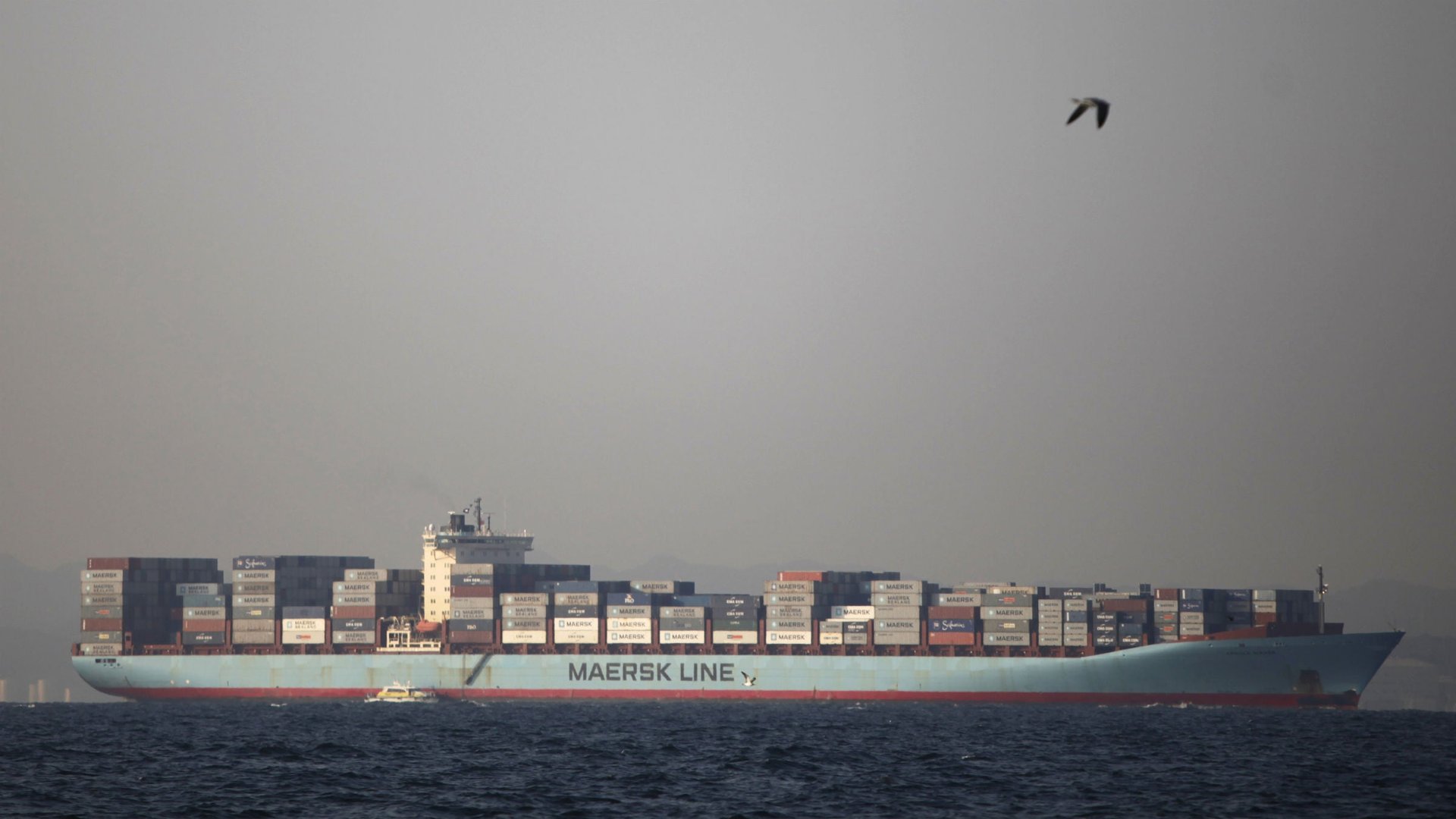
Ships, at this point, carry 90% of the world’s trade. They also carry people—captains and crew who, inconveniently, tend to require food, water, sleep, electricity, and sewage systems to live comfortably aboard a floating vessel. Supporting these needs, Bloomberg News reports, costs more than $3,000 a day—accounting for, overall, roughly 44% of the total operating expenses for a large container ship.

Vanilla Ice is selling Kraft macaroni and cheese now. The dudes of Full House are selling Greek yogurt. Boyz II Men recently made a cameo on How I Met Your Mother. This year’s Super Bowl featured, of all people, Flea. We are having a moment of ’90s nostalgia, occasioned in part by millennials (or The Youths or Those Kids or whatever you want to call them) who are aging into adulthood and therefore eager to relive their childhoods.

“I am going to be a little boring,” Sherry Turkle announces as we sit down to tea in the living room of her sprawling Boston townhouse. “And you’re going to be a little boring, too.”

We have, it seems, a deal.

It started, as so many things do, with SoundJam.

Straw into gold. Water into wine. Servant into princess. It’s a longstanding obsession of human myth-making: turning one thing into another thing—a lowly thing into a vaunted thing—by way of miracle or magic.

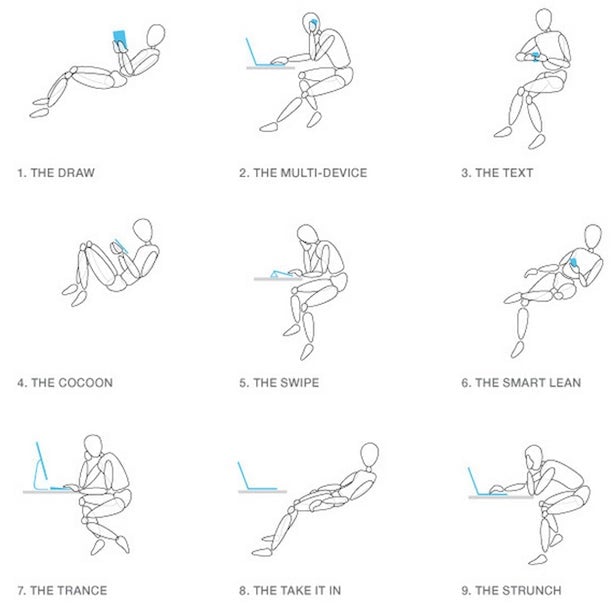
The workplace most of us are accustomed to has been optimized for the desktop computer: Start with a table, plop a machine on top of it, add a chair, add a human. This has not been the most creative of systems, maybe, but it’s made sense: The computers in question have been expensive and bulky and, by design, stationary. Everything else, human included, has been relatively flexible.

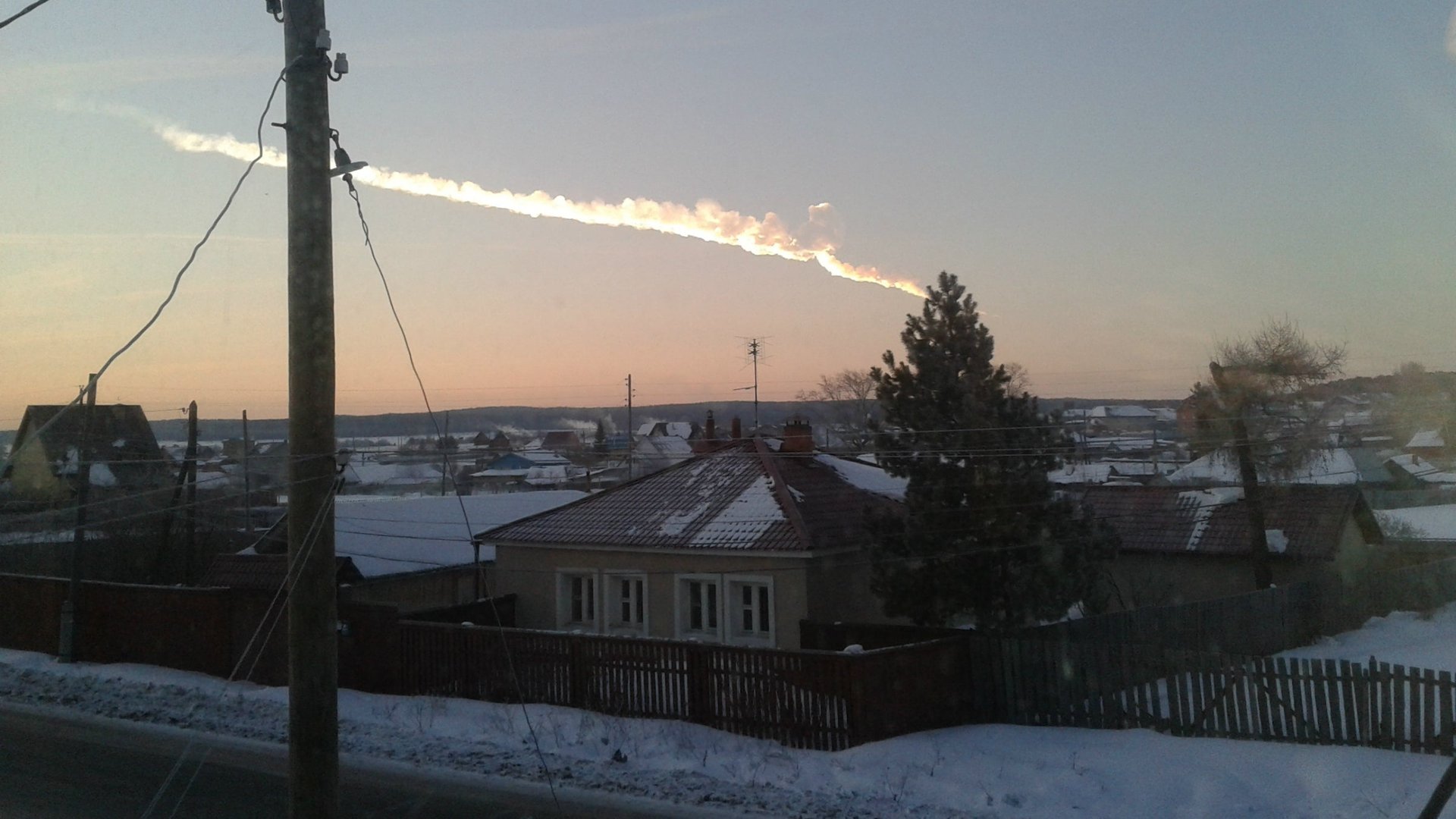
Early this morning, a meteor exploded in the sky above Russia, causing a shockwave that blew out windows, crippled communications infrastructure, and injured hundreds of people. The blast was terrifying for the people who witnessed it, and were touched by it, in person; but it’s scary, too, for anyone who lives on Earth — screaming, scorching, flaming objects falling suddenly from the sky being pretty much the stuff of humanity’s collective nightmares.

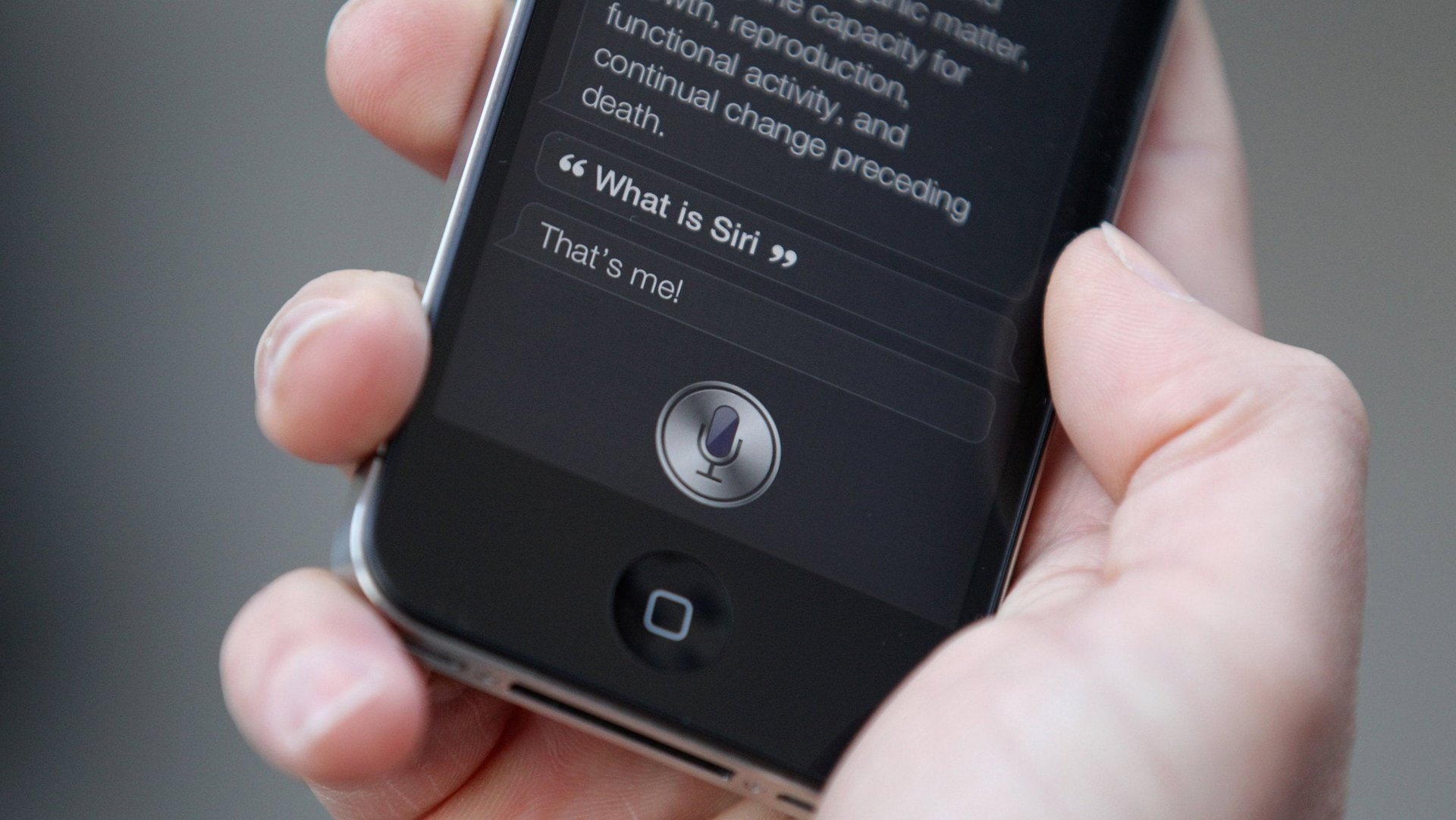
Q: Siri, why are you so boring?

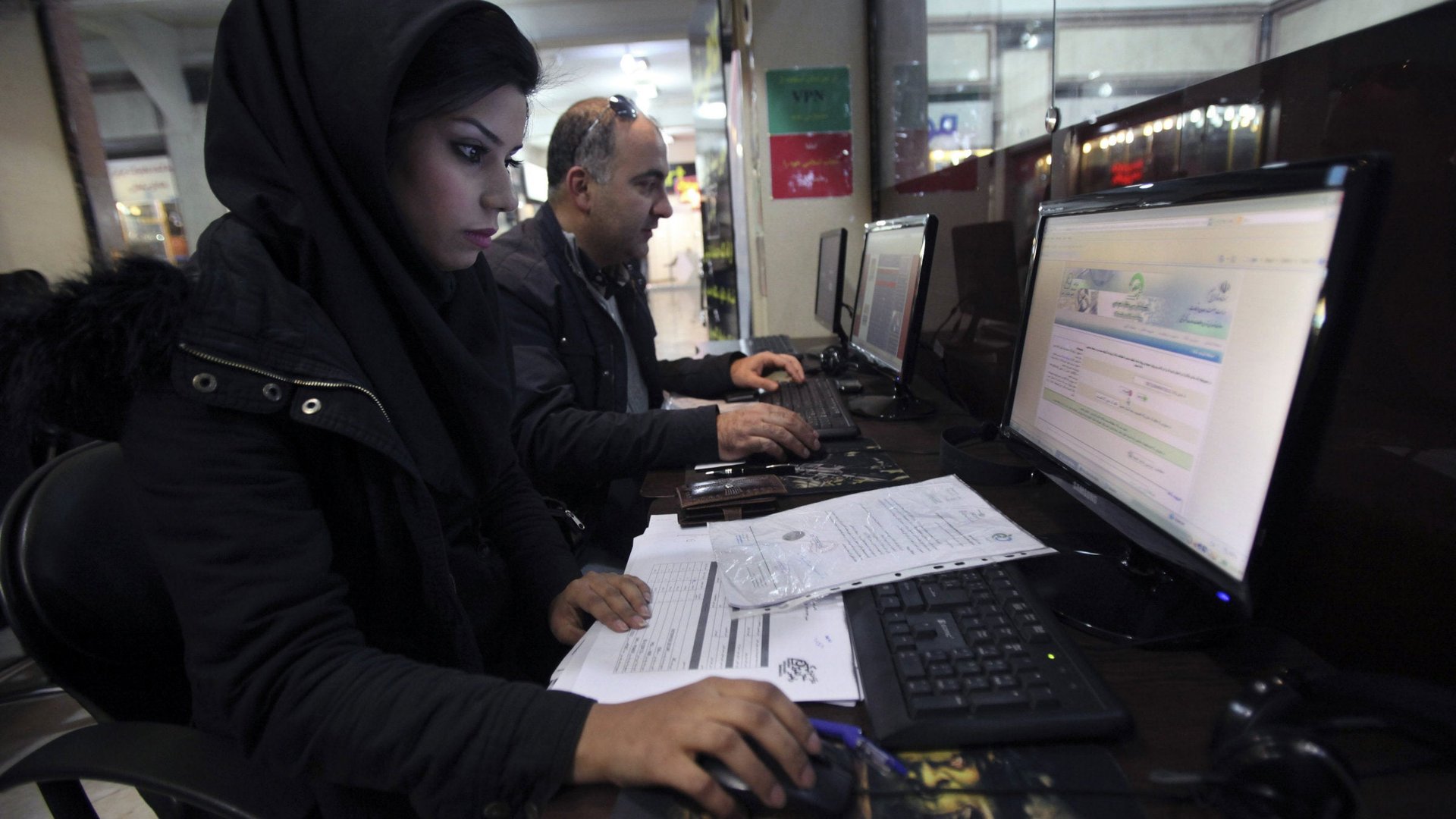
Iran, to put it mildly, has a tense relationship with the Internet — some evidence of the acrimony being the many attempts the country has made to curtail its citizens’ use of social media. In May, its supreme leader, Ayatollah Ali Khamenei, issued a fatwa against anti-filtering tools that have helped citizens to access blocked material on the Internet. Last month, Iran launched Mehr, its own version of YouTube, which allows users to upload and view content they create, and to watch videos from IRIB, Iran’s national broadcaster. The country has also reportedly been building a government-run network – a national intranet — that would operate “largely isolated” from the rest of the World Wide Web. Citing intensified online crackdowns, increased digital surveillance of citizens, and the imprisonment of web activists, Reporters Without Borders named Iran to its 2012 “Enemies of the Internet” list.

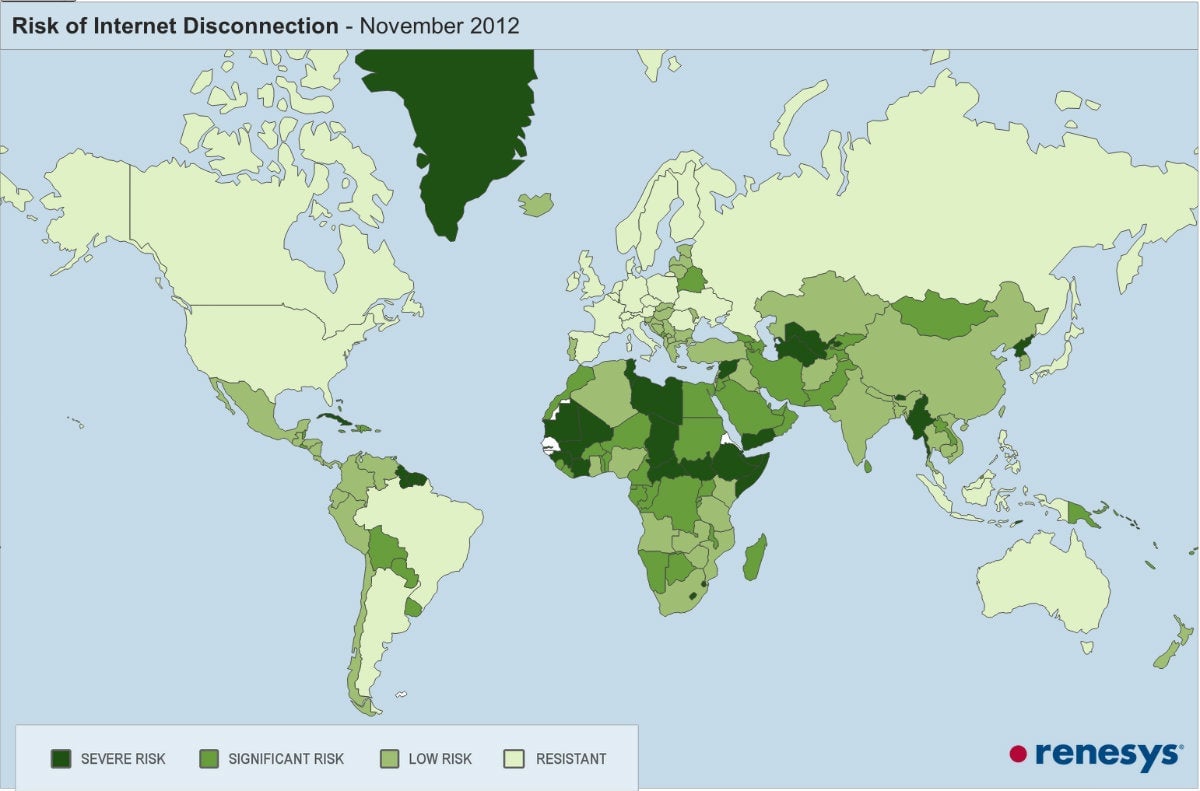
What happened in Syria this week — a wholesale disconnection from the Internet — could happen anywhere. But it’s more likely to happen in some countries than others.

Snackcakepocalypse is nigh.

Yesterday, at approximately 7:22 p.m., local time, Moscow’s Mission Control experienced something you never want to happen when the mission you’re controlling is playing out outside the planet: silence. Complete, utter silence. Roscosmos, Russia’s space agency, had lost contact with its satellites — all of them. Which meant, as well, that it had lost contact with the International Space Station, and with the cosmonauts who call it home.