
Money & Markets
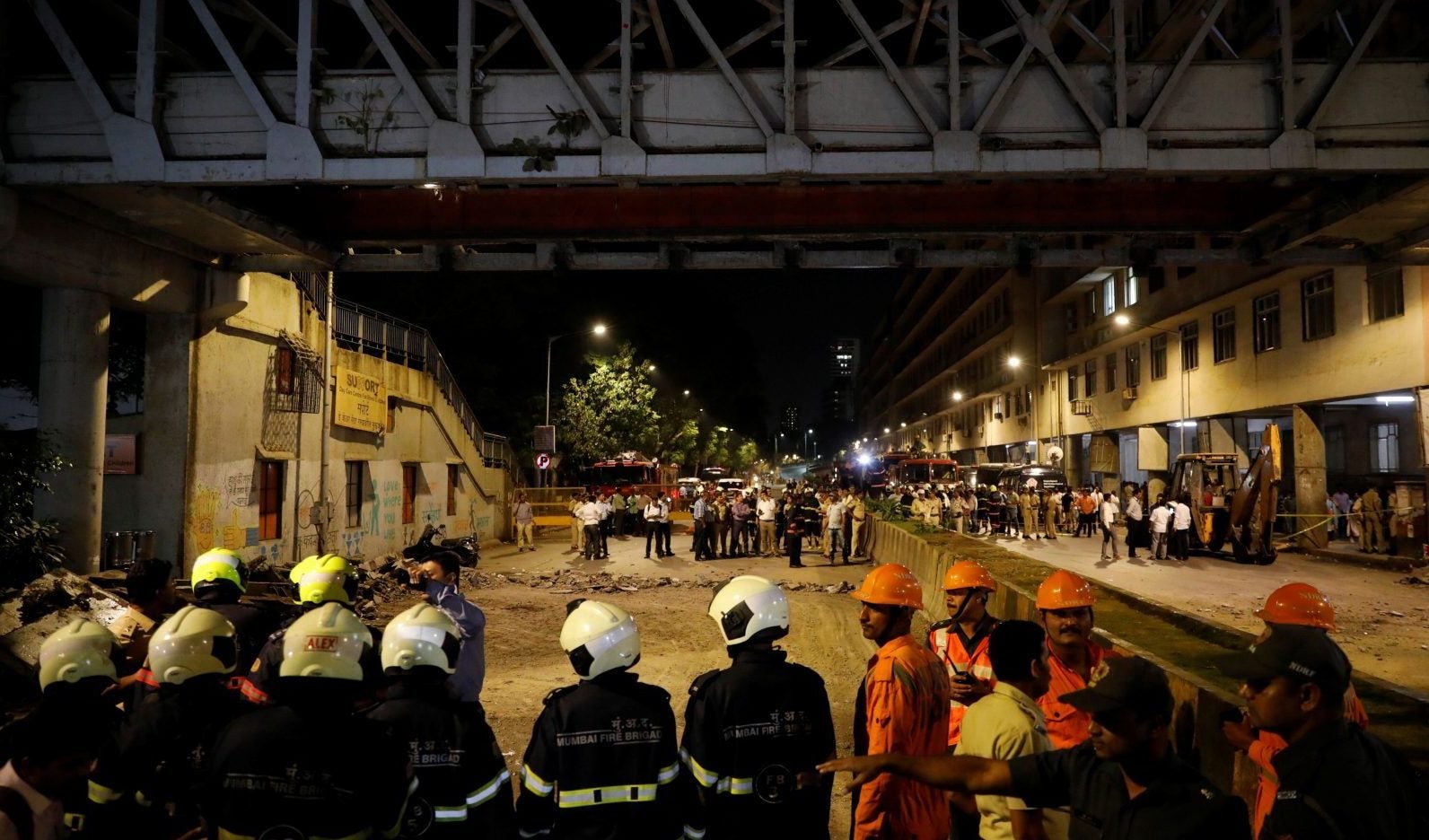
Creaky foot-bridges in India’s financial capital have killed over 30 people in 18 monthsIndia’s financial capital is living through yet another man-made trauma.
Updated July 21, 20223 min read
India’s financial capital is living through yet another man-made trauma.
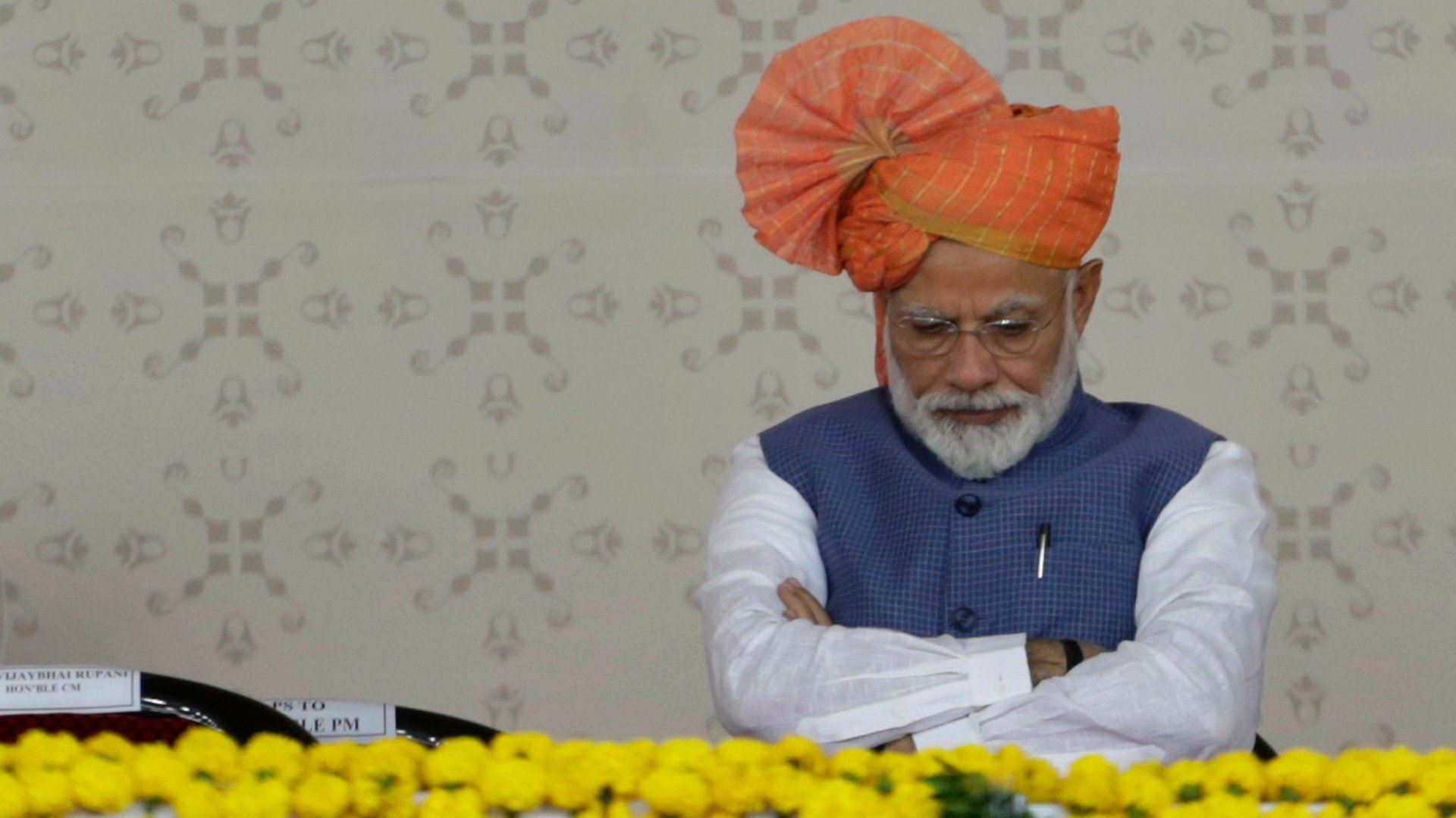
India’s economy is flying on a single engine—consumer spending.
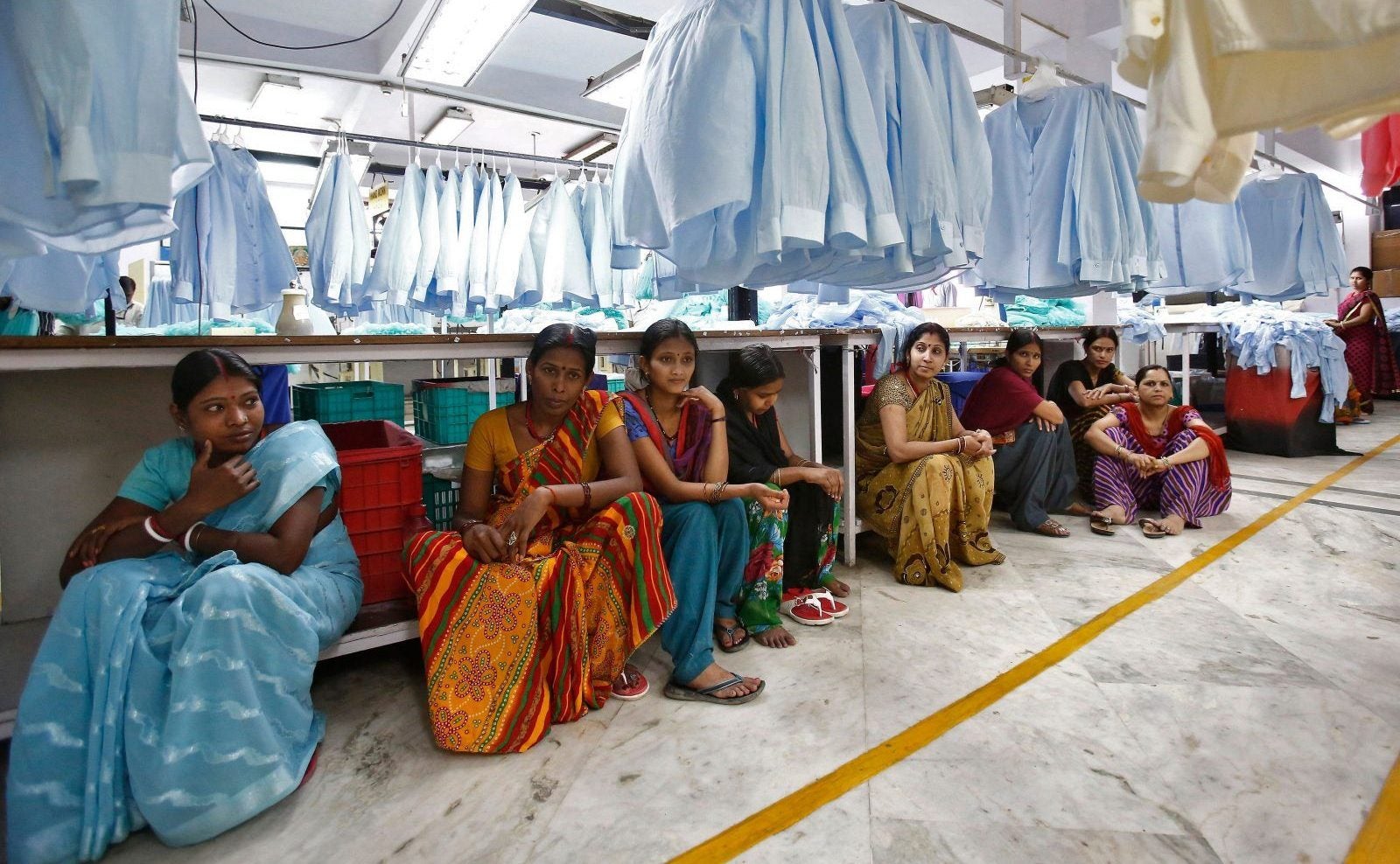
The world’s-fastest growing major economy is going through turbulance even as it prepares for general elections next month.
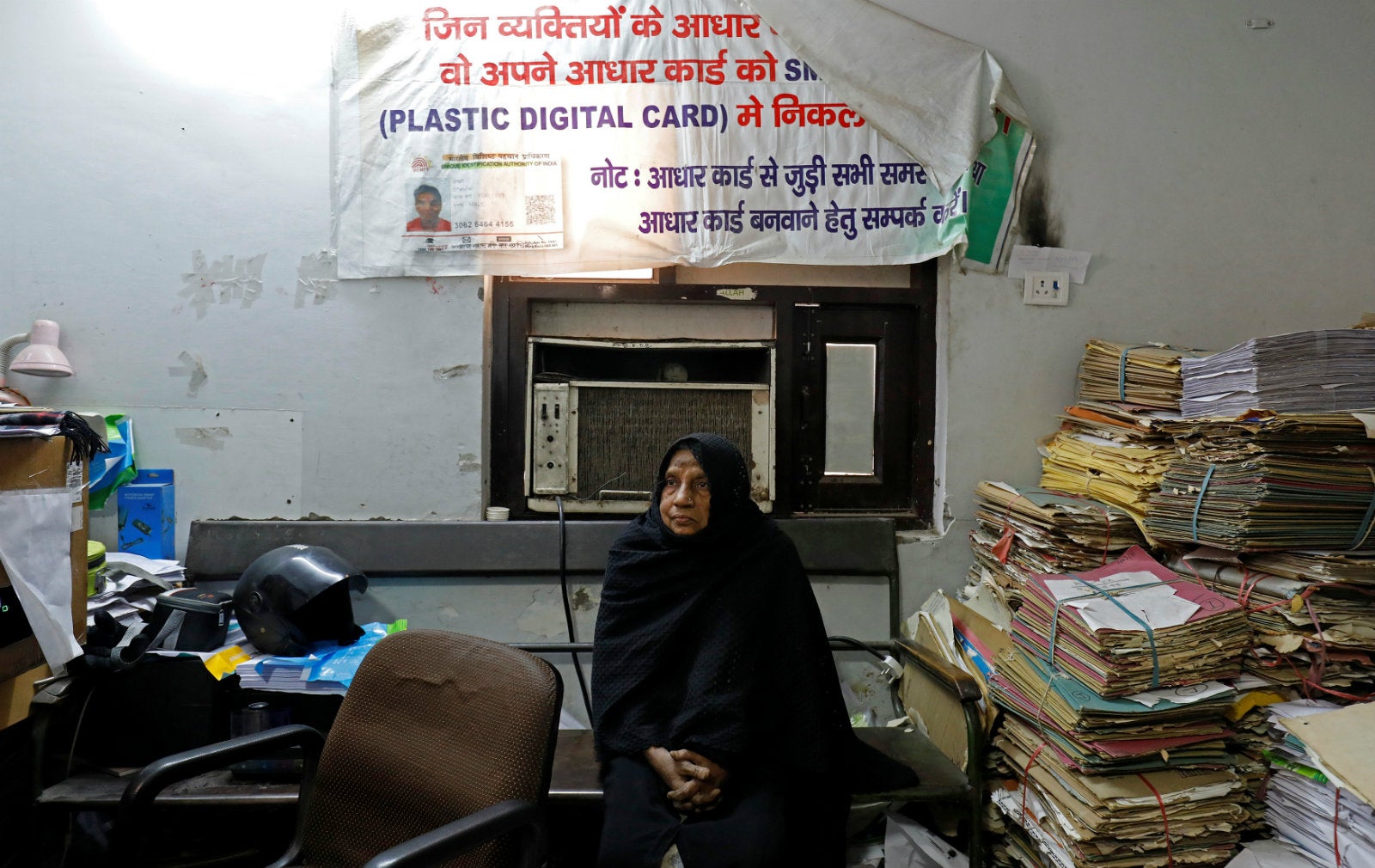
It’s been nearly two weeks since India tweaked a law to give private companies access to the biometric-based Aadhaar data. Yet, the lack of clarity in the ordinance has left financial technology firms combing the fine print.
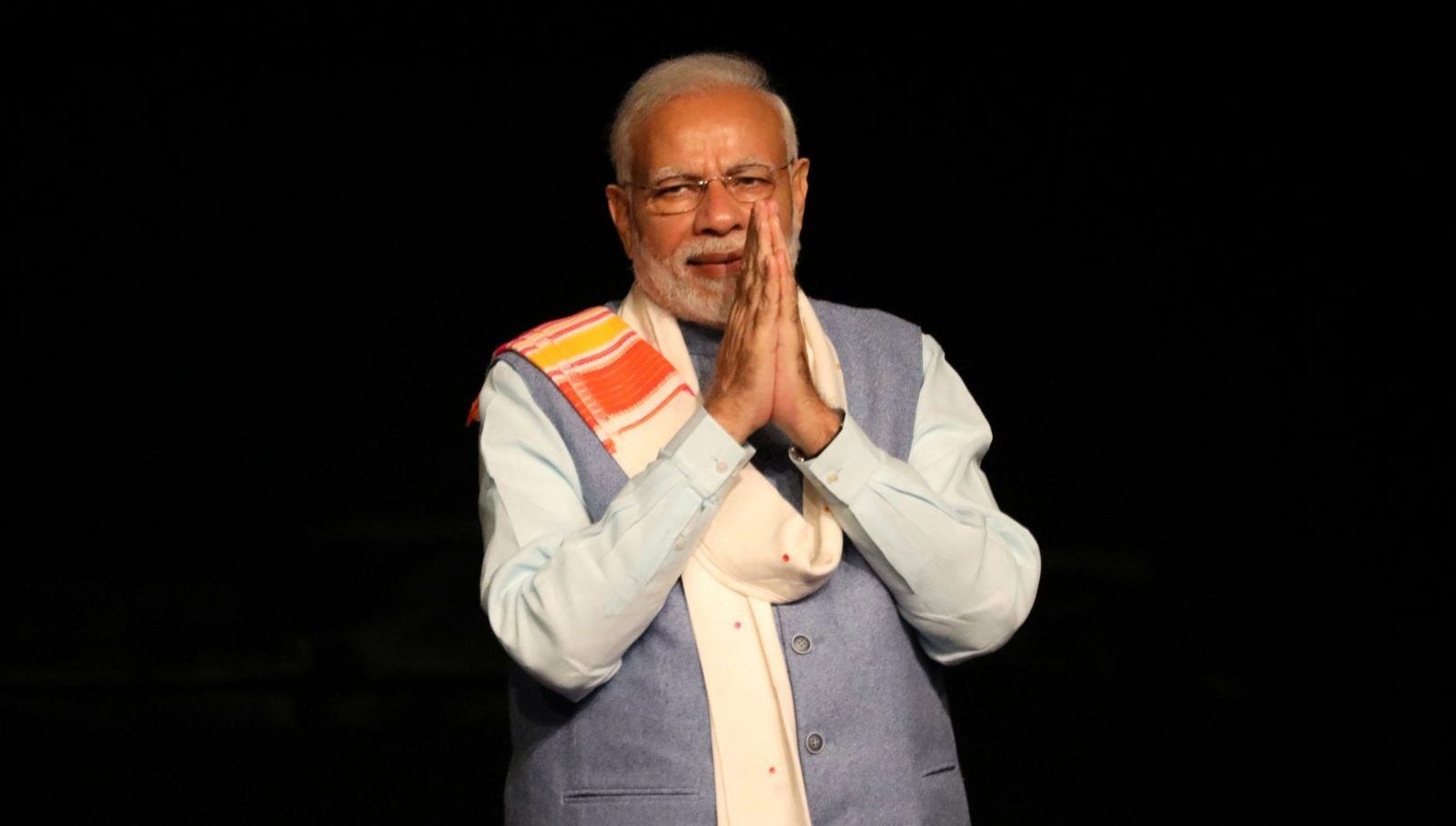
At the end of prime minister Narendra Modi’s five-year term, he leaves the Indian economy more or less where he found it: on the slow lane.

Indian banks are going slow on branch expansion, focusing instead on digitisation and reducing their toxic-loan pile.
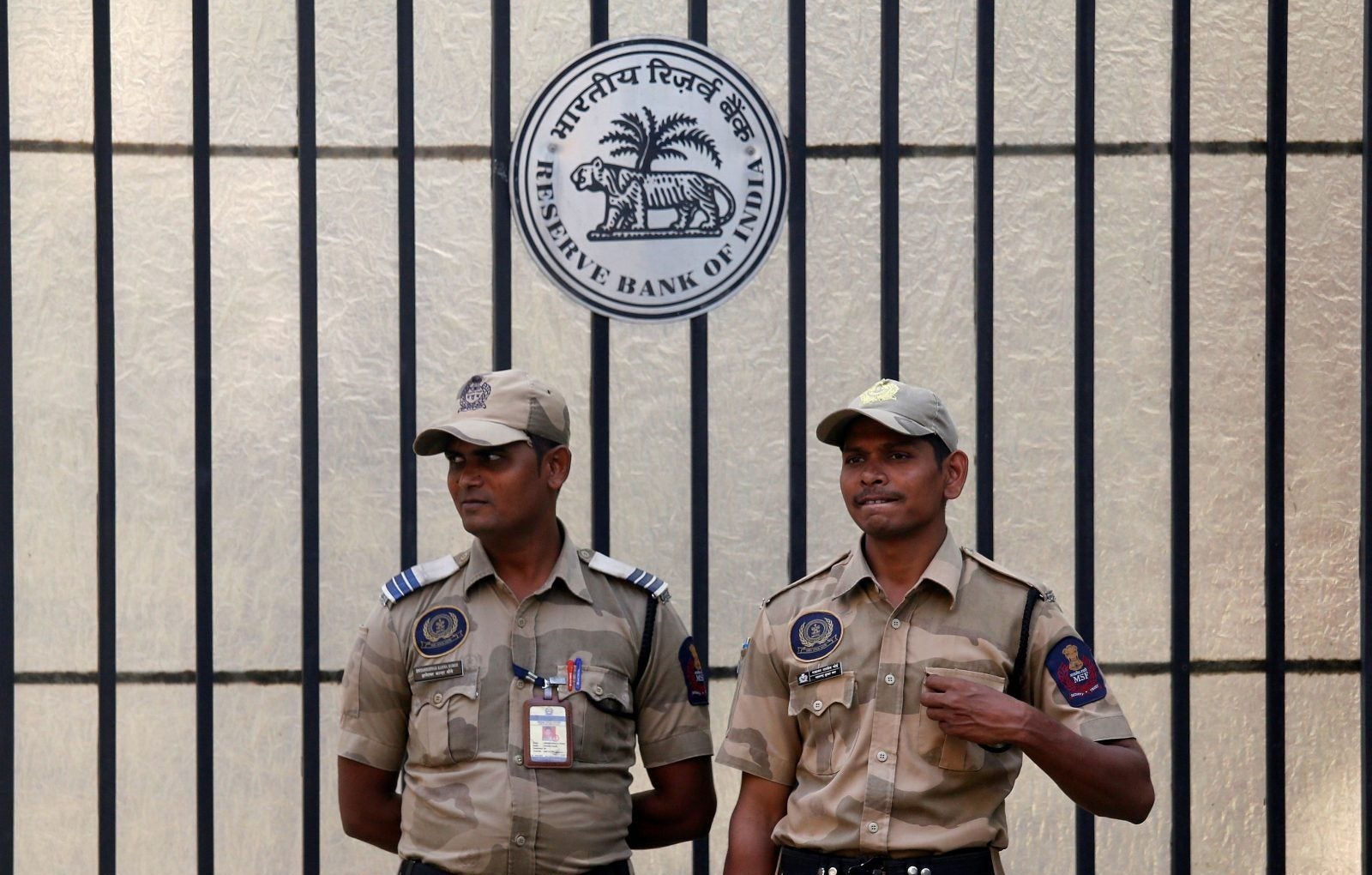
The vulnerabilities in India’s banking system that exposed Punjab National Bank (PNB) to a mammoth financial fraud last year remain unpatched.

There is a strange paradox playing out in India: The rural economy is in throes of a slowdown, but consumption there has been up.
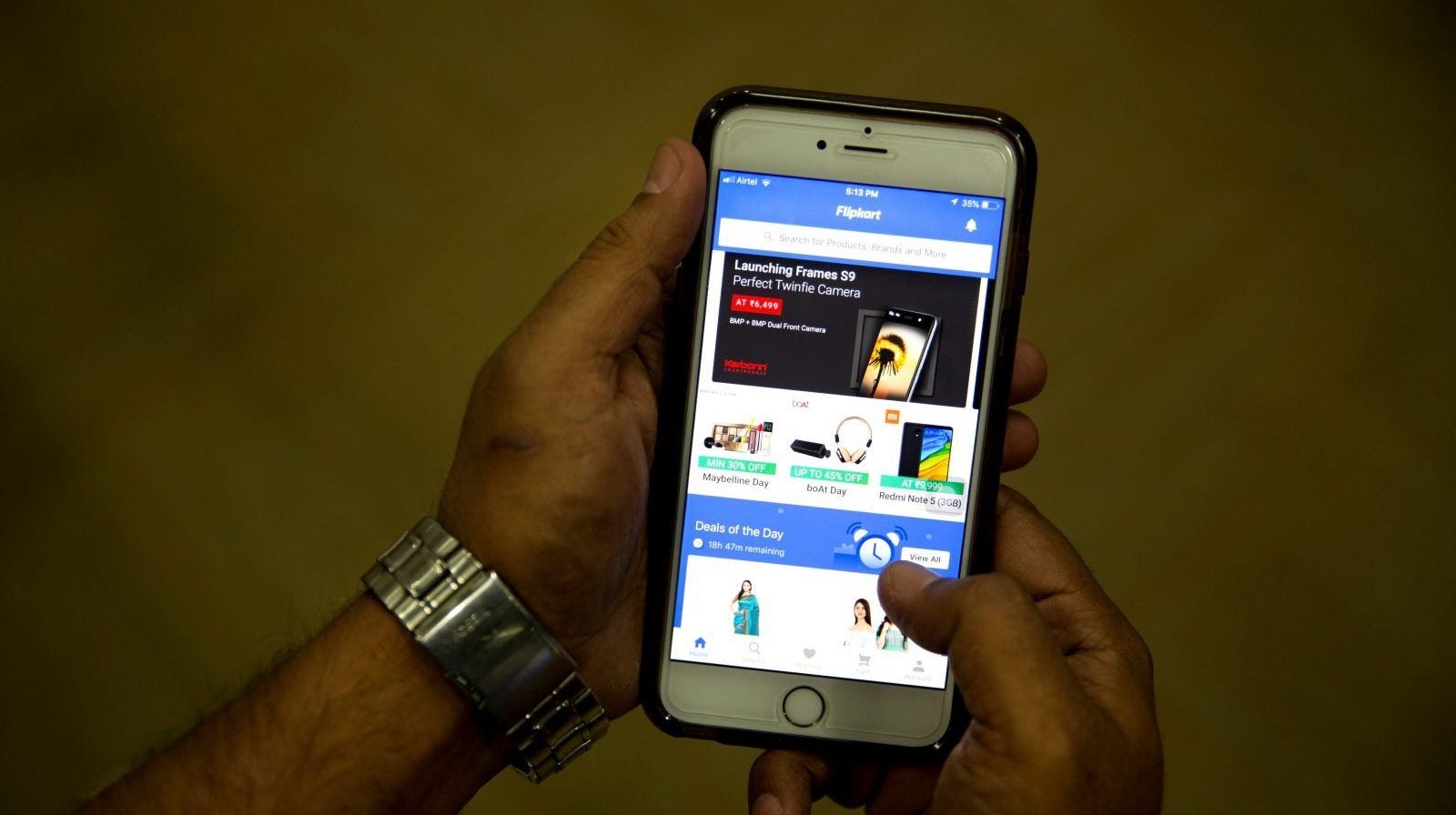
After a year of speculation, Walmart finally picked up a majority stake in India’s e-commerce giant Flipkart for $16 billion (Rs1.13 lakh crore) last May. Now, the US retailer is working on making the most out of this costly acquisition.
India can ill-afford border skirmishes with arch-foe Pakistan at the moment, given the soft patch its economy has entered.
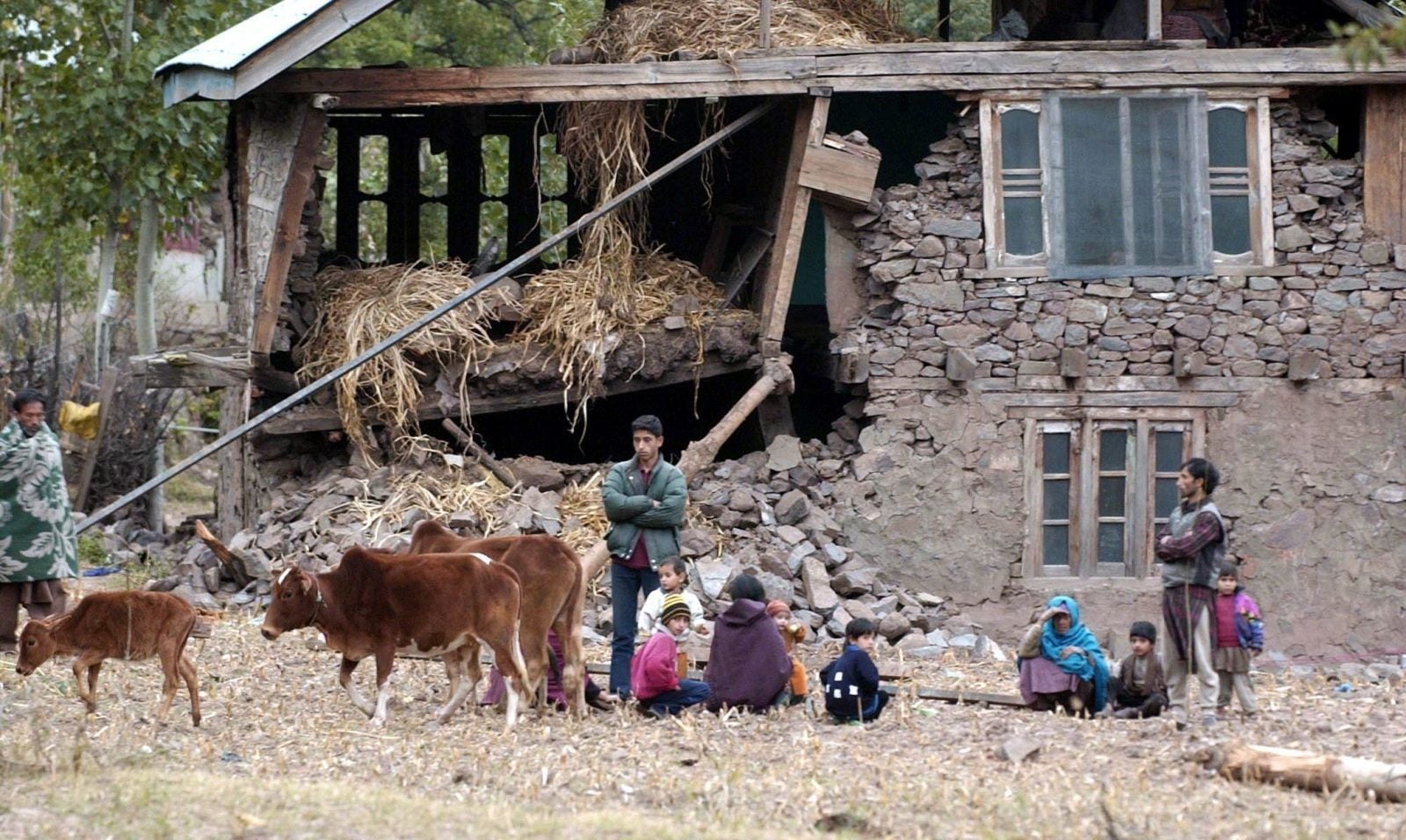
One moment, Achita Sankar Machhi was sitting in a plastic chair, fiddling with her television remote. The next she was on the floor, the chair atop her. She lived through a few surreal minutes as the earth trembled, making a monstrous thundering sound from its belly.
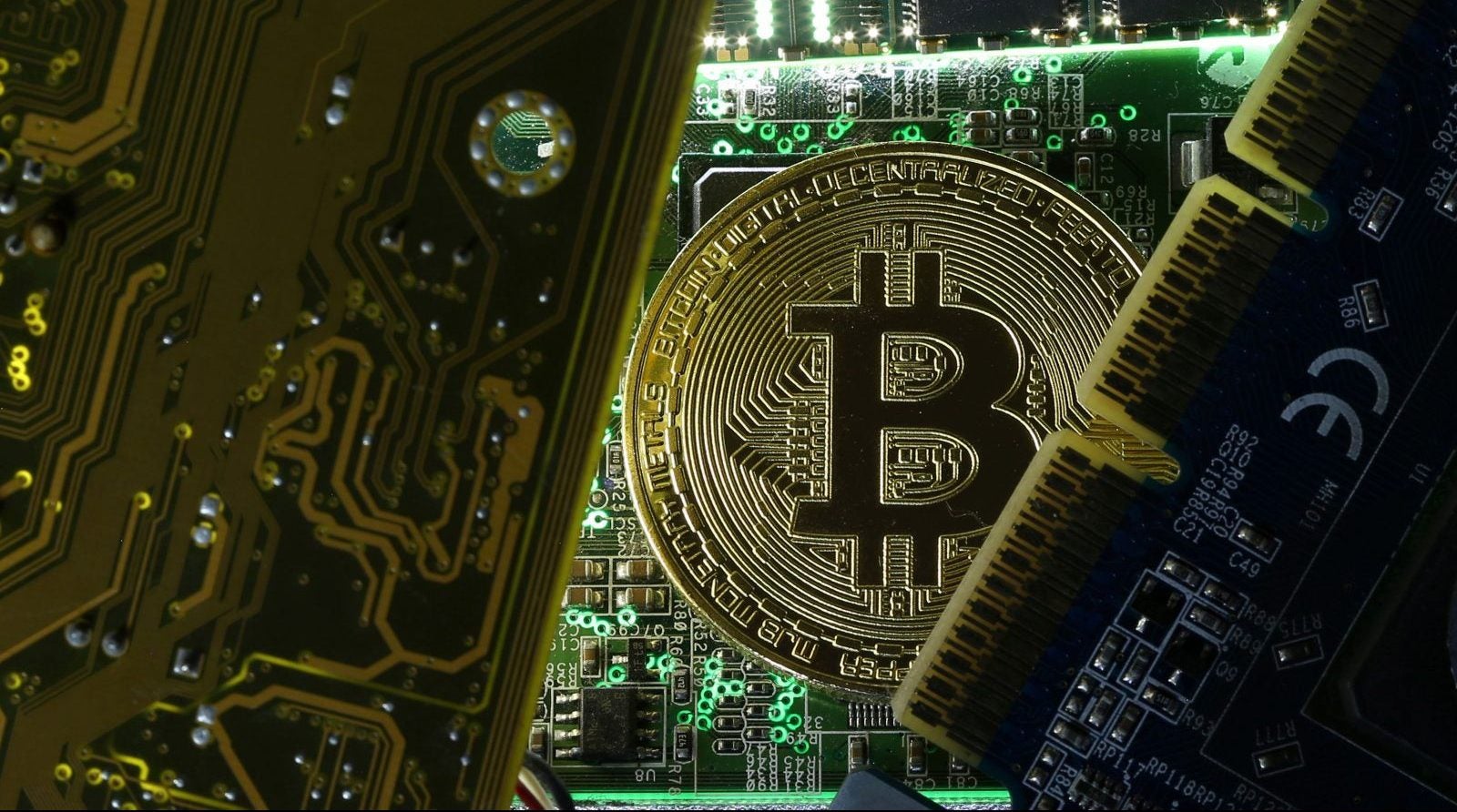
India’s supreme court wants the Narendra Modi government to clarify its stand on cryptocurrencies within a month.

The biggest Indian wedding season isn’t as glittery this year. For gold prices are off the charts, fuelled by gathering clouds of economic turmoil across the world.
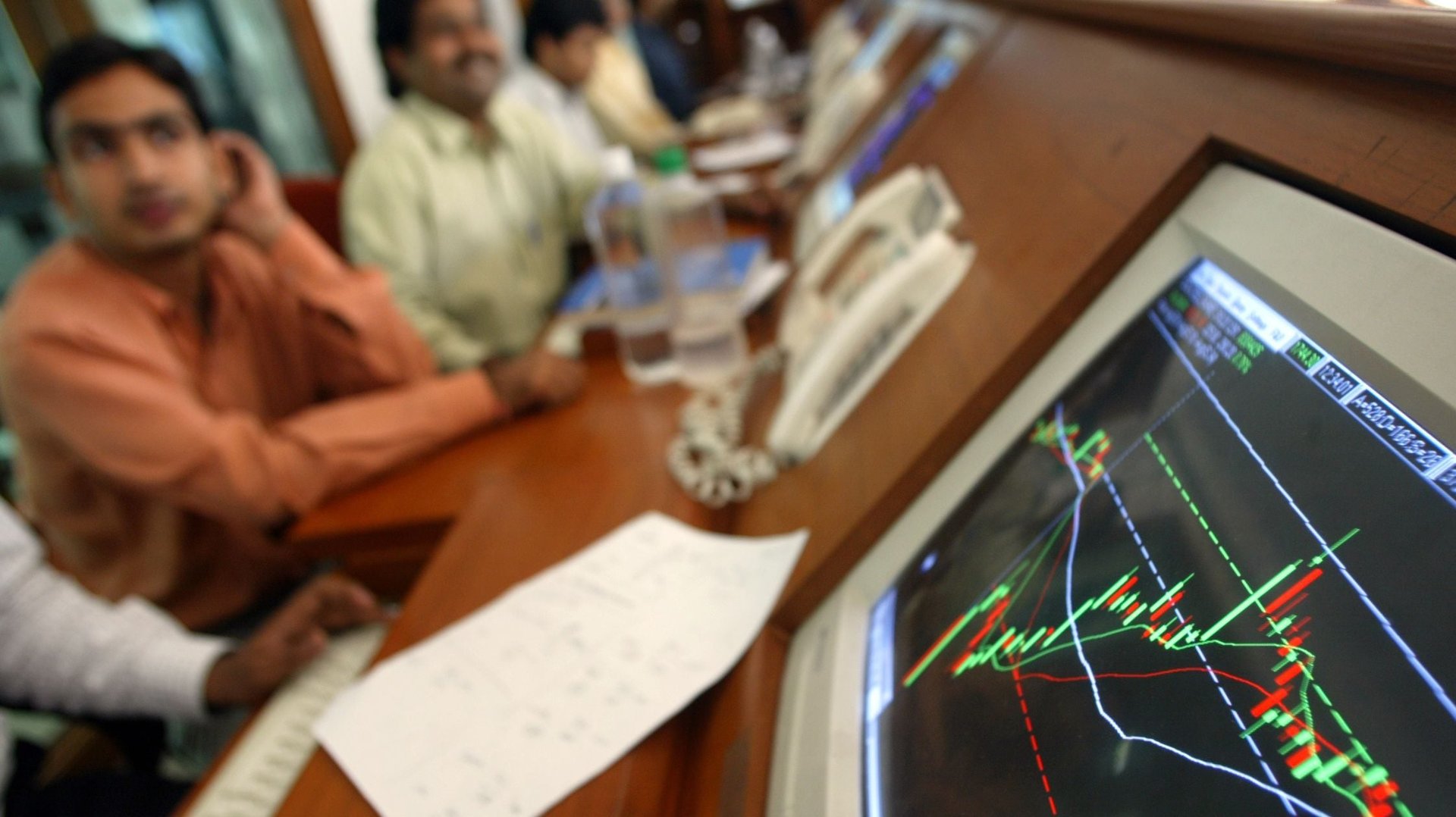
Even as it cracks down on cryptocurrencies, the Indian government has made it clear that it backs blockchain.
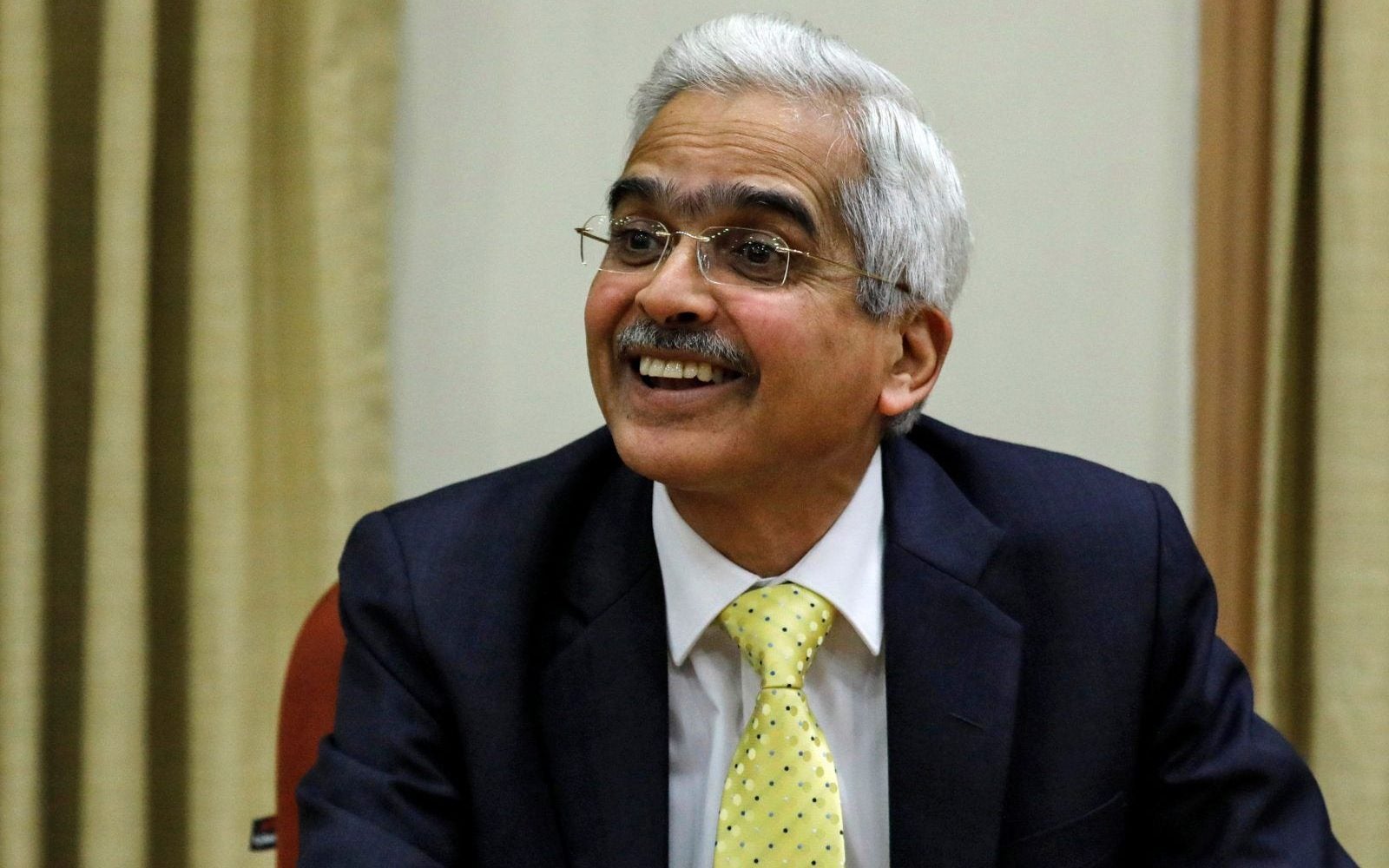
India’s central bank has decided to write an early cheque to the government to help prevent its budget shortfall from widening, even as it opens its coffers to fund pre-election sops.
India’s payment firms say their booming industry is already overcrowded and the central bank’s plan to bring in more players is unnecessary.

Want success on dating apps in India? Men, please study hard, and women, work on clicking a great selfie.
Most officials and investors in India’s second-largest public sector bank didn’t see it coming. But on Feb. 14 last year, the day’s monotony was broken by a notice that went up on the stock exchanges in the morning.
The heap of bad loans on the books of India’s state-owned banks has tarnished the entire sector for a while now.
The Indian banking system, already reeling under a pile of bad loans from the infrastructure and aviation sectors, is now faced with increased risks from the auto industry.
There seems to be a yawning gap between reality and perception in India.
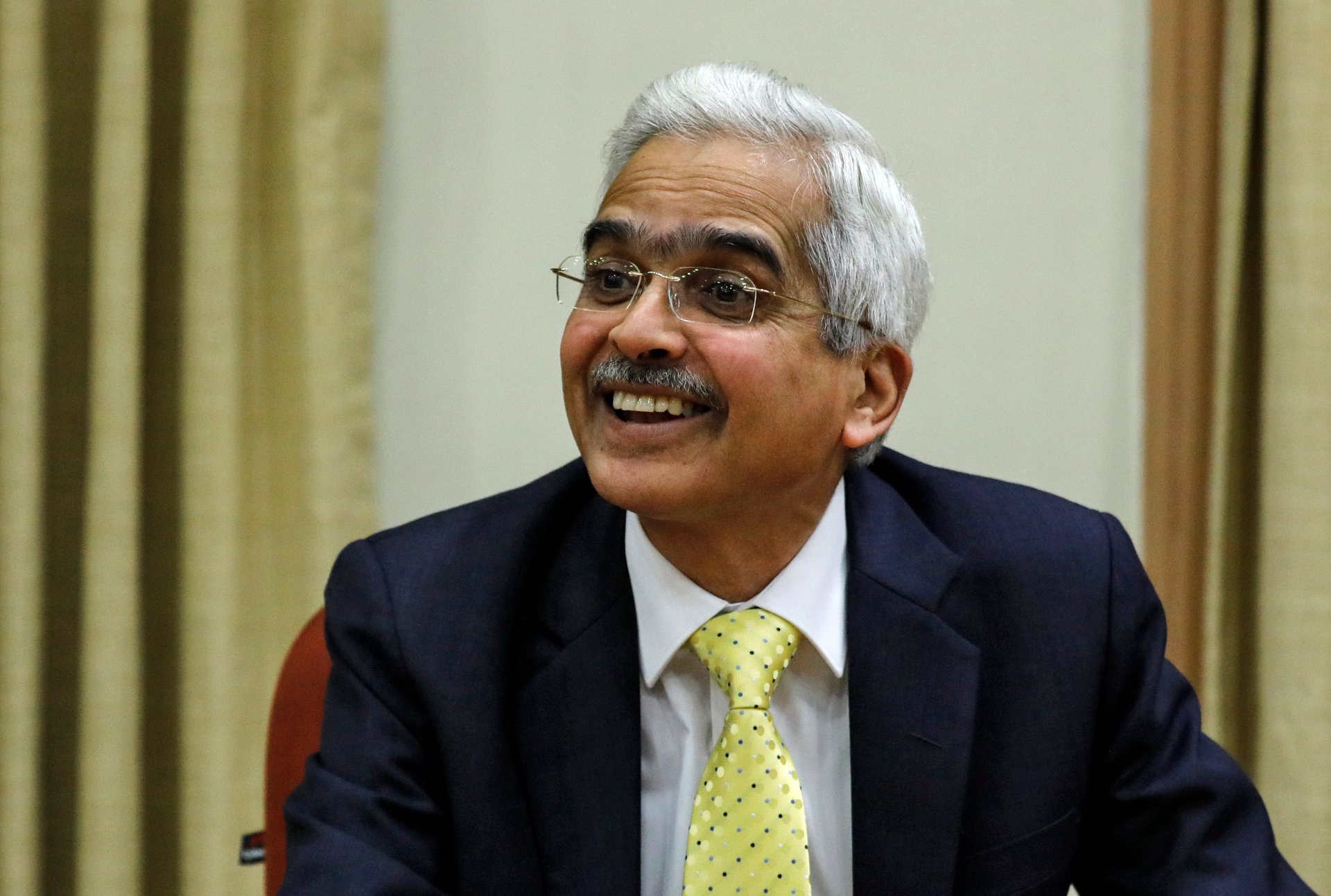
With a rate cut and a change in stance, Shaktikanta Das has managed to woo industries and investors in his maiden monetary policy announcement as the governor of India’s central bank.
As if the bad loan crisis at Indian banks wasn’t alarming enough, there is a ticking time bomb that can spark another crisis for the industry.
After a heady run, India’s mutual fund (MF) industry seems to have lost some steam.