
Money & Markets
A ray of hope for cryptocurrencies as India readies draft regulationsA cloud of uncertainty hangs over the legal status of cryptocurrencies in India.
Updated July 20, 20223 min read
A cloud of uncertainty hangs over the legal status of cryptocurrencies in India.
The Indian government may be one step closer to clearly spelling out its policy on cryptocurrencies.
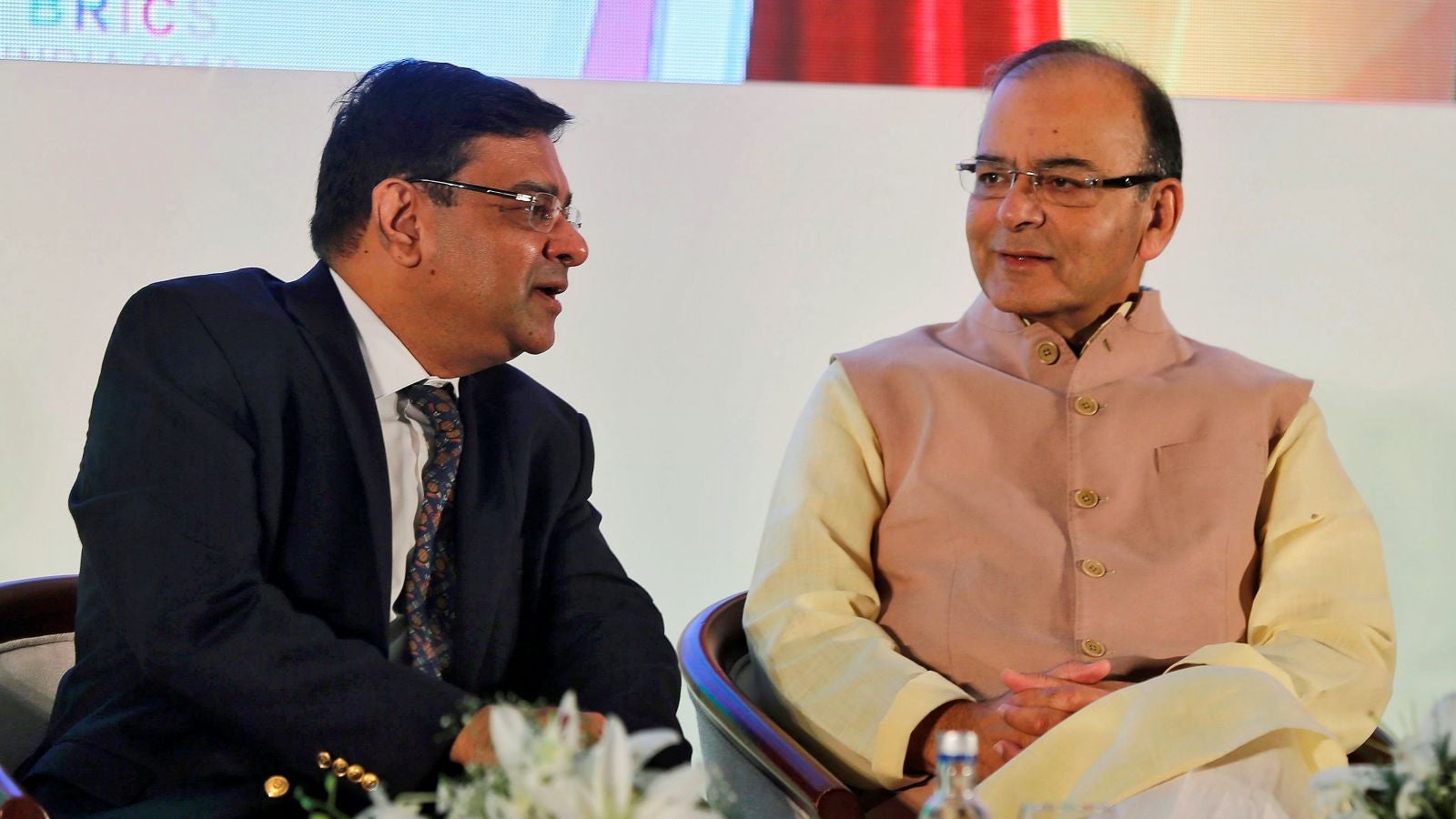
After weeks of open sparring, India’s central bank and the Narendra Modi government seem to have found middle ground.

The proliferation of digital wallets seems to have ended—and even reversed—in India.
The year-long slippery slope may have ended for the Indian rupee—at least for now.
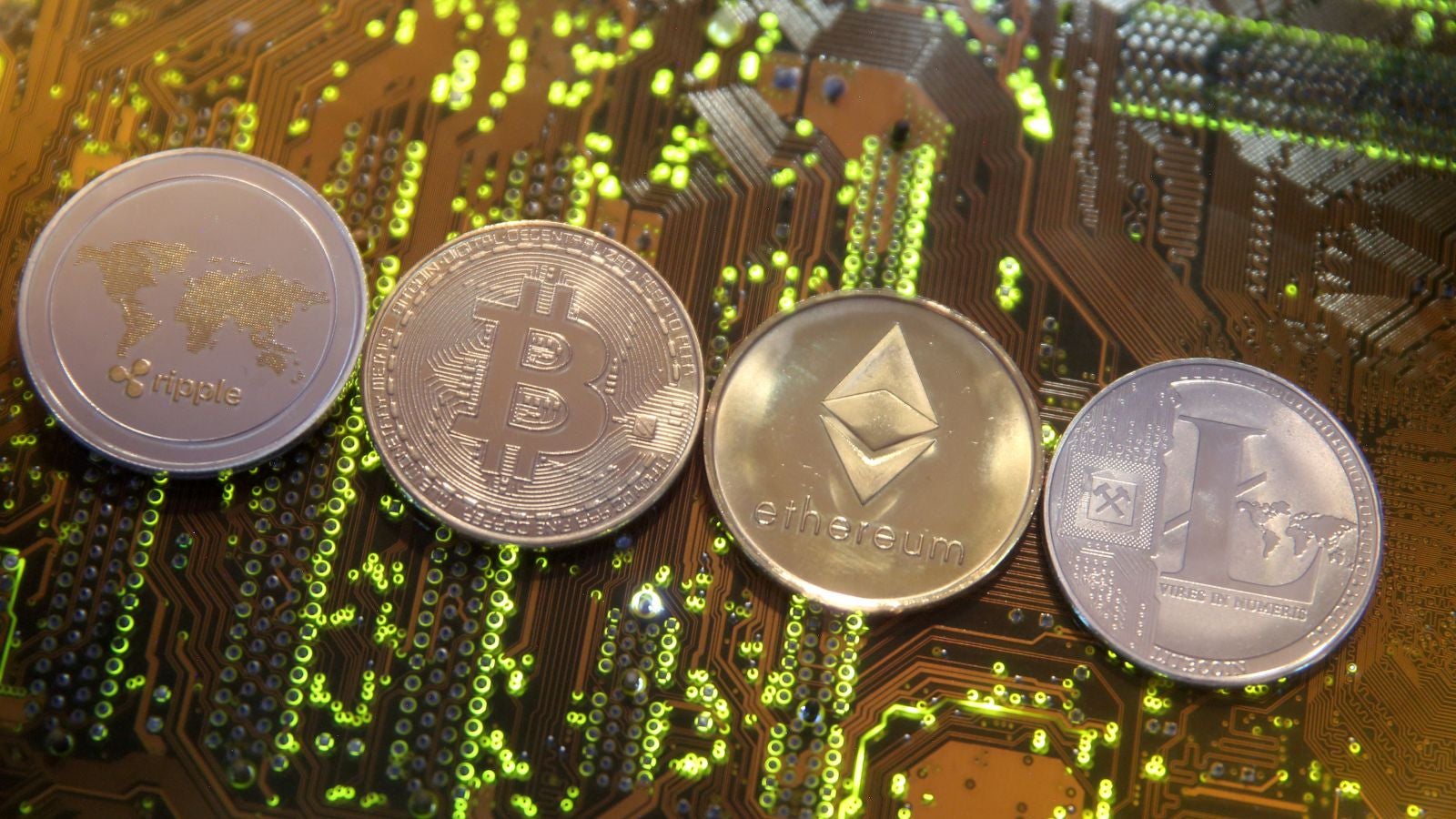
Plans are afoot in India to ban cryptocurrencies. While it is as yet unclear what exactly the government’s move against cryptocurrencies will be, what is clear is the fact that implementing it is going to be incredibly difficult.
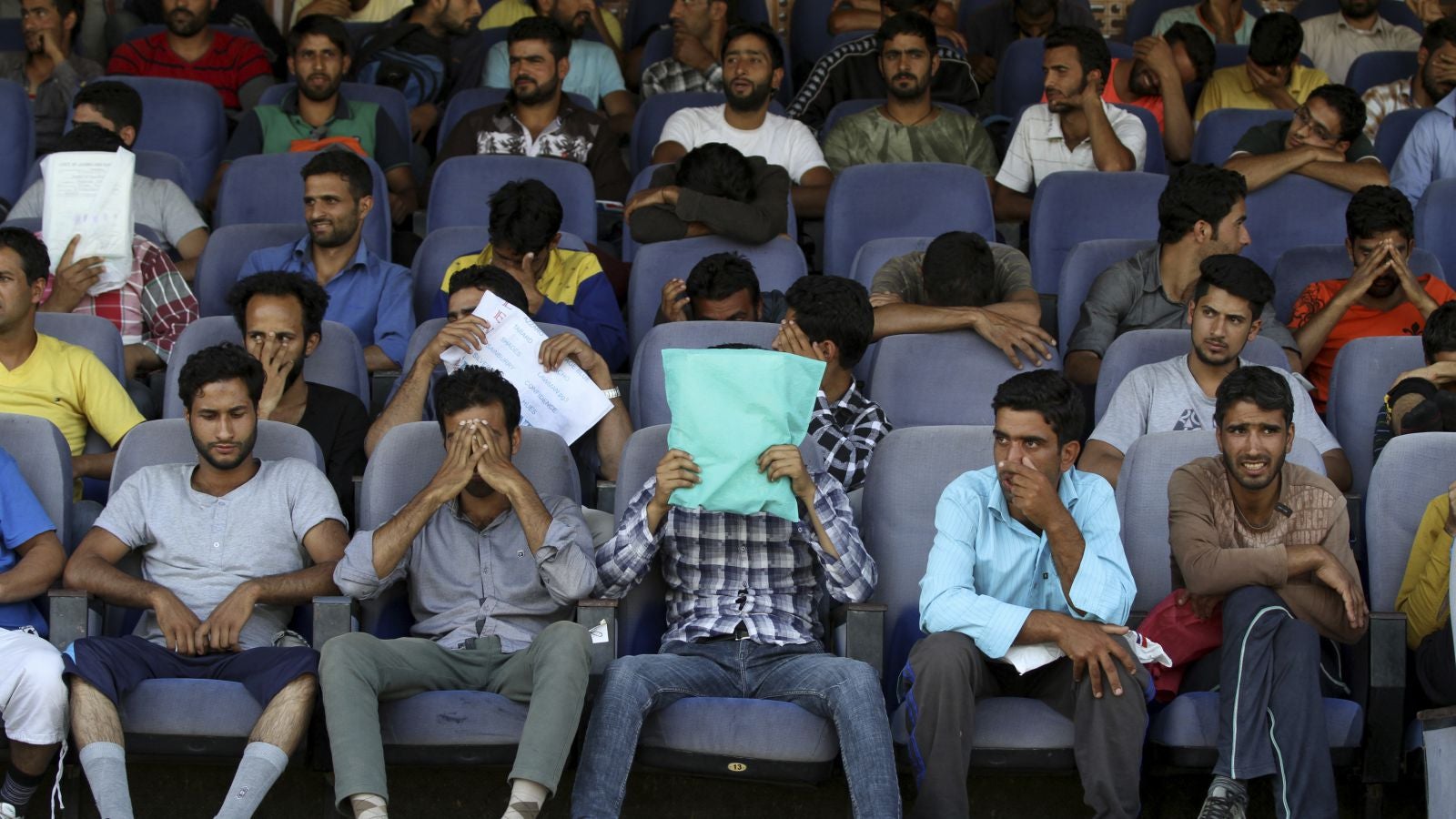
Two years since the Narendra Modi government derailed the Indian economy with the note ban, it is still limping, at least on the jobs front.

The Indian government mulling a blanket ban on cryptocurrencies has set off alarm bells in the ecosystem. For such a move could deal a body blow to an industry already struggling under tightening norms.
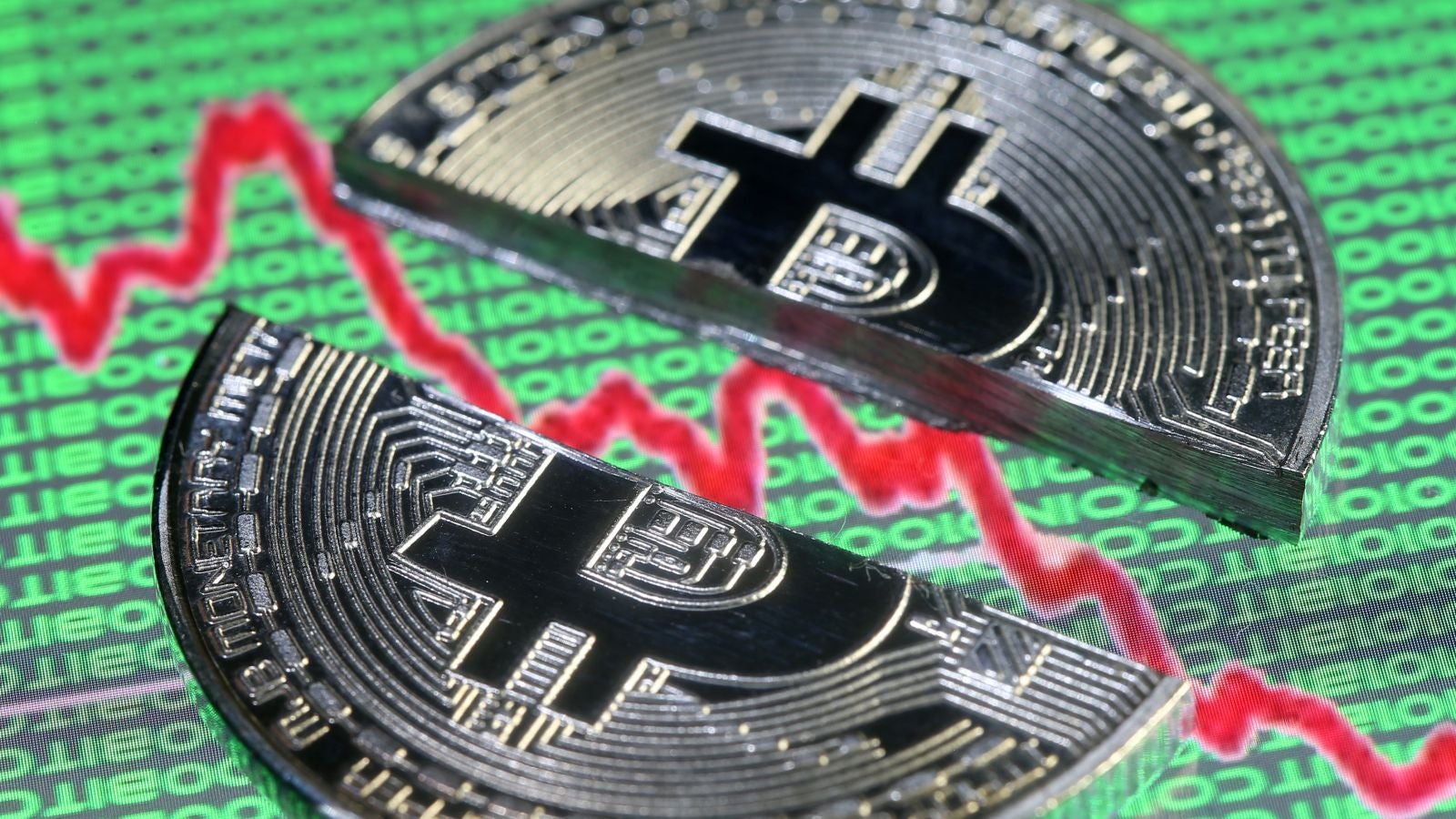
The Indian government may be considering a blanket ban on the use of bitcoin and other cryptocurrencies.
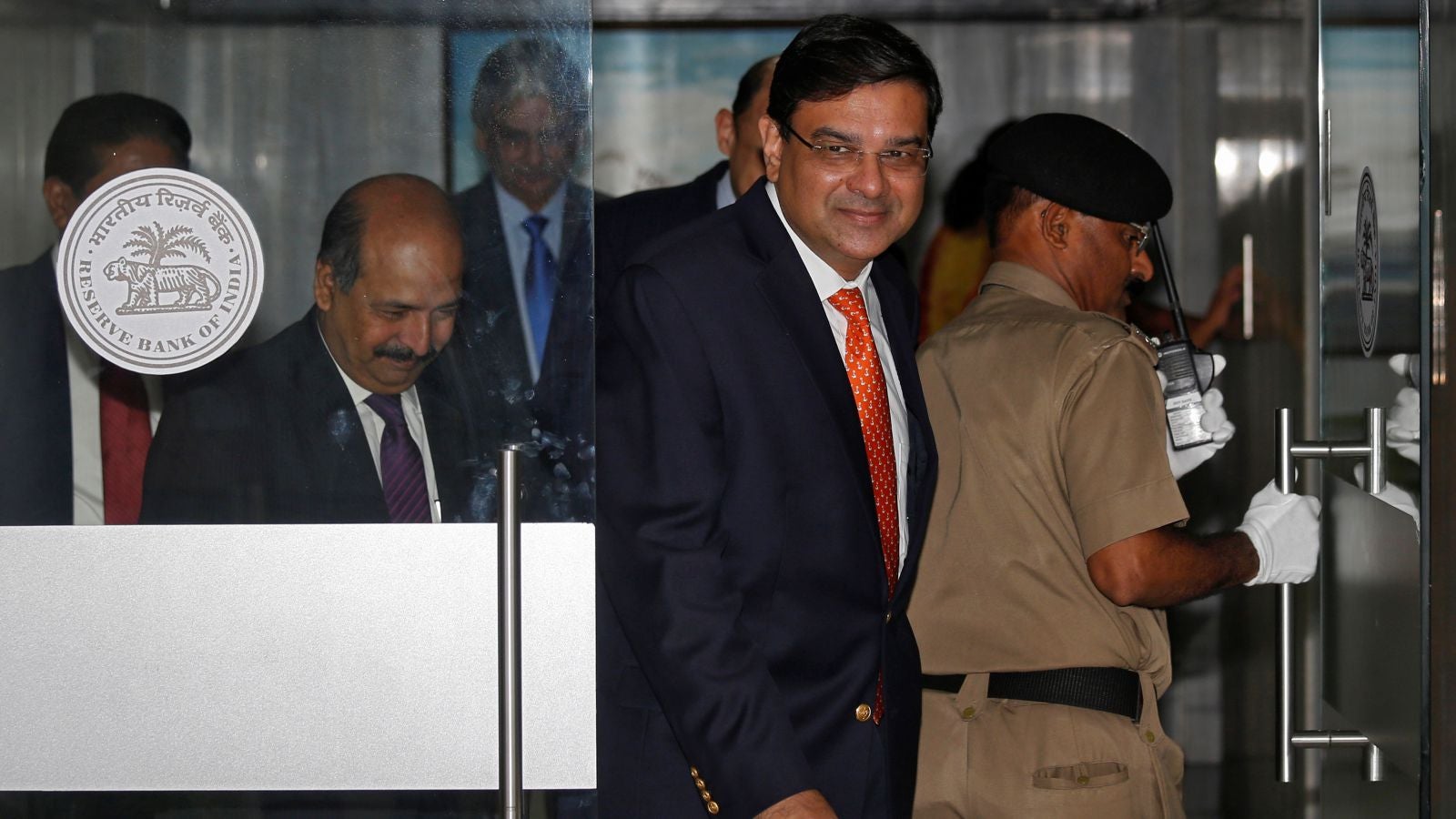
The ugly spat between India’s central bank and the Narendra Modi dispensation reached a crescendo today (Oct. 31). Rumours that Reserve Bank of India (RBI) governor Urjit Patel was quitting over the government’s encroaching upon the banking regulator’s autonomy peaked on social media.
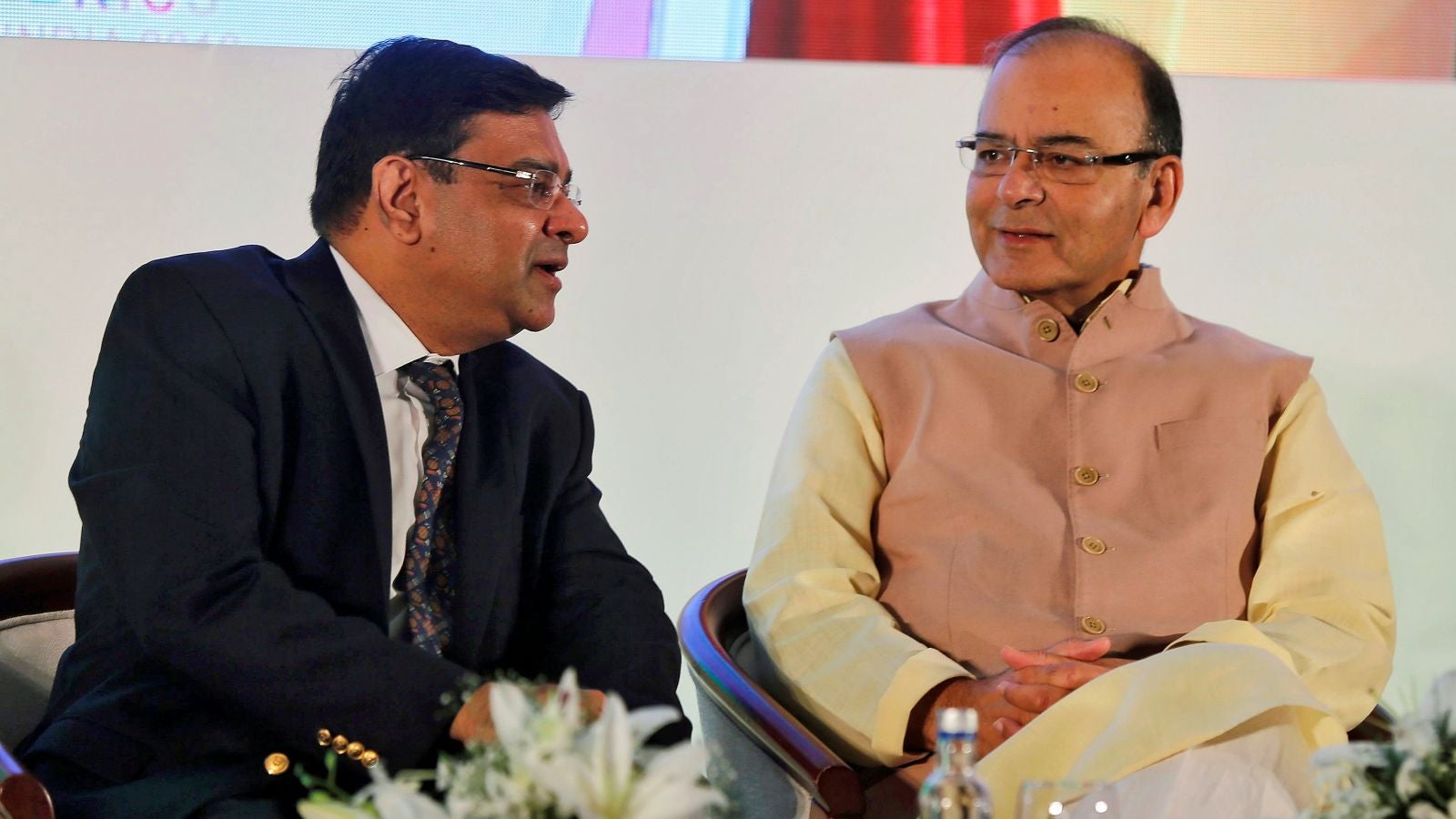
The fault lines between India’s central bank and its government have deepened and are now out in the open.

It was an ordinary Tuesday afternoon (Oct. 23) for Harish BV. The co-founder of the Indian virtual currency exchange, Unocoin, was fussing over the company’s new kiosk machine at Kemp Fort Mall in the southern city of Bengaluru.
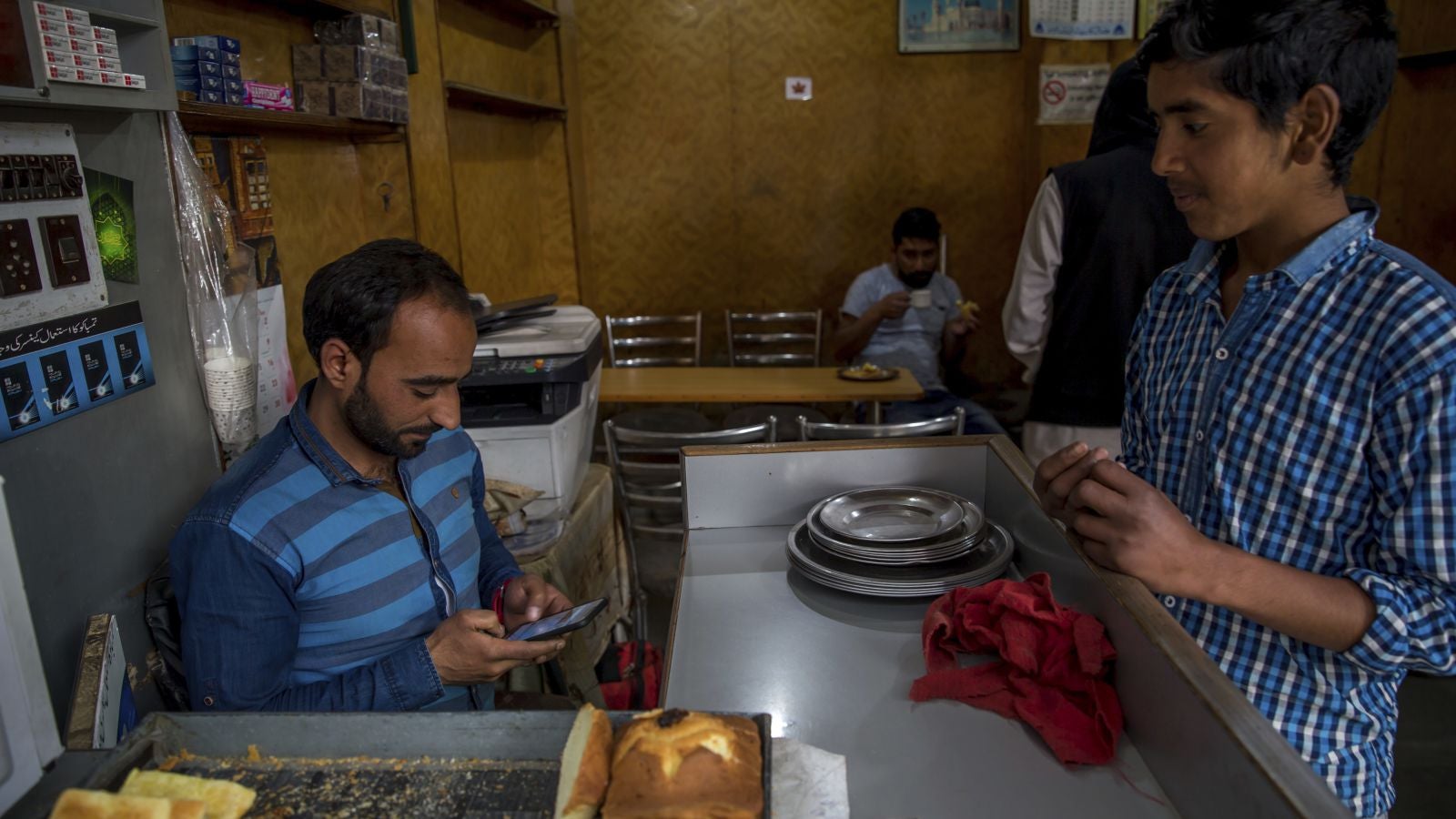
India’s payments ecosystem has not been kind to companies running digital wallets. Most firms, including market leader Paytm, have been struggling to turn profitable.
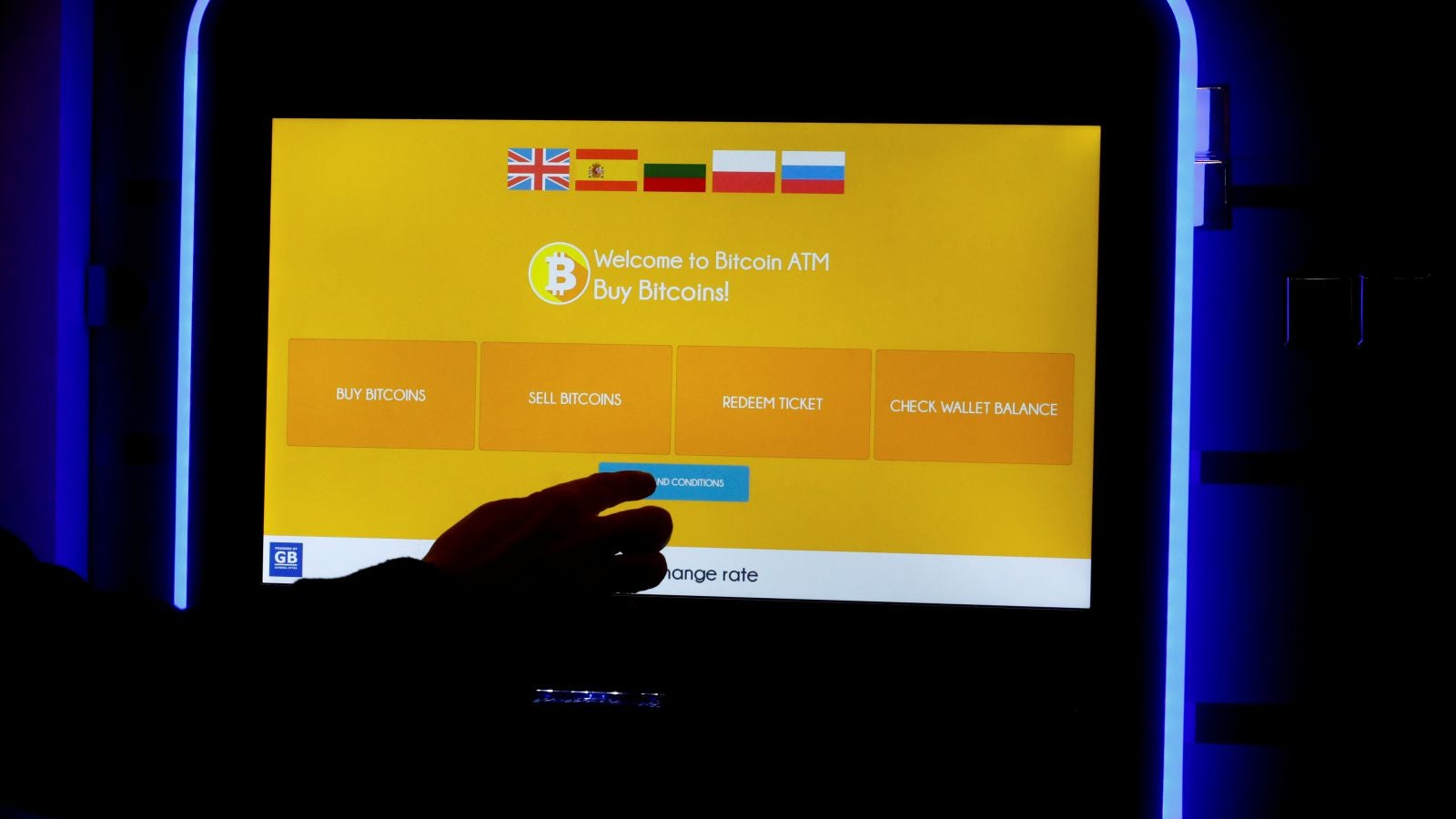
Life for India’s first cryptocurrency ATM has turned out to be short.
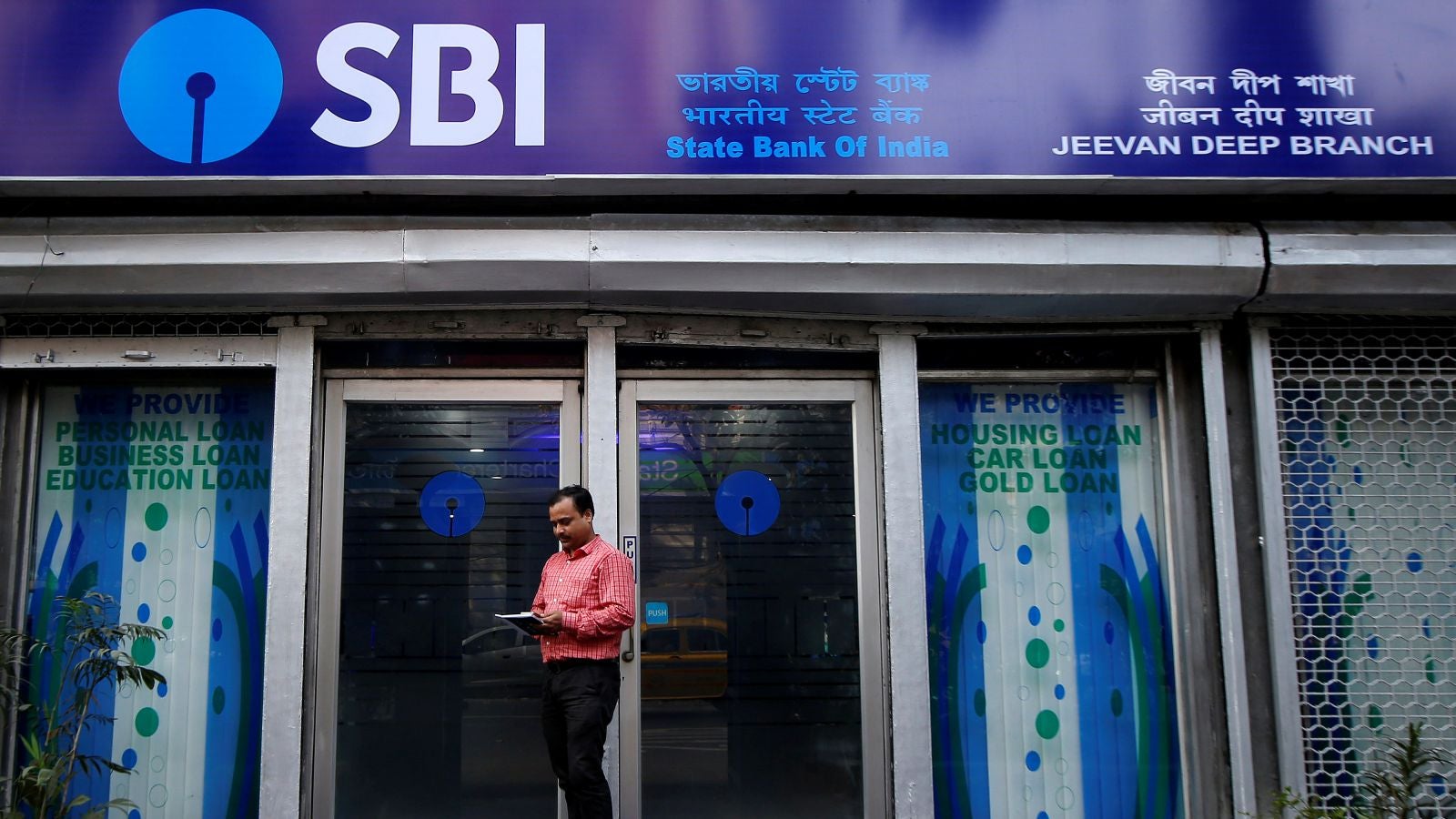
Adoption of digital banking has been frantically increasing in India and so have instances of fraud.
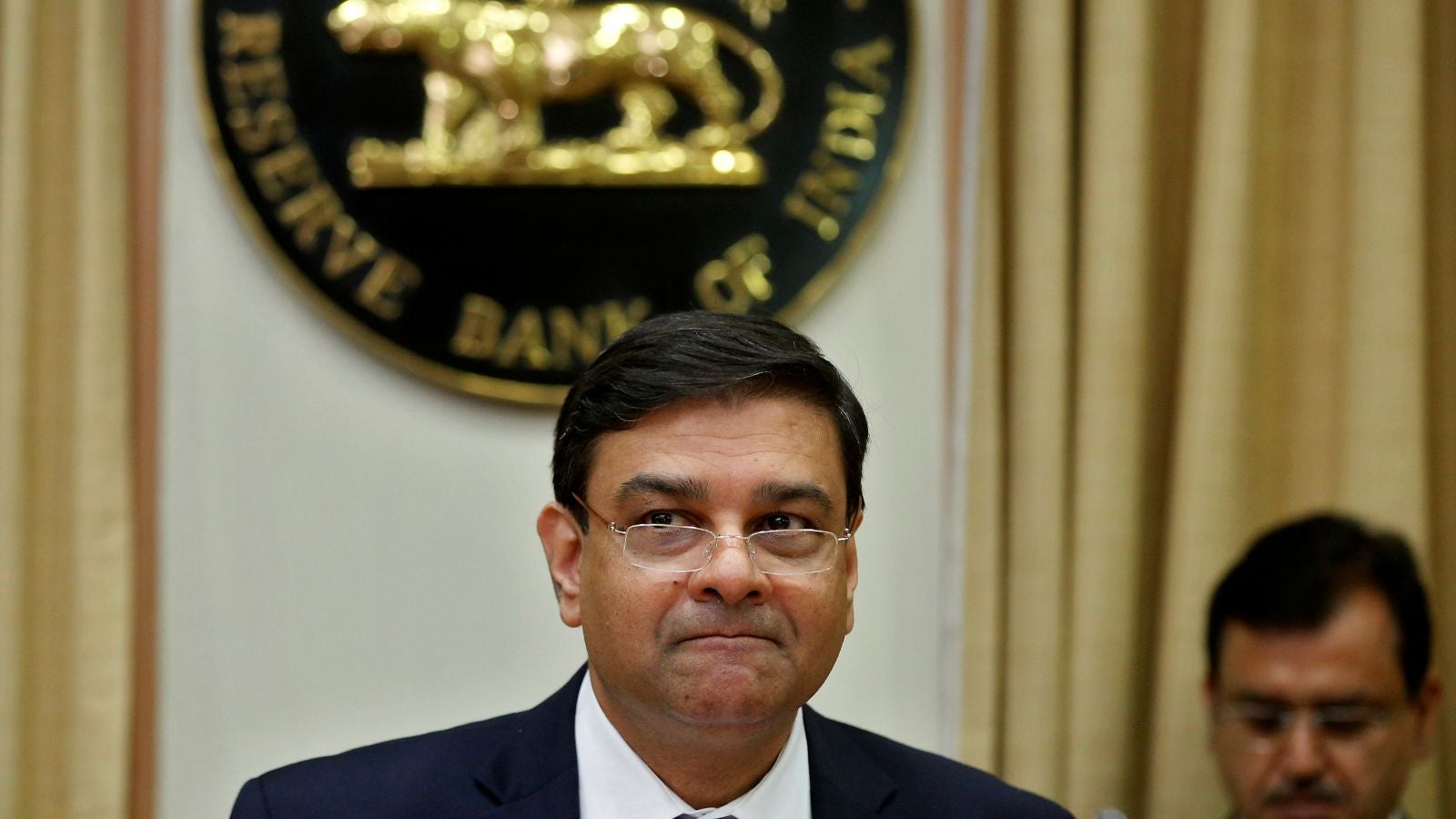
Who gets to govern India’s thriving payments ecosystem? The matter has become the latest bone of contention between the country’s central bank and prime minister Narendra Modi’s government.
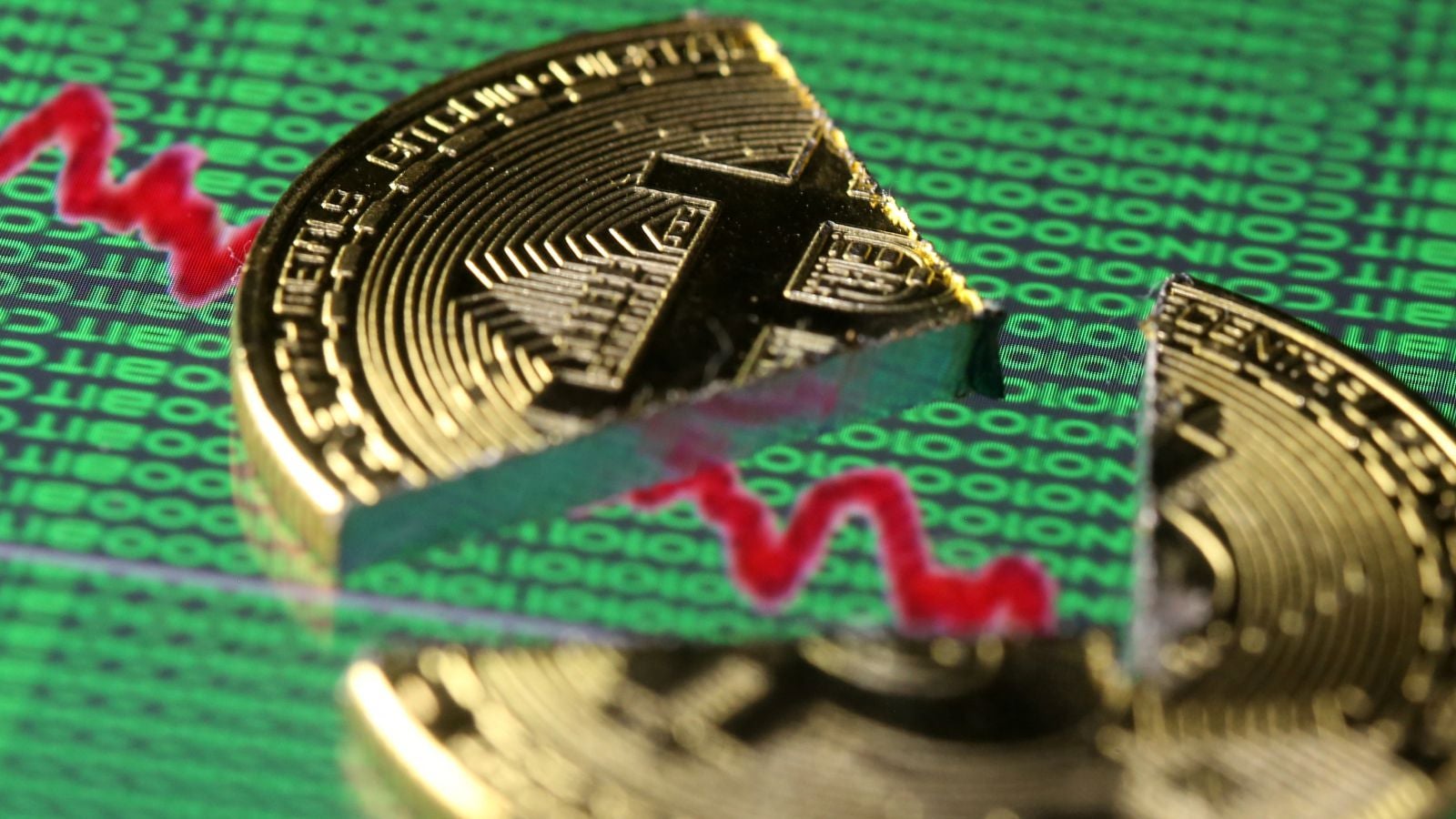
Tight regulatory supervision in India is forcing digital currency exchanges to leave the country for foreign shores.

A major pain point for Indian e-wallet users has been the inability to transfer money between two platforms. A Paytm user, for instance, cannot send cash to a MobiKwik user.
A new ATM in Bengaluru’s Kemp Fort Mall has become the latest face of the stand-off between India’s crypto-community and its banking regulator.
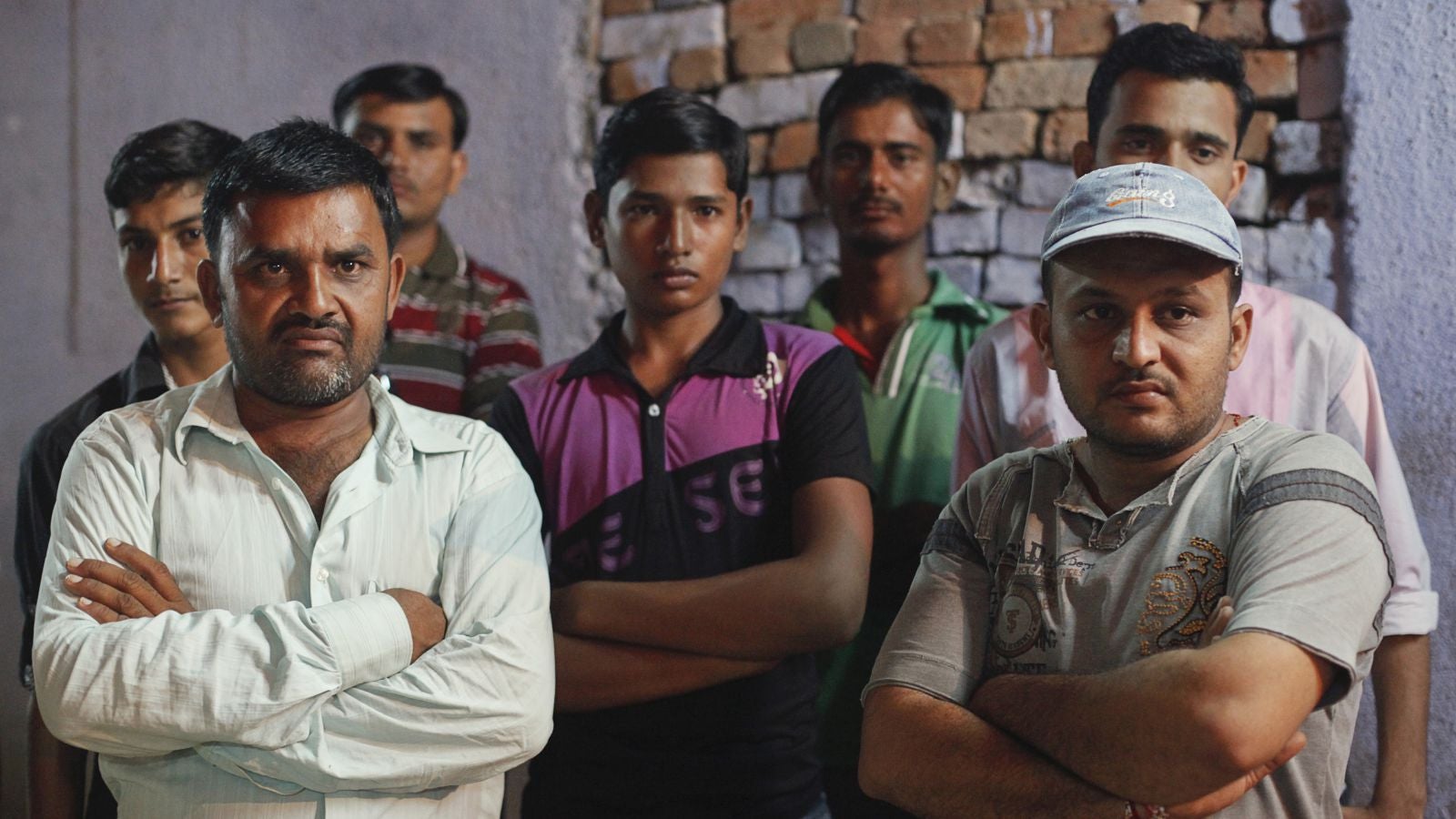
The #MeToo movement that is currently playing out in India is a cruel reminder of the difficulties that women face in their professional lives.
After blowing hot and cold on bitcoin, the Indian government is considering bringing out its own cryptocurrency.
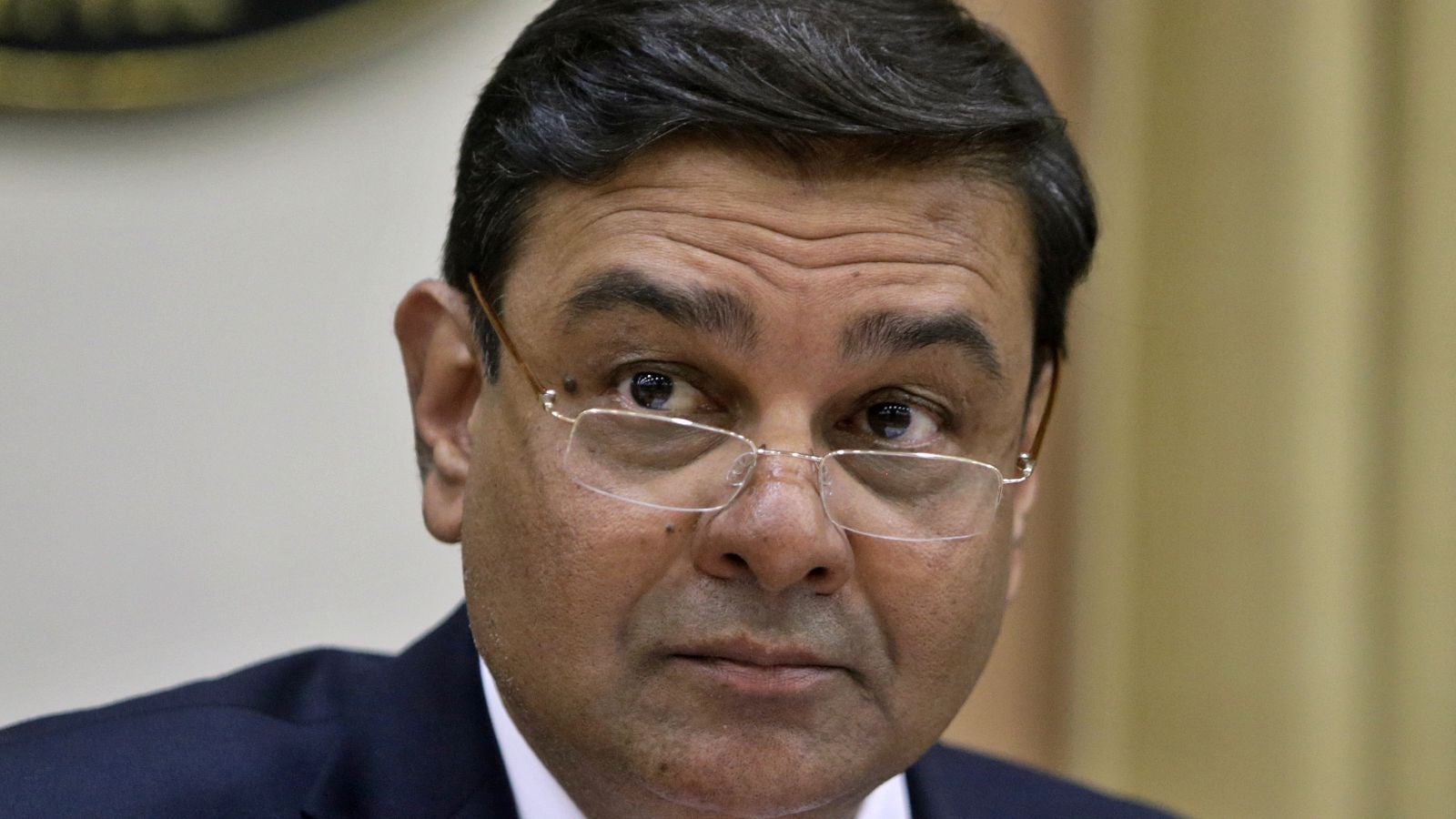
India’s central bank was widely expected to increase the benchmark interest rate today (Oct. 05), the third straight hike this financial year. A rate increase would have helped curb inflation fuelled by the rupee’s weakness and surging crude prices.
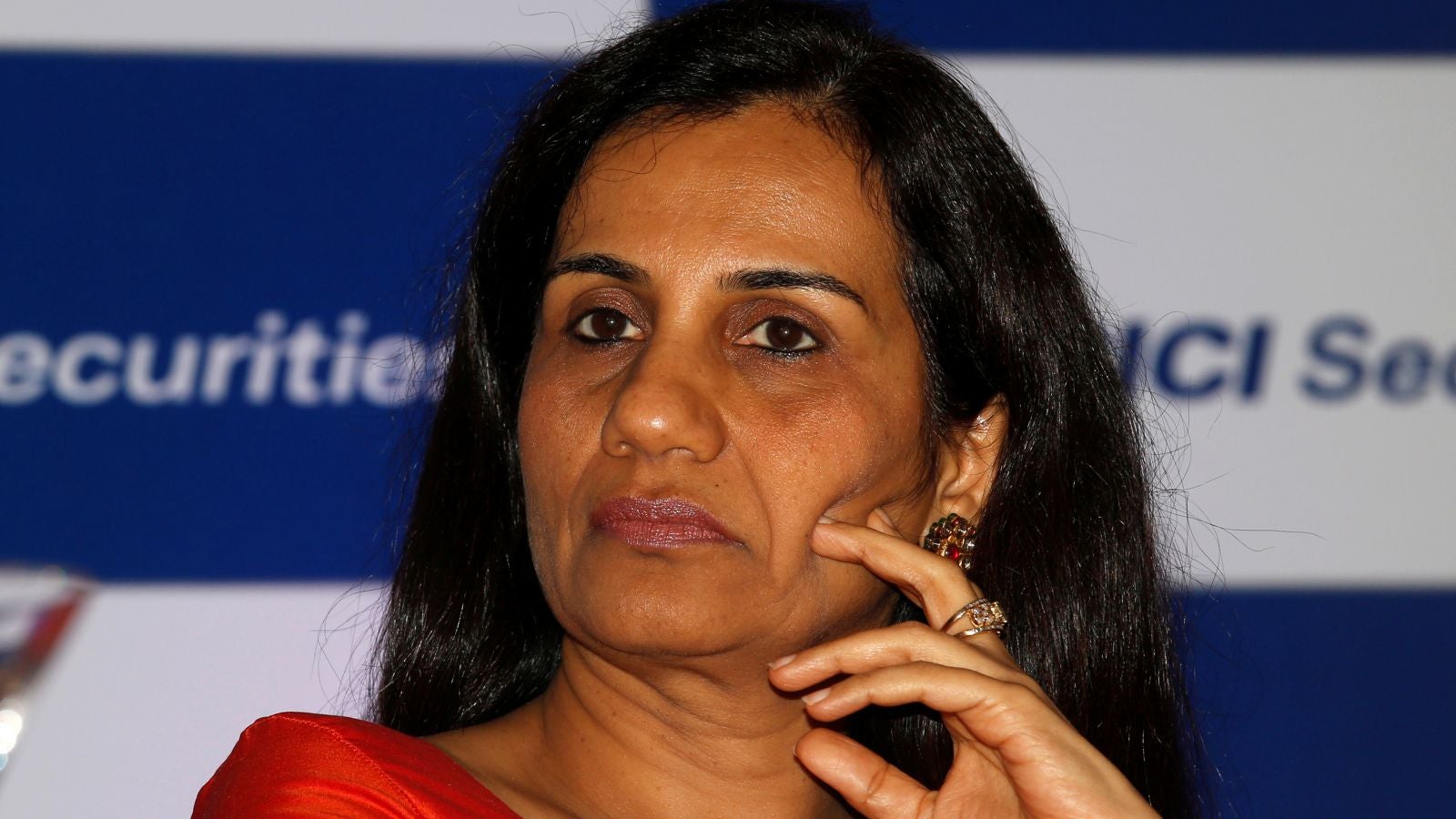
It has been a tumultuous year for Indian banking chieftains.
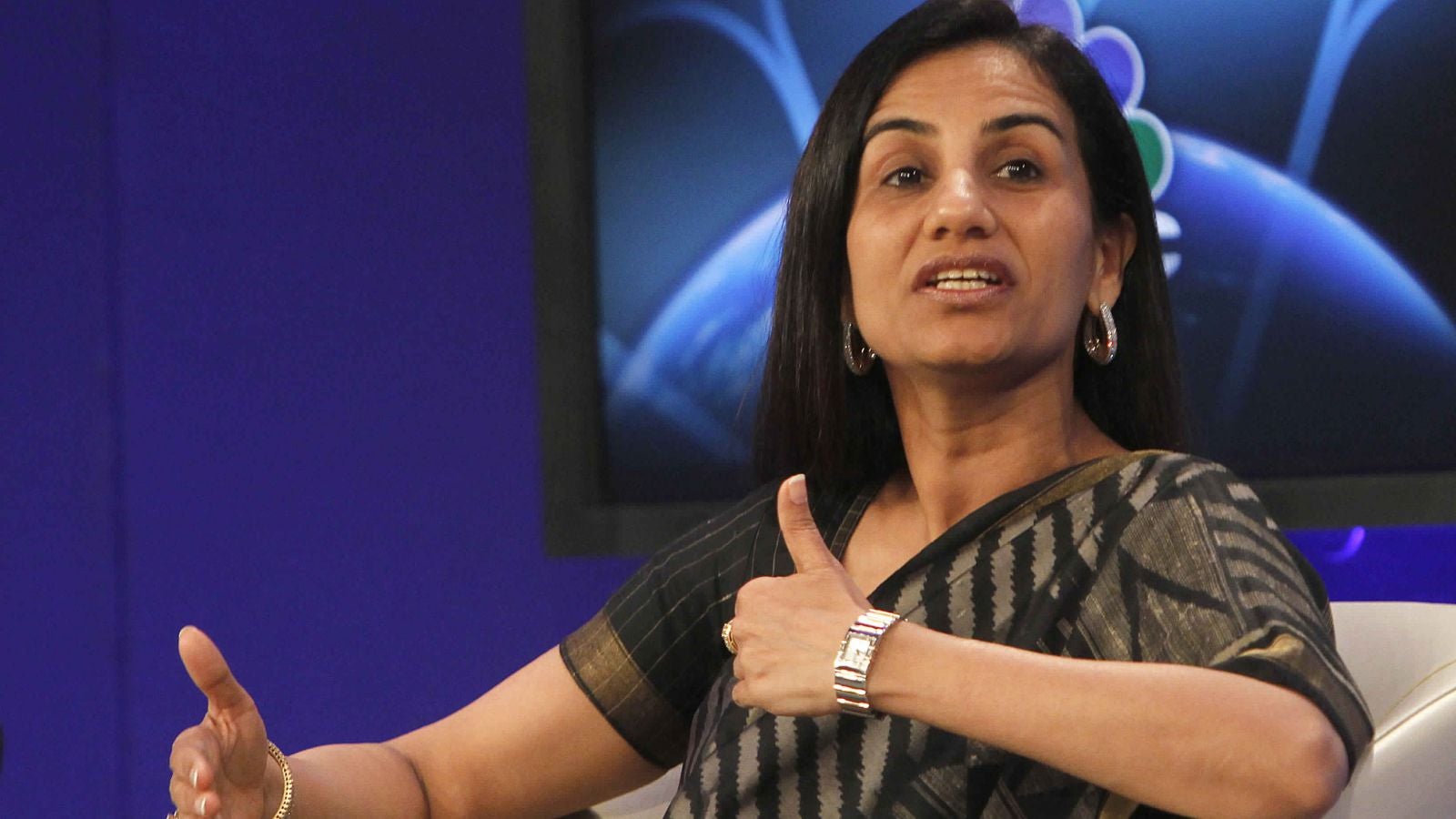
As the curtains fall on Chanda Kochhar’s career after nearly a decade at the helm at ICICI Bank, an era in Indian banking has ended.