

Business News
Quartz Daily Brief—Asia edition—UK economic check-in, new Google products, robotic farm workersGood morning, Quartz readers!
Updated July 21, 20224 min read
Good morning, Quartz readers!
What to watch for today
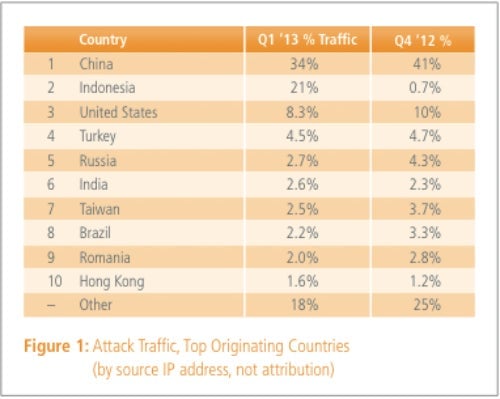
In the last quarter of 2012, Indonesia was nowhere to be seen on any list of countries from which cyber attacks originated. It accounted for 0.7% of all attacks, according to a quarterly “state of the internet” report from Akamai, a cloud-computing and online content-delivery business.
What to watch for
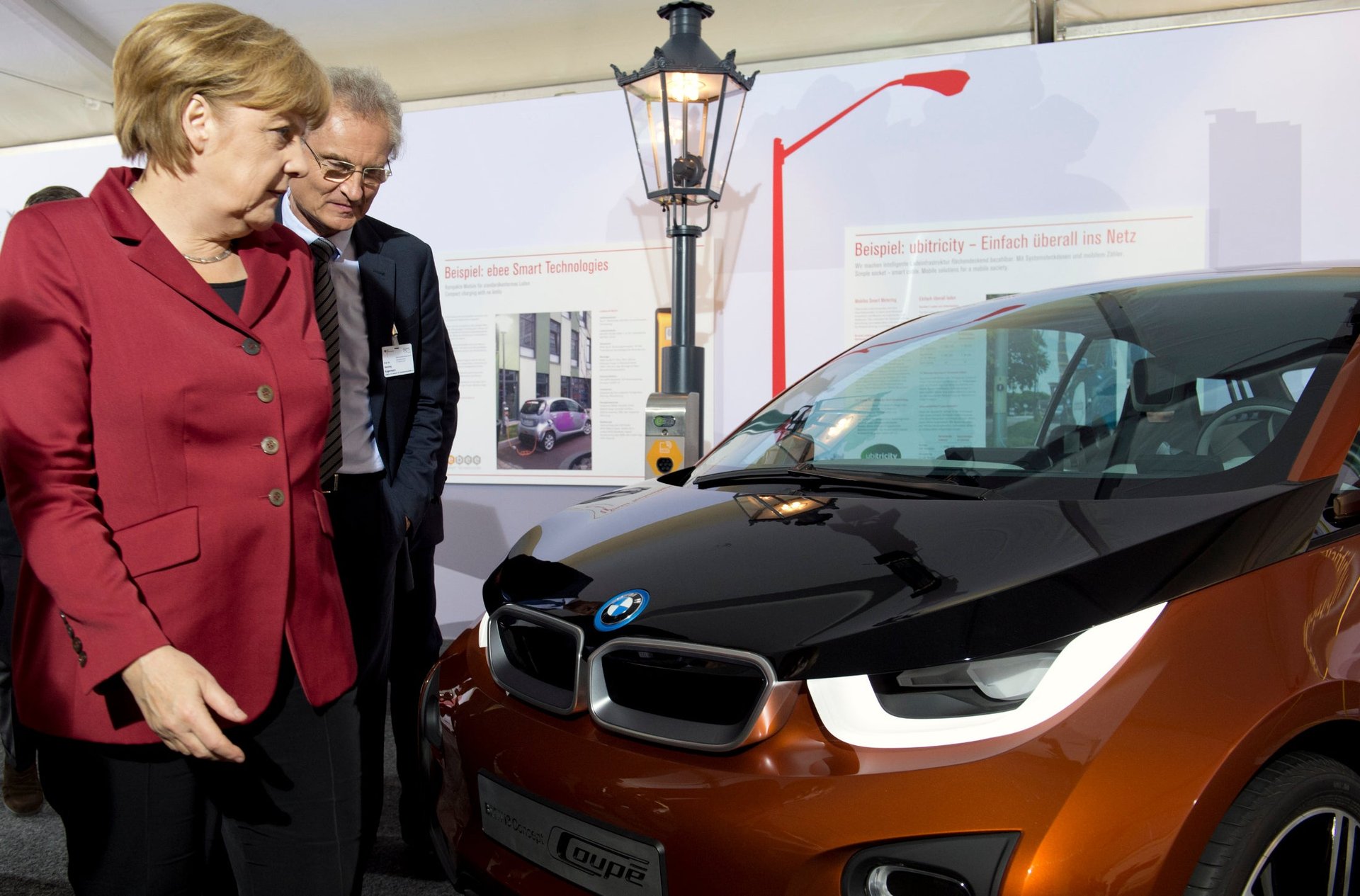
BMW takes pride in positioning itself as an elite luxury vehicle, except in the realm of electrics. The company has entered the electric car market with its i3 four-seater city car, which boasts a lower-than-expected price tag that is sure to rattle competitors Tesla and Nissan.

For international retailers who have committed more than $250 million to improve factory workers’ safety in Bangladesh, the conditions in Cambodia should give them pause.
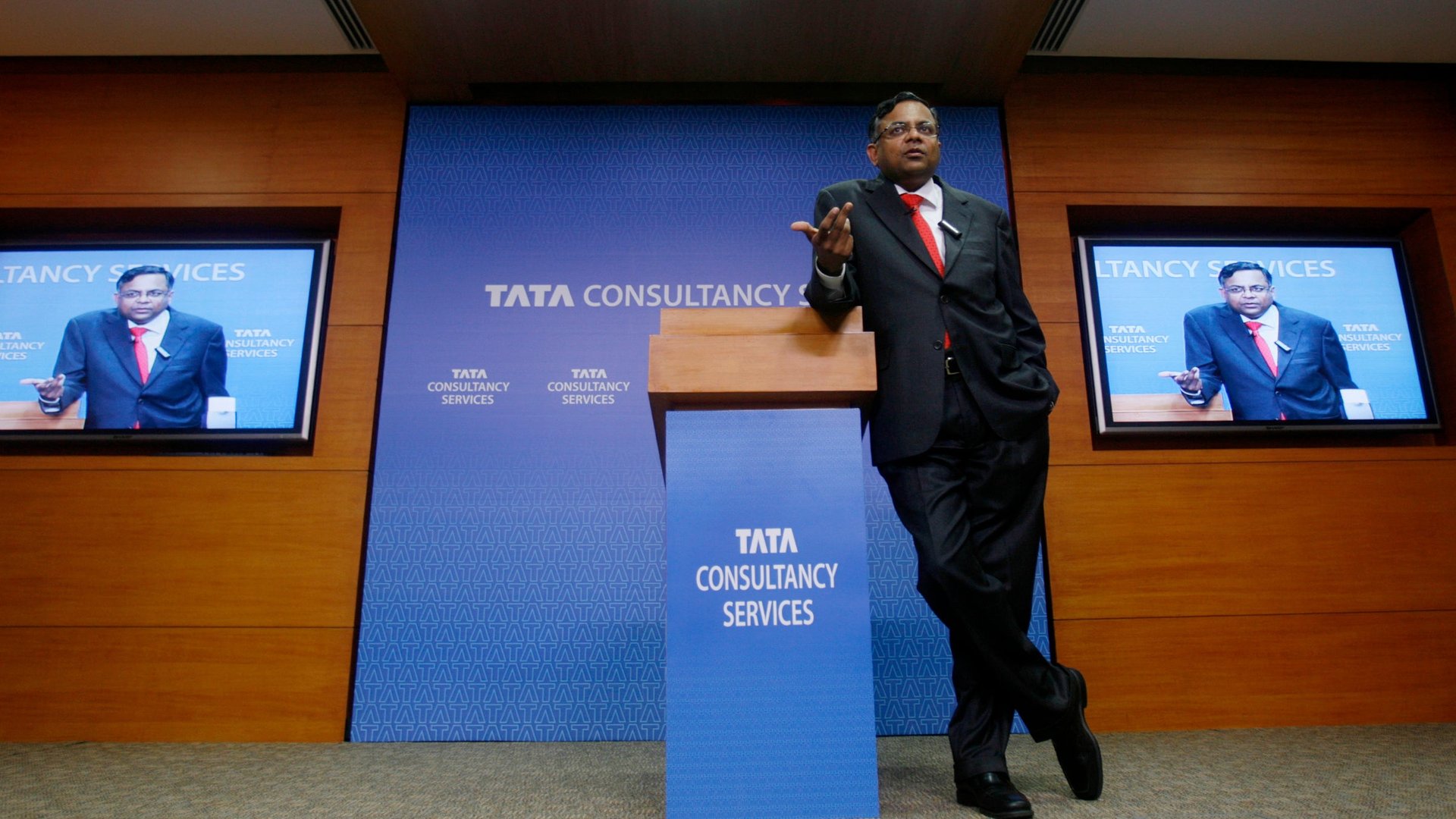
The numbers. Good. Consolidated profits at India’s largest computer services exporter Tata Consultancy Services rose 16% to 38 billion rupees ($637 million) for the quarter that ended June 30, compared to the prior year. Sales jumped 21% to 179.9 billion rupees, thanks, in part, to the weakening rupee, which makes sales notched in other currencies larger in rupee terms. Results were released after the close of trading in India, but the stock has rallied over 32% this year, compared to the modest 3.6% gain for India’s benchmark index.

India’s hopes of attracting foreign investments has taken a $14 billion hit.
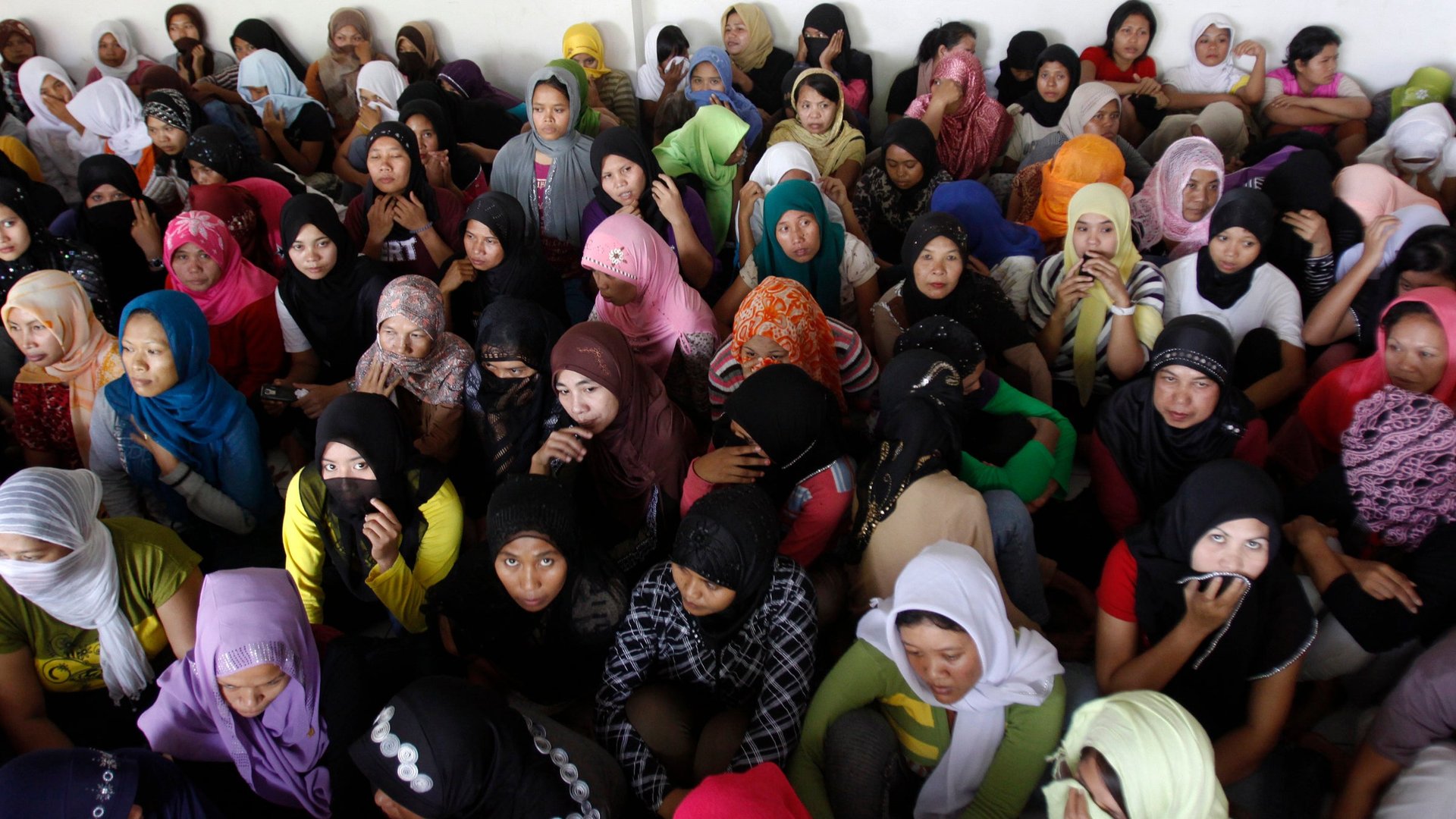
For many people around the world, new rules to protect rights of migrant domestic workers in Saudi Arabia may seem about as basic as human rights come.
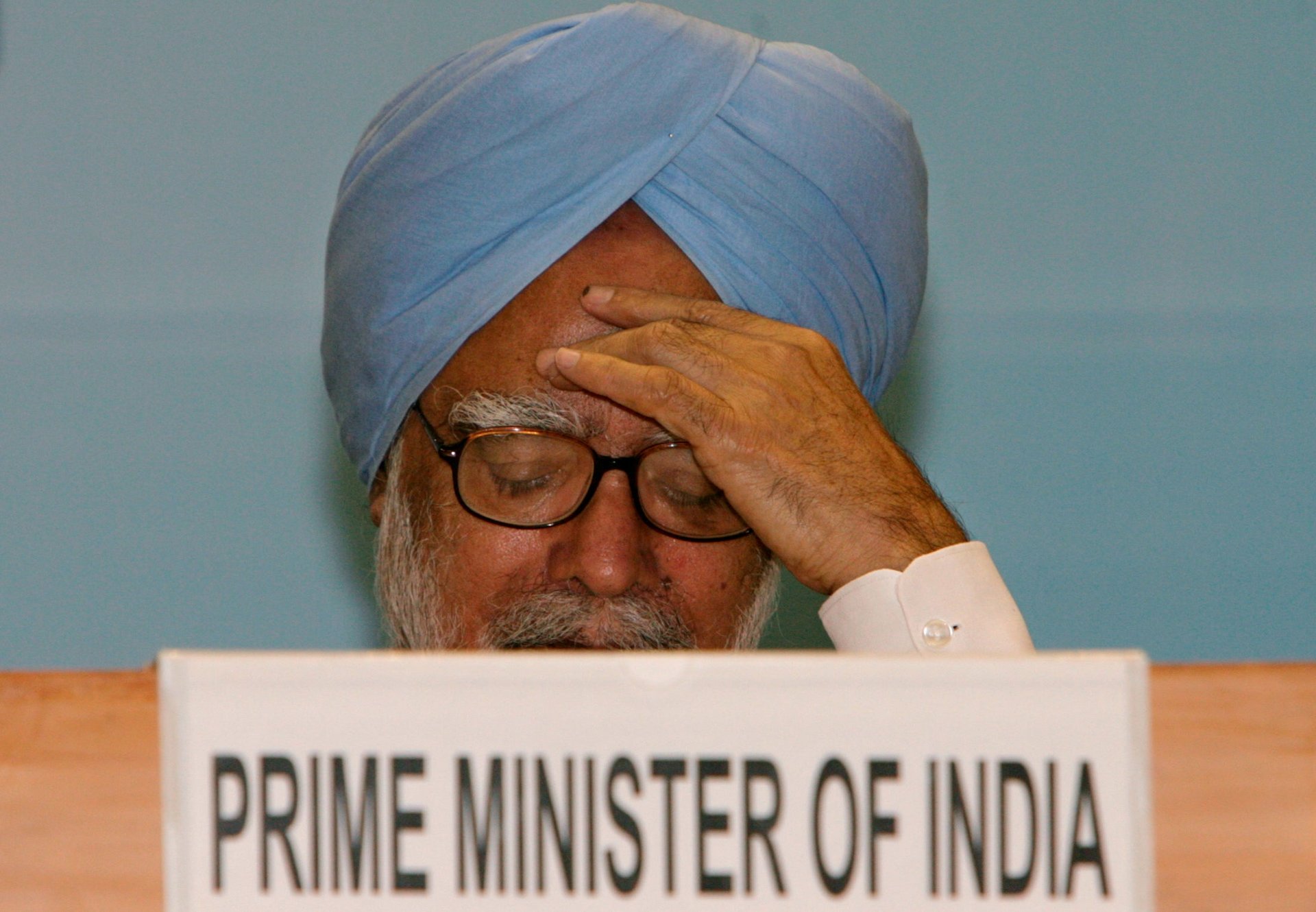
Faced with a slowing economy, a falling currency, and a worrying current account deficit, India’s government has proposed easing foreign investment limits in sectors like telecoms and insurance, and reducing red tape in others like defense, oil refining, and stock and commodity exchanges. However, these measures are unlikely to have a major impact on India’s attractiveness as an investment destination. Here’s why:
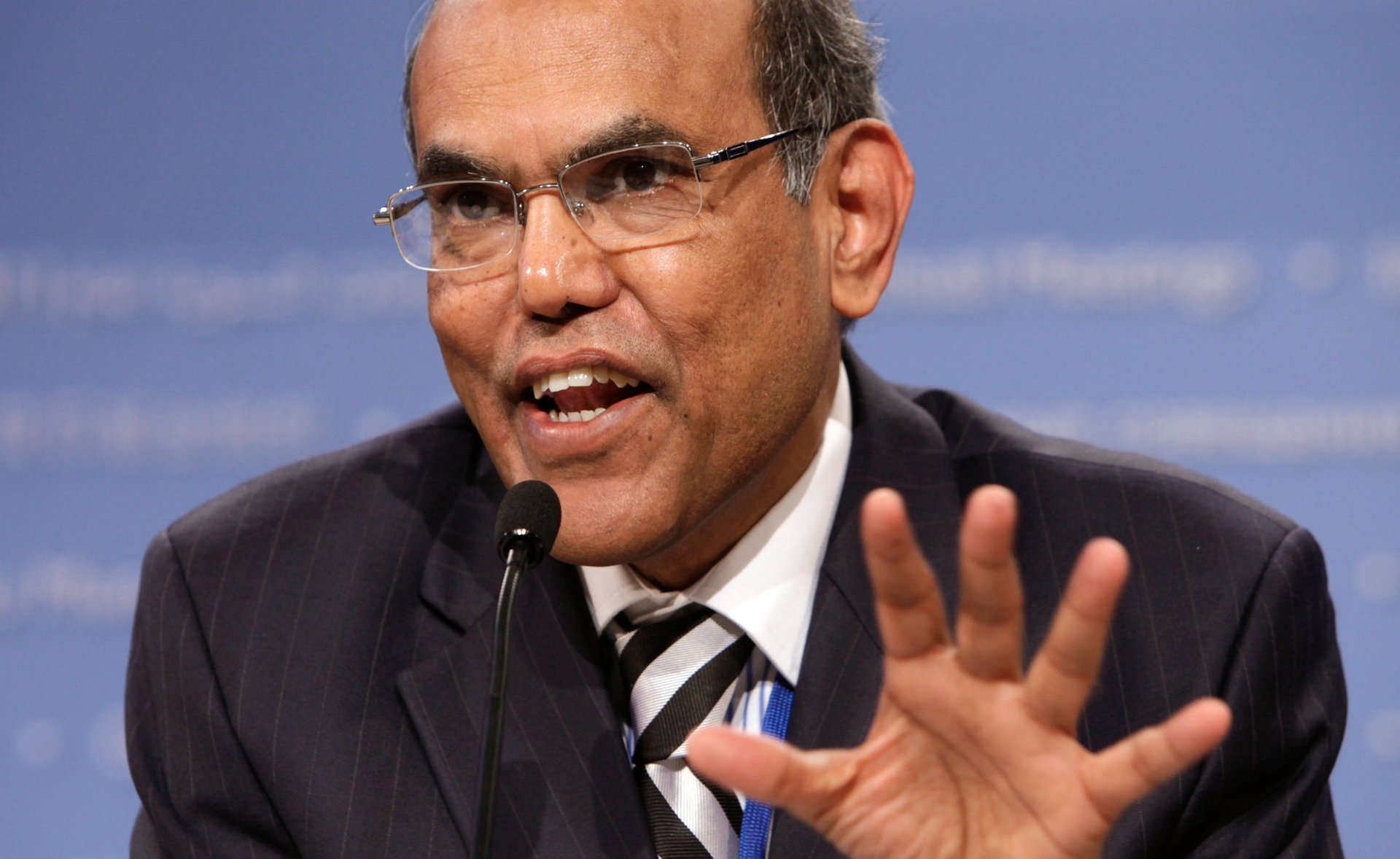
The Indian central bank is running out of levers to pull to stabilize the falling rupee and the Indian economy.

The price of mobile data in India is plummeting.

Gone are the days when setting up an automaking plant in South Korea was a no brainer.
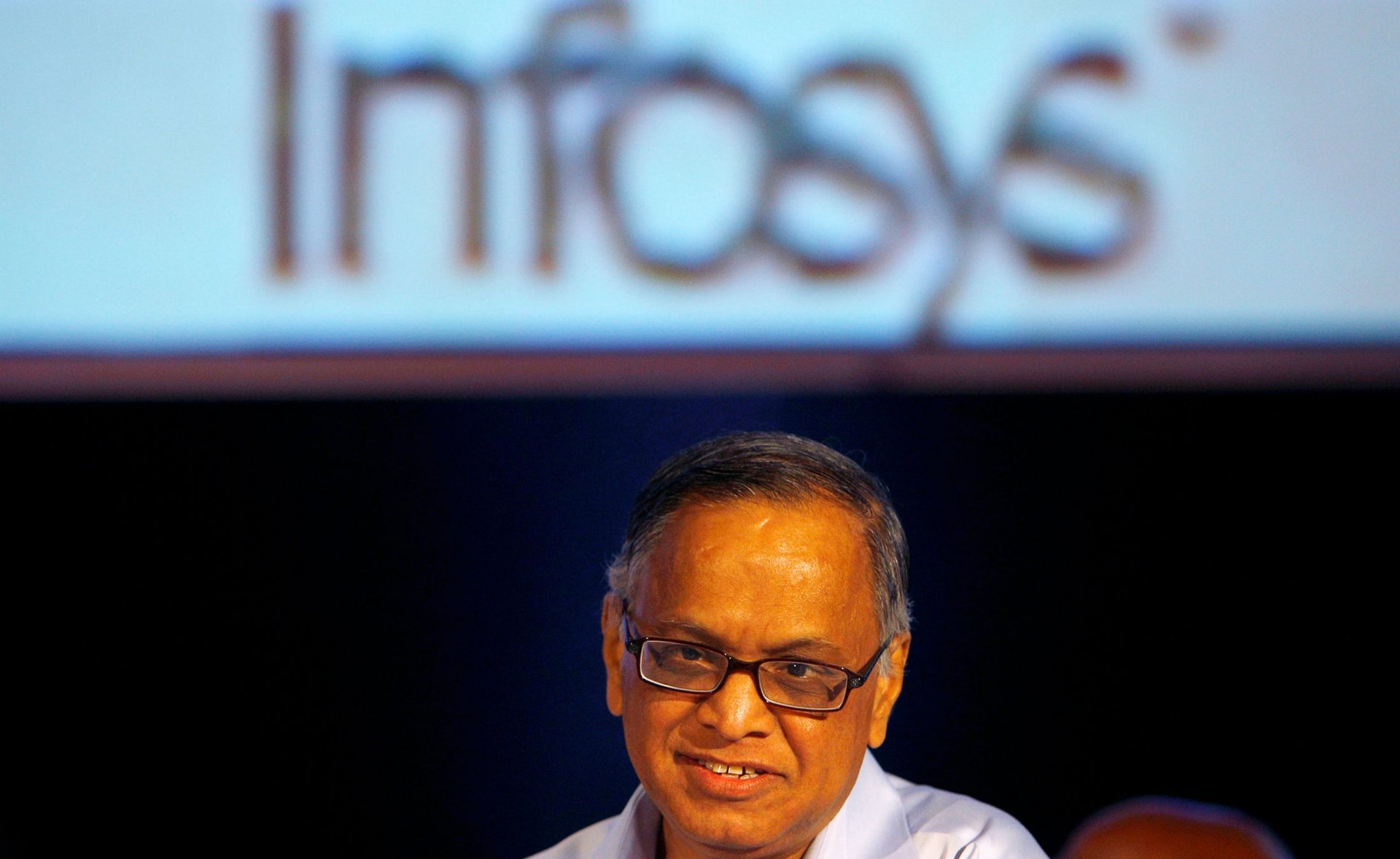
The numbers: Good. India’s second largest software exporter Infosys reported a net profit of 23.7 billion rupees (roughly $396 million) for the three months ending June 30, up 3.7% from the same period one year ago. The company’s sales were better than expected, rising 17.2% to 112.7 billion rupees, aided by the Indian rupee’s 8.6% decline in the April-June period. Infosys maintained full-year revenue guidance at 6-10%, defying expectations that it would cut its target in the face of growing competition and uncertain growth. The stock rallied as much as 15% after the results before closing with an 11% gain.
What to watch for today
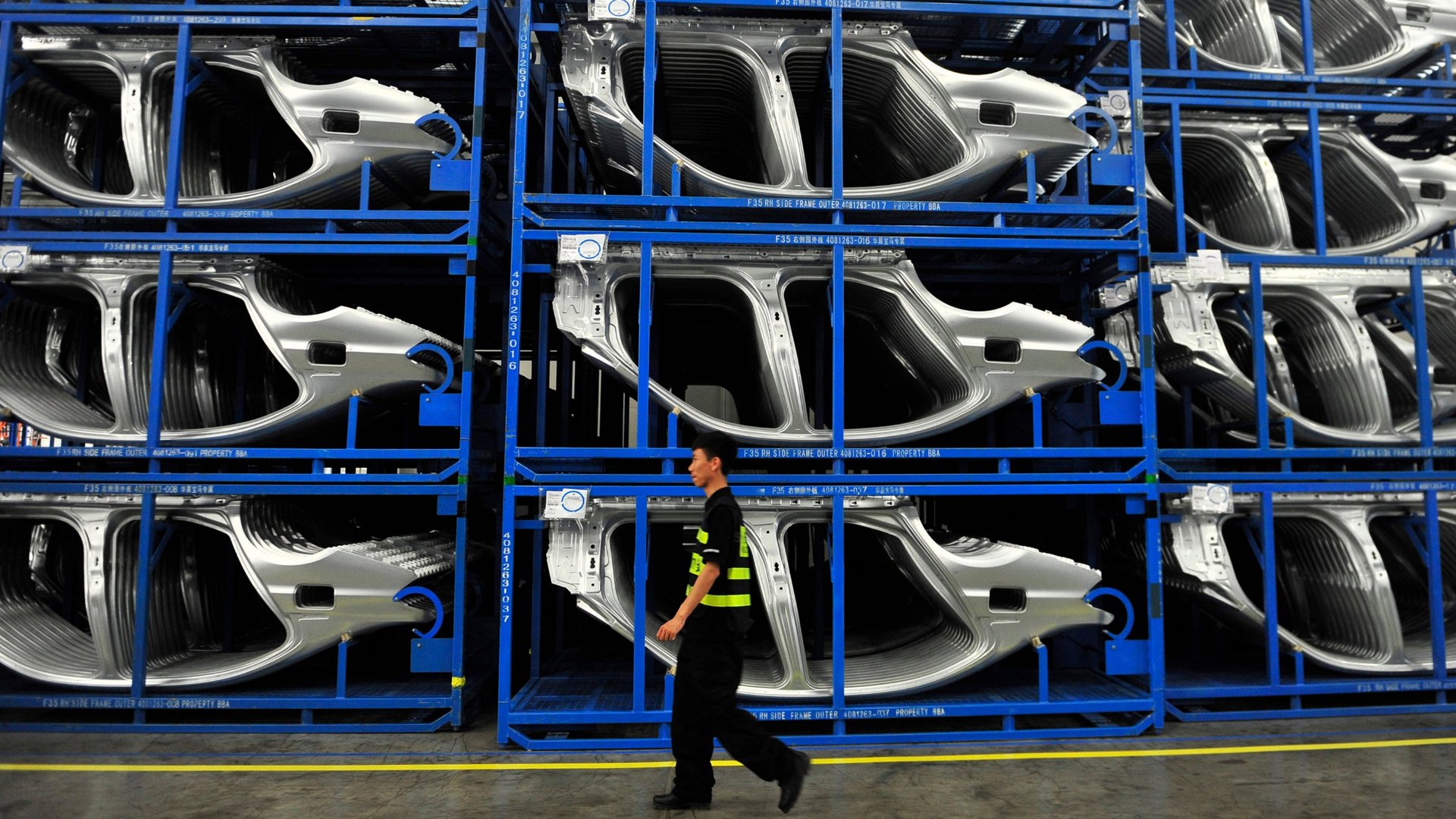
Chinese automakers, stung by over capacity and intense competition in the home market, have a new headache: a slowdown in exports.

Record inflows of foreign capital, and the UAE’s and Qatar’s elevation to “emerging market” status, can’t seem to breathe life into the Middle East’s primary markets. In the second quarter of 2013, only three companies issued shares on Gulf exchanges, to raise a total of just $48 million, according to PricewaterhouseCoopers (PwC). In the same quarter of 2012 there were only four issues but they were much bigger, mopping up over $1.1 billion.

Flipkart is building a war chest to fend off global giants like Amazon and eBay. India’s leading online retailer raised $200 million from four of its existing investors, in one of the largest fund raising exercises ever by an Indian e-commerce company. The deal values Flipkart at $1.5 billion and takes the total investment in the company to over $380 million, according to the Times of India.
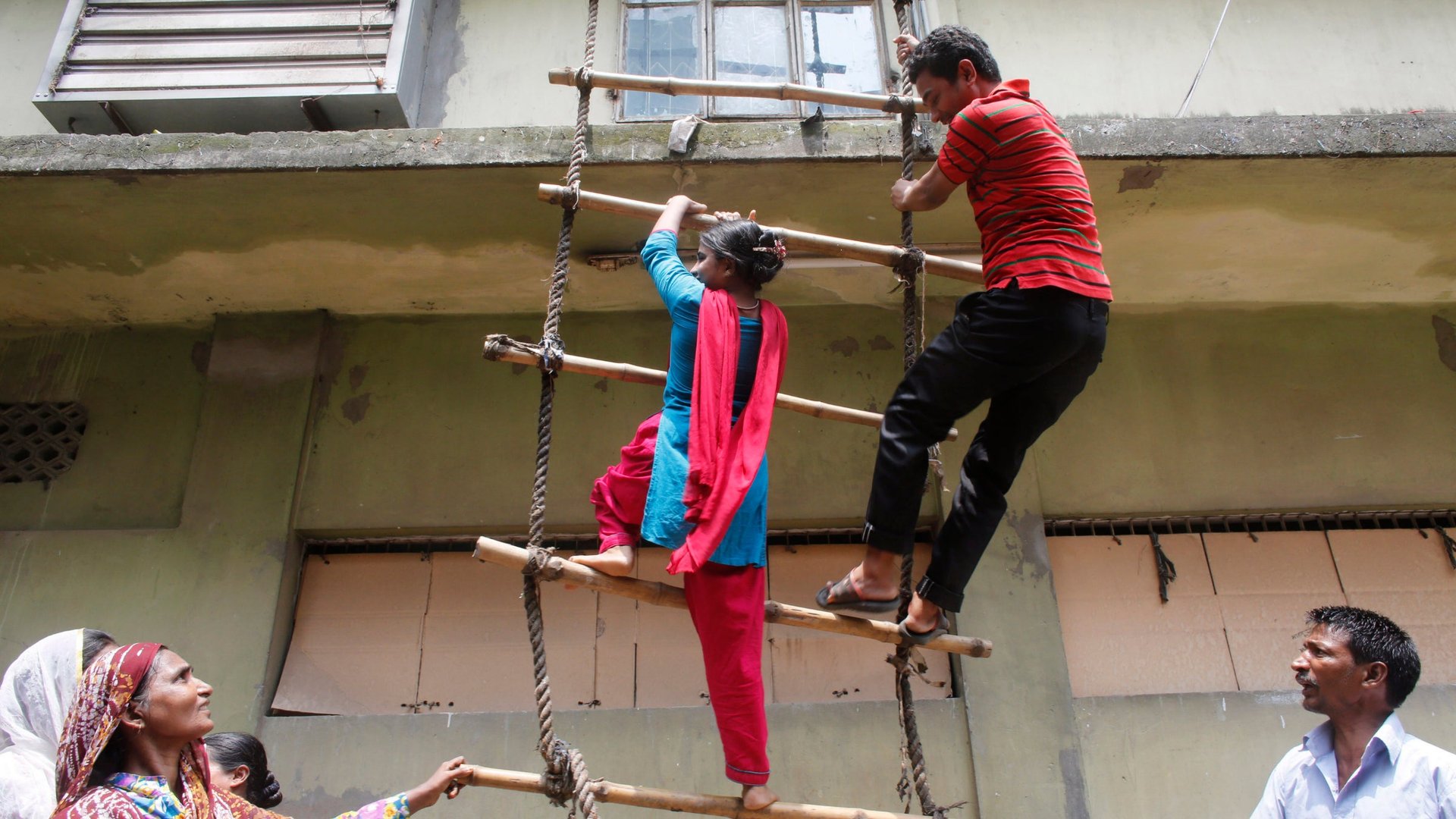
The deadly disaster that claimed over 1,100 lives in April hasn’t dented the growth of Bangladesh’s garment exports industry. Data out today show that exports for the fiscal year ended in June were up 11% on the year before, and garment exports, which account for 80% of overall exports, increased 13%, to over $21.5 billion. Since the Rana Plaza tragedy, Bangladesh’s exports for the month of May were up 15% year-on-year, and 16% for June.
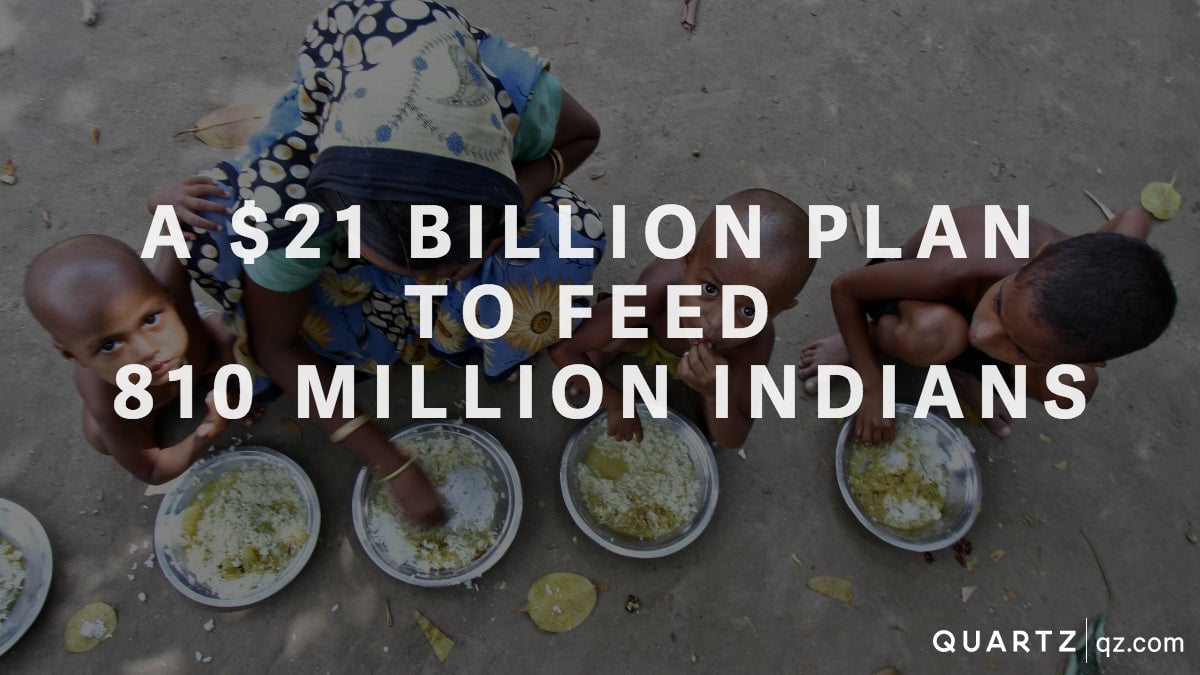
India’s government is embarking on an ambitious program to make food a legal right for two-thirds of its 1.2 billion population. The Food Security Bill, which was passed by ordinance but needs to be ratified by parliament, is being promoted by the government as India’s best shot at combating chronic malnutrition and hunger. Critics argue that the program is designed to gain favor with rural voters ahead of national elections in 2014. Here’s a rundown of the mind-boggling scale of what could be the world’s largest food-subsidy system:
What to watch for today

The ability of of China watchers to assess the state of the economy just got harder. Chinese authorities suspended the release of industry-specific data in the monthly Purchasing Managers Index for the manufacturing sector, shutting a crucial window into the economy. Officials blamed time constraints and technical challenges in analyzing the data from over 3,000 companies for the move.
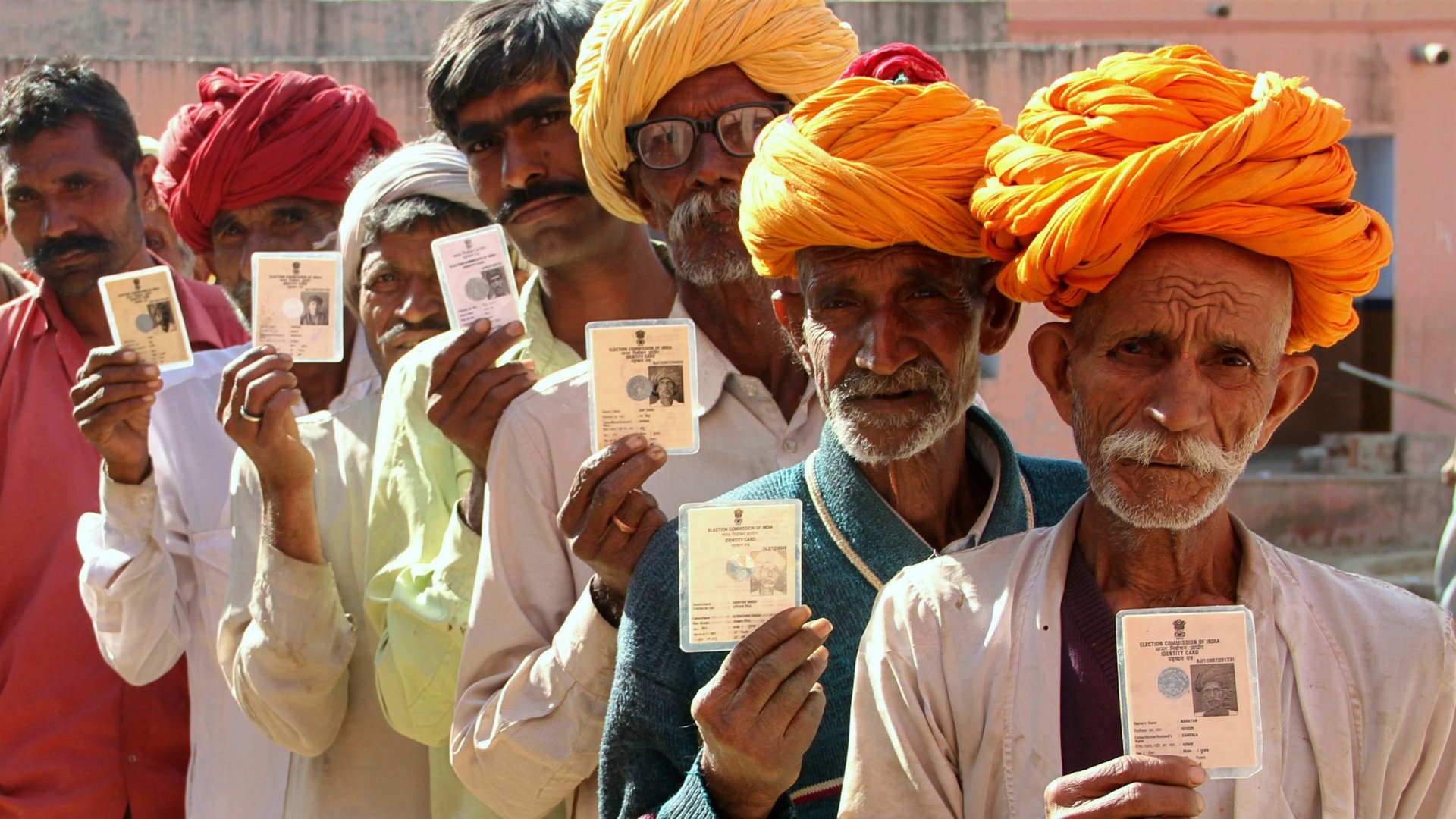
Twenty-six companies have put their names in the hat for India’s first new banking licenses in a decade.

German automakers are thinking outside the box to counter the slumping sales of new models. Recession-weary Germans bought only 300,000 new cars in June, down 4.7% from the same month last year. In the first half of the year, registrations of new cars have fallen 8% compared to the same period last year. Car makers like BMW and Mercedes are responding with a strategy that has worked well for them in emerging markets like India: used cars.