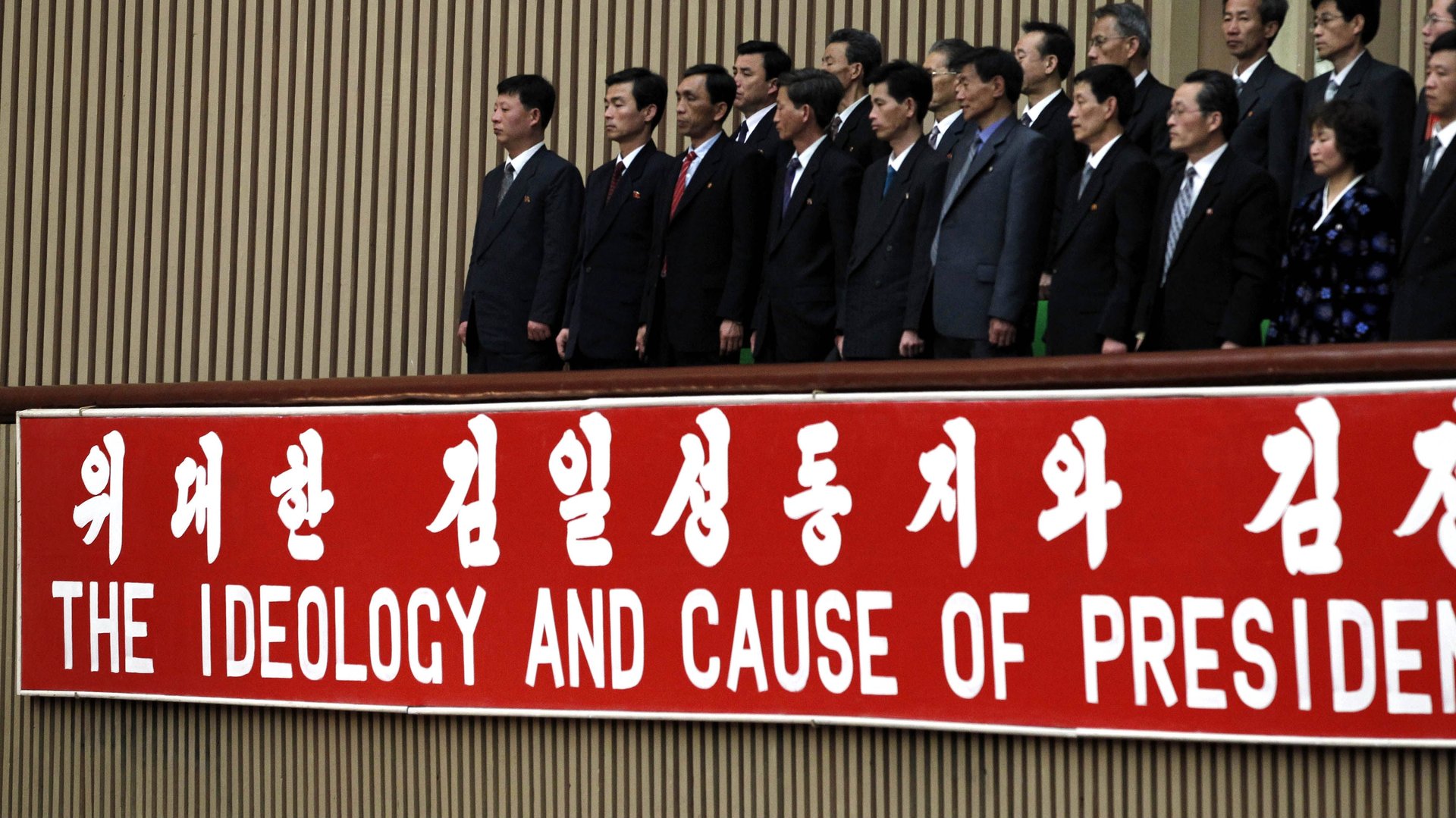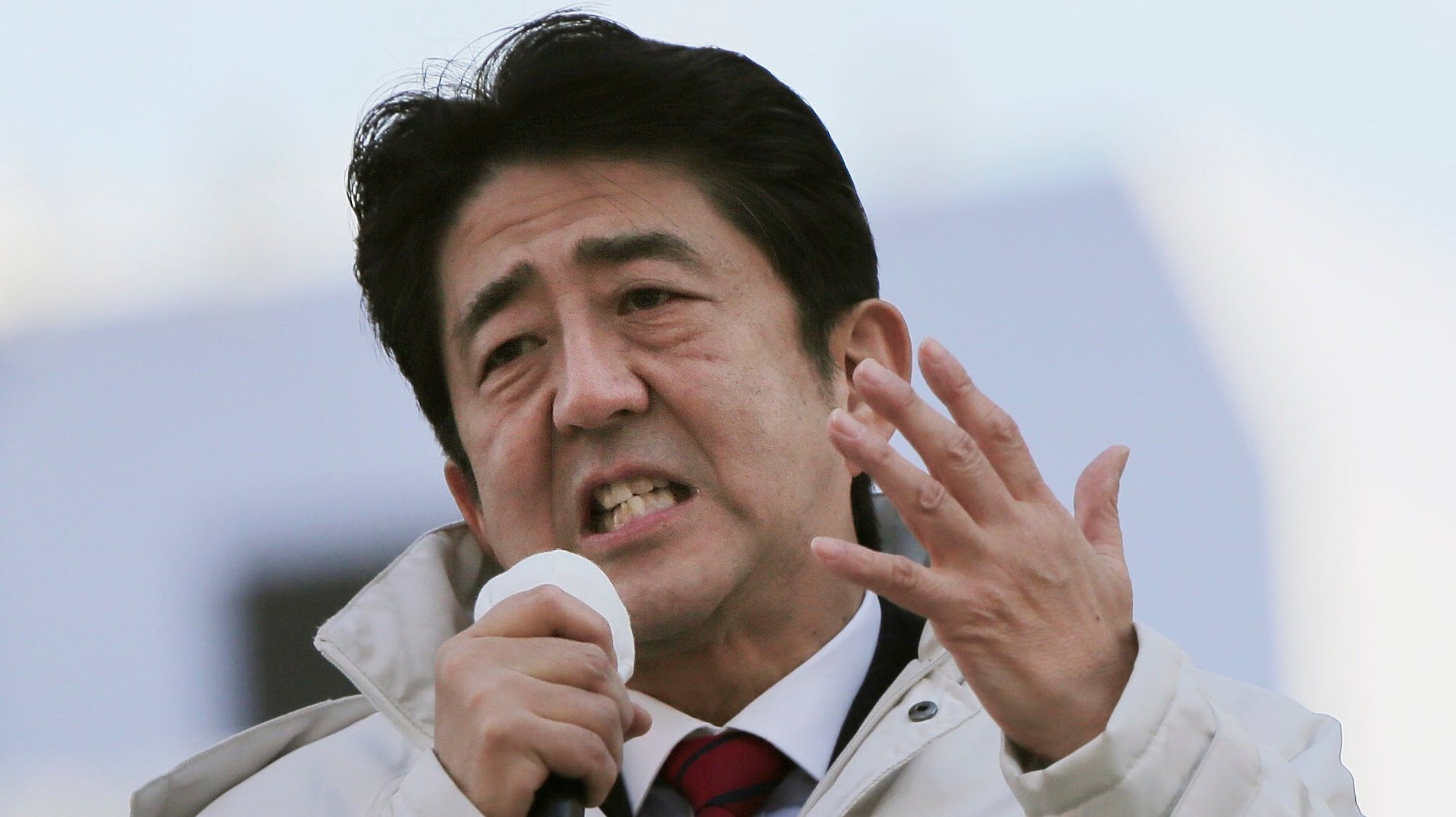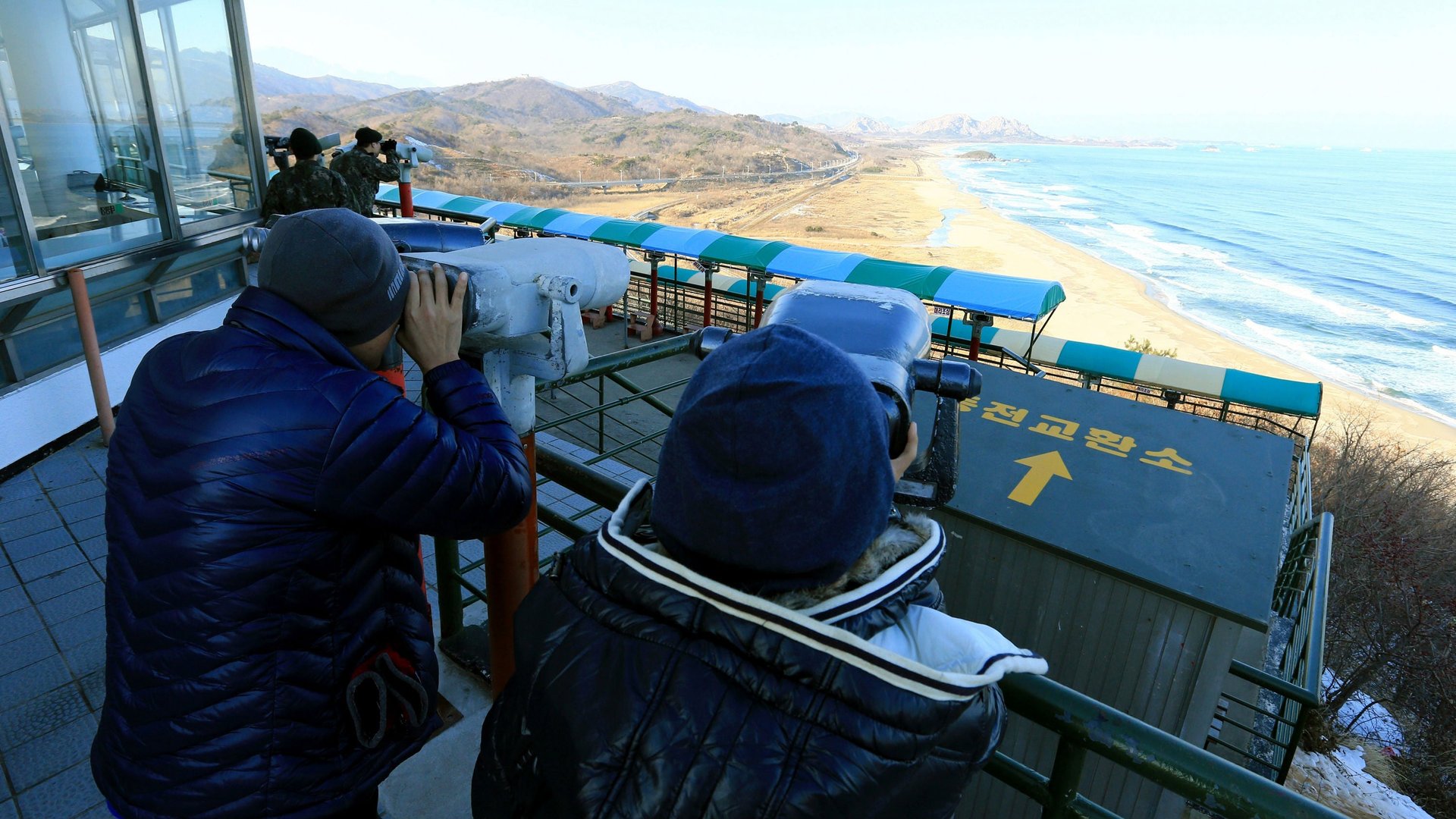
In his New Year’s speech, North Korea’s dictator Kim Jong Un called for eventual reunification with South Korea and said he wanted to develop his nation’s backward economy.

In his New Year’s speech, North Korea’s dictator Kim Jong Un called for eventual reunification with South Korea and said he wanted to develop his nation’s backward economy.

Investors in London-listed miner Rio Tinto have had a bad morning. Rio has parted company with chief executive Tom Albanese and announced a $14 billion write-down on the value of its assets.

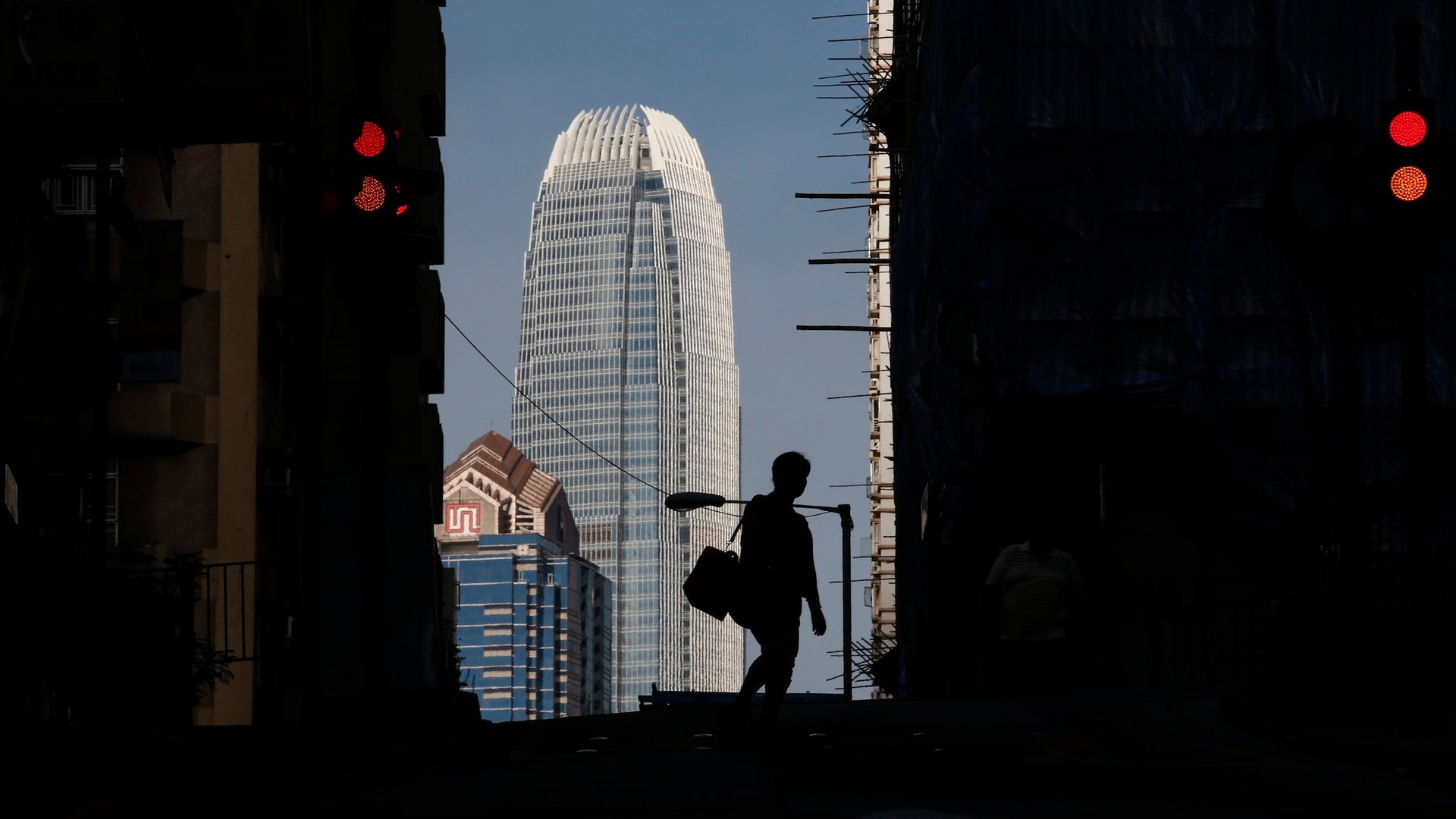
The Hong Kong government and its real estate tycoons have long operated in friendly collusion. The decades-old deal works like this: when Hong Kong falls on hard times, the government restricts land supply to keep property values buoyant—and to keep the industry barons, who profit massively from selling increasingly expensive, ever-smaller apartments to the city’s population, happy.

What to watch for today

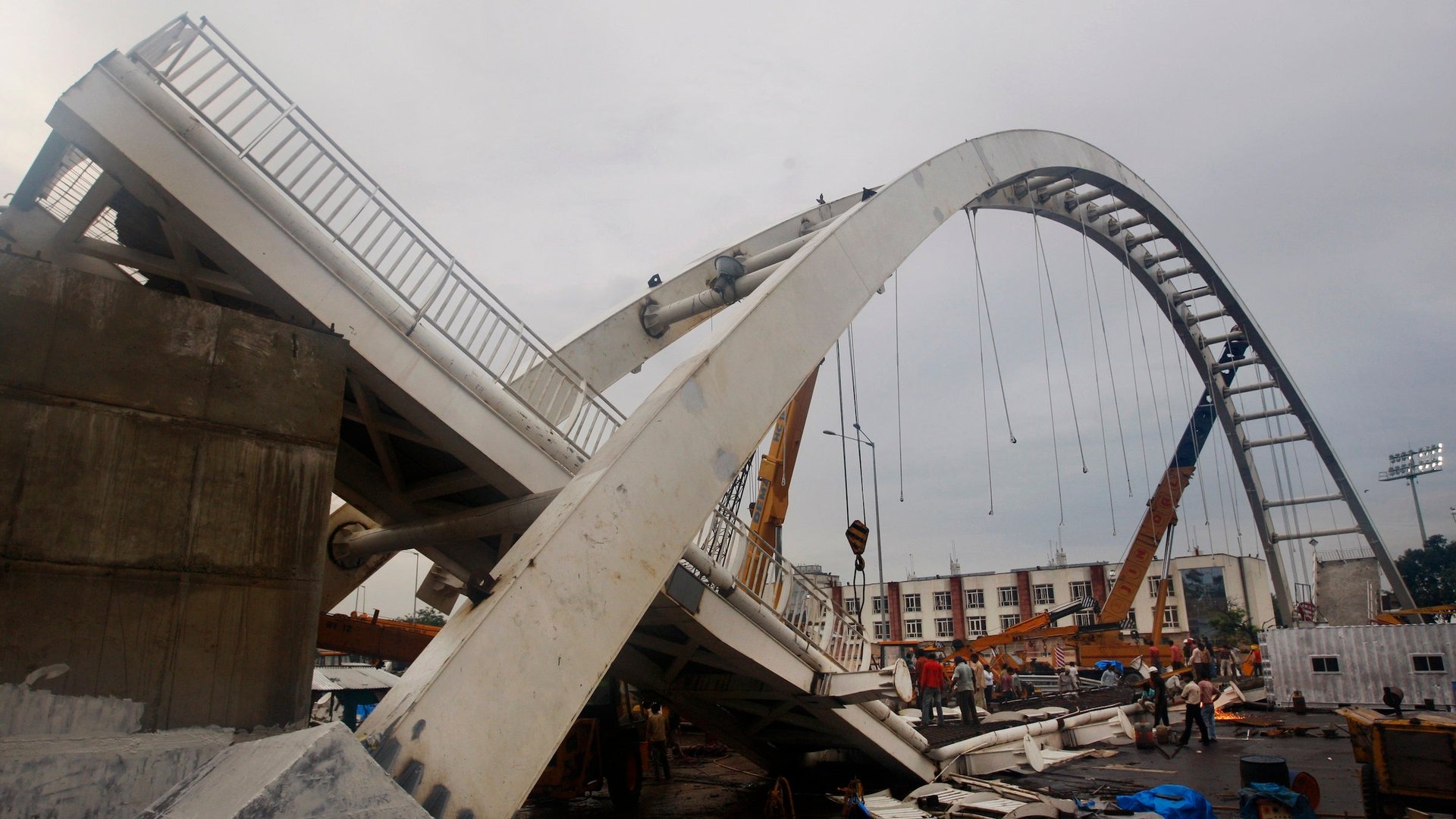
India has sent a delegation to Tokyo to try and learn from Japan’s success in building infrastructure such as roads, railways, bridges and electric power.

What to watch for today

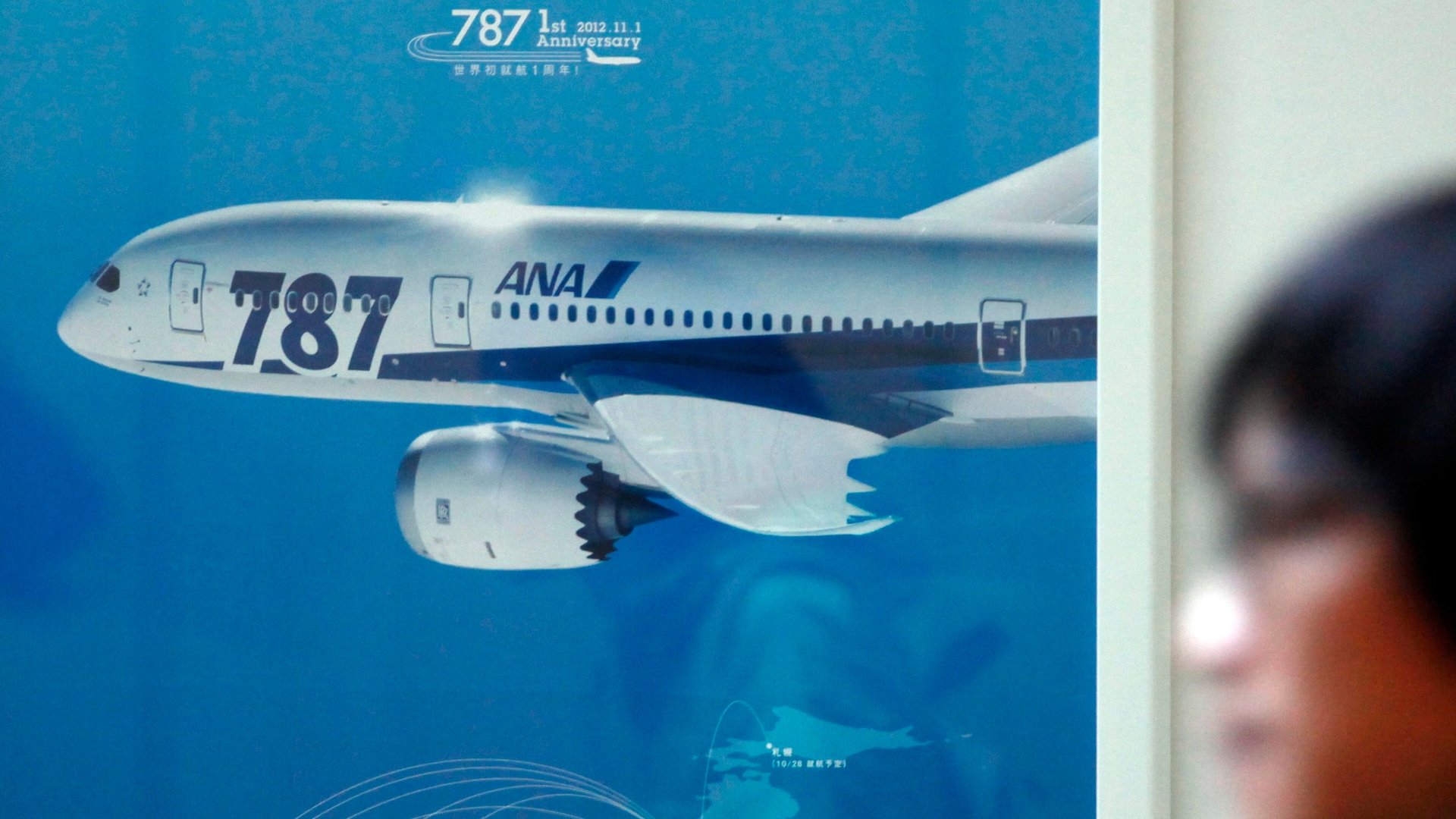
Boeing shares may be in for some turbulence. After a raft of scary safety issues with the US company’s 787 Dreamliner, Japan’s All Nippon Airways (ANA) has grounded its 17-strong fleet of the new planes, and Japan Airlines subsequently did the same with its fleet of seven. Earlier today, one of ANA’s Dreamliners made an emergency landing after passengers reported seeing smoke.

As a member of Cathay Pacific’s loyalty scheme, I was recently surprised to learn that I couldn’t use my frequent-flyer miles to upgrade an economy-class ticket I’d bought. It was, I was told, the wrong class of ticket. Two years ago, I managed to get upgraded from a cheap coach class ticket to the front of the plane.

Chinese bank loans dropped sharply in December, falling 29% year-on-year. That should be good news for the health of the financial system. Bank balance sheets are still choked with loans they made in 2009-10 (paywall) under orders from Beijing to keep China growing through the global crisis. December’s lending letup appears to signal an easing of this trend.

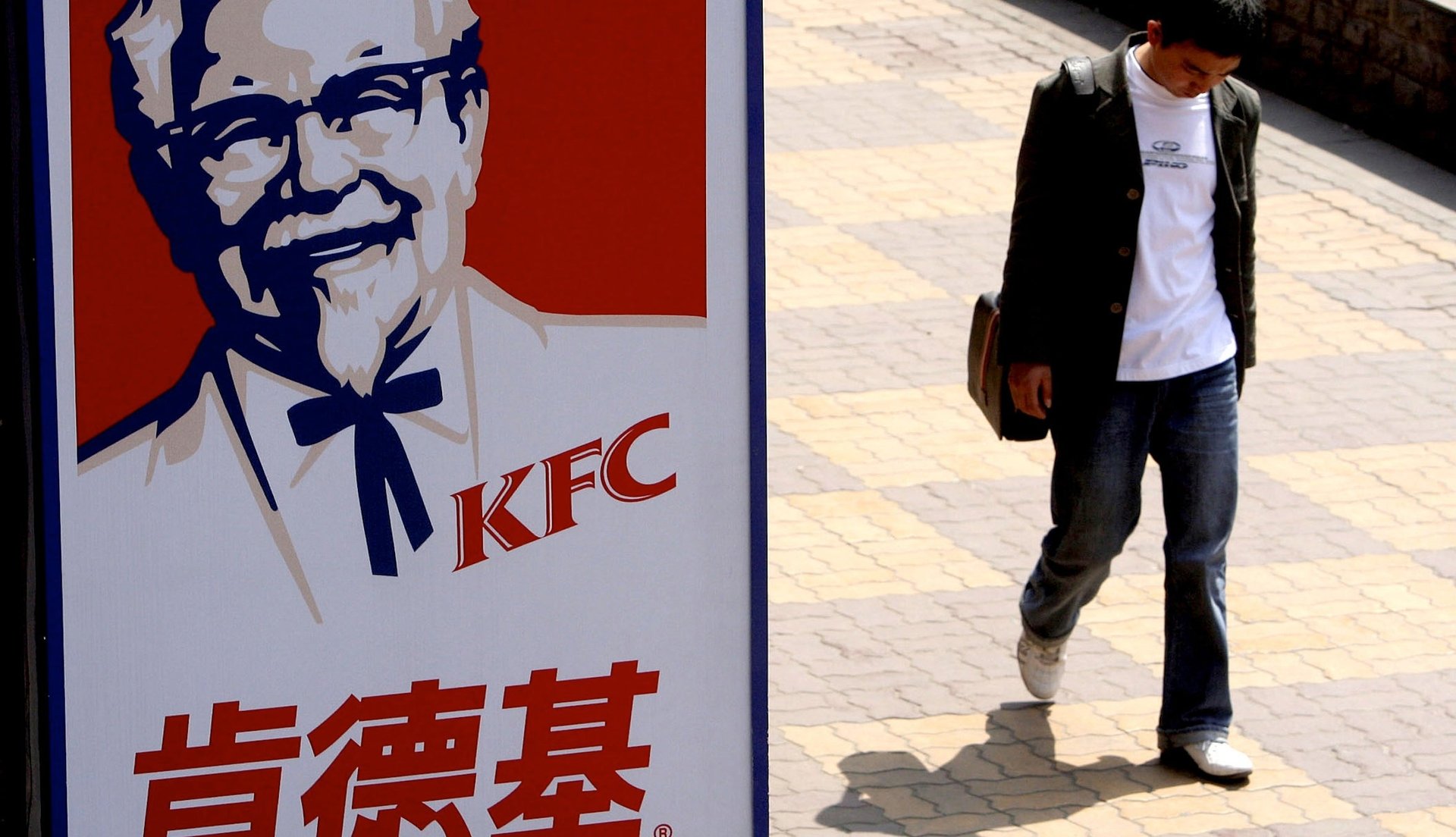
Yum Brands has apologized to the Chinese. Following reports in Chinese state media that its KFC chain was allegedly selling chicken with higher-than-permitted levels of antibiotics, Yum’s China chief Sam Su said on Weibo, the country’s version of Twitter:

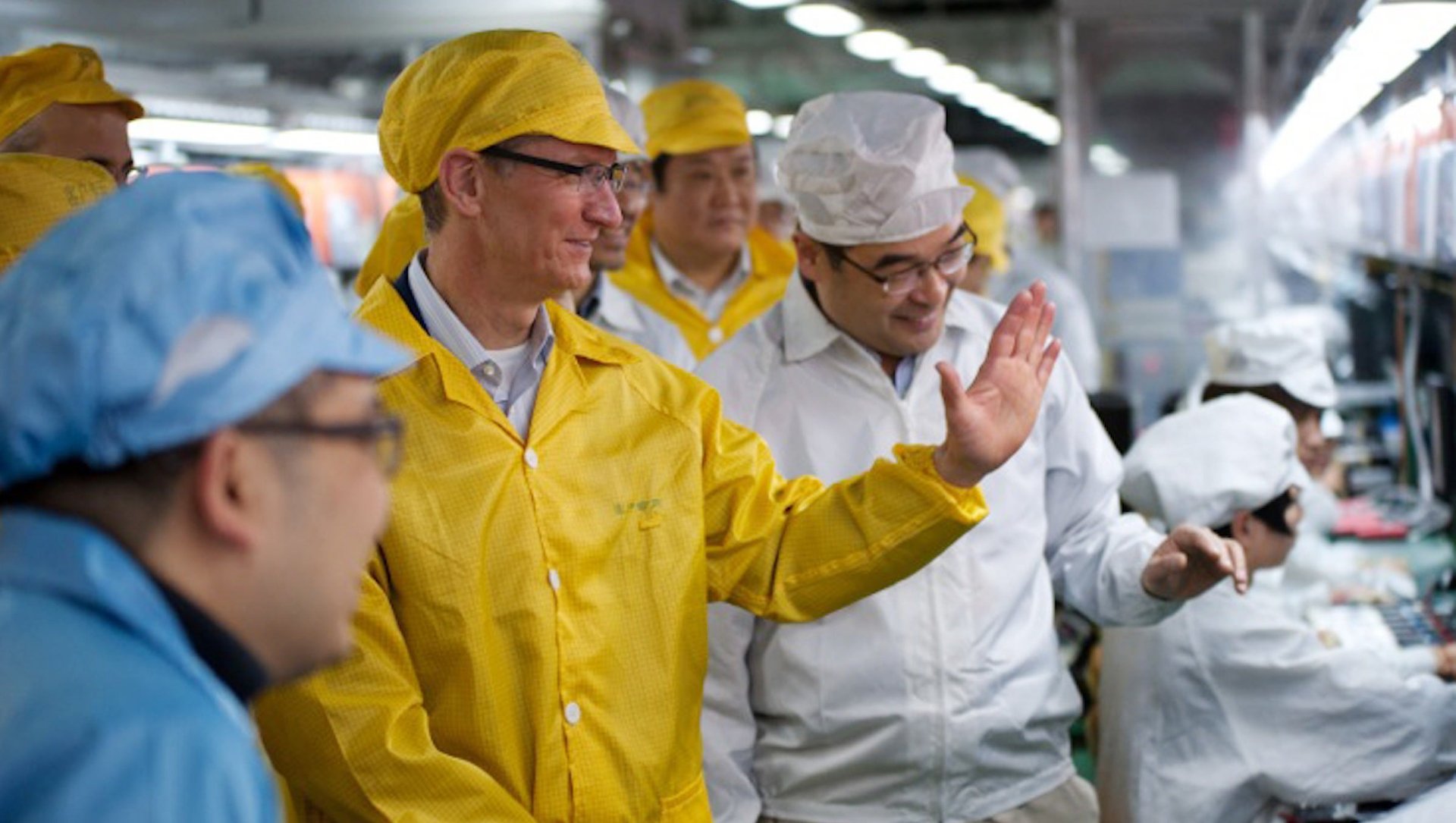
Foxconn, a Taiwanese company and one of Apple’s biggest manufacturers, is looking into allegations that at least one of its mainland Chinese staff accepted bribes from suppliers.

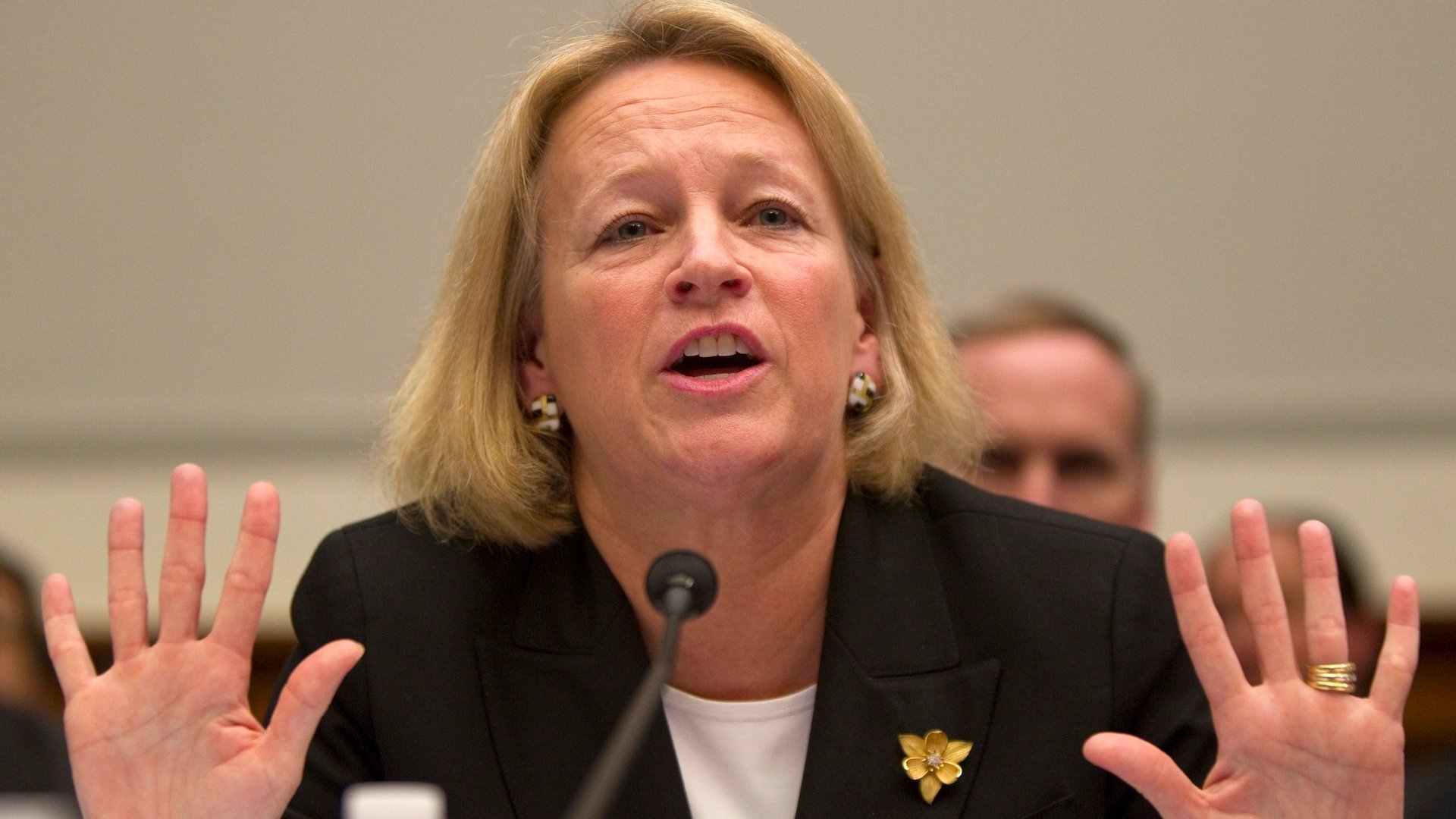
Mary Schapiro, who just stepped down as chair of the US Securities and Exchange Commission, devoted one of her last interviews in the job to complaining about China.

Hong Kong just became an even better place for company directors who value secrecy.

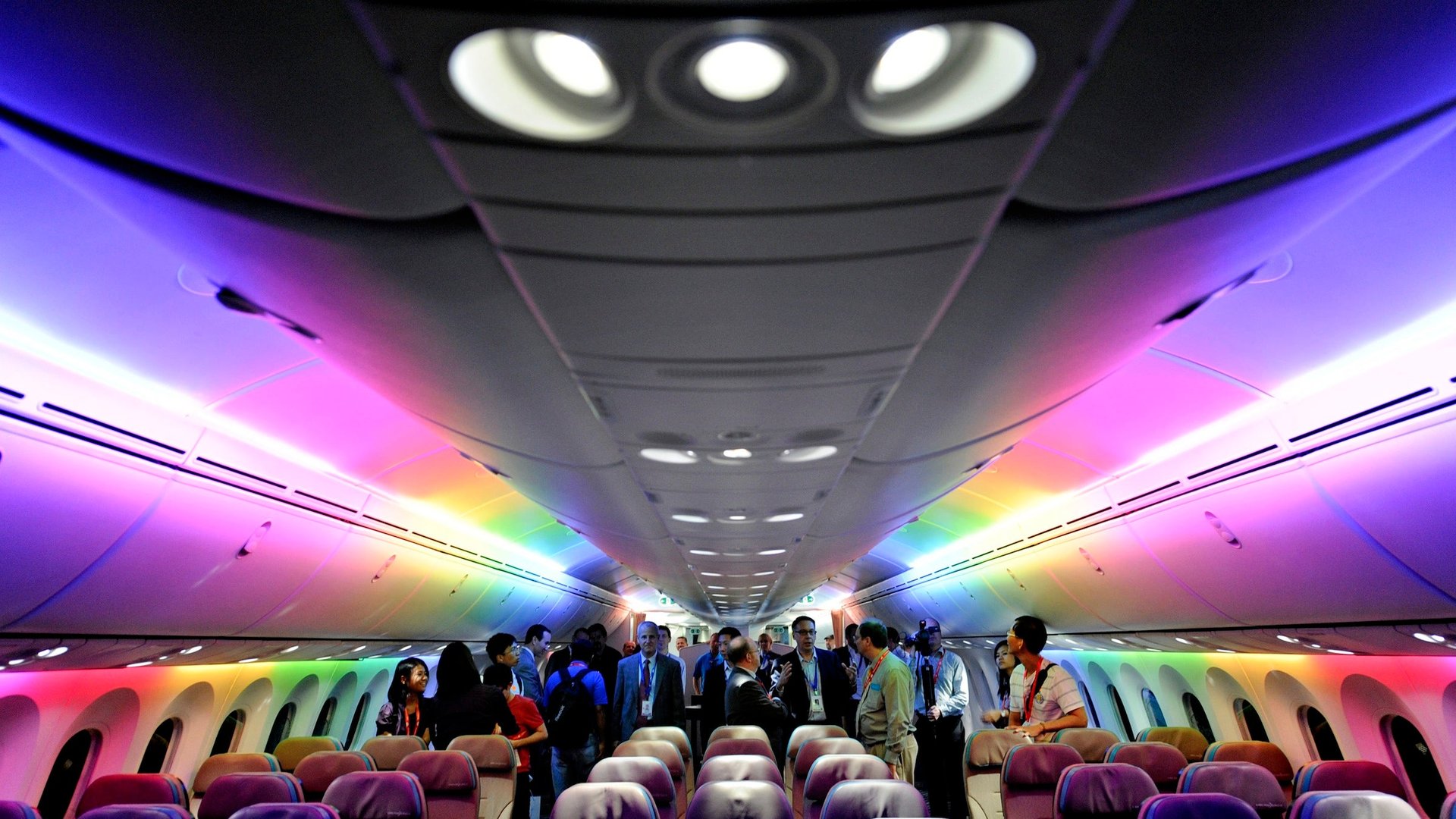
When it took off on its first commercial flight in 2011, Boeing’s 787 Dreamliner was hailed as the biggest revolutionary step in air travel since Concorde. It was marketed as lighter and more fuel-efficient than other similar planes, offering passengers higher levels of comfort.

Chinese car maker Geely Automotive’s 2010 purchase of Sweden’s Volvo was meant to be a marriage made in heaven. The Chinese company would get Volvo’s engineering technology. In return, Volvo hoped to establish itself as a leading luxury brand in China.

In a bid to revitalize his country’s moribund economy, North Korean leader Kim Jong-un wants to ramp up foreign investment. This should be cause for celebration among the long-suffering North Koreans—but is it a good move for Kim? Considering that foreign money and capitalist enterprise directly contradict “self-reliance,” the founding tenet of the North Korean state, the country’s young dictator’s strategy might be a dicier idea than he realizes.

Investors are stampeding to lend to the world’s riskiest companies and countries. Quartz spotted this trend back in October, and it has just got stronger since. Usually a conservative bunch, bond fund managers now cannot get enough of debt issued by Chinese property developers or risky governments such as Vietnam.

Back in 2010, global mining giant BHP Billiton was aching to buy Canadian fertilizer producer Potash Corp. And the Chinese government was apparently fretting about the rise of potash prices after the deal, which ultimately failed.

On freedom of expression, China is going backwards. The New Yorker blogged today that China is exerting a “pattern of pressure” on American media organisations that “the US government cannot ignore.” In recent months, and in response to “a level of forensic detail that we have rarely, if ever, seen in foreign correspondence,” China has blocked access to Bloomberg and the New York Times and refused the Washington Post’s correspondent a visa.

When companies say they are doing a deal to gain a bigger foothold in China, it deserves close scrutiny. Sometimes they really are buying a thriving Chinese business. Or they may just be seeking to boost their share prices by associating themselves with China’s high economic growth.

The European Union has announced early-stage proposals to cap bankers’ bonuses at double a worker’s salary. That will upset quite a few investment bankers and traders who are used to earning many multiples of their basic wage. It will probably also inspire lawyers to come up with creative ways to swerve the new rule.

Good morning, Quartz readers!

The so-called Tankan survey of big Japanese manufacturers shows they are more pessimistic then they have been in almost three years. The quarterly index fell to -12 in December, from -3 in September (negative readings mean there are more pessimists than optimists).

Good morning, Quartz readers!