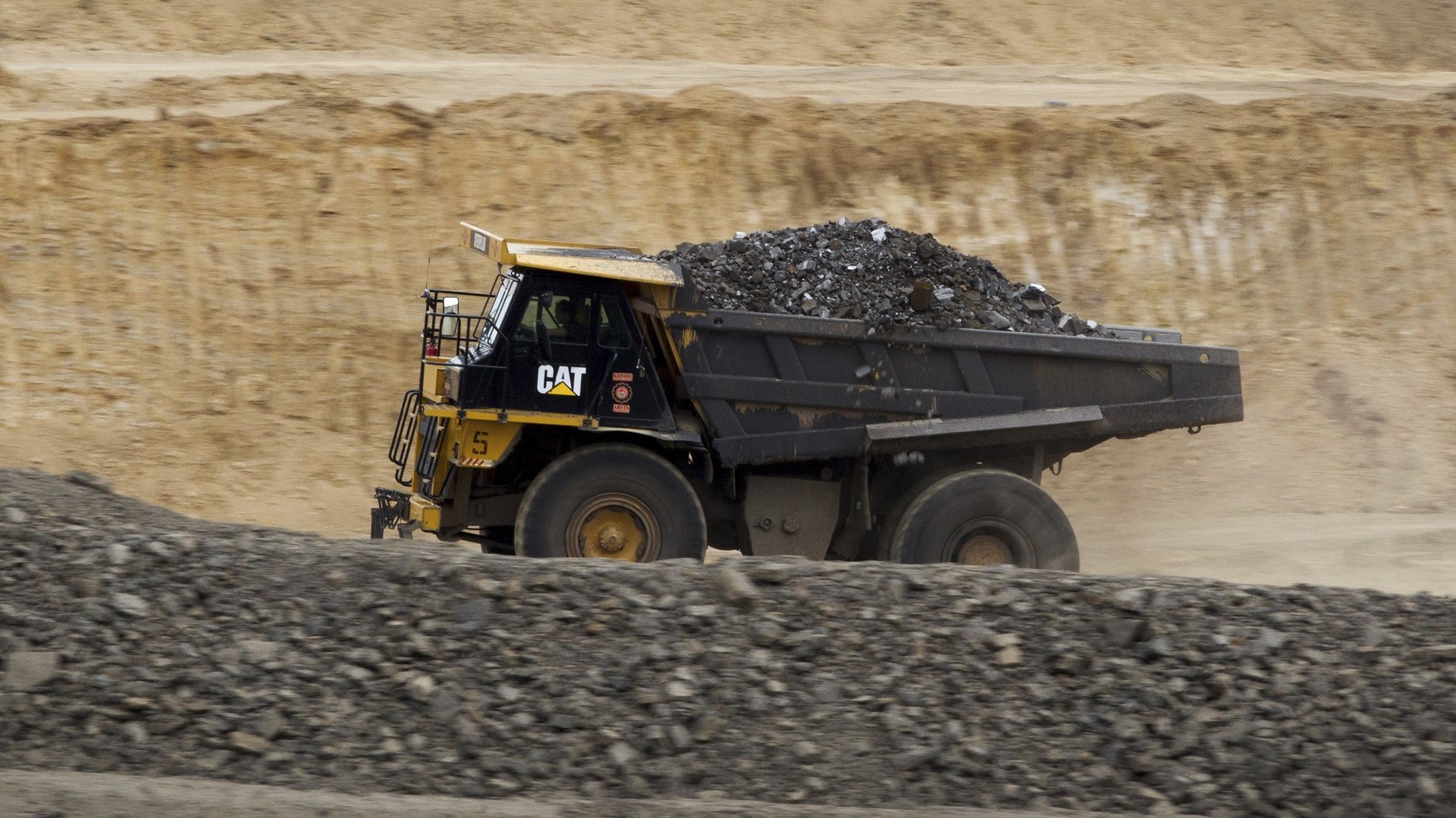
Mongolia, the vast, landlocked former Soviet satellite in between China and Russia, serves up statistics as eye-popping as its cobalt blue skies and sweeping steppes.

Mongolia, the vast, landlocked former Soviet satellite in between China and Russia, serves up statistics as eye-popping as its cobalt blue skies and sweeping steppes.

Good morning, Quartz readers!

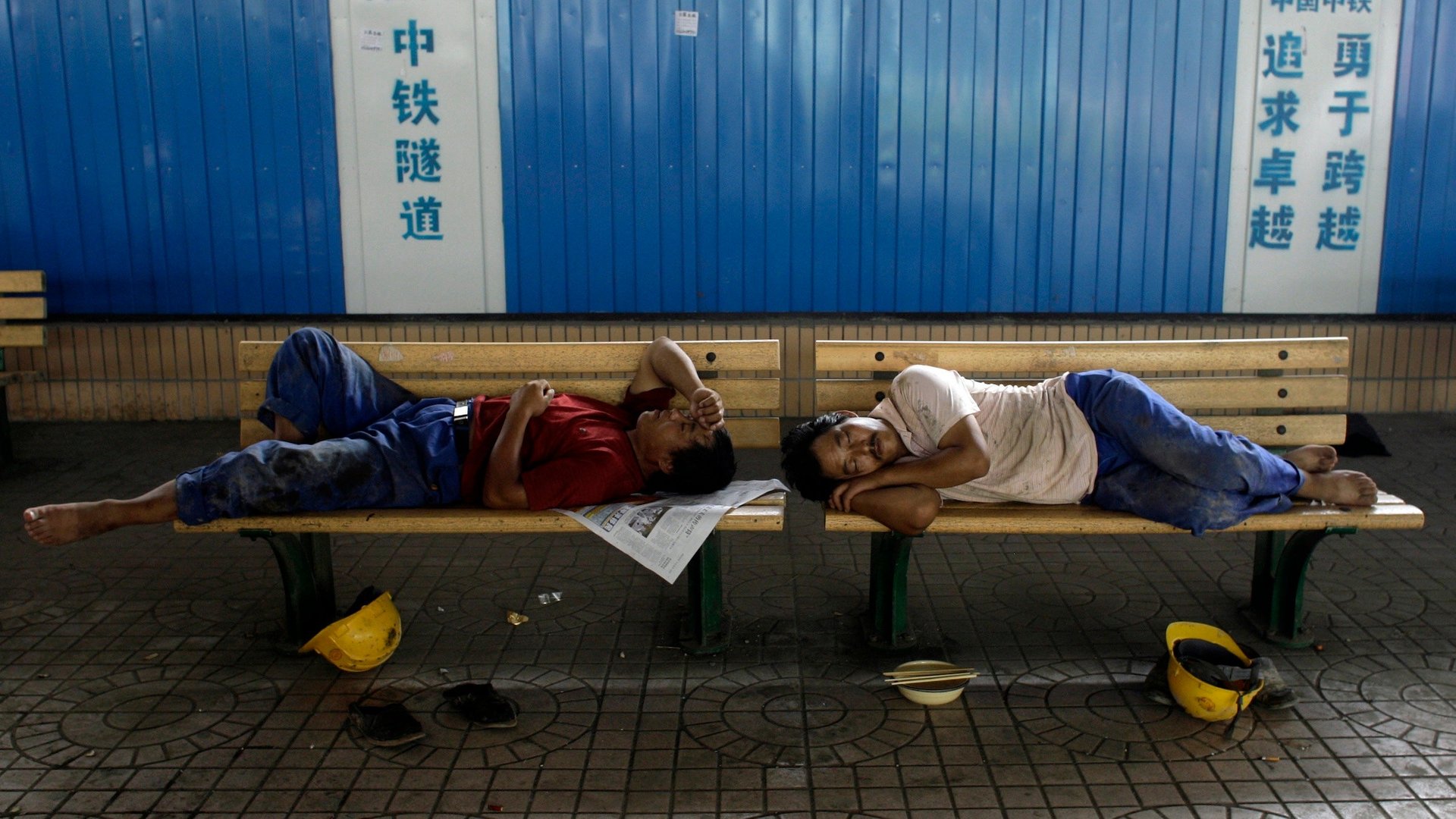
While economists began the year feeling bearish about China’s slowing growth, they have perked up about the nation’s prospects since the government confirmed it would continue with stimulus policies it began in 2008. There has been no major announcement of a multi-trilllion dollar stimulus package this year, but all the signs are that Beijing is pressing its foot down hard on the pedal to kickstart job creation and boost GDP growth. Here is one rundown of this year’s ongoing road, rail and subway projects.

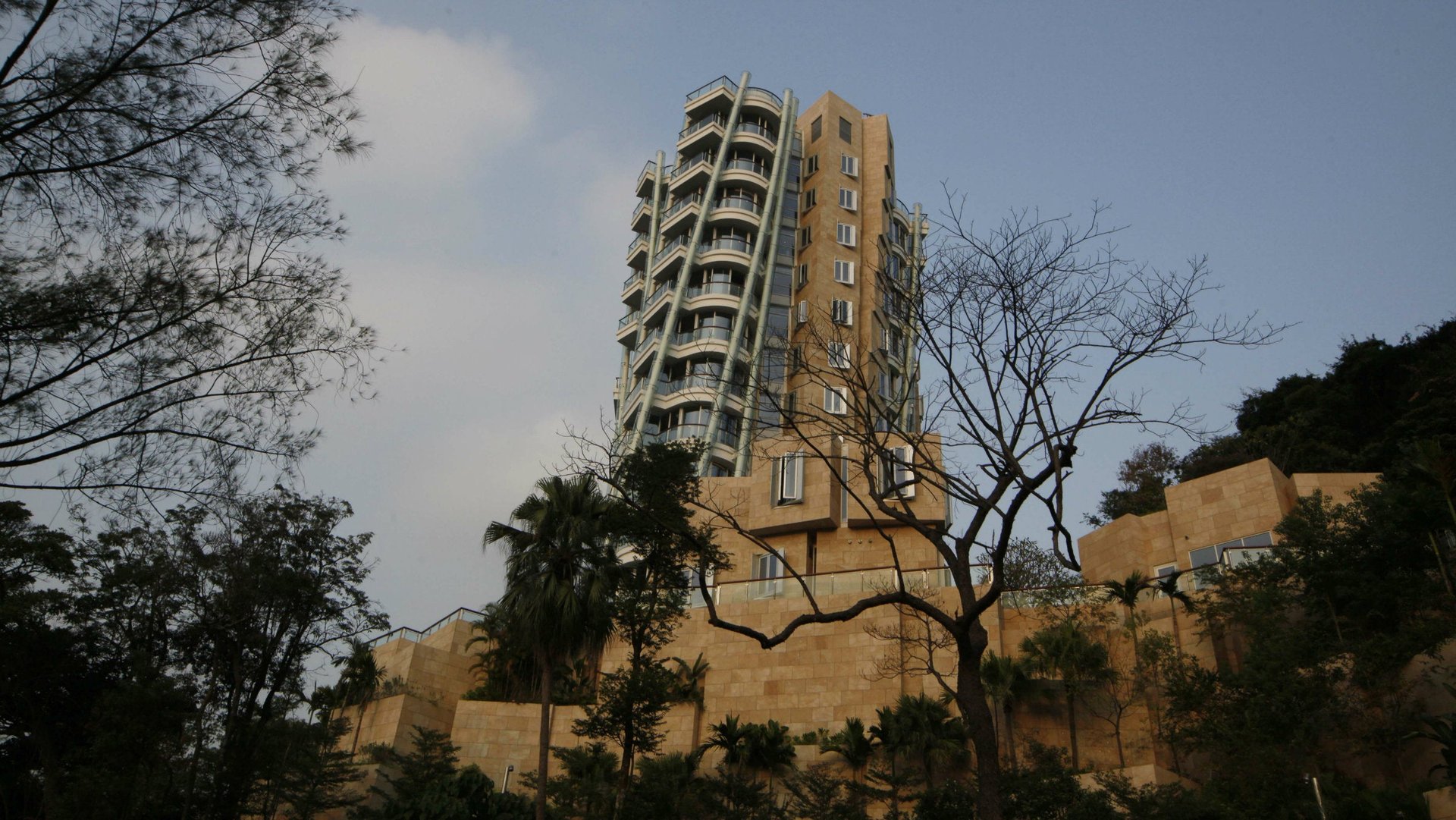
The International Monetary Fund has given Hong Kong bank shareholders a fright today by issuing a warning that the Chinese territory faces a real estate slowdown that poses risks for banks. After a long run-up in real estate values, a correction is upon us, the IMF stated in its report dated Nov. 17 but published today.

Good morning, Quartz readers!

Good morning, Quartz readers!

Good morning, Quartz readers!

Good morning Quartz readers!

The end of the world is very probably not upon us. But the end of a 5125-year Mayan calendar cycle on December 21 has got people everywhere from China to Russia stocking up on candles in the belief that Doomsday is coming.

Good morning Quartz readers!

China is just starting to transition from state-controlled, peasant farming to modern agribusiness. That is a tantalizing prospect for venture capitalists, who like to back young Chinese companies that have a chance of introducing modern technology into China’s slow and inefficient agricultural supply chain.

Good morning Quartz readers!

China’s government has long had an ambition to rebalance the economy away from an over-reliance on state investment and export-led growth, and towards domestic consumption. Doing so is widely seen as the only way to prevent a prolonged slowdown in GDP growth. But where the incomes that will fuel that consumption are concerned, China is in a bad place.

A complex spat between America’s securities regulator and the Chinese affiliates of five multinational accounting firms has led to multiple media reports that all Chinese companies could be forced off of US stock exchanges. Investors in such firms are puzzled over why a disagreement between regulators about potentially dishonest companies is affecting the shares of well established Chinese firms that have not been accused of fraud.

Fly into any major Indonesian or Malaysian city and chances are, as the plane descends below the clouds, you will see acres and acres of palm tree plantations.

Good morning, Quartz readers!

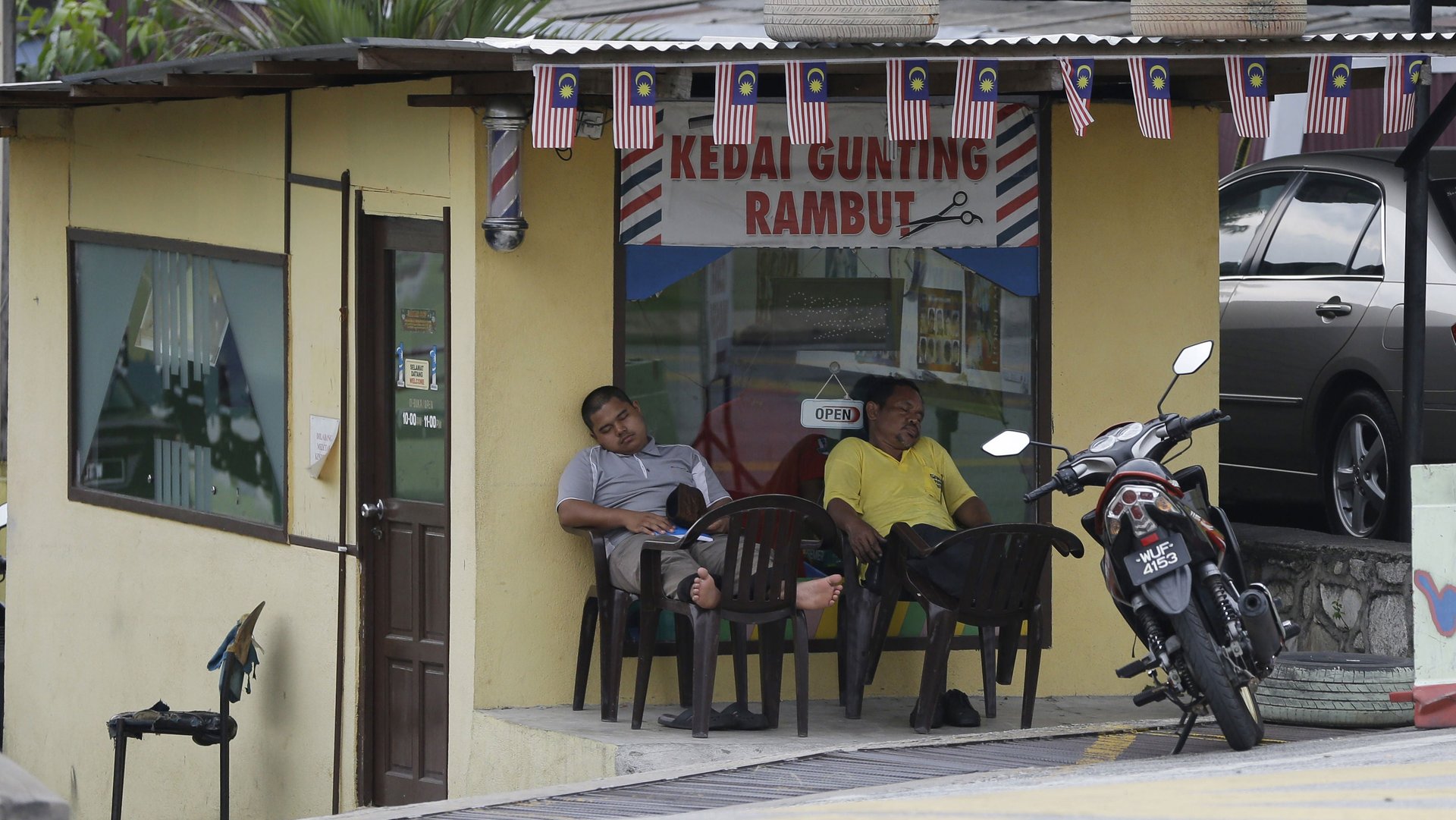
Western bankers and consultants once viewed South East Asia mostly as a cheap holiday destination. Now they are widely promoting Indonesia, Thailand, Malaysia, the Philippines and Vietnam as hot investments. McKinsey issued a massive report back in September touting the attractiveness of Indonesia. It also likes Vietnam. A senior partner at a big four accounting firm based in Hong Kong told Quartz in recent days: “I am spending an awful lot of time in Malaysia looking for deals our clients might want to do there.” Goldman Sachs has been urging its clients to buy more Indonesian shares. Goldman is also expanding its Malaysian business, as is Bank of America. And Morgan Stanley says it likes Thai equities.

Good morning, Quartz readers!

Each year, Transparency International produces its “Corruption Perceptions Index,” which ranks 176 countries based on how corrupt their people believe public officials are. For business people, a better name might be the “brown envelope index”—for the oft-inevitable paybacks to public officials as the cost of entering or operating in certain places.

Good morning, Quartz readers!

Speculation that Shinzo Abe’s Liberal Democratic Party will win the Japanese election on Dec. 16 is bringing an old and much loved currency gamble back into vogue. It is called the “yen carry trade”. The “carry” involves borrowing money in a weak, low-interest-rate currency and investing it in a higher interest-paying one. Investors profit on the difference. A very popular version of this trade for years has been pairing the weak yen with a stronger, higher paying currency such as the Australian dollar. Hedge fund managers and legions of Japanese retail investors—the fictional “Mrs Watanabe” in market parlance—love the yen carry. Because it is easy.

Good morning, Quartz readers!

Chinese consumers are becoming more confident again. According a survey released on Dec. 3rd by MNI, a market data firm, overall consumer sentiment rose for the second month in a row and one element of it, the readiness to buy durable goods, was at its highest in a year and a half (paywall).

Good morning, Quartz readers!