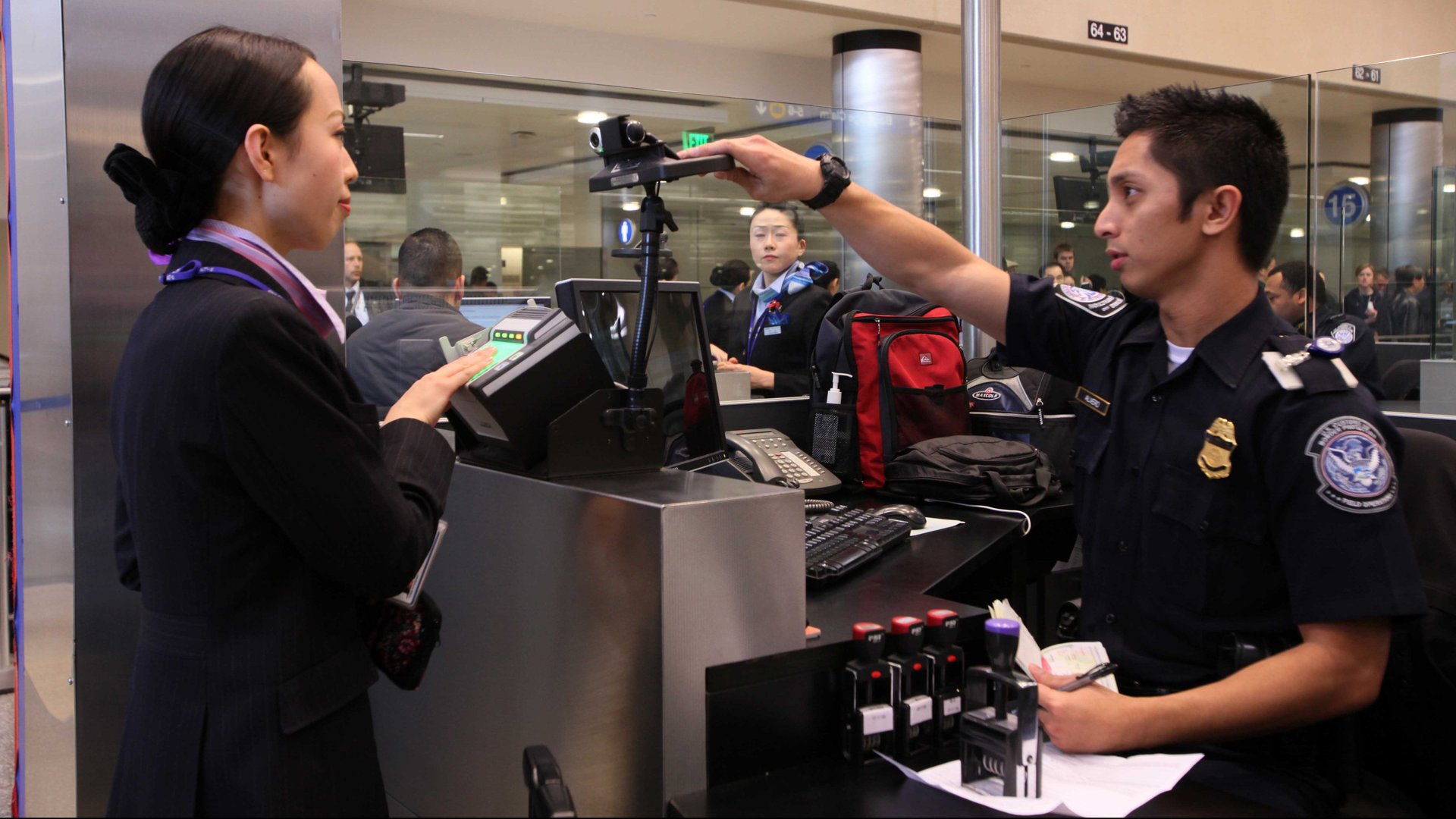
Foreign travelers to the US, whether visiting for pleasure or business, must prepare themselves for the risk of a range of humiliations and inconveniences at the border.

Foreign travelers to the US, whether visiting for pleasure or business, must prepare themselves for the risk of a range of humiliations and inconveniences at the border.

In the high-stakes, low-profit world of aviation, every little bit of savings helps—no matter how small.

In the past two decades, US airlines have undergone a radical transformation. Some have shuttered altogether, while others have poached their smaller competitors or merged with former rivals. In 2000, US consumers could fly domestically on any of about 10 medium-sized airlines. Today, those same 10 carriers have been merged into four giants, which together have more than 80% of flight capacity.

Australian airline Qantas has lofty ambitions to increase the number of women in its cockpits.

National Sandwich Day is not among the most celebrated of American holidays—more observed than Mole Day or International Carrot Day, perhaps, but still decidedly in the shadow of Halloween, Valentine’s Day, and other such festive occasions.

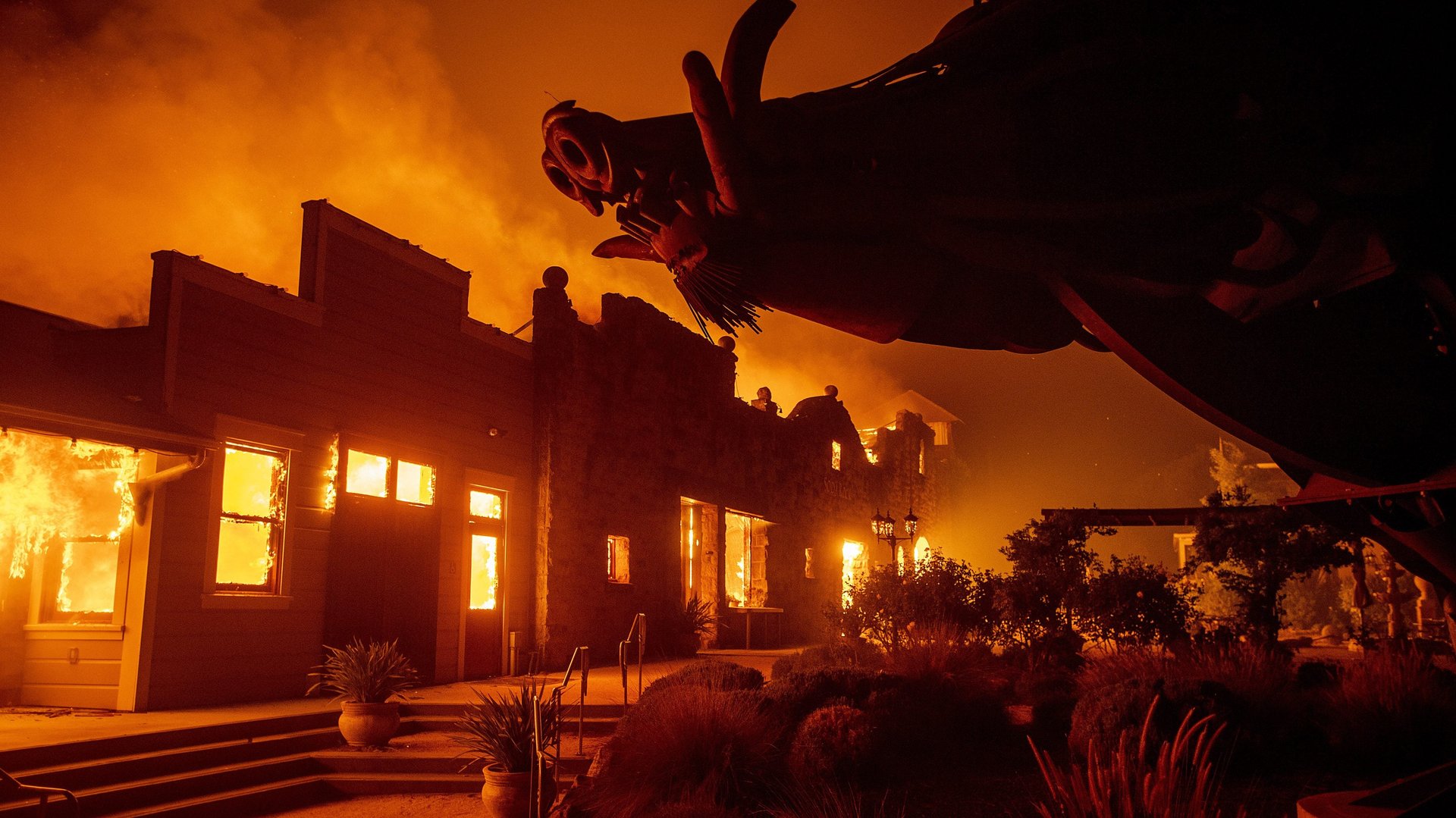
In a series of tweets this morning (Nov. 3), US president Donald Trump accused California governor Gavin Newsom of mismanaging the state’s ongoing forest fires, and threatened to pull federal funding. “No more,” the president warned.

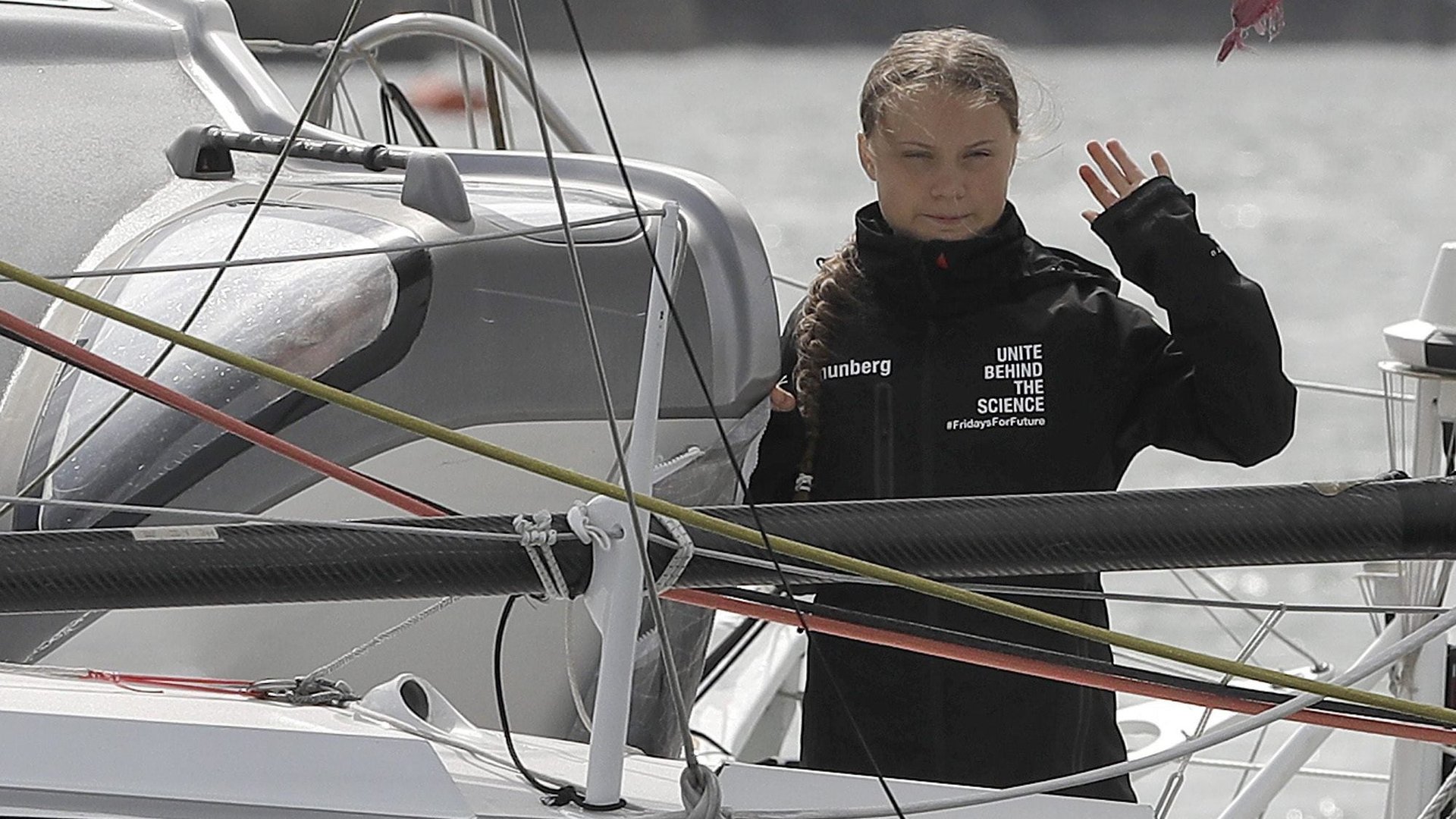
Environmental activist Greta Thunberg is a long way from where she needs to be. Since a UN speech in New York in late September, the 16-year-old Swedish campaigner has spent weeks traveling overland en route to the COP25 climate summit in Santiago, Chile. But a last-minute change of location due to that city’s anti-government protests—the event will now be held in Madrid, Spain—has left her scrambling for an eco-friendly lift across the Atlantic.

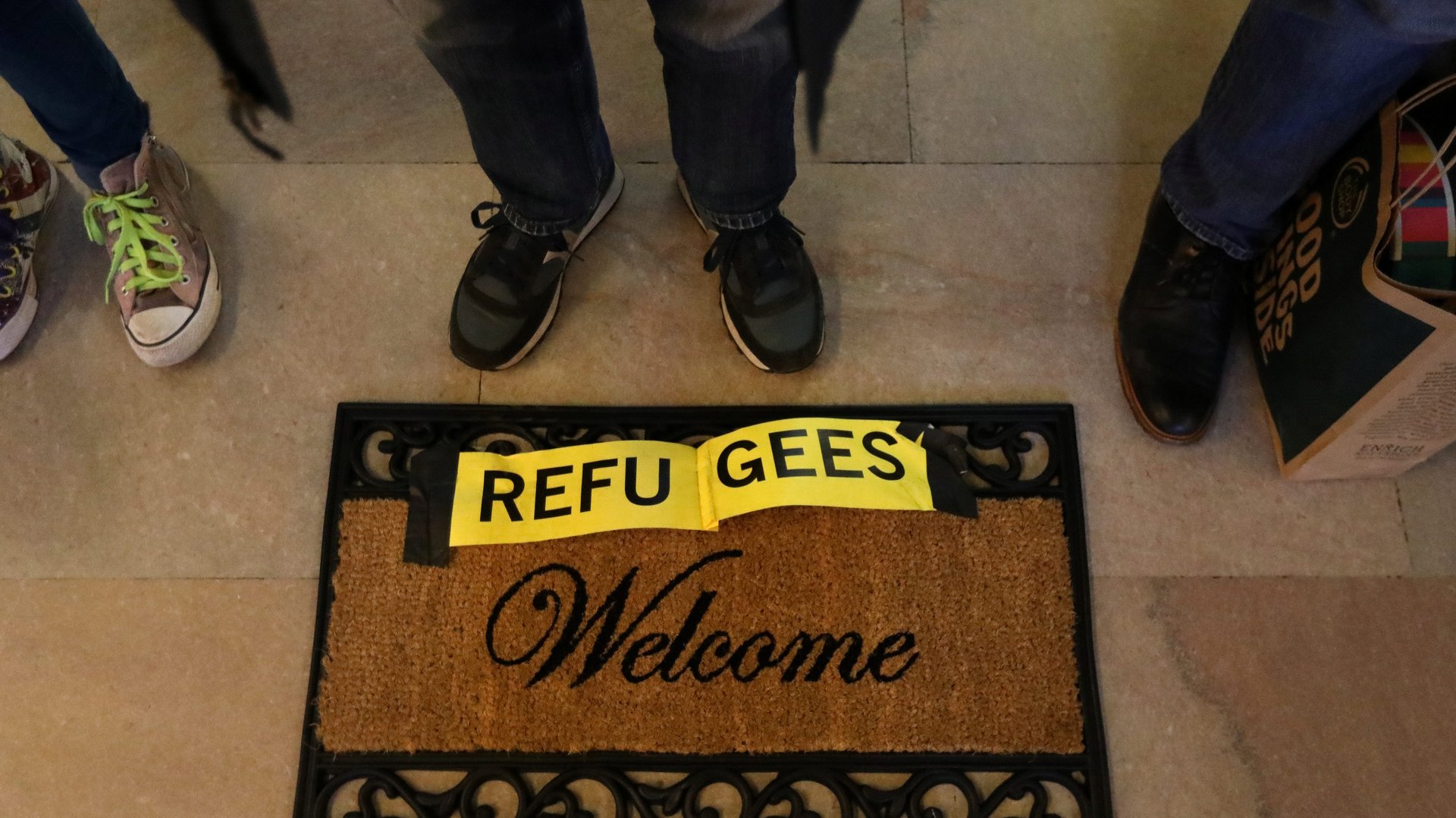
Last month, for the first time since records began, the number of refugees resettled in the US hit zero.

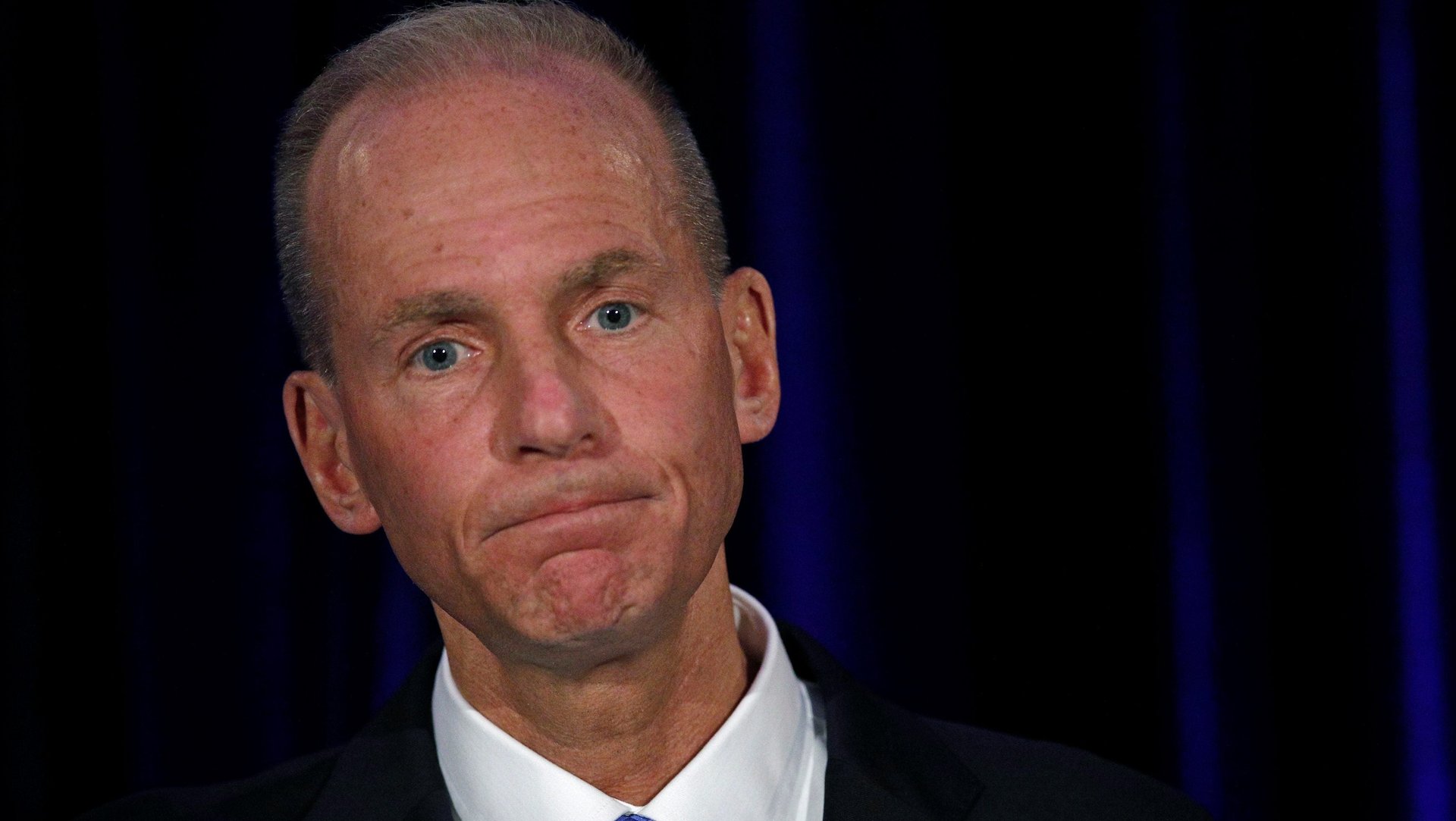
Boeing CEO Dennis Muilenburg likely thought he was done with the day’s apologies.

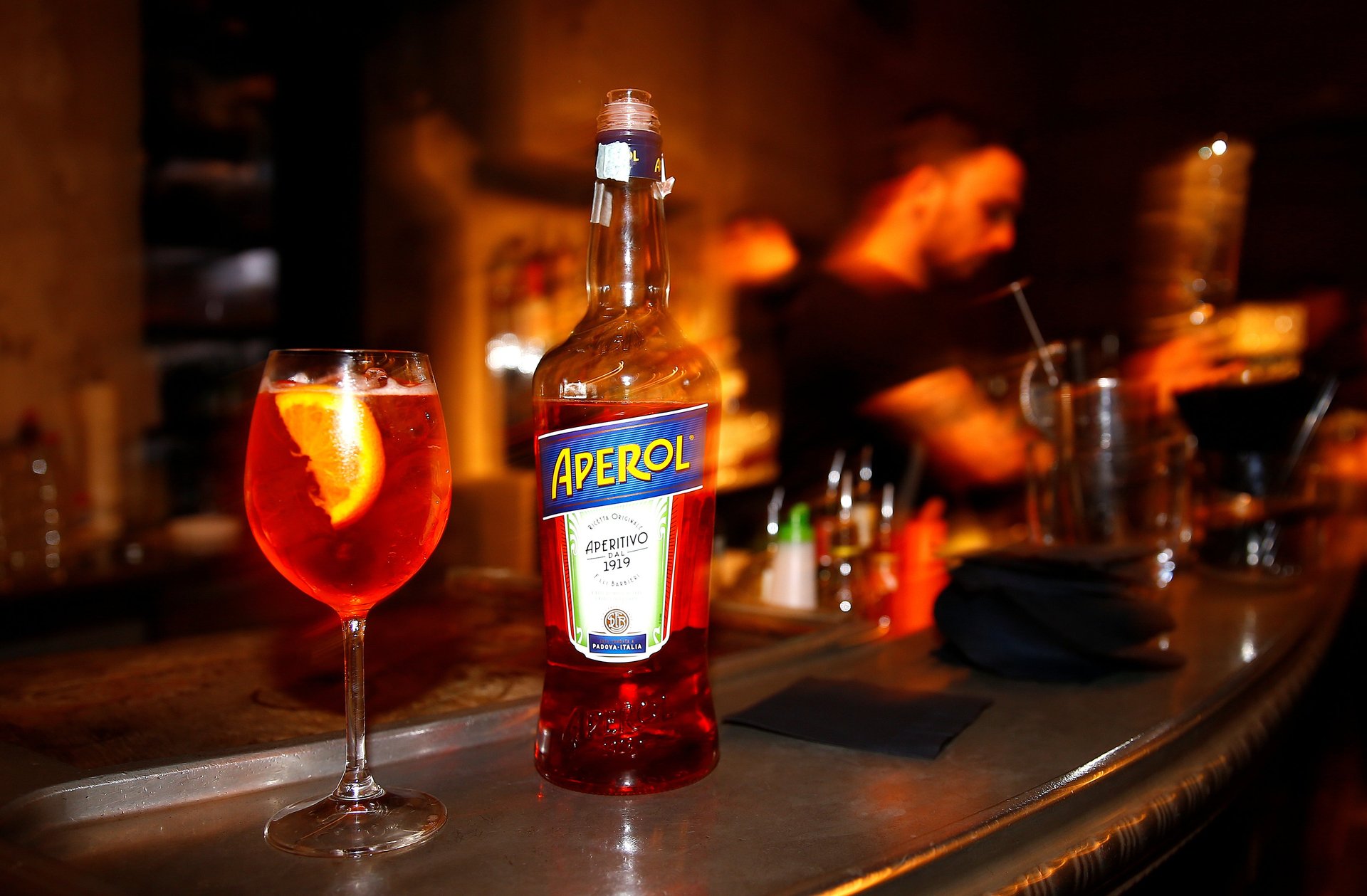
What comes after the Aperol spritz? The obvious response—”Another Aperol spritz!”—is beginning to seem a little less obvious.

In the early days of the mobile phone, Nokia was everywhere—ubiquitous, inescapable, supreme. It created the best-selling 1100, with a keypad like droplets of water; the gray-blue 3310; even the cutting-edge 8810, with a slip-sliding protective cover that felt like the future. You always remember your first: For many people, one of these phones, pre-loaded with the game Snake (or its illustrious successor, Snake II) and the OG ringtone, was it. In 2009, at its peak, Nokia was the 85th largest company in the world.

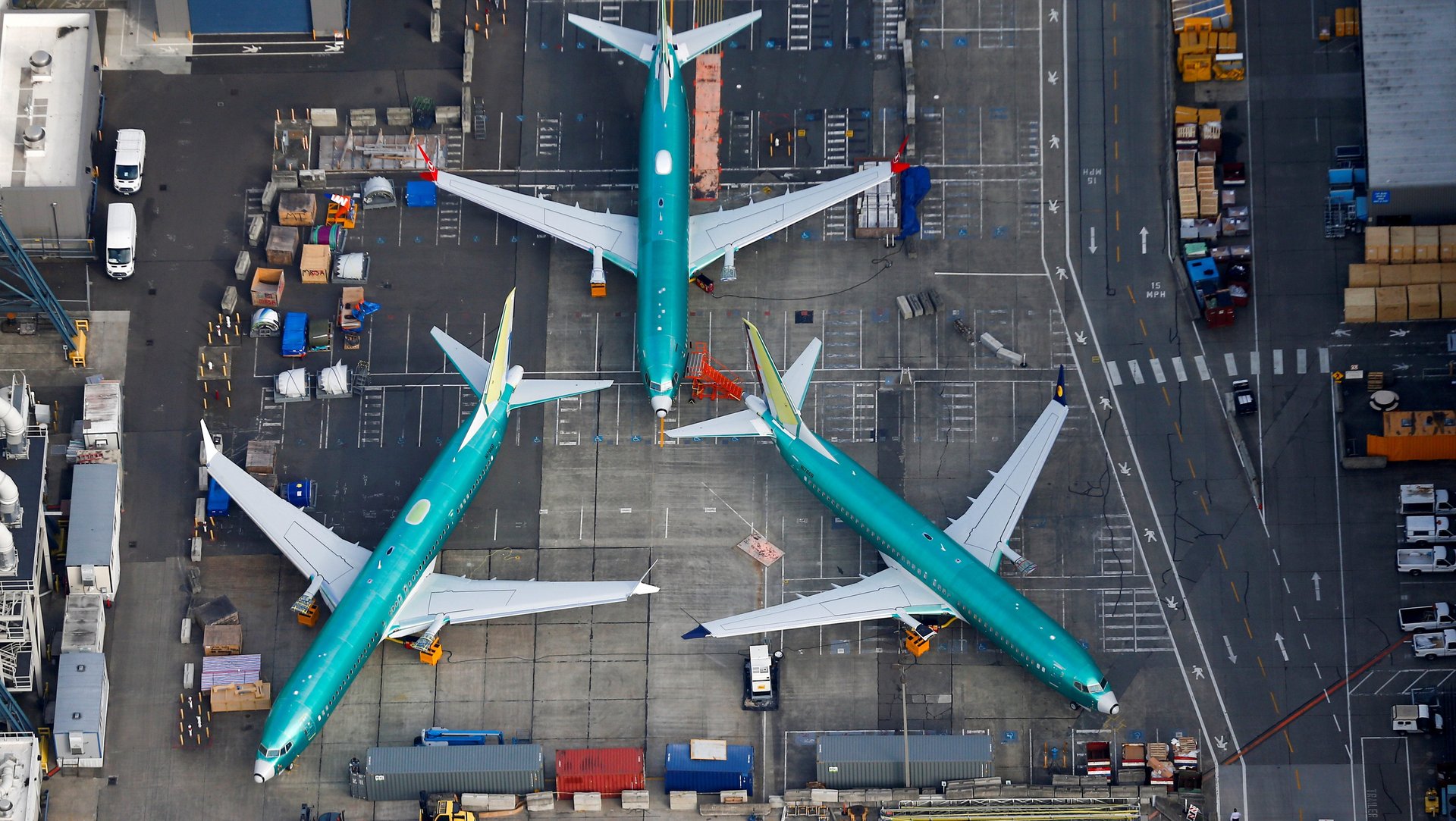
More than 1,500 hours of safety tests later, the Boeing 737 Max is still as grounded as ever, with no real guidance on precisely when it will hit the skies again.

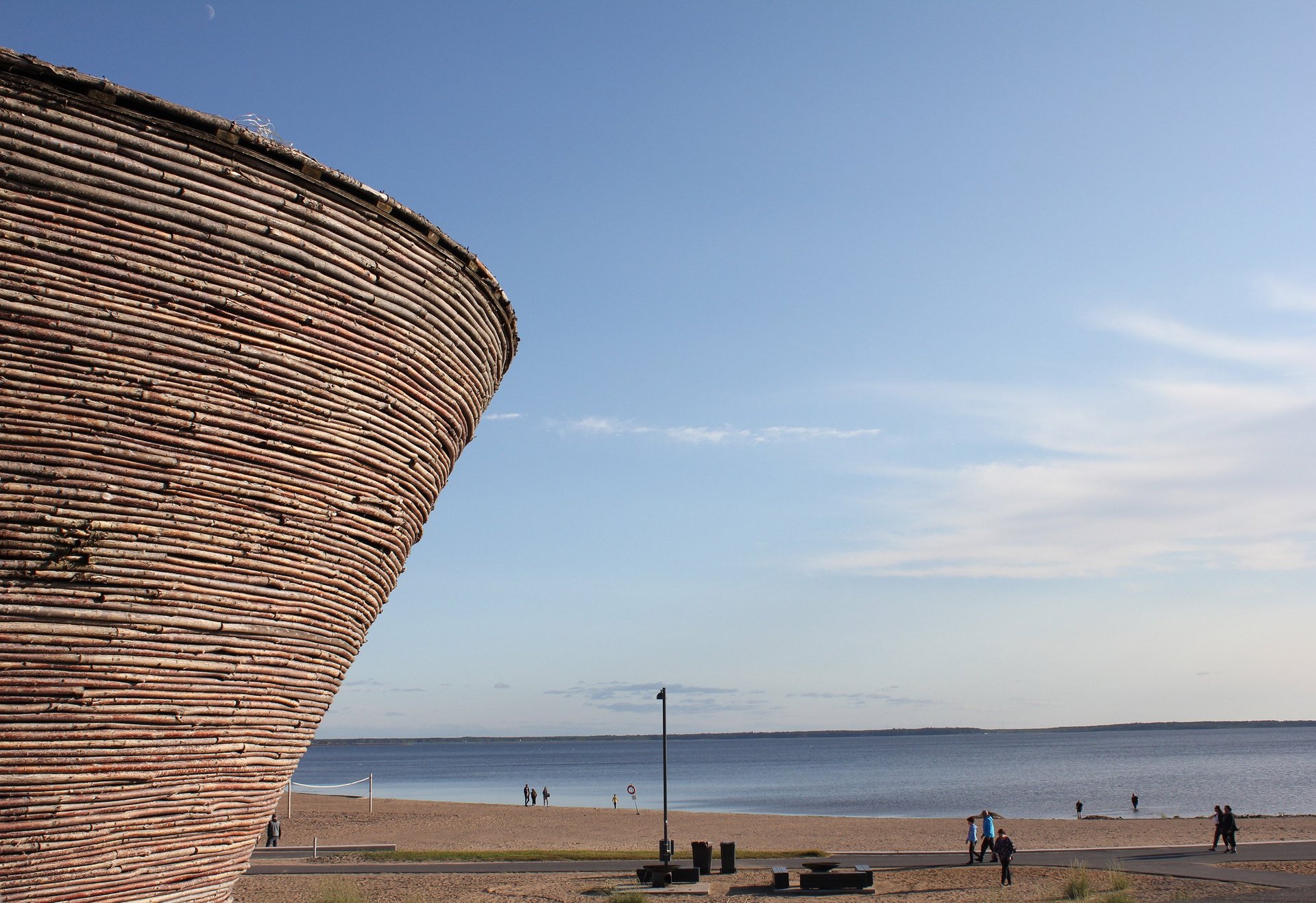
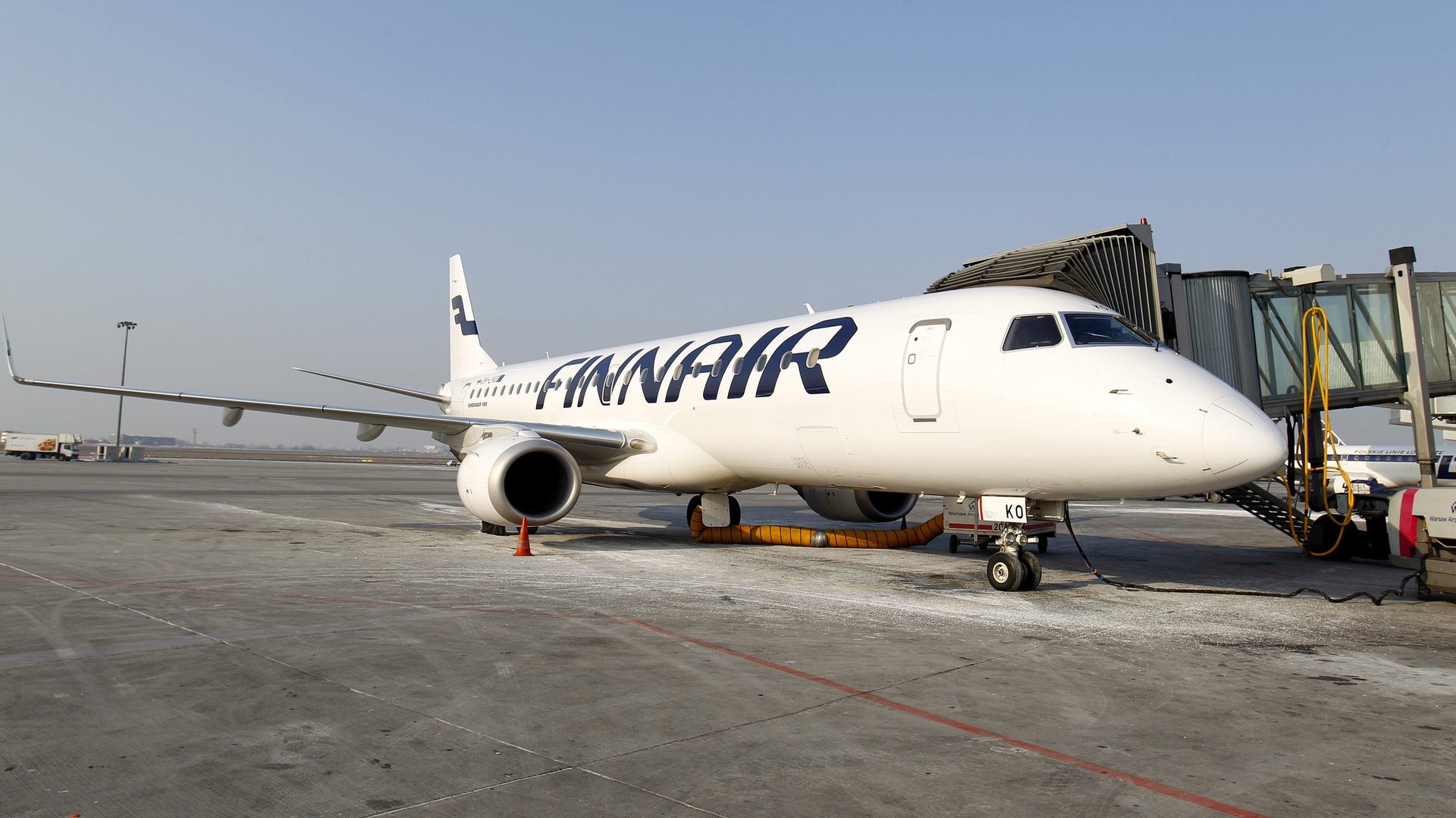
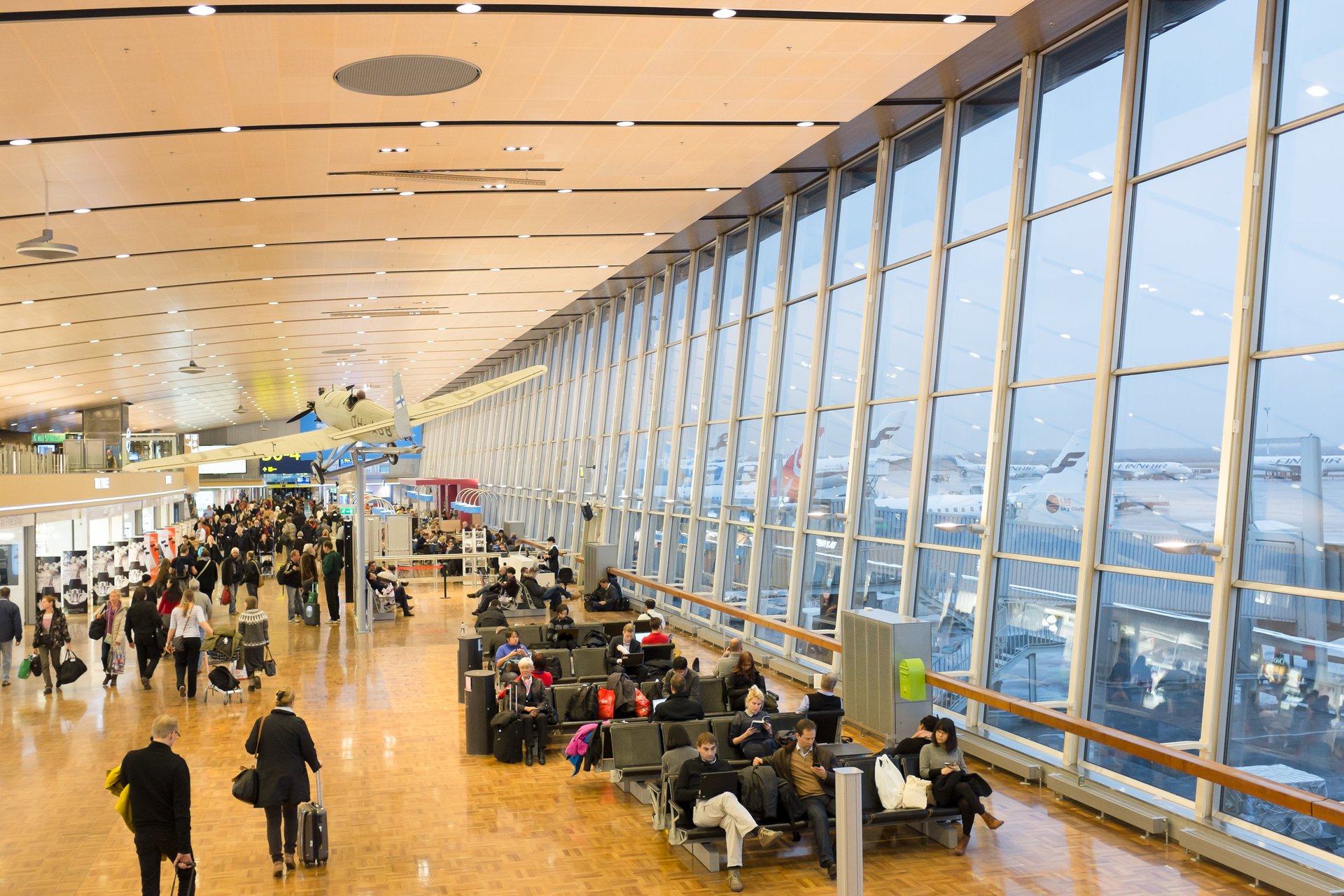
The Finns are a people so conscientious that it’s literally a part of the nation’s brand. A sustainability marketing campaign released this week encouraged visitors to the Nordic country to “be more like a Finn”: Practically speaking, according to the Visit Finland website, that means treating the wilderness with respect, being “considerate with cameras or loud vocals,” and putting the climate first.

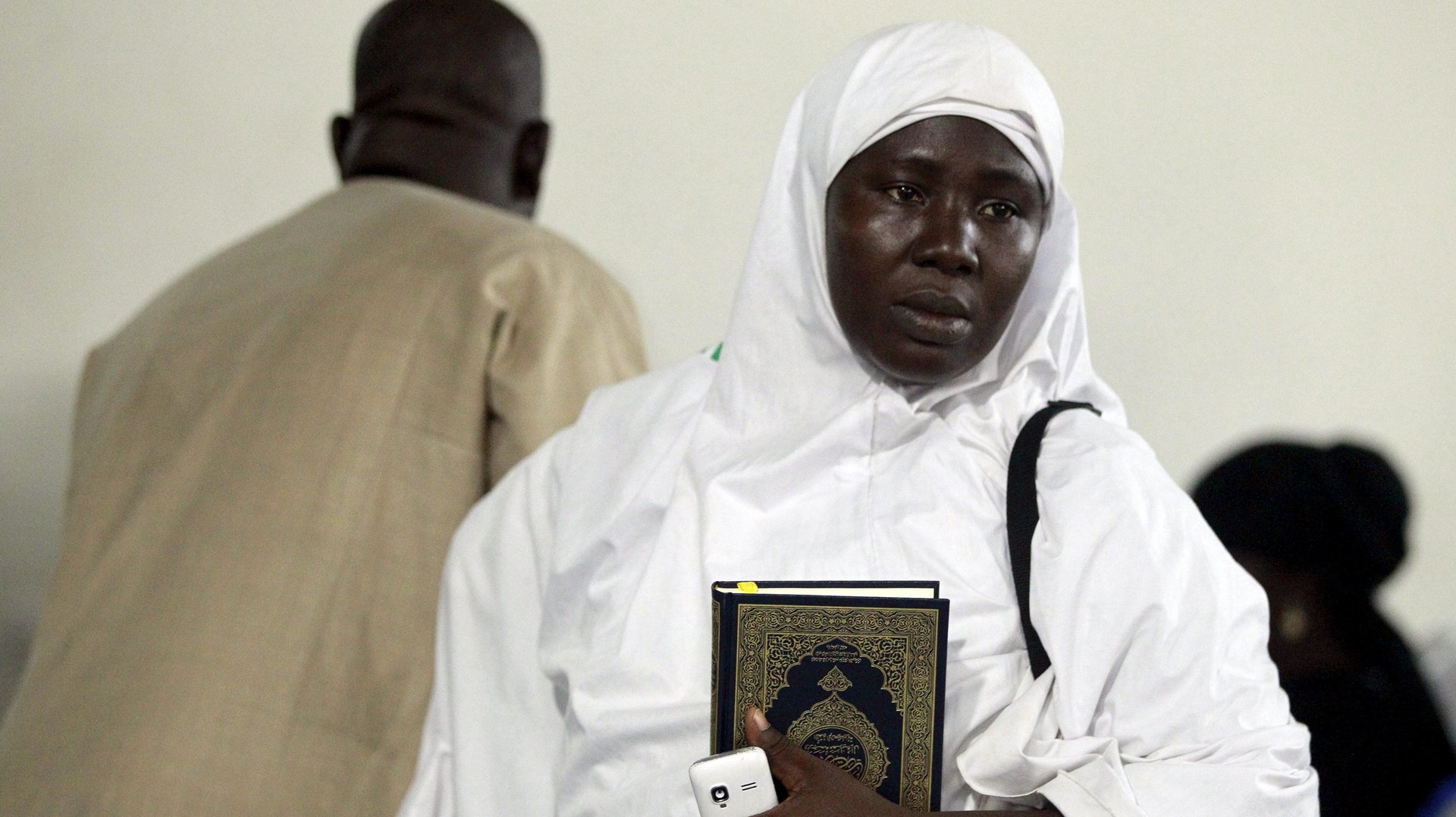
The government of Saudi Arabia is considering a radical change which would allow female pilgrims to perform the hajj without a male guardian, according to an Arab News report.

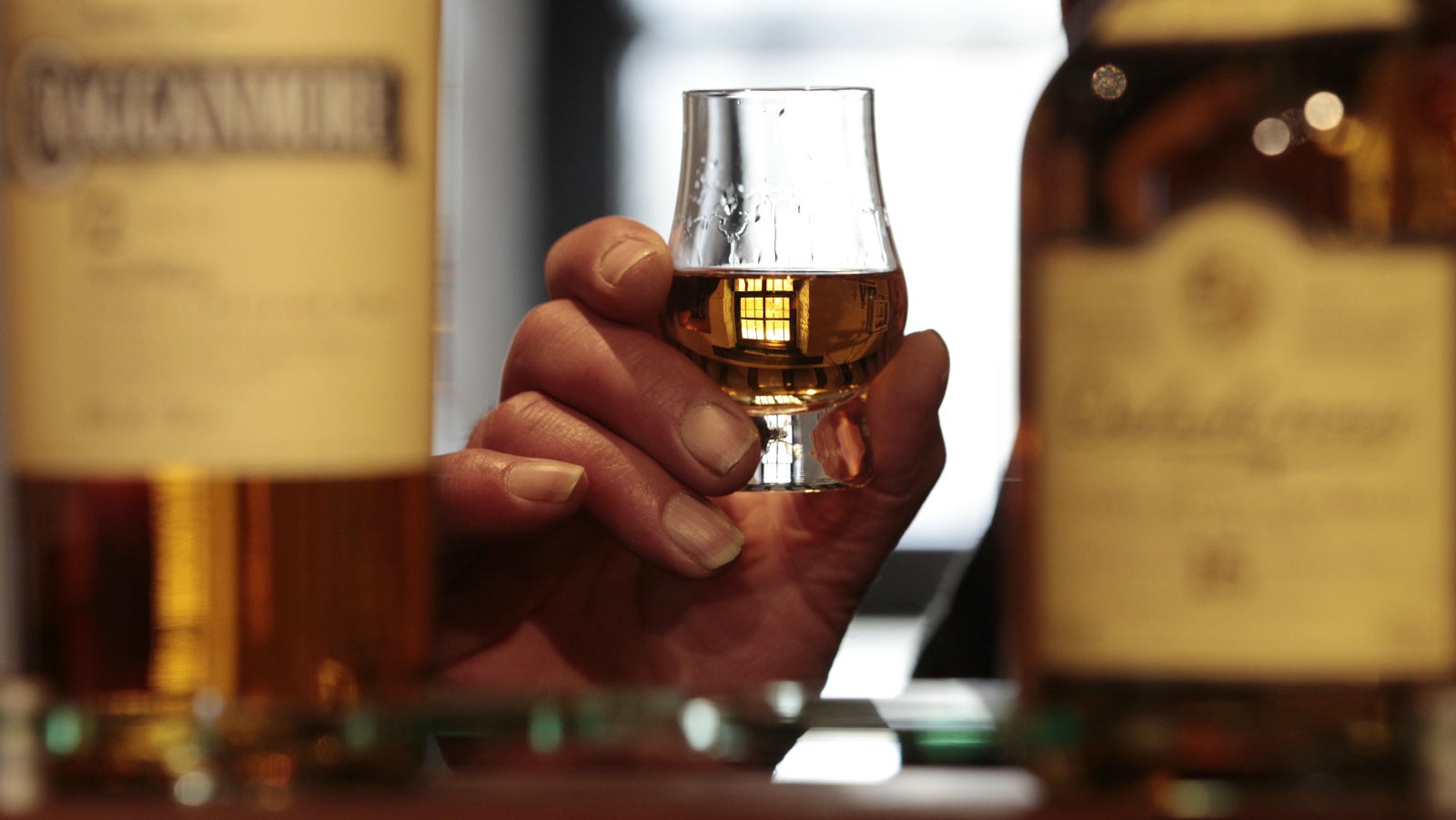
Ordinarily, getting single malt whisky from Scotland to the US looks a bit like this: bottles go in boxes; boxes go on trains, then on boats; boats traverse the Atlantic. It’s a slow, steady process that may take weeks—appropriate for a product which may have spent as much as a quarter-century sitting peacefully in barrels.

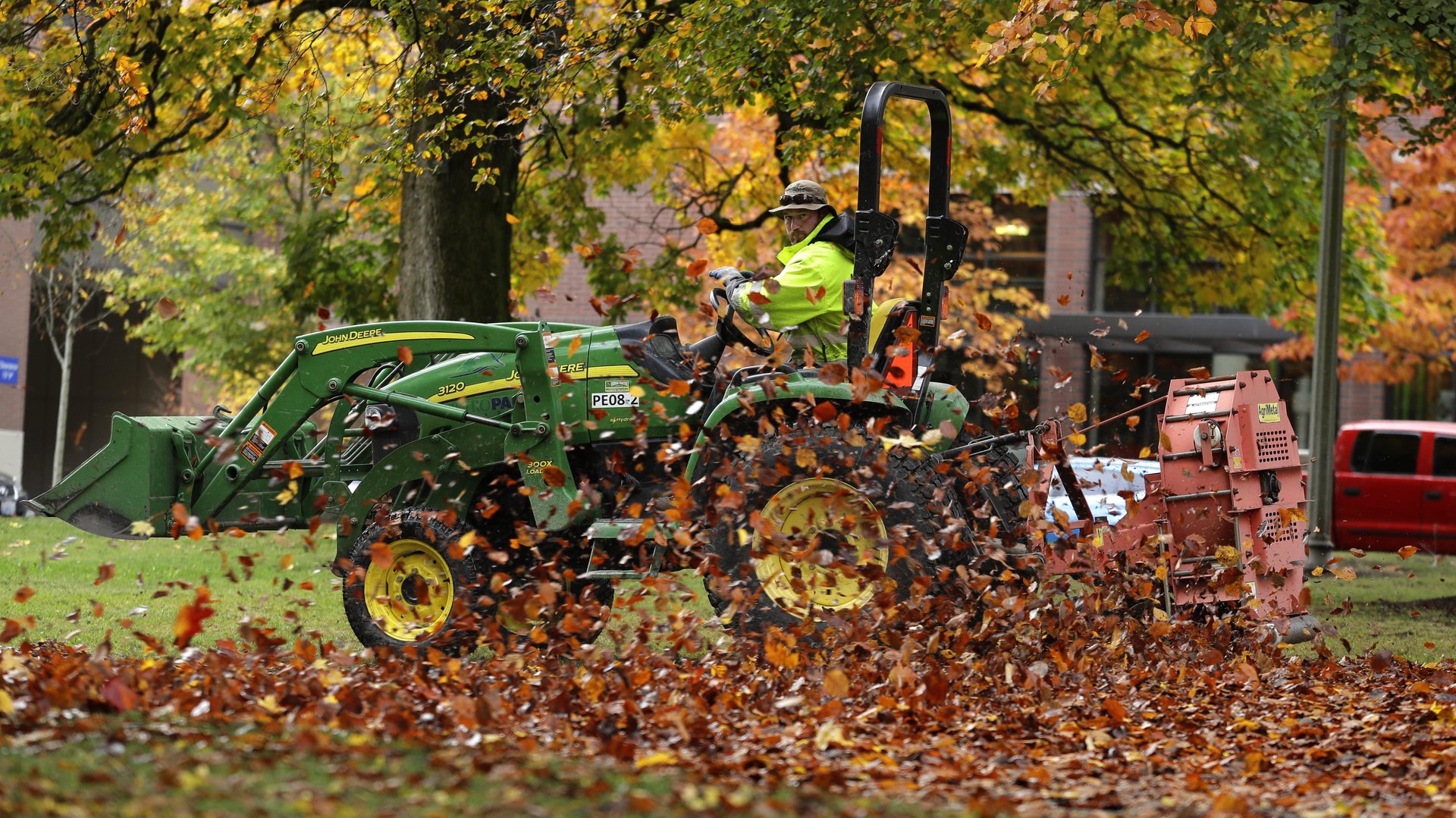
Fall smells like apple and cinnamon; feels like leaves crunching underfoot; tastes like a pumpkin spice latte on the first frosty morning of the year. As dreamlike as that all may be, fall sounds like a nightmare—and that’s because of leaf blowers.

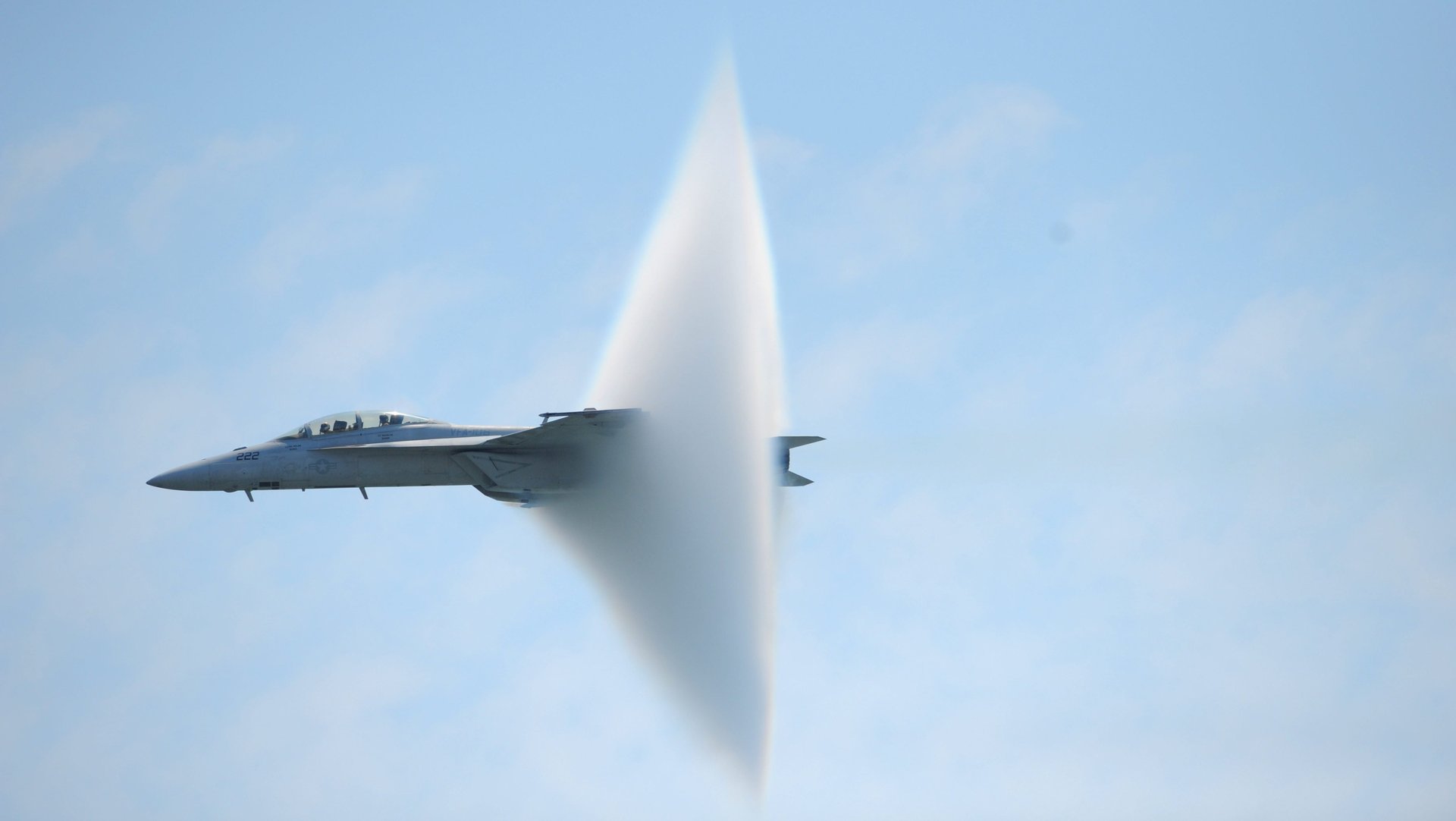
Blake Scholl has a vision. The former pilot and CEO of aircraft company Boom Supersonic wants “supersonic everywhere:” tens of millions of people each year rocketing around the world at a speed faster than sound.

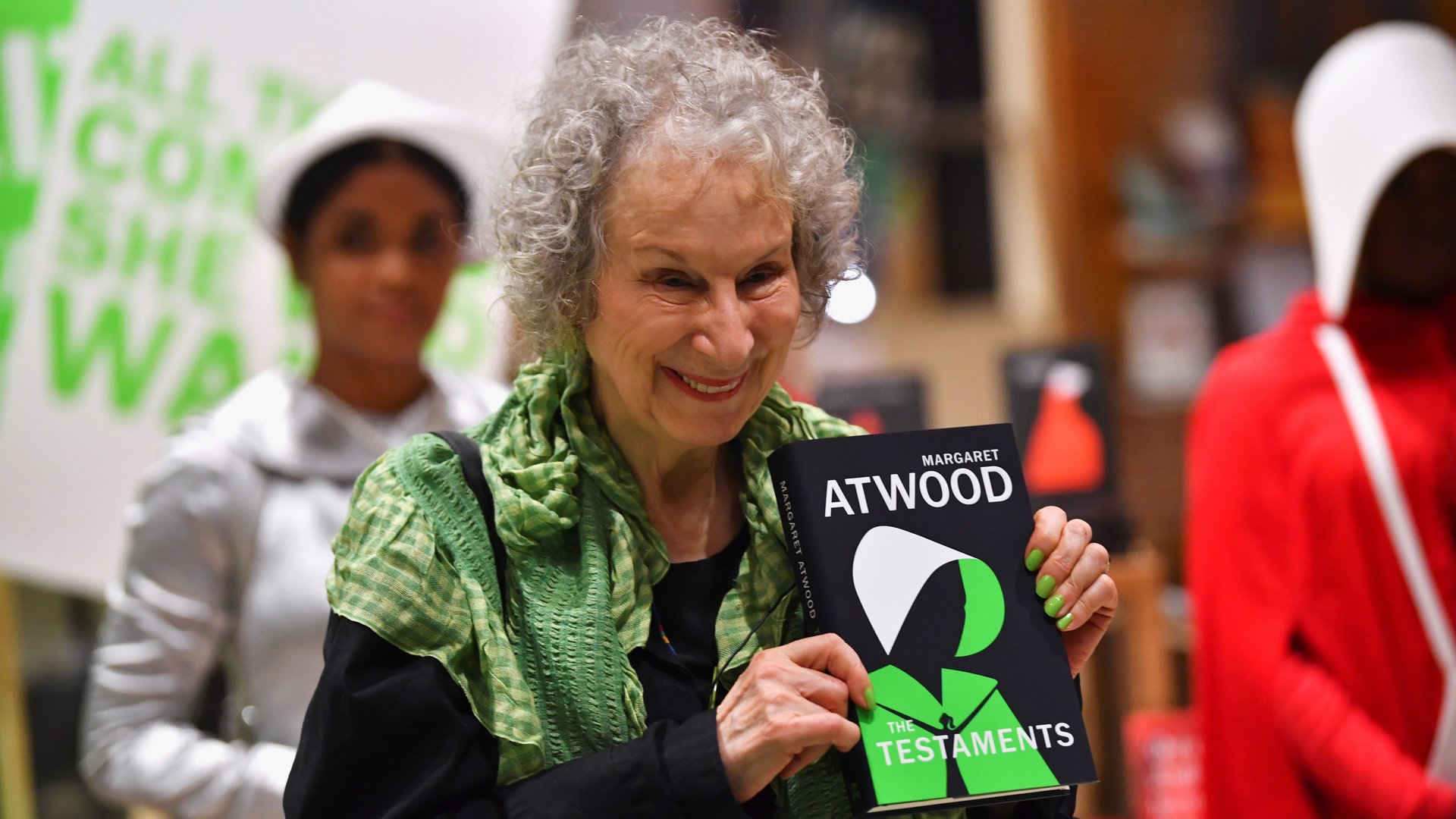
Flouting tradition, this year’s prestigious Booker Prize for Fiction is to be shared by Bernardine Evaristo, author of Girl, Woman, Other, and Canadian novelist Margaret Atwood, for The Testaments.

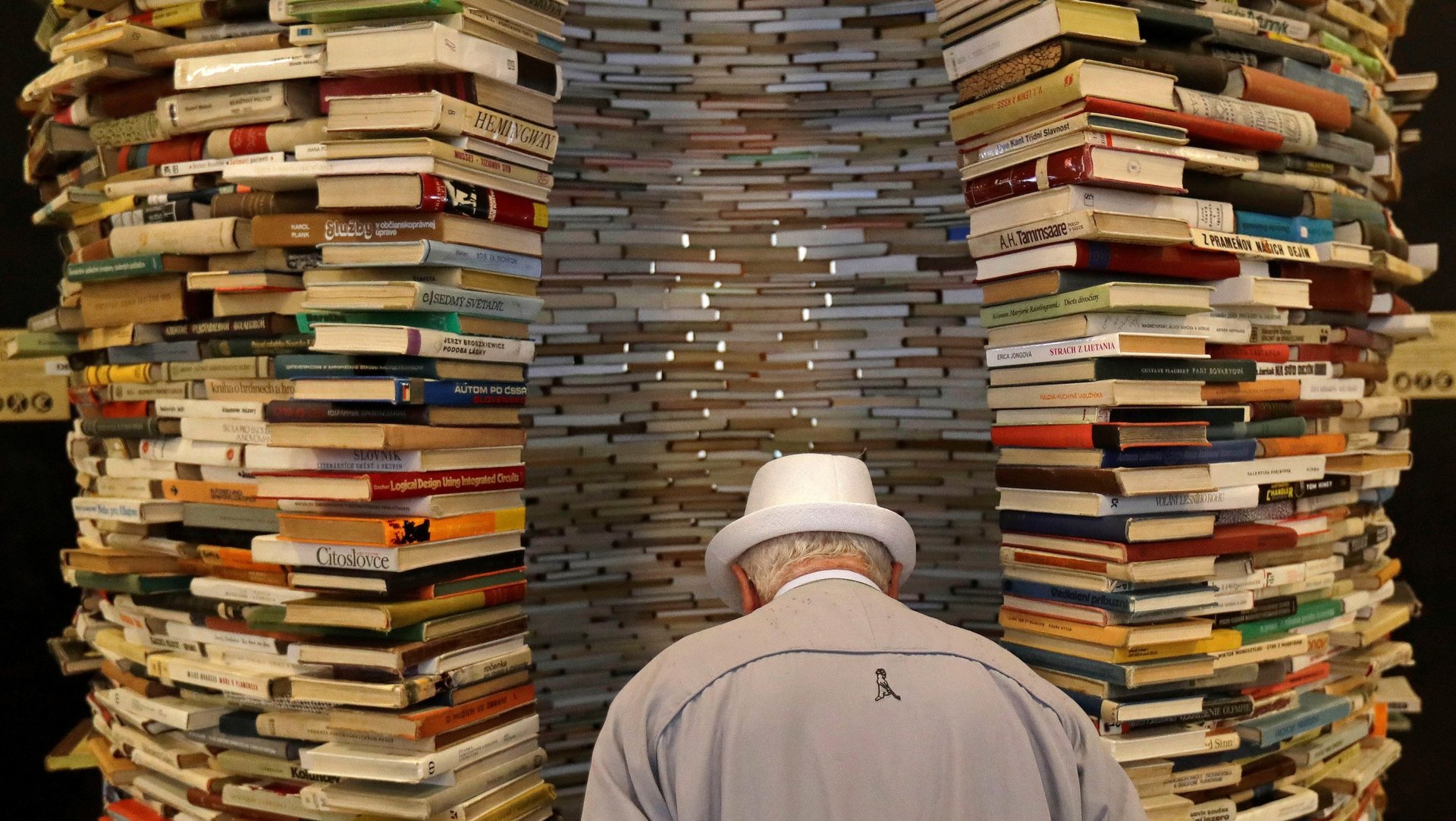
The books that get published often reveal a certain flavor of the age.

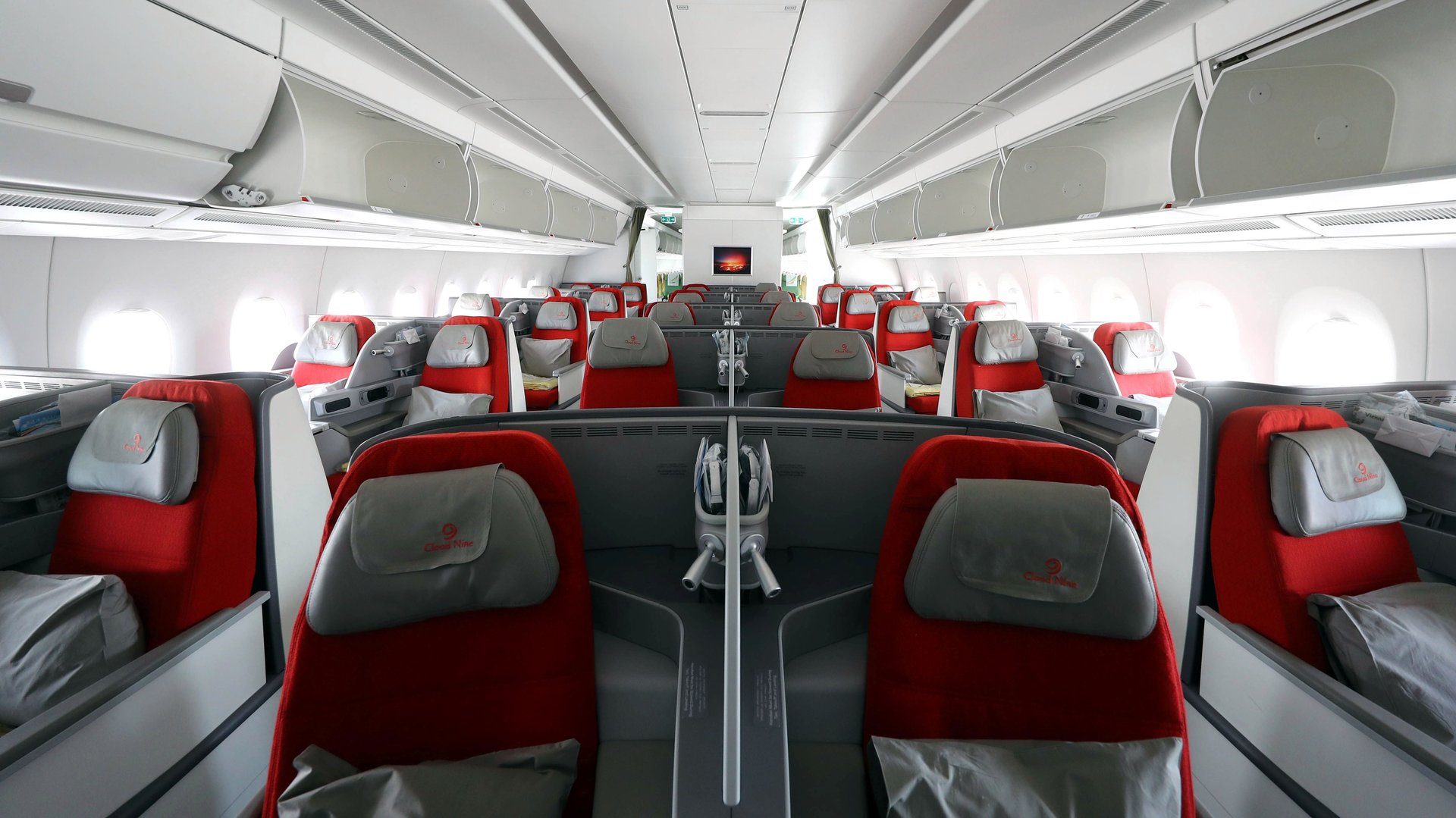
The more you fly, the more perks you get: upgrades to a better cabin, access to an all-you-can-eat lounge, and priority boarding, among other things. And, of course, the option to accumulate “air miles” and fly again—for free.

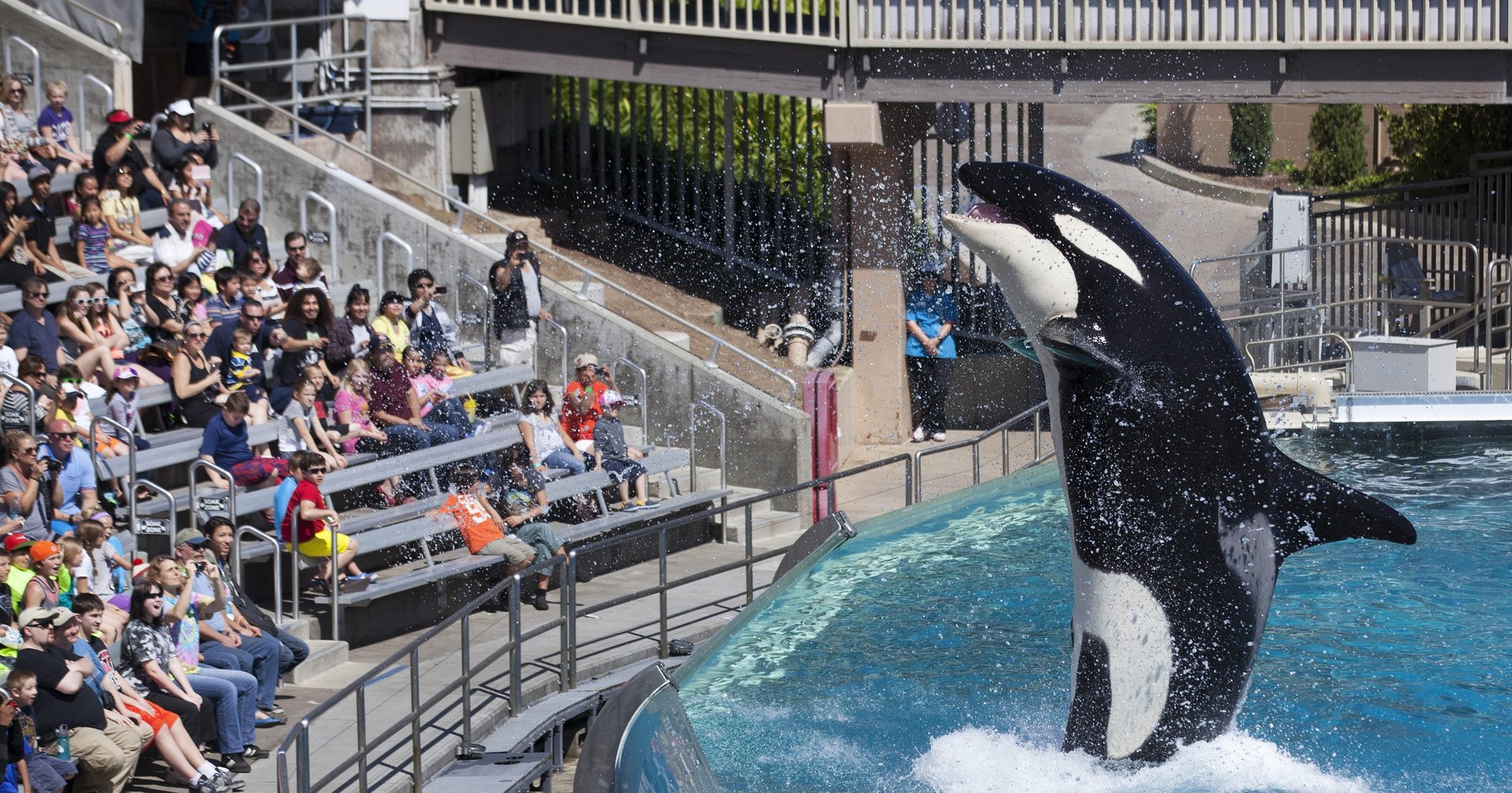
If you want to see orcas jumping through hoops, or dolphins balancing balls on their beaks, you’ll have to google it all by yourself.

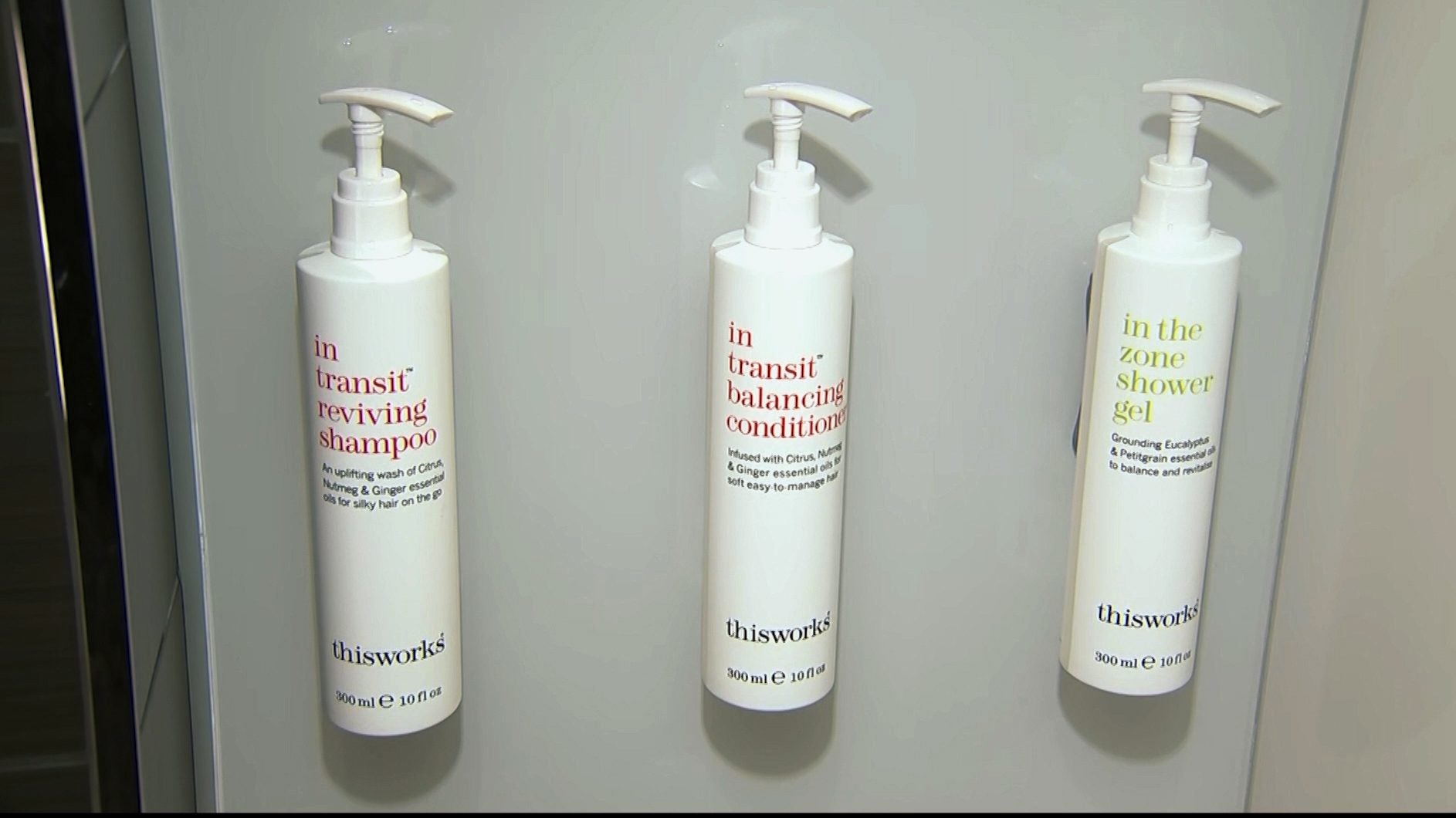
It’s one of the smallest perks of staying in even budget hotels: teeny bottles of shampoo, body lotion, and shower gel, standing two or three inches high. You use them, secret them away, and take them home, where they molder in your medicine cabinet (and make you feel like you got your money’s worth.)

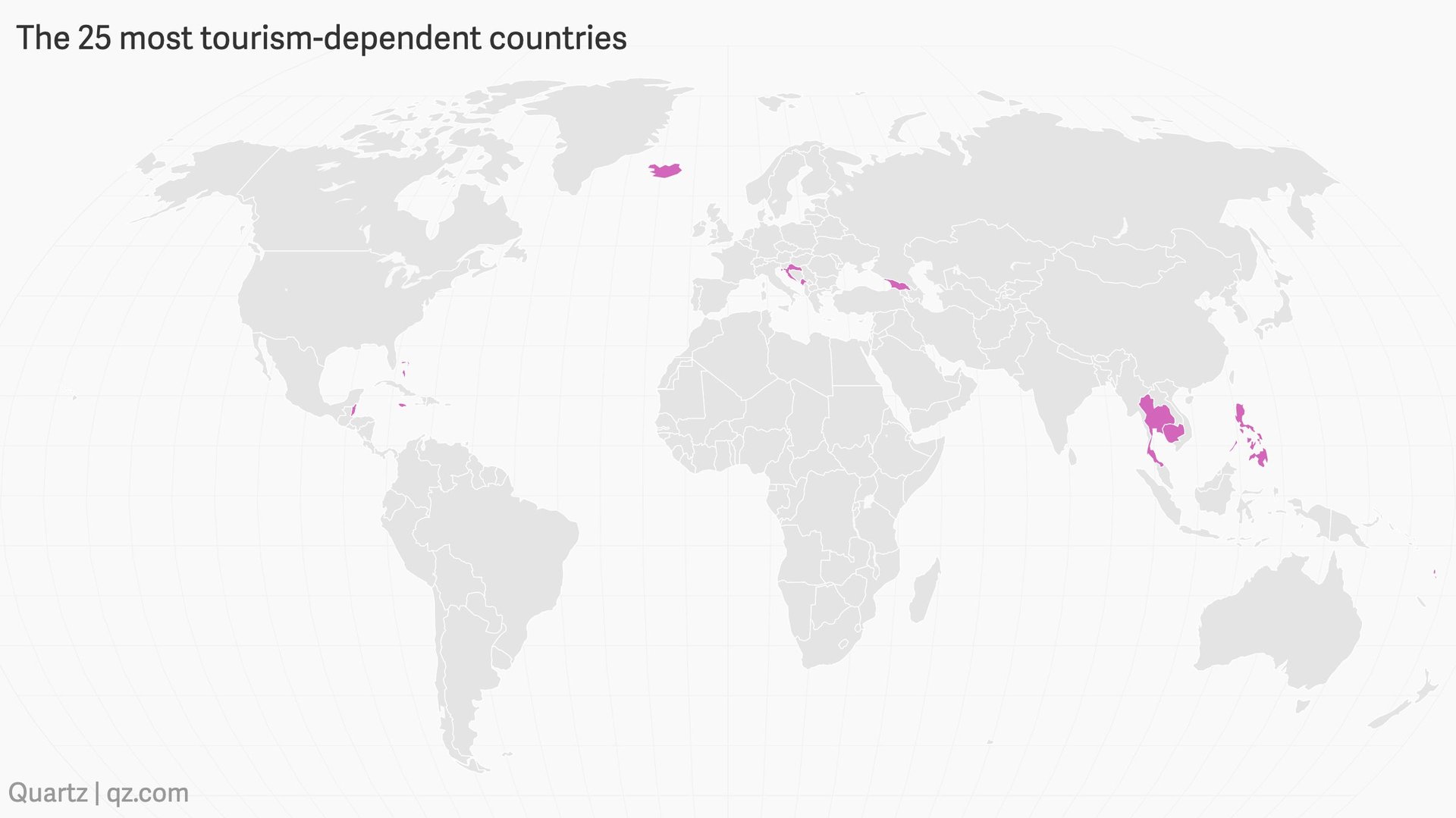
Almost 1.5 million people went to the Maldives in 2018. For these vacationers, their visits were restful opportunities to lie on beaches and suck down fruity drinks. For the island nation’s 430,000 people, they had a far more critical function: contributing more than a third of the country’s GDP.

Airports must keep themselves aloft. Unlike railways, schools, or other public facilities, most receive little or no government support. At the end of the day, it’s the passengers who wind up footing the bill—even if they aren’t aware of it. Some of that comes via airlines, who pay fees to use an airport. But for decades, rent from retailers, duty-free sales, and parking have helped make up the shortfall.