

Tech & Innovation
What texting does to the spineSixty pounds is roughly the weight of four adult-sized bowling balls. Or six plastic grocery bags worth of food. Or an 8-year-old.
Updated July 21, 20221 min read
Sixty pounds is roughly the weight of four adult-sized bowling balls. Or six plastic grocery bags worth of food. Or an 8-year-old.
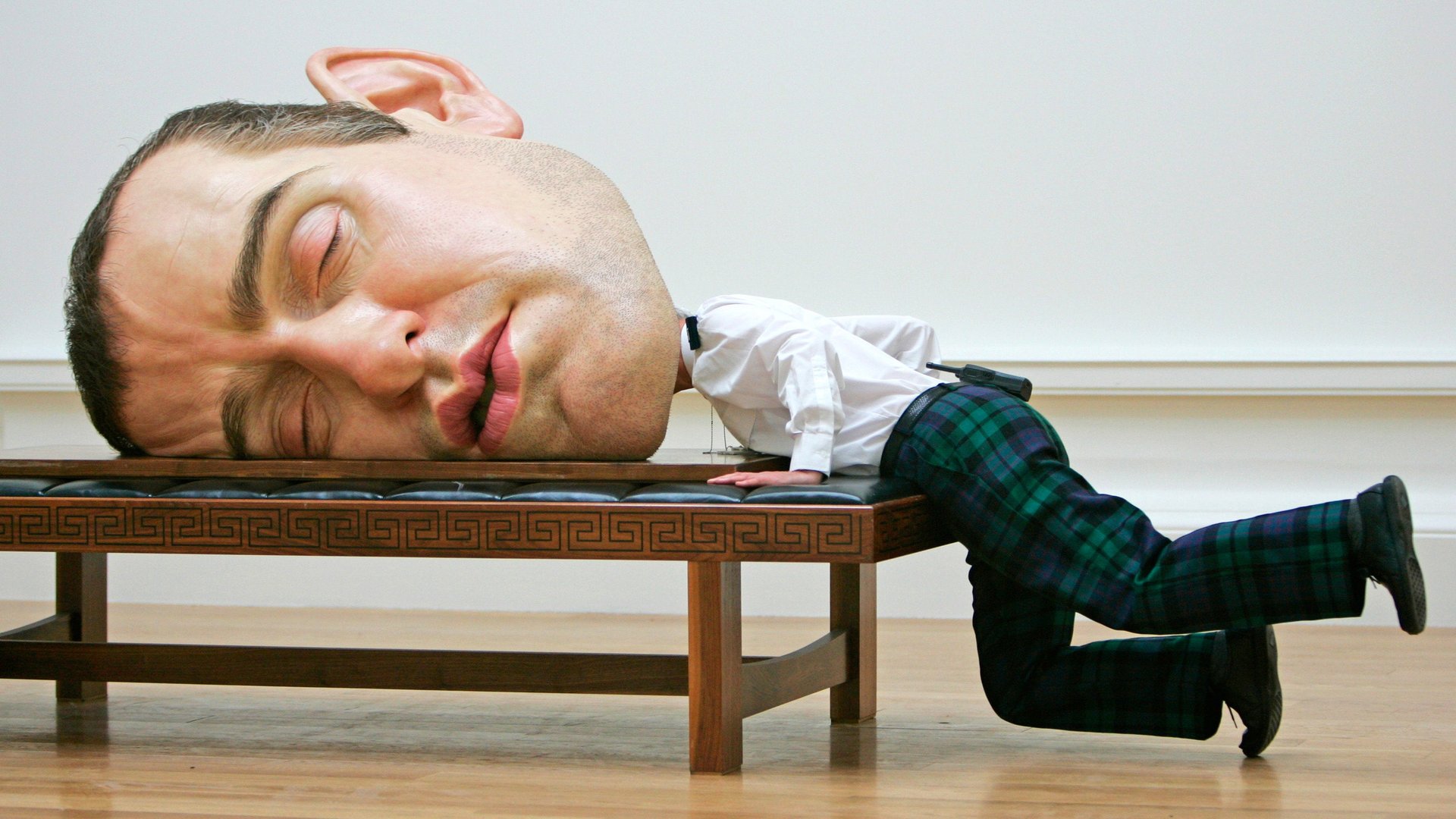
Erwin Schrödinger, the Nobel-prize-winning Austrian physicist, was able to make major contributions to the fields of quantum mechanics, general relativity, and color theory during his lifetime. There was only one caveat: He was not able to make those contributions … in the mornings.
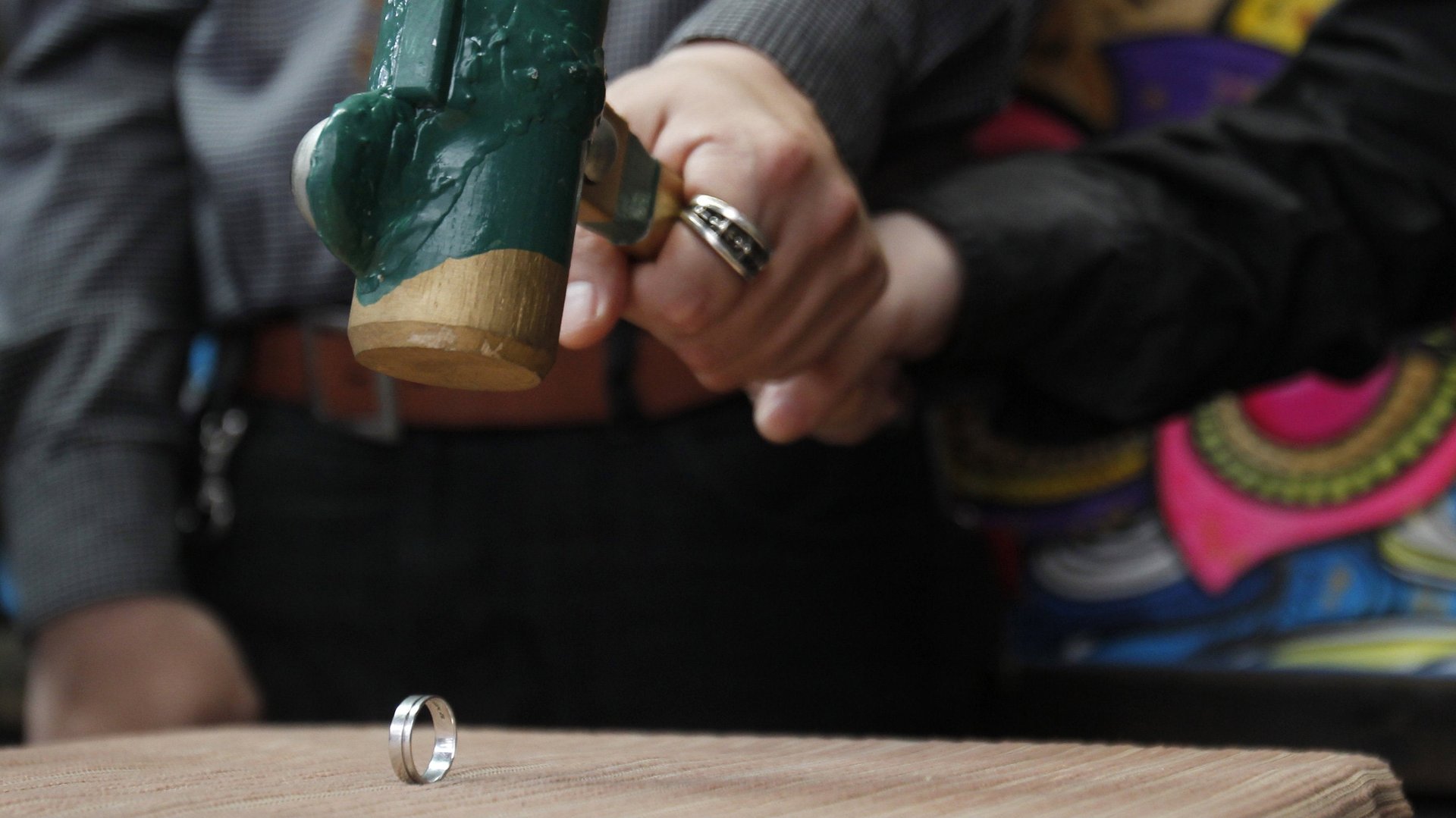
A diamond is forever, but an expensive engagement ring means the marriage might not last that long. According to a new study, spending between $2,000 and $4,000 on an engagement ring is significantly associated with an increase in the risk of divorce.

There’s a reason why “boom times” and “baby boom” both contain an onomatopoeic signifier of the procreative act. In developed countries, fertility rates tend to go up and down with GDP.

English is rich with idioms that connect our bellies with our behavior. We get “butterflies in our stomachs” or just have a “gut feeling” about things. But increasingly, there’s scientific evidence that the bacteria in our guts might influence emotion and behavior.

If it’s a Tuesday, Wednesday, Thursday, Friday, or Saturday, Sam McCalman wakes up in his tiny one-bedroom apartment in Flatbush well before the nearest Starbucks opens for business. He catches the 5am bus to the John F. Kennedy Airport in Queens. From 7am to 3pm, he works there as a wheelchair attendant, gently rolling disabled and elderly travelers from gate to gate. Between clients, he is not permitted to sit down.

Freshmen across the country are moving into their dorms this week, hanging up their Target Room Essentials™ curtains and sizing up their roommate’s hygiene habits. They might also, on the advice of their forebears, stop to Google articles such as, “15 Ways to Fight the Freshman 15.” In the course of this battle, they may vow to attend only the most rigorous Zumba sessions at the campus gym and to eat only the most reasonable servings of soft-serve from the campus soft-serve machine. At least until said machine is stolen by the Pi Kappa Phi brothers as part of an elaborate and tragically fatal prank.

In a touching Medium post a few days ago, the writer and programmer Paul Ford shared what he thinks is the secret to his politeness. In conversations with new acquaintances, Ford asks plenty of questions and lets the other person do the talking. He tries not to ask what they do for a living, but if it comes to that, he responds to their job description—whatever it is—with, “Wow. That sounds hard.”

Do our Facebook posts reflect our true personalities? Incrementally, probably not. But in aggregate, the things we say on social media paint a fairly accurate portrait of our inner selves. A team of University of Pennsylvania scientists is using Facebook status updates to find commonalities in the words used by different ages, genders, and even psyches.

Once, at a party, I was introduced to a friend of a friend. We shook hands, I told her my name, she told me hers. Then she did something that I was ever so grateful for.
The diner menu is a peculiar thing: It’s meant to be scrutinized when one is, at best, hungover. But it’s packed with a dizzying array of options that requires a sharp mind to parse. Its offerings are usually basic comforts, yet it has the comprehensiveness and heft of the Book of Deuteronomy. Do you go with the “Boss Hog” sandwich, with its puddle of BBQ sauce, or do you atone for whatever brought you to the diner in the first place by ordering the house salad?

We rarely stop and think about the science of tattoos. In fact, some people don’t even stop and think before getting tattooed.

Leaving Saint Petersburg for Moscow recently, I needed to determine whether our train tickets were for an assigned seat in a specific car, or if it was open seating. Unfortunately, I didn’t know the word for “assigned,” or even a close approximation for “open seating.”

Tattooing, when you think about it, is like smiling: Nearly every culture does it, but not always for the same reason.

Usually when a group of middle-aged people gather to kvetch about twenty-somethings, it’s about how they’re always texting, or they spend too much time on the social medias, or they’re boomeranging back to their parents’ homes because they’re afraid to just walk right up to a business owner, look him straight in the eye, and ask for a job.

The other day, a mother of a 15-month-old walked into Andrew Garner’s office, oozing frustration.

If you have one too many tonight, among the things you might be wondering tomorrow morning—along with “Where is the Advil?” and “Can everyone please just shhh?”—are a number of existential queries that hangovers, in all their guilt-inducing agony, tend to stir. Like, “Is that ‘hair of the dog’ thing true?” or “Why is it that hangovers always make me swear off drinking forever, yet I don’t?”

First comes love, then comes marriage, then comes … actually reverse that. First comes the baby, then, we’ll see.
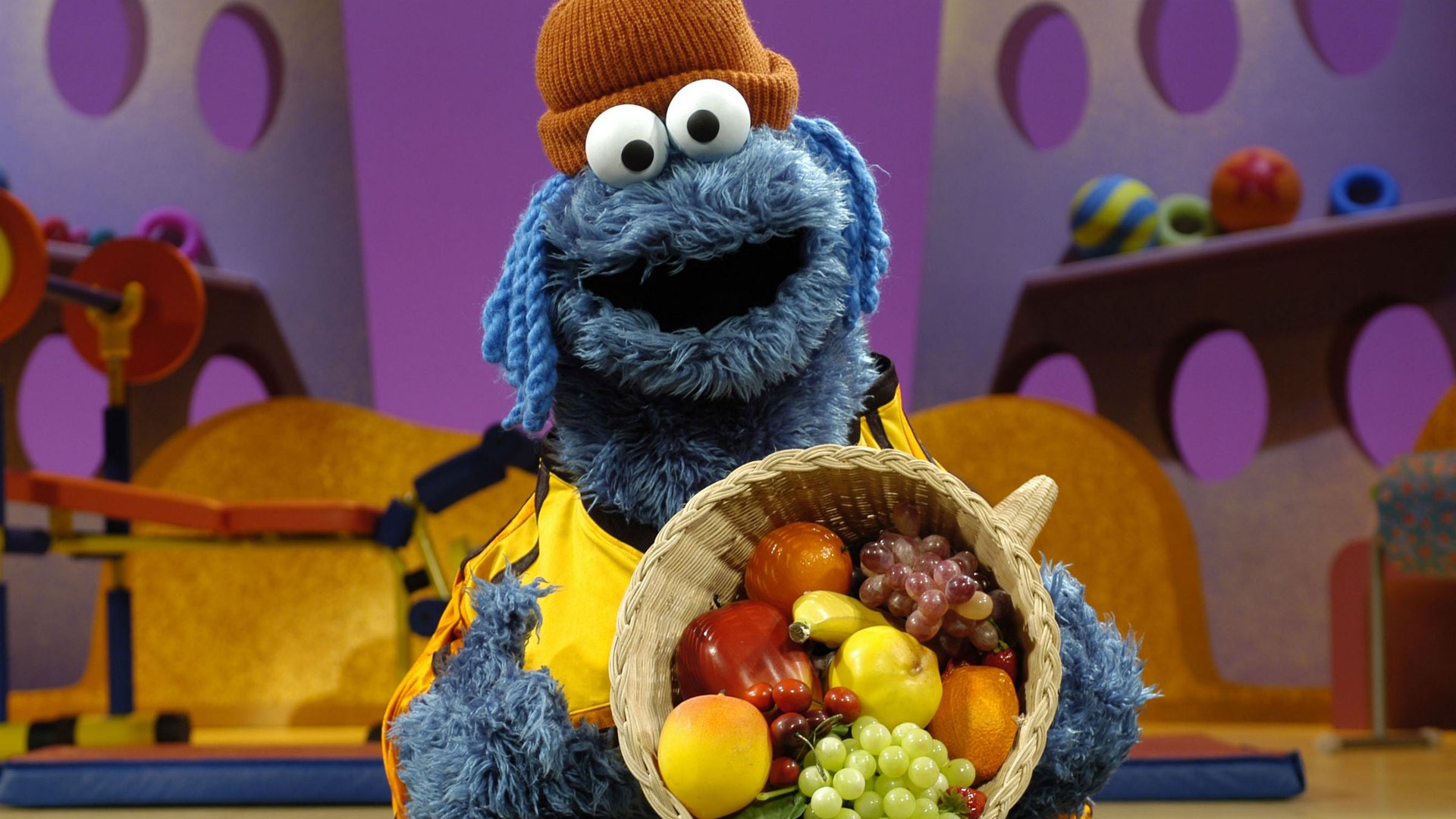
Why are so many people overweight? Part of the reason, some think, is because they don’t have access to, the money to buy, or the desire to eat fresh fruits and vegetables.

In the 1992 comedy Encino Man, two California teenagers unearth a frozen caveman while digging a pool in their backyard. With the aid of some space heaters in the garage, he comes back to life, and fish-out-of-water hijinks ensue.

During her three-year tenure, former New York Times executive editor Jill Abramson was described (anonymously, of course), as many things, including “brusque,” “condescending,” and of course, “very, very unpopular.”

Rosa Pena, a 24-year-old single mom in Arizona, told the New York Times “I’ll do what I have to do,” to stay alive, including sell the groceries she buys with food stamps. Other poor women the paper interviewed in 2012 said they sell clothes for extra cash or reluctantly move back in with violent boyfriends. “One woman said she sold her child’s Social Security number … ‘I tried to sell blood, but they told me I was anemic,’ she said.”

The thing to blame if you think people don’t like it when women are in charge is “role congruity.” It’s the theory that the most primitive parts of our brain continue to dictate our ideas about gender roles, with the man setting the rules of cave-house and forging the path to the mammoth den while the woman sticks to just nurturing things. Thus, when a woman steps into a leadership role, it’s supposed to trigger a “gender-role violation” that, consciously or not, stirs us to see her as less capable.

Shannon, a 14-year-old who lives in Massachusetts, has amblyopia, a condition sometimes referred to as “lazy eye.”