In 1954, the same year that the US Supreme Court banned segregation in the Brown v. Board of Education case, psychologist Gordon Allport proposed an idea he called the “social contact” theory.

In 1954, the same year that the US Supreme Court banned segregation in the Brown v. Board of Education case, psychologist Gordon Allport proposed an idea he called the “social contact” theory.

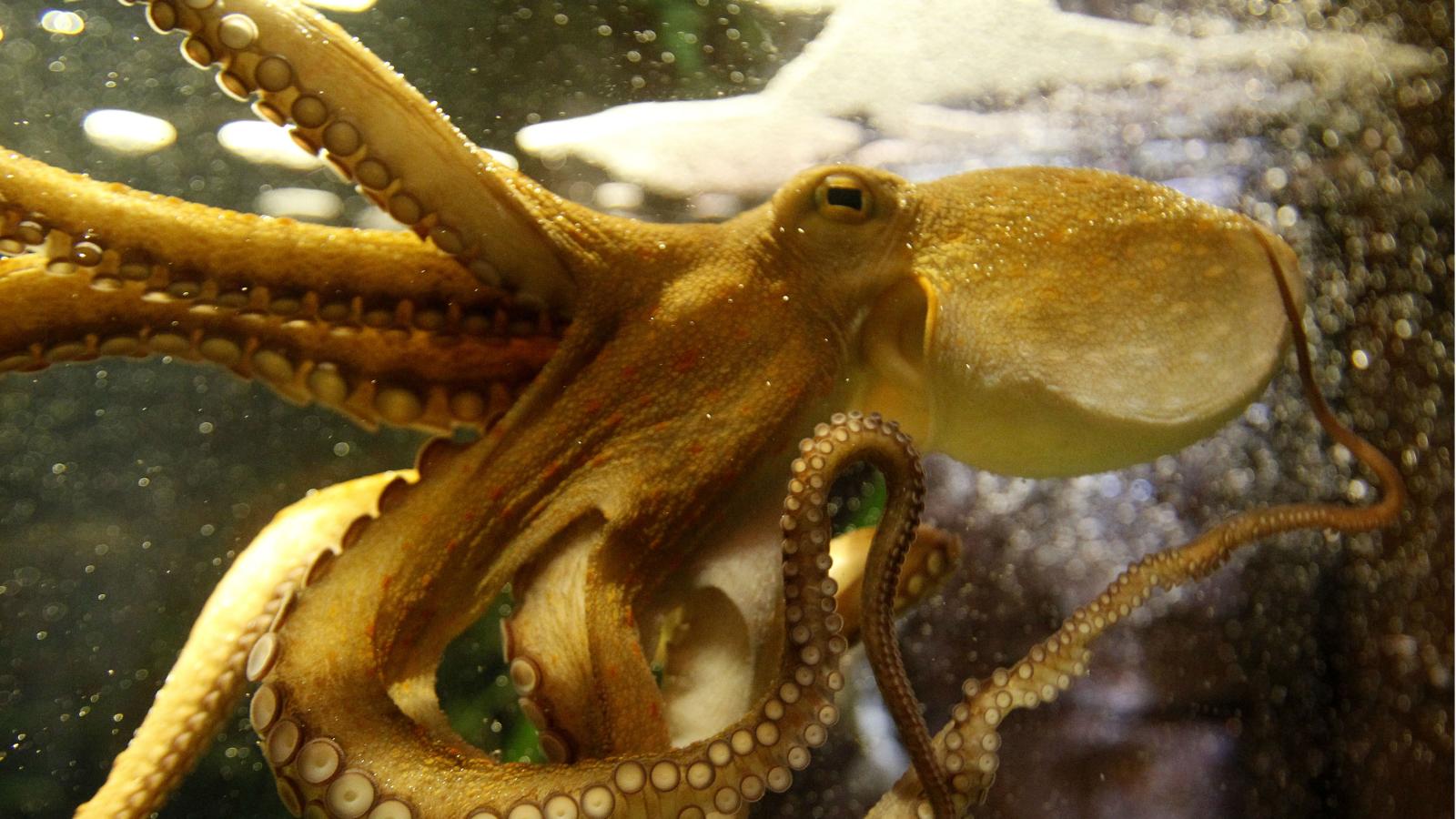
The arrival of octopus farms is fast approaching. So far, the animals have escaped farming because they are extremely difficult to feed soon after being born, and have a low survival rate. But technological advances and experimentation are making it possible. A Japanese seafood company hatched octopus eggs in 2017 and expects to see farmed octopus for sale by next year; a Mexican farm has reportedly farmed octopus, and farms in Spain and China are also getting in on the business.

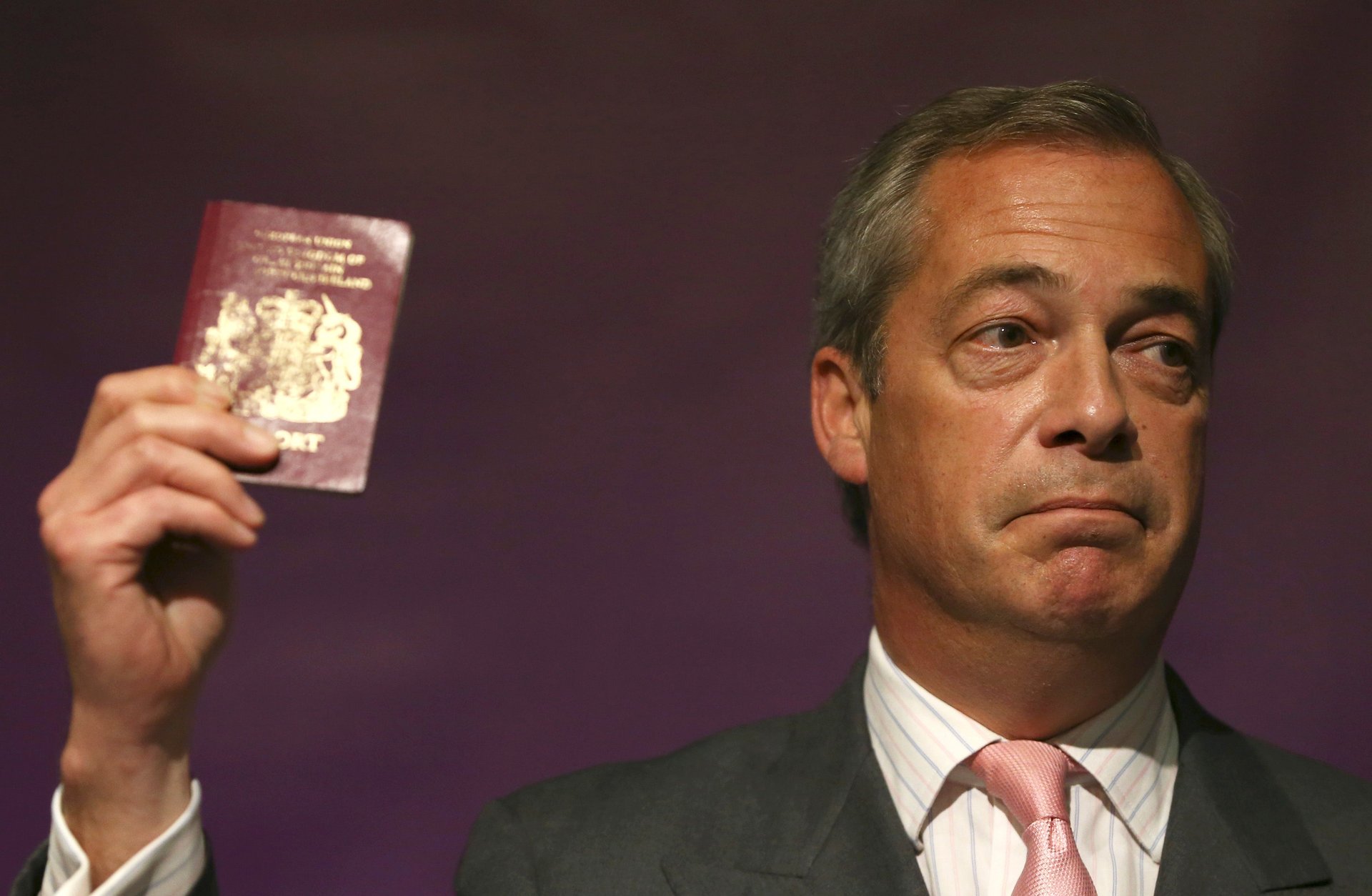
Any pomp and circumstance around Britain leaving the European Union has been thoroughly muddled by the confusion as to when, and even if, it will happen. A perfect visual representation of the Brexit mess has recently manifest in the country’s passport version of roulette: Some UK passports are now being printed without the words “European Union”… but others aren’t.

At some point in life, all of us get that unexpected call on a Tuesday afternoon that distorts our world and makes everything else irrelevant: There’s been an accident. Or, you need surgery. Or, come home now, he’s dying. We get through that time, somehow, drawing on energy reserves we never knew we had and persevering, despite the exhaustion. There’s no word in English for the specific strength it takes to pull through, but there is a word in Finnish: sisu.

Almost three years since Britain voted for Brexit, there’s still no clear solution on how to actually make it happen. A deal wrangled by Theresa May, no deal, and a second referendum have all been rejected by Parliament and the country is, quite frankly, a mess. Perhaps what we need is some serious brains detangling the problem. To that end, the Institute of Art and Ideas (IAI) recently invited 10 philosophers to reveal their answer to Brexit.

Welcome to the world of 21st-century technological advancements, where brand new innovations give us the chance to… create exactly the same stupid sexist divides all over again, but with new buzzwords. The latest infuriating example of this is “FemTech,” a word used to describe technology that “improves women’s lives.”

In major dinosaur news, a study published this week announced that a newly discovered fossil graveyard shows the impact of the asteroid that struck Earth, destroying most living plants and animals, 66 million years ago. Many publications hyped this discovery as a “fossil graveyard,” and reported the study as offering proof that dinosaurs were killed by an asteroid impact, rather than declining before it hit Earth (which is an alternate theory for the end of the dinosaur era). This finding would indeed answer a major question in paleontology research.

This story is part of How We’ll Win in 2019, a year-long exploration of workplace gender equality. Read more stories here.

For all their pontificating and complex moral theories, ethicists are just as disappointingly flawed as the rest of humanity. A study of 417 professors published last week in Philosophical Psychology found that, though the 151 ethics professors expressed stricter moral views, they were no better at behaving ethically.

This week, a published study announced that potent cannabis significantly increases the risk of psychosis. So much so, found the authors of The Lancet paper, that around 30% of first-episode psychosis experiences in London and 50% of those in Amsterdam could be prevented if high-potency cannabis were not available in those cities.

Before I picked up Bernard-Henri Lévy’s latest book, The Empire and the Five Kings, all I knew of him is that he’s a “public intellectual.” This phrase is used in nearly every description of Lévy (or BHL as he’s often called) and, along with Slavoj Žižek and Alain de Botton, he’s one of a handful of especially prominent public intellectuals in Europe. BHL’s that rare breed of thinker who is au fait with academic concepts, read by a popular audience, and can shape media conversations with just a few sentences of commentary.

Three years ago, it was hard to avoid all the Universal Basic Income (UBI) trials. First Finland announced that it would launch a UBI experiment, then Switzerland voted on (but rejected) a UBI trial. Next Ontario, Canada announced it was getting in on the game, followed by proposed experiments in Utrecht, Barcelona, California, and Kenya.

Any parent who spent hundreds of thousands of dollars to cheat their kid into prestigious universities clearly lost and destroyed their moral compass long ago. Their children—those who benefitted from the teaching—represent a slightly more complex ethical question. How much moral weight do teenagers bear for going along with the criminal activities of their parents?

Free will, from a neuroscience perspective, can look like quite quaint. In a study published this week in the journal Scientific Reports, researchers in Australia were able to predict basic choices participants made 11 seconds before they consciously declared their decisions.

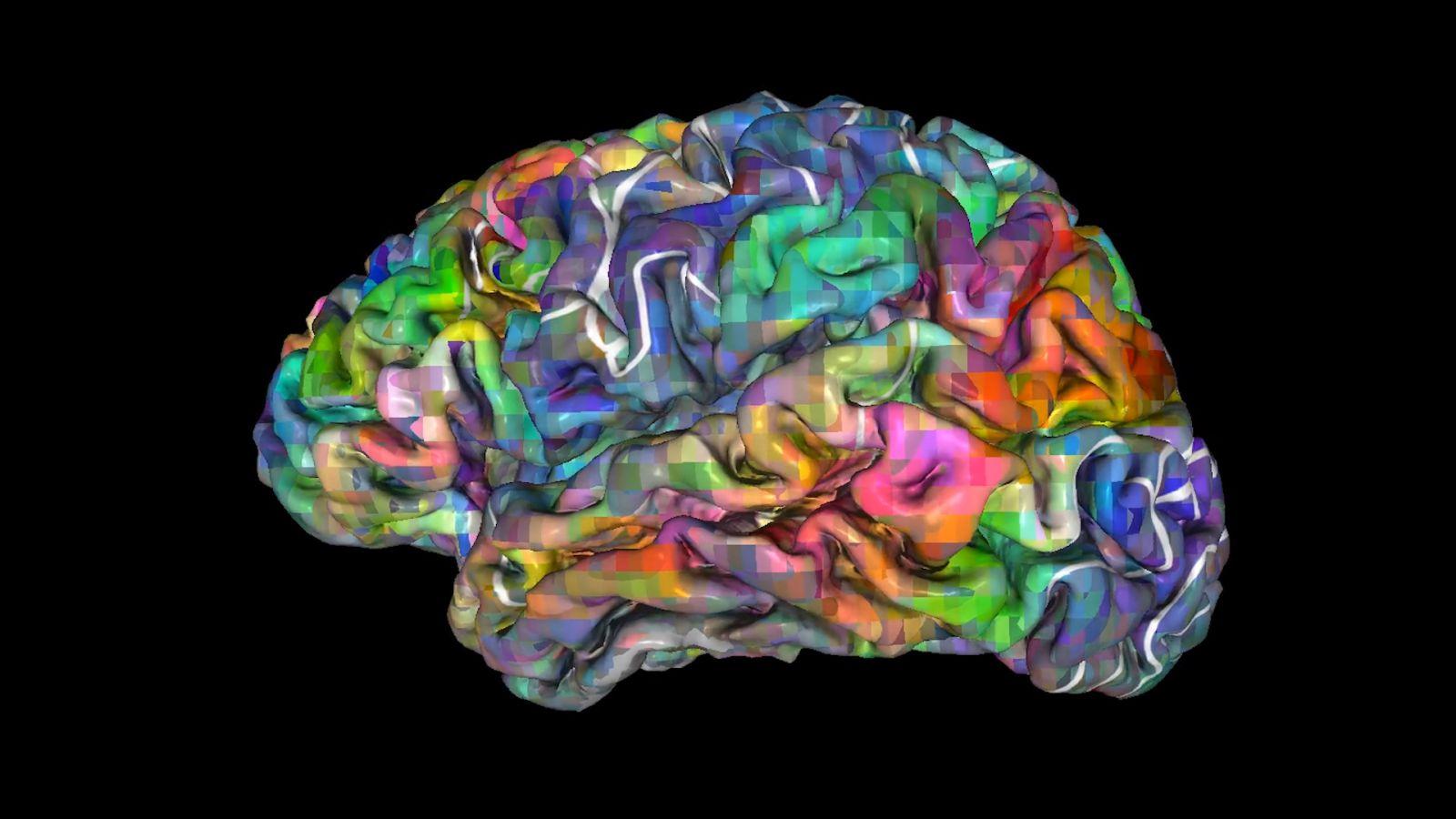
For the past century, philosophers have deliberated over the distinction between abstract and concrete concepts, and how to define each category. Thirty years ago, neuroscientists entered the fray, showing that the brain processes abstract and concrete words differently. Though we know there’s a difference, we still don’t know how, exactly, the brain responds to abstract versus concrete words.

The US Food and Drug Administration has approved esketamine, a drug derived from ketamine, as the first antidepressant that is not a variation of Prozac. Esketamine, which will be marketed as Spravato, was formally approved by the FDA late yesterday (March 5th) and will be released by Janssen Pharmaceuticals, a branch of Johnson & Johnson, as a nasal spray.

Donald Trump announced plans today (March 2) to position himself as a staunch defender of freedom of speech. In a freewheeling address at the Conservative Political Action Conference, the US president said he would soon sign an executive order that would block colleges and universities from attaining federal research grants unless they guarantee free speech on campus.

The crude outline of a penis, though associated with juvenile humor these days, has long held deep symbolic meaning. So much so that archaeologists from Newcastle University discovered this week that ancient Roman workers etched an oversized penis into stone at a quarry near Hadrian’s Wall when they were stationed there in 207 AD.

Imagine you had control of another person’s life, and could dictate their activity every hour of the day. Would you condemn them to spend 80% of their waking hours at a desk, repeating mind-numbingly boring tasks and depriving them of close relationships? Hopefully not—sentencing someone to such a miserable life would be immoral. And yet, far too many people subject themselves to just such a schedule, and view any break from this slog—an afternoon spent reading, hours at the cinema, or, heaven forbid, a two-week vacation—as a naughty deviation from duties.

Amidst all the very important financial information released in Lyft’s IPO prospectus, the ride-sharing service also revealed its core values yesterday (March 1.) The company announced that its guiding principles are: “be yourself,” “uplift others,” and “make it happen.”

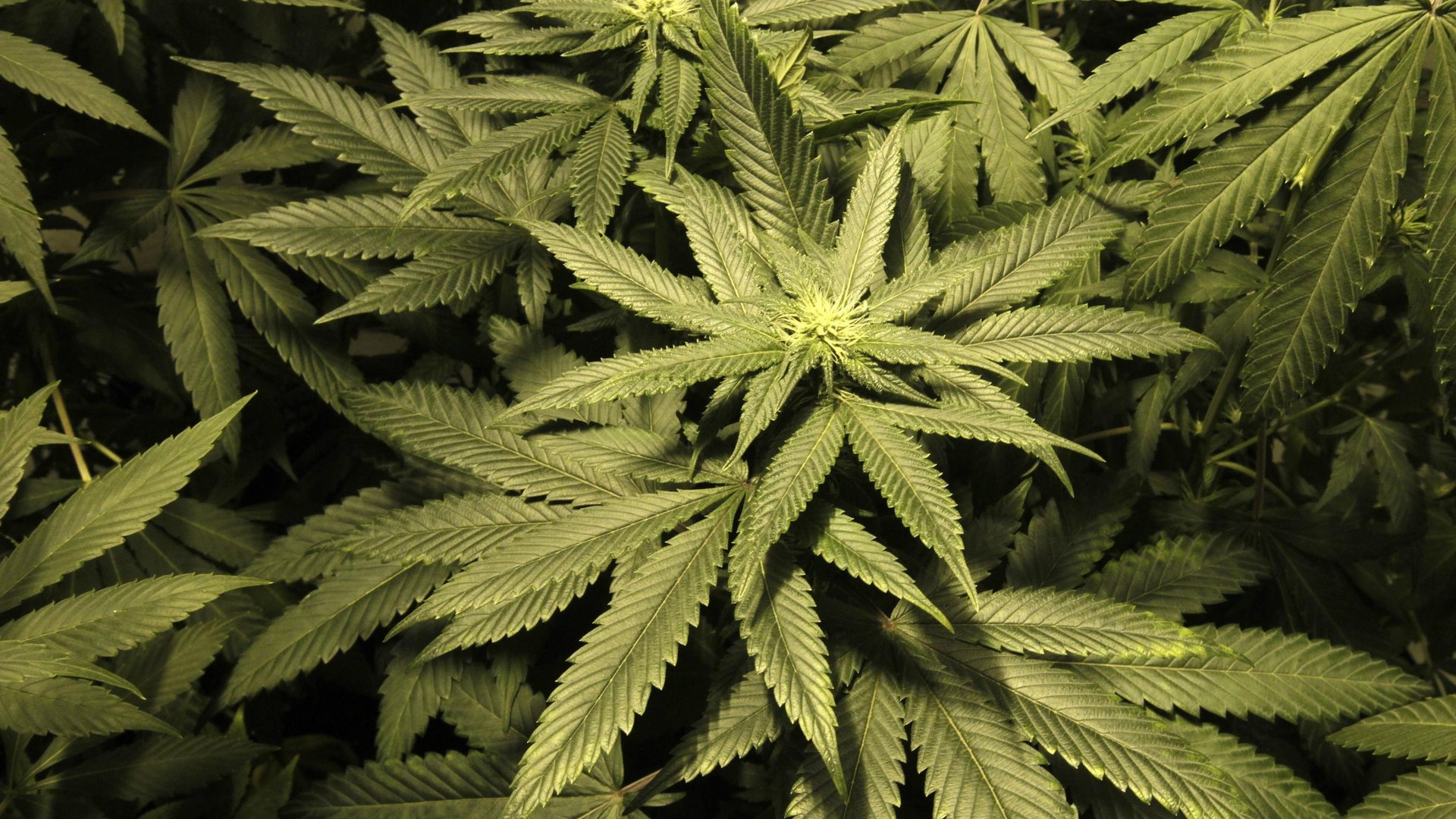
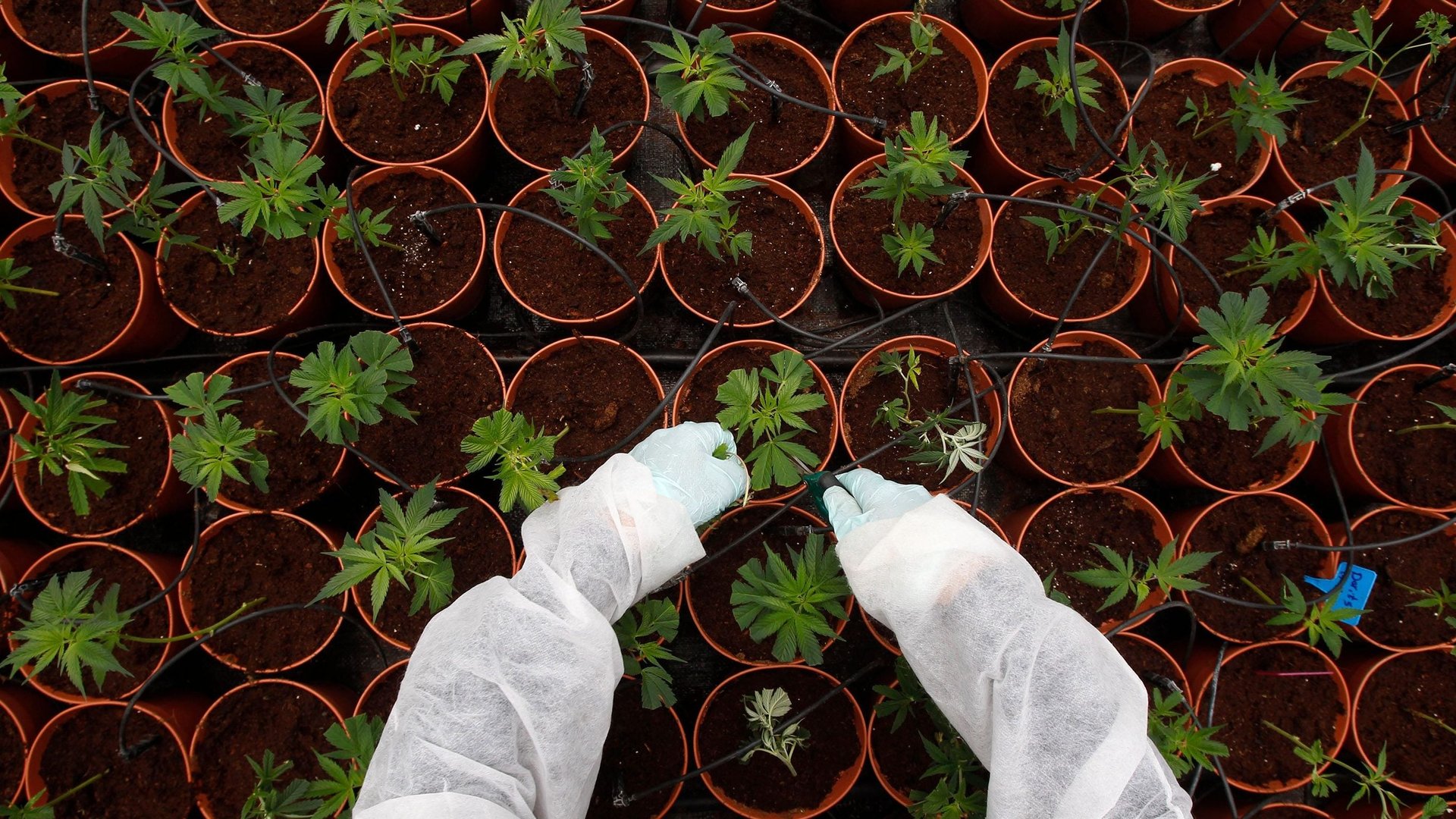
Marijuana, despite its historical connections to the environment-loving counterculture movement of the 1960s, can be an extremely environmentally-damaging plant. Research estimates that indoor cannabis cultivation accounts for 1% of all electricity use across the US; growing cannabis outdoors often involves high levels of pesticides; and marijuana needs so much water, the plants are draining rivers dry in California.

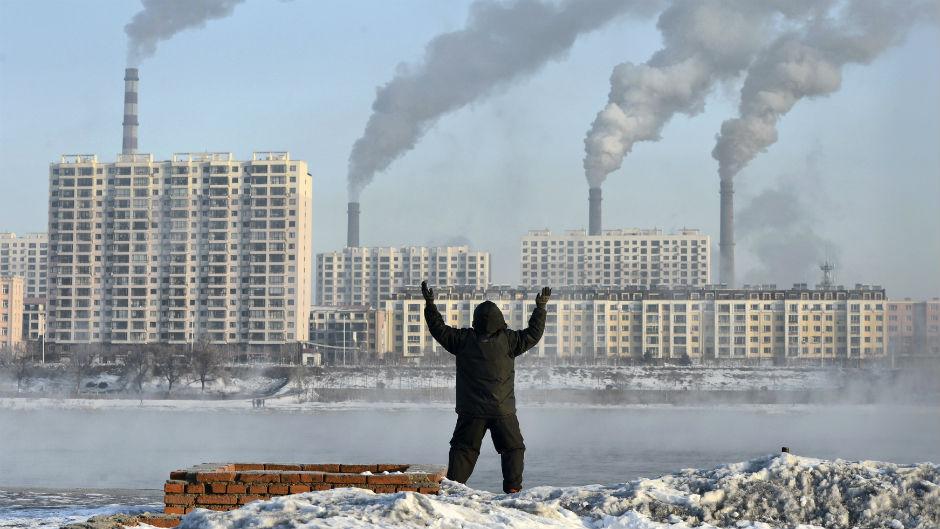
In the unscientific but compelling fable, a frog that’s dropped in a pot of boiling water will immediately hop out, but one who’s left in a pot of slowly warming water will stay there, allowing itself to be cooked. (Several myth-busting experiments have shown that a live frog will actually try to escape water as it gets warm, whereas a frog thrown in boiling water will be too hot to escape.) The allegory applies perfectly to humans’ reaction to climate change, according to a study published Feb. 25 in the Proceedings of the National Academy of Sciences.

Conversations in patriarchal societies tend to amplify men’s voices more than women’s, and Twitter is no exception to this rule. A study last year found male US political reporters retweet other men three times more than they do their female colleagues, while Harvard Business School researchers in 2009 found men in general were almost twice as likely to follow another man as a woman.

Psychoanalysis is, traditionally, a highly individualistic endeavor. The therapeutic method, based on a psychological perspective developed by Sigmund Freud, works to uncover a patient’s unconscious, and is conventionally focused on unravelling subconscious self-sabotage. But philosopher and psychoanalyst Donna Orange, an adjunct professor at New York University, believes that her colleagues have an obligation to confront not just the demons of a patient’s subconscious, but the horrors of climate change.