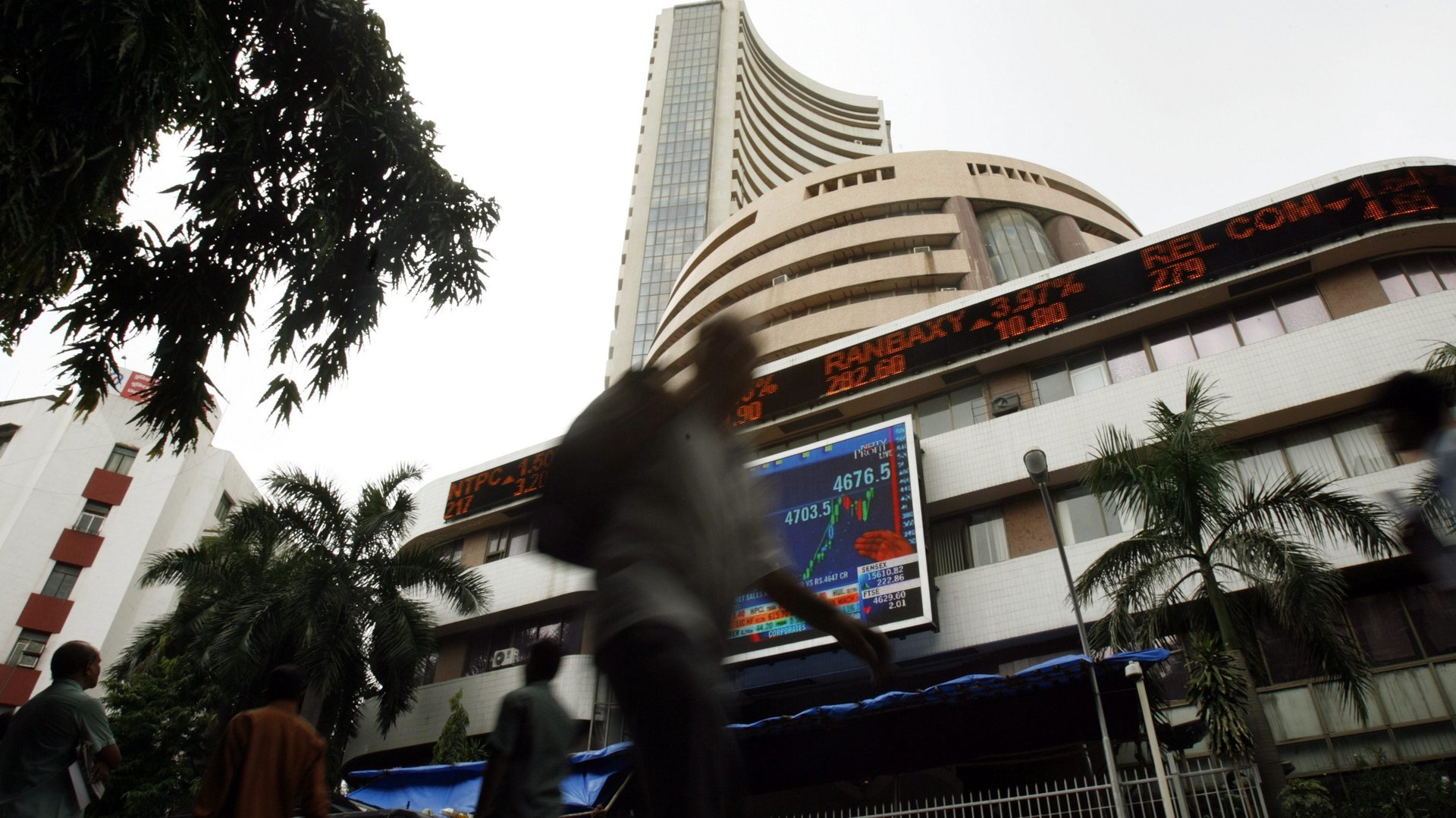
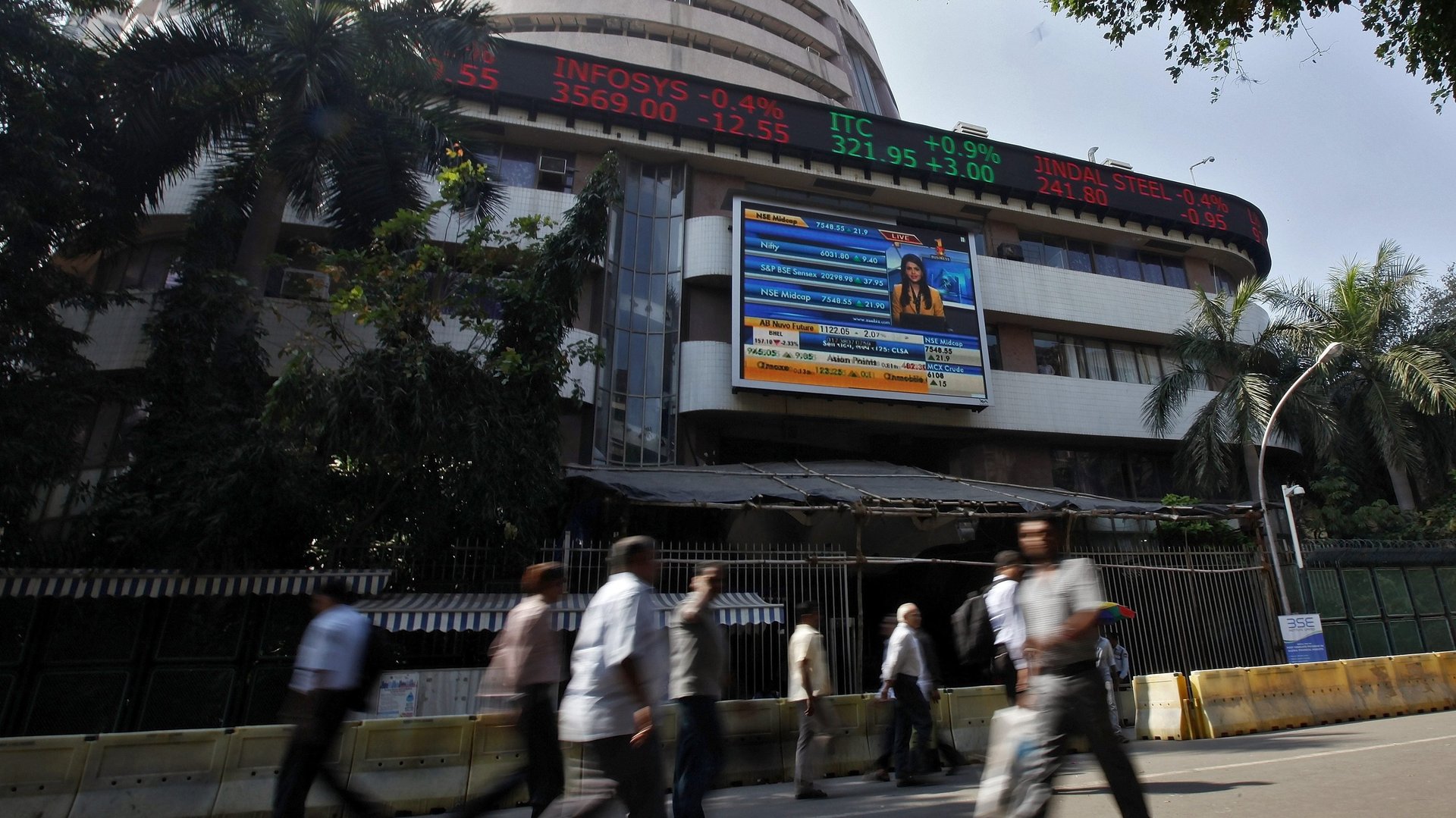
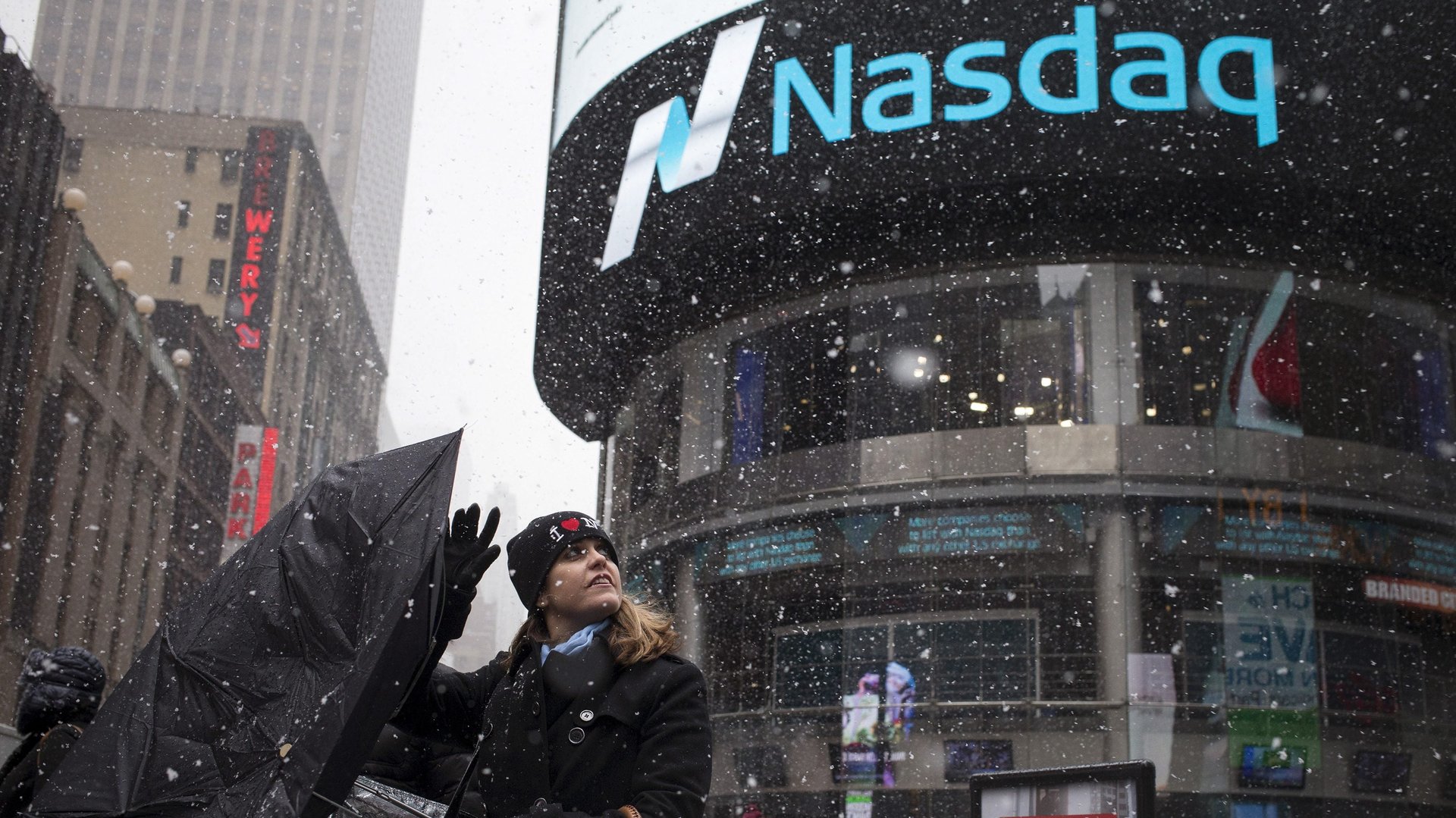
A year ago, if someone had predicted that Indian stock markets were heading towards their lifetime highs, most economists and brokers would have scoffed it off. But the unbelievable has happened and it has triggered euphoric optimism.

A year ago, if someone had predicted that Indian stock markets were heading towards their lifetime highs, most economists and brokers would have scoffed it off. But the unbelievable has happened and it has triggered euphoric optimism.

India Inc’s sentiment has recovered from the blues of the economic slump caused by the Covid-19 pandemic—and how.

A temporary telecom glitch at India’s largest stock exchange has rattled the country’s government and regulators.

While bitcoin is scaling new heights and is embraced by heavyweights like Elon Musk, India’s central bank doesn’t seem to have faith in cryptocurrencies.

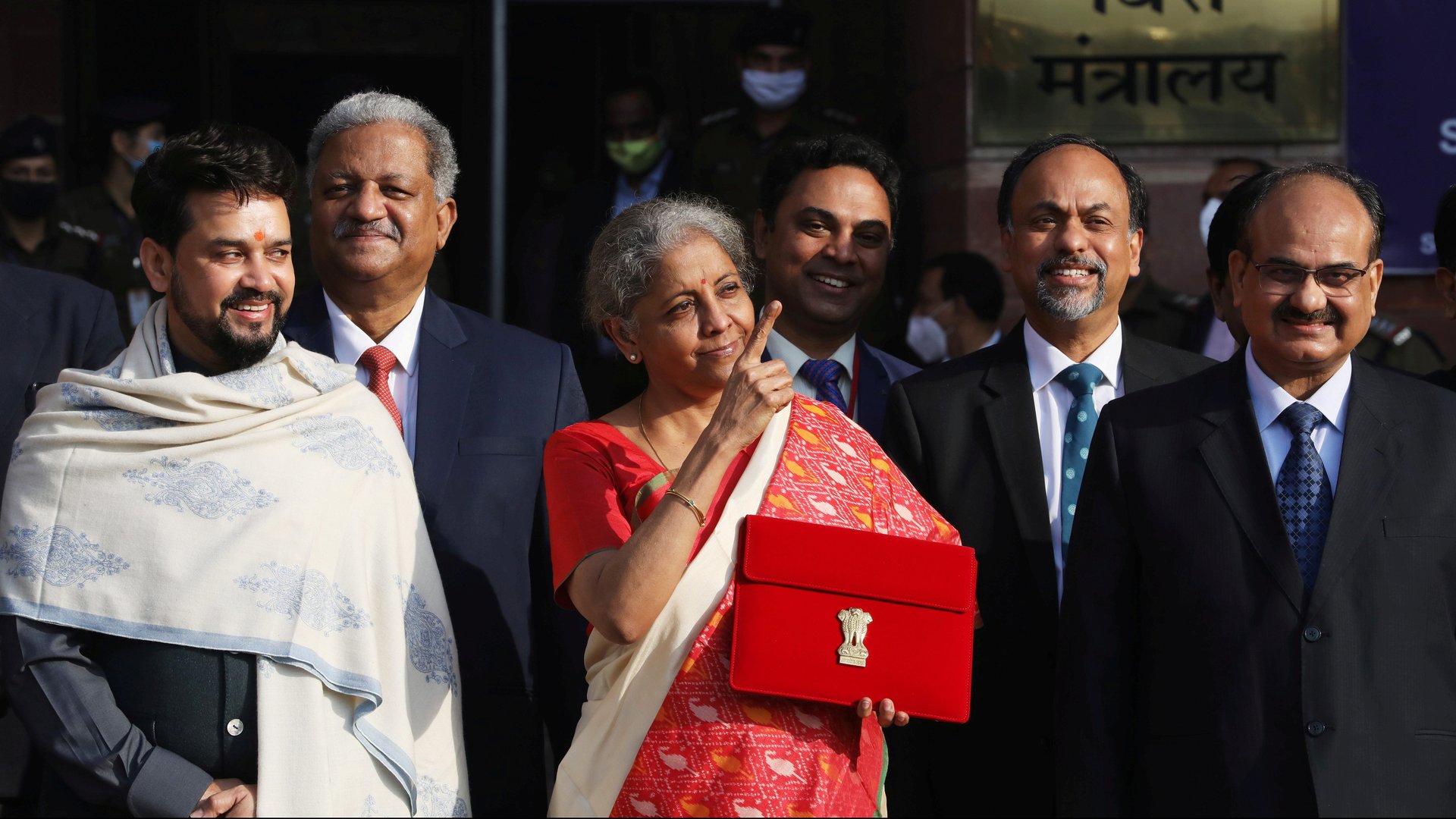
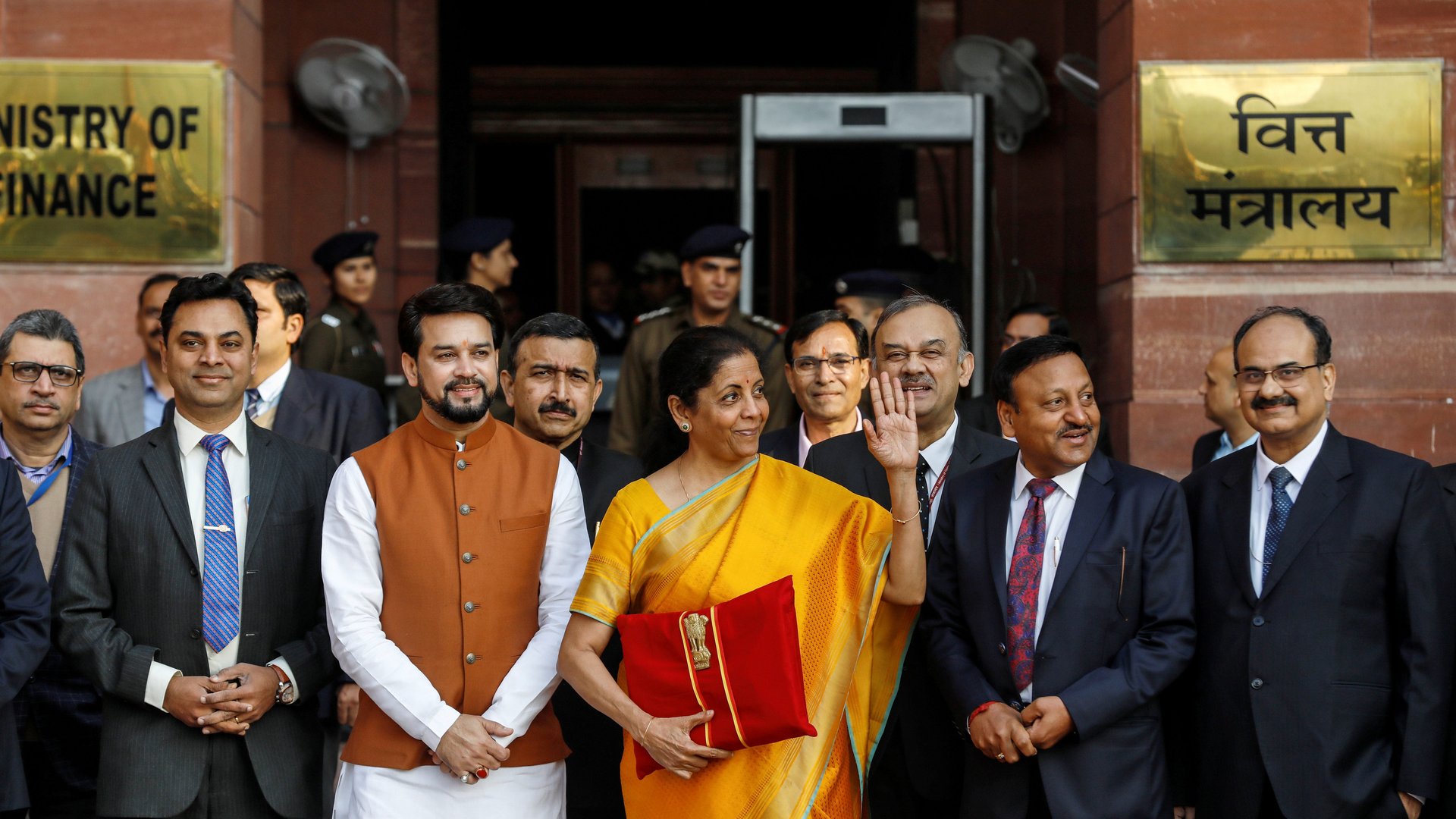
India’s finance minister Nirmala Sitharaman completely ignored cryptocurrencies in her almost two-hour-long budget speech yesterday (Feb. 1). But instead of feeling left out, the country’s digital currency ecosystem is breathing a sigh of relief.

This post has been corrected.

The Narendra Modi government doesn’t have a very impressive track record when it comes to divestments, yet, when finance minister Nirmala Sitharaman rises to present the union budget for fiscal 2021-2022, all eyes will be on how much money the government plans to raise by selling its stakes in state-owned companies.

As finance minister Nirmala Sitharaman prepares to announce India’s union budget for fiscal 2021-22 on Feb. 1, experts believe she could tackle myriad issues facing the country’s economy by relentlessly focusing on solving just one problem: unemployment.

Two years after losing the coveted title, India may soon reclaim its spot as the world’s fastest-growing major economy.

As the Indian stock markets continue to rally, investors have found a new favourite: global fast-food chains.

Indian stock markets are so out of tune with the real economy that the country’s central bank is now anxious.

When the spread of Covid-19 was on the verge of hurting the Indian economy in early 2020, the central bank quickly moved to protect the country’s banking system. The Reserve Bank of India (RBI) provided relief to banks as well as borrowers by offering the option of halting loan repayments for six months (March-August). It slashed the repo rate to a record low, and opened up a special credit line for banks to encourage them to lend more. It also allowed lenders to restructure some loans.

India’s stock markets went through extreme volatility in 2020.

A weak banking system has come back to haunt India’s economy during the pandemic.

The Indian economy is going through its worst crisis in recent history. Yet, foreign investors haven’t batted an eyelid.

Kshitiz Bhutani, a media professional based in Mumbai, has recently tasted success in the stock market. As a first-time investor, much of what Bhutani has learned about trading and investing in shares is not through the traditional routes like brokers and financial advisors, but via YouTube.

After multiple failed attempts, the Narendra Modi government is finally seeing some hope of selling the country’s debt-riddled national carrier. But there still could be many a slip between the cup and the lip.

Despite a historic economic recession, a host of companies made dazzling debuts on Indian stock exchanges this year.

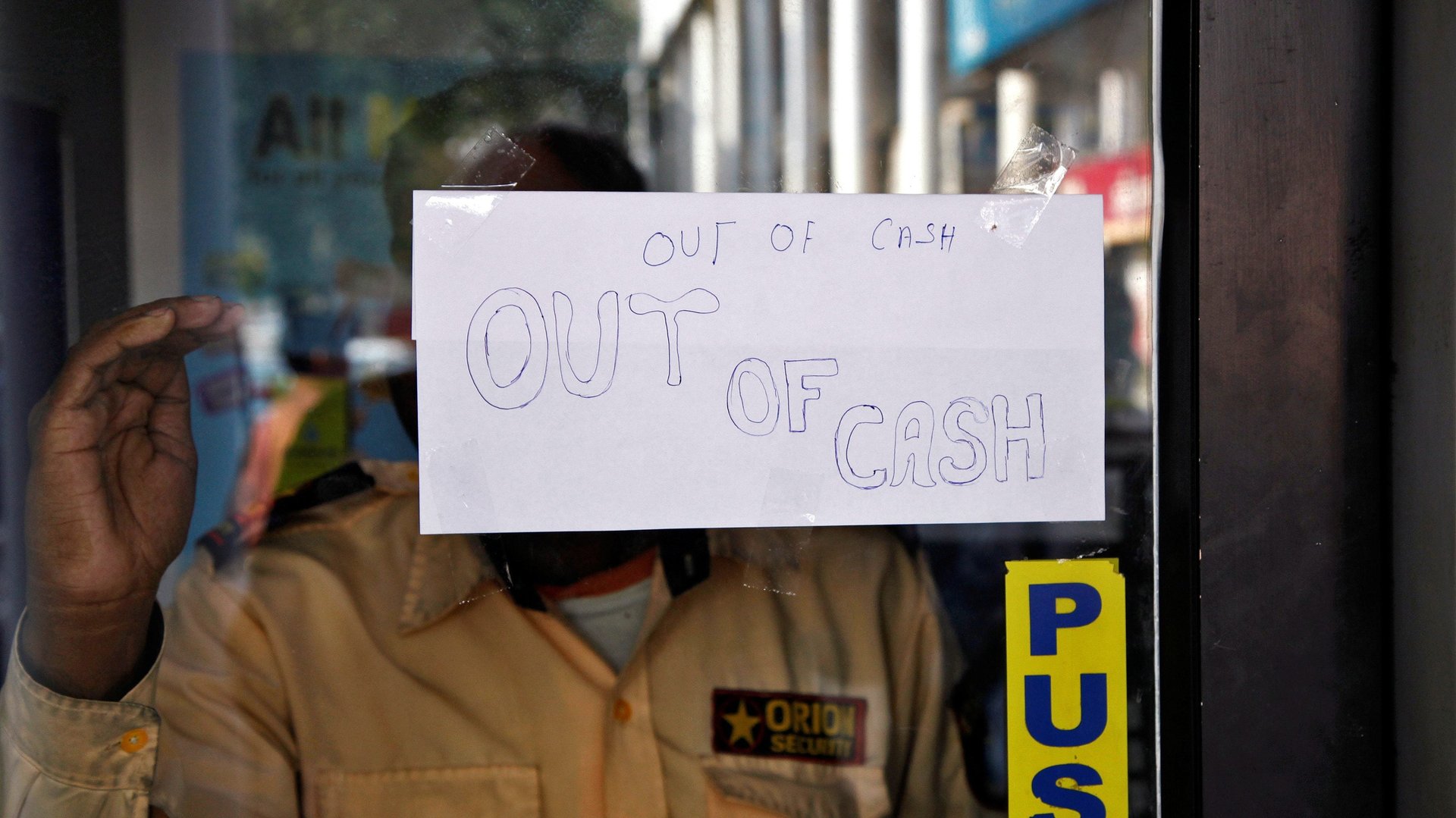
The Covid-19 pandemic has given a booster shot to digital transactions in India, but cash is still king.

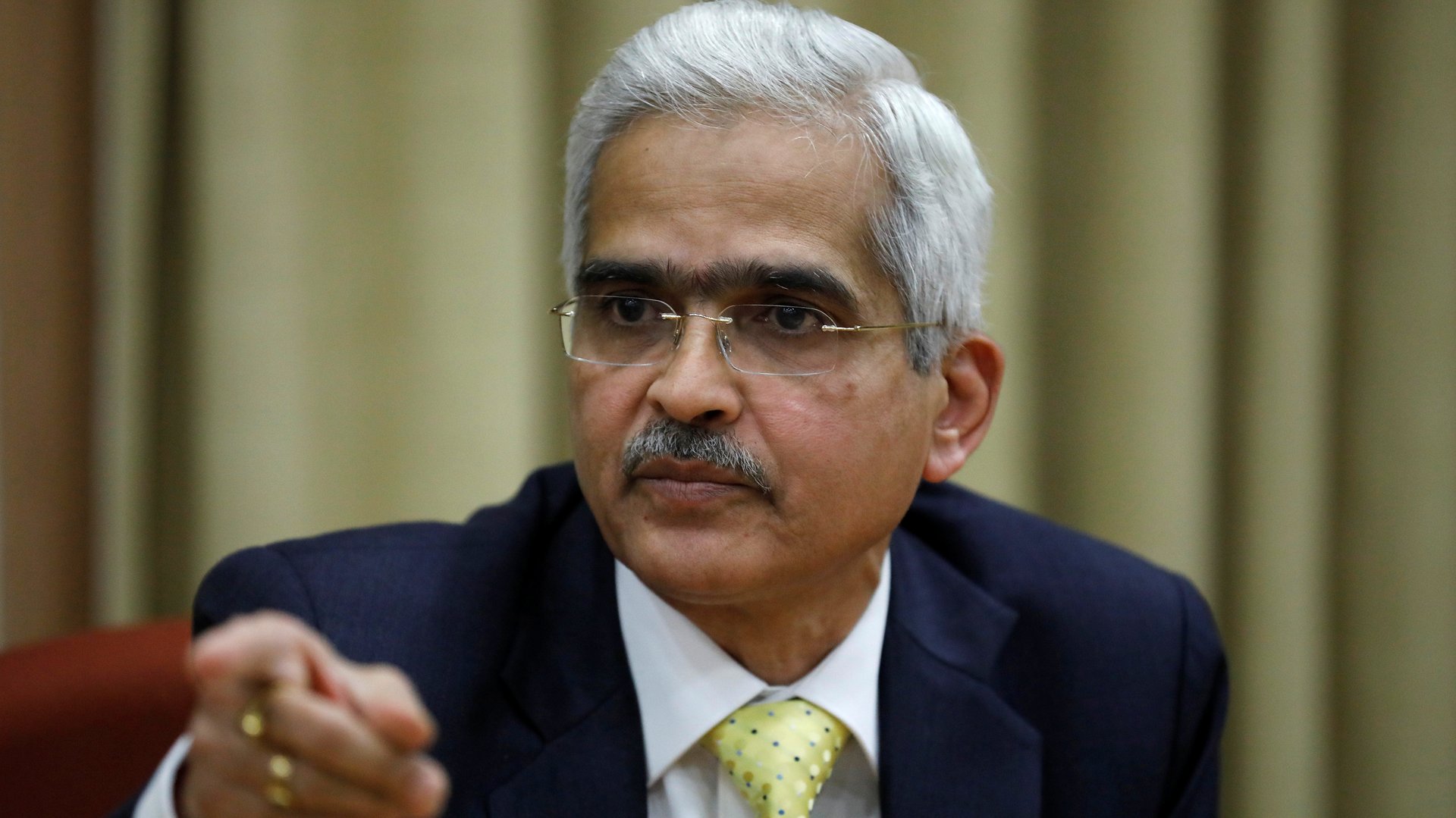
In December 2018, the Narendra Modi government put an end to a bruising battle with India’s central bank by appointing a former bureaucrat Shaktikanta Das as the Reserve Bank of India governor. The appointment followed months of public spatting between Das’s predecessor Urijit Patel and the government over the autonomy of the central bank. This rift had spooked stock markets at a time when the Indian economy was on weak ground.

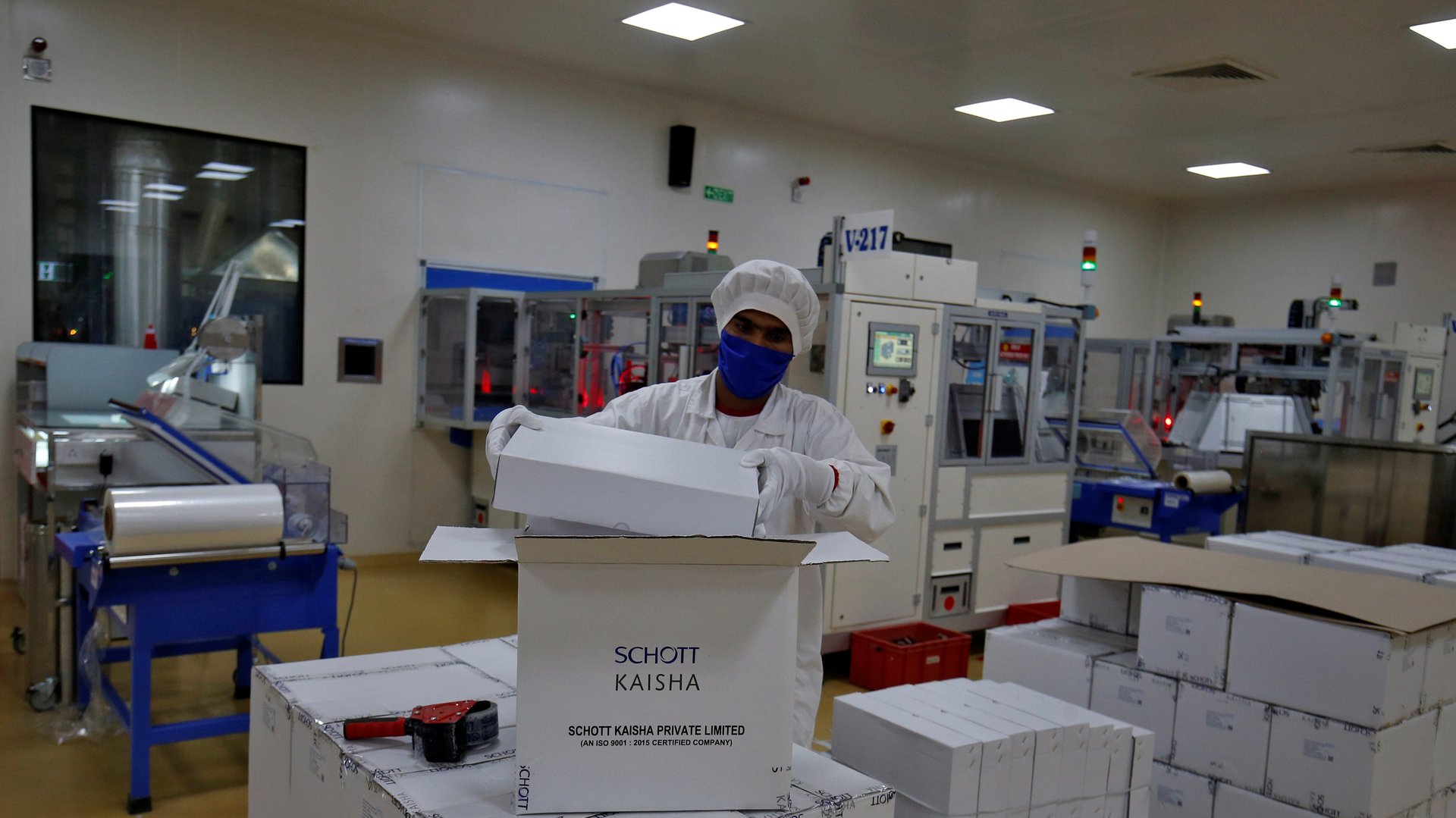
After a tumultuous few years, the fortunes of India’s pharma companies reversed this year as the Covid-19 pandemic led people to buy more medicines. This has translated into wealth creation for leaders in India’s pharma industry.

TikTok’s loss in India hasn’t fully translated into Indian short-video apps gain.

Earlier this year, when the Indian stock markets were grappling with the impact of the Covid-19 pandemic and the ensuing lockdowns, one local mutual fund became the talk of the town for managing to remain in the black despite all the doomsday predictions.

At a time when the Covid-19 pandemic was wreaking havoc in India, foreign investors were pumping money into the country at a pace faster than before.