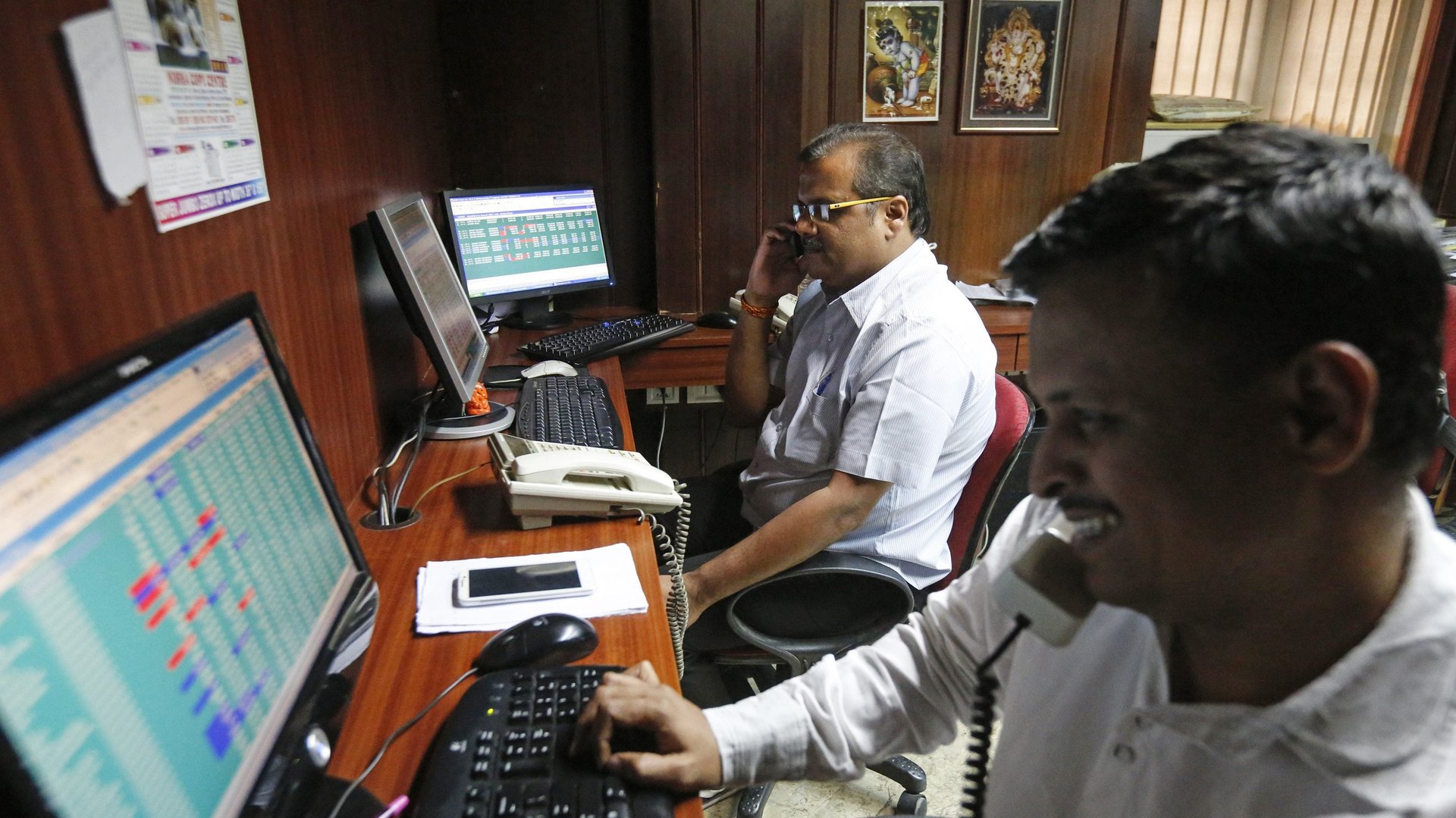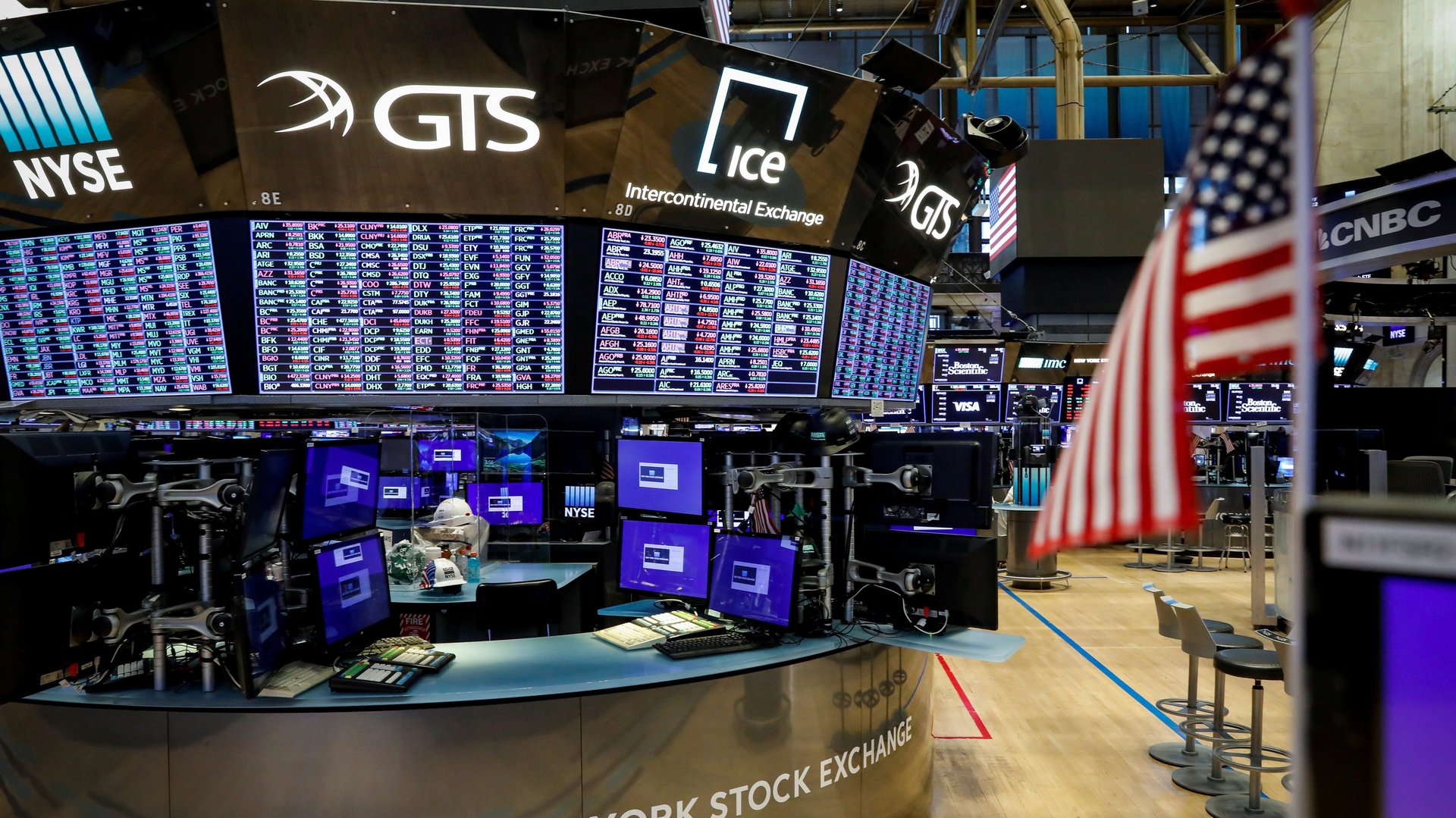
US tech stocks—with their mouth-watering returns since March—have giving Indians such a FOMO that investors from the country are now flocking to shares of companies like Apple and Amazon through any route available.

US tech stocks—with their mouth-watering returns since March—have giving Indians such a FOMO that investors from the country are now flocking to shares of companies like Apple and Amazon through any route available.

The Covid-19 lockdowns between March and June hurt the Indian economy pretty badly. But even after the lockdowns were lifted, things haven’t changed for the country much as India continued to be one of the worst-hit major economies during the July-September period.

As the Covid-19 slump deepens, a bunch of global investors are looking to snap up stressed Indian companies at a bargain.

The Narendra Modi government is solving one problem by creating another.

The Reserve Bank of India (RBI) has decided to step in to stop the unraveling of a 93-year-old small private bank that could have destabilised India’s Rs97 lakh crore ($1.3 trillion) banking system.

Just two months ago, a host of global economic experts shared an extremely pessimistic outlook for the future prospects of the Indian economy. There were worries about the risks arising from the coronavirus lockdowns and the government’s limited ability to fire up the dwindling economy due to fiscal constraints.

The Covid-19 outbreak and the ensuing lockdowns brought the Indian economy to a halt earlier this year. In June, the country’s economy—which was counted among the world’s fastest-growing not long ago—contracted 23.9%.

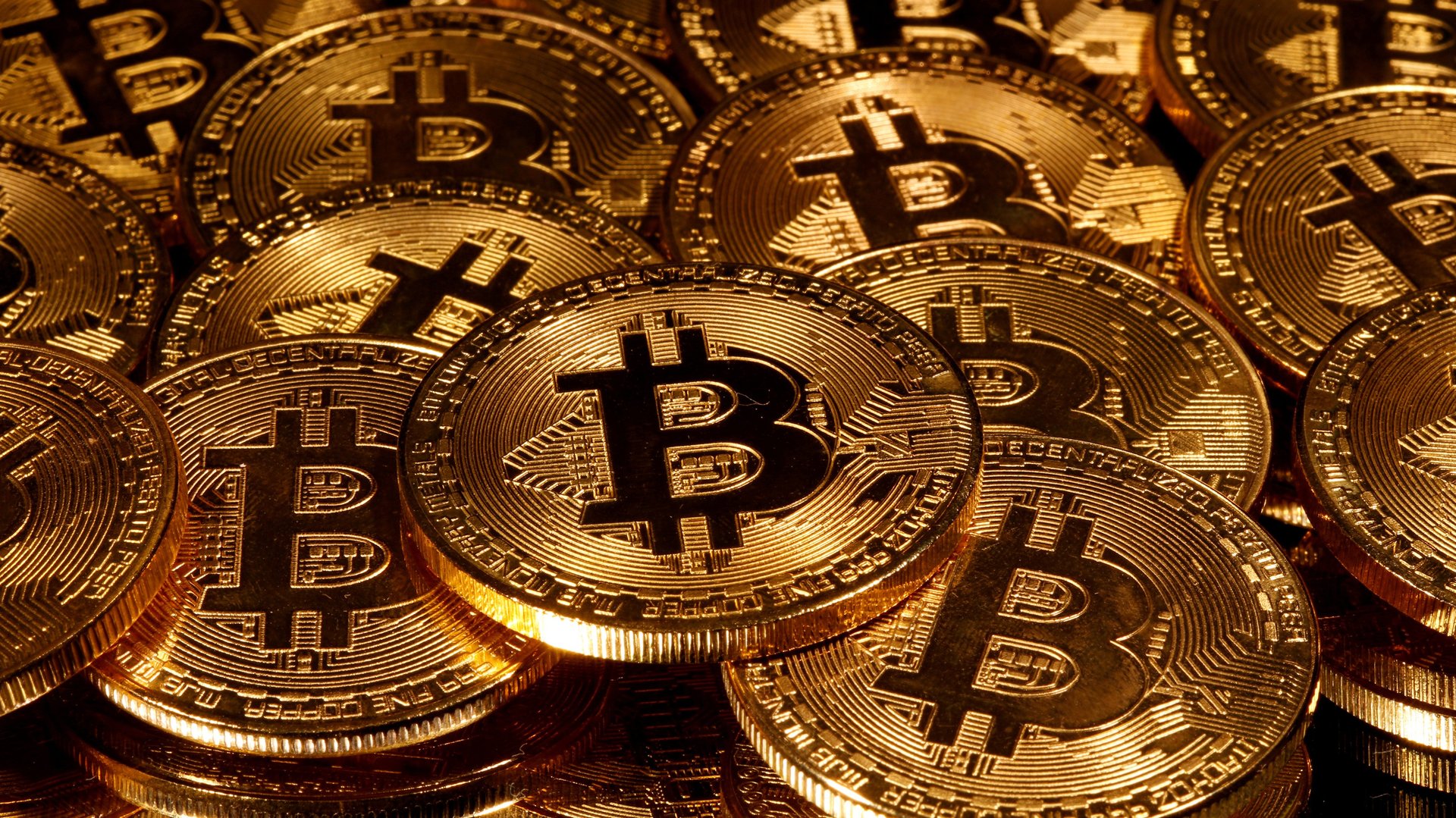
Cryptocurrencies have had a glitzy run in recent months. But is all that glitters really gold?

India’s mobile payment space has turned into an intense battleground with big global tech players like Google, Amazon, Walmart, and Facebook vying for a pie of it. And looks like Indians are only benefitting from this war.

Indian stock markets have given a roaring approval to US president-elect Joe Biden.

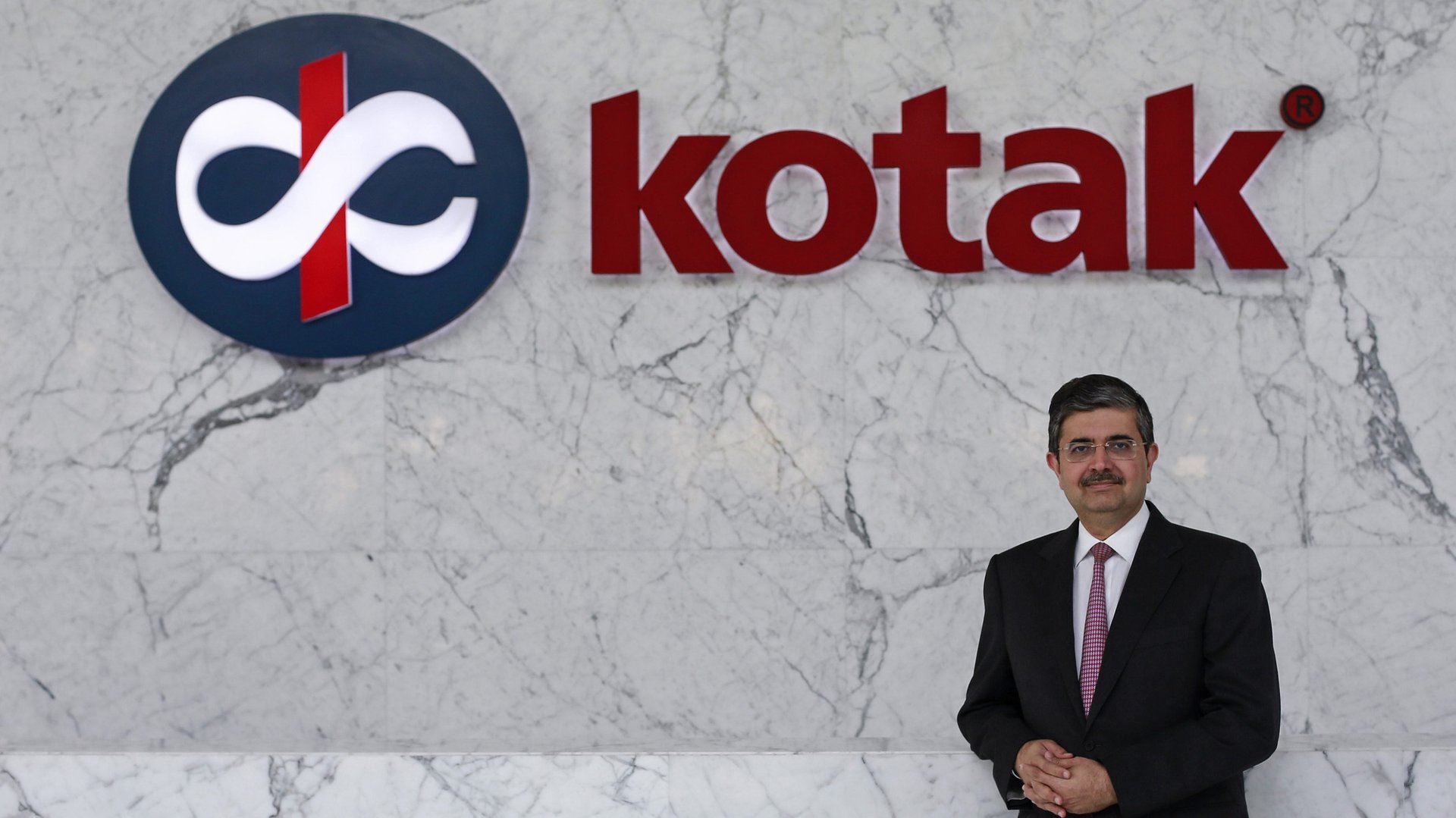
Back in May, when the Indian economy was at a standstill due to coronavirus-linked lockdowns, Asia’s richest banker Uday Kotak pulled off a giant feat by raising a staggering Rs7,442 crore ($992 million) from institutional investors.

At a time when India’s economy is facing its worst nightmare, it could get another blow from non-resident Indians.

On November 9, 2016, India’s benchmark index, the Sensex, tanked by 1,600 points in initial trading hours. One of the factors contributing to this sharp drop was Donald Trump’s then-surprising victory over Hillary Clinton in the US presidential election. Indian investors were anticipating a win for Clinton.

There has been a furor in India over the ruling Bharatiya Janta Party’s election promise to provide free Covid-19 vaccine to the people of Bihar. But the fact is that many Indians are not really waiting eagerly for a vaccine.

Priyank Pithwa, a resident of Surat in the western Indian state of Gujarat, claims in a promotional video, that he has won a whopping Rs1.2 crore ($163,424) playing fantasy cricket on an online gaming platform, Mobile Premier League (MPL).

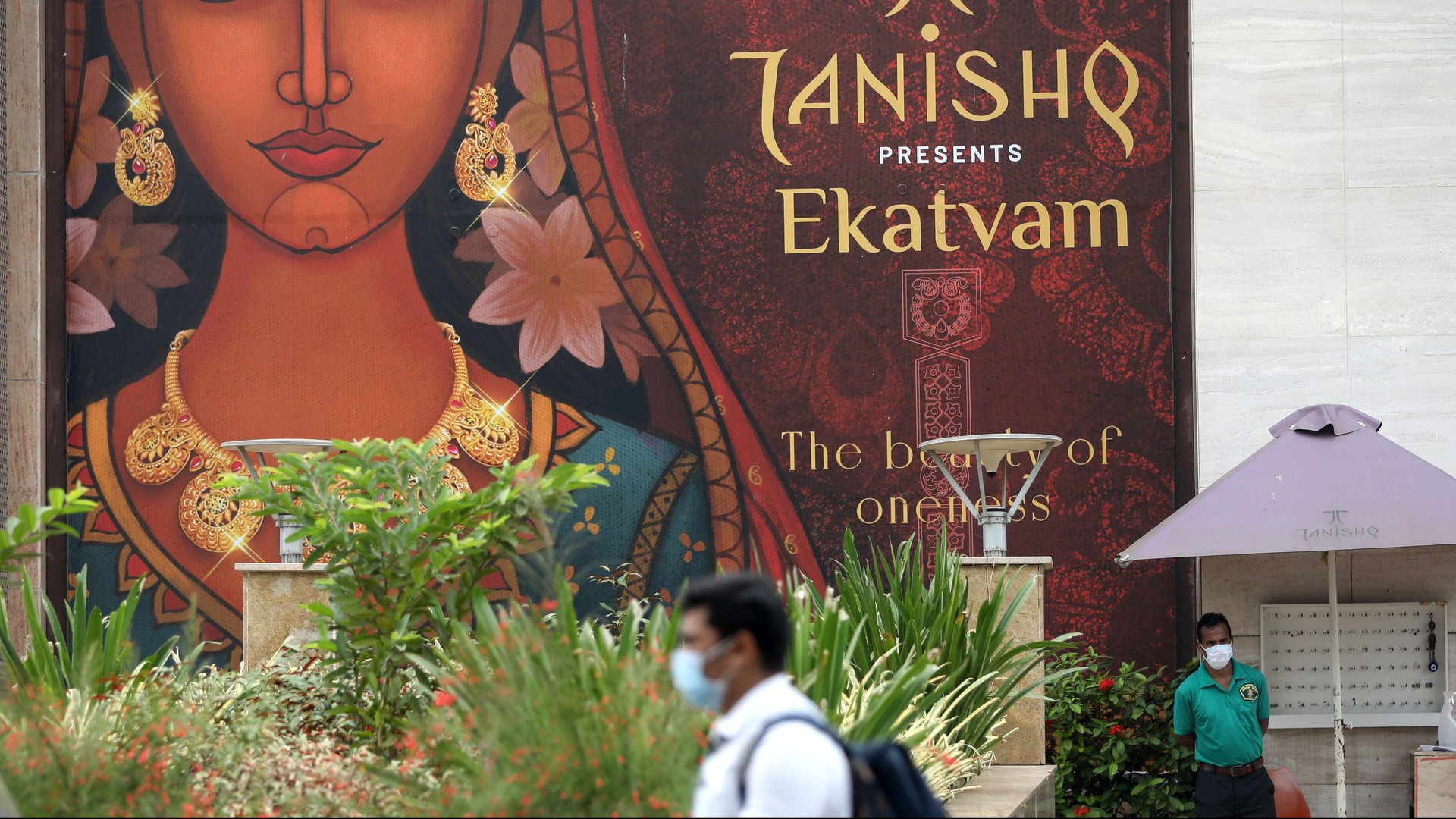
One of India’s leading jewellery brands, Tanishq, is under fire over an advertisement it released last week that irked the country’s right-wing conservatives. Thousands of people called for #BoycottTanishq on social media for several days until the company pulled down the ad on October 14.

From diamond merchant Mehul Choksi’s Rs8,048 crore ($1.07 billion) to flamboyant tycoon Vijay Mallya’s Rs1,943 crore, India’s banking system has in recent years suffered massive blows on account of wilful defaulters, or borrower who don’t repay despite having the capacity to do so.

Indians are fast losing all confidence in the country’s economy.

In March, when the Covid-19 pandemic first picked pace in India, many Indians lept for a relief measure in anticipation of the worse.

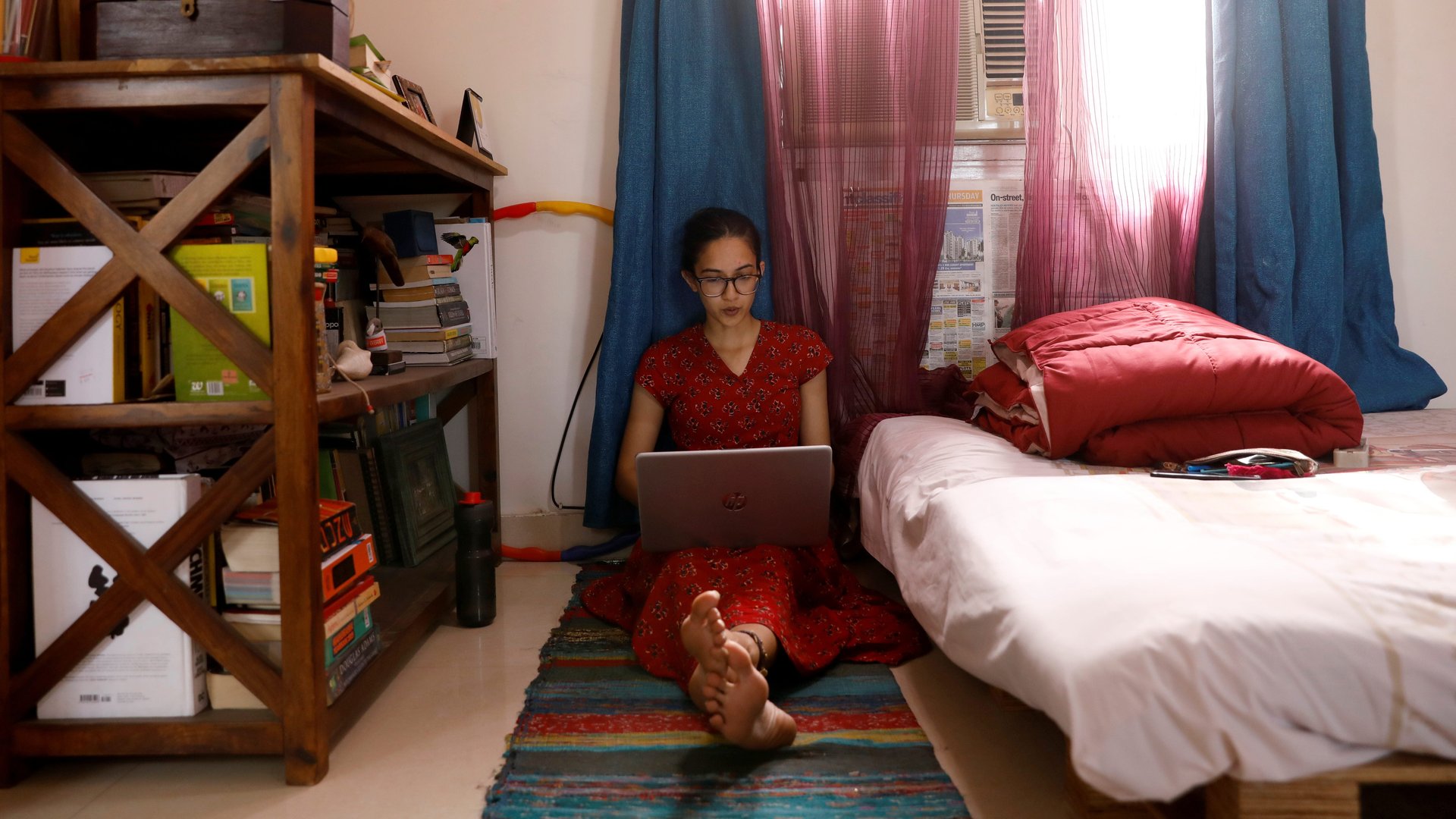
While working from home in a country like India can have big advantages, the trend, which picked up due to the Covid-19 outbreak, is “negatively impacting wellbeing.”

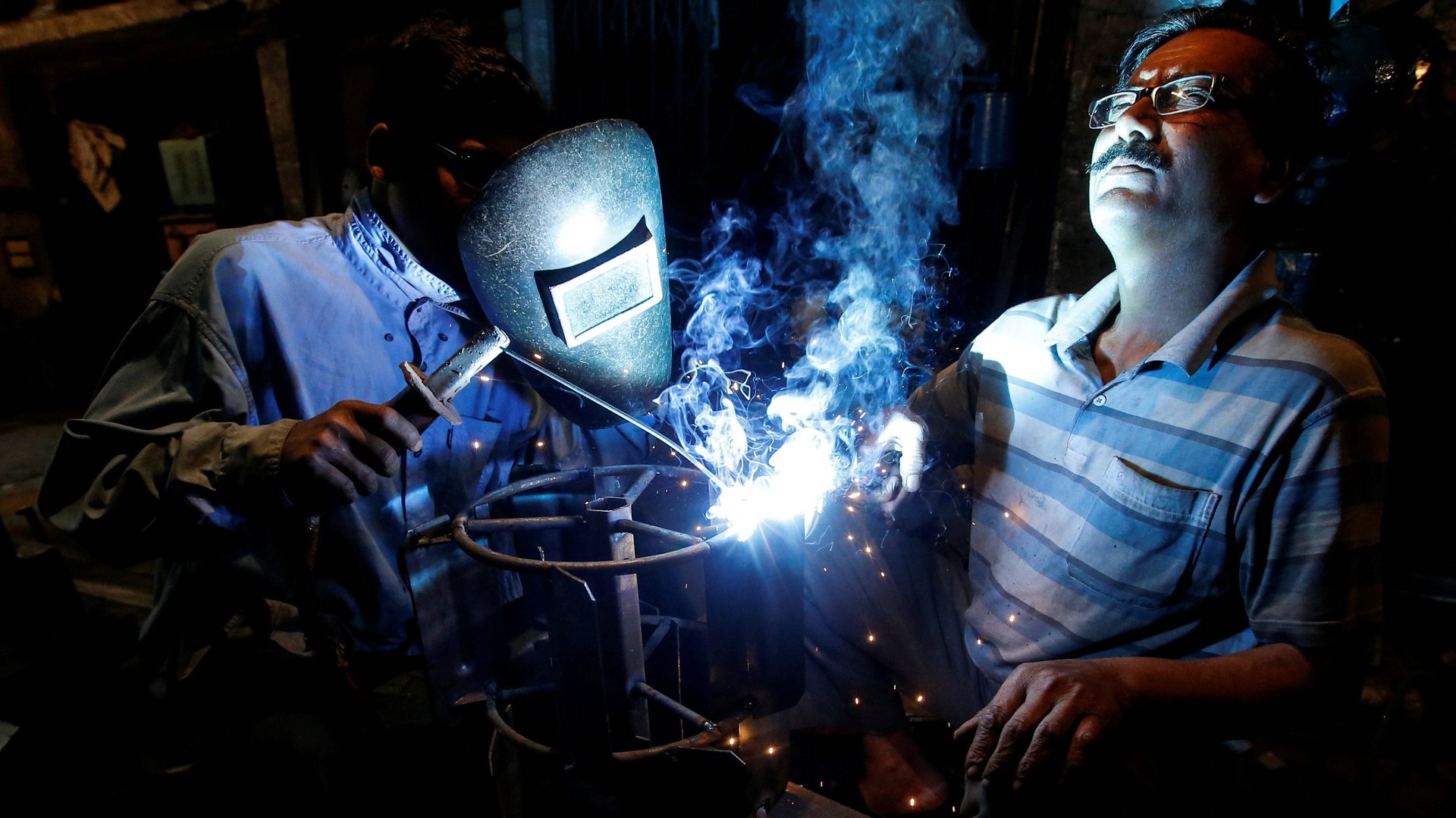
One of the worst victims of the ongoing economic crisis in India is the country’s already wounded financial sector. With businesses struggling to survive, bad loans are expected to rise, denting Indian banks’ health.

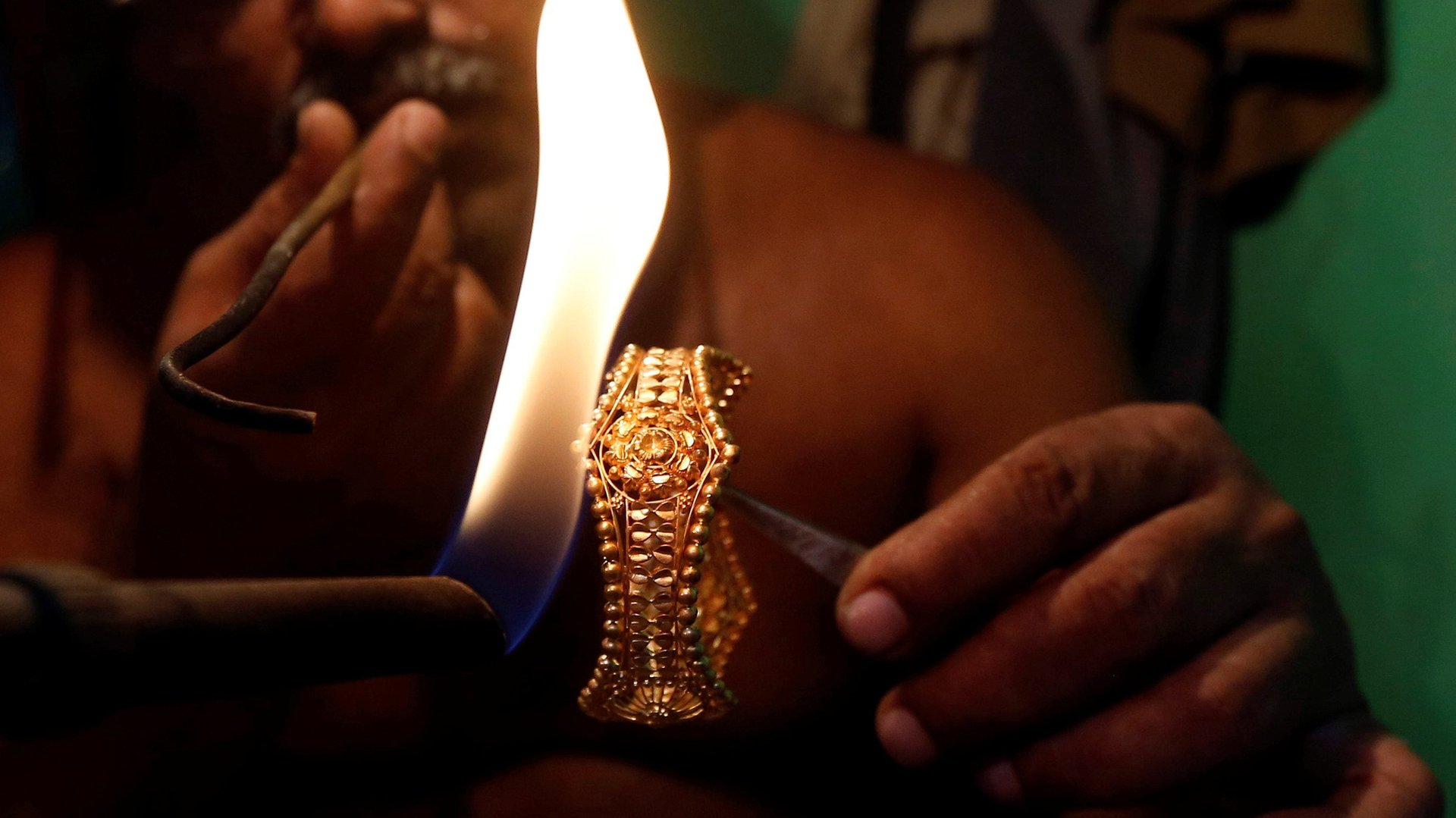
Indian shoppers who plan to buy gold during the upcoming festive season may be in for a rude shock.

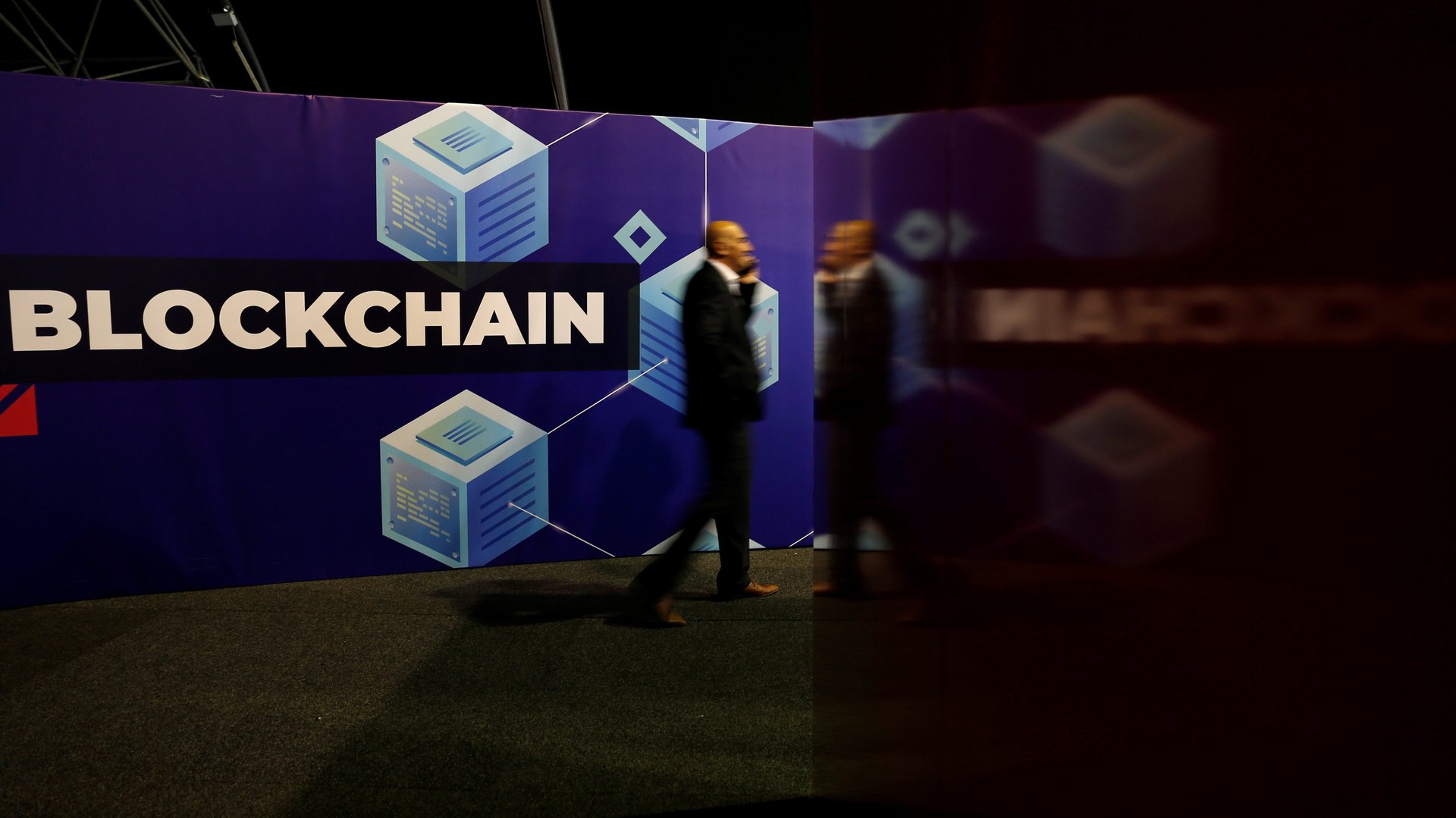
Now that restrictions on cryptocurrency have eased, Indians are going all out to bet on it.

In June, India’s shadow banking sector was on the verge of collapse. But three months later, things are looking up for the $370 billion industry.