An influential group of British lawmakers wants a “complete reset” of music streaming’s business model, so that artists can earn a fairer share of the revenues made by giant companies like Spotify, Amazon, and Apple.

An influential group of British lawmakers wants a “complete reset” of music streaming’s business model, so that artists can earn a fairer share of the revenues made by giant companies like Spotify, Amazon, and Apple.

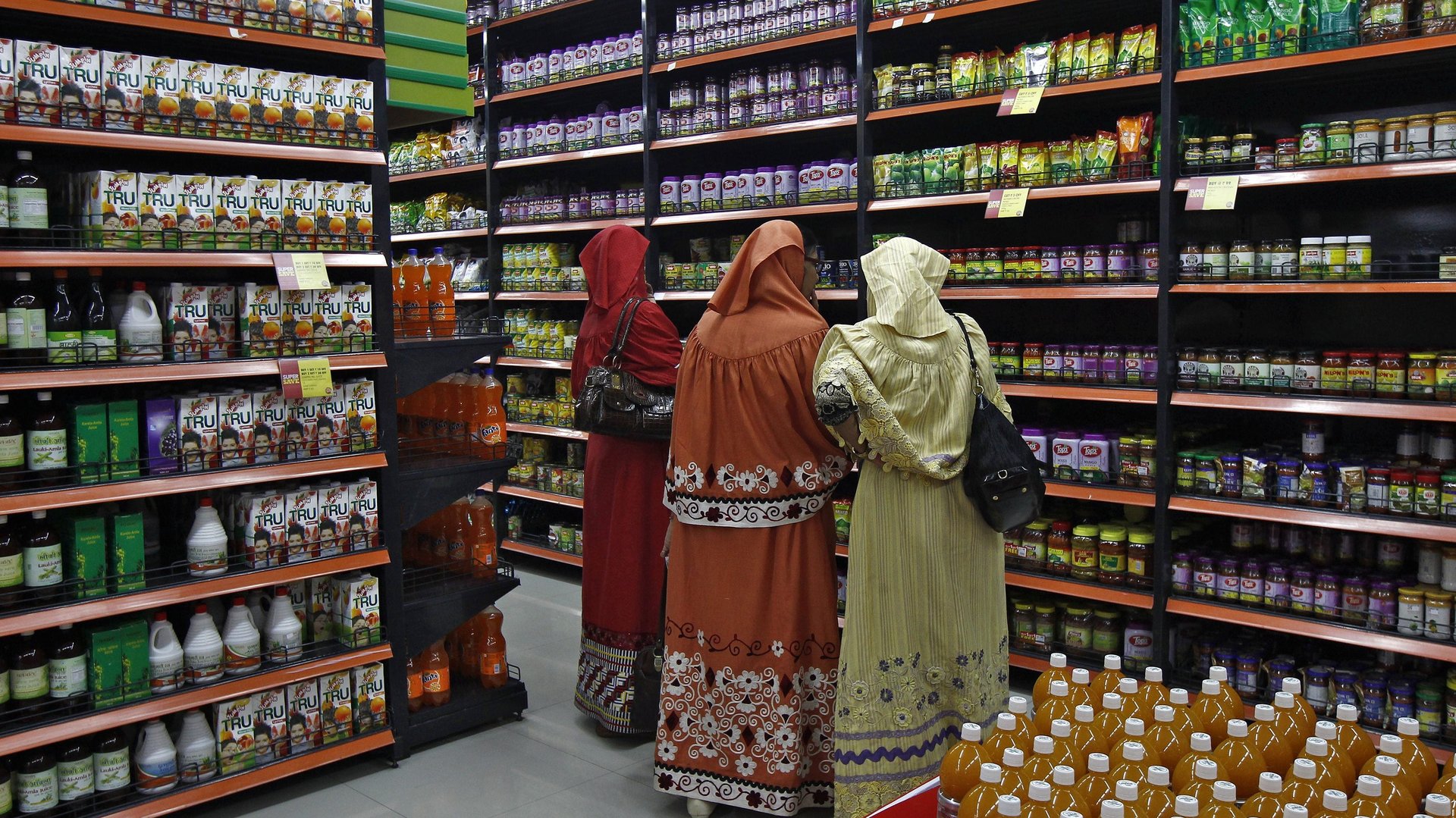
When economists calculate inflation, they’re trying to determine how prices have risen or fallen across the universe of products and services out there. But since they can’t track these changes for every item in this universe, they make up a “basket”—a collection of specific products and services based on how people live and what they typically consume in the economy. The price of the basket’s contents are factored into a consumer price index, which helps measure inflation.

Good morning, Quartz readers!

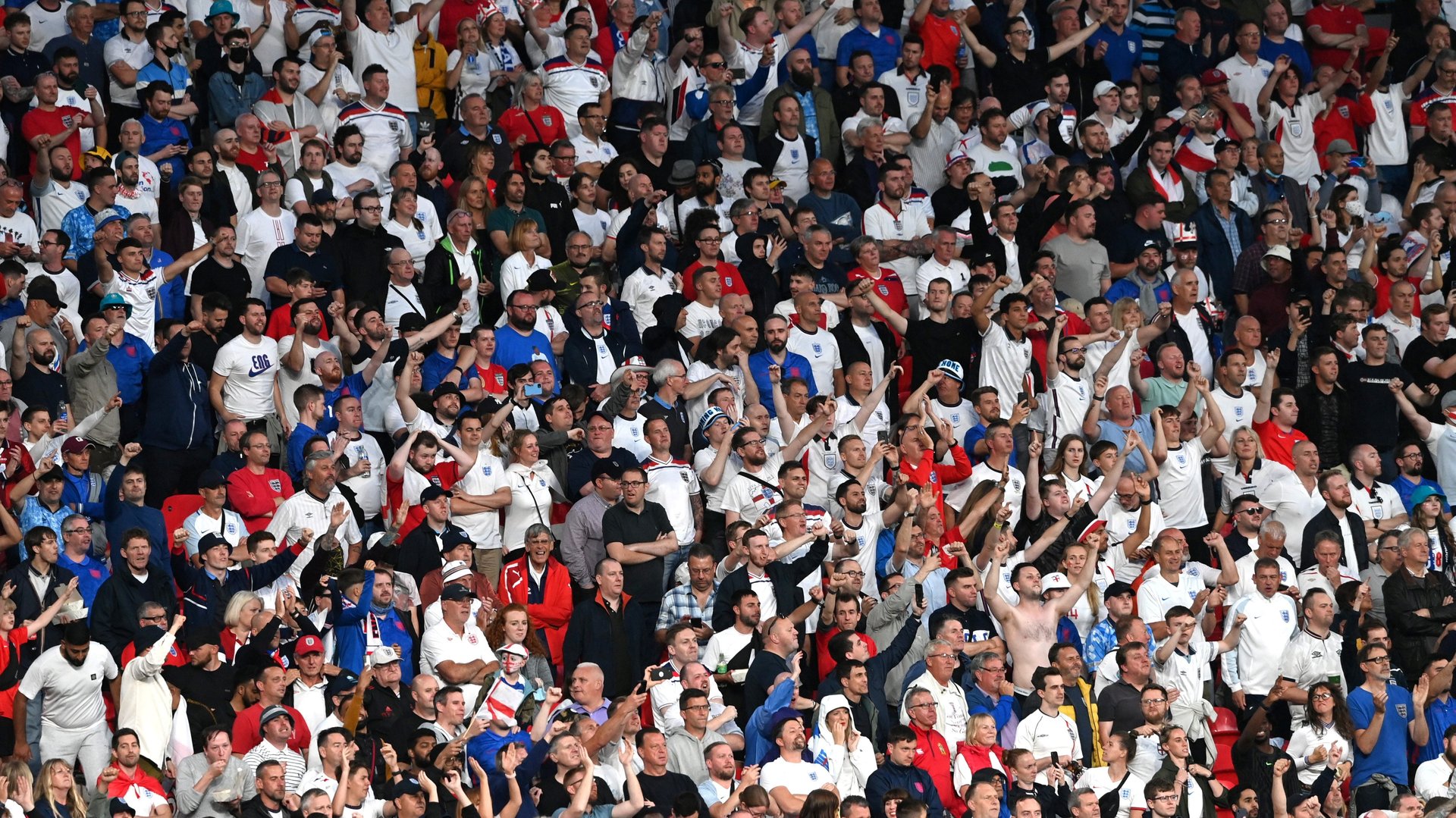
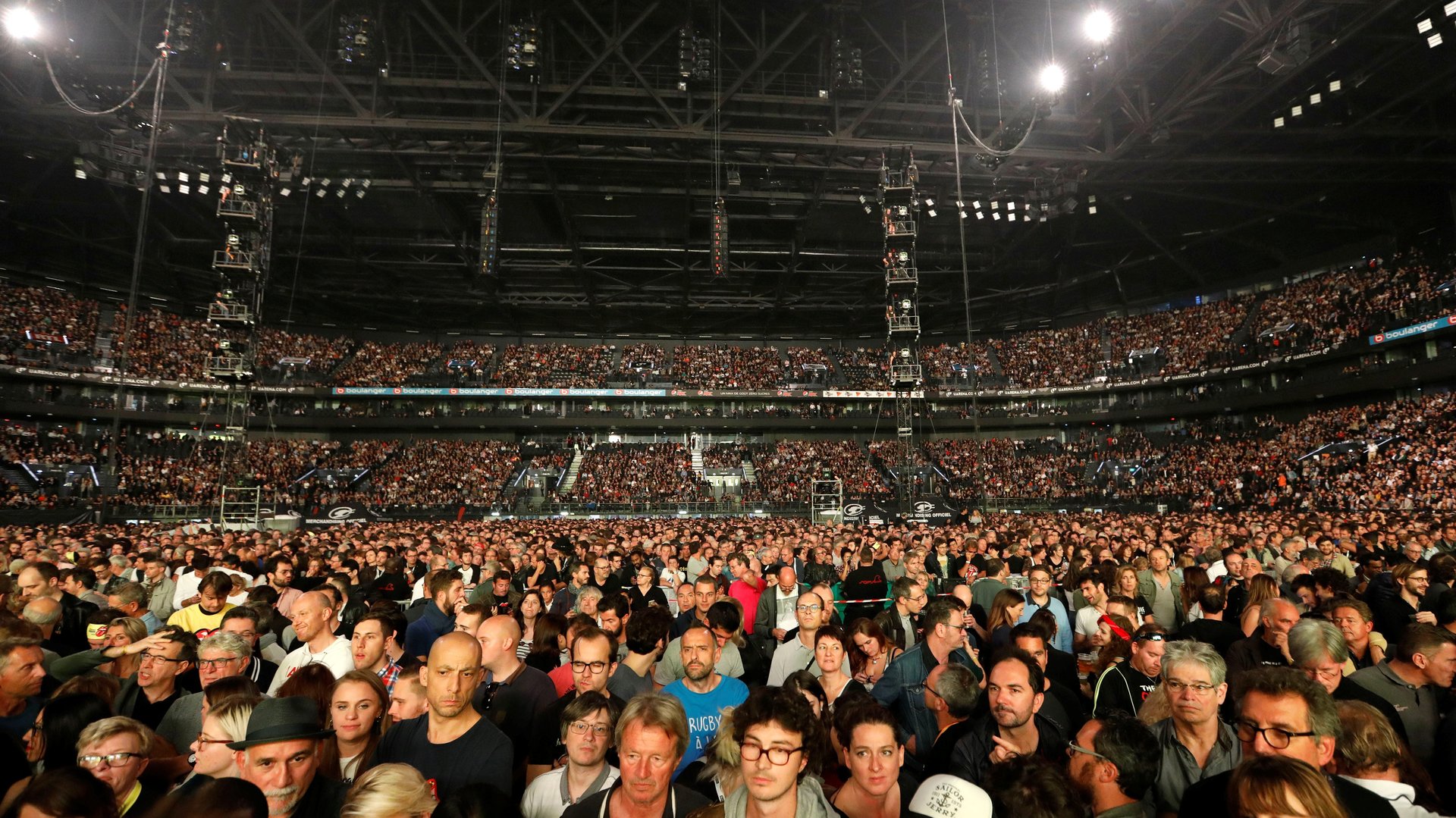
Roughly 60,000 fans packed Wembley Stadium on Sunday to watch Italy defeat England in the final of the Euro 2020 football tournament. The same weekend, Wimbledon’s Centre Court was full: 15,000 people witnessed Novak Djokovic and Ashleigh Barty win their singles titles. And on Saturday, 23,000 spectators filled Lord’s Cricket Ground, where England played Pakistan.

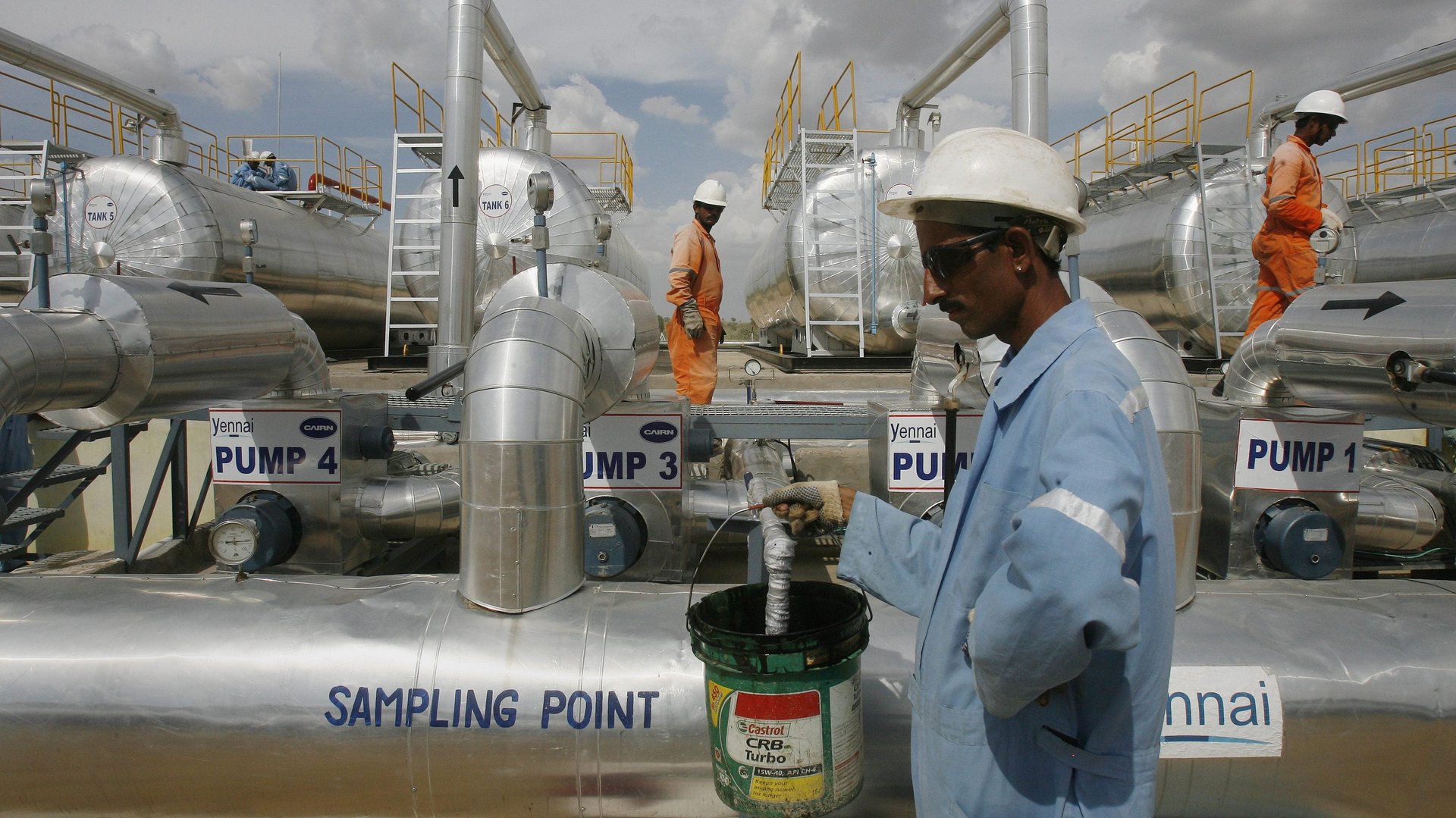
Cairn Energy won a French court order today (July 8) to seize 20 Parisian residential properties owned by the Indian government. But the oil and gas company is on the hunt for more assets: Air India planes, real estate, money—anything to make up the $1.7 billion that it aims to recoup from India.

Hundreds of Indian NGOs are in the midst of unprecedented audits by the government, triggering fears that prime minister Narendra Modi’s government—well known for its antipathy towards the non-profit sector—will eventually use its audit findings in actions or reprisals against specific organizations.

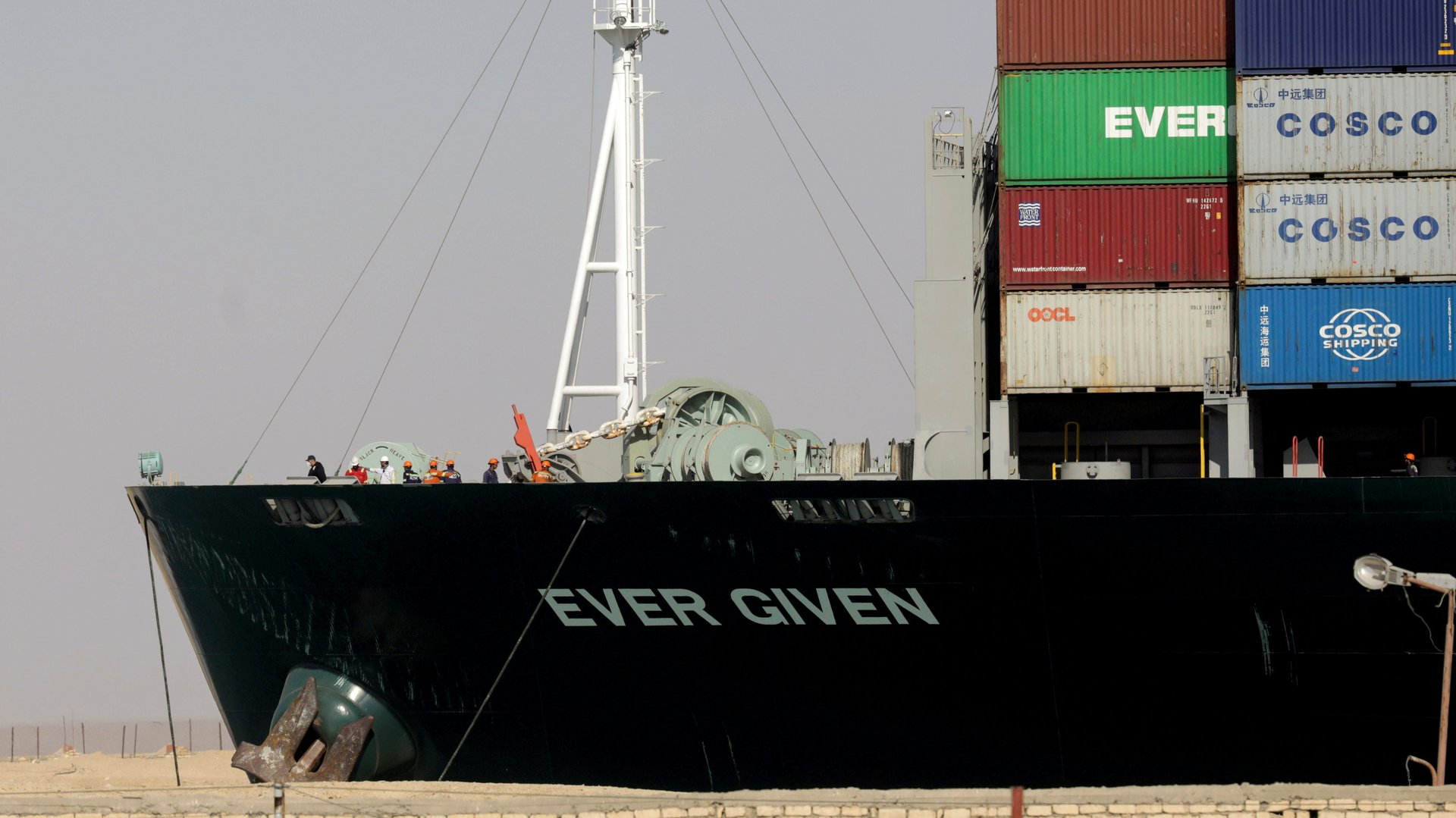
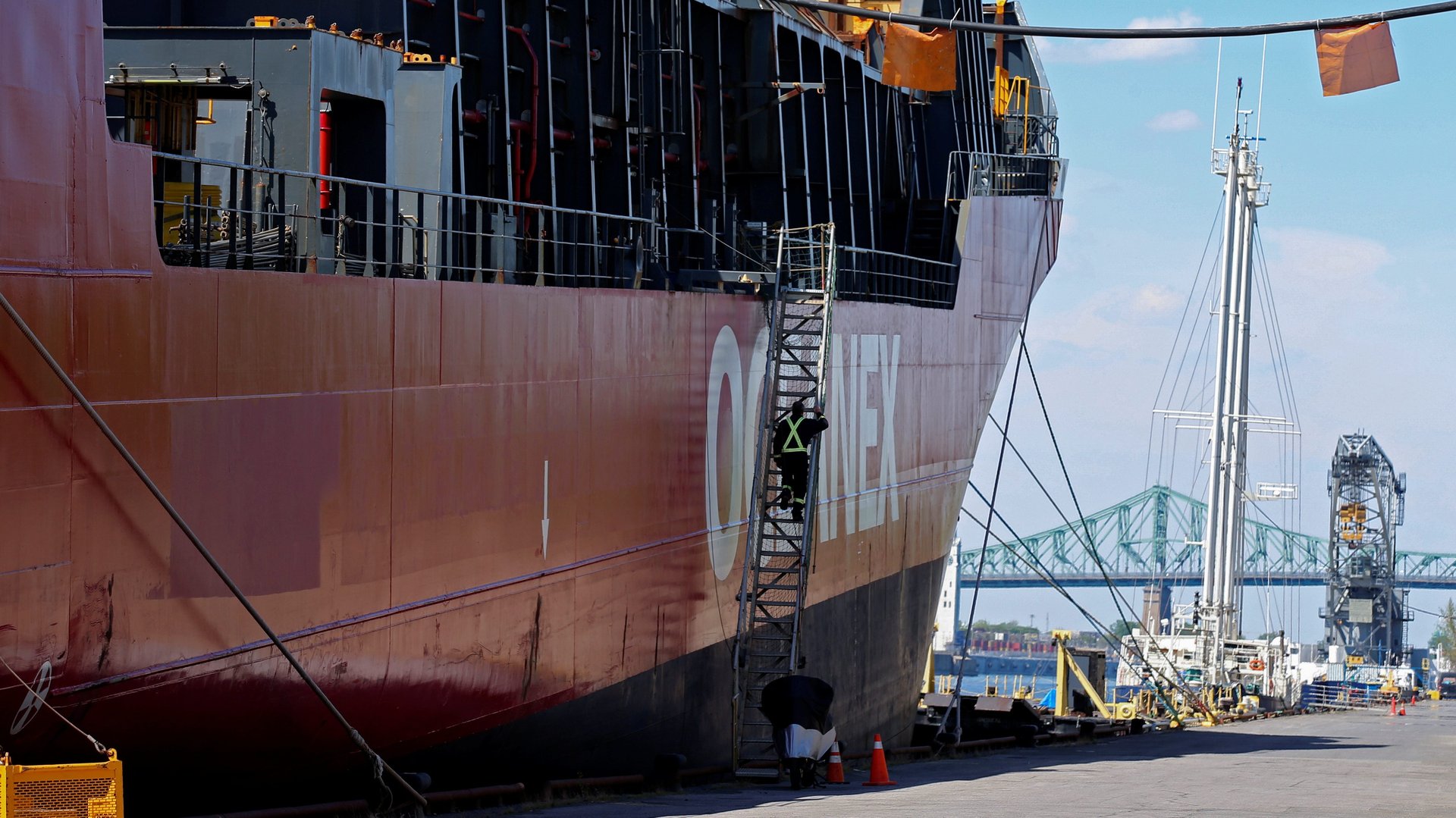
The Ever Given spent six days stuck in the Suez Canal. Then it spent more than three months stuck in the Suez Canal’s bureaucracy. Egypt’s Suez Canal Authority (SCA) had refused to release the container ship and its cargo and crew without being paid salvage fees and damages worth nearly $1 billion.

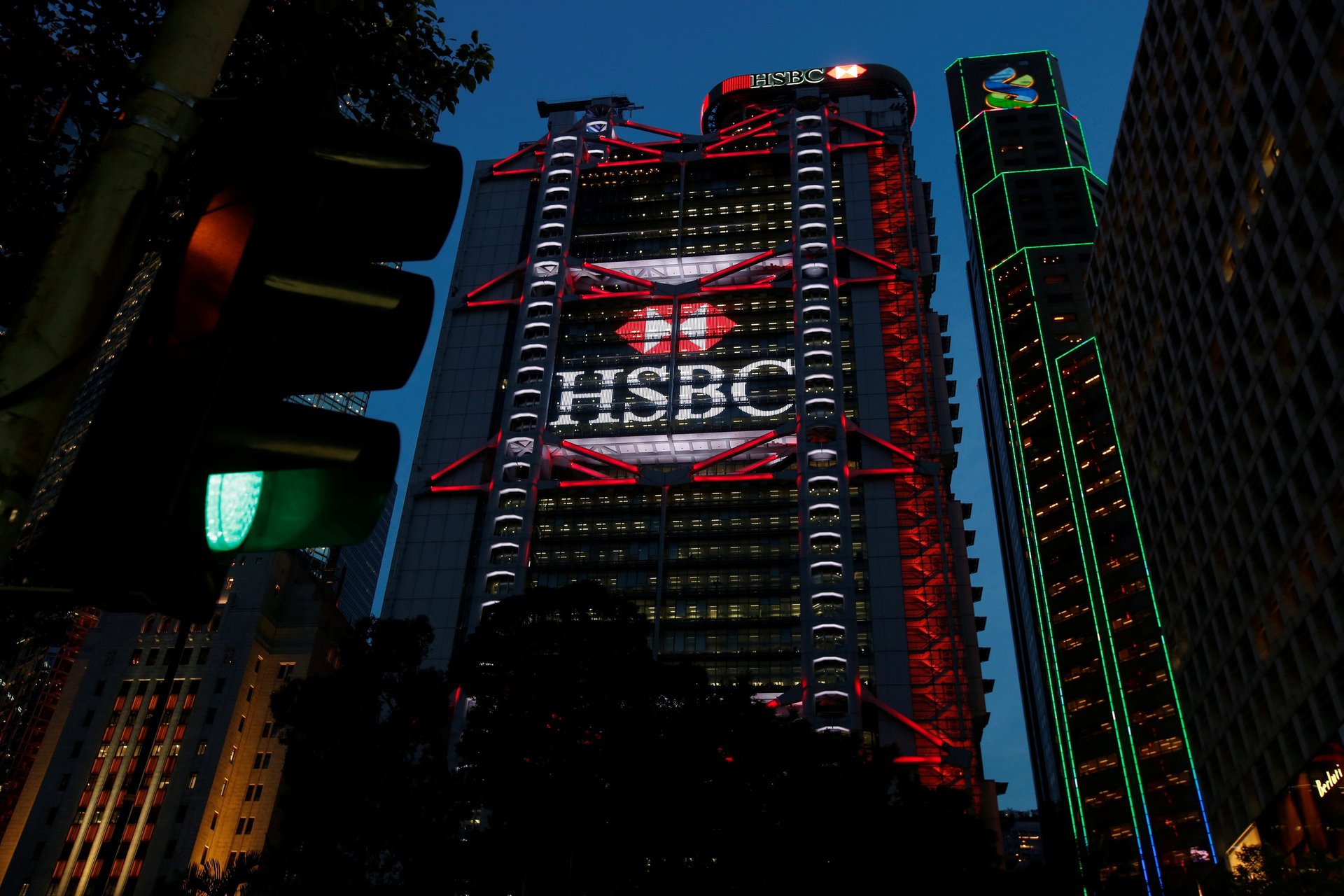
The UK tried to keep the doors to the European market open for its financial services industry—but it failed. In a speech today (July 1), Rishi Sunak, the UK’s chancellor of the exchequer, announced that any hope of a post-Brexit deal to enable the country’s financial sector to operate freely in the EU was dead.

FINA, the global ruling body for competitive swimming, has told a company named Soul Cap that its headwear for swimmers with voluminous hair will not be permitted in any competitions FINA recognizes, ranging from county meets to the Olympics.

Nothing symbolizes cryptocurrency’s troubles with regulators as well as the travails of Binance, the world’s largest crypto exchange by volume. This past weekend alone, it ran into obstacles in Japan, the UK, and the Canadian province of Ontario.

India’s Reliance Industries, one of the world’s largest conglomerates, was built on oil and gas. Its founder, Dhirubhai Ambani, worked in a service station in Yemen in his teens, using his savings to start Reliance in Mumbai in the 1960s. The company’s spiritual heart is now the town of Jamnagar, in the state of Gujarat—home to Reliance’s oil refinery complex, the largest in the world.

How much environmental karma do you earn if you mop up one type of pollution by creating another?

At least since 1996, the US Federal Reserve has used monetary policy with the aim of keeping inflation at 2%—a number that Ben Bernanke, the former Fed chair, made an explicit policy target in 2012. And it isn’t the only central bank in the developed world to shoot for 2%.

Last August, when the first wave of India’s Covid-19 pandemic was ebbing, Rajasironmani went back to sea. Rajasironmani, who uses only one name, lives with his family near the south Indian town of Tuticorin. He works as an engineer on cargo ships, and his life is punctuated by crewing contracts; every trip onboard is a new assignment, requiring a new contract. The one he signed in August was for five months on a ship that took him to ports in the US, Australia, Canada, and China, among other places.

When the movie-theater company AMC offered its stockholders free popcorn, it was, in part, embracing its newfound fame as a memestock. But like many other companies, it was also acknowledging how much more important retail investors have become—and how vital it is to woo them into buying and holding stock, and into voting with management in crunch situations.

US consumer prices shot up 5% year-on-year in May, according to data released by the Bureau of Labor Statistics on Thursday—the steepest such rise since the depths of the recession in May 2008. Core inflation, another measure that omits food and energy prices, seemed even more superheated: 3.8%, the highest since June 1992.

Large parts of the Internet collapsed this morning (June 8), when servers belonging to a company named Fastly went down for nearly half an hour. You couldn’t renew a passport on the British government’s website, or consult fellow coders on GitHub, or stream video games on Twitch, or figure out what memestocks to buy on Reddit, or purchase goods on Amazon in certain countries, or indeed figure out what in the world was going on by heading to Quartz. (Or if you had to, the Guardian, the BBC or the New York Times.)

On Saturday, the G7 group of nations announced an unprecedented agreement on a minimum global corporate tax, to make the world’s biggest multinationals pay a corporate tax rate of at least 15%. Now the tax proposal—pushed assiduously by president Joe Biden—will seek the endorsement of the G20 group of nations, whose finance ministers are scheduled to meet in Venice in July.

Last year, Covid-19 had barely engulfed the world when people began anticipating the recovery: preparing for it, imagining it, willing it into being.

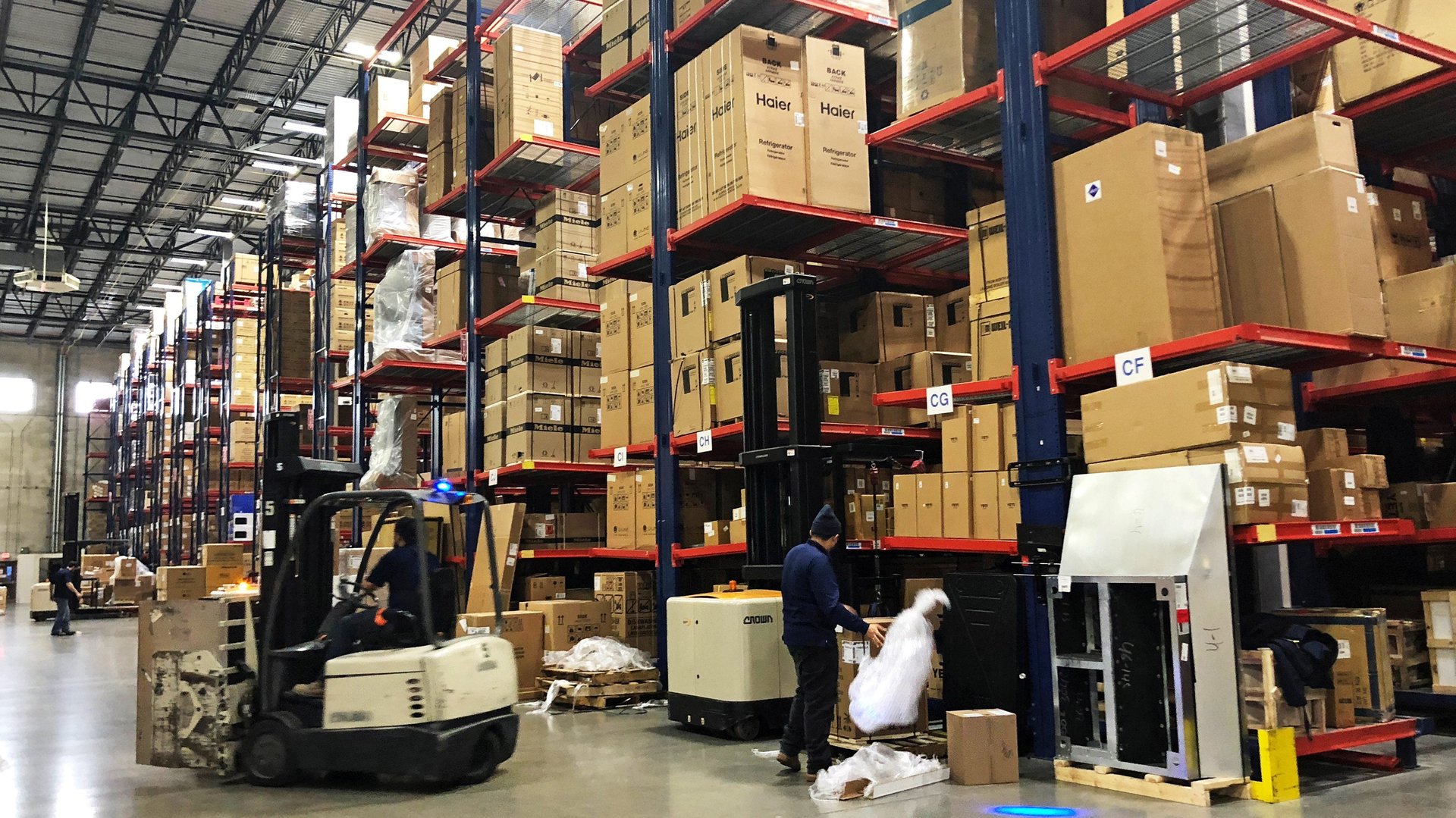
In an ideal world, Dave Reilly would like his company United Solutions to have 45 days of inventory: 45 days’ worth of the hard plastic storage boxes, recycling bins, and utility buckets that it supplies to firms like Rubbermaid. Today, United Solutions holds fewer than 30 days’ worth—in large part, Reilly said, because he can’t find the workers to produce fresh stock.

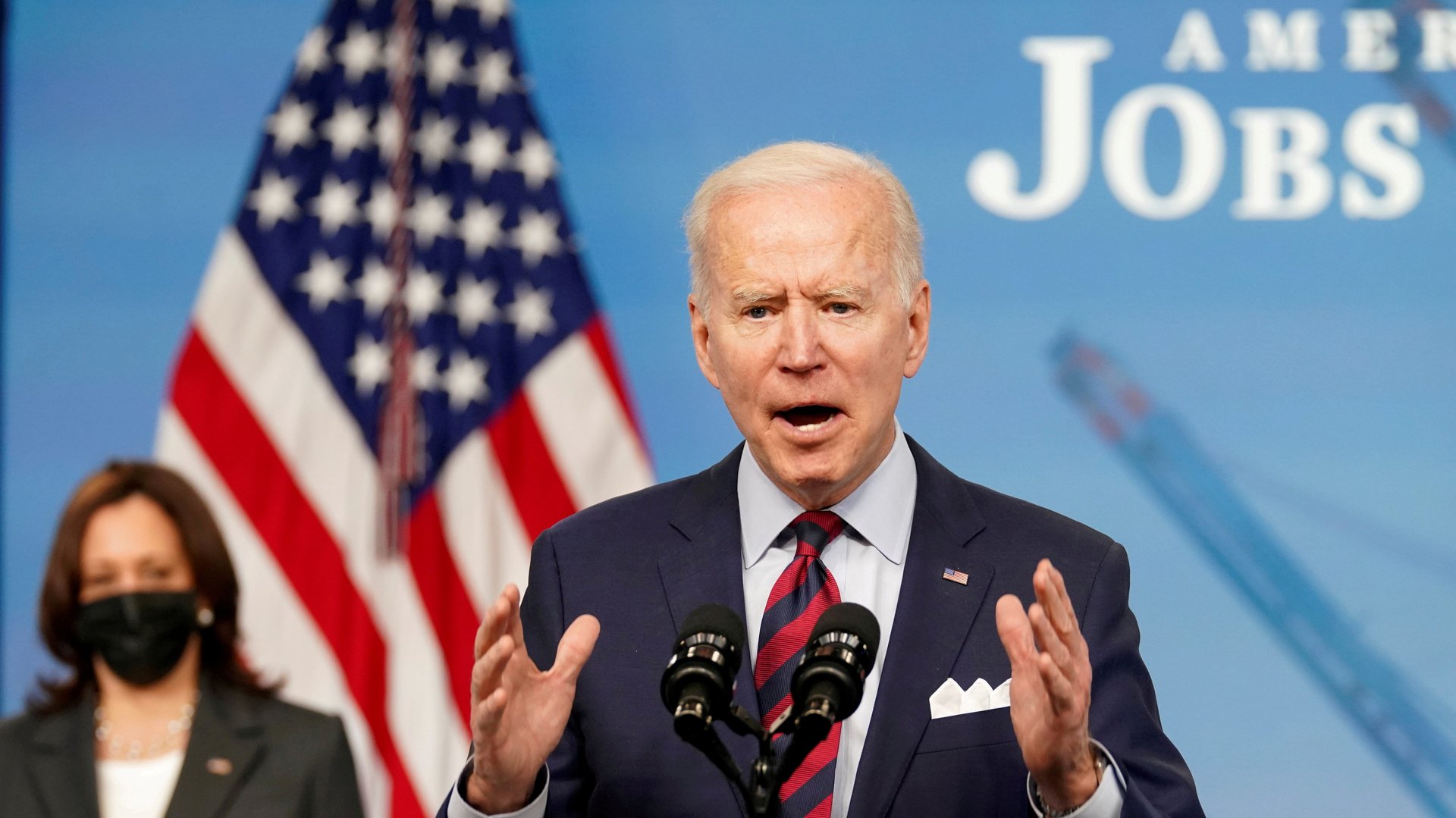
President Joe Biden is asking Congress to approve a $6 trillion budget for the 2022 fiscal year—the most lavish level of federal spending since 1945. As the government funds a host of social welfare, infrastructure, education, and climate change measures, total expenditures will climb to $8.2 trillion by 2031. For a decade, the government will run a deficit of at least $1.3 trillion, according to Biden’s budget proposal, which was released May 28.

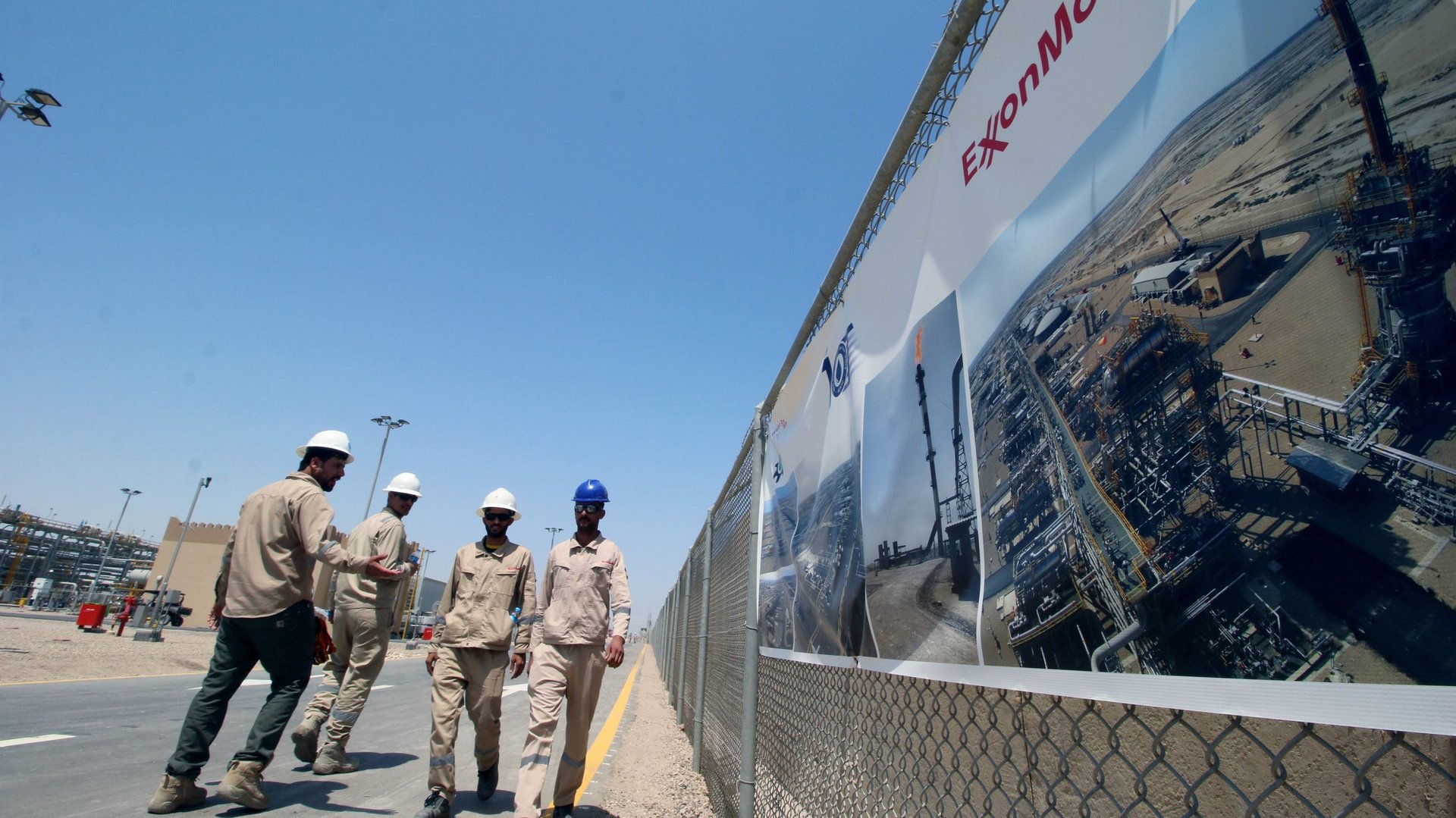
Engine No. 1, a hedge fund just six months old, manages around $250 million in assets. It owns a meager 0.02% of ExxonMobil, the oil and gas giant that’s worth $250 billion.

Good morning, Quartz readers!

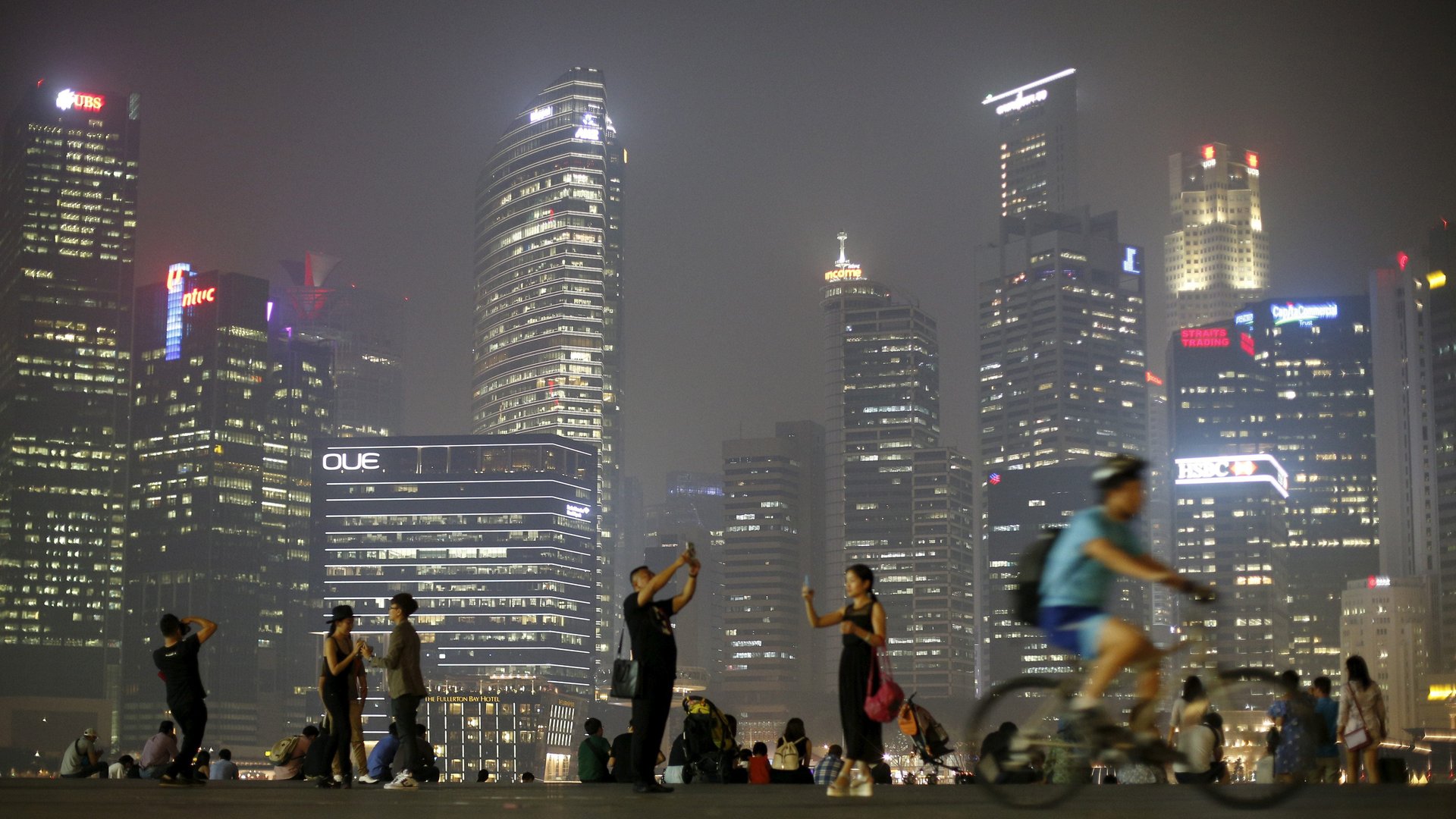
After the Brexit referendum in 2016, some Conservative politicians proposed a new vision for the UK: to turn it into a lightly taxed, lightly regulated idyll for corporations—an island that would be the world’s trading partner, rather than just the European Union’s. Look to Singapore as a model, Philip Hammond, the UK’s chancellor of the exchequer, said in 2017.