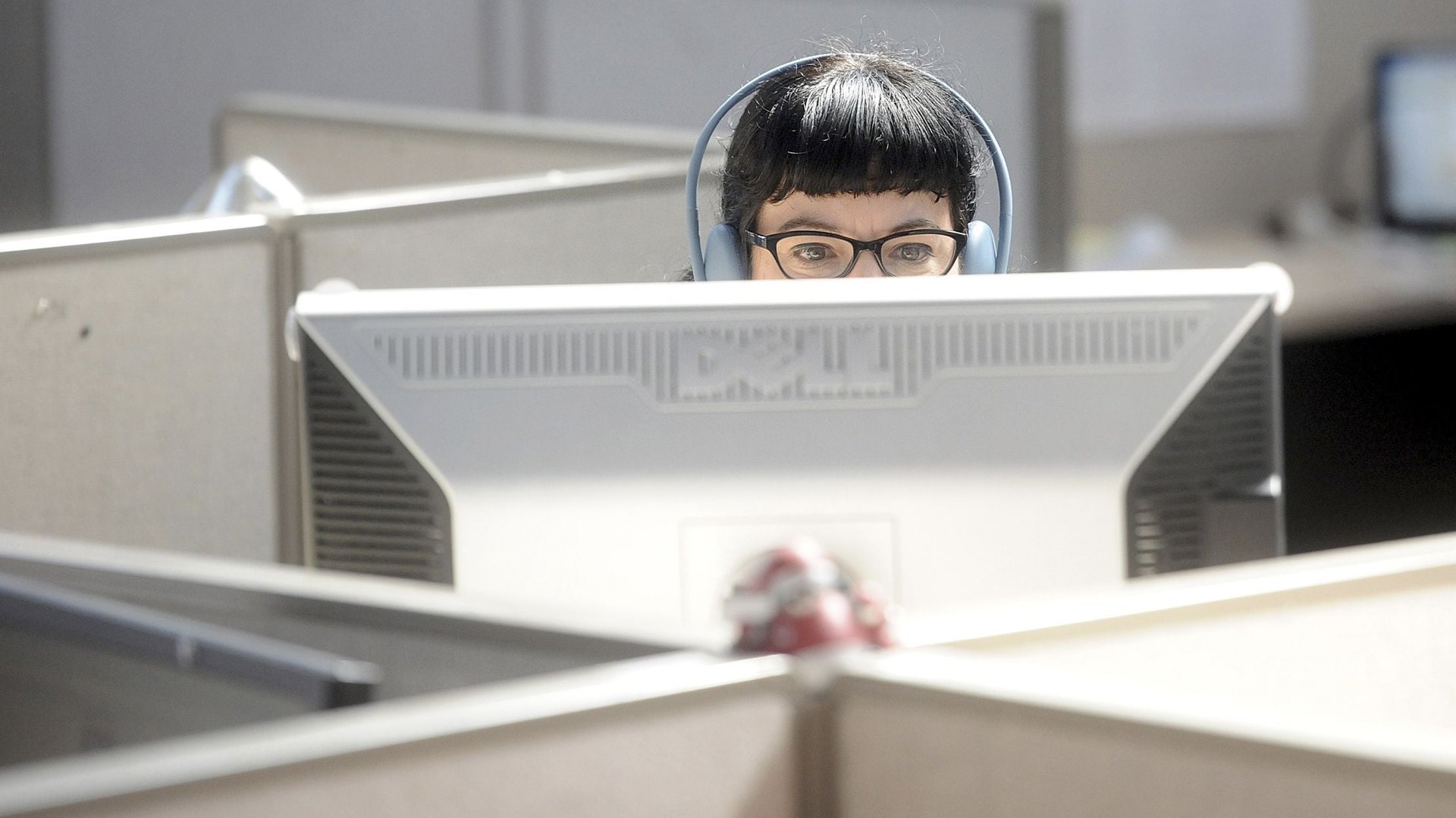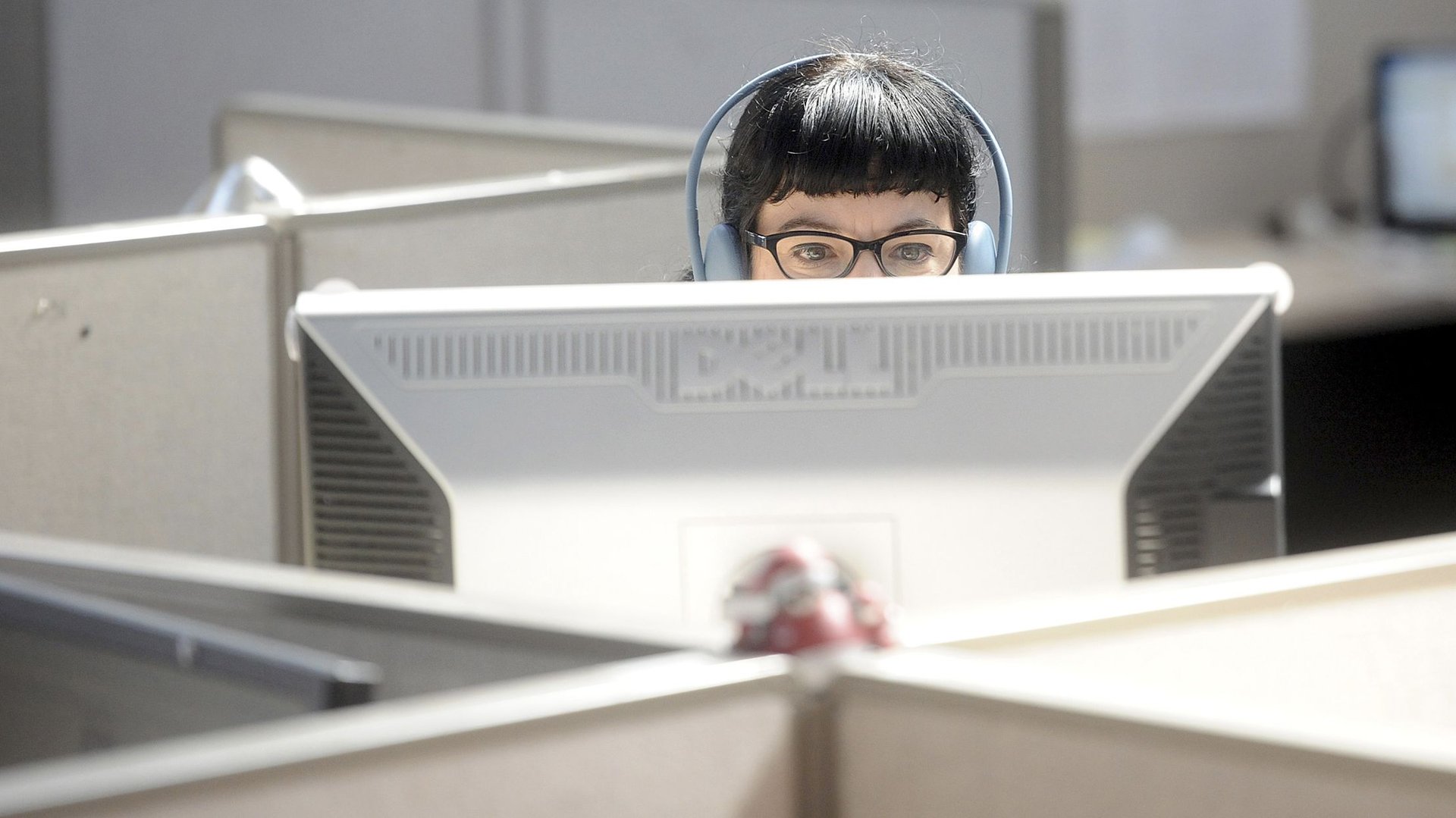
A startup called B12 builds websites with the help of “friendly robots.” Human designers, client managers, and copywriters still do much of the work—but they don’t coordinate it.

A startup called B12 builds websites with the help of “friendly robots.” Human designers, client managers, and copywriters still do much of the work—but they don’t coordinate it.

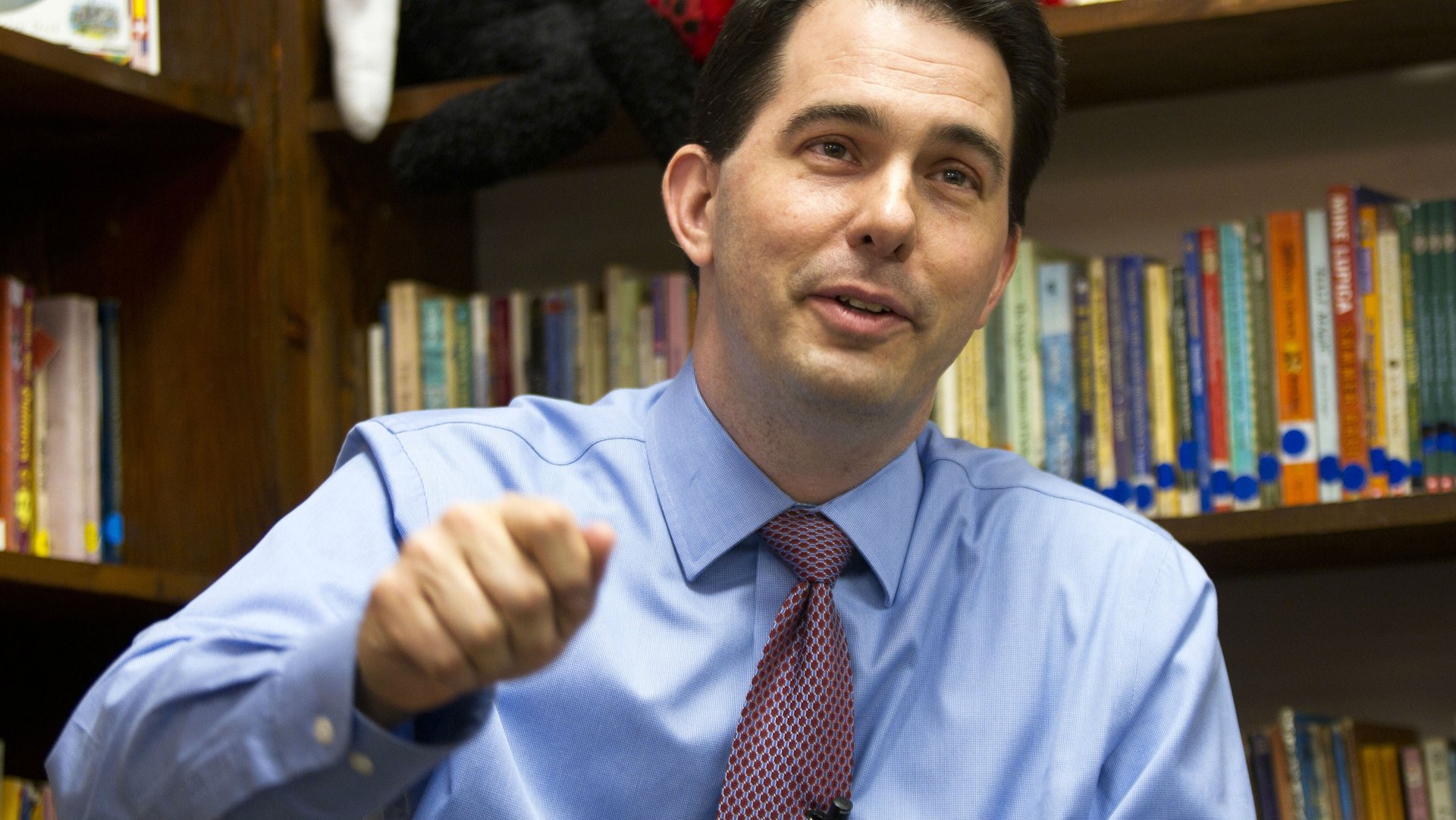
The day after Foxconn, one of the world’s largest electronics manufacturers, announced plans to build a $10 billion LCD screen factory in Southeastern Wisconsin, governor Scott Walker hosted an event for business leaders at which he and Foxconn founder and chairman Terry Gou signed a memorandum of understanding about the plan. On the badges of each attendee were written in big block letters the words that have become the governor’s defacto slogan for the project: “Welcome to Wisconn Valley.”

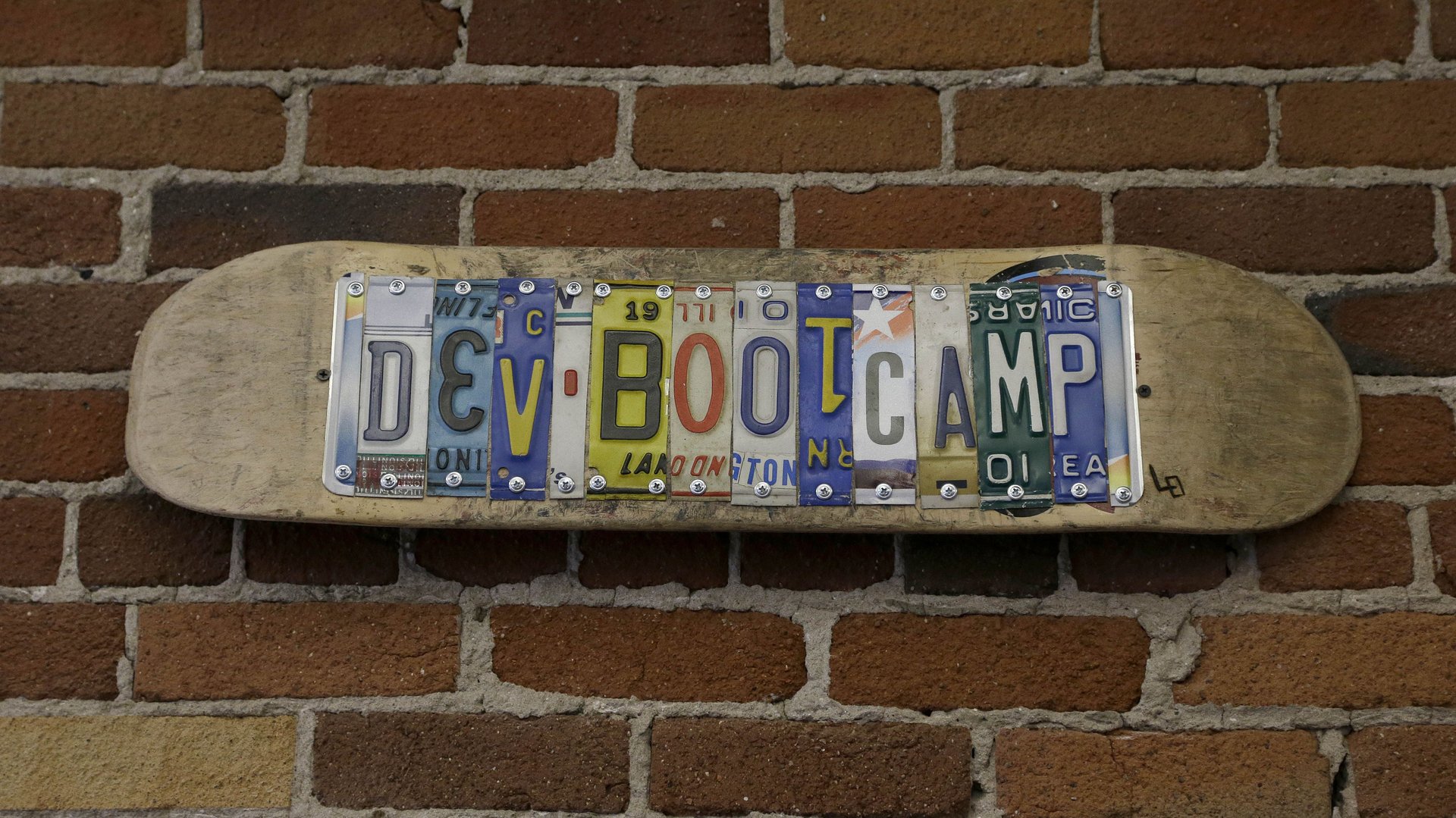
When Dev Bootcamp, a 19-week coding course, launched in 2012, it was at the beginning of what would become a huge trend in tech education. To assuage tech’s demand for entry-level coders, the company promised it could prepare anyone for a career as a programmer.

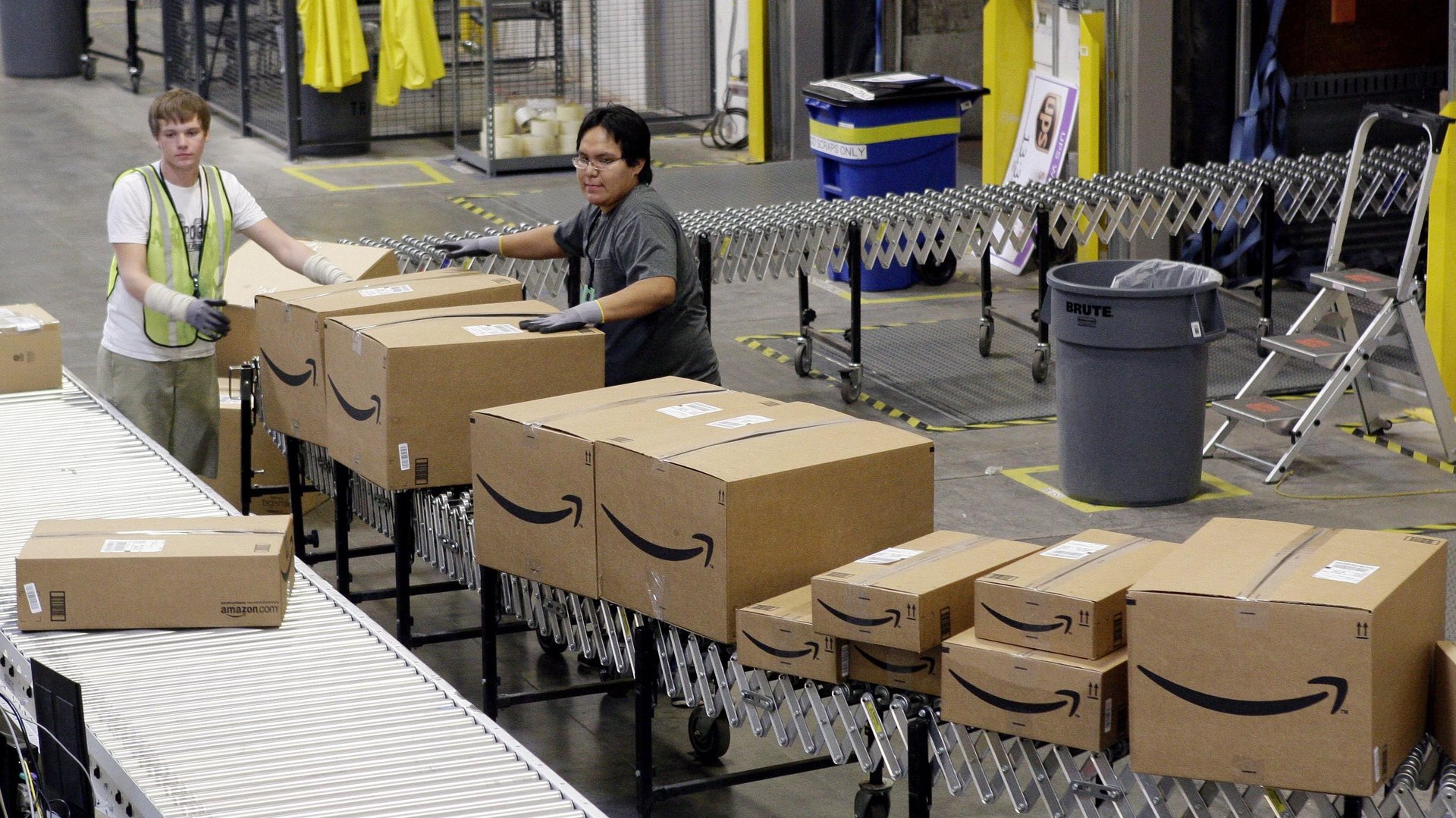
In some of Amazon’s more than 70 US fulfillment centers, the shelves, carried by robots, travel to human workers rather than the other way around. In all of the company’s warehouses, conveyor belts carry products from one area of the warehouse to another. They are increasingly automated operations.

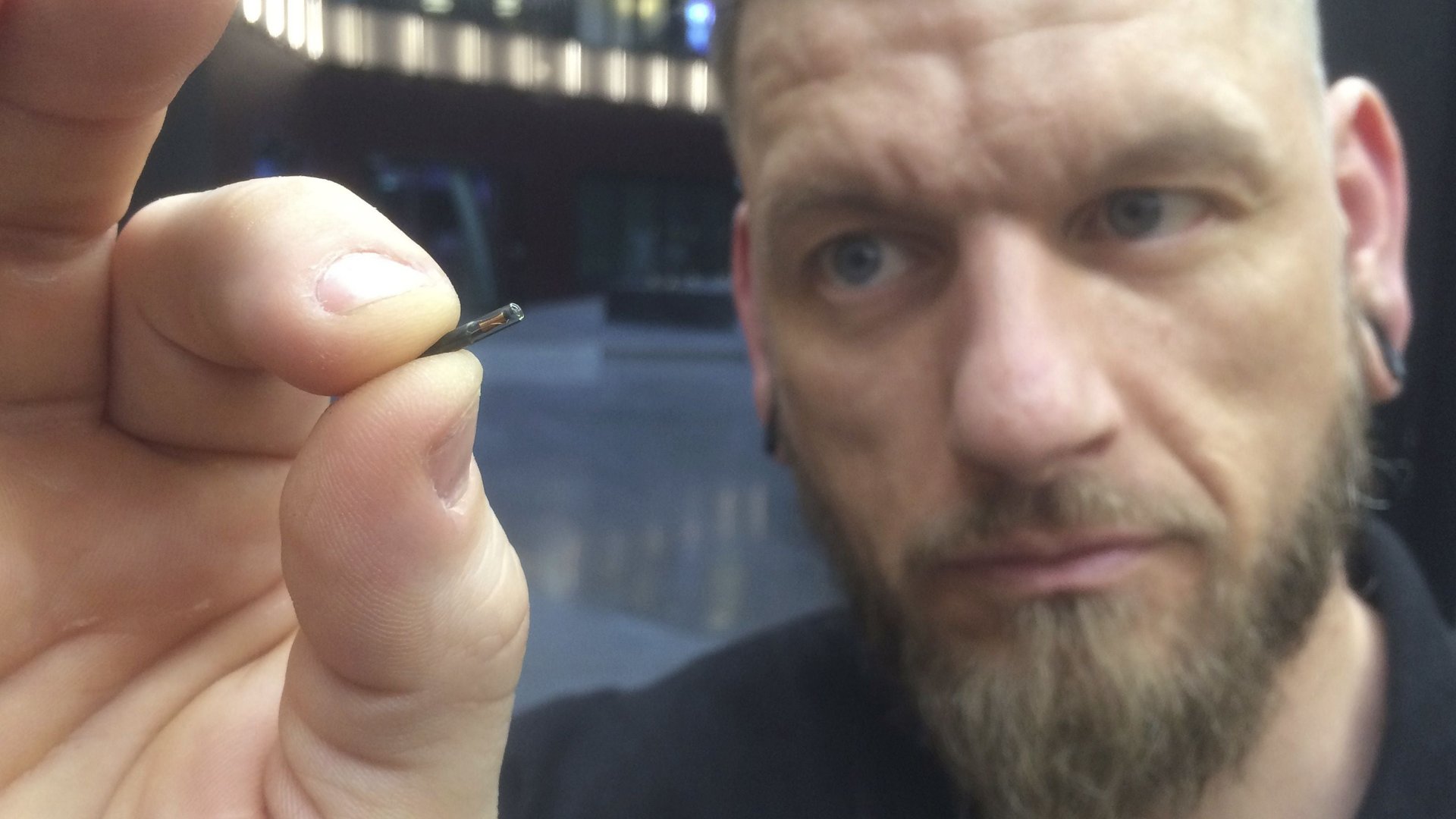
A majority of employees at Three Square Market, a technology company in Wisconsin, have volunteered to embed a rice-sized chip in their bodies that allow them to swipe into the building or pay for food in the cafeteria as if their hands were key cards.

Do you believe AI and robots taking over jobs is, as Elon Musk recently put it, the “biggest risk that we face as a civilization?” Or mostly overblown fear-mongering? Somewhere in between?

On July 24, Japan encouraged companies to experiment with what is still a relatively uncommon workplace policy in the country: Allowing employees to work from home.

About a third of work done at banks today can be automated by technology, according to a new report from McKinsey.

For one day, July 26th, McDonald’s will give away flip flops, sweatsuits, and other swag with UberEats deliveries. It’s called the “McDelivery Collection.”

Your Slack habits just became a little more visible to your boss.

As IBM called thousands of remote workers back to its office this spring, other companies, such as the one behind Wordpress, disbanded their offices and had everyone work from home.

Bill Knight, an assembler at General Electric’s plant in Grove City, Pennsylvania, demonstrates how to torque a bolt on the flex plate of a 15-ton locomotive engine. Instead of lifting a heavy tool, weighing 25 to 40 pounds, like he used to do, he almost effortlessly guides a robotic tool. Once the tool is in place he uses a single finger to activate it, and it torques the bolt perfectly. Then it tells Knight where to place the machine next.

Donald Trump’s “America first” agenda pressures companies to keep jobs in the United States while Ivanka Trump’s business—like nearly all apparel businesses in the US—extensively outsources the production of its pants, shoes, blouses, leather bags and other products.

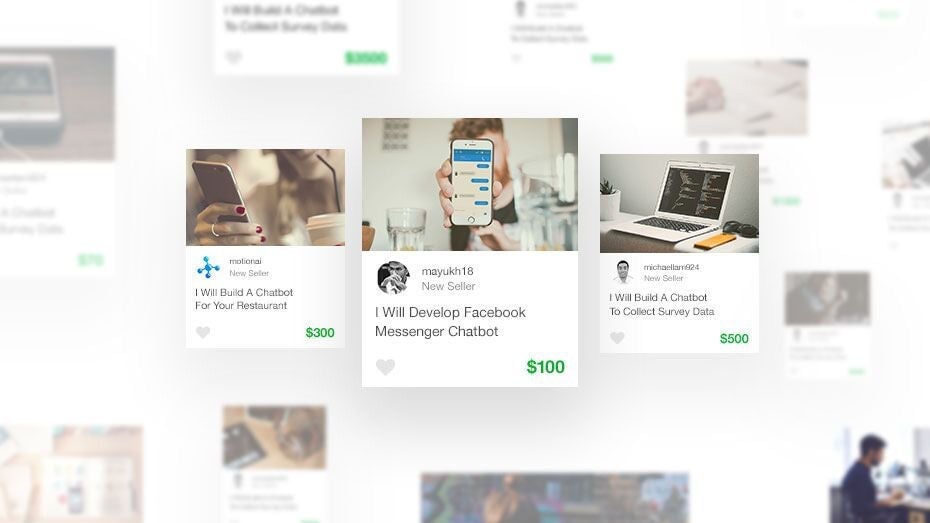
On the seven-year-old freelance website Fiverr, companies can hire workers for more than 10 million services ranging from the professional—graphic design, programming, digital marketing—to the absurd (“I will do a forbidden voodoo ritual to bring back your lover”). And starting today (July 13), they can also find bots to do work.

After raising more than $22,000 on Kickstarter to make a storytelling card game called True Story, Daniel Steinbock, a designer and musician who started the project with three friends, had a simple plan for fulfilling the 750 orders. He would hire freelance designers and writers to make the game.

“The future of work” is suddenly everywhere—which is an interesting feat for a 500-year-old discussion.

At a US trade show in 2004, Fanuc, a large supplier of industrial robots, gave a seminar on how to automate factory work. “We had very few attendees,” remembers Scott Melton, a director of sales at the company.

Remote work is dying. And also is the future. It’s a productivity booster and a drag on group learning; the key to work-life balance, but also a conduit through which the work day extends into after hours at home.

In 1964, a group of professors, activists, and scientists put together a report that warned US President Lyndon B. Johnson of three impending threats, including a “Cybernation Revolution” that would put massive numbers of people out of work. The committee included a list of recommendations for staving off each crisis.

At ports in Los Angeles, short-haul truckers have jobs that look more like indentured servitude than employment.

Before Google CEO Pichai Sundar announced the launch of a new search feature at the company’s annual conference for developers on May 18, he shared a statistic: “46% of US employers say they face talent shortages and have issues filling open job positions.”

Uber just introduced a new bonus for drivers who give rides to teenagers.

As US president Trump has made “bringing jobs back to America” a rallying cry, others have pointed out that even the factories that stay are, thanks to automation technology, getting more work done with fewer people.

Earlier in June, Facebook launched a set of features to celebrate Pride month, including the option to react to posts with a rainbow flag in lieu of a regular “like.” But access to this option is different depending on location.