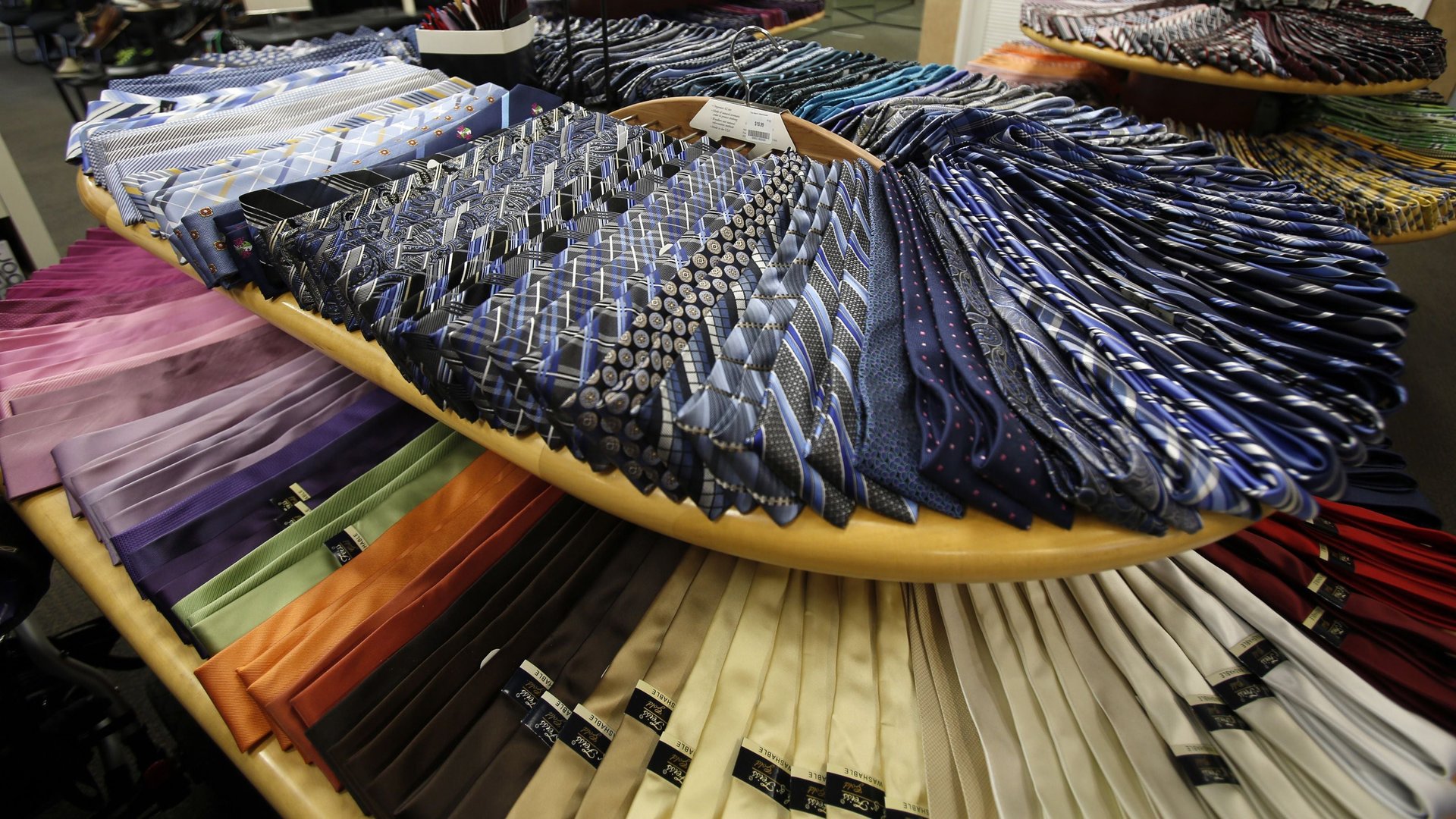
Fredrik Thomassen, the founder of a newly launched startup called Konsus, calls his site “a full e-commerce experience.”

Fredrik Thomassen, the founder of a newly launched startup called Konsus, calls his site “a full e-commerce experience.”

A new frontier for office space wellness—a technology that some believe will make employees more alert, productive, and healthier—is already on the market for consumers. Priced at $130, the Philips “Hue White Ambiance” starter kit contains two LED light bulbs and everything you need to tweak their brightness and color temperature via a smartphone.

When Amazon announced its plan to pay $13.7 billion for Whole Foods Market last week, pundits wondered what it meant for the workers at Whole Foods’ more than 450 store locations.

Father’s Day started without a profit motive in 1909, when a woman named Sonora Louise Smart Dodd heard a church sermon in honor of Mother’s Day and thought her father, a widower who had raised six children on his own, deserved to be honored in the same way.

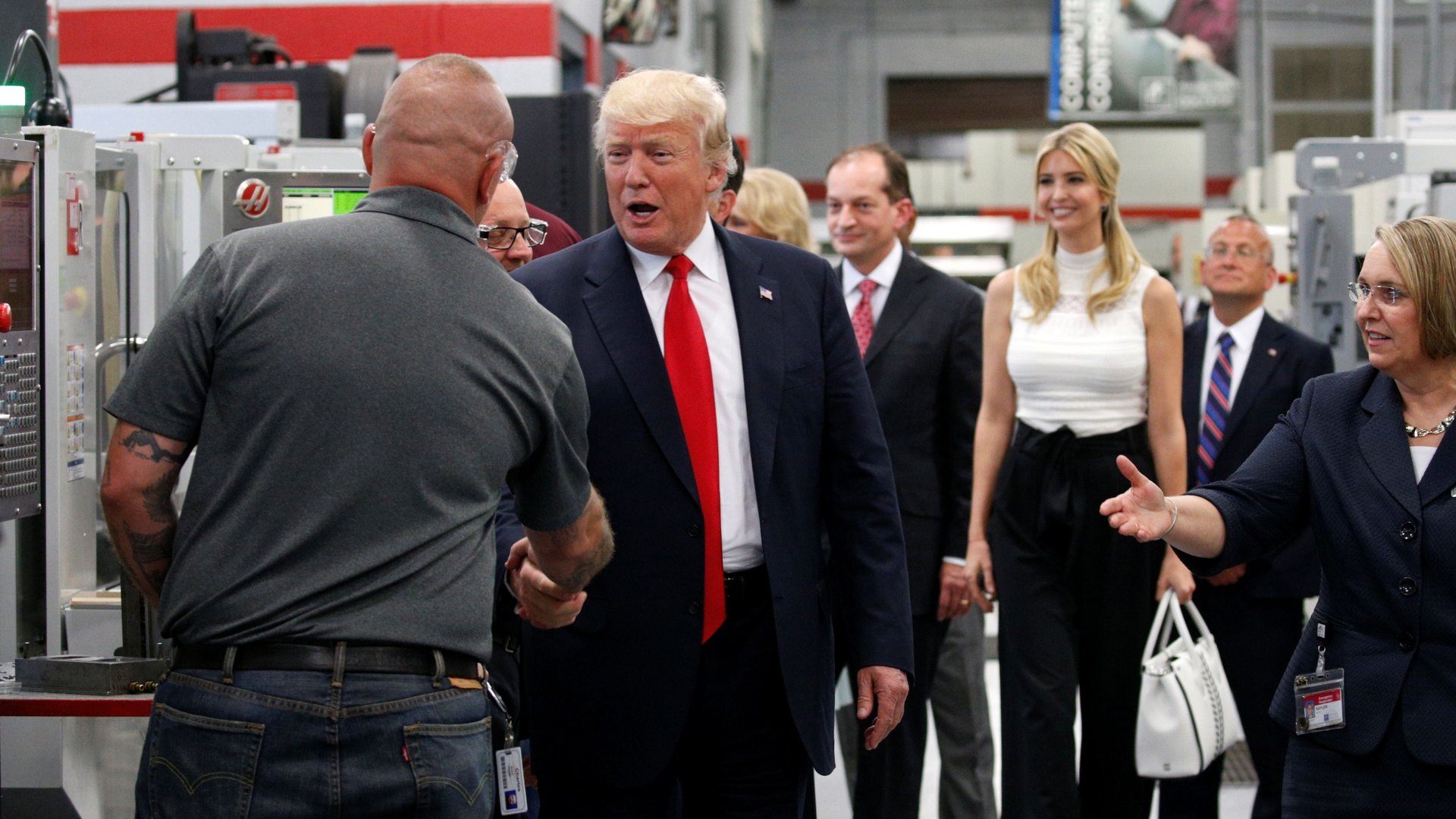
Trump’s proposed federal budget would cut job training programs by 40% and reduce other types of workforce training programs, such as financial aid for college students.

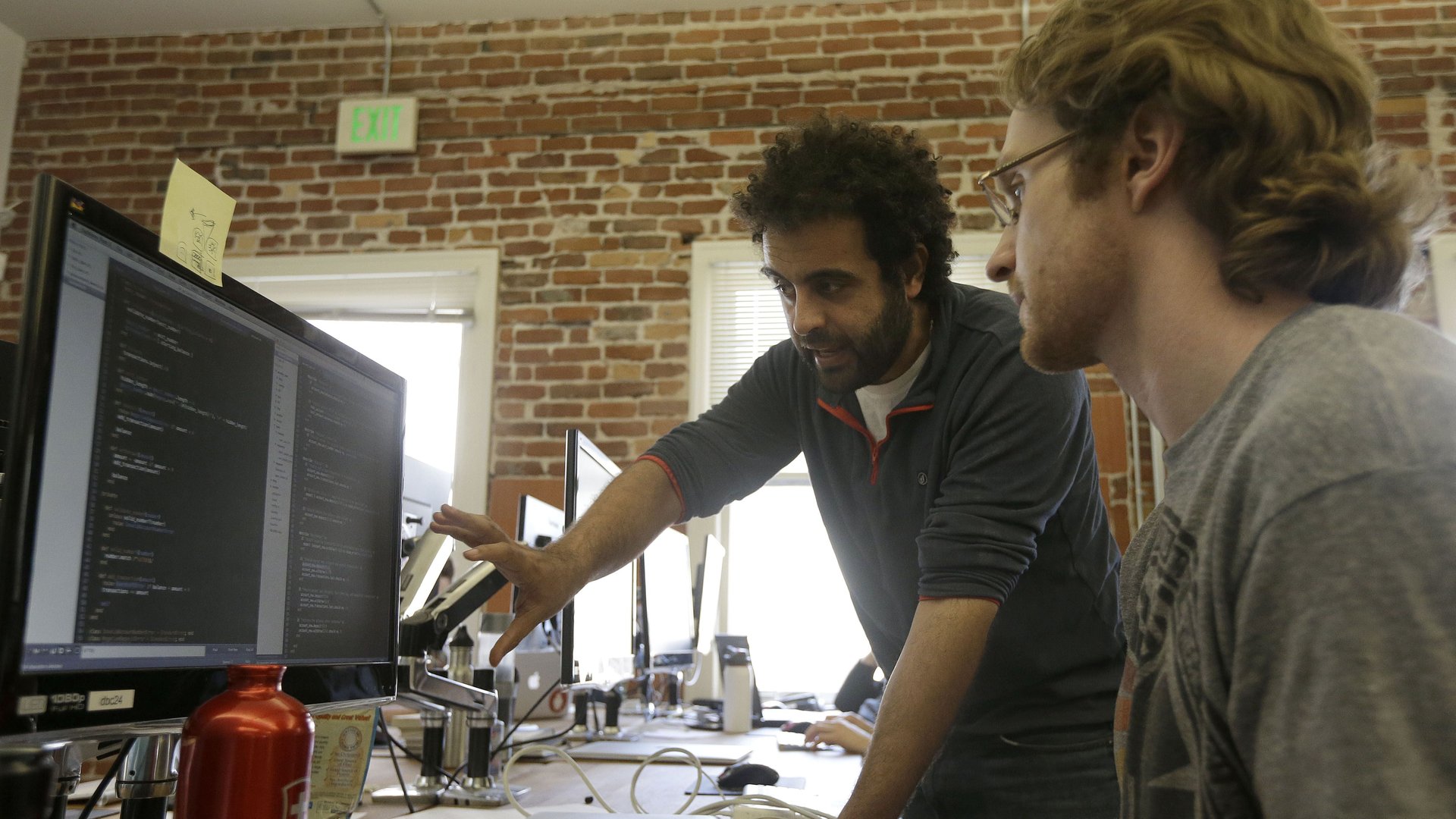
Hundreds of coding bootcamps have popped up in the last decade, and most of them are tremendously successful—at least, according to their websites.

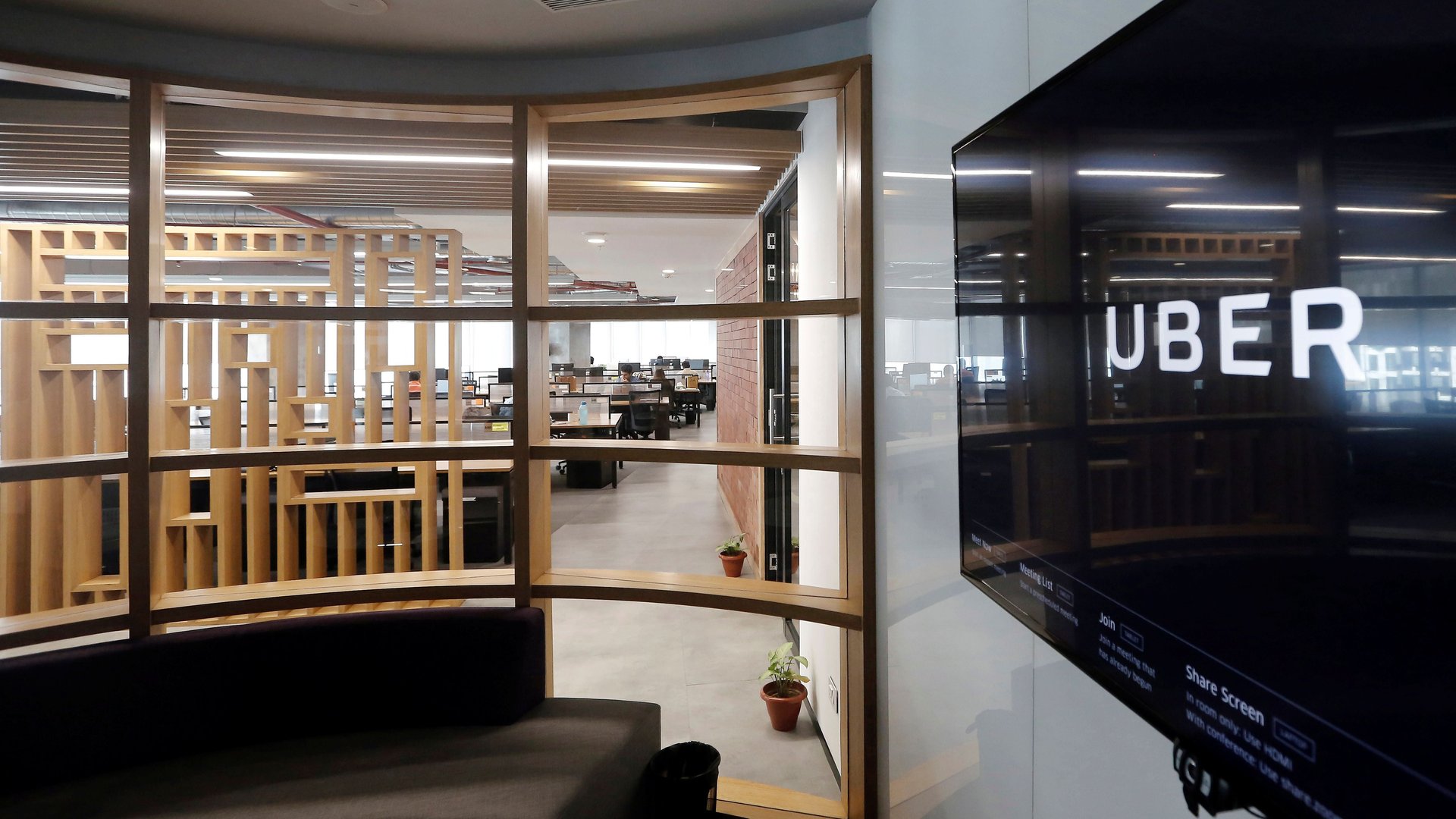
At an all-hands meeting for Uber employees on Tuesday, Uber board member Arianna Huffington announced that the board’s ratio of women had increased from 14% to 25% with the addition of Nestlé executive Wan Ling Martello. “There’s a lot of data that shows when there’s one woman on the board, it’s much more likely that there will be a second woman on the board,” she said, at which point her fellow board member, David Bonderman, interrupted her with a sexist joke.

Herman Miller, the creator of the cubicle and the iconic Aeron chair, will begin selling sensors this week that connect its desks to the cloud—the first phase of a plan to add a layer of technology to your office workstation.

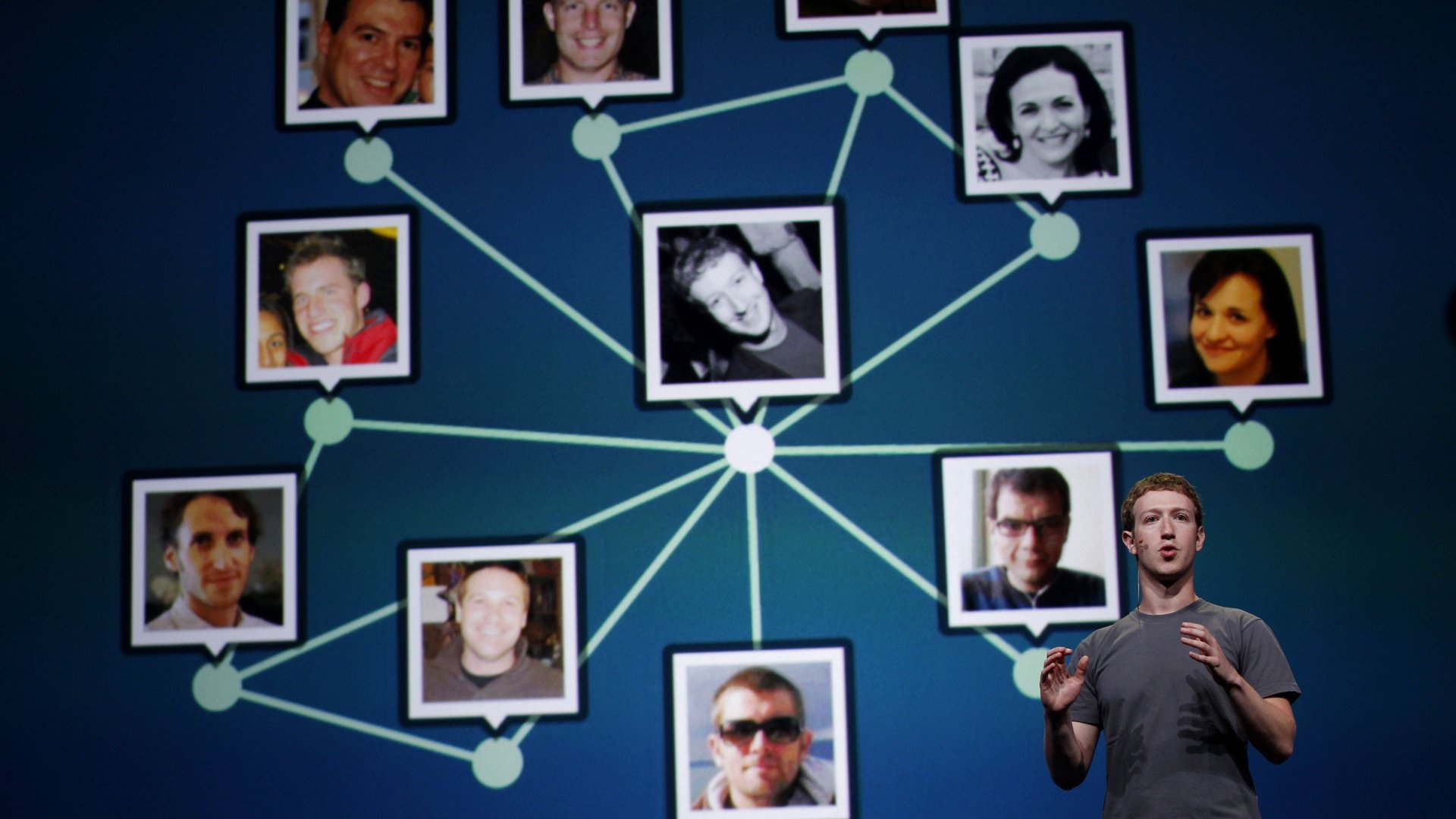
Every year in January, Mark Zuckerberg announces to his Facebook followers (and by extension, the global media) a new personal challenge. Before 2017, he had kept these commitments in the realm of self-improvement: learning Mandarin, building a simple AI assistant, running 365 miles, and, most famously, eating meat only from animals that he killed himself.

Scott Pruitt, administrator of the US Environmental Protection Agency, has a new favorite statistic. On June 4 alone, he told NBC, ABC, and Fox News that 50,000 coal jobs, or coal and mining jobs, had been created in the US since the last financial quarter.

Last November, a team of technicians at GE’s aviation manufacturing facility in Bromont, Canada, realized they would miss production goals for the year if they continued working at the same pace. Without being told by a supervisor or enticed by a bonus, the team opted to skip breaks, stagger lunches, and change their schedules so that machines would never sit idle. By the end of the year, they had met their goal.

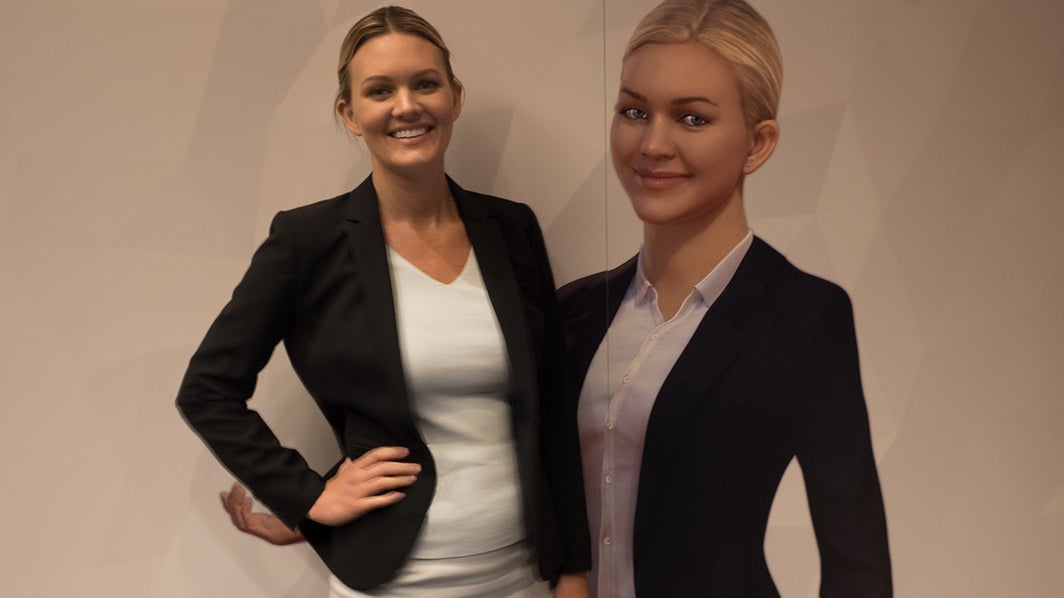
Some people are famous only among fans of a particular sport, a specific age group, or their hometown locals. Lauren Hayes, a 27-year-old model and entrepreneur, is famous at the automation software company IPsoft.

The leader of the EU initiative tasked with preparing Europe’s workforce for changing jobs doesn’t think that taxing robots is a good idea.

Many of today’s high school and college students have been posting to social media since they were young teenagers—and not always with future employers in mind.

With nearly 2 billion users, Facebook reaches nearly a quarter of the people on the planet. And while its broadcasting power can be used for promoting good causes and unleashing viral cat videos, it can also be used to distribute hateful and violent content. This has put Facebook in the uncomfortable position of making judgment calls about whether the millions of posts flagged by its users as objectionable each week should be allowed to stay, flagged to other users as disturbing, or removed completely. It’s an unprecedented responsibility at this scale.

In the US, social safety-net programs are tied not to citizenship, but to jobs. Employers contribute to social security, unemployment insurance, and disability insurance programs along with their employees and, in many cases, also provide access to retirement benefits and health insurance.

WeWork, the office-space rental startup, has quietly started a new business related not to work, but to workouts.

“I’ve seen people pass out, hit the floor like a pancake, and smash their face open,” a worker at Tesla’s “factory of the future” told the Guardian in a report published this week. “They just send us to work around him while he’s still lying on the floor.”

GE recently appointed an executive to head up its efforts in “the future of work.” Her first task will be to figure out what, exactly, that means.

“We knew Jian-Yang’s app was in the food space, but we assumed that it was camera-based,” says a nameless venture capitalist in a recent episode of HBO’s Silicon Valley. “Like you take a photo of food, the app returns nutritional information or recipes or how it was sourced.”

On the ceiling of Airbnb’s San Francisco office hang a series of banners set two feet apart and made out of recycled cotton. They’re not made to be decorative. They’re there to absorb noise.

Deloitte has what it calls an “apprenticeship model.” The international auditing and professional services firm hires thousands of entry level employees with the expectation that most of them will work hard, then leave after they’ve learned marketable skills. The organization—like many companies—looks like a pyramid, with many more employees at the bottom level than at the middle or top level.

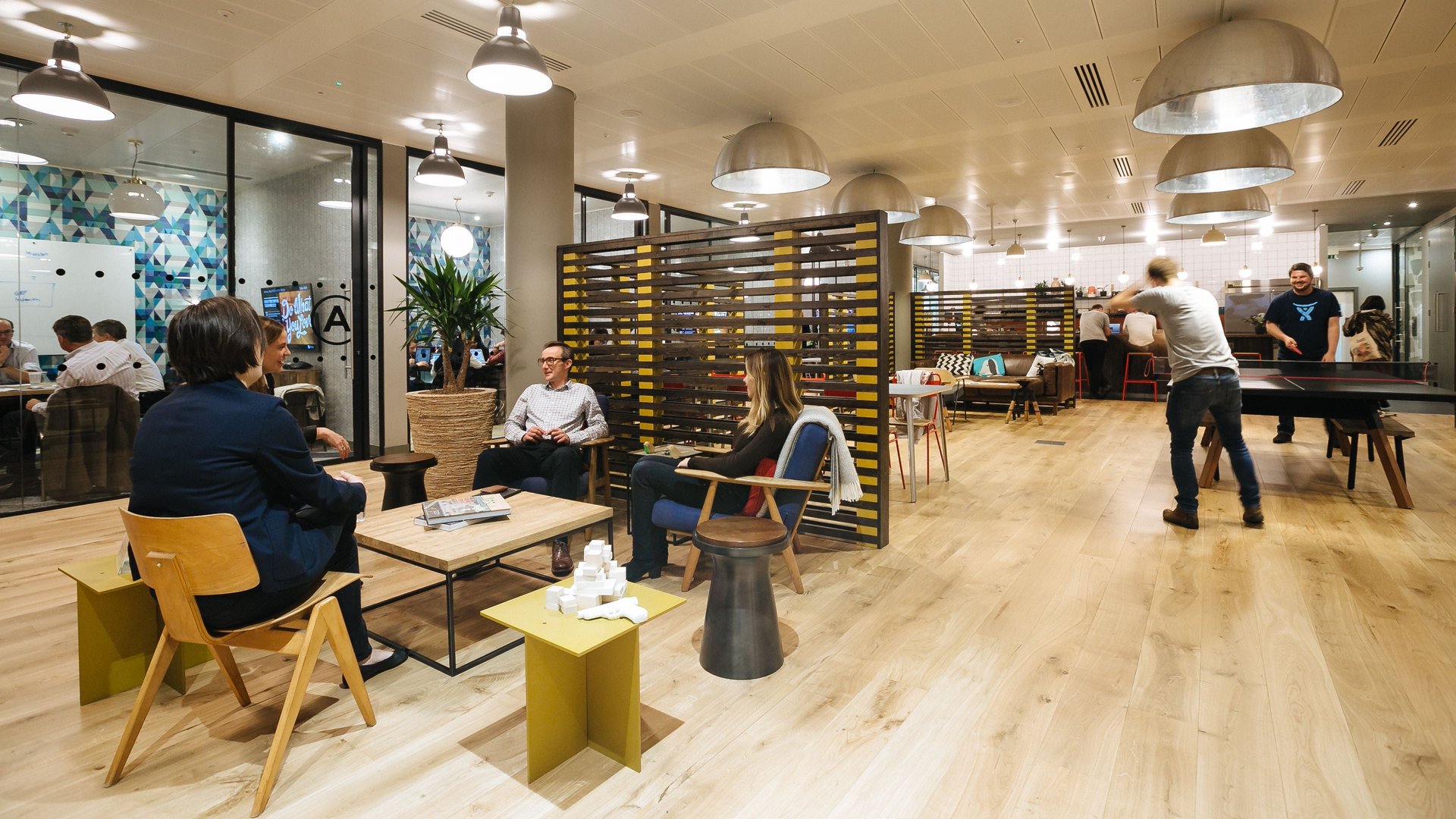
Before opening one of New York’s first coworking spaces, New Work City, in 2008, Tony Bacigalupo stumbled across weekly events called “Jellies.” They were often hosted in people’s homes, where remote workers and freelancers met up to work side-by-side. “The reason [we went to Jellies] wasn’t because we needed office space,” says Bacigalupo, who is still friends with people he met at the events. “We’re communal humans, and we need to be around other humans.” Jelly members shared coffee, went to lunch together, and often ended up collaborating on projects.

To add a simple date to a tombstone in the late 90s, Ron Richard, an engraver based in Southern Massachusetts, would trace the numbers onto a sheet of rubber and cut them out with an X-acto knife. By the time he’d placed the stencil onto the stone and run over it with his sandblaster (sand bounces off of the rubber portions of the stencil and carves rock exposed in the voids in between), about 20 minutes had passed.