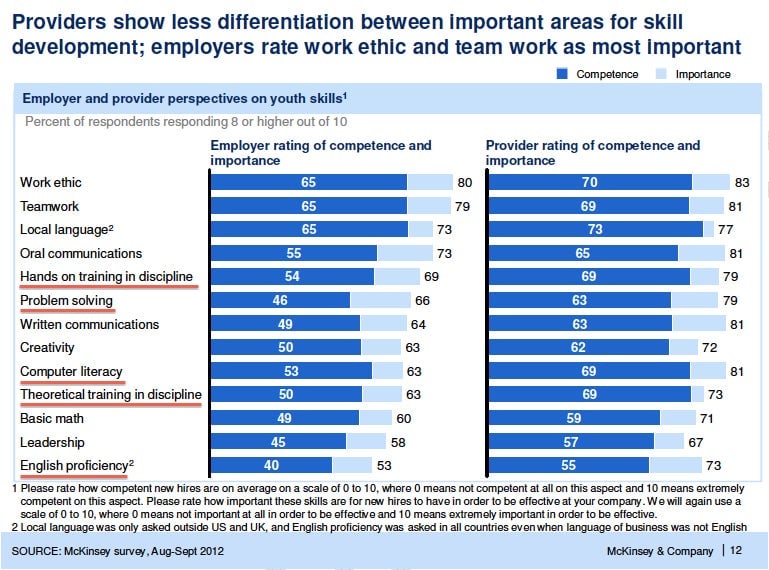
Young people are having trouble finding new jobs. Employers are having trouble finding properly-trained employees. It’s a global problem, and both policy-makers and educators seem somewhat perplexed about the disconnect.

Young people are having trouble finding new jobs. Employers are having trouble finding properly-trained employees. It’s a global problem, and both policy-makers and educators seem somewhat perplexed about the disconnect.

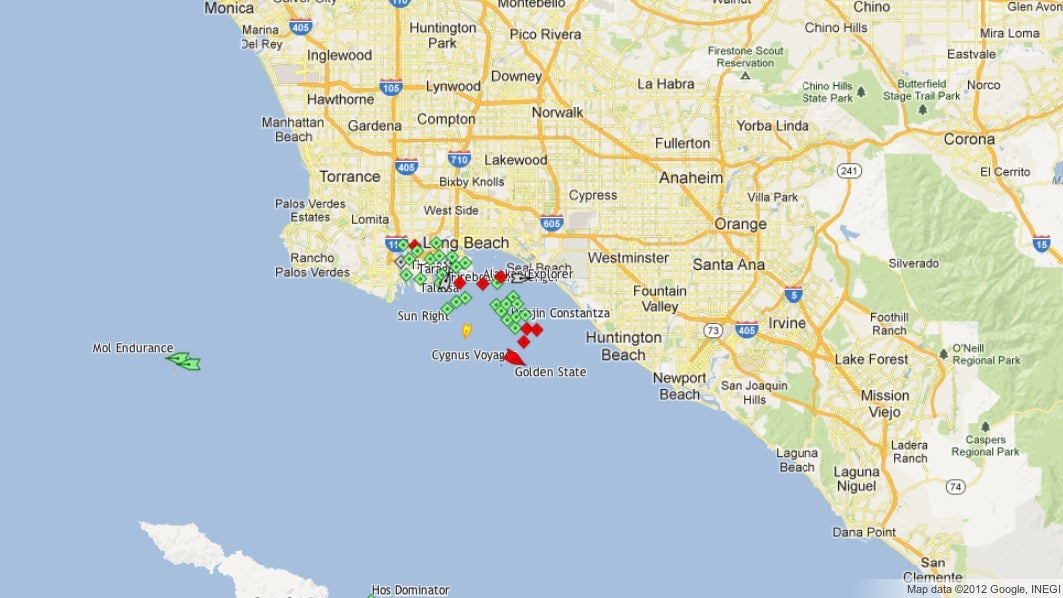
Strikes at the ports of Los Angeles and Long Beach, which collectively handle nearly 40% of US container imports, have left the normally busy ports almost entirely shut down since workers of the International Longshore and Warehouse Union (ILWU) began striking last week. The two ports saw a collective 14 thousand TEUs (20-foot equivalent units, the standard measure of container traffic) in 2011, making them North America’s first- and second-largest ports, respectively (pdf).

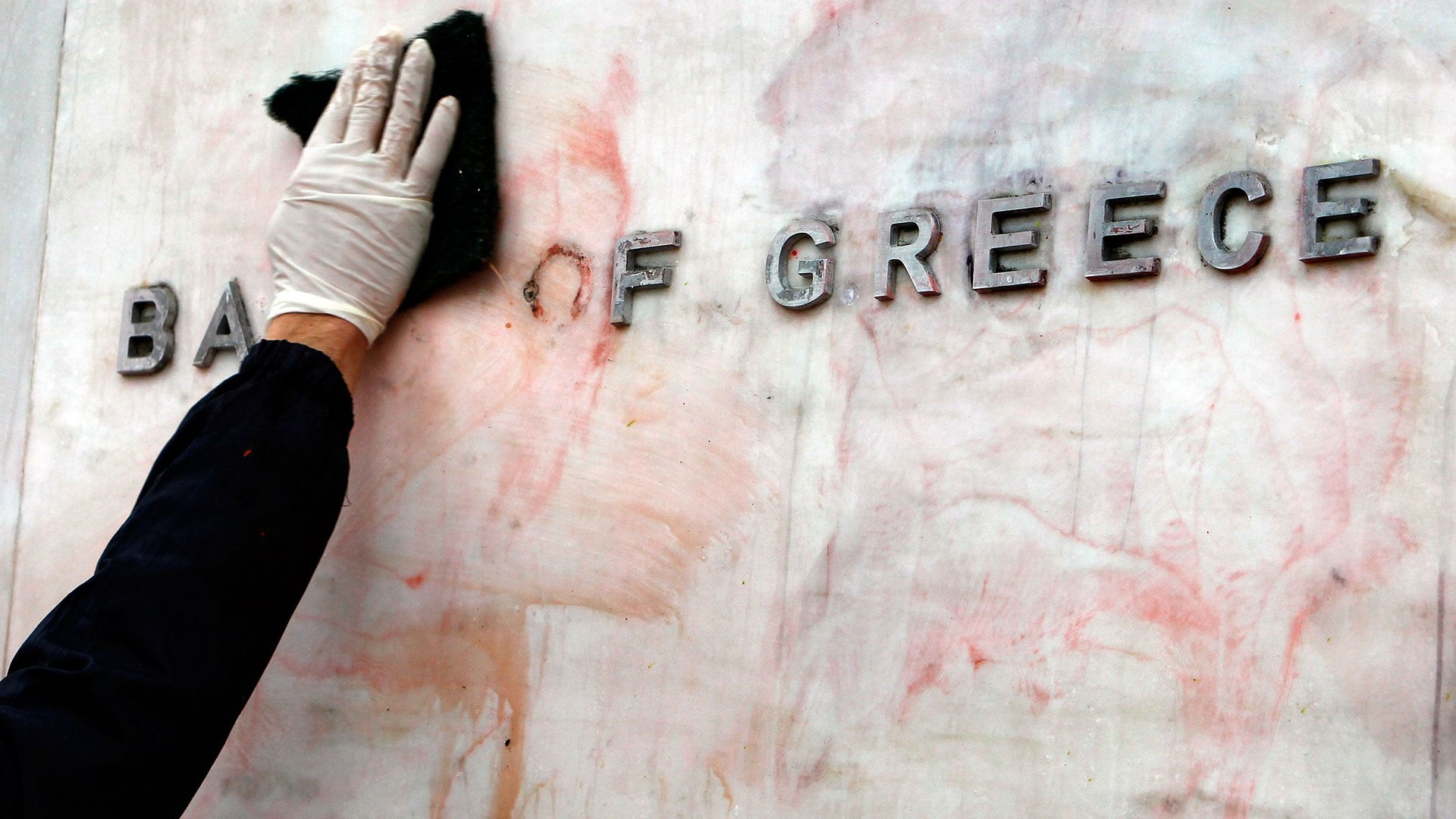
The bond buyback plan that Greece announced today should make most people who have a stake pretty happy. The country will use €10 billion ($13 billion) to buy back some of its bonds for 30-40% of their face value (paywall)—this being all they are worth in the secondary market—but investors who sell their bonds back to Greece will get higher quality bonds issued by the EU bailout fund.

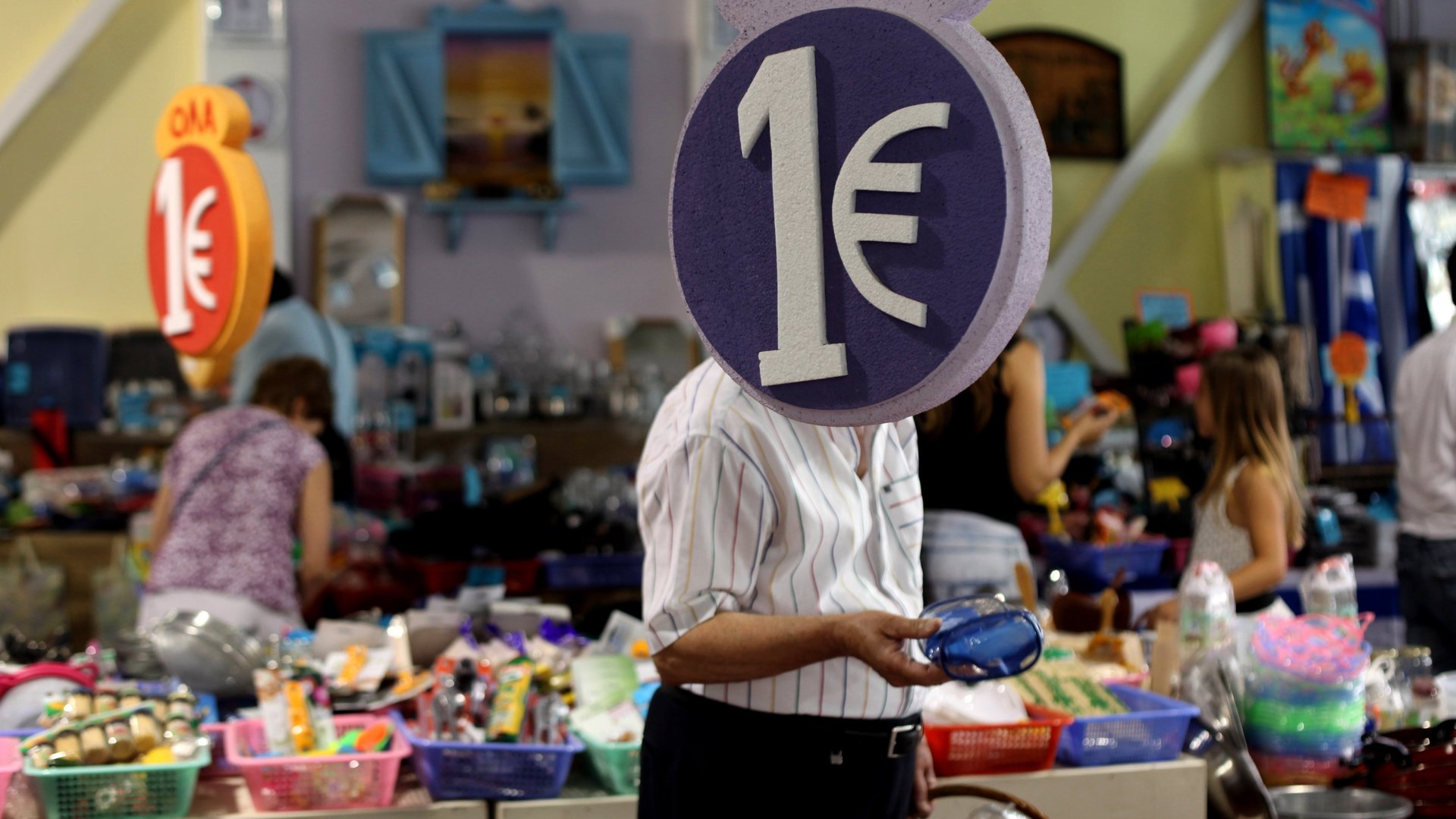
Greek officials may argue that the latest EU aid concessions prove that Greece will remain in the euro area. They may also argue that their labor has become far cheaper in the last few years, that they have pursued the most ambitious fiscal consolidation program of any developed market in decades, and that they are making huge strides in reducing “red tape” and “bringing out the red carpet.”

Yngve Slyngstad, the CEO of Norges Bank Investment Management—which runs Norway’s $660 billion sovereign-wealth fund—told Bloomberg today, “The U.S. is the next real estate market to invest in.”

“Building a New Greece” was the hopeful title of an investment conference held in New York on Nov. 29. Its timing was fortuitous; the agreement earlier this week on its debt-reduction targets, Greece hopes, will be the icing on the cake for potential investors, and the event bustled with businesspeople and government ministers trying to make the case that the threat of Greece leaving the euro zone—a “Grexit”— is now over and the time to invest is now.

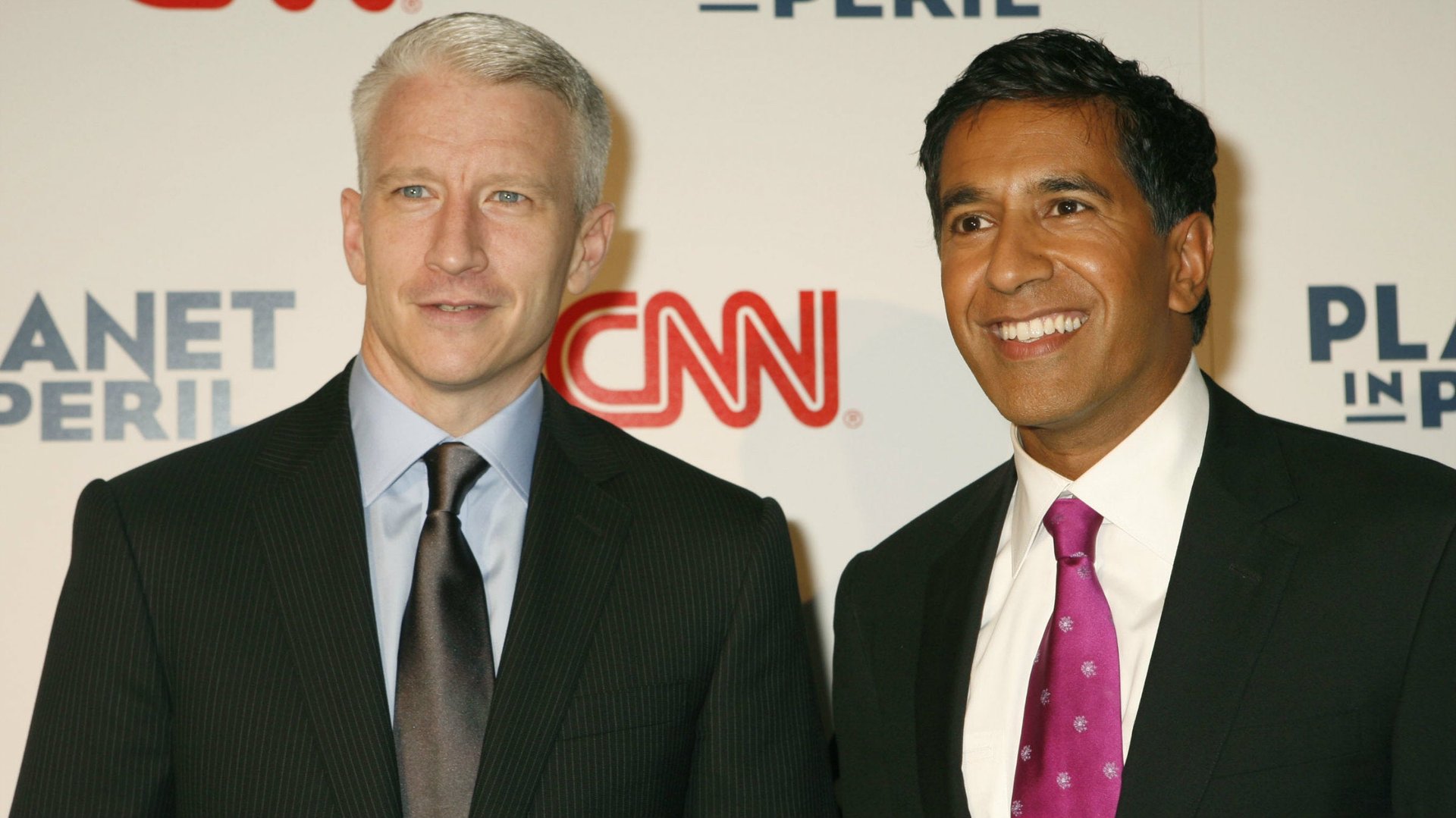
Looks like a change at the helm of CNN could result in a bevy of new shows. The network announced yesterday that Jeff Zucker, the long-time and controversial former NBC executive, would become its chief executive yesterday. Already, Zucker isn’t being shy about his desire to shake things up, and that’s evidenced in statements reported by Bloomberg:

High frequency trading has become the poster child for a slew of issues generated by technological developments in finance. Automation that eliminated the need for specialists on the floor of the New York Stock Exchange and eliminated arbitrage opportunities for brokers and day traders has swept through the world’s financial centers like a force of nature. Some of the most recent furor has erupted around dark pools: enigmatic, anonymous trading hubs which don’t publish bids and offers.

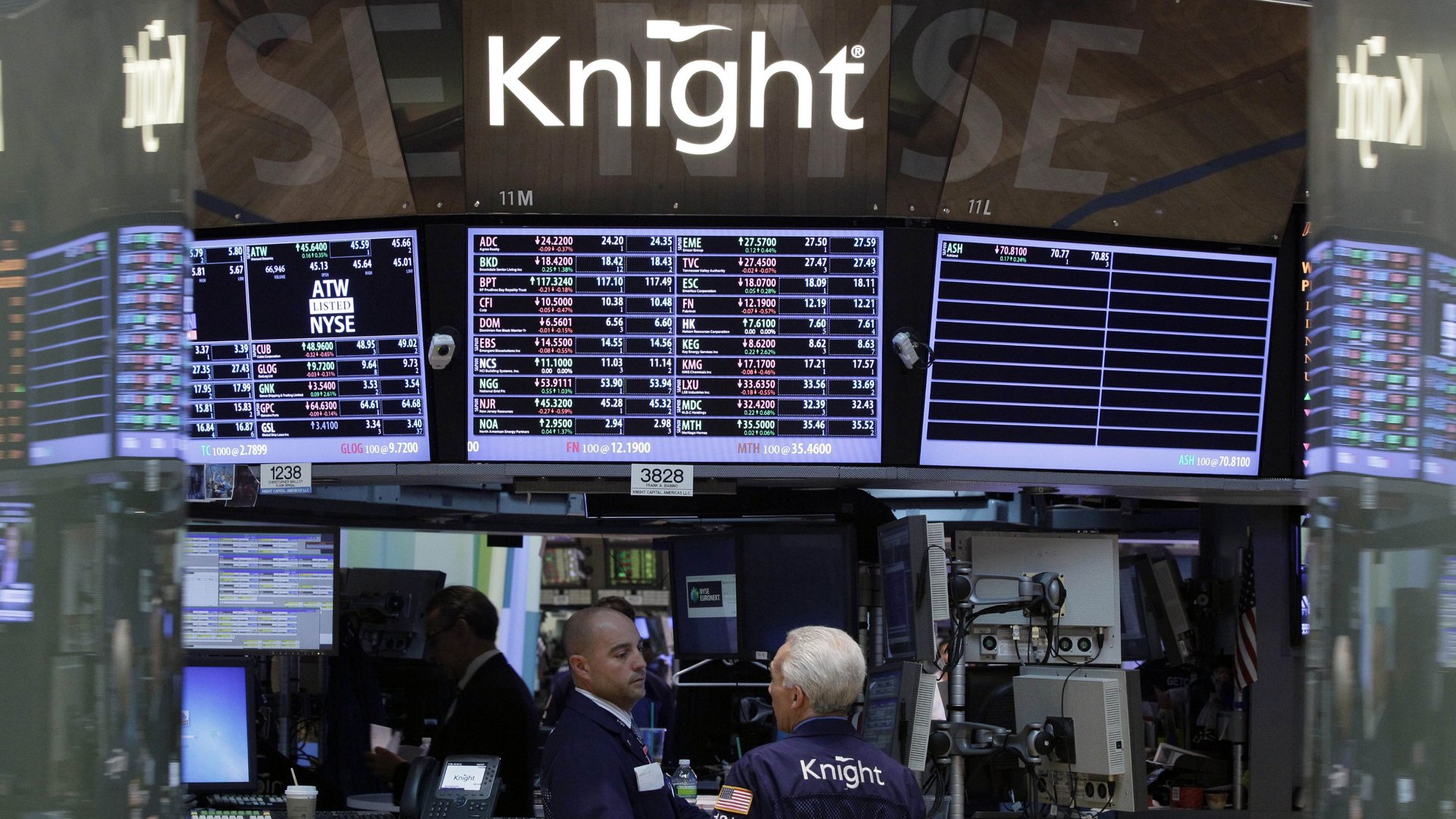
Knight Capital Group, the market middleman that lost $450 million in 40 minutes after a trading glitch this summer, is up for grabs among some of its rival automated market-markers. The scramble has sent Knight’s share price up more than 13% today, to $3.37 at 1:05 P.M. ET.

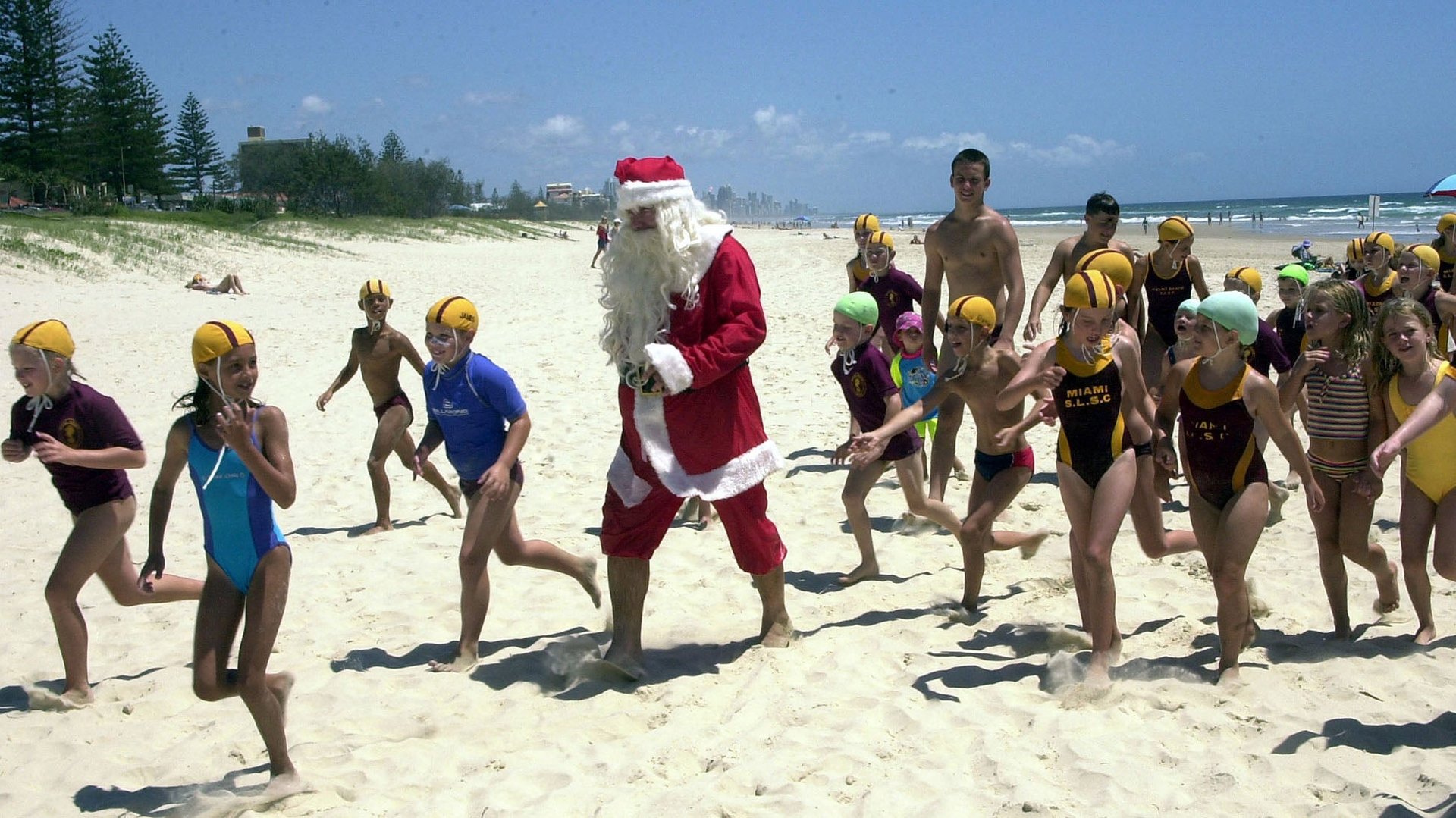
Australian retailers bank heavily on end-of-year sales, though perhaps with less fanfare—and more attention to air conditioners—than their North American counterparts. However, many are in for a rude surprise this season. A strong Australian dollar but a weak domestic economy means consumers are more likely to look for online deals from retailers based overseas.

After a US-led financial crisis and a euro-area sovereign debt crisis, European banks have drastically reduced lending to people and companies. Traditional business activity has slowly begun to dry up even in northern and western Europe as the crisis drags on and banks deleverage. Even the most stable of companies and projects are having trouble getting financing. At the same time, investors have thrown their capital into the safest places they can find: US Treasuries, German bunds, Scandinavian real estate, and Swiss francs, to name a few of the choicest assets. Consequently, these assets are now giving extremely low yields.

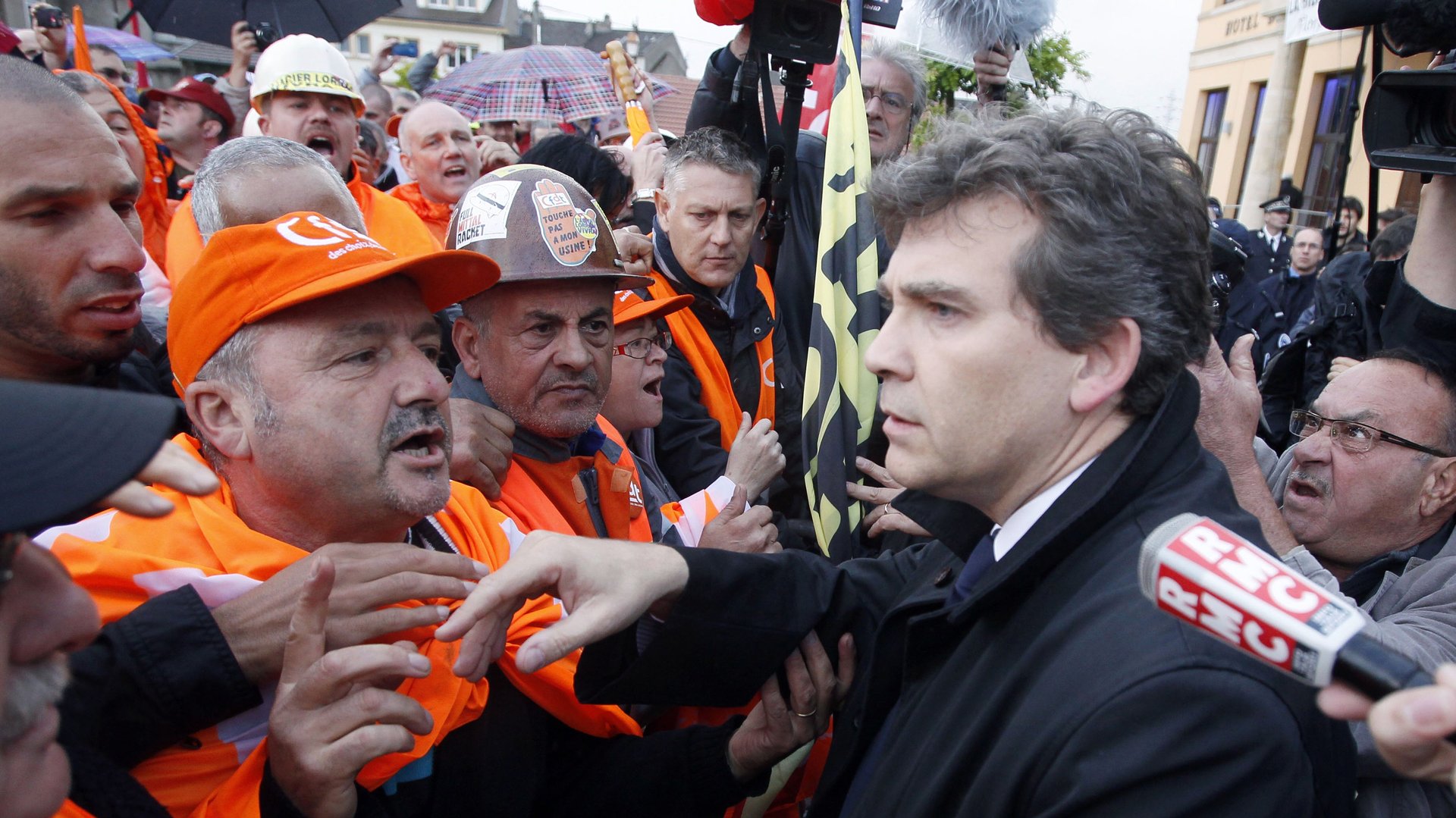
Arnaud Montebourg, France’s Minister of Industrial Renewal since May, is spitting fire at Indian billionaire Lakshmi Mittal, the CEO and primary shareholder in Luxembourg-based steel-making giant ArcelorMittal. The company has said that it would close two plants at its Florange location that would cost 629 workers their jobs, blaming continued sluggishness in the European economy. Montebourg has responded by calling the company unpatriotic and threatening to expel it from the country altogether. This public feud follows the Hollande Administration’s tacit condemnation of plans by automaker Peugeot Citroën to close plants near Paris earlier this year.

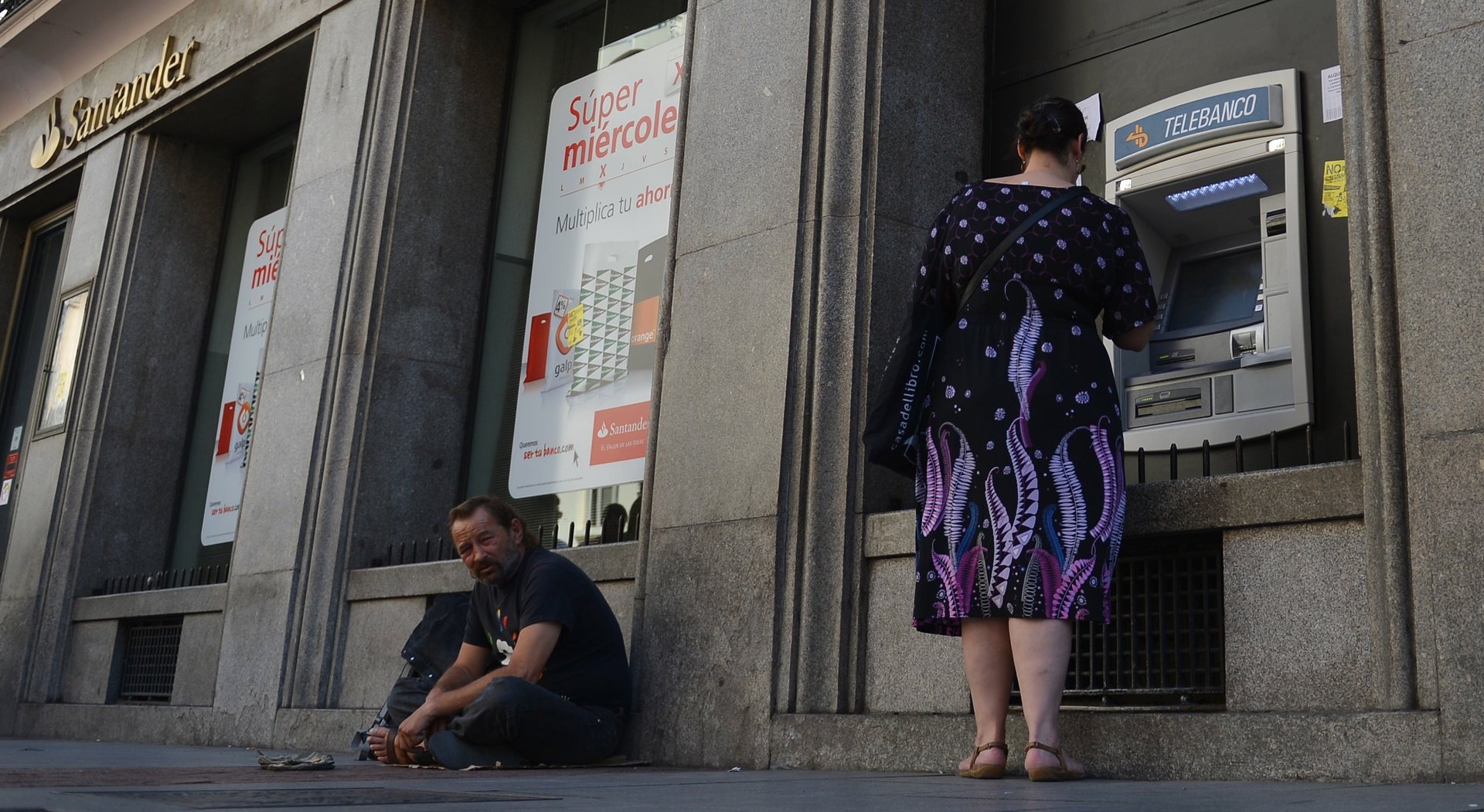
Spain’s Banco Santander is in the early stages of selling off yet another of its overseas subsidiaries, after the successful IPO of 25% its Mexican banking unit in the US and Mexico City for $4 billion in September.

Baidu—China’s version of Google—announced its first ever bond issue today, selling a total of $1.5 billion in 5- and 10-year US dollar-denominated bonds. The price it paid for this cash? Ridiculously cheap by emerging-market standards: just 2.25% to borrow $750 million in bonds maturing in 2017, and 3.50% for the same amount maturing in 2022. By contrast, Chinese five-year government bonds are currently traded at 3.14%. That’s right: The Chinese government pays more to borrow than Baidu does.

When people talk what the fiscal cliff could do to America, they’re usually talking about Wall Street. Higher taxes on companies and workers, dramatic spending cuts, uncertainty about the debt ceiling…all bad news for big firms and their management.

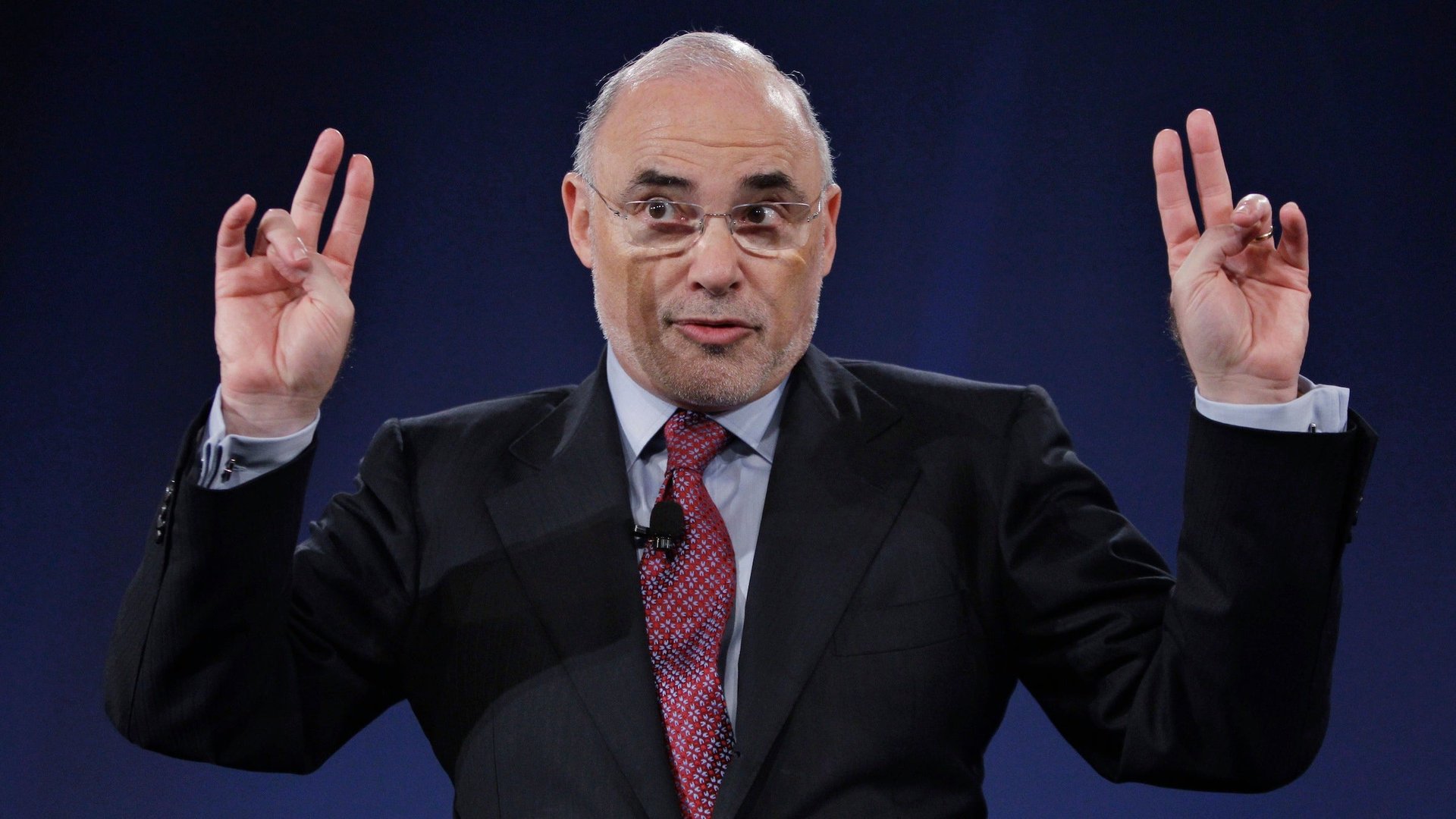
Hewlett Packard reported this morning that it would be forced to take an $8.8 billion write-down on a $10 billion acquisition of software company Autonomy that it made in 2011. The write-down is being seen as a part of CEO Meg Whitman’s attempts to cleanse the company of its excesses after the dealmaking binges of former chief executives Mark Hurd and Léo Apotheker.

Being associated with a failing euro-zone country is usually bad news for a company, no matter its own financial health. But Finansbank, Turkey’s fifth-largest bank, which is 95% owned by the National Bank of Greece (NBG), appears to be divorcing itself not only from its parent but from the euro crisis in general. Fitch Ratings has kept Finansbank at BBB- (the agency’s lowest investment-grade rating) since 2009, even though it has pummeled NBG down to a junky CCC. “It is unlikely Fitch would downgrade Finansbank as a result of any further deterioration in NBG’s financial position,” the agency said in a statement on Nov. 15.

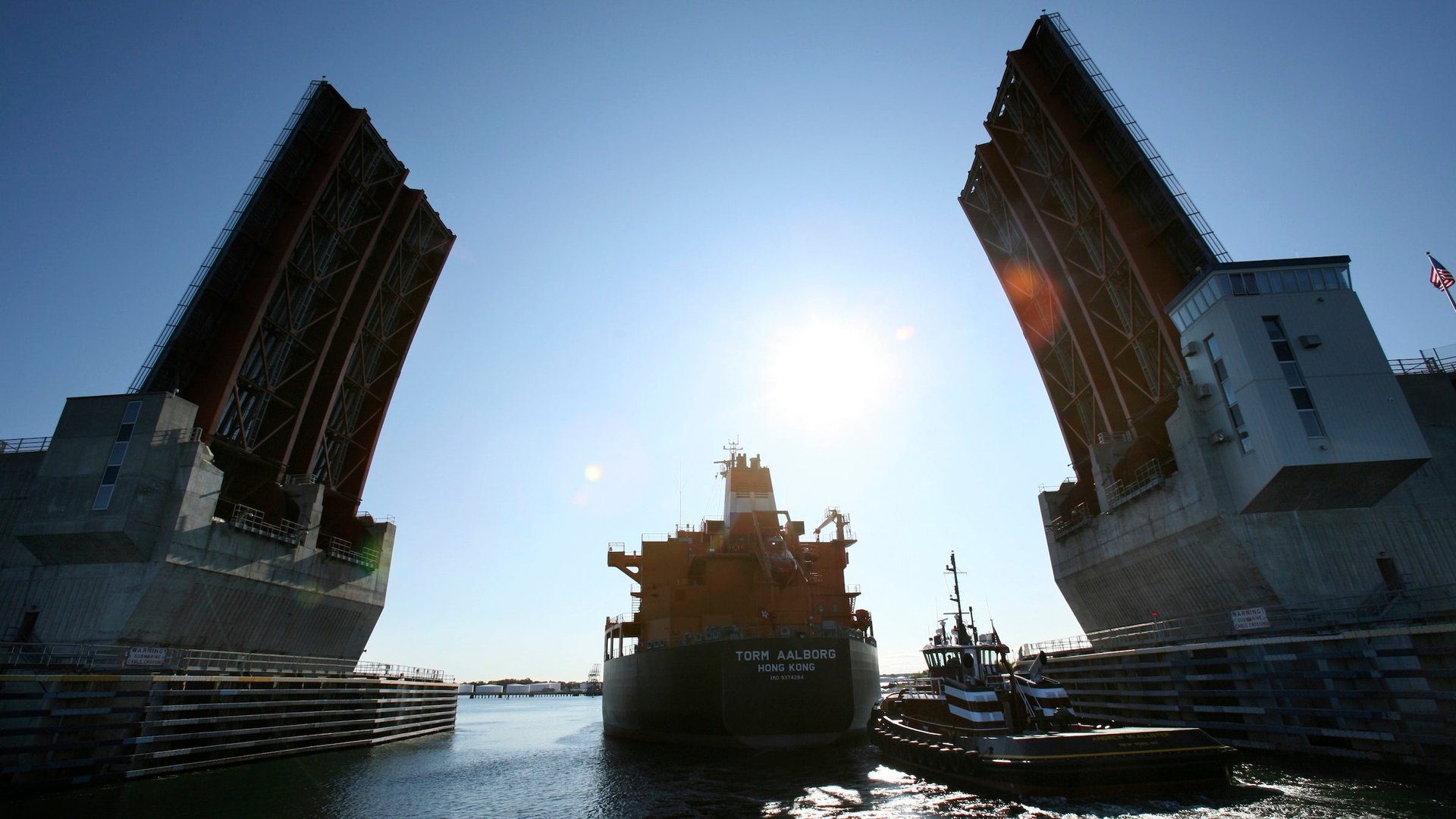
Recent projections that the US could become the world’s biggest oil producer much sooner than anyone expected have got American politicians and investors excited about the potential boost to the US economy. Turns out it may be a boon for the global shipping industry too.

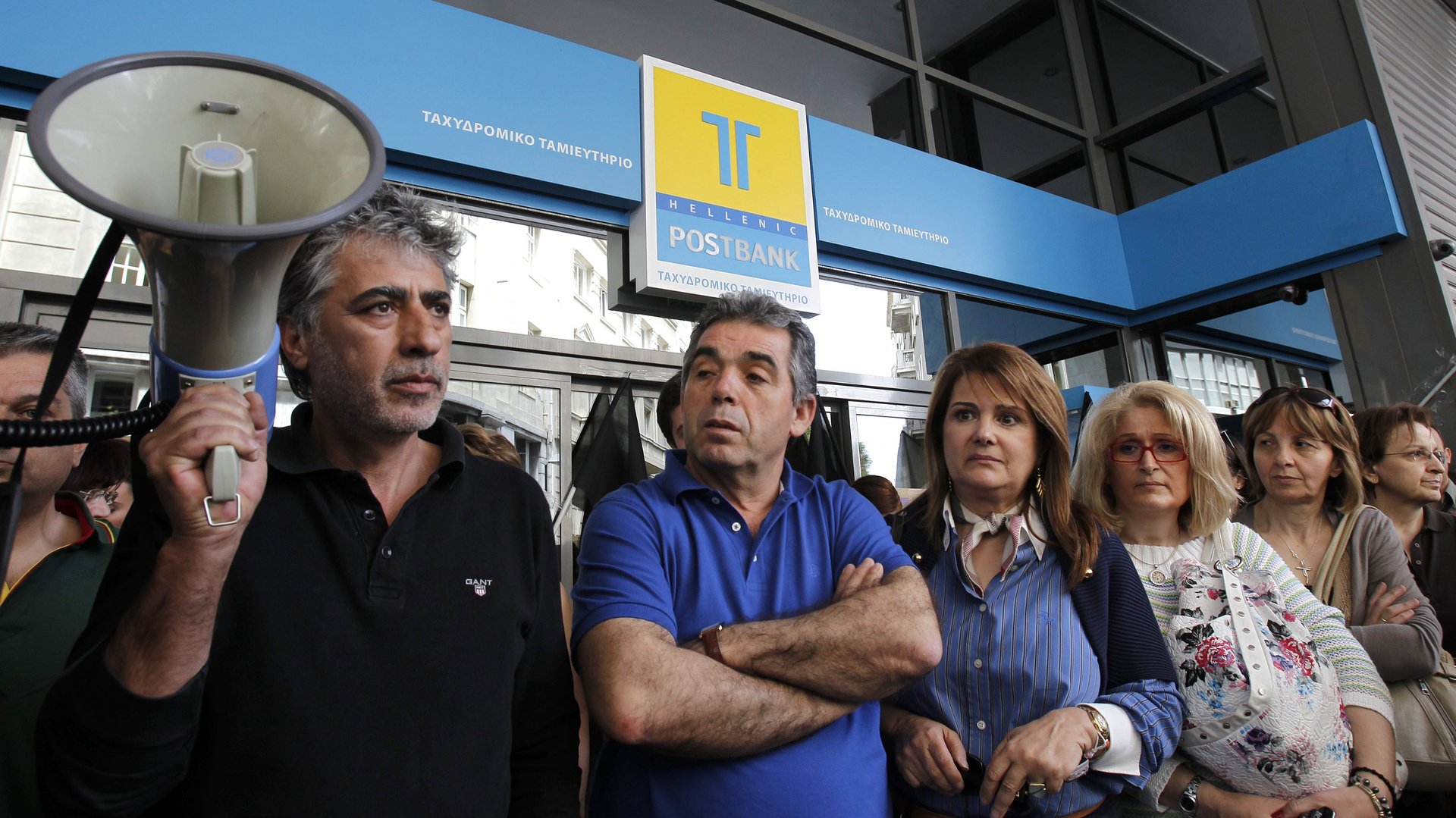
Greece is in turmoil, yet again, as it begs for the disbursement of yet another tranche of aid money from European leaders in order to avoid a disastrous default later this month. Though the country has passed another round of spending cuts, the so-called “troika” of lenders—the EU, the European Central Bank, and the International Monetary Fund—still have not made a final decision about delivering the €31.5 billion ($40.1 billion) in aid they’ve pledged to keep the country afloat.

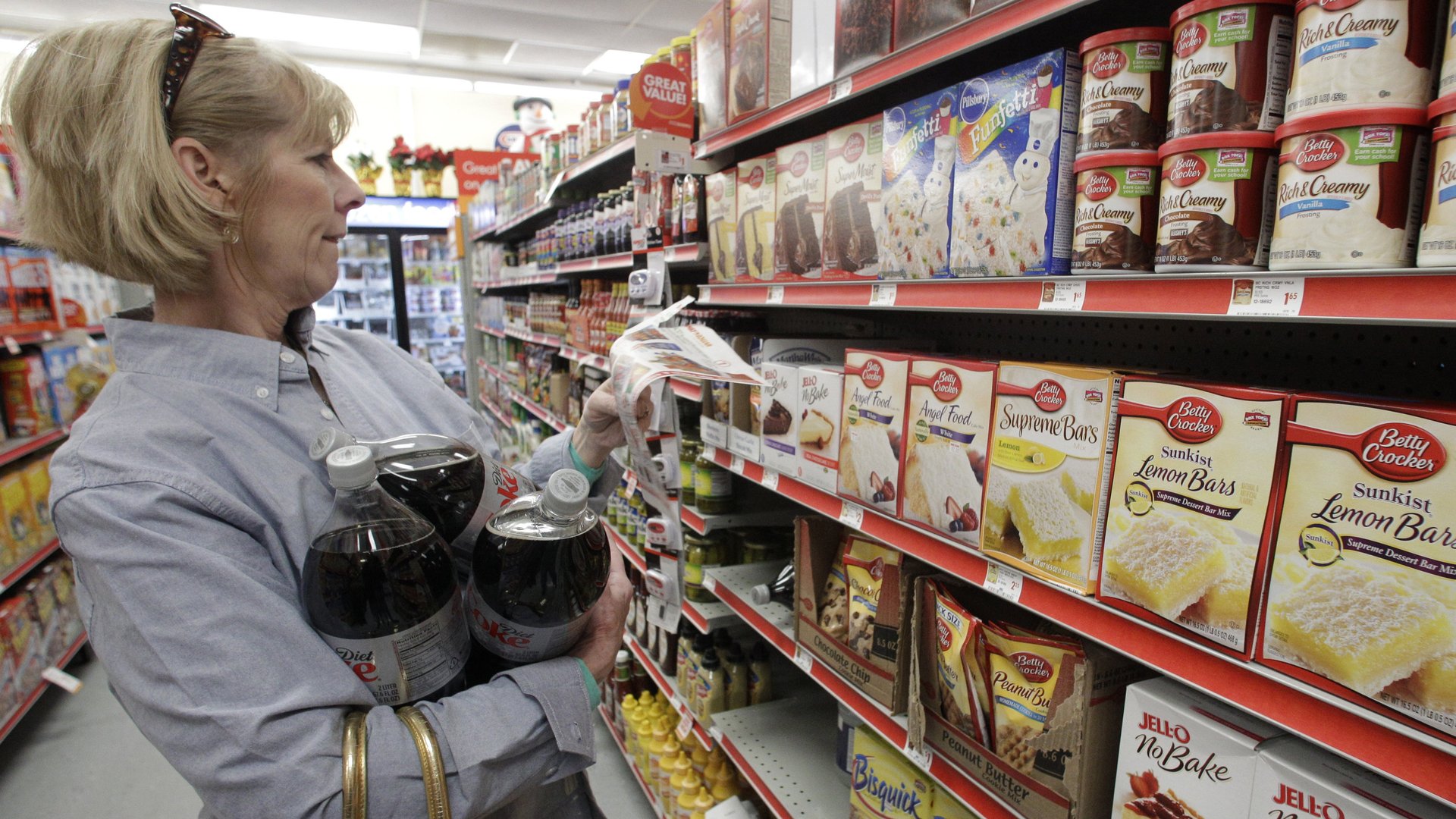
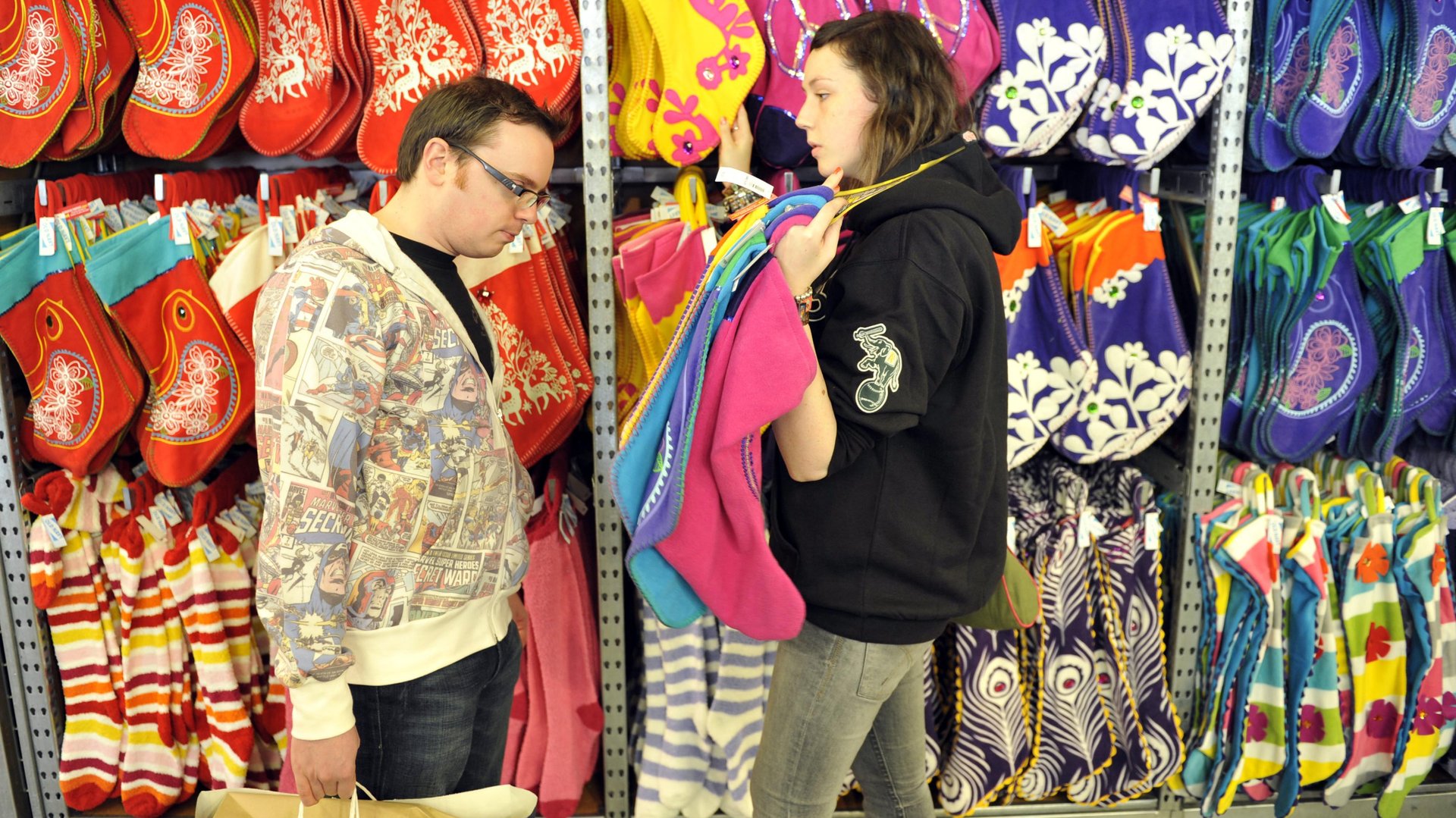
With earnings season unofficially drawing to a close—after Wal-Mart, Target, and other retailers report earnings tomorrow—we’re getting our first picture of how companies expect consumers to spend during the period between Thanksgiving and New Year’s Day:

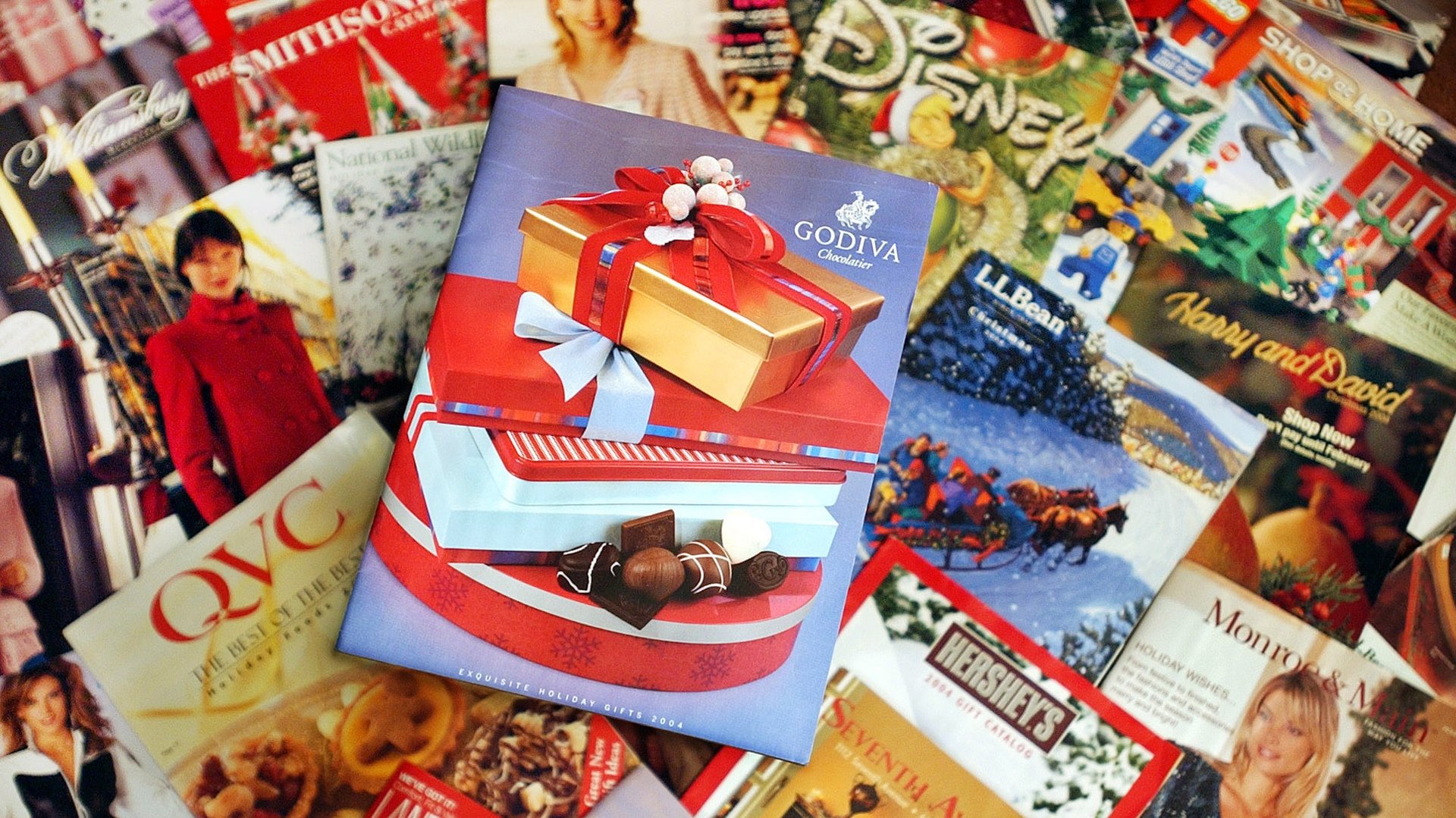
In this digital age, print catalogs may seem like a waste of paper. They clutter up our mailboxes and kitchen tables before inevitably ending up in the trash. But companies continue to send print catalogs for a simple reason: they work.

The European crisis has left most euro-watchers scared about two things: governments and banks. Foreign investors are fleeing governments that are on the brink of insolvency, fearing a replay of the Greek default that happened earlier this year. They also fear banks, which not only hold a lot of this sovereign debt, but also hold the debt of businesses and people in struggling economies who are now beginning to go broke. But as the crisis drags on and European leaders repeatedly wait to step in and “save Europe” at the last moment, a new reality is dawning: brinkmanship and delays could produce a far more severe recession than European leaders have been predicting.

Norway’s sovereign wealth fund has overtaken Abu Dhabi’s as the world’s largest. The rise of the Norway Government Pension Fund—Global (so named, though it’s not actually a pension fund) has not been unexpected; Norway’s oil industry has been booming, and the fund has been able to take advantage of its high exposure to equities markets to catch this year’s rally.

Now that two US states have legalized marijuana—not just for medical use, but for people to just plain enjoy—are we about to see an explosion in the pot industry? Probably not.