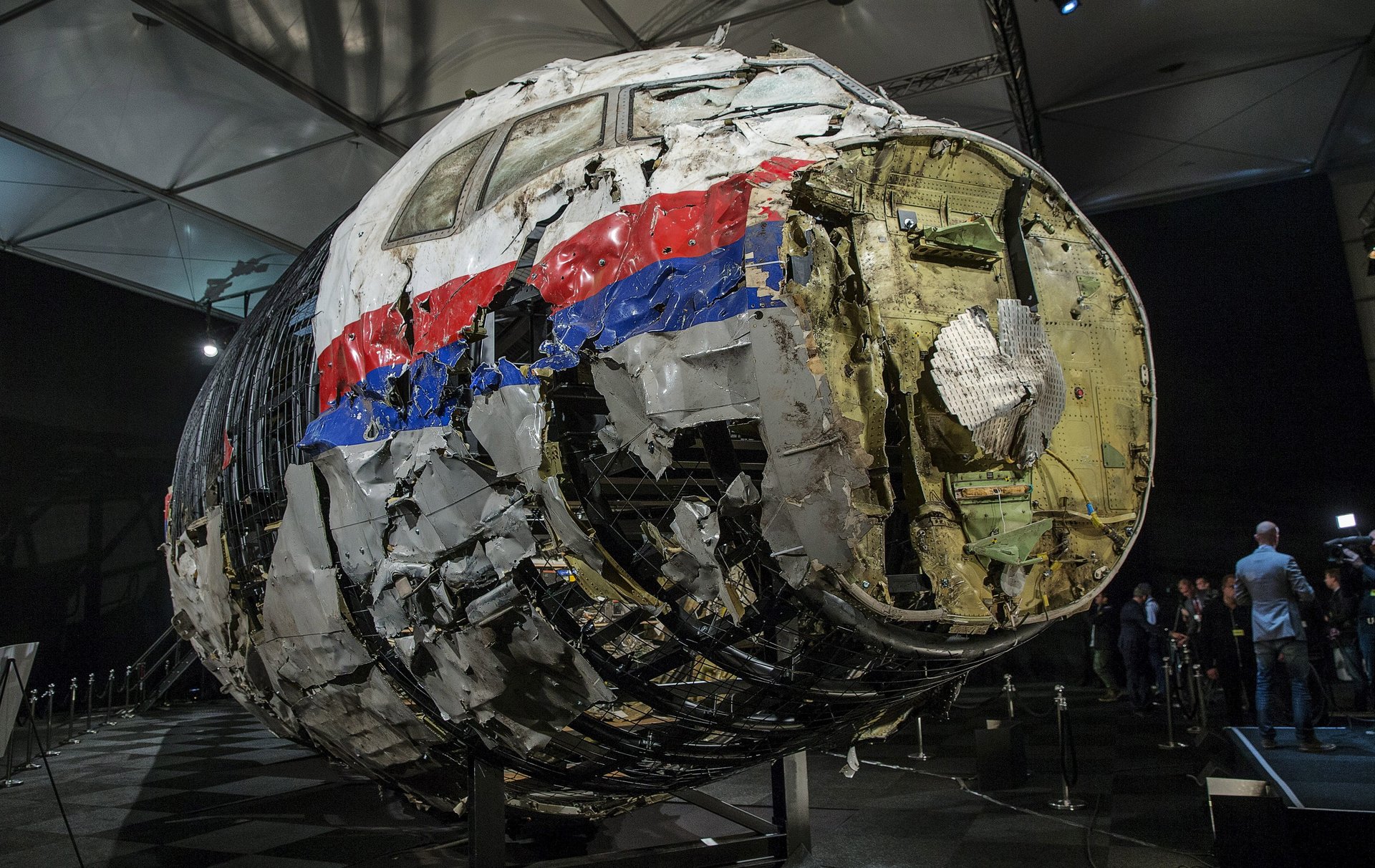
A missile system that took down a Malaysia Airlines jet over Ukraine two years ago, killing 298 people, came from Russia and was returned there after the downing, according to a new report written by a multi-national team of prosecutors.

A missile system that took down a Malaysia Airlines jet over Ukraine two years ago, killing 298 people, came from Russia and was returned there after the downing, according to a new report written by a multi-national team of prosecutors.

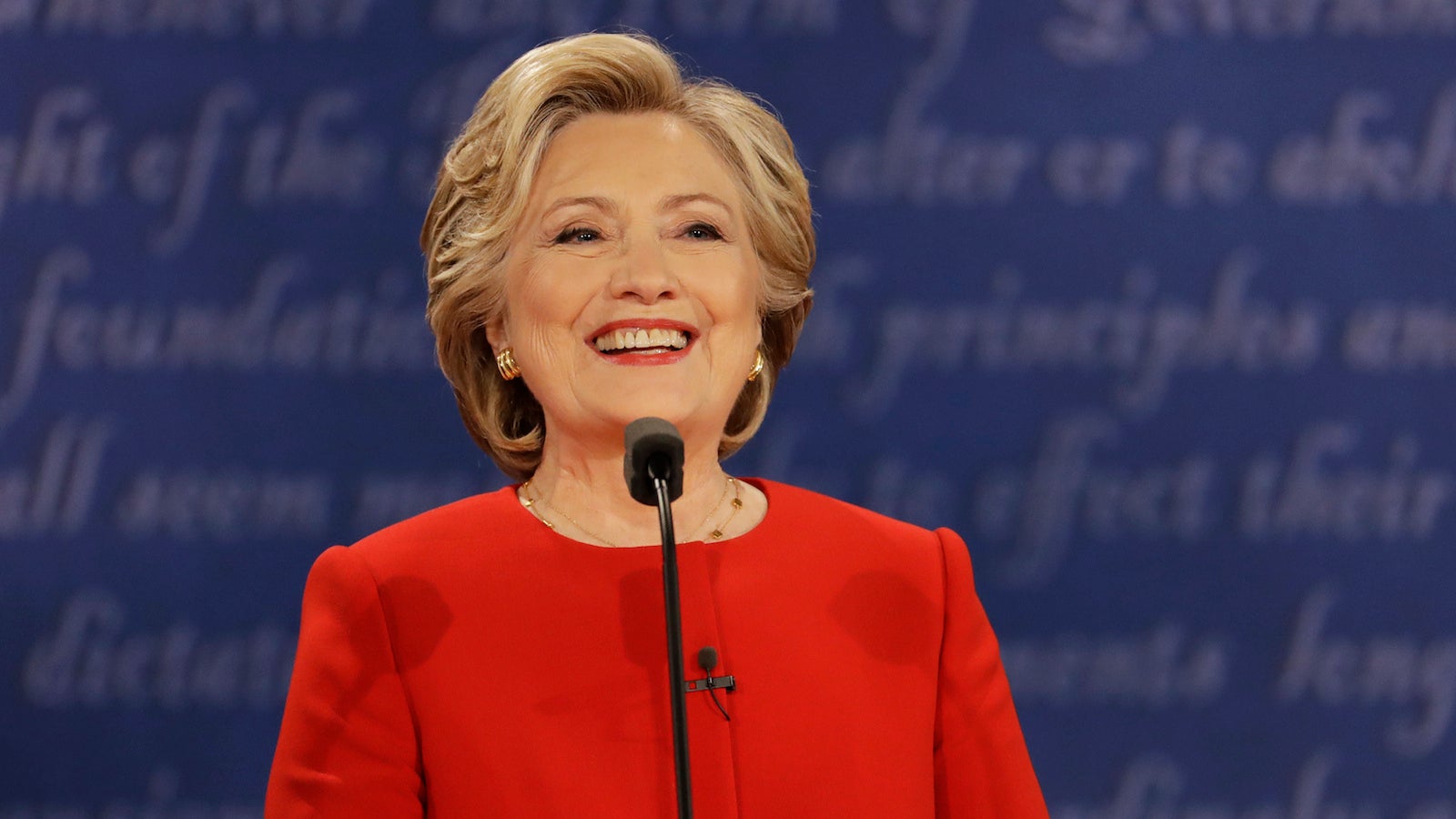
Donald Trump had just let loose with how he is uniquely suited temperamentally to be president, when Hillary Clinton did, for those who know her only from afar, a most uncharacteristic thing: She coquettishly shimmied her shoulders and let out a whoop, all the while beaming red and devilish. It looked like this.

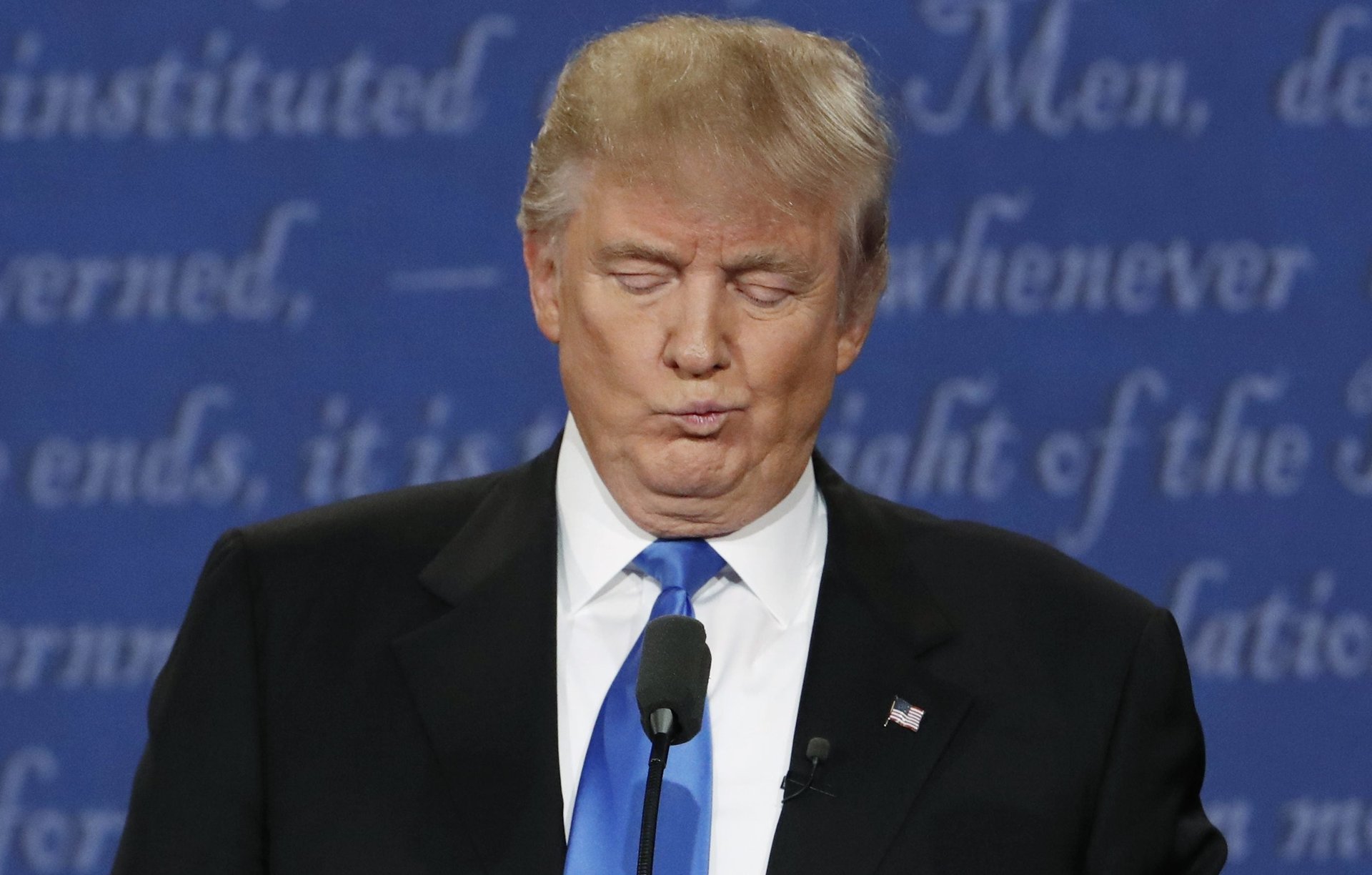
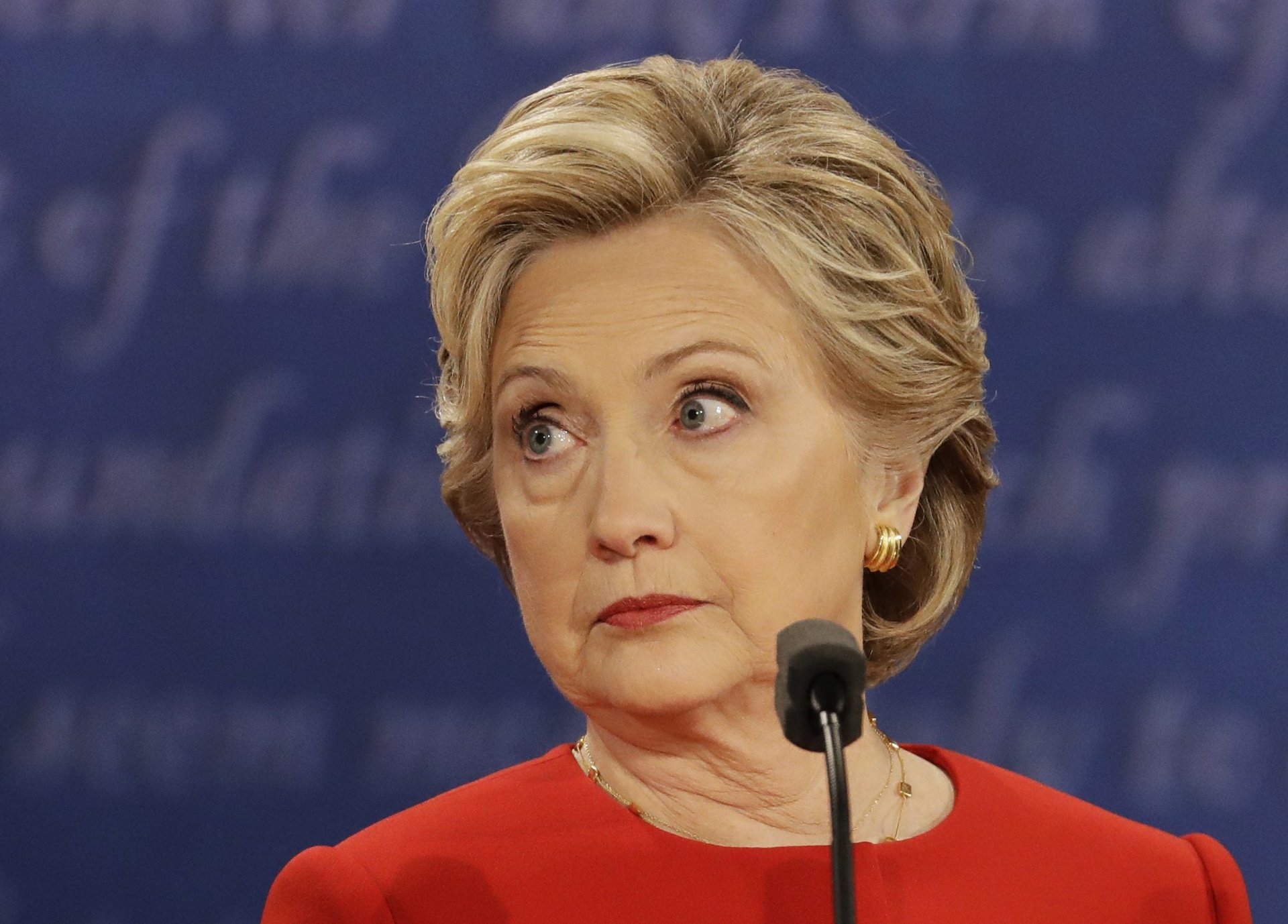
In one of the most powerful moments of tonight’s debate, Republican nominee Donald Trump tried to interrupt his Democratic rival, Hillary Clinton, as she recounted how, as head of the Miss Universe Pageant, he had insulted Miss Venezuela, a woman named Alicia Machado. Clinton said Trump had called Machado “Miss Piggy” and “Miss Housekeeping.”

A major frustration for elections in under-developed countries is that the only party to accept the outcome is often the winner; the opposition stays in the streets and either gets crushed, or makes life difficult for the folks in power. In places like Pakistan and Afghanistan, the result is mayhem and a paralyzed government.

US intelligence agencies and private experts say that Russia is probably responsible for major cyber attacks on the American political system. But, in tonight’s debate, Republican nominee Donald Trump—who has been accused of cozying up to Russia—said that “no one knows” who committed the attacks. He said they could even have been done by “someone who weighs 400 pounds who is sitting on a bed.”

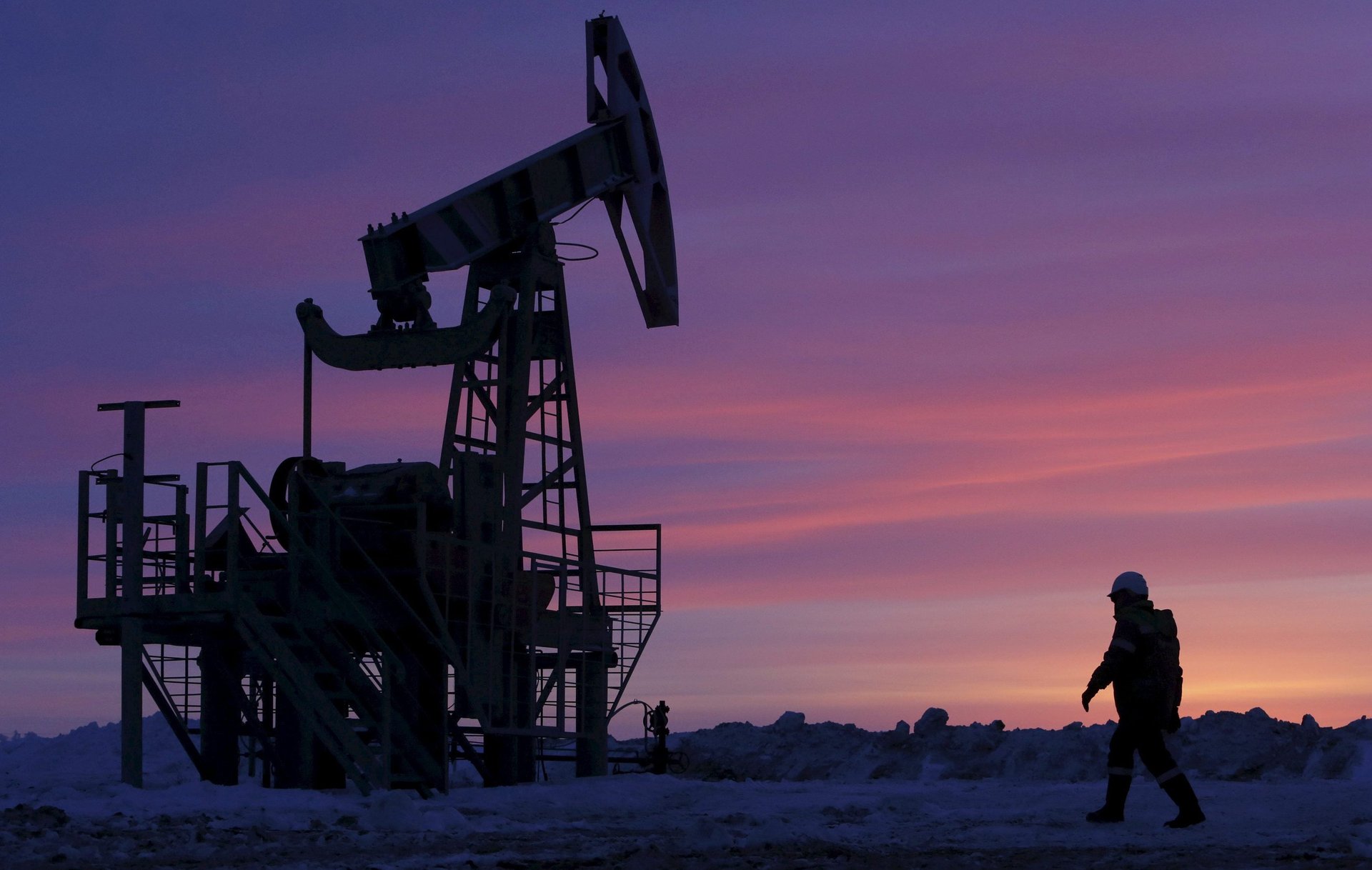
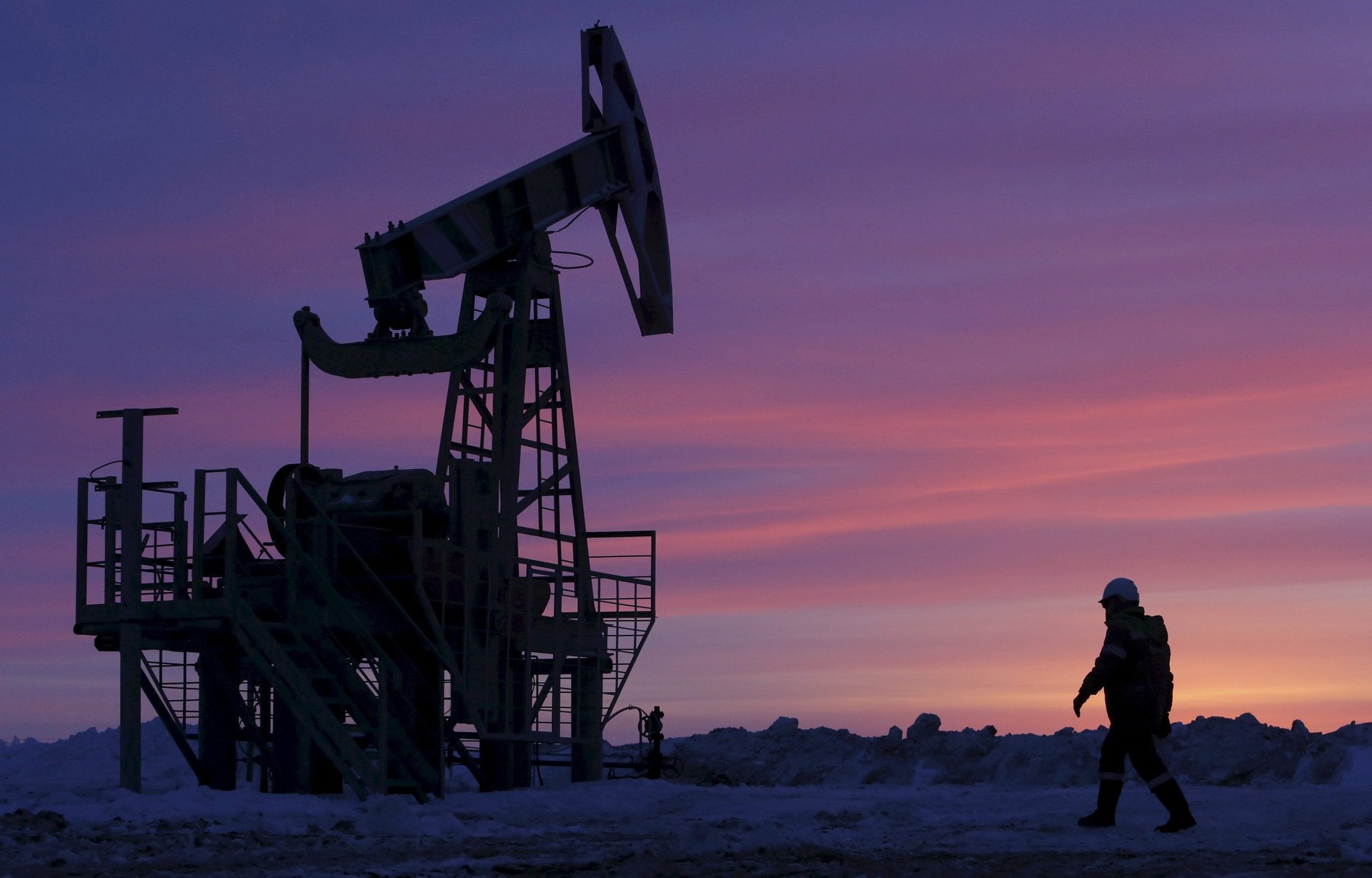
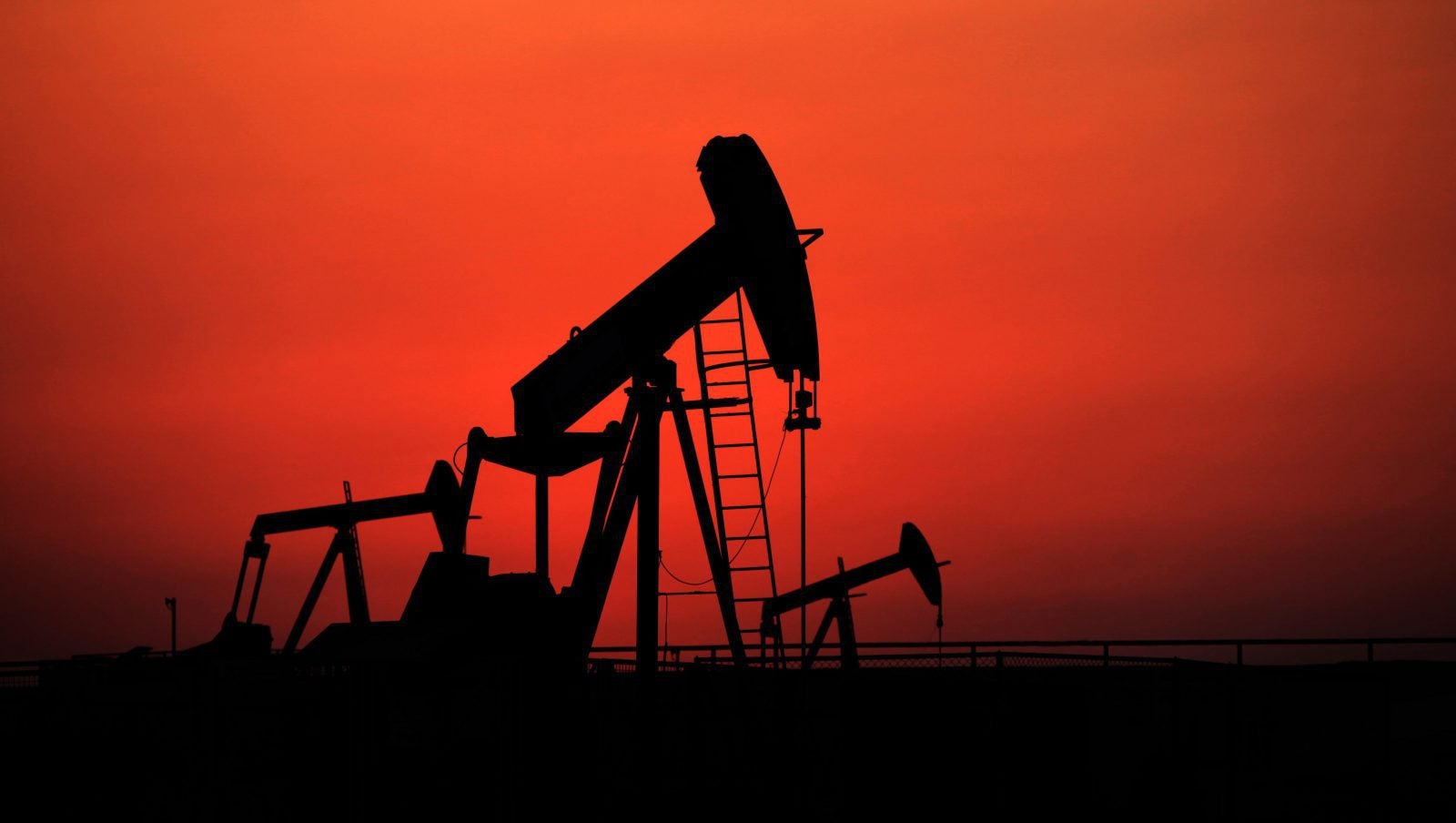
Entering their third year of suffering, the world’s oil producers eagerly desire higher prices–above $60 a barrel if they can get it. In that hope, OPEC ministers are meeting in Algiers starting today to try to recapture their former selves by capping production. Or so they say.

The Huffington Post branded him a serial liar months ago. Now, the most traditional American media outlets have also abandoned journalistic diplomatese in their coverage of Republican candidate Donald Trump, and are reaching for new ways to flag the word “lie.”

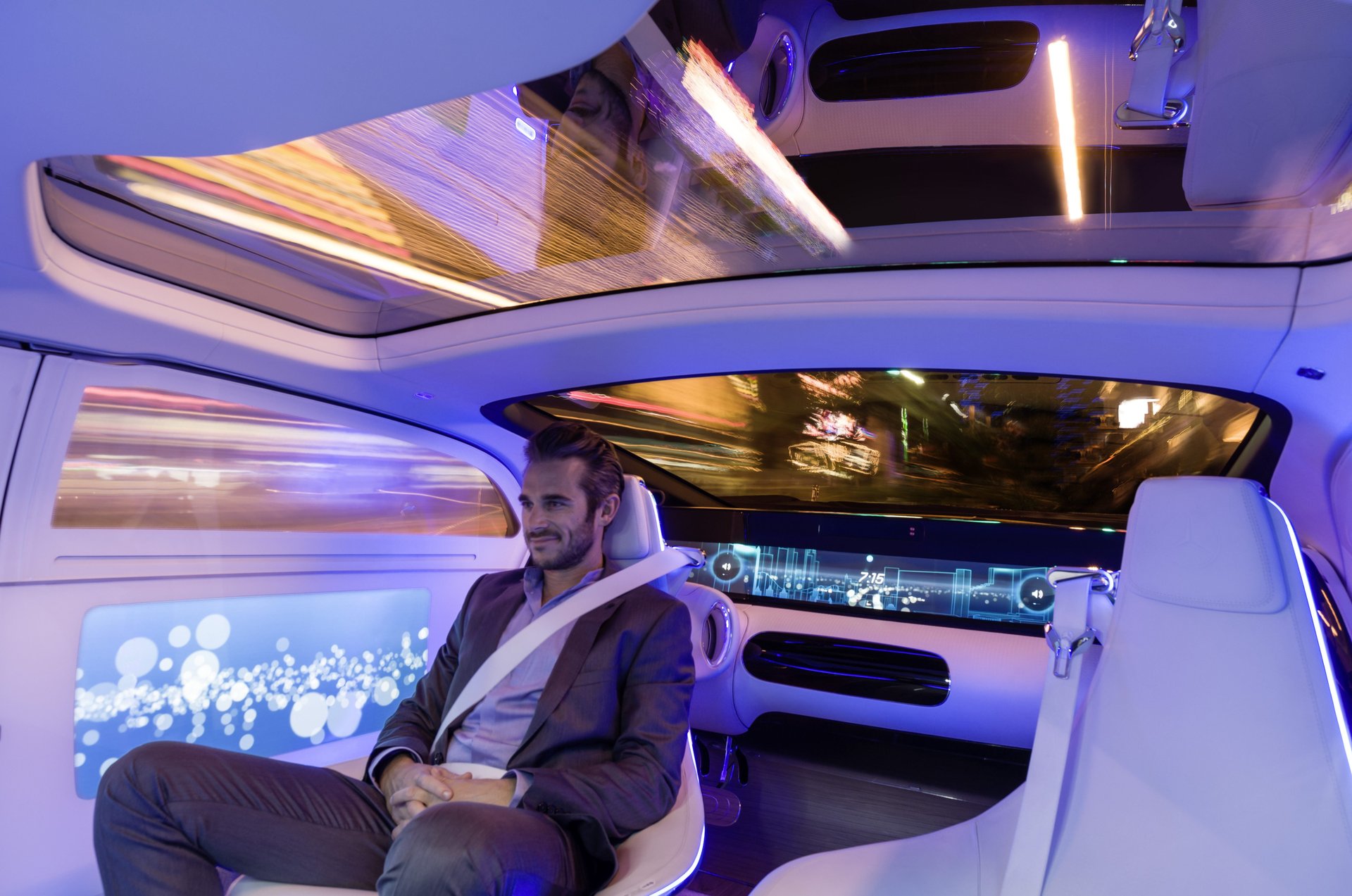
With trillions of dollars potentially at stake, Silicon Valley has rushed into the latest commercial rage: to dominate personal transportation with robot cars. While the valley’s most hallowed high-tech names, the self-described industry disruptors—Apple, Google, Tesla, Uber—have attracted most of the attention, they appear to be flailing at execution, and hyping their capabilities.

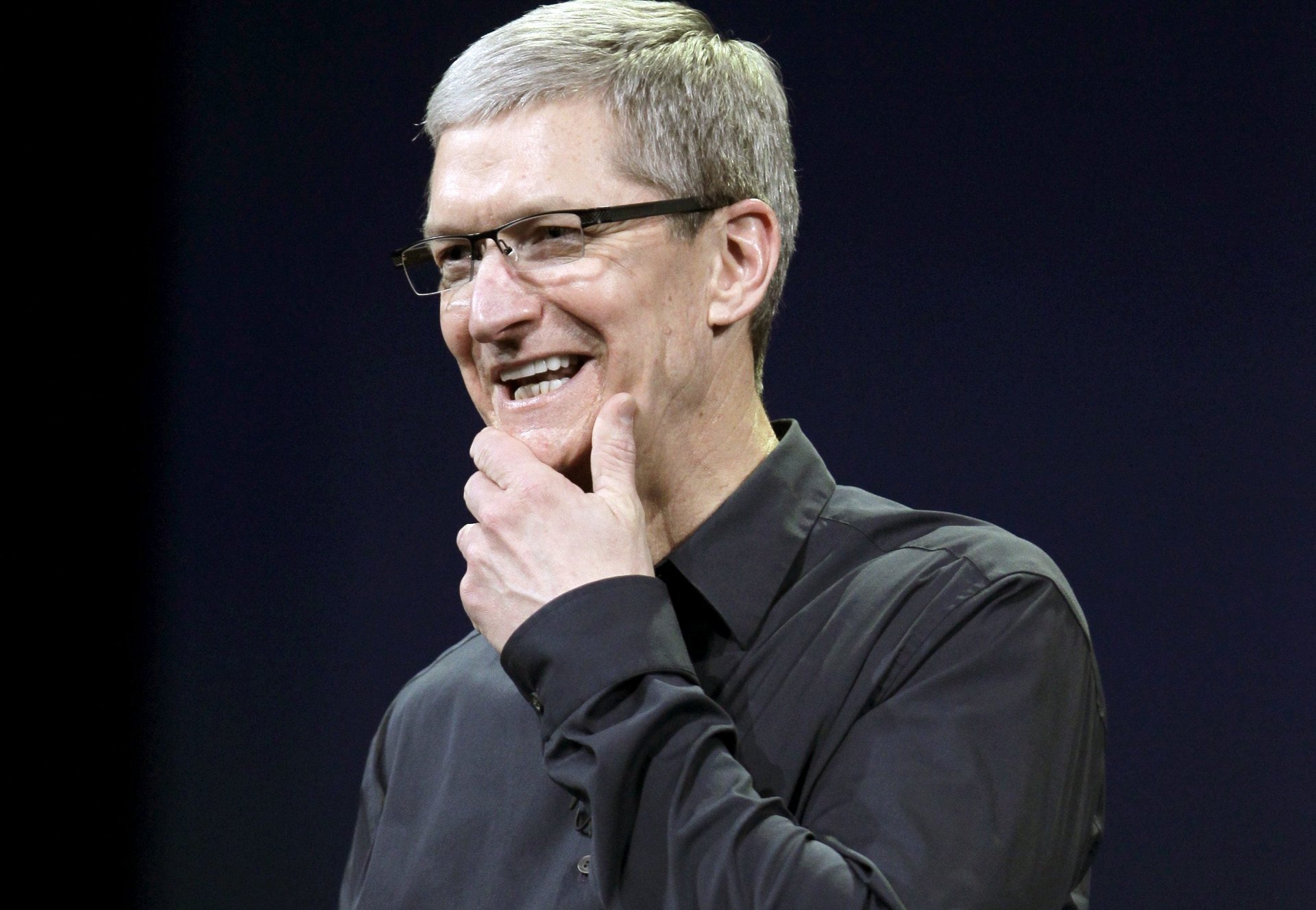
Apple, widely regarded as Tesla’s true potential competition for cool and stylish electric and robot cars, appears to have abandoned its effort to make a self-driving car, according to several news accounts.

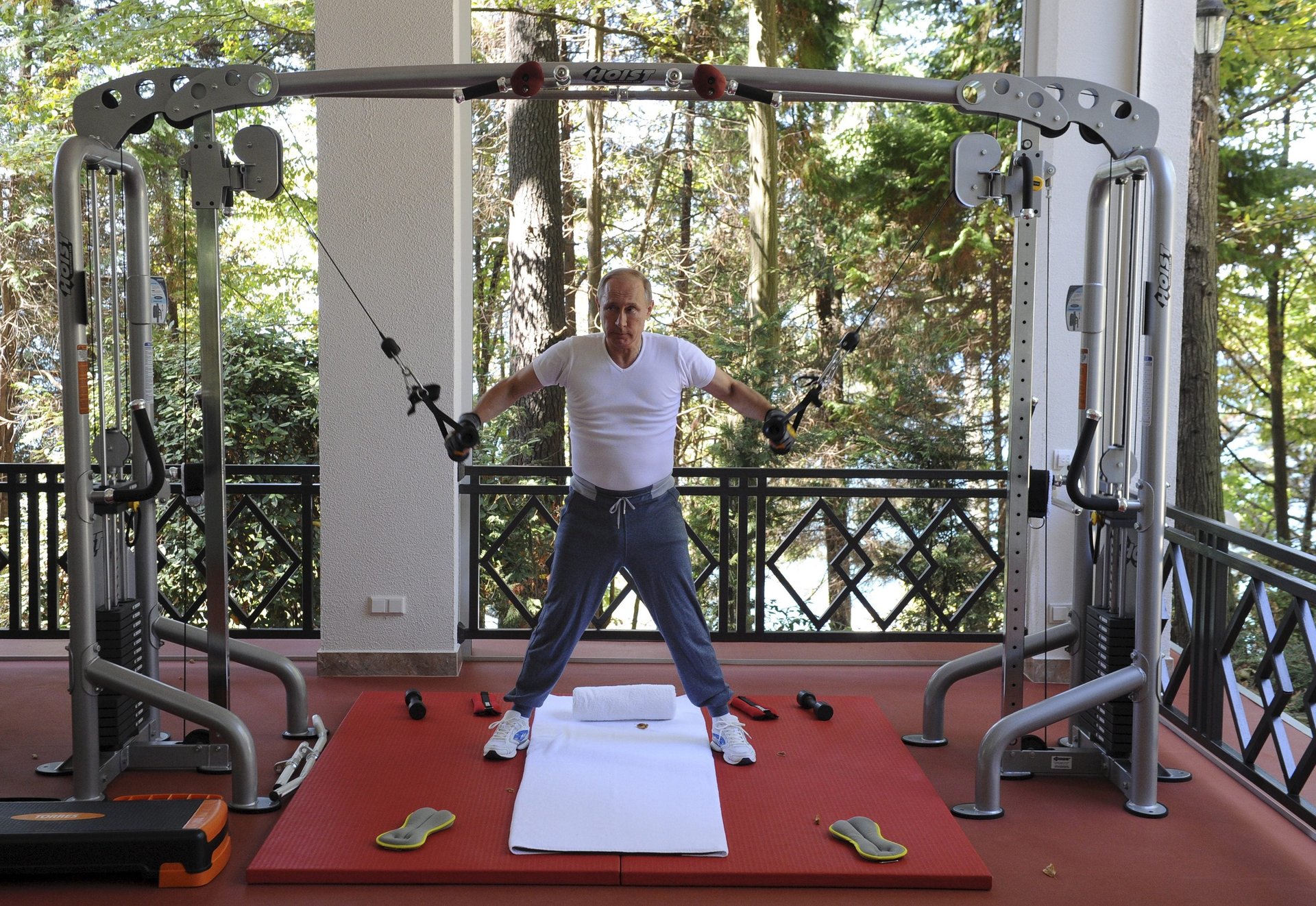
Already a substantial election-year issue, Russian president Vladimir Putin is looming ever larger in the US presidential race, flagged by Democrat Hillary Clinton as a threat to democracy, and embraced as an exemplary leader by Republican Donald Trump.

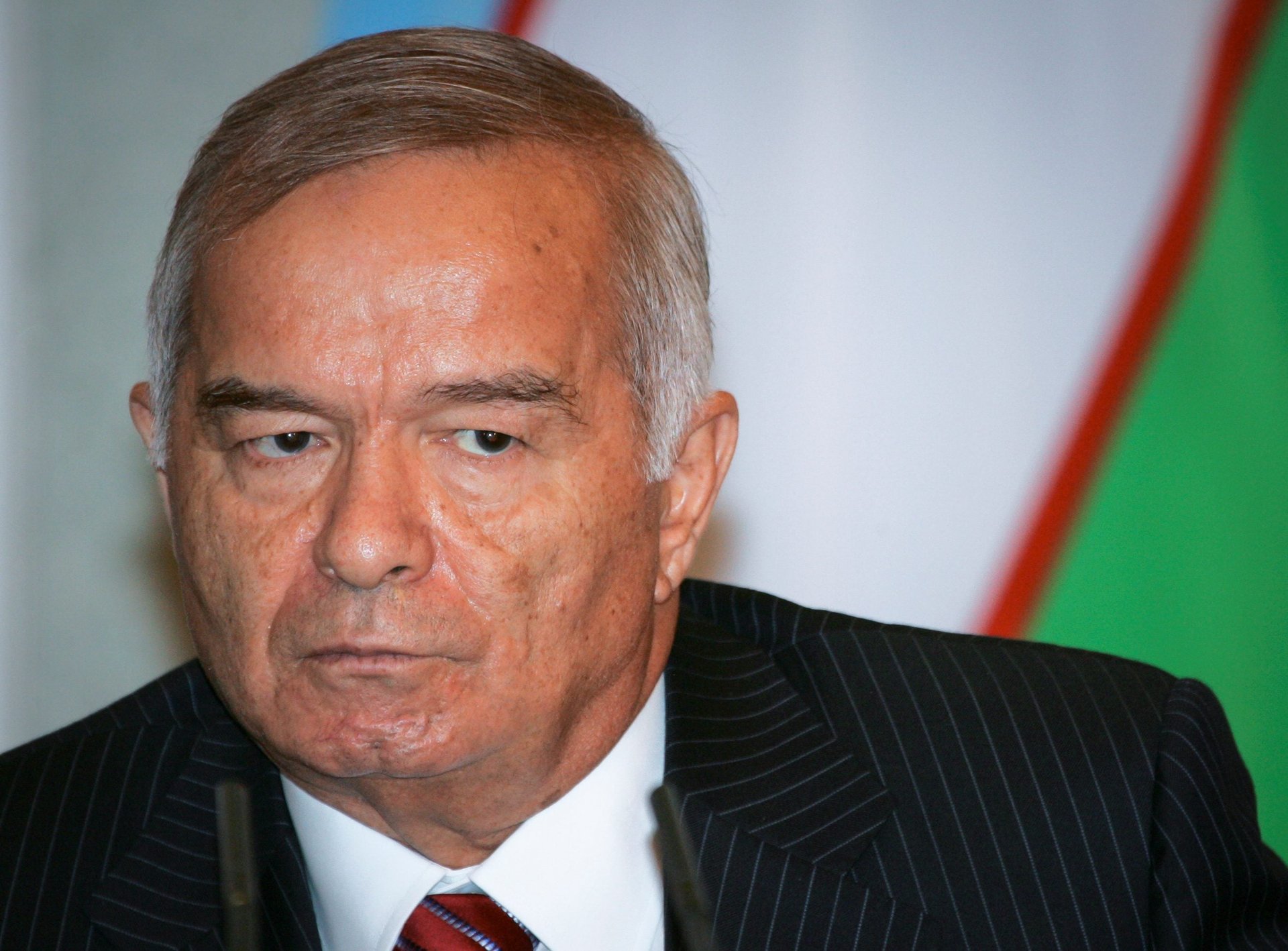
Three weeks after the Soviet Union broke up at the end of 1991, I could see fresh blood on the sidewalk outside the headquarters of the political opposition in central Tashkent. It summed up Islam Karimov’s subsequent 25 years as president of Uzbekistan.

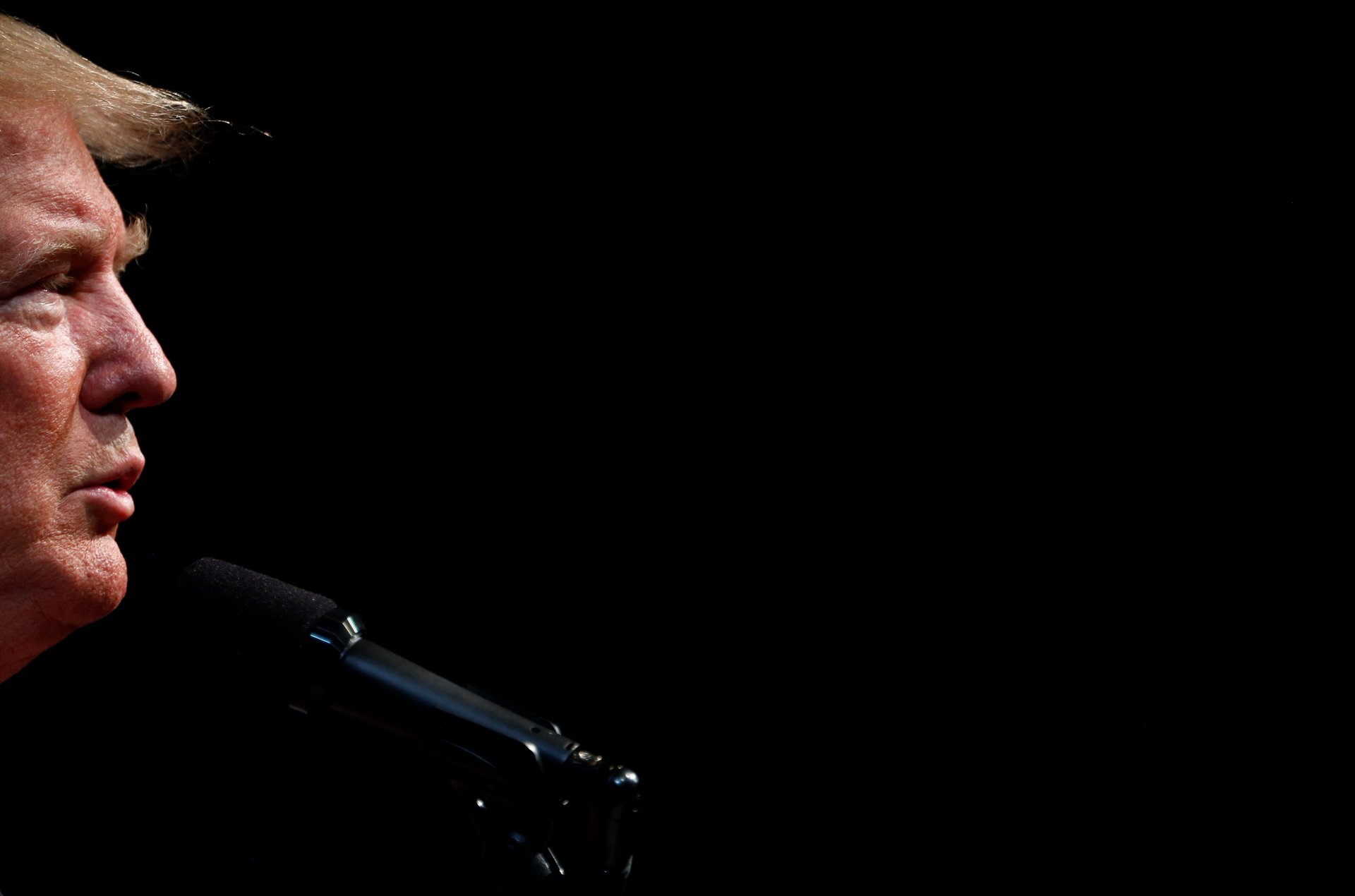
Who is the biggest wild card in the extraordinary US presidential election? Is it the renegade Republican nominee, Donald Trump? His bombastic new campaign chief?

The US Secret Service has had “more than one conversation” with Republican nominee Donald Trump or his aides about what has been widely perceived as an assassination threat against Hillary Clinton, his Democratic opponent, according to CNN.

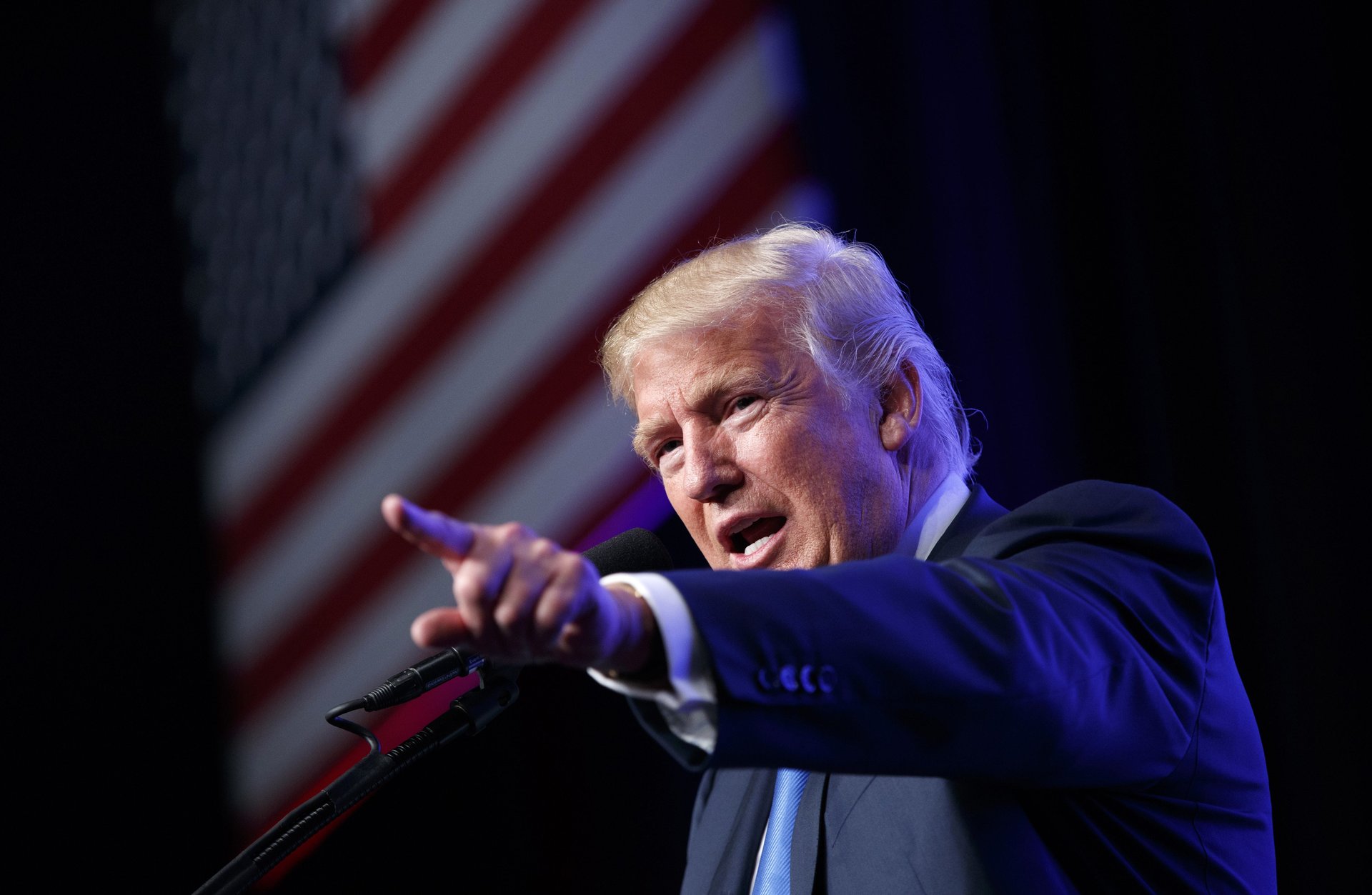
Donald Trump said at a rally today that “second amendment people” might be the only ones who could stop Hillary Clinton, specifically her ability to nominate Supreme Court justices:

Donald Trump’s modus operandi is the outrageous taunt. It almost doesn’t matter the assertion—the Republican nominee’s crowds, savoring yet another hammer-blow at the rotten, losing, unsalvagably corrupt American system, respond with some barbed chants of their own.

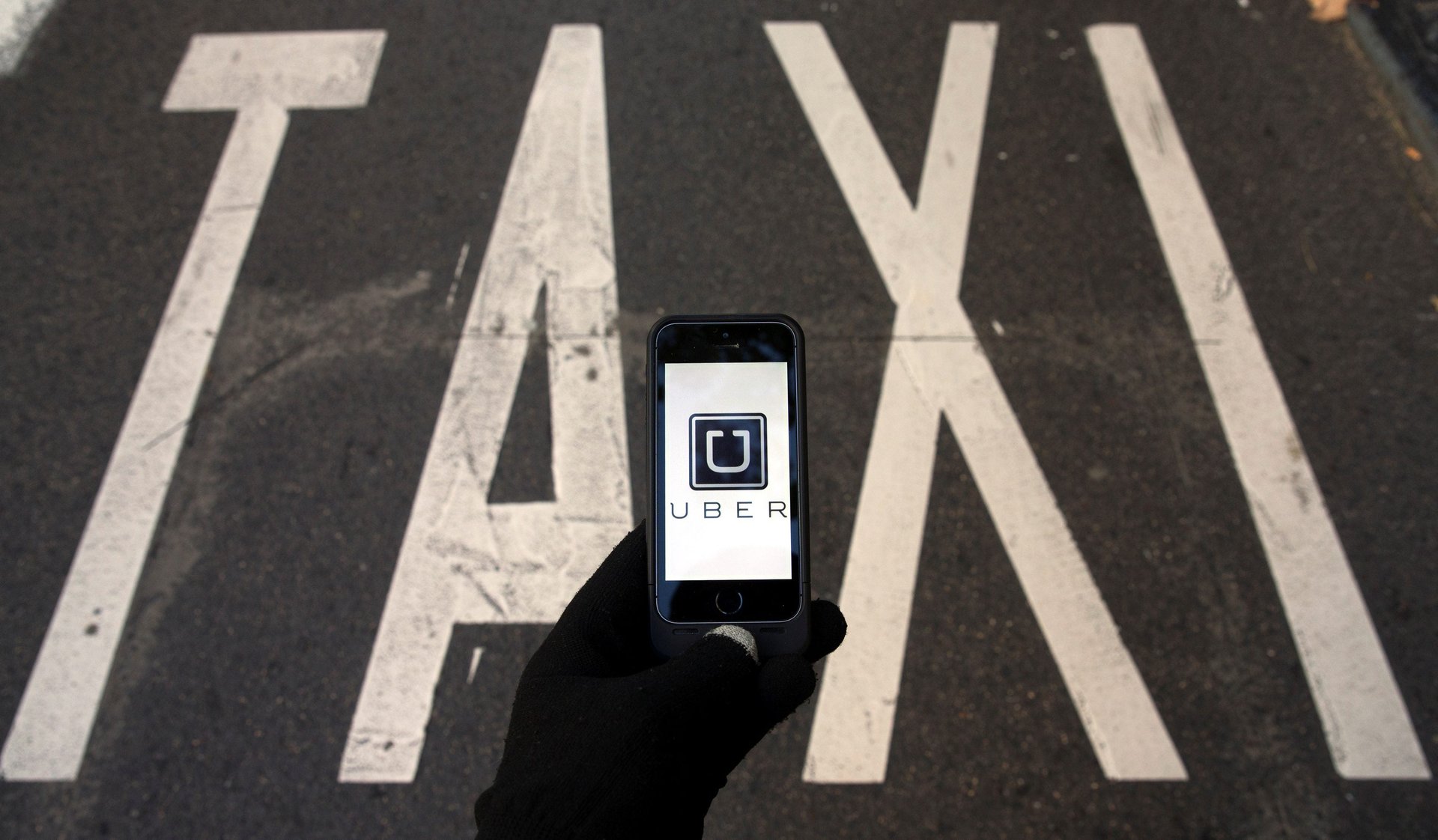
In its first seven years of existence, Uber has irked cities, flouted regulators, and petrified whole industries. It has yet to make money but is worth a fifth more than BMW and almost a third more than General Motors, both the owners of tons of futuristic technology, tens of billions of dollars in capital equipment, and big profits. In recent deals resembling famous speculative bubbles, rich investors eager for a piece of this juggernaut have poured hundreds of millions of dollars into custom funds that provide exposure to Uber but no equity or financial disclosure.

In 1919, the US deported 249 alleged “radicals” on a military ship to the Soviet Union. It was a drastic measure, ordered by US president Woodrow Wilson’s administration as a Red Scare swept through the West following Russia’s Bolshevik Revolution.

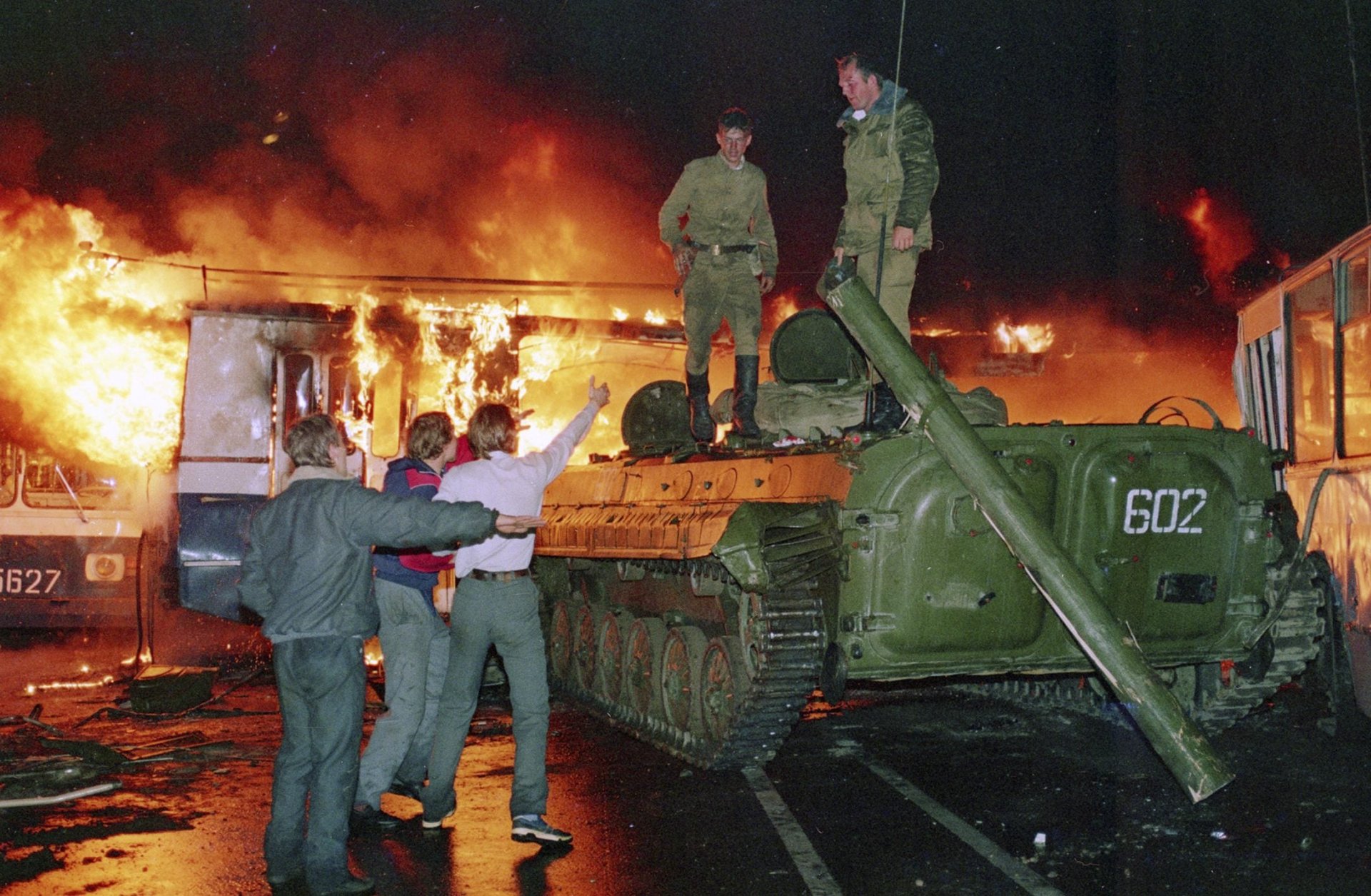
If Moscow is behind the theft and release of 20,000 emails from the Democratic Party, as experts suspect, it’s the boldest example yet of a long cash-and-hacking campaign by Russia to influence politics across the West.

This post has been updated.

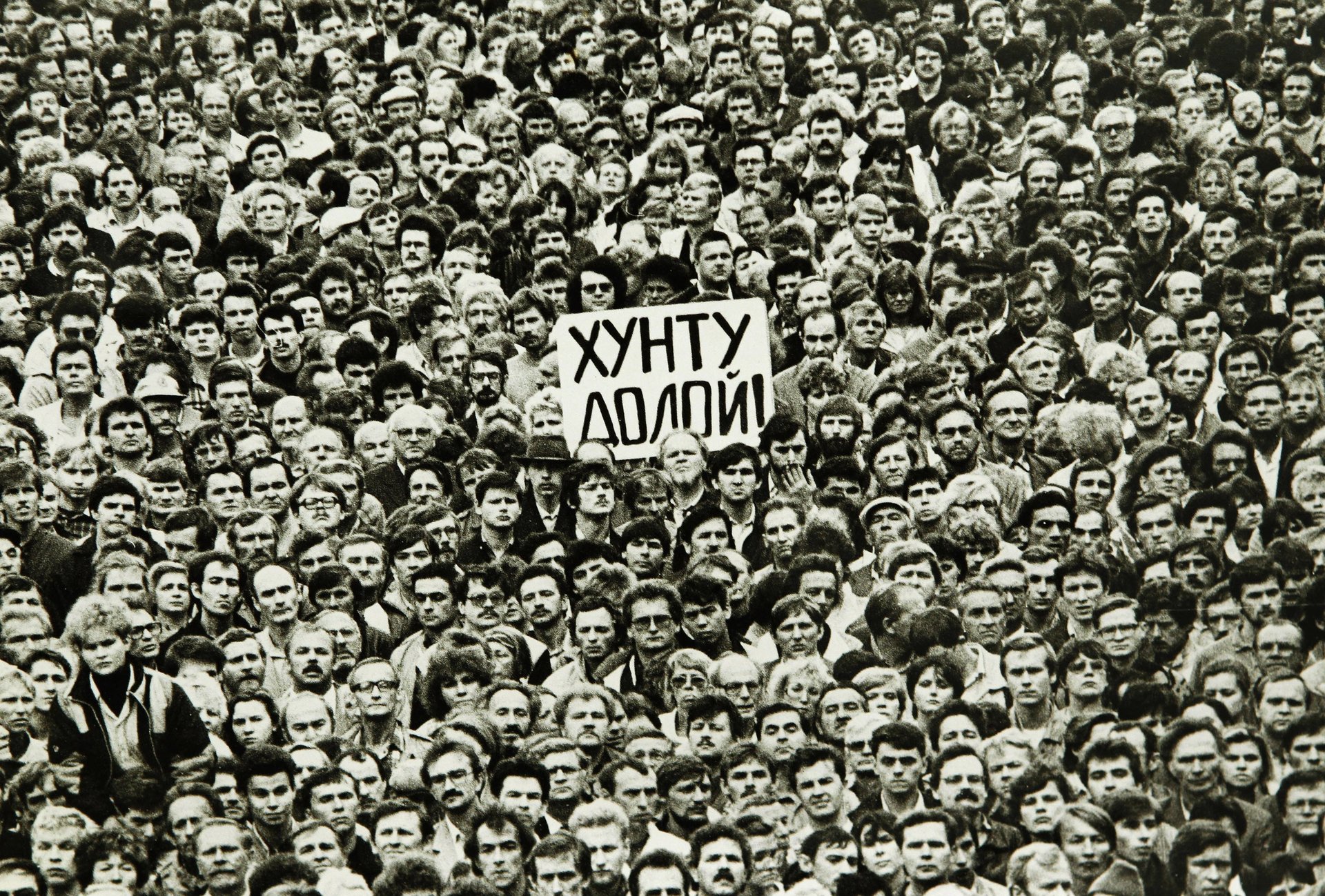
In March 1991, the citizens of nine Soviet states voted in a referendum on whether to hold together the country in a way that devolved power out to the republics. Championed fiercely by Soviet leader Mikhail Gorbachev as a way to avoid a potential “disaster for this country, for Europeans, for the entire world,” the referendum passed.

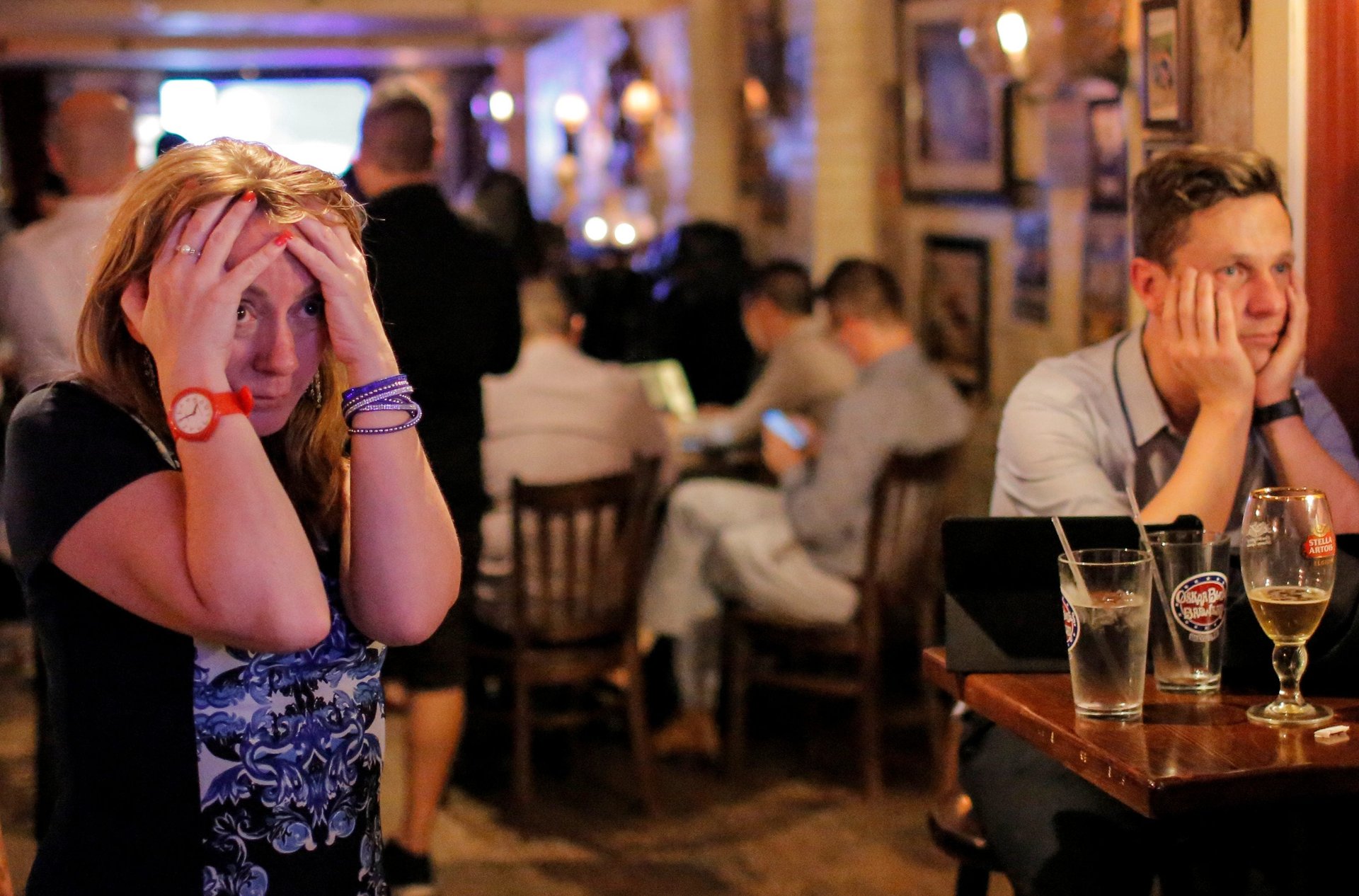
The world over, we have been collectively gobsmacked by the British decision to leave the European Union. Shocked and dismayed, we have been left without vocabulary, and not only because of Brexit, but the expressions the Britons have used to describe their own state of mind. We offer examples of the best of these Britishisms:

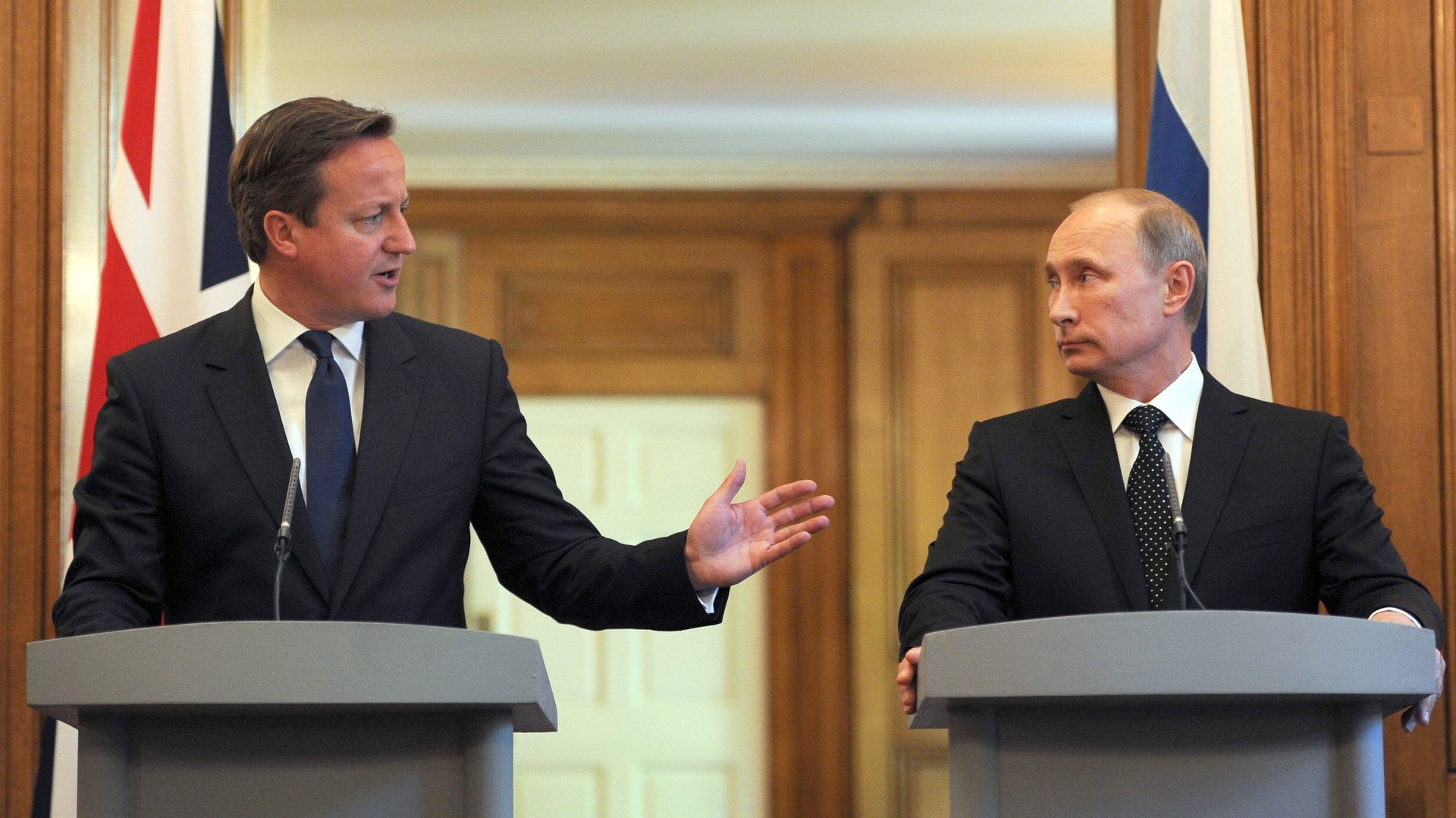
Ever since Moscow faced its first EU sanctions after annexing Crimea in 2014, Russian president Vladimir Putin has faced one all-but-immovable object on the continent—the United Kingdom. For 27 months, as Putin has attempted to erode European unity and get at least some of the sanctions lifted, UK prime minister David Cameron has been his always impossible opponent, helping to cajole the rest of the EU’s 27 members to stay in line on the sanctions.

Brent crude oil, the international benchmark, is trading down as much as 6% in Asia in the wake of the UK’s vote to secede from the European Union. After climbing as high as $50.90 a barrel on June 23, the Brent price fell as low as $47.54 just a few hours later today.

Two years after quietly declaring war on upstart US shale, Saudi Arabia says the need for the fighting is over. In remarks to journalists while on a US visit, Saudi Arabian energy minister Khalid Al-Falih said that the worldwide oil glut has vanished, signaling an end to Saudi Arabia’s strategy of flooding the global market with oil to try to put American drillers out of business.