North Korea and South Korea are holding their first high-level talks in more than two years on Tuesday (Jan. 9). Whatever their representatives do or don’t accomplish, it’s notable that a meeting is even being held in the first place.

North Korea and South Korea are holding their first high-level talks in more than two years on Tuesday (Jan. 9). Whatever their representatives do or don’t accomplish, it’s notable that a meeting is even being held in the first place.

Until today, medical marijuana producer Auscann was working under the assumption that it had a target market of about 3 million Australians dealing with chronic pain. Suddenly, its potential market has been blown wide open.

Temperatures low enough to freeze over Niagara Falls? Who wouldn’t read about that?

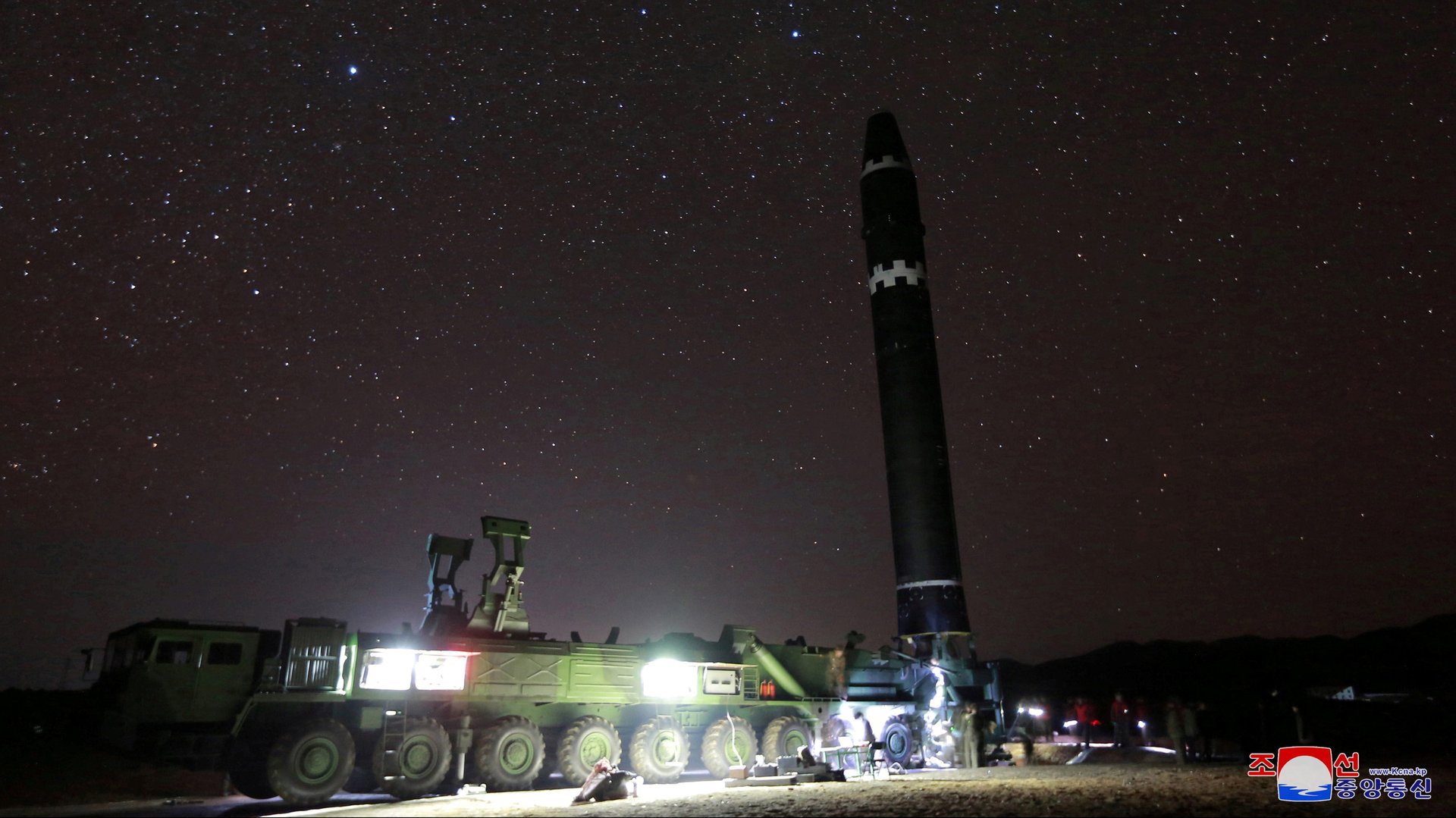
North Korea—what a year 2017 has been. It’s easy to lose track of just how much has happened this year, so here’s a recap of the major events. We’ve also provided a look ahead at 2018, which looks to be the year something has to give on North Korea, one way or another. Without further ado…

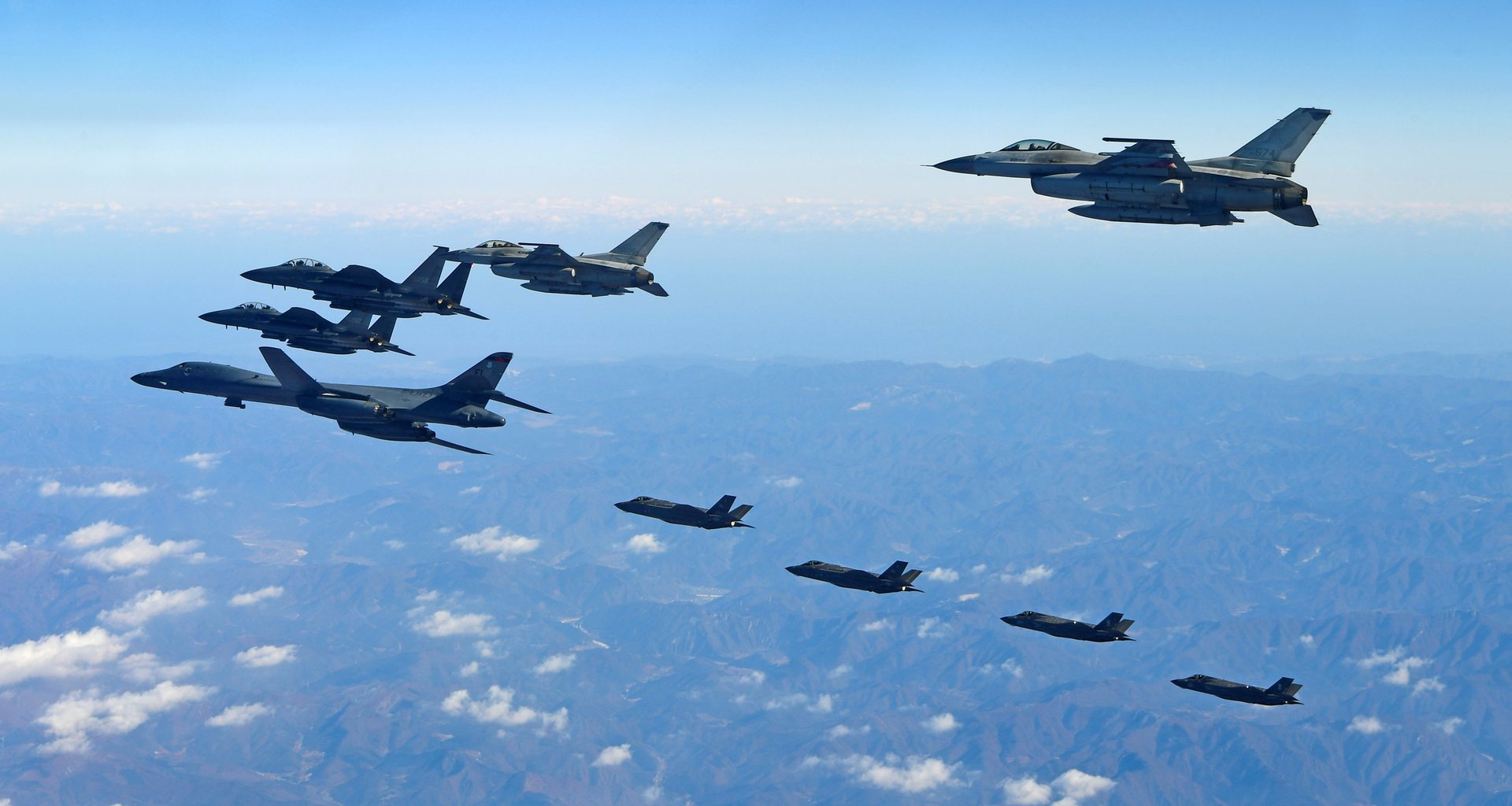
North Korea has long been one of the most secretive nations in the world, and making predictions about it has, correspondingly, long been inadvisable. Keeping that in mind, we’ll make one here anyway: 2018 is when something finally gives on North Korea—one way or another.

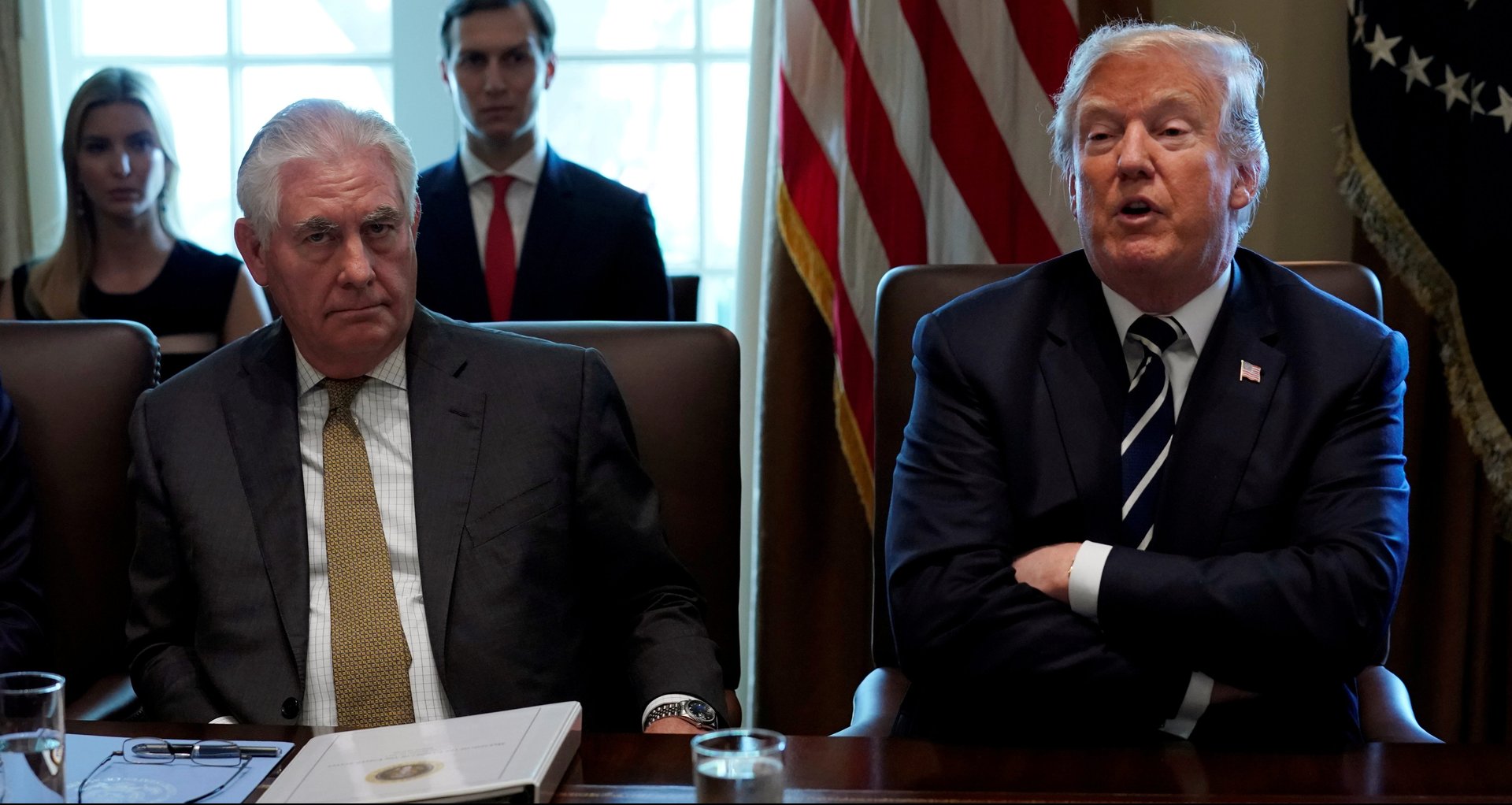
US secretary of state Rex Tillerson has laid out a new strategy on North Korea, by saying this yesterday (Dec. 12):

Don’t worry: If the North Korea crisis escalates into a full-blown war, the casualties will mostly occur on the Korean Peninsula.

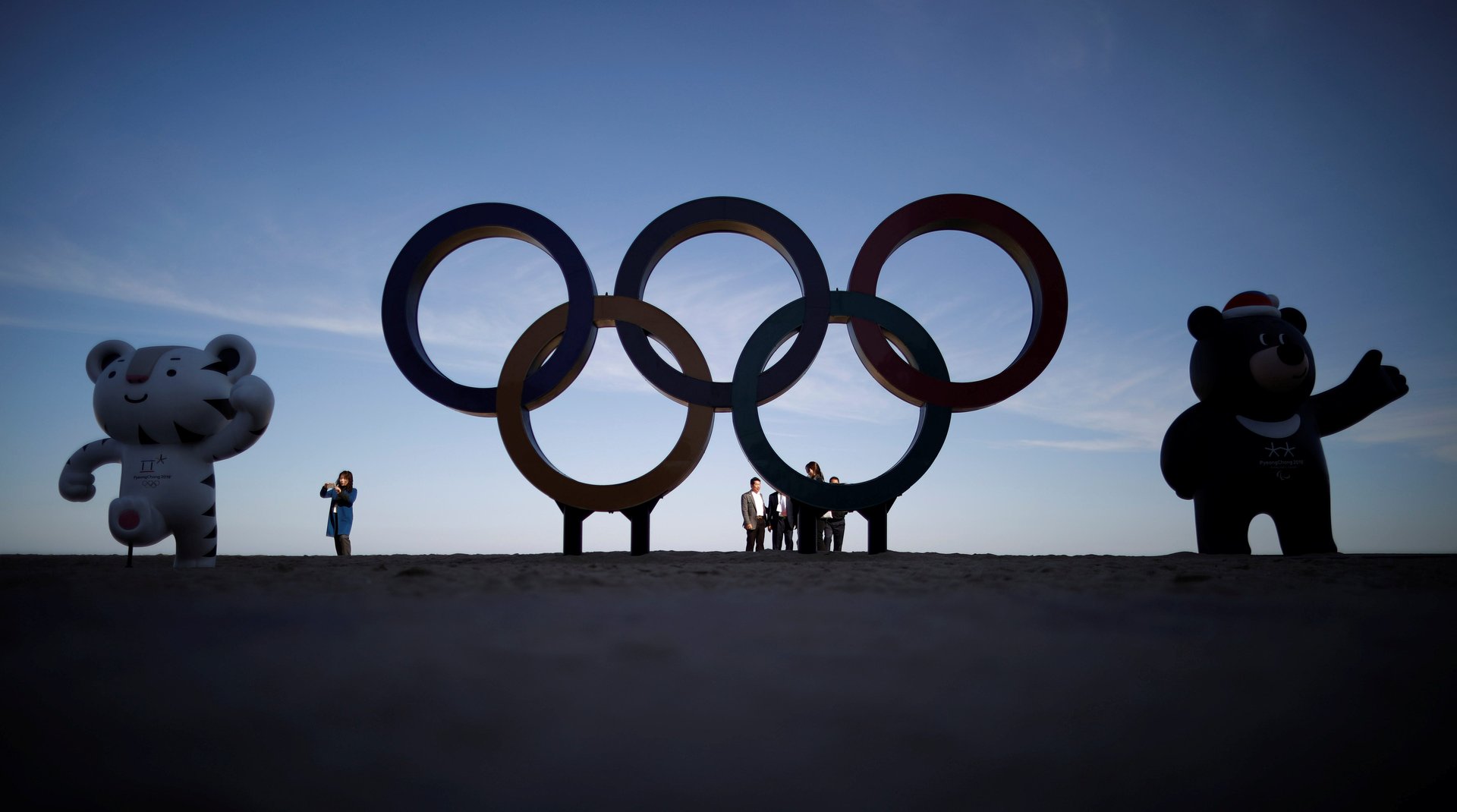
Yesterday (Dec. 5) the International Olympic Committee (IOC) banned Russia from participating in the 2018 Winter Olympics in Pyeongchang, South Korea, over a doping scandal. Opinions vary on whether the punishment fits the crime, but, sports-wise, there’s little doubt the competition will feel incomplete without one of the world’s main powerhouses in winter sports.

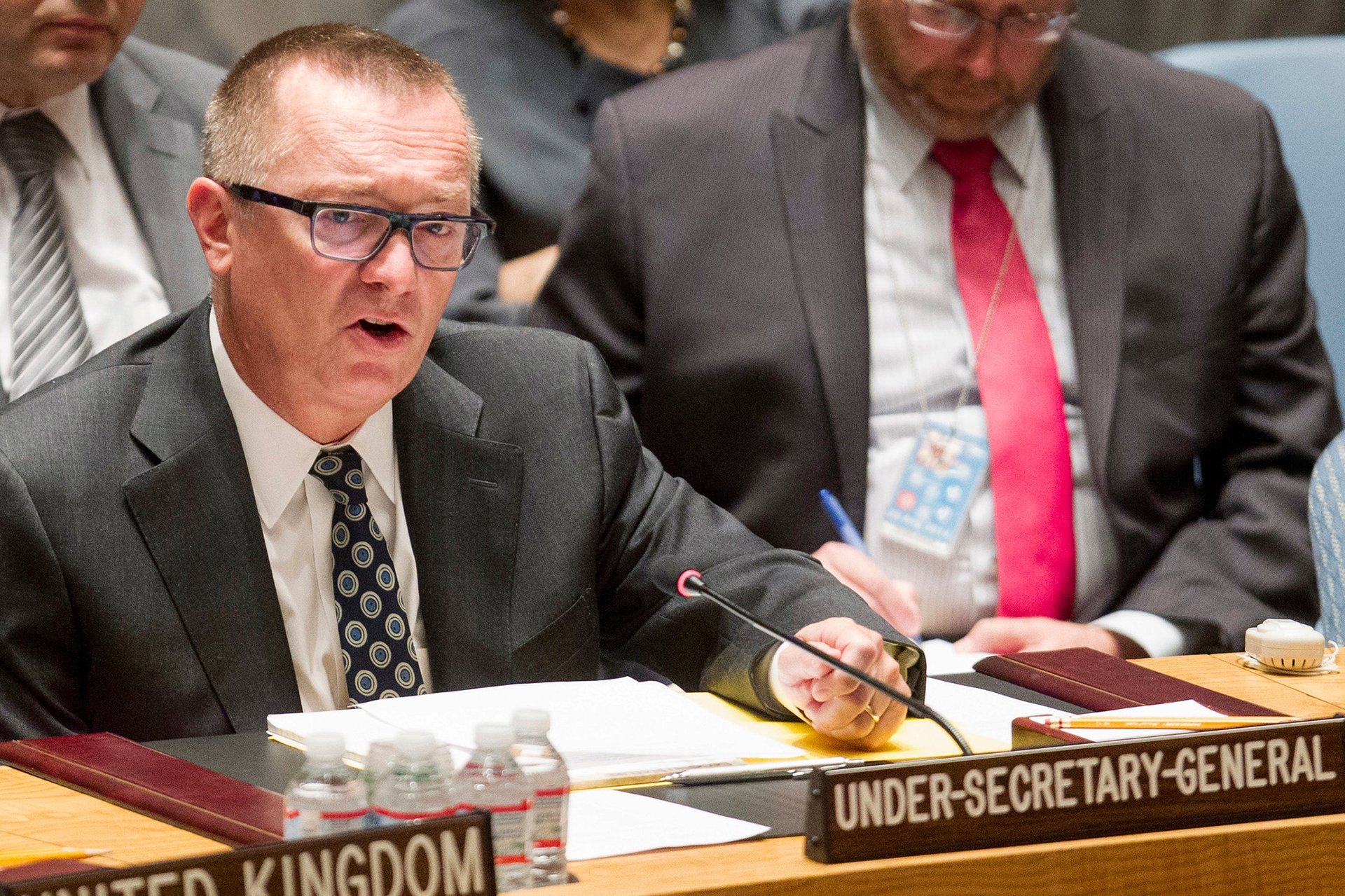
A visit to North Korea this week by a top United Nations official is something of a landmark affair. Jeffrey Feltman, the chief diplomat and undersecretary general for political affairs at the UN, will be in Pyongyang from today (Dec. 5) until Friday (Dec. 8) for political discussions (paywall). It’s the highest-level visit in more than six years, and takes place with the region on edge over North Korea’s nuclear and missile programs.

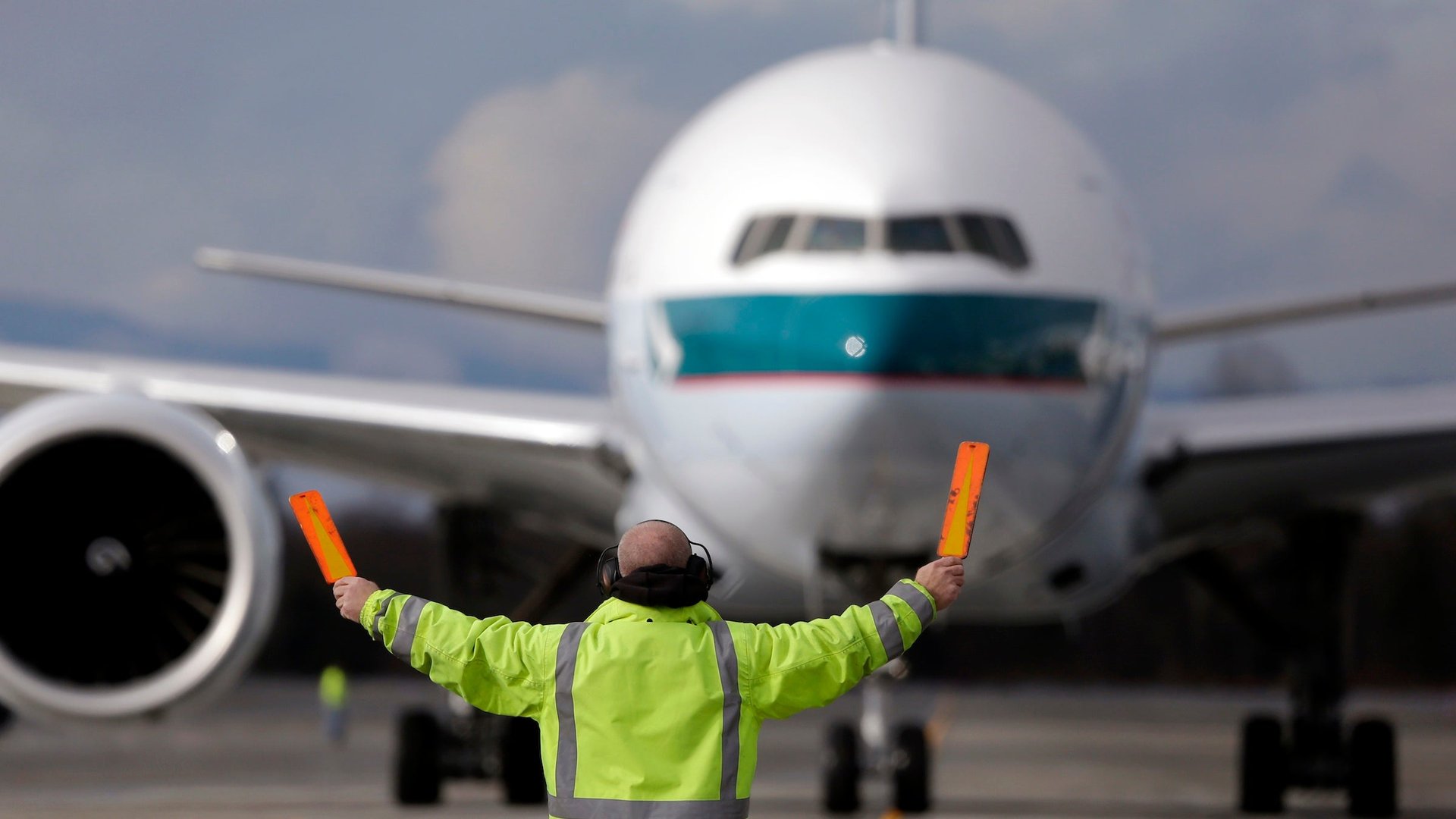
The crew on a Cathay Pacific flight from San Francisco to Hong Kong in late November believe they saw something rather unexpected from their windows: the re-entry of North Korea’s latest missile into the atmosphere.

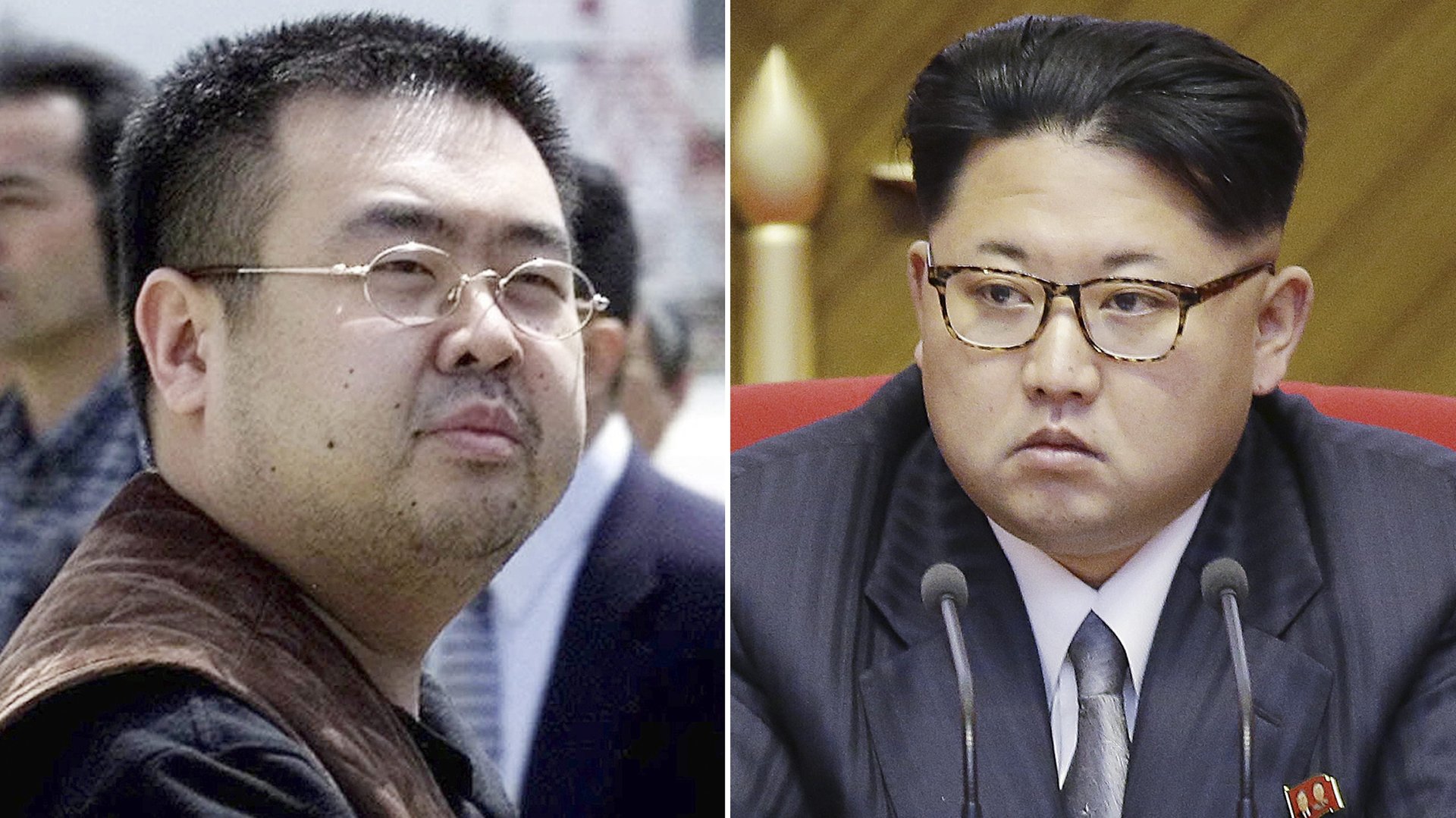
The assassination of Kim Jong-nam might have taken many by surprise, but the victim in fact knew his days were numbered.

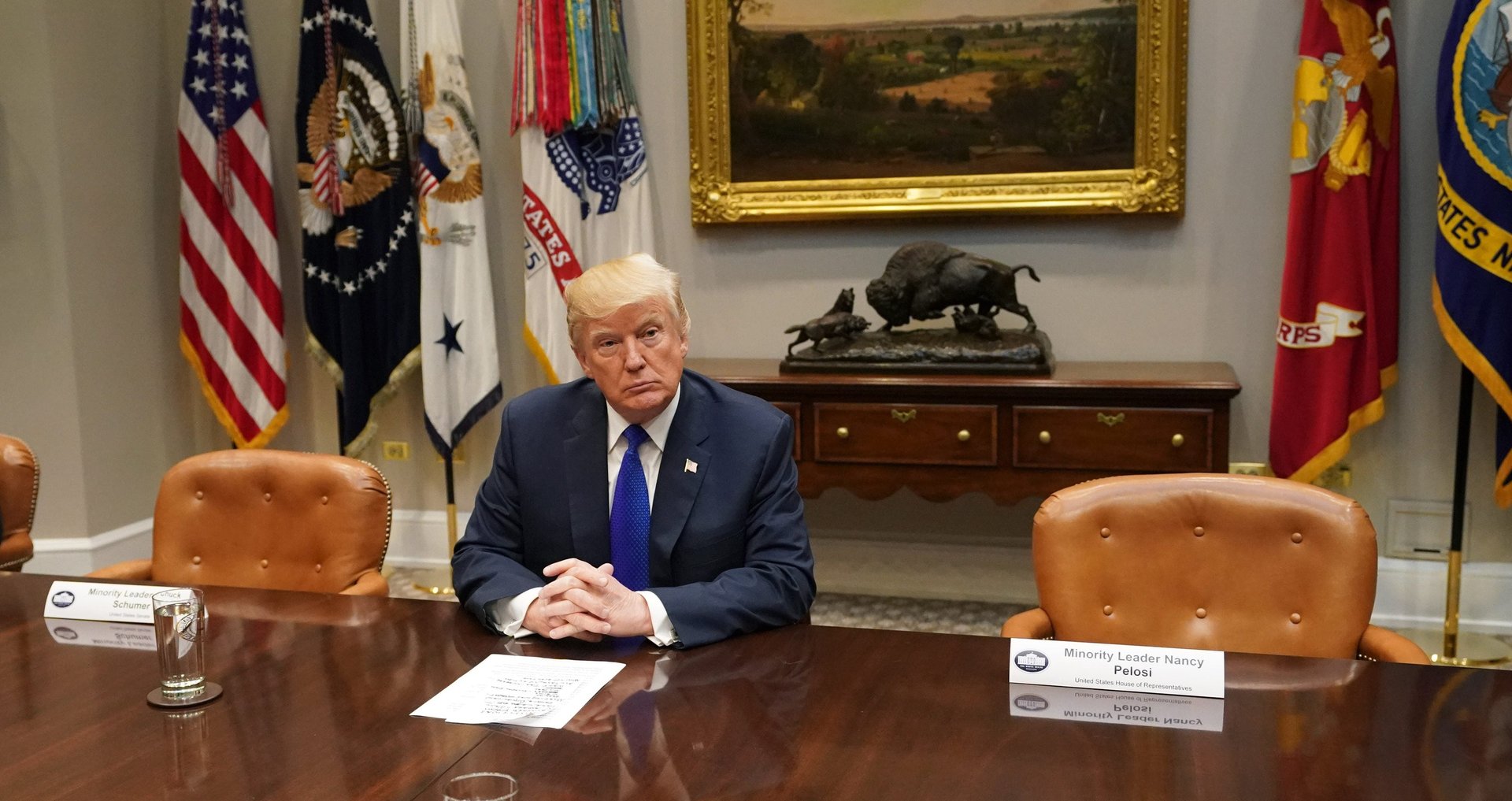
In August, Donald Trump crossed his arms and proclaimed that North Korea would face “fire, fury, and frankly power the likes of which this world has never seen” should it continue to threaten the United States.

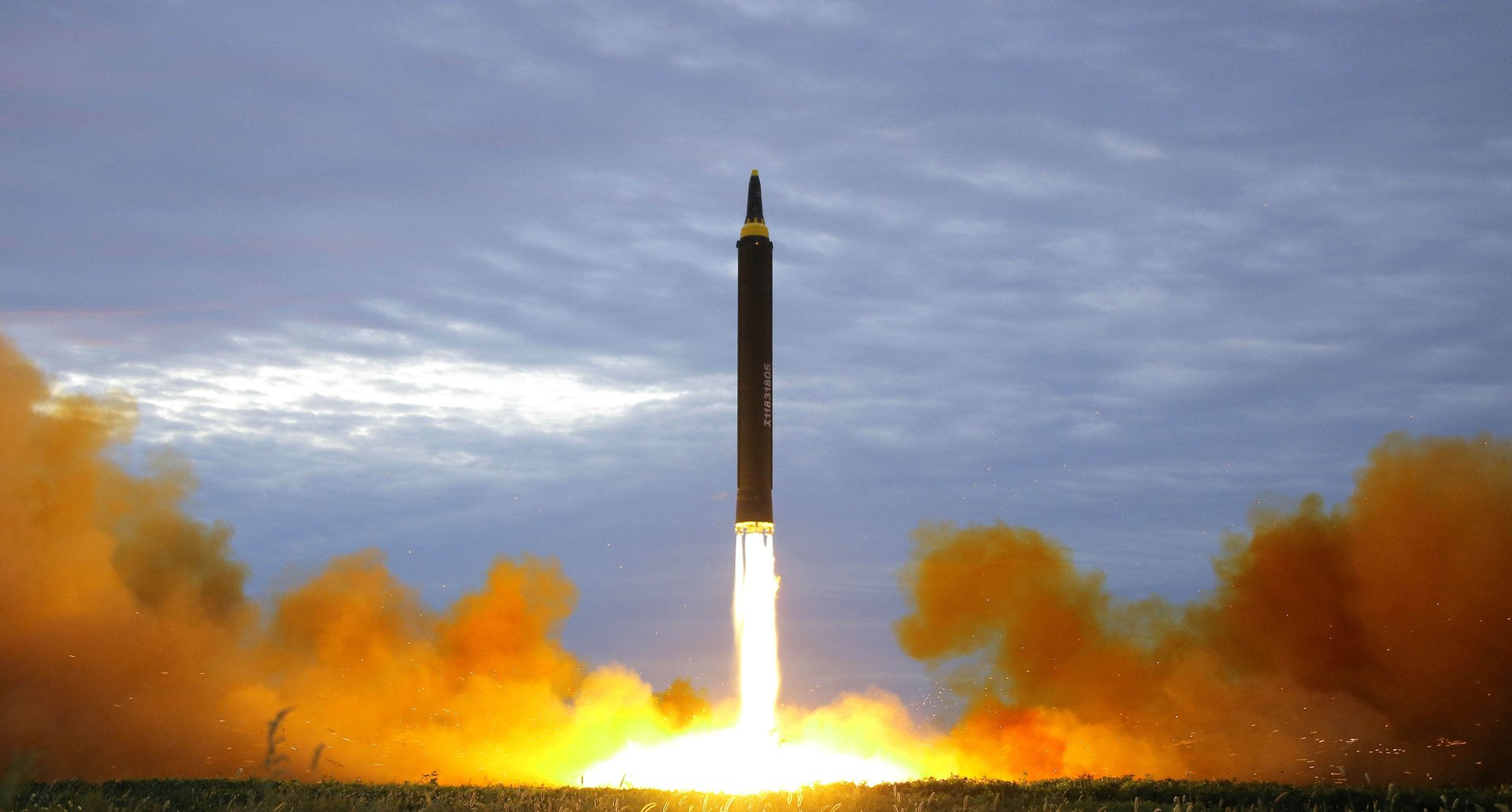
North Korea is trumpeting through state media today its ability to reach anywhere in the mainland United States with its increasingly sophisticated missiles. The announcement follows its third test of an intercontinental ballistic missile early this morning local time (Nov. 29).

South Korea has long used loudspeakers along the North Korea border to deliver harsh words against the ruling regime in Pyongyang. Now it’s using them in a new way: to share updates on the soldier who recently made a daring defection to the South.

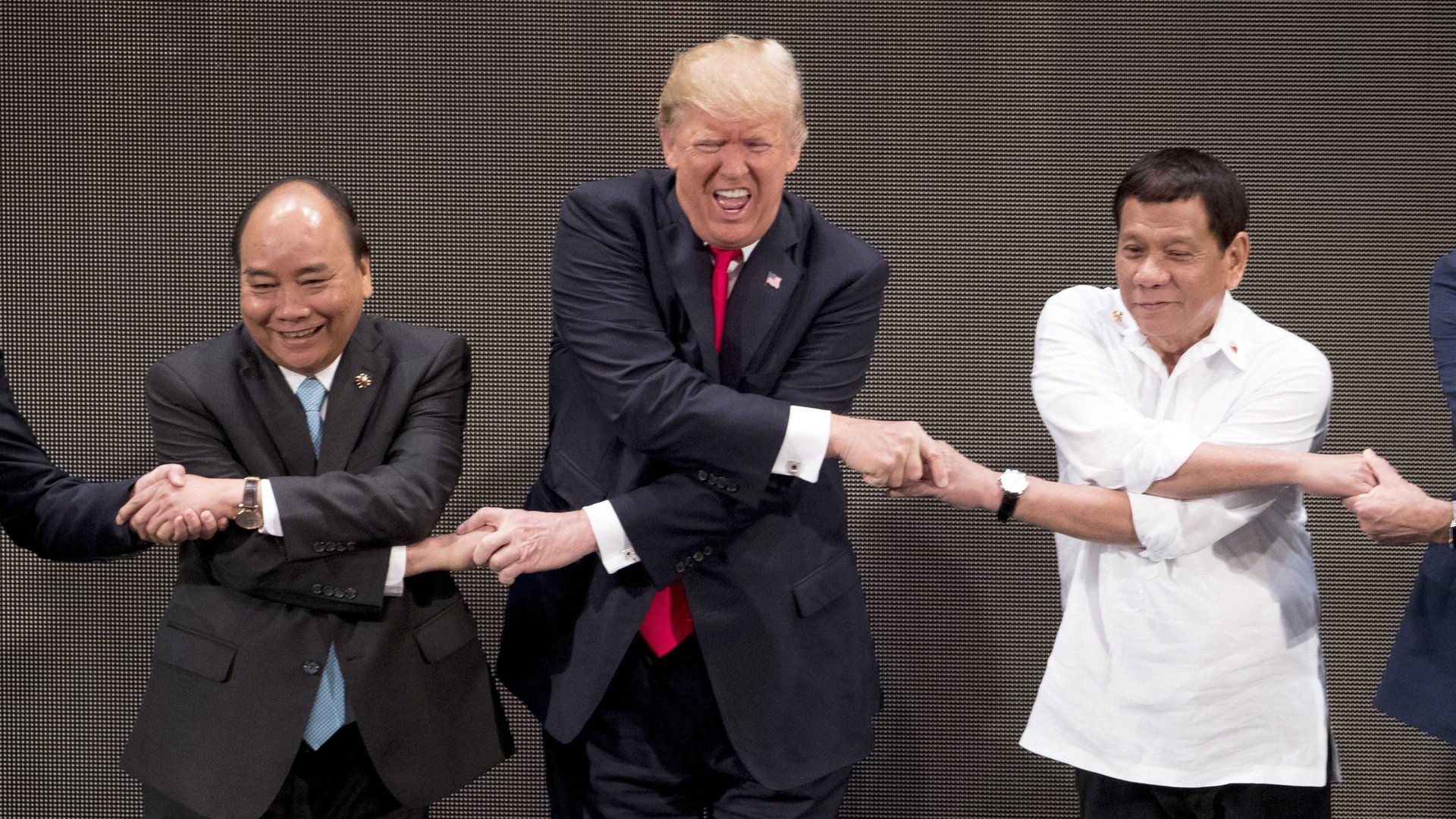
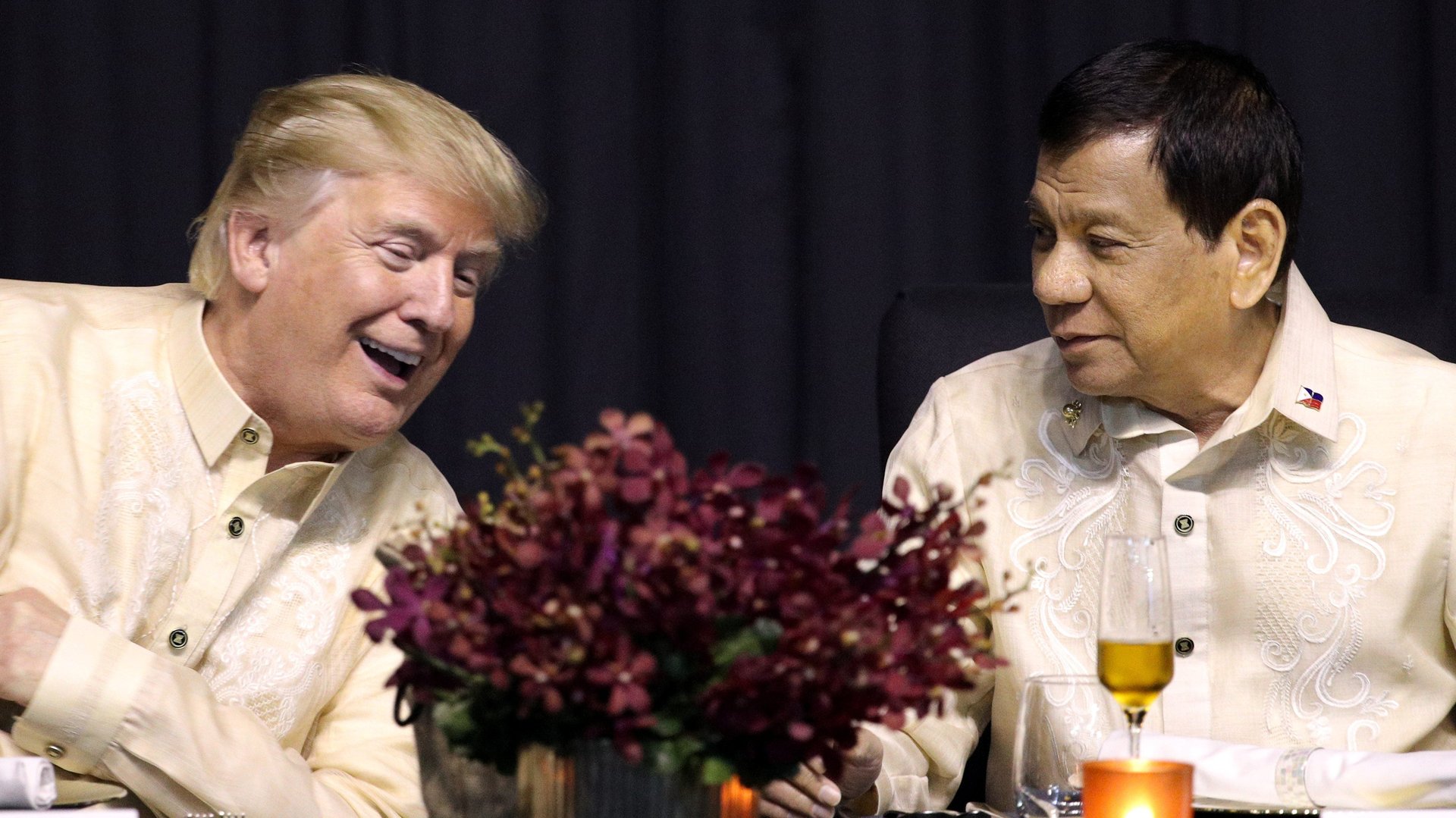
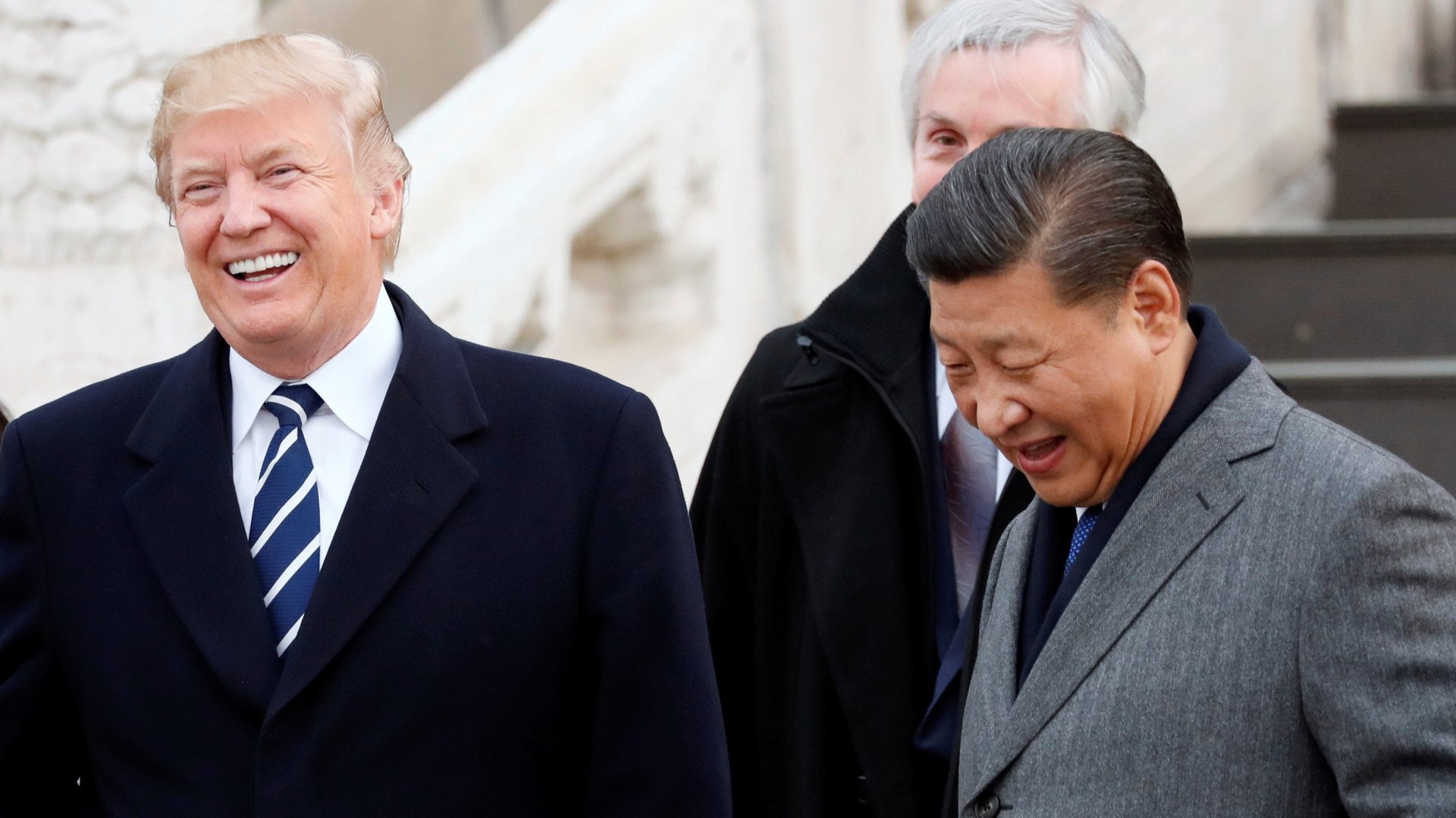
On his recently completed trip through Asia, Donald Trump boasted about having a great relationship with at least three heads of state. He said it of Philippine president Rodrigo Duterte, just two days after first meeting him. He said it of Japanese prime minister Shinzo Abe, with whom he ate a hamburger. And he claimed to have a “great chemistry” with Chinese leader Xi Jinping.

Perhaps Donald Trump wanted to act like a teenager to counter North Korean leader Kim Jong-un calling him “an old lunatic.” Whatever the case, a tweet by the US president from over the weekend is being compared to something a child might might compose.

It’s fair to say that Philippines president Rodrigo Duterte is a tad touchy about his human rights record. If any reminders were needed, he provided plenty in the days before Donald Trump made his way to Southeast Asia, where the two leaders met for the first time over the weekend at the APEC summit in Vietnam and are holding talks today in Manila. Duterte’s anti-narcotics campaign has killed thousands of suspected drug users and sellers. Critics say that executions are taking place with no accountability, with the government sanctioning the extrajudicial killing of suspects.

The South China Sea is, for many, a worrying geopolitical flashpoint. But for Xi Jinping, it’s a source of pride.

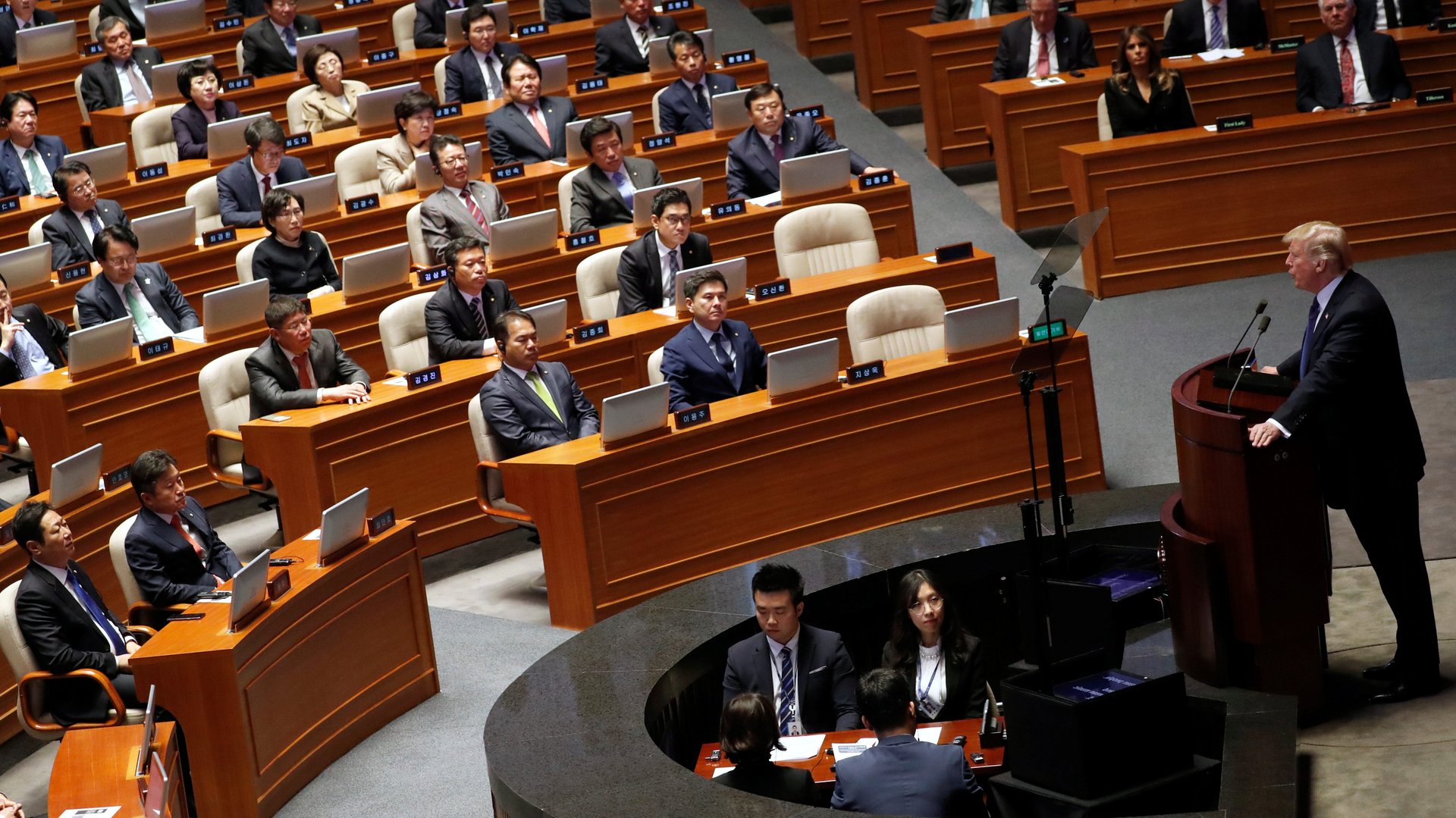
In a speech delivered by US president Donald Trump to South Korean lawmakers today (Nov. 8) in Seoul, he correctly noted that the threat from North Korea is growing.

For US defense contractors, Donald Trump might be looking like a salesman-in-chief right about now. In the space of two days, Trump has urged the leaders of Japan and South Korea, as well as the US Congress, to spend heavily on the expensive systems offered by the likes of Lockheed Martin, Raytheon, and Boeing’s defense division—all in the name of defending against North Korea.

Imagine an agreement whereby, should a war break out, operational control of your country’s military would be assumed by another nation.

North Korea likes to conduct weapons tests right around the time Donald Trump meets with key Asian leaders. Now, just as Trump heads to the region for a tour, South Korea’s intelligence agency is reporting brisk activity at missile research facilities north of the border.

It seemed like an outlandish claim at the time. On the cover of a June 2014 issue, Sports Illustrated predicted that the lowly Houston Astros would win the World Series in 2017. That just happened, with the team beating the Los Angeles Dodgers in Game 7, winning the championship for the first time in franchise history.

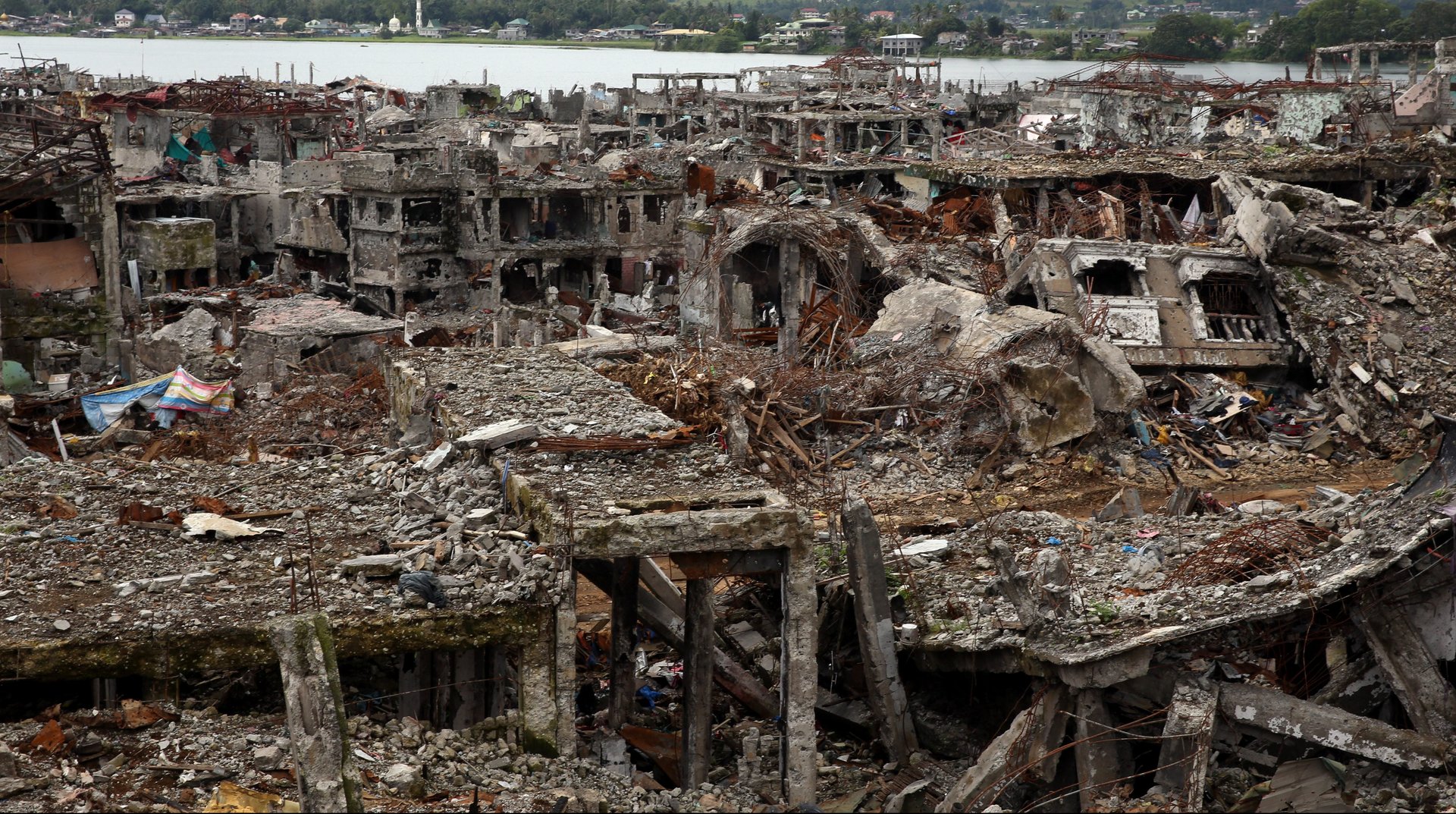
In early June, Philippines president Rodrigo Duterte predicted that the recently begun fighting in Marawi City between government forces and ISIL-linked militants would be over in three days. He was off by five months.