
Lifestyle
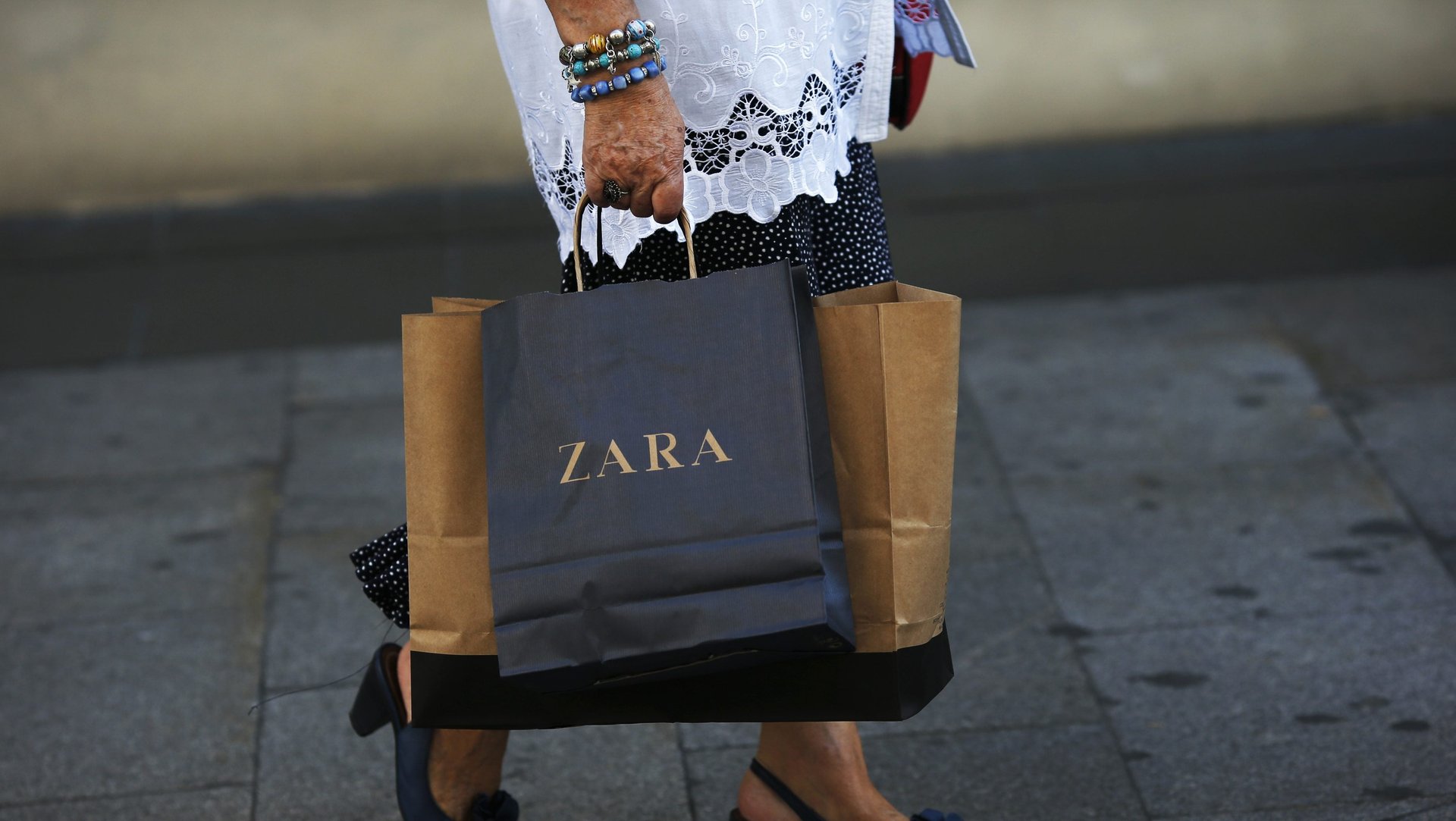
Zara has appropriated the traditional Indian lungi for hipstersFast fashion retailer Zara is taking some serious cues from India’s street fashion.
Updated July 20, 20222 min read
Fast fashion retailer Zara is taking some serious cues from India’s street fashion.
One of the world’s largest food companies is now looking at pet food to expand in India.
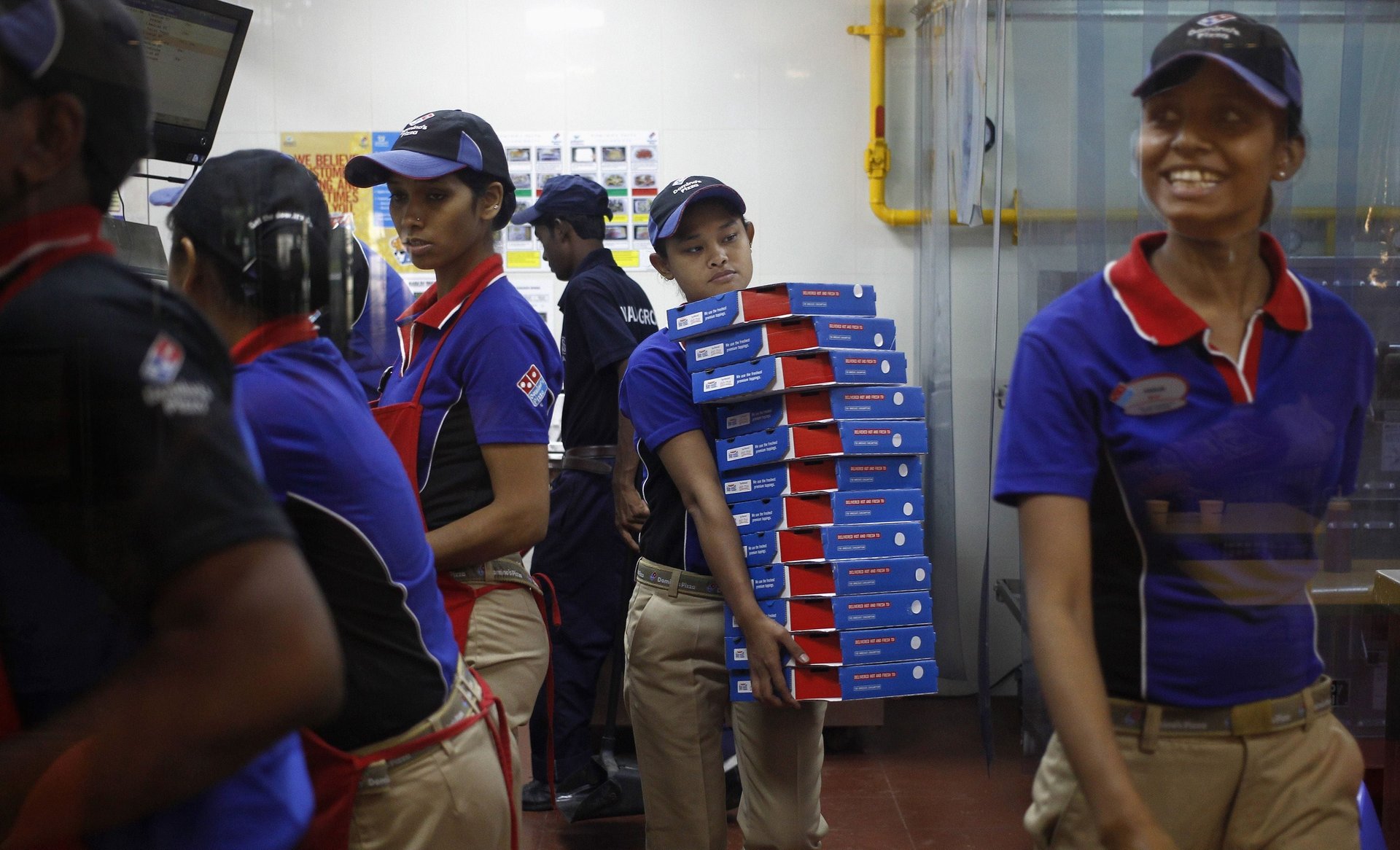
Jubilant FoodWorks, the master franchisee for American pizza chain Domino’s Pizza and Dunkin’ Donuts in India, is sizzling.
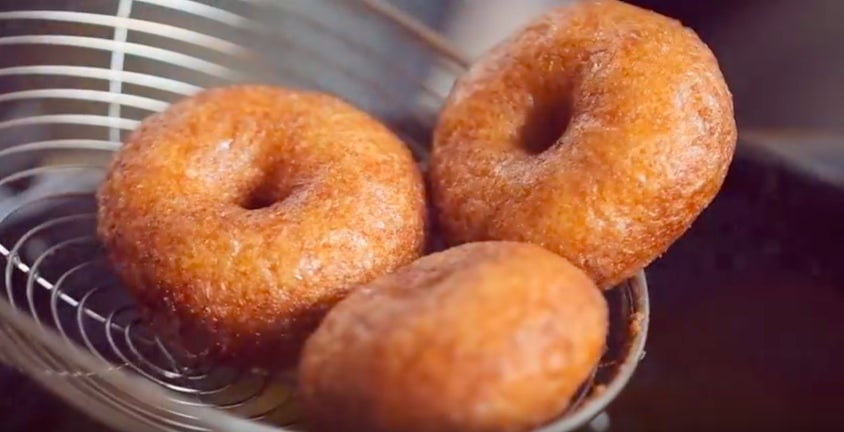
Vada is not as commonly served at home as the other classic south Indian breakfast dishes like idli or dosa. But it is arguably the most delicious of the three—and also the most difficult to prepare.
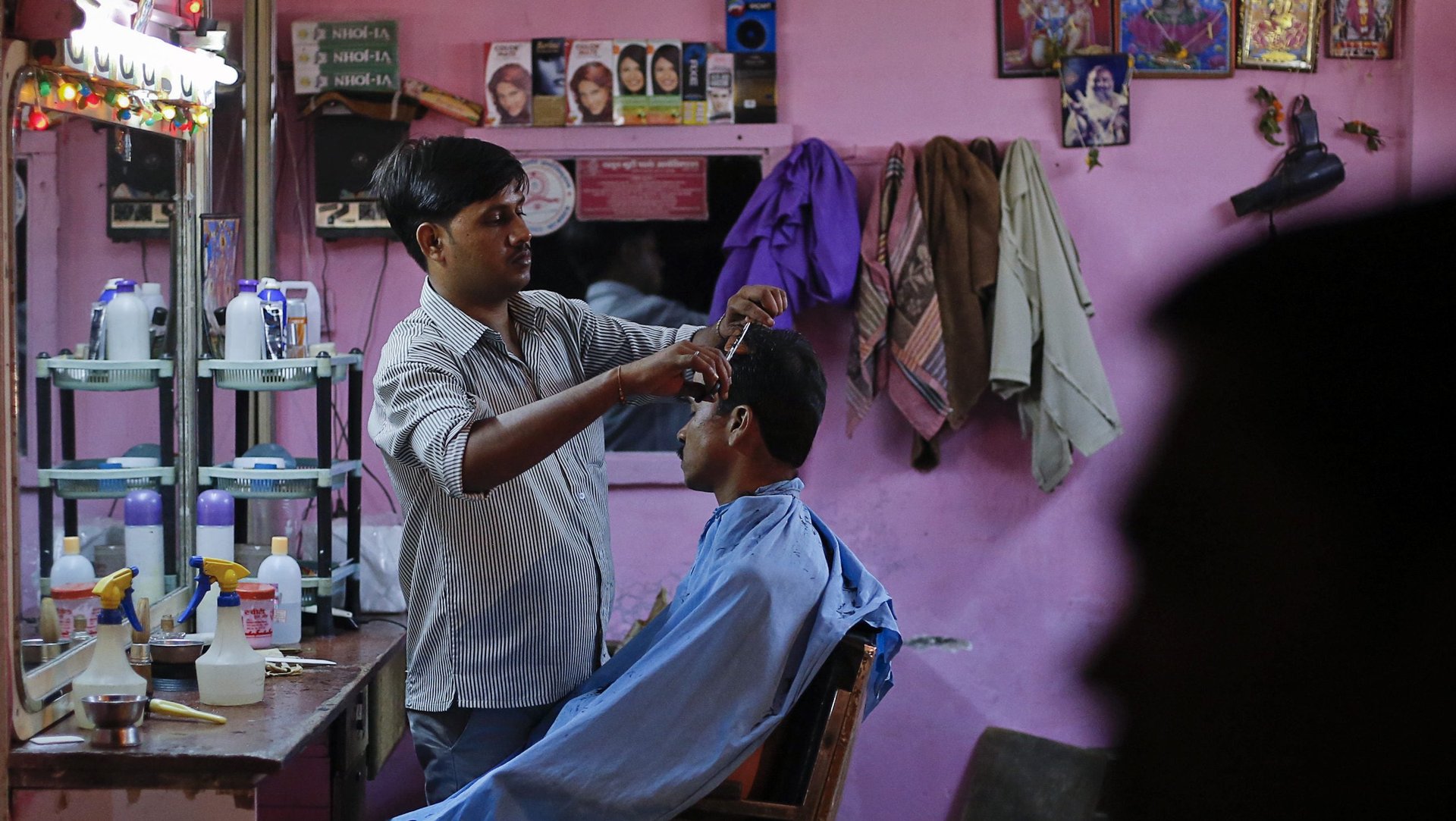
You could rely on most Indian men to look drab except at early dates and weddings, but that’s changing now.
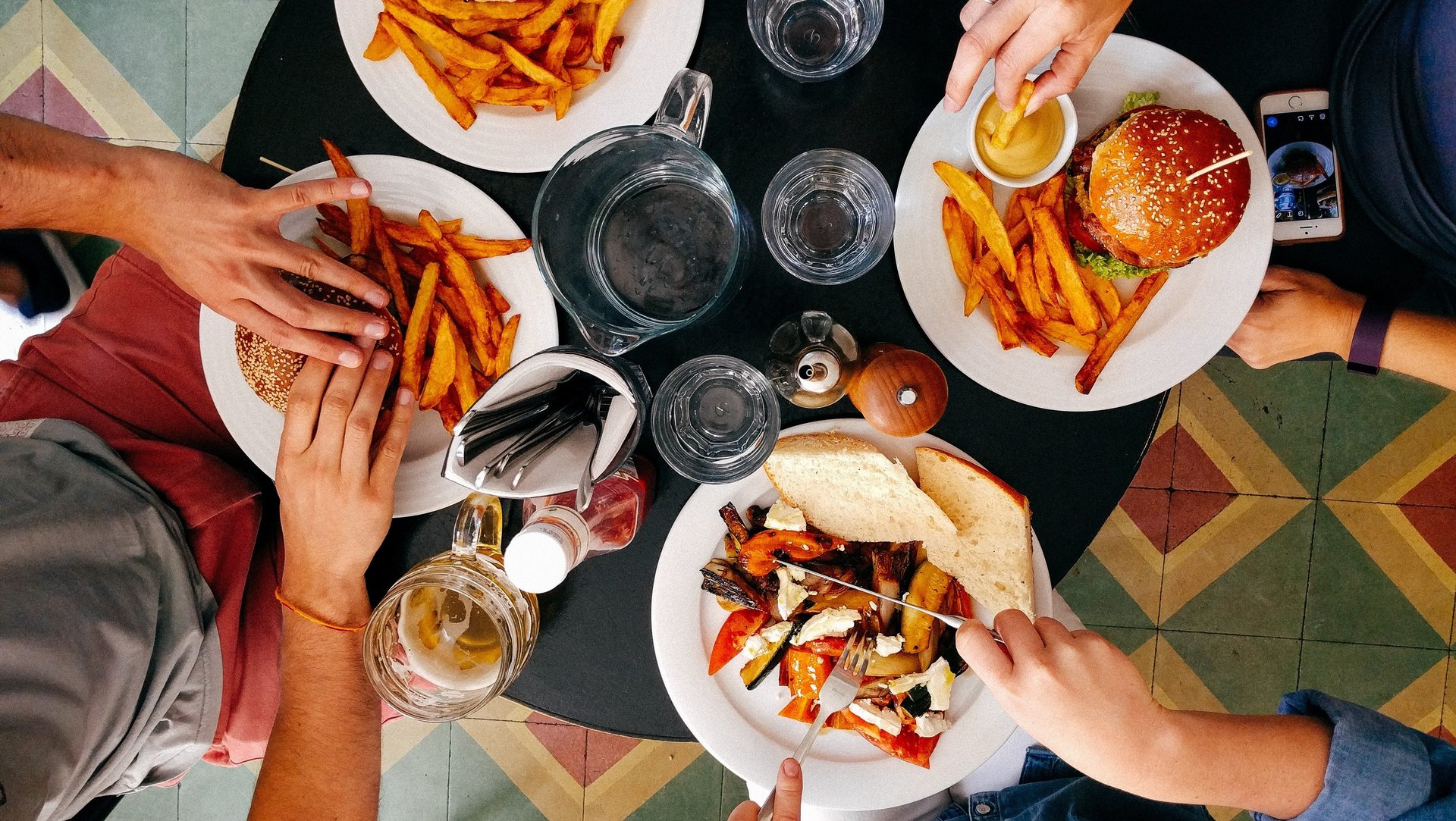
When they are in the mood for some fun, urban Indian millennials just head to a restaurant, or order in food.
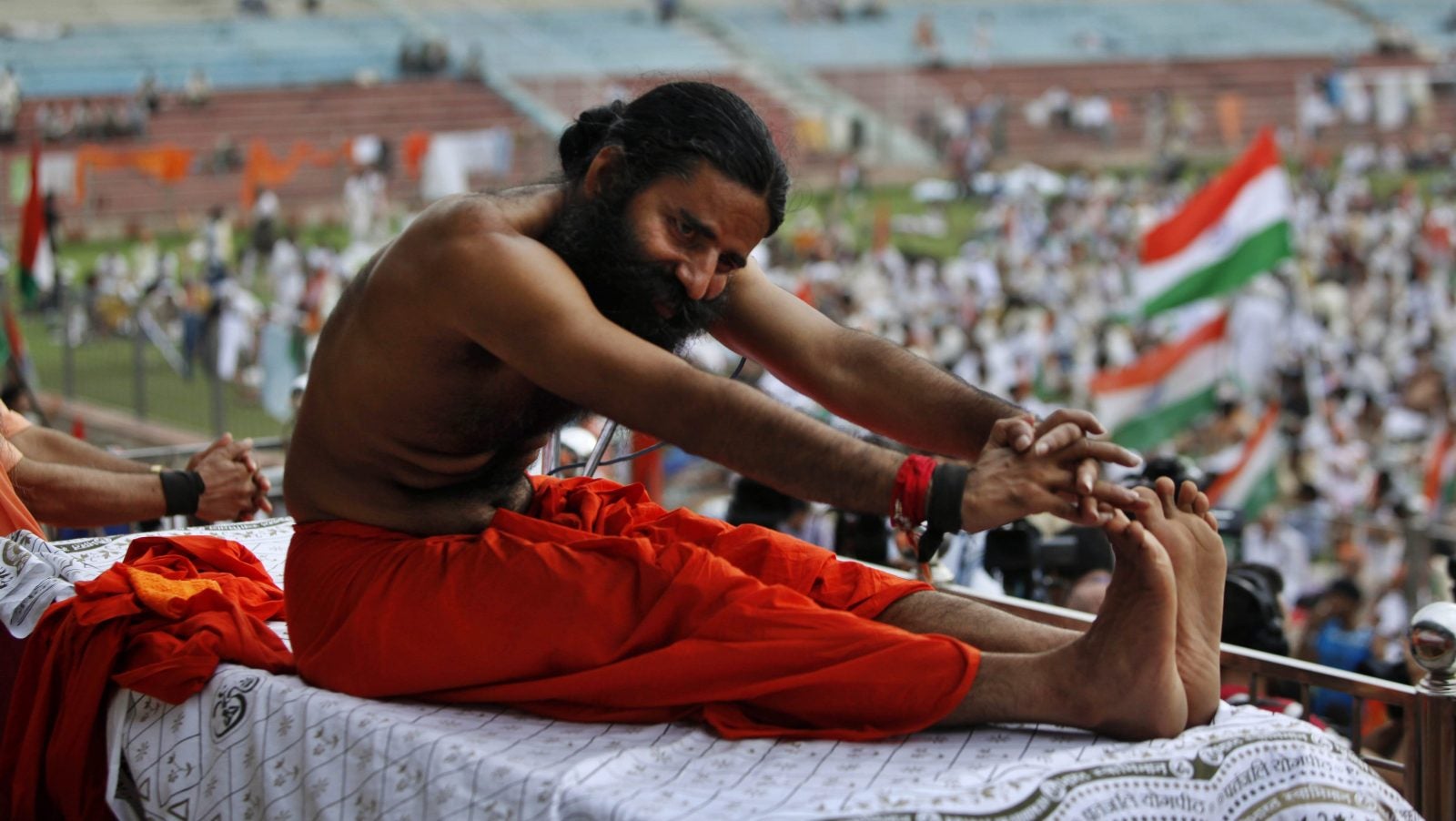
The poster boys of India’s $15 billion e-commerce sector are ready to jump through hoops for a piece of Patanjali—the fledgeling fast-moving consumer goods (FMCG) brand that has taken India by storm lately.
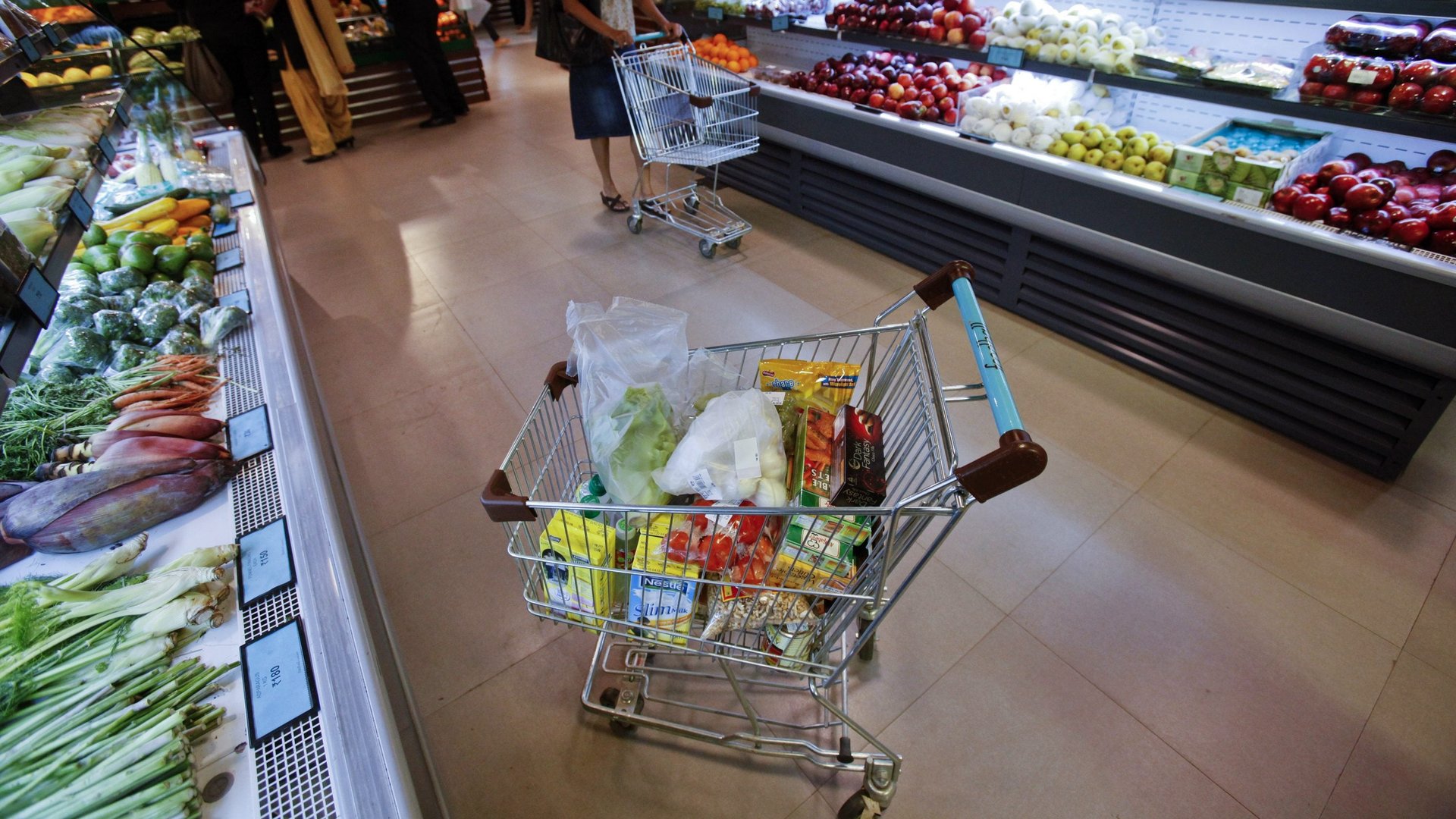
Walmart has been doing business in India for close to a decade now. But the world’s largest brick and mortar retailer is yet to open its signature stores to tap the country’s $670 billion (pdf) retail market, like those it operates in other parts of the world.
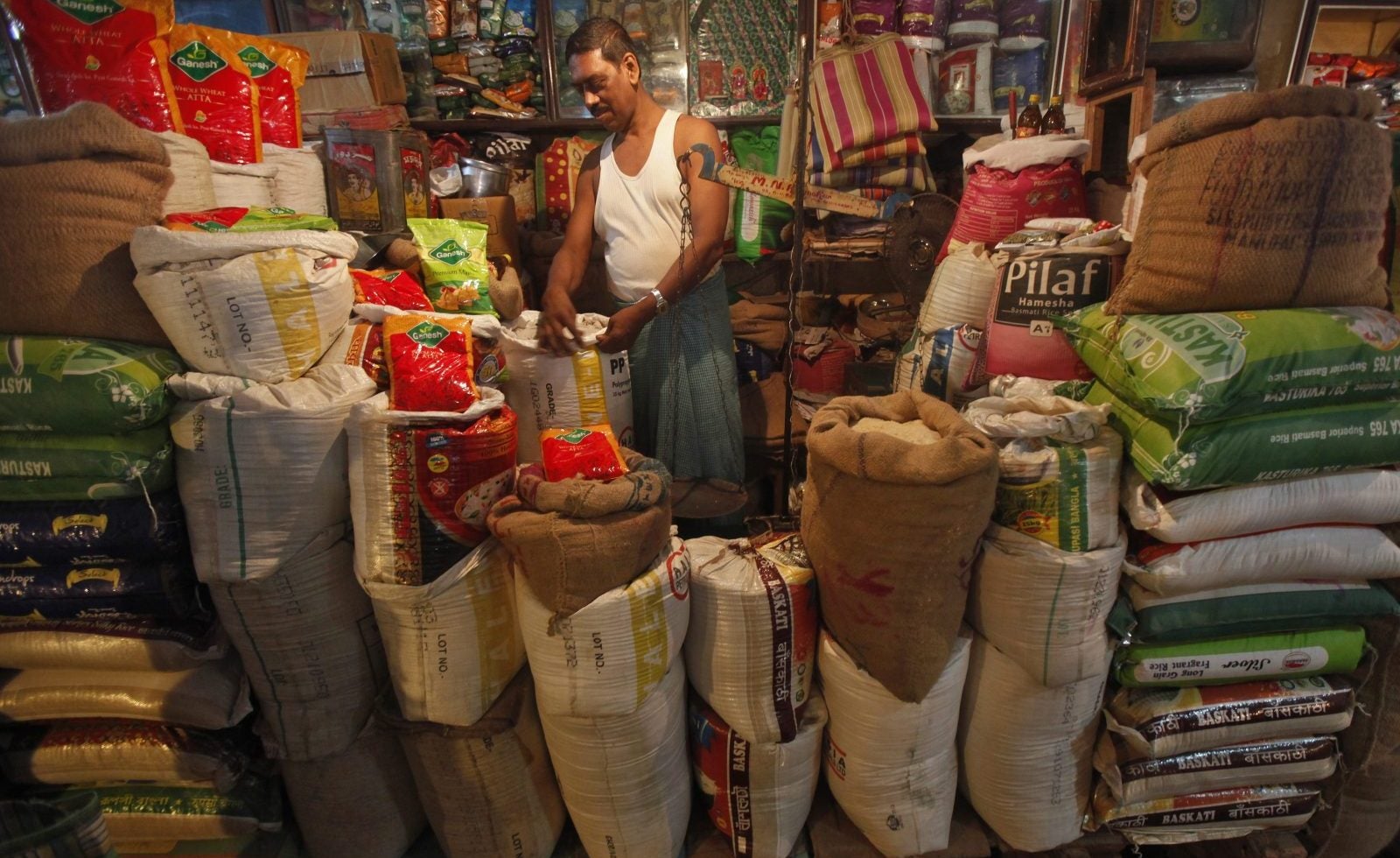
Over 65% of Indians live in villages and small towns. This demographic, the biggest market for India’s consumer companies, is now dependent on the government’s generosity for a sustained demand recovery. The fate of corporate profits in the fast-moving consumer goods (FMCG) space is closely tied to the political will of the state and central governments ahead of key elections.
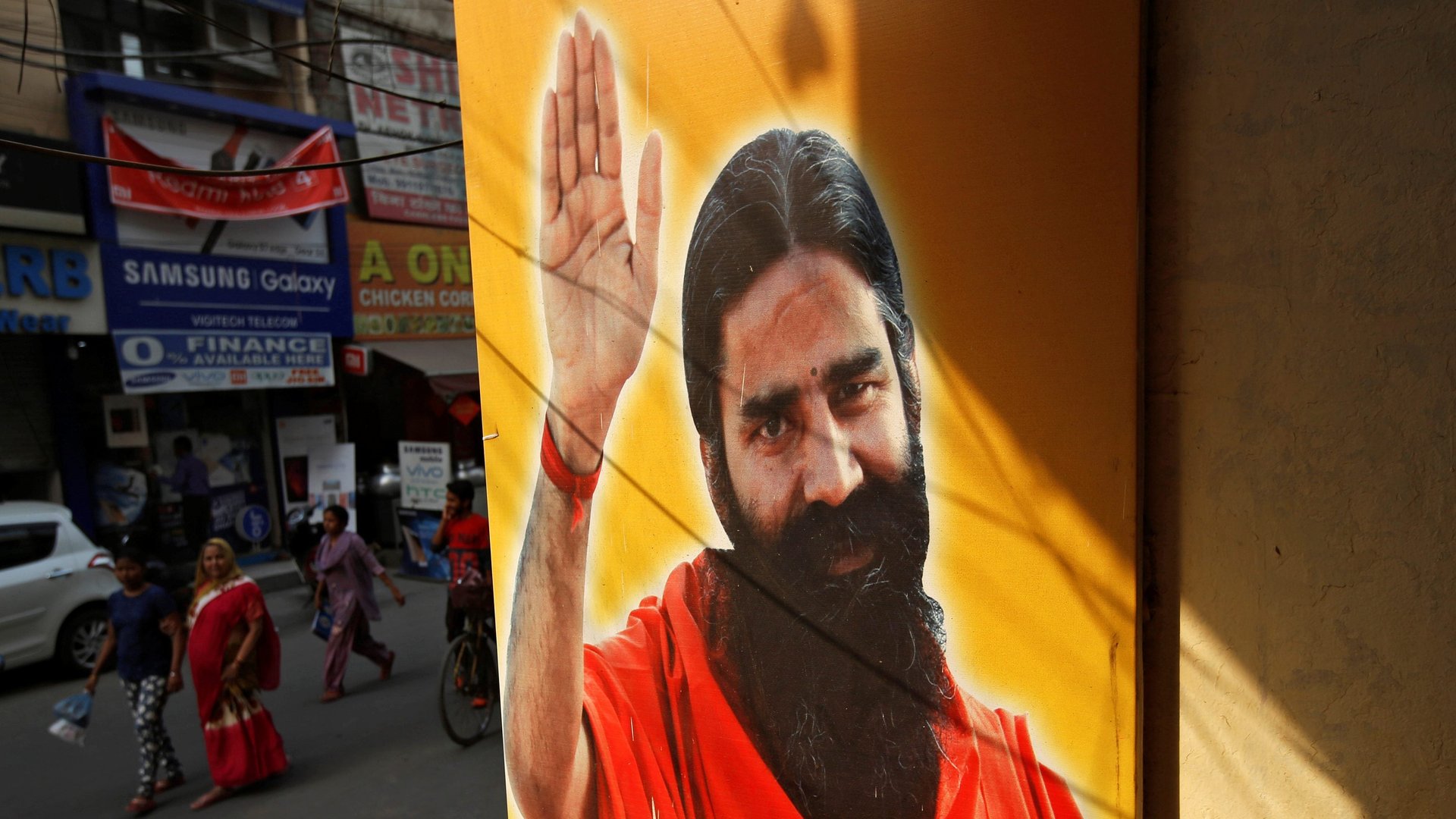
Patanjali Ayurved is firing a new salvo—this time online.
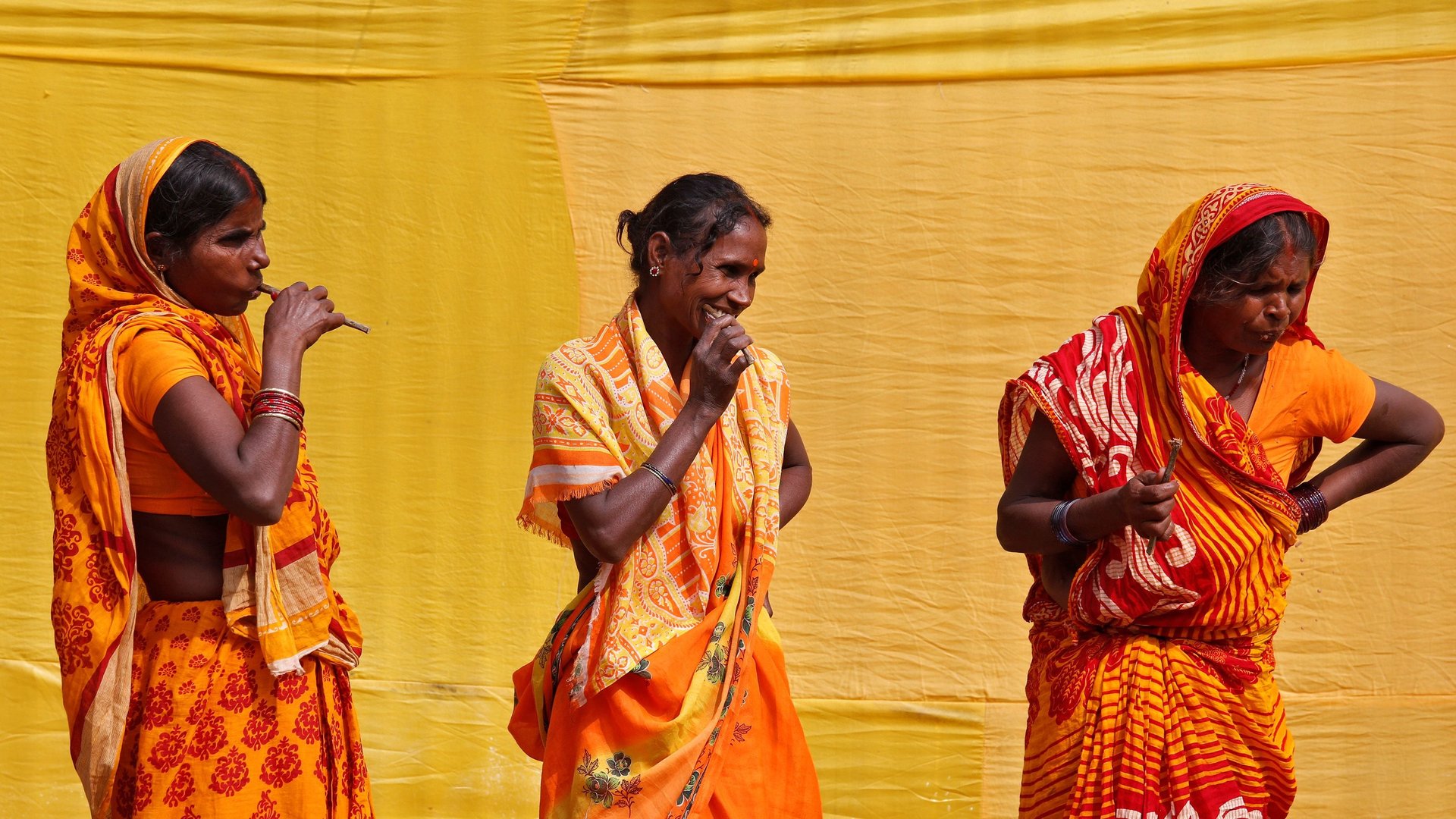
First, it was charcoal, then salt. Now it is cardamom, mint, and even turmeric. With yoga guru Ramdev-led Patanjali’s “herbal” game being received well, other Indian toothpaste makers, including multinationals like Colgate and Hindustan Unilever (HUL), are wooing consumers with more and more traditional flavours.
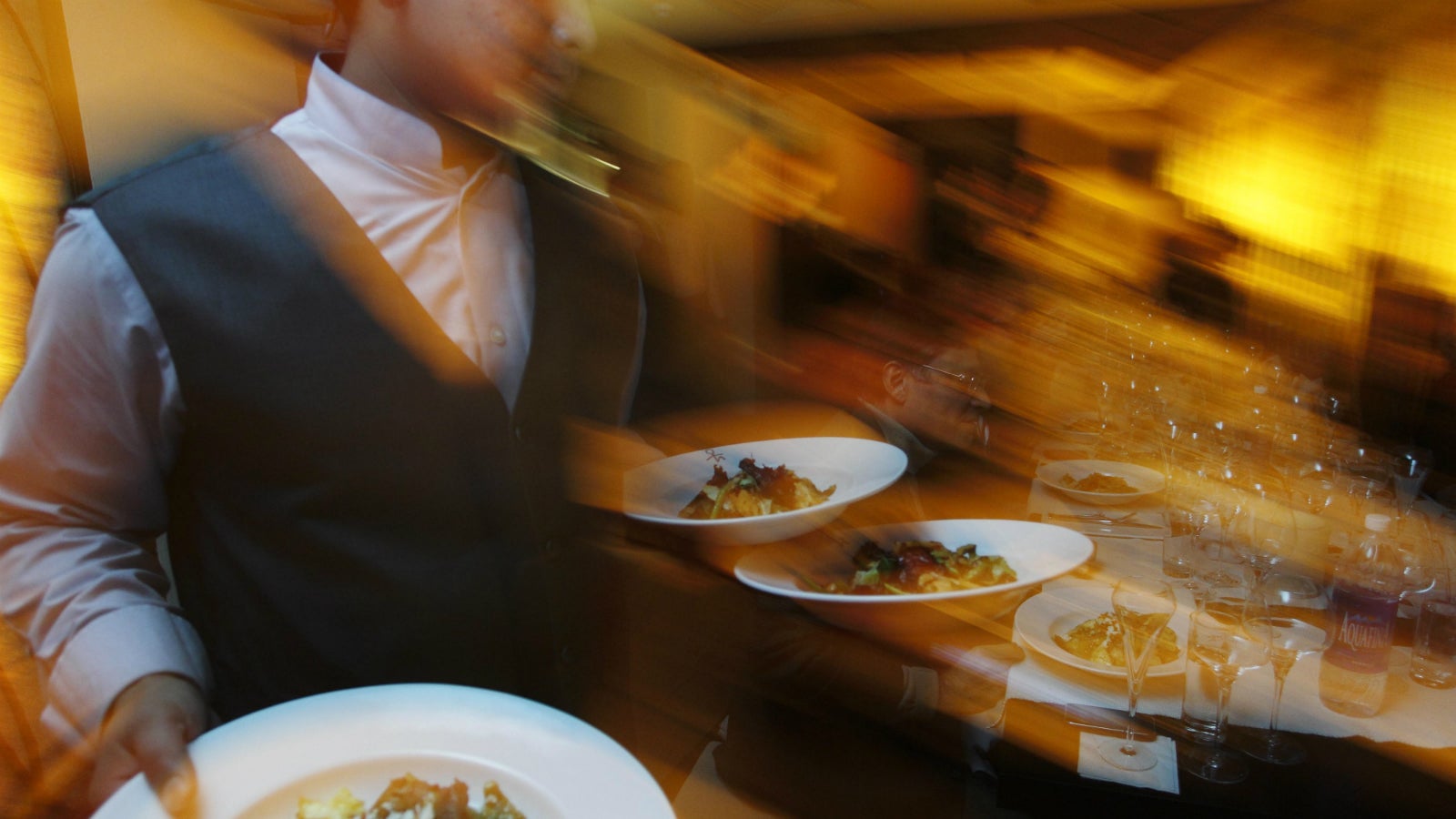
India’s restaurant industry seems pleased to be leaving behind a choppy year.
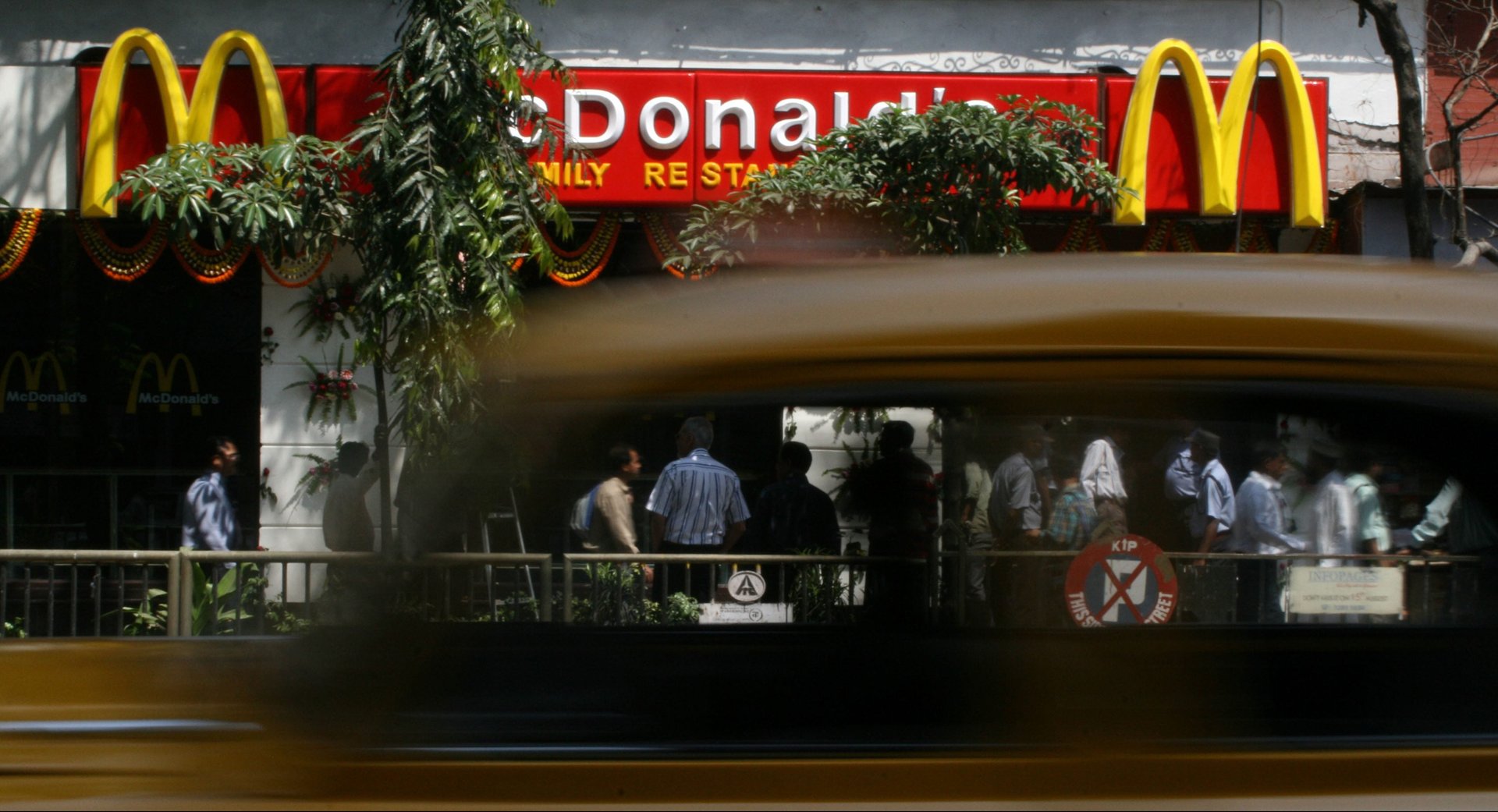
McDonald’s is unsure about what’s being served in over 100 of its restaurants in India.
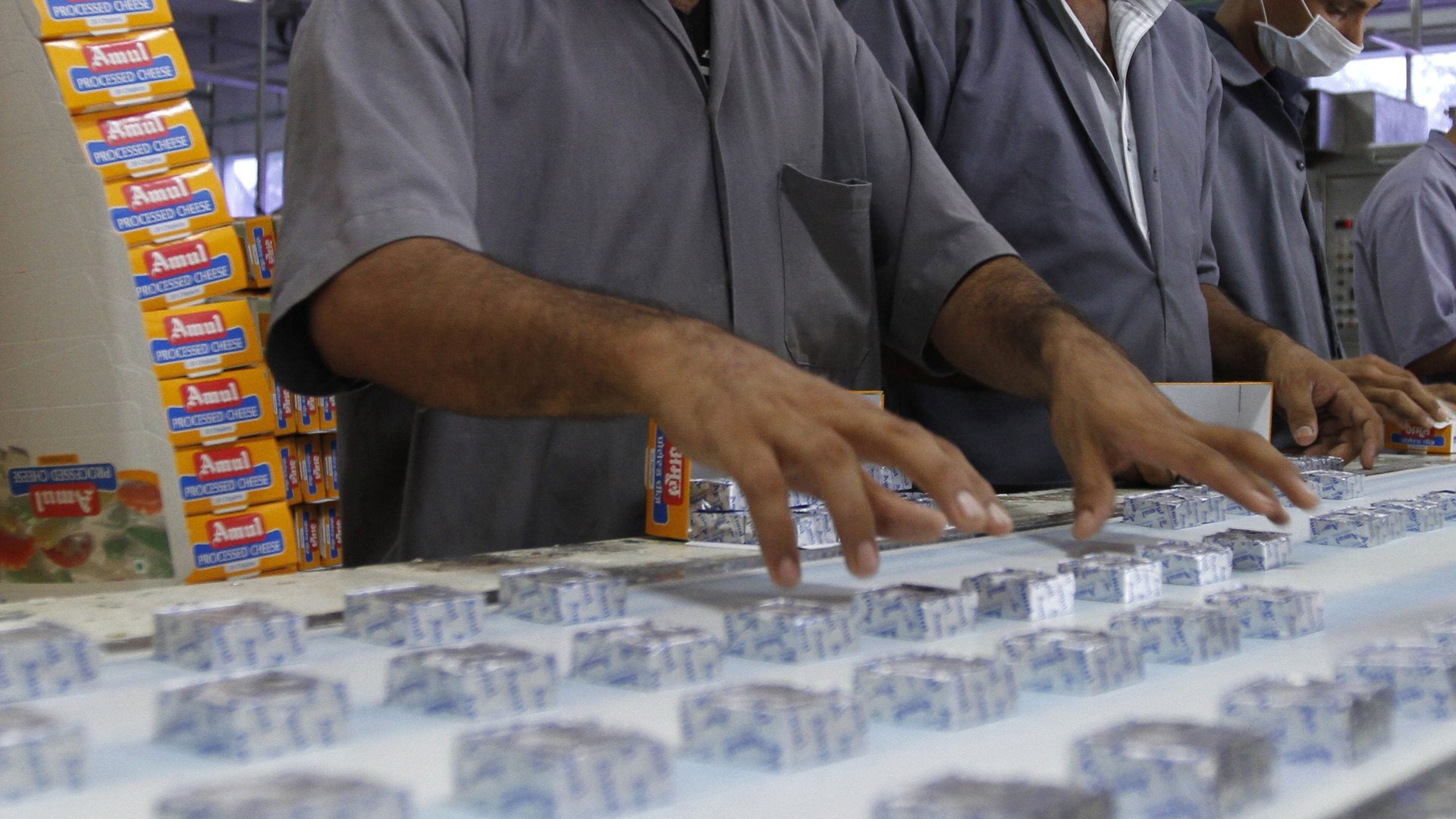
Amul, India’s largest dairy cooperative, is angry with trademark authorities for letting other firms get away with using its brand name.
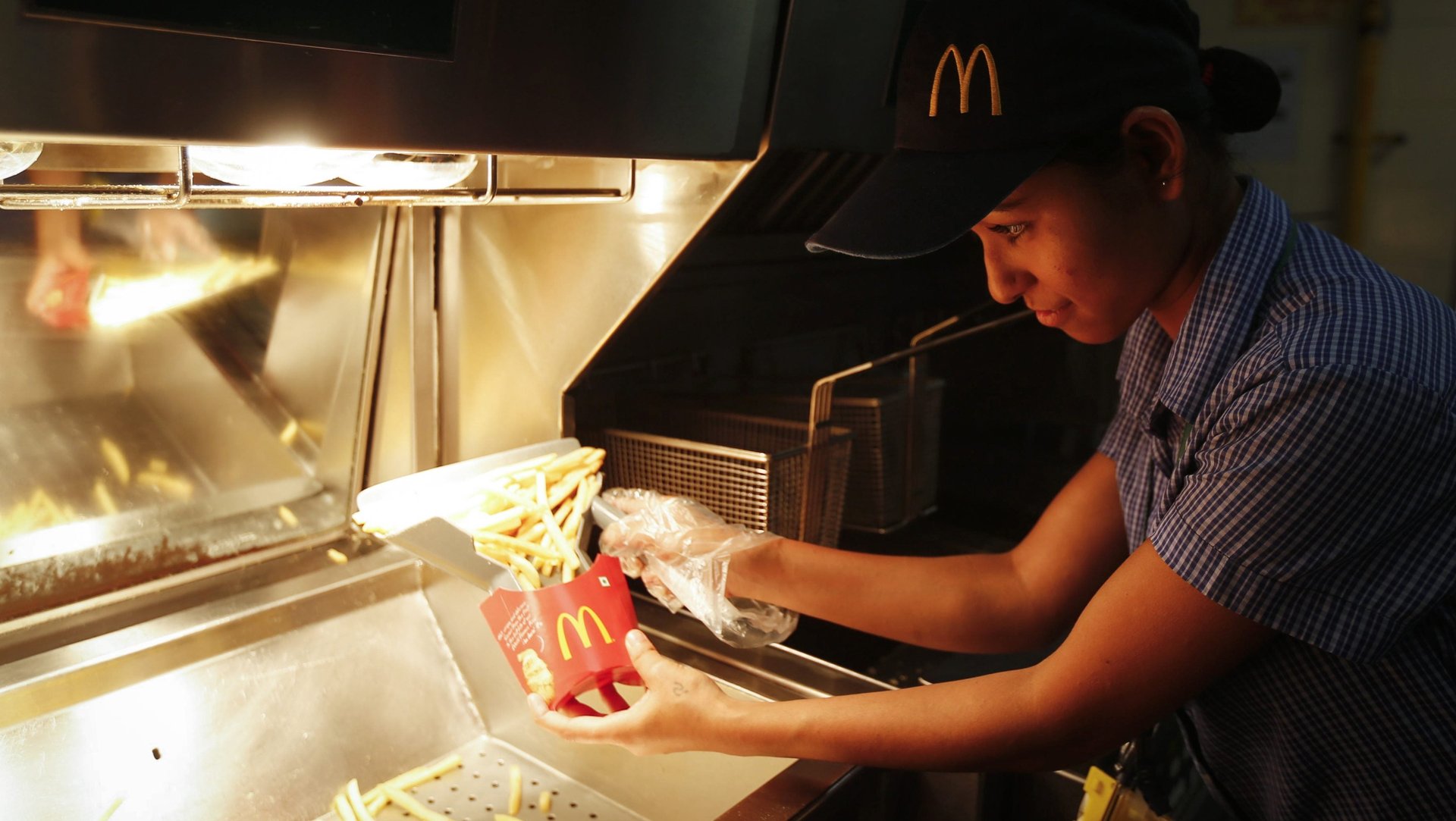
McDonald’s Indian business has taken a year-end beating due to a power struggle with one of its local partners.
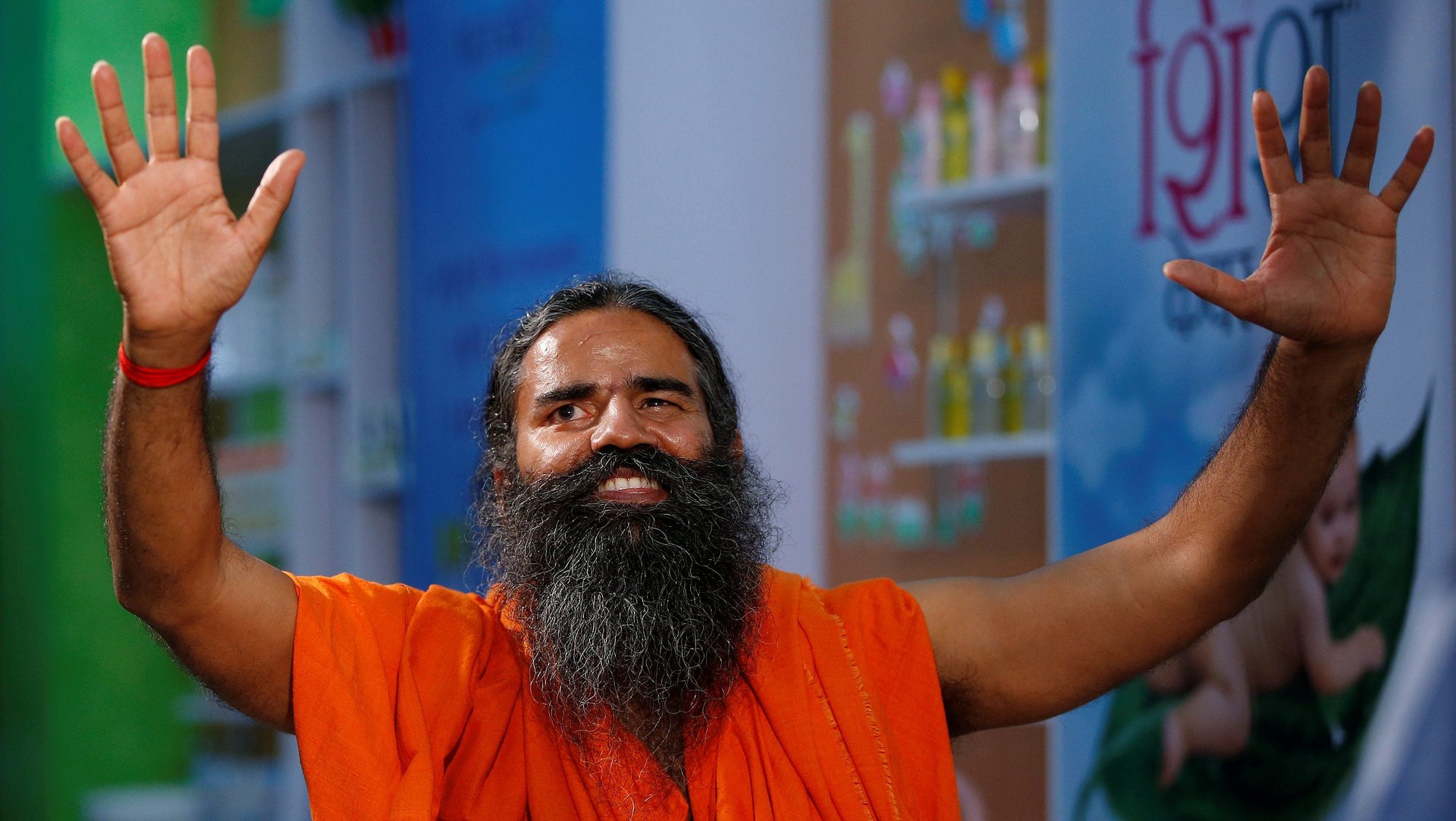
The yoga guru Ramdev-led consumer goods company has pretty much cracked the code for winning over Indian consumers, through its products, affordable price points, and marketing itself as an indigenous brand. This has helped it more than double its turnover to Rs10,561 crore for the year ending March 31, 2017, compared to a year ago.
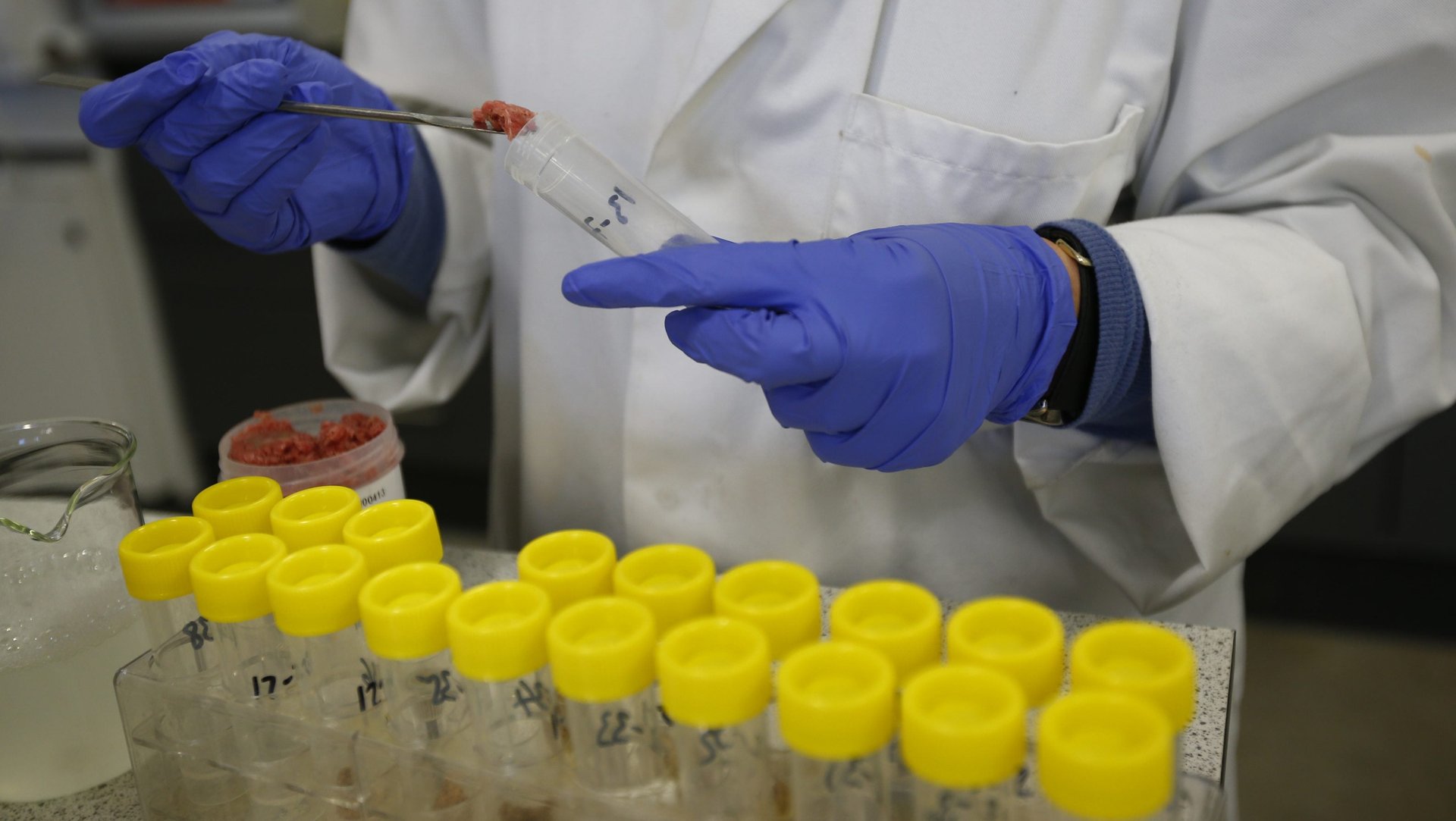
A day after the Food Safety Standards Authority of India (FSSAI) was slammed by the Comptroller and Auditor General (CAG) of India for the lack of robust food-quality standards and ill-equipped laboratories, among other things, the country’s top food regulator has acknowledged some of the auditor’s findings.
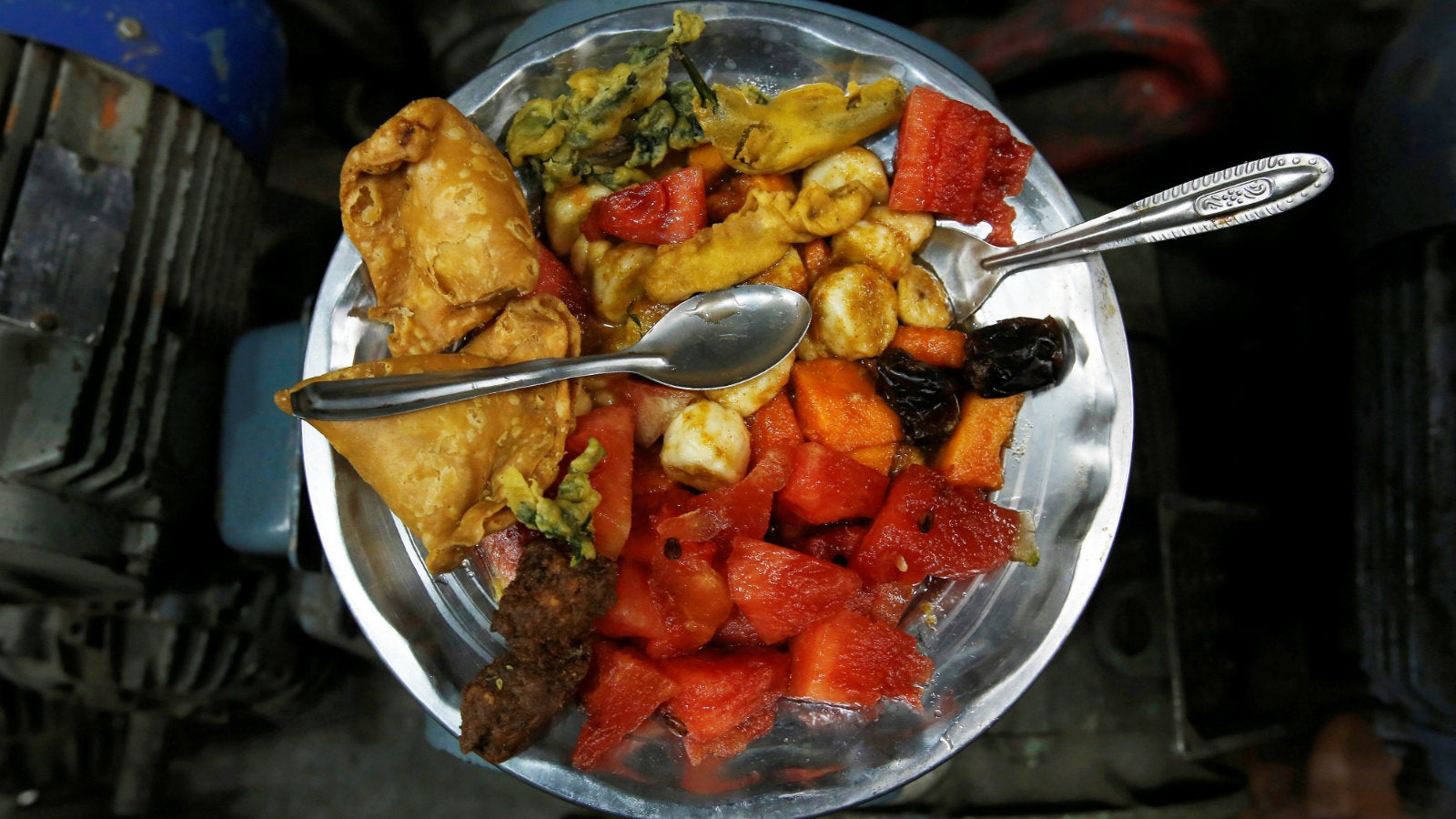
The country’s top food regulator is under the scanner.
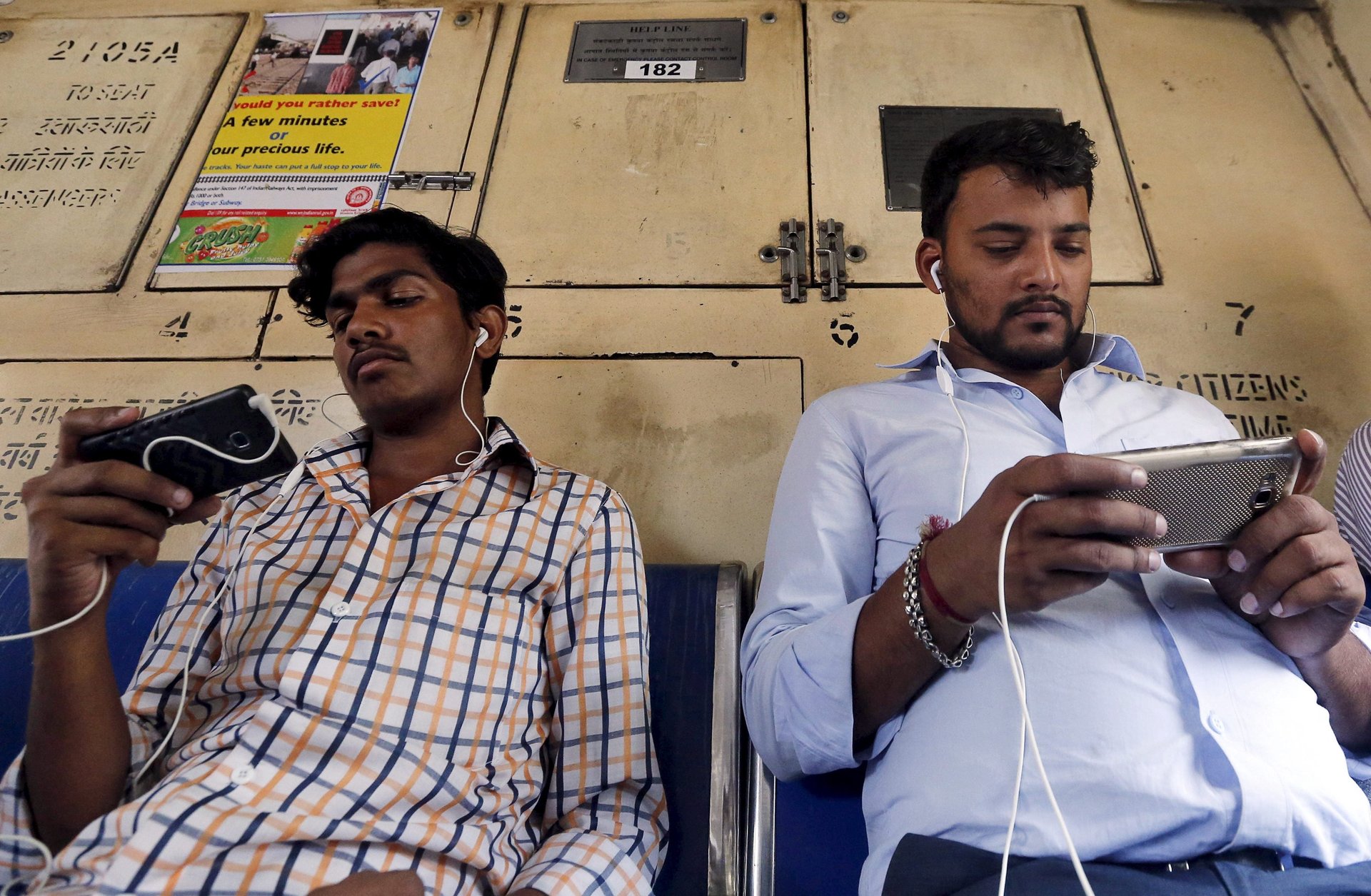
Indians on the move are binge-watching a tonne of Netflix.
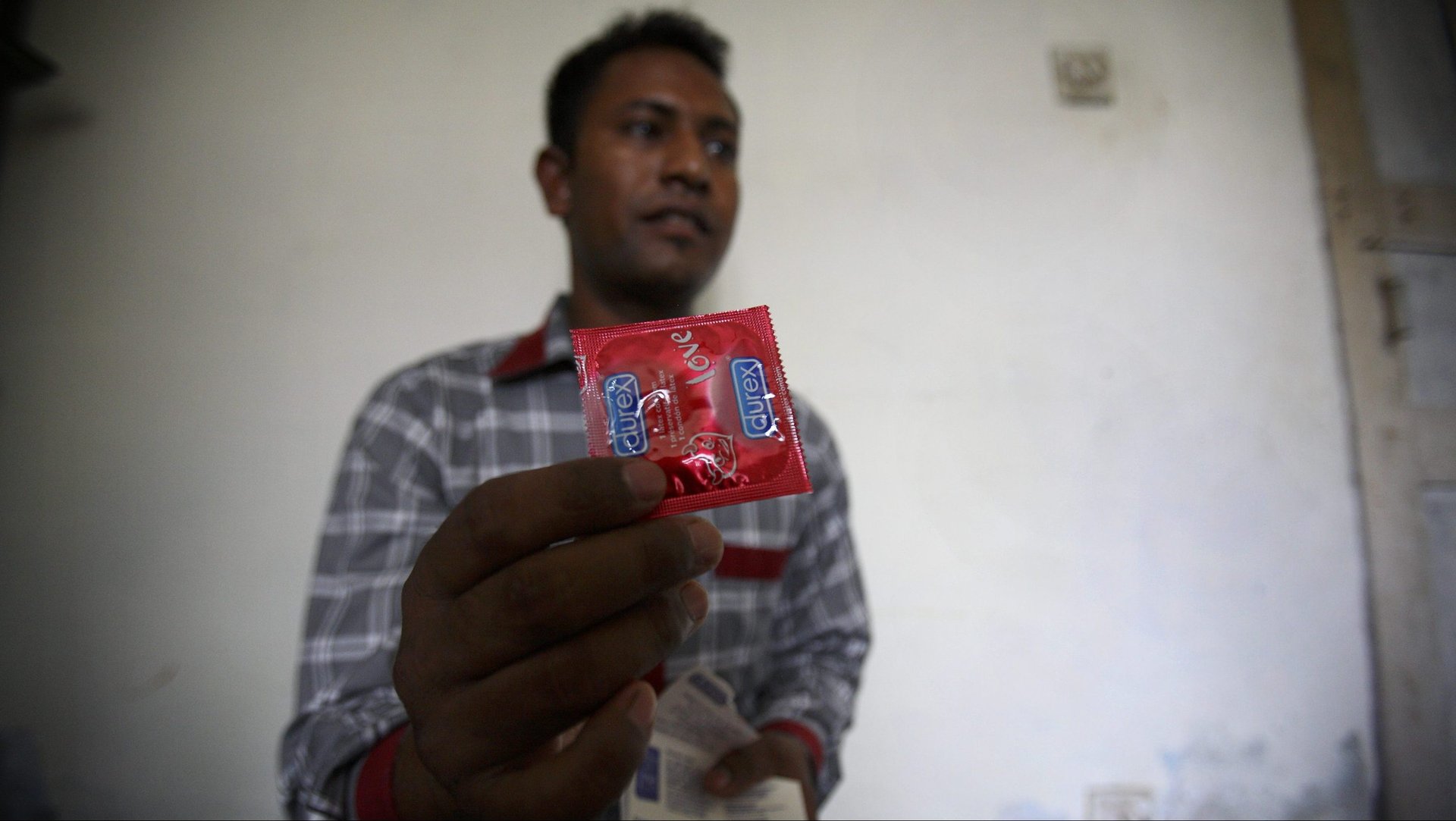
The country’s top condom makers aren’t exactly a happy lot at the moment.

The world’s second-most populous country—and third-biggest hub of AIDS patients on the planet—wants to restrict people’s exposure to condom commercials.
IKEA, the world’s largest furniture retailer, is set to open its first store in India in the spring of 2018.

After shaking up India’s consumer goods sector, stepping into private security, and even eyeing infrastructure, Patanjali now wants a slice of India’s solar market.
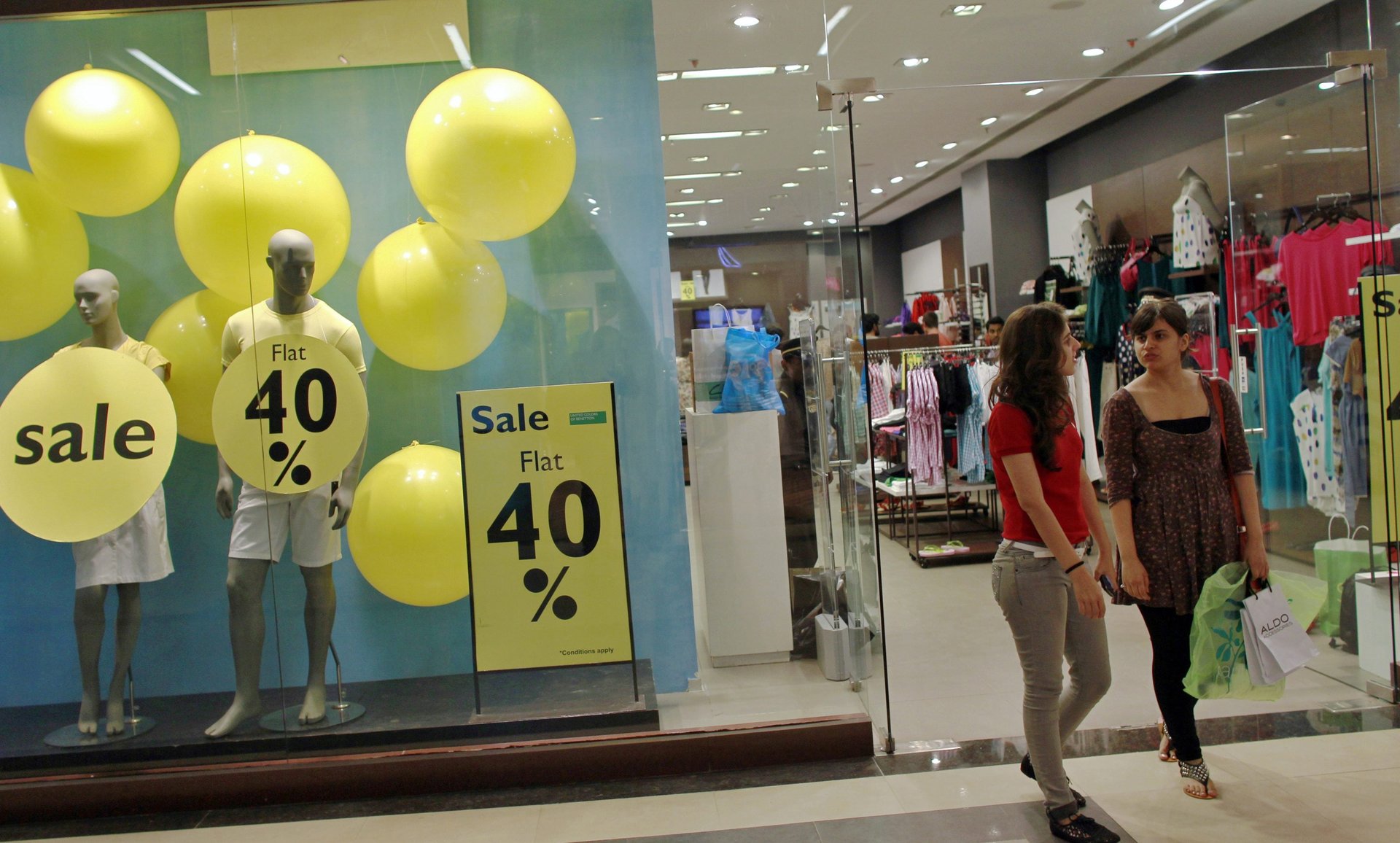
India’s retail revolution is gaining momentum in the country’s smaller cities.