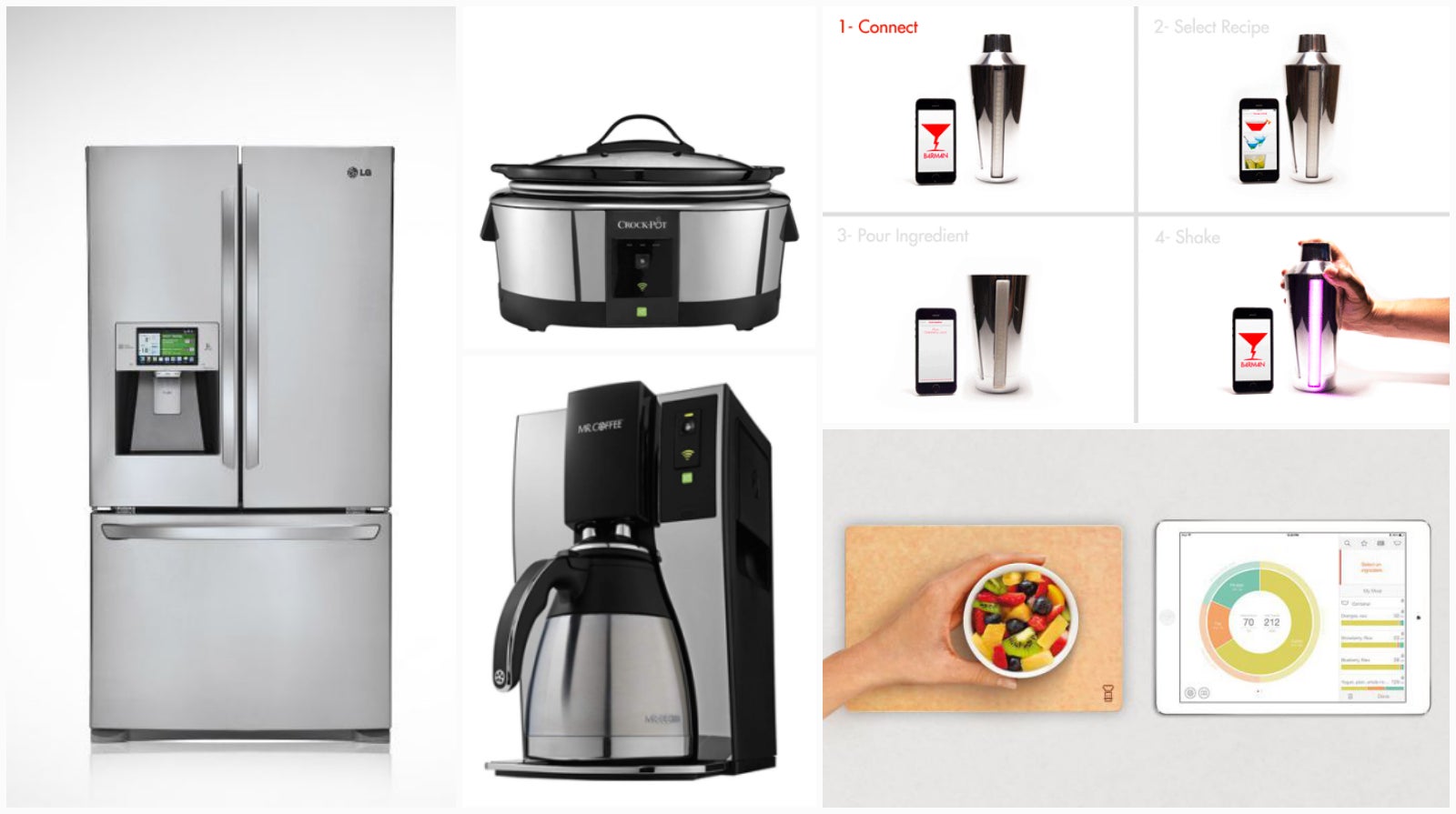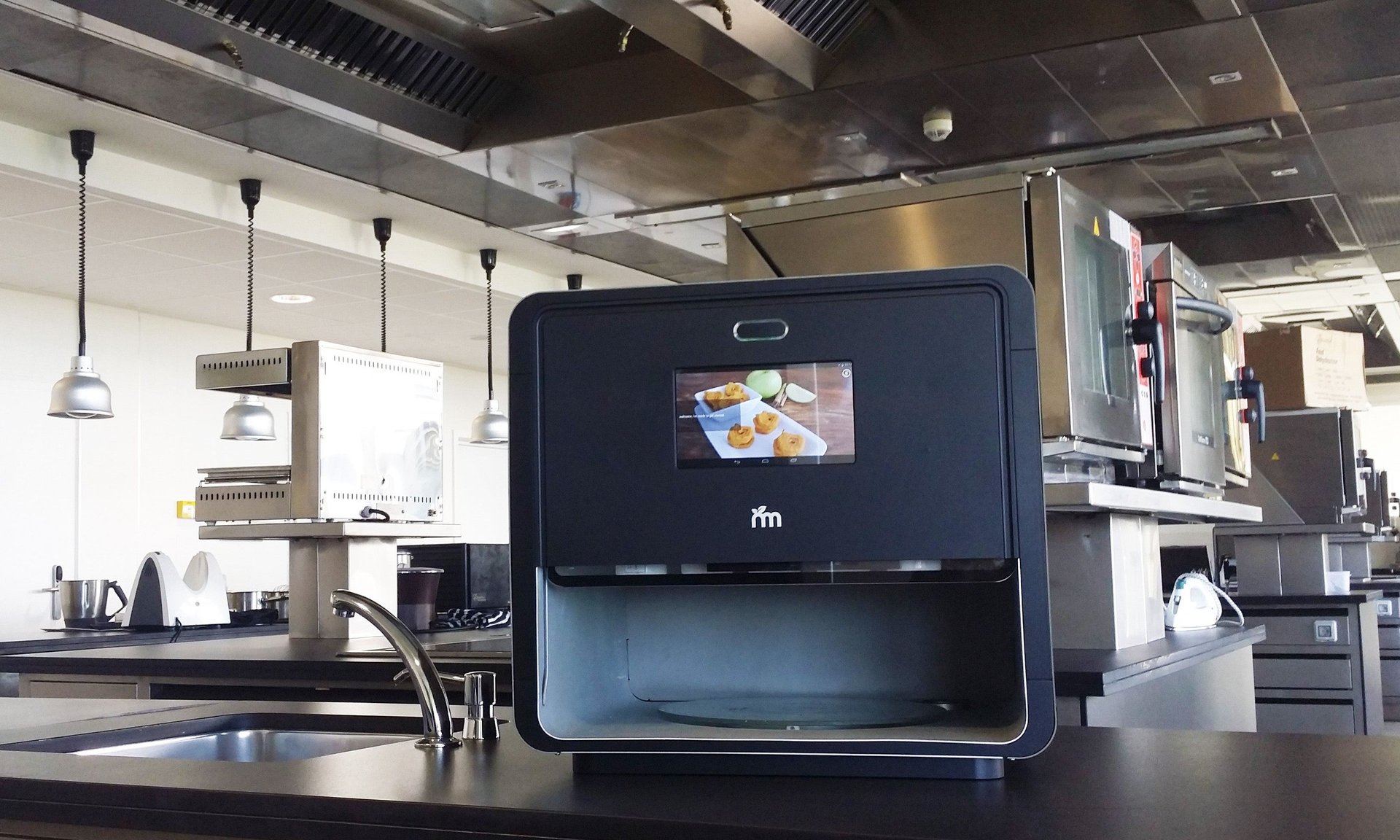
The day when every kitchen has a 3D printer may be distant, but in 2015 at least a few cooks will be using such machines—thanks to a Barcelona-based startup that plans to sell the “Foodini” for approximately $1,300 starting late next year.

The day when every kitchen has a 3D printer may be distant, but in 2015 at least a few cooks will be using such machines—thanks to a Barcelona-based startup that plans to sell the “Foodini” for approximately $1,300 starting late next year.

Six months after announcing a massive cost-cutting effort, which includes shutting down two factories in the US and laying off at least 700 other employees, executives at General Mills are surely looking forward to the end of 2014. The company just endured another disappointing quarter, reporting this week that sales were down 3% from last year and quarterly net profit had dropped by 37%.

In the past two months, both the number one and number two soda makers in the US have launched new, mid-calorie drinks. Pepsi debuted Pepsi True, packaged in cute, 7.5-oz (220 ml) cans and sold exclusively on Amazon, starting in October. Coca-Cola began selling Coke Life, packaged in expensive-looking 8-oz glass bottles, in select retail stores around the same time, and nationwide distribution began in early November.

Say what you will about Gwyneth Paltrow, the Oscar-winning actress-turned-cookbook author: Cringe-worthy as the language in her Goop emails may be, she’s an accomplished woman and has established herself as enough of a ”lifestyle guru” to warrant (snarky) Martha Stewart comparisons.

Silk, a company based in Boulder, Colorado, started out in the late 1970s selling all sorts of soy products—the most successful of which would turn out to be a substitute for cow’s milk. Silk soy milk came in three flavors and was sold in the refrigerated section of the supermarket right next to regular milk. Silk was, for a while, America’s number one brand for dairy-free products, and all those products were made from soy.

Not much is known about the vaquita, a sleek mammal unique to the Sea of Cortez, other than that it is the smallest and most endangered porpoise in the world. Scientists believe there are only 97 vaquitas left, and if the population keeps declining at its historical rate of 18.5% a year, the species will be extinct by 2018.

Scientists in the UK have developed a kind of super-fiber that may one day be added to breads, juices, and a variety of packaged foods to make people feel fuller from fewer calories. In two studies, the results of which were just published, volunteer subjects who incorporated this ingredient into their diets gained less weight than subjects in a control group.

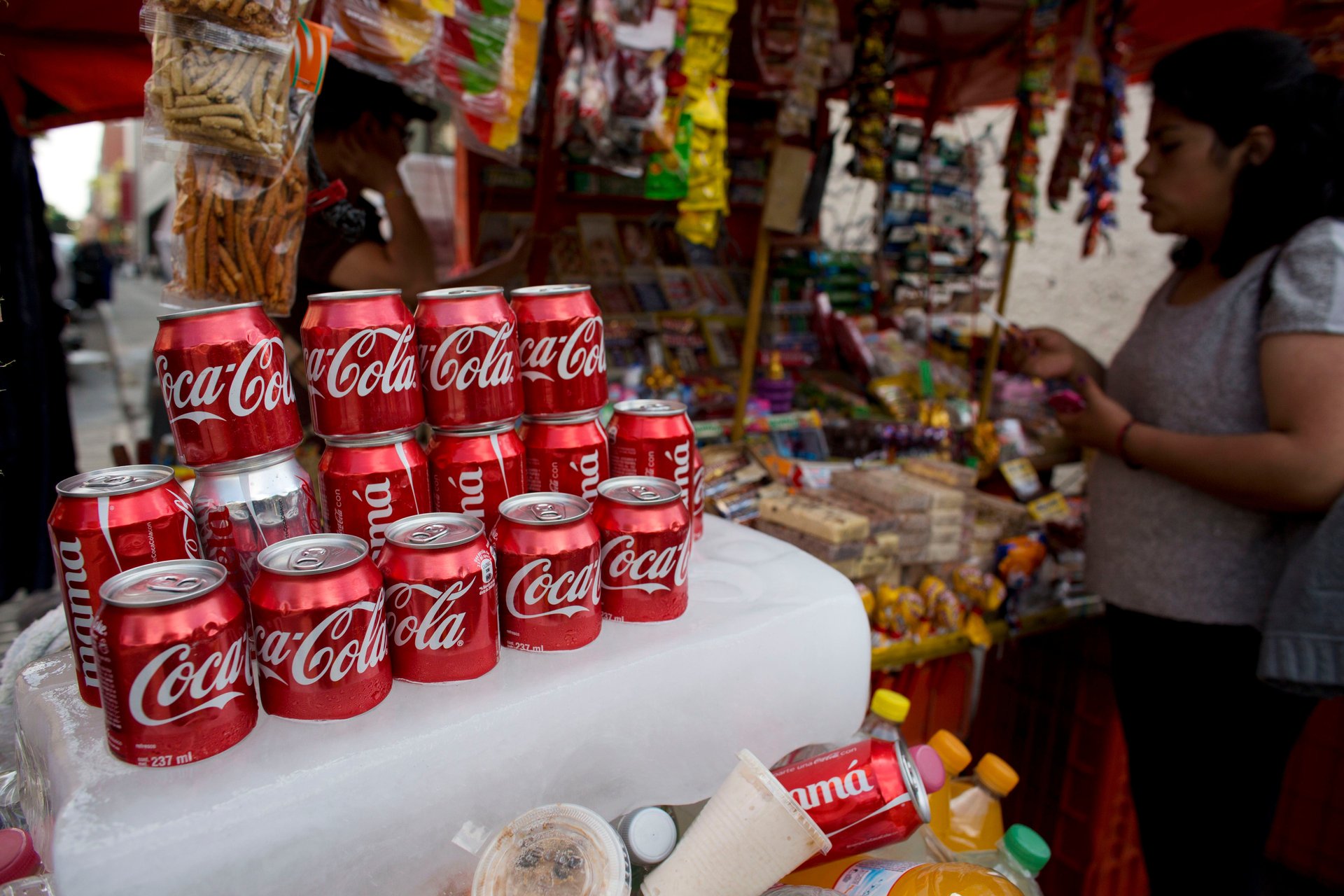
In Mexico, where more than two-thirds of adults are either overweight or obese, the government instituted a one-peso-per-liter tax on sugary drinks in January to help its citizens slim down. And public health officials say it’s working: Surveys show that Mexican consumers drank less soda this year because they associate it with obesity and type 2 diabetes.

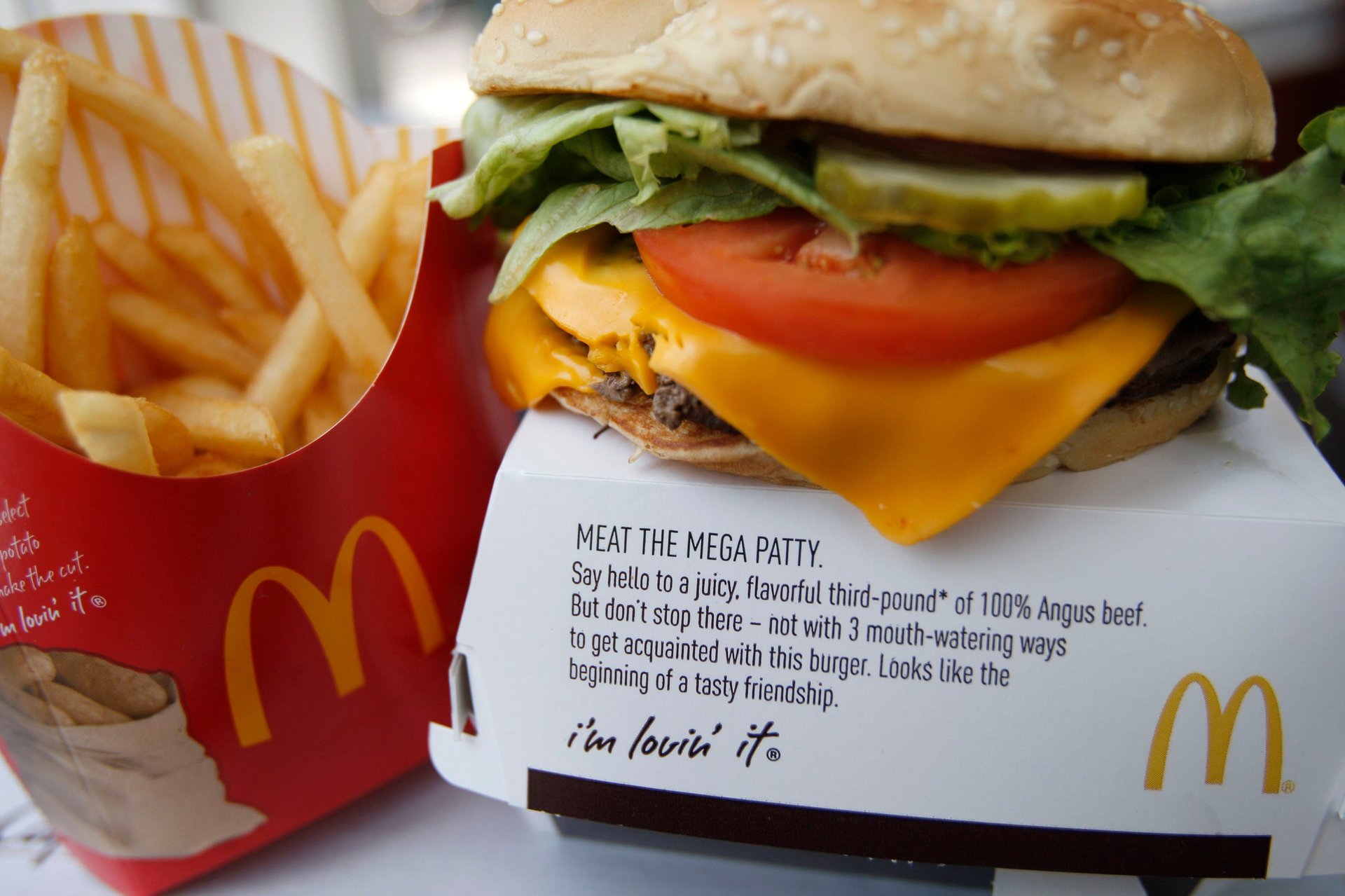
McDonald’s sales continued to slump in November, dropping 4.6% year-over-year in the US and 2.2% globally. The decline isn’t much of a surprise (McDonald’s has long been on the wrong side of what’s trendy among millennials), although it is steeper than analysts were predicting.

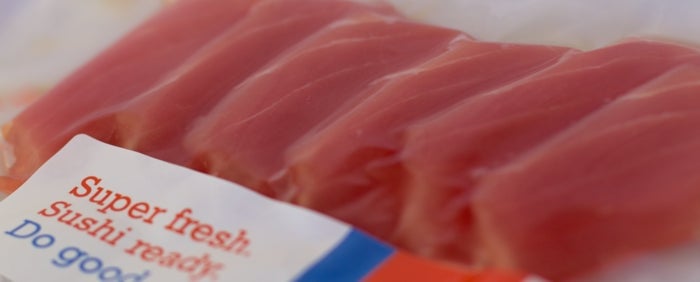
Sushi-makers around the world are increasingly dependent on farmed fish, because the ocean’s wild stocks are so depleted. Conscientious consumers are increasingly aware of this, but aside from compulsively checking Seafood Watch lists to stay up to date on what menu items are ocean-friendly or not, some worry there’s little to do other than stop eating fish altogether.

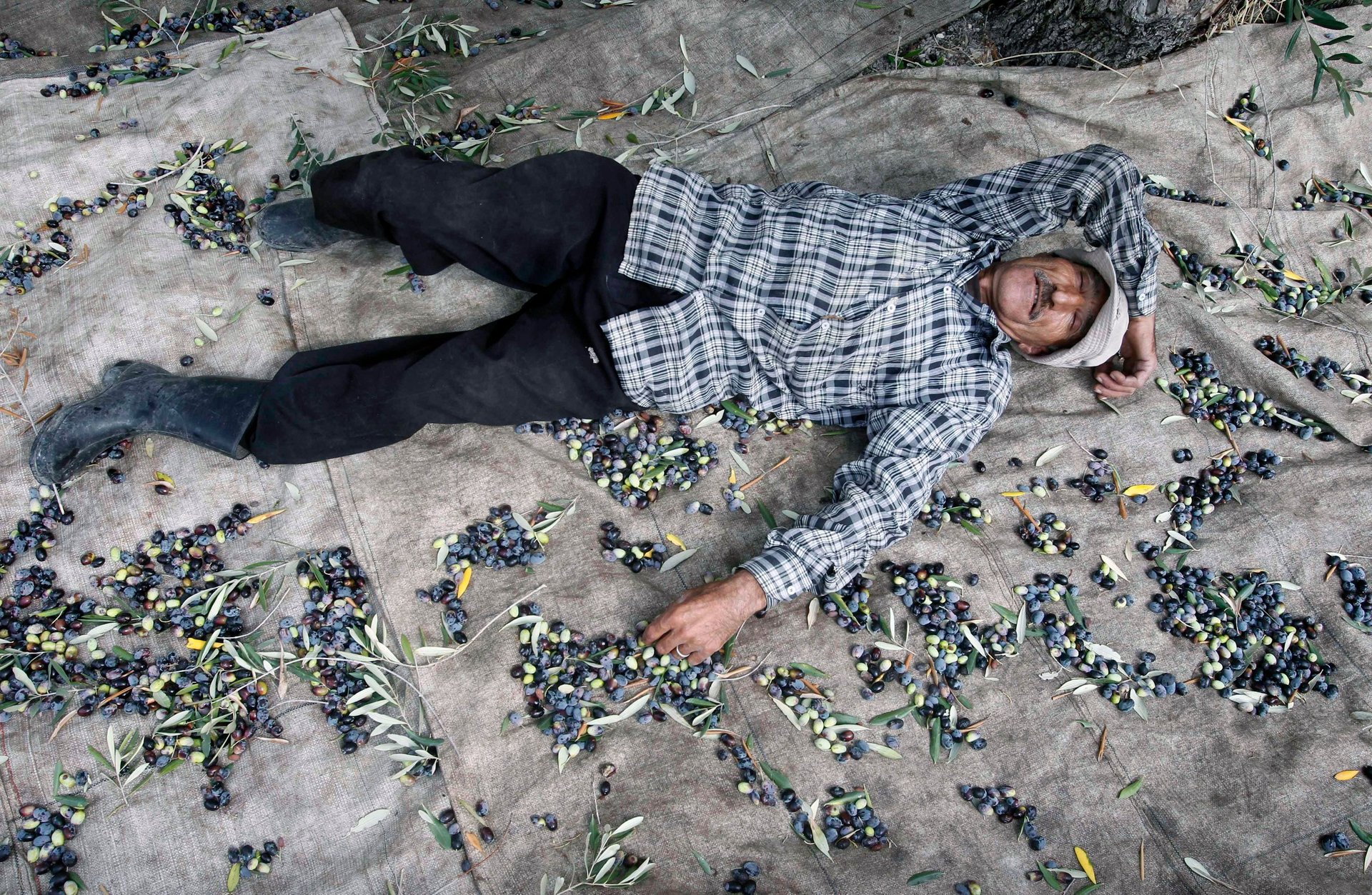
Bad news for fans of the Mediterranean diet: olive oil is quite scarce this season, and it soon will be pricier for consumers.

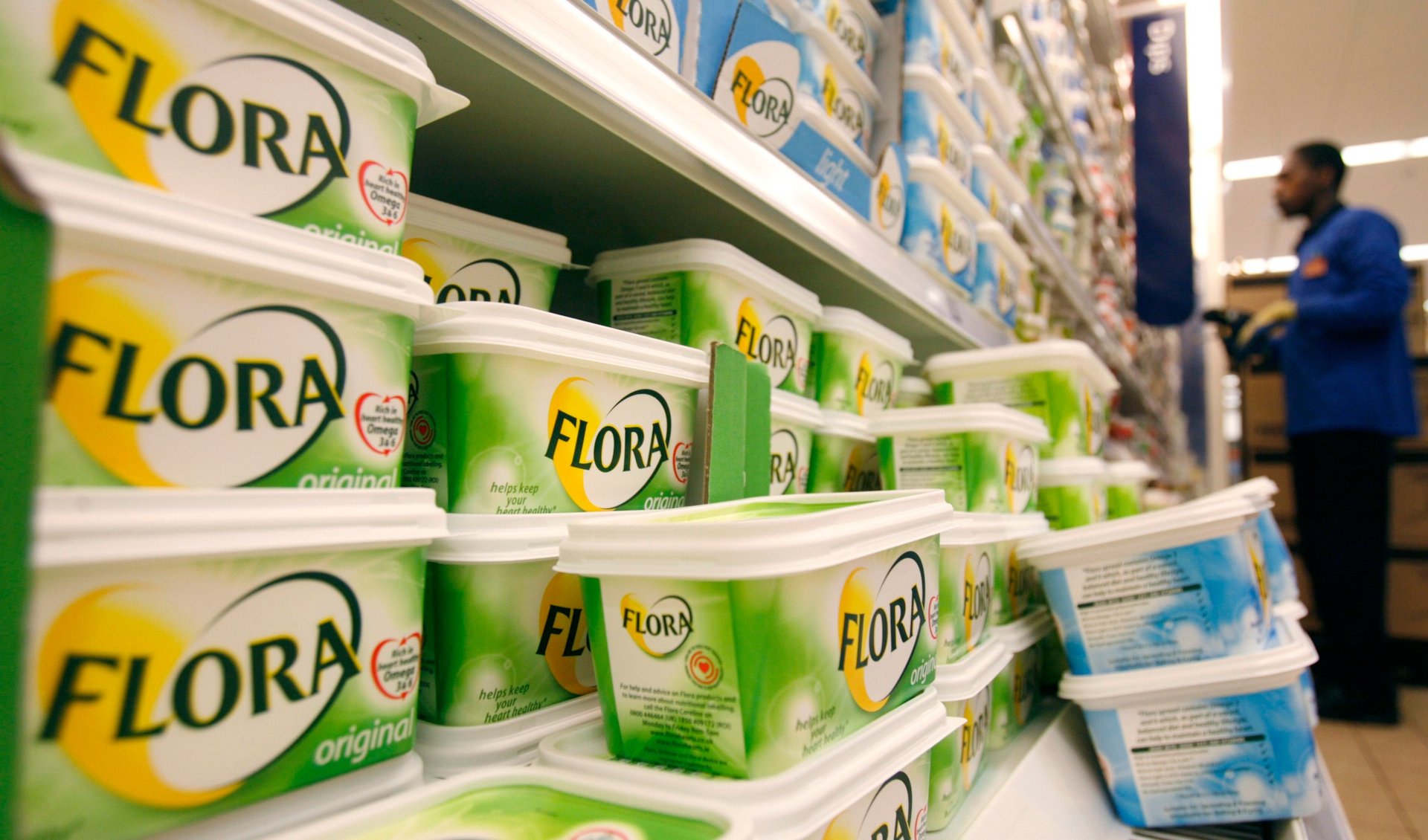
For a food with such a bad rap, margarine still does a pretty brisk business. Global sales of the stuff are up 60% since 2000, according to data from Euromonitor.

This post has been updated.

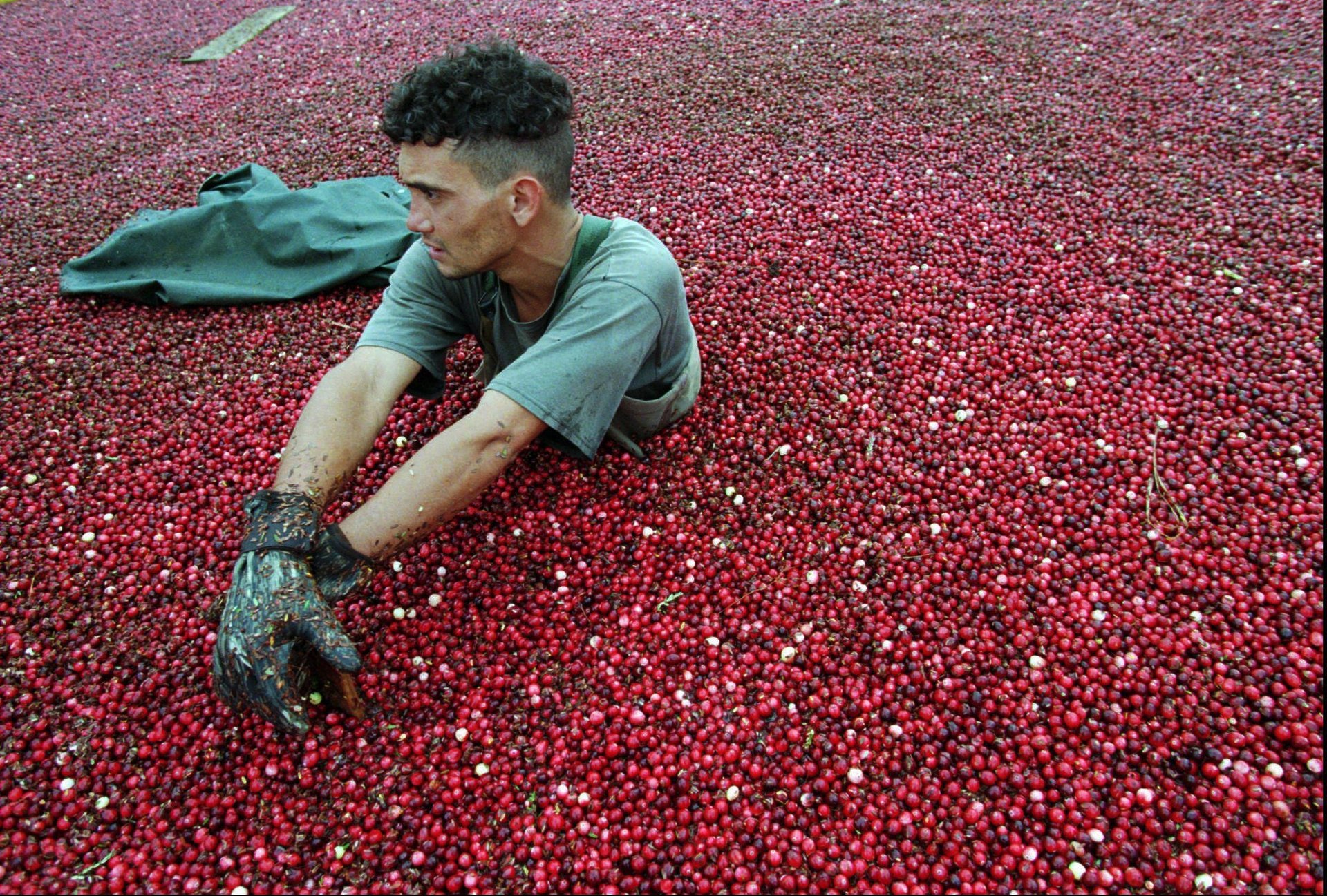
Americans buy about five million pounds of canned cranberry sauce each year, much of it during the week of Thanksgiving. For many in the US, a turkey dinner without some touch of the tart red fruit—whether in jelly, sauce, salad, or dessert—is unthinkable.

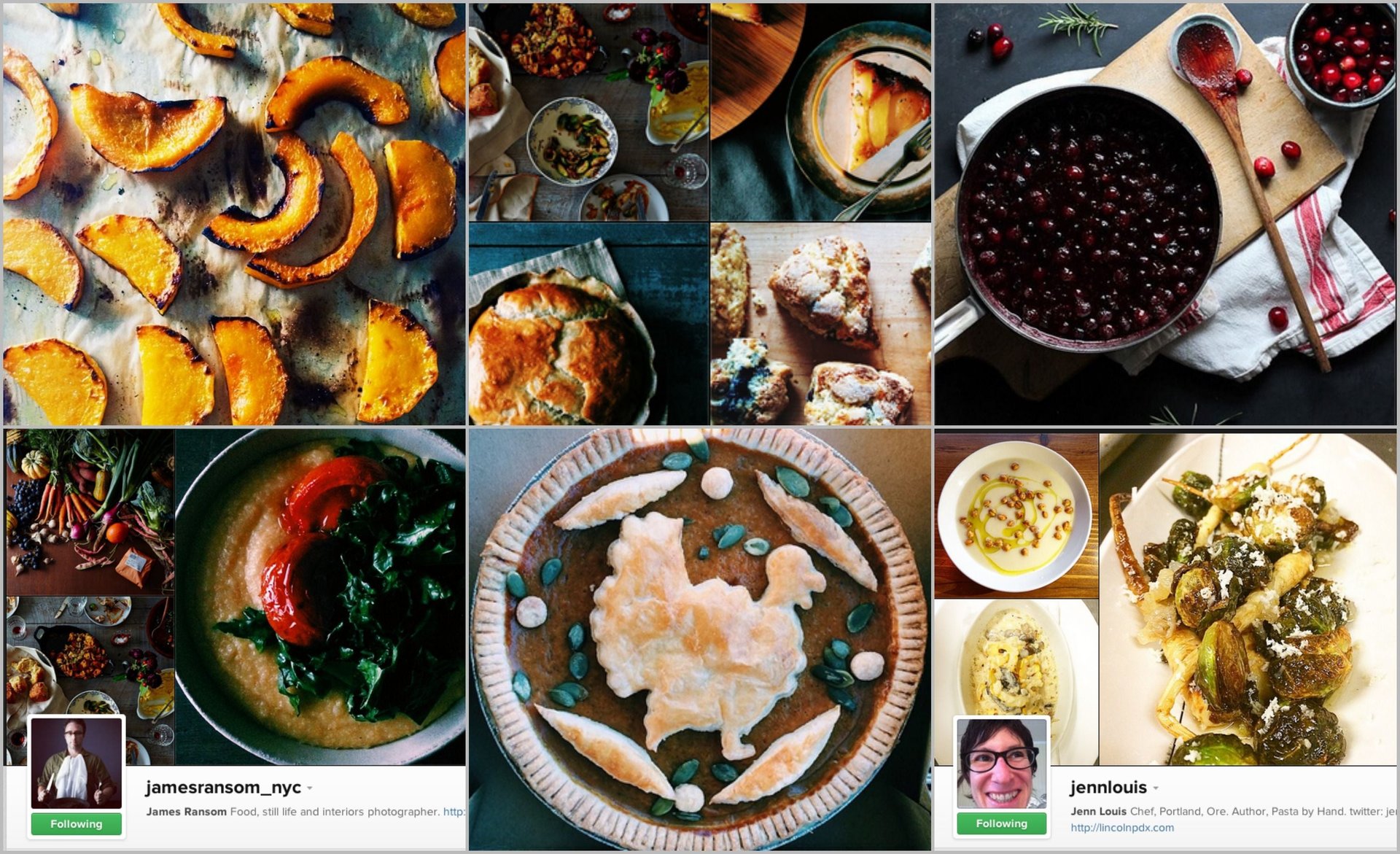
The fourth Thursday of November, when the US celebrates Thanksgiving, is Instagram’s busiest day of the year. More than 10 million photos mentioning Thanksgiving were uploaded to the social network that day in 2012, and Thanksgiving 2013 was the most active day on Instagram to date.

Thanksgiving, the most food-focused of American holidays, provides a hearty occasion for this reminder: The dominant fruits, vegetables, and animals in modern farming are products of highly unnatural selection. Consider corn, which evolved from a fairly small, hard-to-eat plant called teosinte into maize, which European settlers and subsequent generations of farmers tweaked and perfected into the starchier, less-colorful “sweet corn” sold in supermarkets today. Consider the variety of apple known as the Red Delicious.

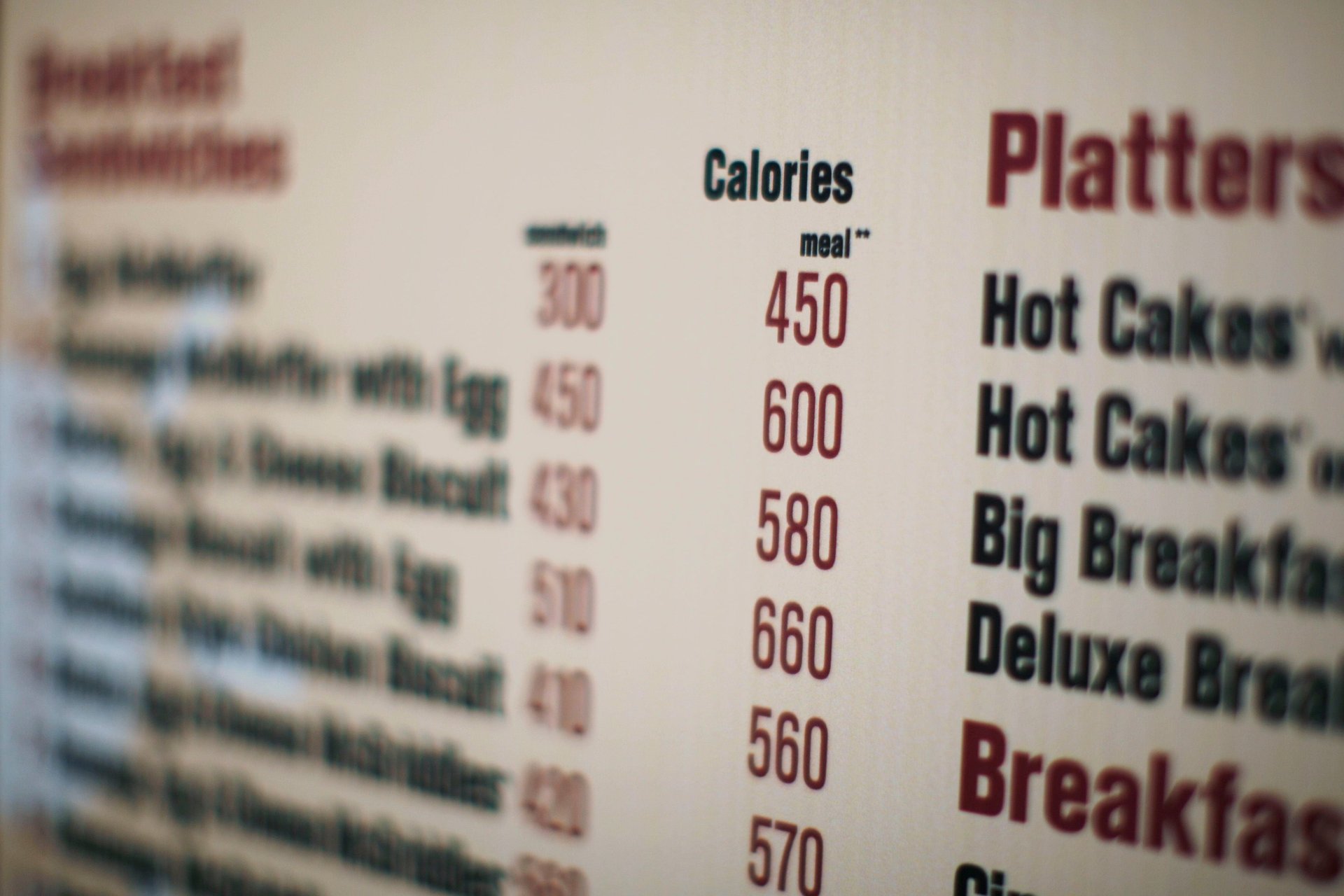
Starting in 2015, nearly all chain restaurants and places serving ready-to-eat foods in the US will have to post calorie counts and other nutrition information next to each item on the menu. They’ll also have to make this disclosure: “2,000 calories a day is used for general nutrition advice, but calorie needs vary.”

This is part five of our holiday gift guide for your Quartziest friends and relatives. Collect all the installments here.

Bob Marley was buried in Jamaica 33 years ago with his guitar, a bible, and a marijuana joint. In the years since, his family has lent the Marley name and image to a bevy of goods and services—everything from coffee to music festivals, and even fried fish. The singer’s well-known affinity for marijuana, however, was a branding opportunity that had to be left unrealized; you can’t very well commercialize an illicit substance.

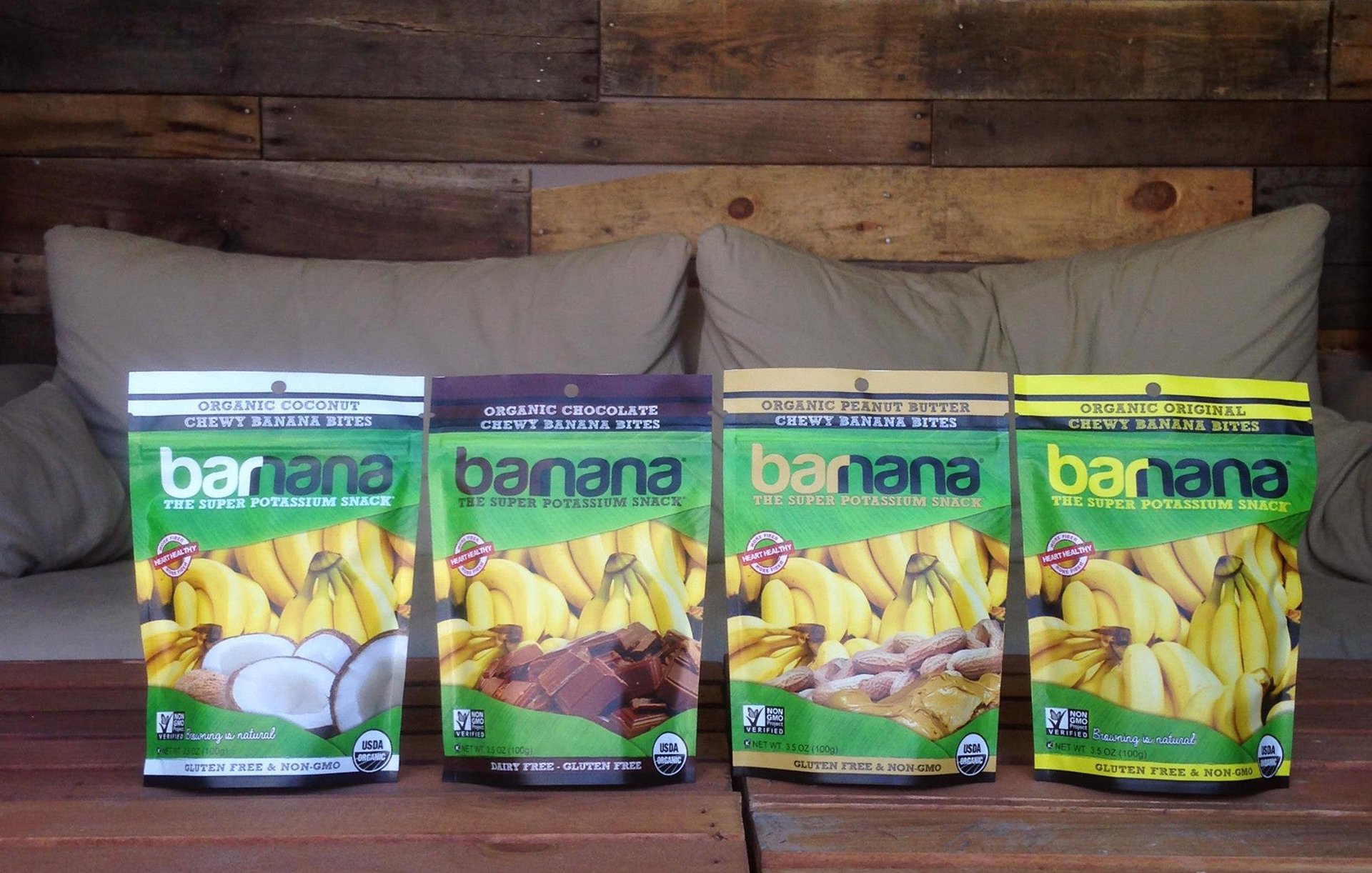
For the next trendy health food, look to Brazil: It’s where the coconut water craze came from, after all. And those acai berries that supposedly turn whatever dishes or drinks they touch into disease-fighting, anti-aging miracle remedies? They’re Brazilian, too. And so is Caue Suplicy, the CEO of a small snack food company that he hopes will turn into the next Vita Coco or Sambazon.

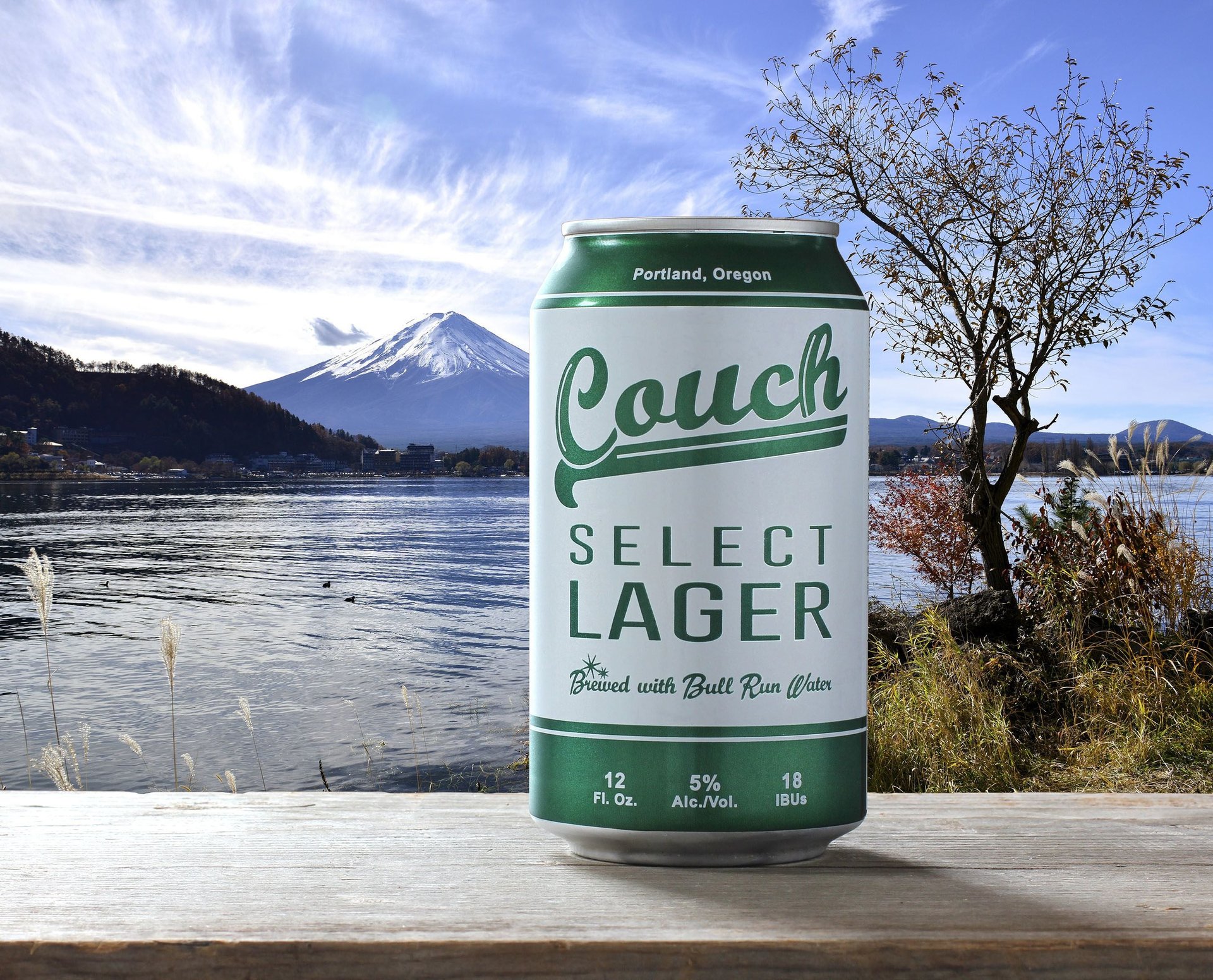
For decades, US beer drinkers have operated on the assumption that high-end, foreign brews come in bottles, while down-home, budget beers are packaged in flimsy, 12-oz. cans, the better for pounding and crushing.

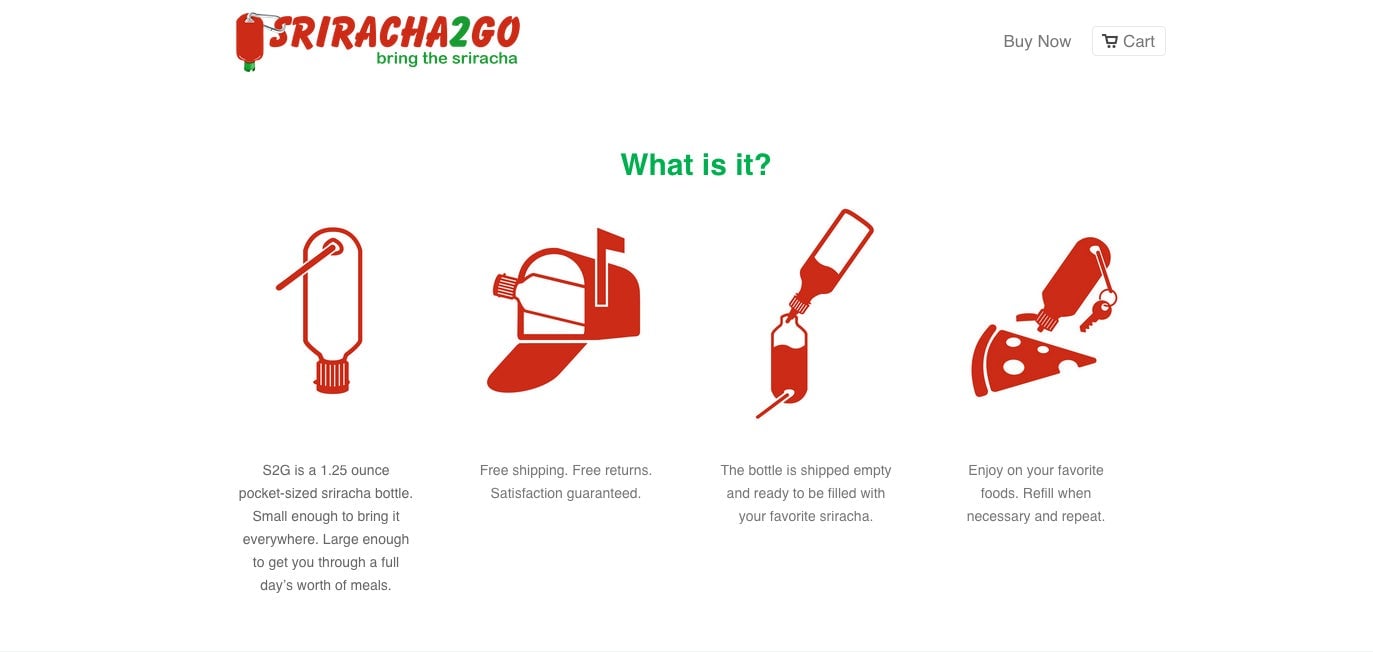
If the makers of sriracha were motivated to make as much money as possible, they might consider selling their famous hot sauce in keychain bottles, the better to serve their most ardent fans—the ones who say they put sriracha on everything they eat.

Pepsi recently conducted taste tests of a Doritos-flavored Mountain Dew. A “nacho-flavored chips”-flavored soda.

Like McDonald’s and Burger King, Wendy’s started out as a hamburger joint. Unlike the other two, Wendy’s has continued to prize burgers over all other menu items—which means that while McDonald’s and Burger King are focused on the war for breakfast, Wendy’s has a different kind of fight on its hands, a fight against rising beef prices.