

Money & Markets
How the US government rigs the deck for wealth inequalityThe latest data from the Federal Reserve confirms that US wealth inequality has been growing for decades—and it’s not accidental.
Updated July 21, 20222 min read
The latest data from the Federal Reserve confirms that US wealth inequality has been growing for decades—and it’s not accidental.
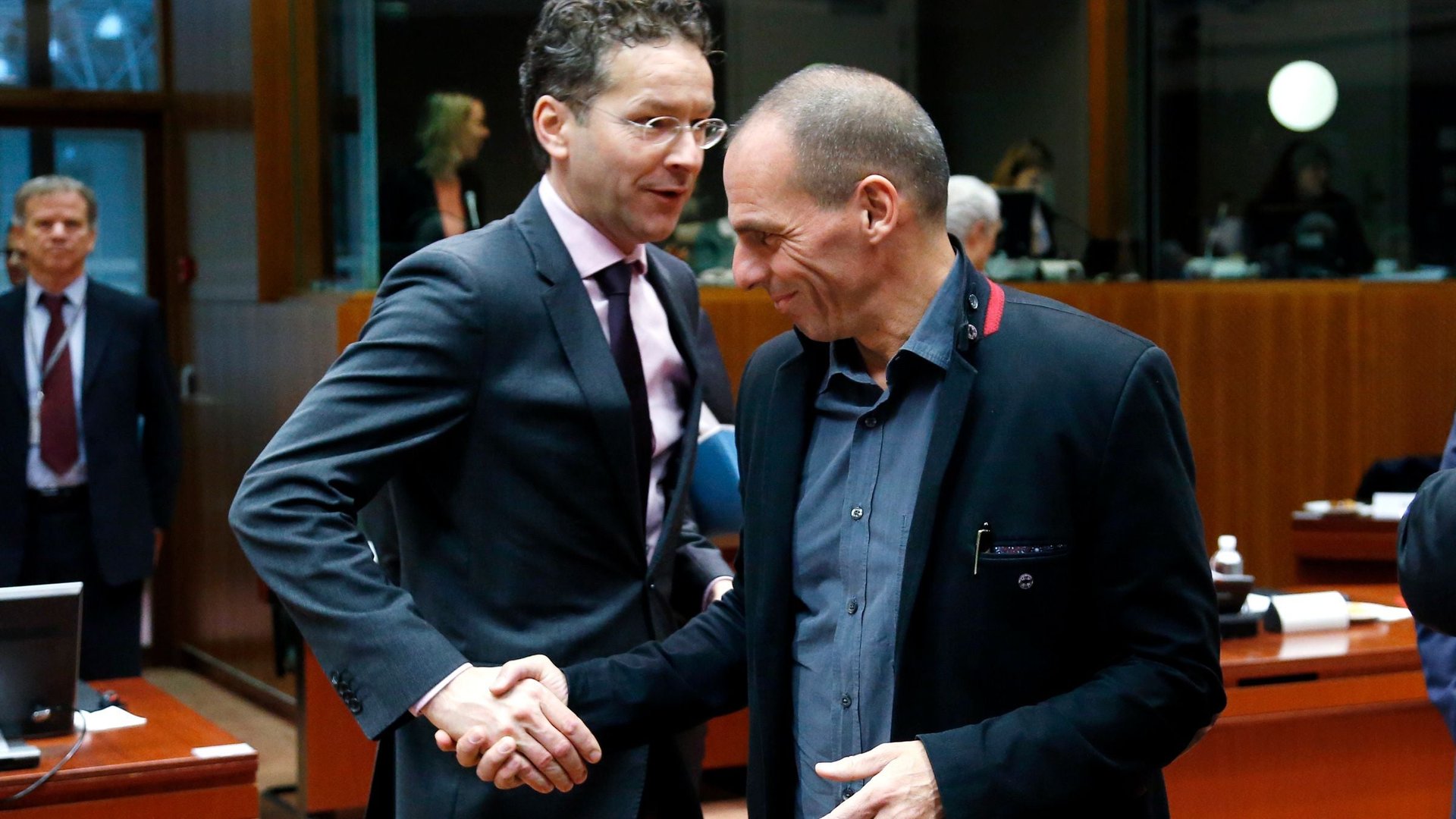
Just a few words prevented Greece and the rest of the euro zone from reaching an agreement that would keep the troubled Mediterranean nation solvent long enough for its new government to reach a new deal with creditors. The talks ran aground yesterday when the Greeks refused to sign a statement saying they ”intend to successfully conclude the program,” according to leaked drafts.

Argentina’s embattled president has been charged for a second time in connection with an alleged cover-up of Iran’s ties to a deadly 1994 bombing at a Jewish community center in Buenos Aires.

Bitcoin fans may not enjoy the government’s attention, but they should be flattered: It means the technology they are developing is powerful stuff.
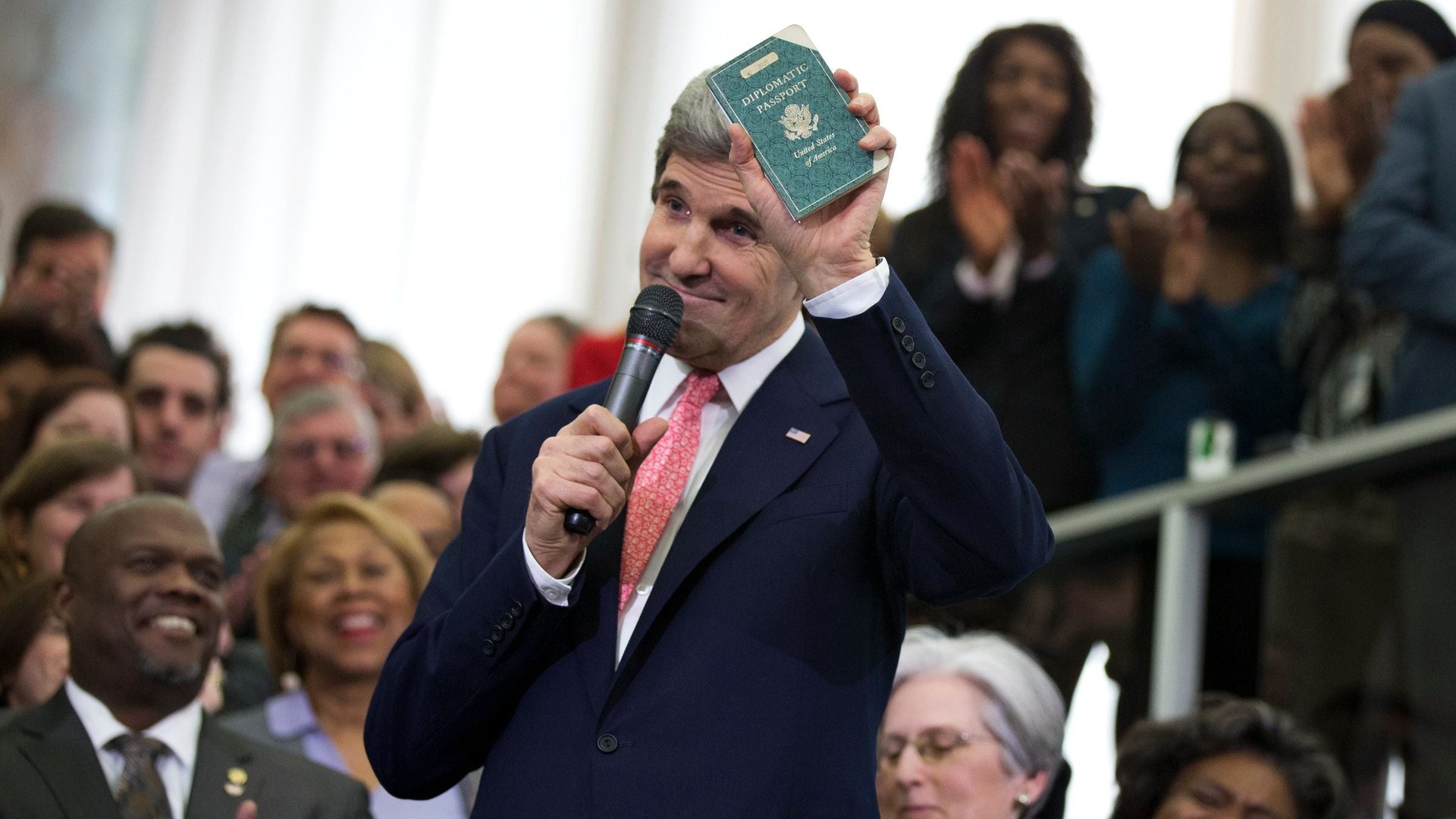
In the last several years, a “record” number of Americans abroad have been giving up their passports:
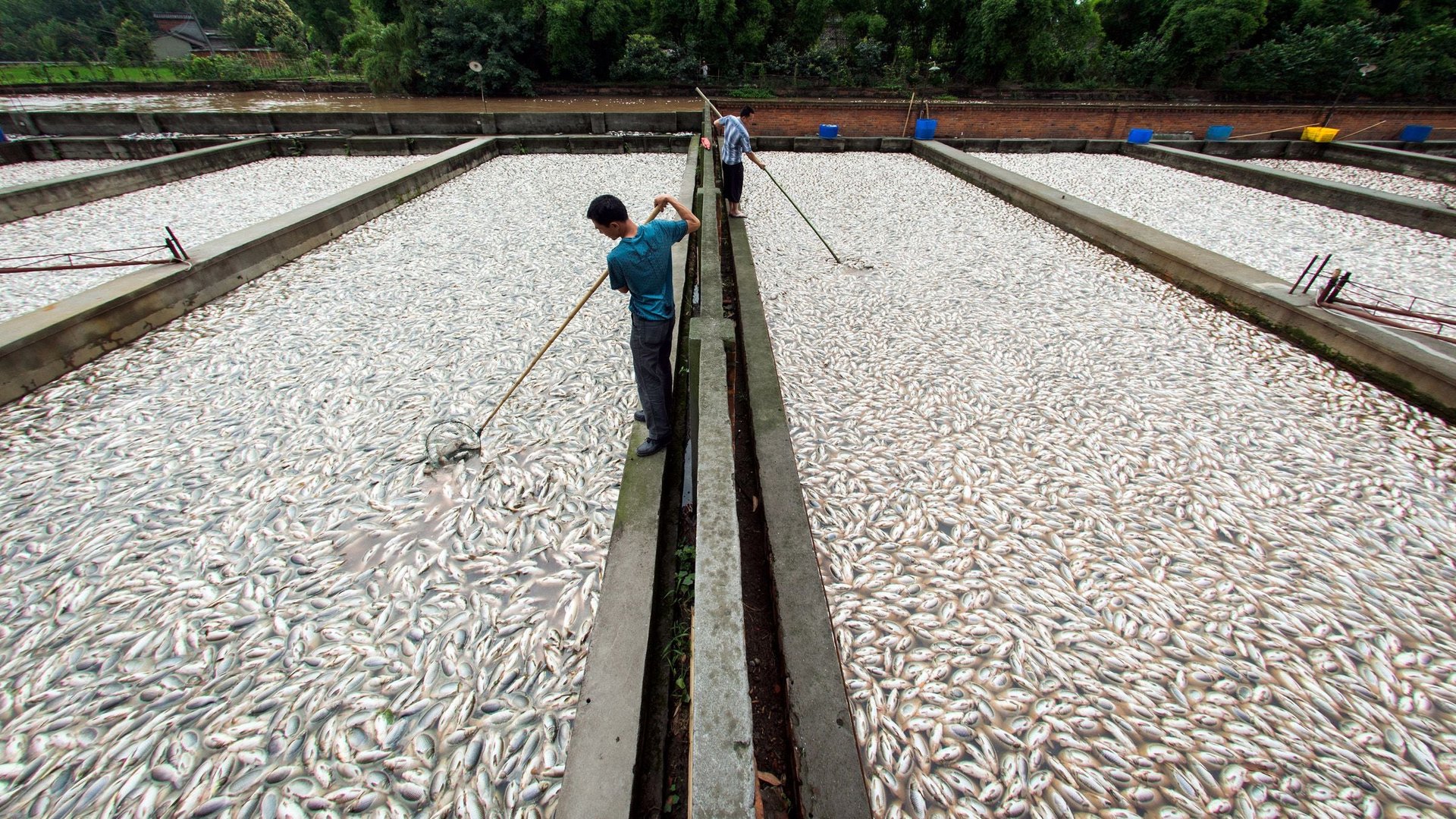
Why would the US announce a challenge to illegal trade practices by China less than 24 hours after the two countries’ presidents shared a rare phone call to discuss their nations’ relations?
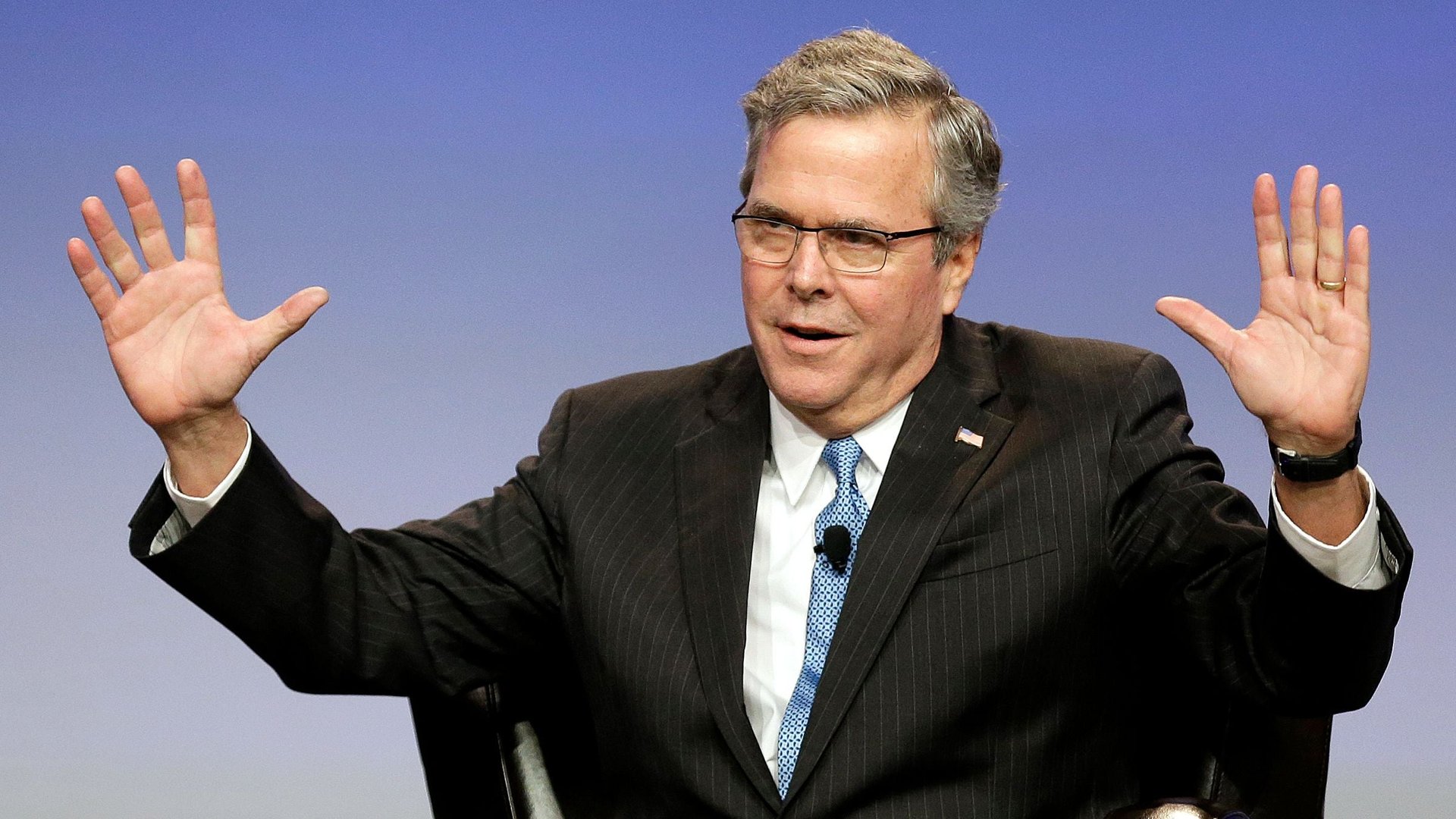
In a ham-handed effort at transparency, the likely 2016 Republican presidential candidate Jeb Bush just released a trove of emails from his time as Florida’s governor—but the emails included confidential messages, personal information and even social security numbers from thousands of people. What was he thinking?
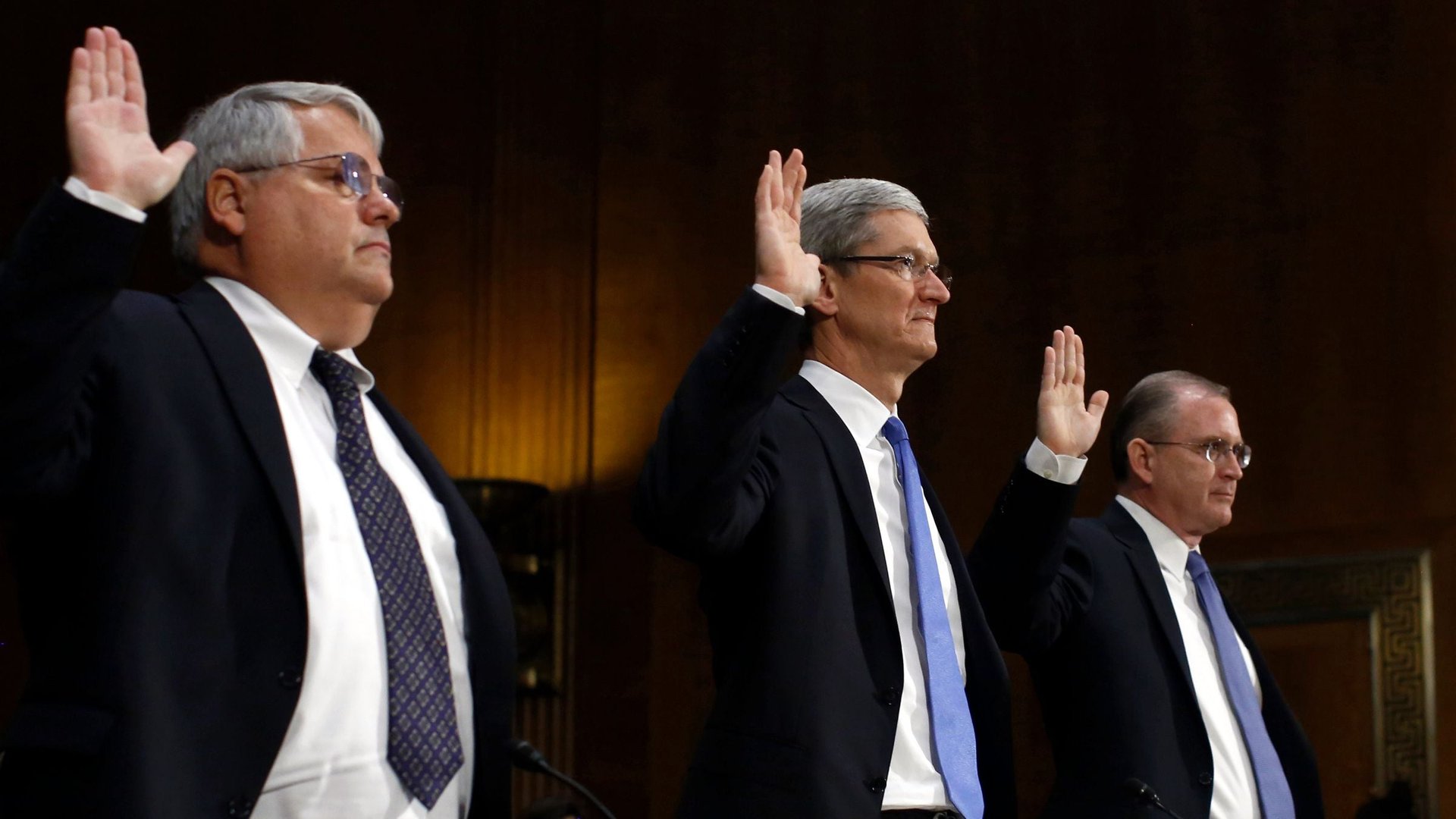
Multinational companies thrive on complexity—just take a look at how Pepsi runs money through Luxembourg shell companies to “optimize” its tax bill:
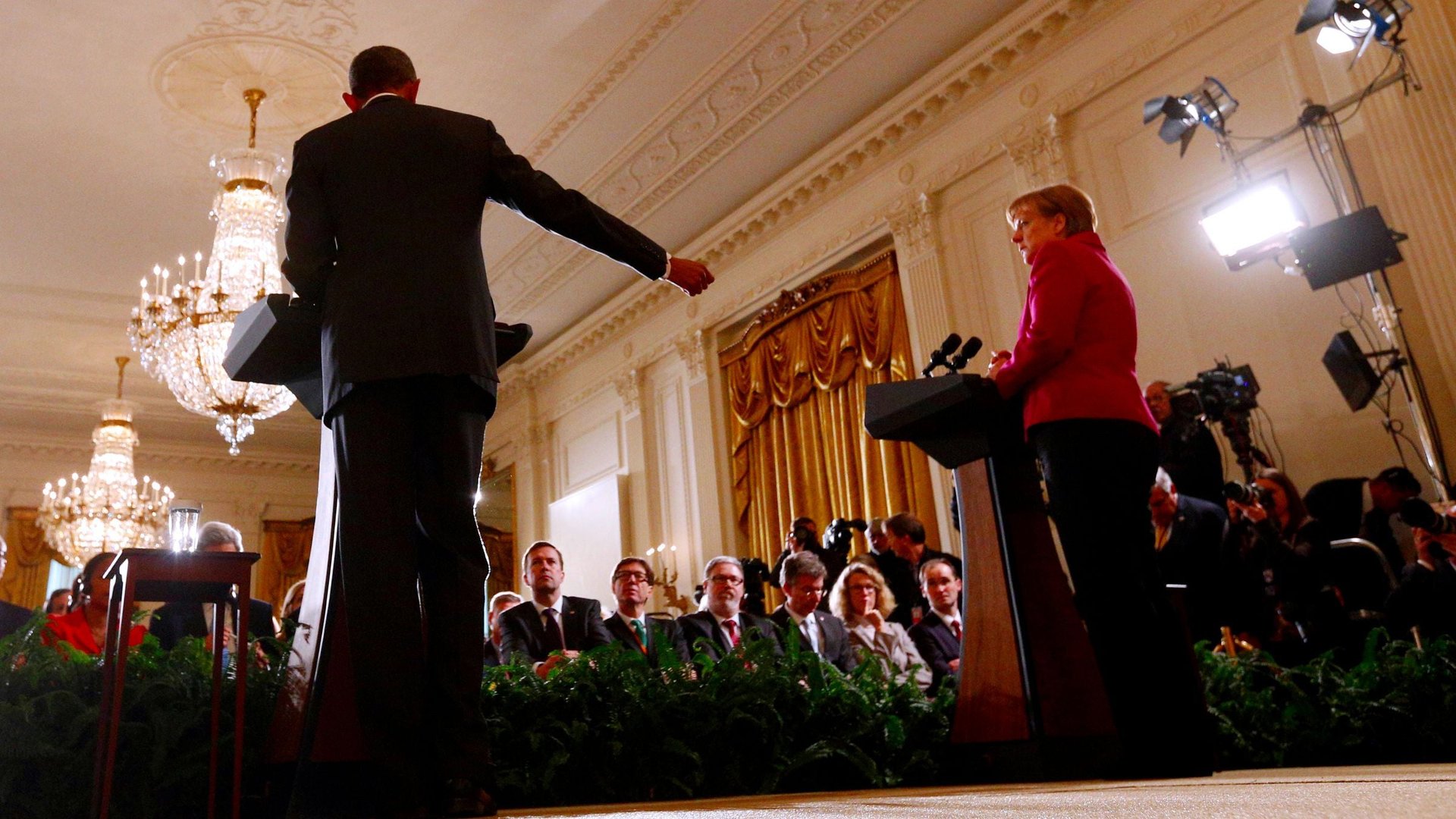
When US president Barack Obama and visiting German chancellor Angela Merkel met reporters today, the world got a sense of how complicated Obama’s relationship with economic warfare is: Russia, he said, has played a “constructive role” in sanctions-driven nuclear negotiations with Iran—just minutes after he noted the importance of sanctions in driving Vladimir Putin’s wayward regime out of Ukraine.
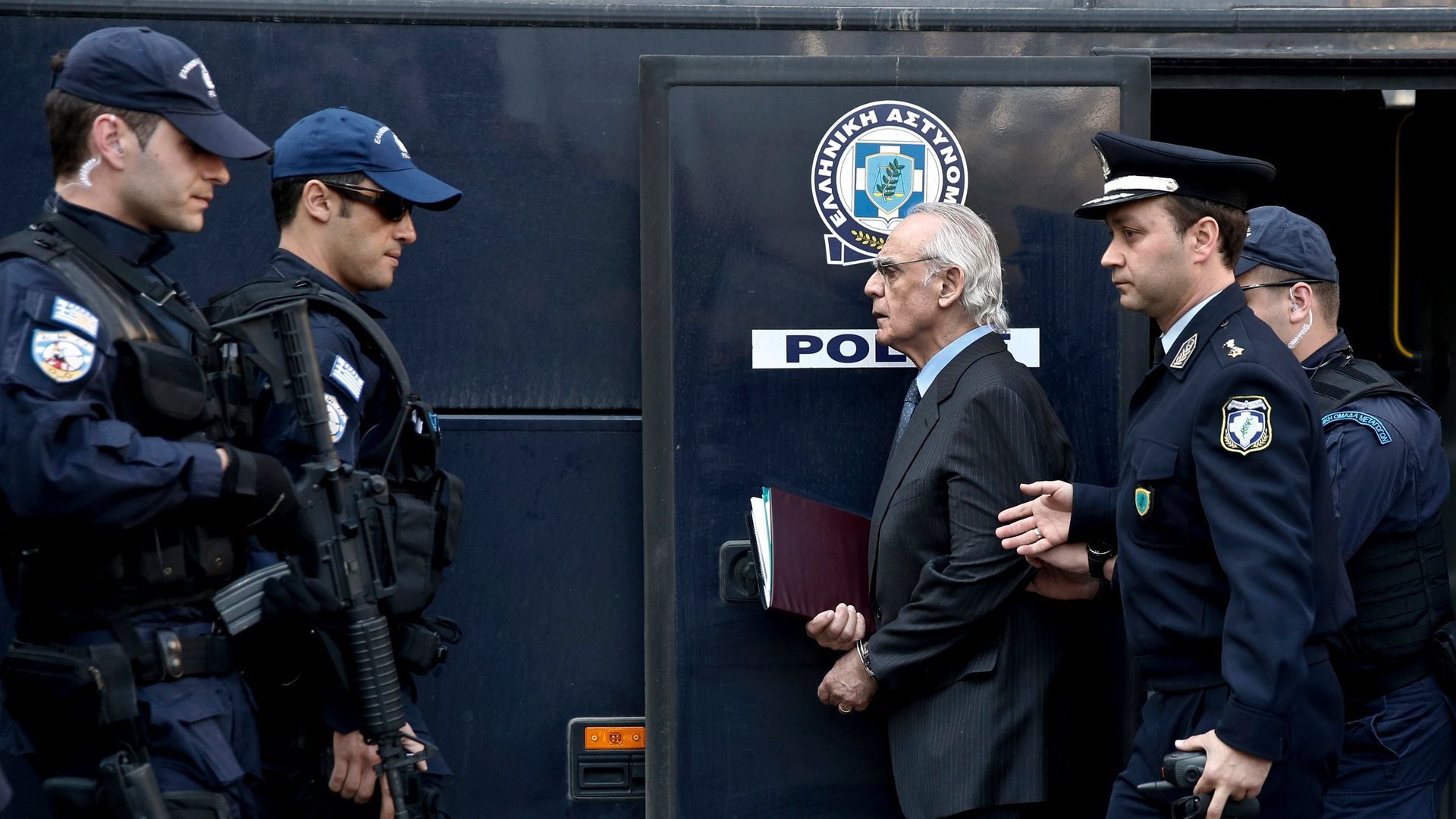
In a roundabout way, the leak of details about account holders at HSBC’s secretive Swiss banking business—which prompted a wave of prosecutions when obtained by governments in 2010—explains why Greece’s new government is so popular at home (paywall). For all of the angst about the left-wing radicals threatening to rip up Greece’s current bailout program, which they hold responsible for the country’s “unending recession,” in the words of prime minister Alexis Tsipras, elements of the alternative austerity plan pledged by Tsipras’s Syriza party should not be dismissed.

Darpa, the infamous and occasionally astounding research and development arm of the US military-industrial complex, has a bold plan to cut the cost of launching satellites: Strap a rocket to the bottom of a fighter jet and launch it into space from high altitude.

In 2009, David Cohen, then one of the US Treasury Department’s top cops on terrorist financing, was in Buenos Aires, where he met an Argentine prosecutor named Alberto Nisman. The prosecutor requested Cohen’s assistance in persuading France and Germany to freeze $48 million sitting in bank accounts belonging to suspects in a terrorist attack, including former Iranian president Ali Rafsanjani. Cohen offered to approach European officials on Nisman’s behalf, according to leaked US diplomatic cables.

Let’s say you want to build a hotel on the moon. Would you buy the land? Claim it?
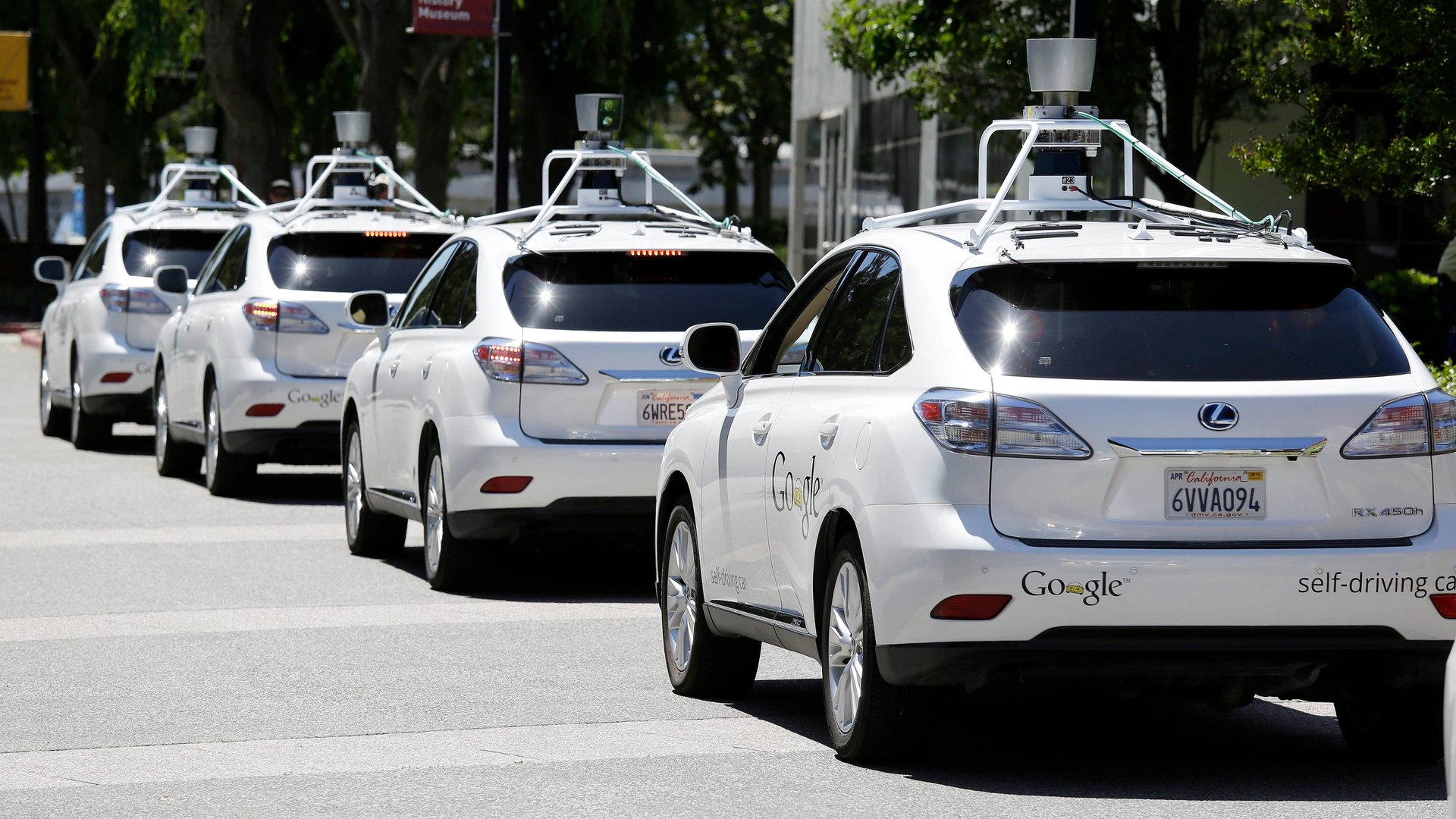
Peter Thiel, the technology financier, has a funny way of defining a monopoly—”the kind of company that is so good at what it does that no other firm can offer a close substitute.” While not exactly useful for consumers, it’s good advice for entrepreneurs: Strive for monopoly power, he says. Otherwise, competition drains away your profits.

We’re not going to bore you with all the details of President Obama’s budget before it goes through the Republican Congress’s legislative meat-grinder, but we did want to pick out six smart ideas that show the direction the White House wants to take the United States.
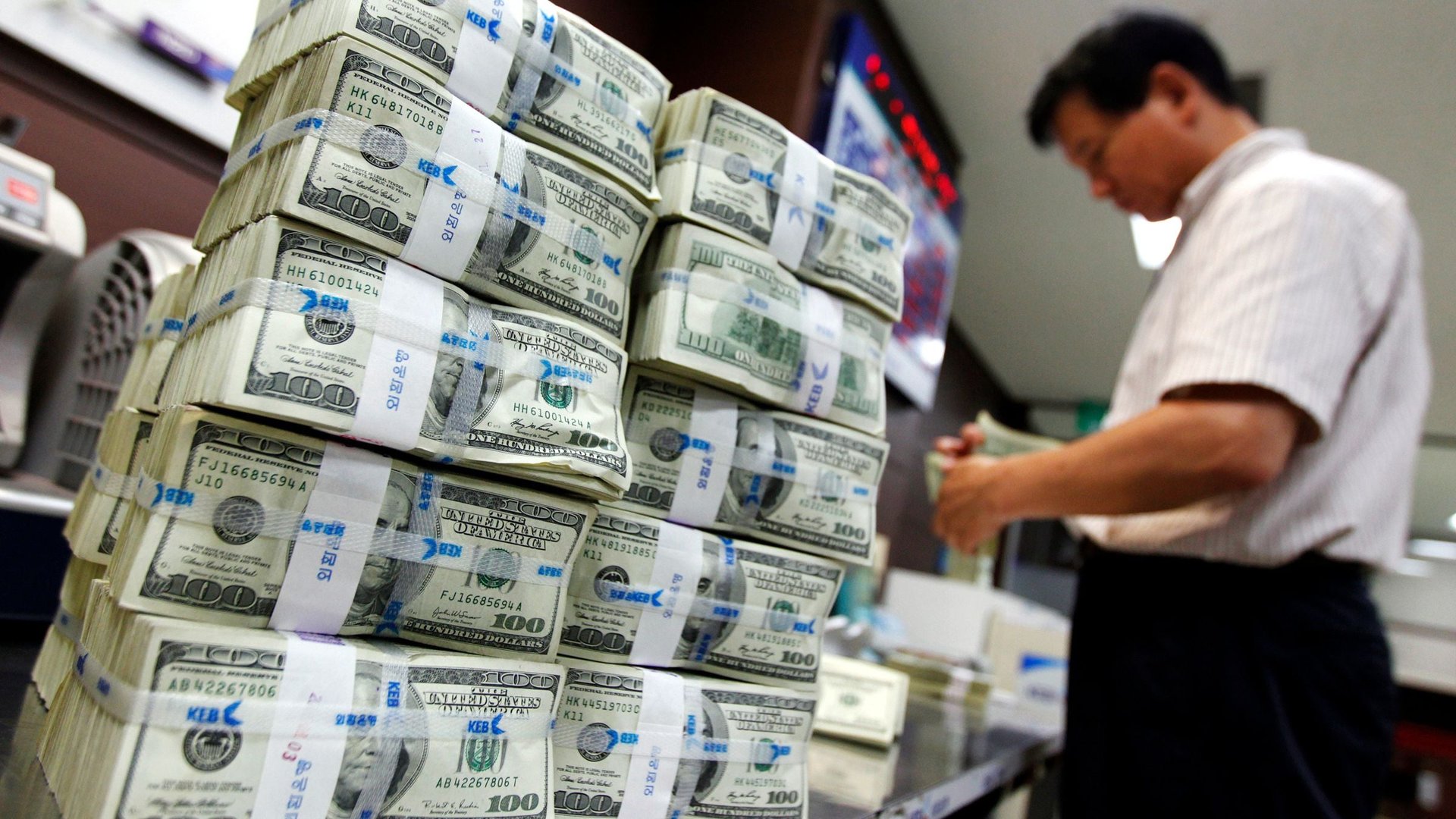
A To discourage US companies from stockpiling billions of dollars in overseas shell corporations, the White House has come up with a plan that cuts taxes on US multinationals—but because Washington is Washington and tax policy is crazy, many of the corporations that would see a lower tax rate will likely oppose it.
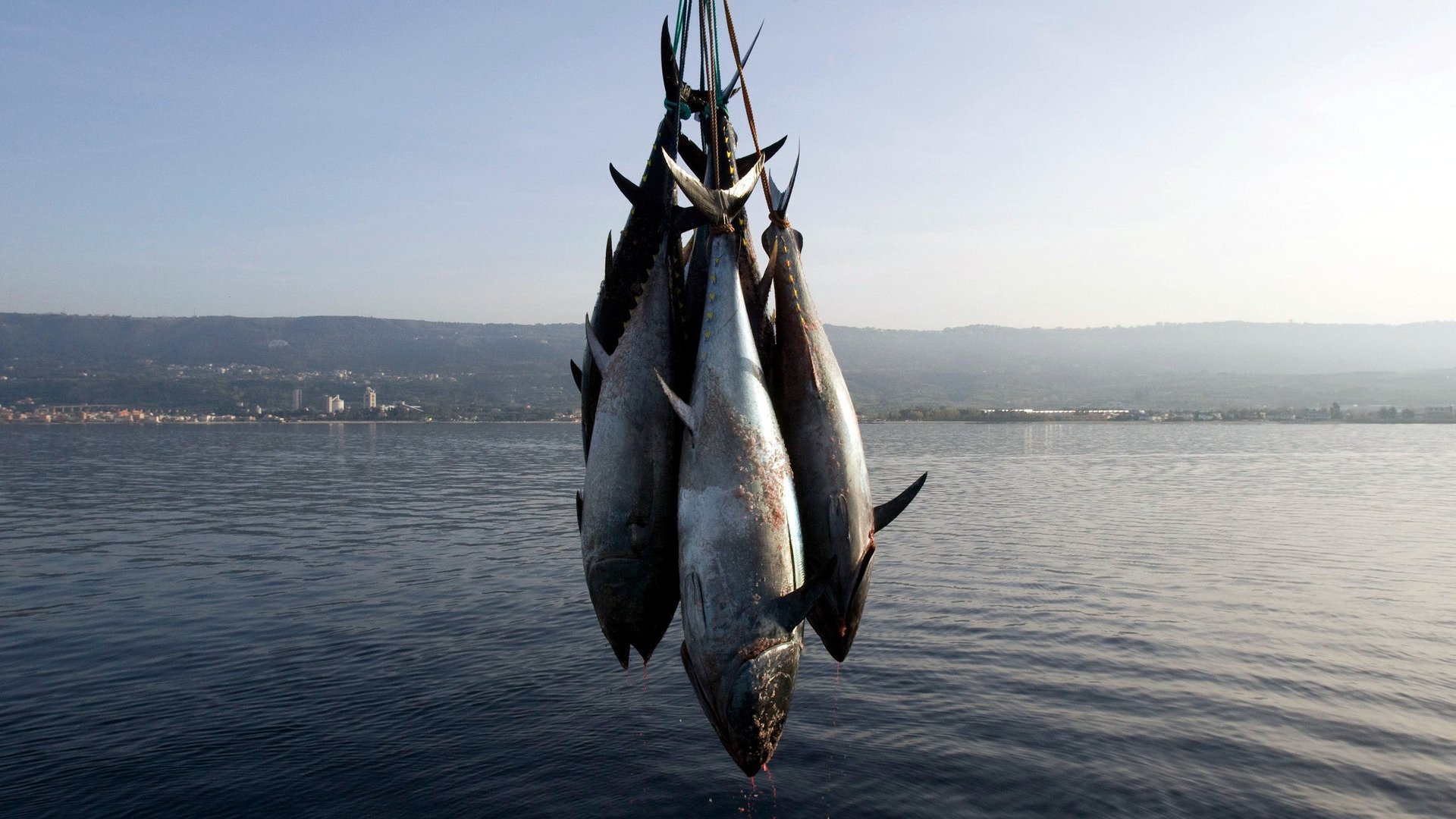
Update, 6.12.15: The podcast has now launched, and you can listen or subscribe to Actuality in iTunes.
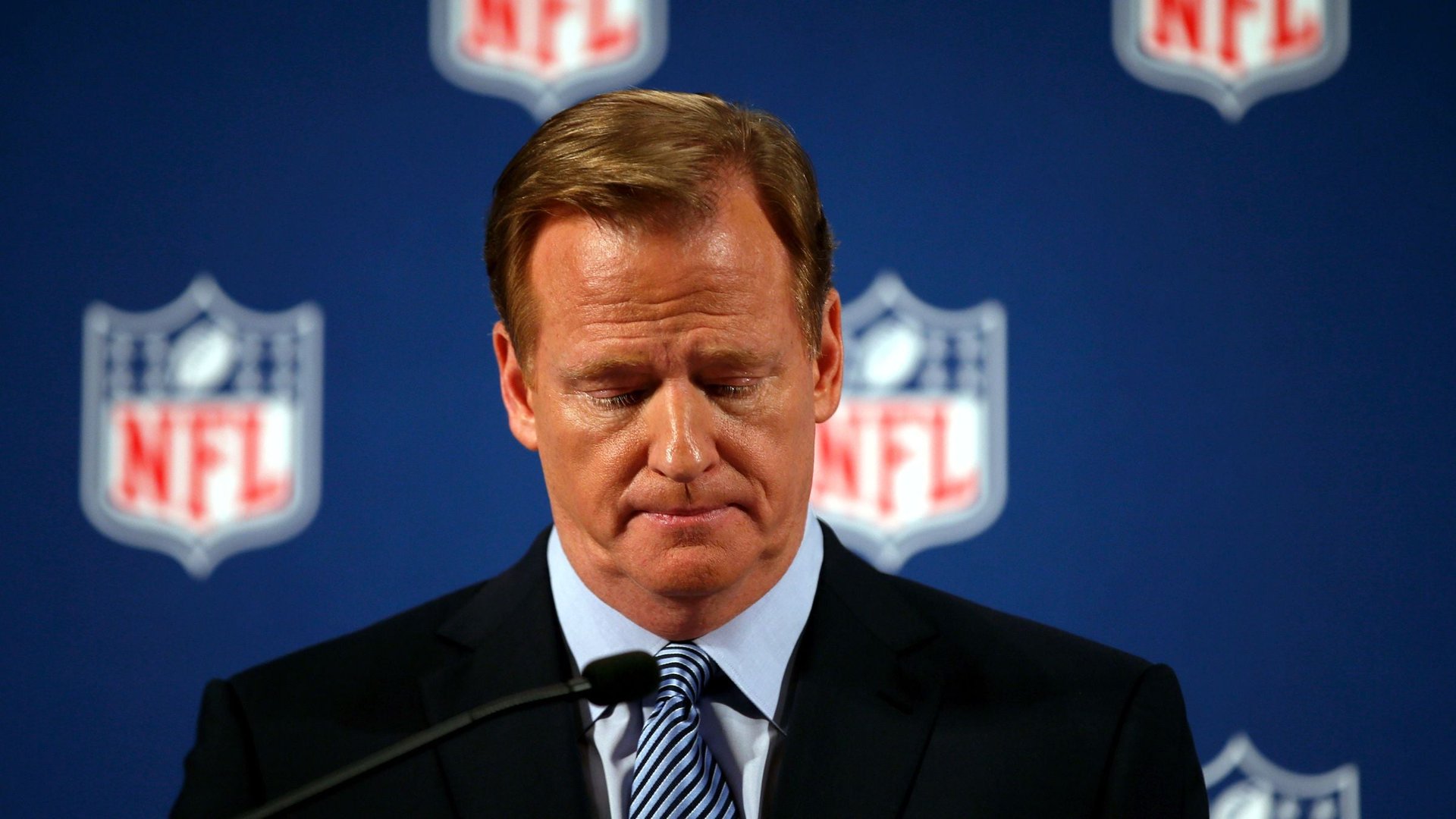
The NFL earns around $10 billion a year—the actual numbers are not disclosed—from tv deals, tickets, beers and brats, making it the top earning pro sports league in the US. Most of the revenue for the league’s 32 teams is subject to tax, but the money kept by the league office itself is tax free, because this hugely profitable enterprise is technically a nonprofit.

The US victory lap on job creation is in full swing, with just 5.8% of American workers who want jobs unable to find one.
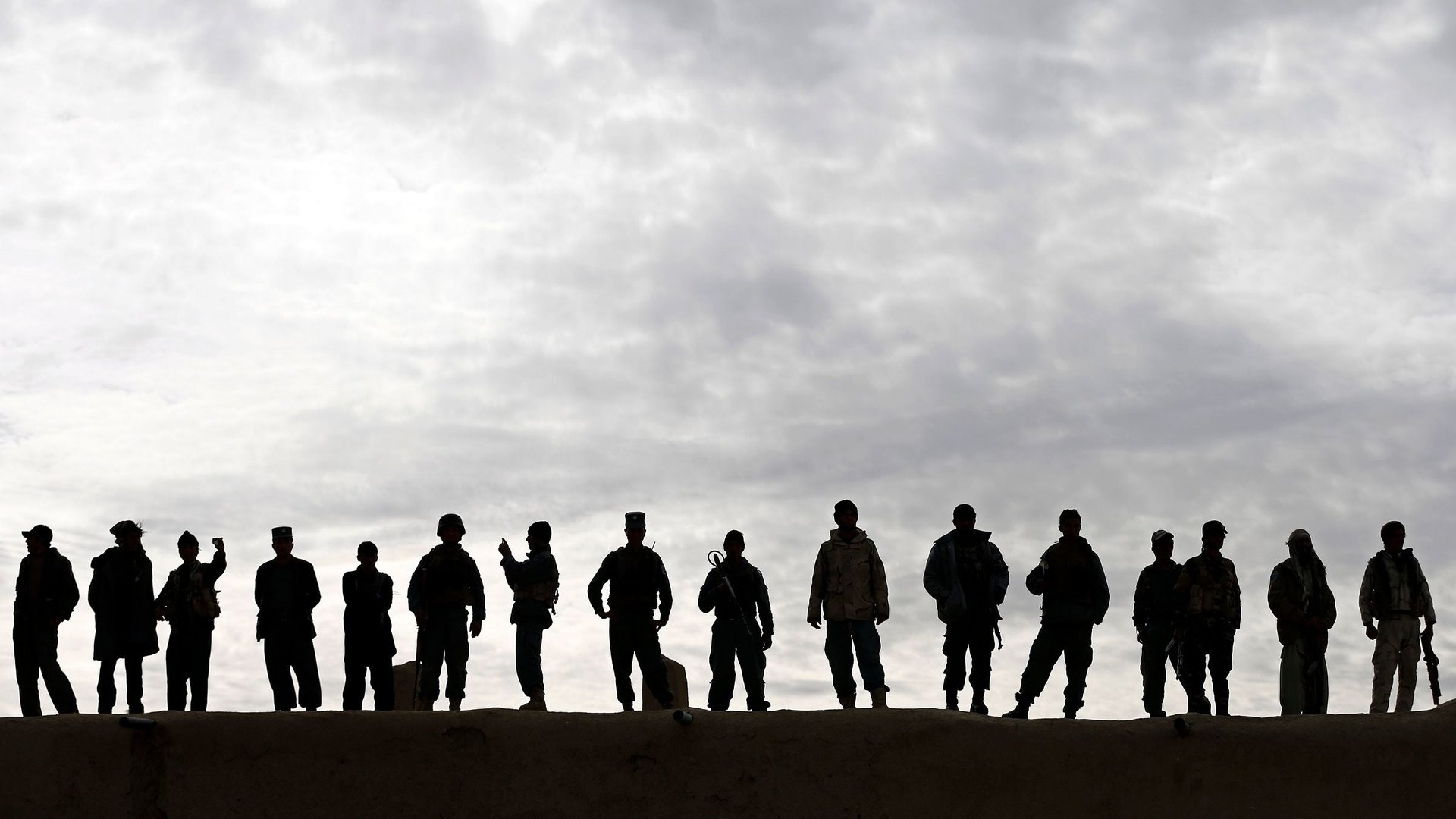
With the official “end” of the international military occupation of Afghanistan last fall, things are changing. The US will only have 5,000 troops deployed in Afghanistan by the end of the year, down from a peak of 187,000 in 2008. But American taxpayers will still shoulder a hefty cash commitment: $16 billion in 2015, and similar levels through 2017. Most of that money will be added to the $65 billion the US has already spent training and supporting the Afghan national security forces.
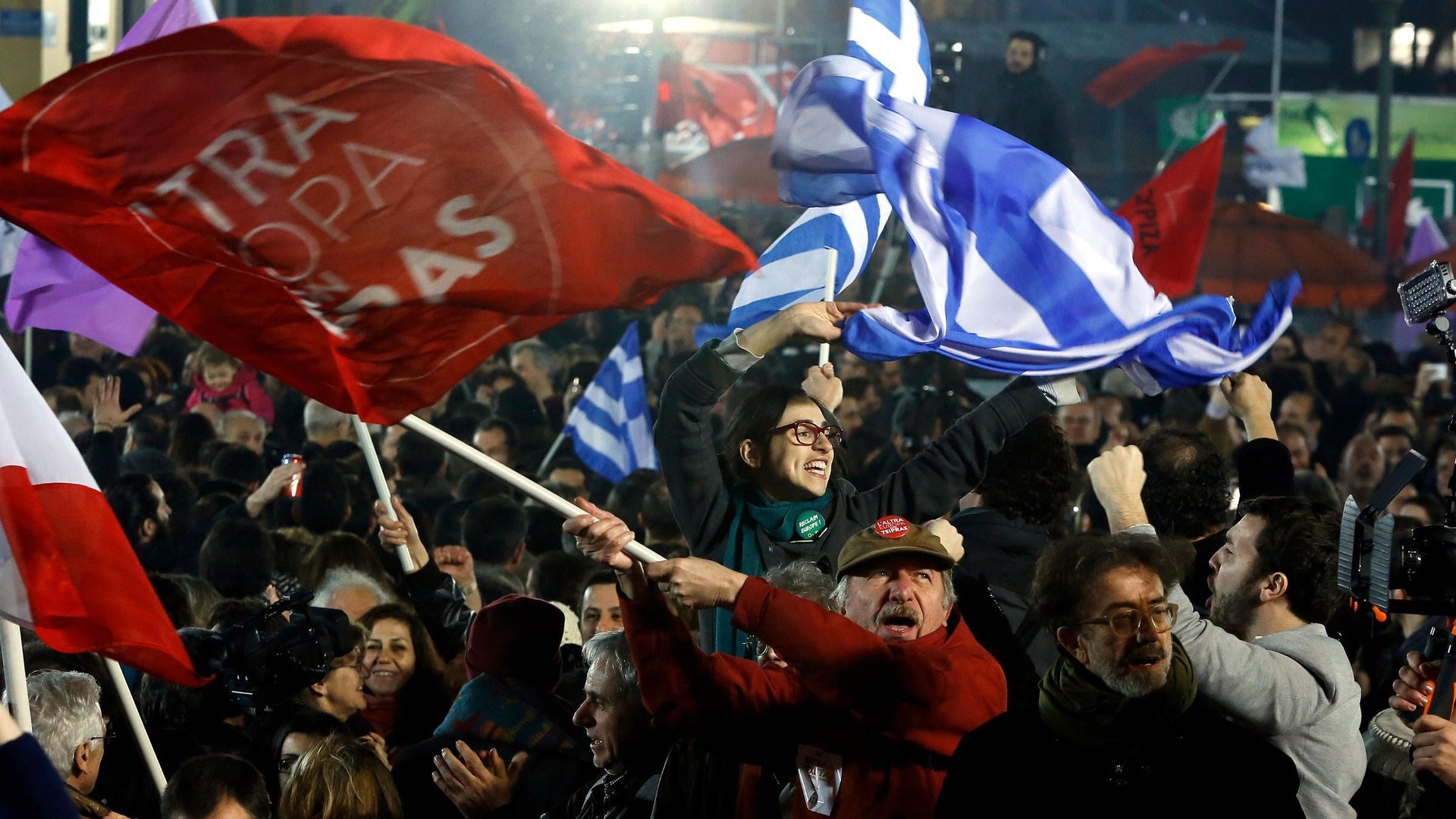
The coming face-off between Greece’s European creditors and the country’s new left-wing government is painted as an epic struggle between intractable foes, but it’s better to think of them as sharing a common goal: Reducing Greece’s daunting debt without admitting it to the rest of Europe.
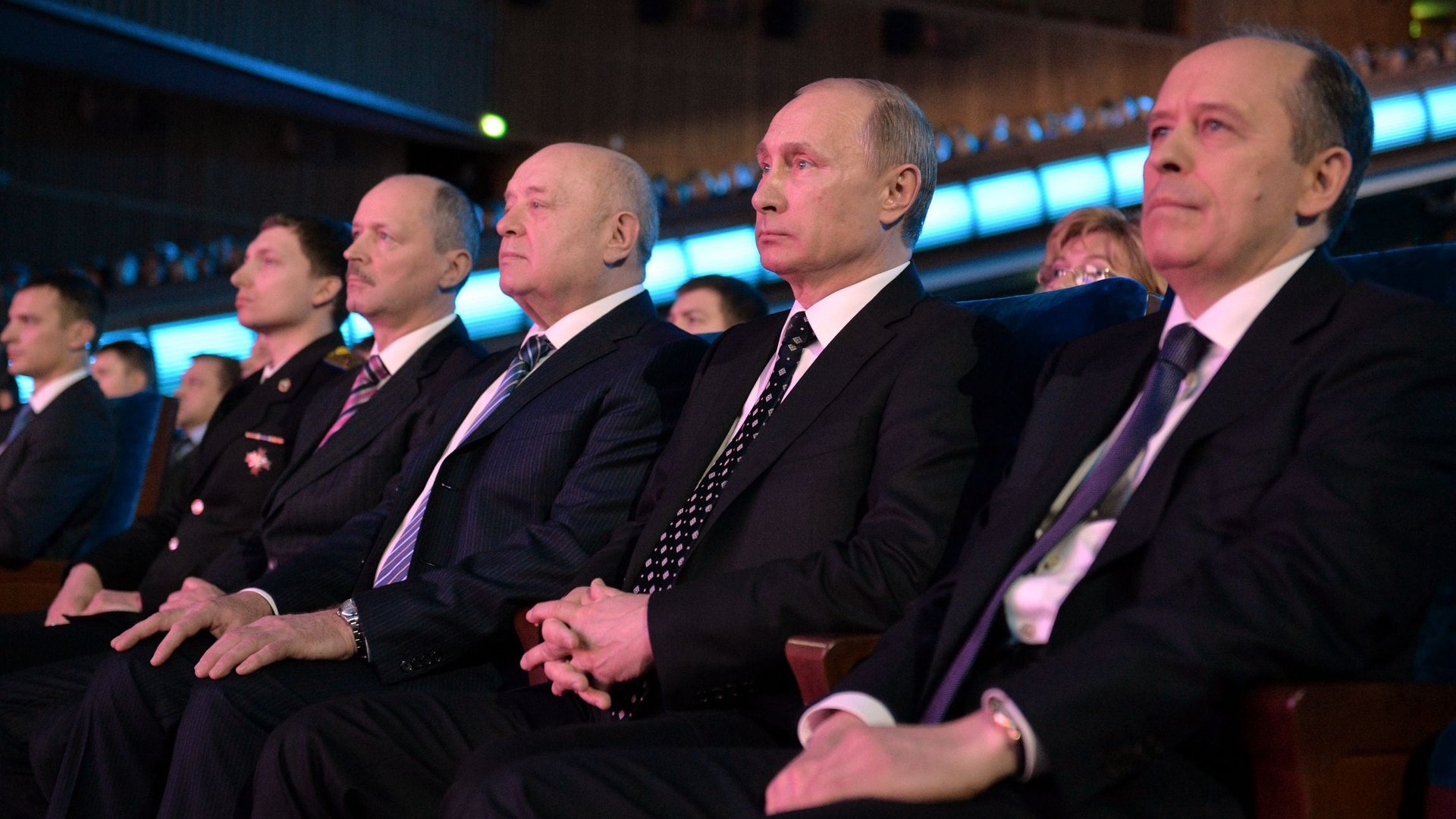
As a powerful snowstorm closed in on New York City, US agents dug up their Cold War playbook and arrested an alleged Russian deep-cover spy who prosecutors say posed as a banker to gain intelligence about the US financial system.
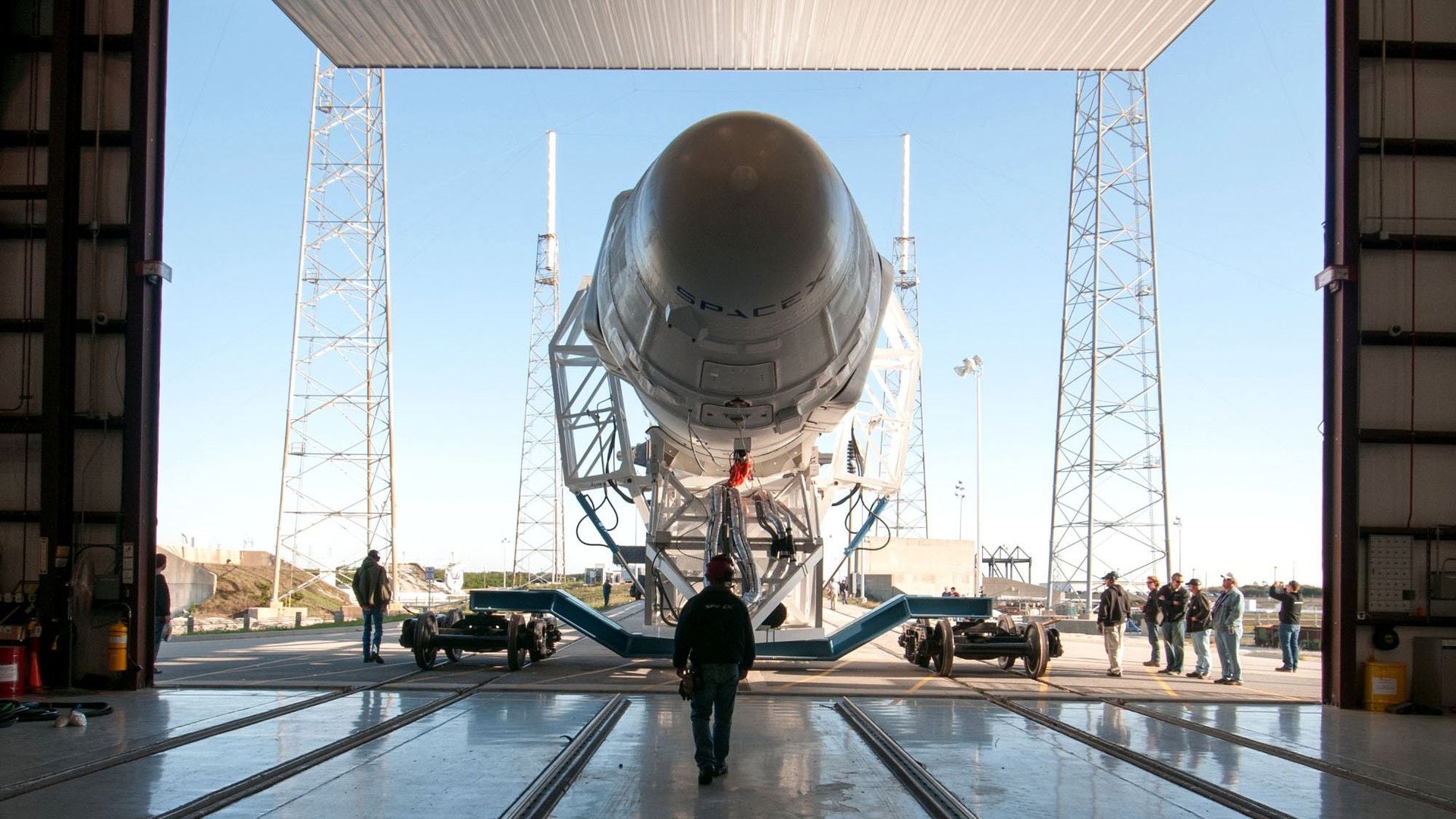
In the end, it took John Ashcroft to get the US Air Force and Elon Musk to play nice together.
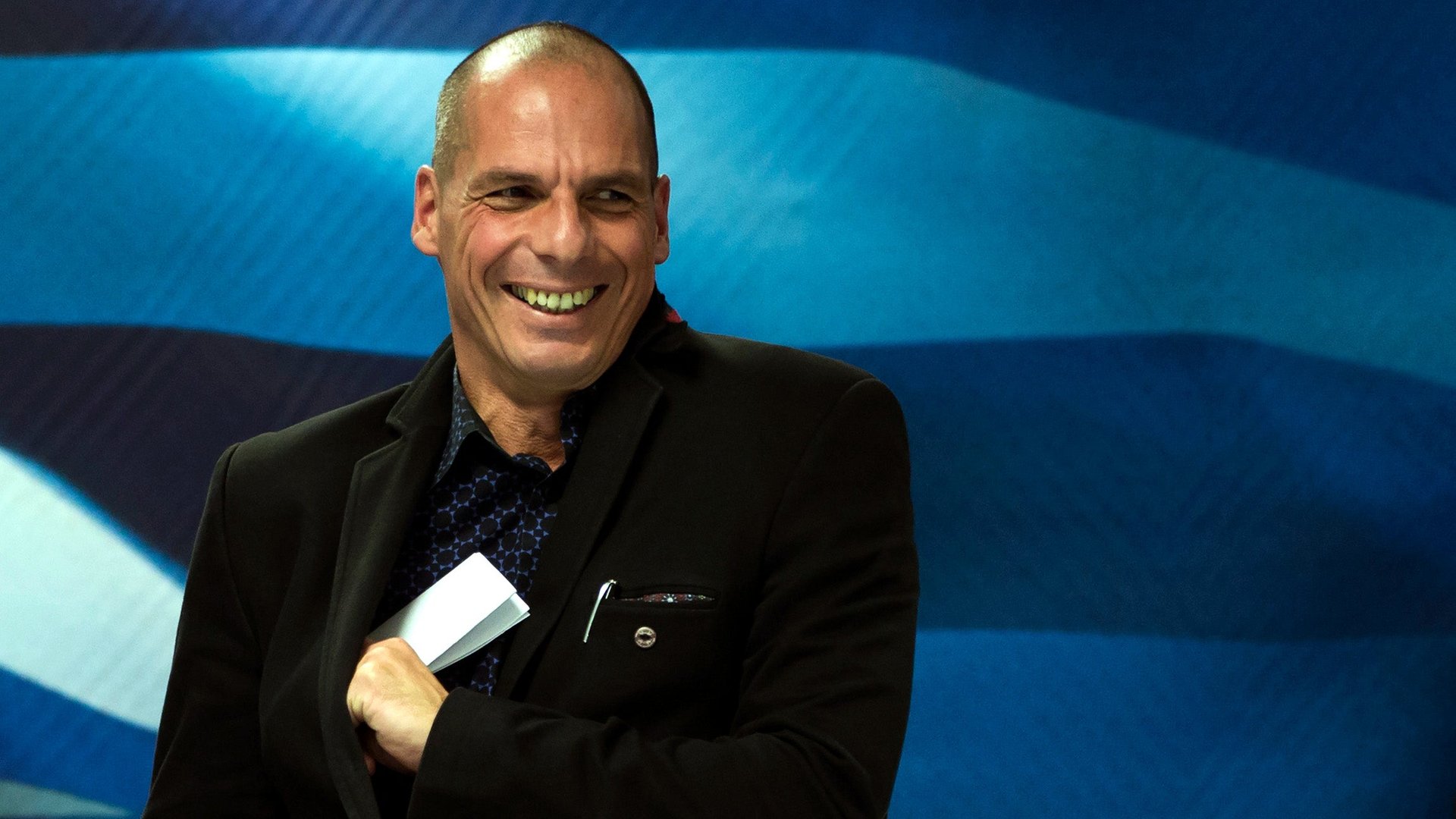
Yanis Varoufakis is widely expected to become Greece’s new finance minister after Syriza, an upstart left-wing party made up of marxists, greens, communists, and everything in between, won elections there. As you might expect, he’s no ordinary financier—his preparations for leading Greece out of austerity included a year as the chief economist for a bustling virtual economy.