Billionaires are fighting to launch wildly expensive business plans in a sector marked by failure on the frontier of technology.

Billionaires are fighting to launch wildly expensive business plans in a sector marked by failure on the frontier of technology.

Tonight the US president, somewhat quixotically, offered a plan to fix problems that seem inimical to the modern global economy we live in today—the one where everyone seems to be winning except the developed world’s middle classes, where software is eating everything while capital sloshes around the planet like a big, silly golden retriever.

See on Storify

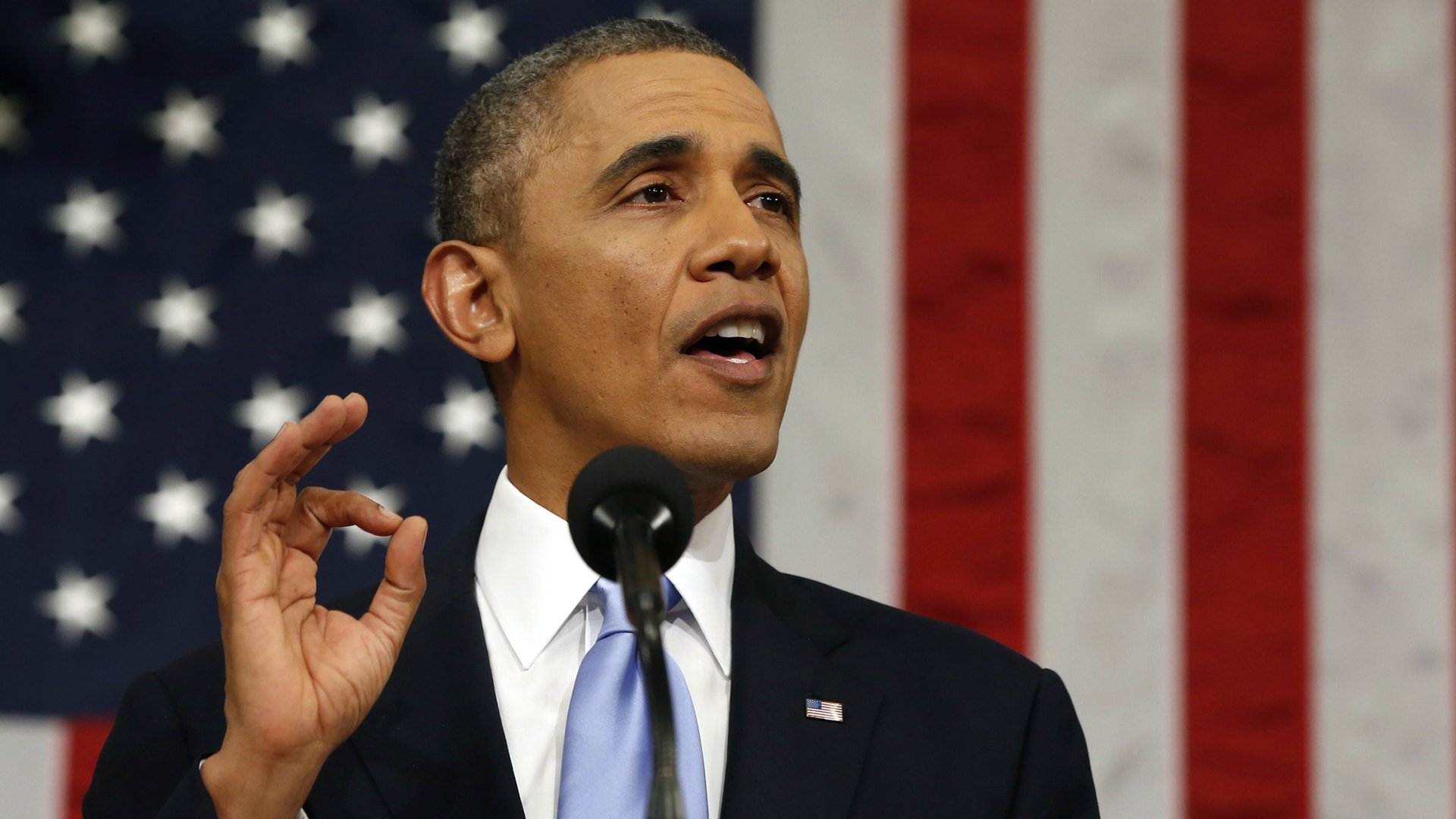
President Obama will deliver his second-to-last State of the Union speech tonight, and expectations are extremely low: Without any elections left to campaign for—and facing a Congress controlled by the opposition party—what Obama says could be inconsequential.

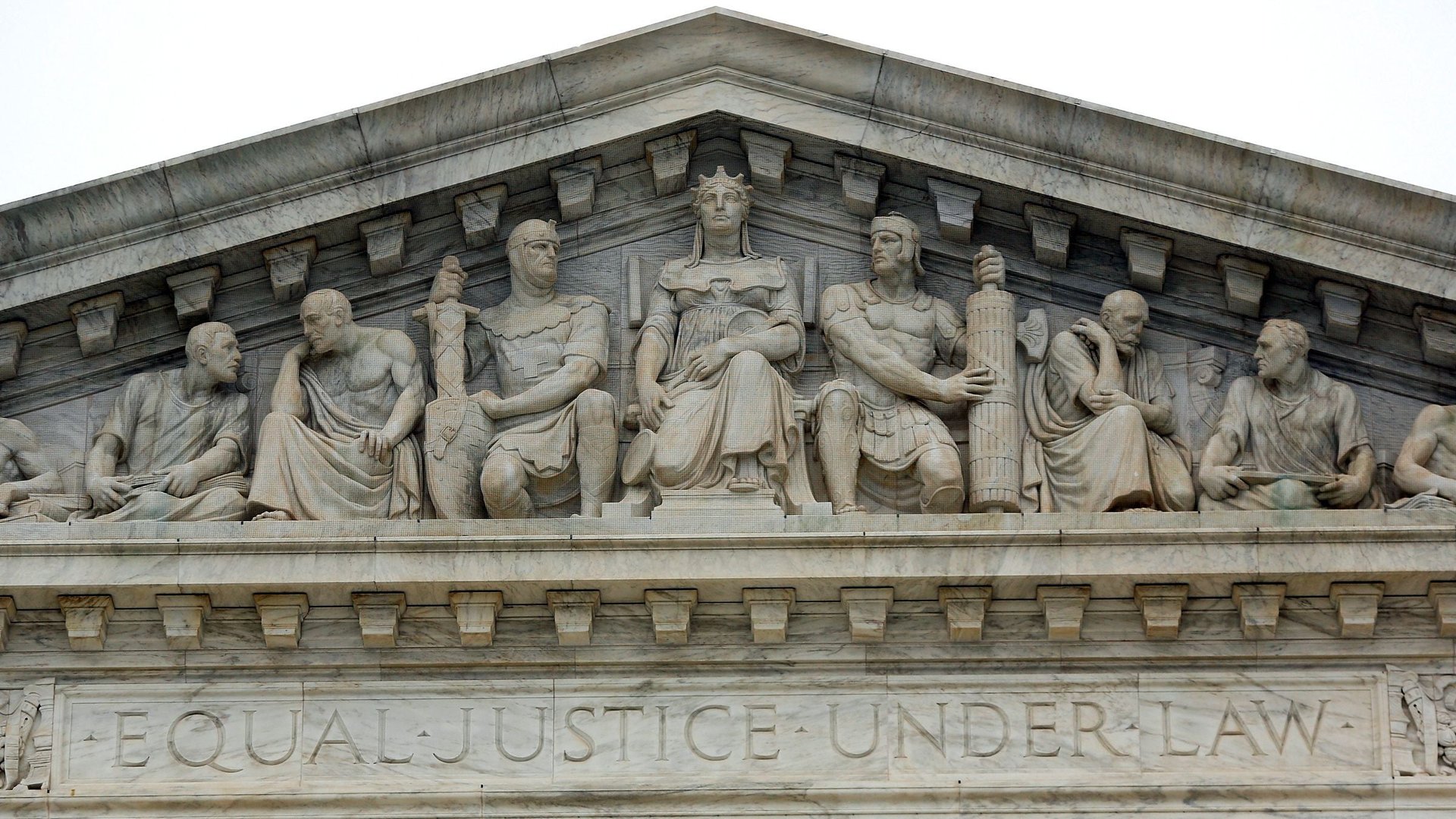
The US Supreme Court announced that it would consolidate a number of cases concerning gay marriage and by June will release an omnibus ruling on the rights of gay and lesbian couples to marry.

The US Federal Communications Commission is getting petitioned by internet activists and even US president Barack Obama to treat the internet like a public utility, but the telecom sector says that tough rules would kill their incentive to invest in new networks. Even the so-called uncarrier, T-Mobile, sounds like the establishment on this issue.

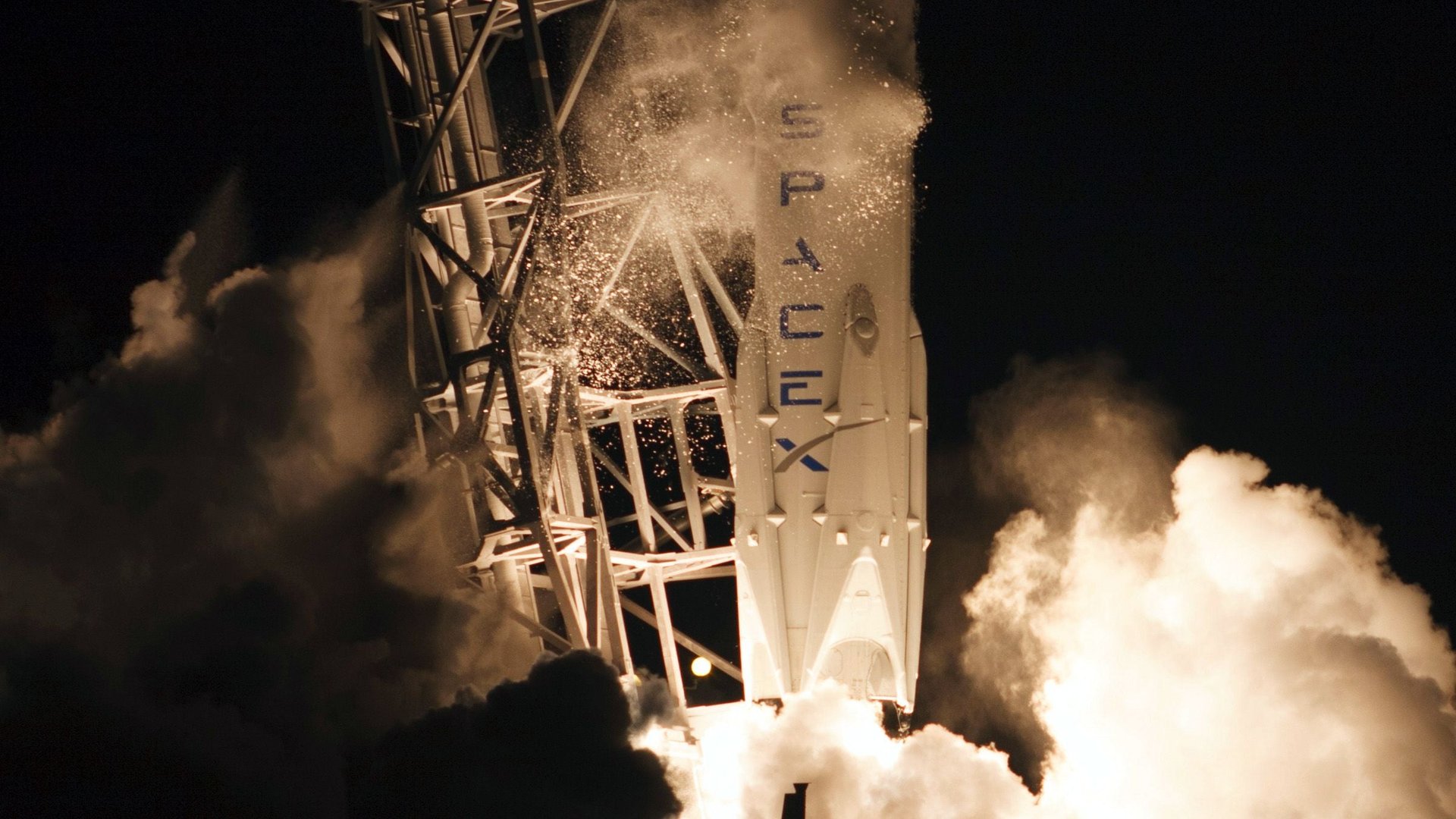
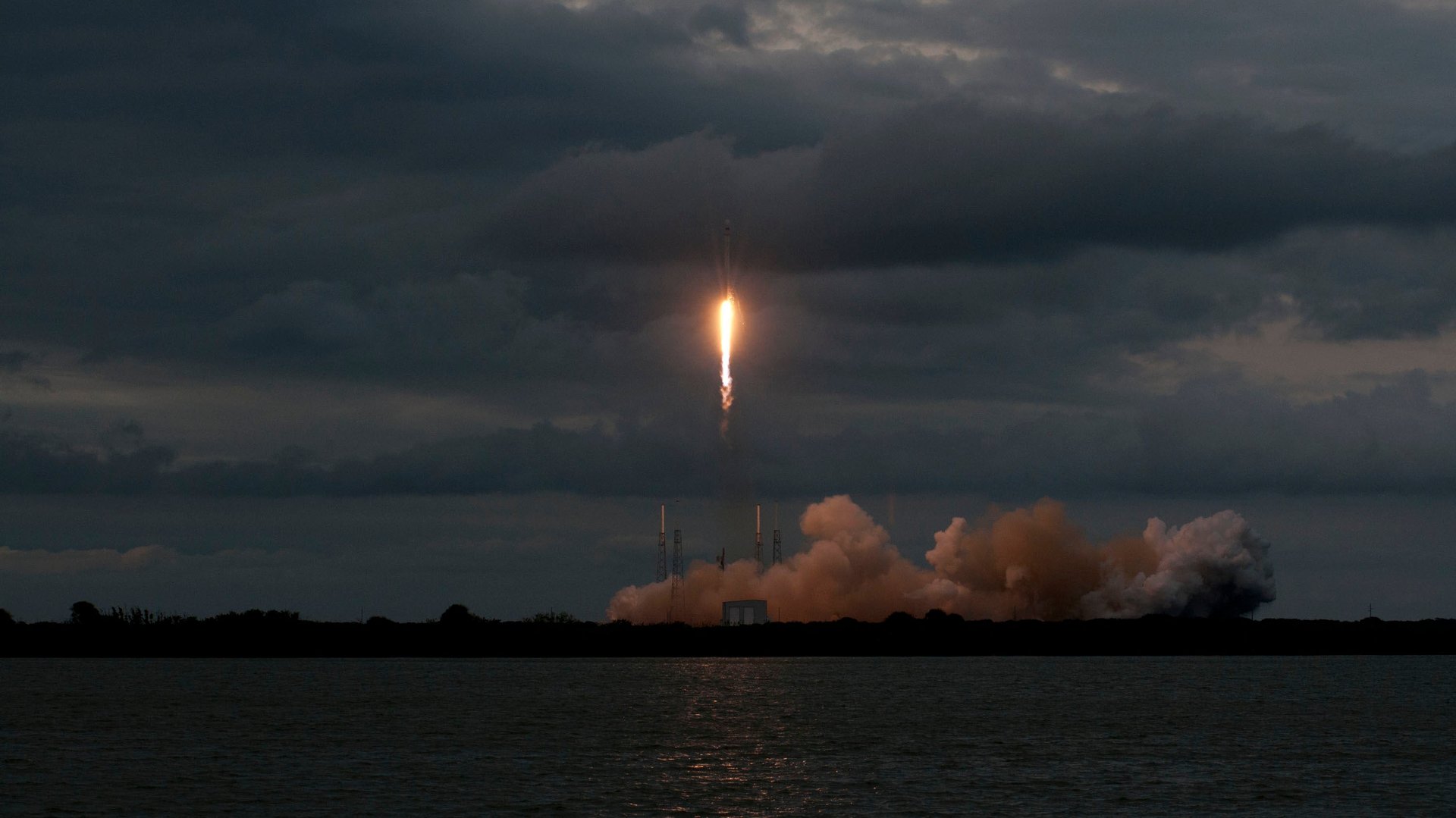
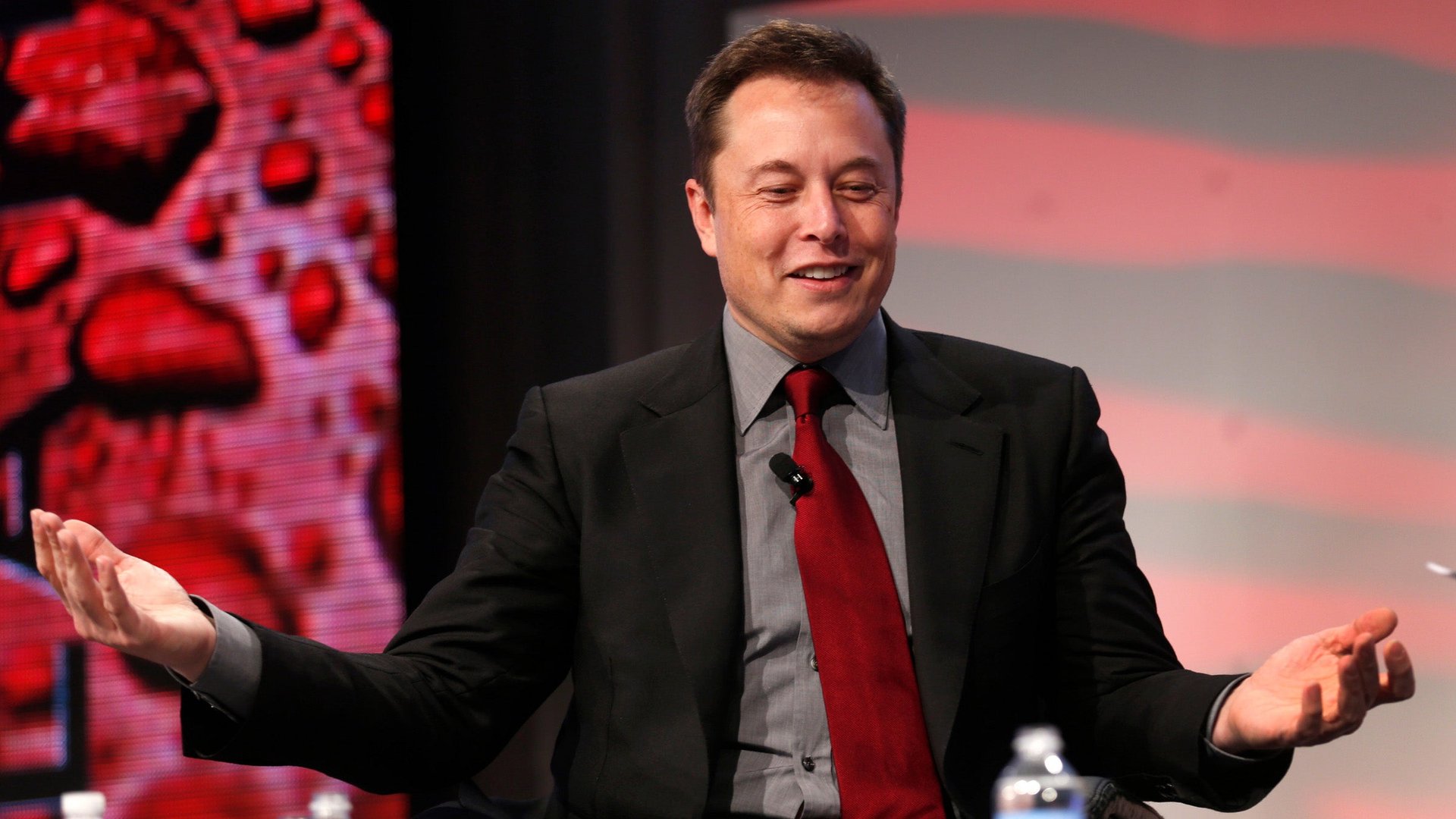
In an early morning tweet session with John Carmack, the Oculus VR CTO and video game pioneer behind DOOM, SpaceX CEO Elon Musk showed off some graphic violence from his own industry: The explosive crash-landing of a rocket stage on a floating platform.

When US president Barack Obama proposed eliminating rules in 19 states that prohibit cities from building out their own public broadband networks, the response from the cable industry and government skeptics was immediate: Big government is taking over the internet, and it won’t end well.

A leader of Al Qaeda in the Arabian Peninsula took credit for the attacks on the staff of French magazine Charlie Hebdo in an 11-minute video released today.

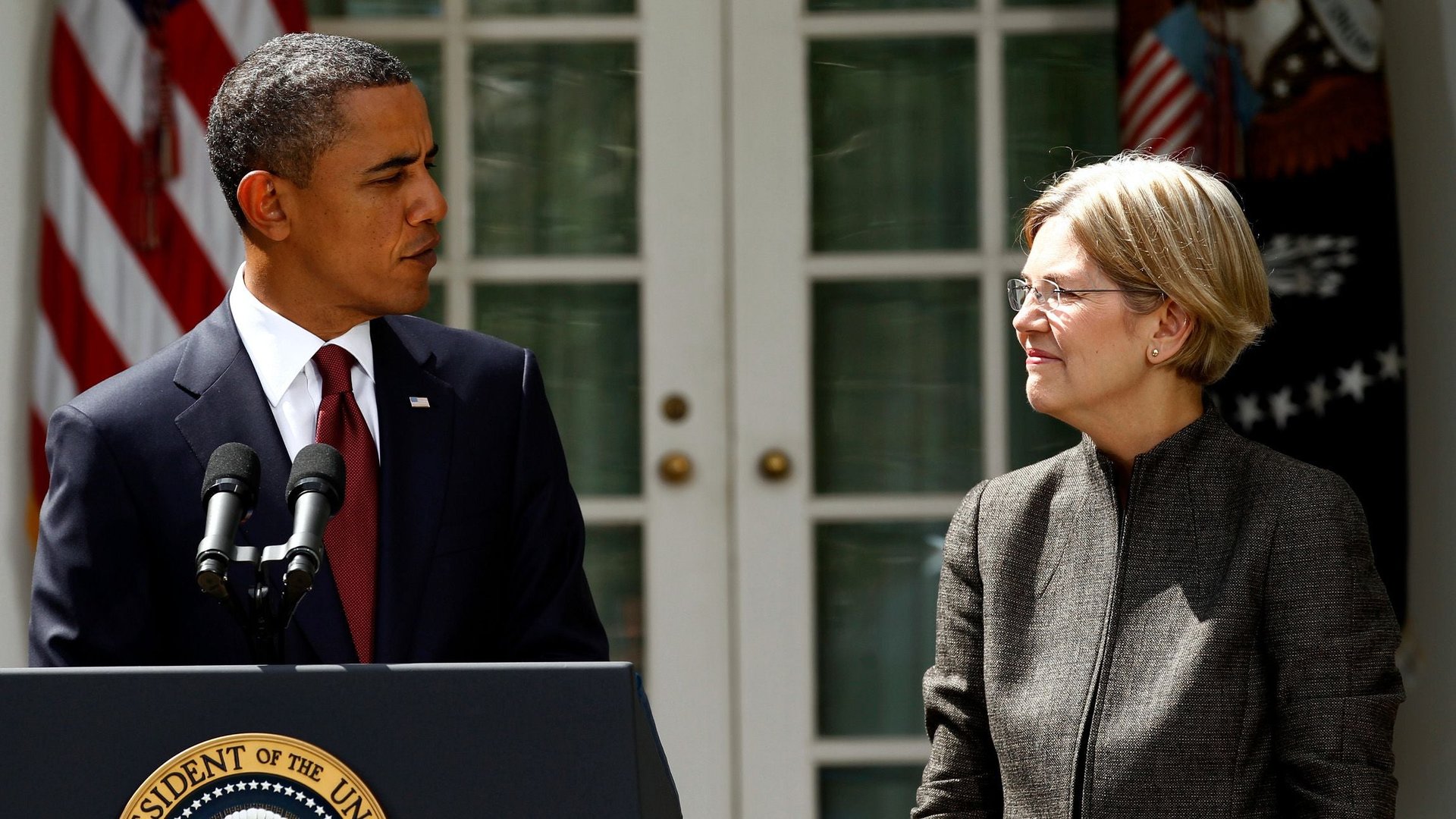
Elizabeth Warren, the firebrand critic of the financial industry in the US Senate, may be regretting that time she showed president Barack Obama how to get around obstructive senators.

The political furor of the day in the US was the Obama administration’s decision not to send anyone more visible than the American ambassador to last weekend’s dramatic march in Paris, where numerous world leaders joined millions in solidarity with the terrorist attacks there.

When US president Barack Obama used his executive power to limit deportations of unauthorized immigrants, Republican lawmakers were livid. Now they are out to exact their revenge.

Yesterday, Uber announced that it would cut fares in 48 US cities, while still guaranteeing wages for its drivers. It’s a sign of the company’s confidence that it can do what low-price providers in any business hope to do: undercut the competition and make it up on volume.

One of the first tasks accomplished by the new US congress was tweaking the rules used by Congressional accountants to hide the borrowing caused by tax cuts.

Why has Africa lagged behind other regions in economic development? Part of the problem is a parasite that is endemic to the continent and found nowhere else—and according to a new study (pdf) just published in the American Economic Review, it created social conditions that hindered prosperity there even before the European colonists arrived.

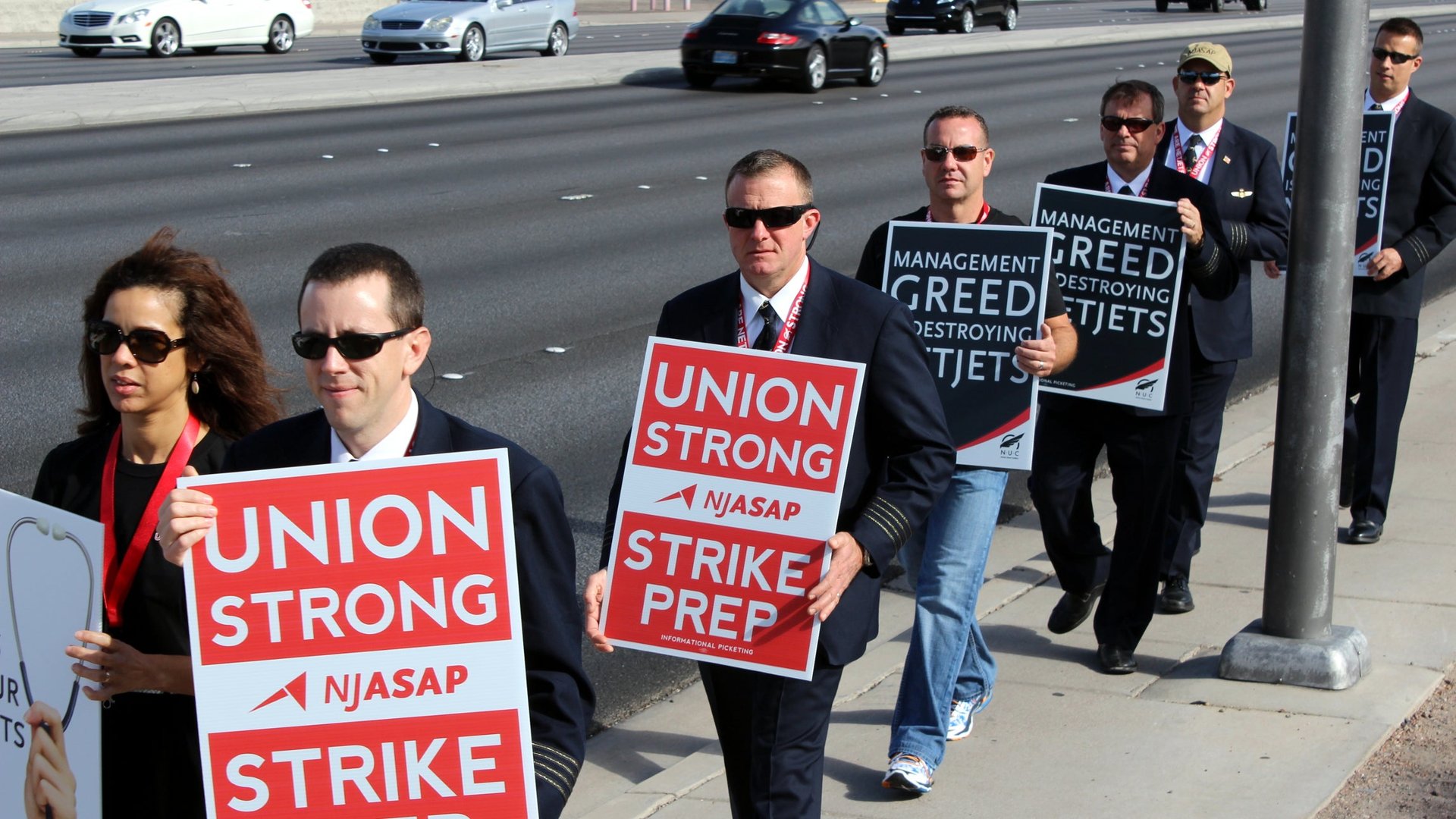
Skirmishes between companies and their unionized employees tend to bring out the worst on both sides. The conflict between Netjets, the private jet-sharing firm owned by Warren Buffet’s Berkshire Hathaway, and its pilots has brought out the weird, too, if allegations in a December lawsuit are correct.

Despite controlling some 70% of production, China has quietly conceded its inability to control the market for rare earth elements, which are used in a variety of high-tech devices and manufacturing processes.

[protected-iframe id=”e2aa1283db36c33903b58c70da324446-39587363-39994659″ info=”http://new.livestream.com/accounts/142499/events/3665355/player?width=560&height=315&autoPlay=false&mute=false” width=”560″ height=”315″ frameborder=”0″ scrolling=”no”]

When the analysts at the Eurasia Group mull the risks ahead in 2015, their spinning globe stops at one spot: Moldova. You know, Moldova:

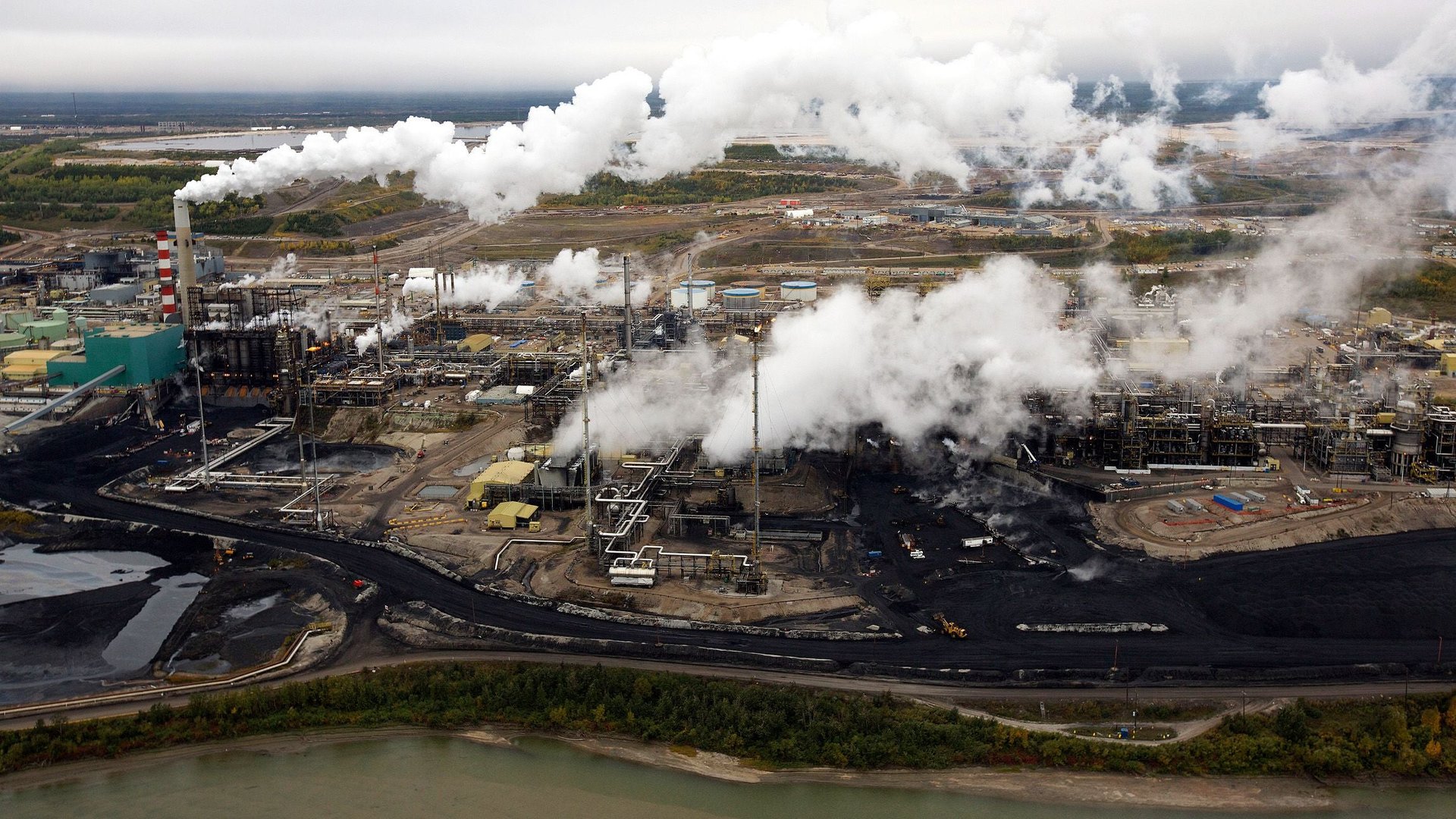
Update (Jan. 6): After this piece was published yesterday, the AP reported that President Obama will veto a bill from the Republican congress approves the construction of the Keystone pipeline; Democratic lawmakers say they have the votes to sustain such a veto. However, it is still possible that the executive branch, under Obama, could approve the project itself.

With last quarter’s sparkling 5% annualized growth in US GDP and the unemployment rate falling below 6%, it’s safe to say that 2014 was the year the US economy completed its recovery from the financial crisis.

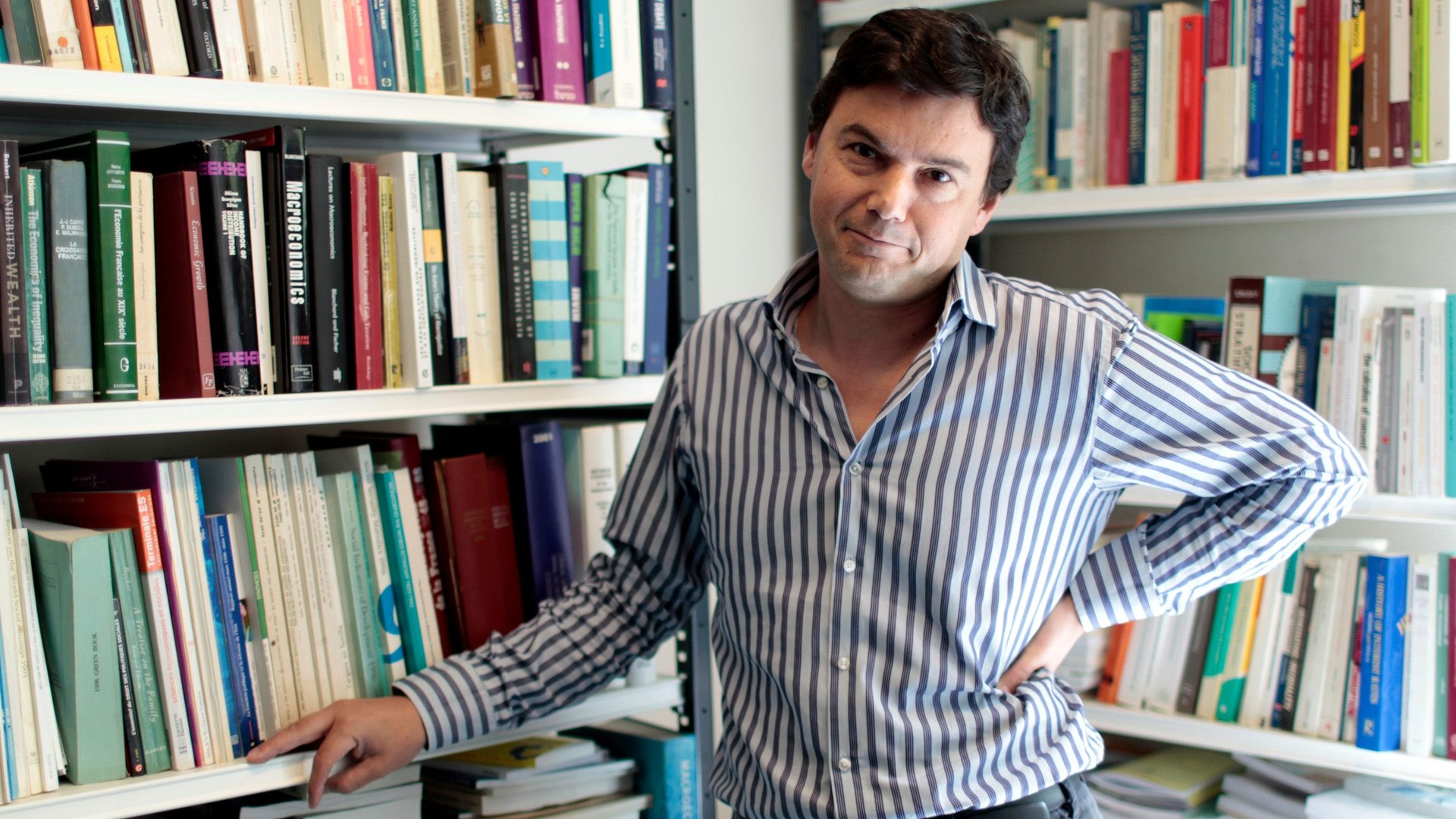
The economist who revived the debate over wealth inequality last year refused his country’s highest honor today.

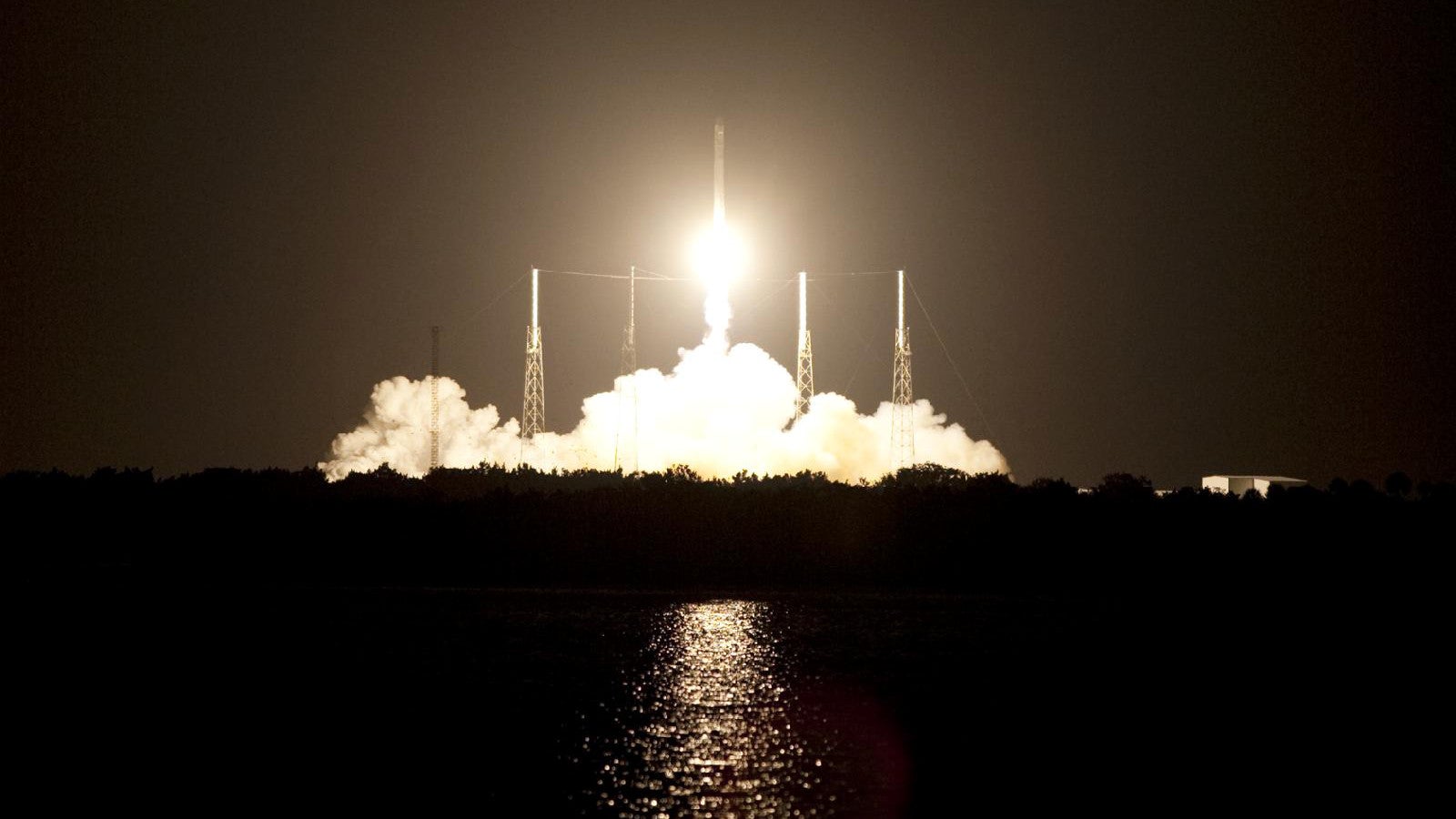
A mission to supply the International Space Station next week could change space-flight as we know it—by successfully returning a used rocket booster to Earth.

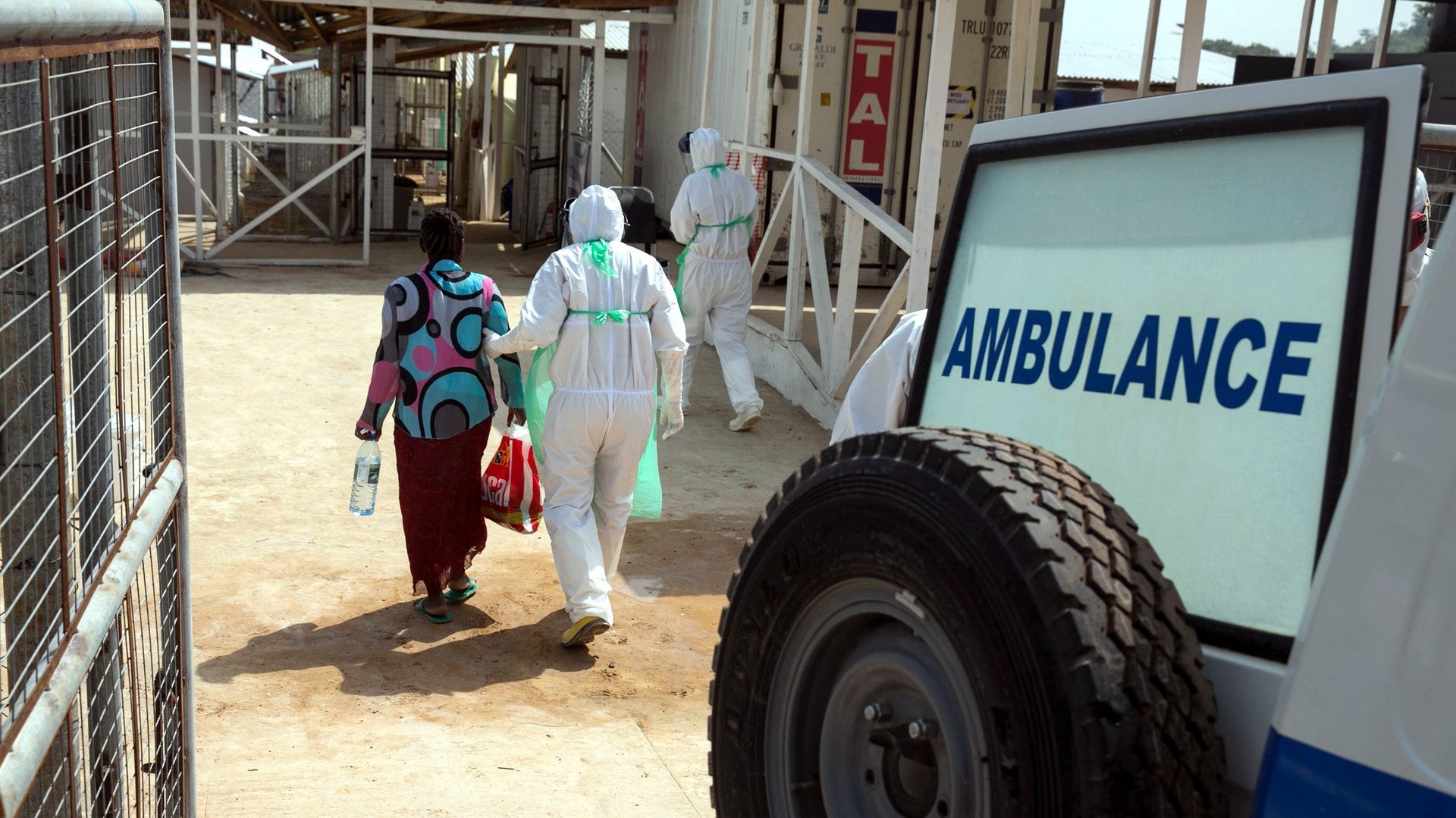
The International Monetary Fund gets blamed for many ills, thanks to its role as the global purveyor of fiscal rectitude. But four British academics writing in the medical journal Lancet have taken the IMF’s bogeyman reputation too far, arguing that the organization bears a share of the blame for the Ebola epidemic currently devastating west Africa.