

Money & Markets
Does protecting historic New York neighborhoods mean less affordable housing?Can you regulate aesthetics? Can economists measure it?
Updated July 21, 20222 min read
Can you regulate aesthetics? Can economists measure it?
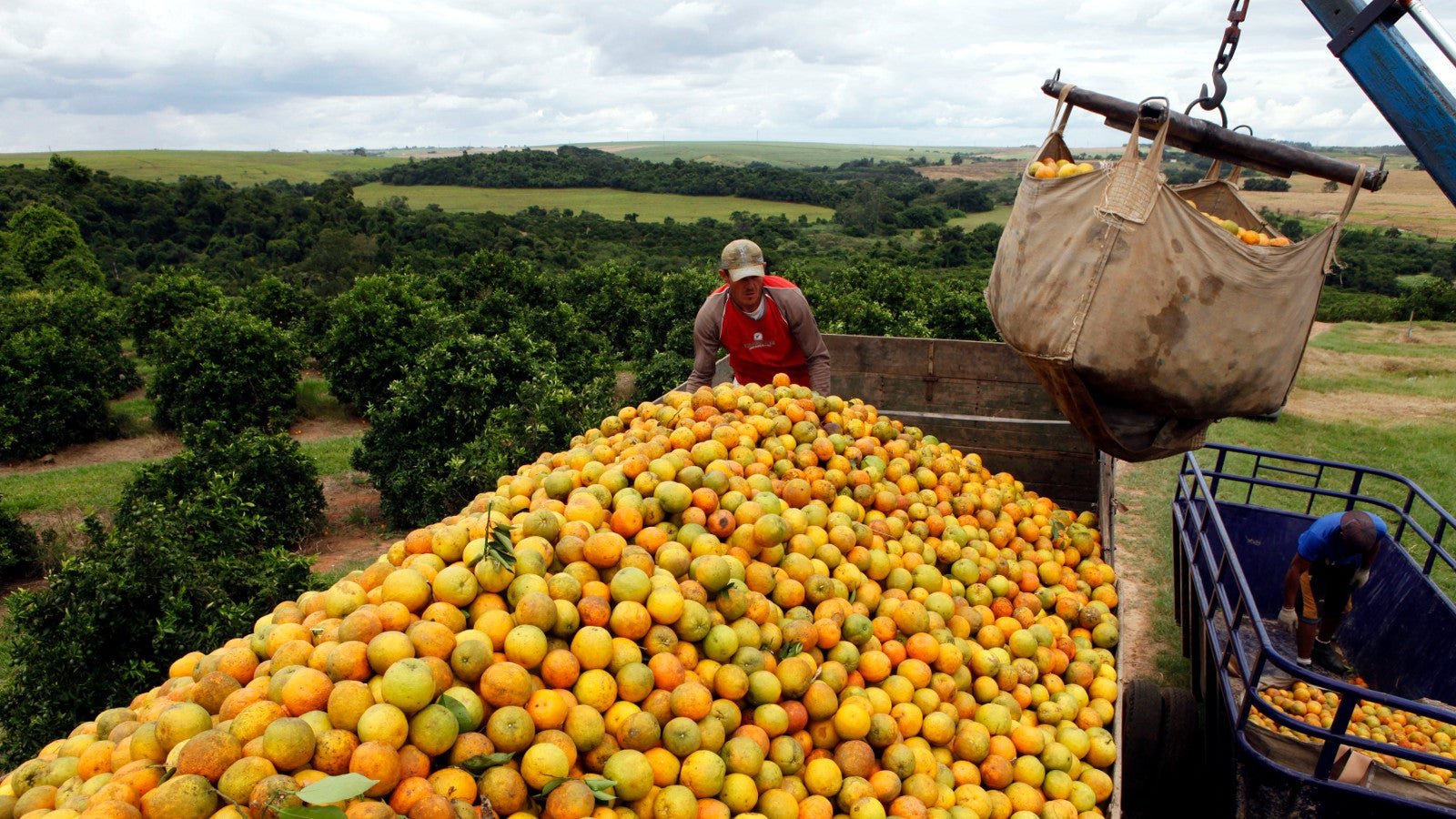
Brazil is leaking: In 2012, 1.5% of its gross domestic product—equal to $34 billion—slipped out of the country, never to return.
This item has been updated.

Where there’s fire, there’s smoke, and that makes getting a birds-eye view of a forest fire—in this case, a blaze in a California national forest—extremely difficult:
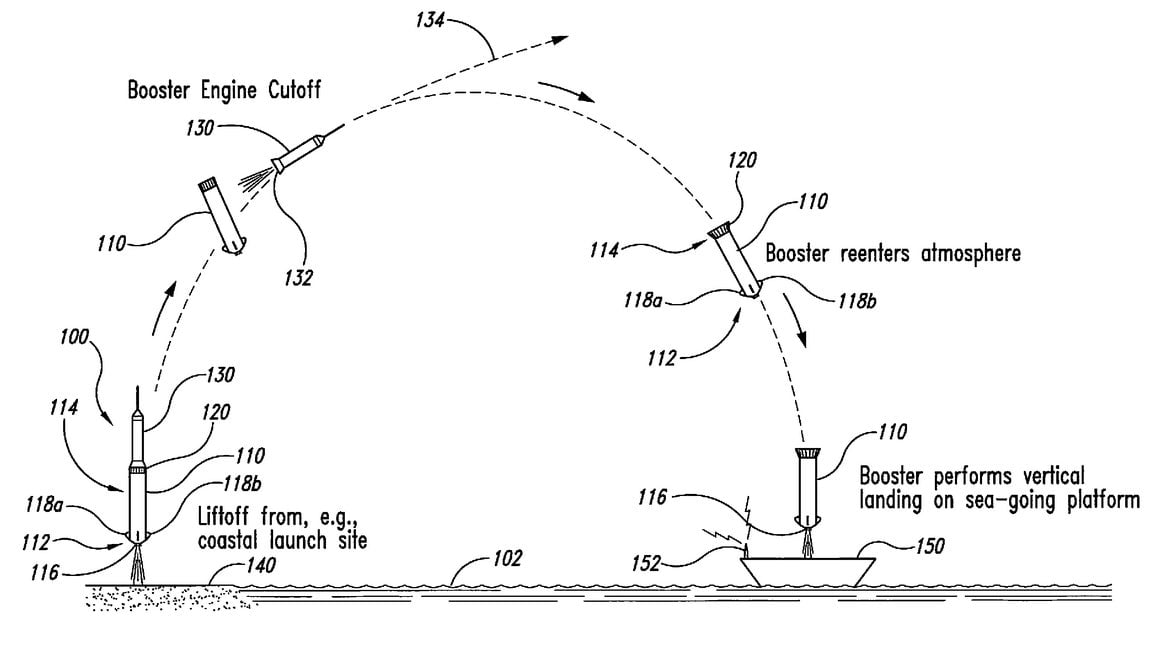
Whoever is the first to develop reusable rockets will have a huge advantage in the business of putting things into space: It could chop tens of millions of dollars off the cost of a launch, instantly putting the company with the technology miles ahead of its competitors.
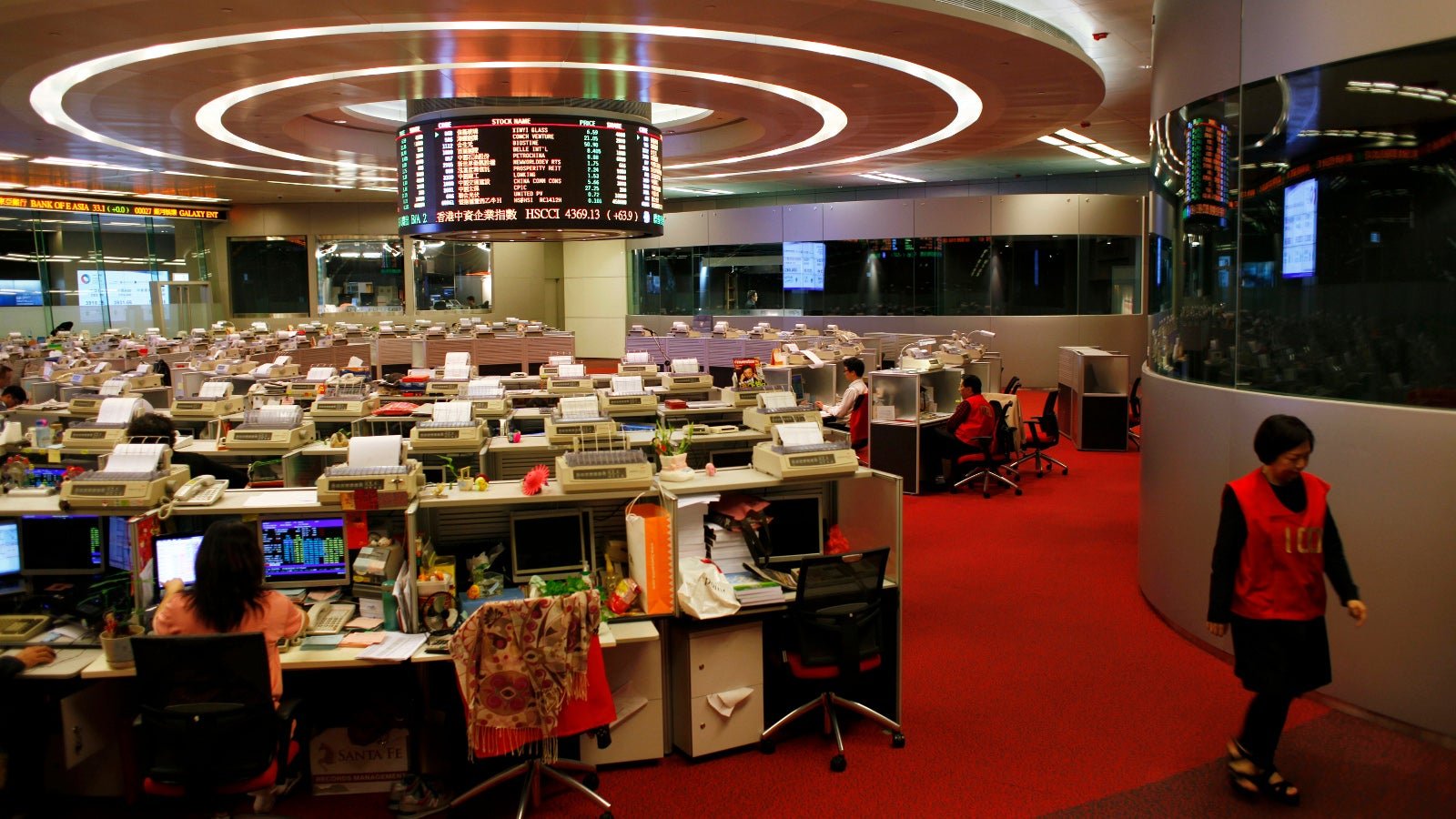
Is Tianhe Chemicals, a Chinese industrial firm that went public on Hong Kong’s stock exchange in June, a massive fraud?
Look at all those phones!

With a single court decision, Uber’s low-cost car service has been banned throughout Germany. Although the company faces potential fines of €250,000 ($328,000) per ride, it will keep operating its service while appealing the court’s decision.
This weekend marks the US celebration of the working human, but we temper the Labor Day celebration—as is our tradition here at Quartz—with a reminder that labor just doesn’t pay like it used to. As you can see in the chart above, the share of US national income going to salaries and wages has been falling pretty steadily in the past four decades, and despite some recent gains, hasn’t yet returned to pre-recession heights.
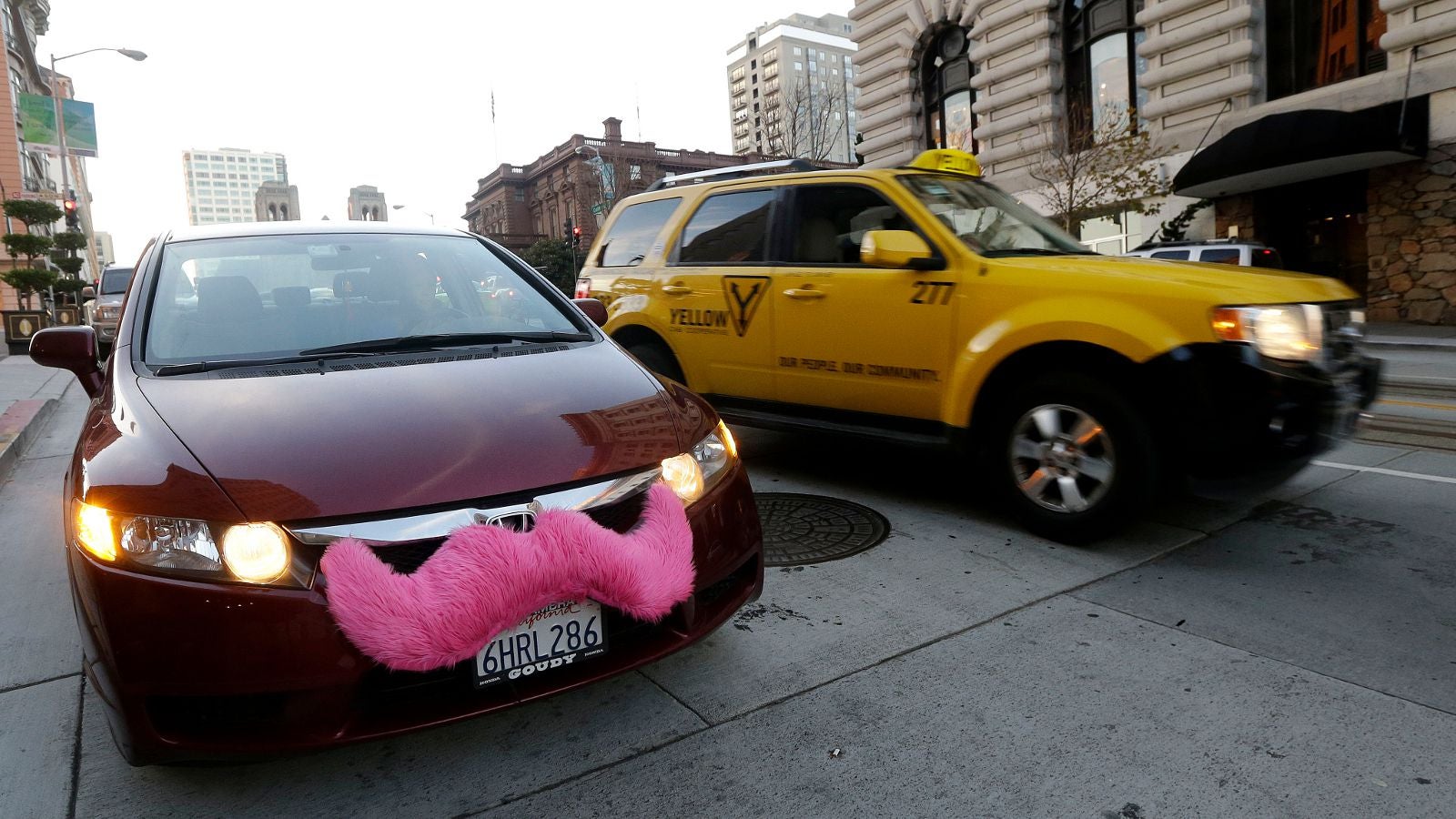
Uber, the online car service, is reportedly running a secret operation to recruit drivers from competitor Lyft that involves canceling thousands of ordered rides, and wasting drivers’ time. While some are outraged at the dirty-tricks aspect of the hiring campaign, there isn’t enough attention to being paid to why Uber is going to such lengths to add drivers to its network—and what it means for the company’s future.

Israel and the Palestine Authority have agreed to a long-term cease-fire brokered by the US and Egypt. While it remains to be seen if this cease-fire will last longer than others that quickly fell apart, diplomats seem to have more confidence in the current agreement. How did we get here?
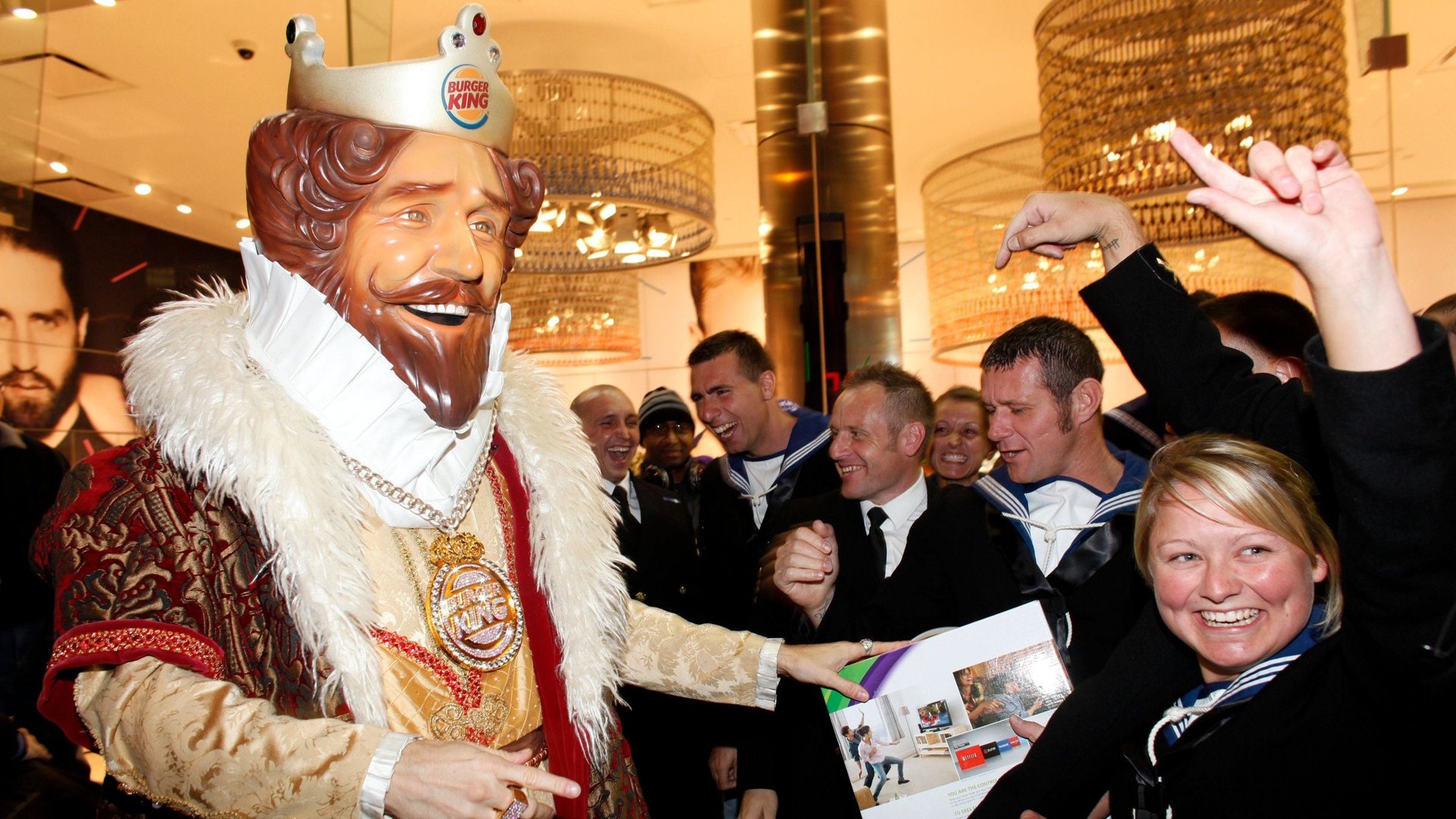
You can’t get mad at a company for doing every legal thing possible to make a buck, right?
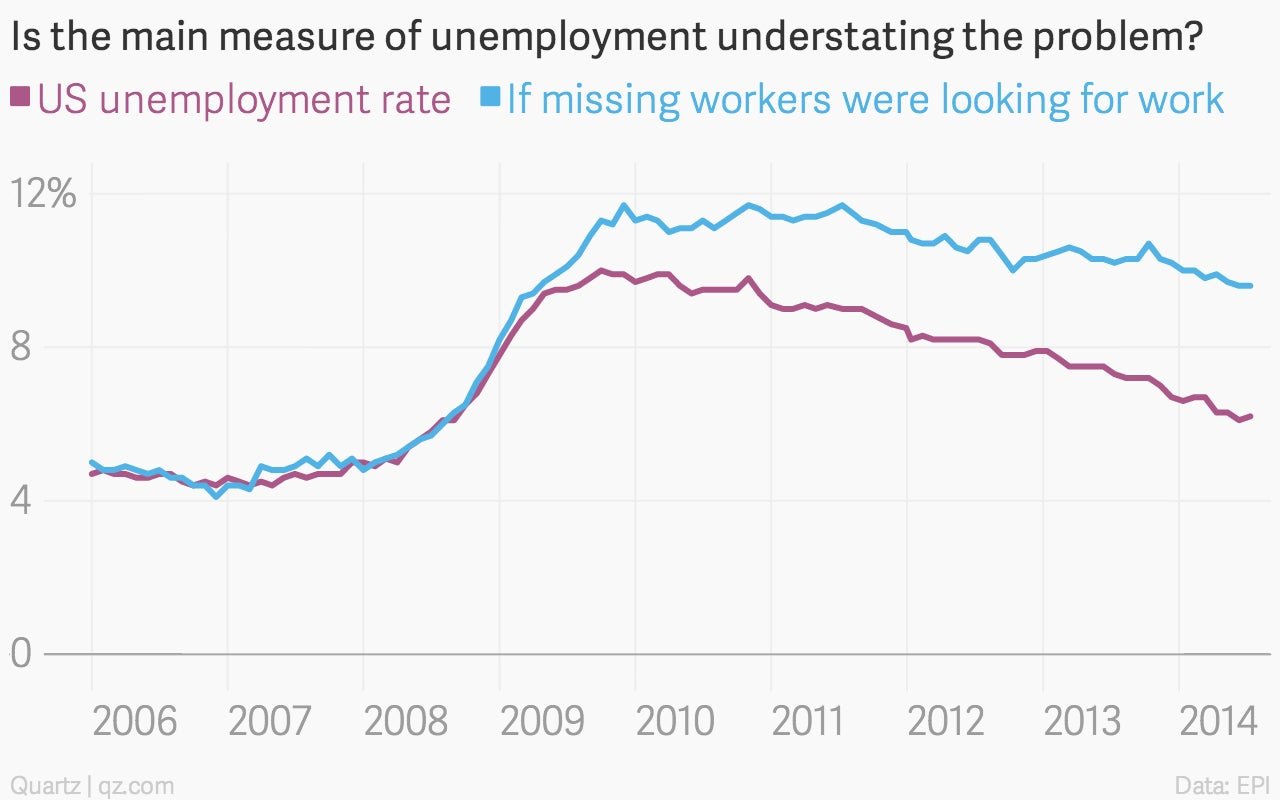
The most closely watched indicator in the US economy is the unemployment rate, but is it just a red herring?
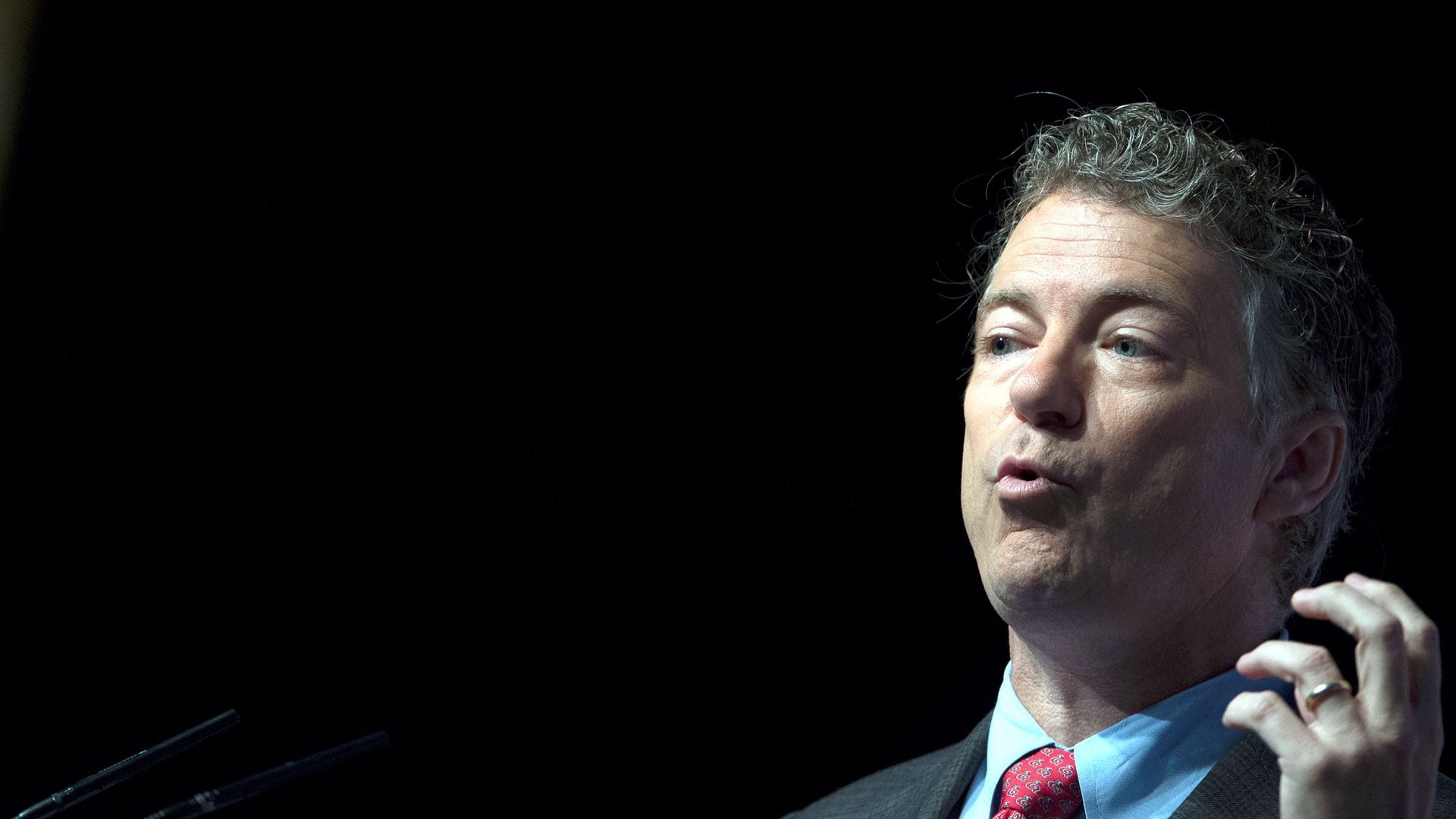
Only 11% of Americans say they are libertarians, despite media hype over a political movement rejecting government interference and the potential presidential run of the prominent libertarian senator Rand Paul (pictured above).
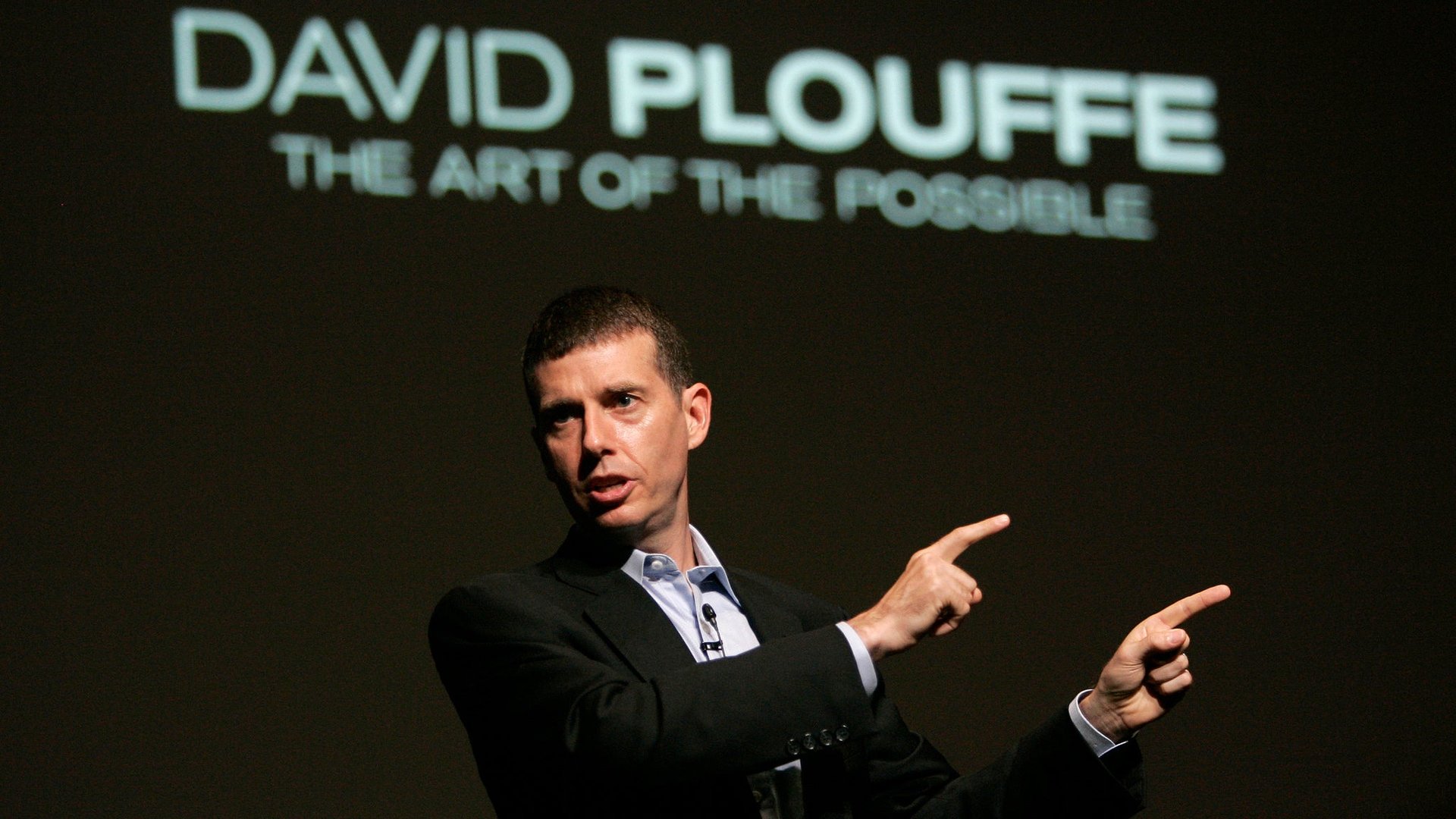
Uber, the car service company, is a libertarian darling for its fight against municipal taxi regulations and the industry cartel that supports them. So here was plenty of surprise when its search for a top political advisor lead to David Plouffe, the liberal political operative who helped put Barack Obama in the White House.
The video above has the look and feel of a political ad for the US elections this fall, but it’s just another tactic in the war over Argentina’s debt.
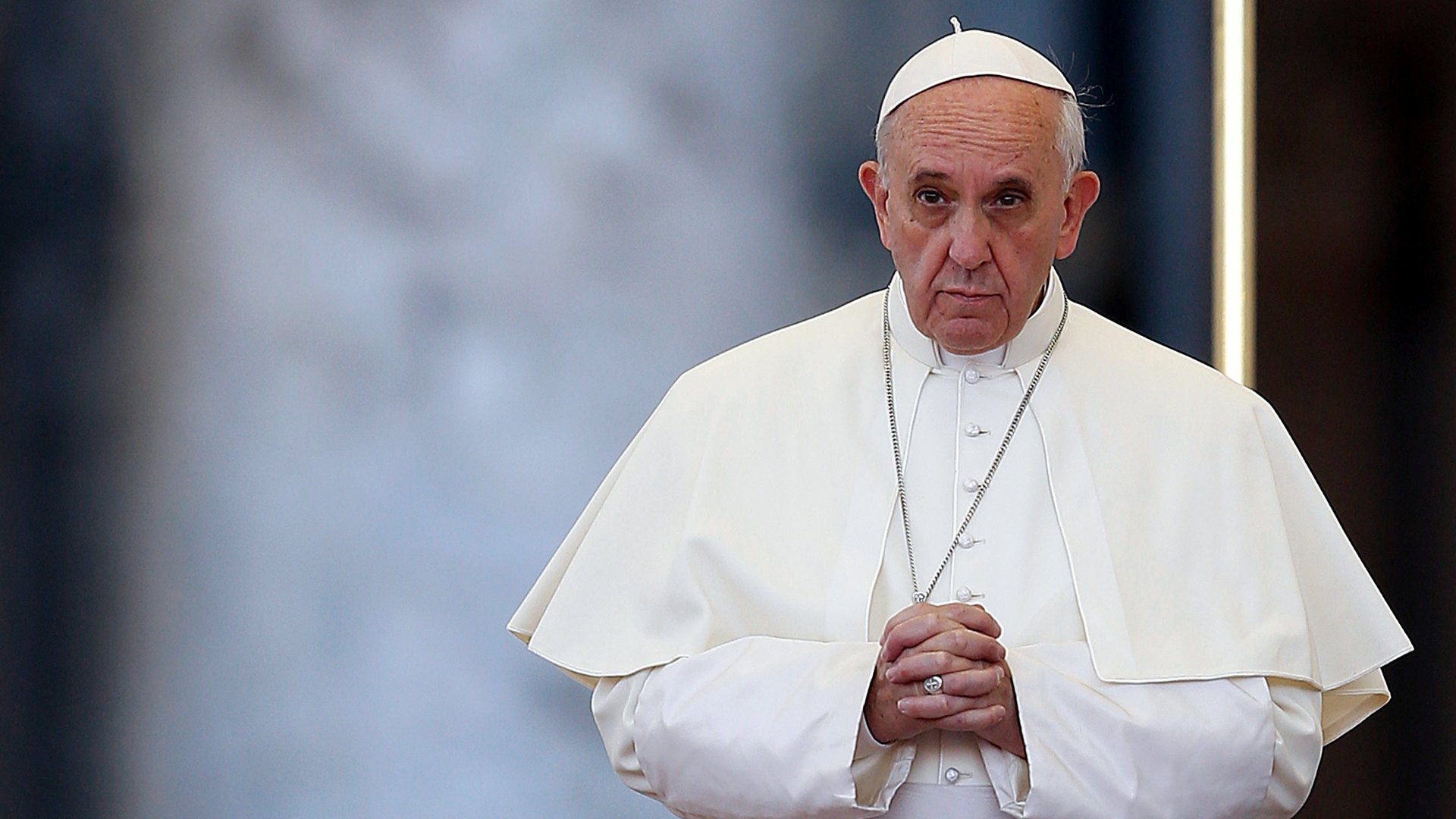
That statement from Pope Francis, the current head of the Roman Catholic Church, offers a contrast with that of then-Pope John Paul II at the time of the 2003 US invasion of Iraq:

Want to keep some news from getting out? It’s probably best not to call more attention to it, by, say, launching an advertising blitz around it.
PricewaterhouseCoopers, the consulting firm which assures investors and regulators alike that businesses’ books are on the up-and-up, will pay a $25-million fine and be barred from certain work with Wall Street banks for two years after misleading regulators, the New York Times reports.
It isn’t easy keep the internet connected. A large country will bite off a chunk of a smaller one, and switch the network connection; or hackers will program a swarm of robots to overload a website, cutting it off from everyone else; or sharks will just eat undersea fiber optic cables:

There’s a dearth of cheap living space in the US: the supply of homes costing less than $198,000 fell 17% in June compared to 2013, leaving first-time buyers hung out to dry.
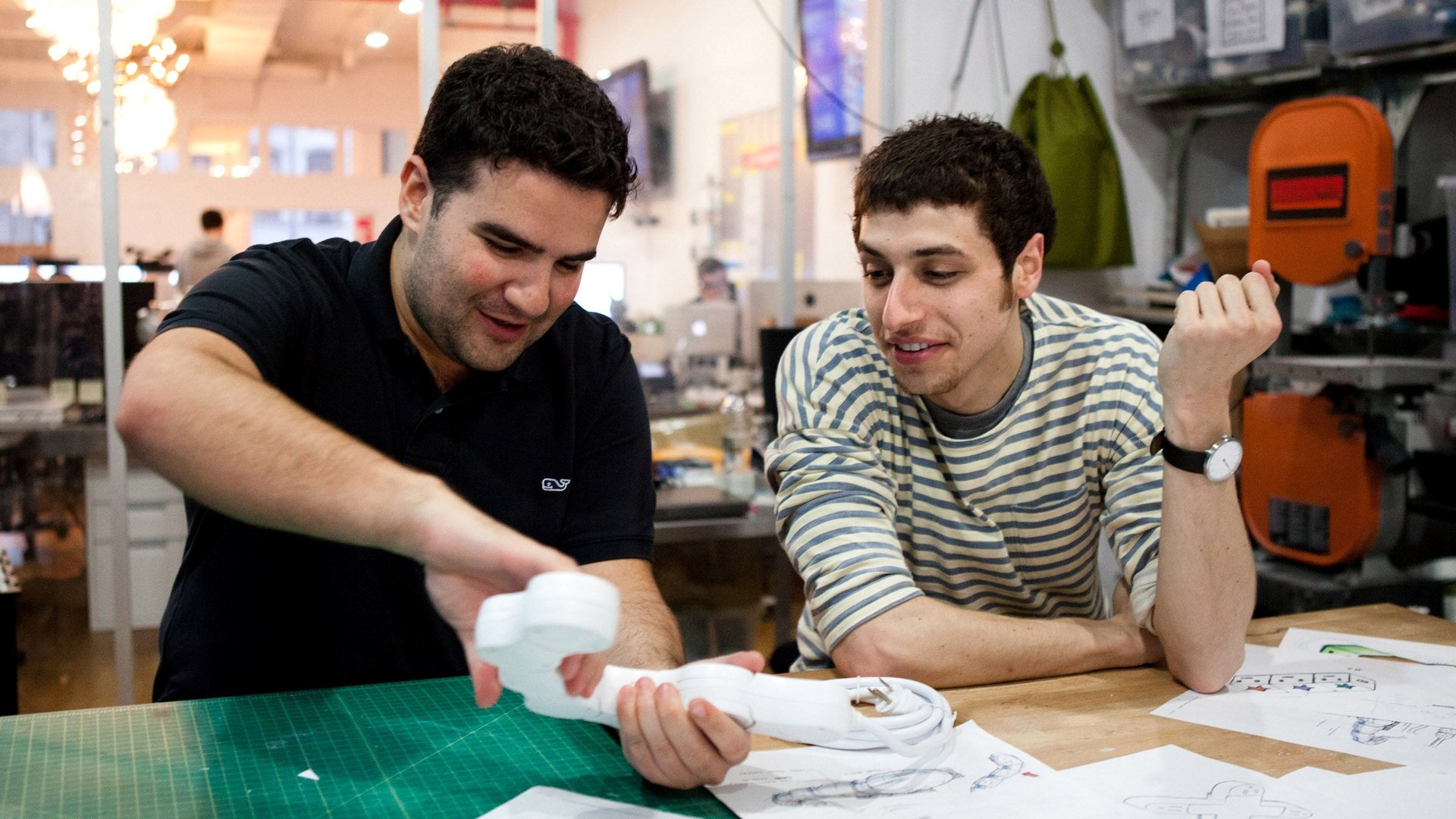
GE—then, General Electric—was founded by America’s most famous inventor, Thomas Edison, to bring his innovations to the masses. Now, the masses are bringing innovation to the 122-year-old firm through Quirky, a crowd-sourced inventions company that has worked with GE and could end up acquiring its appliance division.

Meet some nervous oligarchs: They’re rich enough to own professional soccer teams, but they’re Russian enough to know that president Vladimir Putin won’t brook any dissent.

It was something of a lark all along.