
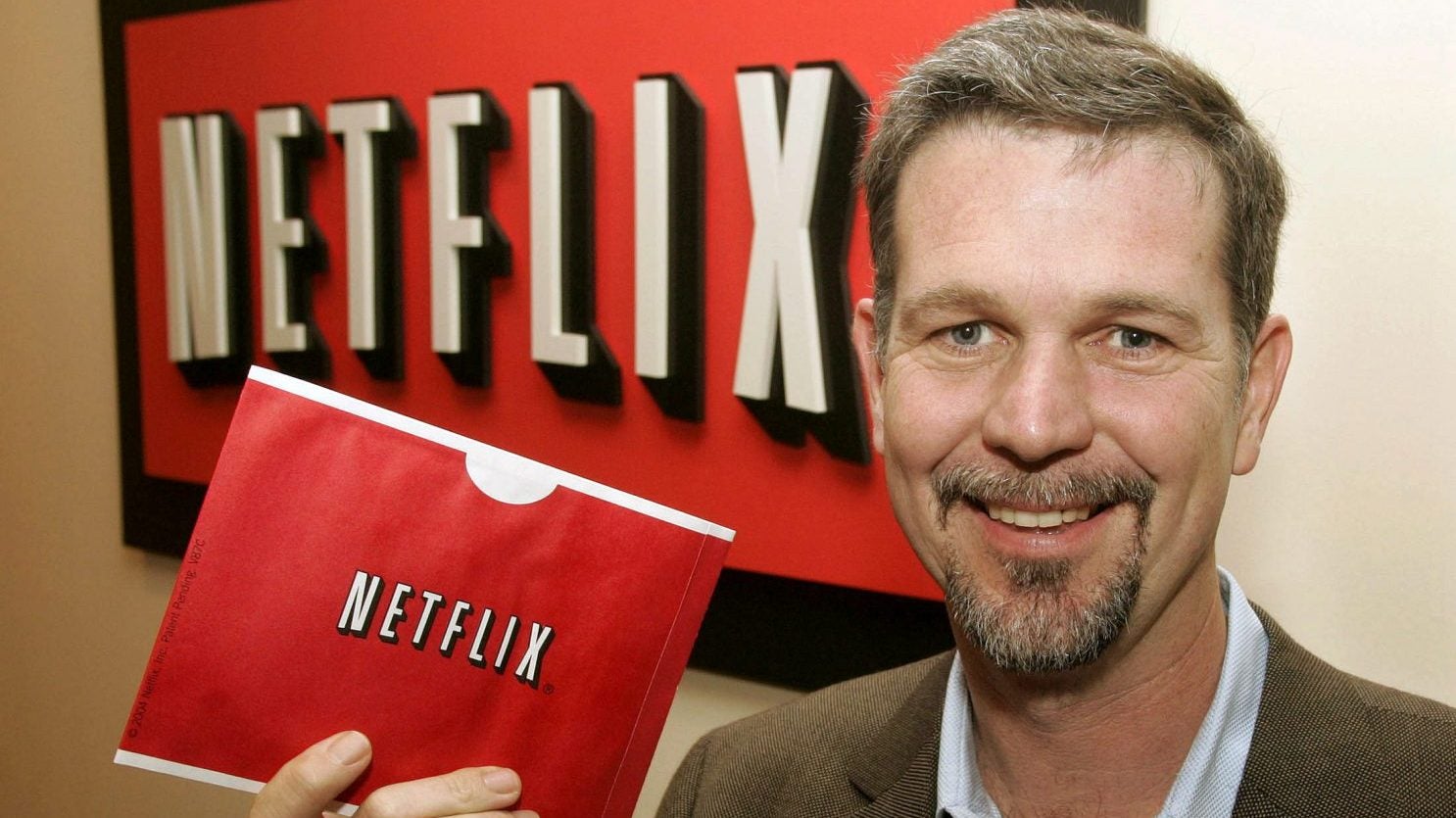
Roku, the streaming hardware company, began its life in 2007 as “Project Griffin,” a Netflix initiative to make streaming easier. Netflix decided at the last minute to spin the project into its own company and Roku went public in 2017.
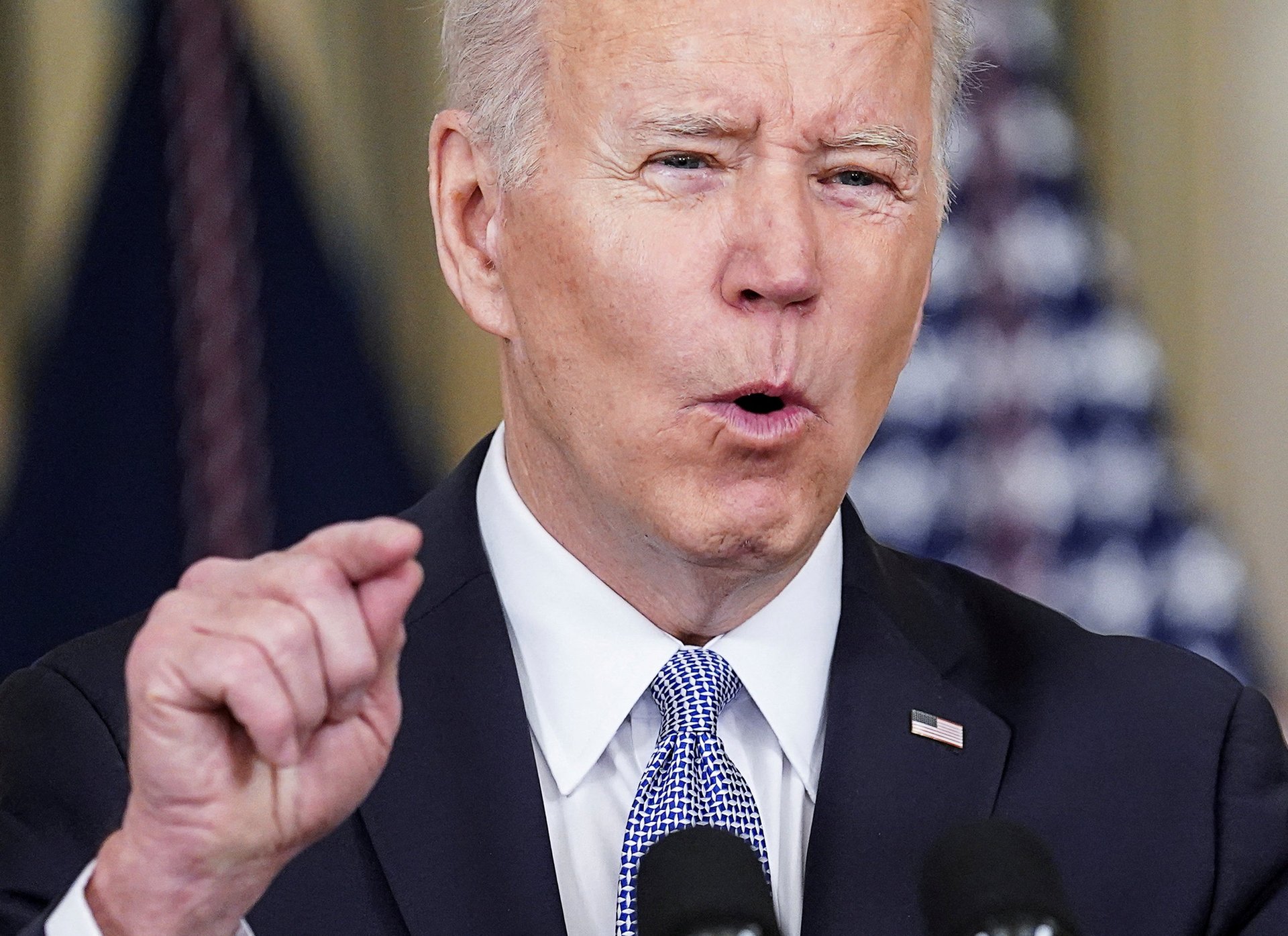
Joe Biden laid out his plan for fighting inflation today in a Wall Street Journal op-ed. The knock on it is that he mostly acknowledges that taming high inflation is largely out of his control. But the strength of Biden’s plan is what it doesn’t contain: He avoids the most common policy mistake that politicians make in response to inflation.
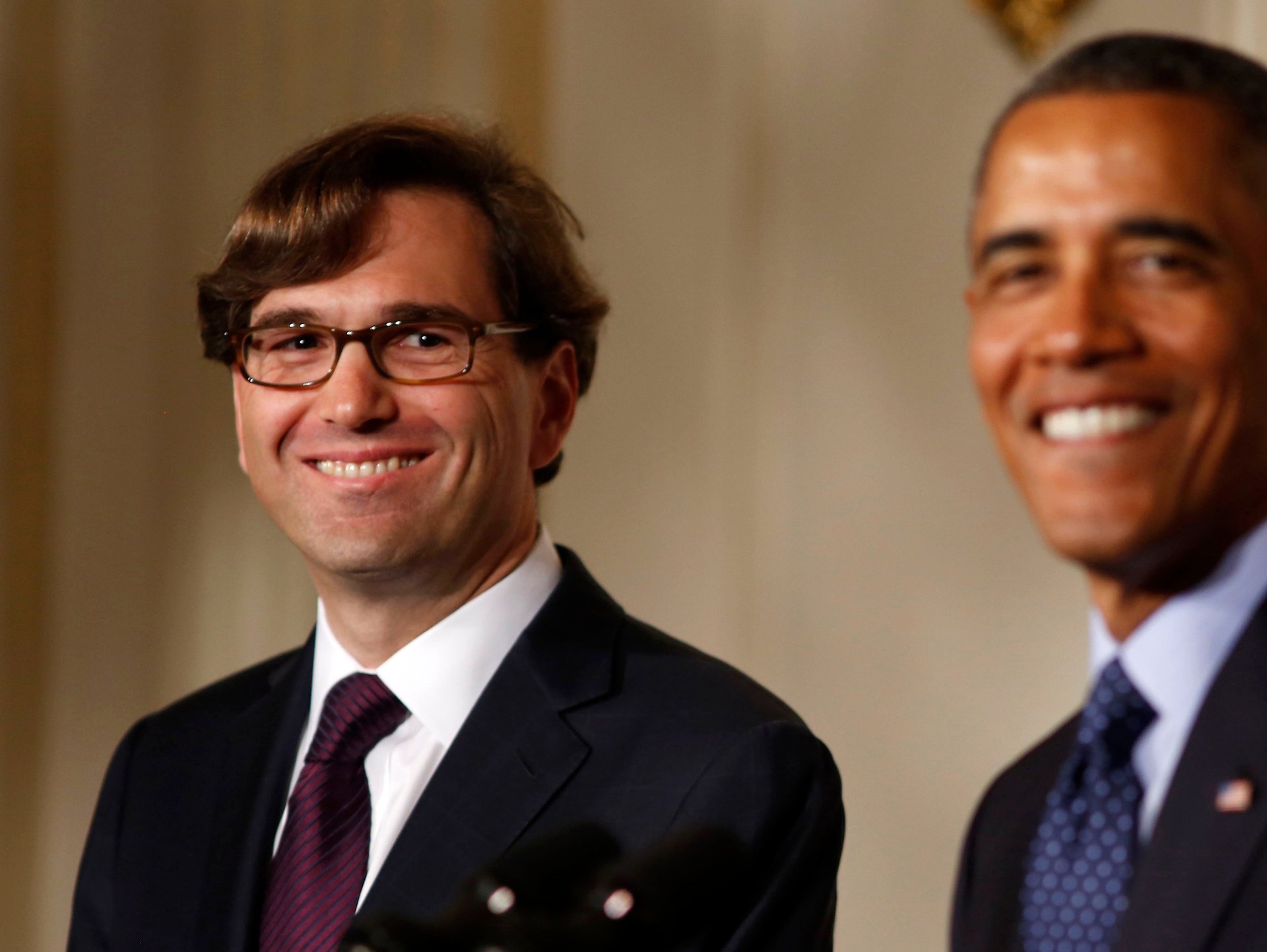
In October 2015, Jason Furman, then chair of President Obama’s Council of Economic Advisers, sounded the alarm about rising monopoly power in the US. In a paper with fellow economist Peter Orszag, Furman attributed some of the rise in US income inequality to companies’ ability to avoid the pressures of truly competitive markets.
Davos returns later this month. Follow along with our Need to Know: Davos popup email.

Tech companies are having a rough month. Startups are announcing layoffs, valuations have dropped in both public and private markets, and venture capitalists are doing fewer deals.

The path to a Fortune 500 board seat is changing.
Never has so much money poured into venture capital.
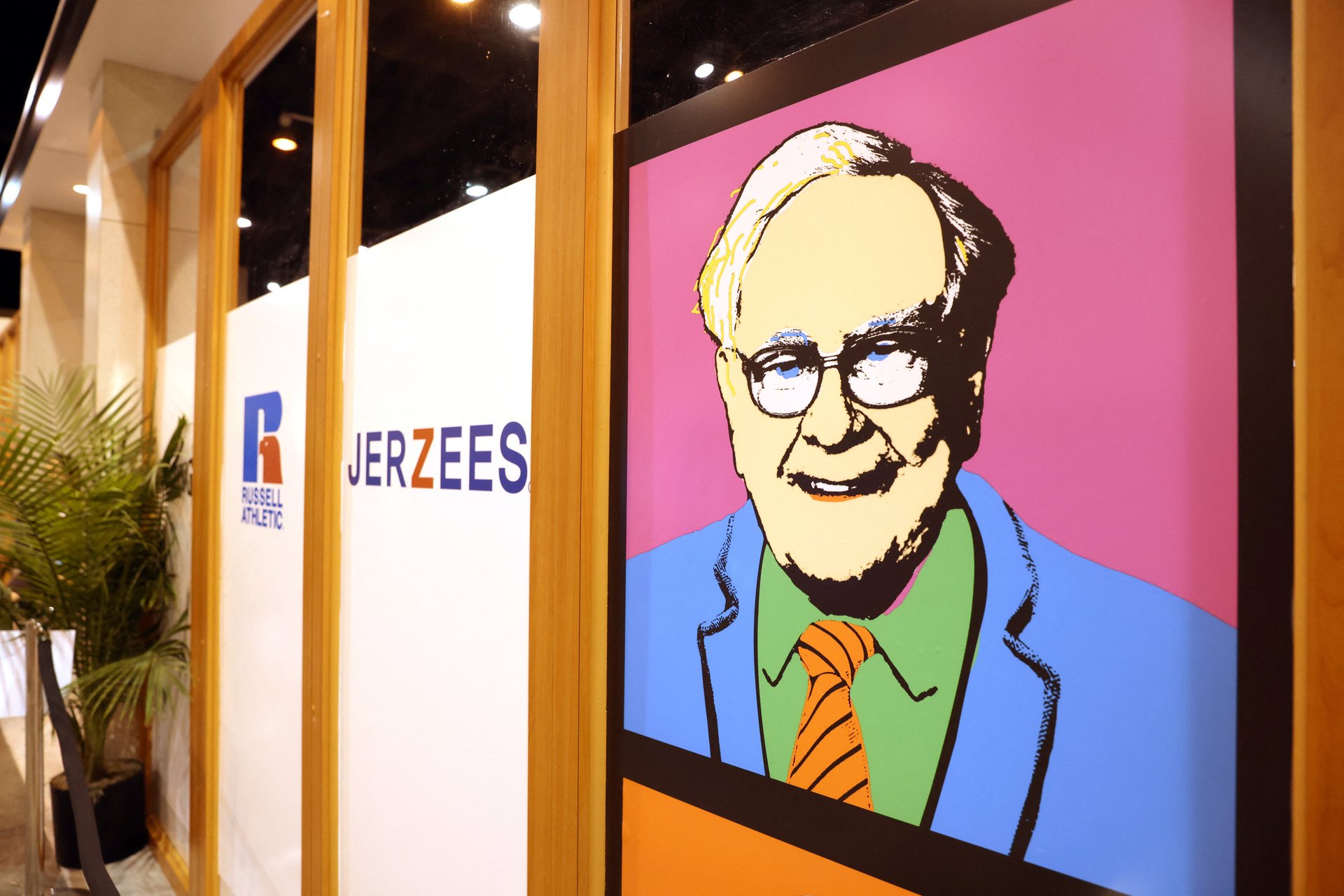
Value investor Warren Buffett took his antipathy toward crypto to new heights over the weekend. The Oracle of Omaha was asked about bitcoin at Berkshire Hathaway’s annual meeting over the weekend and claimed he wouldn’t buy it at any price.
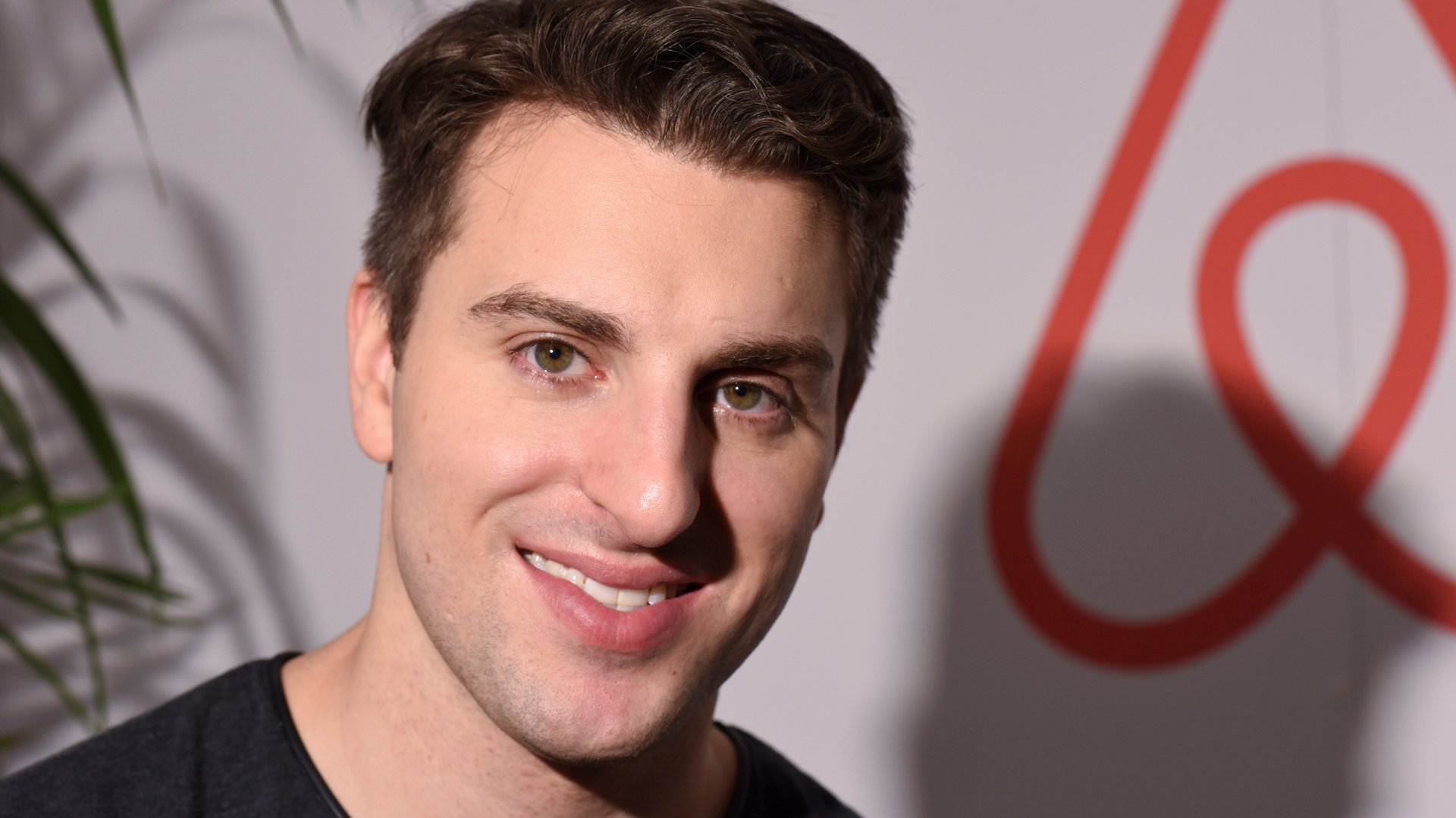
Airbnb, the company that changed how millions of people travel, is trying to figure out how to allow its staff to live and work from anywhere. On Friday, Airbnb CEO Brian Chesky announced on Twitter “five key features” of its new work policy, which goes further than several other tech giants in its flexibility for employees:


Pssst, we dropped our paywall! Quartz is on a mission to make the global economy more equitable and inclusive, a goal best realized with journalism that’s accessible to everyone. Thanks to your support as a Quartz member—which comes with our exclusive Weekend Brief and Forecast emails—we can make that happen. Log in and use this link to gift a membership, and/or to renew at 50% off.
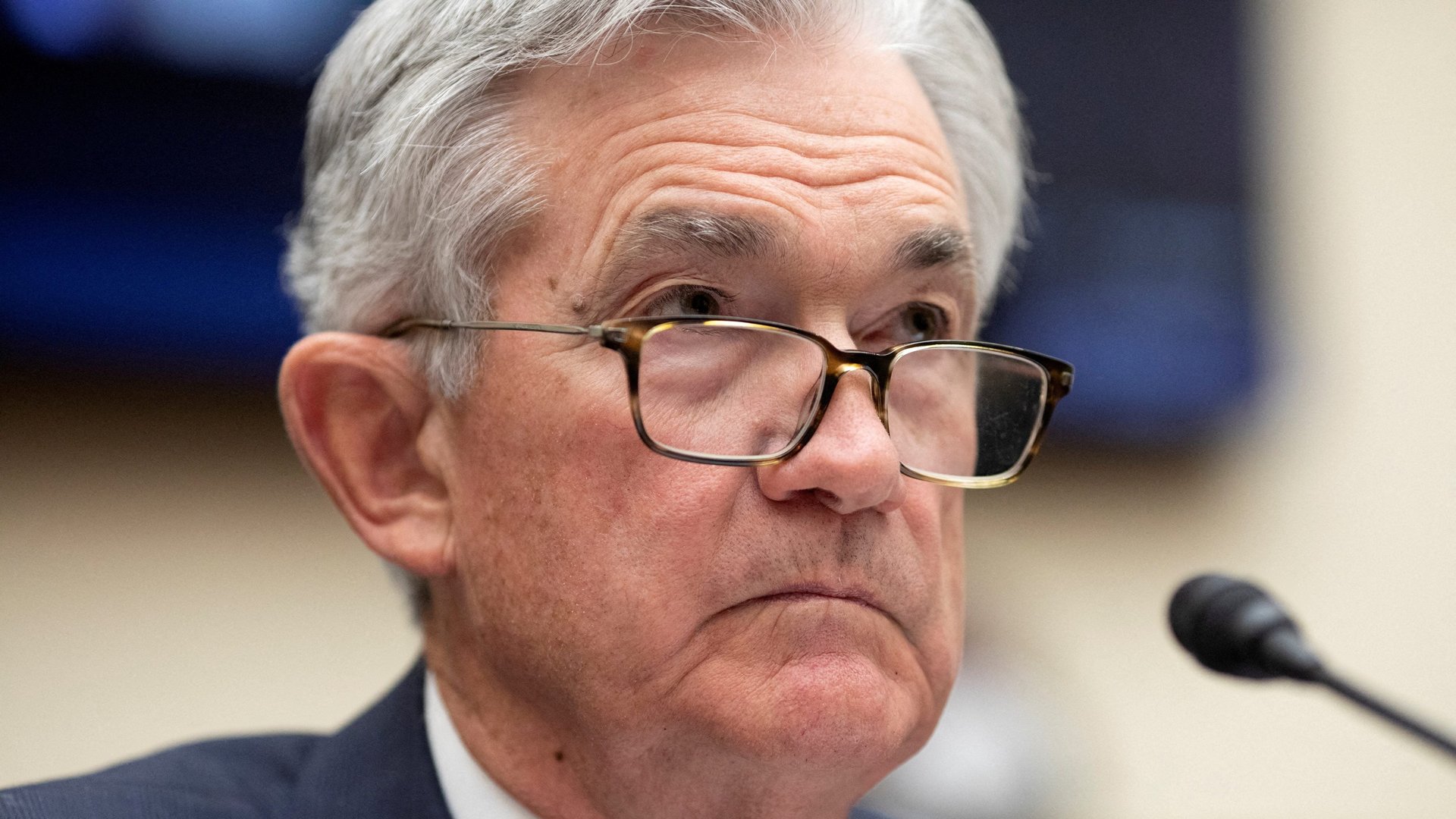
Economic forecasters have downgraded their estimates of US economic growth this year, as the economy struggles with high inflation, higher oil prices caused by the war in Ukraine, and ongoing covid-related supply disruptions. There is now about a one-in-three chance that the US economy enters recession this year, according to a range of forecasters using different methods.
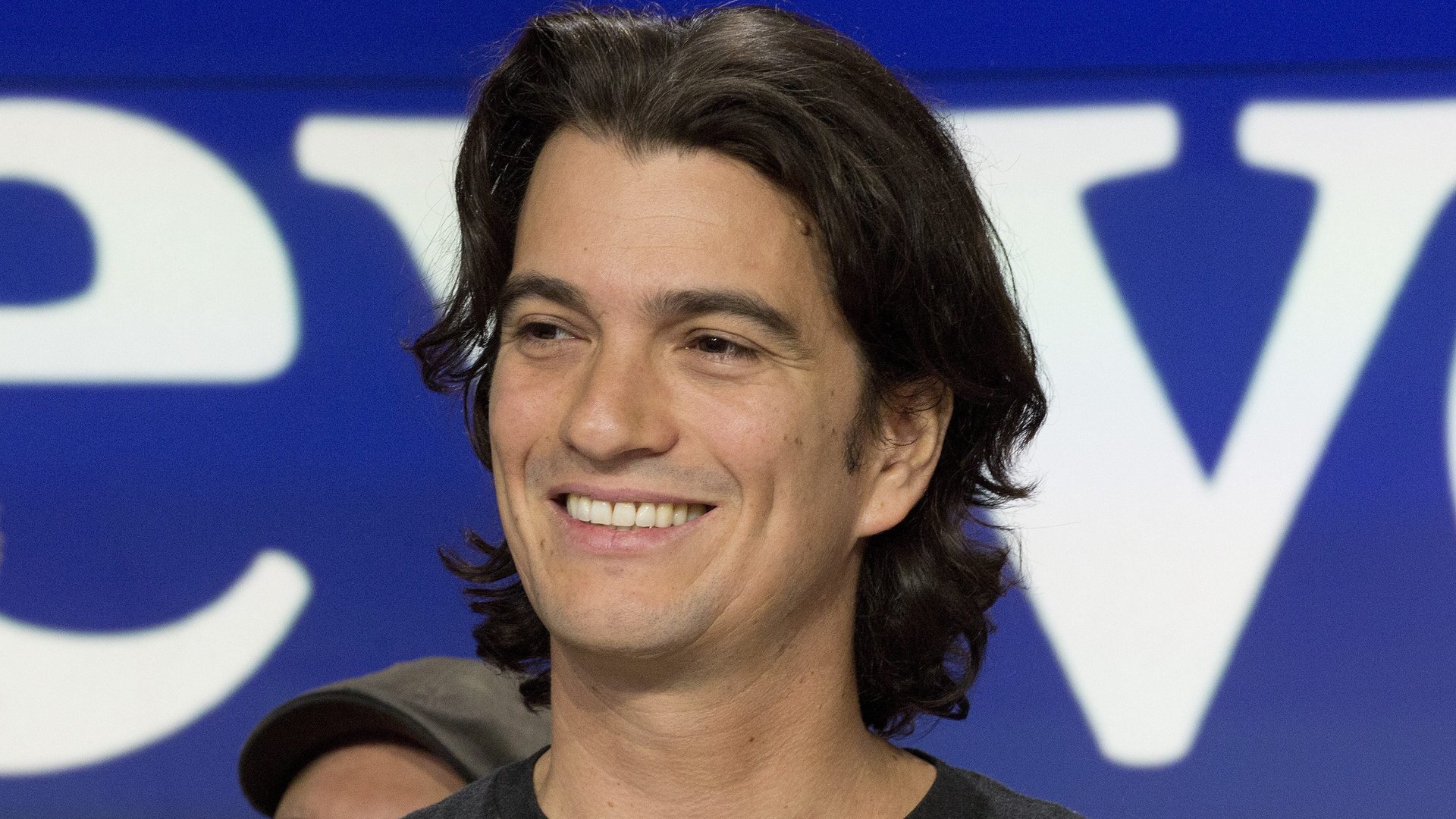
Adam Neumann no longer helms WeWork, the company he co-founded and ran until his high-profile ouster in 2019. But he isn’t done with startups. Neumann has invested in 49 companies to date through his family fund, which employs more than 50 people, according to an interview with the Financial Times. He says his experience running WeWork helps him navigate his new role as venture capitalist.
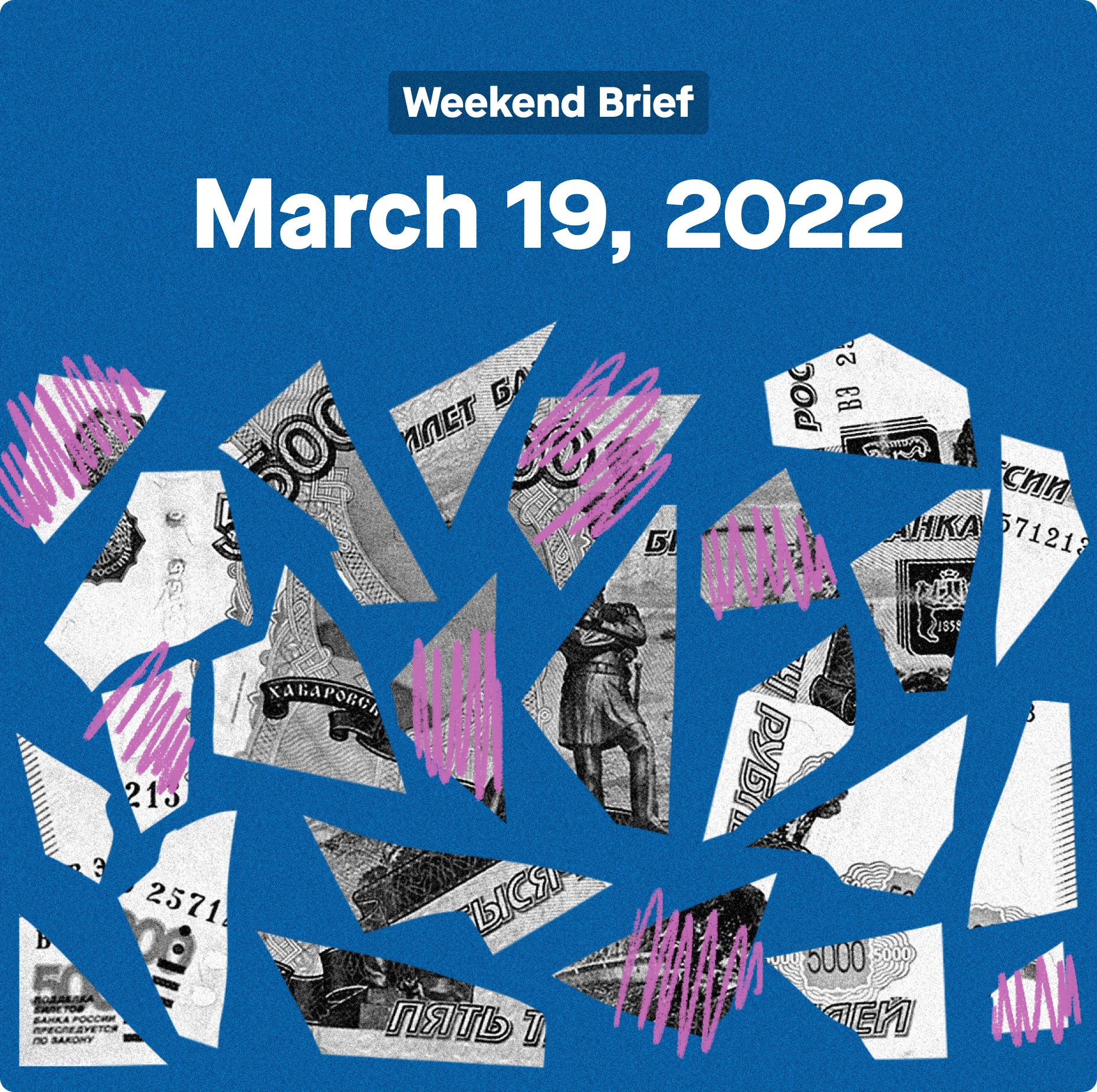

More than 400 companies have withdrawn from Russia since it invaded Ukraine. But what are they hoping to achieve? An end to the war? Clean hands? A brand boost? The companies’ statements aren’t always clear—McDonald’s, for example, said it has always been committed to the principle of “Do the right thing.” That raises as many questions as it answers.



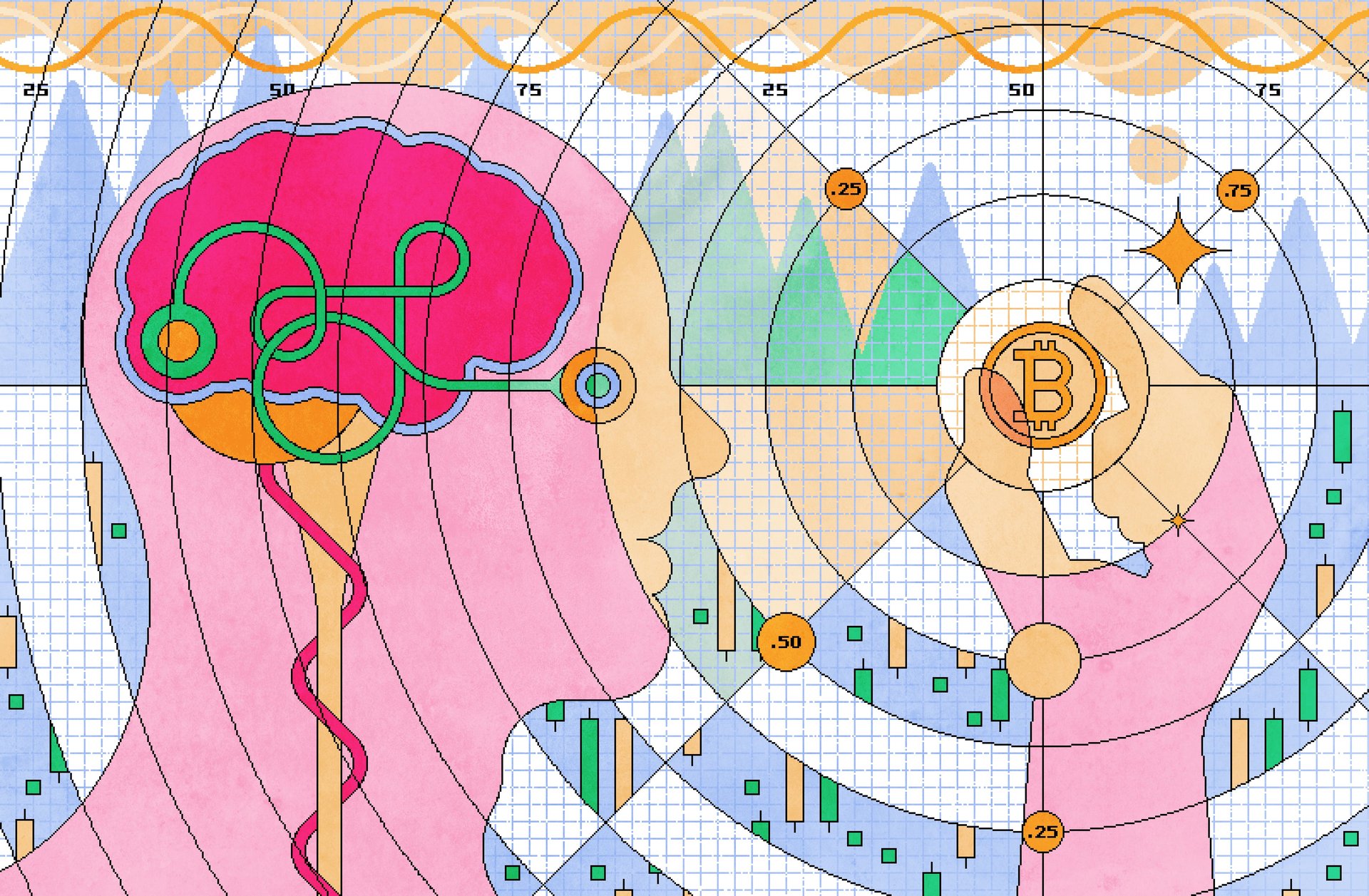
When the first cryptocurrencies emerged in 2009, the space felt like the Wild West—it was unregulated, it was experimental, and it took a fair amount of know-how to move through it comfortably and not get swindled. Over the ensuing decade, crypto crept towards the mainstream, slowly turning skeptics into proselytizers. By summer 2021, everything had changed. Finance, art, even whole companies were being run on the blockchain and were no longer relegated to the margins.