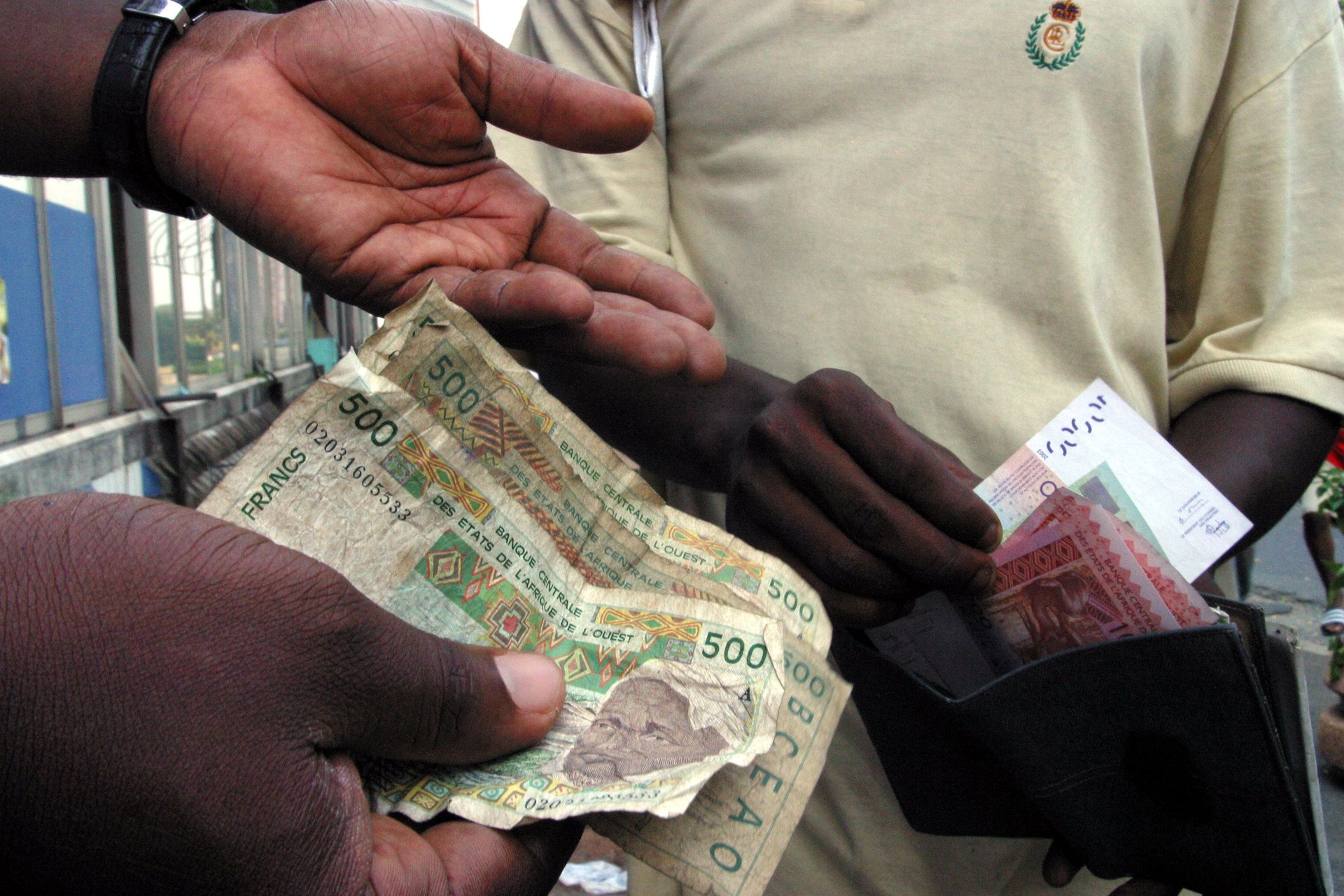
ECOWAS, the regional bloc of countries in West Africa, has just revived an old dream: adopting a single currency across member states.

ECOWAS, the regional bloc of countries in West Africa, has just revived an old dream: adopting a single currency across member states.

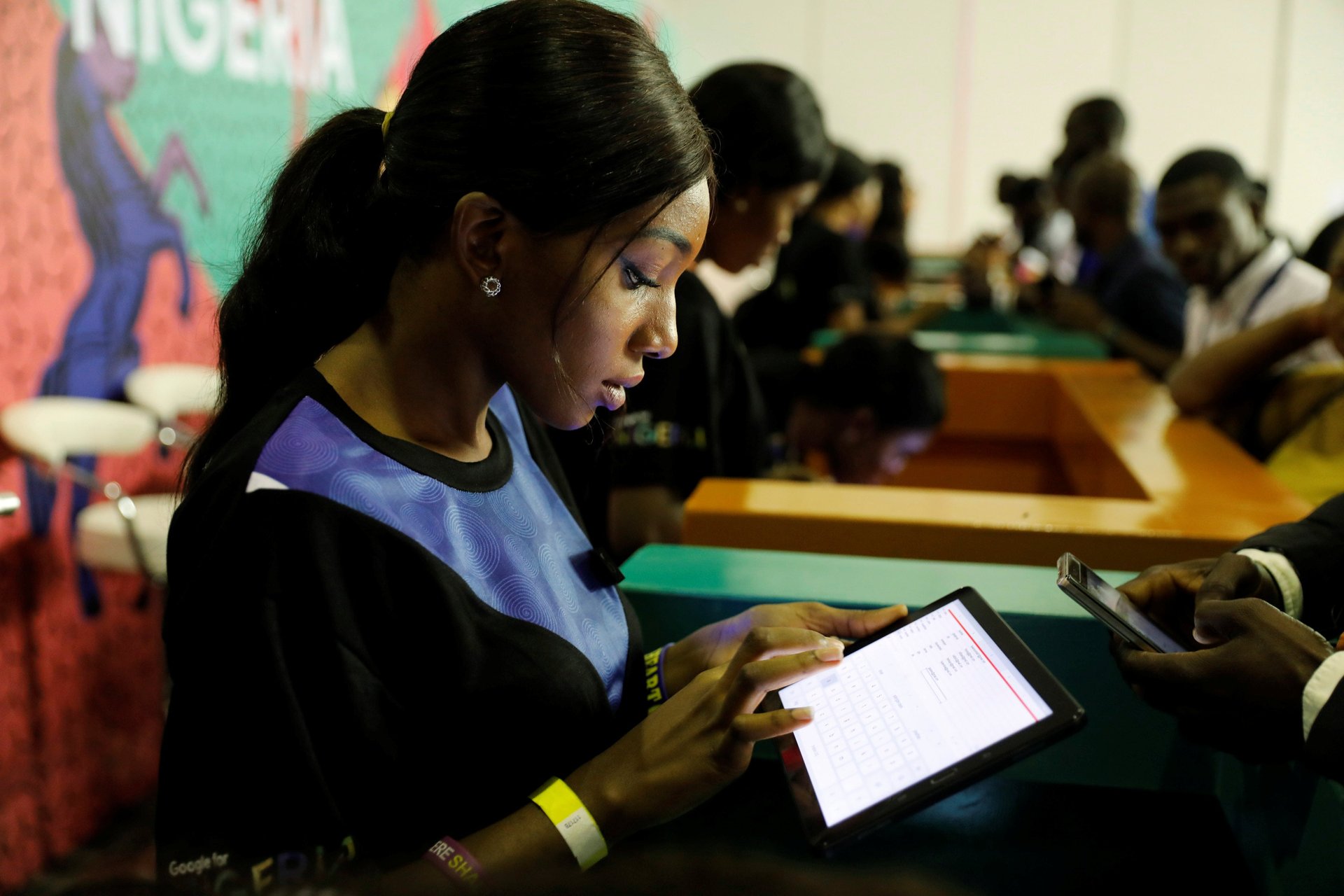
The rapid growth in internet usage despite high cost of access and the expected population boom in Africa—already the youngest continent by age of its population—jointly represent a significant opportunity for some of the world’s largest tech firms who are betting big on facilitating internet infrastructure and, by extension, ensuring hundreds of millions of potential customers get online to use their services.

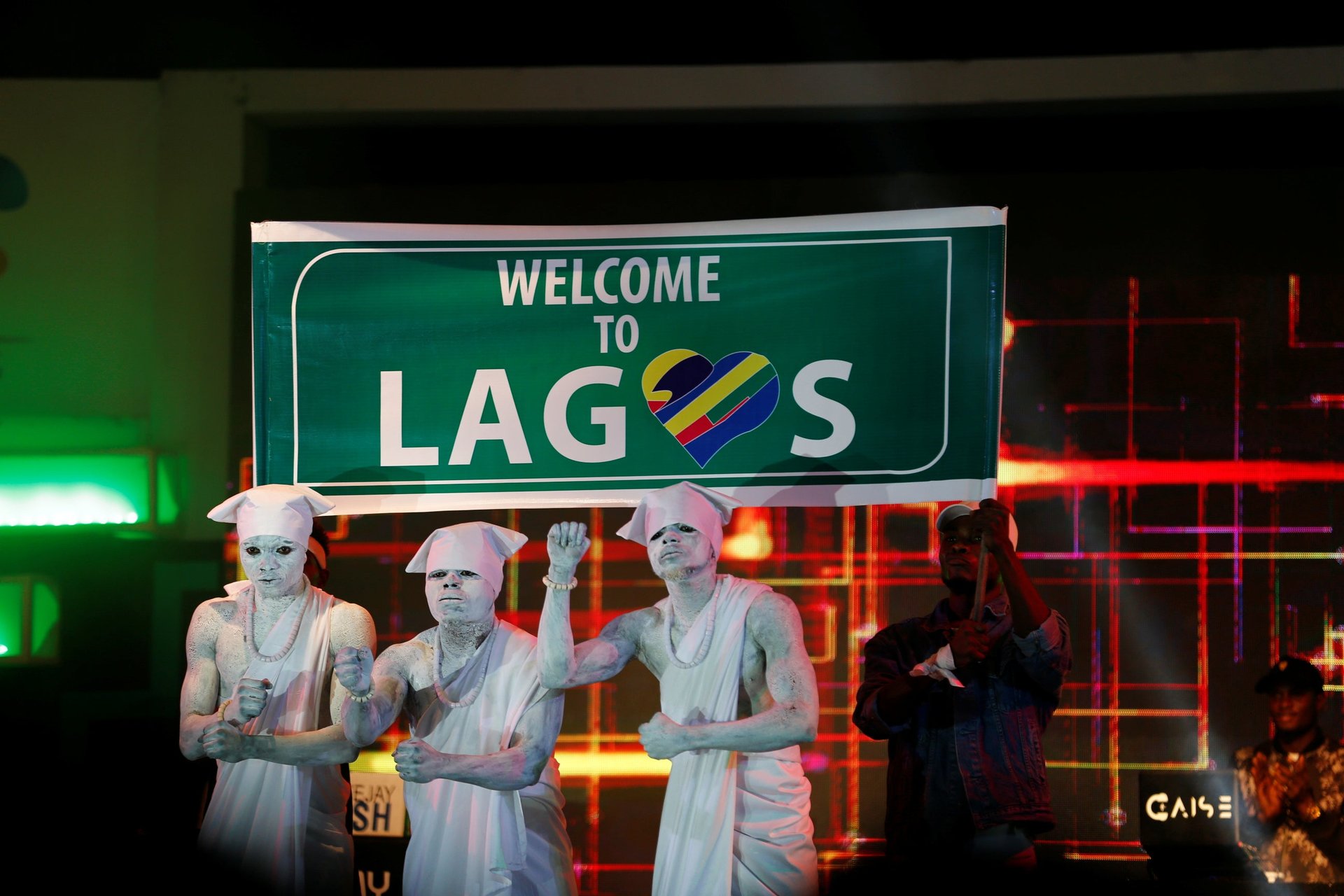
It’s unlikely that Lagos, Nigeria’s bustling economic hub, ranks very high on the bucket list of tourists who want to visit Africa.

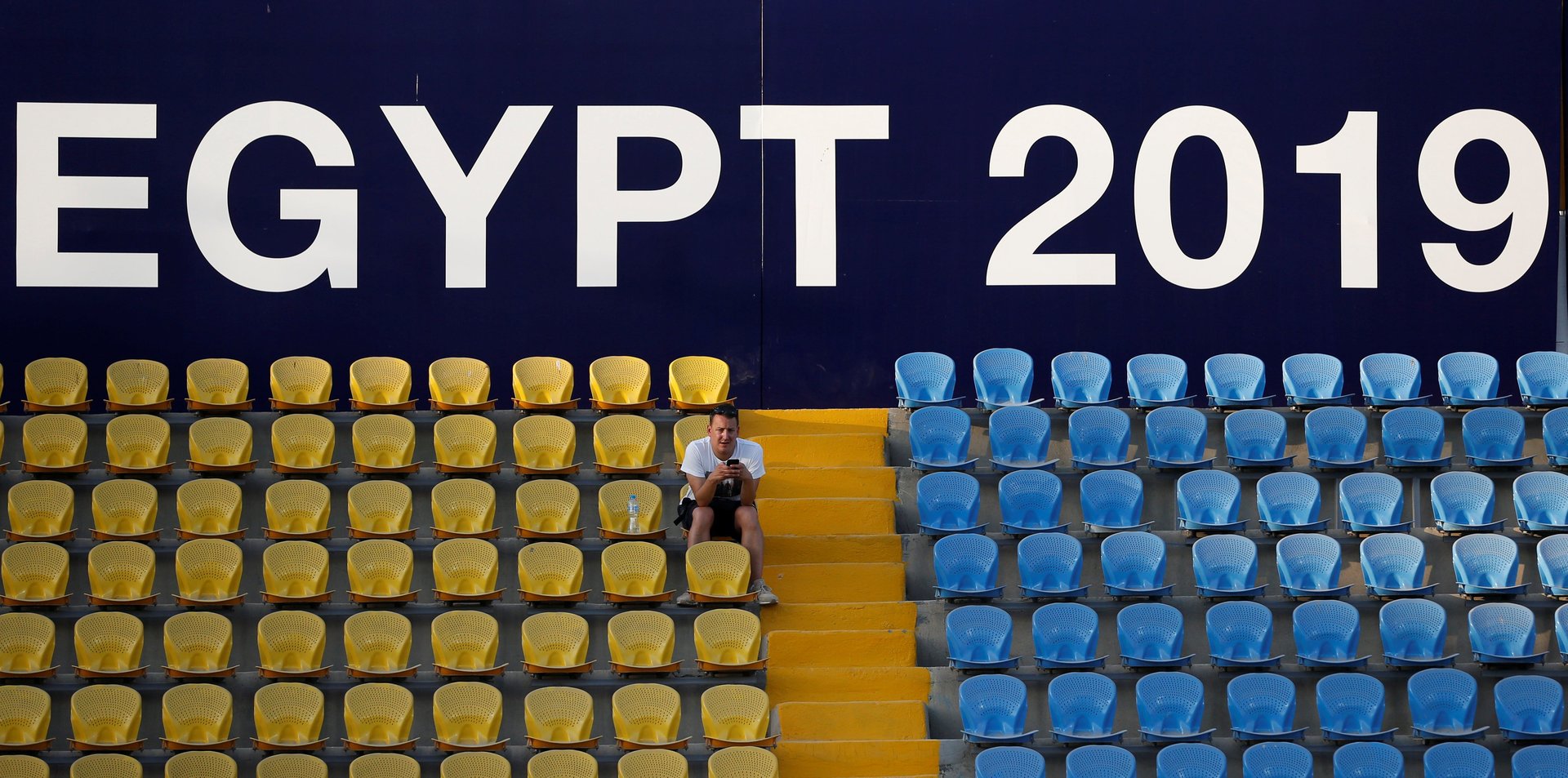
Millions of African soccer fans dream of being at the African Cup of Nations (AFCON) to support their national teams, but not everyone can afford to do so.

It’s official: the best player in the world’s best basketball league is Nigerian—at least by heritage.

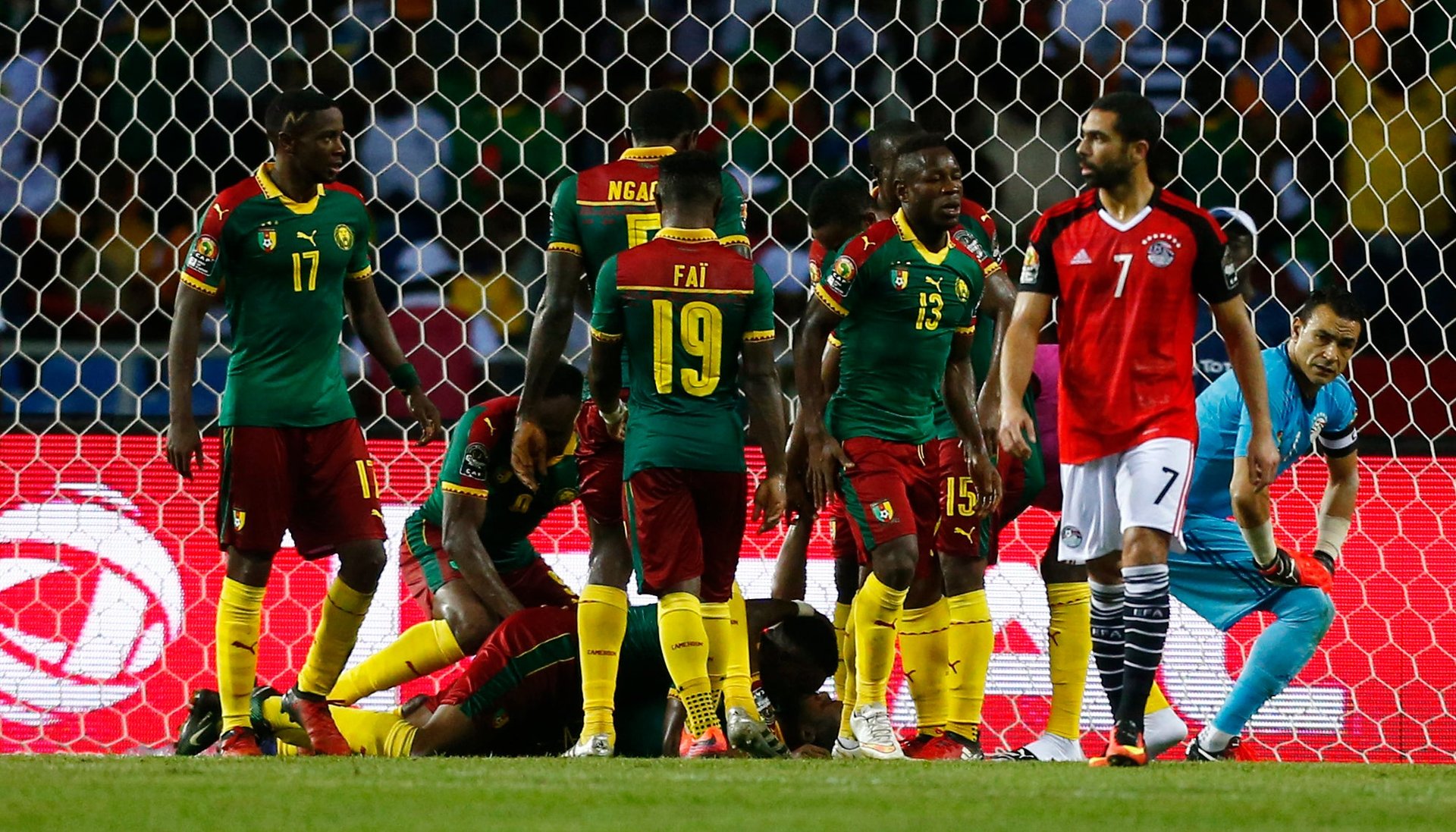
For many African countries, national soccer teams provide an escape from enduring political, economic and social problems but, as it turns out, these teams are not exempt from those problems either.

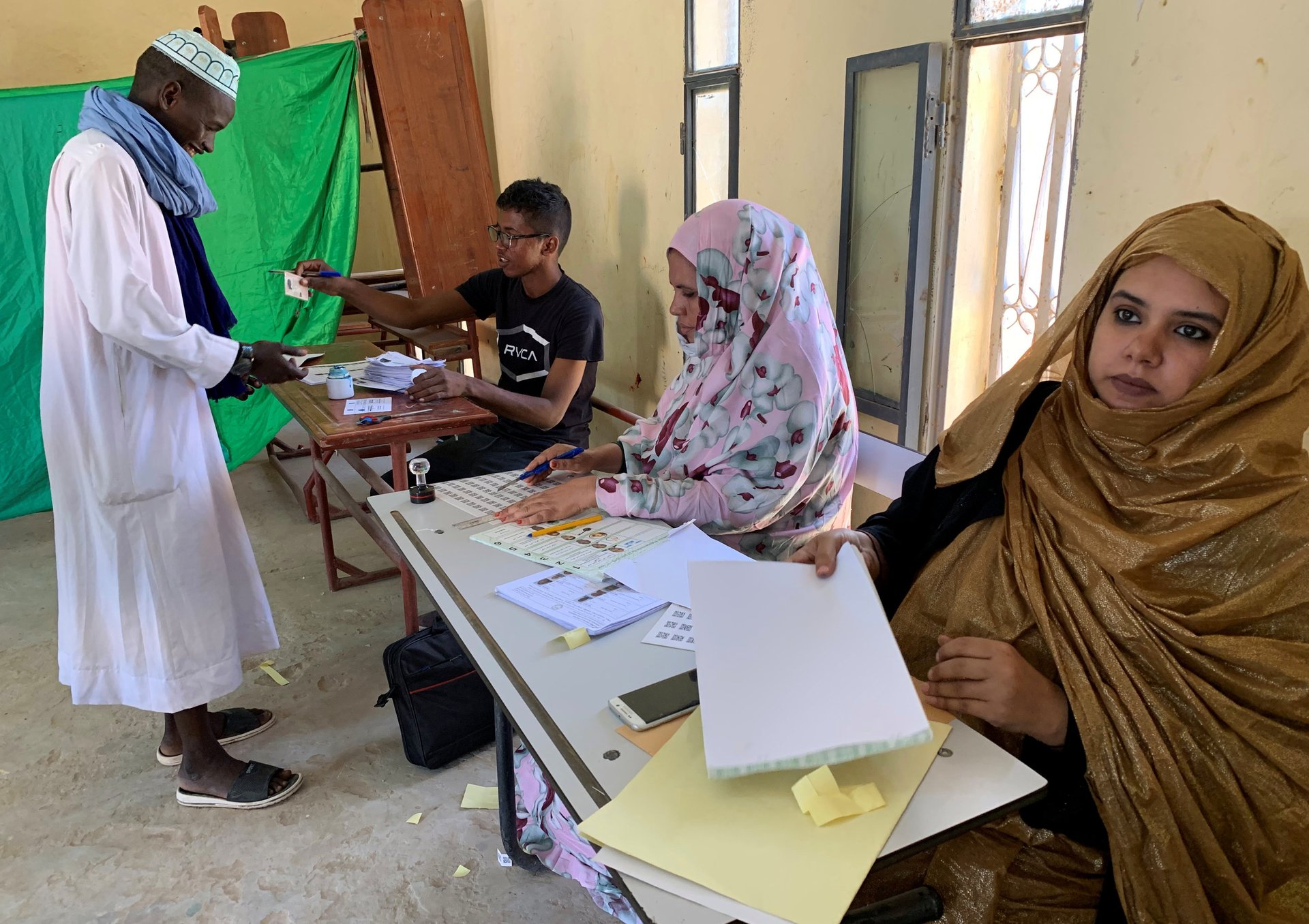
Nobody in Mauritania has ever witnessed a peaceful transfer of power in the country—but that’s about to change.

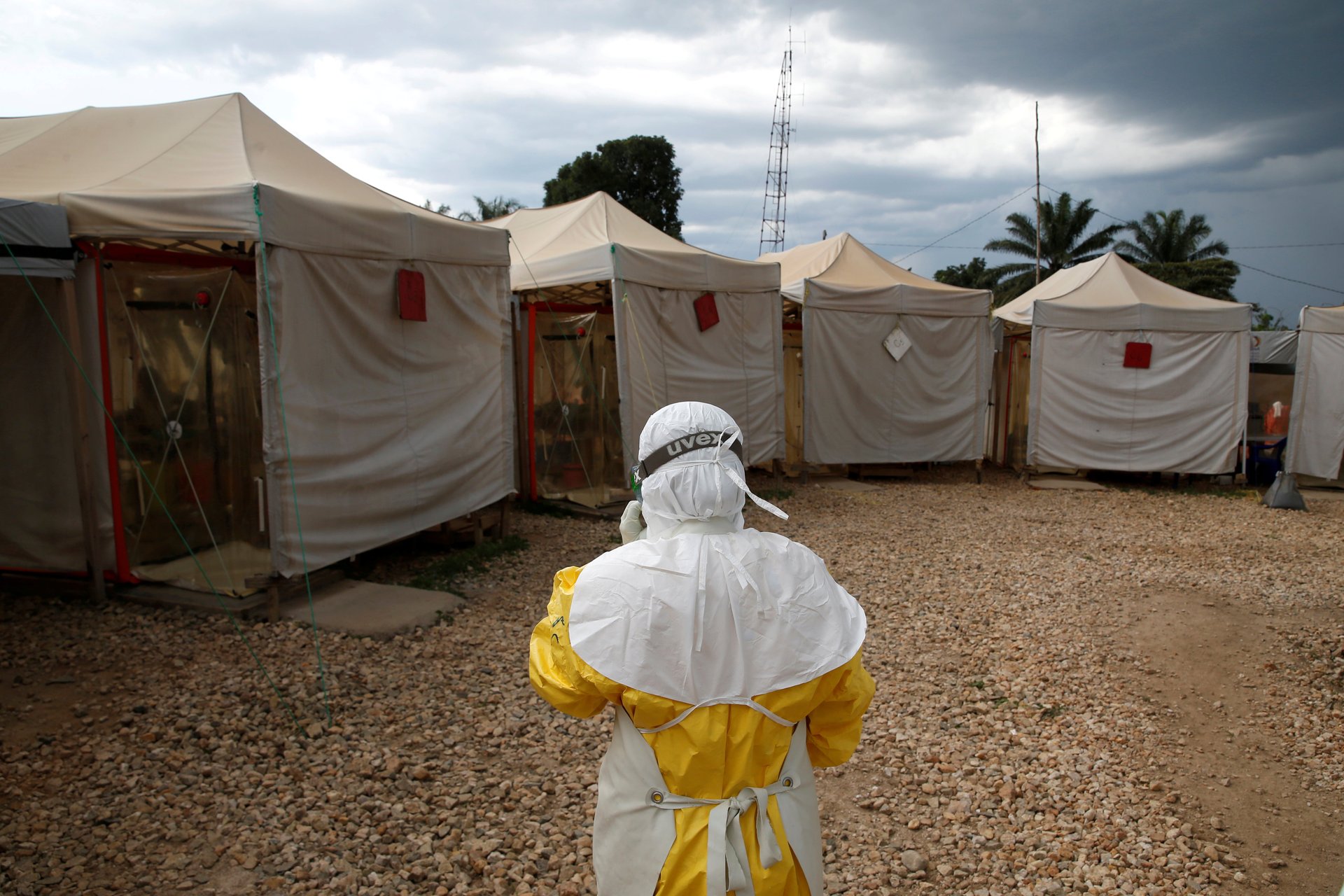
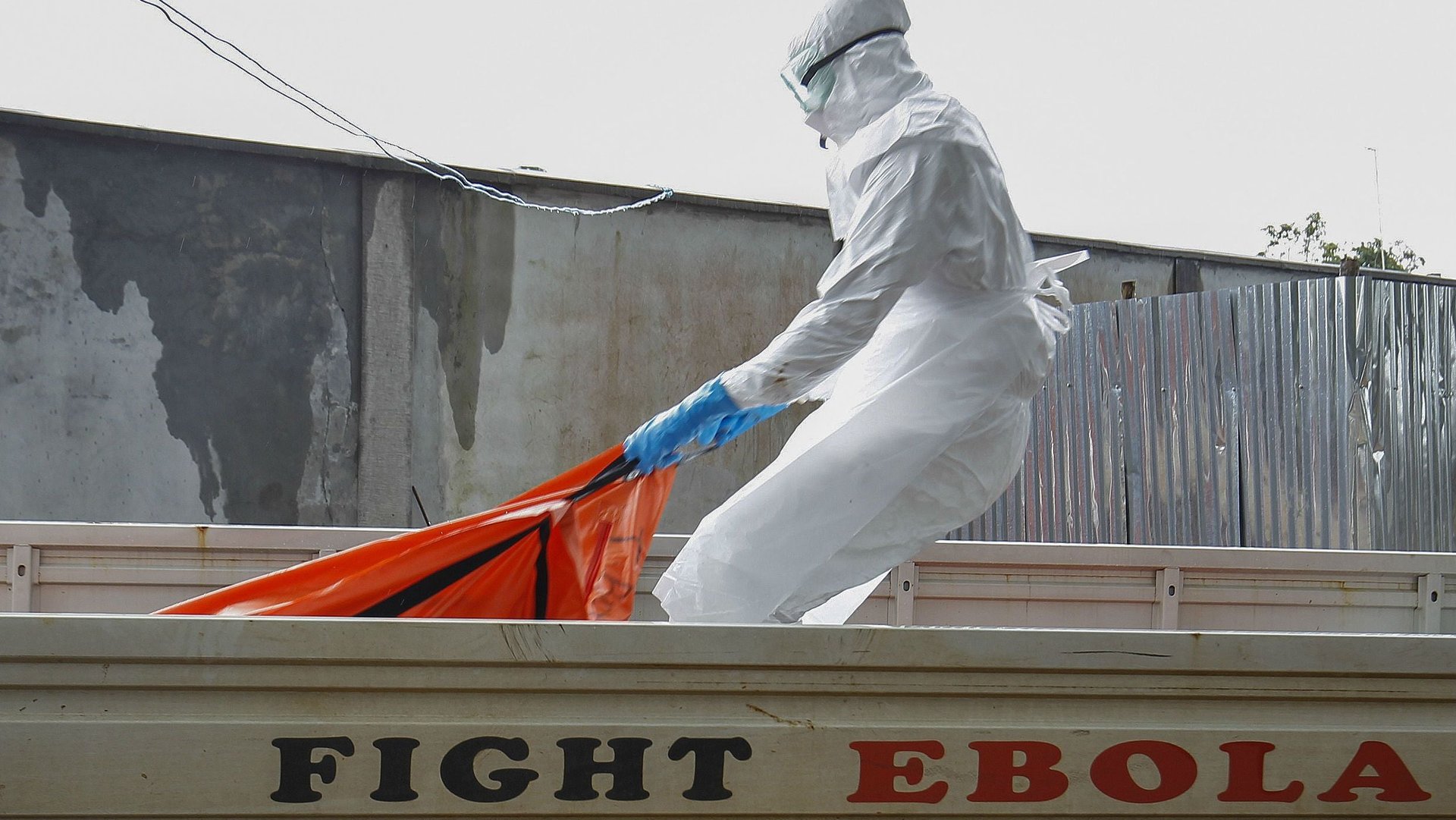
The frequent Ebola outbreaks across African countries over the past two decades often pose the most risk to the health workers tasked with containing them.

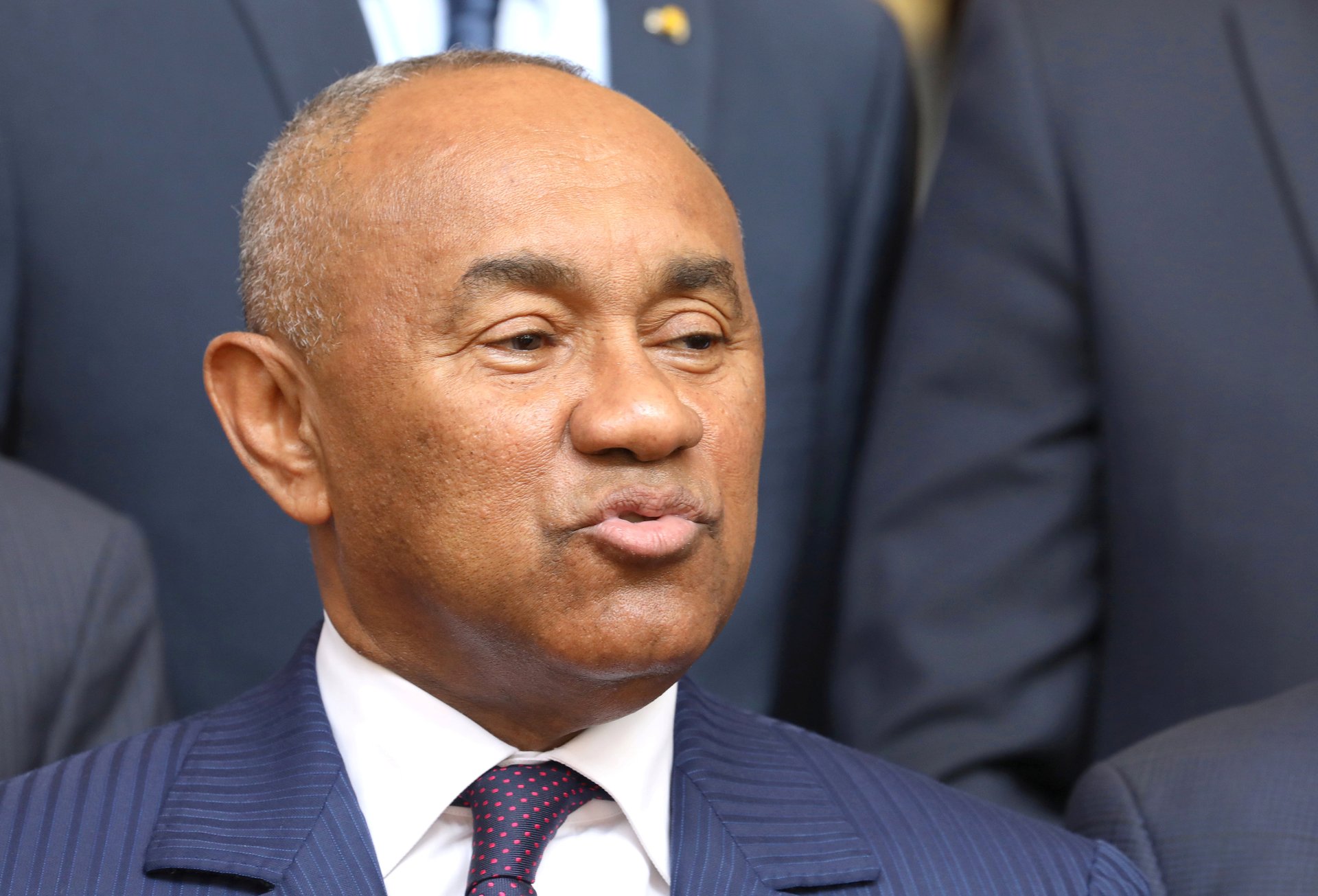
If desperate times call for desperate measures, the Confederation of African Football (CAF)—the continent’s top soccer body—is pushing the envelope.

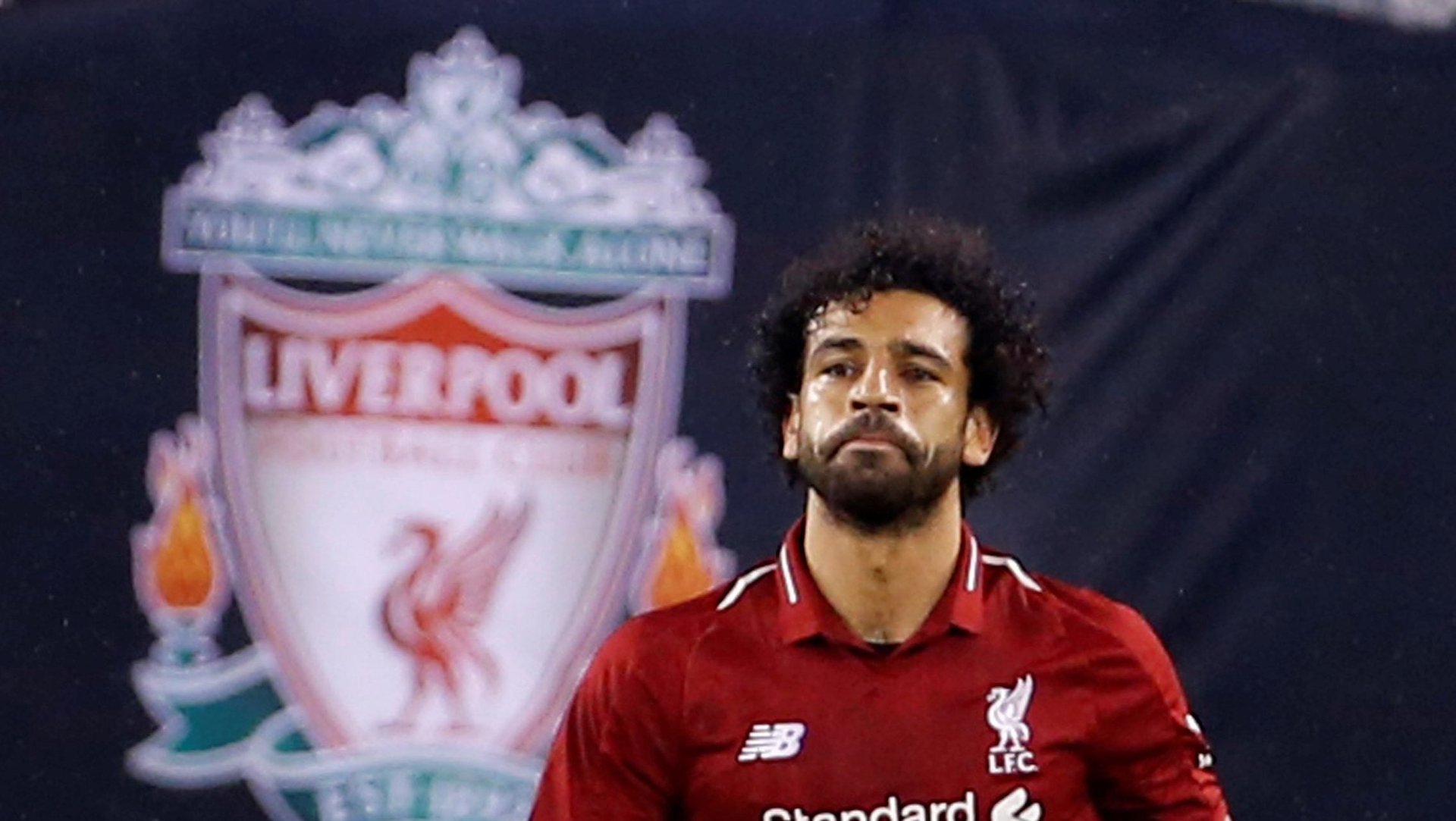
The influence of Egyptian soccer star Mohammed Salah extends far beyond the pitch.

The world’s largest social media platform is taking on a giant-sized project.

It’s hard to look beyond Uber and Bolt (formerly Taxify) when discussing ride-hailing in Africa—and there’s good reason.

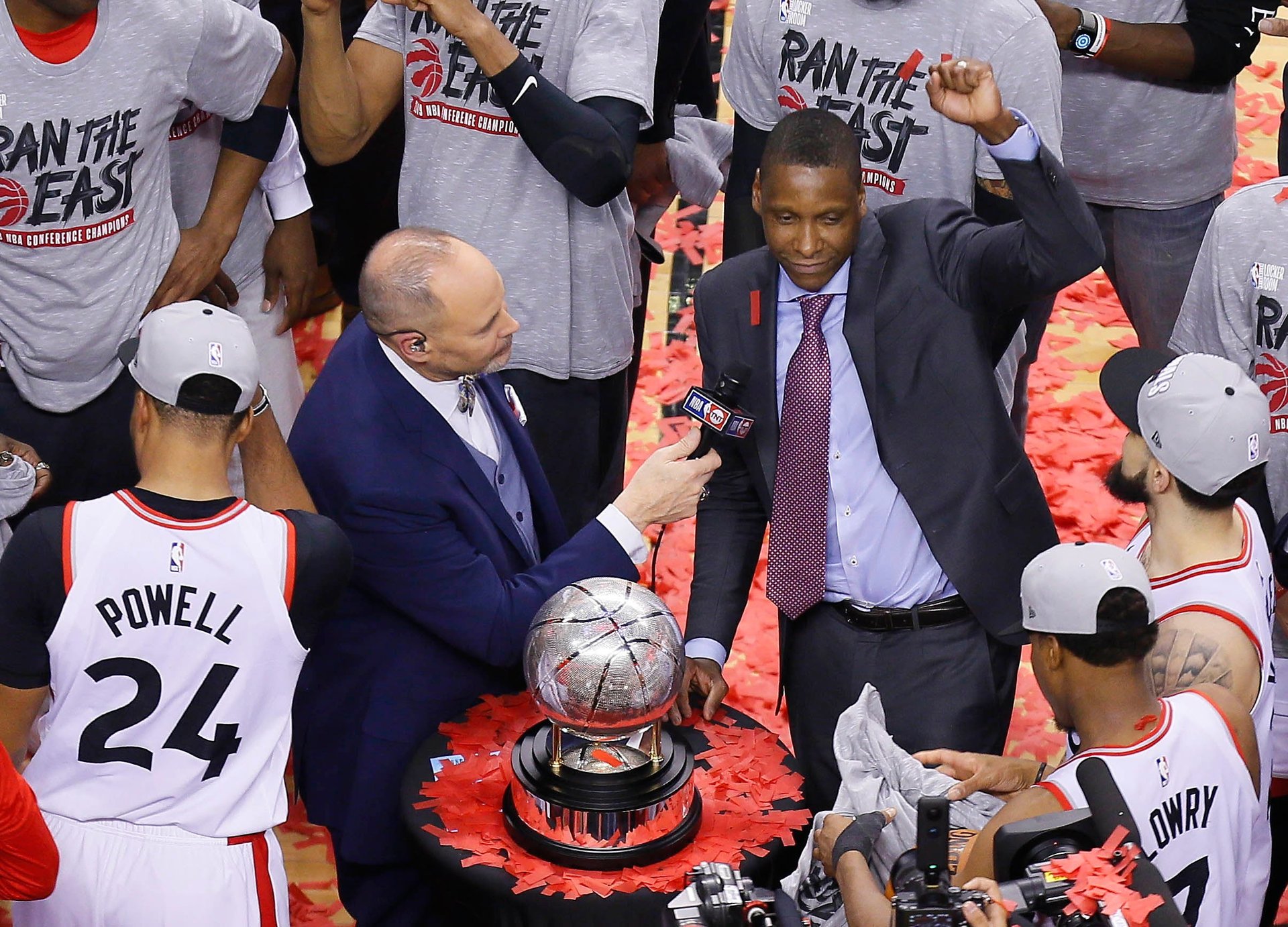
As Canada and Toronto Raptors celebrate a first ever NBA championship, they have a Nigerian-Kenyan basketball executive to thank.

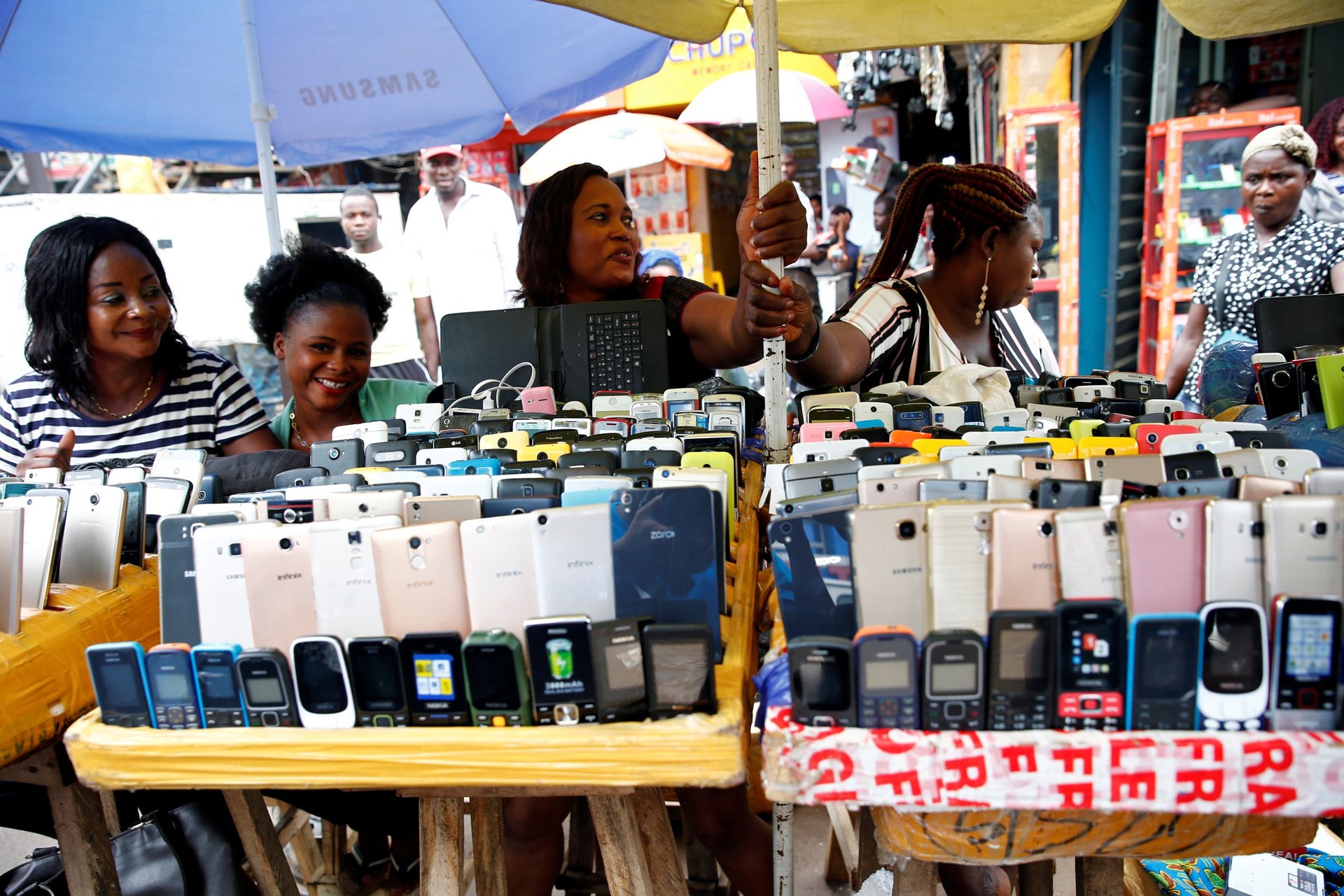
Mobile phone shipments to Africa’s two largest economies for the first quarter of 2019 do not make good reading for phone makers and it’s not looking great for the current quarter.

The most admired brands among consumers in Africa are not African.

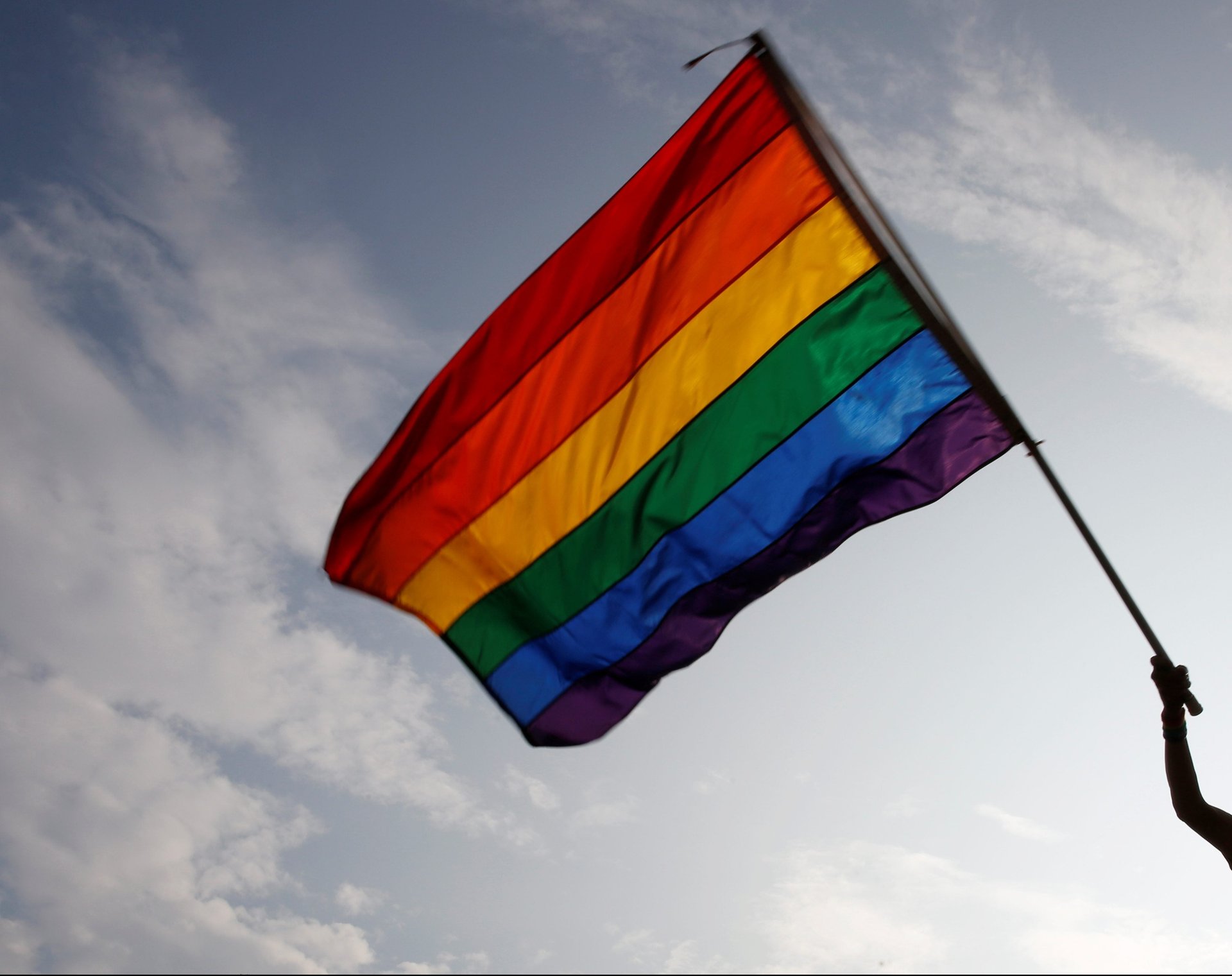
There is now one fewer country where homosexuality is a crime. The High Court of Botswana today (June 11) struck down colonial era penal codes that made same-sex relations punishable with jail terms.

There’s an obvious air pollution problem across several African cities—worse still, there’s no way to tell just how bad it is.

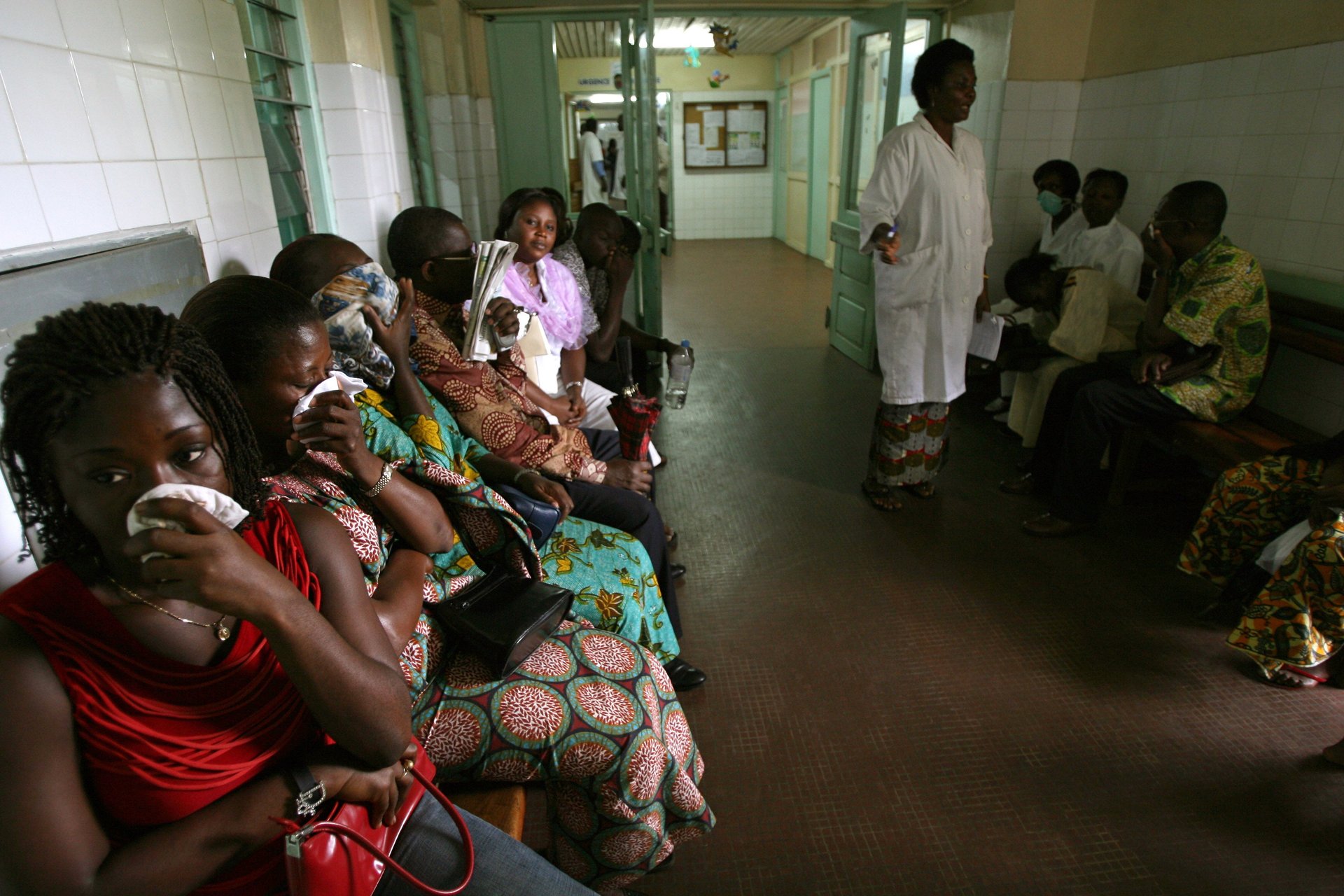
The Ebola outbreak in the Democratic Republic of Congo (DRC) is spreading at an alarming rate.

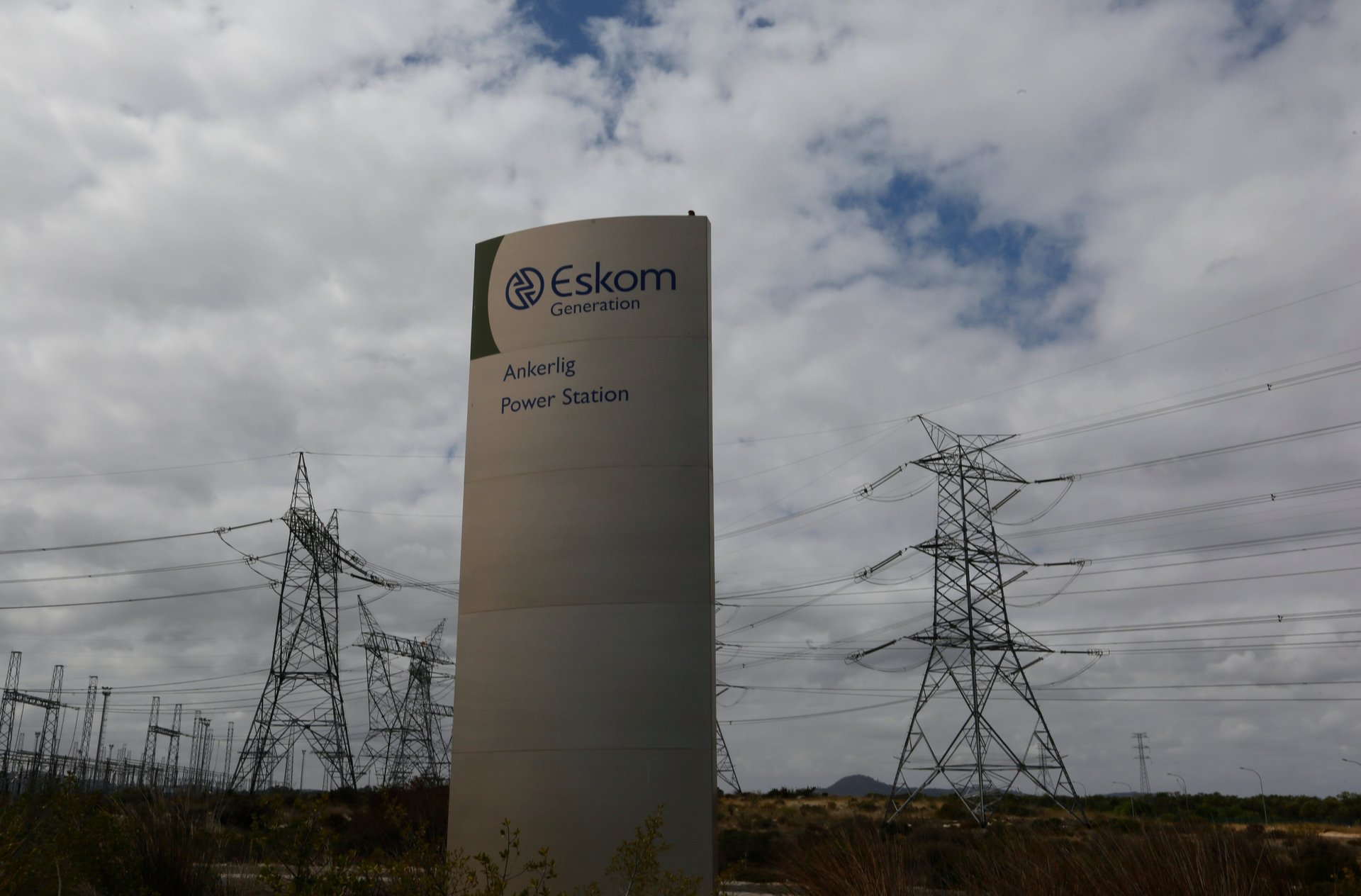
Eskom, South Africa’s power utility firm, has had 10 chief executives over the last decade—and there’s about to be another.

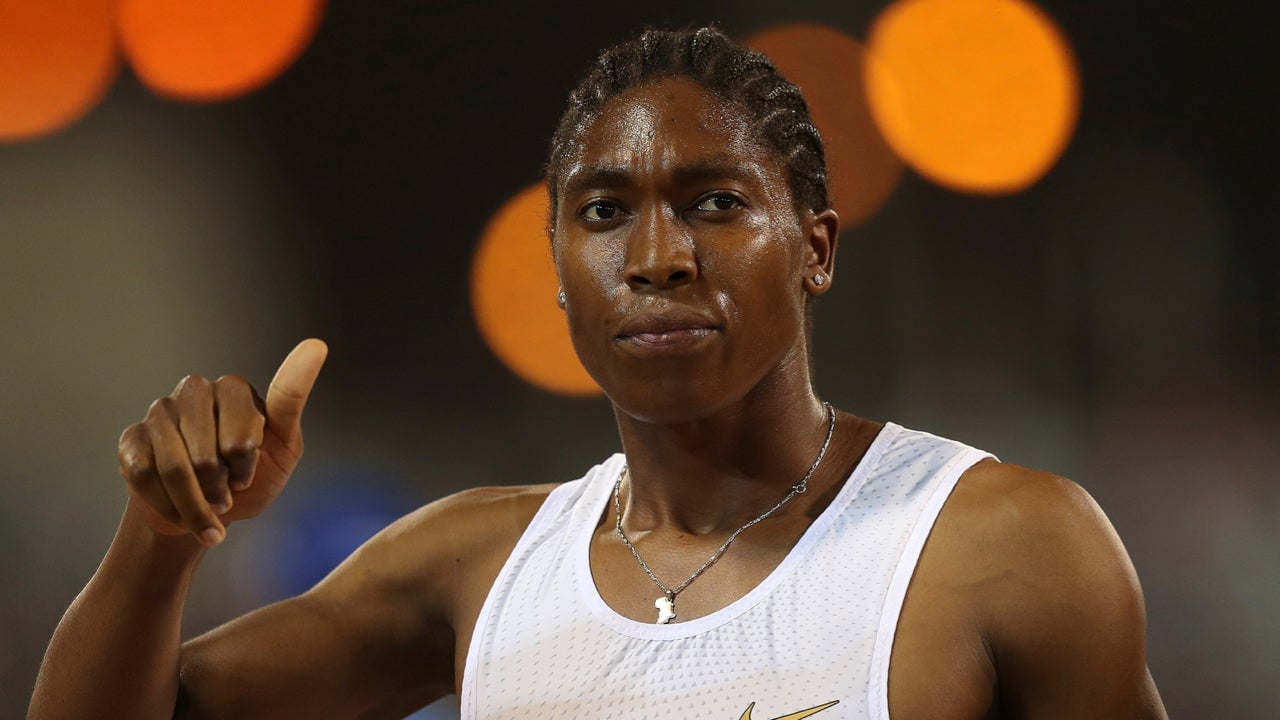
Caster Semenya, the South African world and Olympics athletics champion, is free to compete at global athletics events once again.

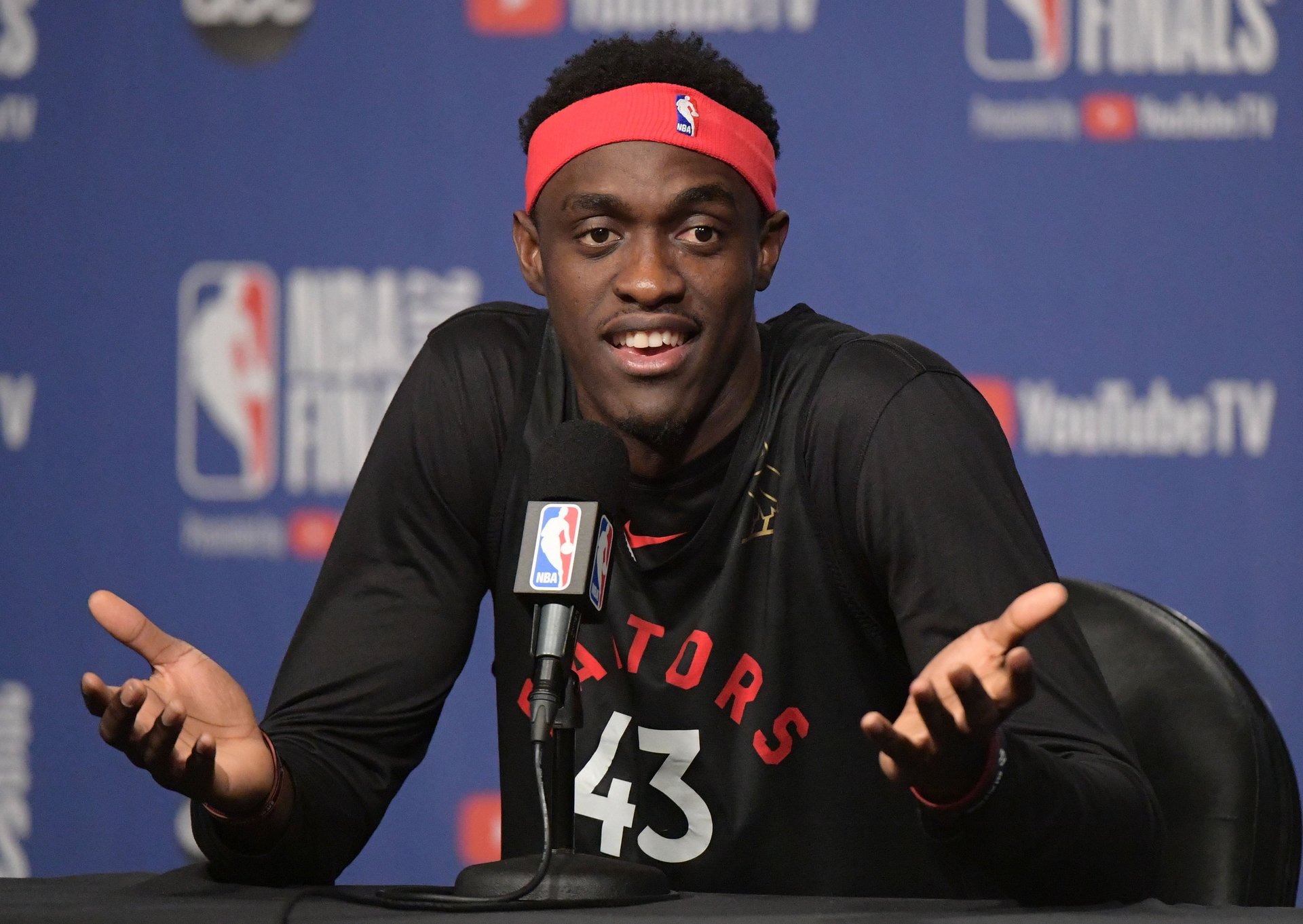
Like in many African countries, soccer is easily the most popular sport in Cameroon but basketball may soon have a larger audience thanks to Pascal Siakam, the 6′ 9″ forward who’s in the contention to become the first Cameroonian to win an NBA Championship.

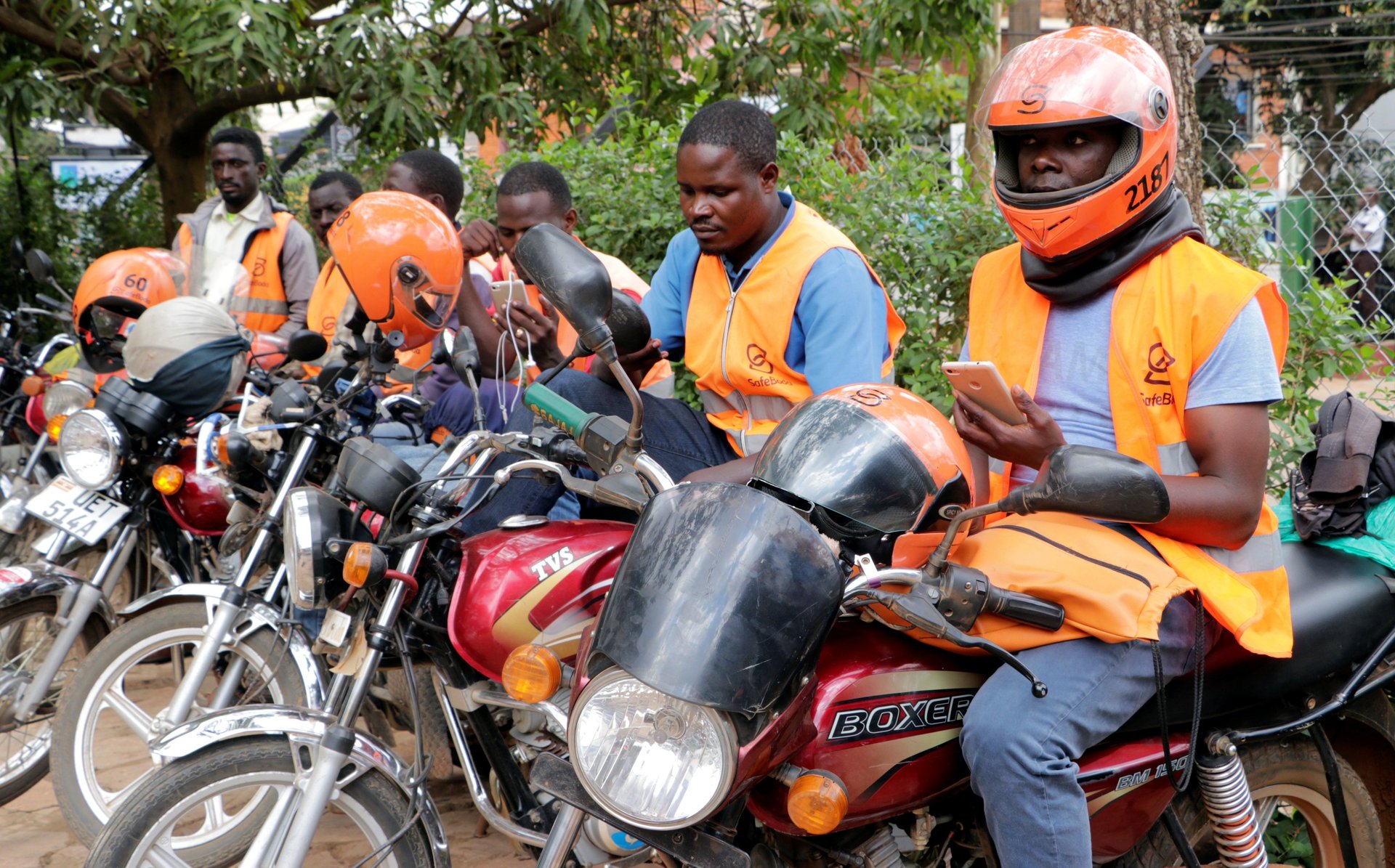
When a customer scrolls through the options on a ride-hailing app in Lagos, Africa’s largest city, cars are no longer the only things that show up.

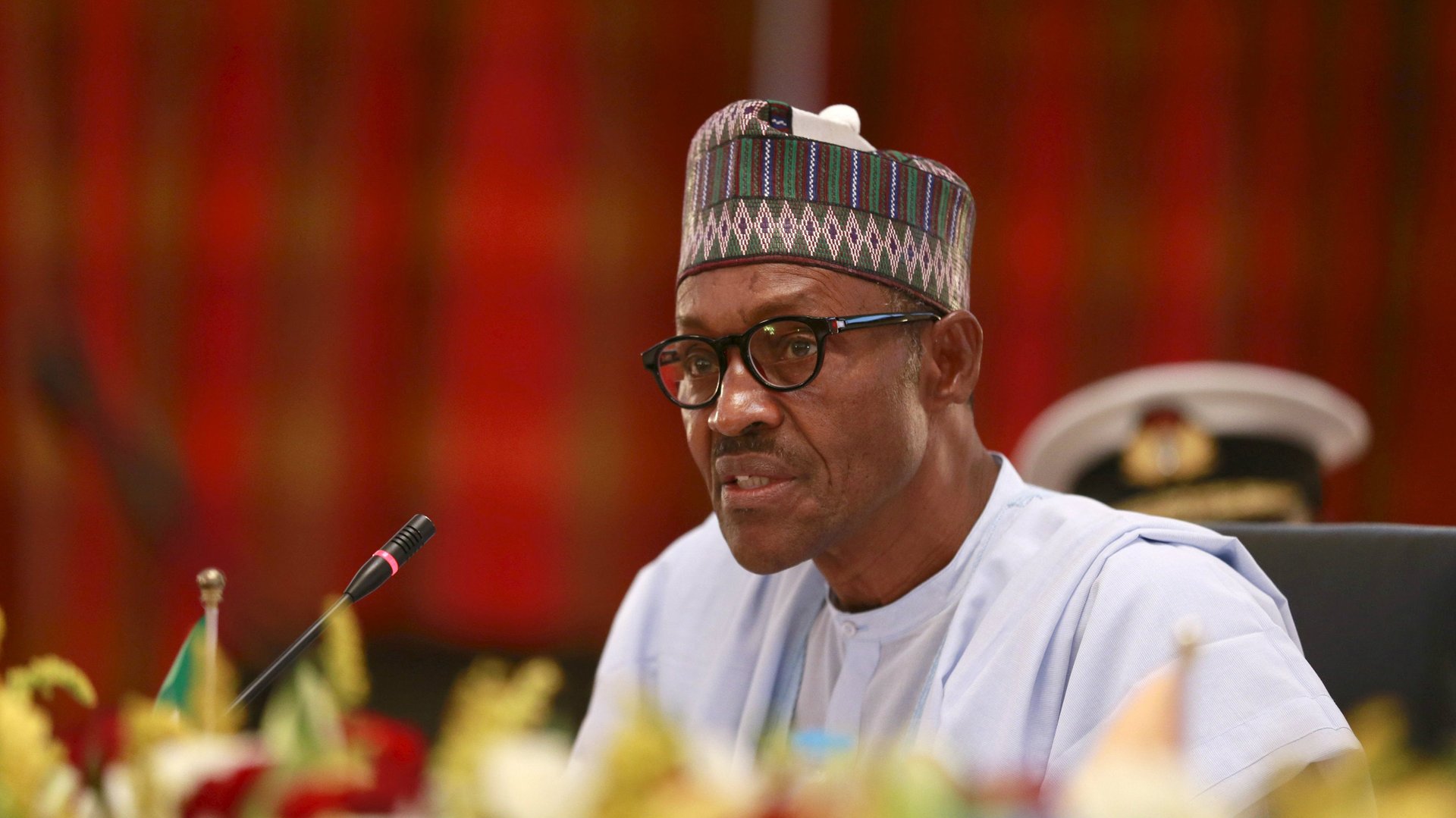
Nigeria, Africa’s largest economy, had a presidential inauguration today—but you would hardly be able to tell if you were in the country.

A Nigerian will be involved in the NBA Finals this year after all—and it’s not the Greek-Nigerian superstar, Giannis Antetokounmpo.