
Tech & Innovation
The Trump administration is investing in African e-commerce startups focused on rural areasAfrican e-commerce is getting a boost from an unlikely source.
Updated July 21, 20223 min read
African e-commerce is getting a boost from an unlikely source.

When modern-day versions of African tech ecosystems began taking shape a decade ago, the big, existential question was about where investment would come from.
Nigeria’s long-held ambitions of boosting local internet access and speeds largely depend on making it easier for internet providers to operate outside the country’s largest cities.
Investment in African startups could drop by as much as 40% by the end of the year due to the Covid-19 pandemic—but the bigger question for smaller startups is if they will remain alive at all.

Just over a year ago, Facebook announced it would add fake news checks on local language content in a bid to boost trust and reliability among African users. It came along with other measures, including shutting down suspected networks of fake accounts targeting African elections with misinformation.

Africa’s largest phone maker is having a topsy-turvy month.

A year ago, the office of Citizenship by Investment Program (CIP) in the small Caribbean island nation of St. Lucia had received no applications from any Africans in its nearly five years of operations.

When Alphonso Davies joined German soccer giants Bayern Munich as a 17-year old, his first priority would likely have been convincing the fans that he was worth the $13 million transfer fee.

The effects the coronavirus pandemic has had on Africa’s largest economy is starting to show in data.

When East-African motorcycle-hailing startup SafeBoda announced its expansion to Nigeria last year, the initial plan was to launch in Lagos—the major economic hub. But that soon changed.
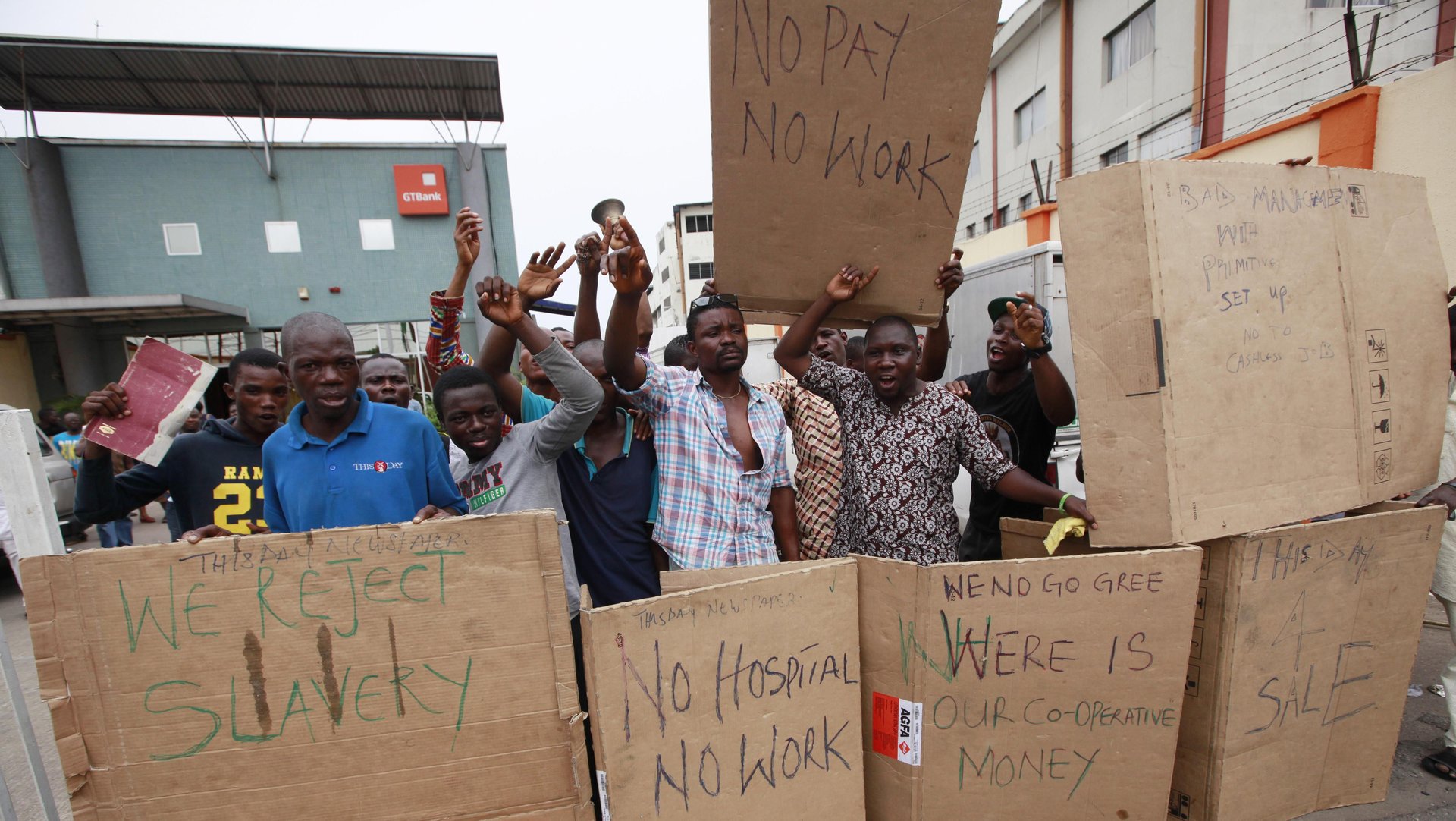
One in every two Nigerians in the country’s labor force is either unemployed or underemployed.

Jumia’s second quarter earnings results show the company is looking to draw an end to a spate of legal wrangles.

Aug. 7 marked a notable date in Africa’s fight against the spread of the coronavirus pandemic as the continent passed one million confirmed cases.

Ride-hailing companies operating in Lagos will soon face a new set of regulatory road bumps.
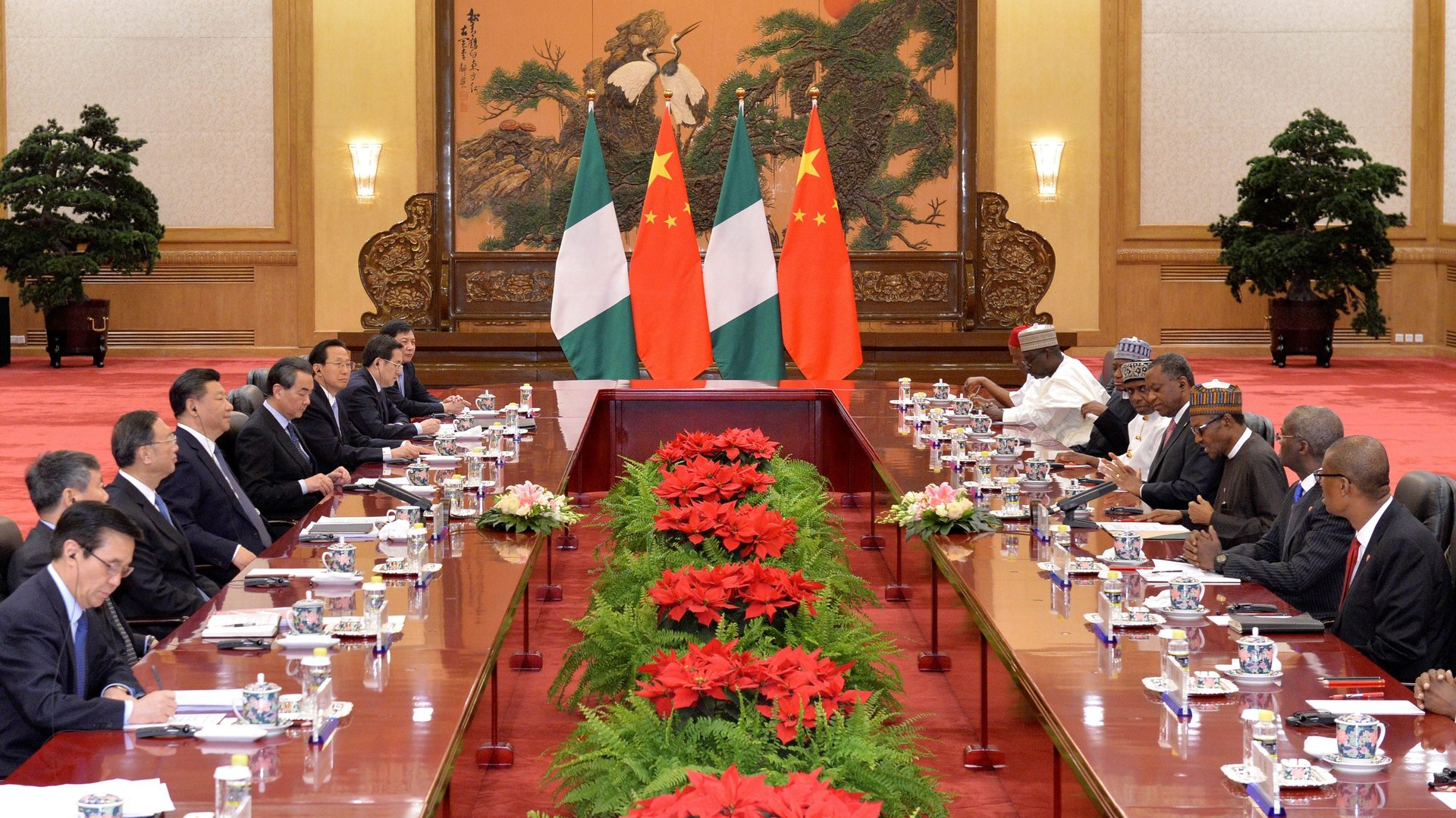
The hottest debate in Africa’s largest economy over the past week has been the over possibility of “losing” its sovereignty to China over bad debts.

When a major private sector player decides to exit a country despite long-running investment and a perceived strong brand, it raises many questions.

In early 2012, Shoprite, the largest supermarket chain on the continent, believed it could expand its footprint in Nigeria up to 700 outlets. But eight years later, that outlook is very different as the South Africa-owned retail giant is discontinuing operations in Nigeria as it considers reducing or selling its entire stake in the Nigerian division.

After years of being the top funded sector, African fintech and financial services startups are making the headlines for even more lucrative reasons.
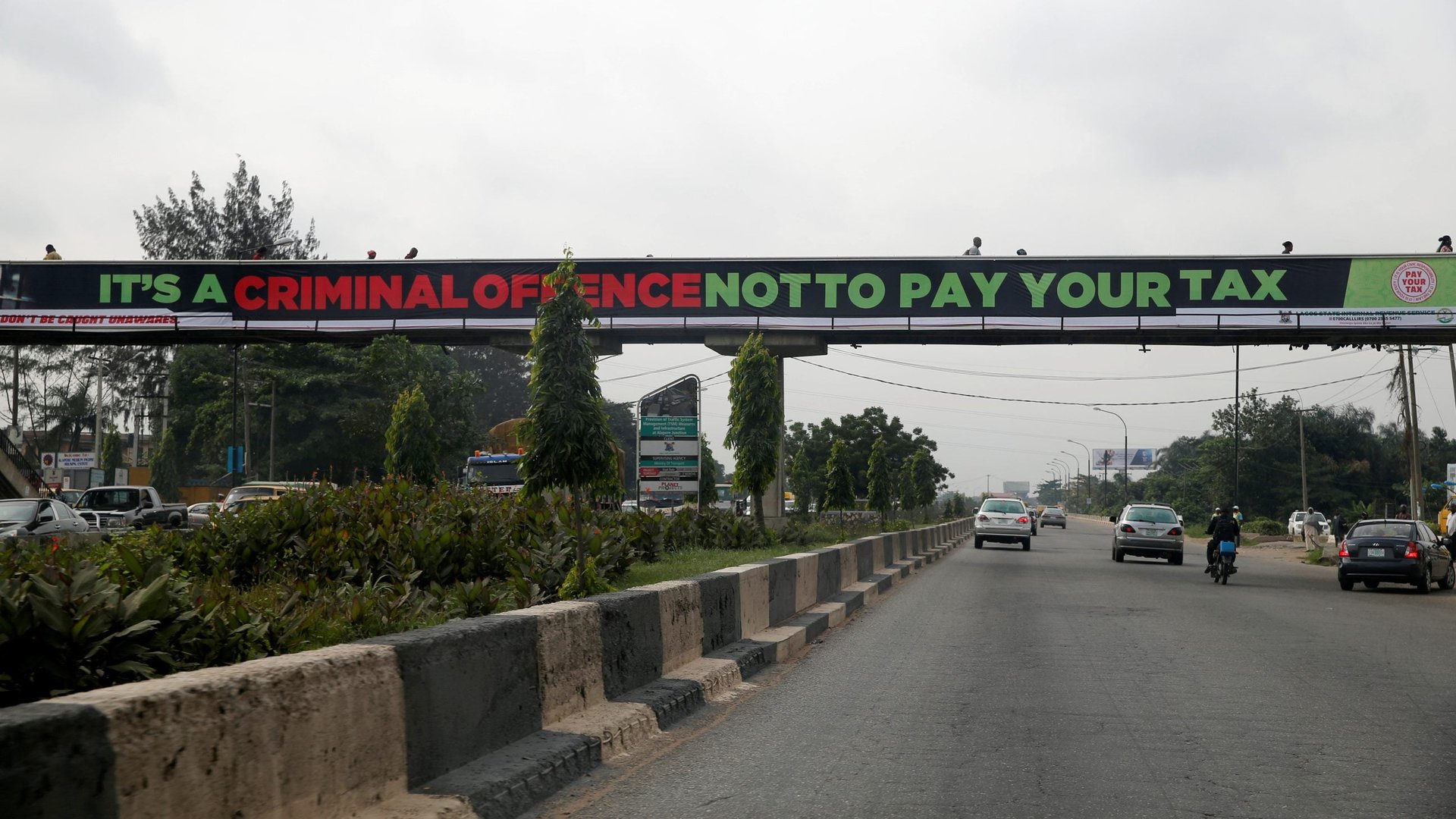
Internet use across Africa skyrocketed from 2.1% in 2005 to 24% by 2018—the highest growth rate globally.
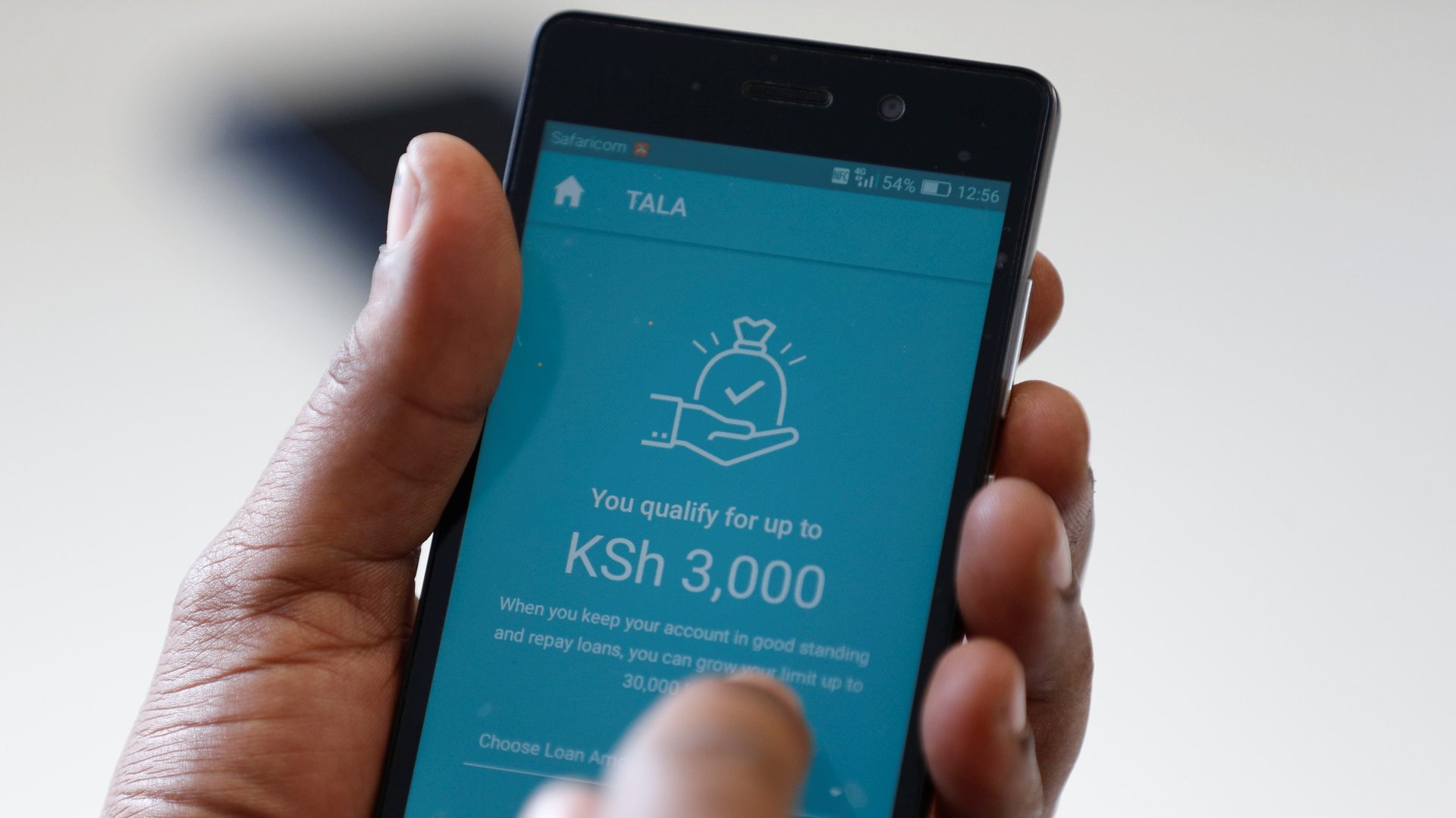
Digital lending companies operating in Kenya are set up for a shake-up.
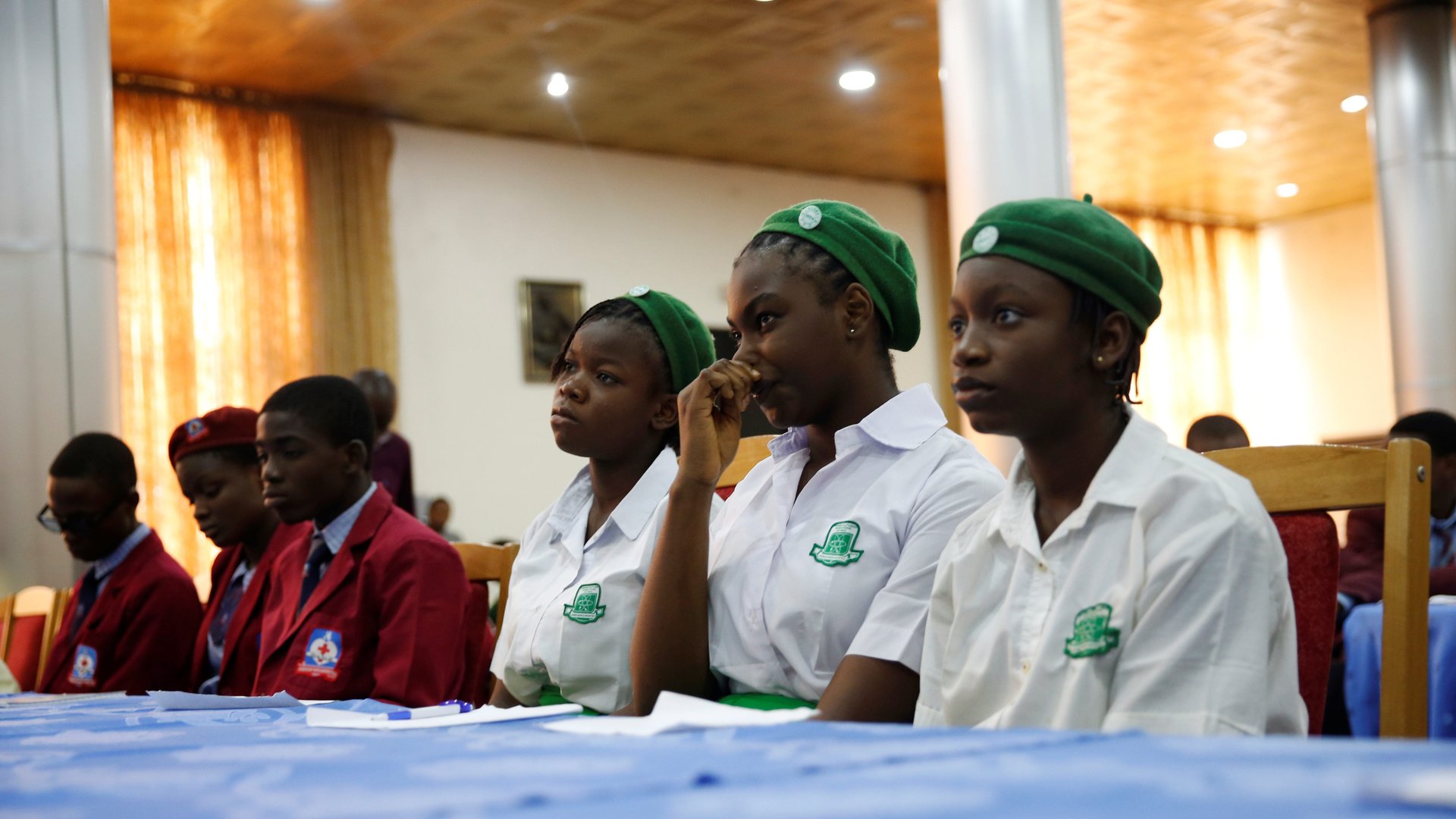
At the start of May, Bernice Sowole was trying to figure out a way to keep her mother’s 20-year old private secondary school alive.

Three days after New York police discovered his body, a suspect has been arrested and is due to be charged for the murder Fahim Saleh, the Bangladeshi-American CEO of Gokada, a Nigerian bike-hailing startup.

Nigerian moviegoers could soon be feeling like they’re going back in time.

Every global region could see their populations decline by the end of the century—except Africa.