Fahim Saleh, the Bangladeshi-American tech investor and founder of Nigerian startup Gokada, was found dead and dismembered in his New York apartment in Manhattan’s Lower East Side on Tuesday (July 14).

Fahim Saleh, the Bangladeshi-American tech investor and founder of Nigerian startup Gokada, was found dead and dismembered in his New York apartment in Manhattan’s Lower East Side on Tuesday (July 14).

Deforestation in Africa—the rate at which trees are being cut down—is happening at twice the global average rate.

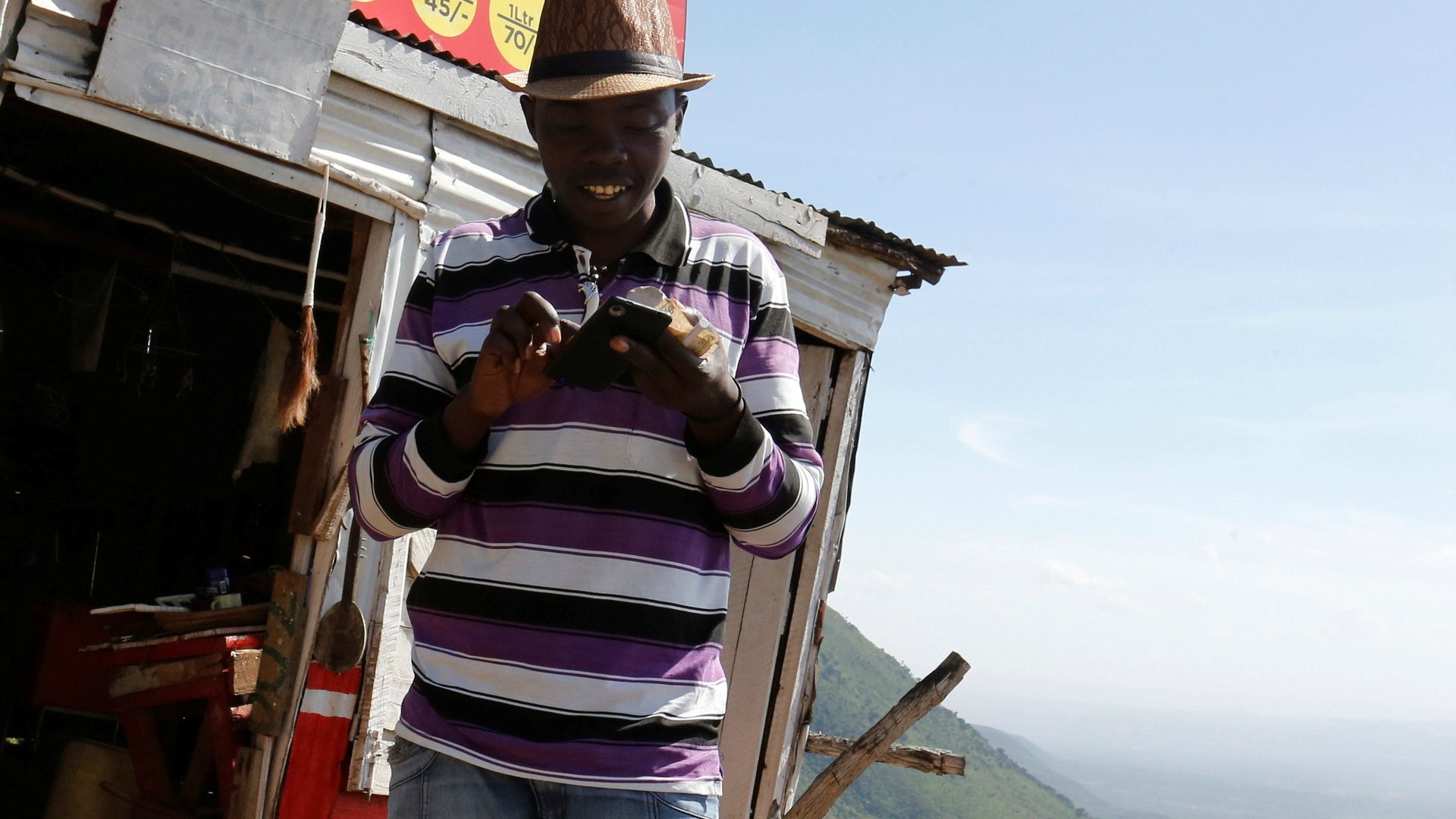
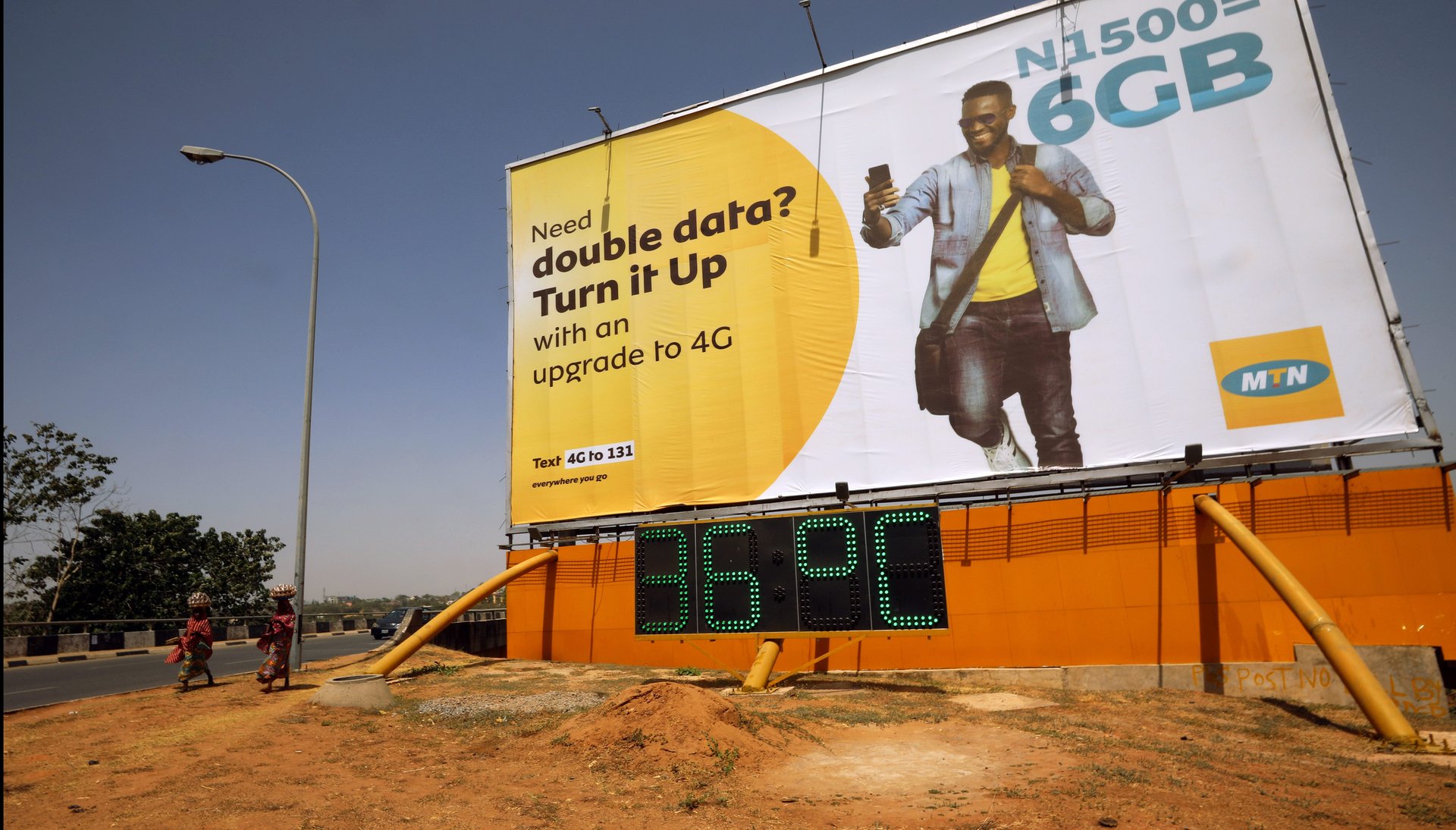
The recurring theme of mobile internet prices is that while they are dropping globally, they are not dropping fast enough in Africa.

One of the biggest trends in African tech last year was the spike in inflow of investment from China.

Governments in Africa, internet service providers, and even some of the biggest global tech companies, are working towards the same goal to make internet access cheaper and faster.

In hindsight, it seems improbable that a former US Marine and high school football player born in San Francisco, nearly 8,000 miles away from Nigeria, would end up becoming arguably the biggest broadcast personality of a generation in Nigeria.

Developer outsourcing company Andela is making yet another major shift in its operational model.

MFS Africa, the pan-African payments gateway which connects wallets across different mobile money platforms through its API, has acquired Beyonic, a digital payments services provider for enterprises which operates in Ghana, Uganda, Tanzania, Kenya and Rwanda.

Between 2014 and 2019, 44% of venture capital deals recorded in African tech ecosystems included participation from at least one impact investor, data from Africa Private Equity and Venture Capital Association show.

It’s a safe bet to assume venture capital investment in African startups will slow down this year after record-breaking growth.

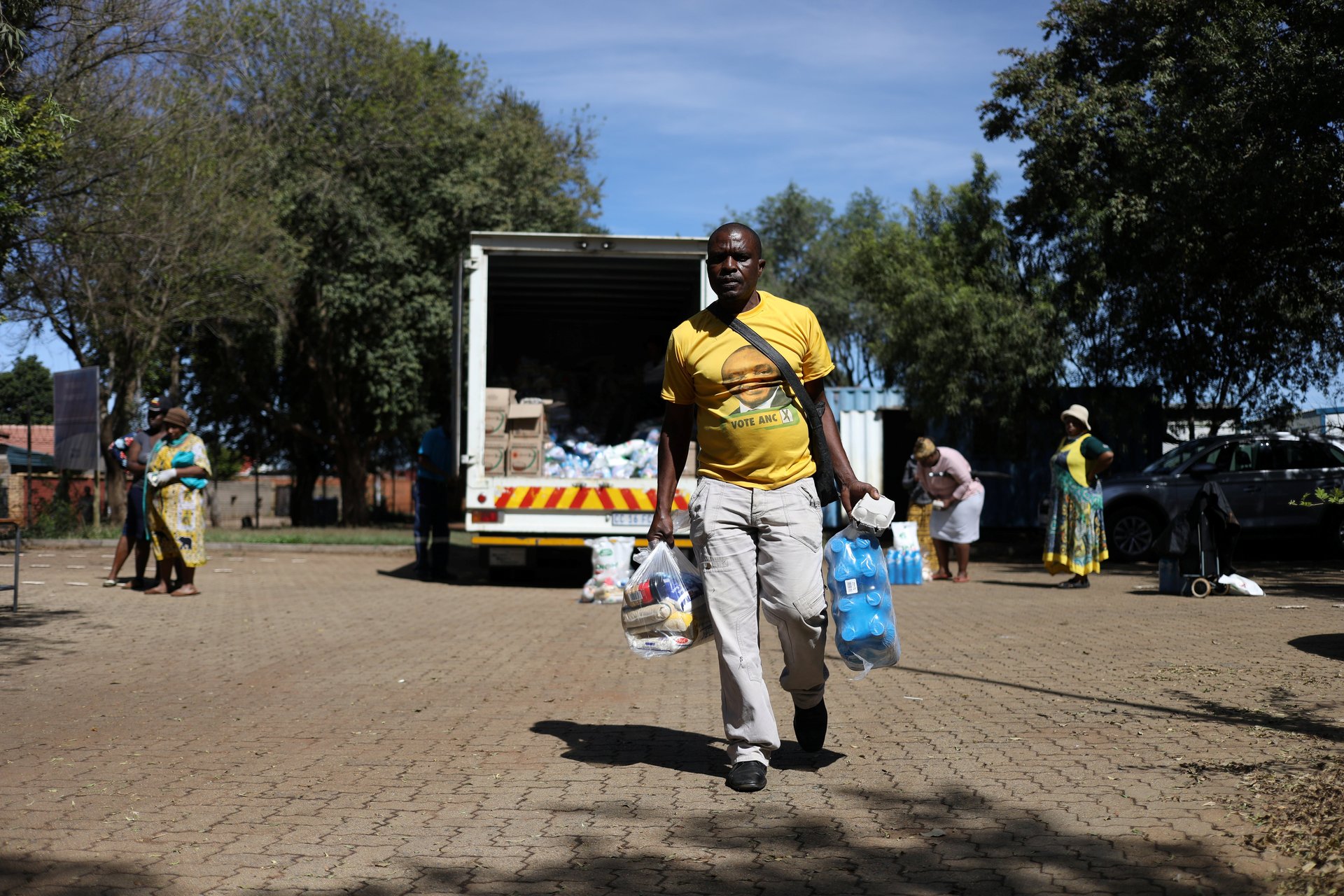
One inadvertent effect of the Covid-19 pandemic and subsequent economic downturn across Africa has been the harsh spotlight on shortcomings of social safety nets across the continent.

When the first cases of Covid-19 were recorded in Africa in February, it was clear governments across the continent faced a test against tackling the virus as well as misinformation.

When Kelechi Udoagwu, a communications consultant for tech startups, shared her story of being sexually harassed by a leader in Nigeria’s budding tech industry, she was prompted by the gruesome murder of a university undergraduate who was raped in a church.

The biggest fear for African countries as the Covid-19 pandemic loomed was the potential shock to under-equipped healthcare systems.

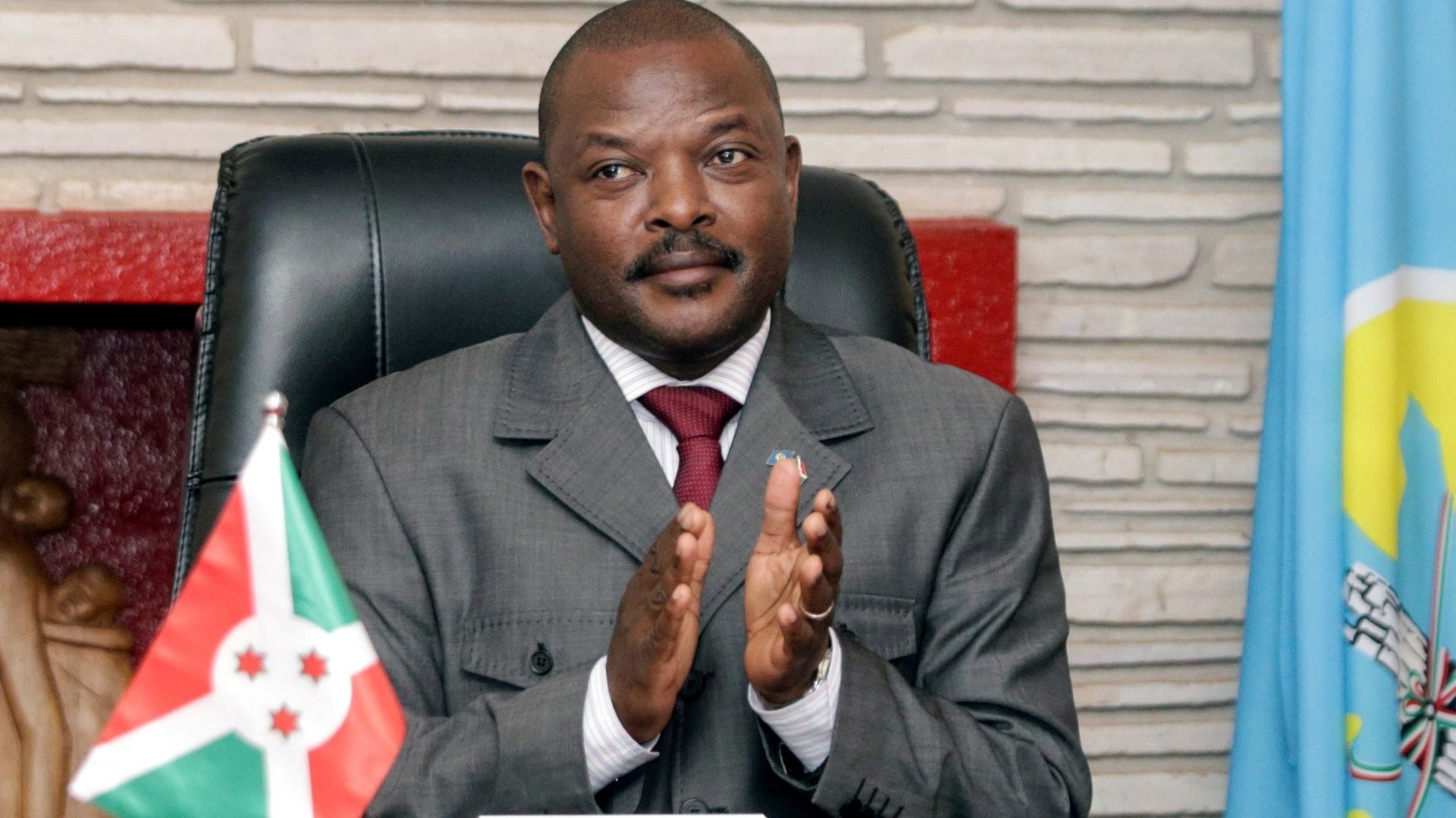
Burundi president Pierre Nkurunziza has died of a heart attack, the country’s government says.

MTN’s large market share in Ghana may be about to get smaller.

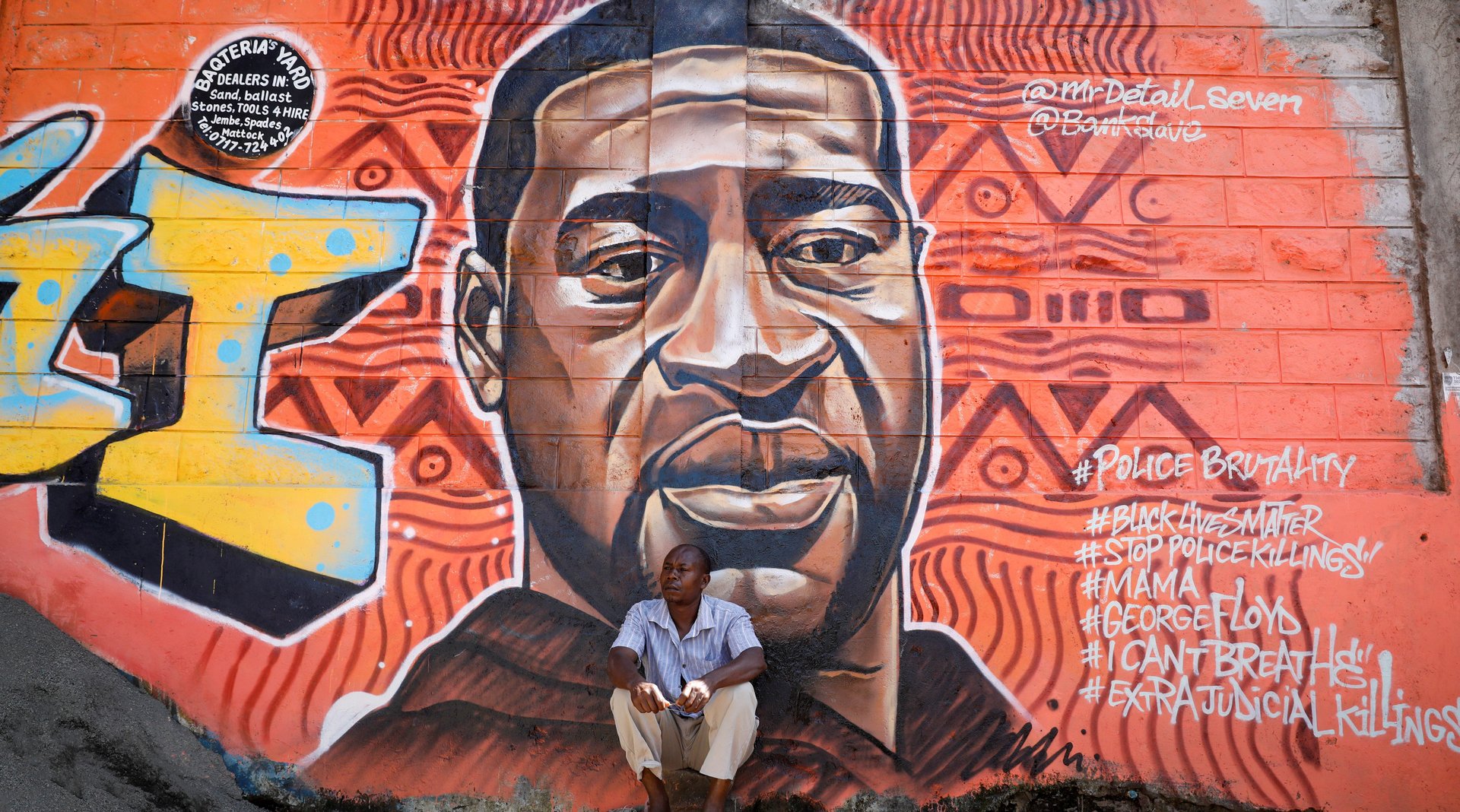
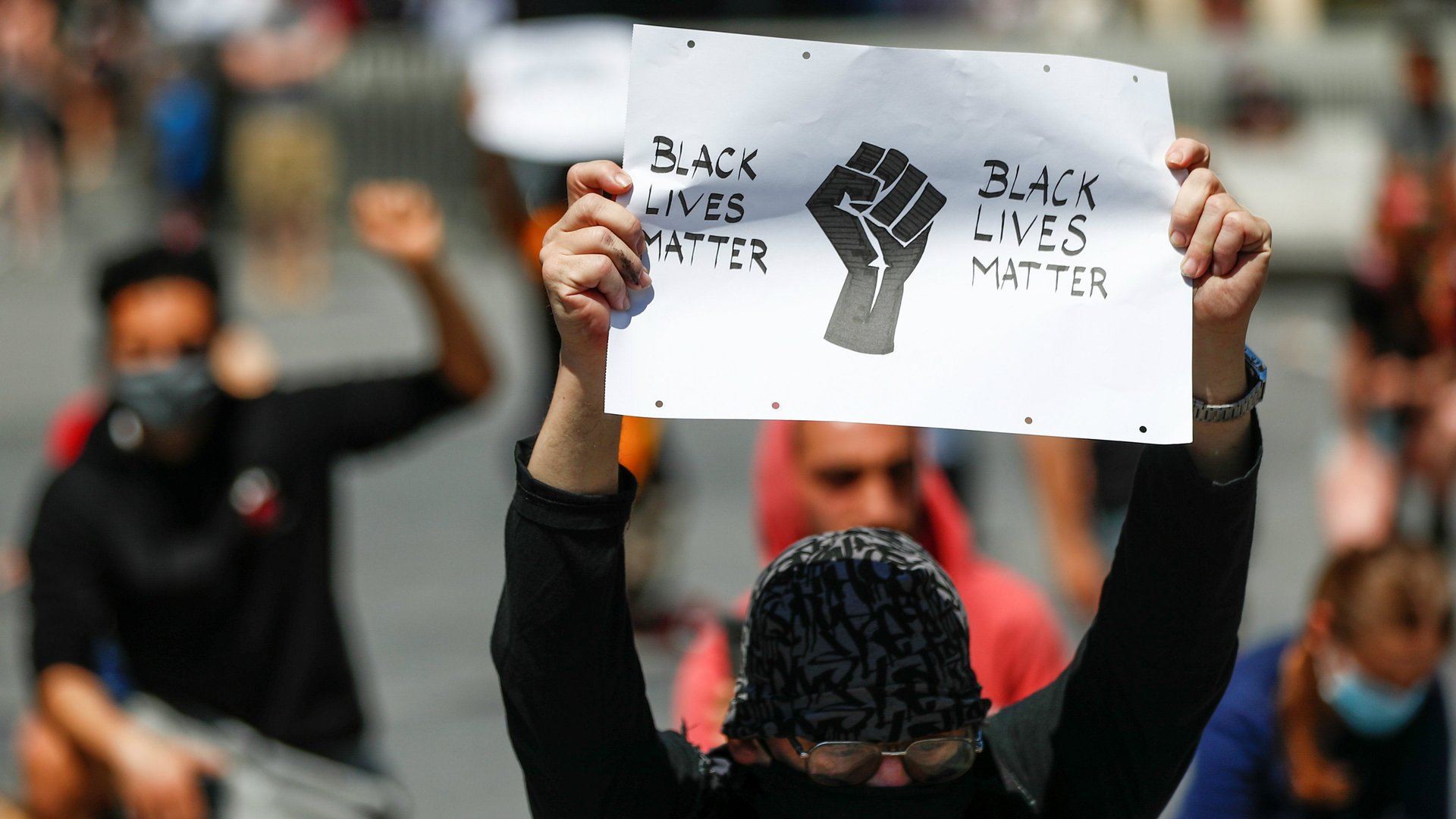
In Africa, the protests of George Floyd’s murder have gone beyond US embassies and the African Union.

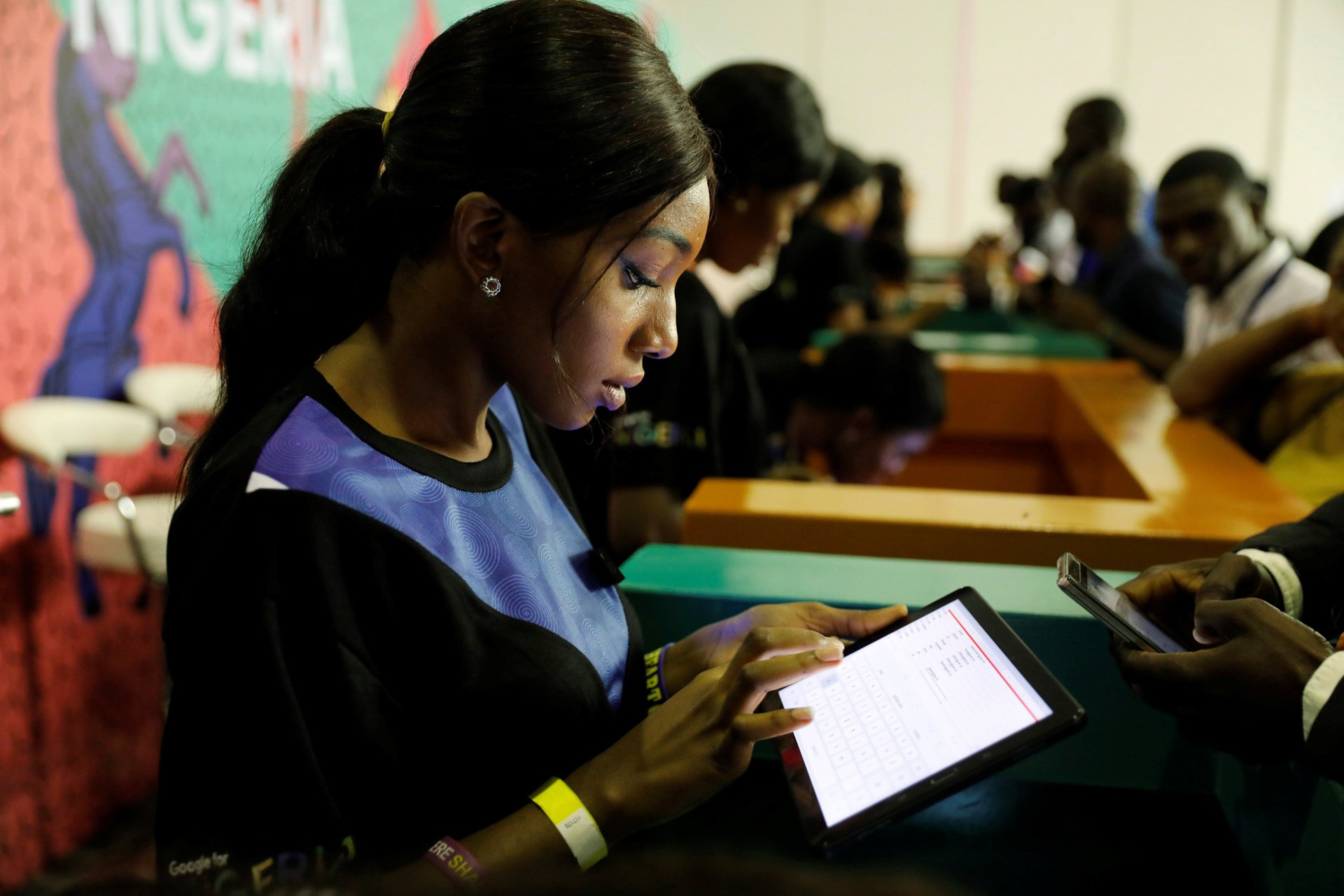
It takes an average of just over seven hours to download a five-gigabyte movie file in Nigeria.

When a high ranking official condemns state brutality against citizens in an interaction between African countries and the United States, Africa is typically on the receiving end.

If you take a look at reports tracking funding in African tech ecosystems this year, you wouldn’t be able to tell that a damaging pandemic has laid siege to economies globally.

The diplomatic race scandal sparked by the treatment of African residents in China last month has mostly died down, but its reverberations on the otherwise strong relationship between African governments and China continues to be felt.

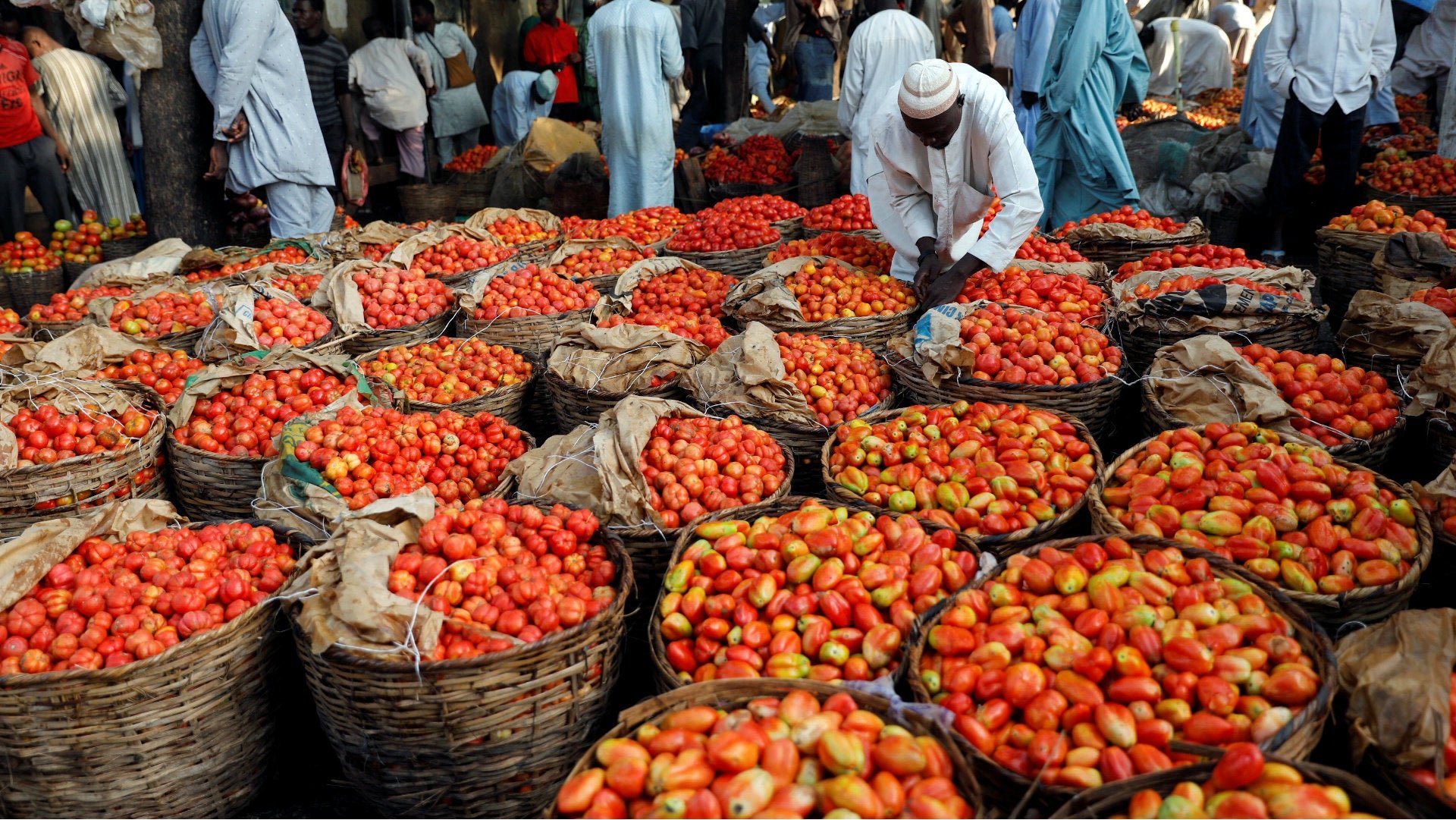
There’s a top-line statistic on tomato farming in Nigeria which captures the state of the sector: around 45% of harvested tomatoes go to waste in Africa’s most populous country.

Running e-commerce businesses in Africa’s overwhelmed cities can be a thankless task due to the basic infrastructure gaps and a reluctant customer base.

“That the current uptick in Nigeria’s economy relies largely on its oil sector puts its chances of lasting at risk.”