When a criminal duo labeled the “High Country Bandits” robbed a series of Arizona and Colorado banks in 2009 and 2010, FBI investigators turned to the owners of local cell phone towers.

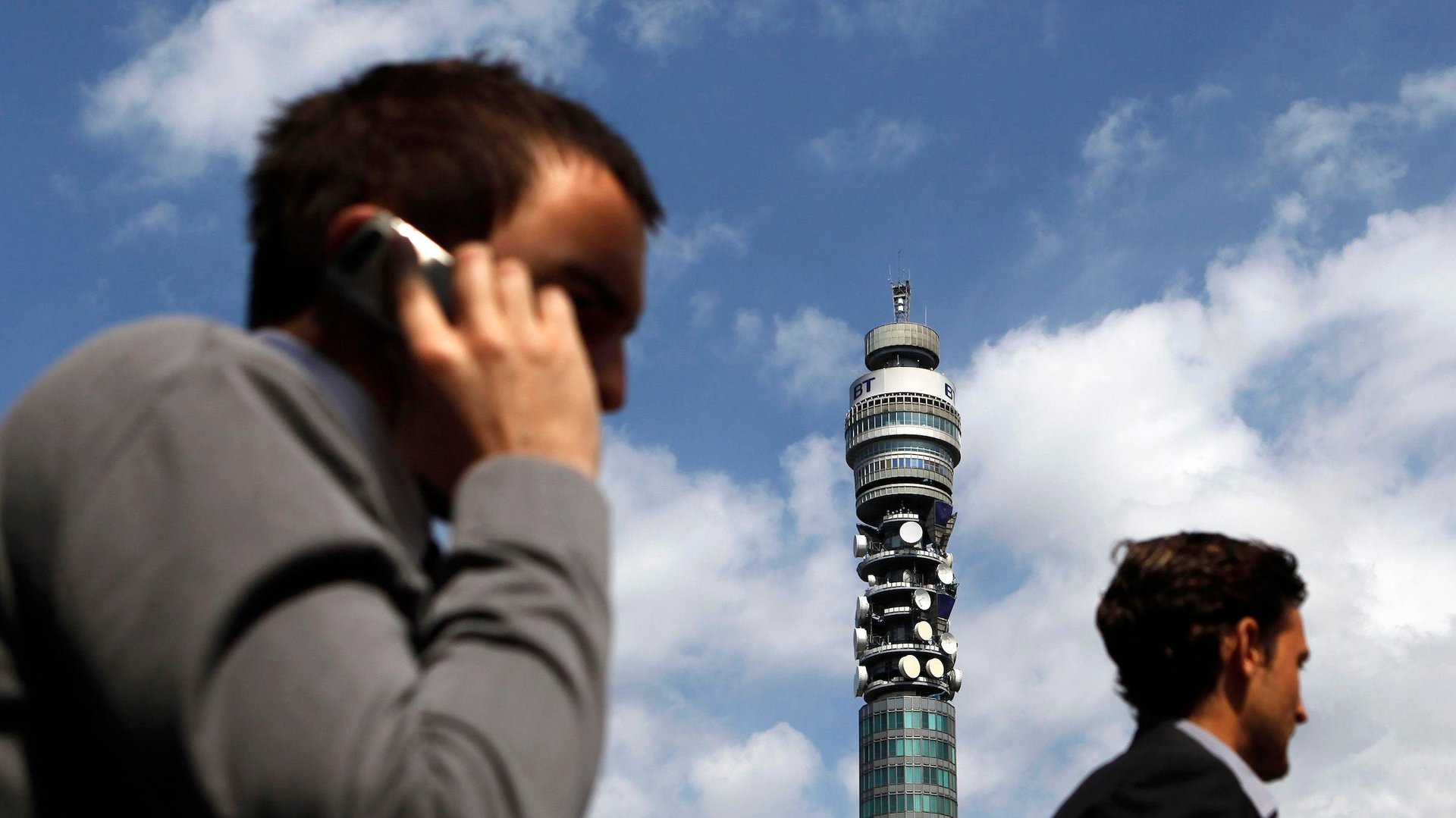
When a criminal duo labeled the “High Country Bandits” robbed a series of Arizona and Colorado banks in 2009 and 2010, FBI investigators turned to the owners of local cell phone towers.

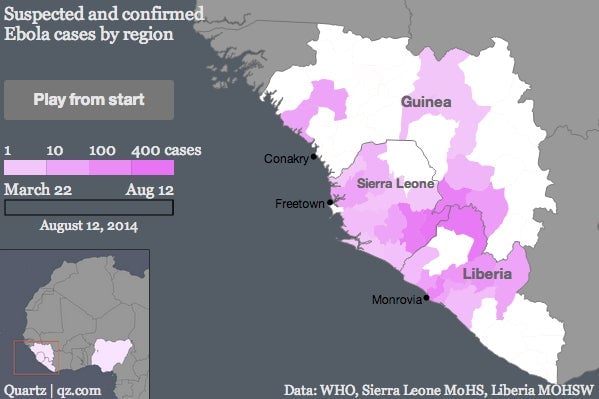
The ongoing Ebola epidemic in Western Africa is already acknowledged as horrific, with 2,000 suspected cases and over 1,000 deaths reported. But the true scale of the epidemic may actually be far greater, according to an August 14 statement from the World Health Organization.

The pro-Russia Ukrainian hacker group CyberBerkut brought down at least 37 Polish web sites in response to Polish criticism of Russian aggression in Eastern Ukraine. Sites affected include those of the president of Poland and the Warsaw Stock Exchange.

When a service outage planned for Aug. 6 lasted a day longer than expected, thousands of customers of the BBVA-owned online bank Simple lost account access and had transactions rejected.

In the 78-year history of the Fields medal, winners of the prestigious mathematics award often compared to the Nobel Prize had one thing in common: all of them were men.

The map above attempts to provide the most detailed possible visualization of the ongoing Ebola outbreak that has infected over 1,800 people and claimed more than 1,000 lives.

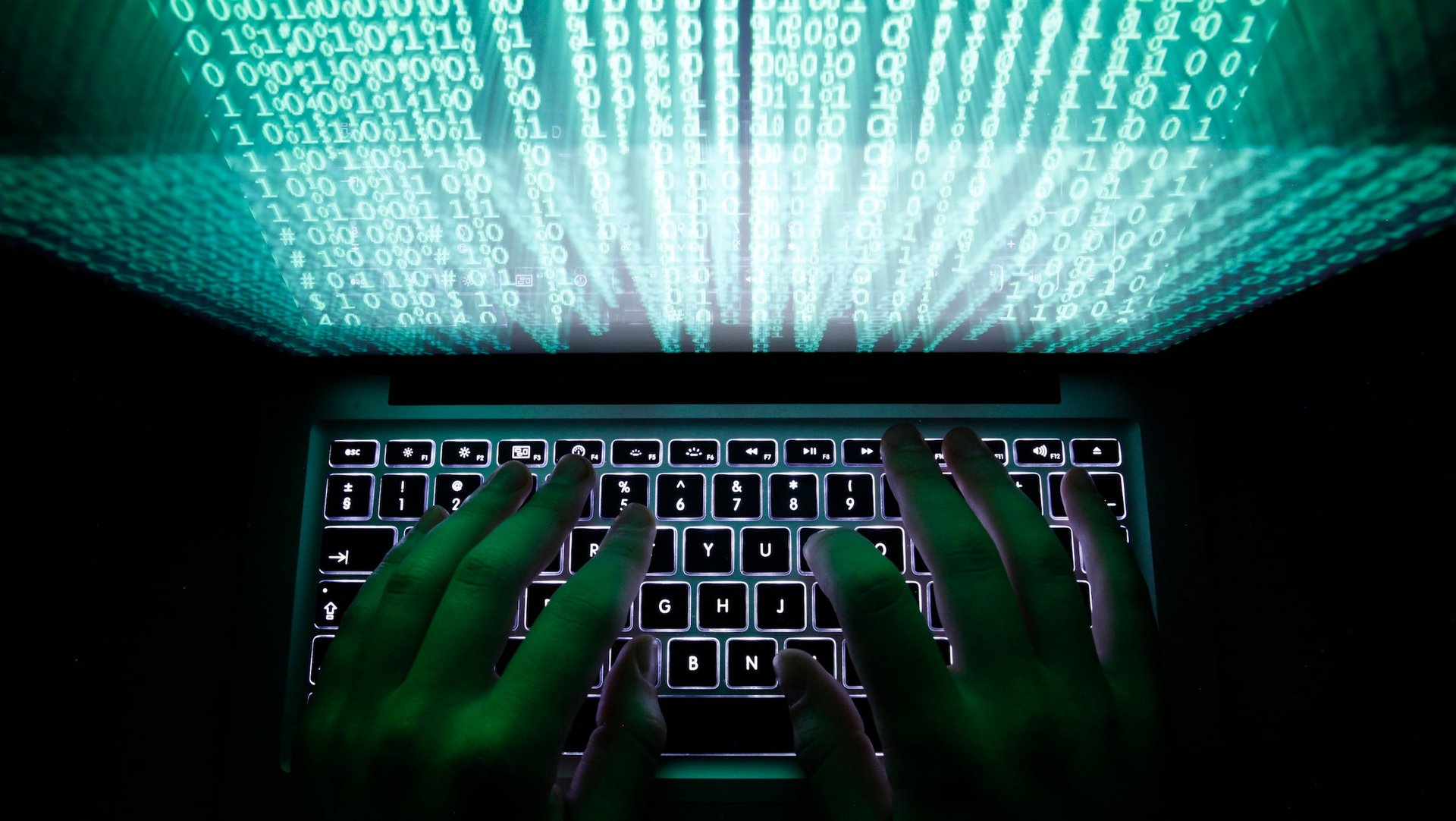
As if computer malware that steals your data weren’t enough, now there’s a new kind to worry about: Malware that does it via covert messages that are practically impossible to detect. And it’s becoming more prevalent, according to a new paper by researchers at the Warsaw University of Technology, the National Research Council of Italy, and Fraunhofer FKIE, a private information security research institute.

If you use an iPhone or iPad, your photos, web history, and GPS logs are vulnerable to theft and surveillance via back-door protocols running on all iOS devices, according forensic scientist Jonathan Zdziarski, better known by the hacker moniker “NerveGas.”

People operating a disconnected Buk surface-to-air missile system of the kind suspected in the downing of Malaysian Airways Flight 17 yesterday could well have had trouble distinguishing commercial flights from military aircraft, according to an article published by MIT Technology Review.

Global, anonymous, and free from any central authority, bitcoin and other digital currencies are not easy to regulate—by design. But a proposal released yesterday by the New York State Department of Financial Services attempts to do just that.

Microsoft told employees this morning that it would cut up to 18,000 jobs, 14% of its total workforce, over the next year. These will be the largest layoffs in company history, with 12,500 jobs coming from the Nokia Devices and Services division which Microsoft acquired in a $7.2 billion deal completed in April. The news was delivered in an internal memo from CEO Satya Nadella.

The leaders of the BRICS emerging market countries are meeting in Brazil this week for their sixth summit. The meeting has already led to the establishment of a development bank that the bloc—Brazil, Russia, India, China, and South Africa—thinks could rival the World Bank.

The Federal Communications Commission’s website has crashed on the last day to submit comments on the US agency’s controversial proposal to regulate the internet.

“You no longer have to fantasize about being a goat,” reads the description for the viral trailer for Goat Simulator, a PC game produced by the Swedish game developers Coffee Stain Studios. “Your dreams have finally come true!”

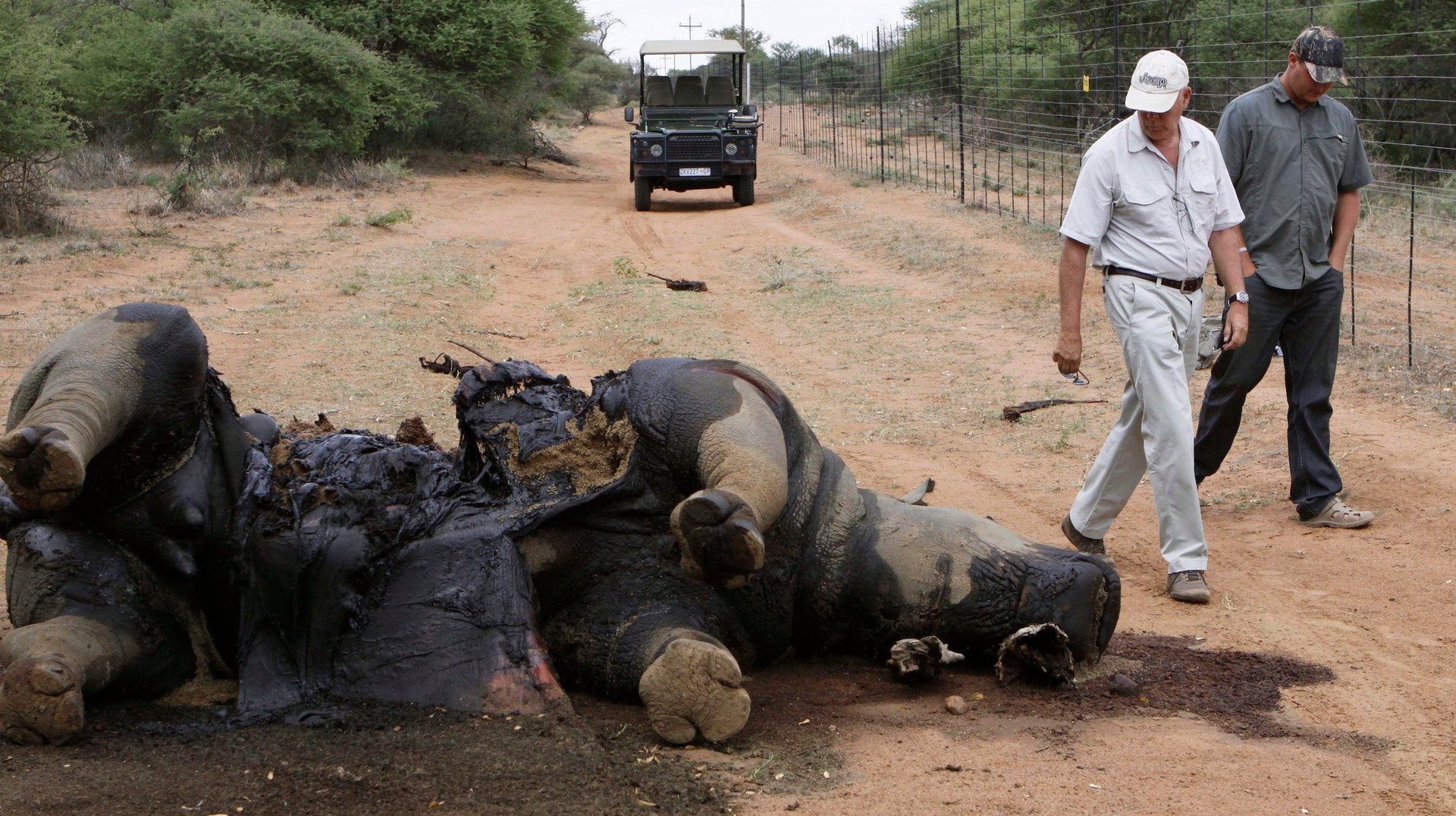
South African rhino poachers have once again outdone themselves. Poachers have killed 558 rhinos this year in South Africa, putting numbers on pace to increase for the eighth consecutive year. The country’s poaching explosion since 2007 is fueled by black-market demand for rhino horns, which can sell for hundreds of thousands of dollars each in Southeast Asia—particularly Vietnam, where demand is highest.

Big data—the kind that statisticians and computer scientists scour for insights on human beings and our societies—is cooked up using a recipe that’s been used a thousand times. Here’s how it goes: Acquire a trove of people’s highly personal data—say, medical records or shopping history. Run that huge set through a “de-identification” process to anonymize the data. And voila—individuals become anonymous, chartable, and unencumbered by personal privacy concerns.