Quartz
Subscribe
Quartz
Subscribe
Edition
Business News
A.I.
Technology
Money & Markets
Leadership
Lifestyle
Latest

Get Quartz in your inbox

Free daily briefing on global business news.

Business News
AirlinesAutomobilesFoodPharmaceuticalsPolitics & GovernmentRetail & EcommerceSpace & AerospaceEarnings
Technology
A.I.ComputingConsumer TechSpace & AerospaceEarnings
Money & Markets
Economic IndicatorsMarketsPersonal FinanceEarnings
Lifestyle
Cars & BikesCollectingEntertainmentFood & Fine DiningHealth and FitnessReal EstateTravel
Quartz

Global business news for a smarter world

Topics

  • Business News
  • Money & Markets
  • Tech & Innovation
  • Generation A.I.
  • Lifestyle
  • Leadership

Products

  • Daily Brief
  • Weekly Digest
  • Member Benefits
  • Quartz Pro

Legal

  • Sitemap
  • About
  • Accessibility
  • Privacy
  • Terms of Service
  • Advertising

© 2026 Quartz Media, Inc. All rights reserved.

Leadership

Theranos founder Elizabeth Holmes' prison sentence keeps getting shorter

Her release date is now three months earlier after more than two years already fell off her sentence

By Melvin Backman·2 min read·Updated August 6, 2024
Add QZ to Google

When Elizabeth Holmes, founder of the now-disgraced blood testing company Theranos, received the sentence for her fraud conviction in 2022, she was originally expected to serve 11 years after she reported to prison last May. But it looks like she’ll be getting out by Labor Day 2032.

NBC News noticed that her release date on the Bureau of Prisons (BOP) website has been bumped up to August 16, 2032 from December 29th. That marked another reduction after more than two years fell off her sentence last year. The outlet heard from the BOP that sometimes sentences are shortened for good behavior or the completion of certain programs designed to address mental health, financial literacy, and other factors that might reduce recidivism. Holmes’s lawyer did not respond to an NBC request for comment.

Theranos, founded in 2003 when Holmes was 19, had once promised to revolutionize the world of blood testing by reducing sample sizes from a full draw to a single pinprick. But a 2015 Wall Street Journal exposé revealed that the tests didn’t do as much as they said — and also operated similarly to normal blood tests. Before Holmes was convicted and ordered to pay $452 million in restitution, she settled a civil suit from the U.S. Securities and Exchange Commission, in which the agency said she and co-founder Sunny Balwani (himself sentenced to 13 years in prison) had perpetuated a “massive fraud” on their customers and investors. Theranos shut down in 2018.

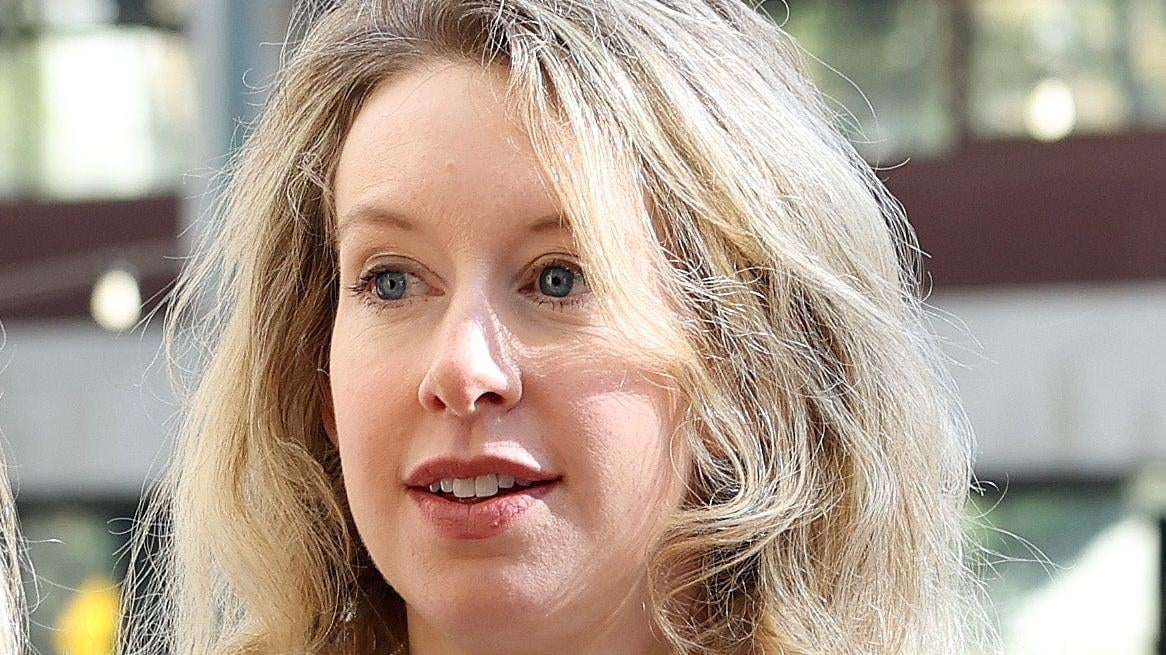
Holmes’s story, which became a cautionary tale about blind trust in charismatic Silicon Valley founders, became a pop culture sensation, inspiring a best-selling book by the journalist who broke the story of her deceptions, documentaries from ABC and HBO documentary exploring her rise-and-fall, and a Hulu series that dramatized it.

Daily Brief

The essential business news, delivered fresh every morning.

Join 500,000+ readers who start their day with Quartz.

By subscribing, you agree to our Terms of Service and Privacy Policy.

Related

Business NewsTrump's trade chief is warning new tariffs are coming as temporary 10% global duties expire
Economic IndicatorsInstitutional investors are doubling their home listings after new housing ban
CybersecurityIntel's foundry landed Fortinet as its first named cybersecurity chip customer
Business NewsHalliburton's profit rebounded in Q2 but CEO warns oilfield services market is softening
A.I.The U.S. and China are planning their first official AI talks under Trump