
Weight-loss drug makers are directly targeting employers in a campaign to expand health insurance coverage of their popular, but pricey, medications.
Novo Nordisk and its rival Eli Lilly are visiting HR teams and labor unions across the country to make the case for weight loss drugs like Ozempic
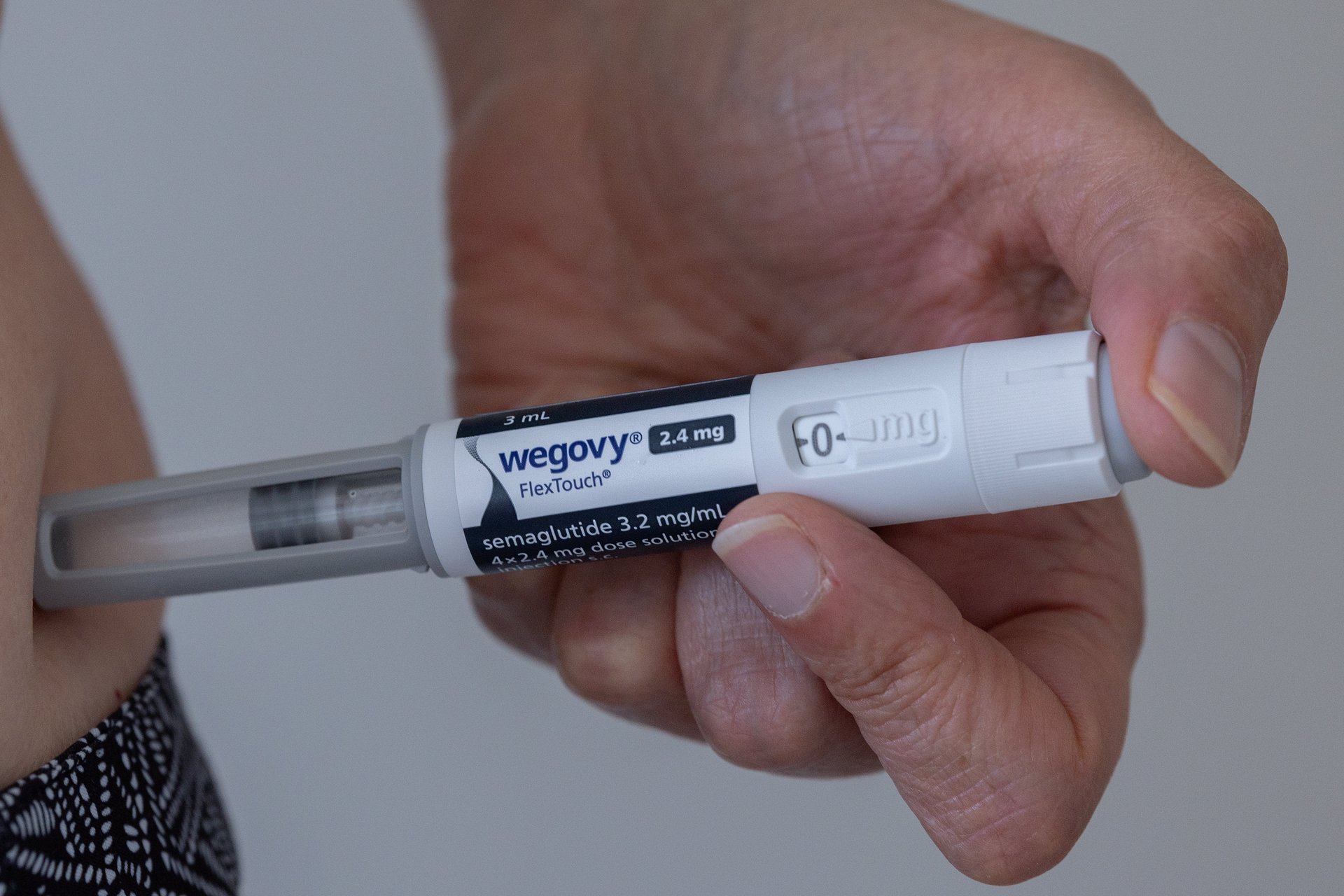
Weight-loss drug makers are directly targeting employers in a campaign to expand health insurance coverage of their popular, but pricey, medications.
The Wall Street Journal reports that reps for both Novo Nordisk (NVO), the maker of Ozempic and Wegovy, and its rival Eli Lilly $LLY (LLY), which produces Zepbound and Mounjaro, are visiting labor unions and HR teams across the country to make the case for anti-obesity drugs.
These treatments belong to the class of drugs known as GLP-1 medications, made popular by Novo Nordisk’s diabetes treatment Ozempic. The drugs mimic a hormone that regulates appetite and blood sugar and have become highly sought after as treatments for obesity and Type 2 diabetes. Morgan Stanley $MS (MS) analysts anticipate the global market for these drugs will reach $105 billion by 2030, but that will hinge on patient access.
However, insurance coverage for GLP-1 drugs for the specific use of weight loss varies by plan. Some insurance companies and employers have been reluctant to cover these treatments due to their steep costs, which can significantly inflate employers’ healthcare budgets and drive up premiums across the board.
Without insurance, Wegovy is $1,349.02 for a month’s supply. Zepbound’s list price for most of its doses is $1,059.87 a month.
Only about 65 million, or 25%, of Americans have a health insurance plan that covers these weight-loss drugs, according to data from consulting firm Leverage. The firm’s AXIACI Obesity Coverage Nexus database tracks the insurance coverage of weight-loss treatments of roughly 80% of Americans.
The majority of GLP-1 weight-loss drug coverage comes from state Medicaid plans. Leverage estimates that Medicaid plans, which are government programs for low-income families, provide weight-loss drug coverage for 31.6 million people. Medicare only covers these treatments if they are prescribed to treat a second condition in addition to weight loss.
When it comes to private or employer-sponsored plans, these only provide GLP-1 weight-loss drug coverage for 13.7 million people, according to the database. But because many employers don’t make the details of their plans public, Leverage estimates this number could be up to 24.4 million people.
A recent survey revealed that only around 44% of U.S. employers with 500 or more employees offered coverage for weight-loss drugs in 2024.
In response, drugmakers are emphasizing that addressing obesity and its related complications could lead to significant long-term savings in healthcare costs for employers.
Both Eli Lilly and Novo Nordisk have been testing these medications to uncover any additional health benefits they might provide.
This year, the U.S. Food and Drug Administration approved Novo Nordisk’s Wegovy for reducing heart risks like heart attacks and strokes. Eli Lilly is also seeking approval for Zepbound to treat sleep apnea. Additionally, numerous studies suggest these medications may help with a range of conditions — from treating addictions and Alzheimer’s disease to reducing the risk of COVID-19-related deaths.
Join 500,000+ readers who start their day with Quartz.
By subscribing, you agree to our Terms of Service and Privacy Policy.