
Lifestyle
A soundtrack to the solar eclipse that eclipses all other eclipse soundtracksAre you ready for the solar eclipse? You’re not ready for the solar eclipse.
Updated July 20, 20224 min read
Are you ready for the solar eclipse? You’re not ready for the solar eclipse.
Kids grow up and go to college. Such is the norm. And yes—you could. Perhaps should. Think of the current economic climate, which all but requires people entering the workforce to arrive at job interviews brandishing their university transcript; think of the social benefits, the broadening of intellectual horizons, the wonder of leisurely exploring every subject under the sun; the (eventual) financial payoffs.
Music is political. Musicians are political. This we knew. Turns out that music-streaming services, the digital platforms that are supposed to merely host all of our songs and albums, are as well.
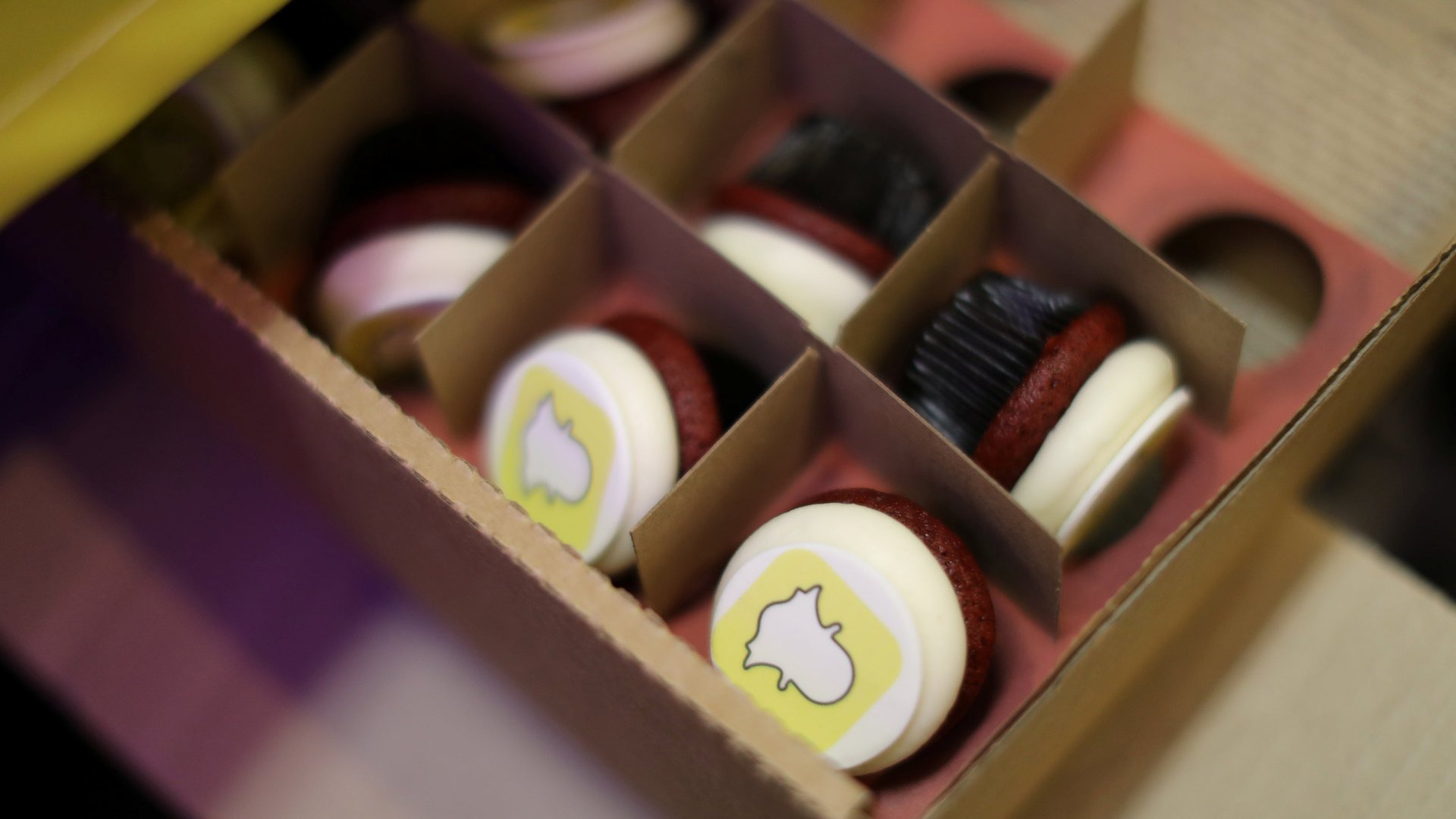
Snapchat is no longer a mere photo-messaging platform for idle teenagers; it’s a powerful marketing tool for retailers, a strategic branding method for celebrities, a megaphone for messaging for politicians and startups. And Snapchat’s latest adoption base? Colleges.
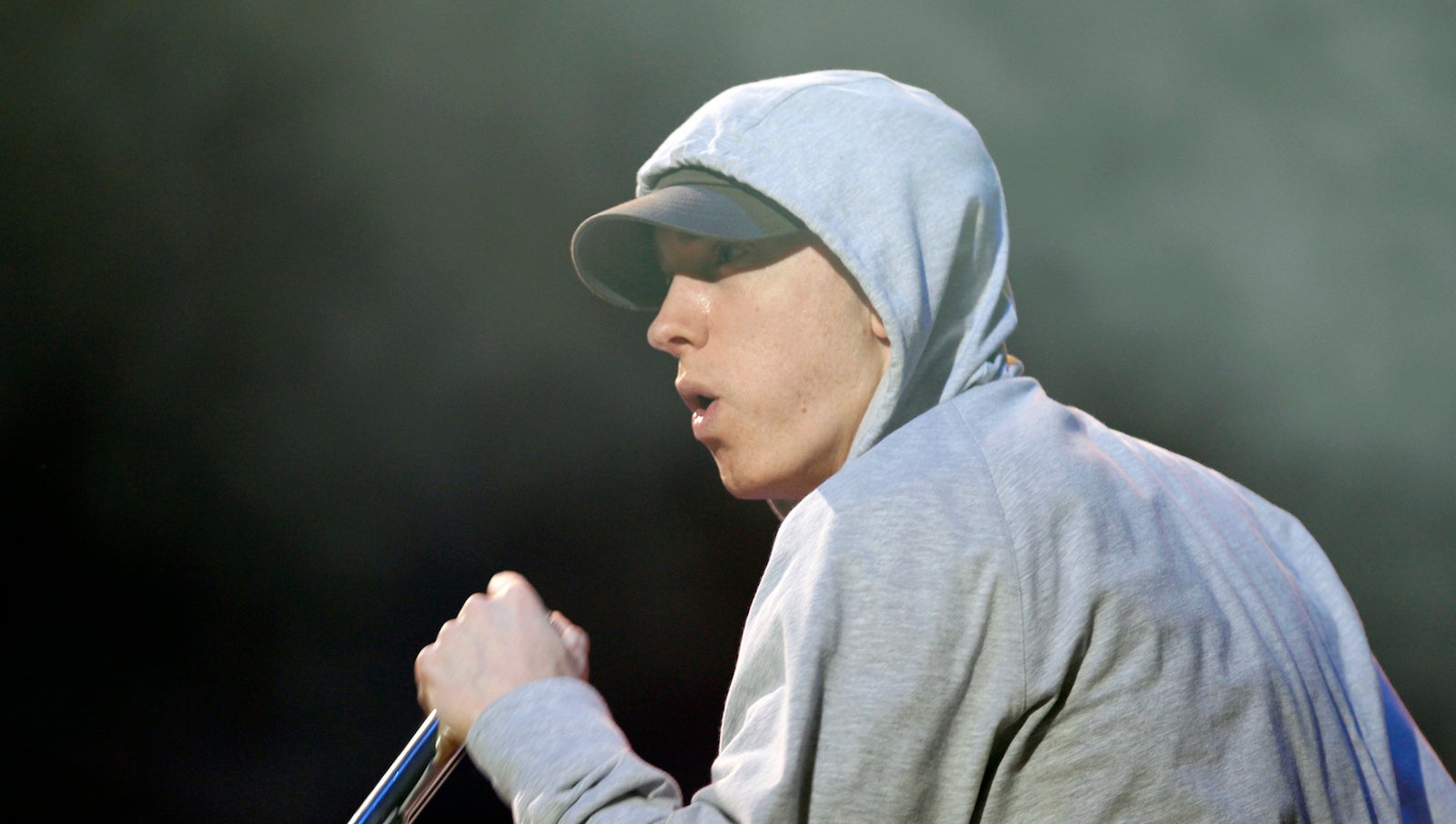
It was Stevie Wonder who once crooned, “Music is a world within itself, with a language we all understand.” But Stevie Wonder was wrong.
It took a mere 380 years.
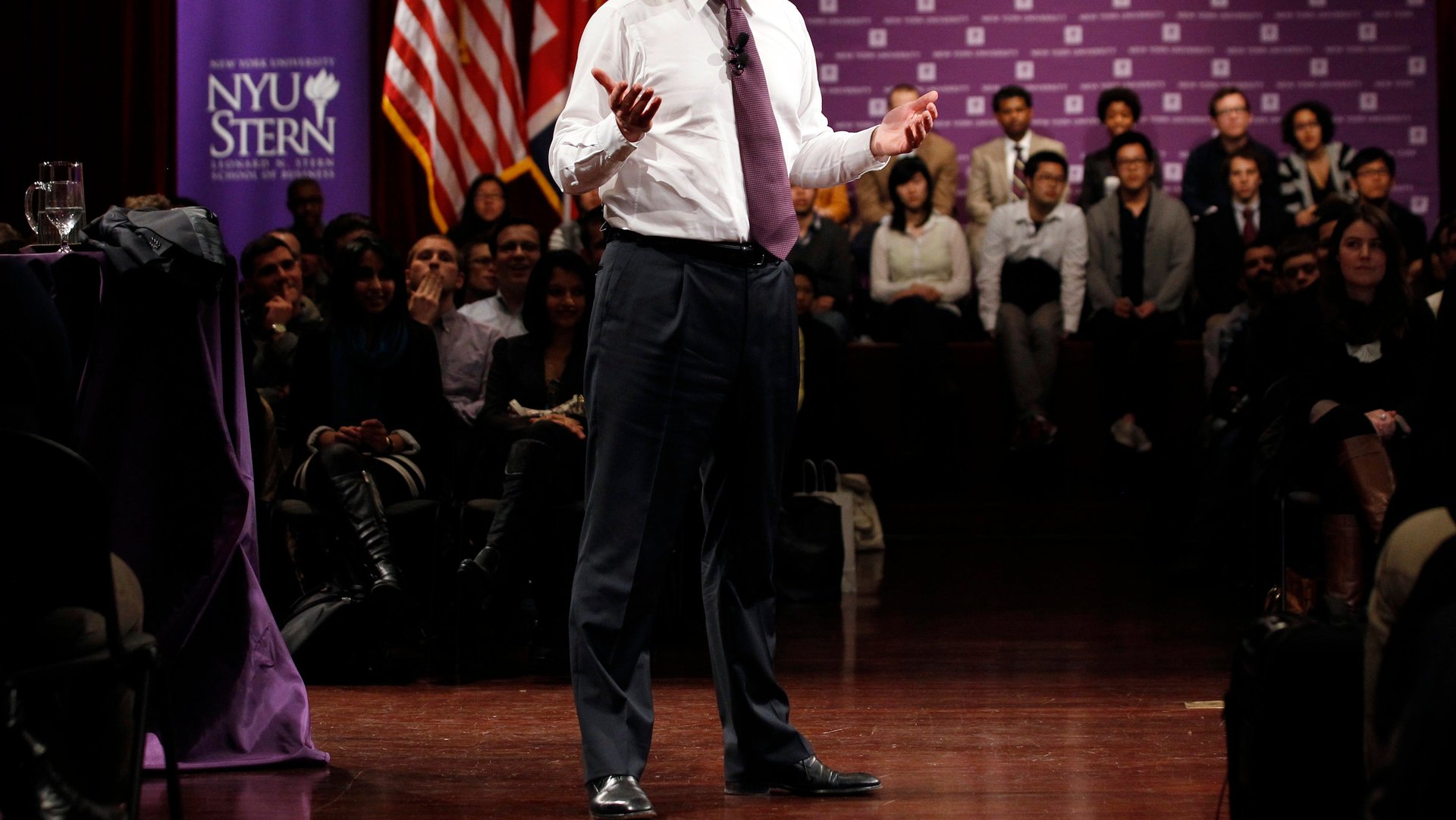
Requirements for attending NYU’s Stern School of Business include a killer résumé and top-notch grades—as well as evidence that you’re a functional, socially-integrated human not totally devoid of empathy.
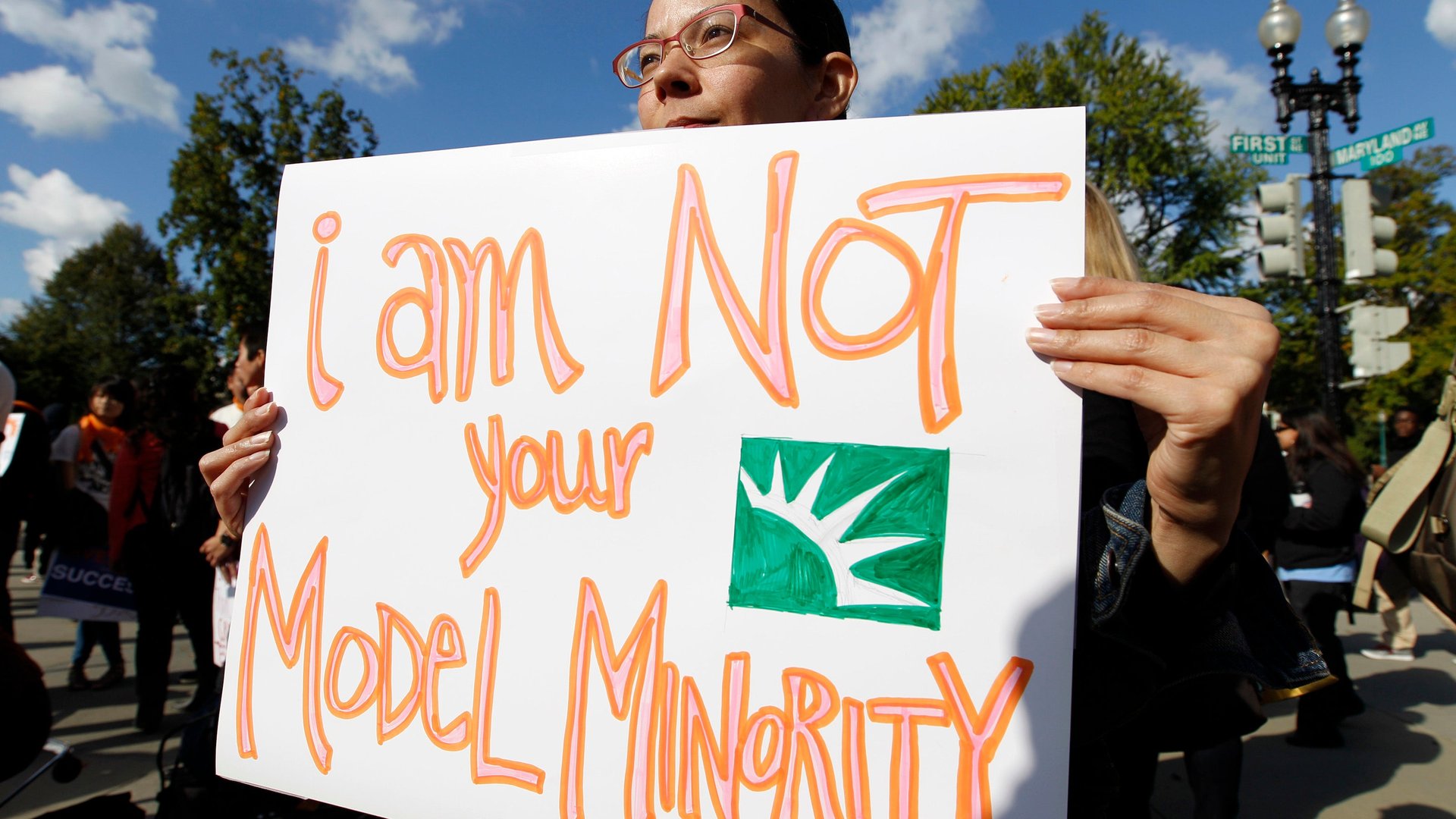
It was only last year that the US Supreme Court ruled in the landmark Fisher v. Texas case that college admissions offices are allowed to take applicants’ race into account when making decisions.
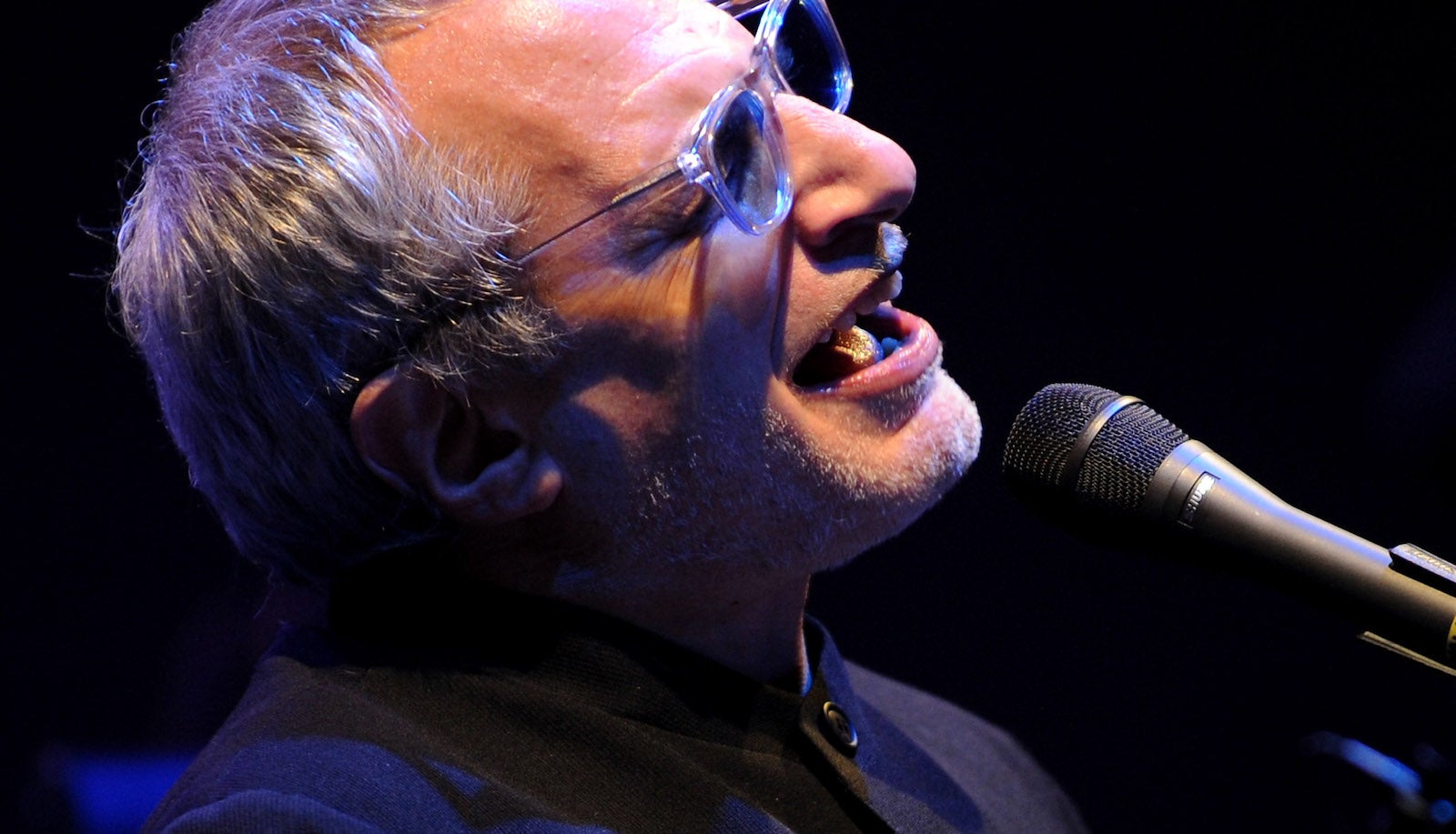
For musicians, it’s the best of times and it’s the worst of times. Streaming services like Apple Music and Spotify are booming, helping the long-suffering music industry grow for the first time in decades.

Fret as they may over brand names and rankings competition, students at the majority of America’s graduate-level business schools will likely do just fine for themselves.
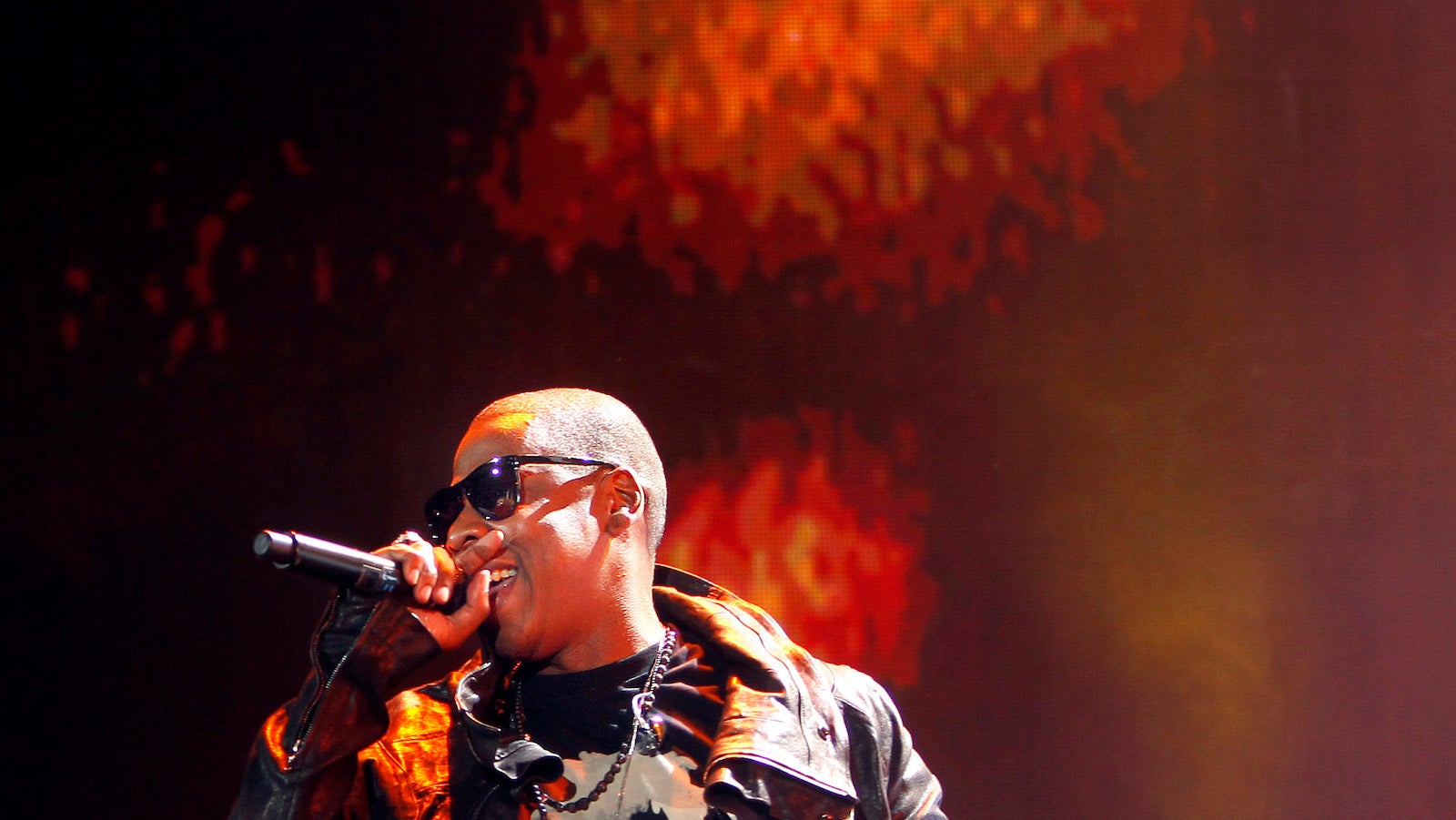
Jay-Z’s latest album, 4:44, started off as an exclusive to Tidal, the streaming company he owns, and is now available on Amazon and Apple Music as well—but not Spotify.
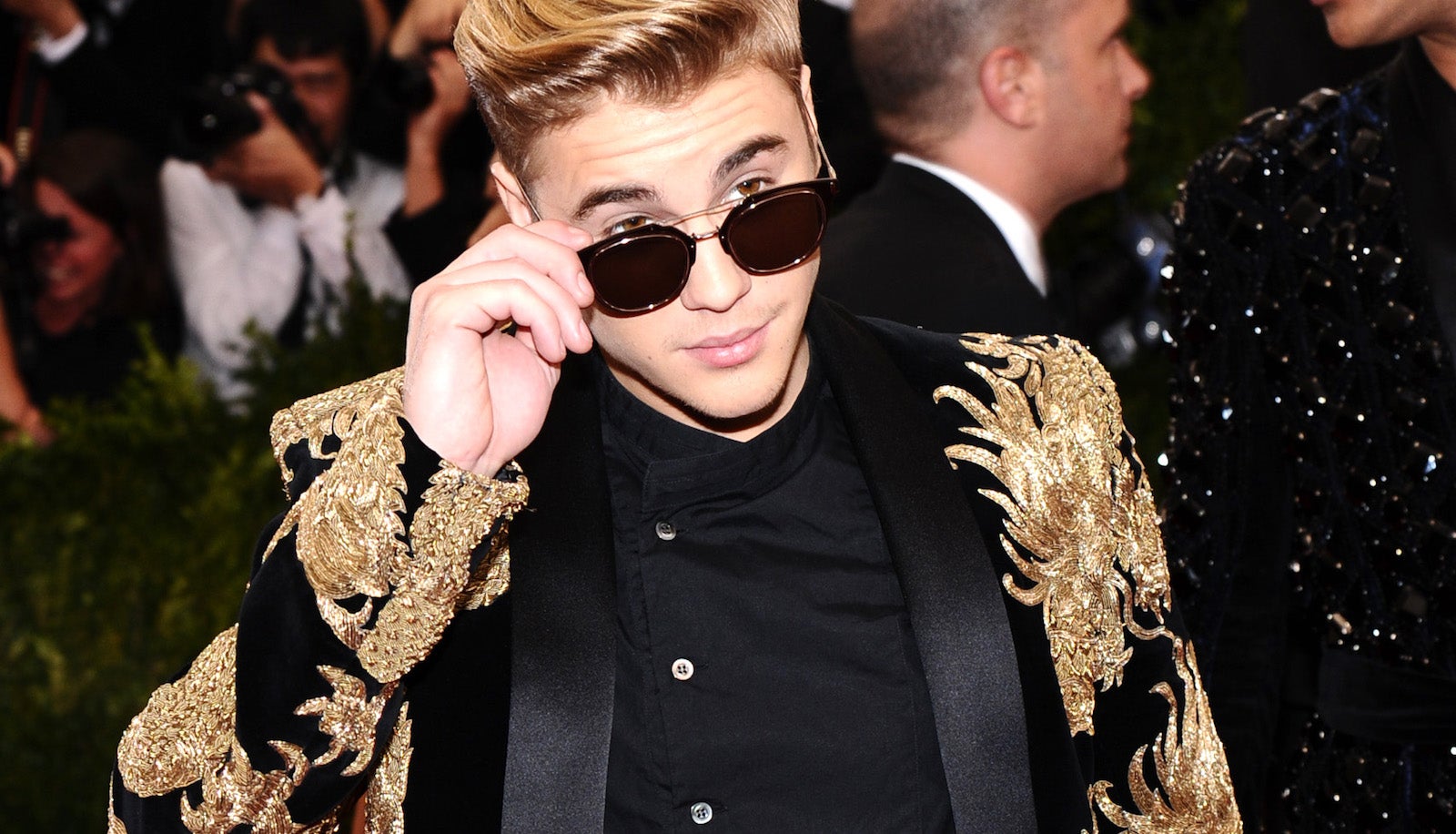
Canadian pop darling Justin Bieber and the Dalai Lama now have—can you believ(b)e it—two things in common: Both a solid fanbase of religious devotees and a spot on China’s blacklist of foreigners.
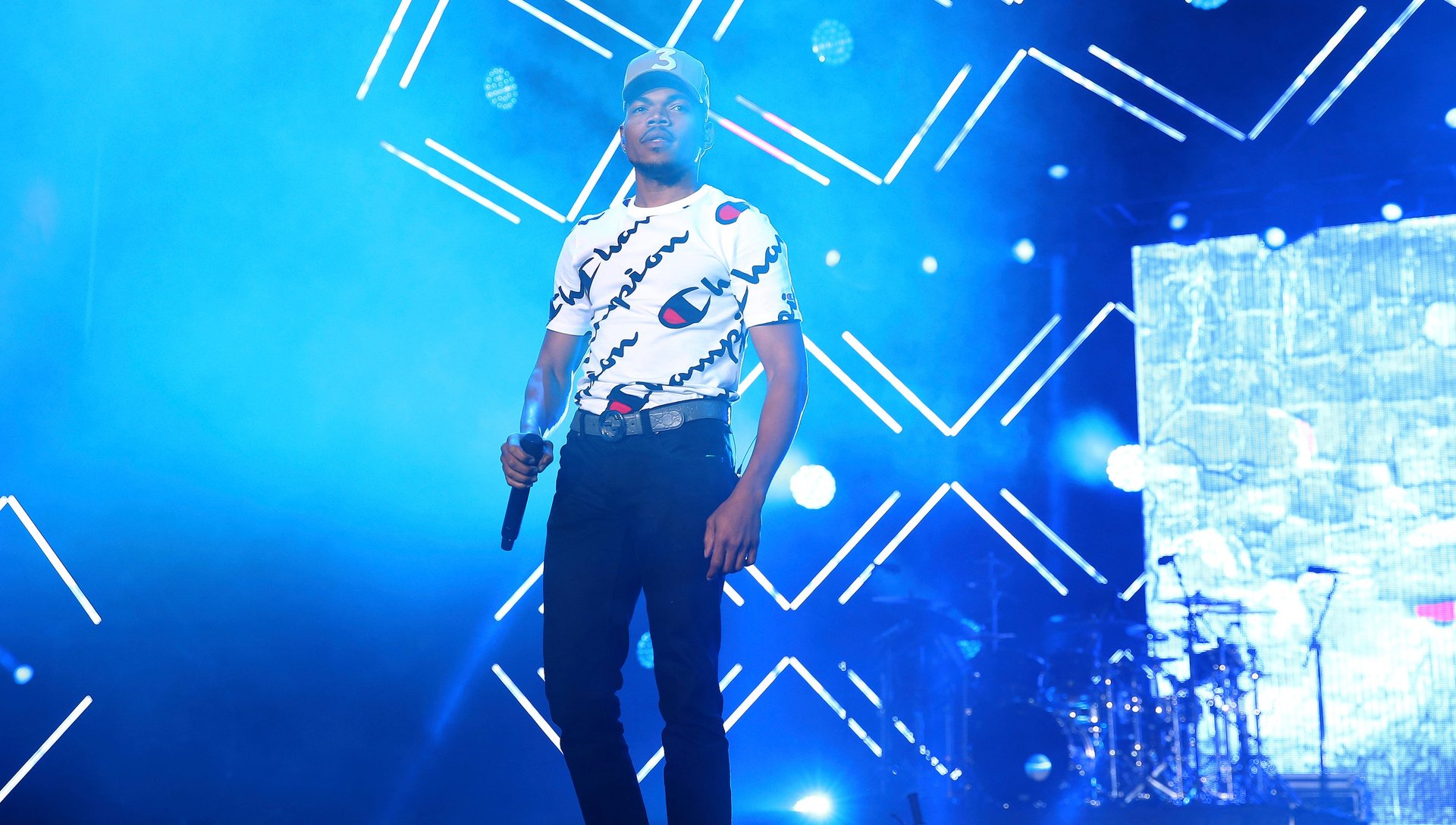
Music-streaming service SoundCloud, loath as it may be to admit it, is having a bit of trouble as of late. As bigger rivals like Spotify and Apple Music begin to rule the listening market, smaller services are struggling to turn a profit; and getting rid of a large chunk of one’s company hardly screams success—unless you’re Justin Timberlake going solo out of NYSNC, Beyoncé fleeing Destiny’s Child to become the world’s biggest pop star, et cetera.
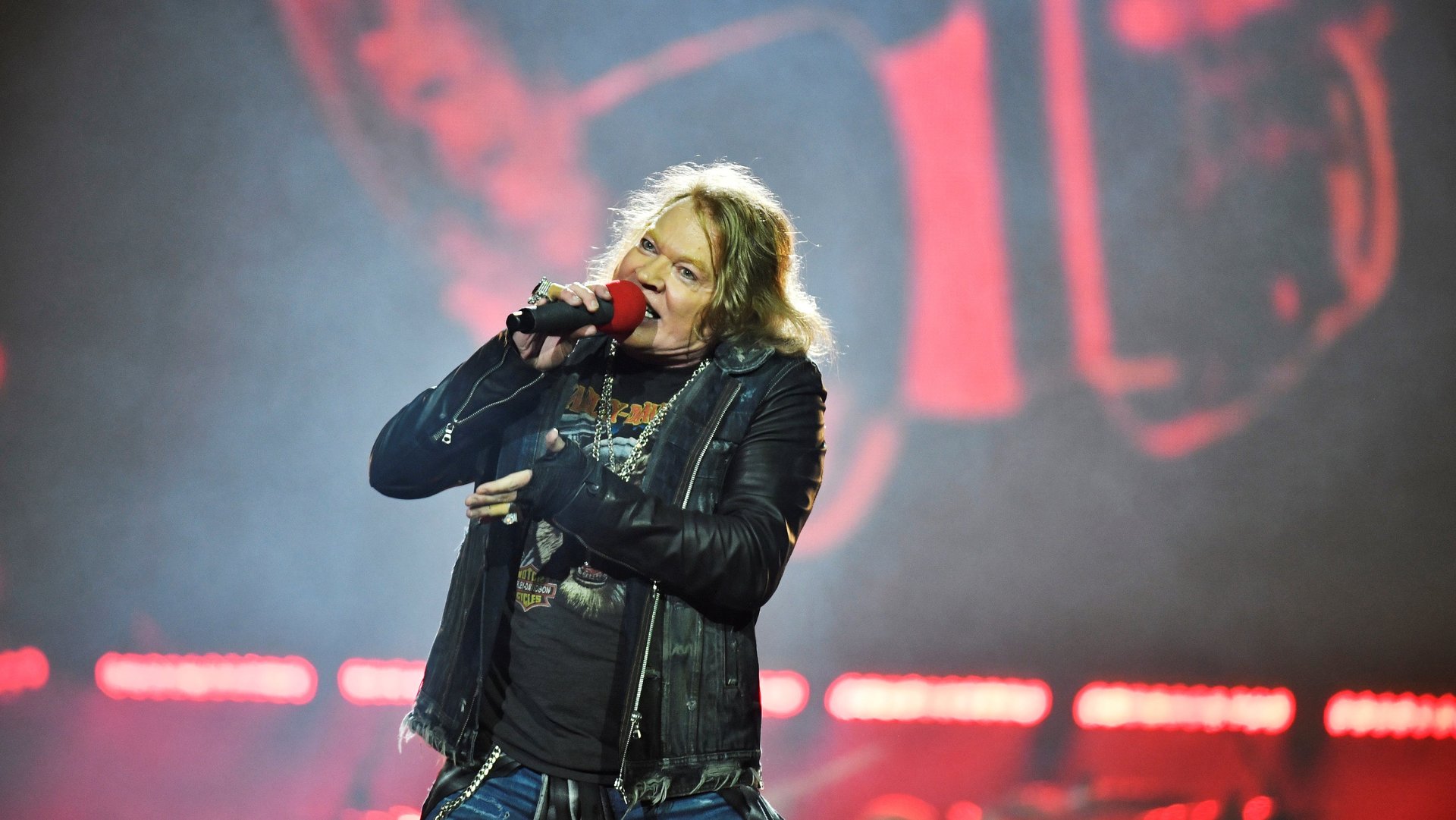
One of last year’s highest-paid musicians is a band whose beloved original lineup hadn’t played together for more than 20 years before reuniting last year, and plays a kind of music that is quietly dying.
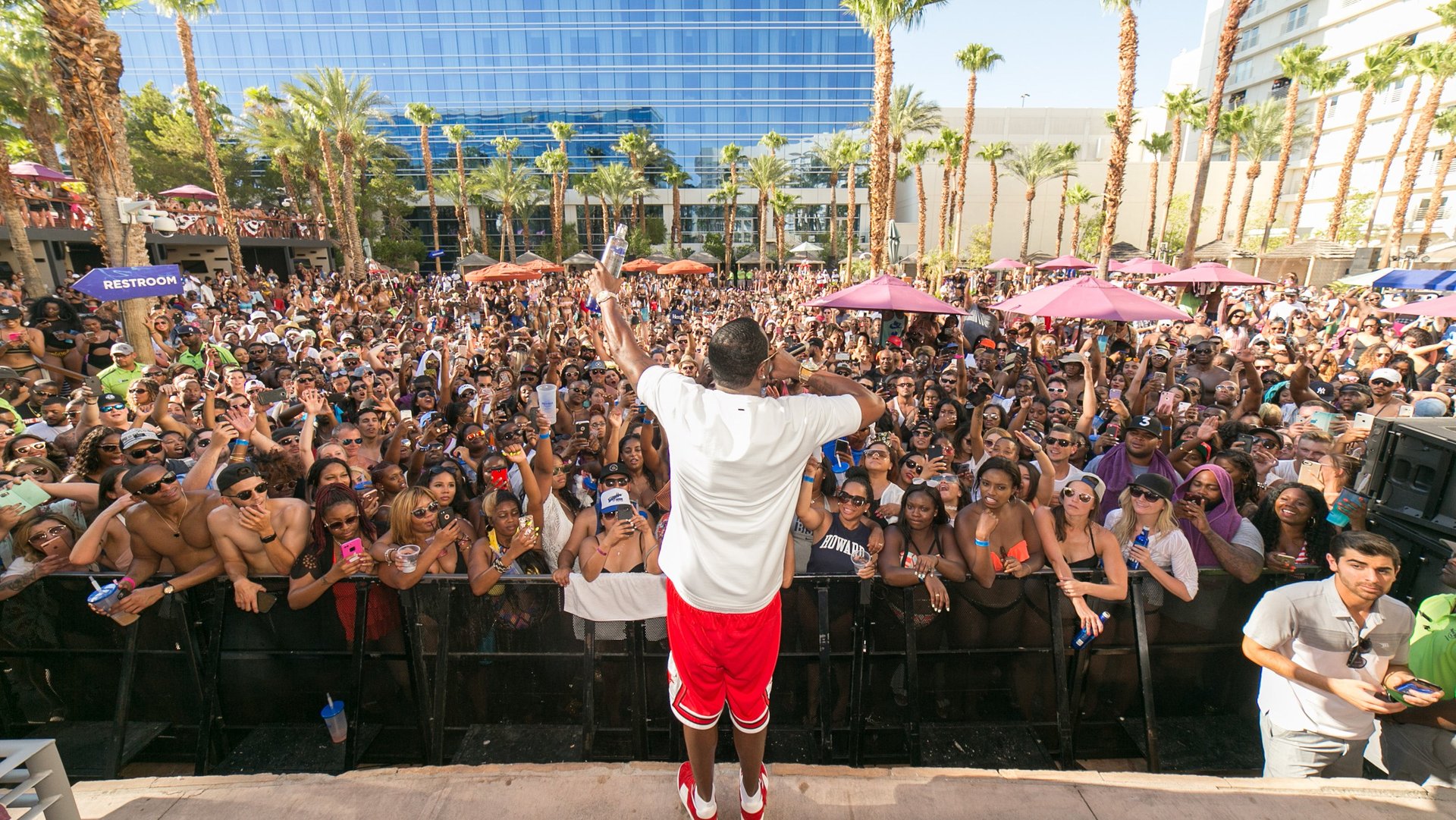
“Change—shit, I guess change is good for any of us,” Tupac raps at the start of one of his most beloved singles, recorded in 1995 and released the following year after his death. Back then, rap, hip-hop, and R&B were still subcultures, brimming with loyal followers but lagging just below the attention of the mainstream. Fame was fierce, yet limited.
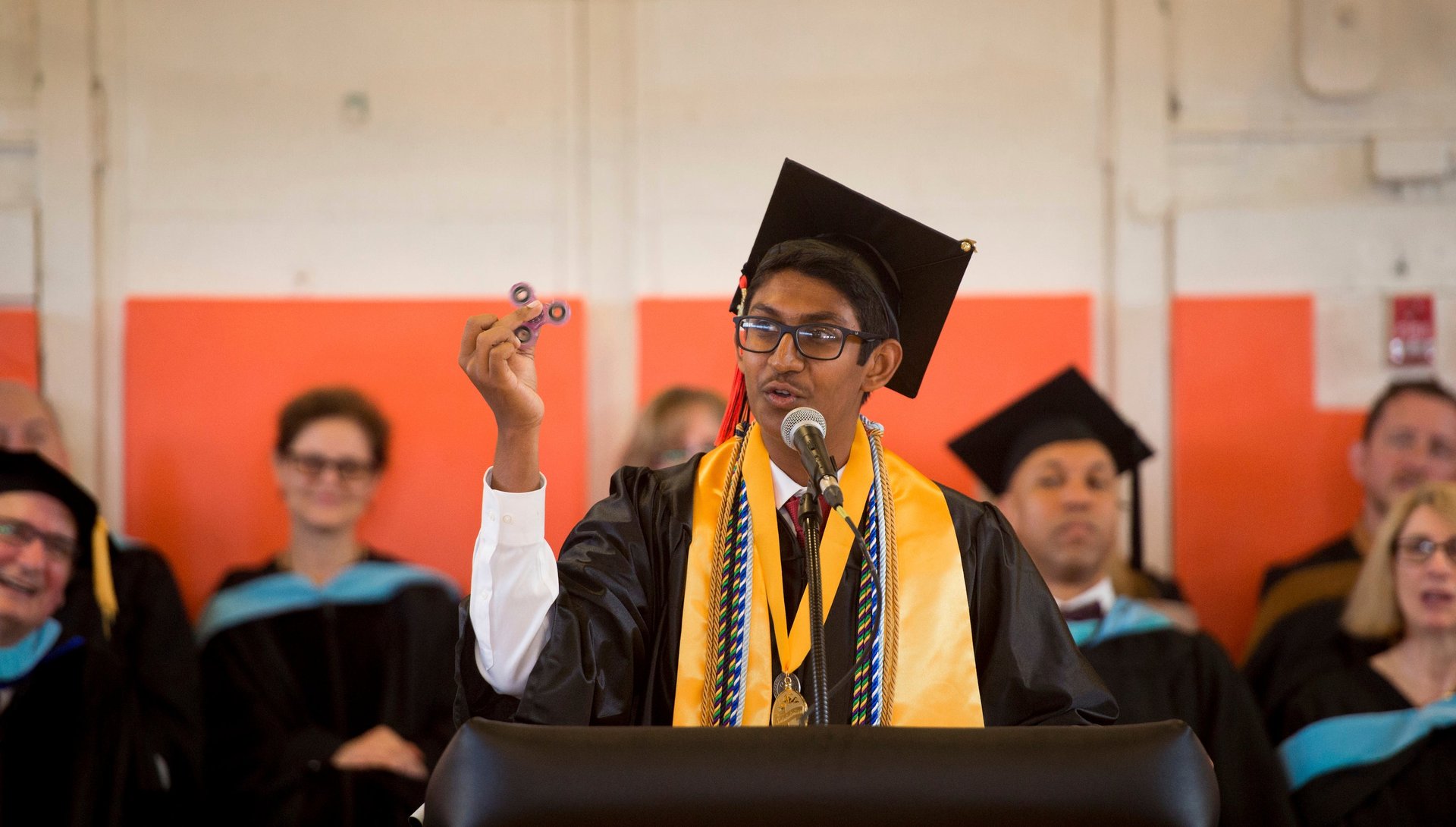
To graduate from high school with a grade-point average (GPA) of A, the top range of academic marks, used to be a crowning achievement and every parent’s dream come true (literally, every parent’s). Now, it’s basically the norm.
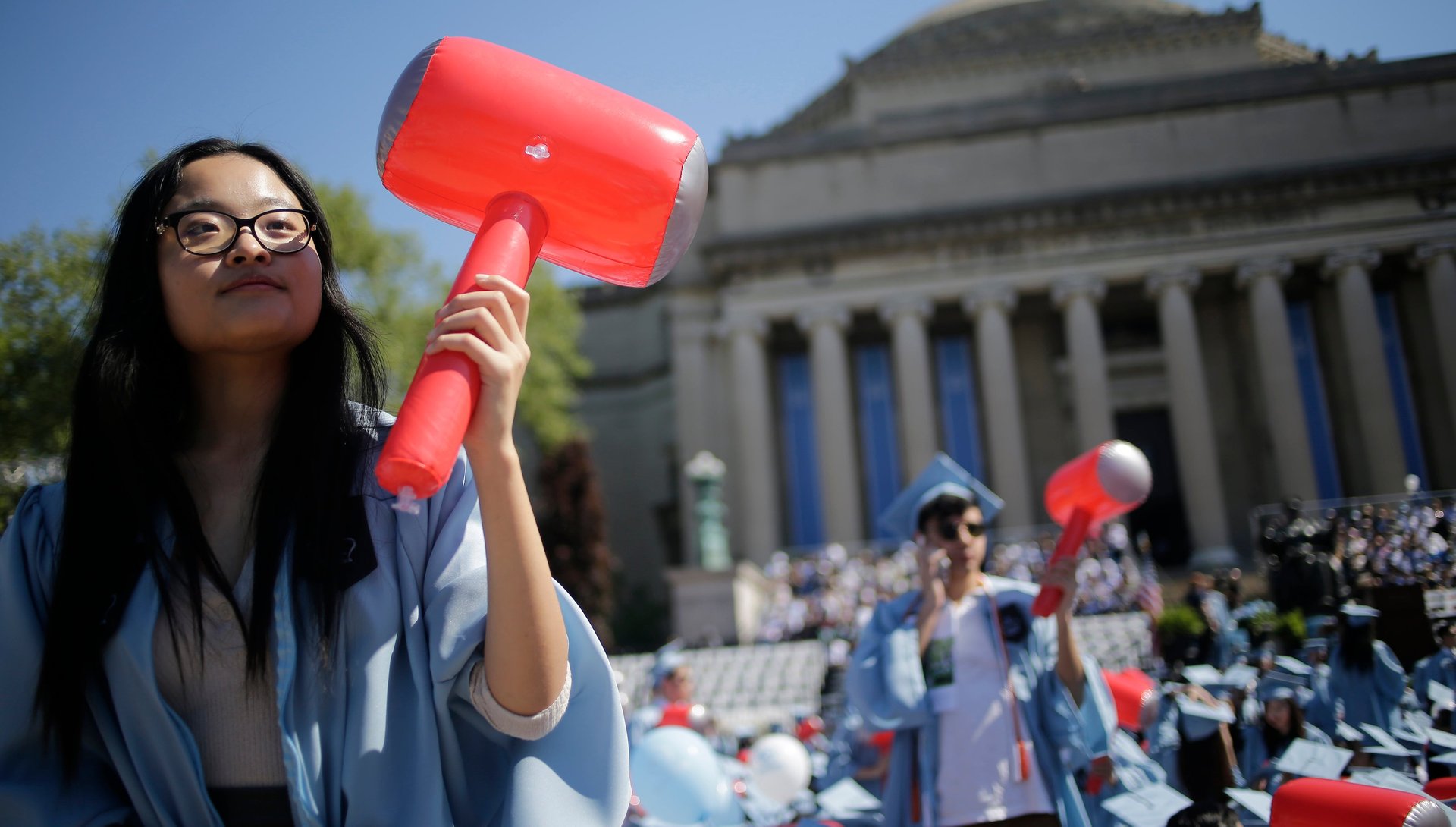
Some lucky Americans are finding that their huge piles of student debt may not actually exist. All thanks to a fluke in paperwork, rather than politics or beneficence.
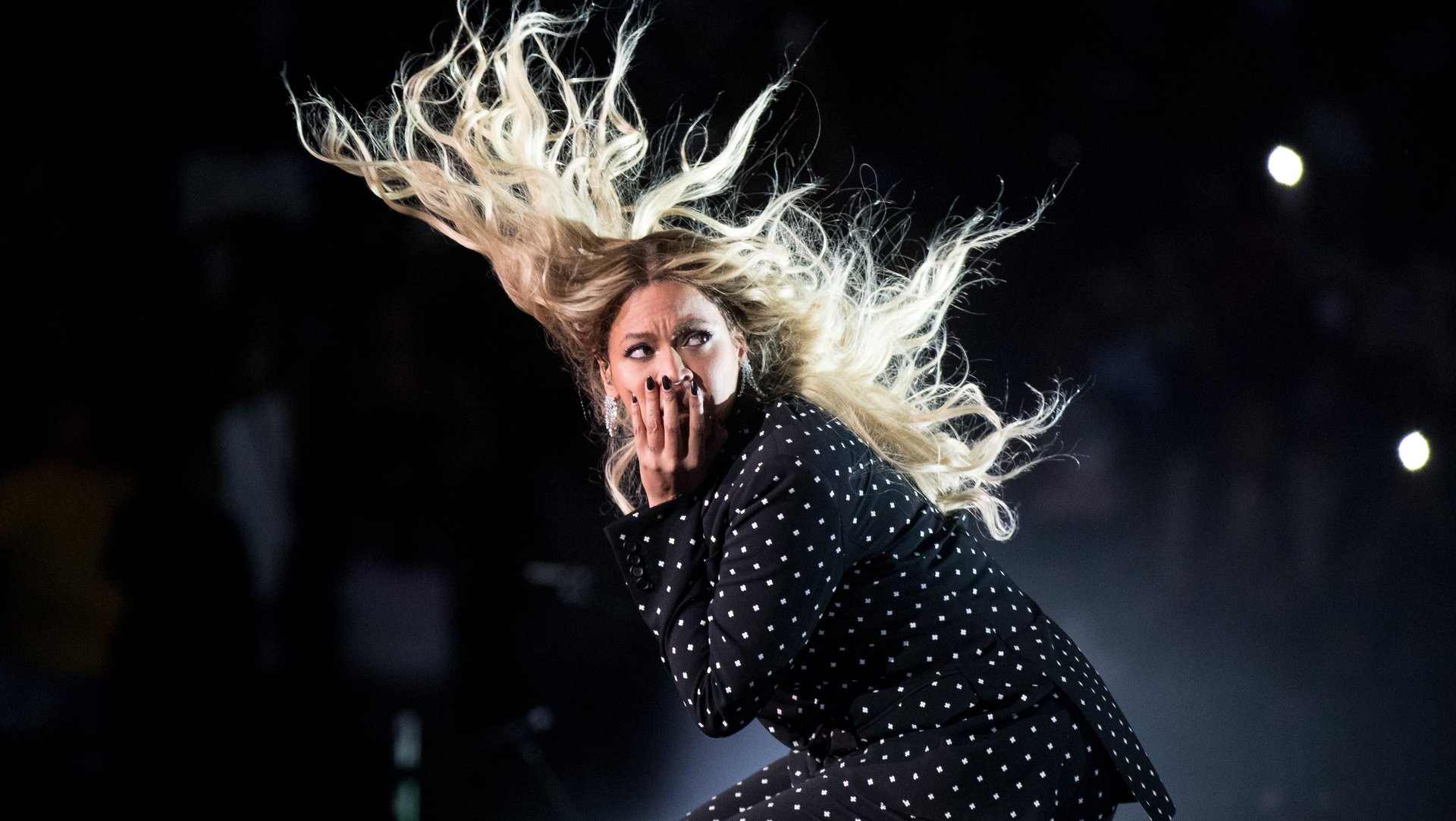
The highest-paid musician in the world in 2015 was Taylor Swift—who made the bulk of her money not from album sales or streams, but from an international tour and string of corporate endorsements deals.
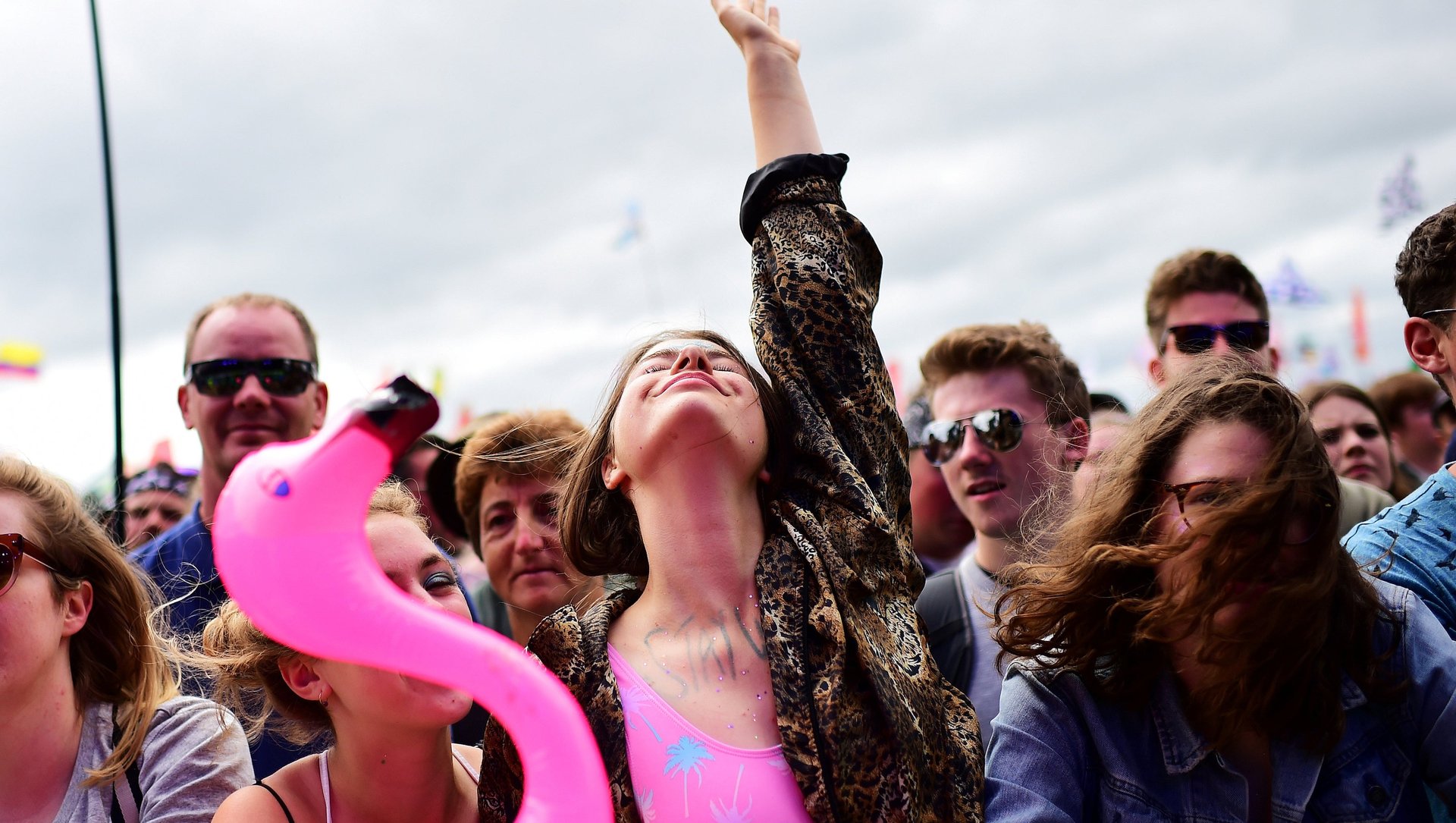
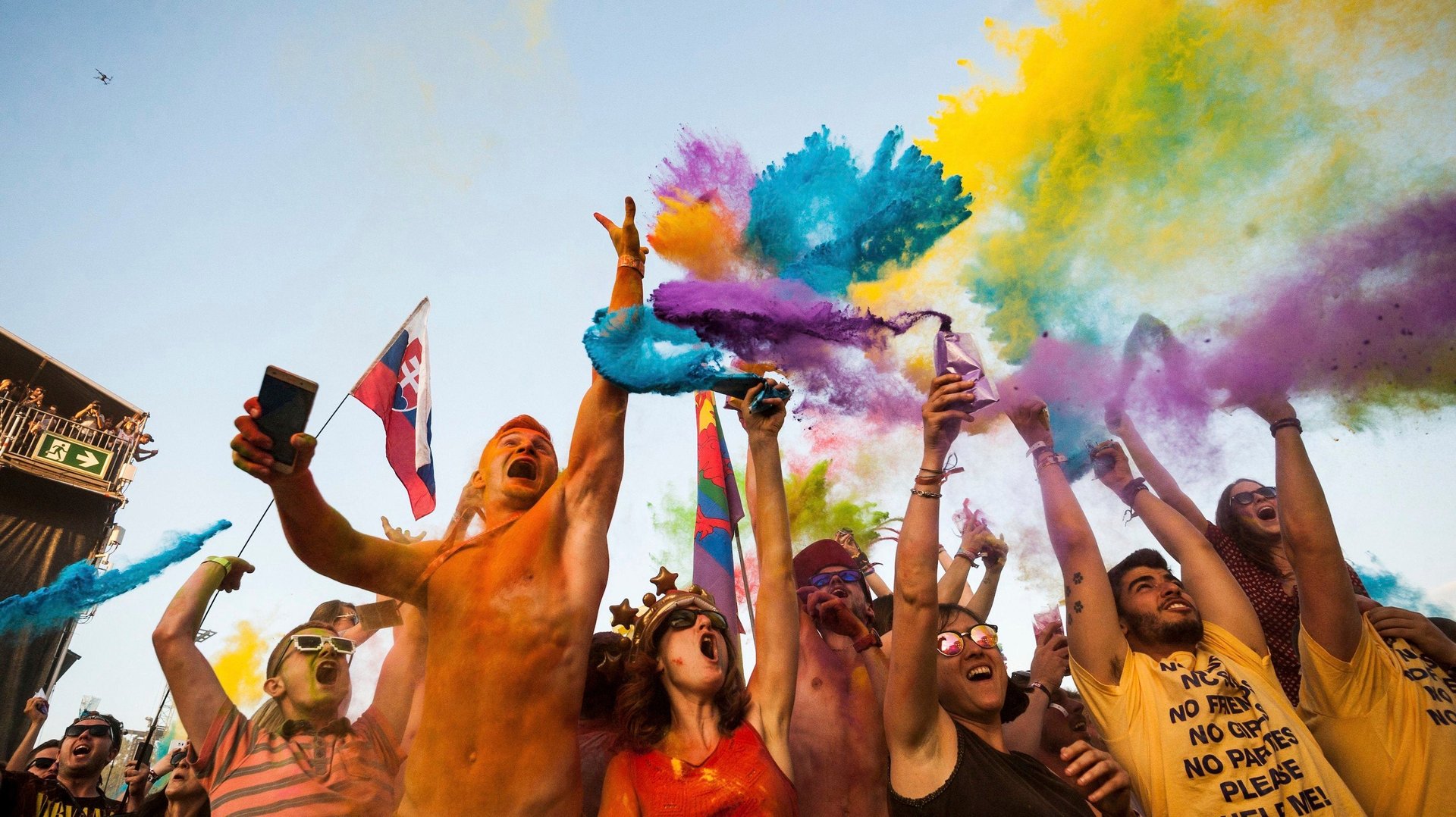
It feels like every festival that sprang up after Coachella in the 2000s sought to imitate it, with the result that the most popular music festivals have ended up lavishly, and laughably, homogenous. Are there any music festivals in the world still worth attending? Of course. It’s just a matter of finding them. (And avoiding the ones put on by once-popular rappers that may or may not be massive frauds.)
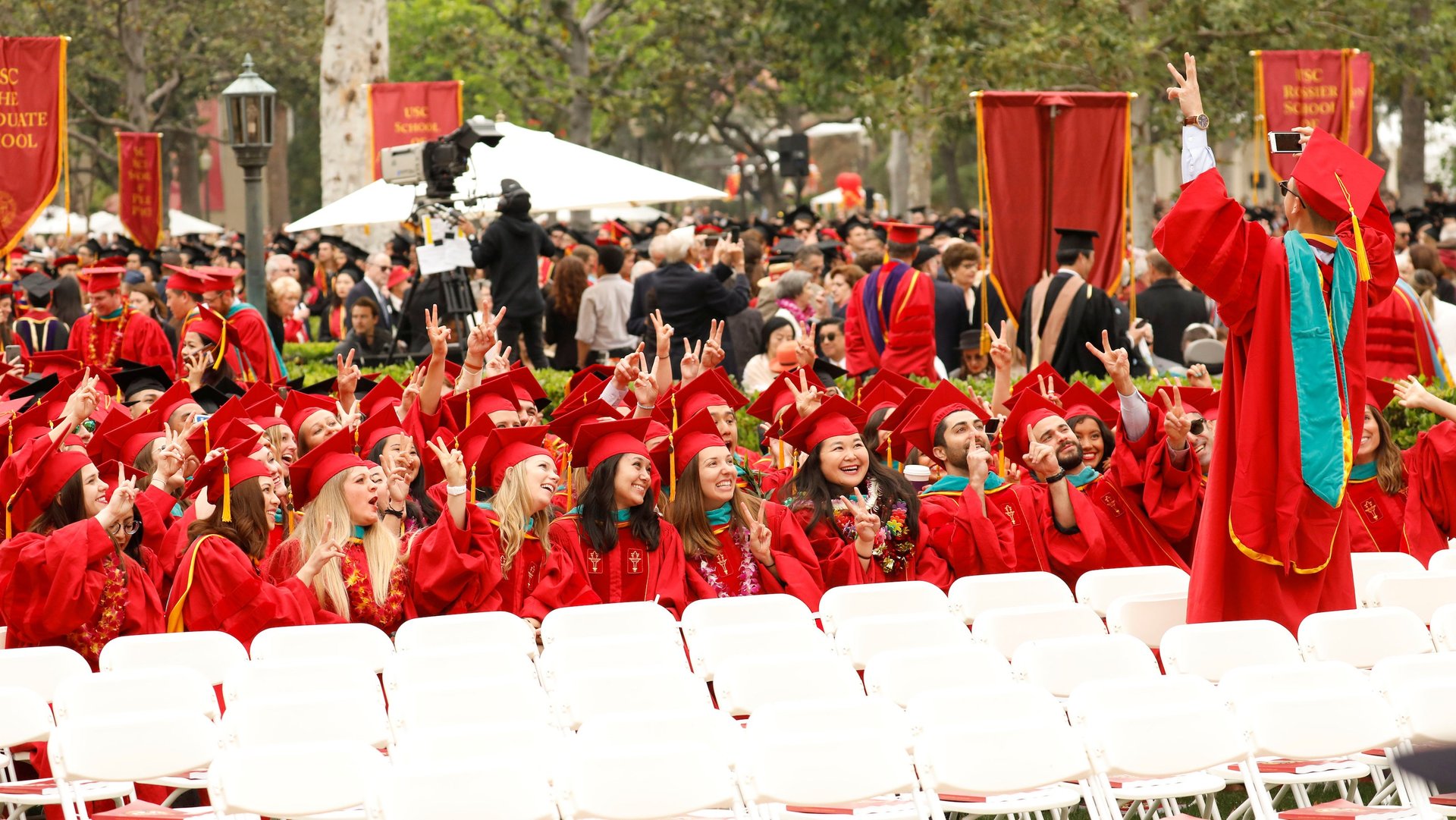
After a year of rabid political tumult in both the US and UK, homes to the best universities in the world, young people about to go to college are looking to a country that smoothly mixes the best of both, in the most inoffensive way possible.
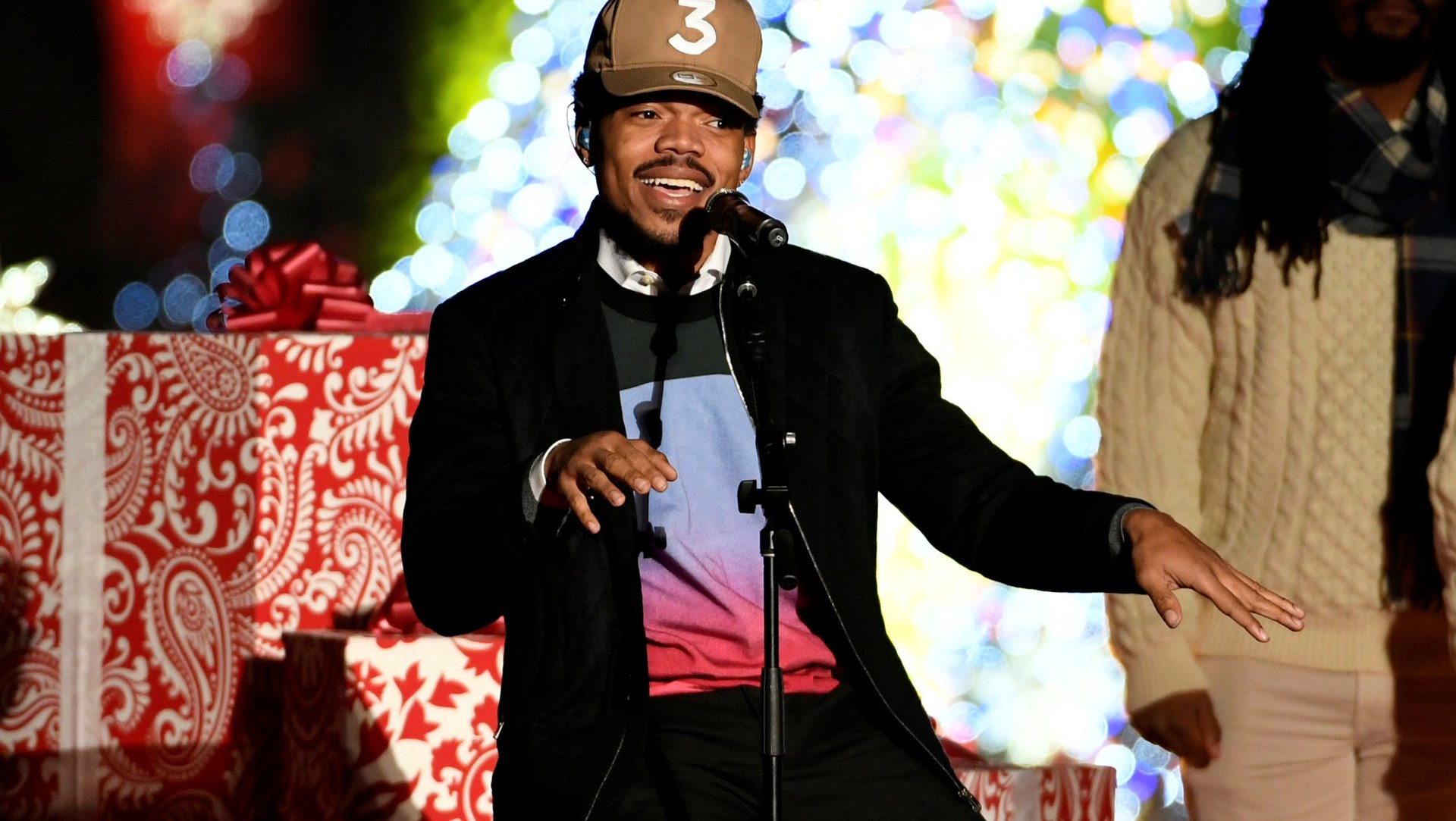
The streaming apocalypse is in full swing.

Things are changing fast at America’s oldest university. In a span of just a few years, Harvard has revised faculty titles, rolled out a plethora of diversity initiatives, given severe punishments for offensive language, altered its official song—all in the interest of bettering student life—and now, to further eliminate toxicity from its social culture, it might do away with formal student organizations completely.
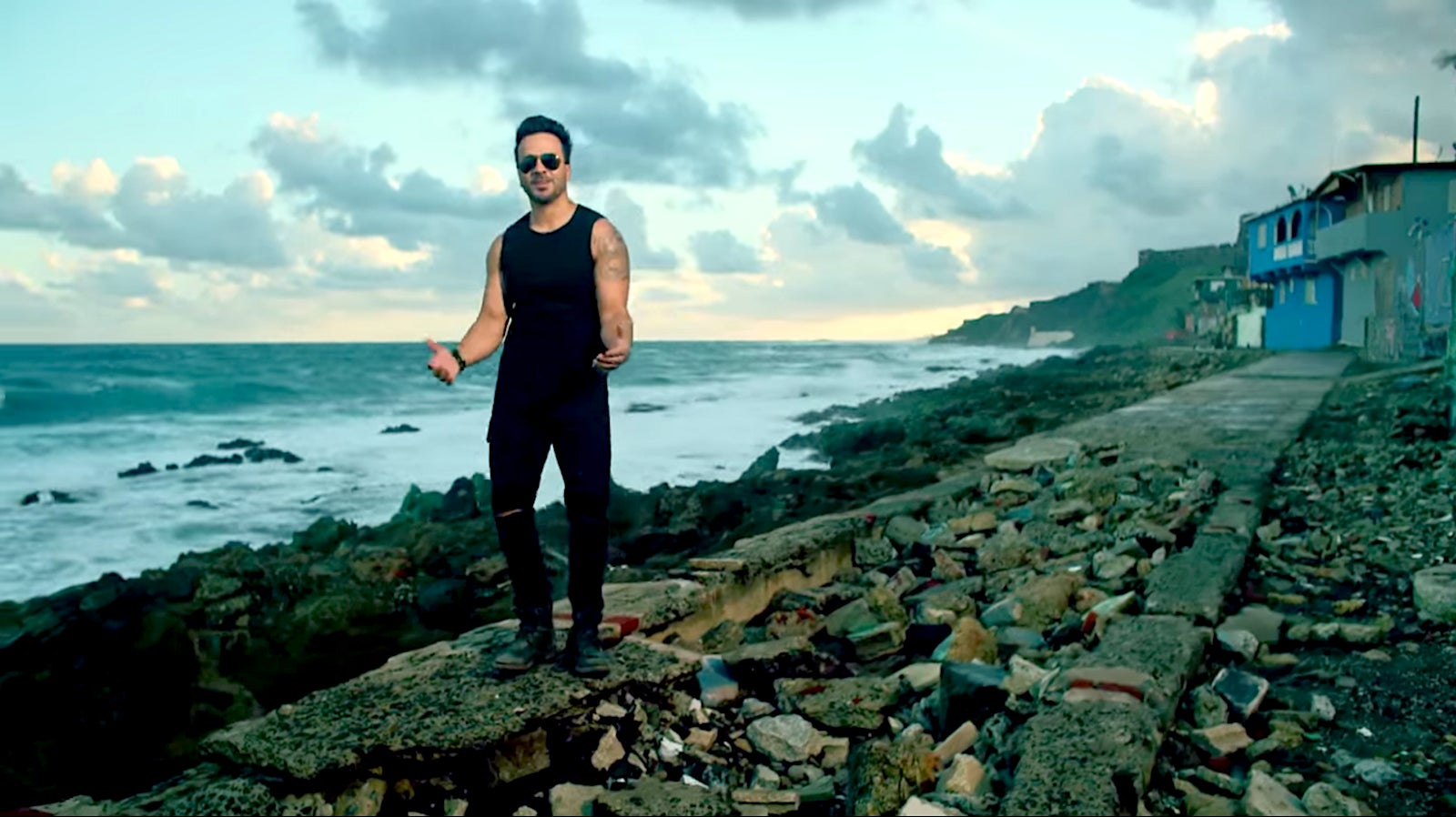
For five years it reigned supreme, but as of this week, South Korean pop hit “Gangnam Style” is no longer the most-watched video on YouTube.
Prime Day, Amazon’s shameless annual bonanza of random discounts on largely niche items, has arrived. If your house is already full to brimming with flat-screen televisions, balaclavas, and smartphone-controlled ceiling fans, however, consider the excellent sale that Amazon is quietly offering on one of its most under-promoted products—music streaming.