
Money & Markets
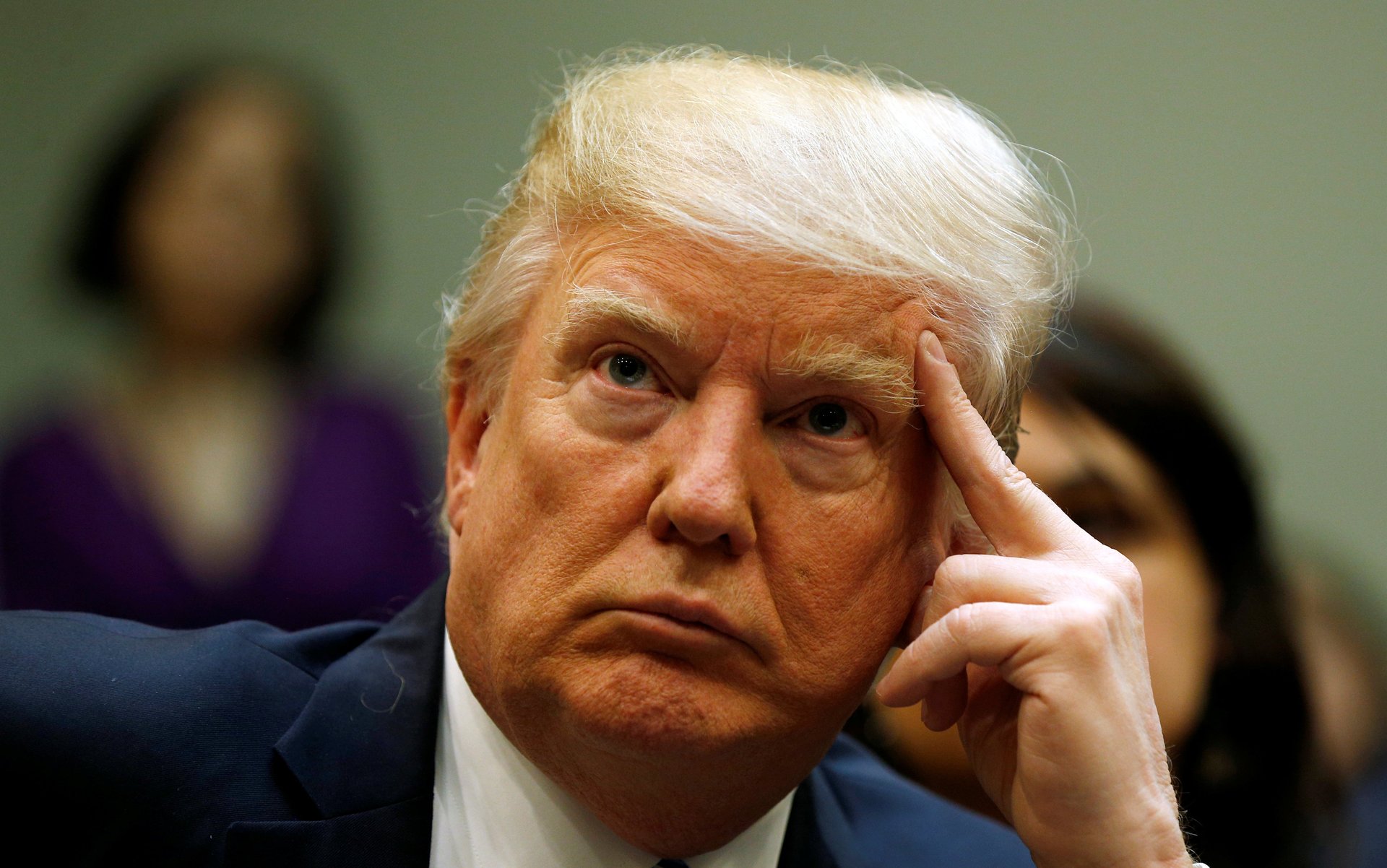
Trump made 28 promises for his first 100 days. We made him a scorecardThe build-up to US president Donald Trump’s 100th day in office has been, as is his custom, conflicted.
Updated July 20, 202211 min read
The build-up to US president Donald Trump’s 100th day in office has been, as is his custom, conflicted.
It’s a storyline straight out of Big Little Lies: two powerful professionals, a vicious history of domestic abuse, the couple’s child witnessing the violence. But unlike in the TV show, a real-life story of brutal marital violence in the rarified environs of Silicon Valley offers no neat resolution.
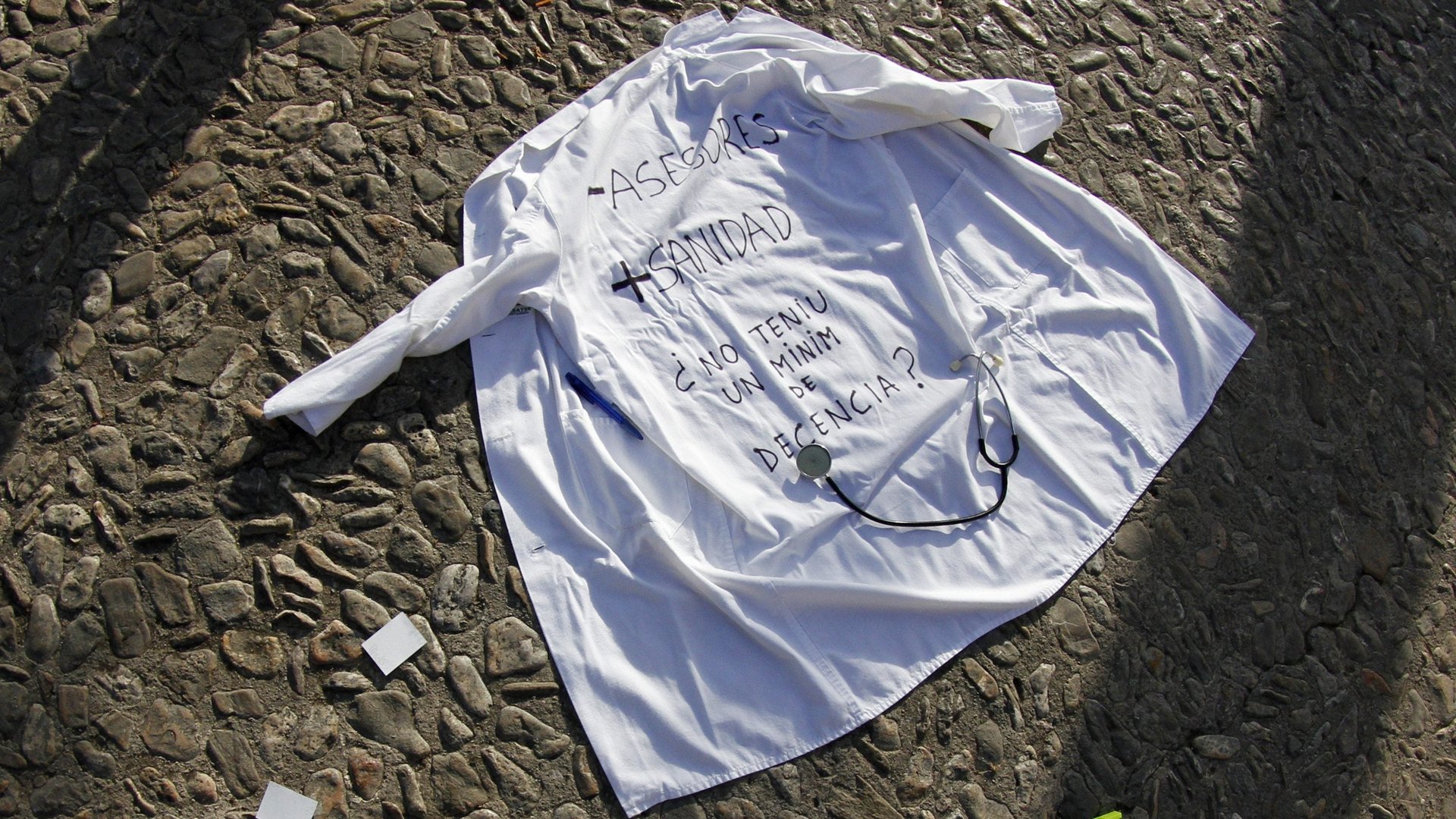
First it was the women, and their allies. Then the scientists, and the believers in science: On April 22, Earth Day, a March for Science will take place in Washington, DC, and more than 500 other cities around the world, as ”the first step of a global movement to defend the vital role science plays in our health, safety, economies, and governments.”
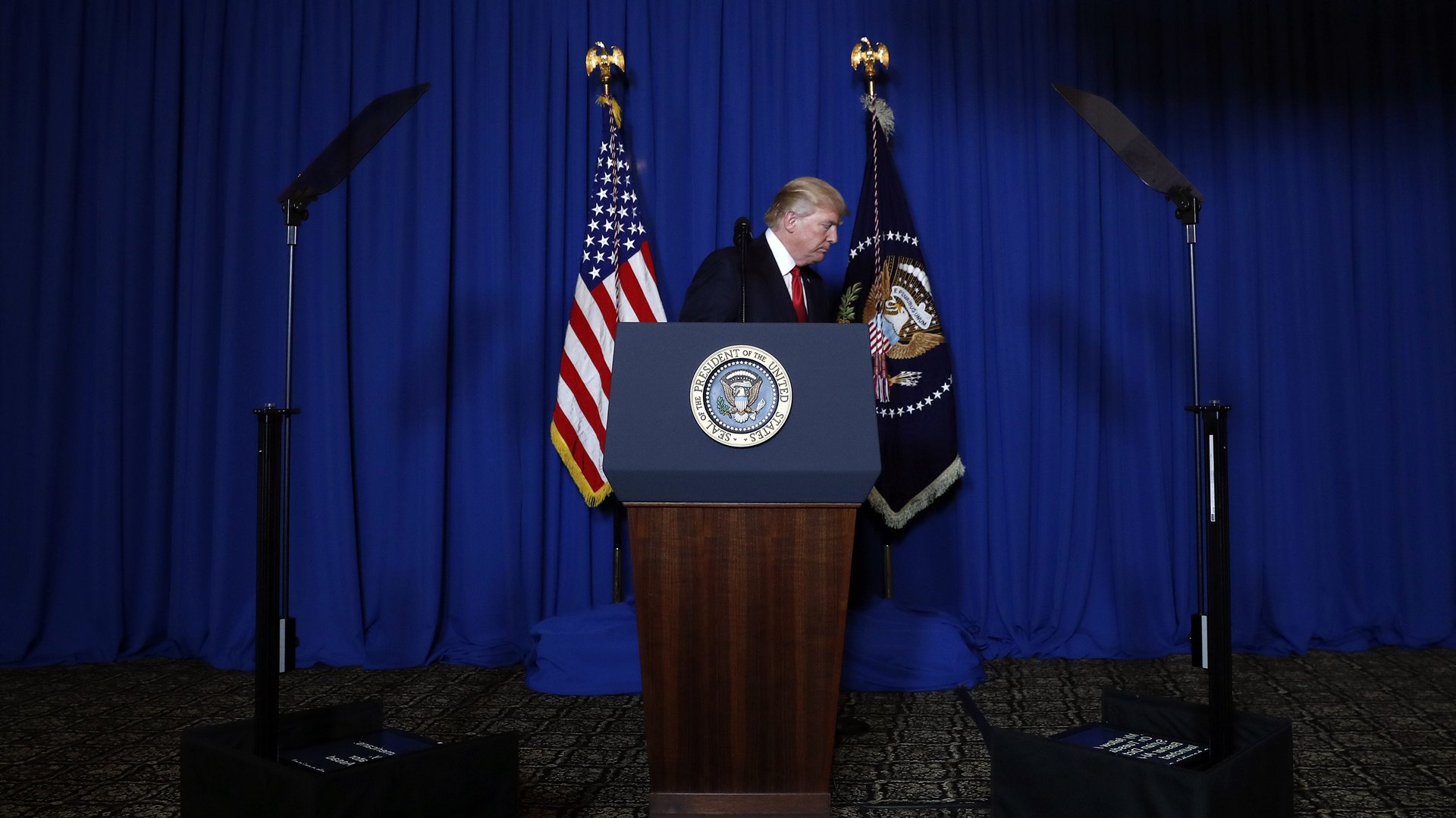
Since before he became president on Jan. 20, Donald Trump’s approval ratings have been low, to say the least: Trump has consistently registered lower than any president in recent history, even when comparing his performance with predecessors dealing with especially difficult circumstances (the Great Recession, for instance).
This item has been corrected.
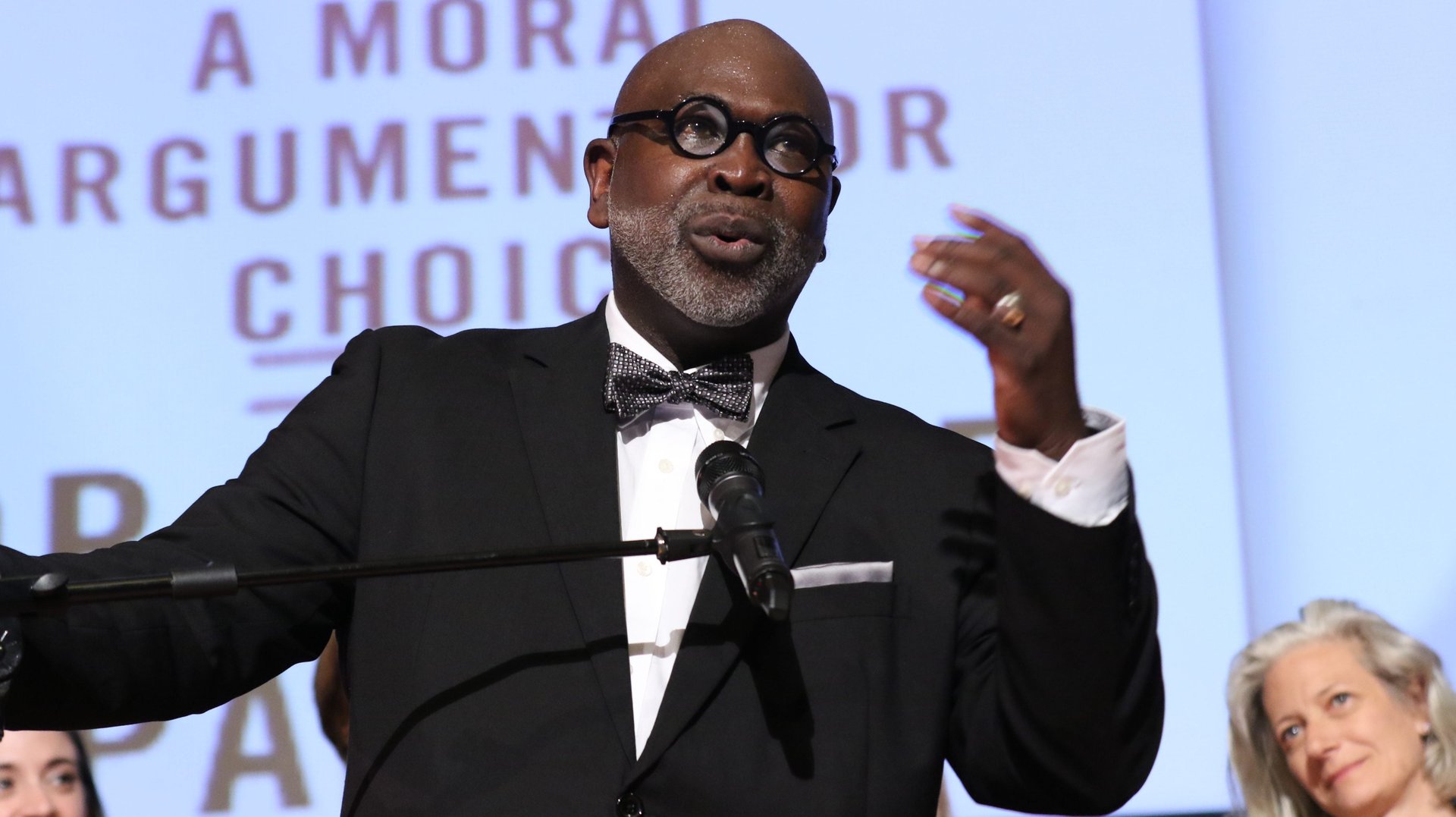
To those working in reproductive rights in the US, doctor Willie Parker is a hero. “A colored boy from Birmingham,” Alabama, as his 1962, pre-Civil Rights Act birth certificate described him, Parker grew up in abject poverty, fourth of six children, raised by a fierce single mother. Against all of the obstacles his country stacked against poor, African-American boys and young men, he became a doctor. Parker progressively expanded the horizon of his dreams and ambitions. First, he aimed to get any education at all. Then he made it to college, summer school at Harvard, and eventually onto med school.
The end of his first 100 days as US president near, Donald Trump has changed gears when it comes his position on military intervention. As he was enjoying the “most beautiful” chocolate cake with Xi Jinping at Mar-a-Lago on April 6, he told the Chinese president that the US had fired missiles at a Syrian airfield, following Bashar al-Assad’s chemical weapons attack on his own people.
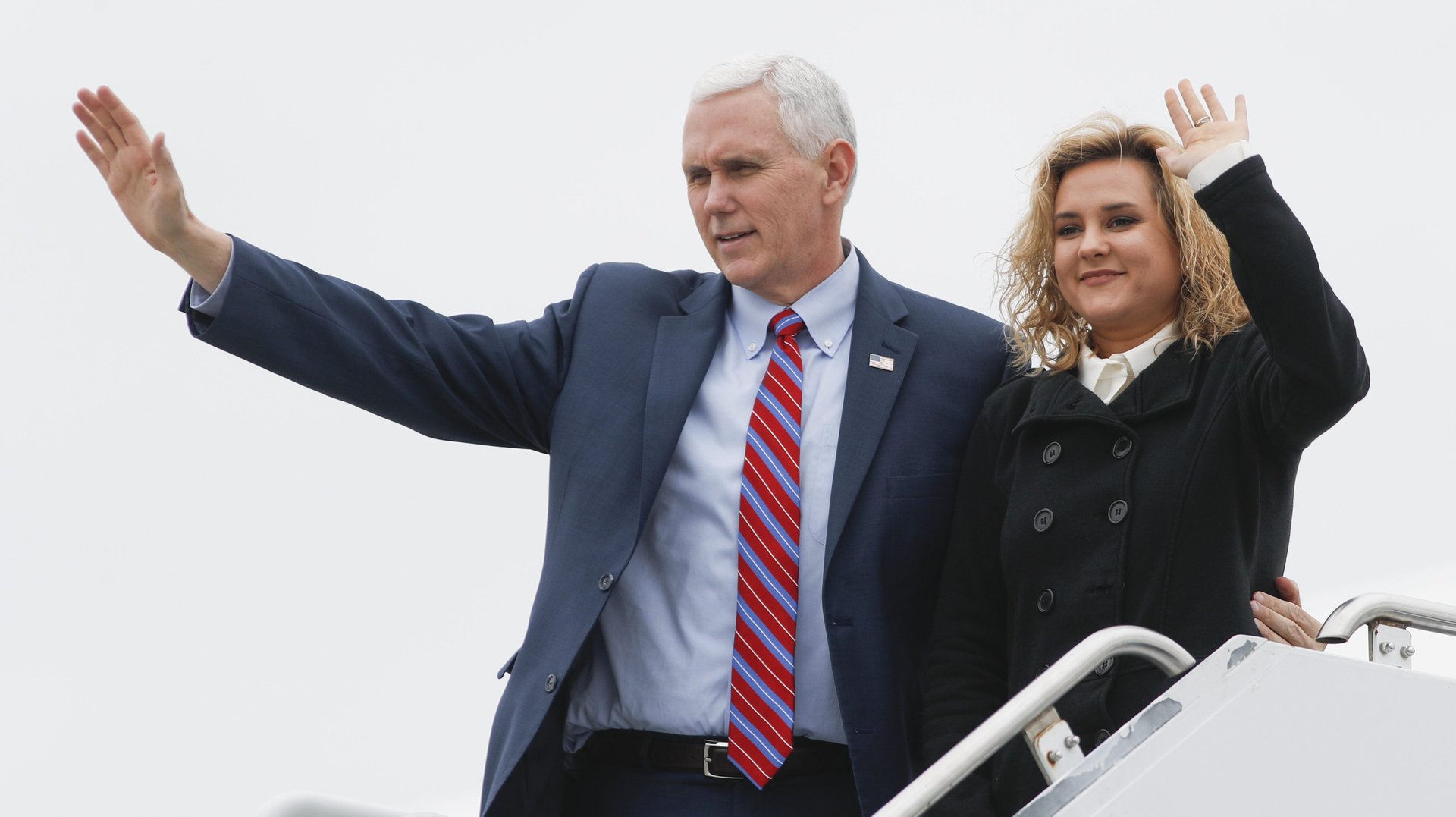
When a profile of Karen Pence revealed that US vice president Mike Pence ”never eats alone with a woman other than his wife and that he won’t attend events featuring alcohol without her by his side, either” the liberal world erupted in mockery and criticism.
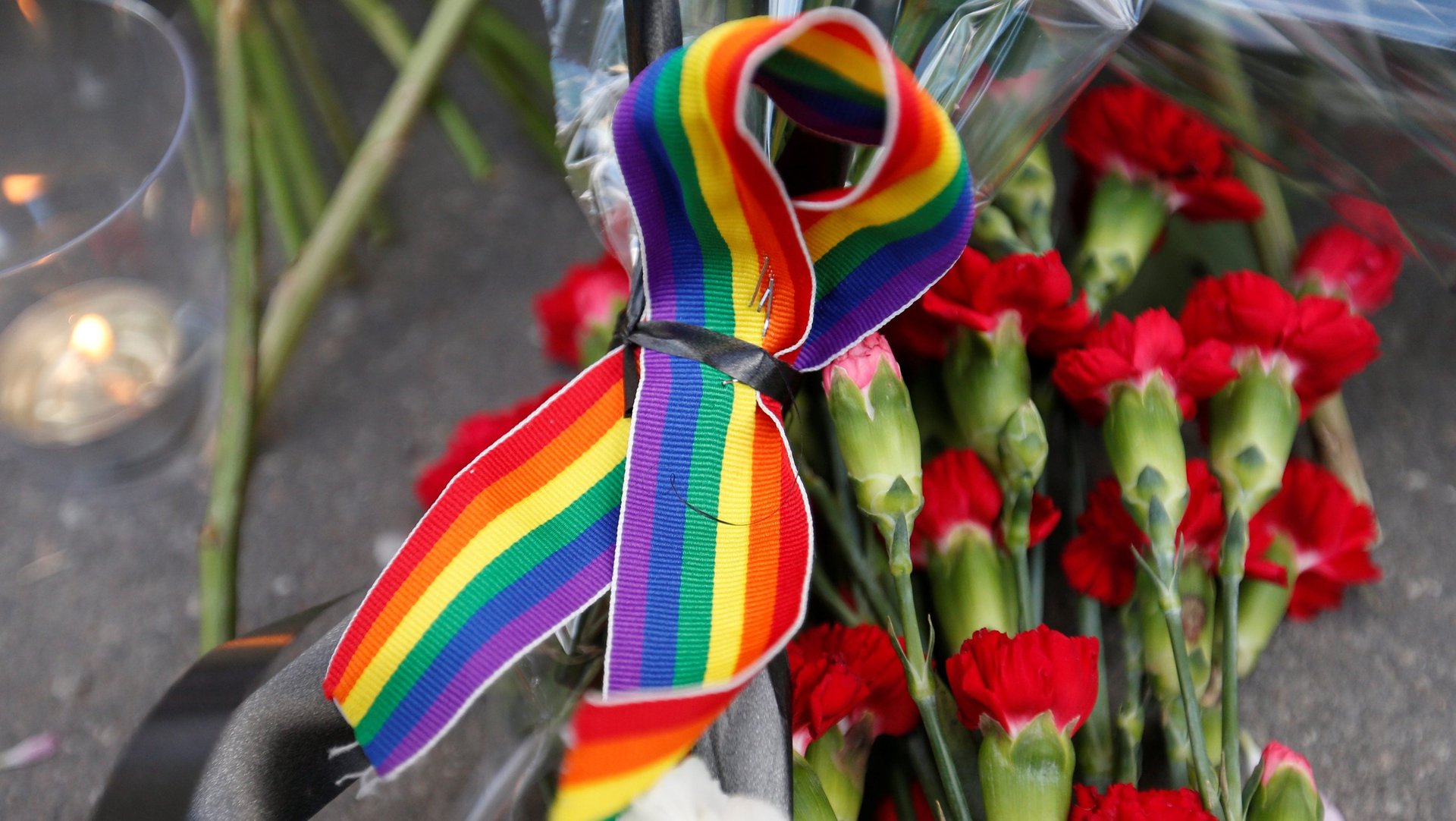
That Russia is no safe haven for LGBT people isn’t news: Rights violations and abuse have long been reported, as the country’s officials make liberal use of the laws that forbid “gay propaganda” and the promotion of anything related to homosexuality. But the Chechen Republic—a federal subject of Russia where the autocratic rule of Vladimir Putin’s close ally Ramzan Kadyrov has established a reputation for the repeat violations of human rights—has taken intolerance a terrible step forward.
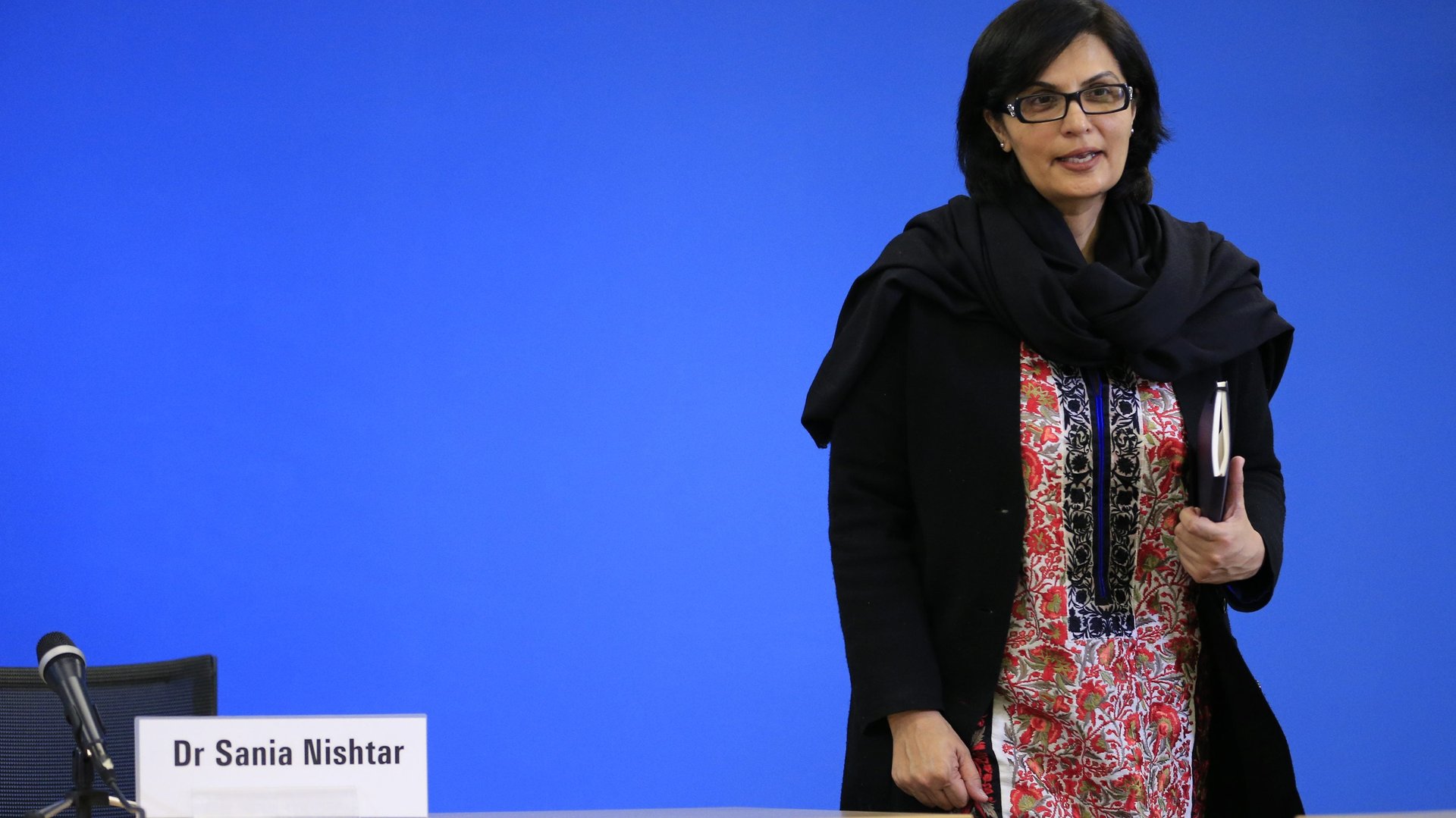
The World Health Organization (WHO) is about to choose a new director general, who will be elected in May by member states. That person will run one of the United Nations’ most powerful agencies, with a $4.3 billion budget (pdf, p. 5), and deal with global catastrophes like the next Ebola- or Zika-like crises, health emergencies caused by climate change, and the famine that’s currently threatening 20 million people in Yemen and Africa.
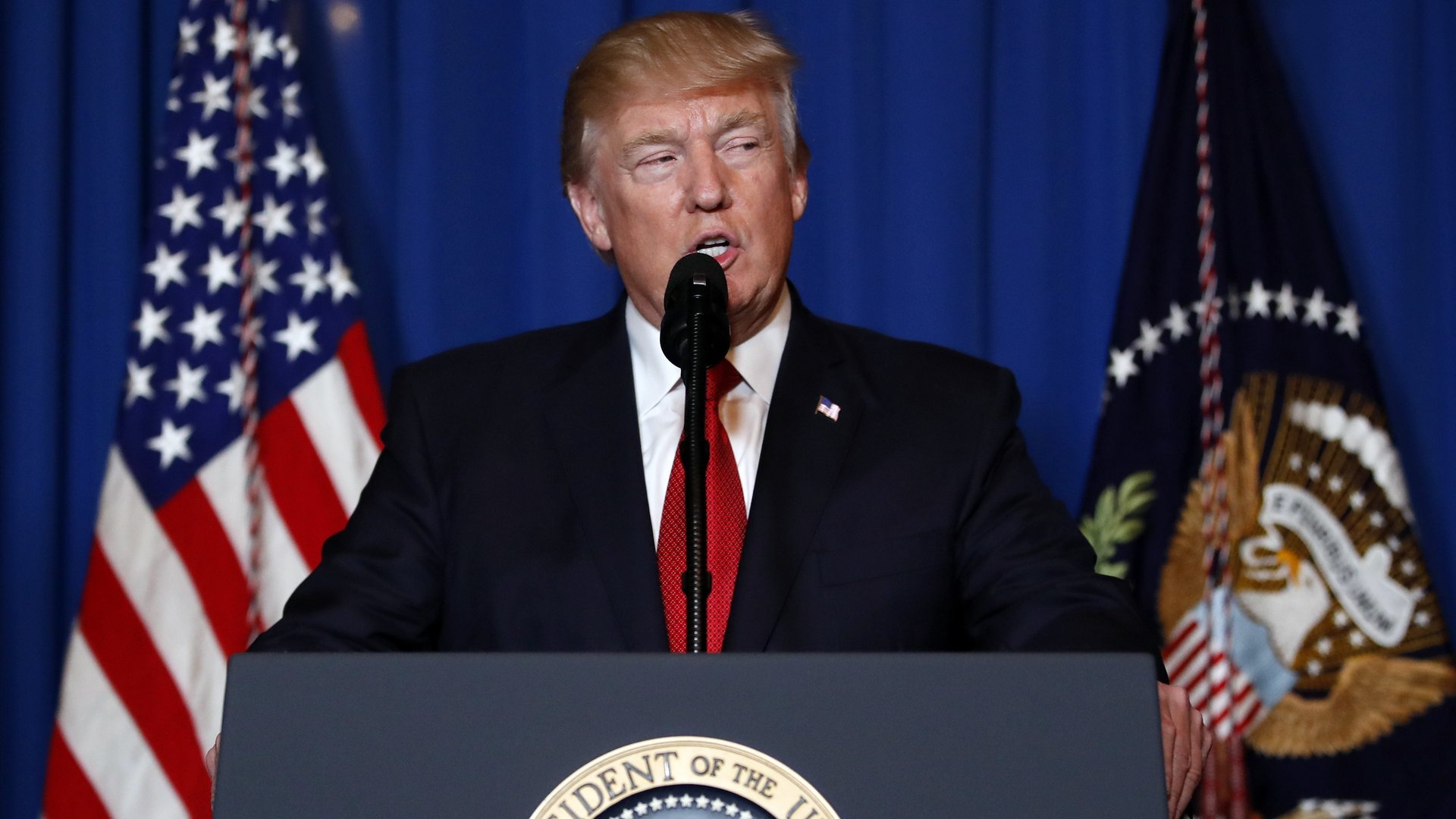
“I call on all civilized nations to join us in seeking to end the slaughter and bloodshed in Syria,” Donald Trump said in announcing his decision to order an airstrike on Syria. Just the day before, US ambassador to the United Nations Nikki Haley had demanded collective action against the Assad government and threatened that the US might take independent action.
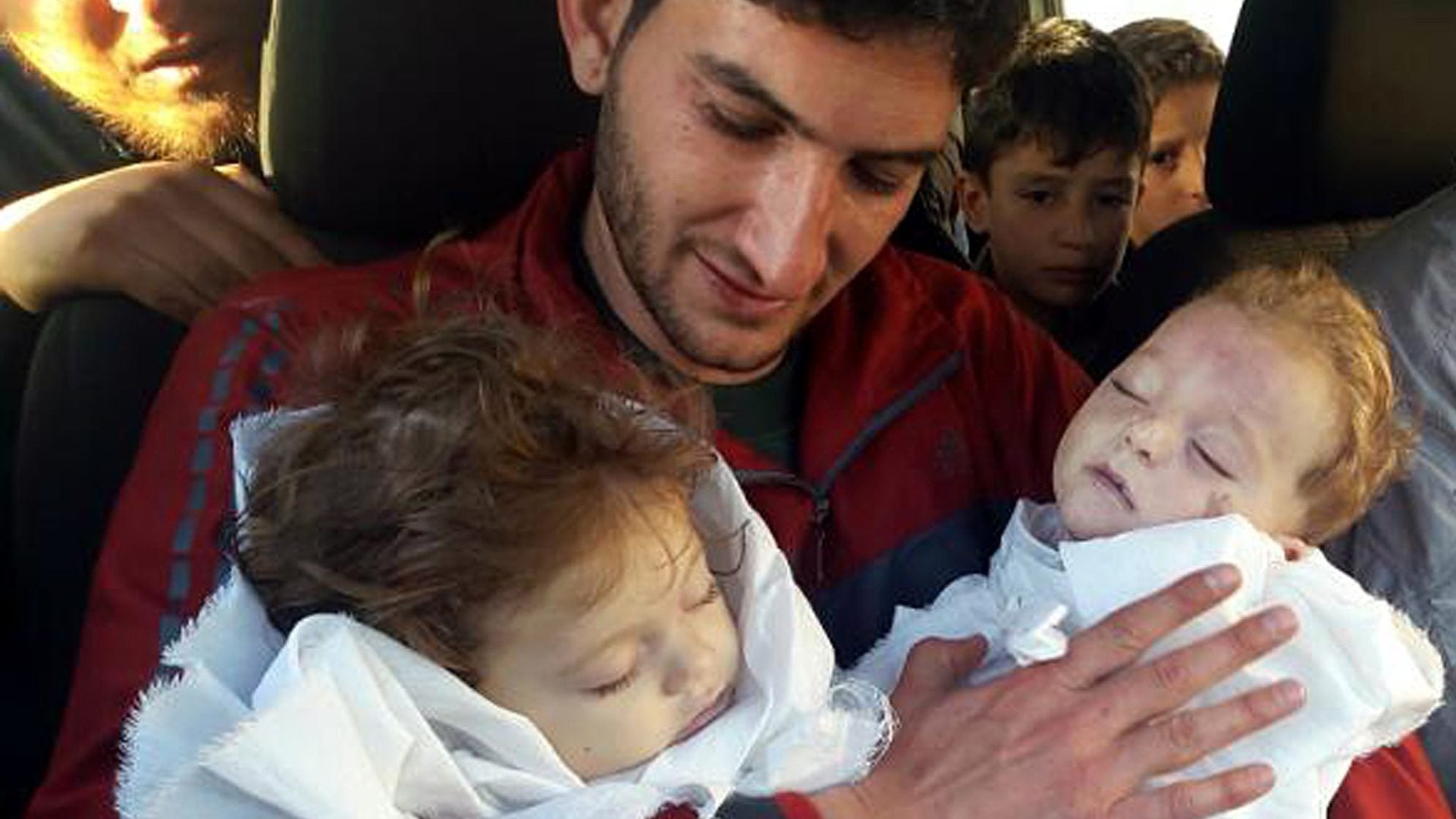
Abdul-Hamid Alyousef and his 9-month-old twins, Aya and Ahmed, are the new face of the horror going on in Syria. Captured in the aftermath of a vicious chemical attack perpetrated by Bashar Al-Assad against his own people, the photo of Alyousef holding his dead babies ricocheted around the world this week. It is yet another tragic—and now viral—photo from a conflict that has claimed, according to the estimates, over 450,000 lives. But while each photo elicits gasps of sorrow and social media outrage, the death and destruction continues with little signs of slowing.
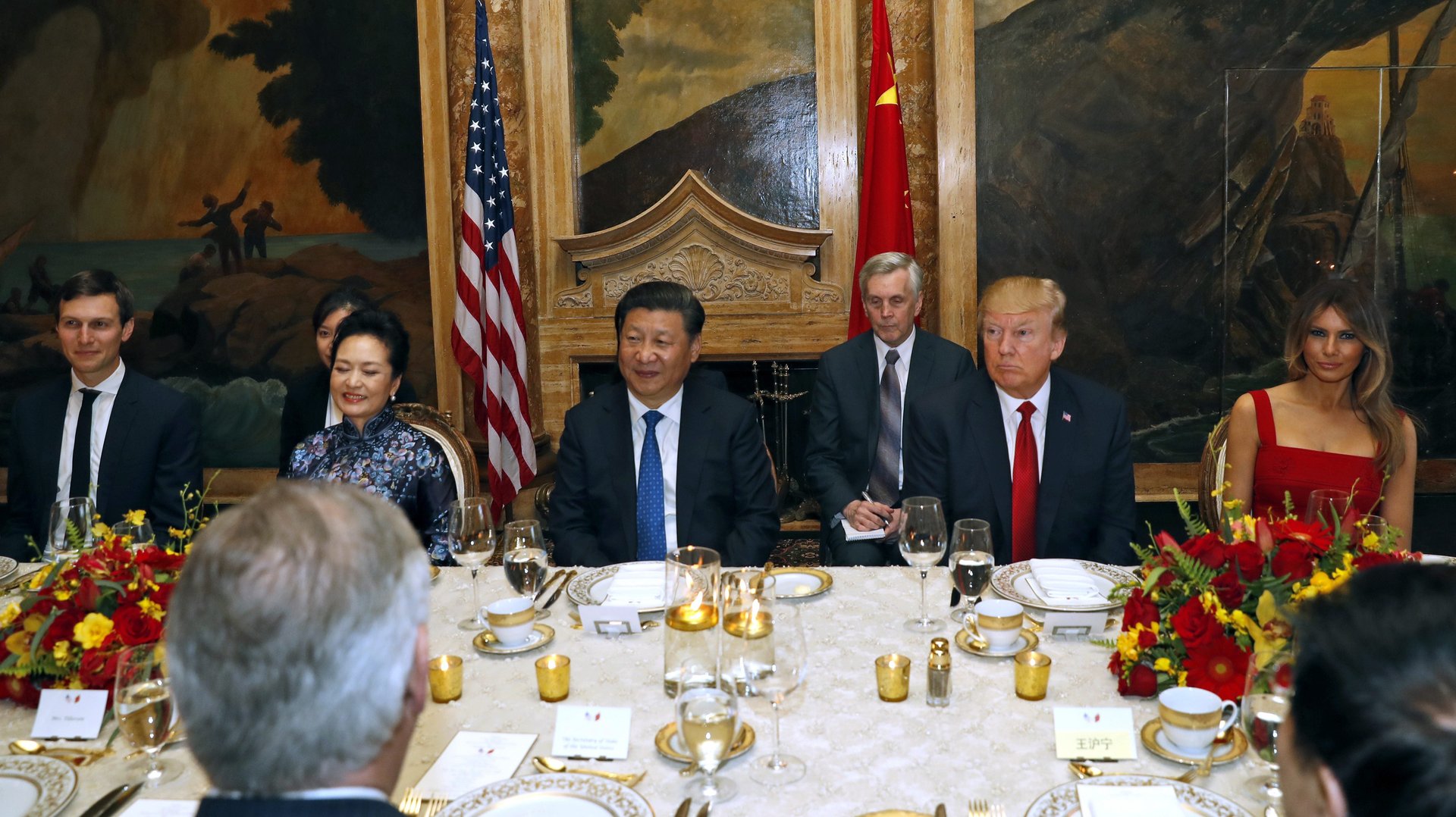
China’s president Xi Jinping has arrived in Florida, where he is spending two days in talks with Donald Trump. The US president has often been tough on China in his speeches, but he seems determined to be just as hospitable as possible, having planned a warm welcome—starting with dinner at Trump’s Mar-a-Lago residence.

This item has been updated following today’s vote in the Senate.
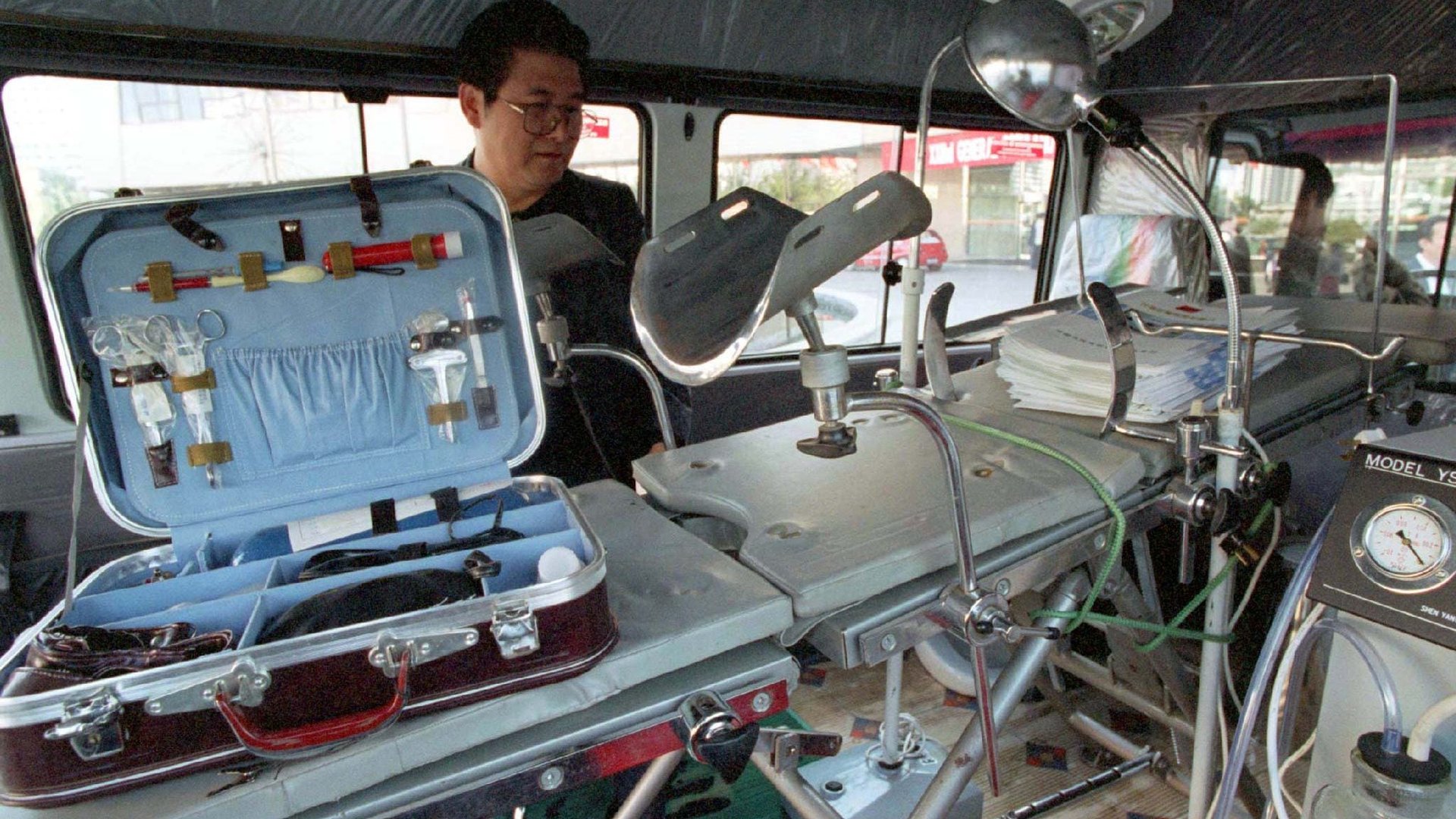
US president Donald Trump has been vocal about his intention to cut United Nations funding, which the US is the biggest contributor to. He has now followed up the promise with action, and his first target is the UN Population Fund (UNFPA).
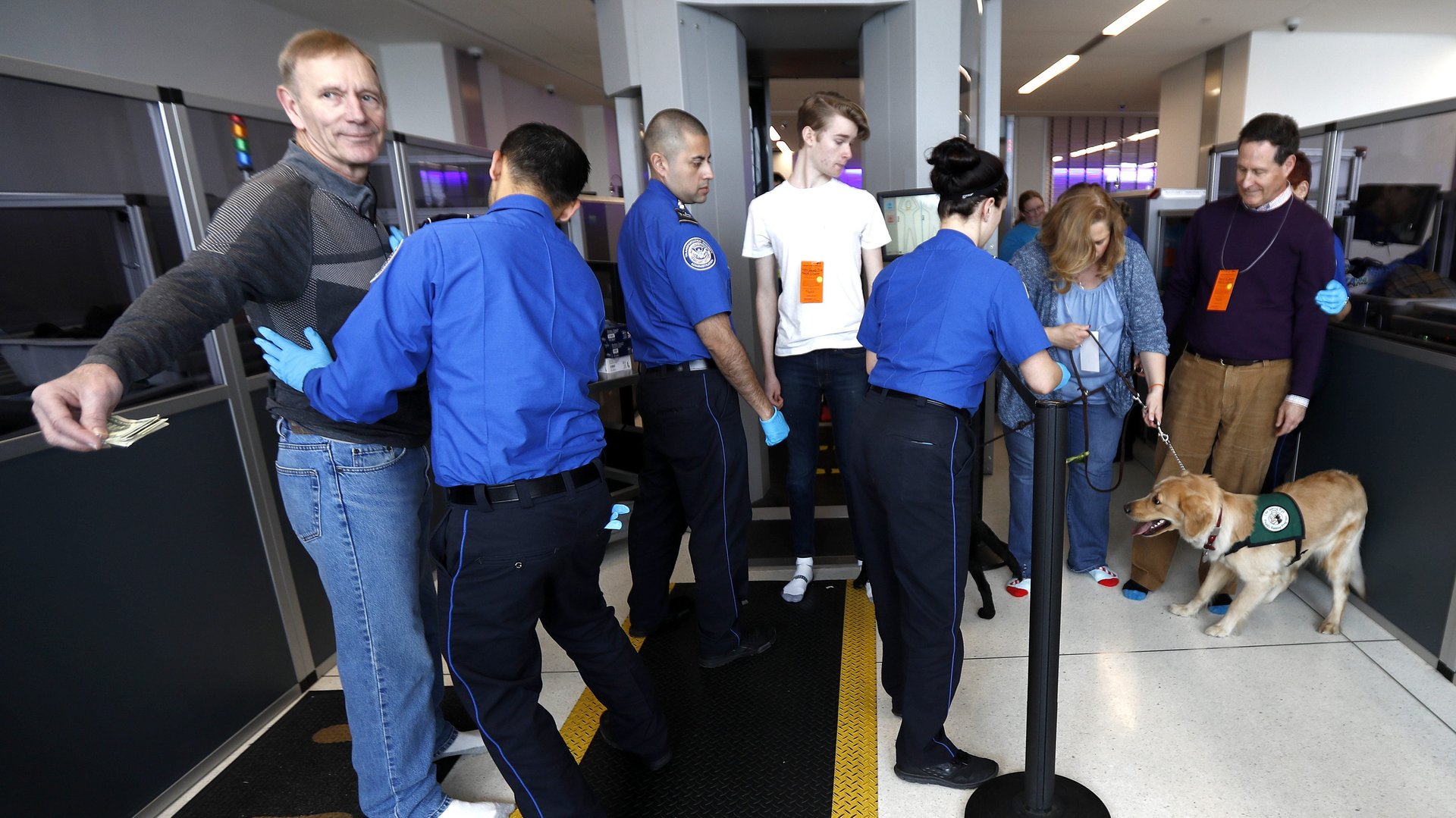
A new round of possible vetting procedures is being examined by White House officials in the US, according to the Wall Street Journal, and they’re not going to make anyone happy.
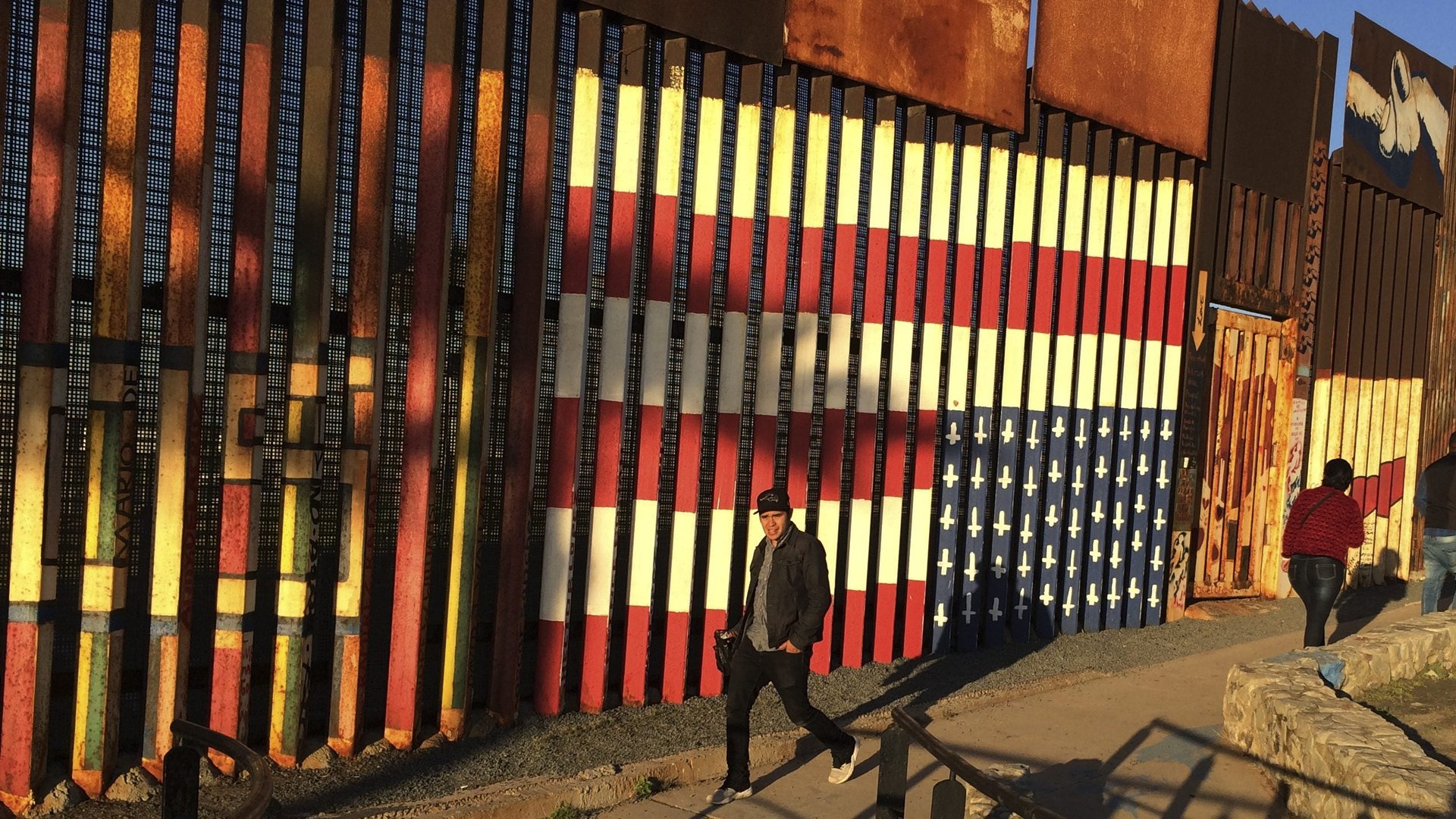
For the millions of undocumented immigrants who have made a life for themselves in the US, living under the threat of deportation can be unnerving enough without considering that they might be separated from their children. To help them face such a circumstance, Connecticut governor Dannel Malloy’s office has put together a “family preparedness plan,” available in English and Spanish, to help families prepare for federal immigration enforcement.
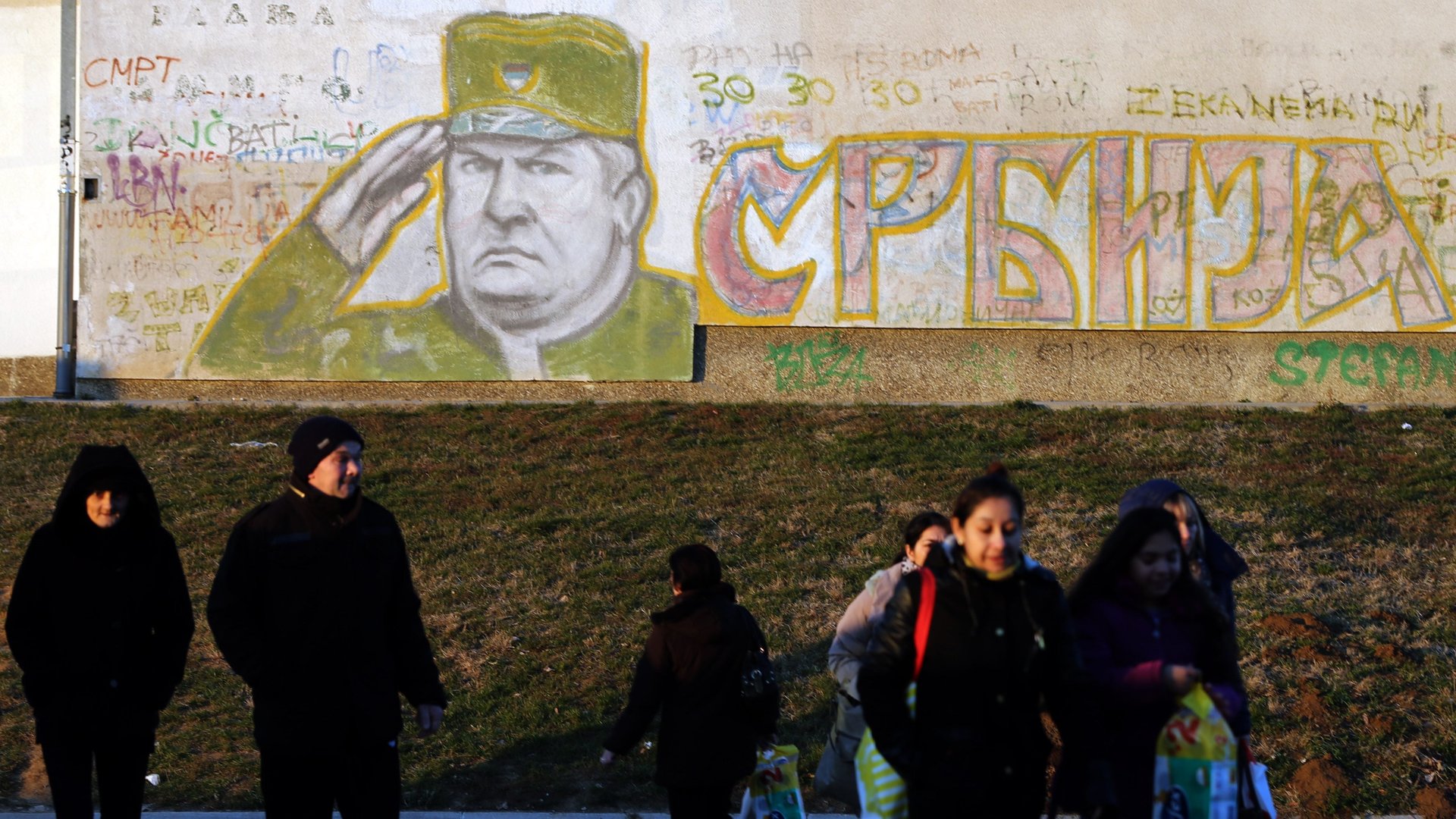
No amount of nationalism, it appears, can Balkanize a language. Twenty-five years after the former Socialist Federalist Republic of Yugoslavia was split into Serbia (which later split again to form Montenegro in 2006), Bosnia, Croatia, Slovenia, and Macedonia, a group of linguists have declared that Bosnian, Serbian, Croatian, and Montenegrin are all just versions of the same language. (Macedonian and Slovenian languages remain different.)
Then, like every year, comes the light.
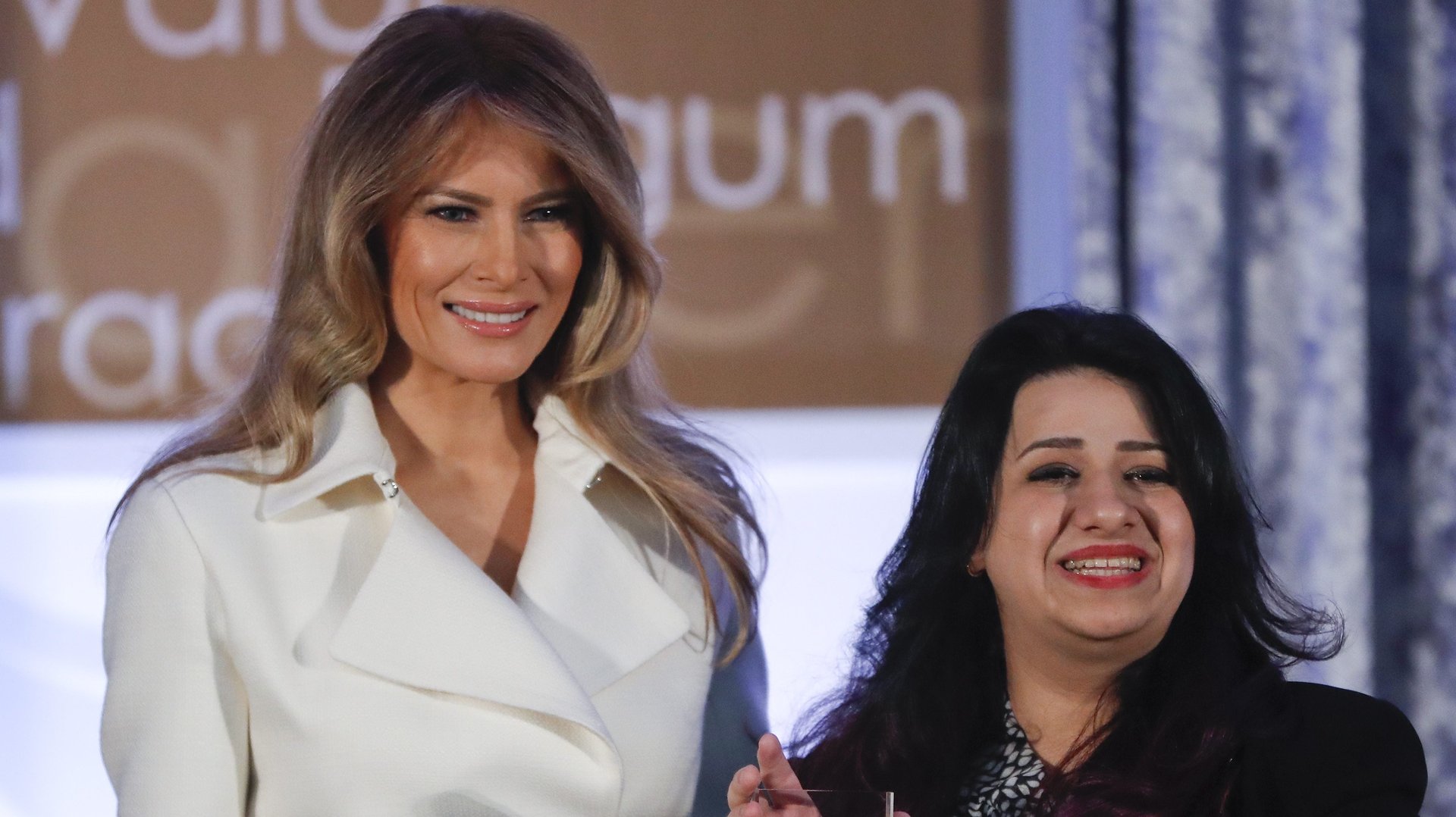
“I am deeply humbled to be here today to honor these 12 remarkable and inspiring women who have given so much for so many regardless of the unimaginable threat to their own personal safety,” said first lady Melania Trump, in her opening remarks on the occasion of the State Department’s 11th International Women of Courage (IWOC) Award today (March 29).
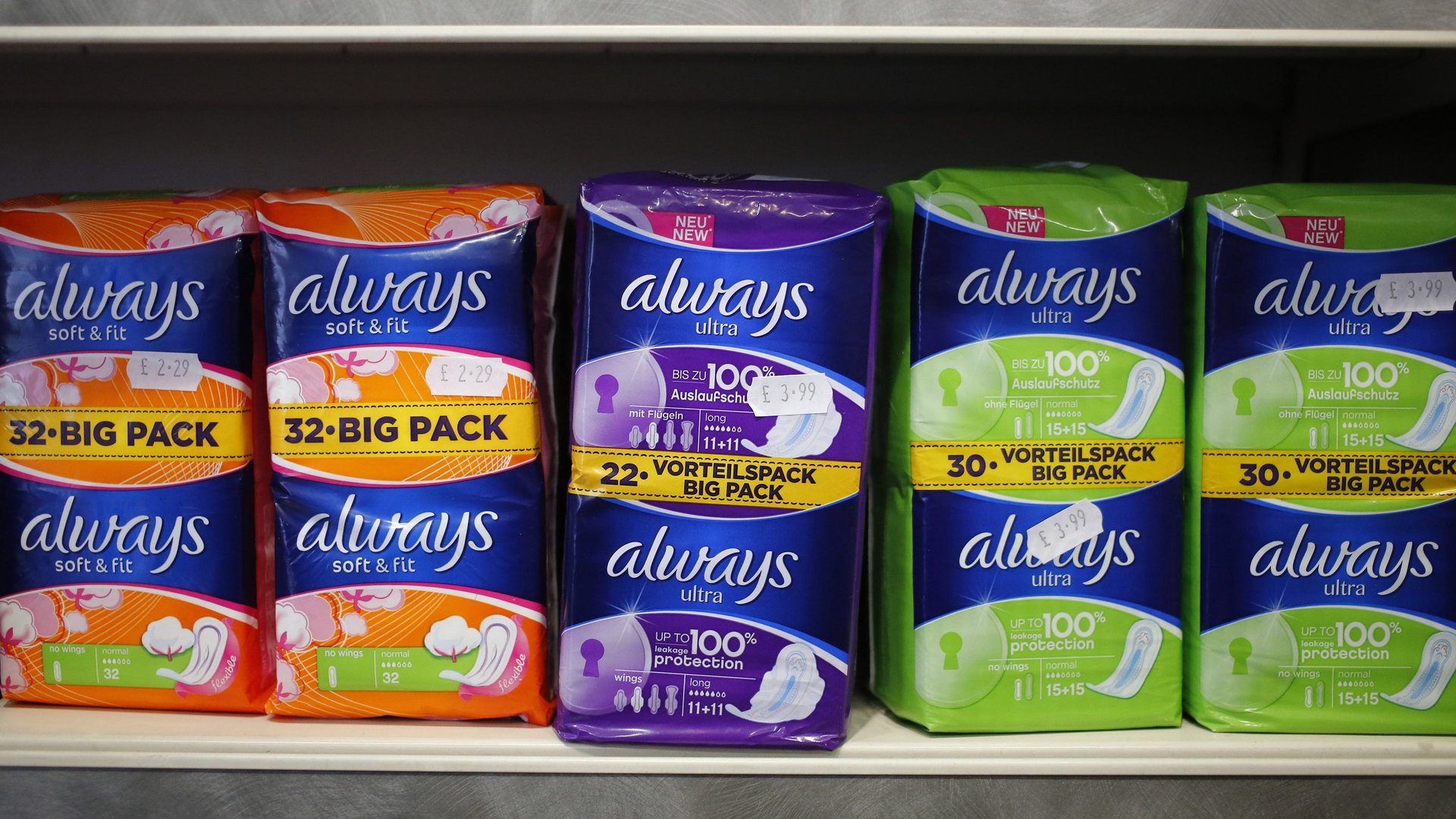
Italian women who suffer from painful periods might be close to getting a monthly “menstrual leave”—up to three paid days off, upon presenting a doctor’s diagnosis of dysmenorrhea (extremely painful periods, which can include vomiting or headache), for women whose period pain stop them from conducting their regular daily activity.
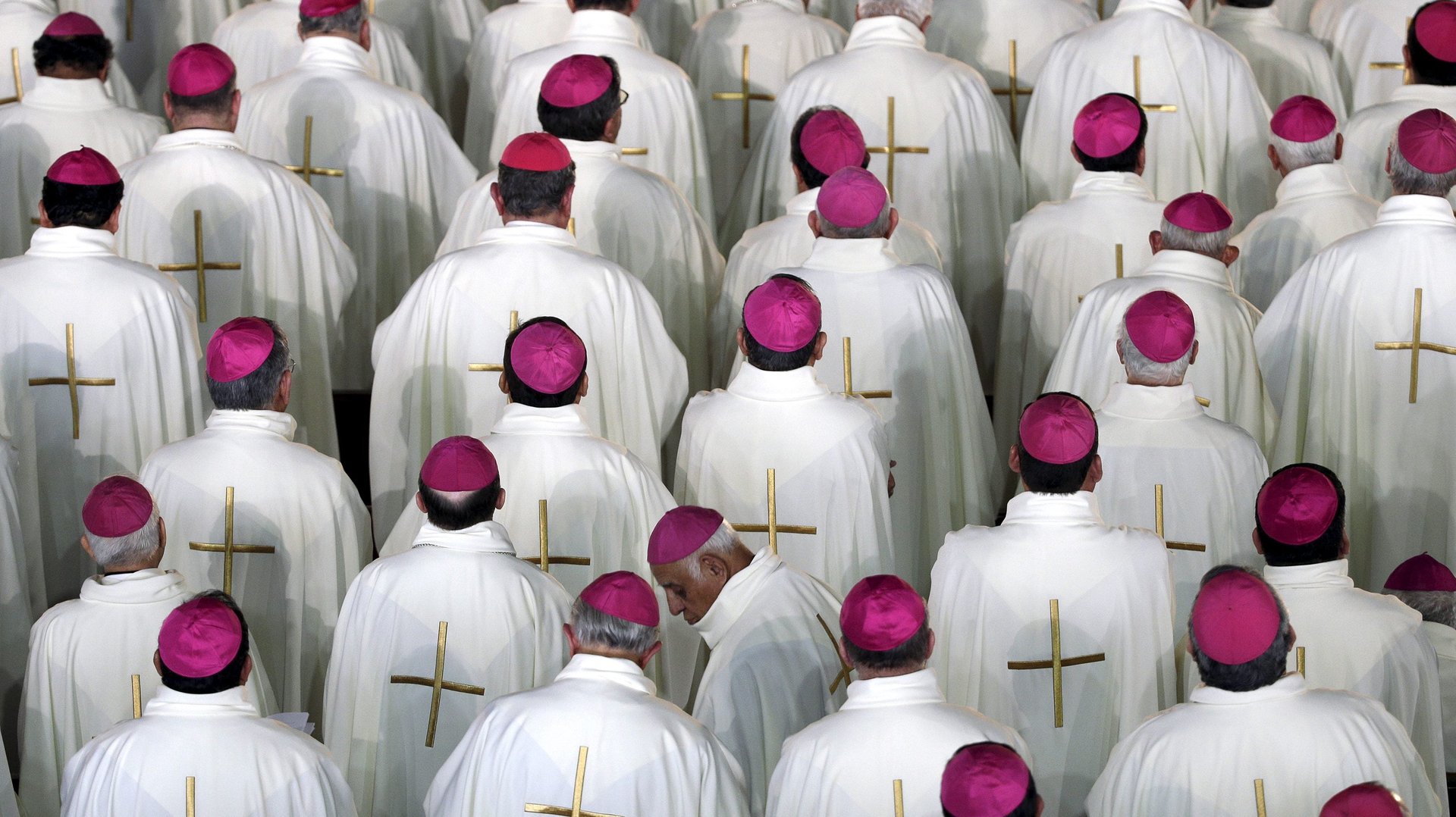
The archdiocese of Mexico City has made its judgement: Mexicans who help build a border wall between the US and Mexico are traitors.
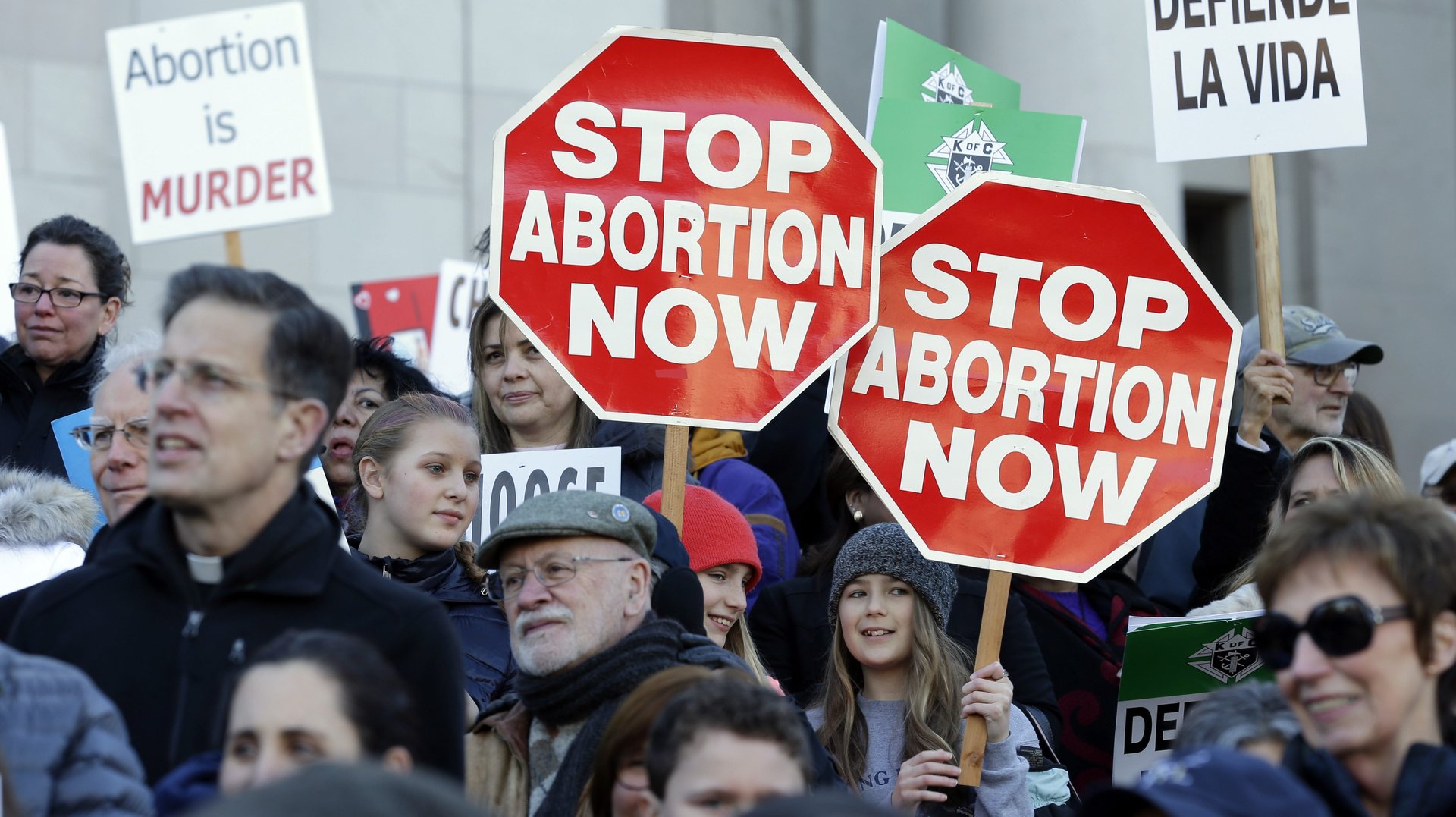
If the American Health Care Act of 2017, the Republican party’s proposal to replace Obamacare, becomes law, many things would change in the American health care system. One would be drastically reduced access to abortion services.
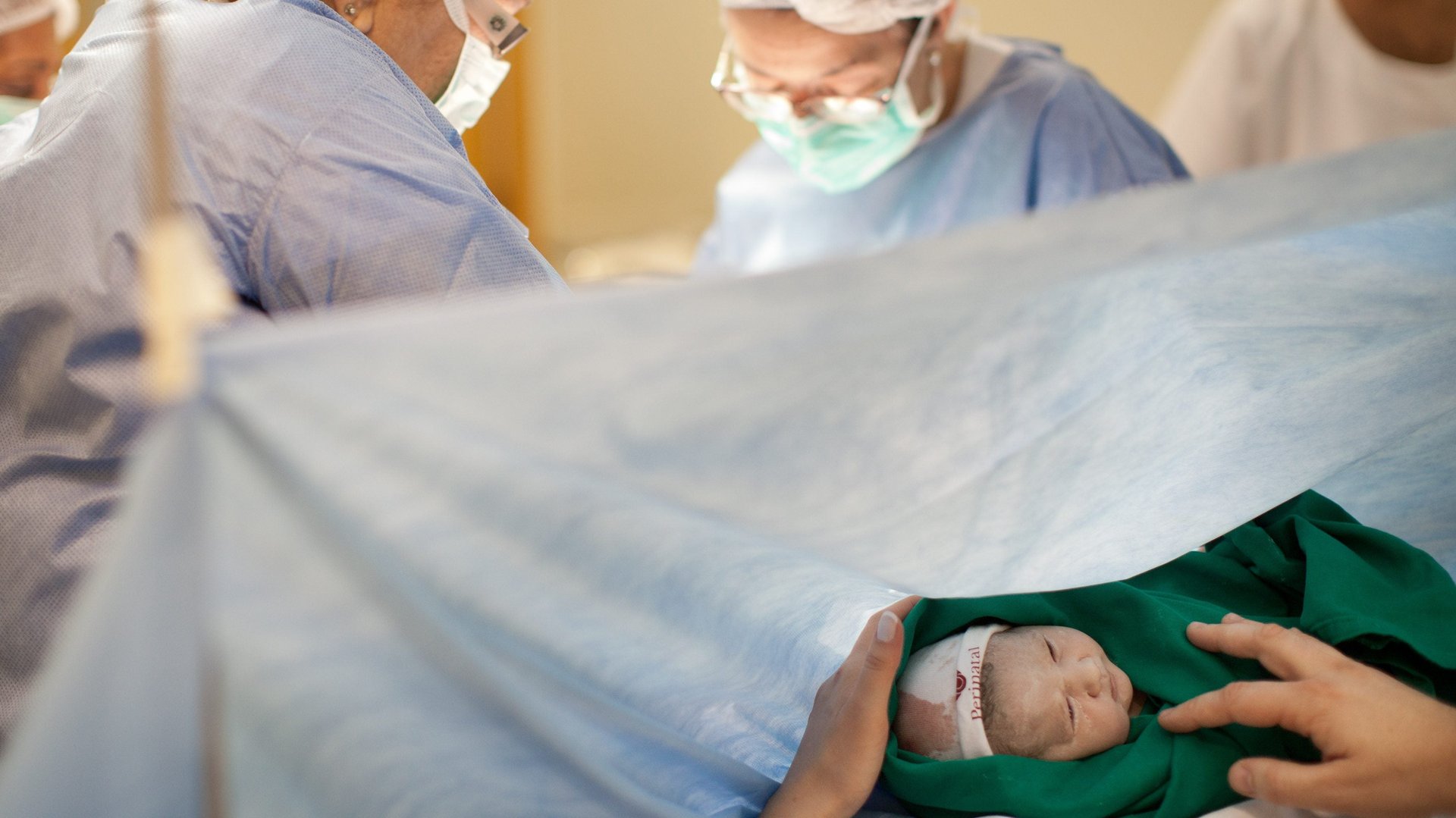
In the first half of the 2010s, one in three children born in the US was delivered through a Cesarean section. That hasn’t always been the case; in fact, C-sections have been rising since 1990, when only about 20% deliveries (pdf, p.1) in the US were done using the procedure.