
Money & Markets
Indian startups laid off over 10,000 employees in the first six months of 2022As investors put pressure on startups in India to cut costs, employees are collateral damage.
Updated July 20, 20221 min read
As investors put pressure on startups in India to cut costs, employees are collateral damage.
Marquee investors are trying to revive India’s startup scene.
Telegram wants to offer users faster speeds, more storage, and ad-free access, among other things.
This post has been updated.
This post has been updated.
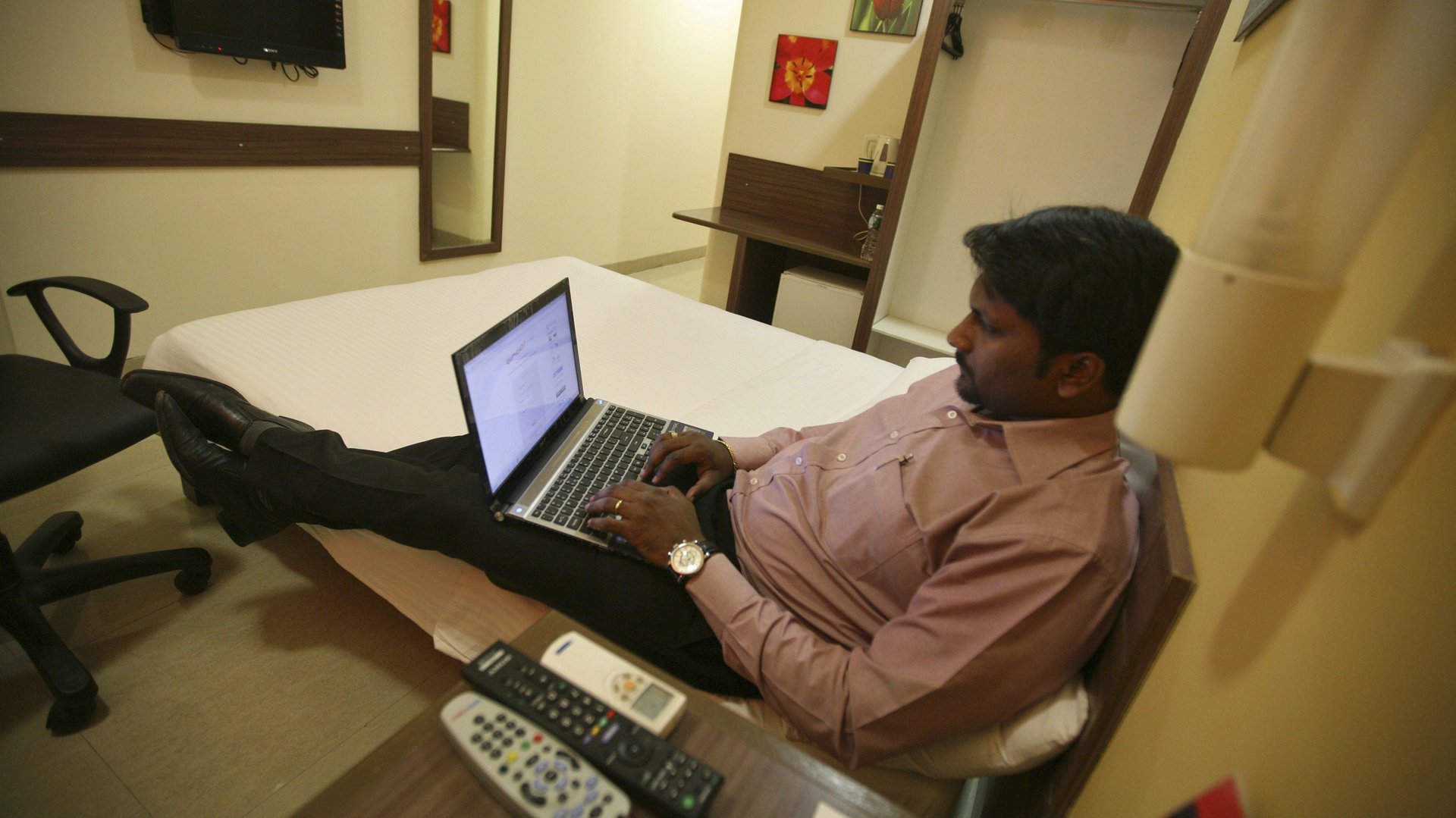
The great resignation is getting real in India’s developer community.
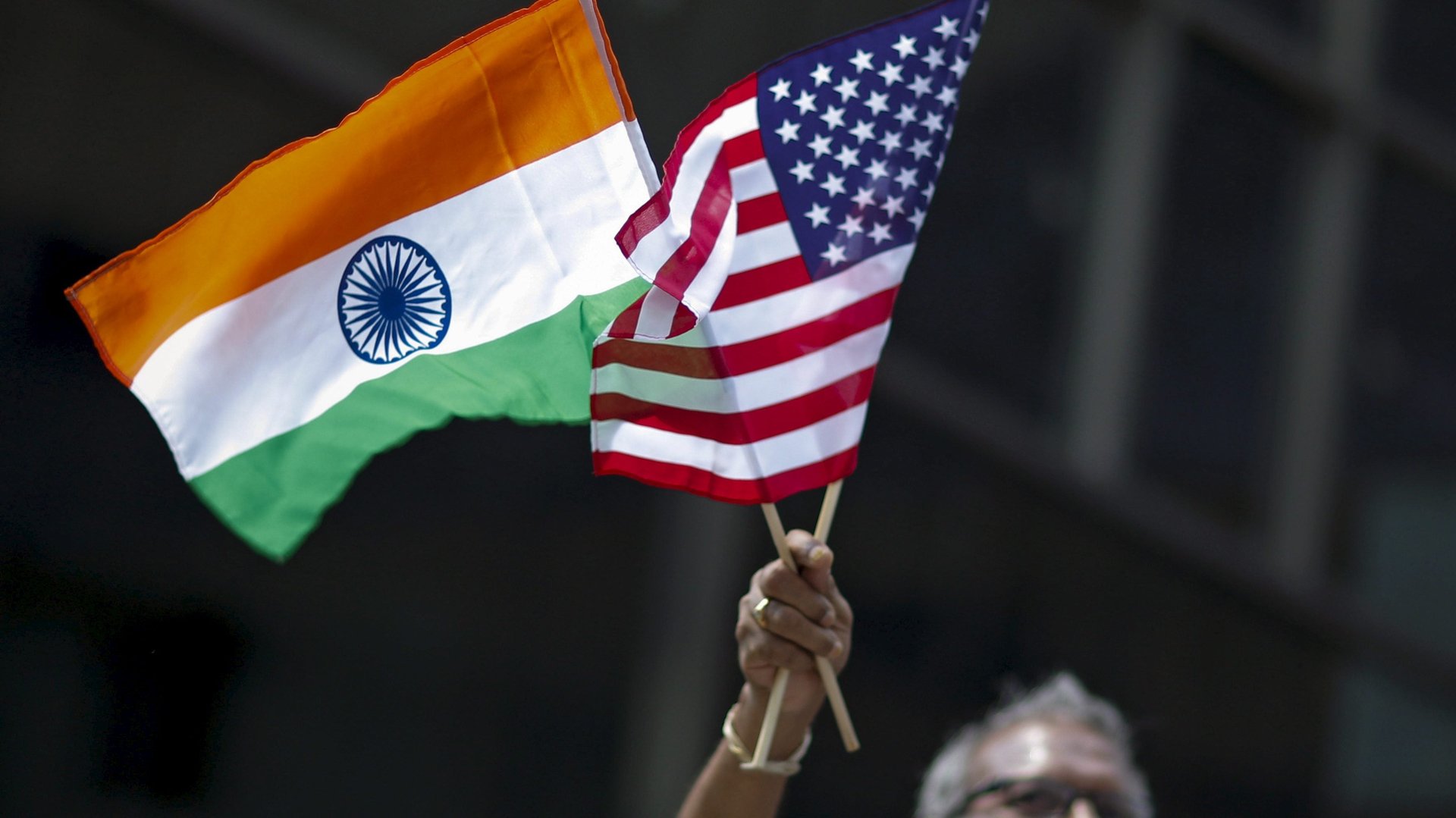
America’s technology behemoths are worried about their foreign workers’ children.

Kyra, a 21-year-old “dream chaser, model, and traveller,” has amassed 100,000 followers on Instagram within six months of setting up her profile. Only, people aren’t sure if she’s “real” or a “robot.”
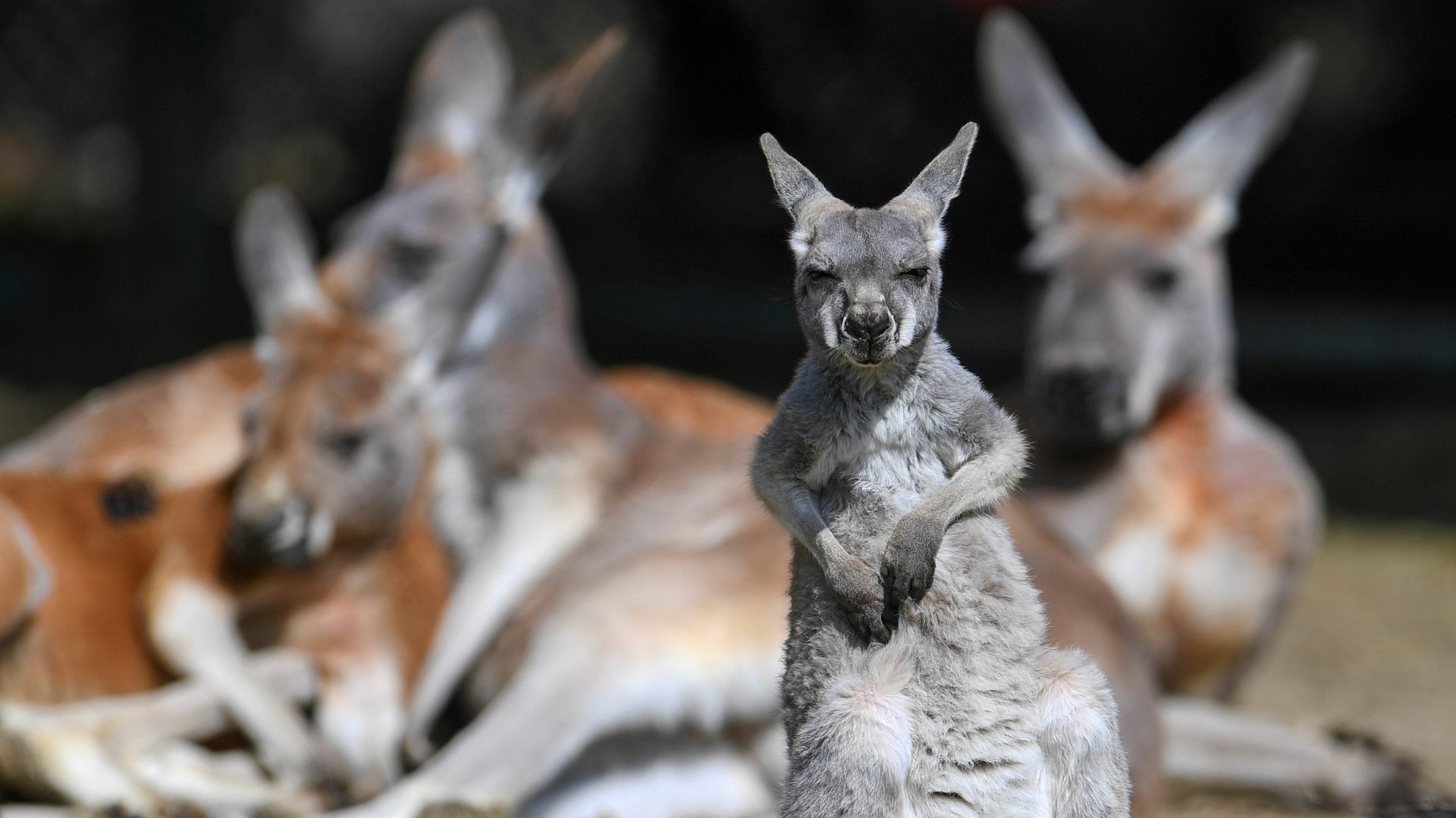
India’s wildlife smuggling problem has roamed the streets one too many times.

After banning wheat exports, India is now capping sugar exports at 10 million. The restrictive thresholds are meant to keep domestic prices down.
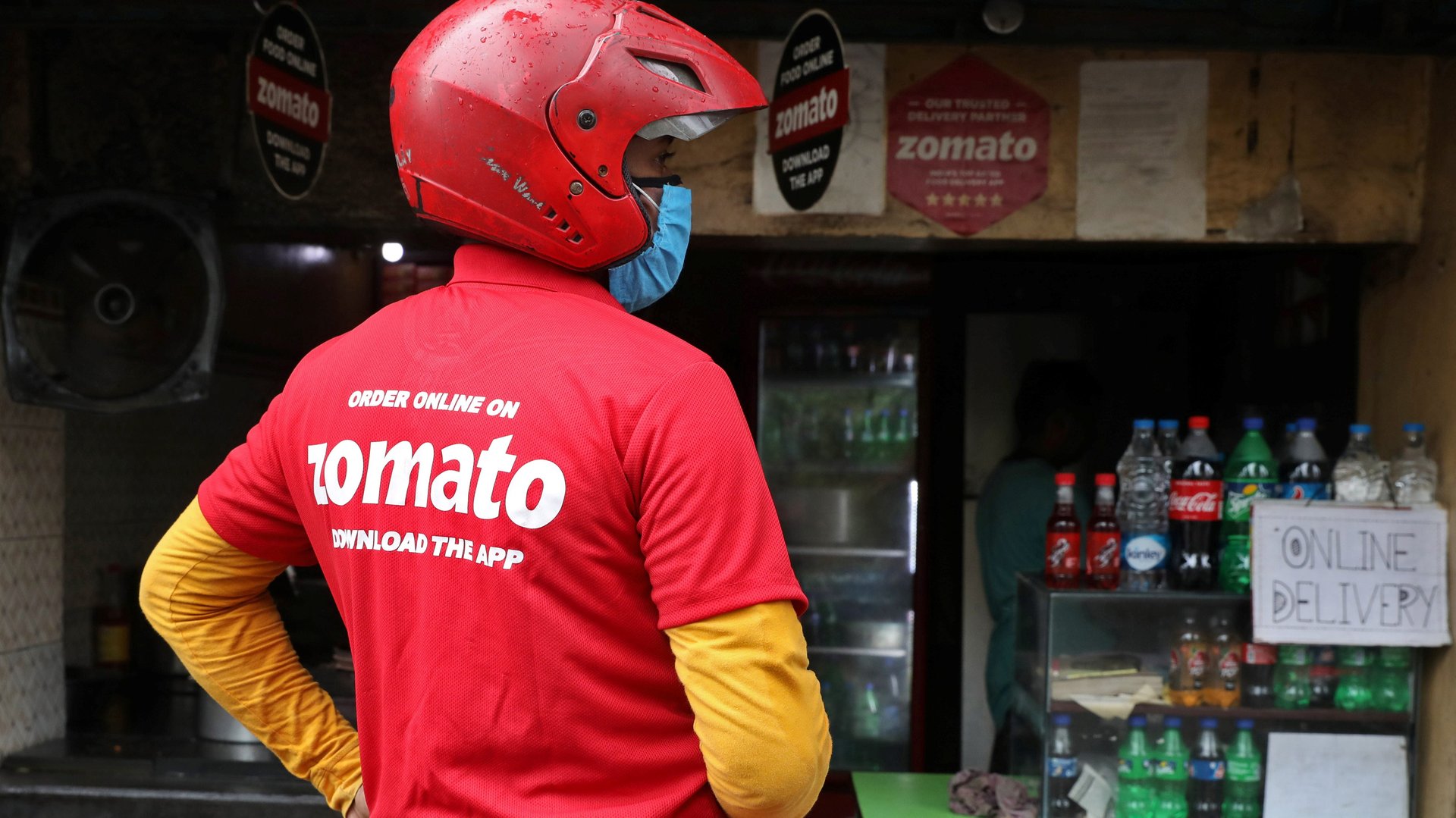
Deepinder Goyal is an investor in a dozen companies. But two particular investments—$100,000 in logistics startup Shiprocket and $94,000 in grocery delivery service Grofers (now Blinkit)—have sent alarm bells ringing.
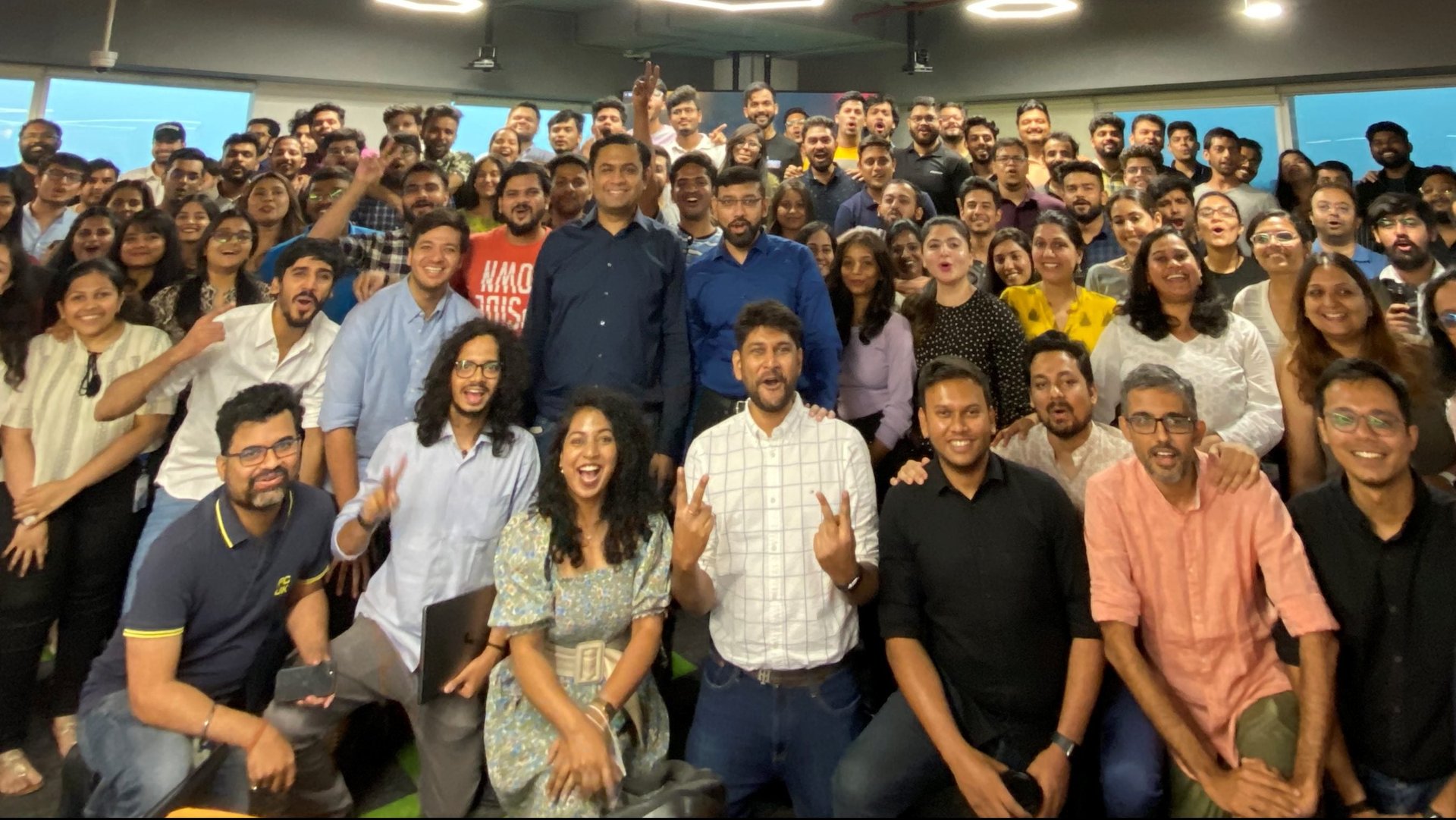
Razorpay is spending $75 million on its biggest employee stock ownership plan (ESOP) buyback yet.
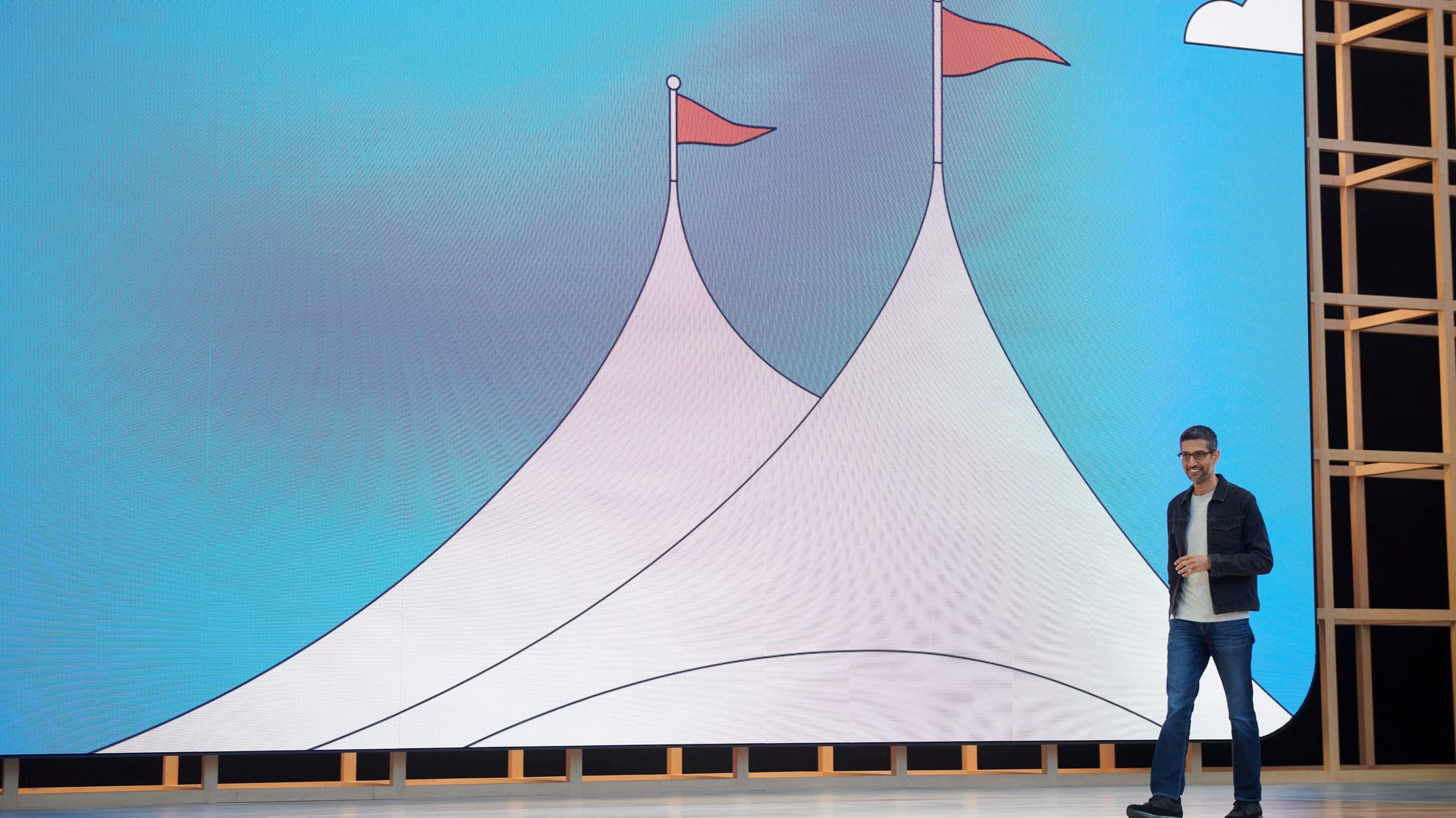
Google’s latest experimental language chatbot is getting a heavily guarded release.

India exporting wheat to more parts of the world is putting upward pressure on its domestic prices.

A four-year bachelor of technology degree at a government-run Indian Institute of Technology campus costs Rs10 lakh ($13,000). At the private Birla Institute of Technology and Science (BITS Pilani), students can expect to shell out Rs12-13 lakhs (approximately $15,500-16,800) for a similar course. But one Indian college is offering a four-year B.Tech degree for a 100 times less.

Sleeping on the job is now cool.

Indian discus throw champion Kamalpreet Kaur may have had a little help in breaking the 65-metre record she set in March, and more. But she’s only the latest in a long line of such offenders.

Spider-Man: No Way Home‘s $1.37 billion domestic earning in India seemed insurmountable. Till Doctor Strange‘s latest outing.
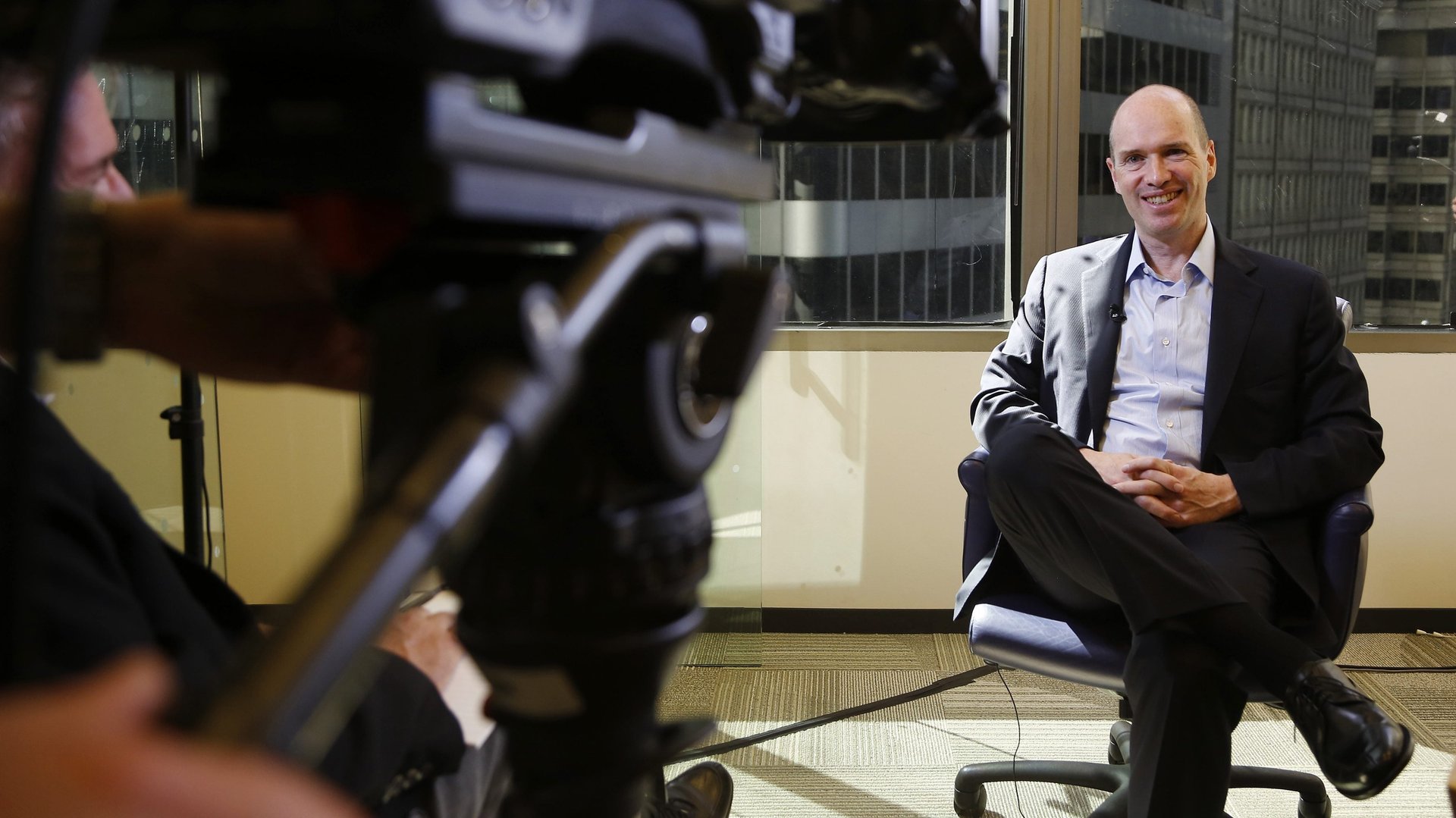
“We’re generally not a good candidate for startups in emerging markets like India, although never say never,” venture capitalist Marc Andreessen wrote in response to a Quora question in May 2012. Nine years later, his firm, Andreessen Horowitz, has earmarked $500 million to invest in Indian startups, according to a TechCrunch report on May 3.

Madurai-based Sri Mookambika Infosolutions (SMI) will do anything to retain its employees—even get them married.

While praising the movie KGF Chapter 2, which earned more than 900 crore rupees ($118 million) at the box office within 12 days of release, Kannada superstar Kiccha Sudeep said, “Hindi is no more a national language…Today we are making films that are going everywhere.”

Vijaya Gadde, Twitter’s top lawyer, faced abusive comments on the platform after prospective owner Elon Musk responded to a right-wing activist about a “censorship” issue.

Swiggy is giving its blue-collar workers a clearer path to white-collar jobs.
Twitter’s founder is full of praise for the company’s new owner.