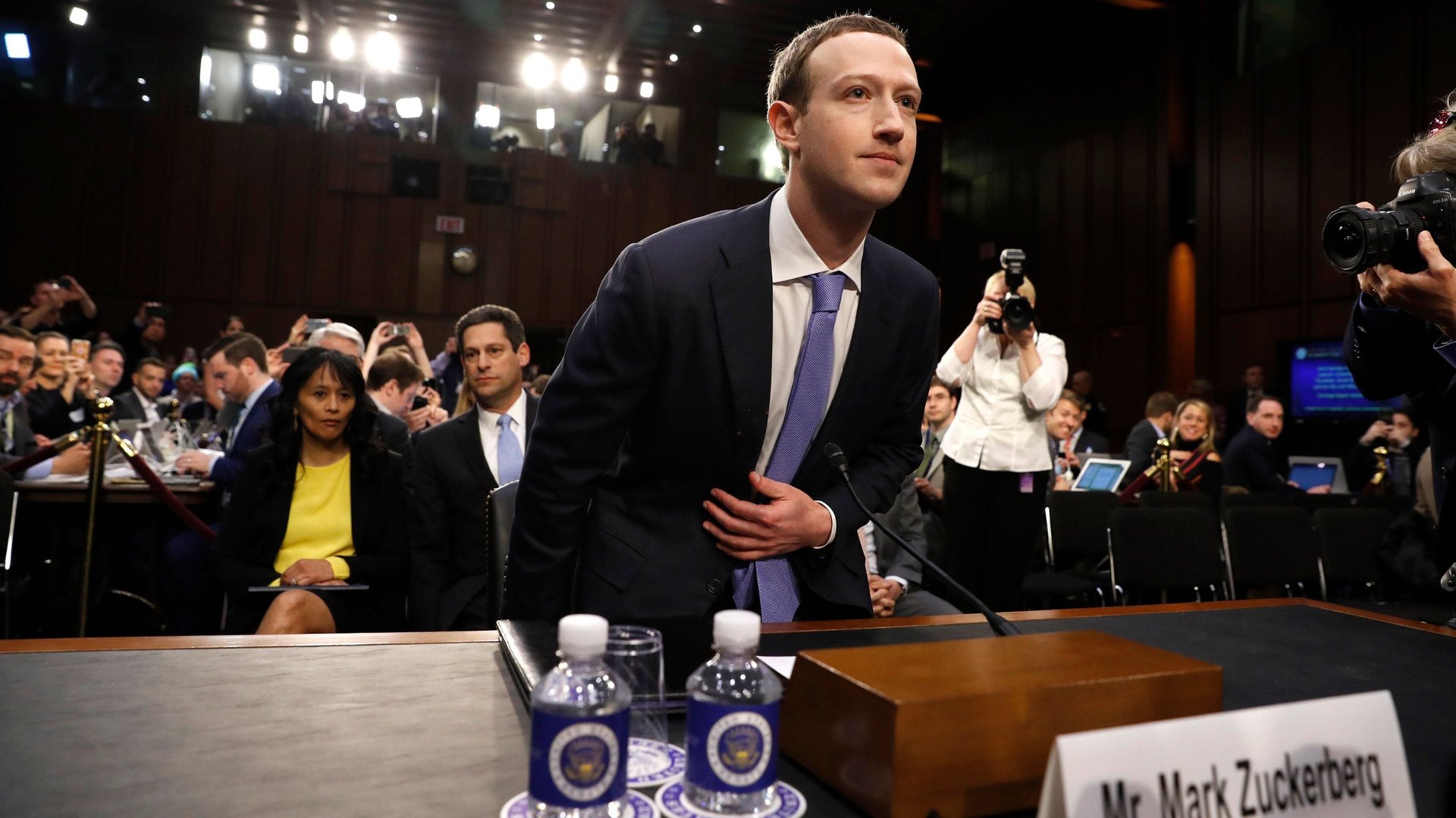
Facebook is trying to pick up the pieces in wake of the massive Cambridge Analytica voter-manipulation scandal.

Facebook is trying to pick up the pieces in wake of the massive Cambridge Analytica voter-manipulation scandal.

In India, WhatsApp’s roots are growing deeper.

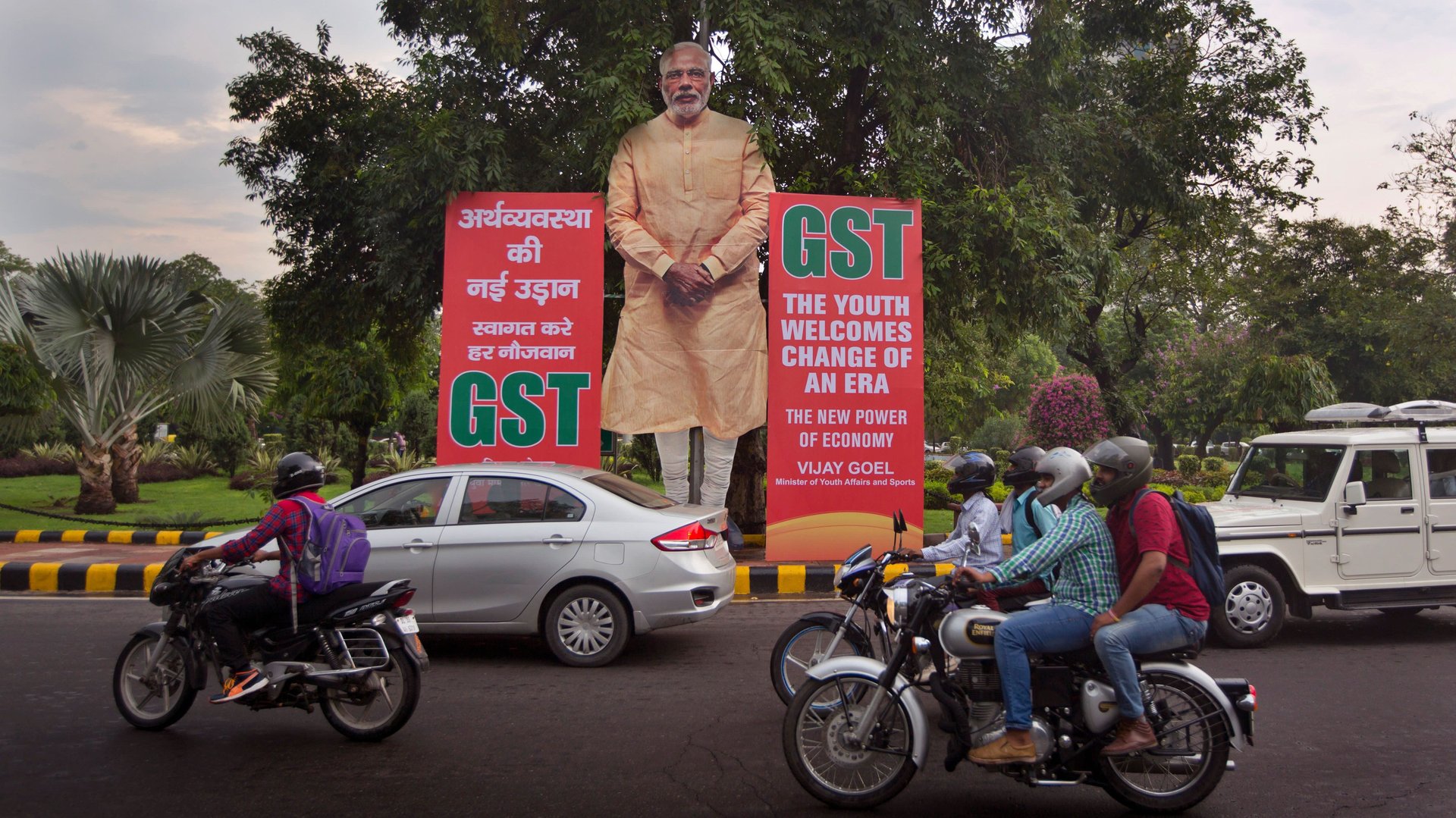
When the Narendra Modi government rolled out India’s goods and services tax (GST) last July, the aim was to replace multiple state and federal taxes with one, simple indirect tax system. However, it has turned out to be anything but the “good and simple tax” the authorities touted.

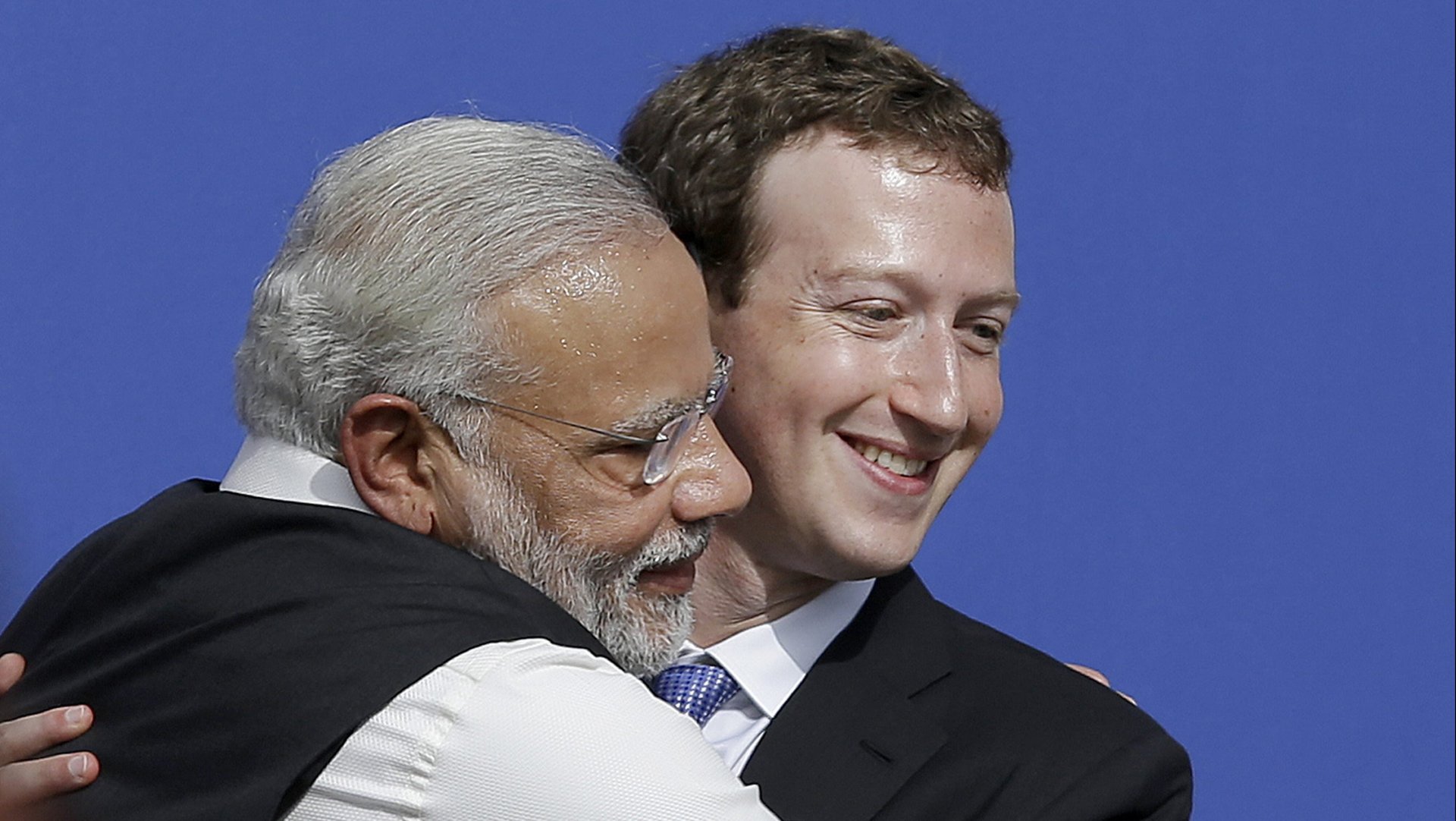
As the world’s largest democracy gears up for the election season, Mark Zuckerberg does not want another disaster on his hands.

Amidst a raging global debate over the massive data breaches involving both private firms and government agencies, an Indian state has sought to add another potent ingredient to this explosive mix: DNA data.

India’s government websites are under attack.

The number of hoops companies have to jump through to bring foreign workers into the US is only growing under the Trump administration. And Indian IT firms are no longer up for the hassle.

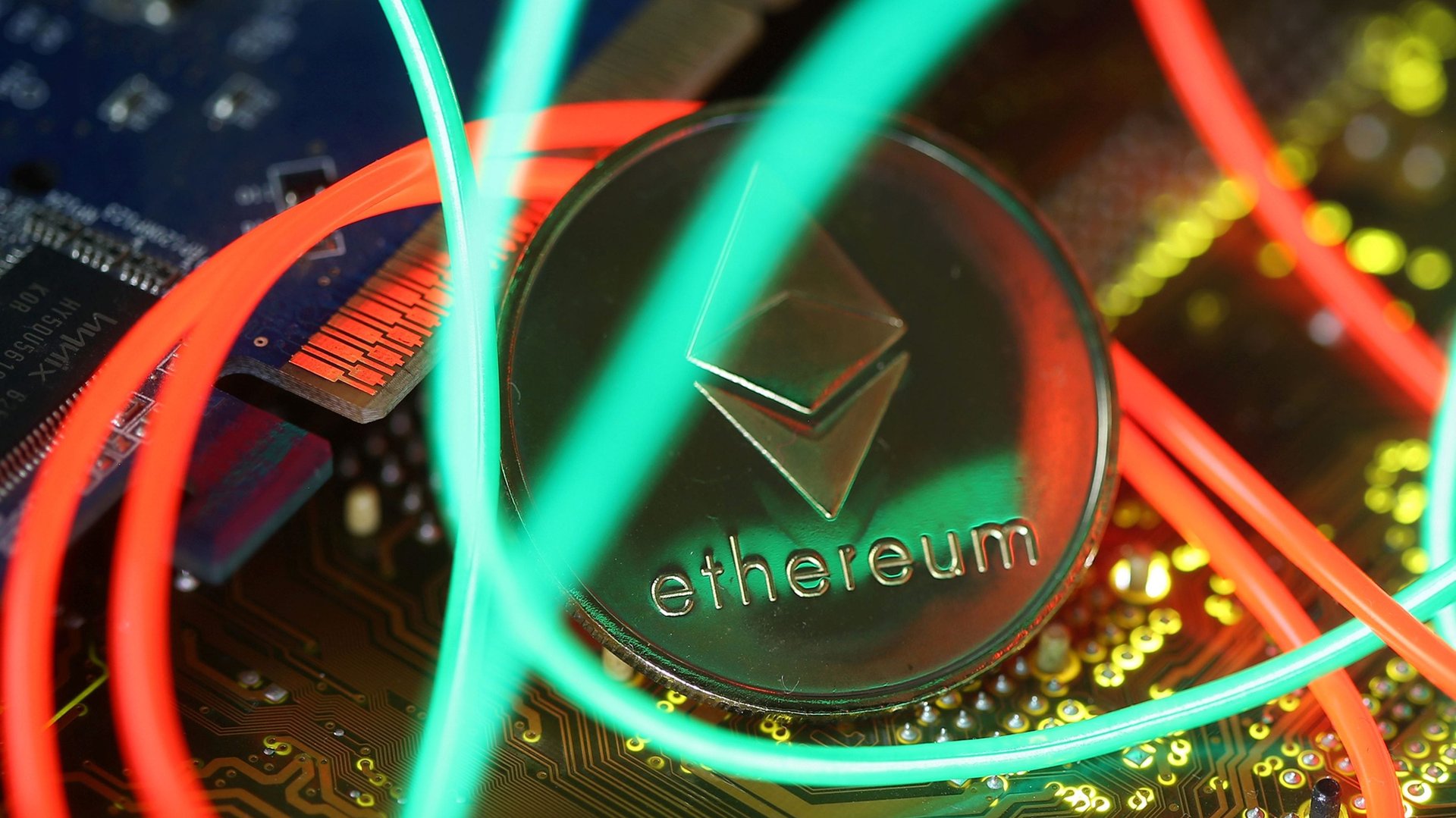
Bitcoin is not king in India.

It’s the moment of reckoning for Indian techies.

The US region that draws the most H-1B talent is the East Coast metropolitan area—not Silicon Valley as is often believed.

Where were most Indian H-1B visa-holders educated?

India is no country for filing patents. Riddled with problems, from lack of awareness to systemic flaws, the country is one of the least friendly when it comes to intellectual property (IP) rights. In 2016, just 45,000 patents (pdf) were filed in India—China registered over 1.1 million in the same year.

As the Narendra Modi app faces fire over the furtive nature of its data usage, a five-year-old US-based startup is facing the heat, too.

Just days after the Cambridge Analytica (CA) voter manipulation scandal unravelled, India’s leading political parties are now caught in the eye of a data-breach storm.

Australia is making it hard for Indian professionals to work in the country.

In the wake of the voter-manipulation controversy surrounding British firm Cambridge Analytica, Indian law and information technology minister Ravi Shankar Prasad on March 21 sent out a terse warning to Facebook CEO Mark Zuckerberg.

For the second time in two years, the Donald Trump administration has ruled out expedited approvals for H-1B visas.

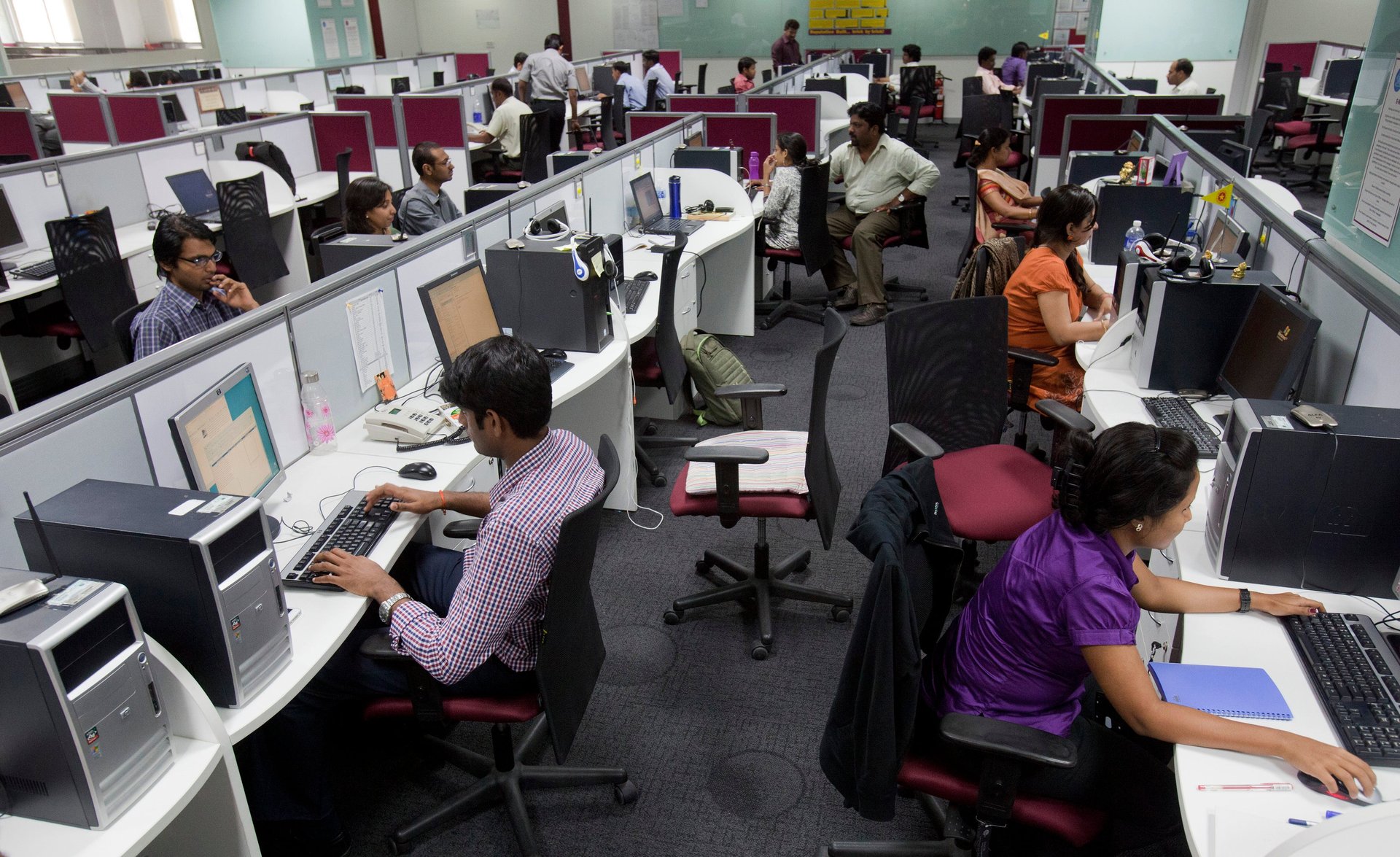
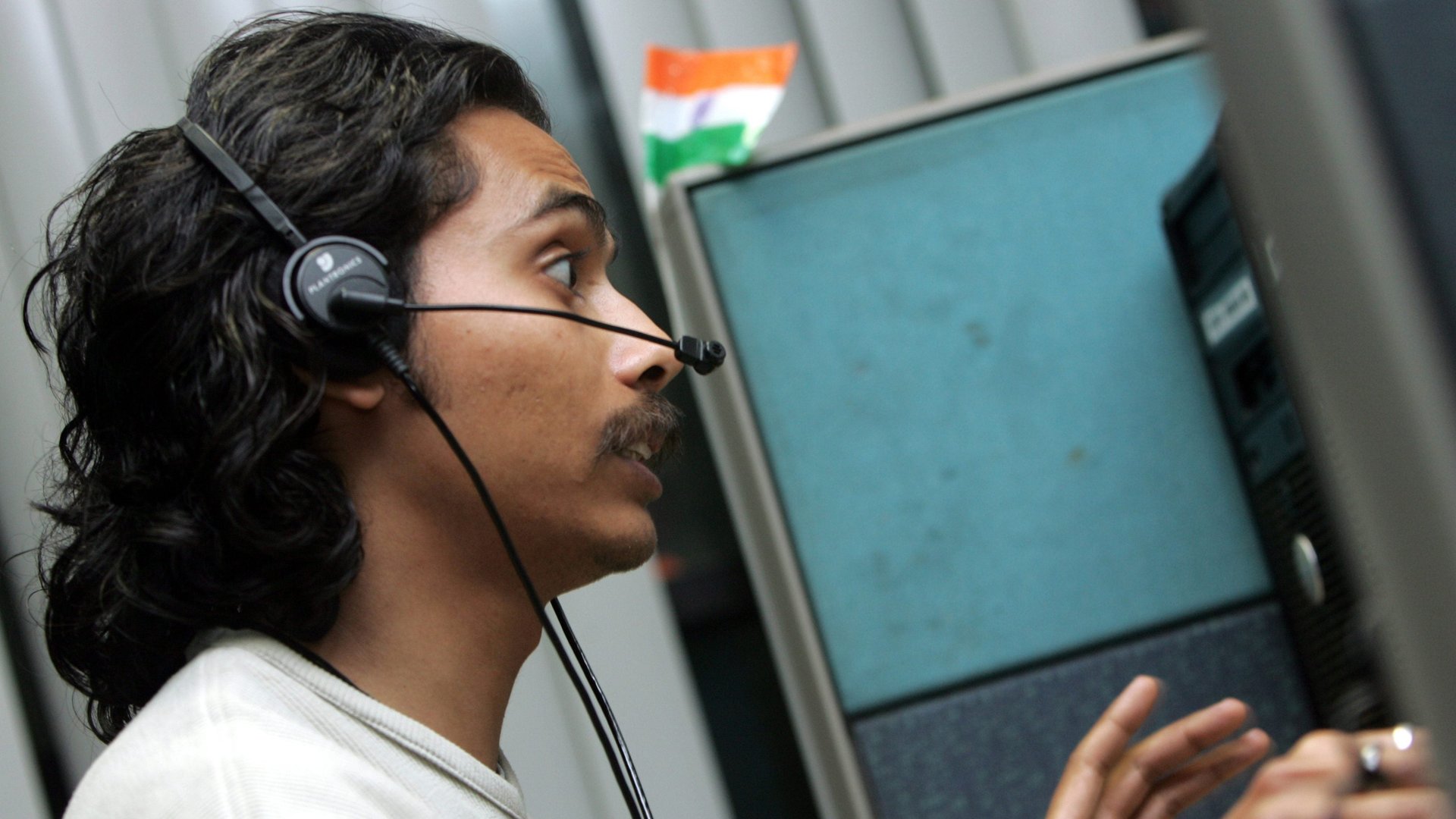
At a time when Indian techies are living the nightmare of the Donald Trump administration’s clampdown on H-1B work visas, another set of professionals, call-centre workers, now face the threat of rising protectionism in the US.

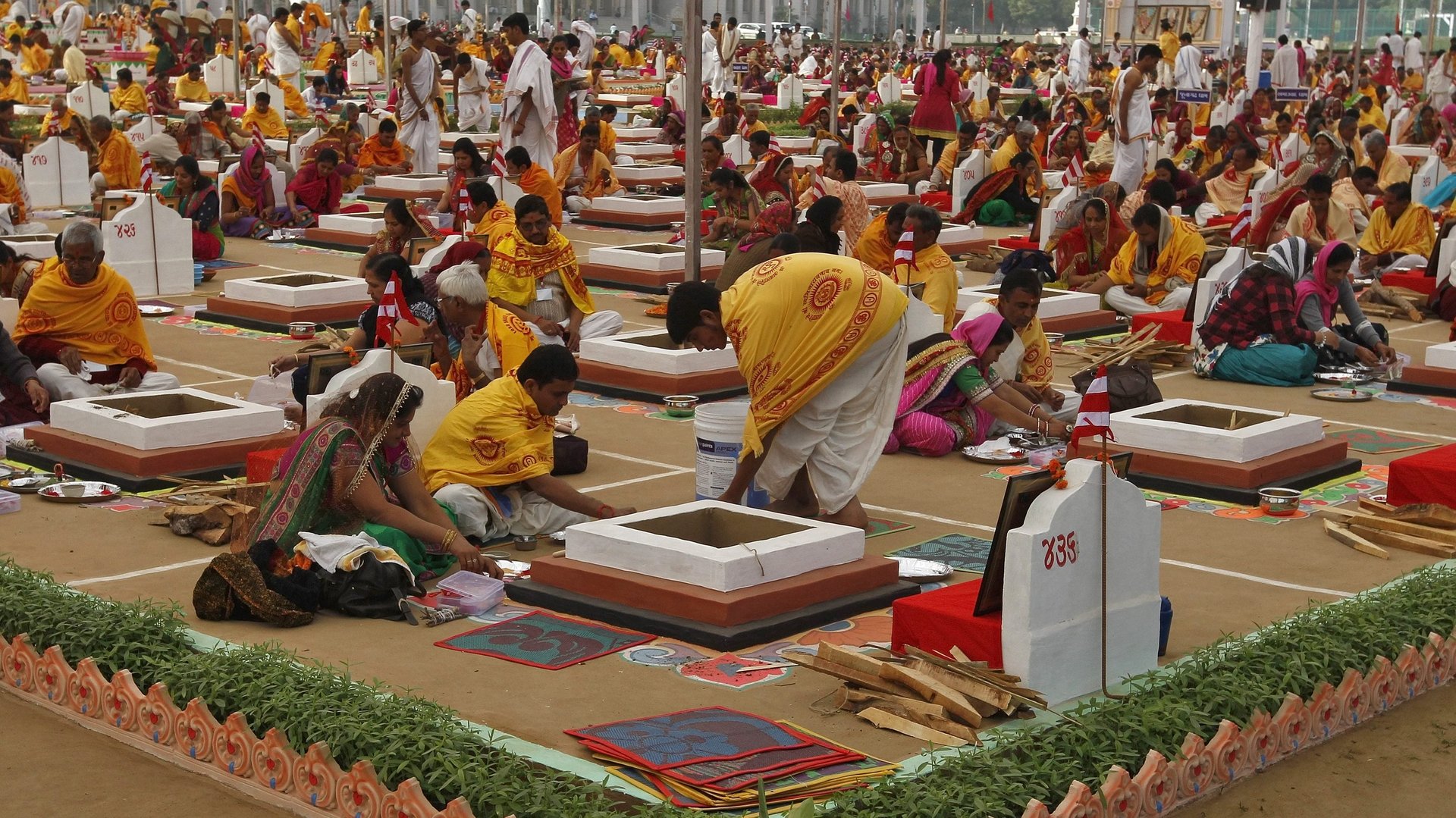
Nearly 350 Hindu priests are participating in a mahayagya, or great sacrifice, in the northern India city of Meerut to curb pollution—by burning 50 metric tons of mango wood.

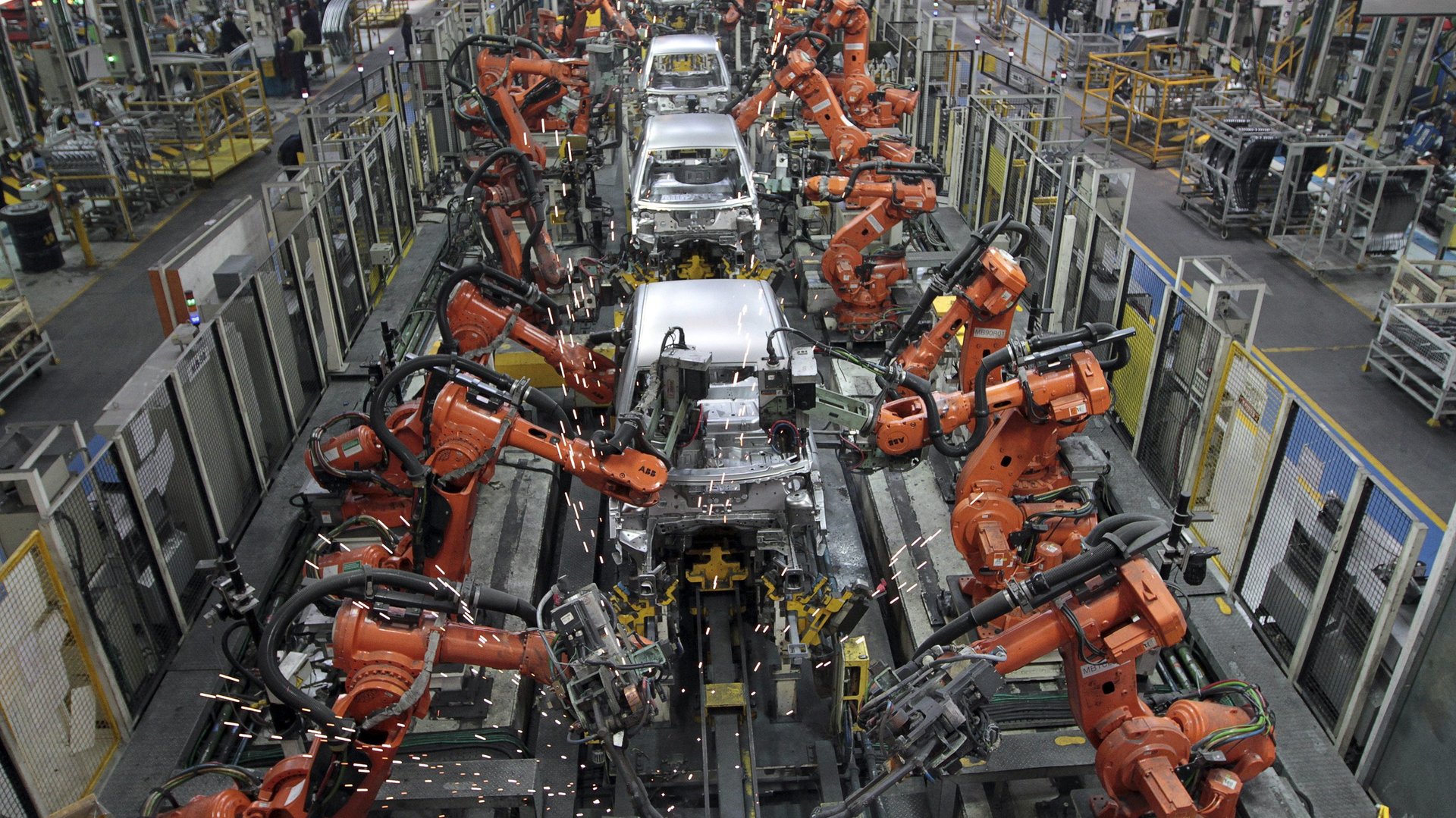
The robots are coming—but they aren’t here just yet.

Indians have for a while exhibited a growing affinity for food delivery, but it’s now going beyond lunch and dinner.

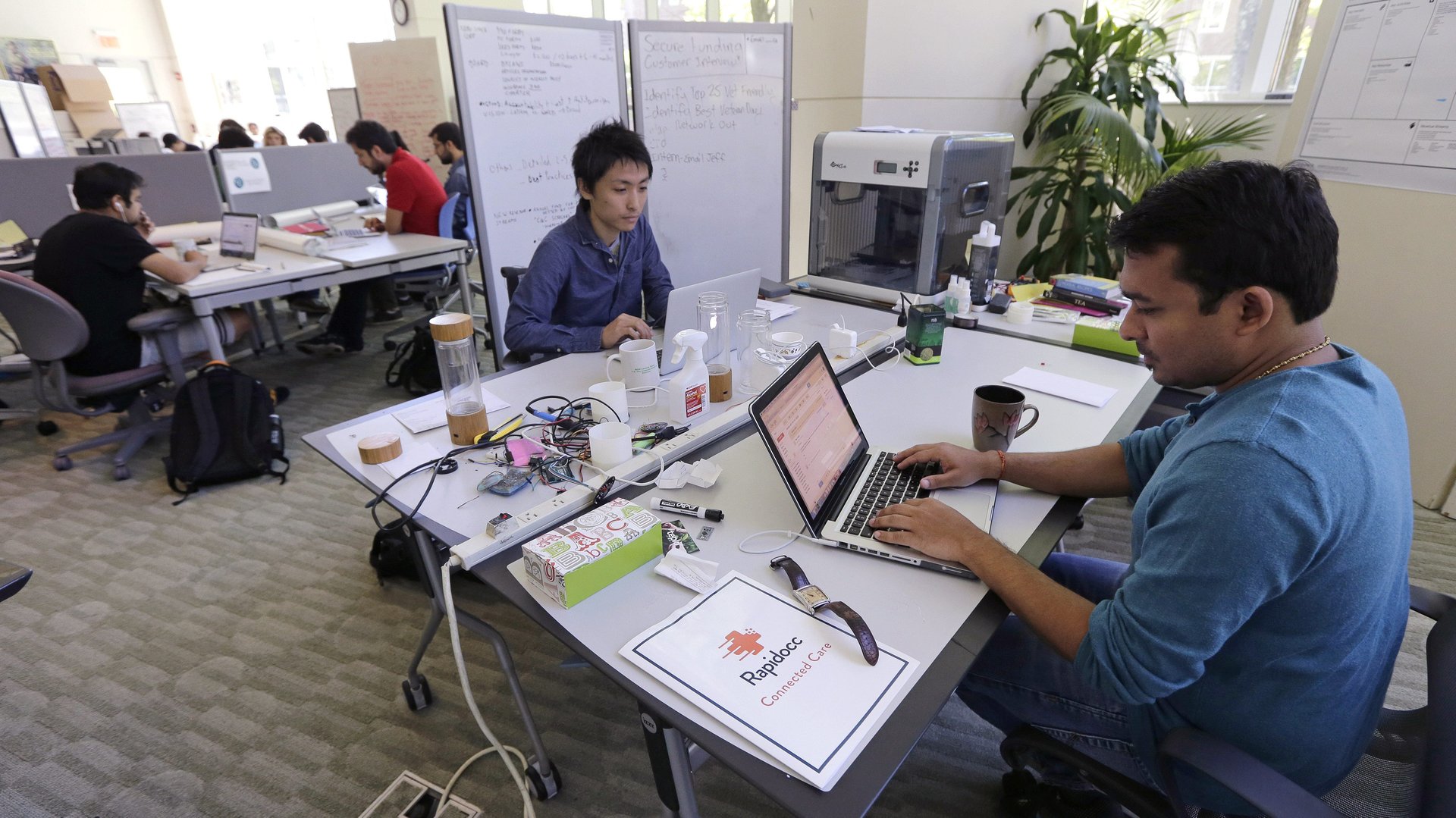
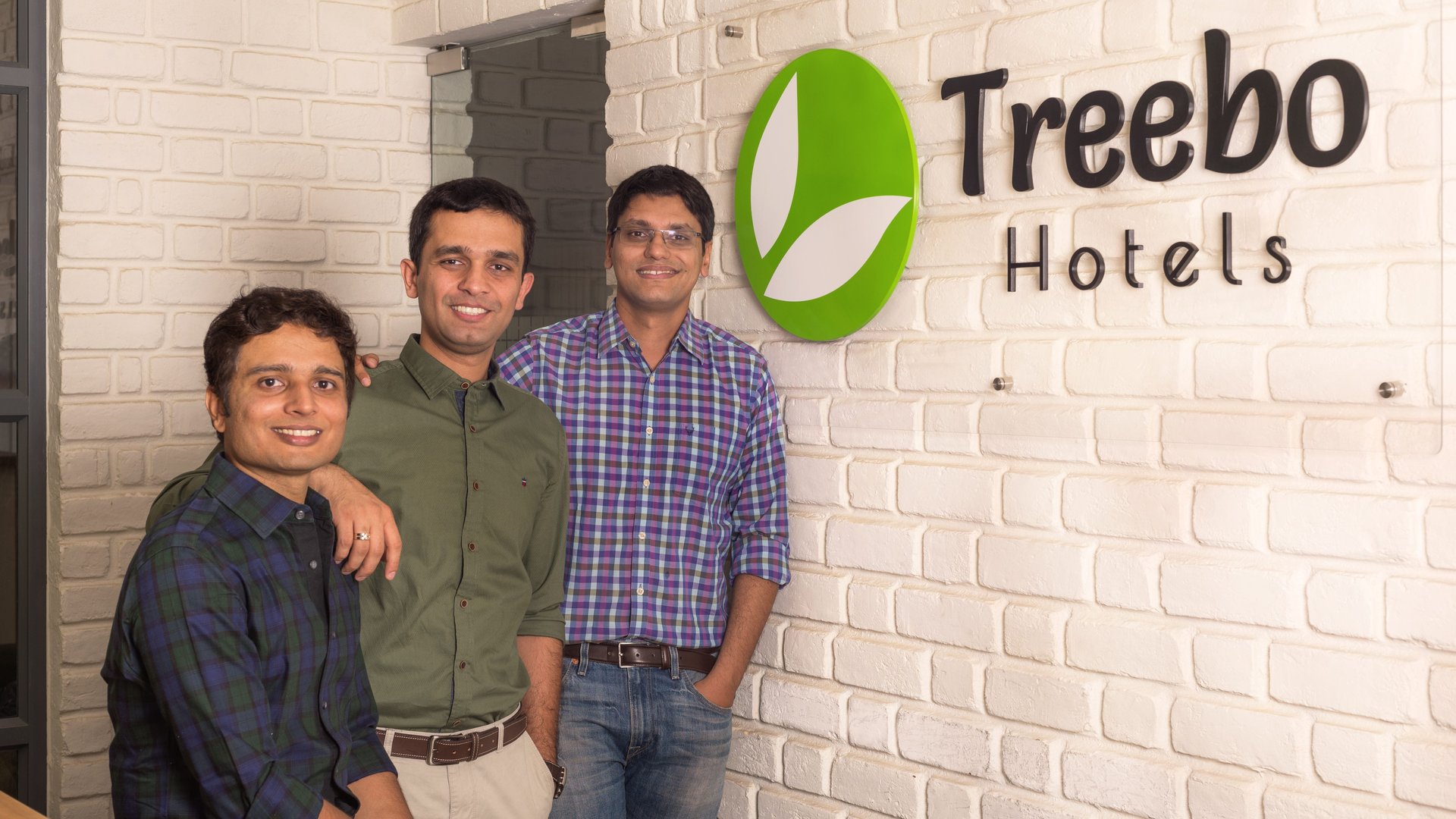
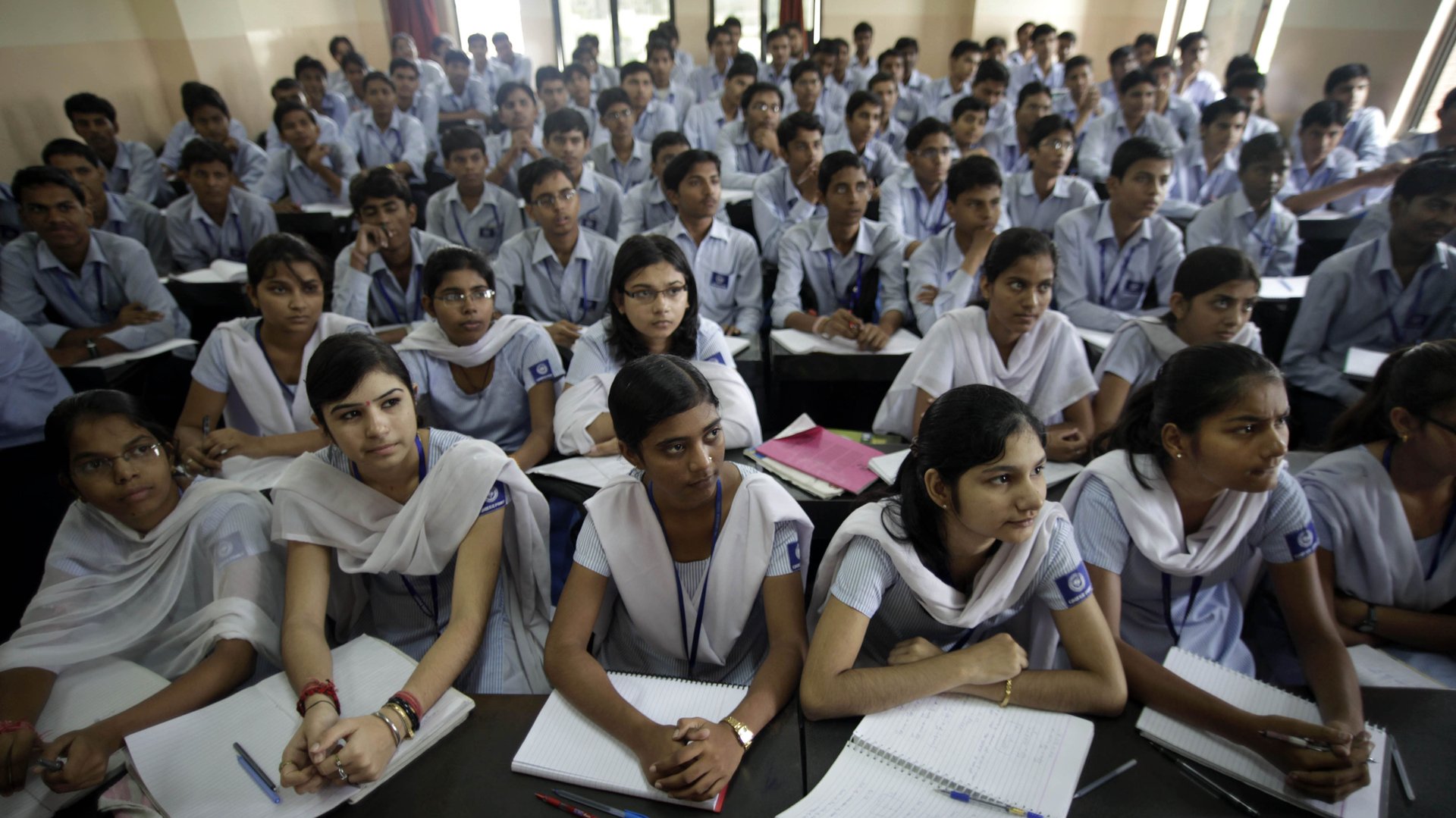
For years, graduates of the Indian Institutes of Technology (IITs) and the Indian Institutes of Management (IIM) have been treated as the holy grail across India’s industries—all the more so in its startup ecosystem. But as the sector matures, this seems to be turning into a problem.

Mapping a city like New York, where streets and avenues are neatly arranged in a grid, is a piece of cake. But a city in India is a different animal.

Indian consumers are swapping mobile wallets for the government-initiated Unified Payments Interface (UPI).