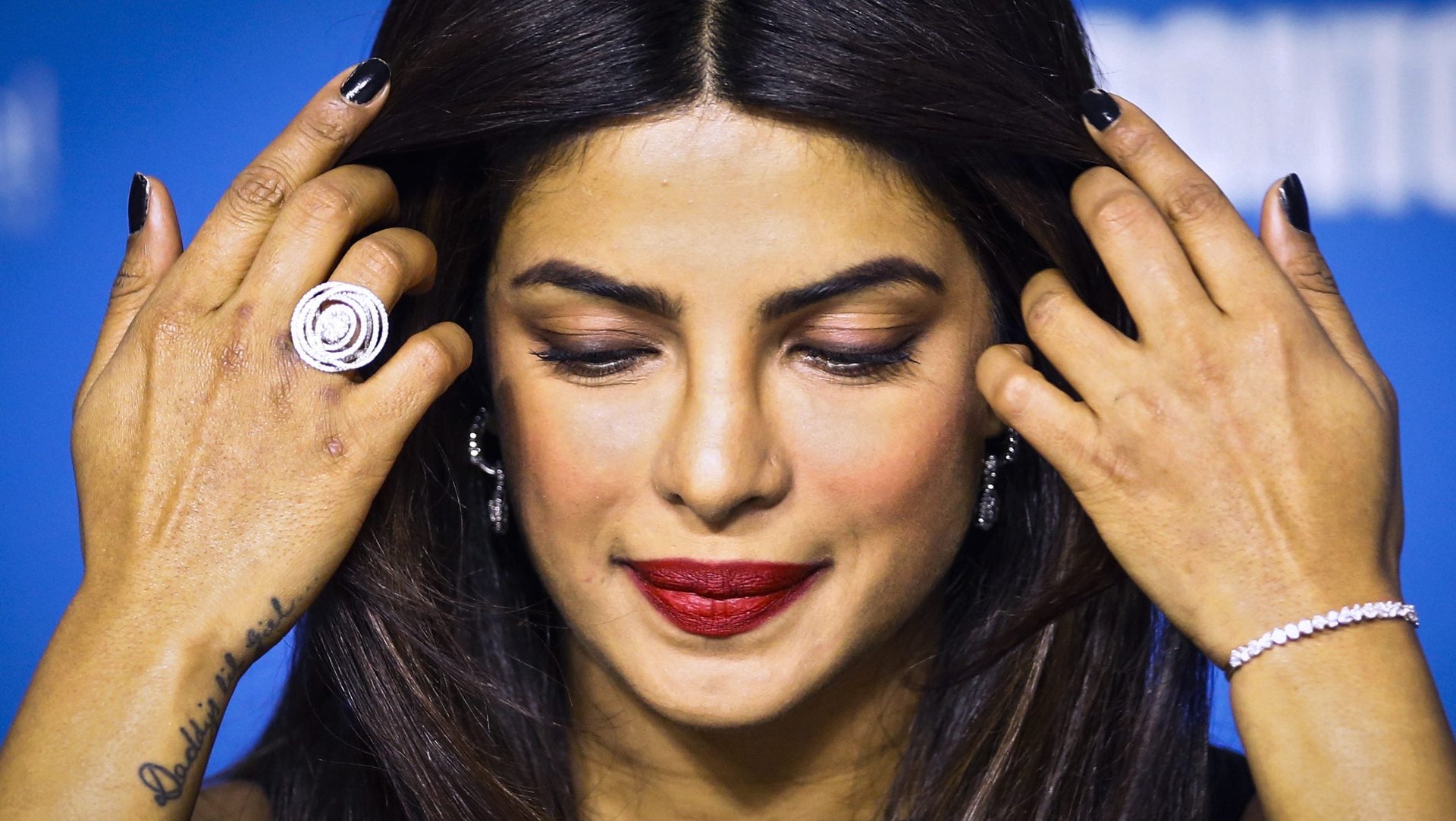
This week, Priyanka Chopra was in Germany to promote her latest release, Baywatch. (The movie may be tanking, but she’s soaring.)

This week, Priyanka Chopra was in Germany to promote her latest release, Baywatch. (The movie may be tanking, but she’s soaring.)

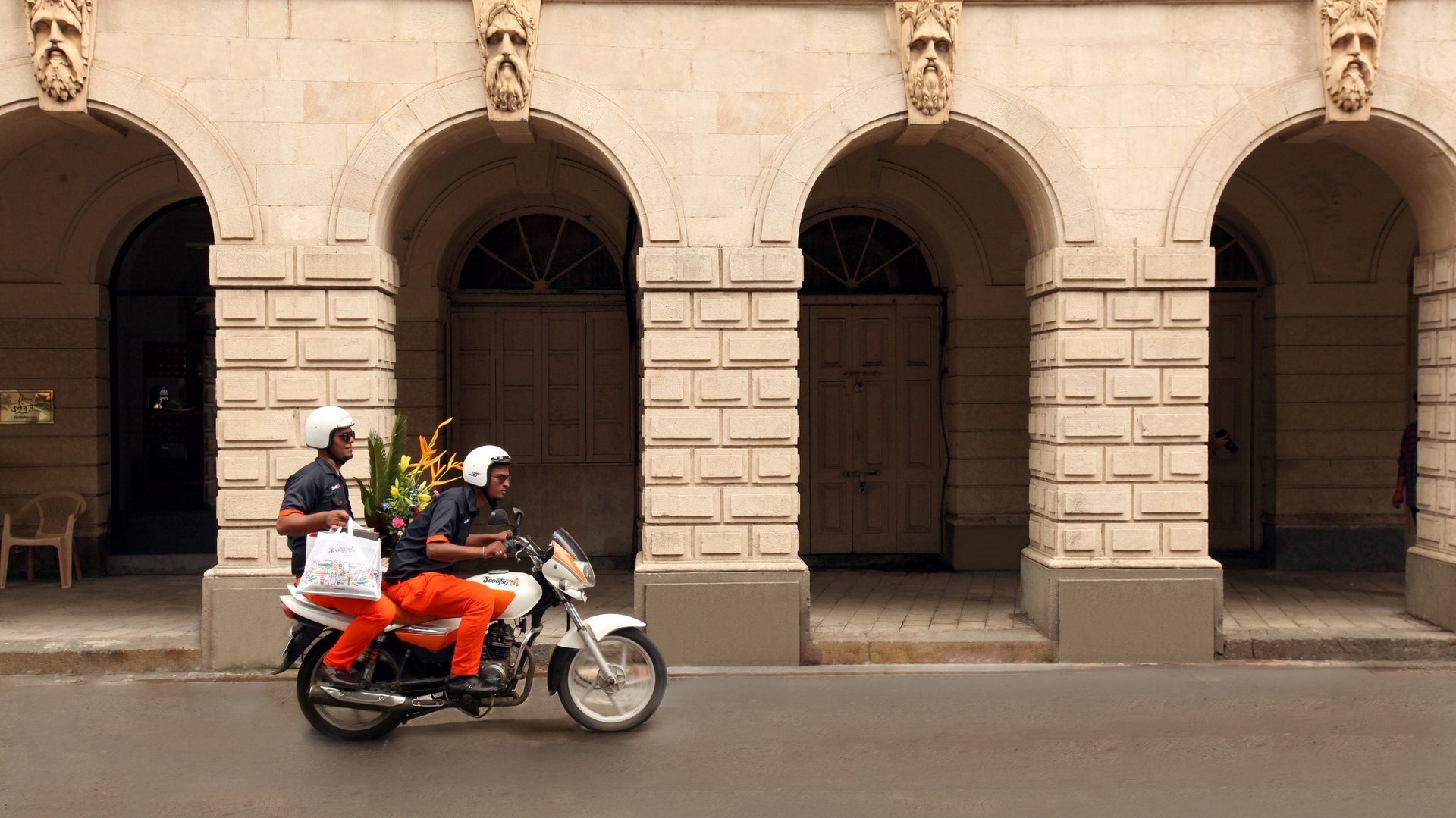
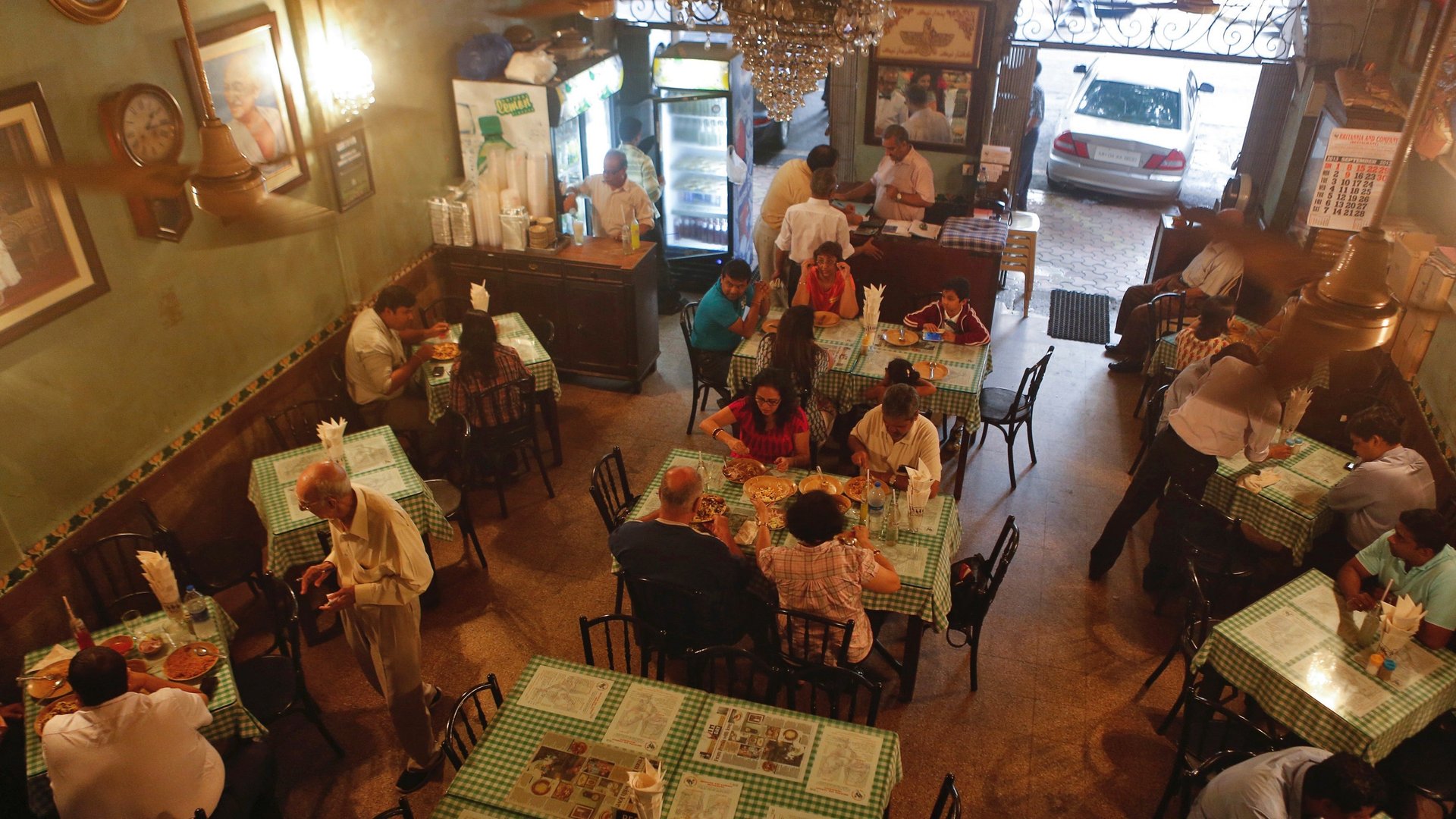
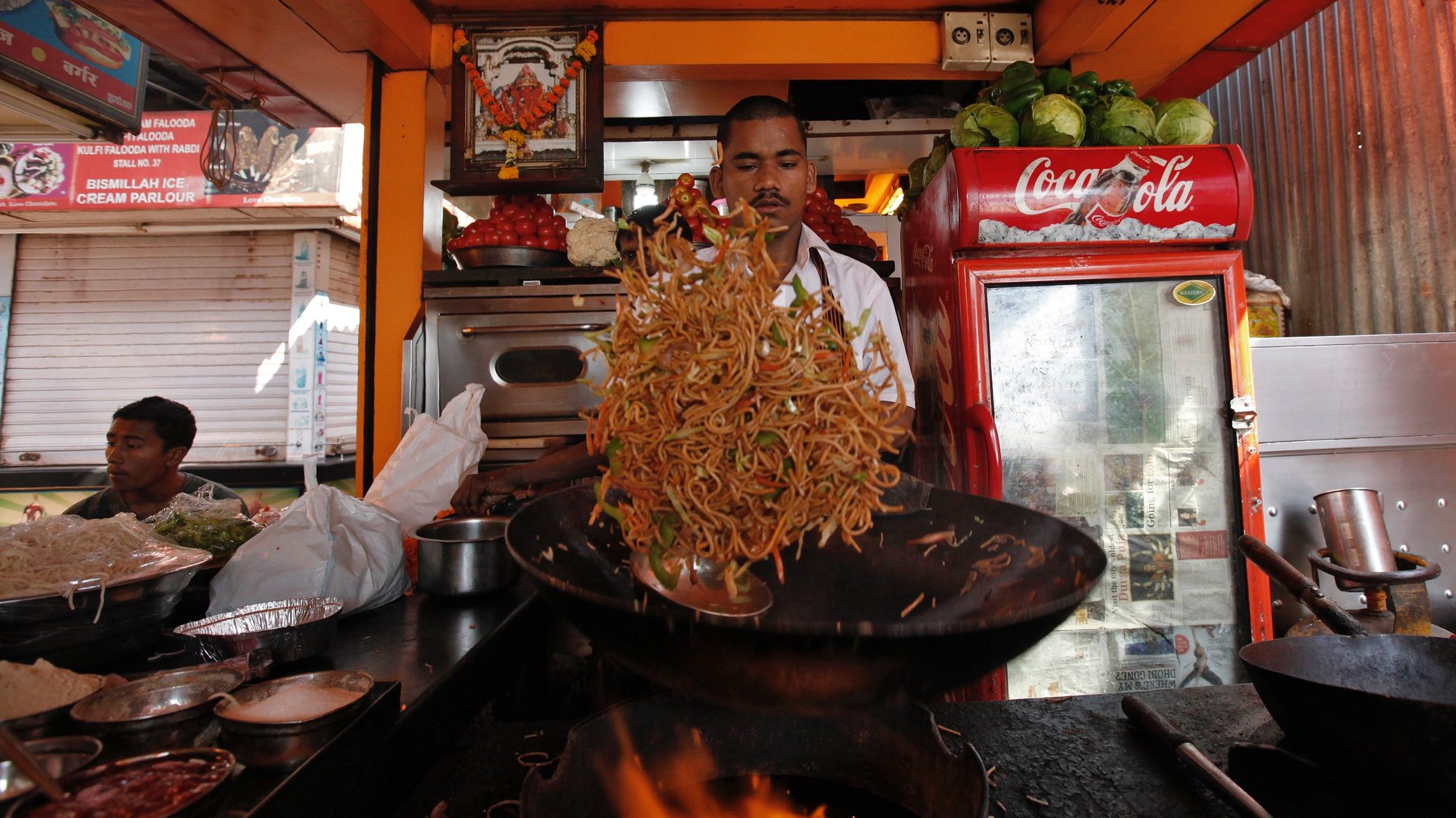
Staying afloat in India’s food-tech storm is no easy feat.

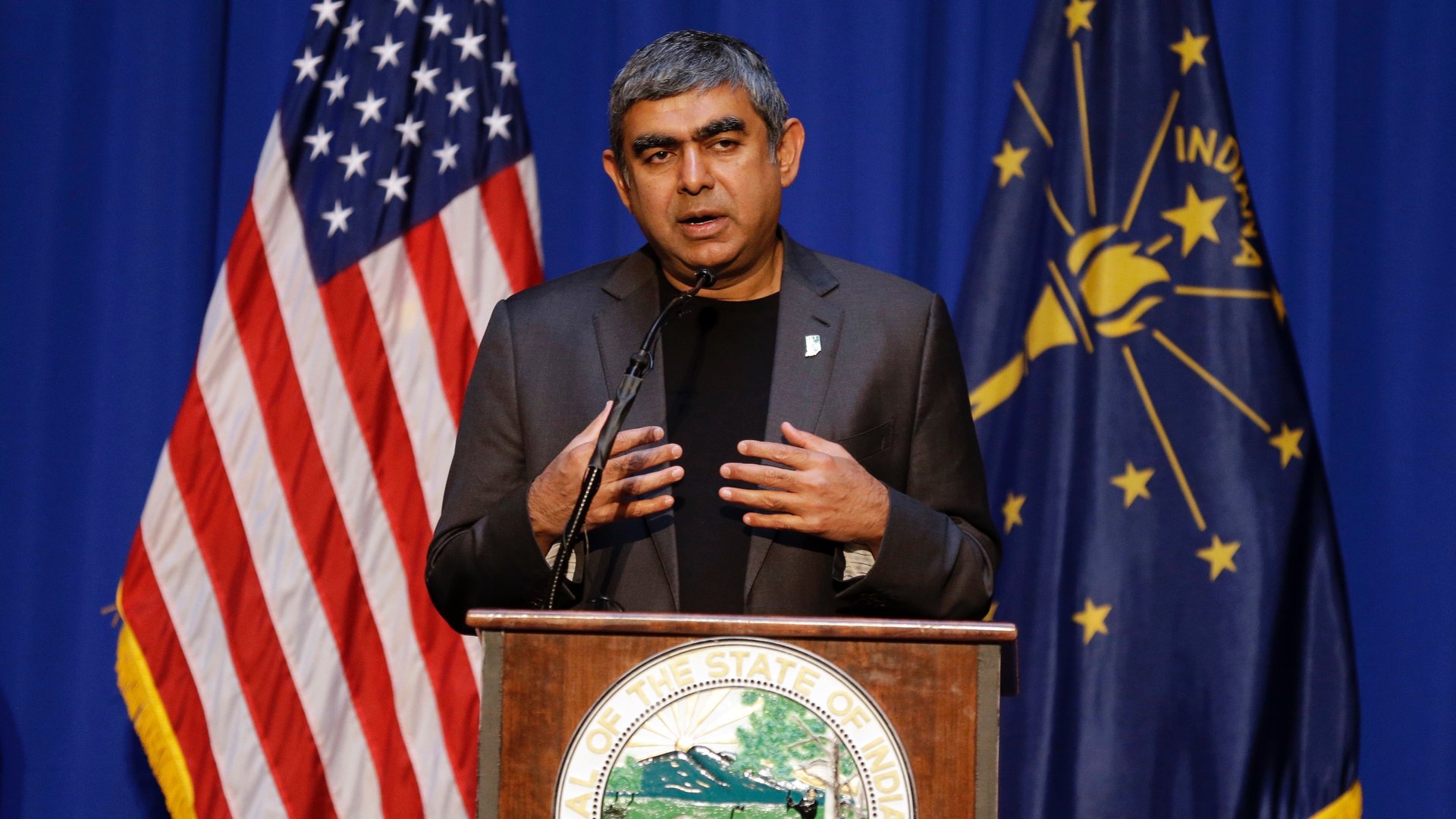
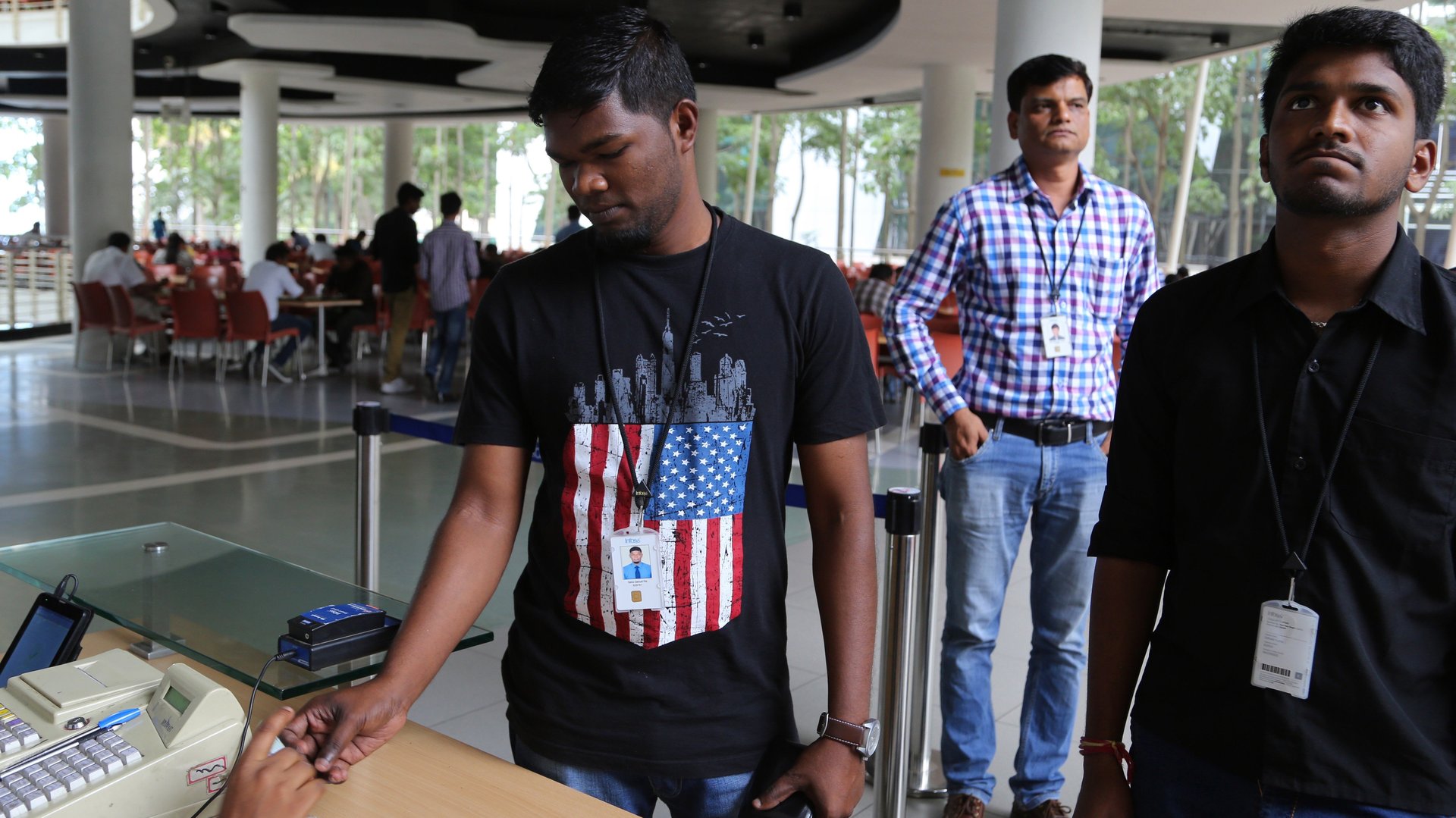
Infosys is taking Donald Trump’s “Hire American” order seriously.

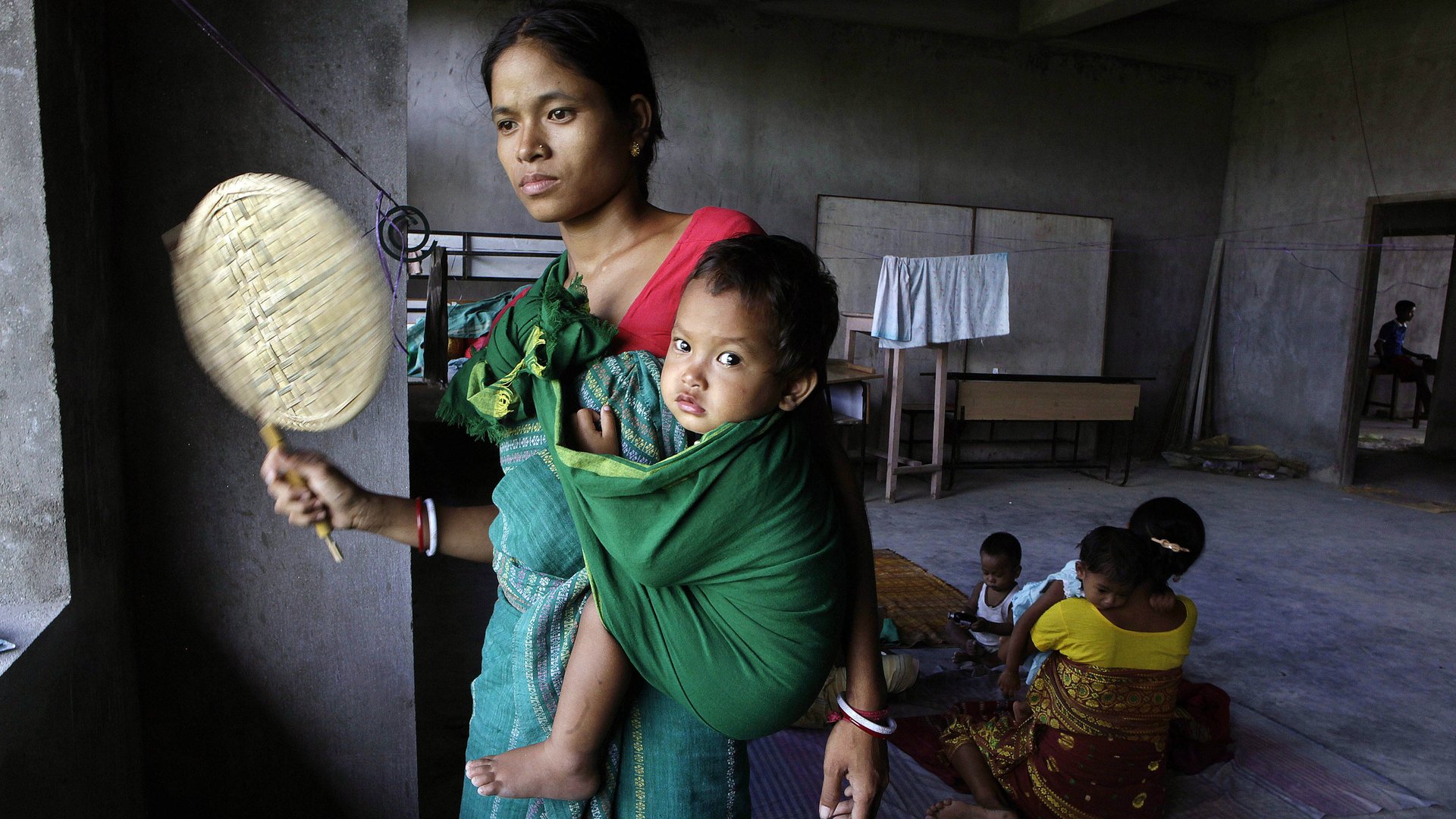
Globally, 830 women die from pregnancy- or childbirth-related complications every day.

It turns out that Elon Musk was “misinformed” when he said that his plans to launch his car company in India faced a major roadblock.

When Tesla CEO Elon Musk planned his company’s India debut for summer 2017, it was a tall order. The carmaker had yet to set up dealerships and service centers, and its plan to install a cross-country network of superchargers was far from being realized. Moreover, Tesla’s trademark autopilot feature seemed ill-prepared for Indian roads plagued by poor infrastructure, deplorable driving skills, and swarms of reckless pedestrians.

In November 2016, the Indian government pulled high-denomination currency bills out of circulation in an effort to clamp down on corruption and terror finance. Following this, people were forced to stand in long lines outside banks and ATMs to trade in old notes for new ones. Often, the ATMs ran dry by the time a citizen got his or her turn after waiting for hours in the sun.

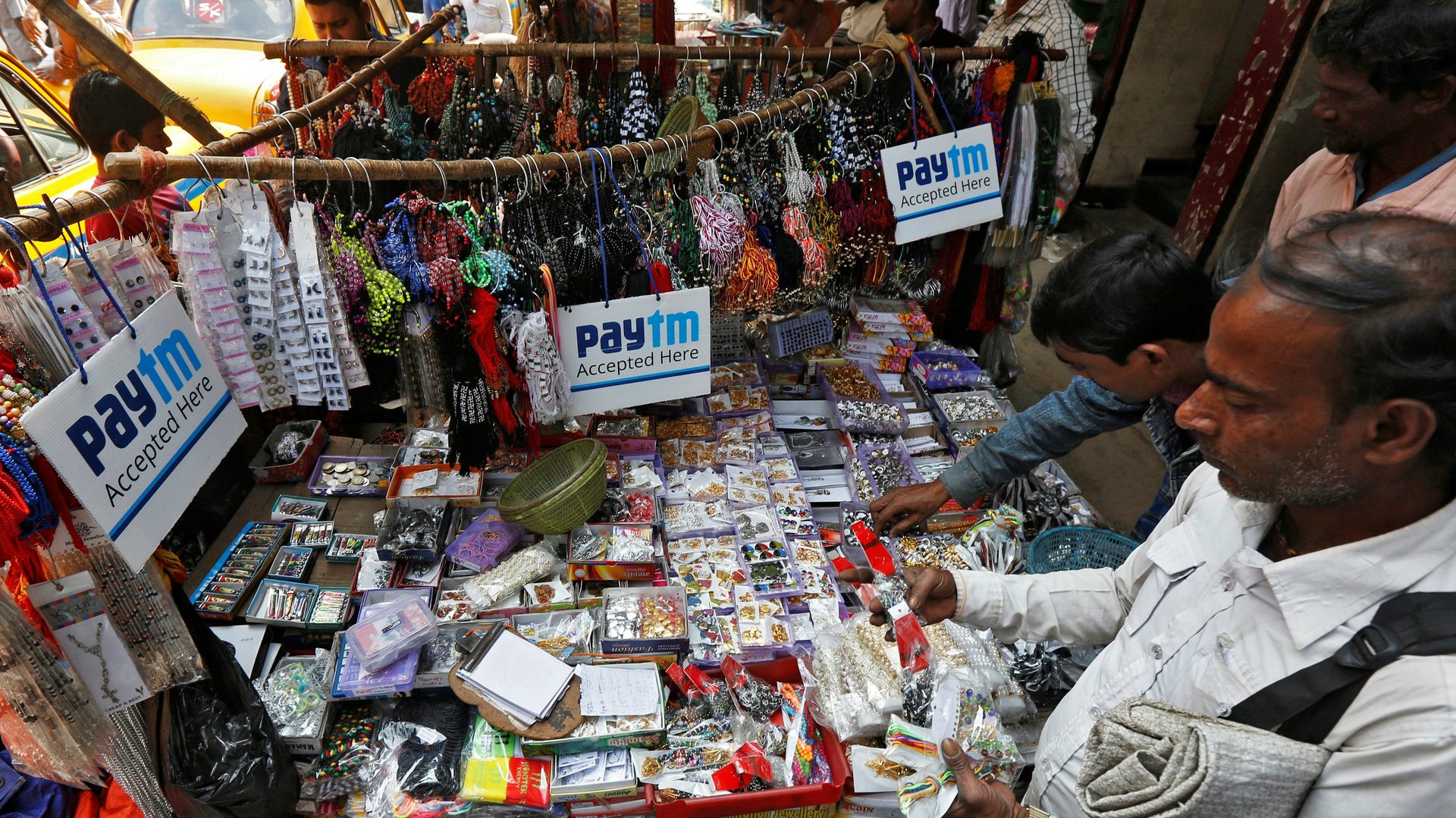
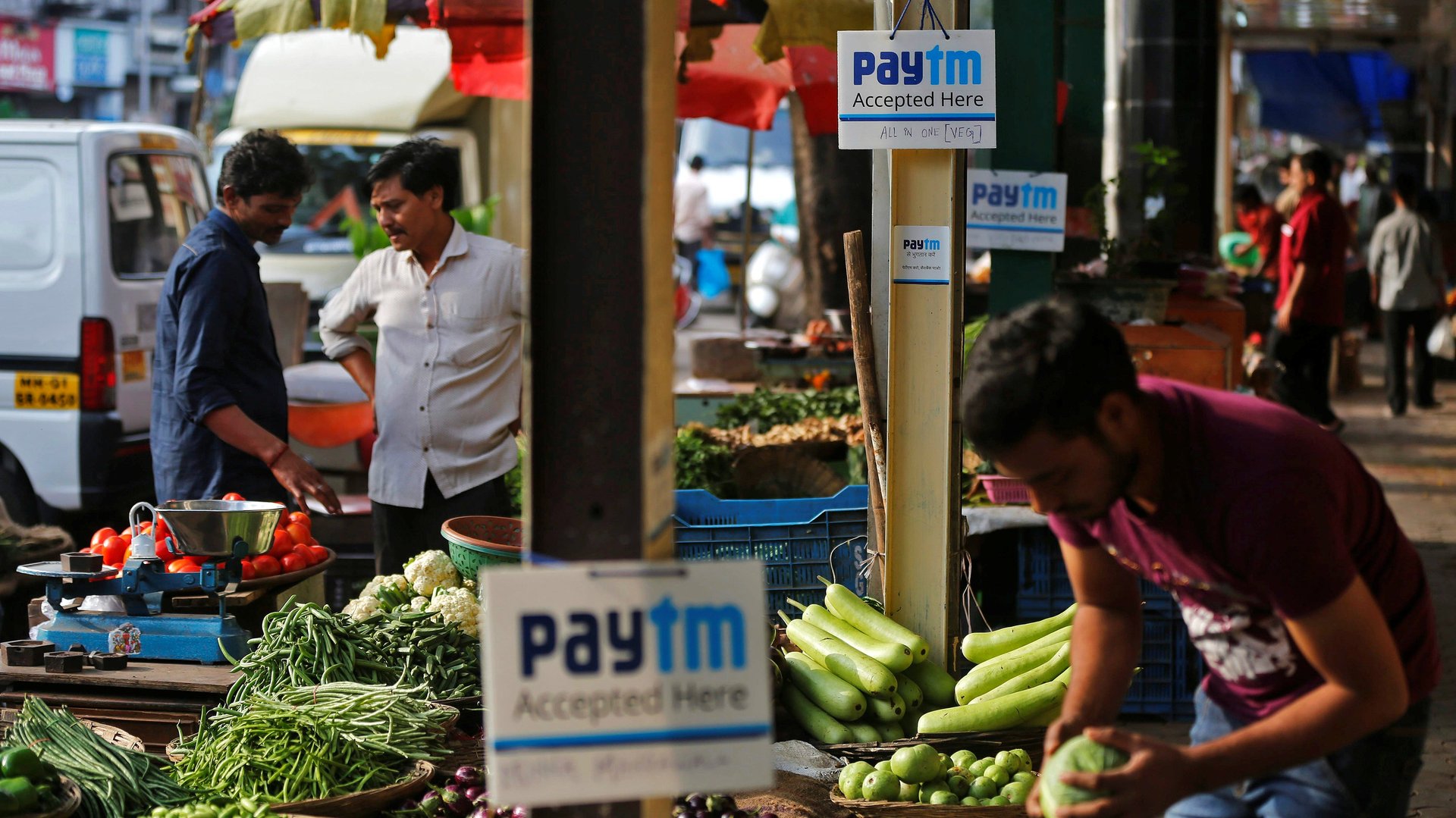
Paytm is having the week every Indian startup dreams of.

India isn’t able to nurture its startups to their full potential.

Familial duties are holding back India’s working women.

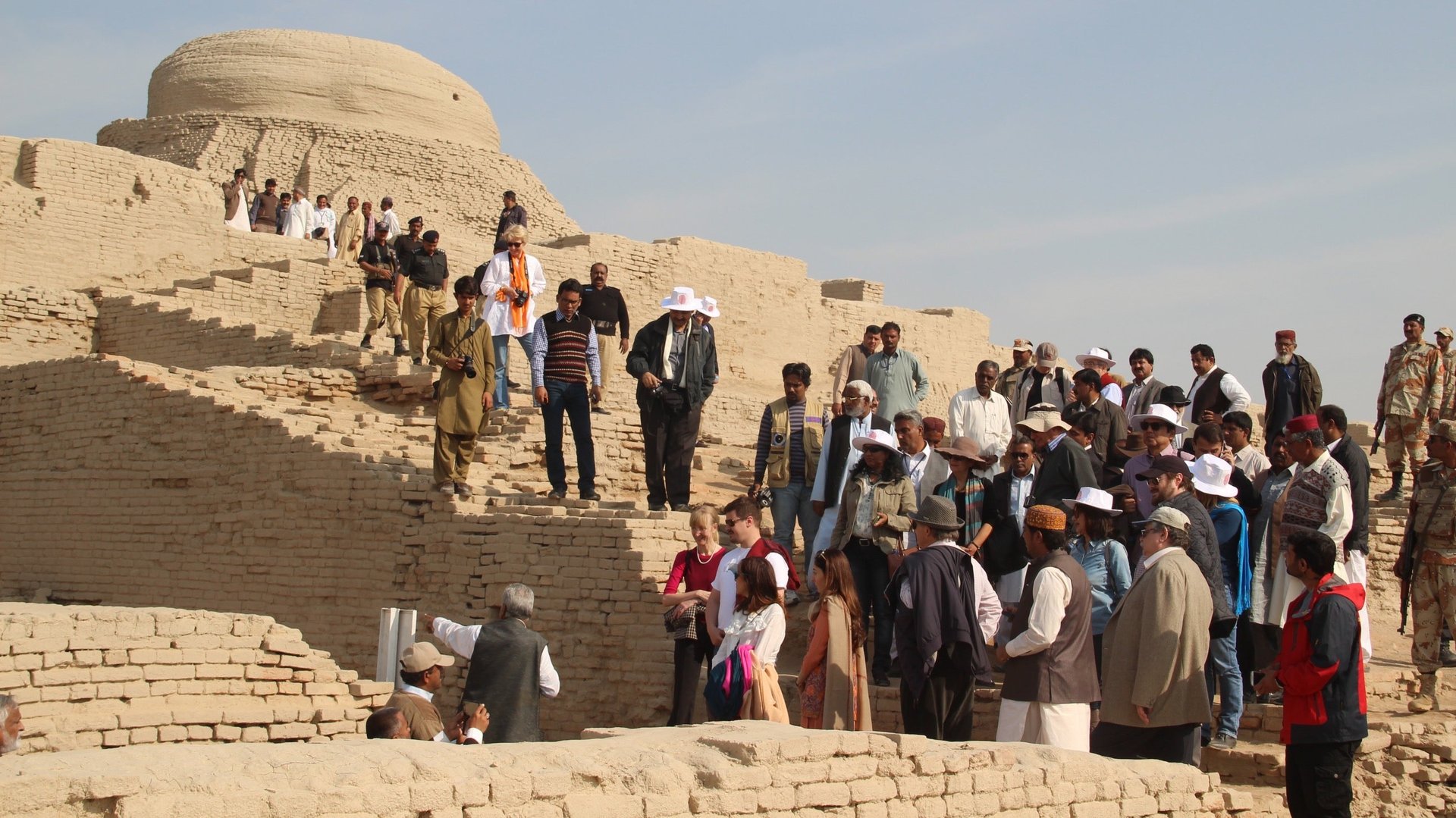
Around 1920, Rakhaldas Bandopadhyay, an officer at the Archaeological Survey of India, was identifying a stupa in what is now Sindh, Pakistan, when he stumbled upon a flint that dated much further back than the Buddhist shrine. Over the next 50 years, large scale excavations unveiled a 5,000-year-old city, complete with a street grid and a sophisticated bath and drainage system. The buried city came to be known as Mohenjo Daro, meaning “mound of the dead” in Sindhi.

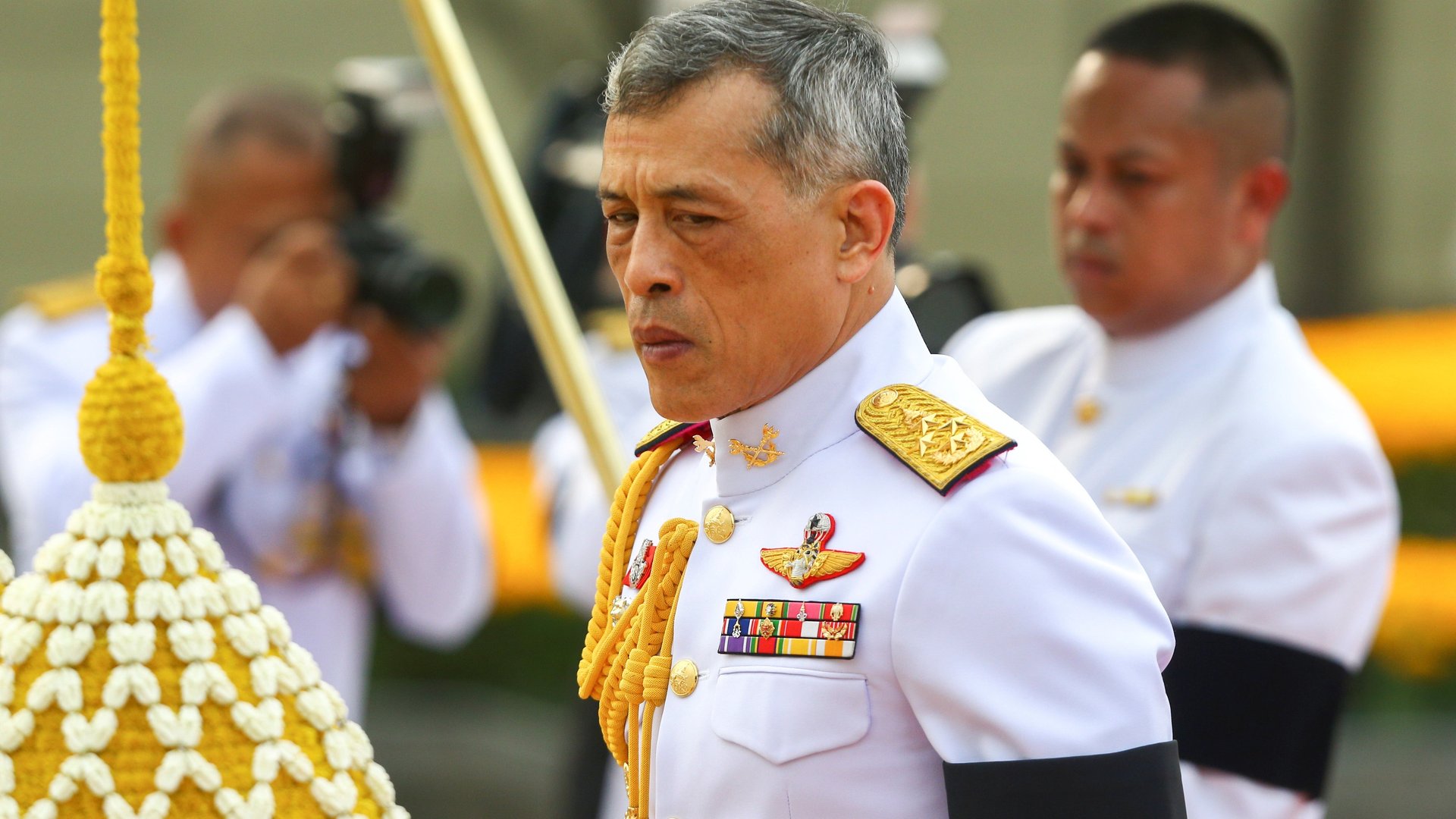
In Thailand, strict lèse-majesté laws have brought a flag-bearer of free speech to its knees.

For an Indian student, even the sky is not the limit.

In India’s ongoing e-commerce war, Snapdeal is the most likely to become a casualty.

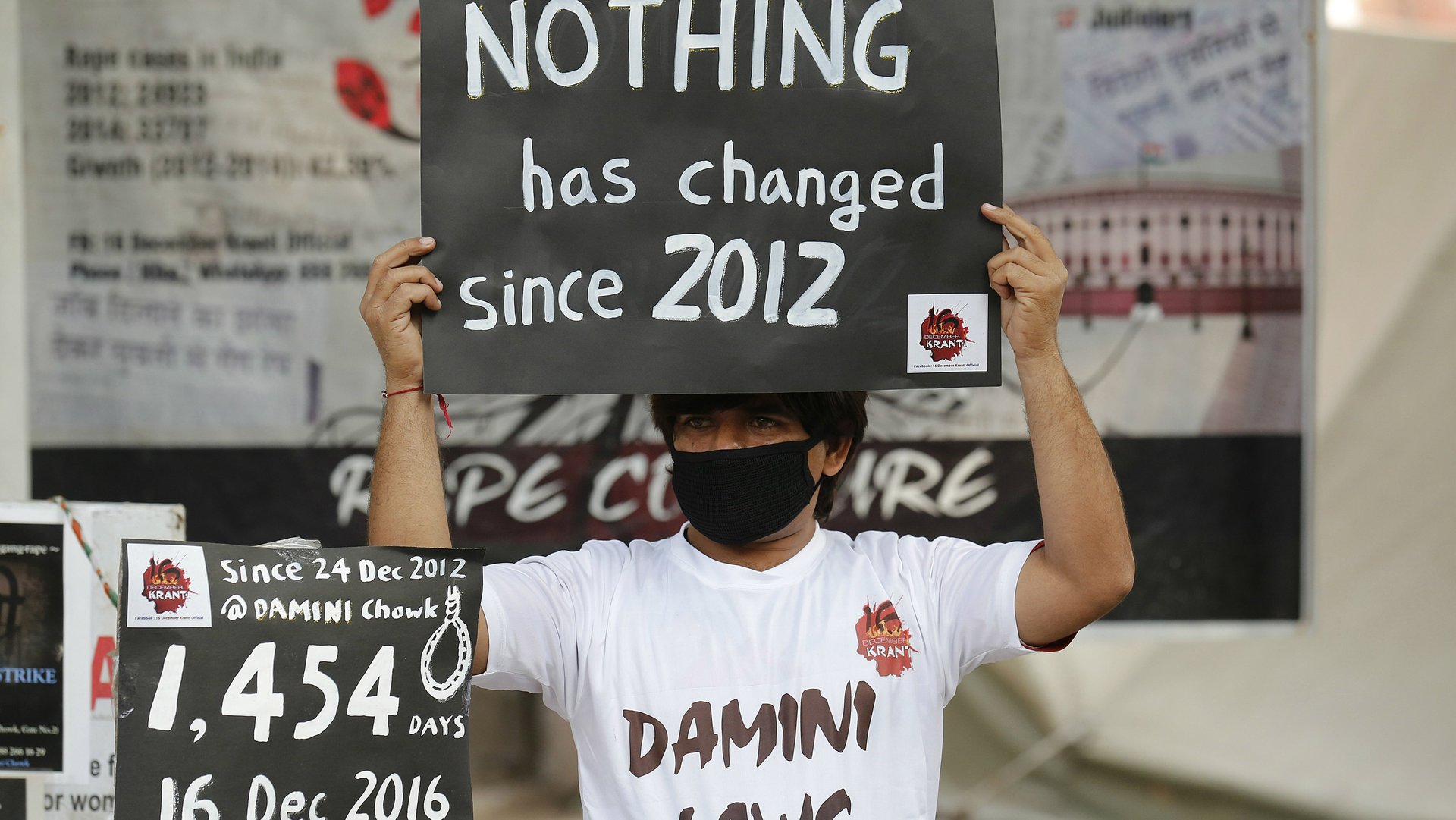
In December 2012, a brutal gang rape on a moving bus in the capital of India rocked the entire nation. Nine months later, four of the perpetrators—Vinay Sharma, Akshay Thakur, Pawan Gupta, and Mukesh Singh—were sentenced to death, but they appealed the decision. After almost five years of nationwide outrage, the Supreme Court upheld the decision on May 5.

As the H-1B visa program goes on the chopping block, a 27-year-old visa is getting some new attention. Meet the EB-5.

Tens of thousands of mumbaikars decided to brave the hours-long sweatfest in the scorching heat on May 10 at the DY Patil Stadium in Navi Mumbai, which typically seats 56,000 people. The arena was packed with hysterical teenagers and exhilarated adults alike. A who’s who of Bollywood—Alia Bhatt, Sonali Bendre, Malaika Arora, Sridevi and others—were also in attendance.

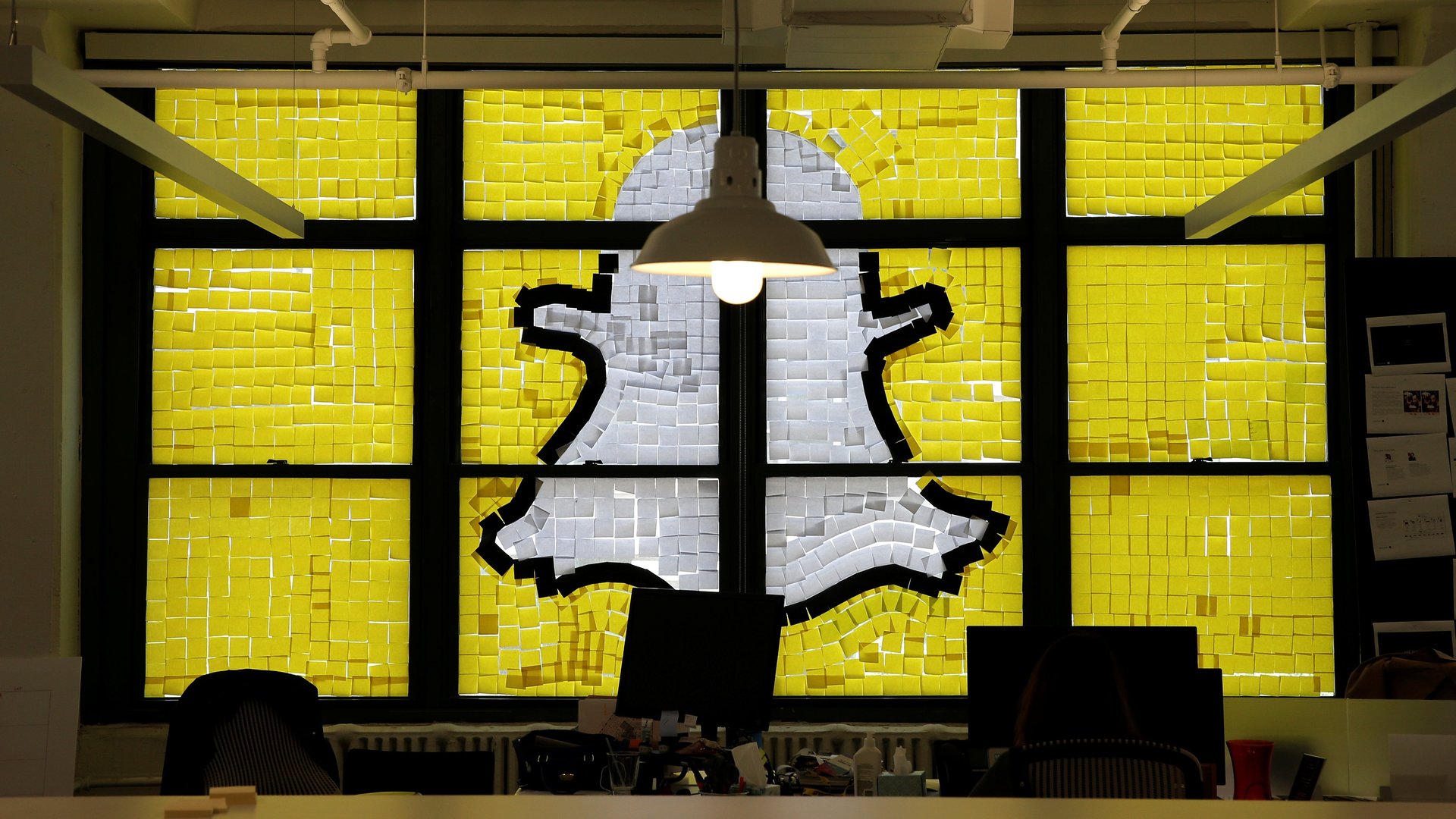
While touting the near-universal appeal of what Snapchat does—tell stories, essentially—Snap founder Evan Spiegel acknowledges that how Snapchat does it isn’t for everyone. Teenagers and millennials, yes. Older folks? Not so much.

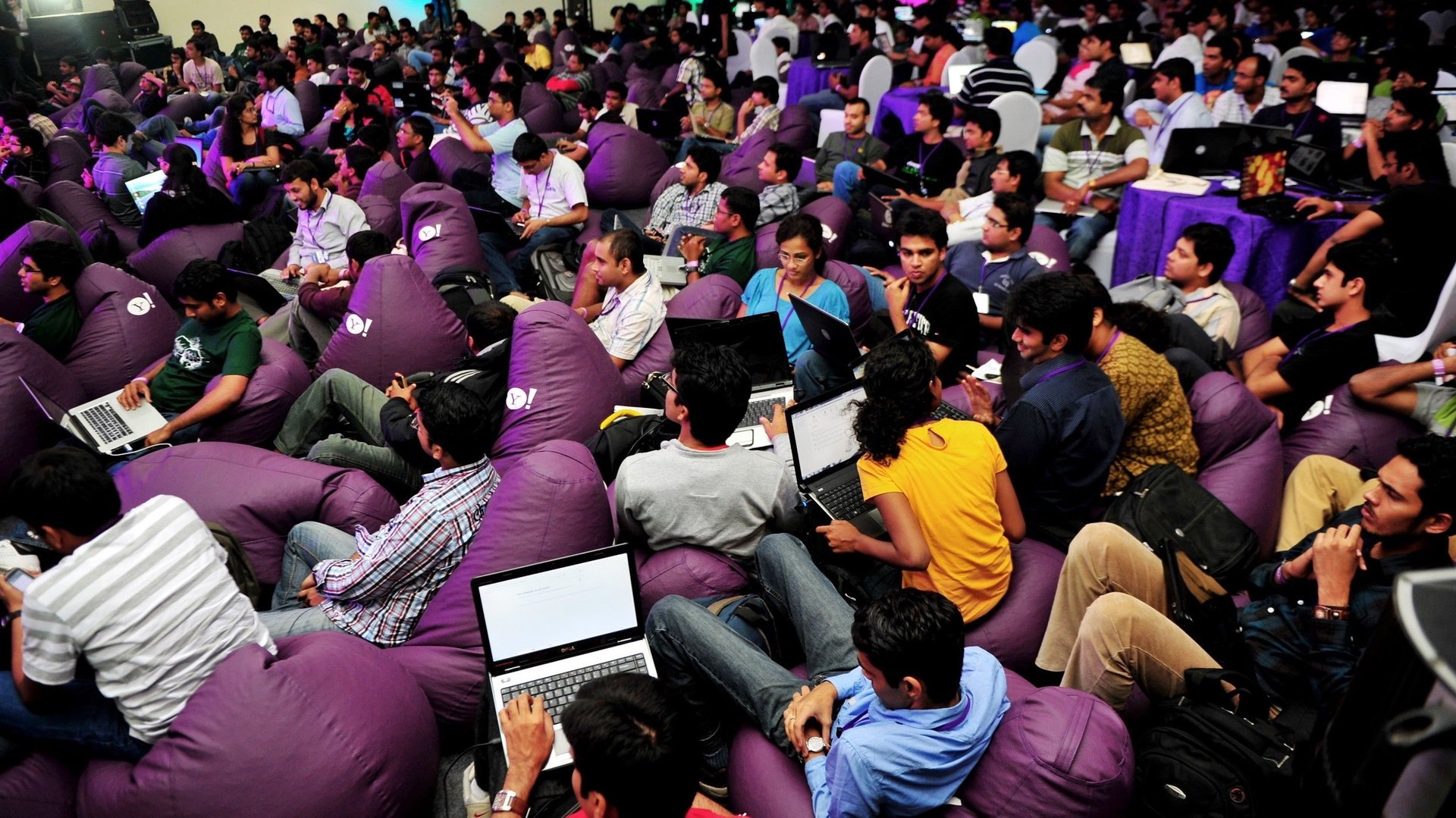
As the American dream sours for foreign workers, tech companies have their eyes peeled for local talent.

Snap is probably hoping its first-quarter earnings report will disappear as quickly as the average Snapchat does. The company posted a big loss on softer-than-forecast revenue, sending the shares down by about 23% in after-hours trading. The tumble brought the stock to $17.55 at the time of publishing, leaving it barely above its $17 IPO price from March.

India’s food delivery sector has gone from startup playground to a graveyard with companies shuttering and downsizing and food tech investments plunging from $500 million in 2015 to $80 million in 2016. However, restaurants and customers have been embracing online food-ordering.

Vogue is sashaying down a slippery slope to celebrate its 10th anniversary in India, putting a white model on its cover.

India’s food-tech scene has been quite the party—but the guest list is starting to become more and more exclusive.

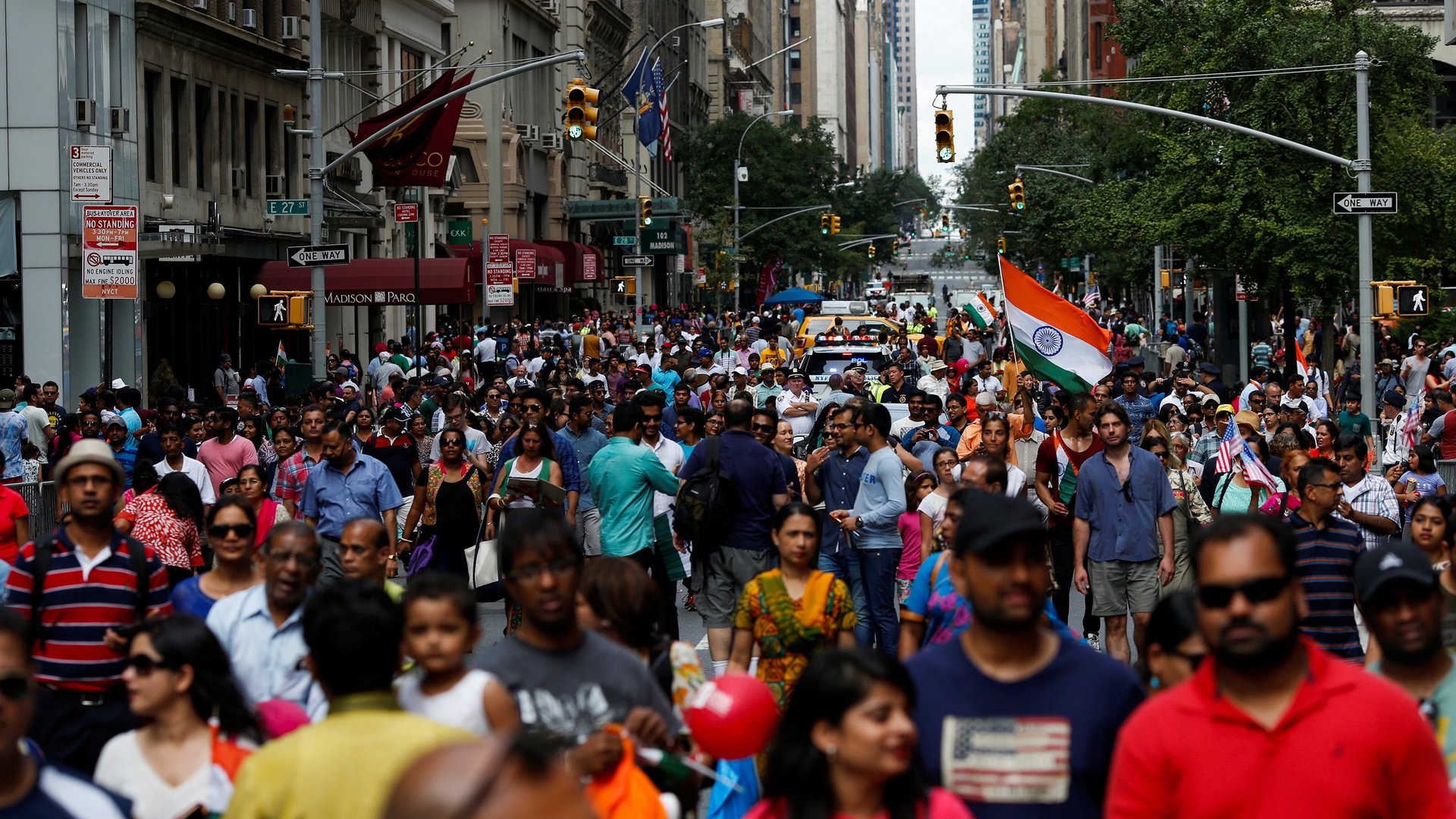
These are precarious times for Indians living abroad.