
Tech & Innovation
A Bollywood actor hilariously rips his peers to shreds for endorsing skin-whitening creams“WE ARE NOT A RACIST COUNTRY!” a charged-up Abhay Deol wrote on his Facebook page. “I will prove it to you.”
Updated July 20, 20225 min read
“WE ARE NOT A RACIST COUNTRY!” a charged-up Abhay Deol wrote on his Facebook page. “I will prove it to you.”
Imagine a young couple in one of the small towns along the Uttar Pradesh-Bihar border planning a weekend outing. On a Saturday afternoon, the two head for a movie theatre. En route, they realise that half the cash they are carrying is in the now-demonetised Rs500 bills. The ATMs in the neighbourhood either have no money or are servicing long snaking lines of people.

Nearly 10,000 miles away from the anti-immigrant climate in Trump’s America, an island nation has been clamping down on Indian tech workers as part of its efforts to make sure companies give locals a fair shake, and to address concerns about overpopulation.
Funding crunches, massive losses, and employee churn: India’s startup sector’s growing pains are no different from those of the Silicon Valley’s.
For the fifth consecutive year, the demand for H-1B visas has outstripped supply.
Two of India’s biggest e-commerce players are eyeing a merger.
A few years ago, InMobi’s success was uncertain.
On the surface, India is a tech player’s dream destination.

Dear parents, Amazon is ready to foot the bill for unauthorized purchases made by your kids.
Increasing salaries may not be the key to retaining talent and India’s e-commerce players are learning it the hard way.
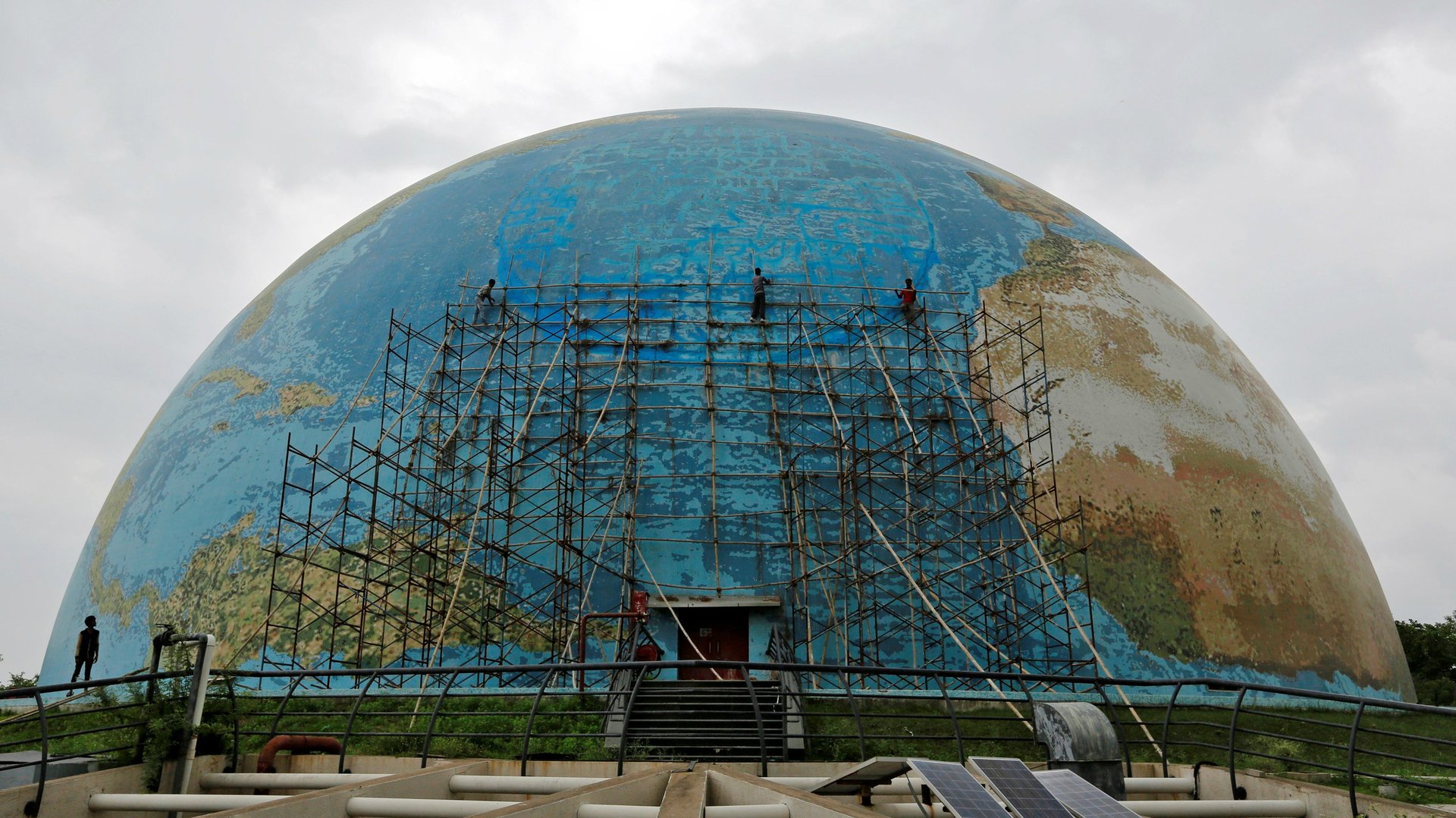
The glory days of India’s startups seem to be coming to an end: Valuations are dropping and funding is slowing down. But most importantly, high-profile departures have become a trend.
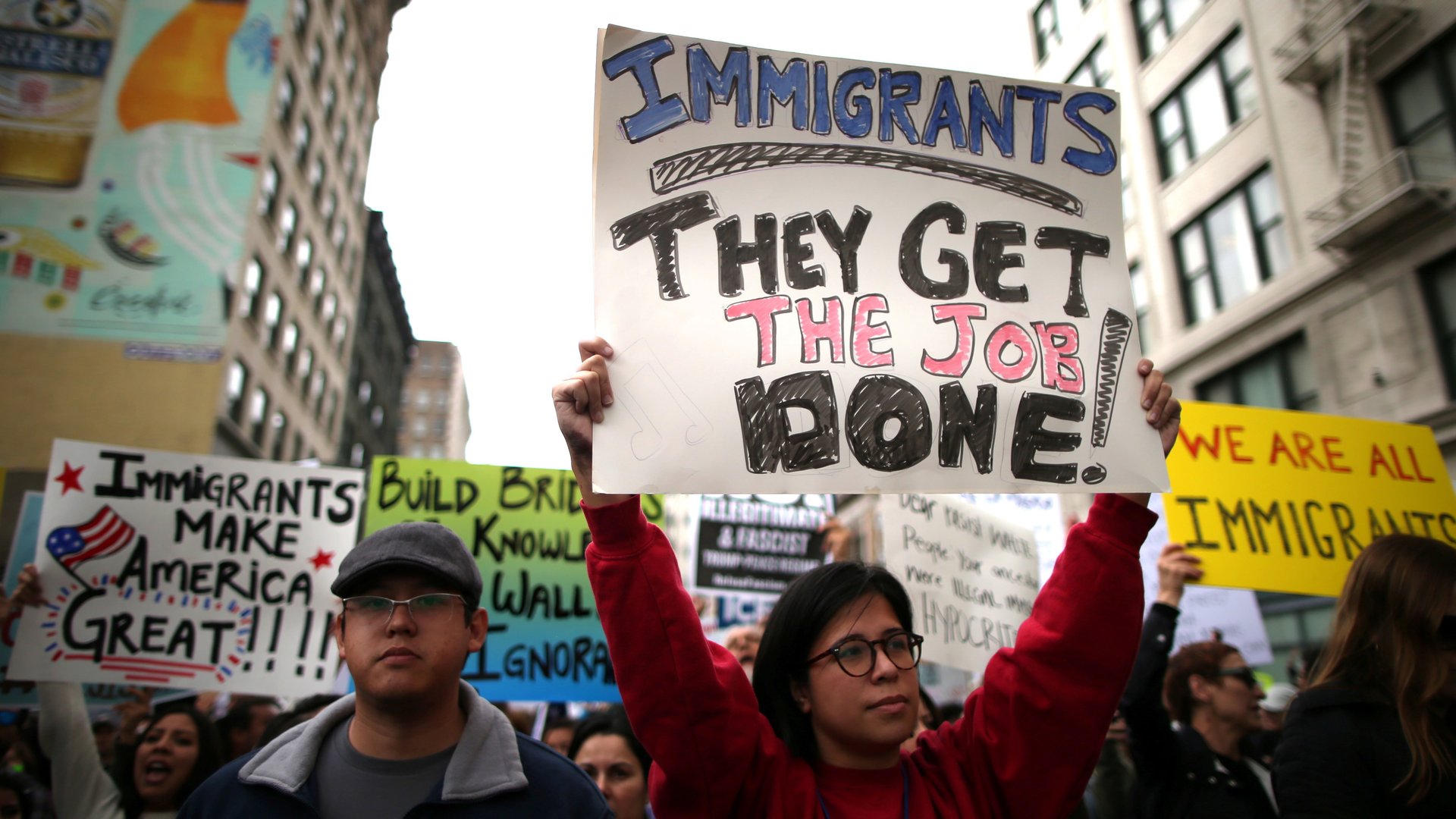
Demand for H-1B visas in the US, under a new spotlight amid debate over proposed Trump administration immigration restrictions, is set to greatly exceed the supply once again.
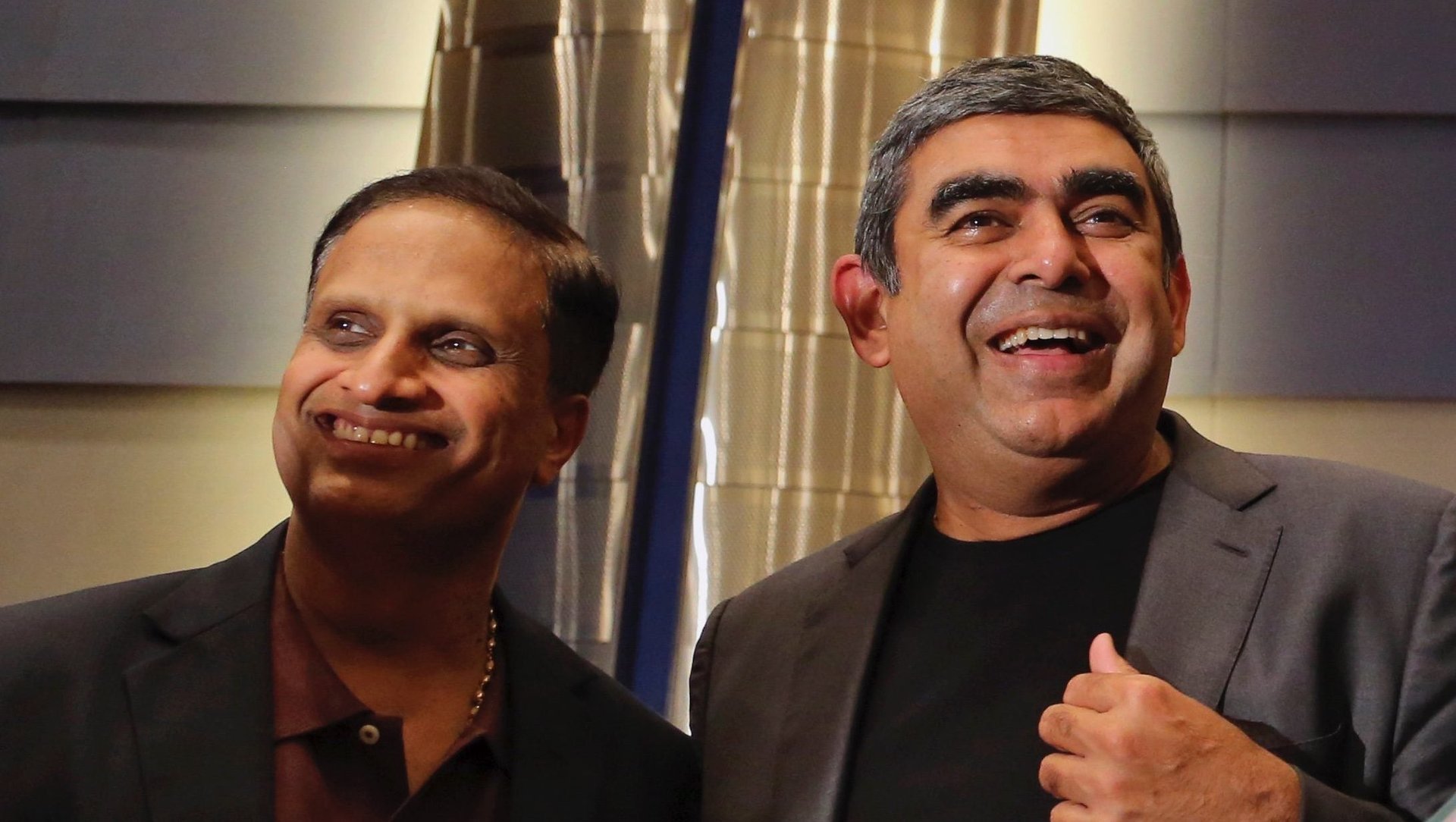
Barely two months after the company’s first public boardroom brawl, Infosys co-founder NR Narayana Murthy is back at it again.
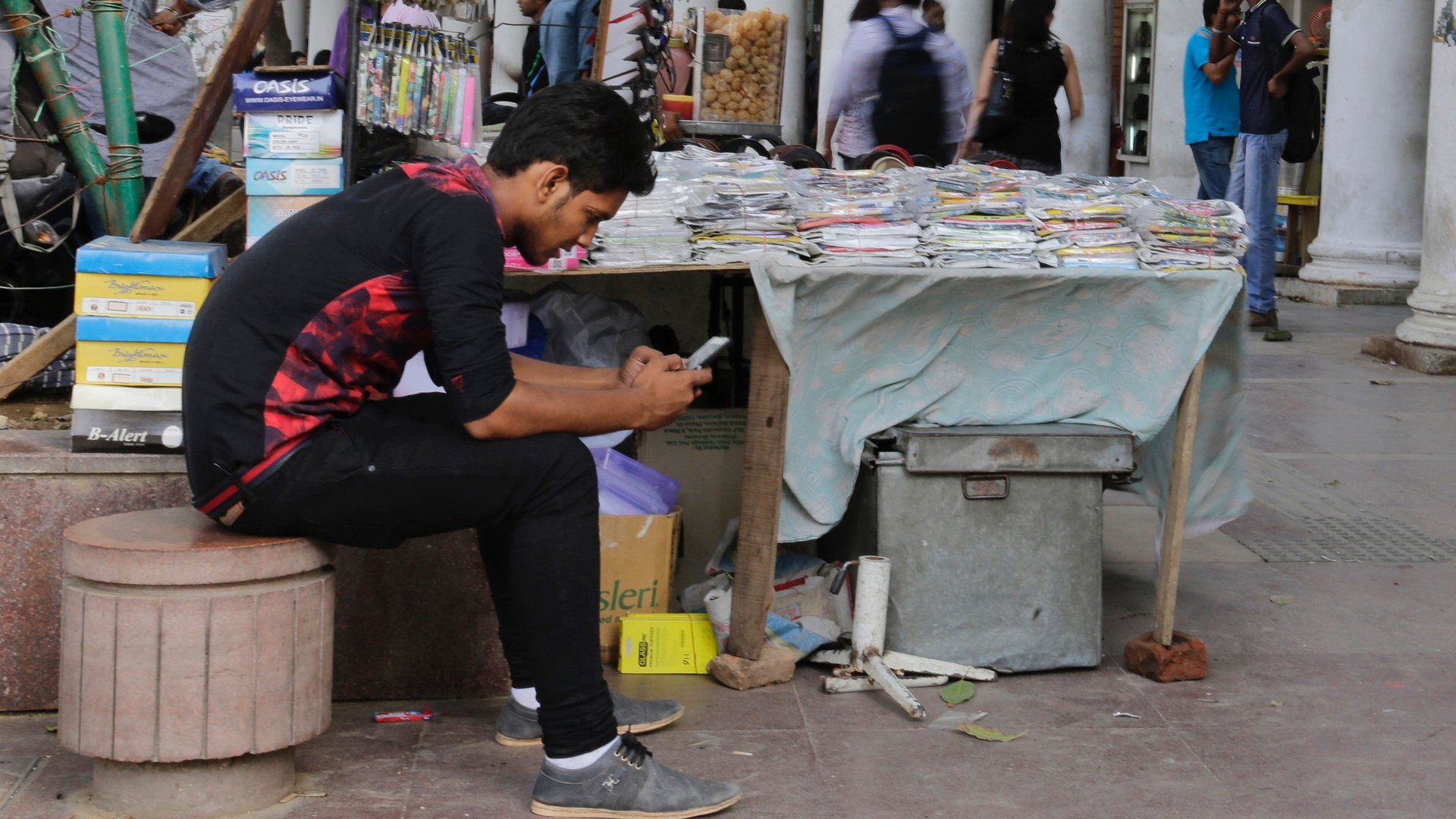
The next billion internet users are ditching computers for pocket-friendly phones.
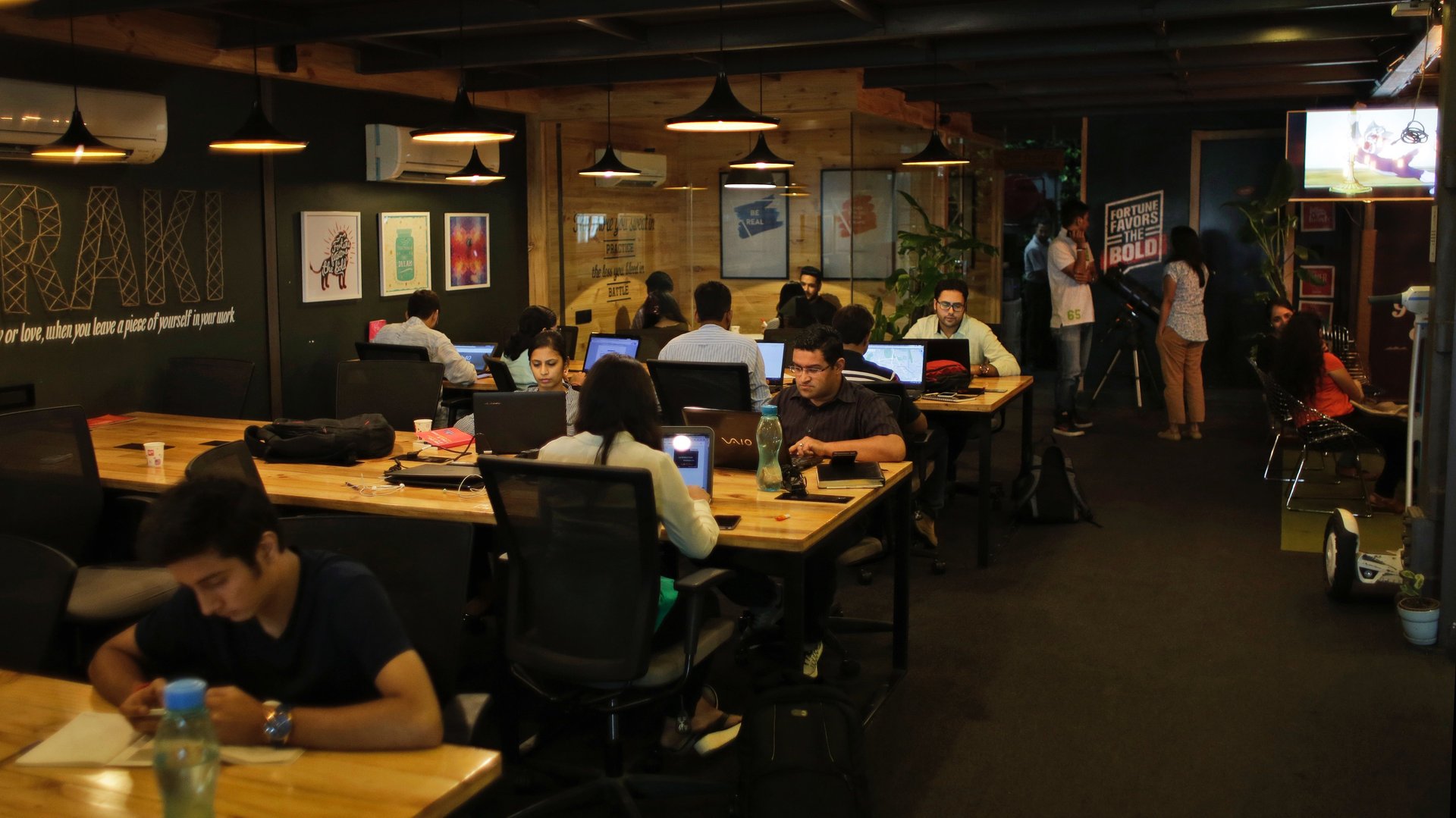
For many years, India’s nascent startups have been turning to the West for experienced talent and mentors, offering eye-popping salaries to lure Silicon Valley professionals back home. But the allure of working in India’s burgeoning startup ecosystem has quickly evaporated for a number of senior executives.

Rishi S. Bhilawadikar, an Indian techie now working in San Francisco, first came to the US to attend Indiana University. After getting a master’s degree in interactive media design, Bhilawadikar was encouraged to apply to startup incubators. Although his talent planning app idea drew interest, no incubator would sponsor his visa. Since graduating in 2007, he’s worked as a user experience designer at software firm SAP Labs and retail giant Walmart and, lately, with the clothing company Gap—all while on the temporary H-1B visa, which allows people to work in the US for up to six years.

Hollywood is helping put Indian craftwork on the map.
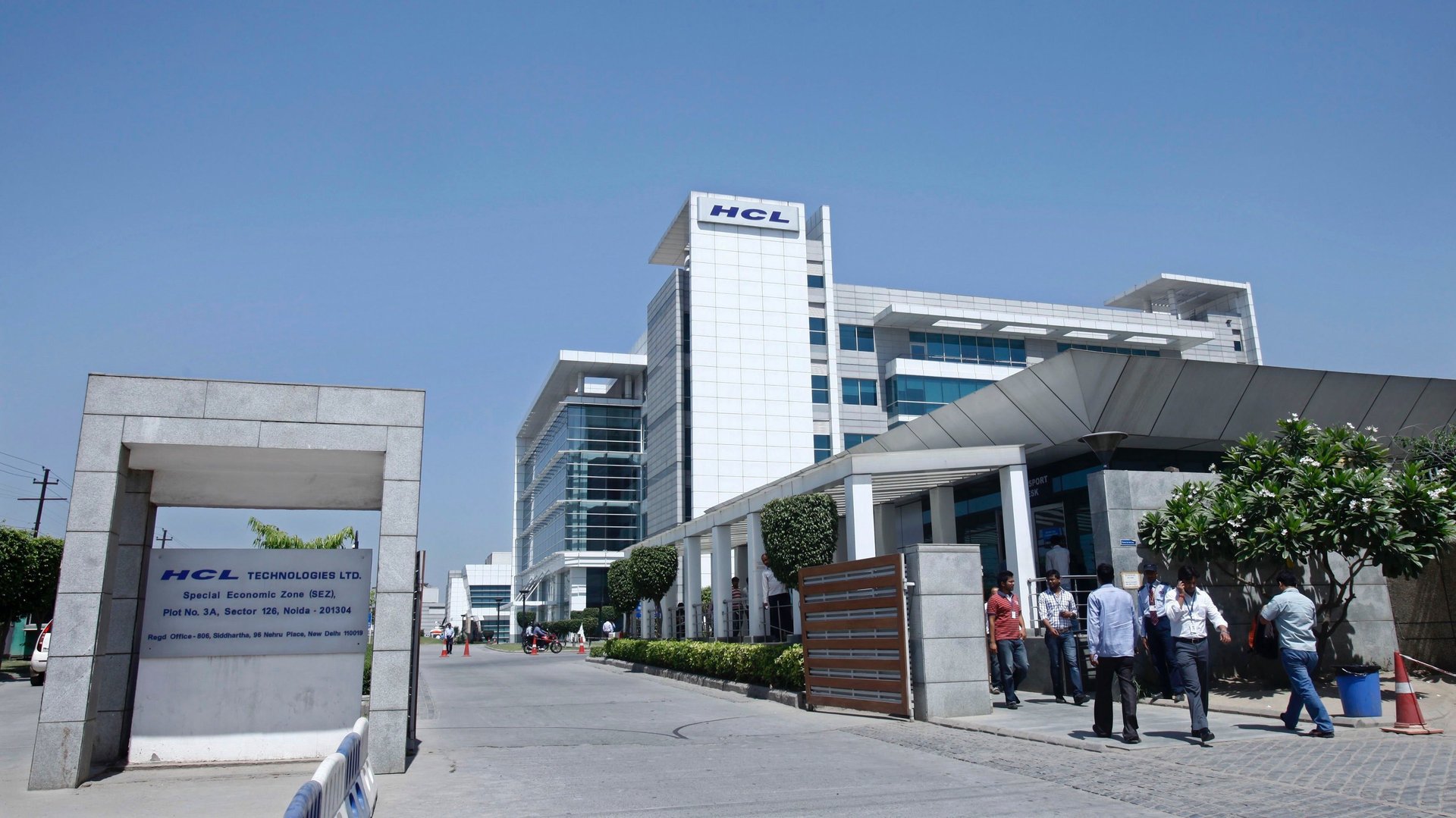
High schoolers now have a shot at getting jobs college graduates dream of.
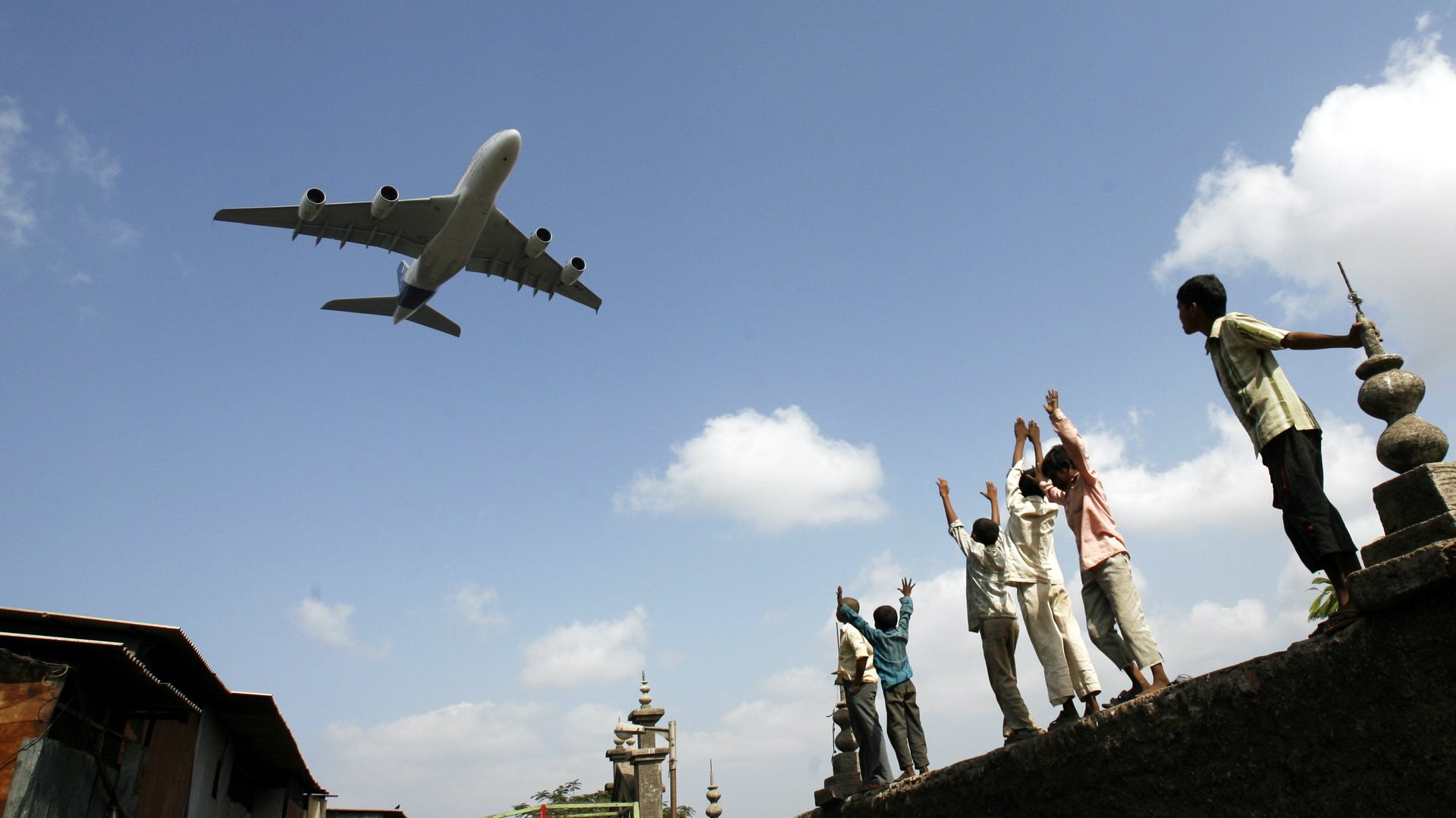
People flying out of India might end up avoiding airlines of Middle Eastern countries for long haul flights.
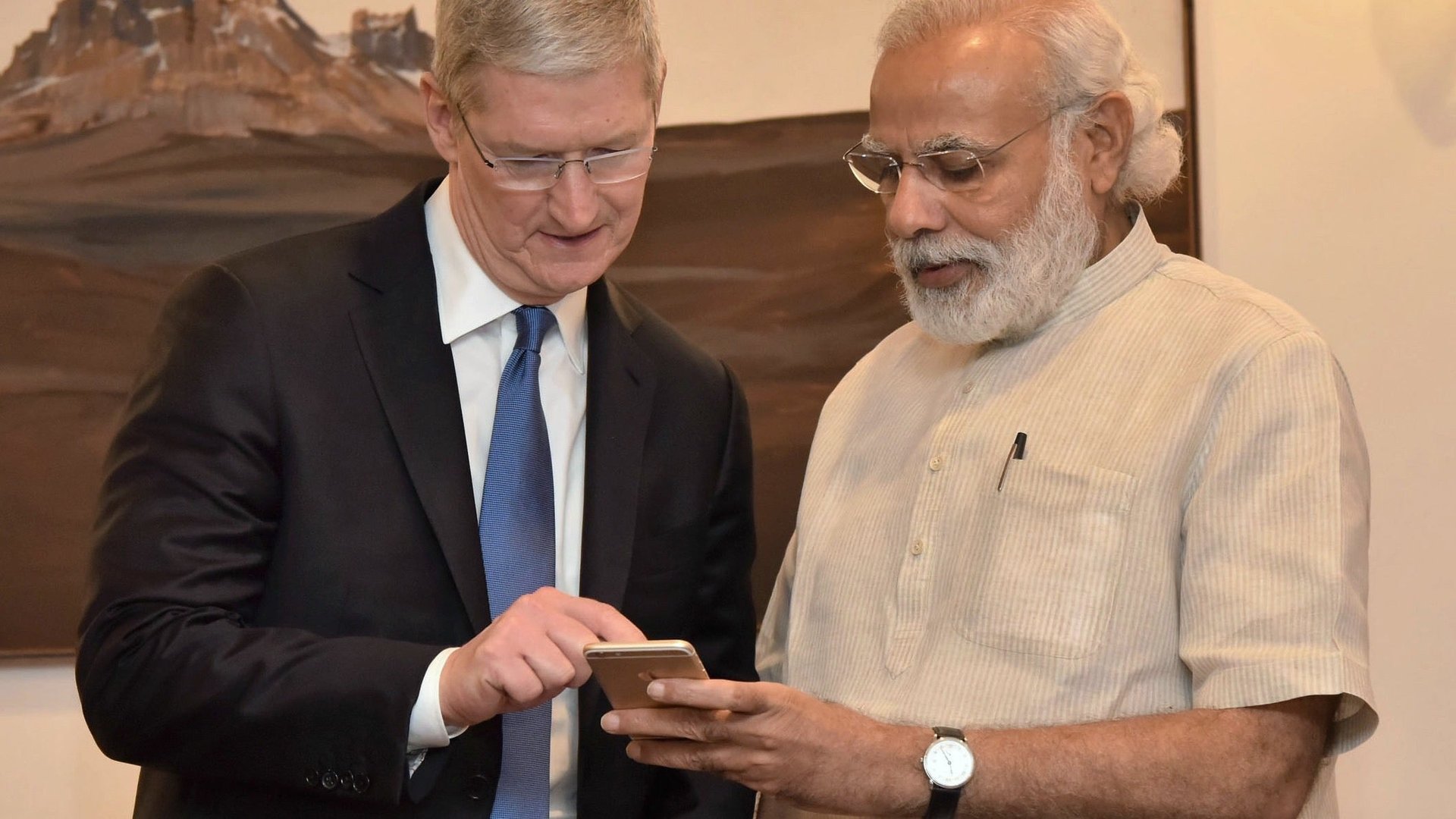
The Indian government is showing Apple who’s boss.

Reliance Jio has cast its spell on India, and how.
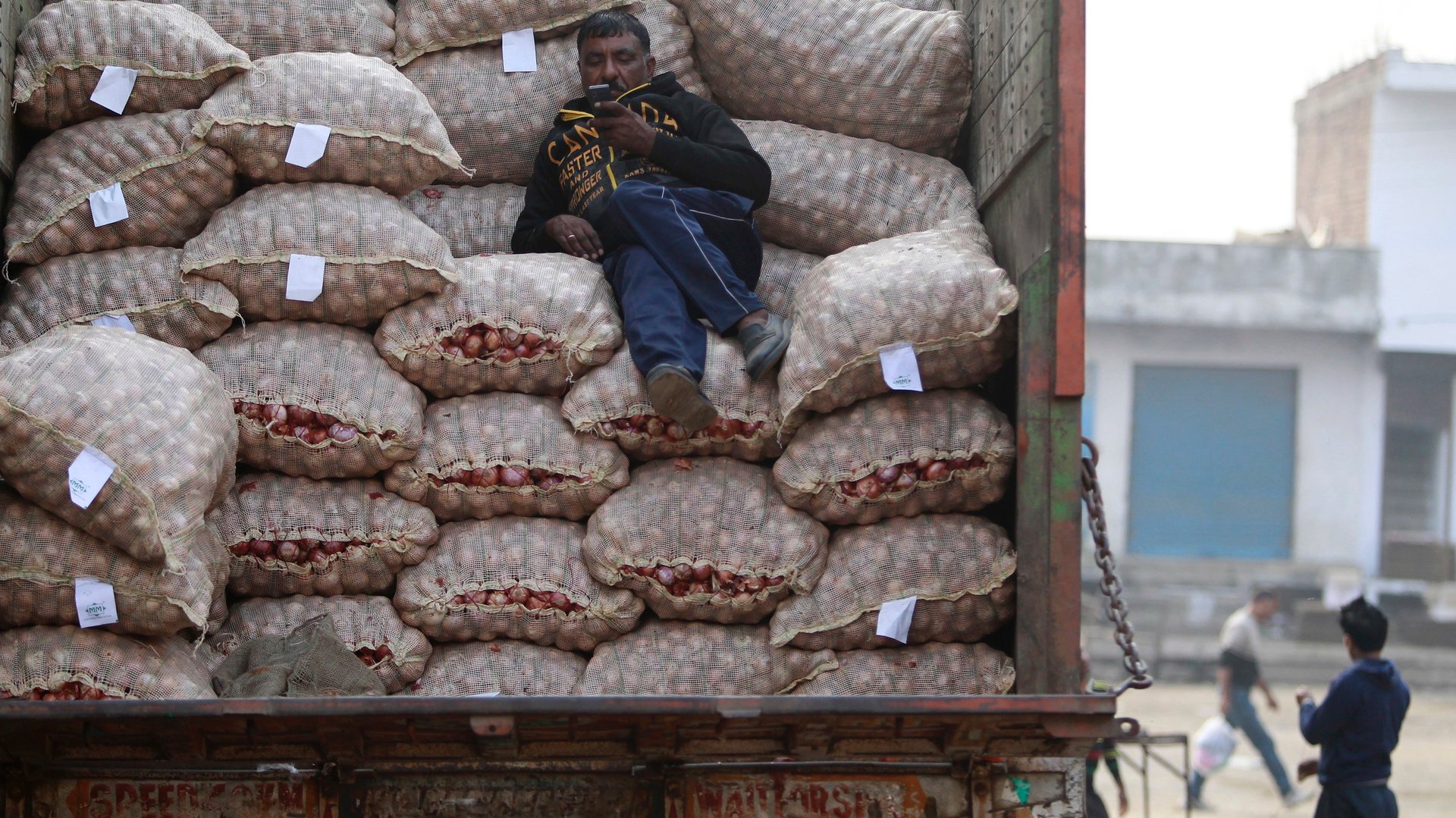
As countries like Singapore, Taiwan, and Australia permanently shelve their 2G networks, the majority of Indians are still holding on to their 2G-capable handsets. The simple feature phones—essentially stripped-down versions of the smartphone–offer basic access to the internet and allow people to store and play music. What more do you need?
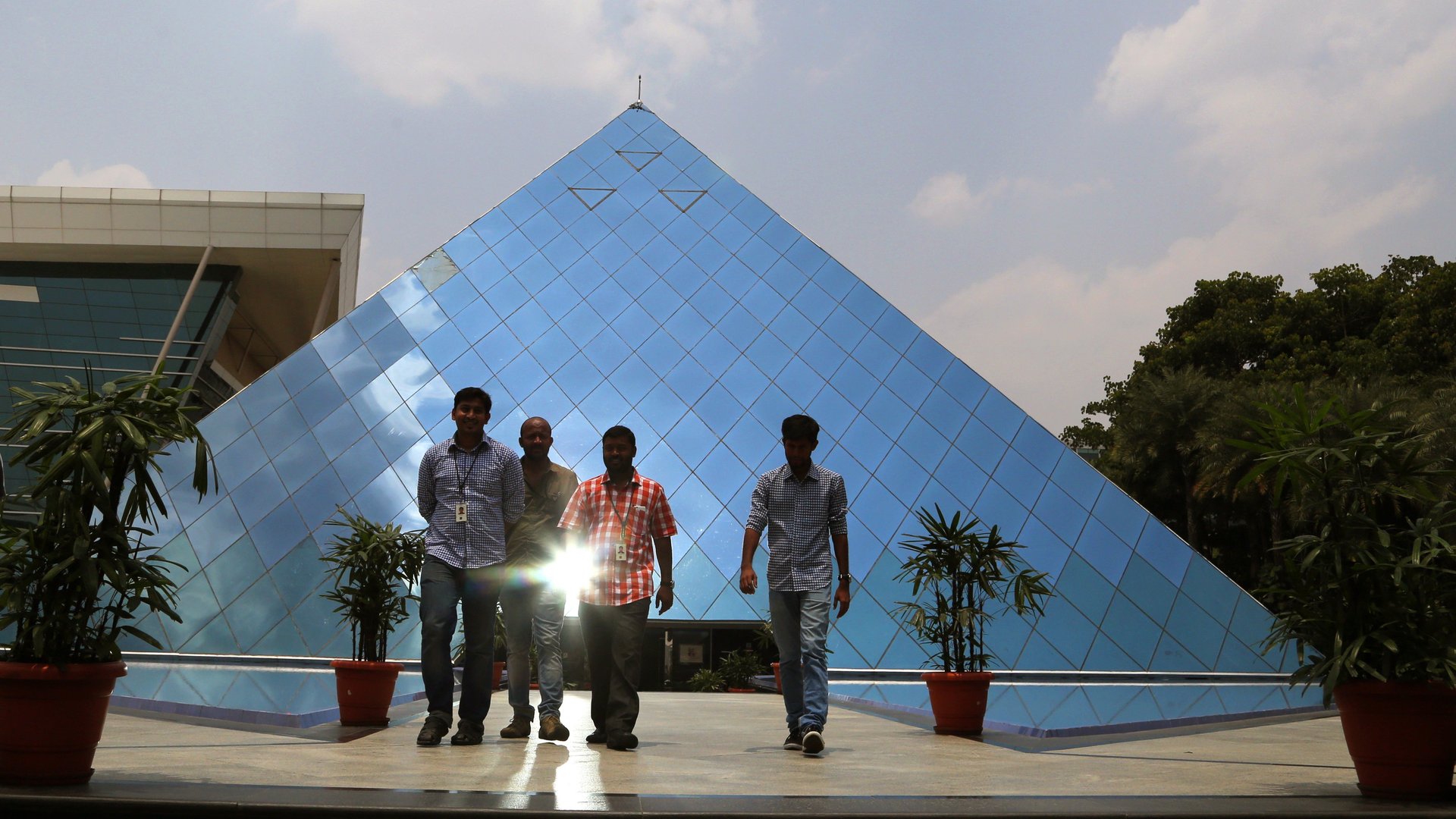
Bengaluru’s startup ecosystem is what it is because of its engineers.
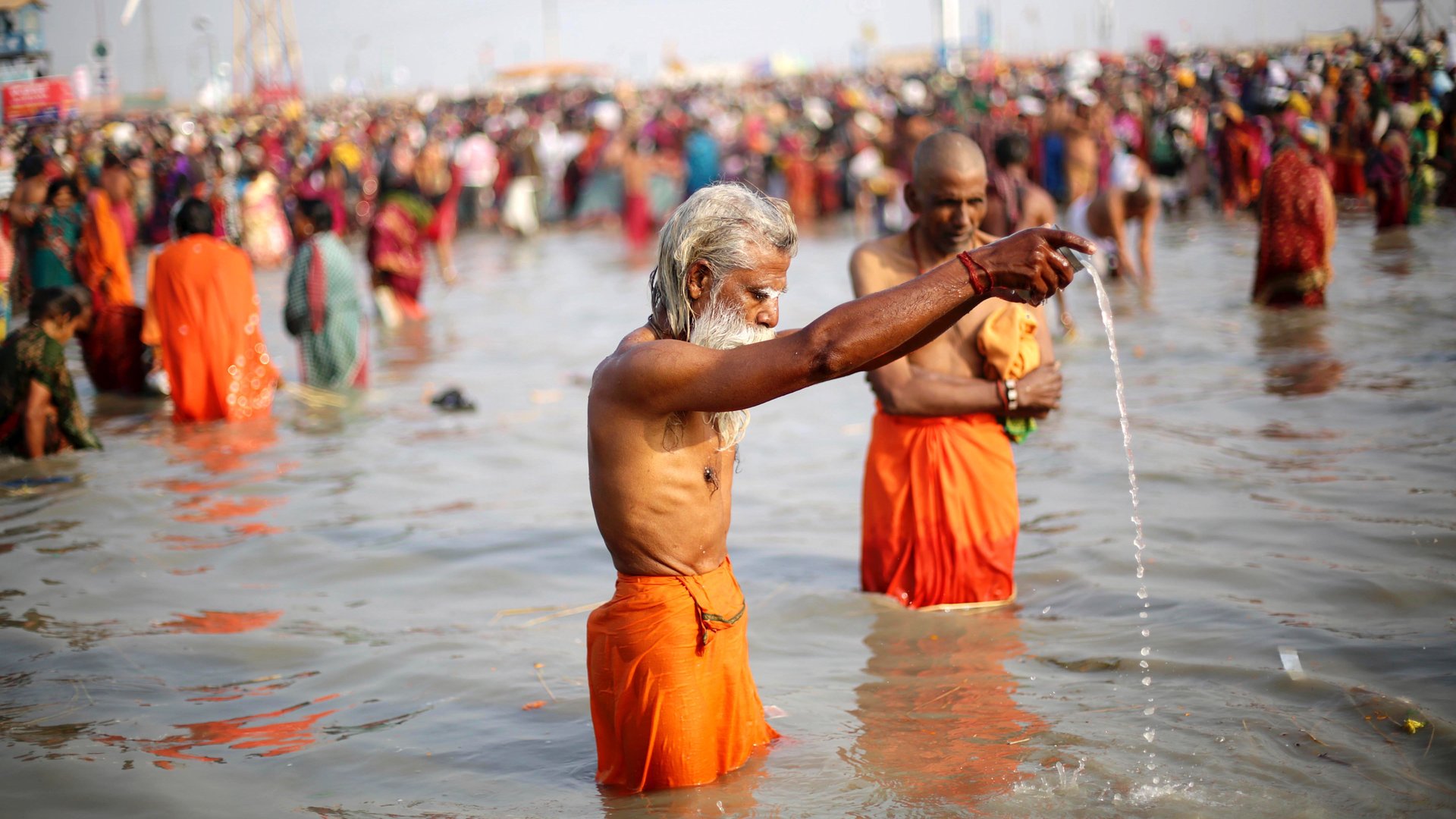
Over decades, India’s holy rivers have been massively polluted with sewage, industrial chemicals, and pilgrims’ ritual bathing. But they may now get a new lease on life: In a landmark ruling on Monday (March 20), the high court of the northern state of Uttarakhand established two of India’s sacred rivers, the Ganga and Yamuna, as “living entities,” the Hindustan Times reports. The new order makes polluting or damaging the rivers legally comparable to hurting a person.