
Tech & Innovation
Slack moves the world closer to an email-free futureSlack wants to knock down some walls.
Updated July 21, 20221 min read
Slack wants to knock down some walls.
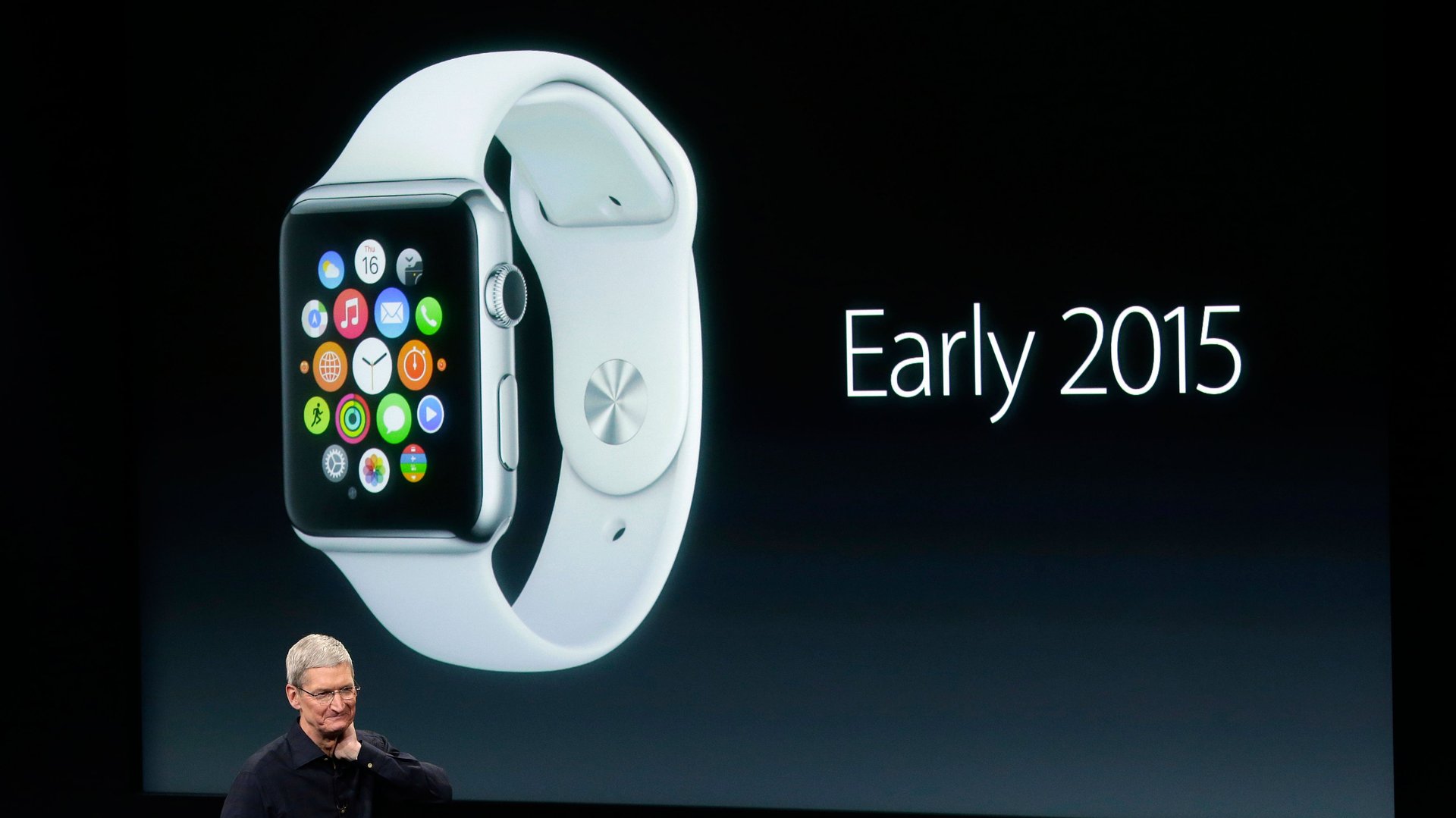
For months, we’ve been waiting for Apple to release more details about its new smartwatch: When will it launch? What will it cost? How long will the battery last?

Investors know there’s money to be made in marijuana, but there’s still plenty of hesitation when it comes to putting money in pot—especially when the business deals directly with the plant itself.
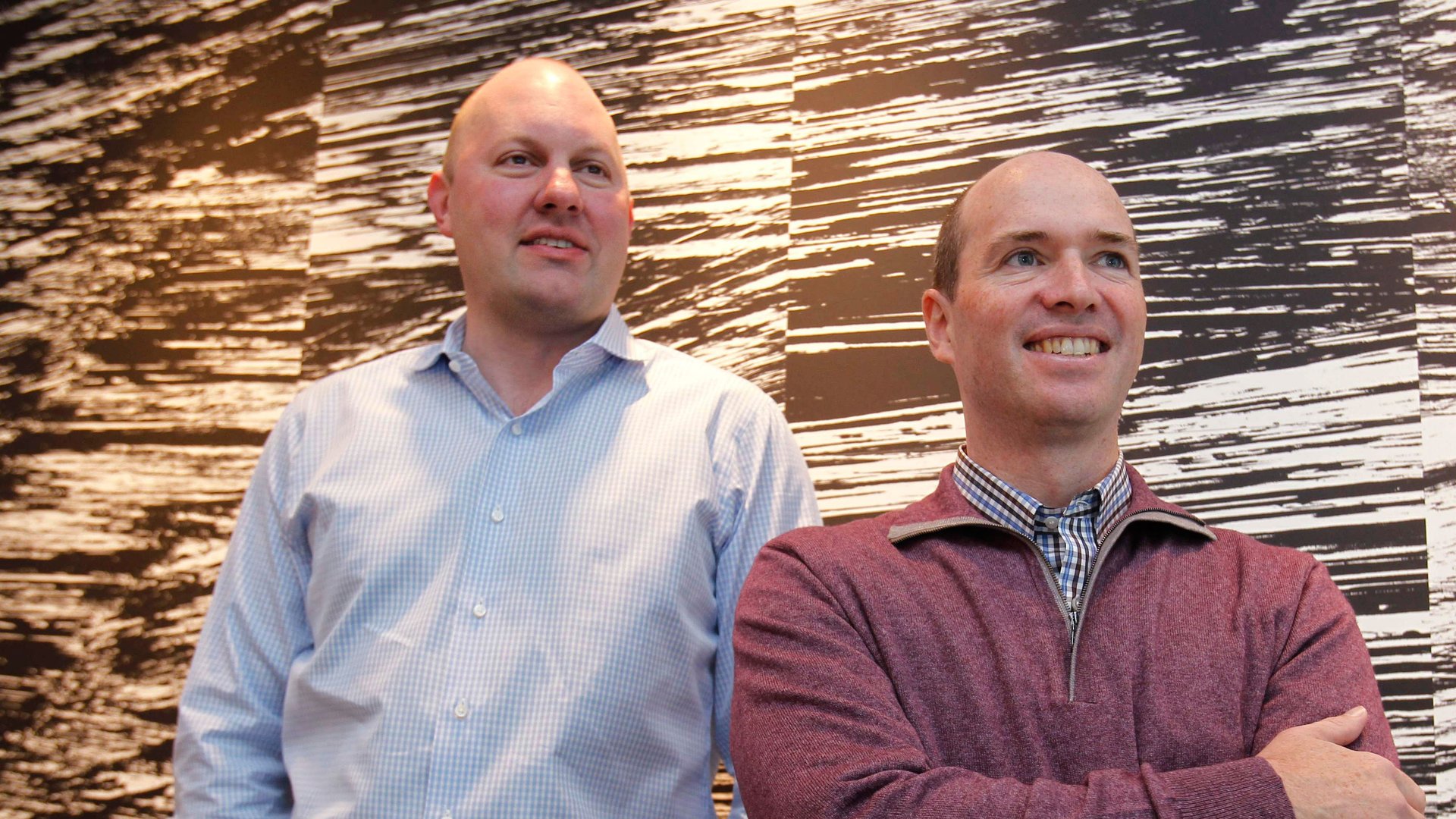
It’s hard to predict what startups Andreessen Horowitz wants to get behind. The venture capital firm—arguably one of the most influential in the tech industry—invests in about 1 out of every 100 deals that come its way, making decisions not based on particular themes or topics, but rather people and ideas. That’s fine and dandy, but it’s not much to work off of for entrepreneurs, all of whom are inclined to believe they’re on the cusp of the next big thing, when they’re raising money.
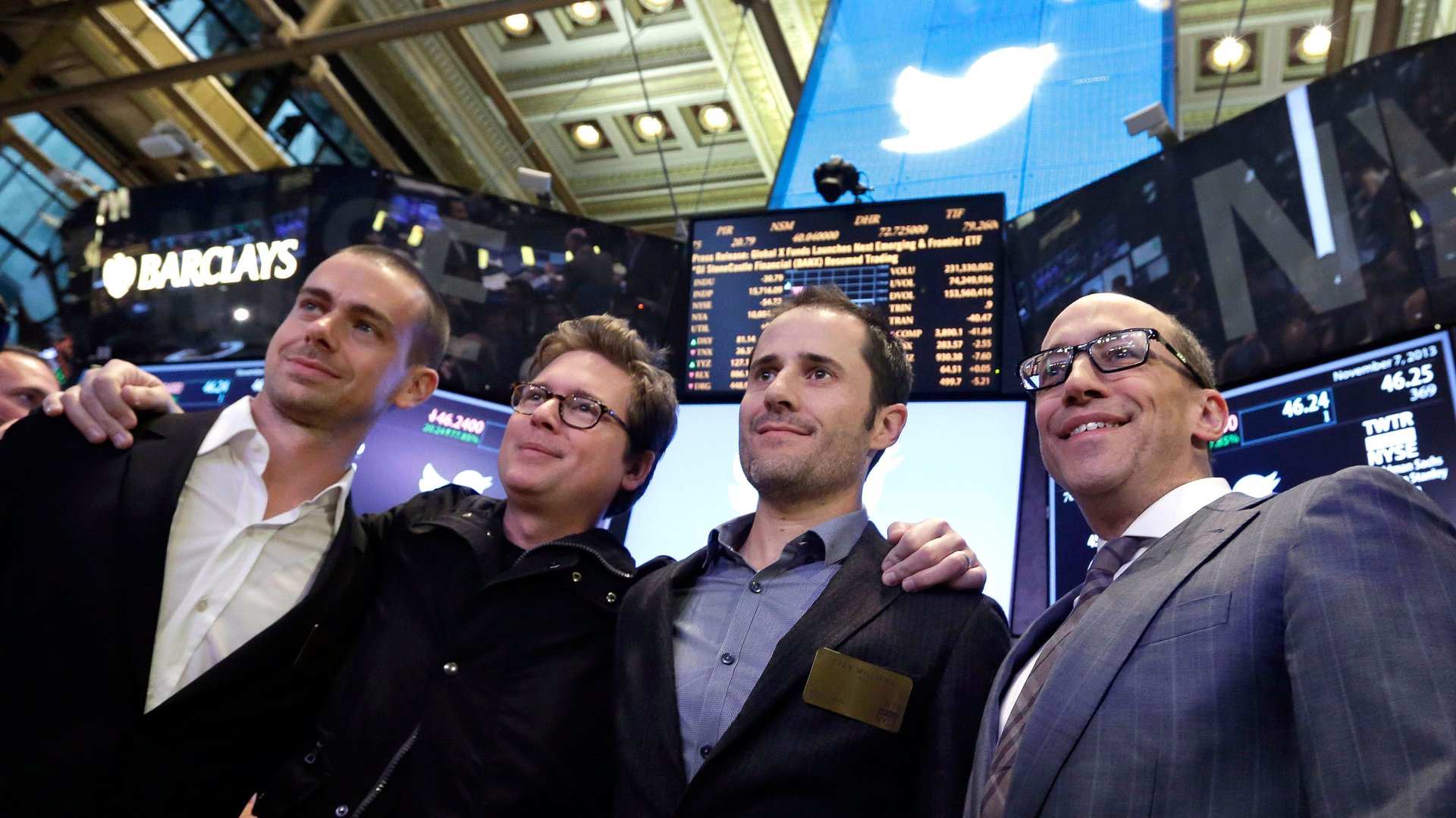
Last October, Twitter named a new product head—its second in six months and fifth in as many years. Kevin Weil, who previously oversaw revenue products for the social network, has a tall task ahead of him: to bring Twitter to the mainstream—and to do so without ticking off its most fervent users.
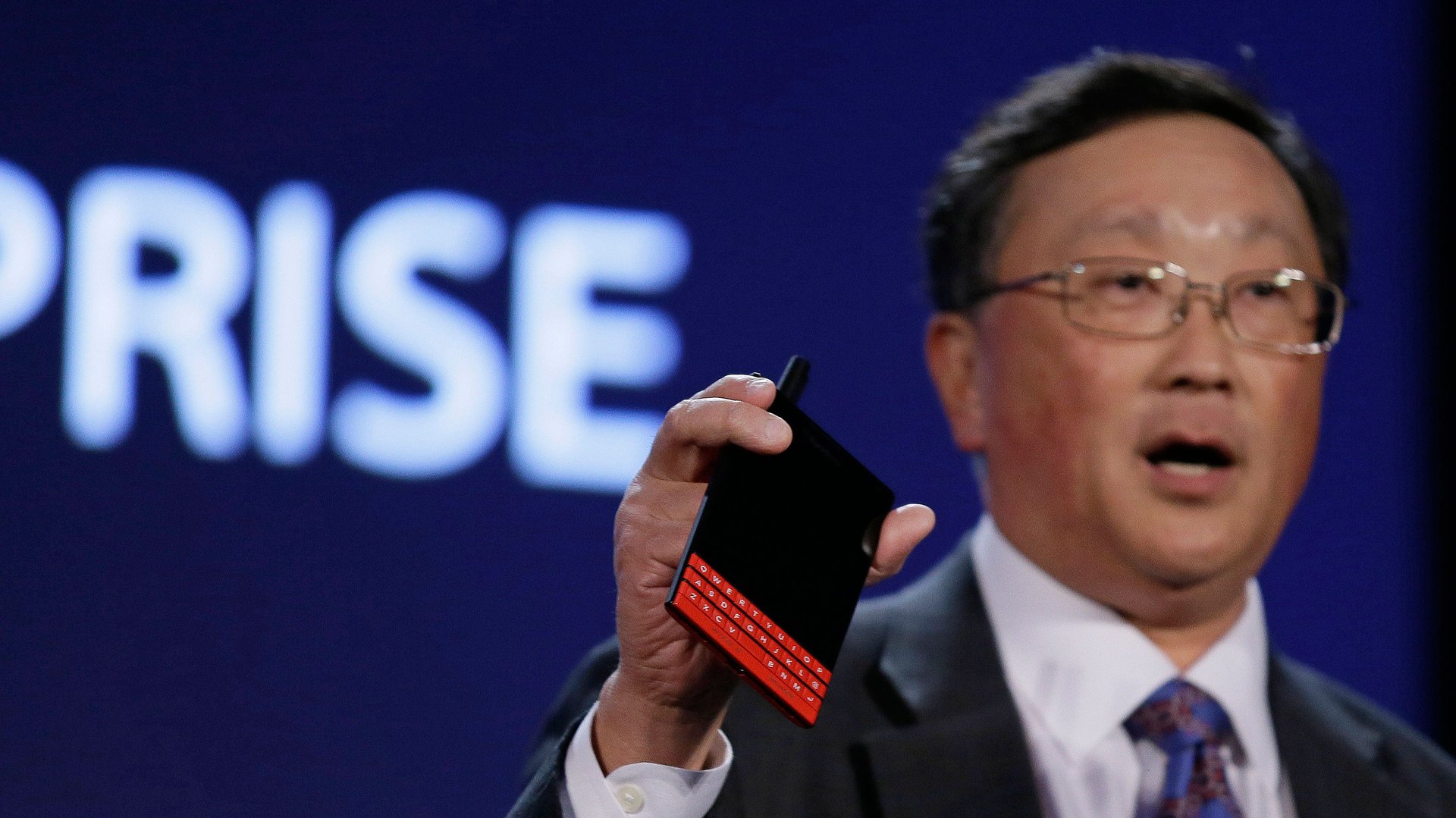
BlackBerry certainly has an interesting interpretation of net neutrality.
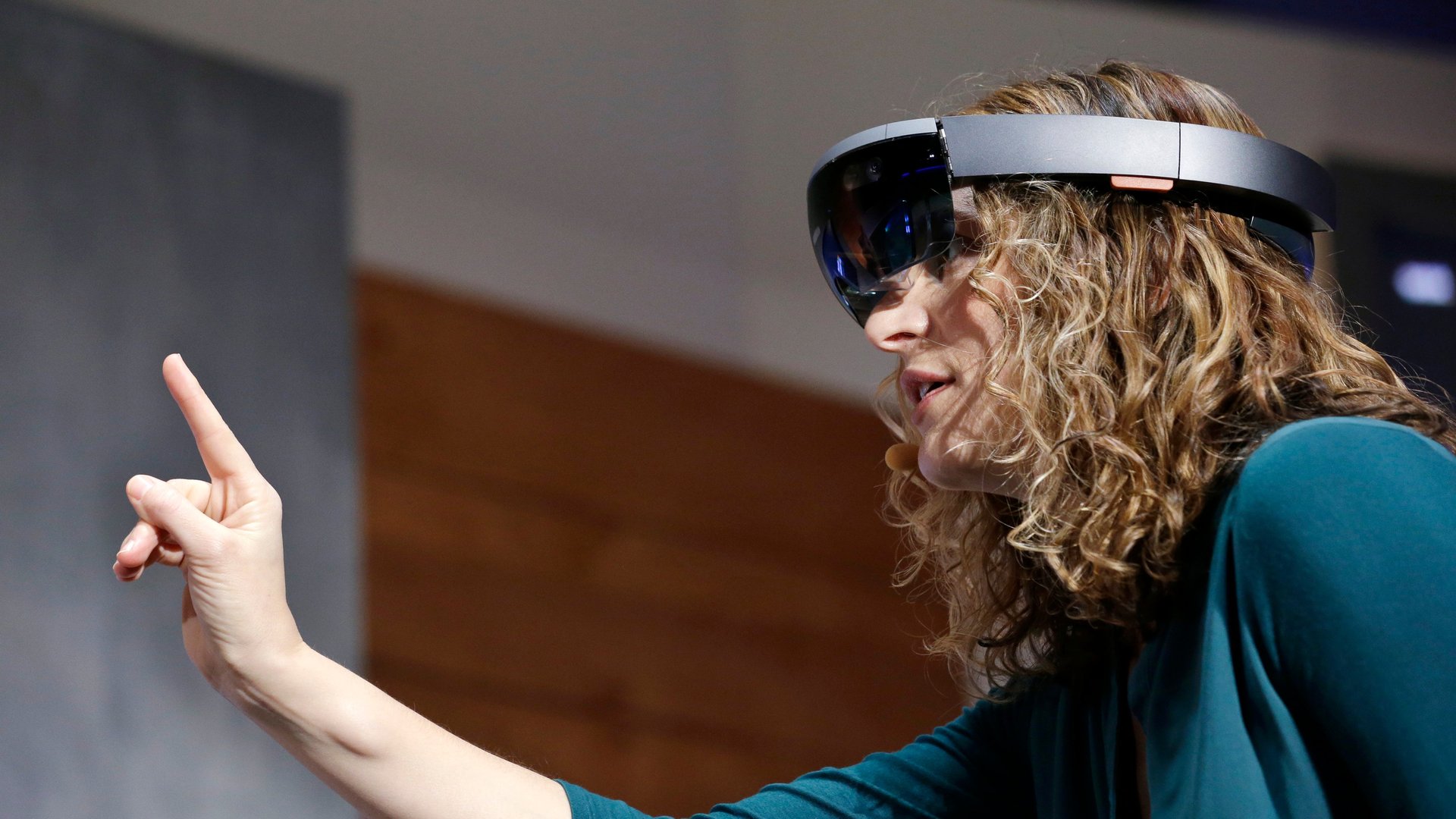
Microsoft surprised the world yesterday by revealing a new virtual-reality headset at an event meant to show off the capabilities of its upcoming Windows 10 operating system.
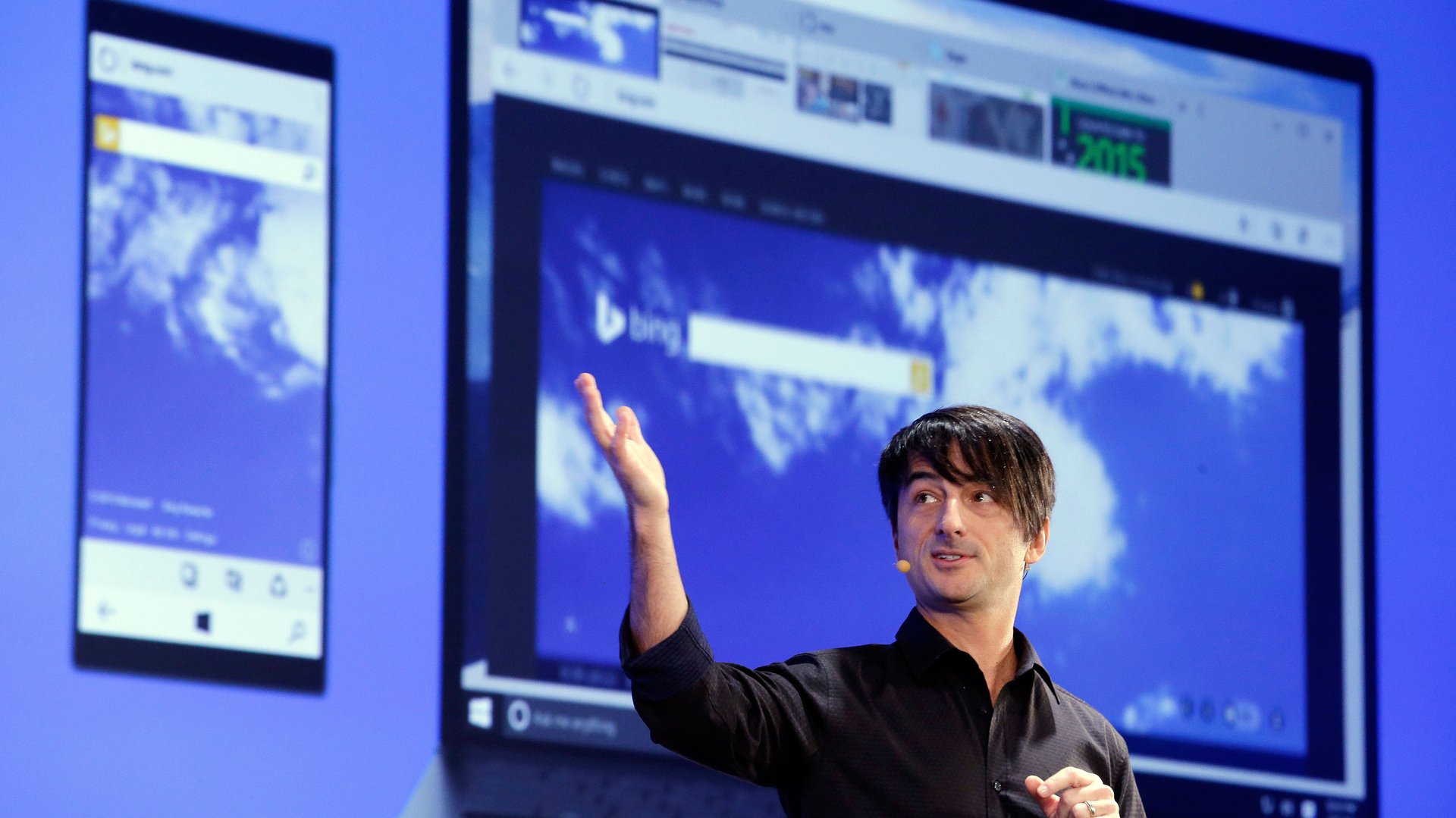
Today, Microsoft showed off a new feature-packed web browser, tentatively dubbed Project Spartan, for its upcoming Windows 10 operating system. It includes a number of elements not found on Internet Explorer, including integration with digital assistant Cortana; the ability to annotate web pages; a distraction-free reading mode, and reading lists that sync across devices.

Last fall, Netflix debuted a new tier to its streaming service, offering a small catalog of 4K content to those with ultra-HD TVs. CEO Reed Hastings considers the move a long-tail plan: As people upgrade their TVs, demand for high-resolution content will eventually soar.
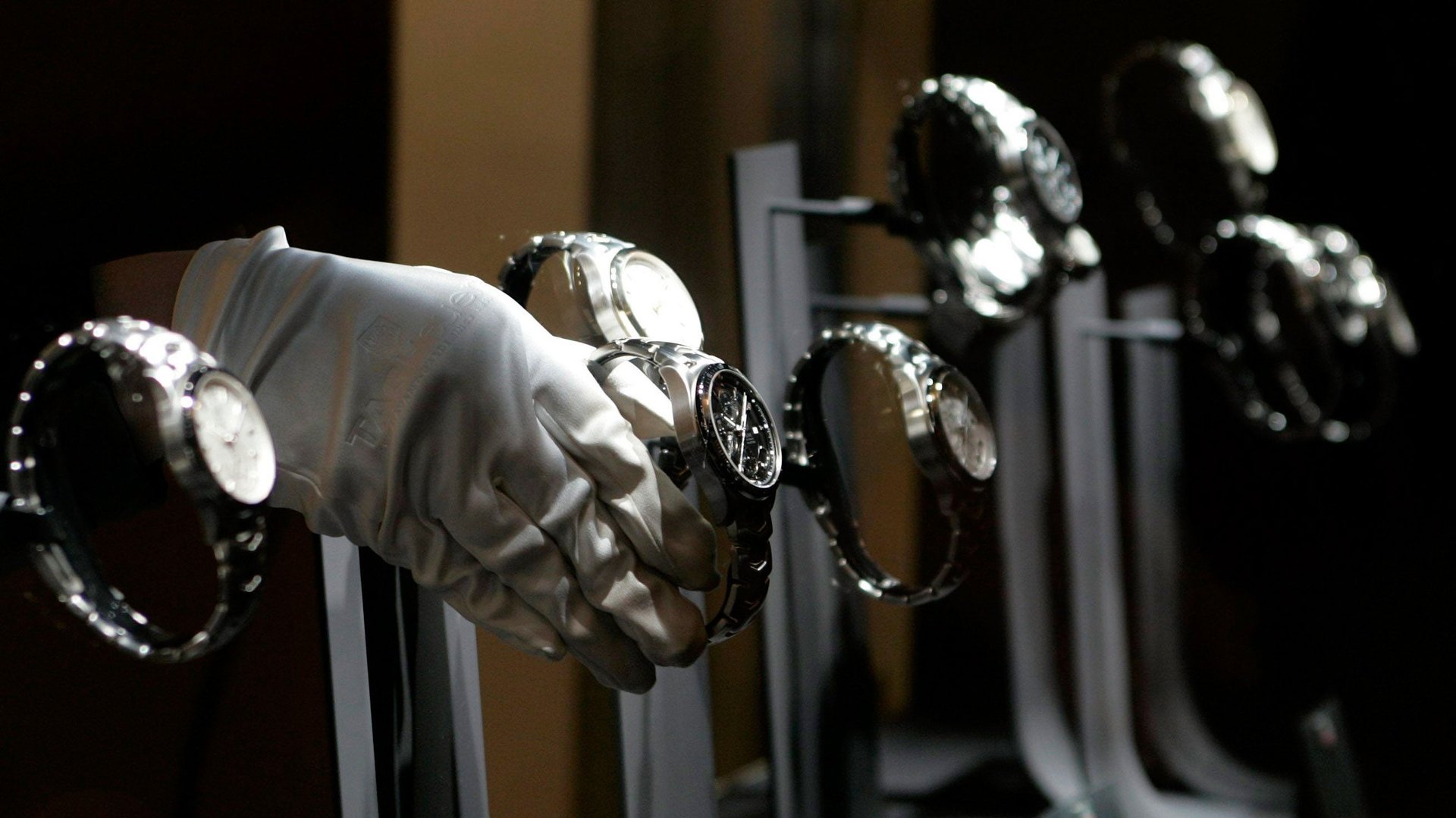
Tag Heuer admits it doesn’t have the tech know-how to create a smartwatch of its own. What it does have—aside from expertise in crafting quartz and mechanical timepieces—are partners to produce the hardware and applications. But tapping them may compromise the watchmaker’s “Swiss Made” label.
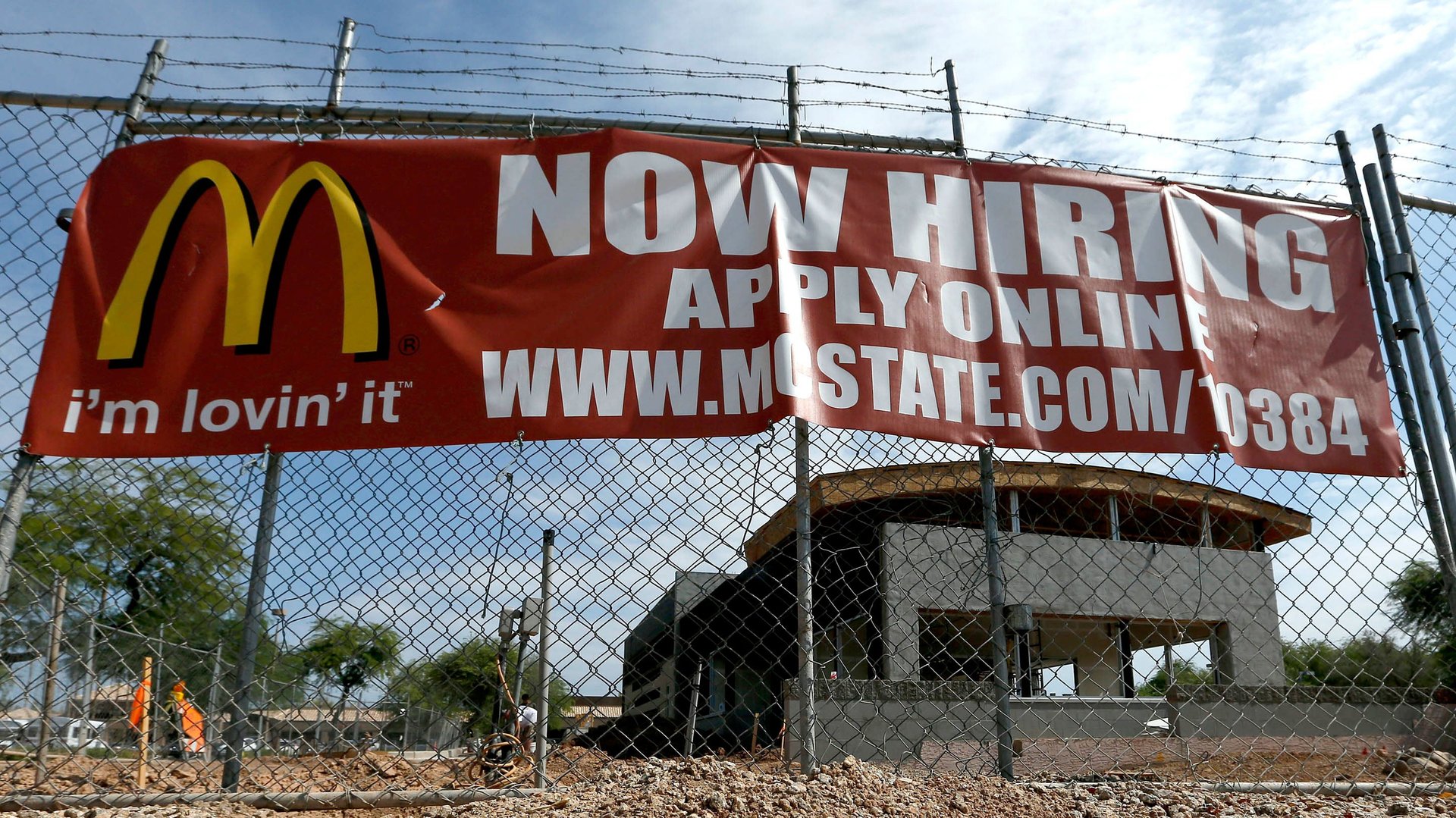
Hiring in Silicon Valley is tough. Everywhere engineers turn, there are the lures of six-figure salaries, catered meals, on-site massages, full-stocked bars, the opportunity to create something meaningful, the chance to strike it rich.

Y Combinator, one of the most sought-after startup accelerators, recently released demographic figures that point to Silicon Valley’s diversity problem. Though the incubator aimed to increase diversity among its winter 2015 class, women, blacks, and Hispanics remain largely underrepresented compared with US population figures.
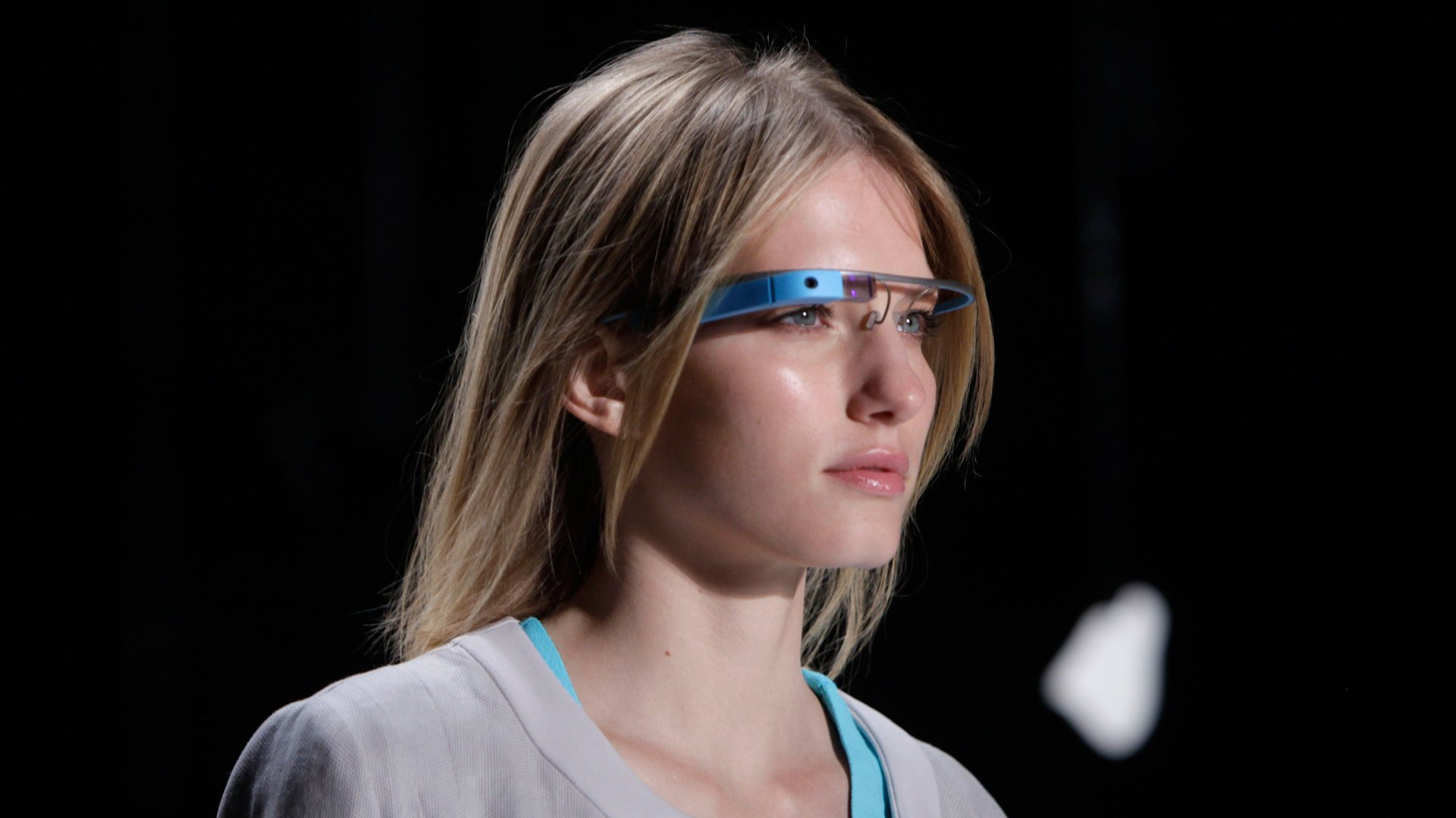
Google Glass, the futuristic eyewear that’s been the subject of ridicule and privacy concerns, is “graduating” from the search giant’s experimental X wing.
By now, it’s common knowledge the National Security Agency collects plenty of data on suspected terrorists as well as ordinary citizens. But the agency also has algorithms in place to filter out information that doesn’t need to be collected or stored for further analysis, such as spam emails—a fact terrorists used to their advantage.
This post has been corrected
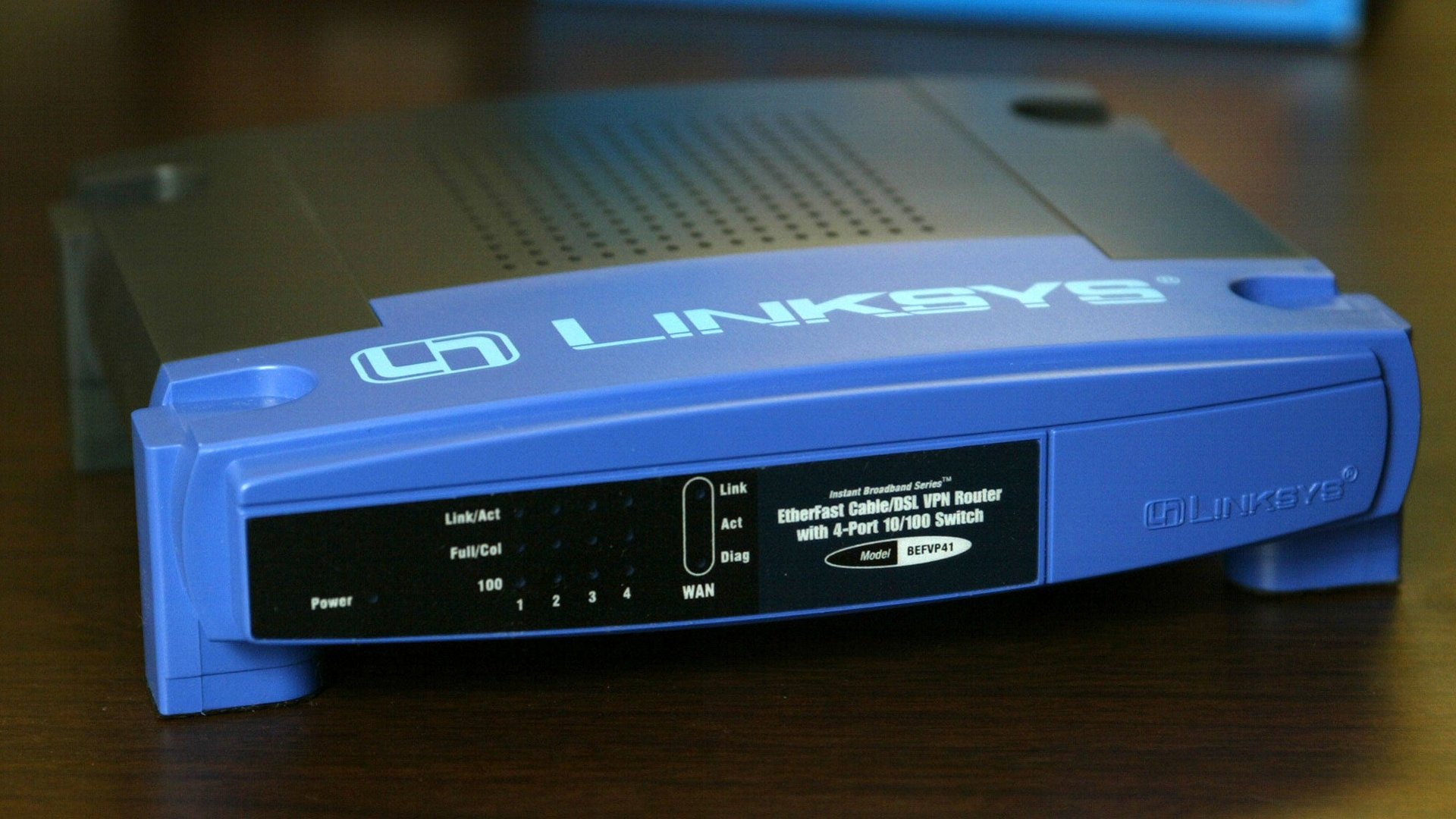
Lizard Squad, the online group that claimed responsibility for the attacks on PlayStation’s and Xbox’s networks last month, is using thousands of hacked Internet routers to run a new attack service it’s selling to consumers.

Venture capitalists, once reticent about placing bets on marijuana startups, are now warming to the flourishing field. After all, bud is big business, expected to reap more than $10 billion in sales by 2018, according to cannabis investment network ArcView Group.
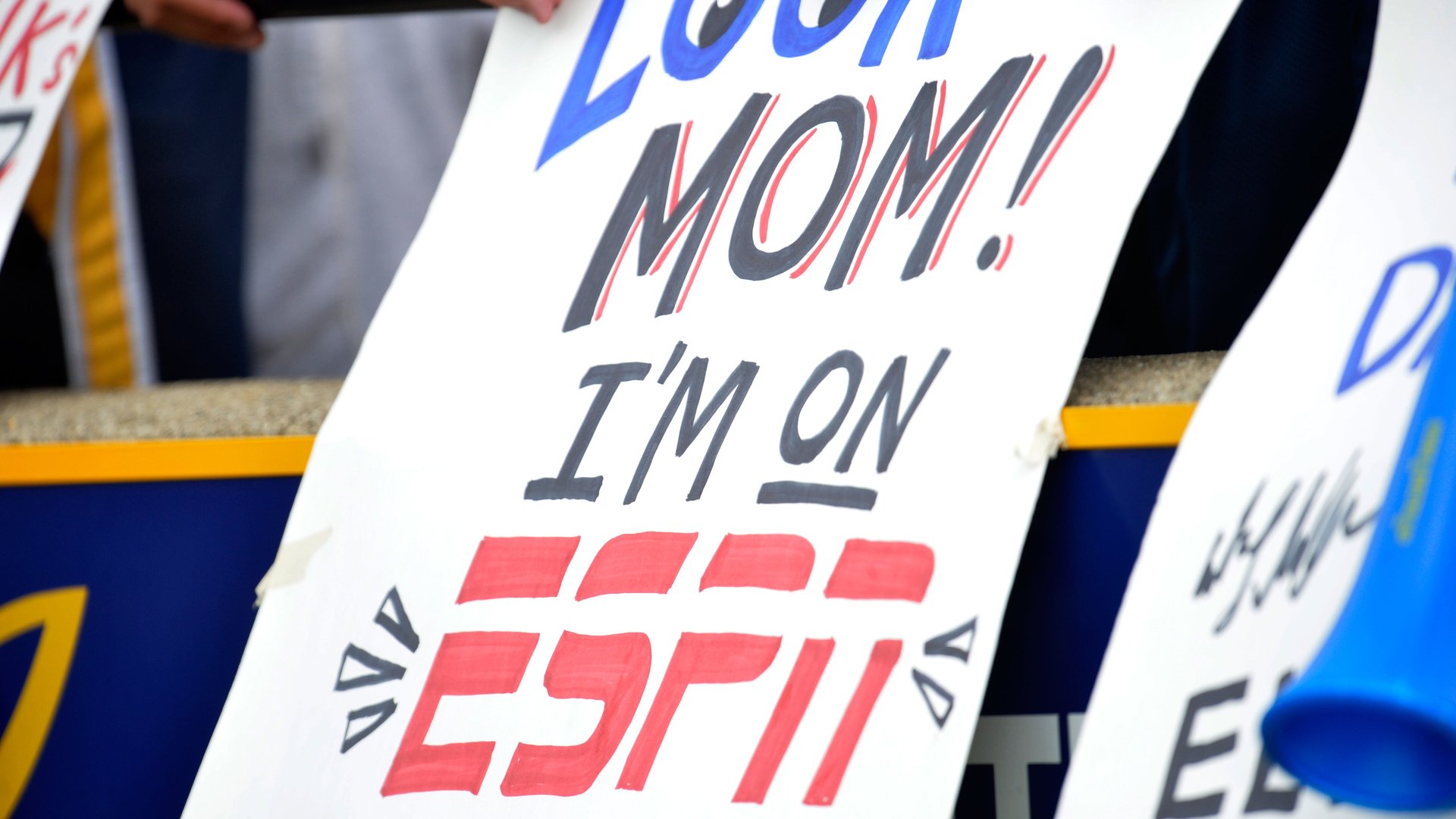
A day ahead of CES’s official kickoff, satellite TV provider Dish unveiled a live and on-demand video streaming service that will include ESPN for $20 a month.
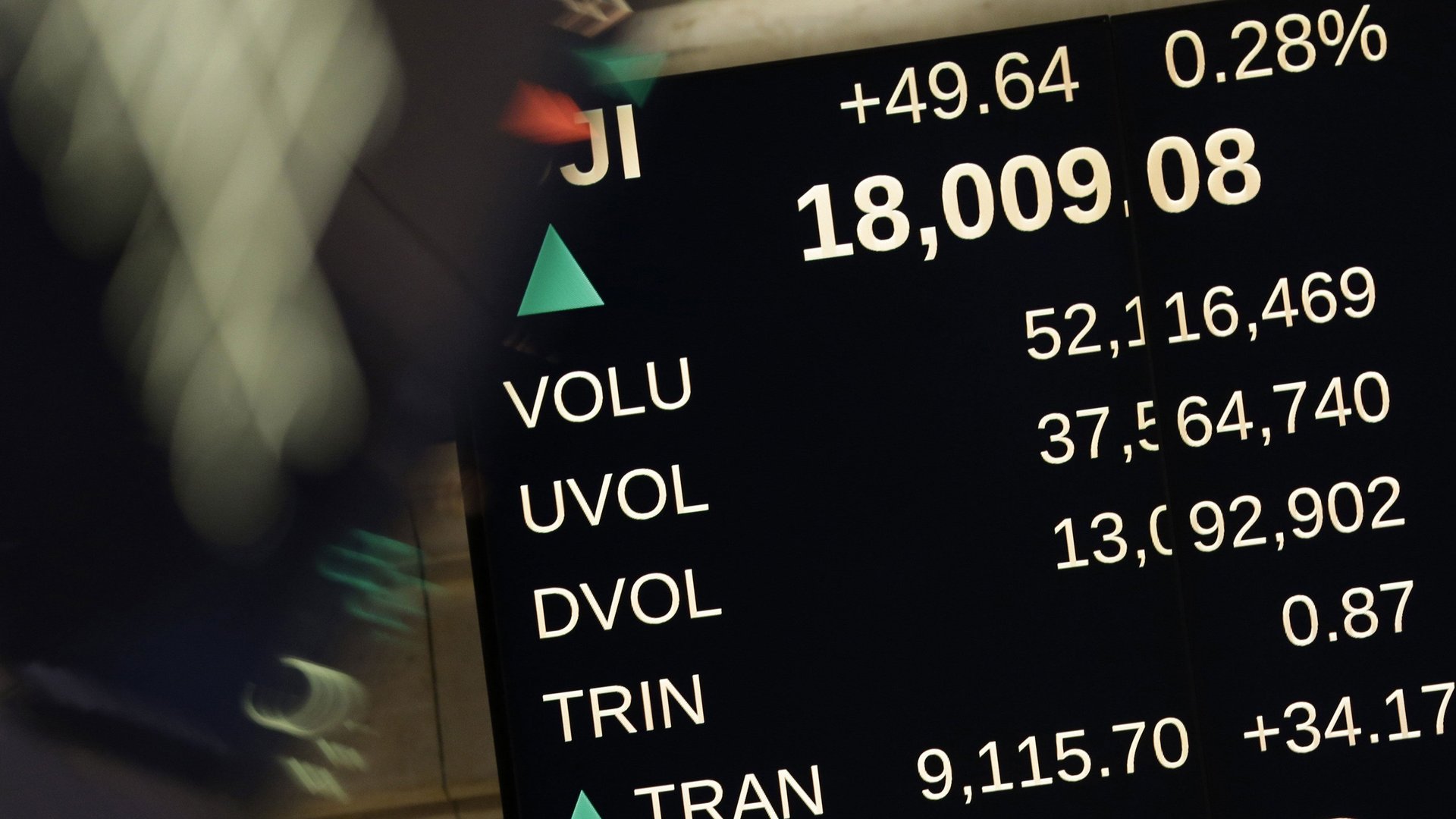
No risk, no reward—at least, that’s how the saying goes. Though millennials have larger appetites for risky bets, a recent report finds that their returns pale to the more conservative portfolios of older investors.

If 2013 is any indication, Russians are going to have a great time this New Year’s Eve. Moscow and St. Petersburg topped Jawbone’s list of cities that stayed up latest on Dec. 31 last year.
Bots, those software programs that automate web activity, accounted for 56% of Internet traffic in 2014, according to content delivery platform Incapsula. (This was actually down from 61.5% of traffic in 2013.)

For all that Google knows about us, it still lacks a comprehensive picture of how we spend our money in stores.

BACtrack, which makes breathalyzers that connect to smartphones, recently released data on Americans’ drinking habits over the last year. Unsurprisingly, the company found that people clamor for the bottle during the light-deprived days of winter. Fourteen of the 15 biggest drinking days fell between December and March, as measured by self-administered blood alcohol content readings.
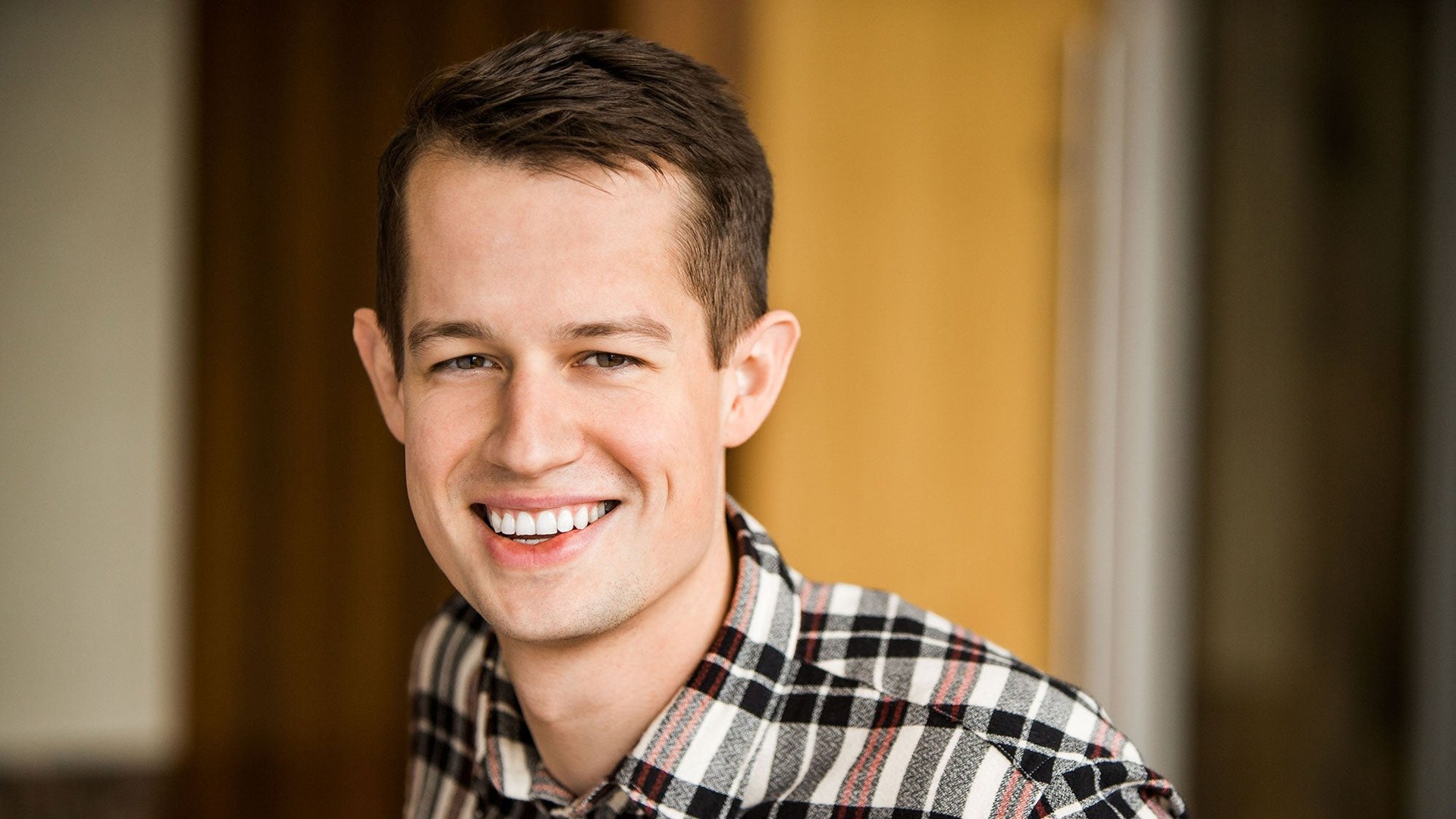
Bobby Goodlatte, the newest addition to the investment team at Silicon Valley venture capital firm Greylock Partners, is best known for being an early product designer at Facebook, playing a key role in user growth, chat, and photos. But over the last two and a half years, he’s been dabbling with angel investing, backing companies including Coinbase and FlightCar, and even the Samovar Tea Lounge in San Francisco.