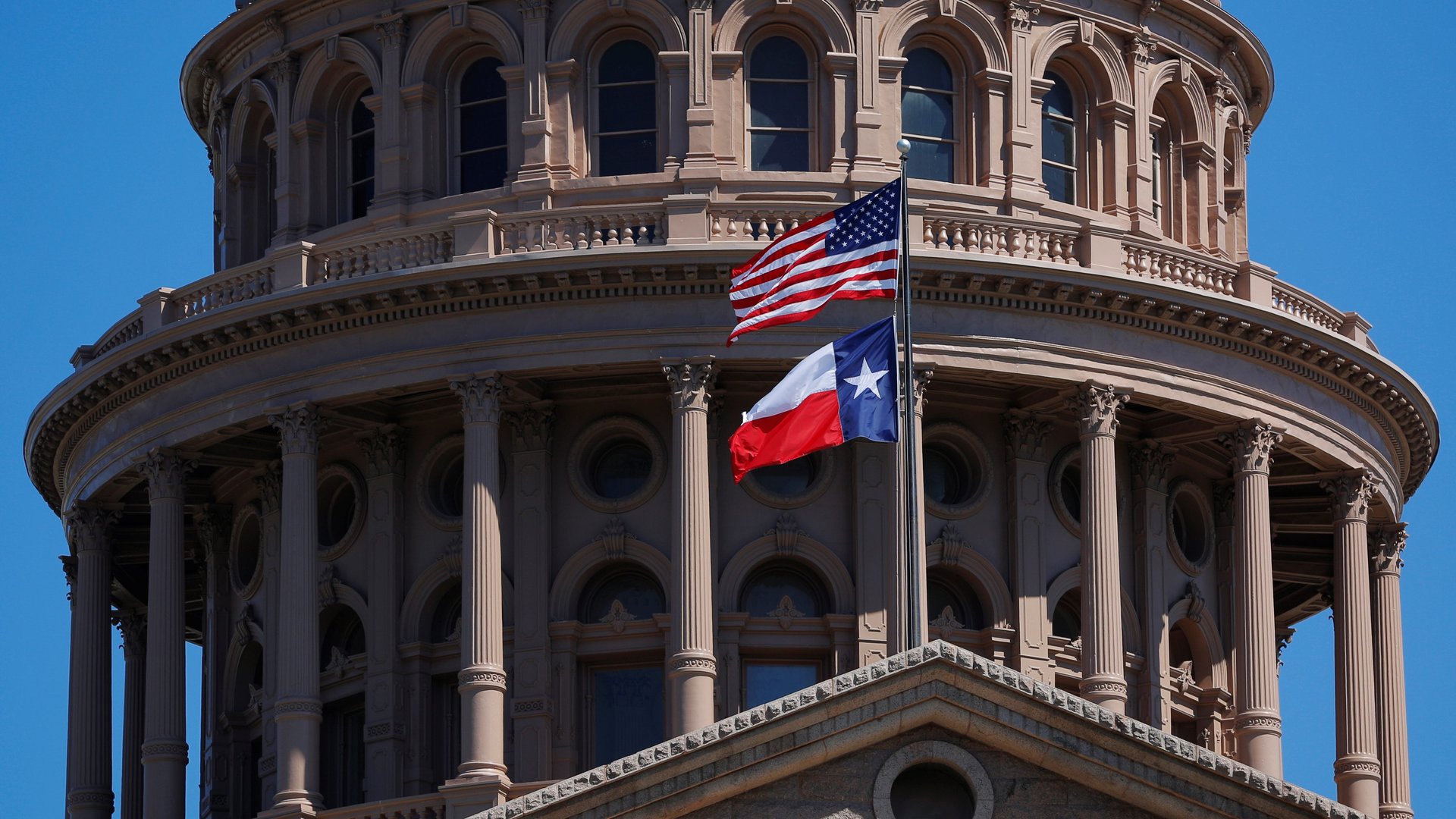
Texas added more new residents in 2021 than any other state, according to new data released by the US Census Bureau on Dec. 21. Florida, another state that has made headlines for its population growth, saw the second biggest population increase.

Texas added more new residents in 2021 than any other state, according to new data released by the US Census Bureau on Dec. 21. Florida, another state that has made headlines for its population growth, saw the second biggest population increase.

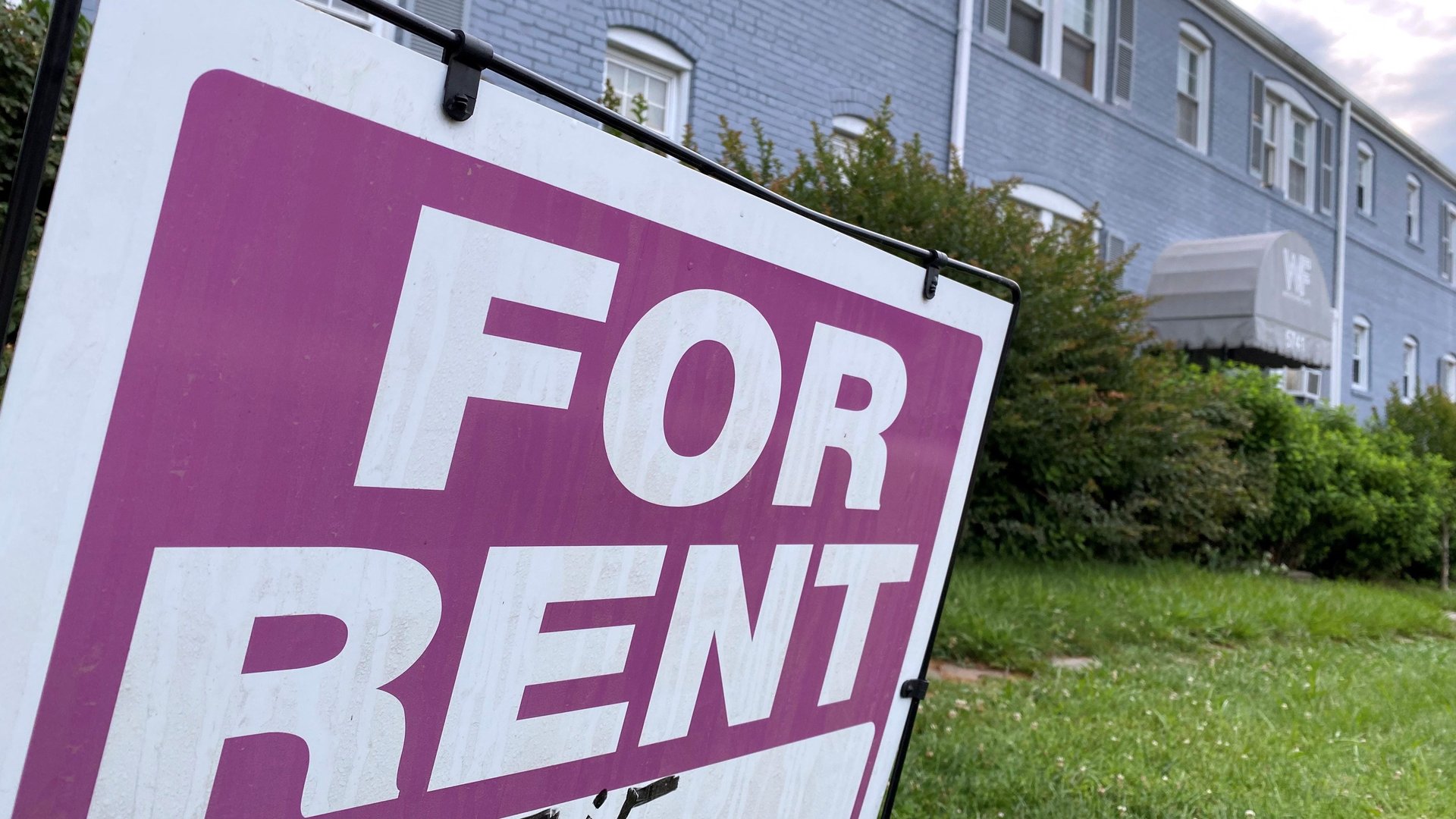
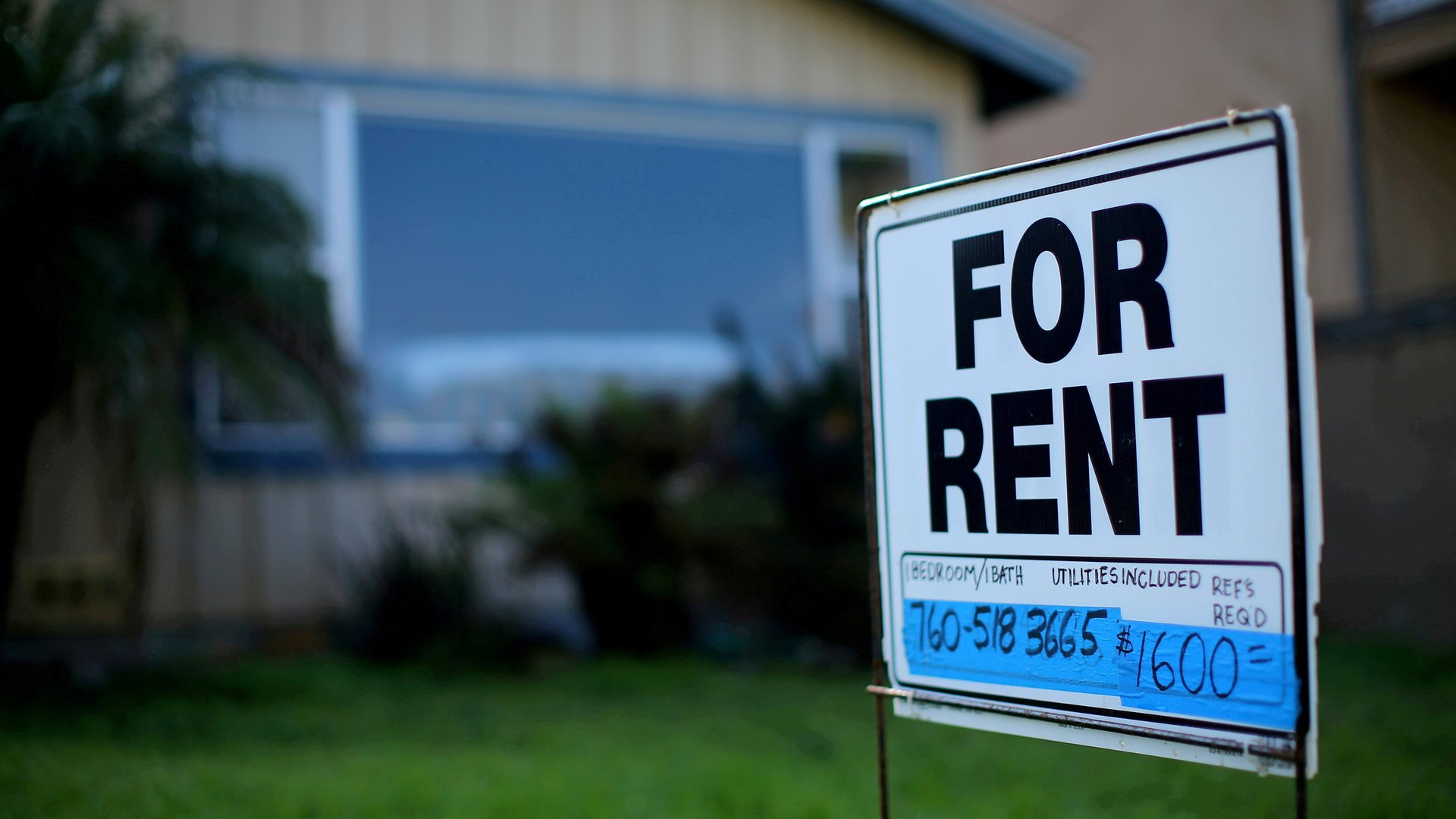
The pandemic triggered a US housing boom in early 2020 that sent home prices up by more than 20% while rents fell or remained steady across most of the country. That trend is finally reversing in 2021.

US president Joe Biden’s proposed $1.75 trillion climate and social spending bill, known as Build Back Better, is effectively dead after West Virginia senator Joe Manchin said he would not vote for it in its current form. The bill, which allocates billions of federal dollars to expand access to things like affordable housing, medicare, and childcare, together with the $1.2 trillion infrastructure bill, was the centerpiece of Biden’s policy agenda.

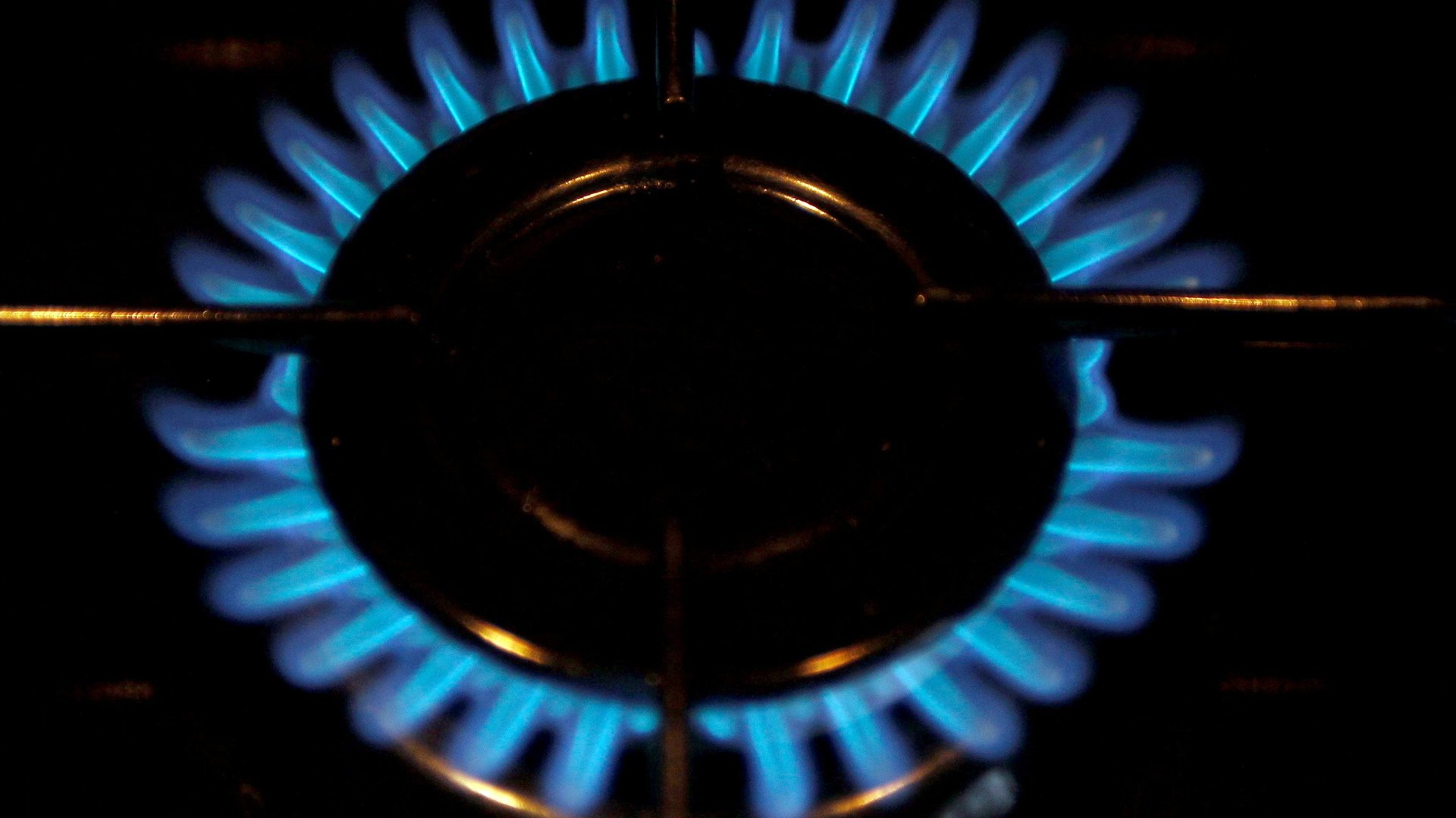
New York City just became the largest city in the US to ban natural gas hookups in new buildings, a step toward the city’s efforts to become carbon neutral by 2050.

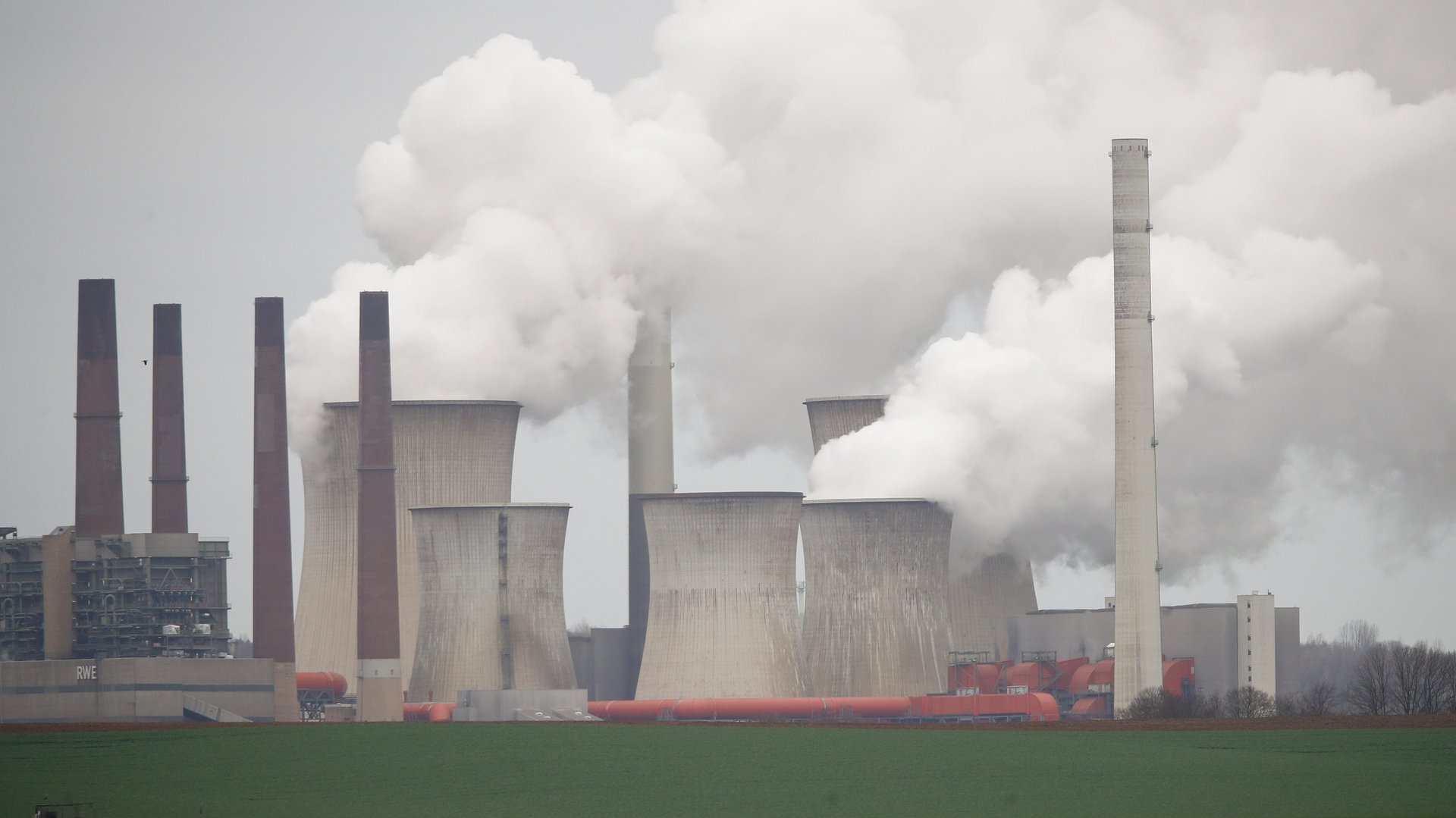
Few industrialized regions have seen their emissions drop as rapidly as the European Union. Greenhouse gases (GHG) in the 27-country bloc are now 26% below their level a decade ago, having fallen every year since 2010, according to a new analysis by the EU’s statistics office.

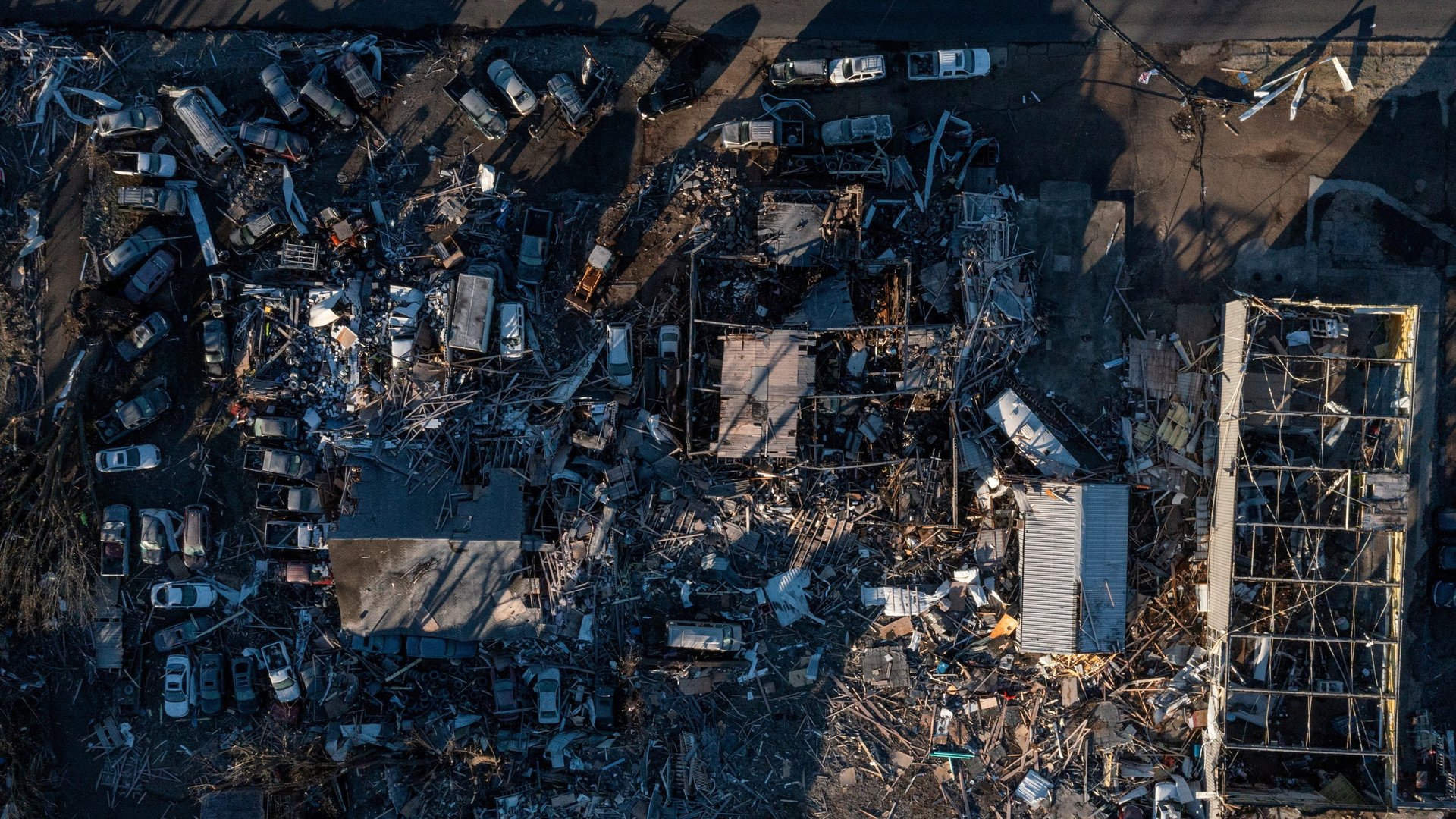
The tornadoes that ripped through six US states on Dec. 10 were some of the deadliest on record. As of Sunday Dec. 12, at least 90 people have died. The governor of Kentucky reported at least 80 deaths in that state, and several more deaths were reported in Illinois, Tennessee, and Arkansas. US president Joe Biden has declared a federal state of emergency for Kentucky.

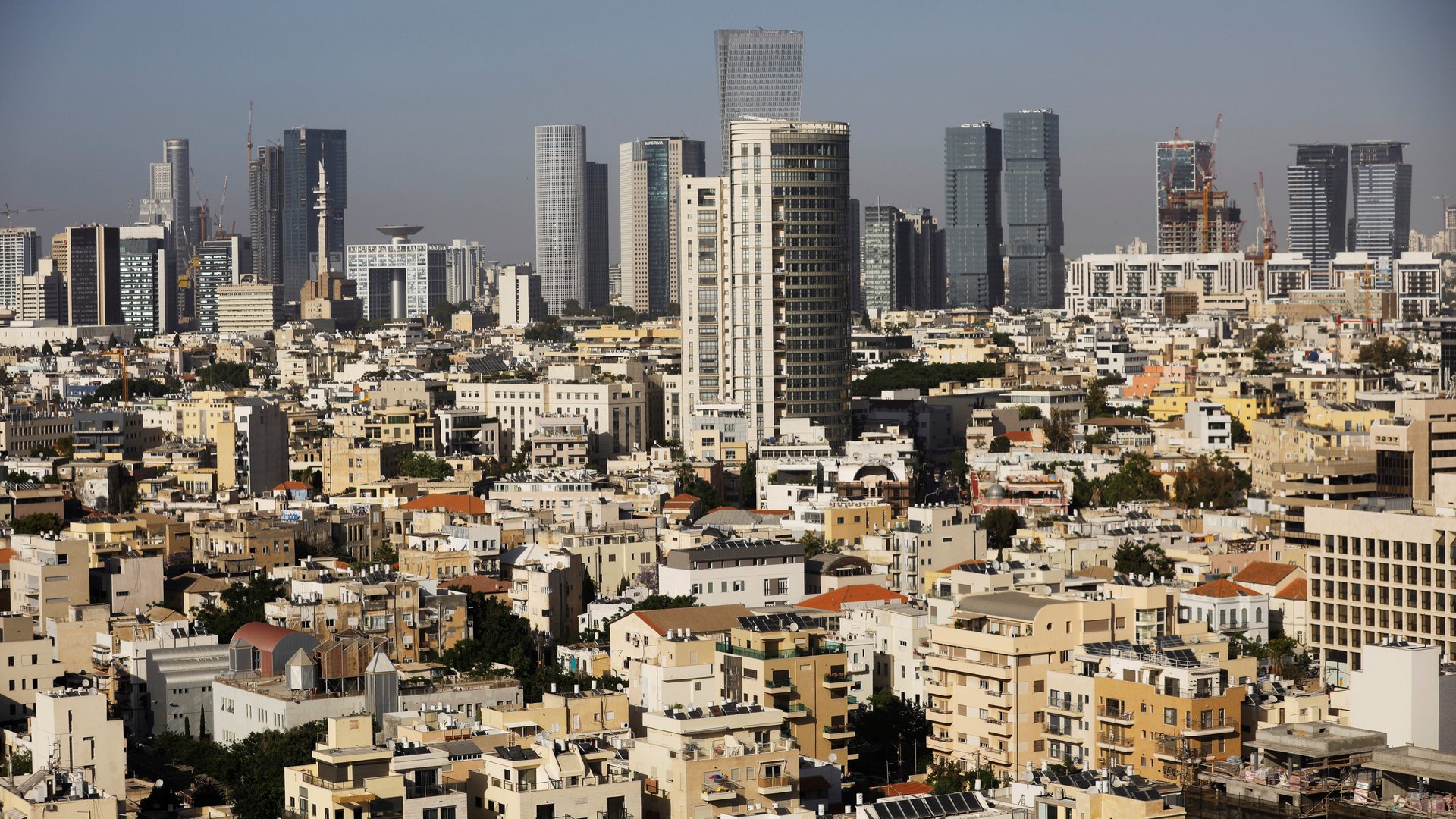
The world’s greatest metropolises are also, notoriously, the most expensive: Singapore, Paris, New York. But now, Tel Aviv is the priciest place to live.

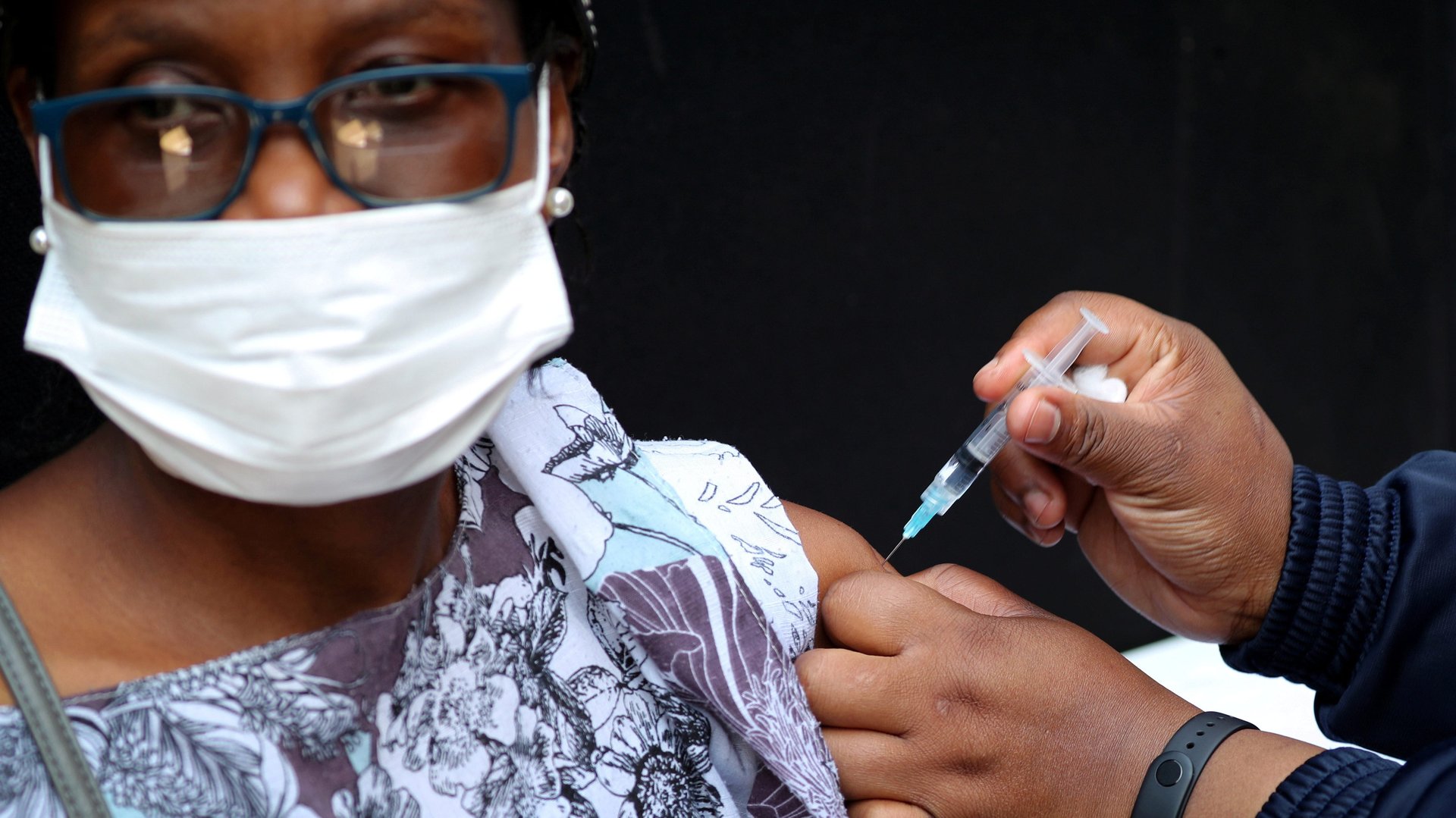
South Africa is refusing to order lockdowns to combat the new omicron coronavirus variant, labeled a variant of concern by the World Health Organization. Leaders in South Africa, where the variant was first sequenced, are instead calling for calm. “We…know that the coronavirus will be with us for the long term,” said South African president Cyril Ramaphosa in public remarks on Nov. 28. “We must therefore find ways of managing the pandemic while limiting disruption to the economy and ensuring continuity.”

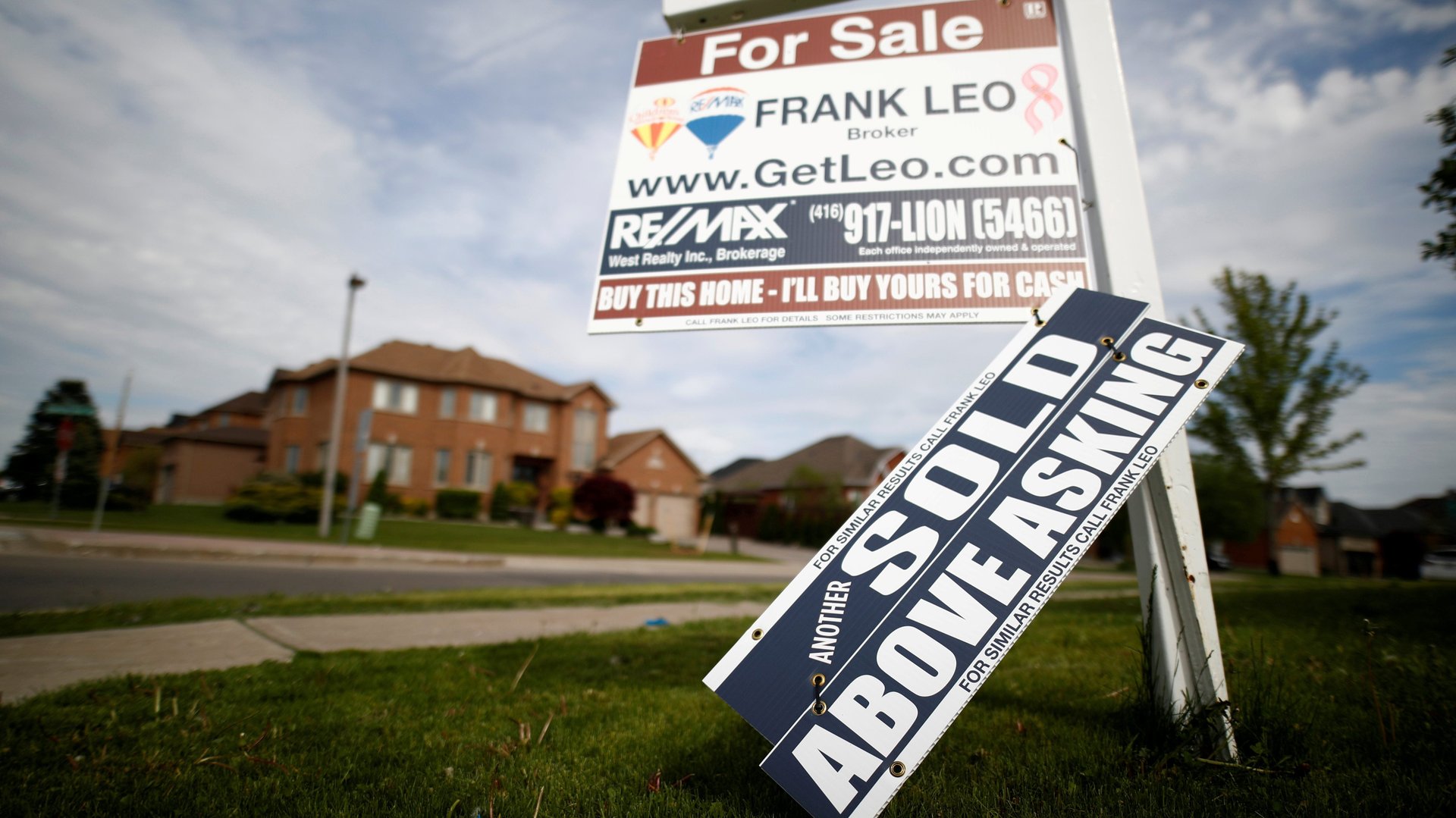
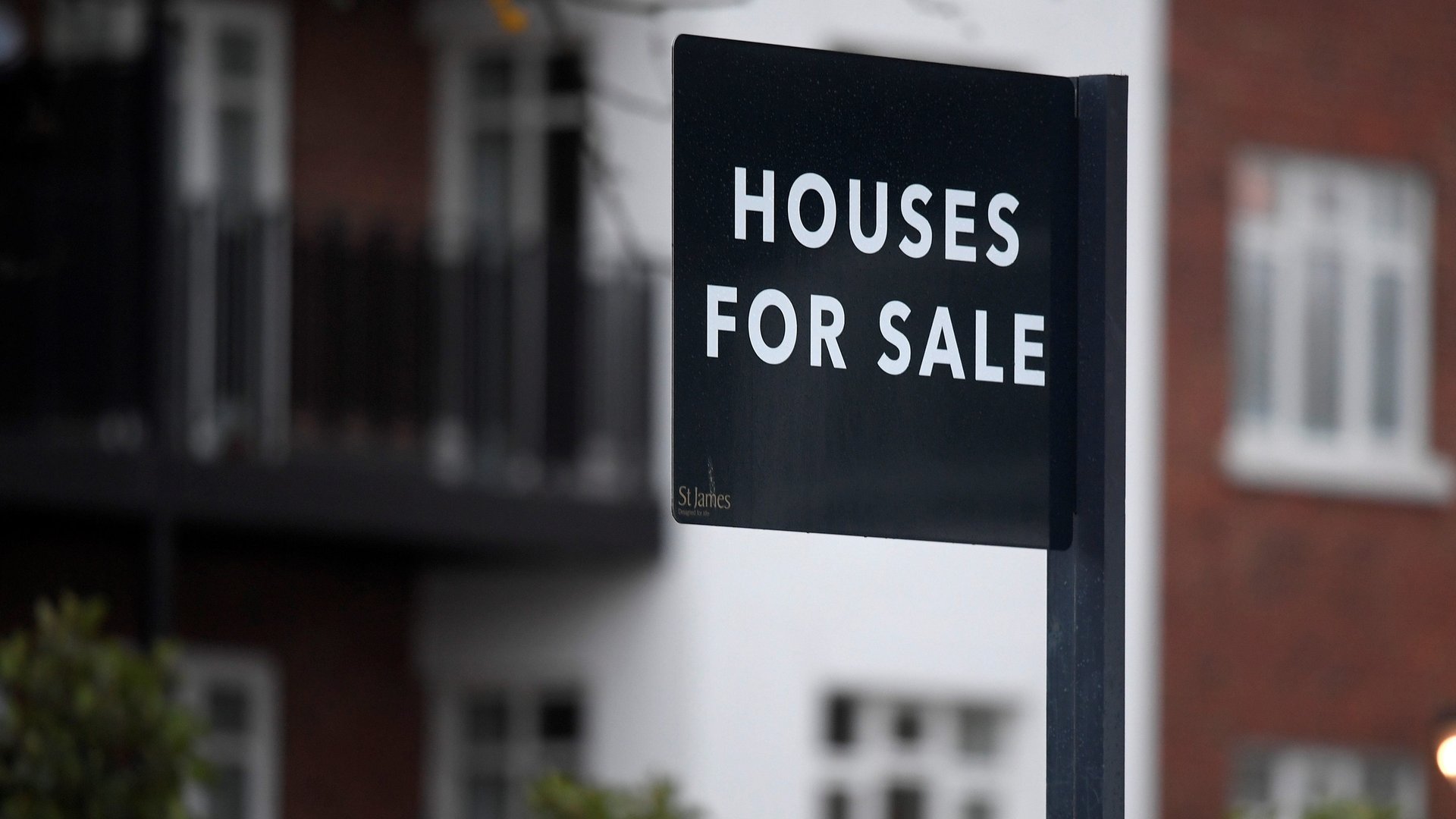
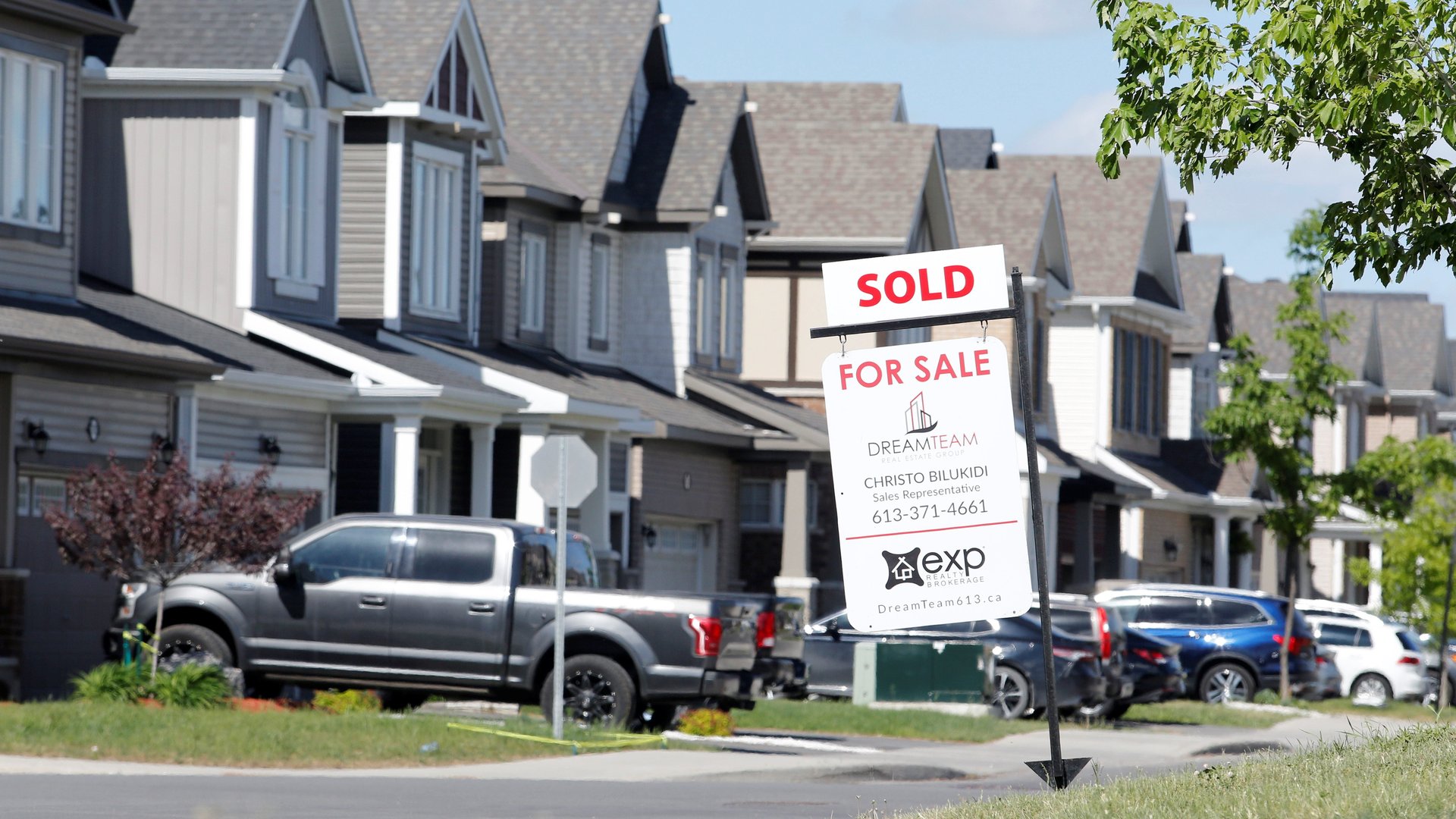
The US housing market is still in a frenzy as pandemic-induced demand intensifies a longstanding housing shortage. In October, the number of existing homes sold across the country rose by 0.8% even as home prices kept increasing. After 15 straight months of rising prices, the median price for a home in the third quarter of 2021 hit $404,700, up nearly 20% from the year before.

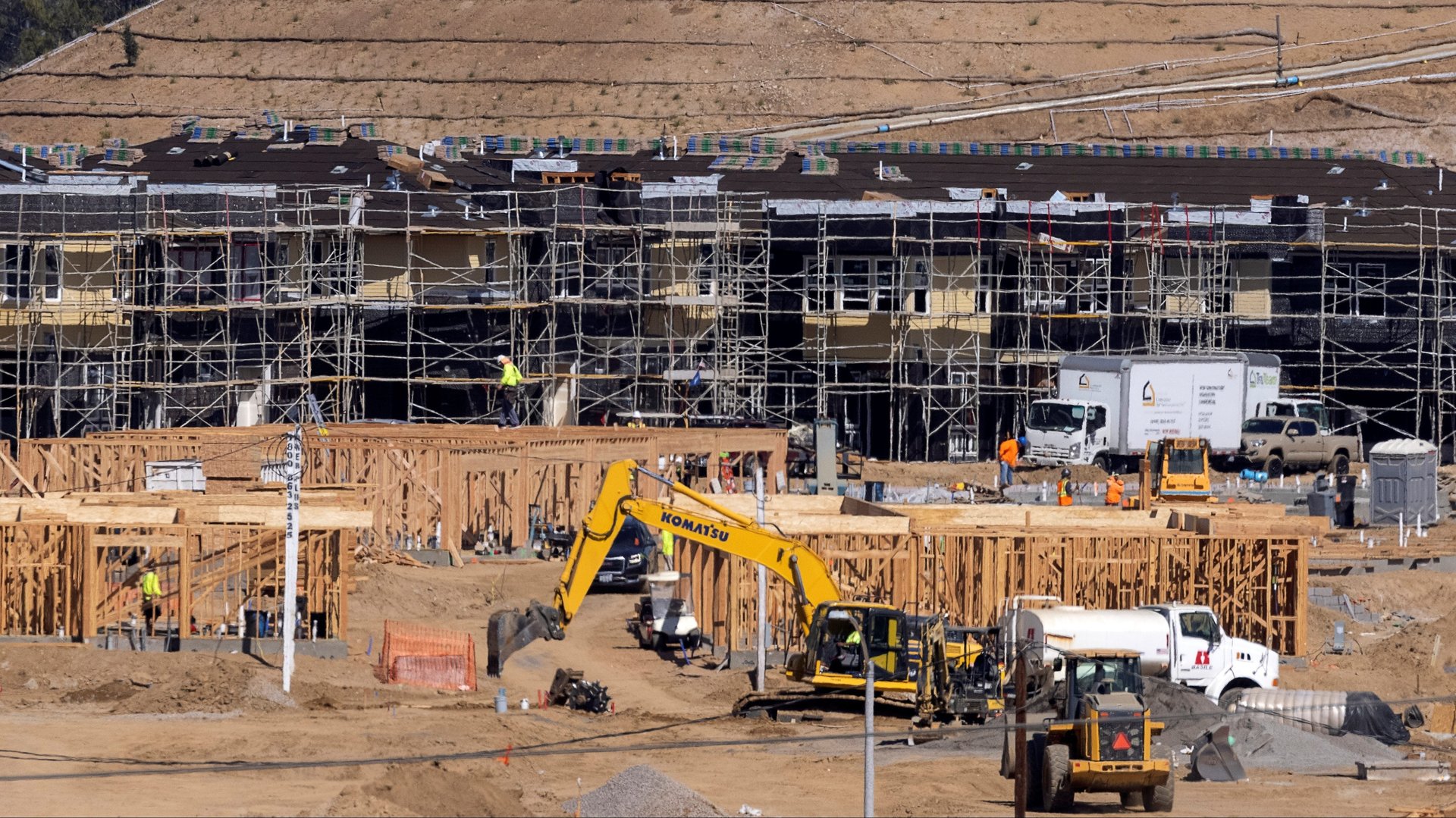
The overall construction rate of new single-family homes in the US has slowed in the past few months, but one particular kind of construction—single-family homes built not for sale, but for rent—is going gangbusters.

Construction of new homes across the US decreased slightly in October even as demand continued to grow. The latest US Census Bureau report on new construction shows that work started on residential construction dropped by 0.7% compared to September while new permits issued for future construction grew by 4%.

Ride-share companies like Uber and Lyft have taken pains to position themselves as a partner to public transit, providing a last-mile solution to get people to places where train and bus routes don’t go.

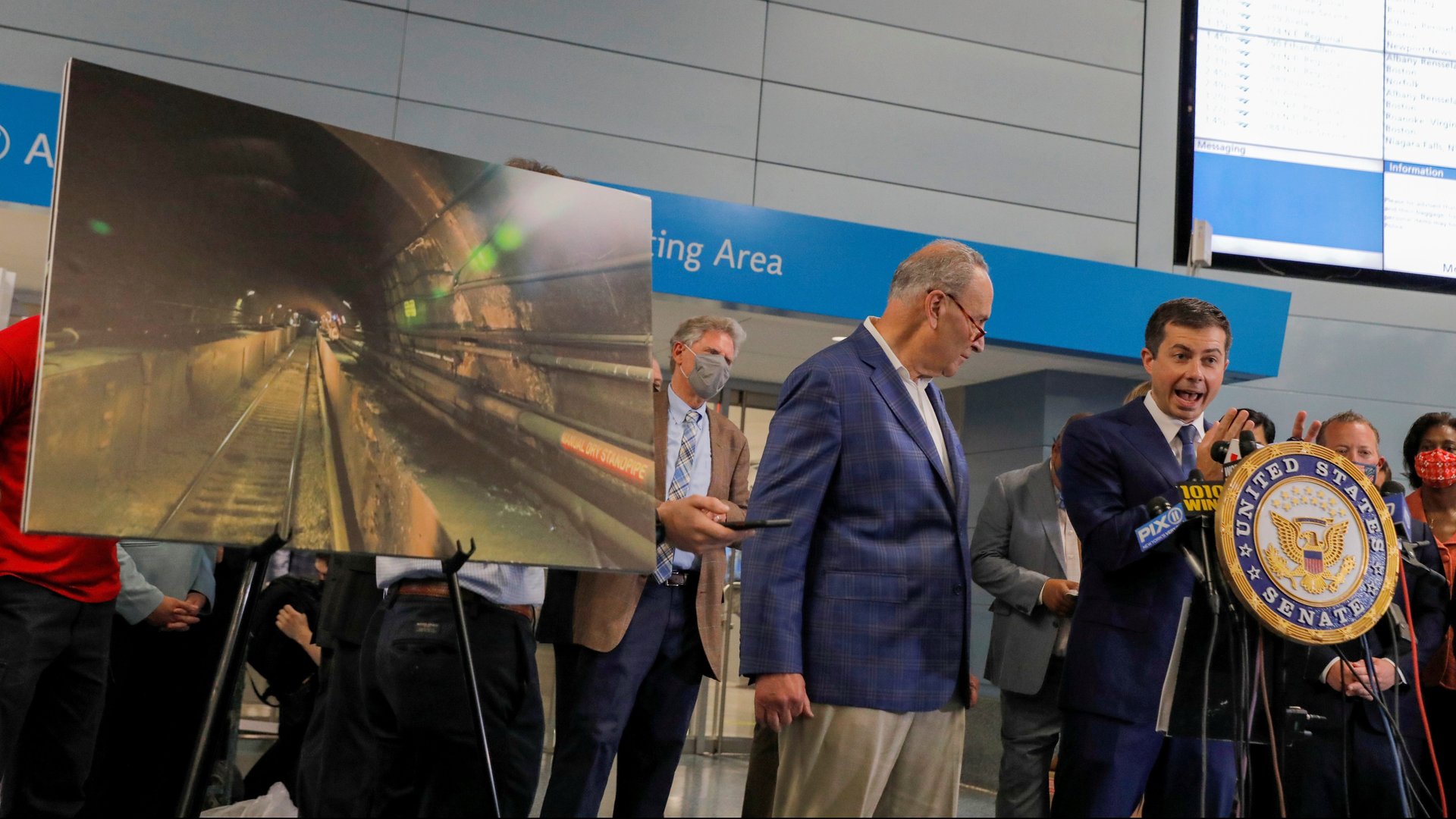
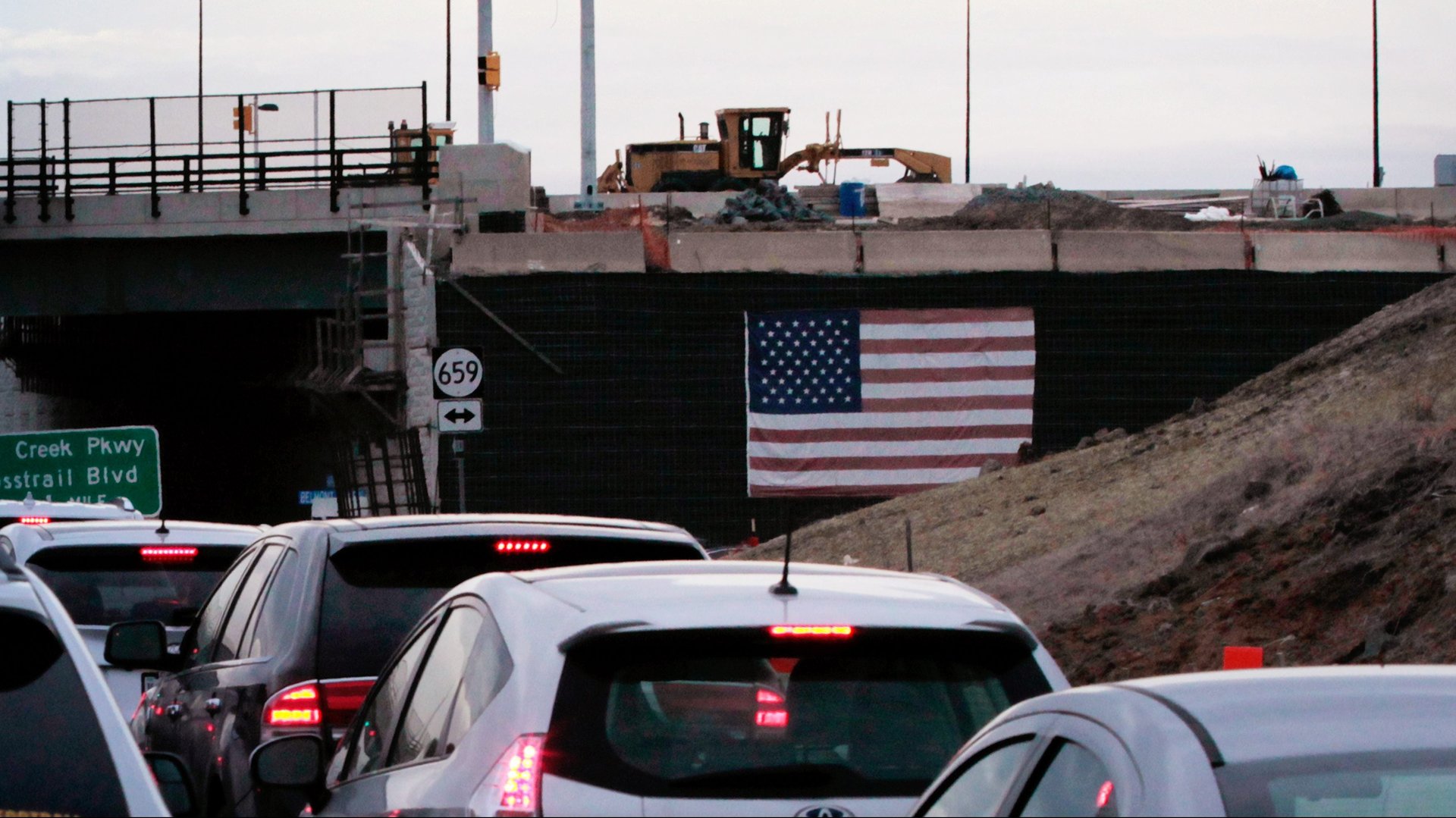
The US Congress and president Joe Biden have signed off on a $1.2 trillion infrastructure deal. Now states and cities must decide exactly how it will be spent.

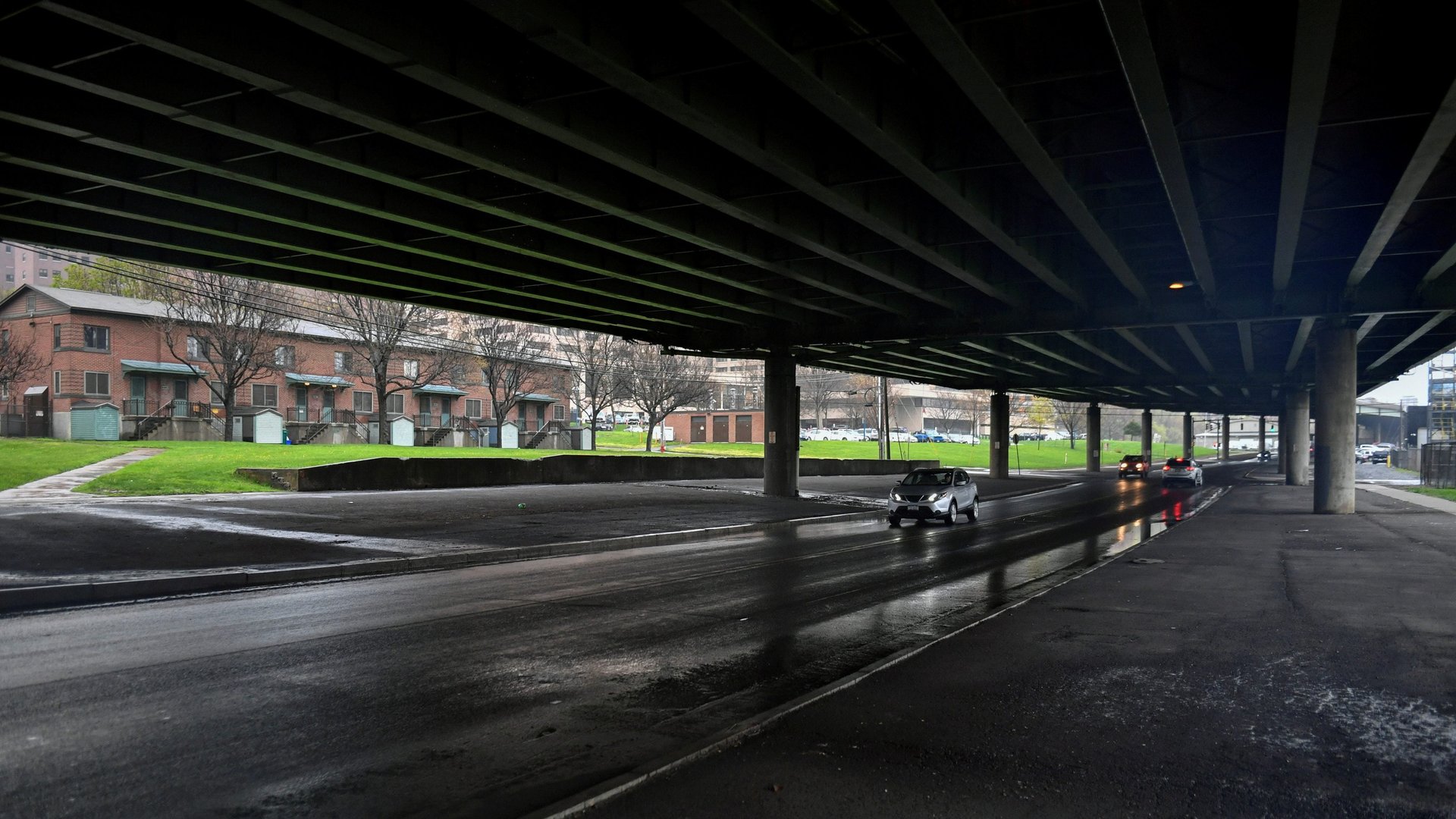
On Monday (Nov. 8), US transportation secretary Pete Buttigieg offered details about plans in the just-passed $1 trillion infrastructure bill to rectify harm from highway construction throughout the 20th century. Racism, he argued, had defined aspects of US highway and urban design for decades.

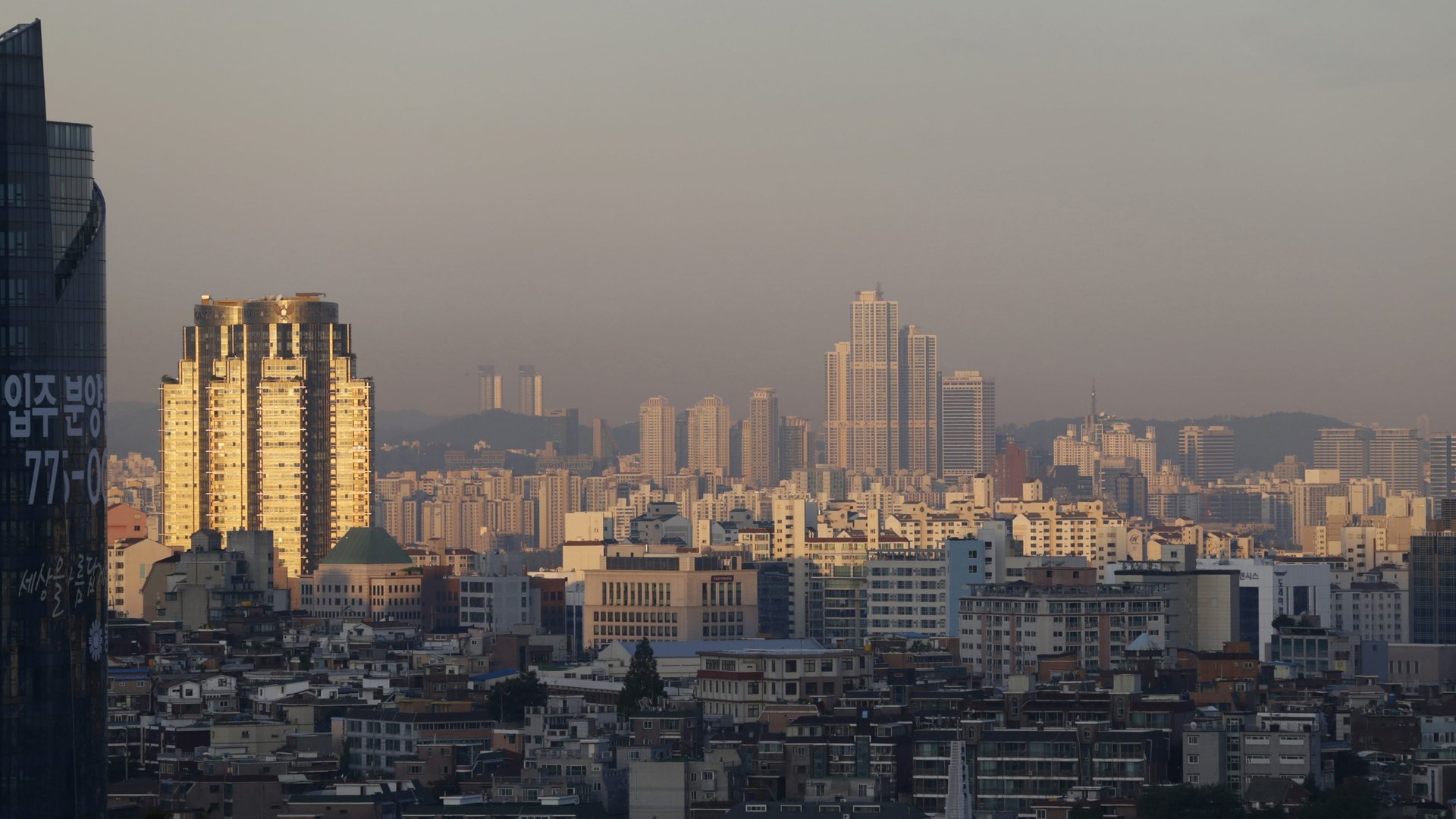
Seoul says it will be the first major city government to enter the metaverse. On Nov. 3, the South Korean capital announced a plan to make a variety of public services and cultural events available in the metaverse, an immersive internet that relies on virtual reality. If the plan is successful, Seoul residents can visit a virtual city hall to do everything from touring a historic site to filing a civil complaint by donning virtual reality goggles.

More affordable housing is finally coming back onto the market. More low-priced homes were put up for sale in the third quarter of 2021 than any other segment, according to the latest housing report from real estate brokerage Redfin. Homes in the “most affordable” tier, which represents homes priced below 95% of others on the market, rose by 13% compared to a year prior. The affordable listings were up across the US, but the highest in cities across the Midwest and South.

After putting its home-buying business on hold in October, Zillow announced on Nov. 2 that it would be shutting down the operation for good and laying off a quarter of its staff. The news sent the company’s shares down by about 10% the same day. It marked the end of Zillow’s short-lived foray into the iBuyer business, wherein they used algorithms to make sellers offers on their homes quickly, then renovated and resold the houses on their platform.

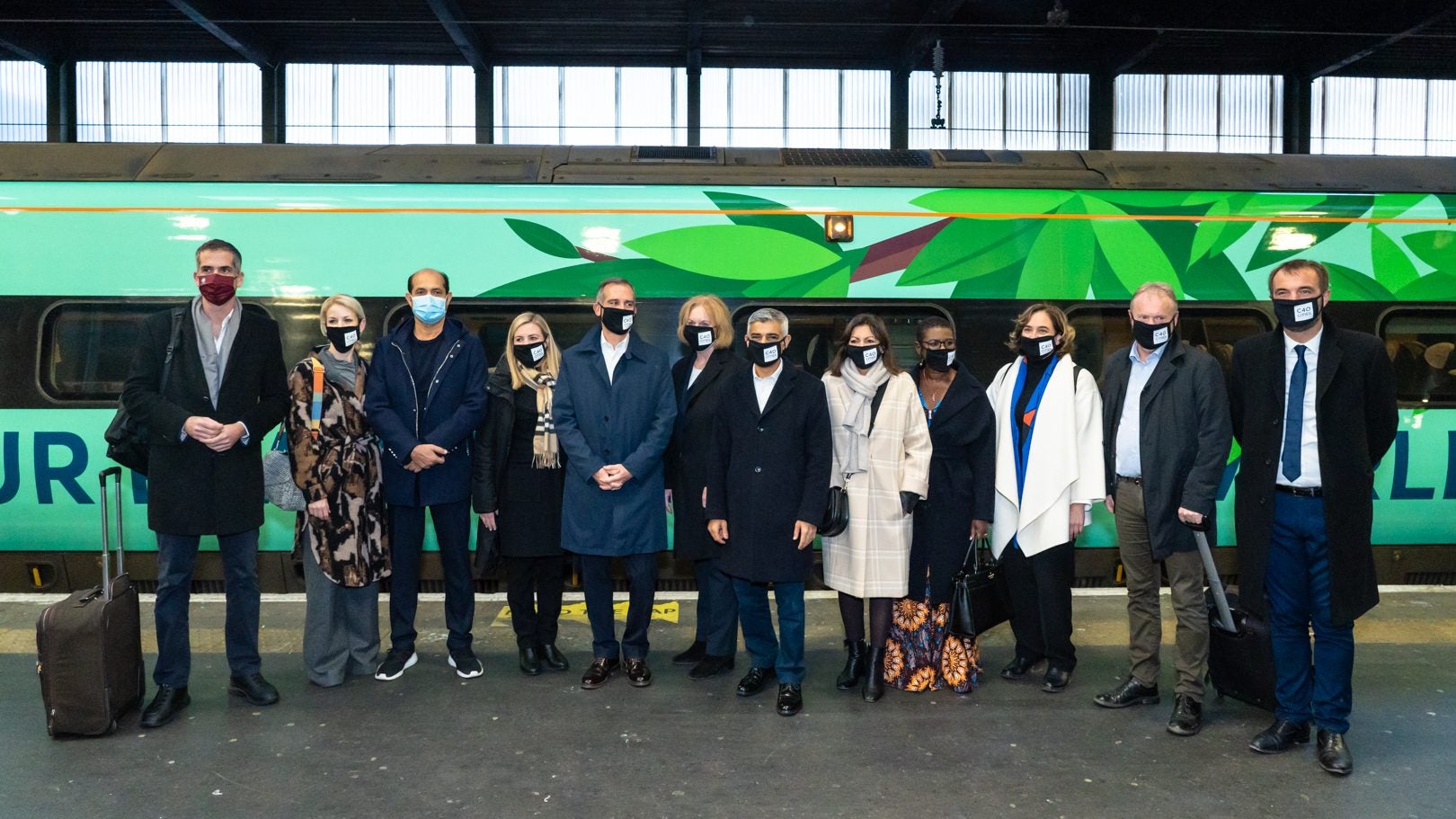
COP26 is here, and presidents and prime ministers are hashing out how to meet their climate commitment under the Paris Agreement. But the gears of international diplomacy grind slowly, and cities want to race ahead.

The transportation sector is the greatest contributor to US carbon emissions—and just as important as vehicles are the roads and highways they travel on.

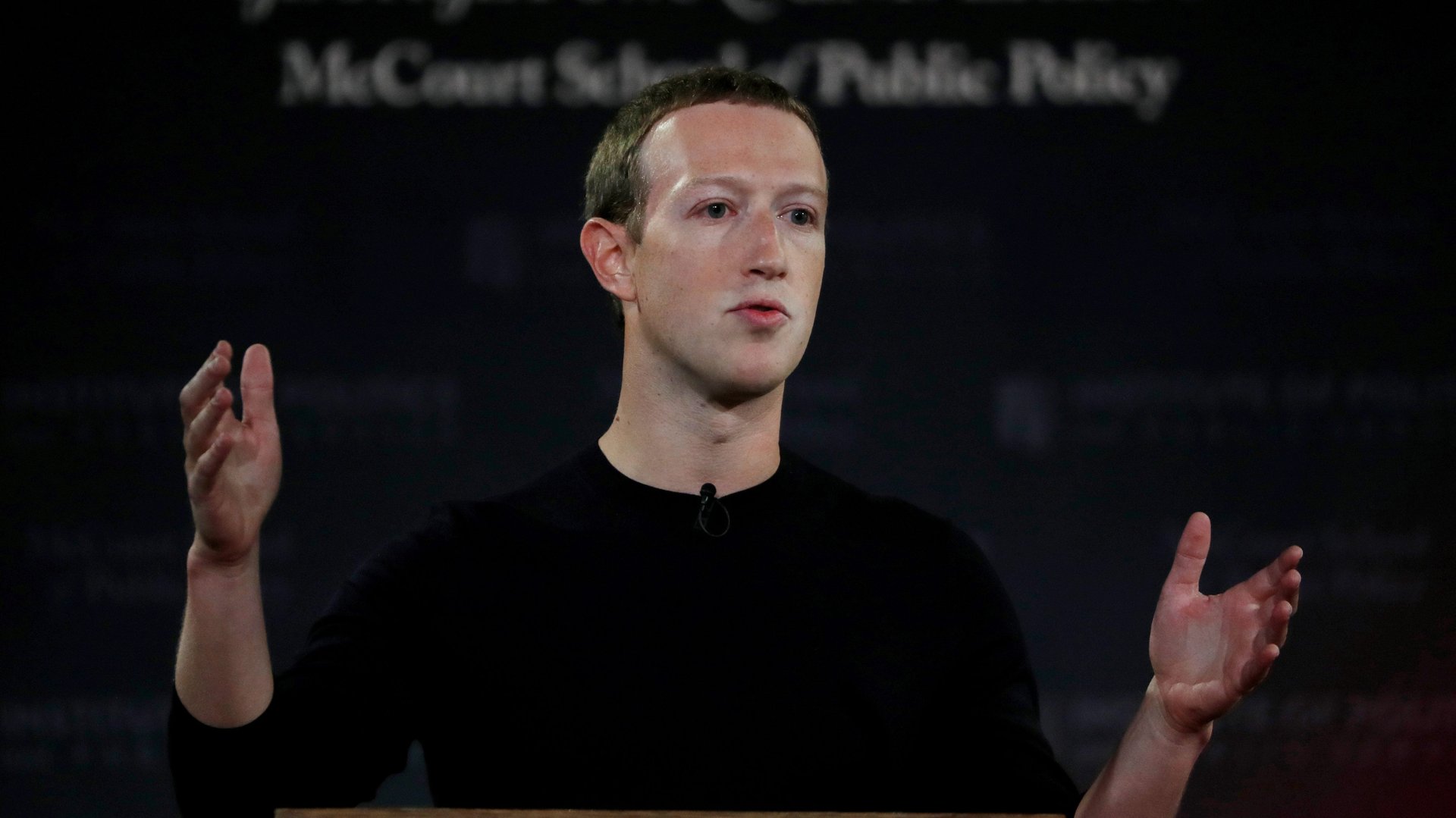
Facebook is now Meta, a bold declaration of the company’s intention to forge humanity’s way into the metaverse.

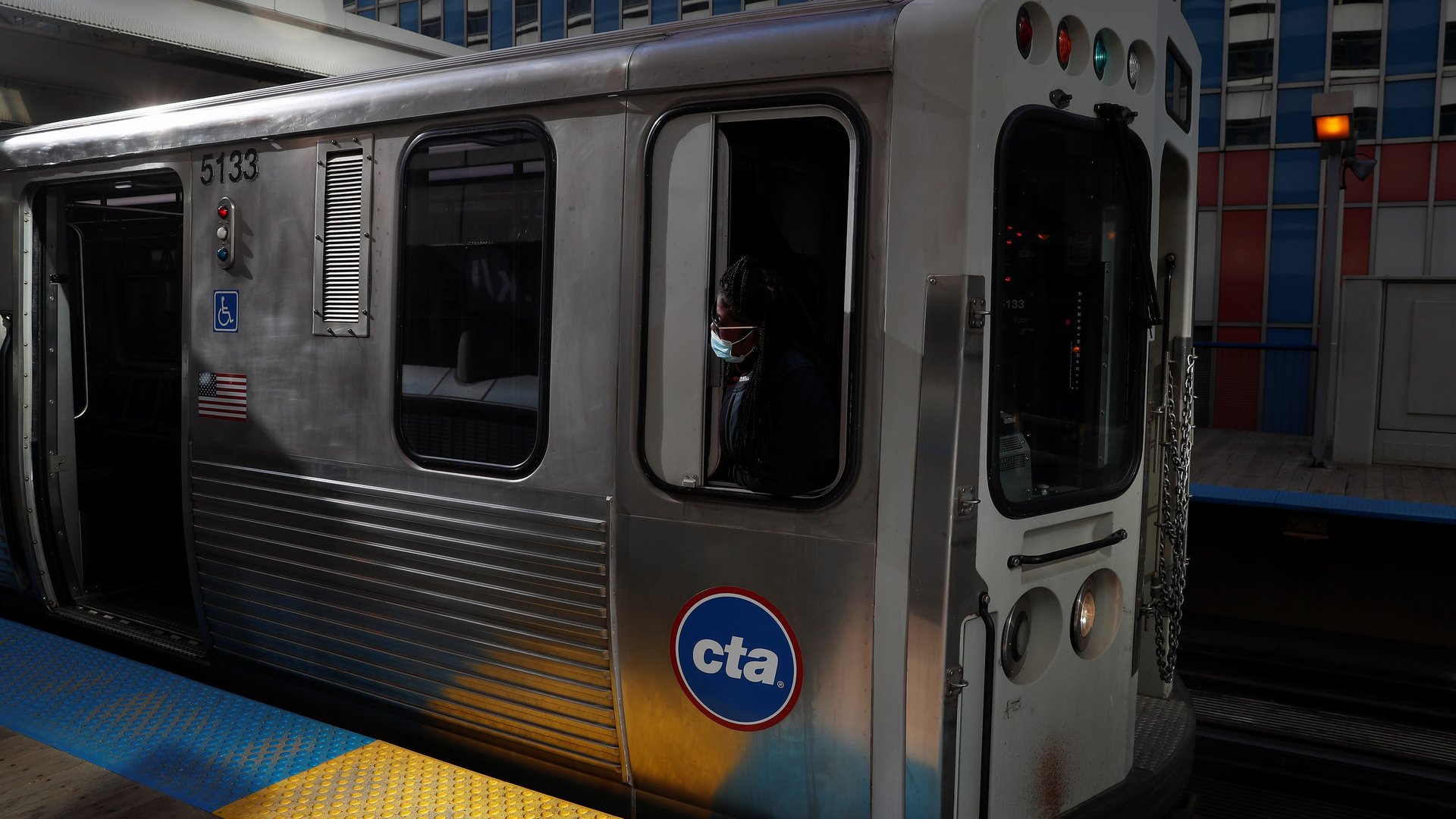
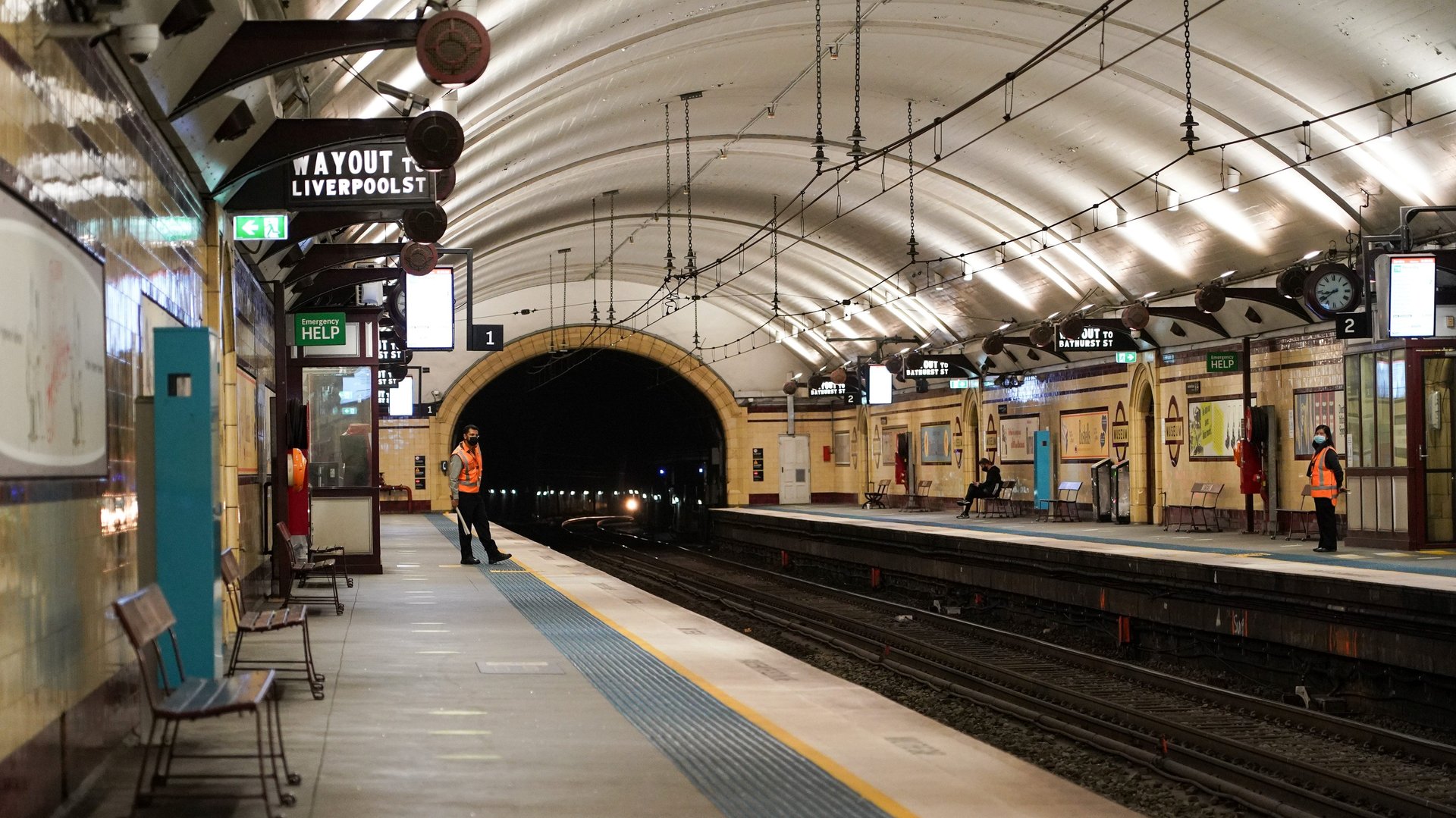
Nearly two years after the start of the pandemic, a picture of the new workweek is taking shape: Workers haven’t abandoned the office entirely, but they are coming in less often. Public transportation agencies are trying out more flexible ticket options in response.

In 2015, rainstorms in Washington DC would cause parts of the city’s sewer system to overflow dumping millions of gallons of raw sewage into the Anacostia and Potomac rivers. Pipes buried in the 19th century combined stormwater and sewage, discharging a noxious brew of trash, bacteria, and heavy metals that polluted the rivers. By 2005, the pollution had gotten so bad it violated Environmental Protection Agency clean water standards, killed wildlife, and posed a threat to people living in the area. The federal government ordered DC Water, the region’s sewer and water management authority, to clean up the rivers.

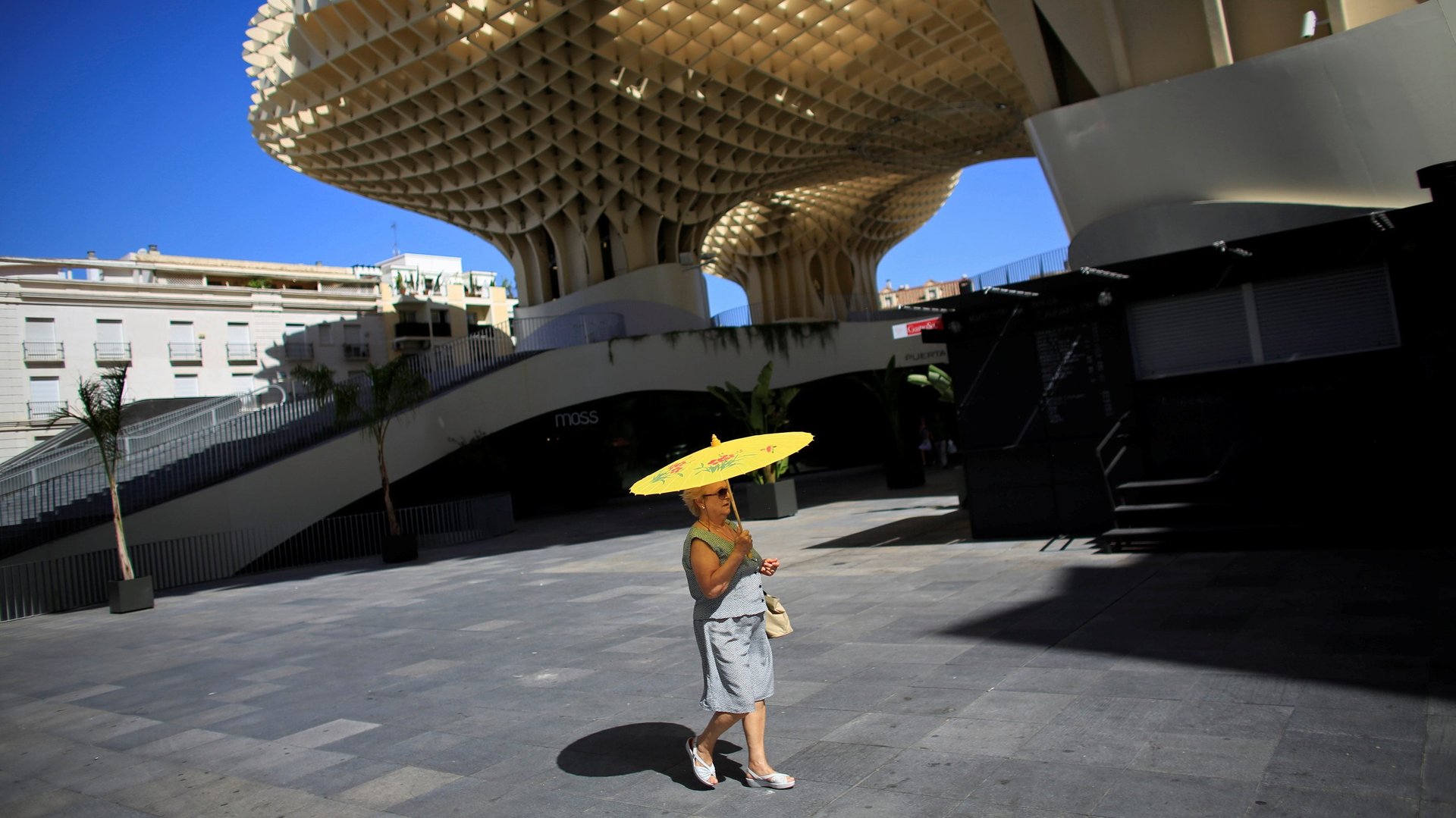
As deadly heatwaves become a worsening threat to populations around the world, one city in Spain is taking action to recognize them as the natural disasters they are—by naming them.

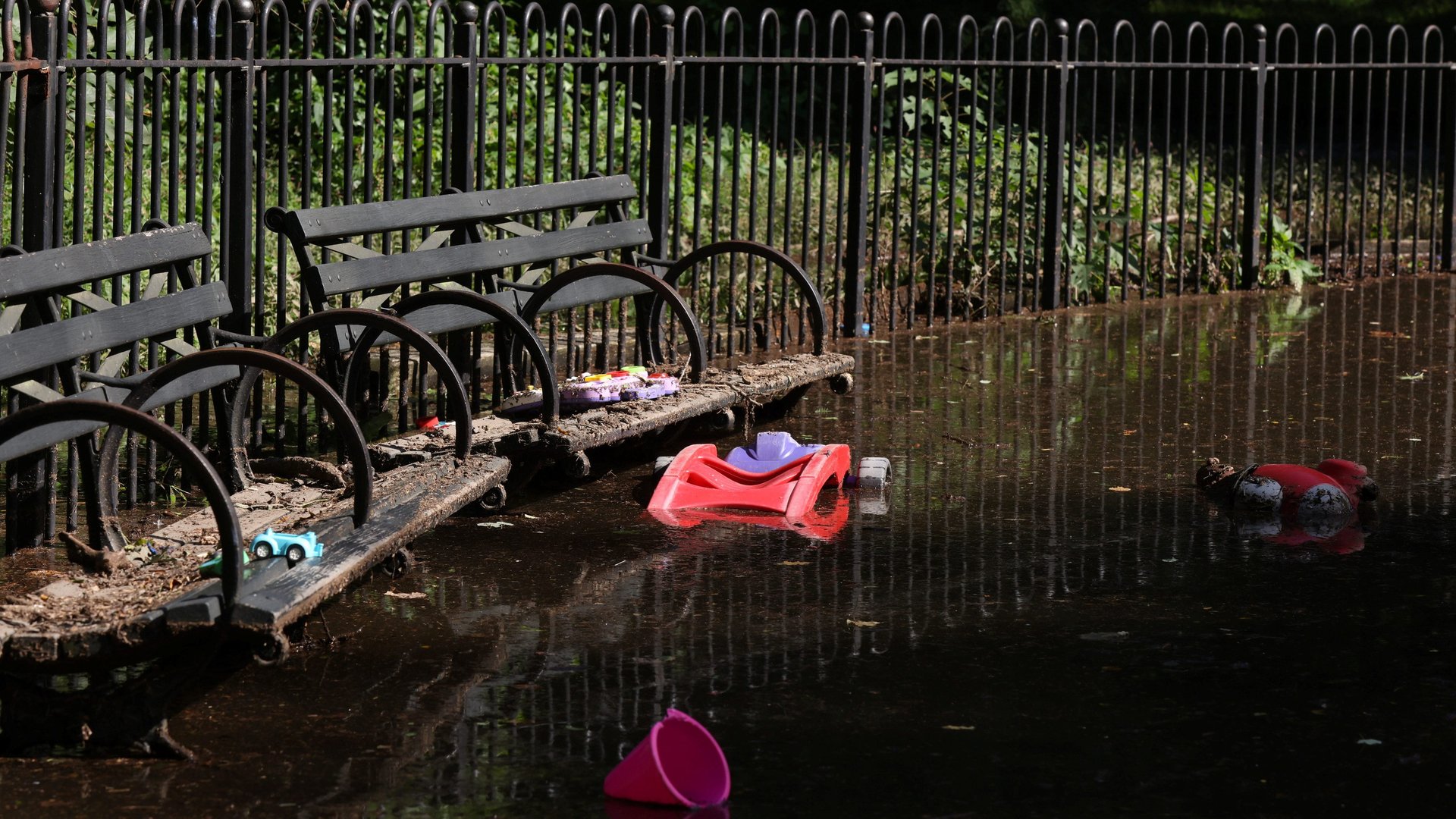
New York City has long been a leader among cities when it comes to tackling climate change. Since the mid-2000s, it has issued climate plans with names like PLANYC2030 and ONENYC2050. These have been bold, forward-looking attempts to mitigate the human causes of climate change, but have focused less on ways to protect the city from the immediate effects of extreme climate events.