In southwest Ohio, the prices of staple foods are hitting the floor. A carton of eggs in Cincinnati supermarkets are going for as little as 39 cents. And gallon-sized jugs of milk are selling for less than a dollar.

In southwest Ohio, the prices of staple foods are hitting the floor. A carton of eggs in Cincinnati supermarkets are going for as little as 39 cents. And gallon-sized jugs of milk are selling for less than a dollar.

George Clooney’s best shot was never in a movie. Turns out it was likely poured out of a bottle of tequila.

Much of an American fast food chain’s success boils down to one thing: seconds.

It sounds mundane, serving up burgers in Pleasanton, California—a mid-sized town just outside San Francisco. But something momentous recently happened there, and it stands to change how people think about food.

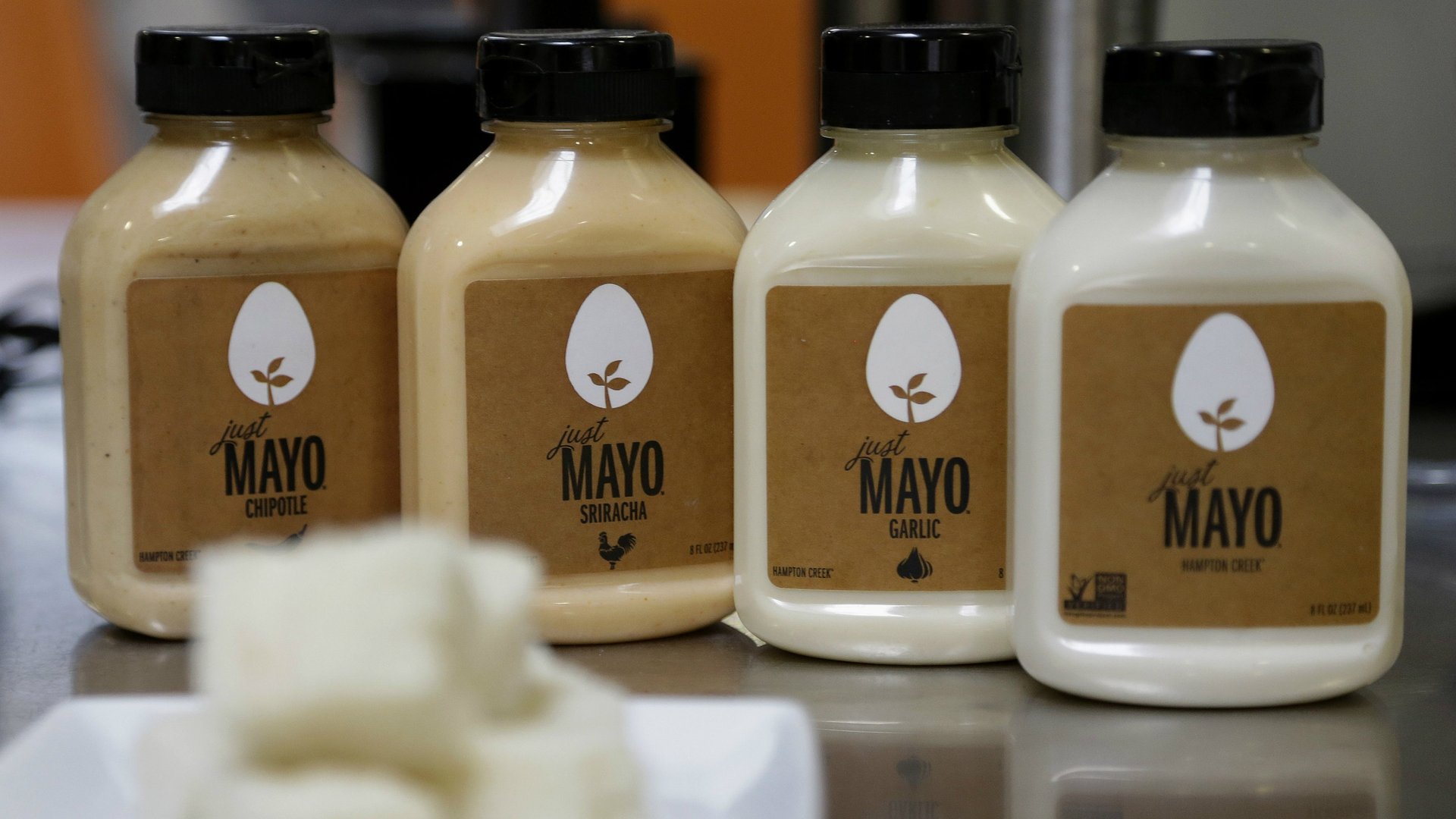
It only took five years for vegan mayonnaise to disrupt the condiments aisle, where it can now be found alongside stalwart brands such as Kraft and Hellmann’s. And even as the company behind that disruption looks to continue a shakeup, it’s also launching into new territory, one that’s far more behind the scenes.

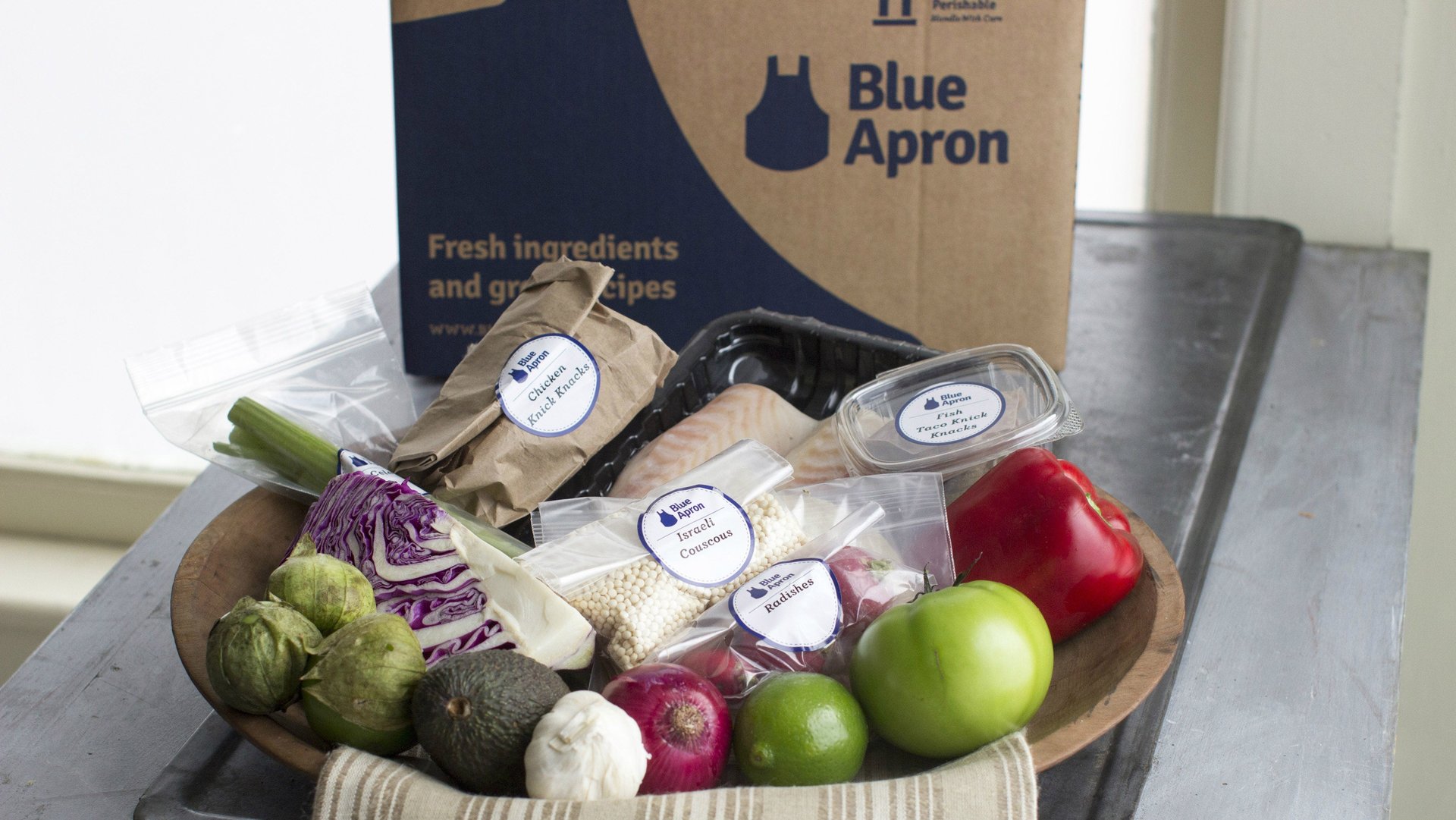
There is no simple recipe to help Blue Apron navigate the challenge it’s about to face from Amazon.

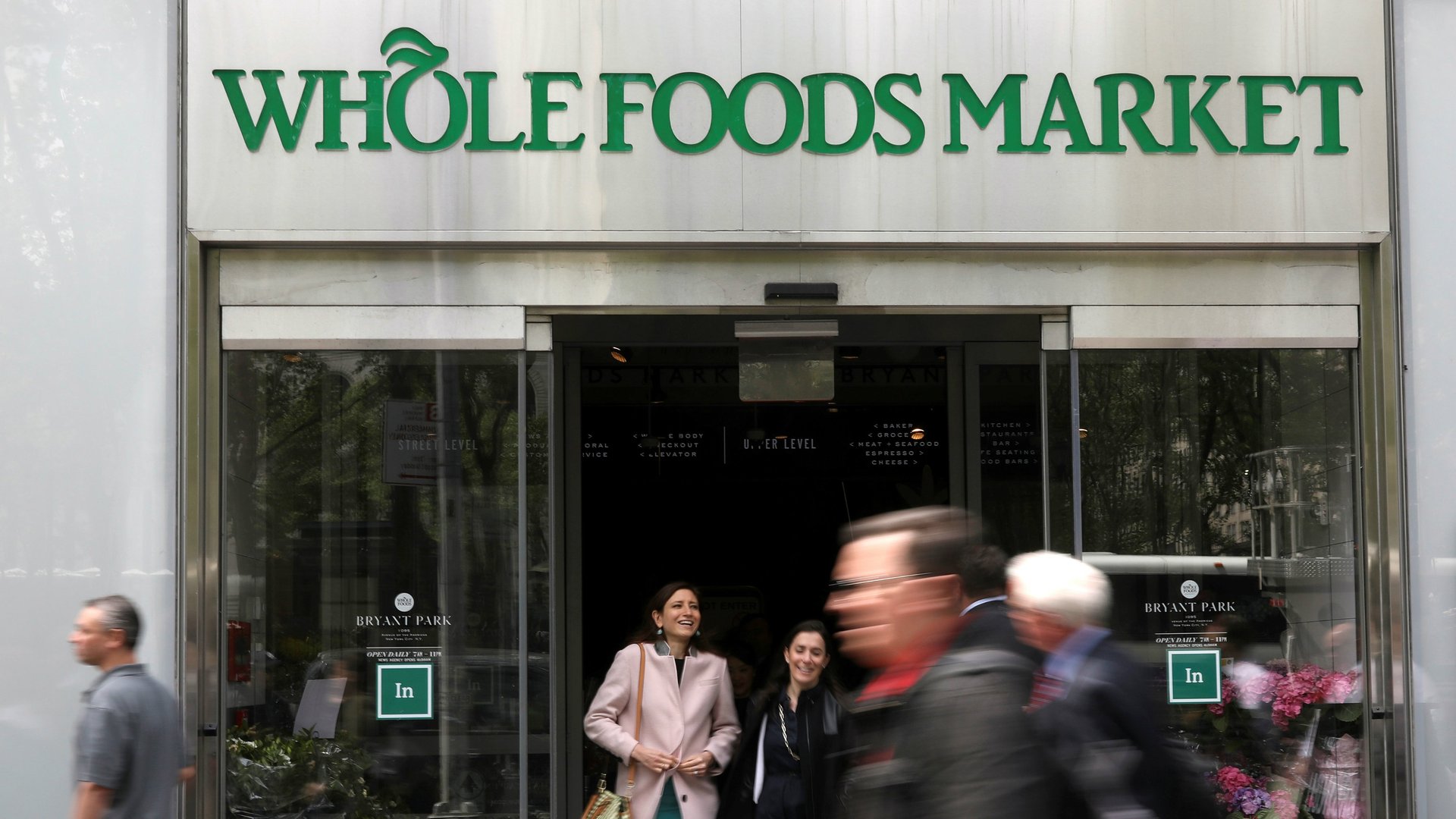
The seismic shocks of the news are still rippling across the markets, bringing to bear the impact of Amazon’s decision to acquire Whole Foods for $13.7 billion.

Jeff Bezos is about to give every neighborhood grocery store the fight of its life.

Nazism may not make for ideal mealtime discussion, but in Spain it’s the reason why people eat dinner in the dark.

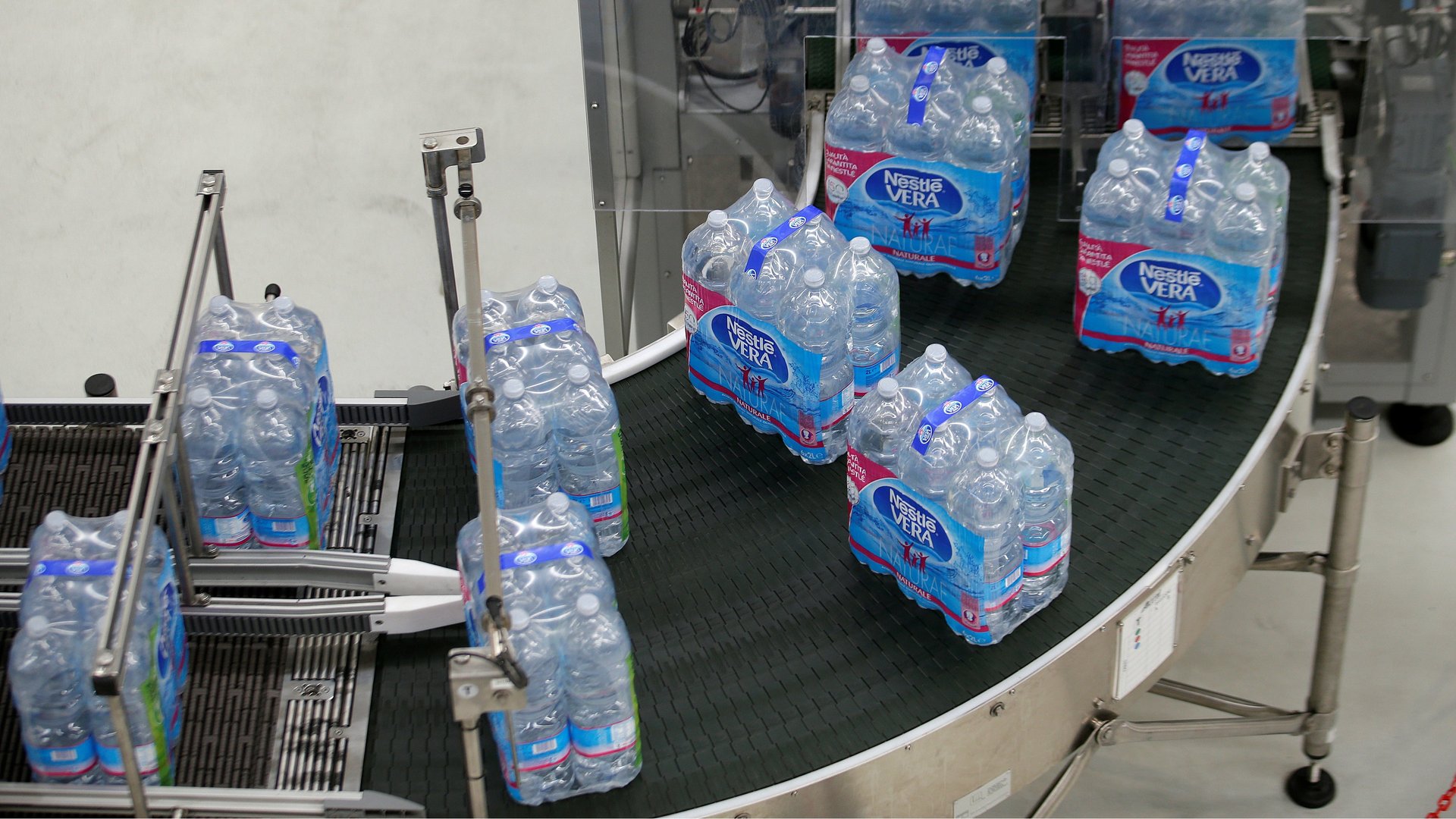
The world’s largest bottler of water is staring down opposition in Michigan, and for no especially glaring fault of its own.

If supermarket historians remember Mike Hallatt’s name, it will be for his peculiar shopping methods.

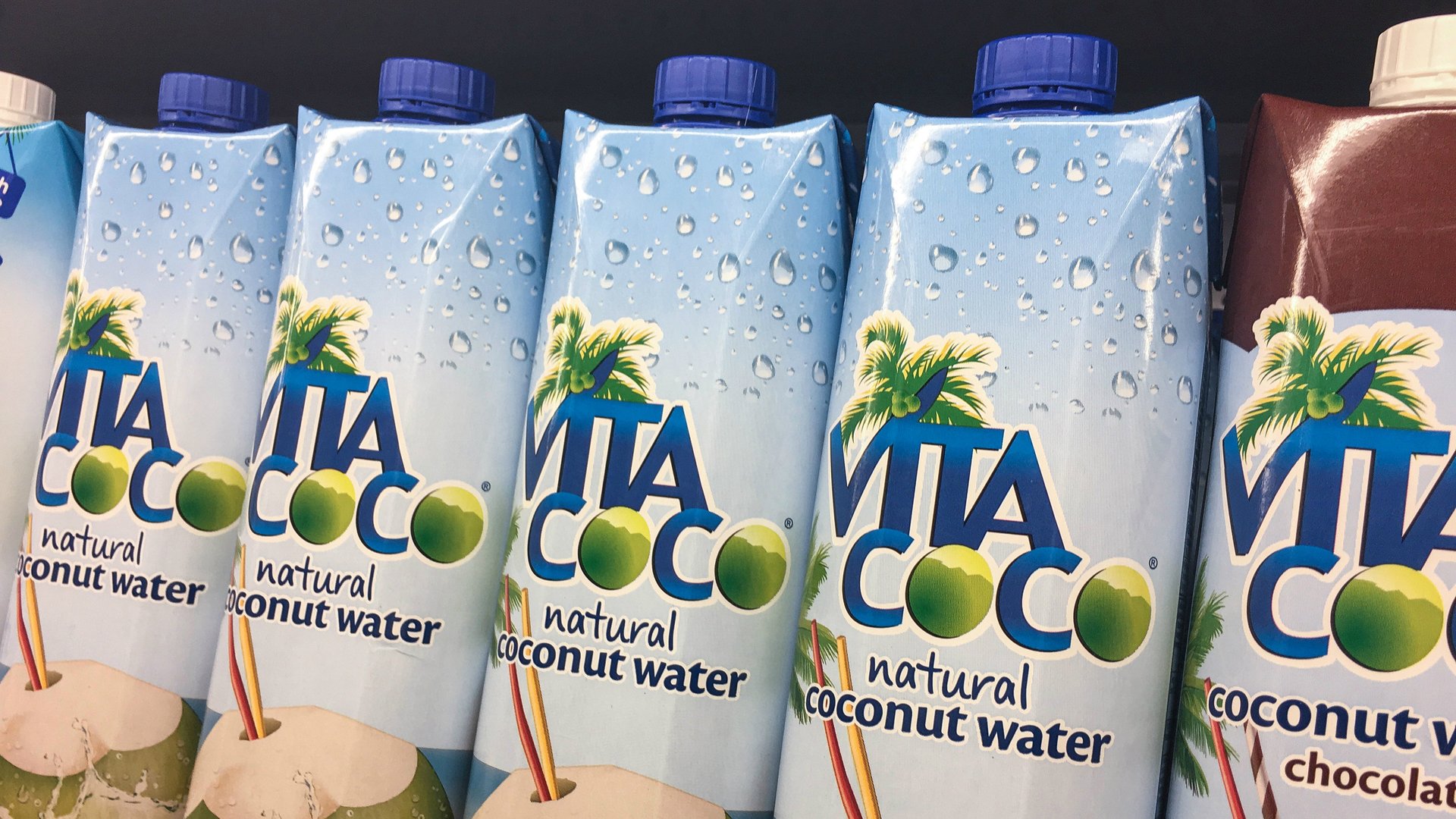
Two of the world’s biggest soda companies are looking to serve up a fresher, healthier face to the public, and they’re betting one way to do that is by selling coconut water.

It’s a bitter battle over sweet stuff. A trade squabble between the US and Mexico over raw sugar is threatening to boil over, promising a showdown that has pit two longtime allies, and two massive American food industries, against one another.

Wealthy residents in Qatar are swarming local supermarkets in fear of a sudden food shortage sparked by a dramatic shift in Middle East power.

Pink slime. It made headlines in 2012 and now it’s back—the centerpiece of a $5.7-billion defamation lawsuit pitting ABC News against the beef industry.

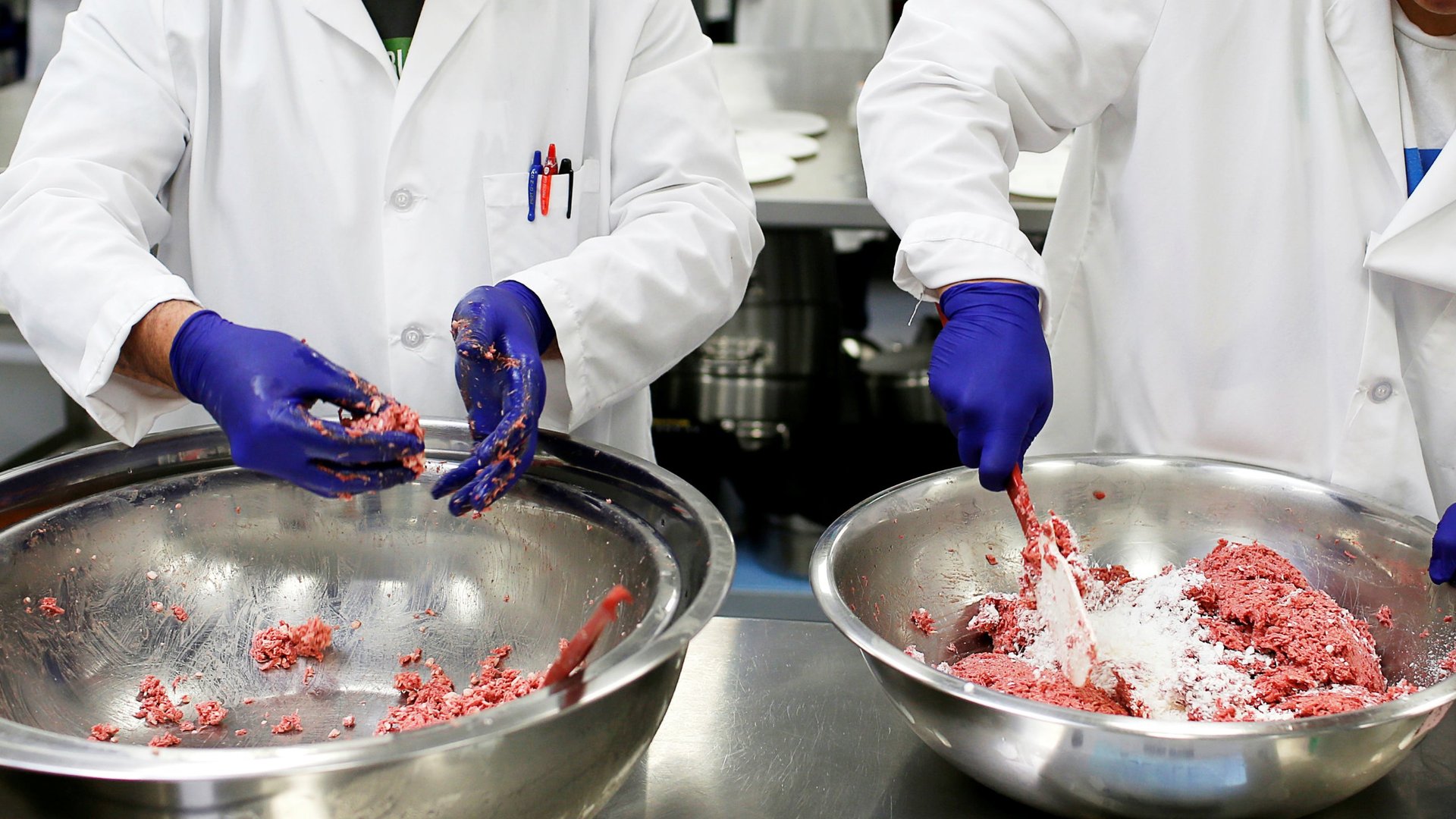
High-tech alternatives to meat burgers have captured the attention of consumers as they’ve trickled into the market. While black bean burgers are already widely available, plant-based meats that strive to look, taste, and feel just like traditional meat are only just hitting the market in a big way. There’s a lot of work ahead for the companies producing them before they’ll be able to make deep inroads into people’s kitchens.

As the US has just been confirmed as the most obese country on the planet, McDonald’s CEO Steve Easterbrook this week crowed to investors about the rapid expansion of his company’s new option for hamburger delivery.

Americans began falling out of love with orange juice a long time ago, and as consumer taste changes the landscape of breakfast tables across many Western countries, O.J. has continued to cede ground to other products.

In a show of support for gay rights, one of the world’s most recognized ice-cream brands is imposing a harsh new rule for its shops Down Under.

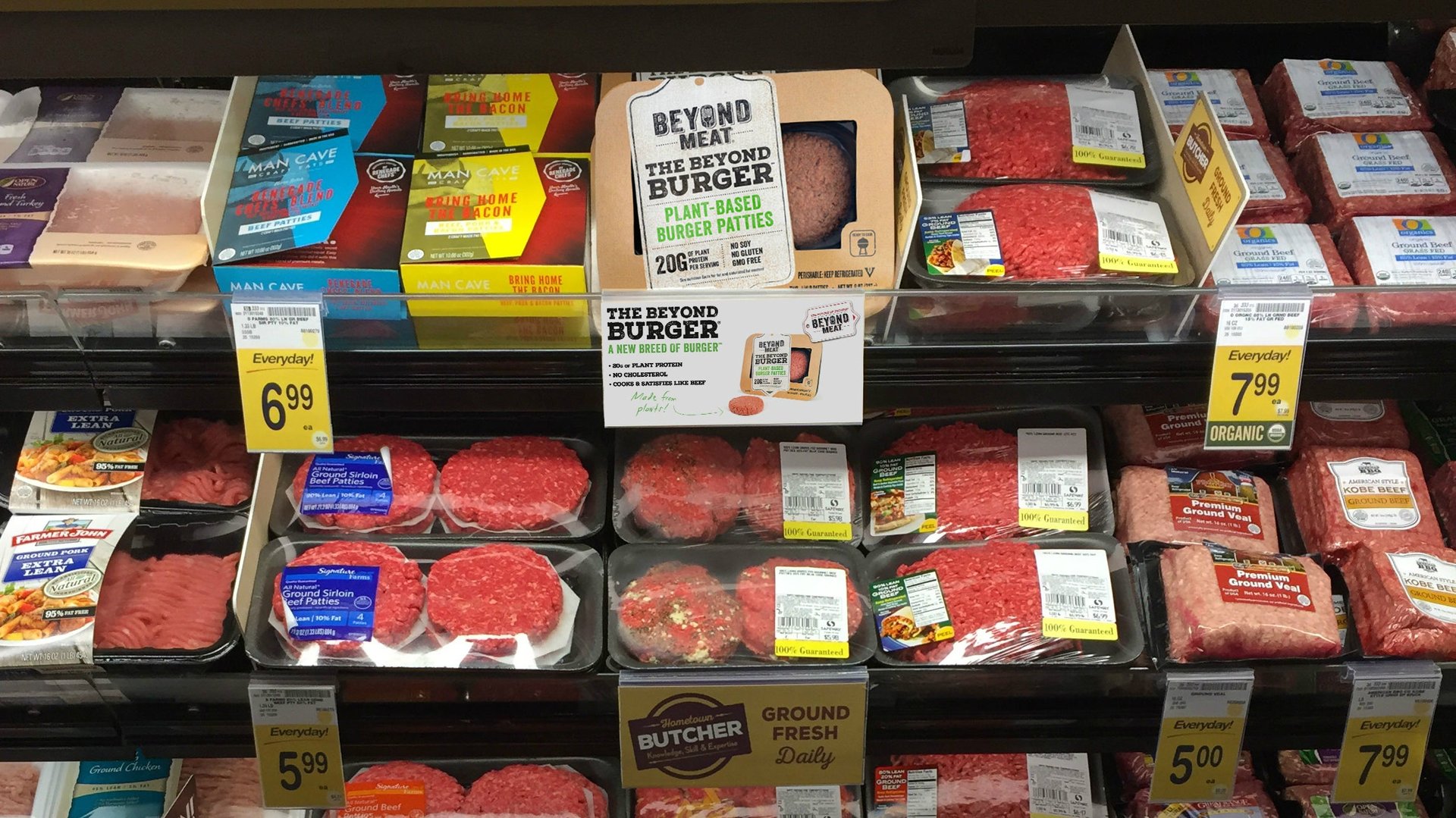
Plants have successfully invaded the American supermarket meat section.

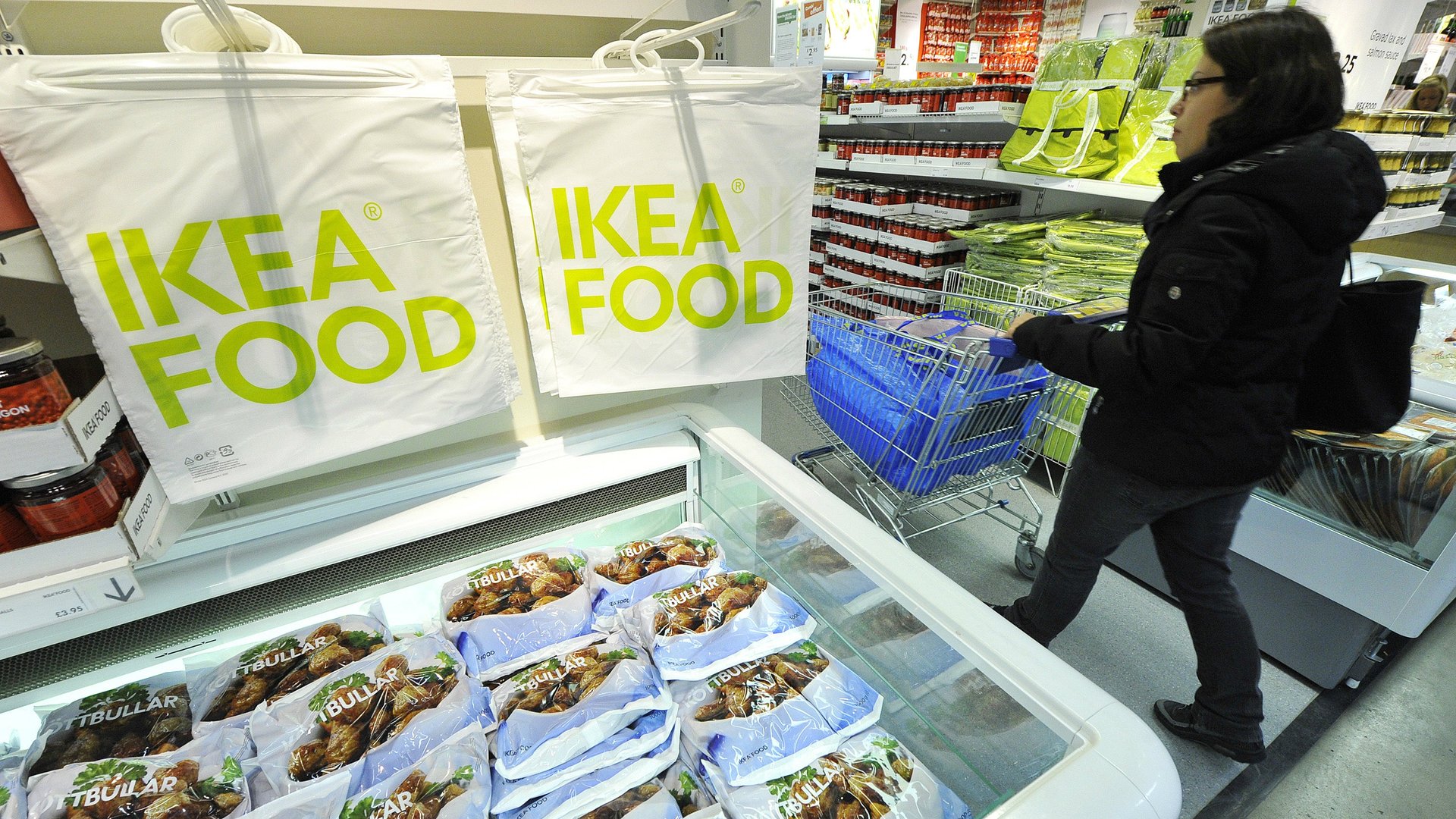
The world’s largest furniture retailer, already known for its in-store cafeteria that serves up Swedish meatballs, wants to find the next big innovation in food.

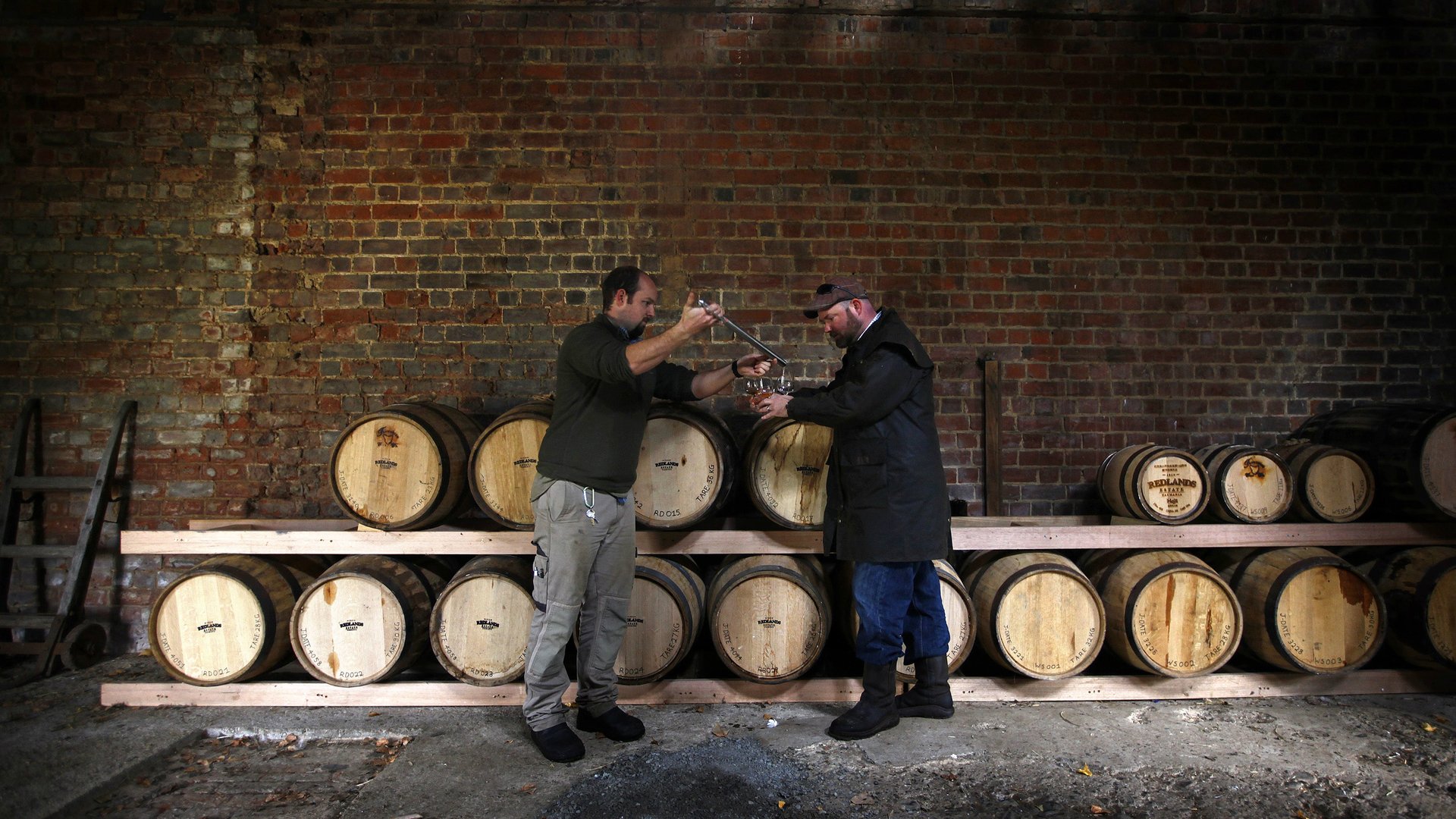
The largest US beer importer, New York-based Constellation Brands, is trying to flirt with some of Kentucky’s bourbon royalty—and it doesn’t look to be working out so well.

The fight over the US government’s definitions for certain foods has flared up again. It’s no longer just a fight for milk farmers, who’ve grown increasingly angry about plant-based food companies (think soy, almond, and cashews) calling their liquid products “milk.”

For less than a dollar, Starbucks fanatics can give their iced coffee a little extra staying power.