A wild cousin of wheat could be the next grain found in popular cereals and snacks, and it just got backing from a prominent member of Big Food.

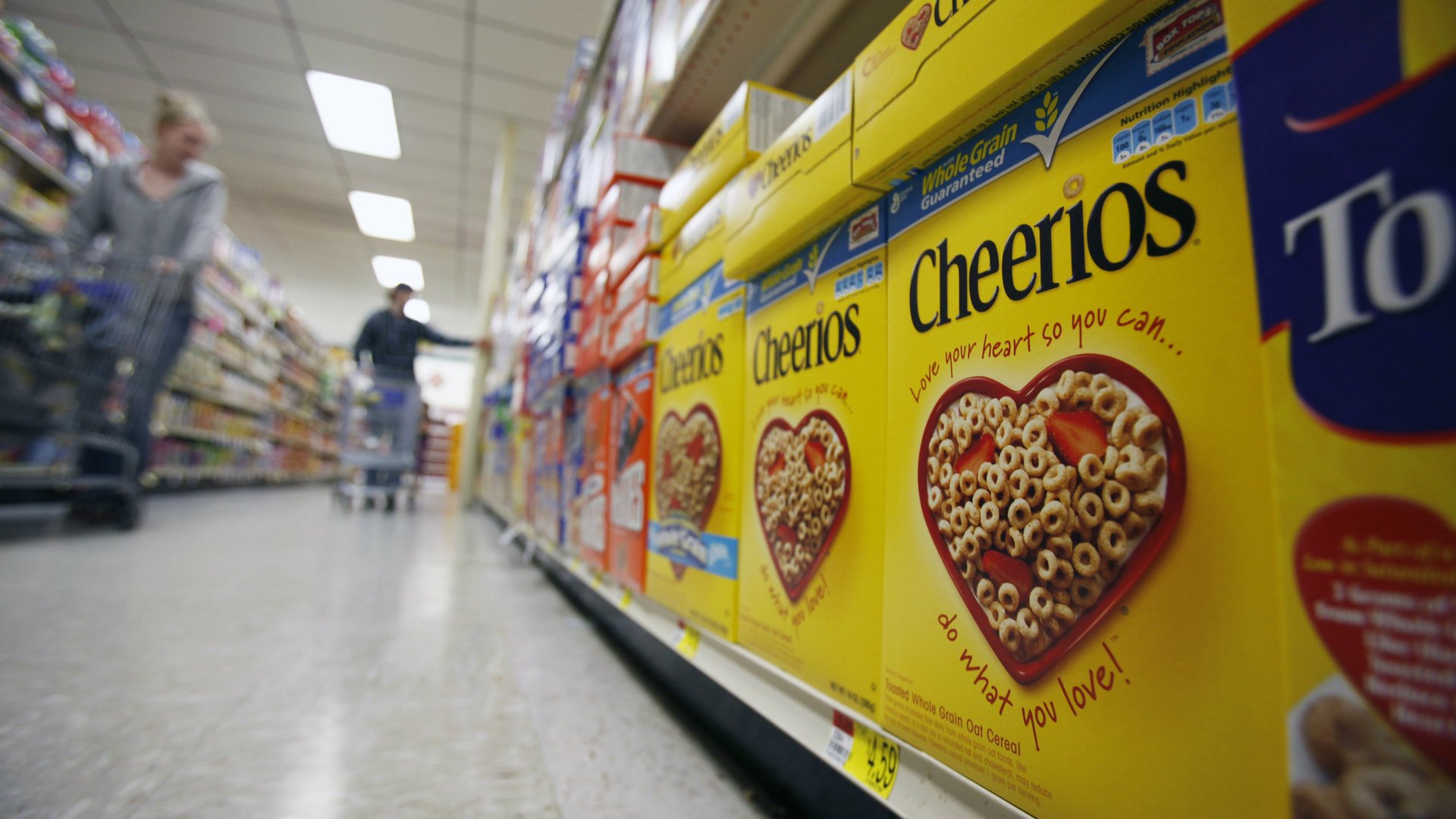
A wild cousin of wheat could be the next grain found in popular cereals and snacks, and it just got backing from a prominent member of Big Food.

It’s an insult to people named Trish everywhere.

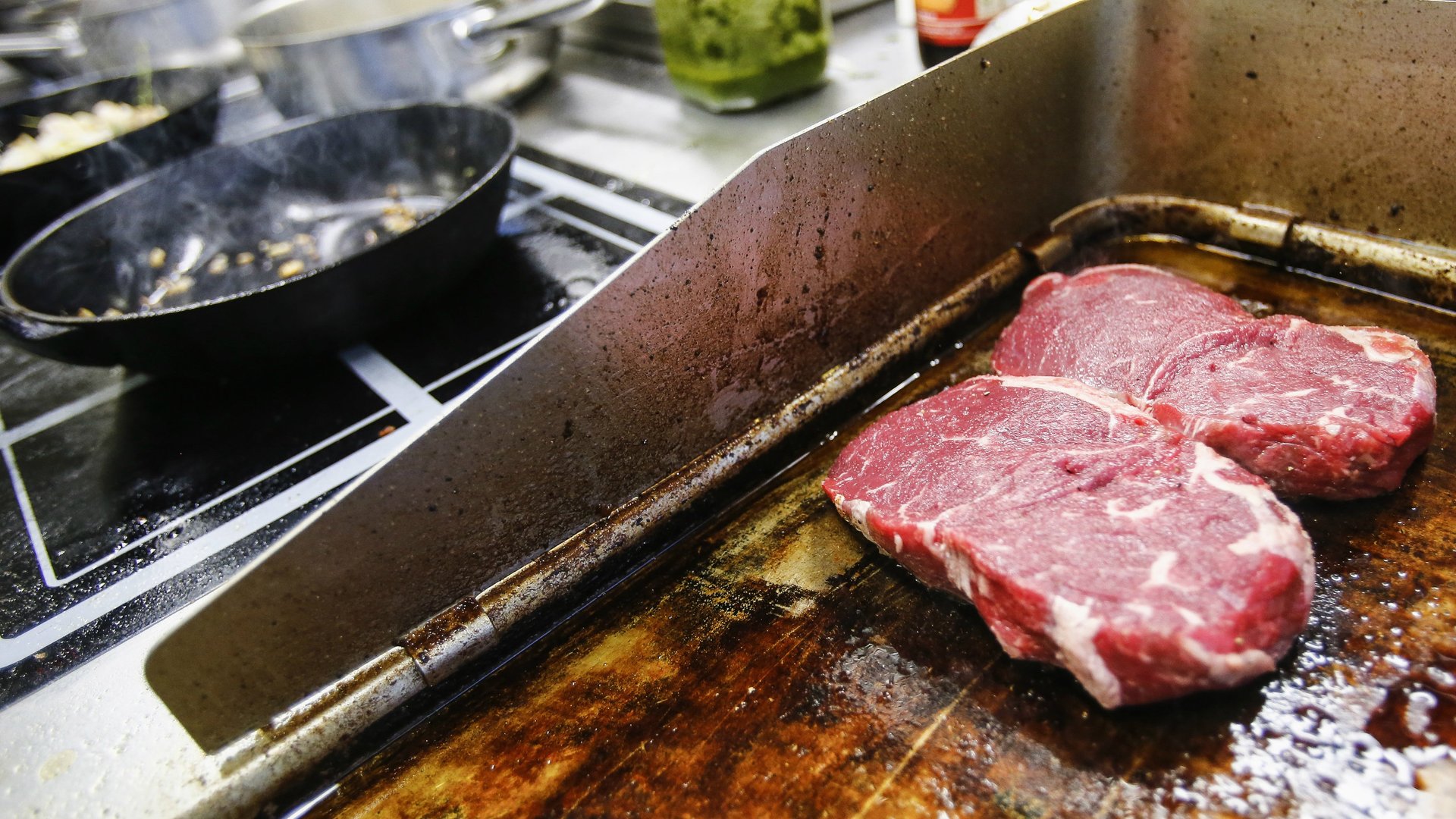
One of the most committed carnivores in the world has conceded that plant-based “meats” have a place on future kitchen tables.

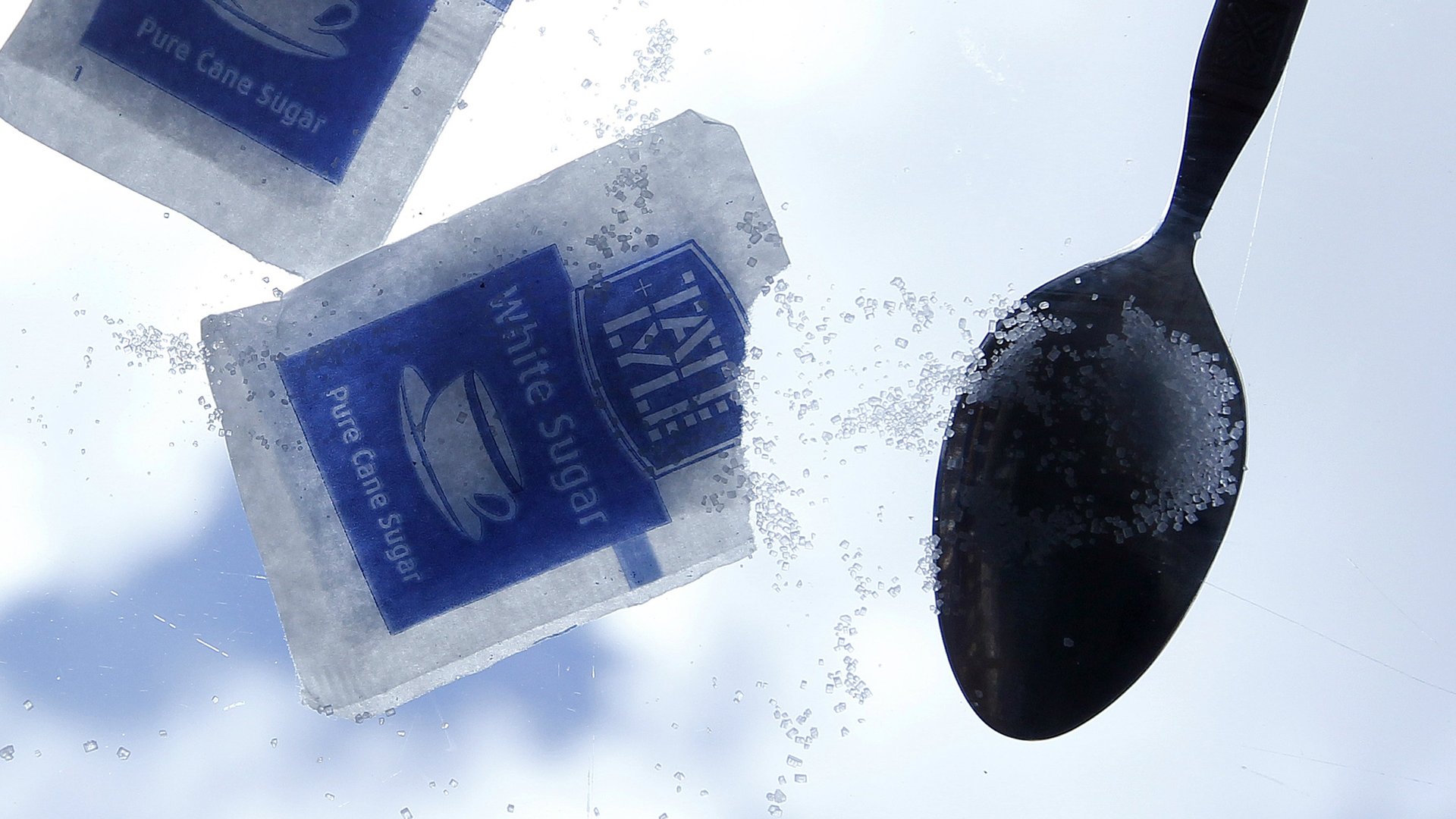
A Singapore-based agribusiness company is sowing uncertainty among the globe’s commodities traders as it corners the market for sugar.

Mobile ordering was supposed to be a new way to cut lines without the shame—but for companies such as Starbucks, the program is starting to backfire.

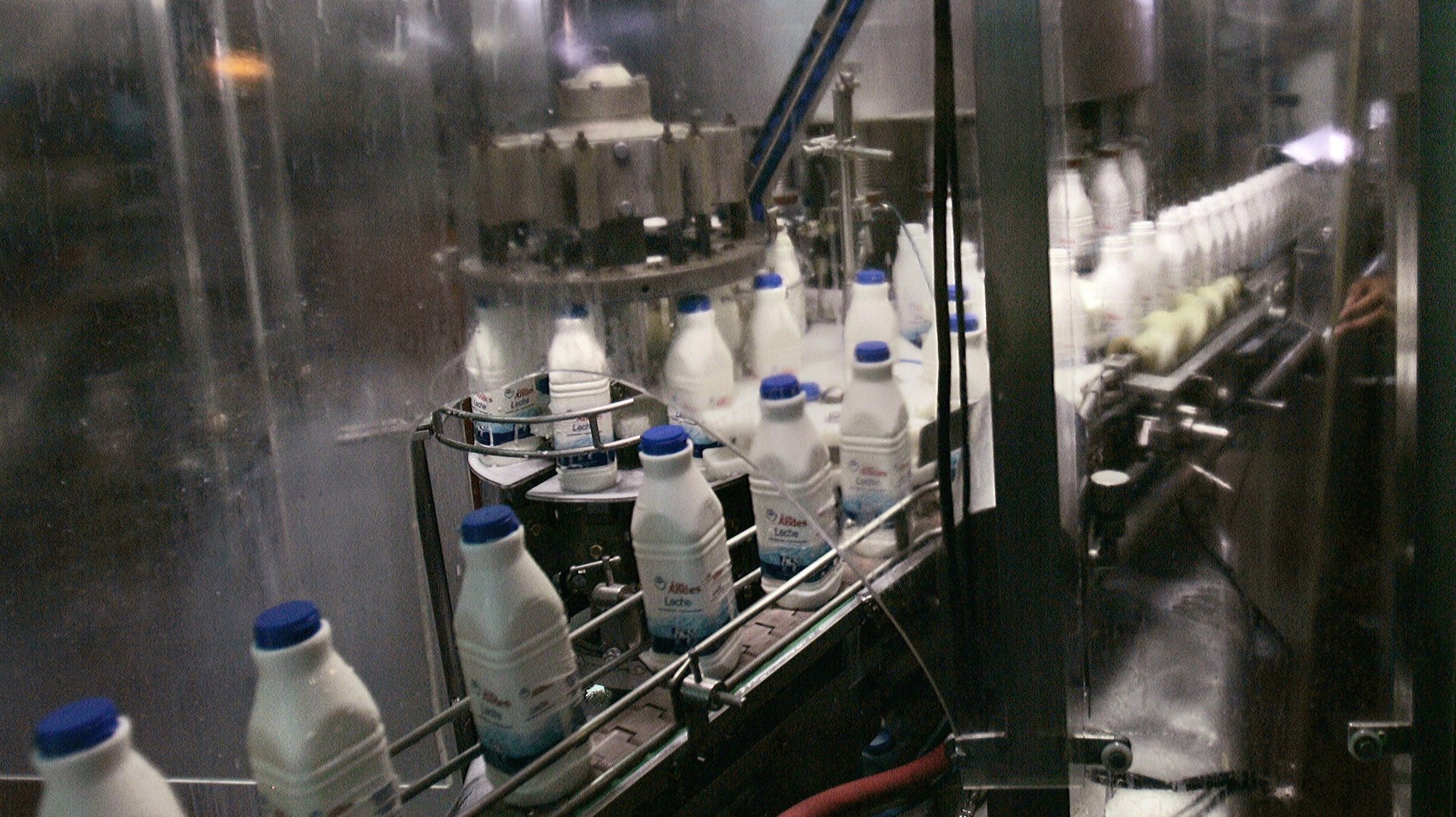
What could be simpler than defining a glass of milk? It turns out that it’s not so simple.

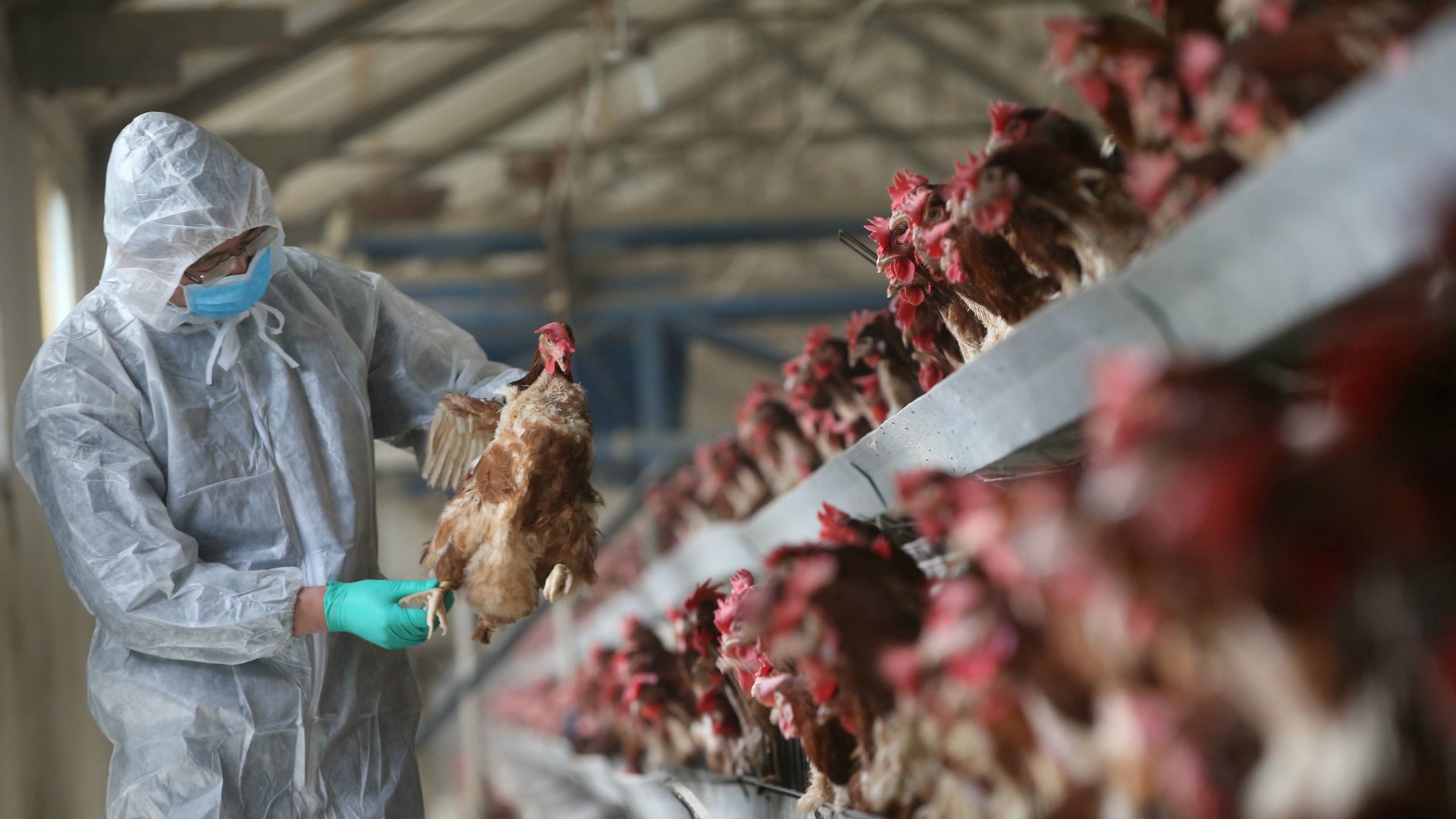
For decades, it’s been a race: How could we make chickens grow a lot fatter a lot faster? It was all about feeding the largest number of people. And for the most part—whether it was pleasant for the birds or not—we have gotten pretty good at it.

The most high-profile member of any restaurant staff is rarely the dishwasher or door porter. But that’s not the case at Copenhagen’s Noma, a past four-time winner of San Pellegrino annual World’s 50 Best restaurants list.

Usually at Per Se, chef Thomas Keller’s tony restaurant at the southwest corner of Central Park, the patrons skew a lot older. But for Keller’s new “first-time diner’s lunch” event held on a recent Sunday, attention was being heaped on high-chair epicureans.

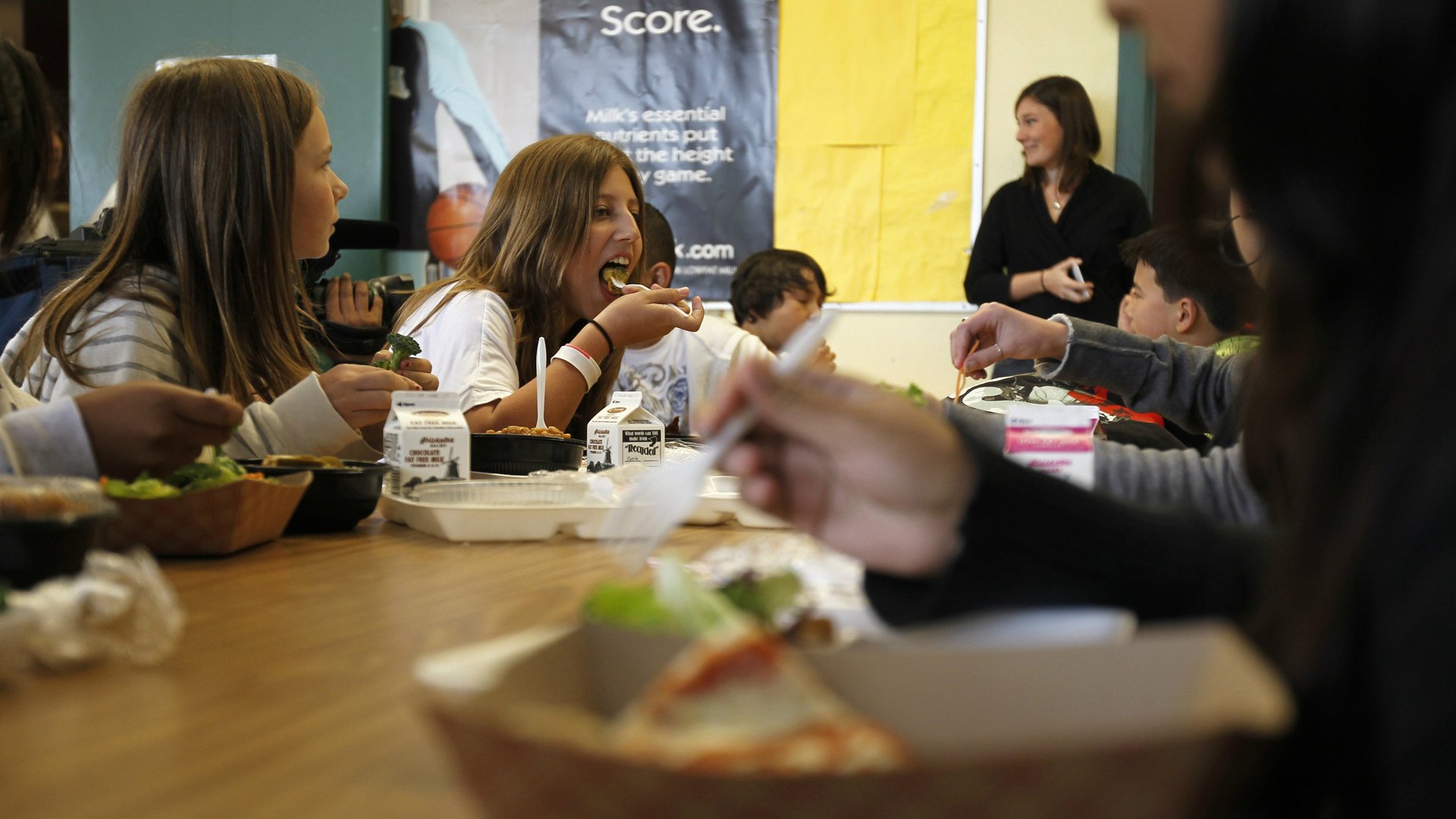
Stealth nutrition is all about sleight of hand—the magic is convincing children who typically might eschew a vegetable to take a bite.

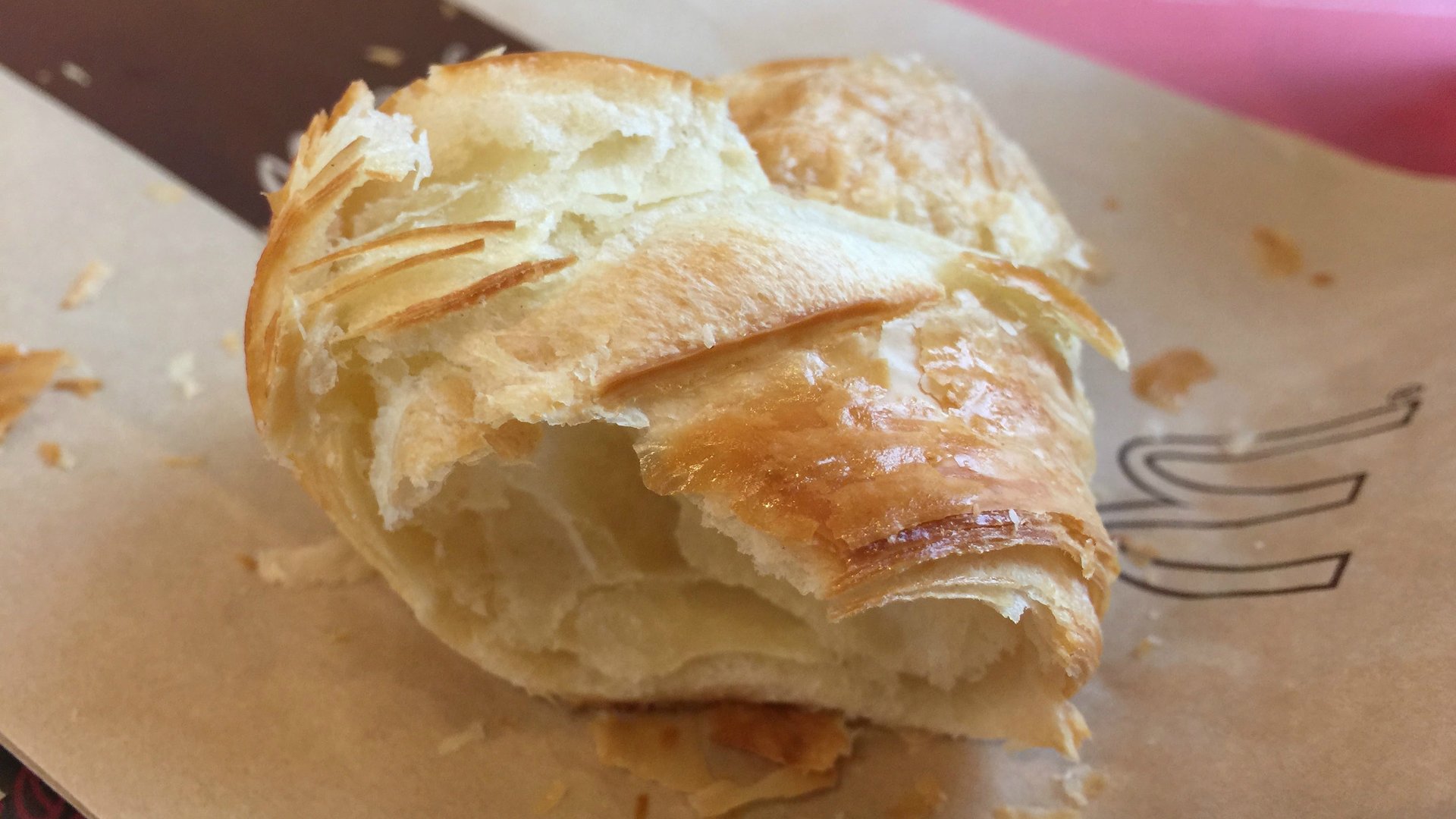
It’s silly, but it’s true. I am in a croissant club.

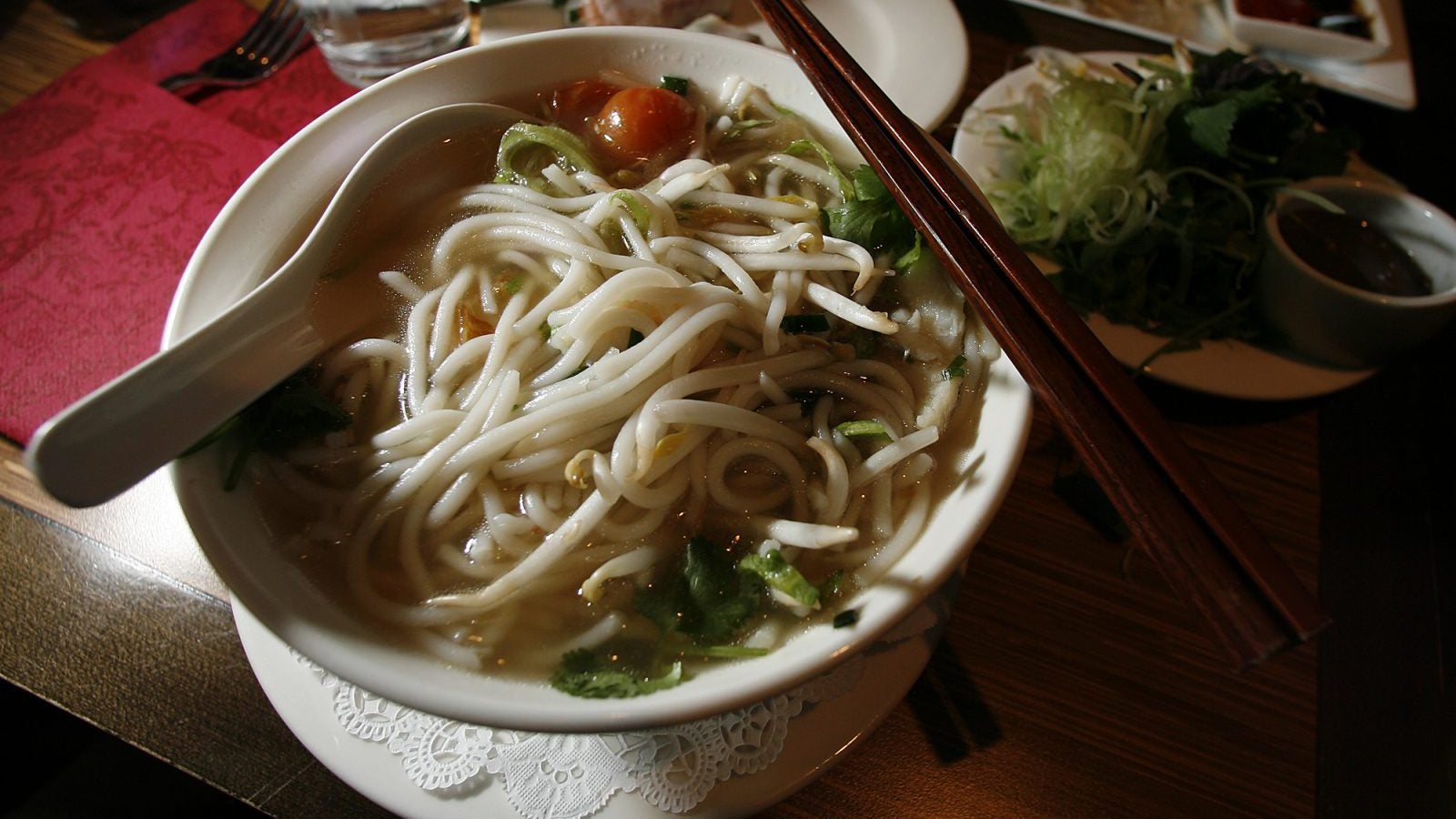
Hold up before you snap a photo of that pho: Your latest food-inspired Instagram post might be a little bit racist.

The sharing economy already allows people unfettered access to cars, apartments, and pets. Why not add grass-fed beef cattle to the list?

The second-largest poultry company in the world announced today (Feb. 21) it would stop using antibiotics on its chickens by June 2017.

Two mammoth-sized food companies are toying with the idea of merging—a move that would upend the hierarchy of global consumer brands. If Unilever and Kraft Heinz come to an agreement, it would dethrone Nestlé as the world’s largest food company and bring under one roof hundreds of brands found in supermarkets everywhere.

Mix Heinz ketchup and Ben & Jerry’s ice cream together, and what do you get?

They met in Detroit under terrible circumstances.

The second-richest person on the planet has signaled support for the controversial $66 billion merger of Bayer and Monsanto.

For some, it’s a form of activism. For others, it’s a hobby. Regardless of motivation, the movement to save digital data before it gets erased from government websites is suddenly in vogue—and it’s surprisingly easy for just about anyone to do.

A gym package is not listed as a benefit on the job posting, but applicants should still inquire.

A team of medical researchers has some good news for those who cook with butter but consider it a guilty pleasure: It might actually be good for you.

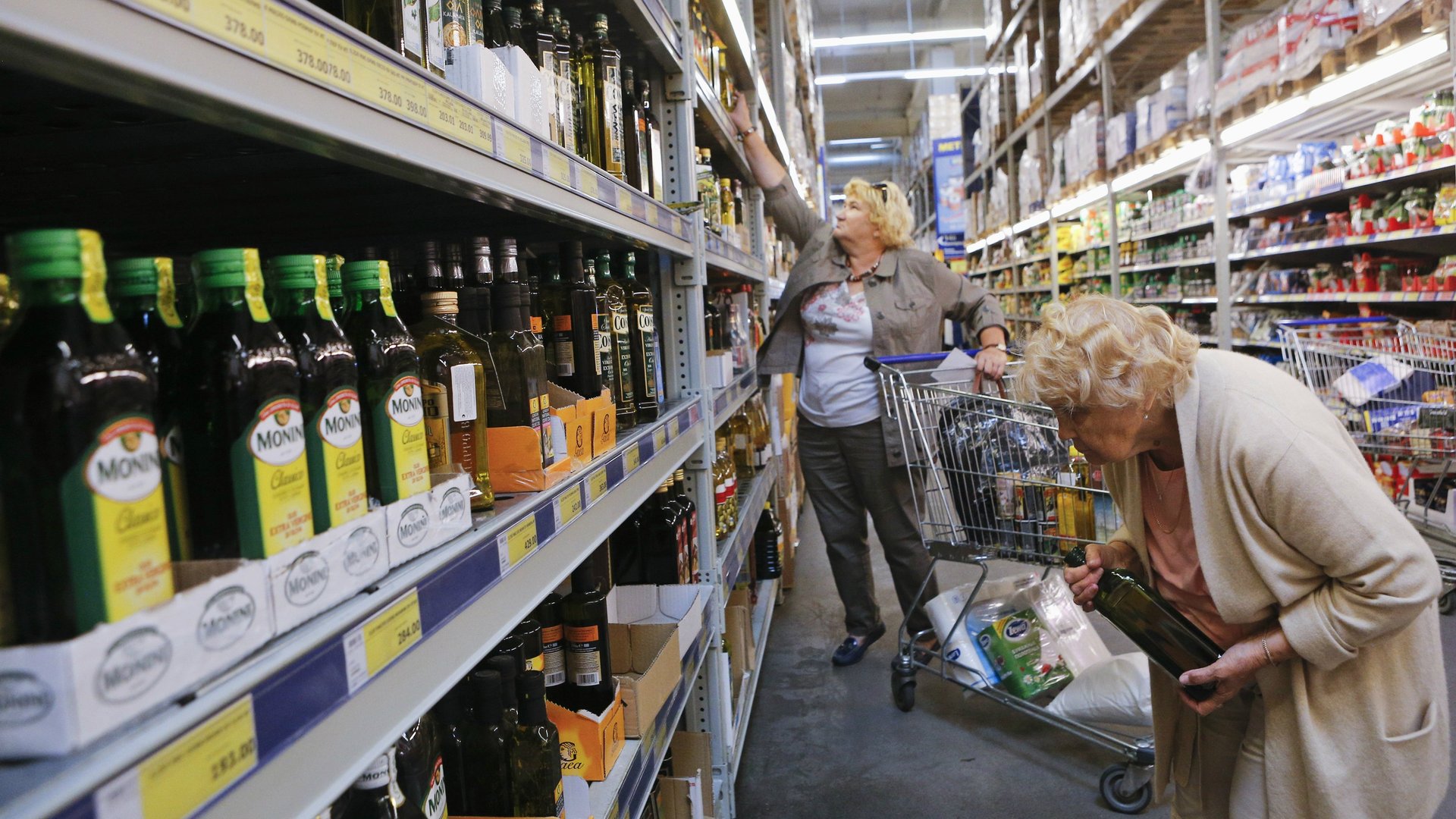
It might be a good idea to keep an extra bottle of olive oil stowed away for safekeeping. The prices of the ubiquitous kitchen item are starting to skyrocket because of shortages in Europe.

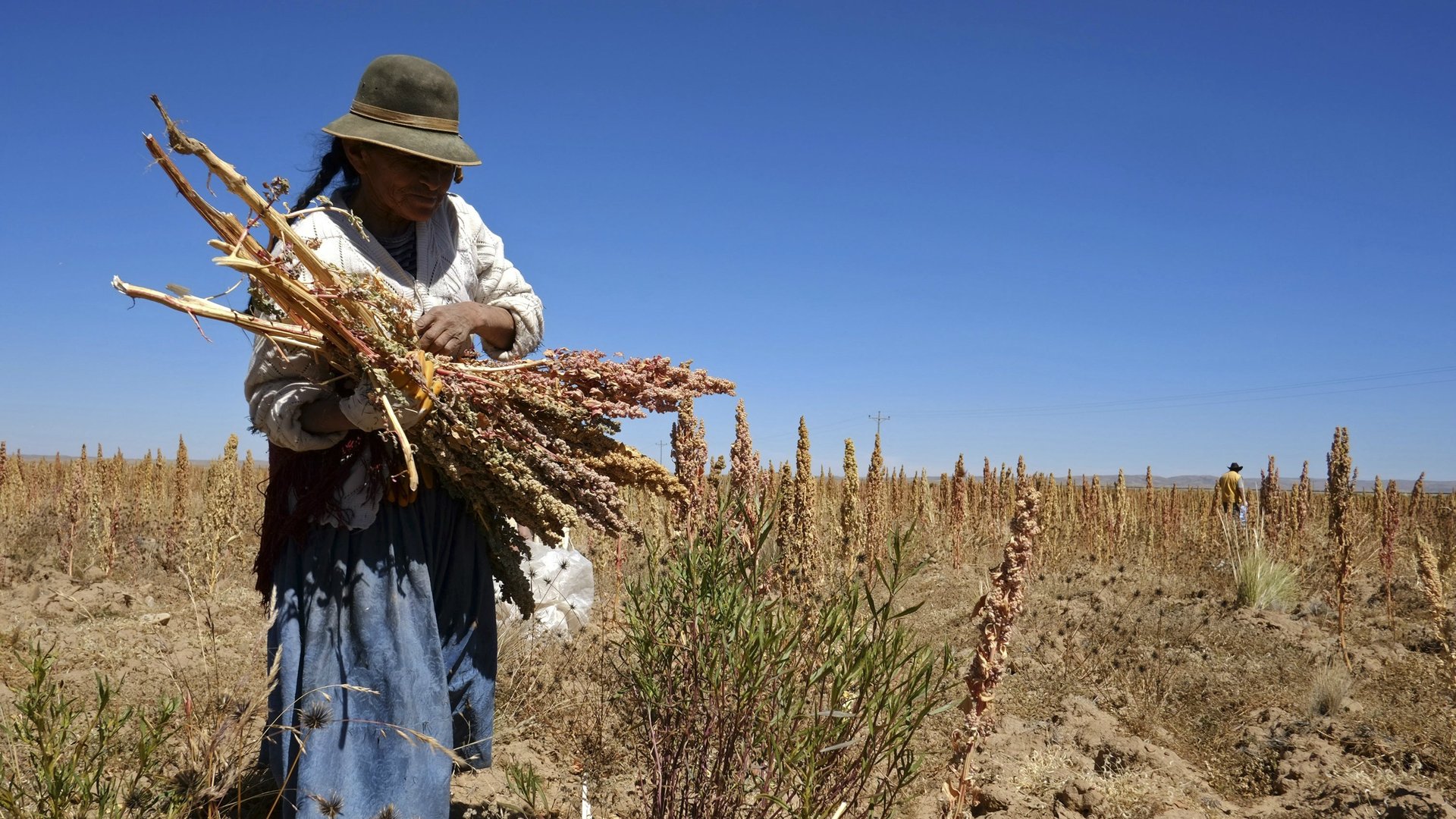
It’s already a protein-packed ancient grain beloved by foodies. Now scientists say they’ve mapped the genome of quinoa, potentially unlocking a way to mass produce at prices that could help feed the world’s hungry.

Japan’s national ‘Meat Day,’ an annual meat-eating extravaganza driven by the food industry, has its roots in a pair of rhyming words.